14 Fascinating Food Customs You’ll Only Find in Asia
Food brings us together, but the ways we share meals differ across cultures. In Asia, dining goes far beyond simply eating – it’s a beautiful display of tradition, respect, and community that has shaped social connections for centuries. From Taiwan to Thailand, India to Japan, each region adds its own special touch to the dining experience.
Picture yourself joining a lively hot pot feast in China, where families gather around a bubbling broth to cook and chat. Or imagine the mindful silence of a Japanese breakfast, where each bite becomes a moment of peaceful reflection. These customs teach us that food means much more than filling our stomachs.
Asian food traditions show us how meals can strengthen bonds between people and honor cultural heritage. Whether it’s the careful placement of chopsticks in Korea or the joyful chaos of Singapore’s night markets, these 14 fascinating customs open our eyes to different ways of connecting through food.
Communal Hot Pot Dining
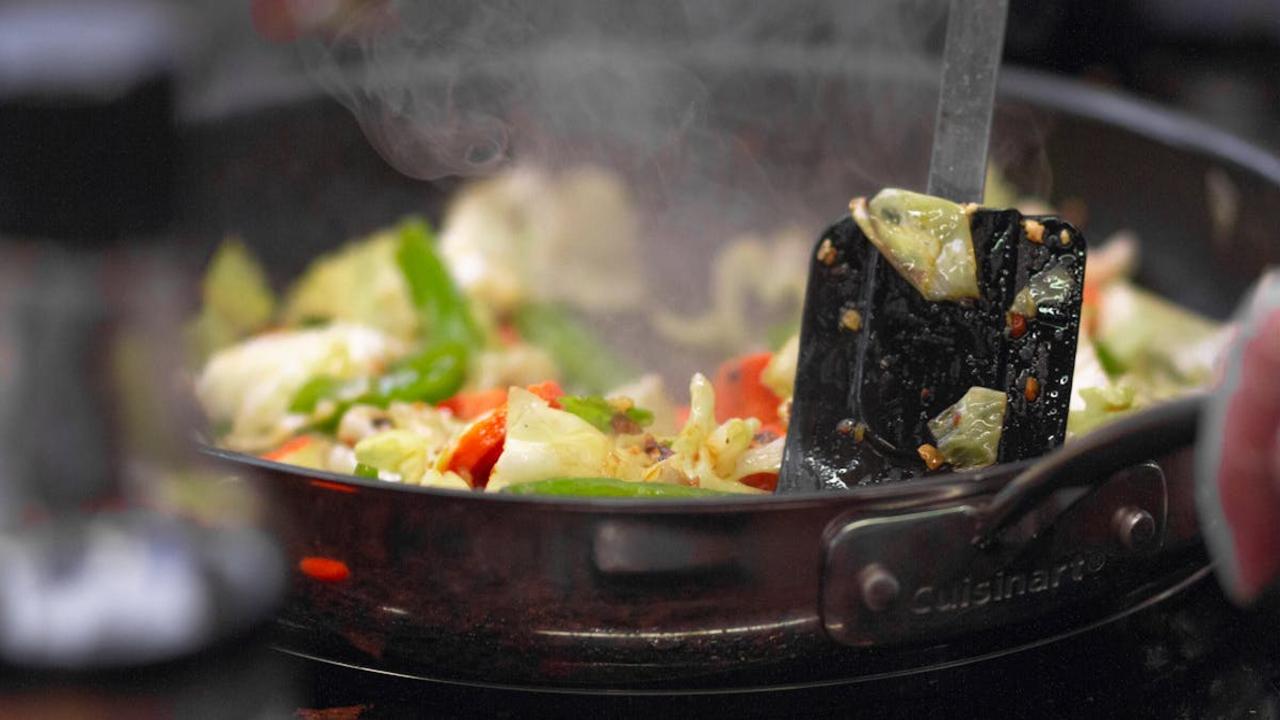
I’ll never forget my first hot pot experience in China – gathering around a bubbling pot of fragrant broth with friends and family, cooking fresh ingredients right at the table. This social dining tradition brings people together in the most wonderful way! You’ll find different variations across Asia, from Chinese hot pot to Japanese shabu-shabu and Korean jeongol. The center of the table features a simmering pot of broth (often divided into spicy and mild sections), surrounded by plates of raw meats, seafood, vegetables, noodles, and other ingredients that diners cook themselves.
The beauty of hot pot lies in its interactive nature and the way it naturally slows down the meal, creating space for conversation and connection. Each person can customize their dipping sauces and cook ingredients to their preferred doneness. Some of my favorite combinations include tender lamb slices with mushrooms in spicy Sichuan broth, or fresh shrimp and leafy greens in a light seafood base. The meal typically lasts for hours, with everyone chatting and cooking together until the last morsel is gone. This centuries-old tradition remains deeply woven into Asian food culture, bringing warmth and community to every gathering.
Removing Shoes Before Meals
If you’ve ever dined in many Asian homes or traditional restaurants, you’ll notice the common practice of removing shoes before sitting down to eat. This custom goes beyond just keeping the dining area clean – it’s deeply rooted in respect for the food and the dining space. In countries like Japan, Korea, and Thailand, people often eat sitting on floor cushions at low tables, making shoe removal not just polite but practical. The belief is that outdoor shoes carry dirt and negative energy that shouldn’t mix with the sacred act of sharing meals.
The ritual of removing shoes creates a clear boundary between the outside world and the intimate dining environment. You’ll find designated shoe removal areas with slippers near the entrance of homes and restaurants. This practice helps everyone slow down and mentally prepare for the meal ahead. Many Asian families have passed down this tradition through generations, viewing it as a way to show gratitude for the food and respect for fellow diners. Next time you visit an Asian household or traditional restaurant, remember this meaningful custom that connects cleanliness, respect, and mindful eating.
Eating With Hands
I’ve always found eating with hands to be one of the most intimate ways to connect with food, and you’ll see this beautiful tradition across many Asian countries, particularly in India, Malaysia, and parts of the Middle East. There’s something deeply personal about feeling the temperature and texture of your food directly – it adds an extra layer of mindfulness to each meal. Your right hand becomes your primary eating tool, carefully mixing rice with curry or scooping up warm, flaky pieces of roti to dip into aromatic gravies.
The practice goes beyond just a dining method – it represents community, tradition, and respect for food. Many Asian families teach their children specific techniques for eating with hands, like using just your fingertips and keeping your palm clean. In Indian households, you’ll often receive a small bowl of warm water with lemon before and after your meal to clean your hands. Scientists have found that the nerve endings in your fingers can actually help gauge the perfect temperature and consistency of food, making the experience more natural and enjoyable than using utensils.
Slurping Noodles as a Compliment
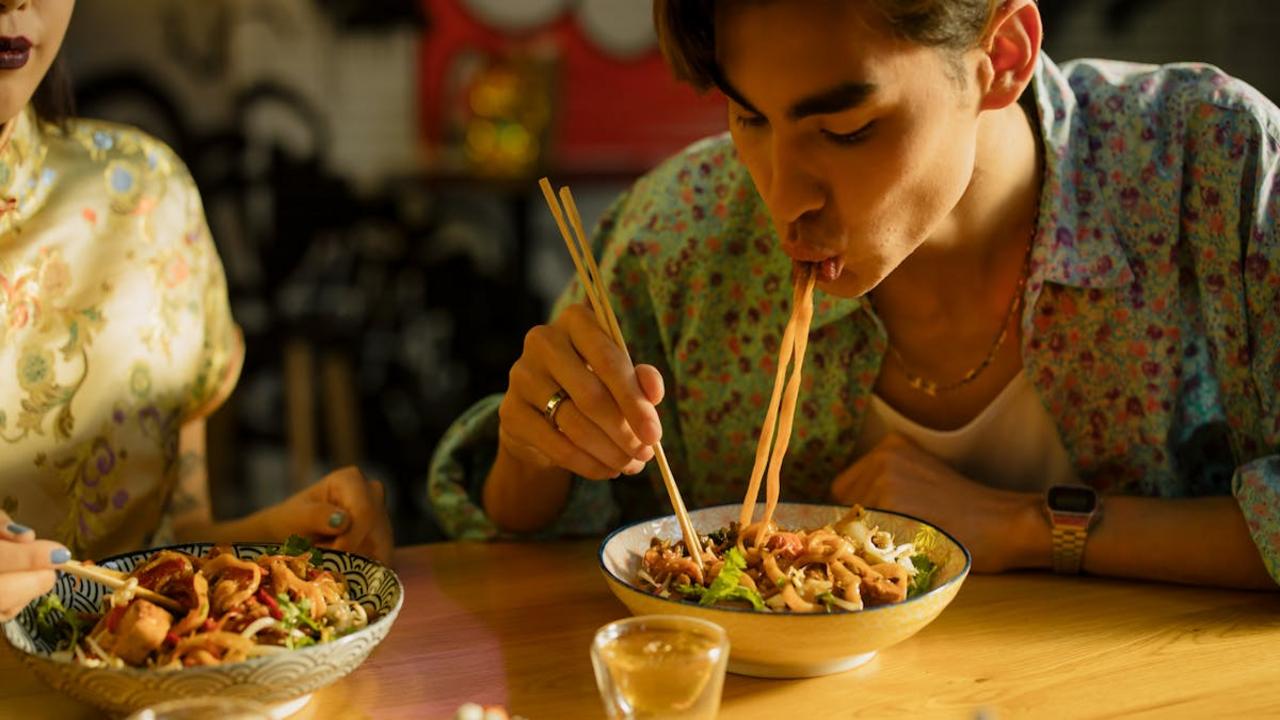
If you’ve ever eaten at a traditional Japanese or Chinese noodle restaurant, you might have noticed the distinct sound of people slurping their noodles loudly. While Western dining etiquette often considers this impolite, across many Asian countries – particularly Japan – slurping your noodles actually shows appreciation for the meal. The practice has practical benefits too: slurping helps cool down hot noodles and enhances the overall flavor by allowing you to take in both the noodles and the aromatic broth while incorporating air, which intensifies the experience.
I learned this fascinating custom during my time in Tokyo, where local chefs beam with pride upon hearing their customers slurp away at their ramen or udon. The louder the slurp, the bigger the compliment! This tradition stands in such stark contrast to Western table manners that many tourists find it challenging to overcome their hesitation. But once you understand the cultural significance and try it yourself, you’ll notice how this simple act transforms your noodle-eating experience. The next time you visit an authentic Asian noodle shop, don’t hold back – join the chorus of happy slurpers and show your appreciation the local way!
Food Night Markets
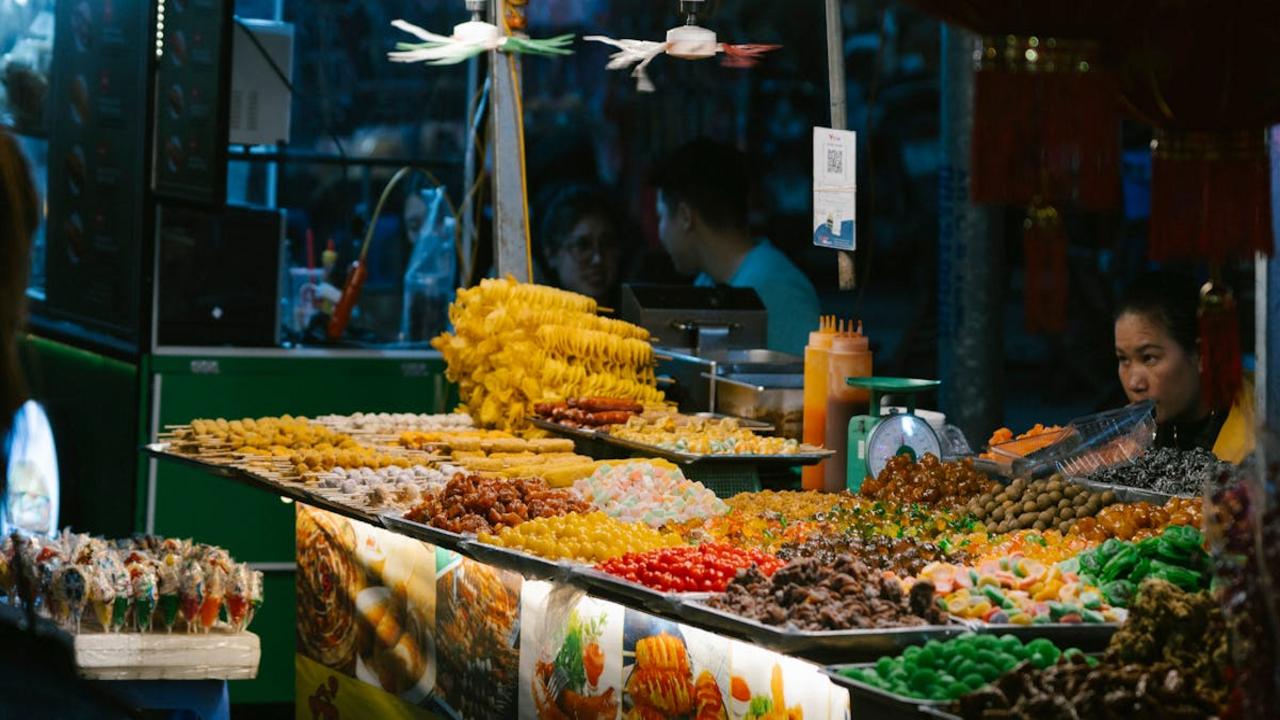
I’ve spent countless evenings wandering through Asia’s vibrant night markets, where the sizzle of grills and fragrant aromas fill the air until late hours. These bustling food markets transform ordinary streets into lively social hubs where locals and tourists gather to eat, drink, and chat. You’ll find everything from grilled satay skewers in Singapore’s Lau Pa Sat to steaming bowls of beef noodles at Taipei’s Shilin Night Market. The energy is electric – vendors call out to passersby, smoke rises from countless woks, and the crowds move from stall to stall sampling different specialties.
What makes these Asian night markets unique is how they bring communities together through food. Unlike traditional restaurants, you can watch your food being prepared right in front of you while chatting with the vendors who’ve often perfected their signature dishes over generations. The casual, open-air setting means you can try multiple small portions – maybe start with some Hong Kong egg waffles, move on to Thai mango sticky rice, then finish with Korean tteokbokki. Many markets stay open until 2 or 3 AM, making them perfect spots for late-night cravings or post-work dinner runs. The combination of affordable prices, social atmosphere, and incredible variety keeps these markets at the heart of Asian food culture.
Tea Ceremonies
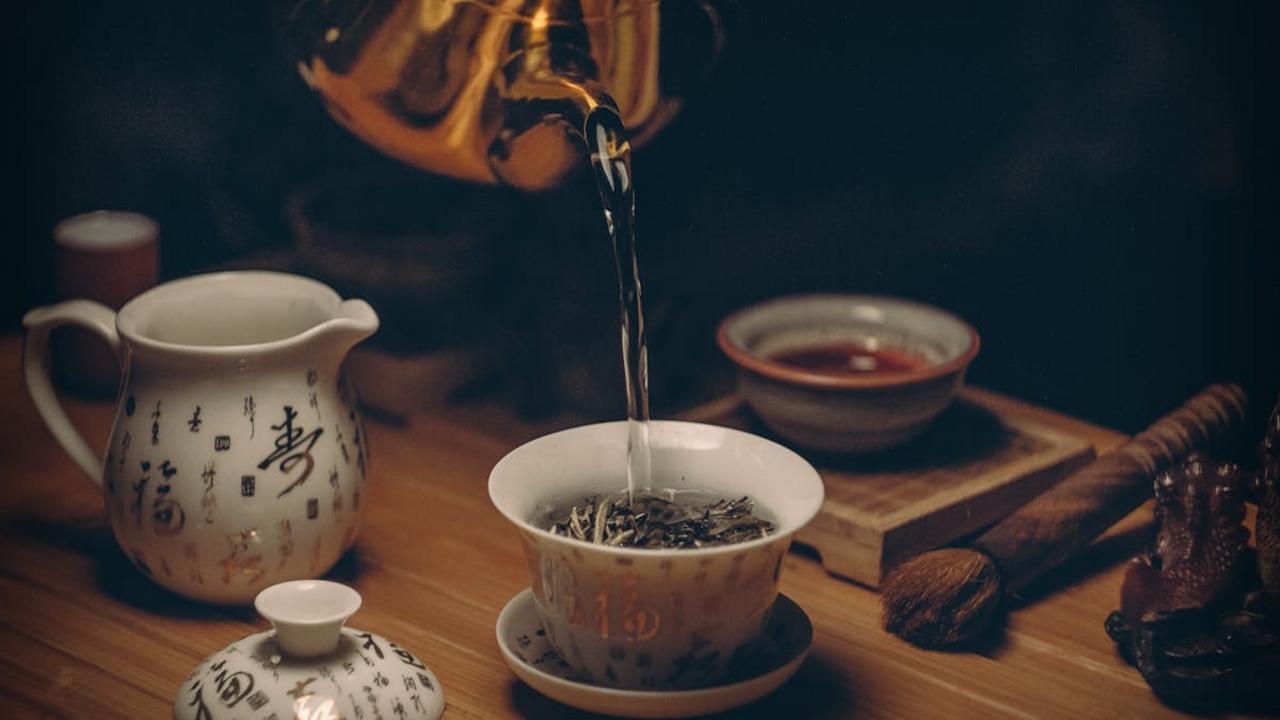
The sacred rituals of Asian tea ceremonies go far beyond just drinking tea – they represent harmony, respect, and mindfulness. In Japan, the centuries-old tradition of chanoyu follows precise movements and etiquette, where the host carefully prepares matcha green tea using specific tools like the bamboo whisk (chasen) and tea bowl (chawan). Meanwhile, Chinese gongfu cha celebrates the beauty of oolong and pu-erh teas through multiple small infusions in tiny cups, with the ceremony often lasting hours as participants savor each steep’s unique character.
What makes these ceremonies truly special is how they create moments of connection and tranquility. Every hand movement, from warming the cups to pouring the tea, carries deep meaning. In Korea, the darye ceremony brings people together over cups of traditional green tea, with participants sitting on floor cushions and sharing conversation between sips. Your first tea ceremony might feel intimidating, but once you understand the basic principles – showing gratitude, moving mindfully, and appreciating each moment – you’ll find yourself drawn into this beautiful custom that has brought people together for generations.
Fruit as Prestigious Gifts
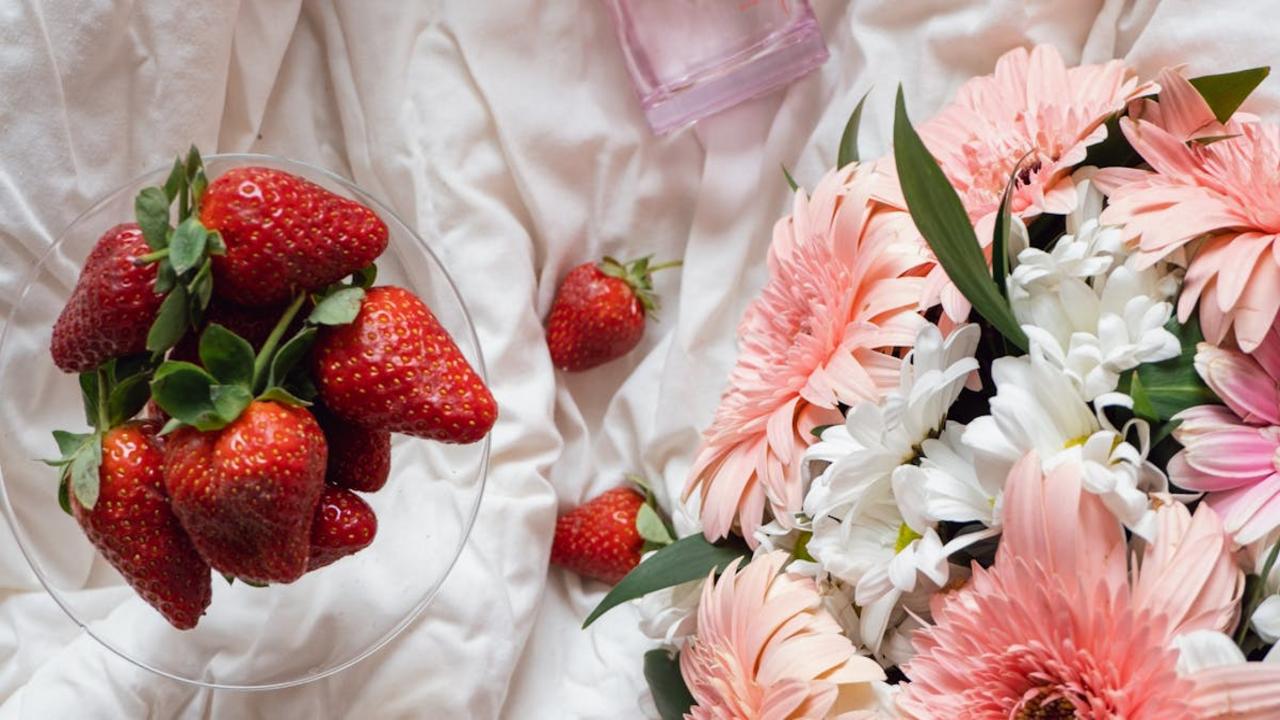
In many Asian cultures, particularly in Japan, Korea, and Taiwan, premium fruits make some of the most valuable and respected gifts you can give. I’ve seen first-hand how people spend hundreds of dollars on a single perfectly-shaped watermelon or a box of immaculate strawberries. The fruit must meet strict standards – uniform color, ideal shape, no blemishes, and perfect ripeness. You’ll find specialized fruit shops wrapping these prized items in elegant packaging, complete with silk-lined boxes and decorative ribbons. The presentation matters just as much as the fruit itself!
This gift-giving tradition goes beyond just sharing food – it represents deep respect and honor for the recipient. During important occasions like business meetings, hospital visits, or holidays, bringing premium fruit shows thoughtfulness and consideration. I remember visiting a high-end fruit market in Tokyo where square watermelons sold for over $200 each! While these prices might seem extreme, they reflect the incredible care and precision farmers put into growing these fruits. Each one receives individual attention, from controlling temperature and humidity to careful hand-pollination. The result? Fruits that look and taste like nothing you’d find in a regular grocery store.
Ghost Month Food Offerings
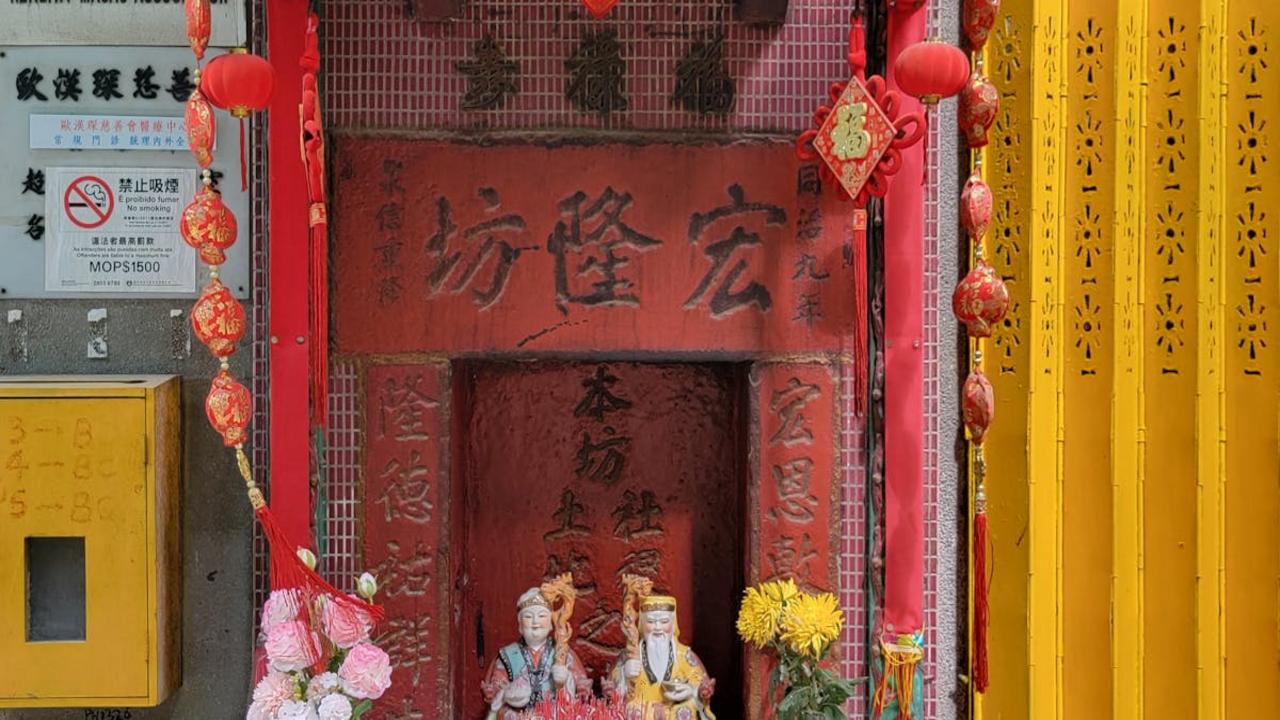
During Ghost Month, celebrated across several Asian countries, families prepare elaborate food offerings for wandering spirits of their ancestors. I’ve witnessed how households create mini feasts with rice, fruits, sweets, and meats arranged on red plates and tables draped in red cloth. The belief runs deep – families want to keep their departed loved ones happy and well-fed during their temporary return to Earth. You’ll spot joss paper, incense, and tea alongside these offerings, creating an atmosphere of reverence and connection to those who have passed.
Chinese communities take special care to avoid certain food behaviors during Ghost Month. Many won’t eat the food offerings until the spirits have had their fill – usually after the incense burns out completely. The placement of chopsticks matters too – you should never stick them straight up in rice bowls, as this resembles incense for the dead. I find it fascinating how these food customs blend spiritual beliefs with practical dining etiquette, showing deep respect for both the living and deceased family members through carefully chosen ingredients and presentation methods.
Birthday Longevity Noodles
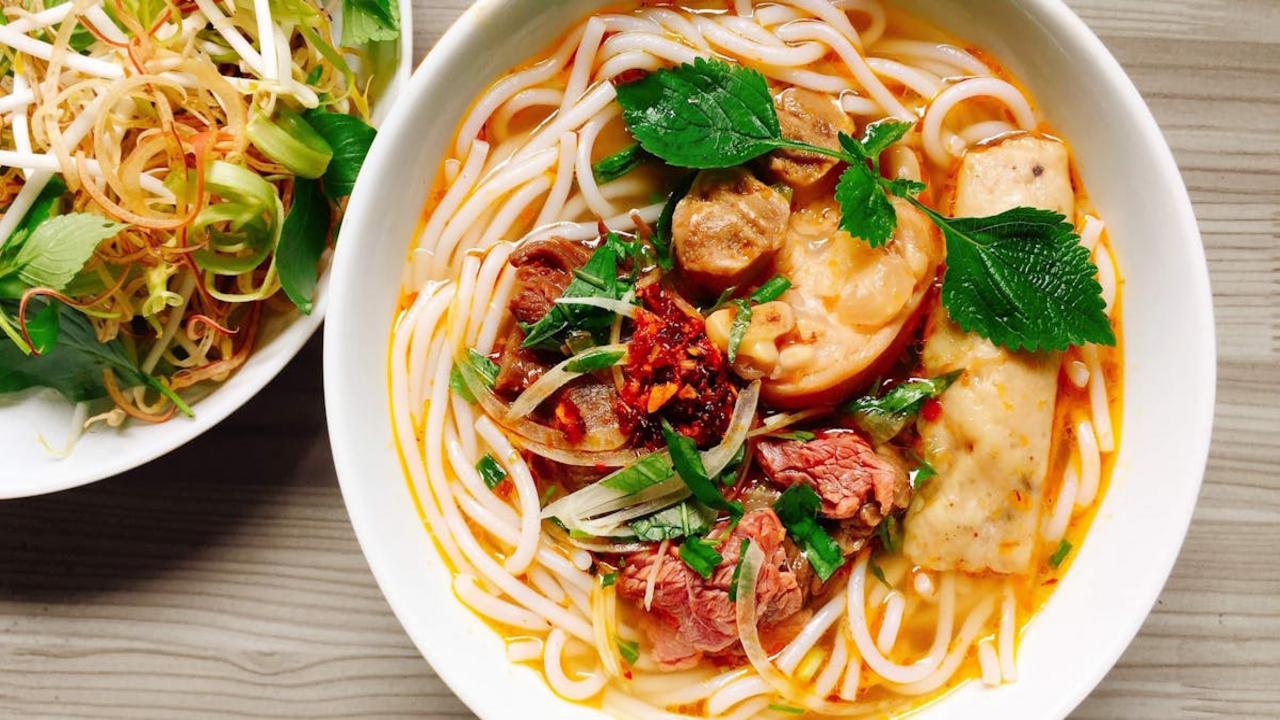
If you’ve celebrated a birthday in China or other parts of Asia, you’ll notice one special dish that always shows up at the party – the birthday longevity noodles! These extra-long wheat or egg noodles represent a wish for a long, happy life for the birthday celebrant. The tradition dates back to the Tang Dynasty, where people believed the longer the noodle, the longer your life would be. That’s why you should never cut or break these noodles while cooking or eating them – doing so could symbolically cut your life short!
Chinese families prepare these auspicious noodles in different ways depending on their region. Some serve them in a light broth with mushrooms and leafy greens, while others stir-fry them with vegetables and meat. The most important part? Each bowl contains one continuous noodle strand, carefully cooked to stay intact. Kids especially love trying to slurp up the whole noodle without breaking it – turning this meaningful tradition into a fun birthday game. Next time you visit an Asian birthday celebration, look out for these special noodles and join in this heartwarming custom!
Leaving Food on Plate to Show Satisfaction
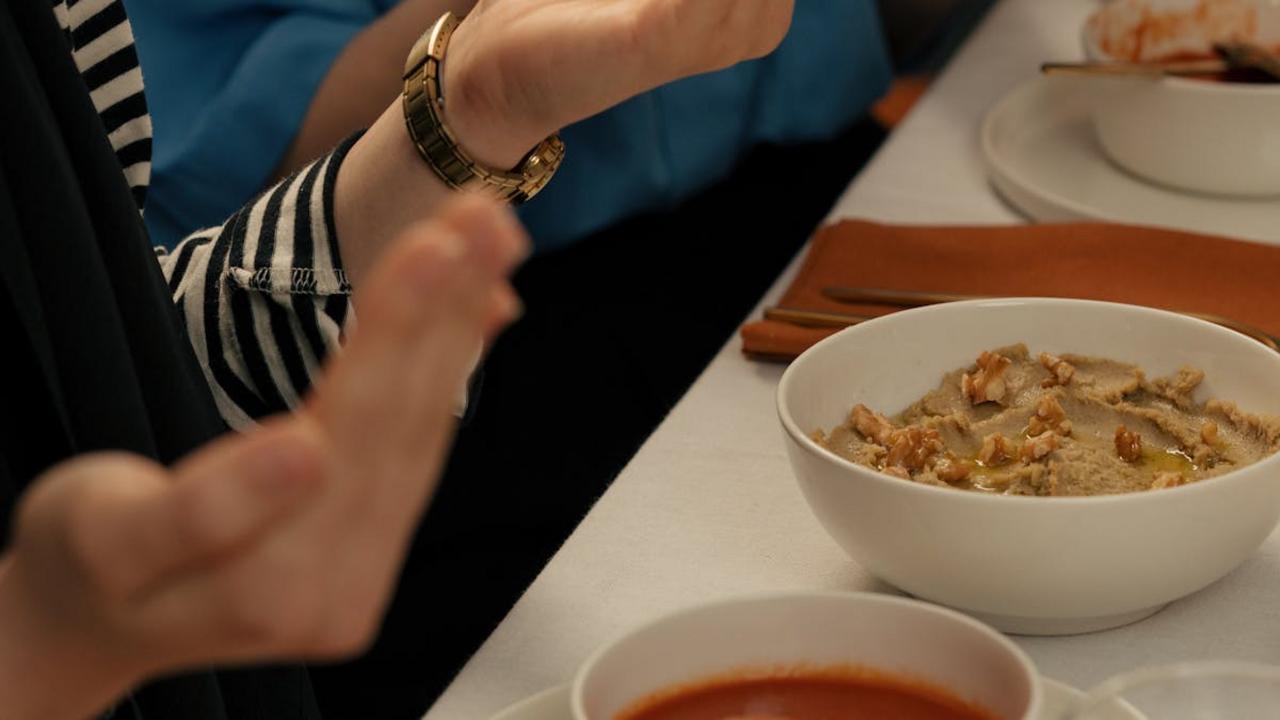
In many parts of Asia, leaving a bit of food on your plate actually sends a clear message of contentment and gratitude to your host. This practice stands in stark contrast to Western dining customs where a clean plate signals appreciation. Throughout China, Japan, and several other Asian countries, finishing every last grain of rice could make your host think they didn’t serve enough food. I love how this simple act carries such deep cultural significance and reflects the generous spirit of Asian hospitality.
My friend Sarah learned this custom the hard way during her first business dinner in Shanghai. She diligently cleaned her plate, following her parents’ teachings about not wasting food. Her Chinese colleagues immediately started refilling her bowl, assuming she was still hungry! Now she knows to leave a small portion untouched, which makes her hosts beam with pride knowing they’ve provided more than enough. This beautiful tradition shows how food customs go beyond just eating – they create meaningful connections between people.
Bowing Before Accepting Food or Drinks
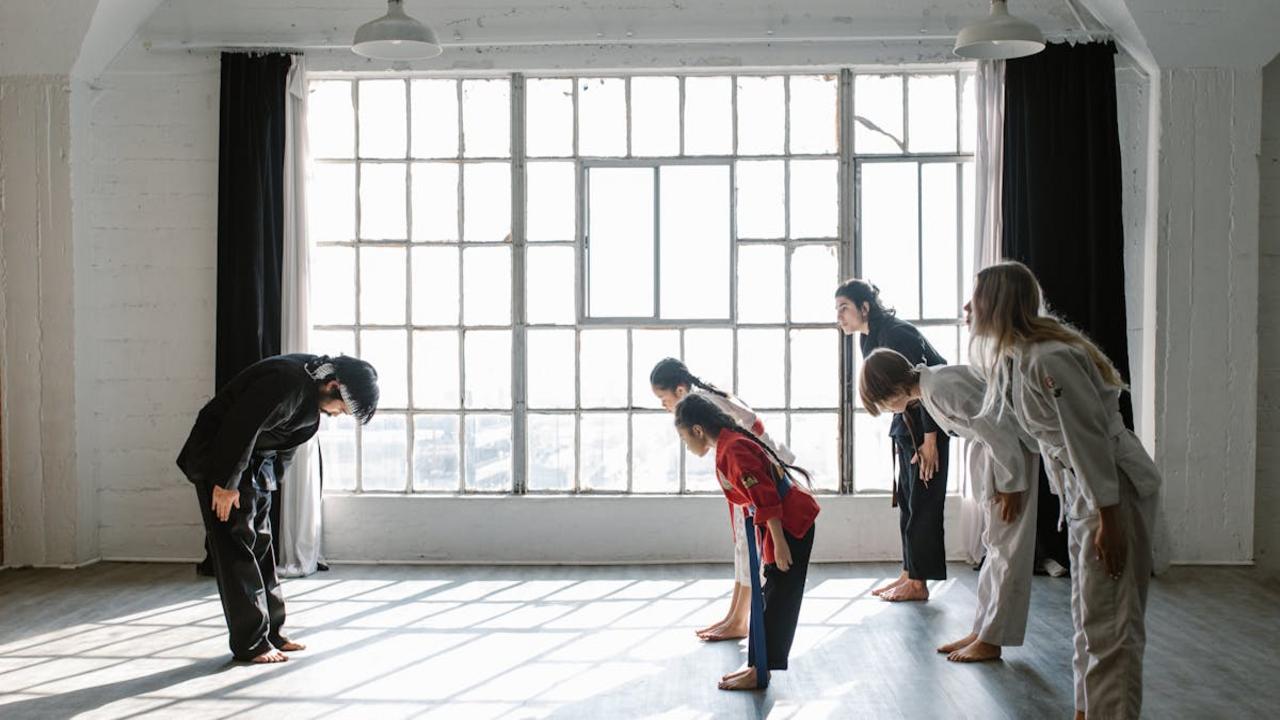
In many Asian countries, especially Japan and Korea, you’ll notice a beautiful tradition of bowing before receiving food or drinks. This respectful gesture shows deep appreciation for the person serving you and acknowledges the time and effort they put into preparing the meal. I’ve seen countless meals in Japan where diners put their hands together, bow slightly, and say “itadakimasu” (I humbly receive) before taking their first bite. The custom creates a moment of mindfulness and connection between the giver and receiver.
The depth and duration of the bow can vary depending on the formality of the situation and your relationship with the person serving you. At formal dinners in Japan, you might notice a deeper, longer bow, while a quick nod works for casual settings like coffee shops. This practice reminds us to slow down and appreciate our food rather than rushing through meals. Next time you visit these countries, join in this meaningful tradition – you’ll add an extra layer of respect and gratitude to your dining experience while making your hosts smile.
Silent Breakfast Traditions
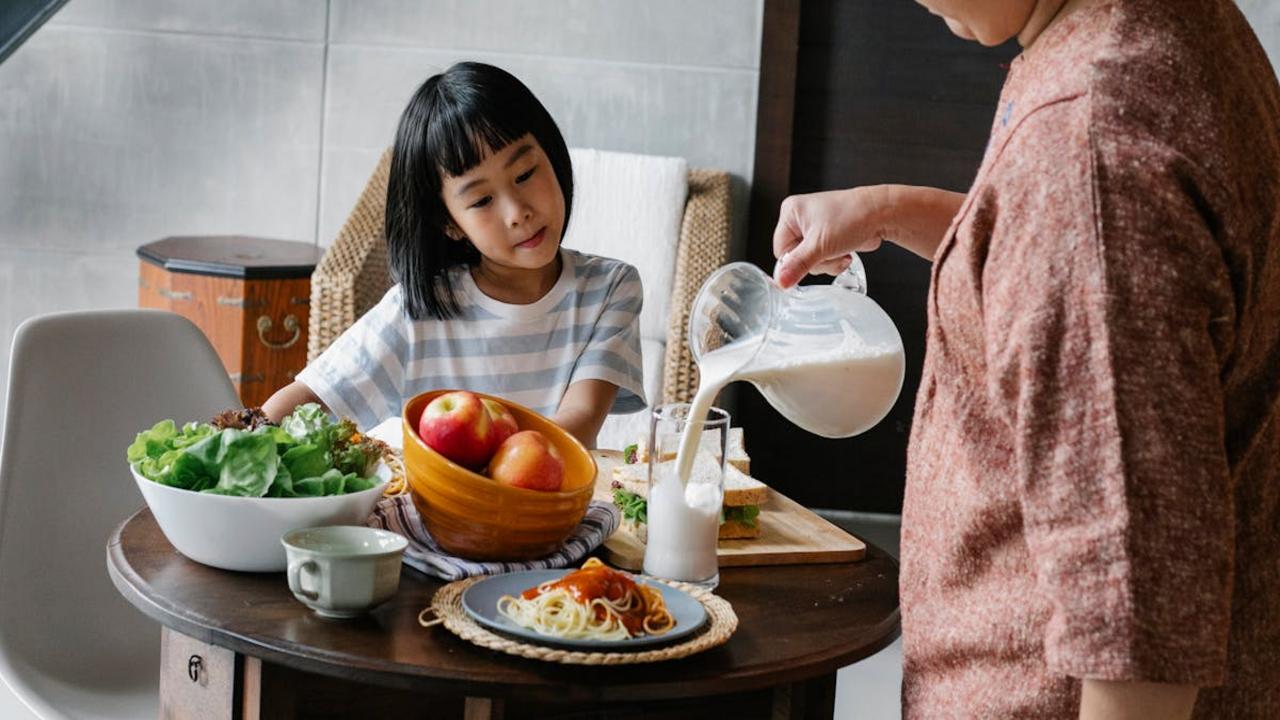
In parts of Buddhist Asia, especially in temples and monasteries across Thailand, Japan, and Korea, you’ll find a beautiful tradition of eating breakfast in complete silence. This mindful practice goes beyond just staying quiet – it teaches you to focus on every bite, texture, and flavor of your food. Many Buddhist practitioners believe eating silently helps you develop a deeper connection with your meal and brings a sense of peace to start your day.
The rules for silent breakfast are simple but meaningful. You sit with a straight back, take small bites, and chew each mouthful around 30 times. You won’t hear any chatter, phone notifications, or TV noise – just the natural sounds of eating. Some temples invite visitors to join their silent breakfast sessions, where you can experience this tranquil way of eating. The practice has become so impactful that some Asian wellness retreats now include silent breakfast as part of their programs to help guests slow down and appreciate their food more deeply.
Strict Chopstick Etiquette
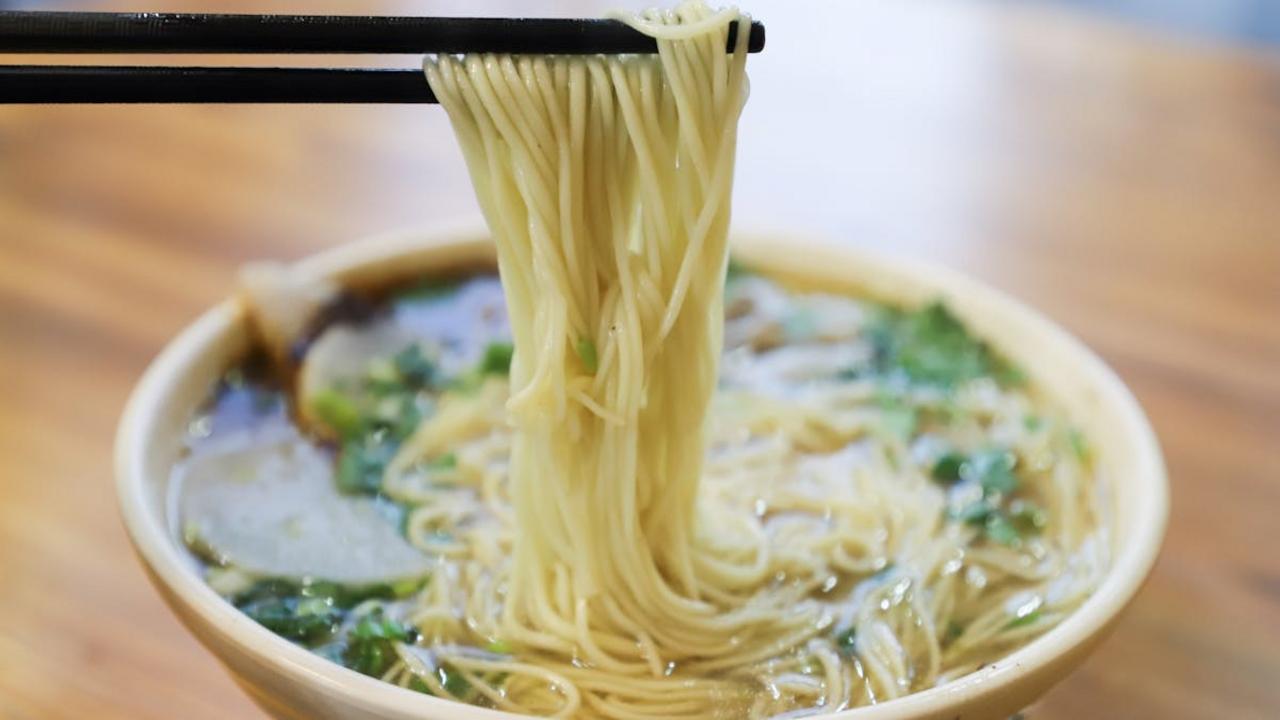
If you’ve ever dined in Asia, you’ll quickly notice that chopstick etiquette goes far beyond just picking up food. In Japan, for example, you should never stick your chopsticks vertically into a bowl of rice – this mirrors funeral rituals where incense sticks are placed in a similar way. Chinese customs warn against tapping your chopsticks on bowls (which traditionally signaled begging), while in Korea, you’ll want to wait for elders to begin eating before picking up your own chopsticks.
The rules continue: never pass food directly from your chopsticks to someone else’s – this reminds many of a Buddhist funeral tradition where cremated bones are passed between chopsticks. In most Asian countries, pointing with chopsticks or using them to spear food breaks social norms. And here’s a practical tip: in formal settings, rest your chopsticks horizontally across your bowl or on a designated holder when not in use, with the tips pointing left. These customs reflect deep cultural values and show respect for both the food and your dining companions.
Lunar New Year Food Symbolism
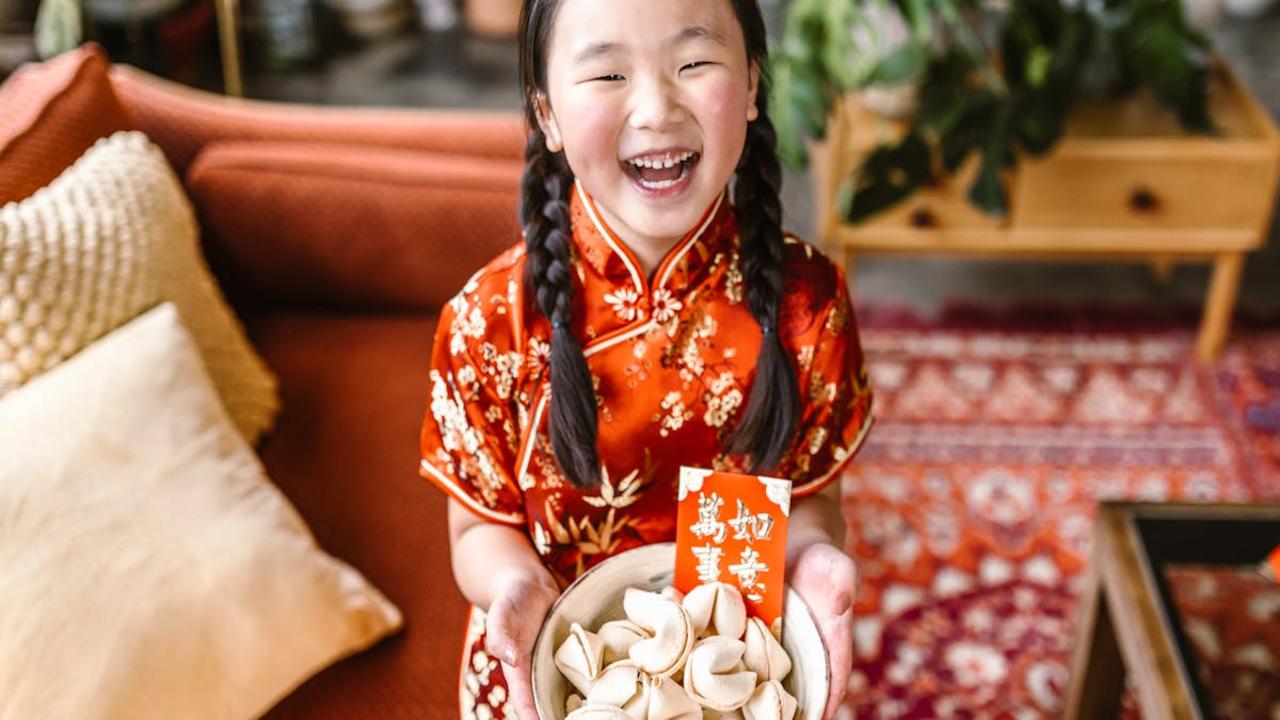
I’ve always found the symbolic foods during Lunar New Year celebrations across Asia deeply meaningful and beautiful. From the lucky round shape of Chinese dumplings (representing wealth) to Vietnamese bánh tét (cylinder-shaped sticky rice cakes that bring good fortune), each dish carries its own special meaning. The most popular lucky foods include long noodles for longevity, whole fish for abundance, and sticky rice balls for family unity. You’ll notice many red-colored foods too, since red stands for good luck and prosperity in many Asian cultures.
What makes this tradition extra special is how each family puts their own spin on these symbolic dishes while keeping the core meanings alive. In my visits to various Asian households during Lunar New Year, I’ve seen grandmothers teaching their grandchildren the exact way to wrap dumplings, explaining why the filling must be generous (for a prosperous year ahead). Sweet treats like nian gao (year cake) represent growth and advancement in the coming year, while mandarin oranges are exchanged because their name sounds like “gold” in Chinese. These meaningful food customs bring families together and keep ancient traditions thriving in modern times.