14 Easy Ways to Make Your Kitchen More Sustainable and Cut Food Waste
Kitchens can be incredible waste generators, but they don’t have to be! Small changes in how you cook and store food can dramatically cut your environmental footprint. Your kitchen offers countless opportunities to go green while actually saving money—who doesn’t want that win-win?
I’ve tested dozens of sustainability hacks in my own kitchen, and these 14 tips stand out as genuine game-changers. From simple swaps that eliminate single-use plastics to clever food storage tricks that keep produce fresh longer, these changes require minimal effort but deliver maximum impact.
The best part? You don’t need to overhaul your entire kitchen overnight. Start with one or two changes that fit your lifestyle, then build from there. These bite-sized sustainability steps add up quickly, transforming your kitchen into an eco-friendly space without sacrificing convenience or breaking the bank.
Keep a Well Organized Refrigerator
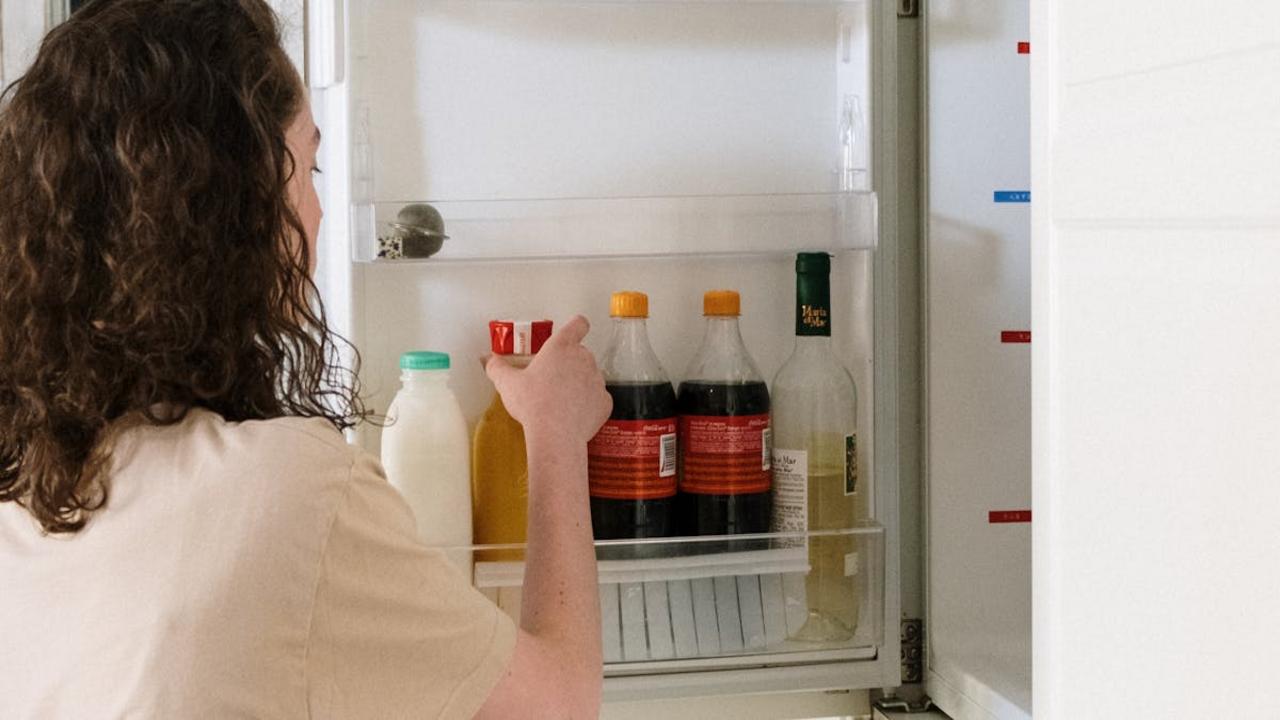
Your refrigerator might look like a science experiment gone wrong, but trust me, turning it into an organized paradise will save you money and spare you from discovering that bag of spinach that’s somehow achieved sentience. The golden rule? First in, first out – just like a fancy restaurant, except your kitchen probably doesn’t have a sous chef yelling at anyone. Place newer items behind older ones, keep your leftovers at eye level where they can’t hide behind that mysterious jar of pickles from 2019, and designate specific zones for different food groups. Your dairy gets the door treatment, vegetables chill in the crisper (shocking, I know), and raw meats stay on the bottom shelf where they can’t drip their drama onto everything else.
Here’s a fun fact that’ll make you the hit of your next dinner party: your refrigerator actually has different temperature zones, with the door being the warmest spot and the back being the coldest. That’s why storing milk in the door is like asking it to spoil faster – it’s basically giving your dairy products a front-row seat to temperature fluctuations every time you open the door to stare inside hoping food will magically appear. Create a simple labeling system with dates on your leftovers (yes, even that half-eaten pizza deserves a timestamp), and you’ll transform from someone who regularly plays “sniff test roulette” to a person who actually knows what they have. Your future self will thank you when you’re not throwing away perfectly good food that got lost in the Bermuda Triangle of your vegetable drawer.
Use Glass Storage Containers
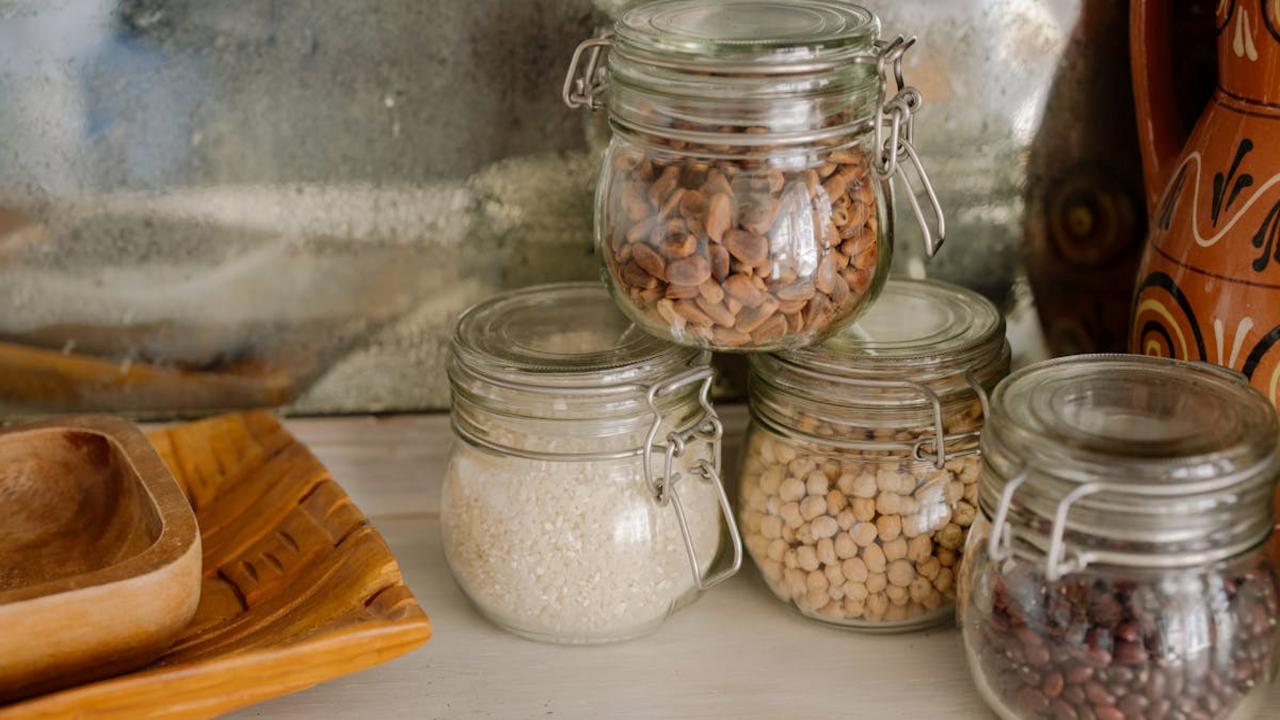
Plastic containers are like that friend who promises to keep your secrets but ends up gossiping at the water cooler – they absorb flavors, stain like crazy, and basically betray your leftover curry every single time. Glass containers, on the other hand, are the reliable best friend of food storage. They keep your garlic-heavy pasta sauce from turning your next meal into an unwanted garlic festival, and they won’t judge your leftover pizza for breakfast choices. Plus, here’s a fun fact that’ll make you feel smart at dinner parties: glass is made from sand, soda ash, and limestone, making it infinitely recyclable without losing quality. Unlike plastic, which degrades each time it’s recycled, glass can be melted down and reformed forever – it’s basically the vampire of the recycling world, eternal and unchanging.
Beyond their superior storage powers, glass containers are workhorses in the kitchen sustainability game. You can see exactly what’s lurking in your fridge (goodbye, mystery leftovers that have evolved their own ecosystem), which means you’re more likely to actually eat what you’ve stored. They’re microwave-safe, oven-safe, and dishwasher-friendly – basically the Swiss Army knife of food storage. I once discovered a container of homemade soup in the back of my fridge that looked exactly as appetizing as the day I made it, purely because glass doesn’t play favorites with odors or stains. Your wallet will thank you too, since quality glass containers last for decades, unlike their plastic cousins that crack faster than a bad joke.
Properly Maintain Kitchen Equipment
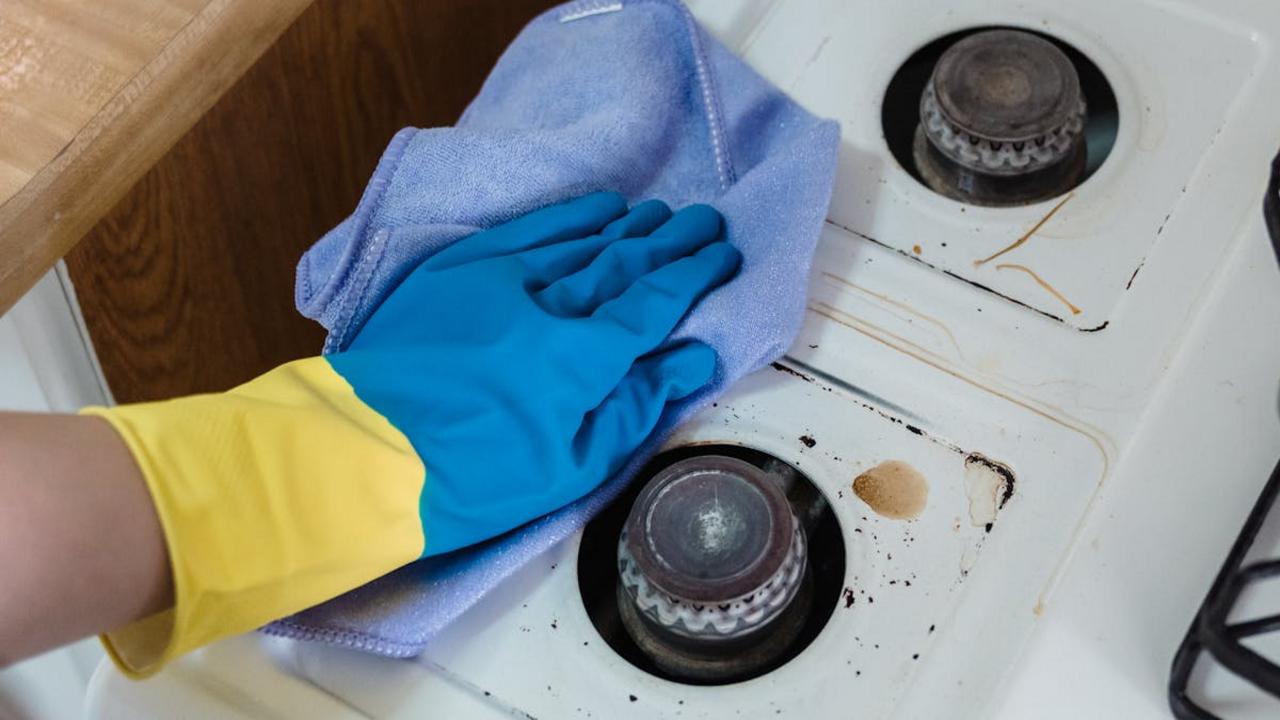
Your kitchen appliances are like that friend who always shows up when you need them—until they don’t, and suddenly you’re left wondering why your refrigerator sounds like a dying walrus and your oven takes three hours to preheat. Regular maintenance keeps your equipment running efficiently, which means less energy consumption and fewer trips to the appliance graveyard. Clean those refrigerator coils every six months (yes, they exist, and yes, they collect enough dust to build a small igloo), replace water filters religiously, and keep your oven’s door seals intact. A well-maintained refrigerator uses up to 40% less energy than one that’s been neglected, and that’s money staying in your pocket instead of flowing to your utility company.
Think of equipment maintenance as preventive medicine for your kitchen—a little attention now saves you from major headaches later. Sharp knives actually reduce food waste because they make clean cuts instead of bruising produce, and a properly calibrated oven temperature means your sourdough won’t turn into a brick that could double as construction material. Keep your blender blades clean and sharp, descale your coffee maker monthly (your morning brew will thank you), and replace worn-out gaskets before they turn your freezer into an expensive ice sculpture garden. When your equipment works properly, you waste less food, use less energy, and avoid the heartbreak of watching perfectly good ingredients meet their doom due to faulty appliances.
Save Vegetable Scraps for Stock
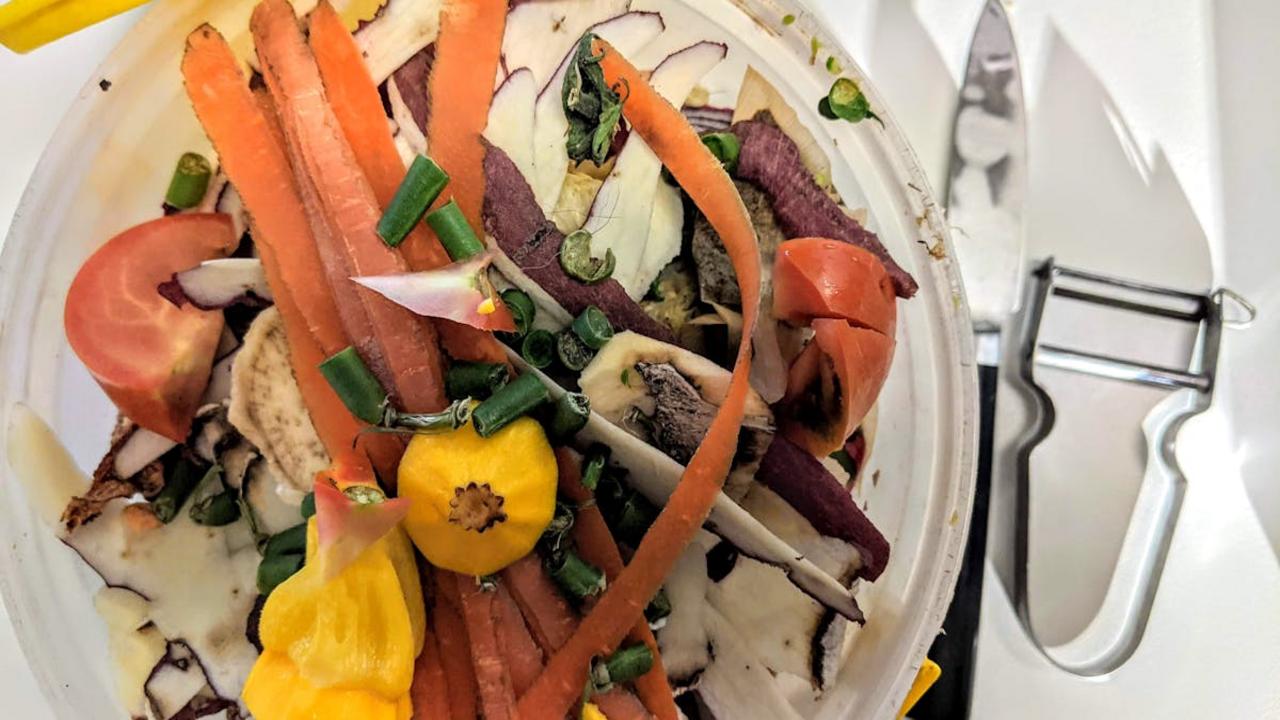
Your grandmother probably called it “waste not, want not,” but I call it “turning trash into liquid gold.” Every time you chop an onion, peel a carrot, or trim celery, you’re creating the building blocks for the most flavorful stock your kitchen has ever produced. Those seemingly worthless scraps – onion skins, carrot tops, herb stems, mushroom stems, and even parmesan rinds – contain concentrated flavors that commercial broths can only dream of matching. Keep a freezer bag labeled “stock scraps” and toss in everything except cruciferous vegetables like broccoli or cabbage (they’ll make your stock taste like sulfur, trust me on this one).
When your bag reaches capacity, dump everything into a slow cooker or large pot with water, add a splash of vinegar to extract minerals from any bones, and let it simmer for hours until your kitchen smells like pure comfort. The result? A rich, complex stock that costs pennies to make and transforms even the most basic soup into something spectacular. Fun fact: French chefs have been doing this for centuries with their “mirepoix” – they knew those vegetable trimmings were flavor bombs waiting to explode. Your freezer becomes a treasure chest of future soups, risottos, and braising liquids, all while keeping pounds of perfectly good scraps out of the landfill.
Plan Meals in Advance
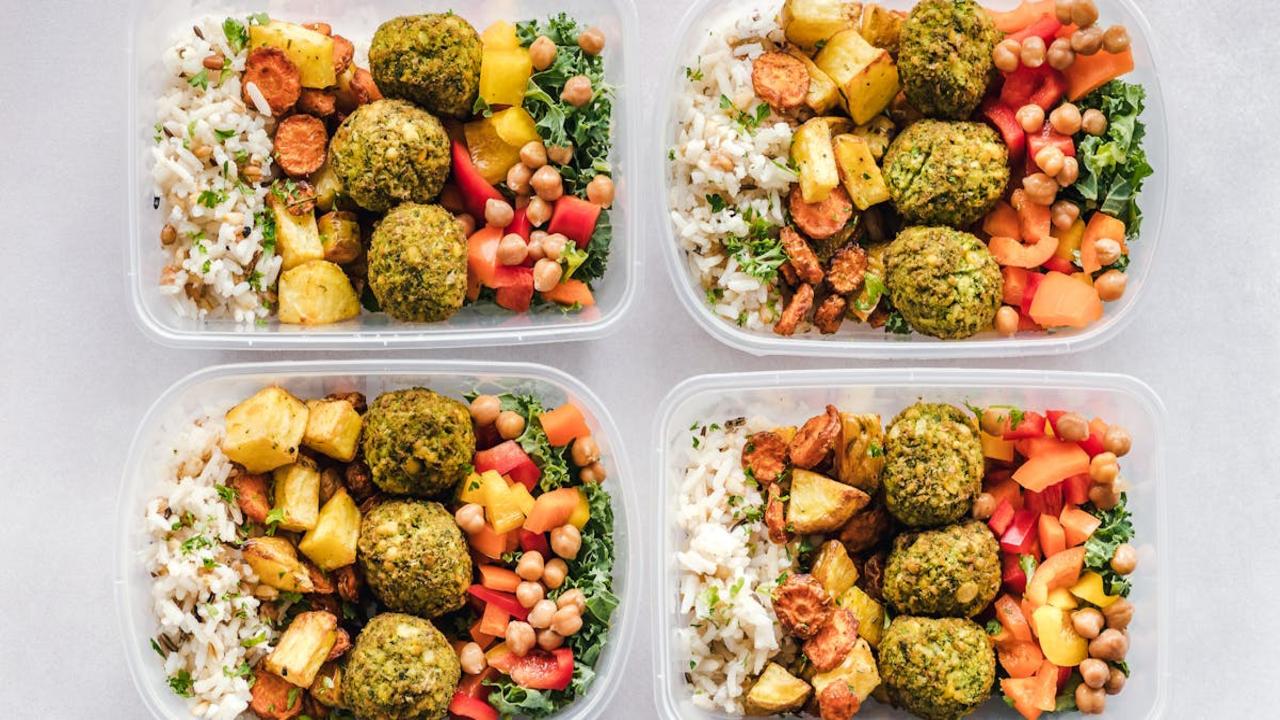
Listen, I get it – meal planning sounds about as thrilling as watching paint dry on a Tuesday afternoon. But here’s the kicker: this boring little habit is like having a crystal ball for your kitchen, except instead of predicting the future, you’re preventing those tragic “oops, I bought seventeen zucchinis and now they’re staging a revolt in my crisper drawer” moments. When you map out your meals for the week, you become a grocery shopping ninja, buying exactly what you need and nothing more. No more impulse purchases of exotic fruits that seemed like a good idea until they turned into expensive compost. Studies show that households with meal plans waste 40% less food than their spontaneous counterparts – that’s like throwing away nearly half your grocery budget for absolutely no reason!
The magic happens when you start treating your weekly meal plan like a Netflix queue for your stomach. Flip through your recipe collection (or scroll through your saved Instagram posts like the rest of us), pick your stars for the week, and write down every single ingredient you’ll need. Pro tip: check your fridge and pantry first – you might discover that forgotten jar of capers hiding behind the mustard collection, ready to transform Monday’s chicken into something spectacular. Keep your meal plan visible on the fridge, because nothing beats the satisfaction of crossing off “Taco Tuesday” after successfully executing those fish tacos with the perfect amount of cabbage slaw. Your future self will thank you when Wednesday rolls around and instead of staring hopelessly into an empty fridge, you’re confidently reaching for pre-planned ingredients to create dinner magic.
Reduce Water Consumption
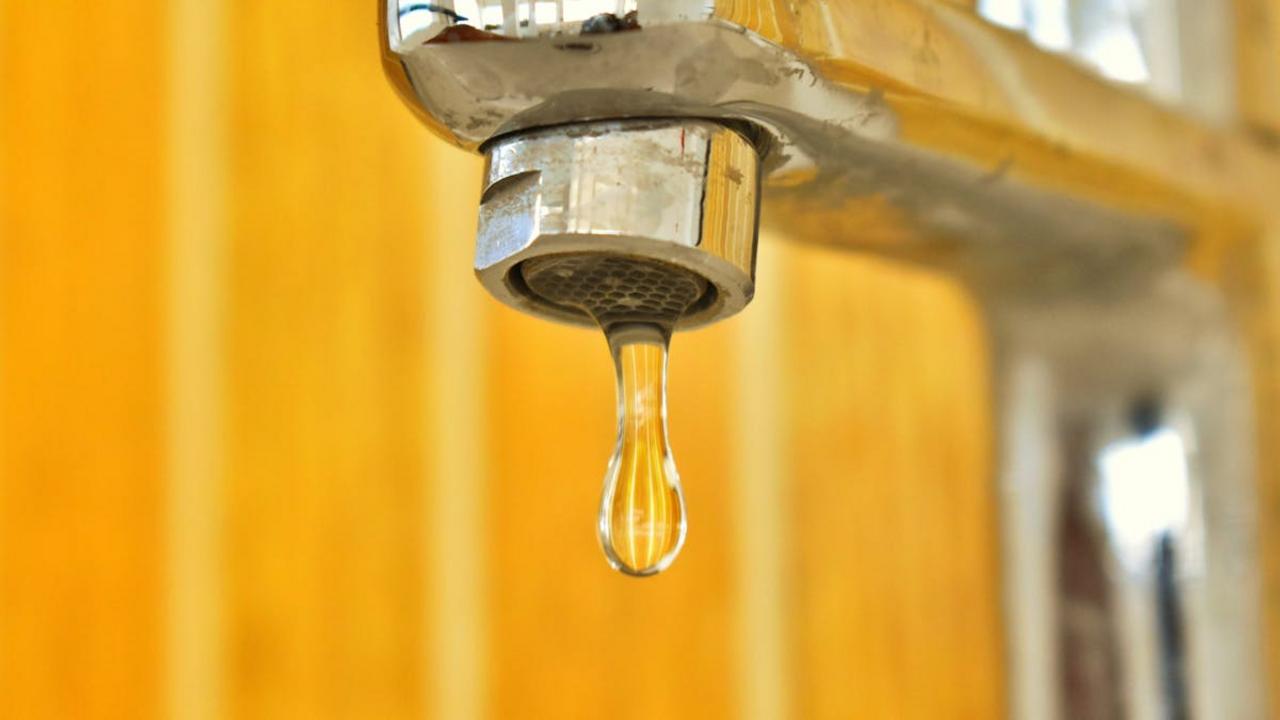
Water waste in the kitchen happens faster than you can say “soggy lettuce,” and trust me, I’ve watched enough vegetables turn into science experiments to know! The average American household wastes about 30 gallons of water daily, with a significant chunk happening right there next to your coffee maker. Instead of letting the tap run while you scrub dishes (guilty as charged!), fill up one side of your sink with soapy water and the other with rinse water. Your water bill will thank you, and so will every drought-stricken region on the planet. Plus, you’ll feel like a domestic goddess wielding sudsy powers!
Here’s where things get really fun: collect that cold water that runs before your shower heats up and use it to water plants or rinse vegetables. I started doing this after realizing I was literally pouring money down the drain every morning. Steam vegetables instead of boiling them in a pot full of water – they’ll taste better, keep more nutrients, and you’ll use about 80% less water. Even better, save that precious steaming liquid for cooking rice or making soup stock later. It’s like giving your vegetables a second chance at stardom, except this time they’re the supporting cast in tomorrow’s dinner!
Use Natural Cleaning Products
Your kitchen counters have seen more drama than a reality TV show – from sticky honey spills to mystery sauce explosions that somehow defy the laws of physics by ending up on the ceiling. But here’s the plot twist: you don’t need harsh chemicals to tackle these culinary crime scenes! Natural cleaning products work like magic, and I’m not talking about some mystical potion. White vinegar cuts through grease better than my grandmother’s passive-aggressive comments at family dinners, while baking soda scrubs away stubborn stains with the determination of someone trying to open a pickle jar. Lemon juice acts like nature’s bleach, leaving your surfaces sparkling and smelling like a Mediterranean vacation instead of a chemical factory.
Making the switch to natural cleaners means you’re creating a safer space for food prep without worrying about toxic residue contaminating your midnight snack assembly. Picture this: you’re chopping vegetables for tomorrow’s soup, and instead of wondering if that chemical residue from your counter cleaner will add an unwanted “industrial” flavor note, you can focus on whether to add more garlic (the answer is always yes). A simple mixture of water, vinegar, and a few drops of essential oil becomes your kitchen’s superhero squad. Plus, you’ll save money faster than you can say “organic,” because a gallon of white vinegar costs less than one fancy bottle of commercial cleaner and lasts longer than my last relationship.
Grow Your Own Herbs
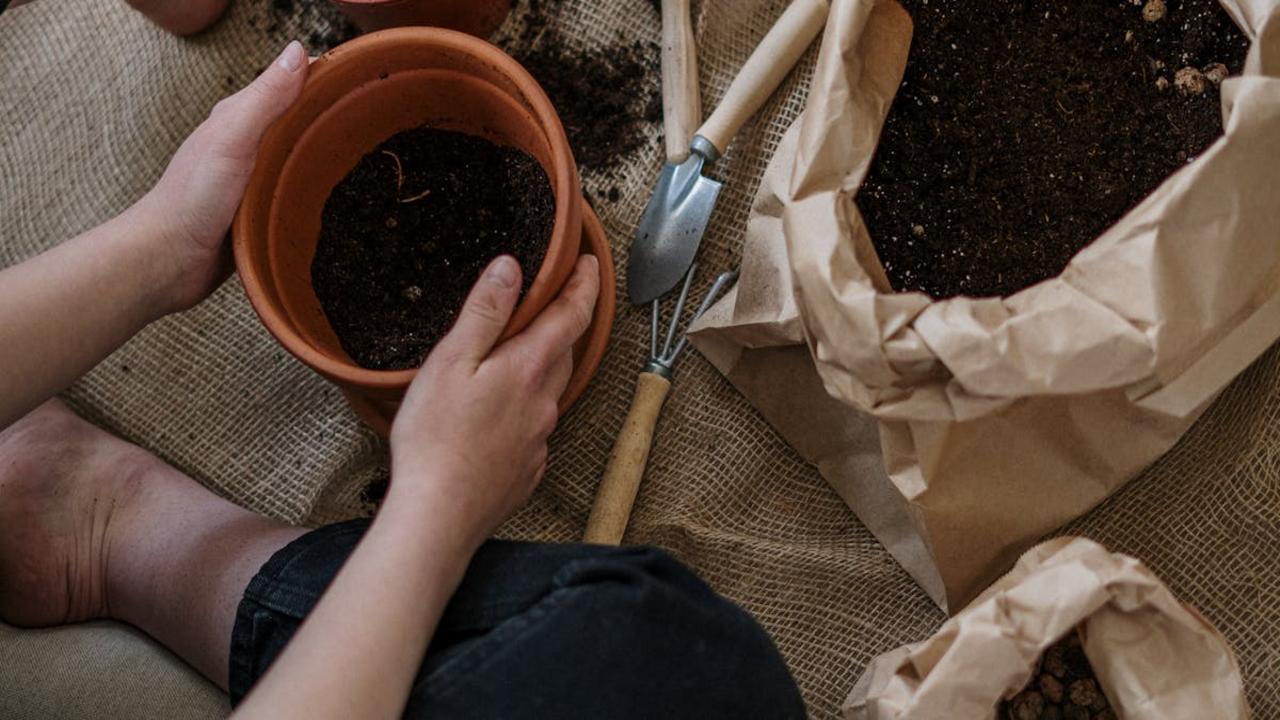
Listen, I used to be that person who’d buy a $4 packet of fresh basil, use three leaves for a recipe, and watch the rest turn into expensive green slime in my fridge. Sound familiar? Then I discovered the magic of growing my own herbs, and suddenly my windowsill became a tiny pharmacy of flavor that never runs out. You don’t need a green thumb or a sprawling garden—just a sunny spot and the willingness to talk to your plants (they love gossip, trust me). Basil, parsley, cilantro, and mint are practically bulletproof for beginners, and here’s a fun fact: herbs actually grow faster when you pinch them regularly, so you’re basically rewarded for cooking!
The best part? You’ll never again experience that soul-crushing moment of reaching for fresh herbs only to find a bag of mysterious black mush. Your homegrown herbs will be so much more potent than store-bought ones that you’ll wonder if you’ve been eating cardboard this whole time. I once grew so much mint that I started putting it in everything—mint chocolate chip cookies, mint mojitos, mint tea, mint toothpaste (okay, maybe not that last one). Pro tip: plant mint in its own container because it’s basically the botanical equivalent of that friend who invites themselves to every party and takes over your entire social life.
Choose Package Free or Bulk Shopping
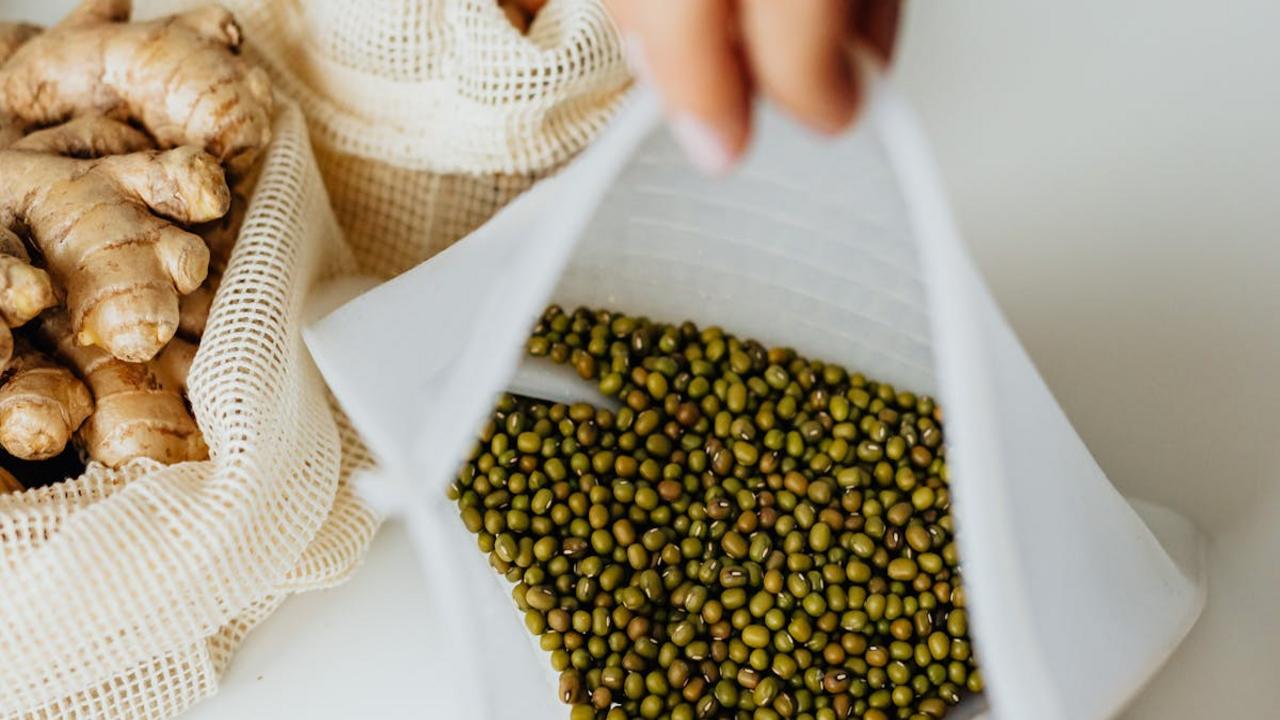
You know that moment when you open your pantry and it looks like a plastic graveyard? Yeah, me too. But here’s the plot twist your kitchen desperately needs: bulk shopping! Picture this – you waltz into the store with your mason jars and reusable bags like some kind of eco-warrior superhero, filling them with exactly the amount of quinoa you need for your Tuesday night dinner experiment. No more sad half-bags of flour sitting around for months, silently judging your baking ambitions. Bulk shopping lets you buy precisely what you need, which means less food waste and more money in your pocket for important things like good cheese.
The best part? You get to feel like a pioneer woman at the general store, scooping oats and nuts while dramatically reducing your plastic footprint. Did you know that the average American family throws away about 1,500 pounds of packaging each year? That’s like tossing a small car’s worth of trash! When you bring your own containers, you’re basically giving Mother Earth a high-five. Plus, bulk bins often offer better prices per pound, and you can actually see what you’re buying – no more mystery expiration dates hidden under layers of cardboard. Your spice rack will thank you too, because buying that teaspoon of cardamom you need won’t cost you fifteen dollars anymore.
Buy Local and Seasonal Produce

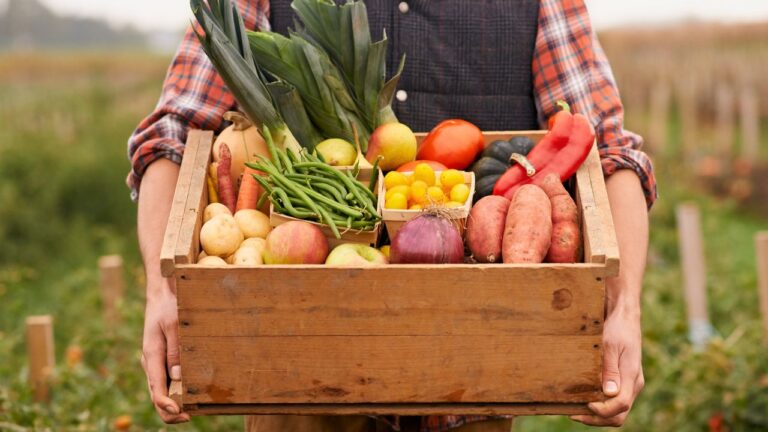
Picture this: you’re standing at a farmers market on a crisp Saturday morning, watching a vendor pull dirt-crusted carrots straight from a wooden crate while bees buzz lazily around towers of honey jars. That’s the magic of buying local and seasonal produce – you’re not just shopping, you’re time-traveling to when food had actual seasons and didn’t need a passport to reach your plate. Those strawberries in December? They’ve traveled more miles than most people do in a year, burning fossil fuels and losing nutrients with every mile. But that sun-warmed tomato from the farm twenty minutes away? It was probably picked yesterday morning and still remembers what actual sunshine tastes like.
Shopping seasonally means your spring asparagus will make you weep with joy (in the best way), your summer peaches will drip down your chin like nature intended, and your fall squash will actually have flavor beyond “orange mush.” Here’s a fun fact: seasonal produce contains up to 50% more nutrients than its out-of-season counterparts because it doesn’t spend weeks in transit losing vitamins. Plus, you’ll save money – try buying local strawberries in June versus imported ones in January and watch your wallet thank you. Start small by swapping just one item per grocery trip for a local alternative, and soon you’ll find yourself planning meals around what’s actually growing instead of what’s theoretically available year-round.
Store Food Properly to Reduce Waste
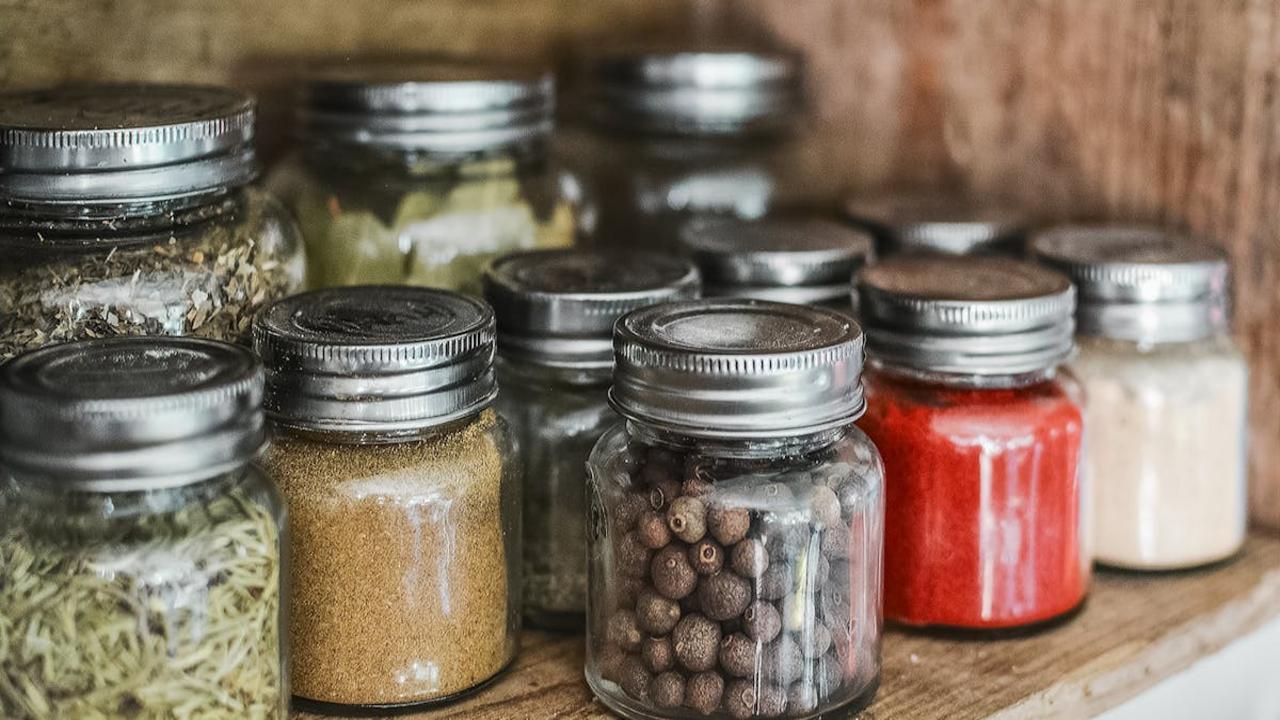
Your fridge probably looks like a chaotic science experiment right now – wilted lettuce turning into green mush, bananas that have gone from yellow to black faster than you can say “smoothie,” and mysterious leftovers growing their own ecosystems. Here’s the thing: most of us treat our refrigerators like storage units rather than the precision instruments they actually are. Each zone has its own microclimate, and understanding these temperature and humidity differences can transform you from a food-wasting amateur into a produce-preserving wizard. For instance, your crisper drawers aren’t just fancy vegetable jails – they’re humidity-controlled environments where leafy greens thrive in high humidity while apples prefer it drier.
The magic happens once you start matching your food to its perfect storage spot. Keep your potatoes and onions in cool, dark places but never together (they make each other spoil faster – it’s like a toxic relationship in produce form). Store herbs like fresh flowers in water, wrap cheese in wax paper instead of plastic to let it breathe, and never put tomatoes in the fridge unless you want them to taste like cardboard. Did you know that storing bananas away from other fruits prevents them from releasing ethylene gas that speeds up ripening? It’s like they’re the drama queens of the fruit bowl, causing everyone else to age faster just by being there. Master these simple storage tricks, and you’ll watch your grocery budget stretch while your trash can stays emptier.
Use Energy Efficient Appliances

Your kitchen appliances are basically the energy-guzzling teenagers of your home – they’re always hungry, never satisfied, and somehow manage to rack up astronomical bills. But here’s the plot twist: swapping out those ancient energy vampires for their efficient cousins can slash your electricity consumption by up to 30%. I’m talking about refrigerators that don’t sound like jet engines, dishwashers that actually clean without requiring three cycles, and ovens that heat up faster than your neighbor’s gossip spreads. The EPA’s Energy Star program has become my personal matchmaker for appliance shopping – these certified beauties use 10-50% less energy than standard models while performing like absolute rockstars.
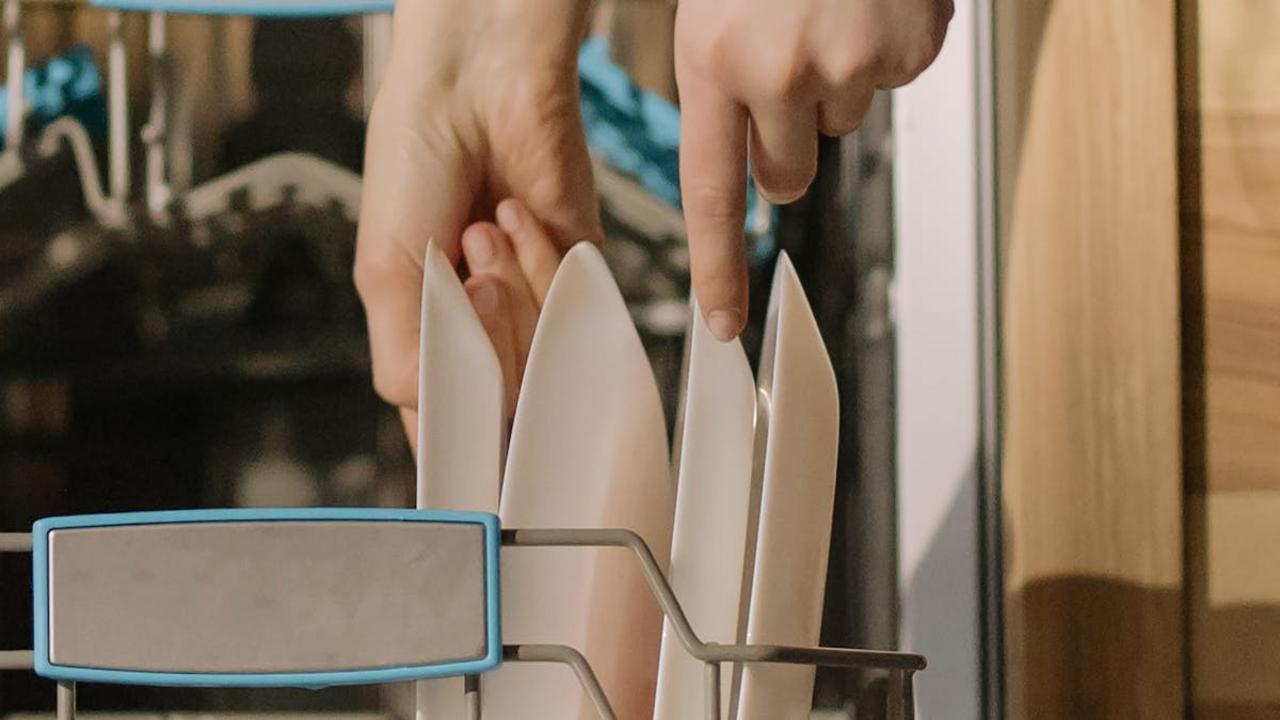
The math gets deliciously simple once you crunch the numbers. That new Energy Star refrigerator might cost more upfront, but it’ll save you roughly $300 over its lifetime compared to its inefficient predecessor. Your dishwasher can clean a full load using just 3 gallons of water versus the 27 gallons you’d waste hand-washing (yes, I said waste – efficient dishwashers beat hand-washing every time). Even your microwave deserves an upgrade; modern versions cook 45% more efficiently than older models. Pro tip: look for induction cooktops if you’re feeling fancy – they transfer heat directly to your cookware with 90% efficiency, making gas ranges look like energy-wasting dinosaurs from the culinary stone age.
Start a Compost System
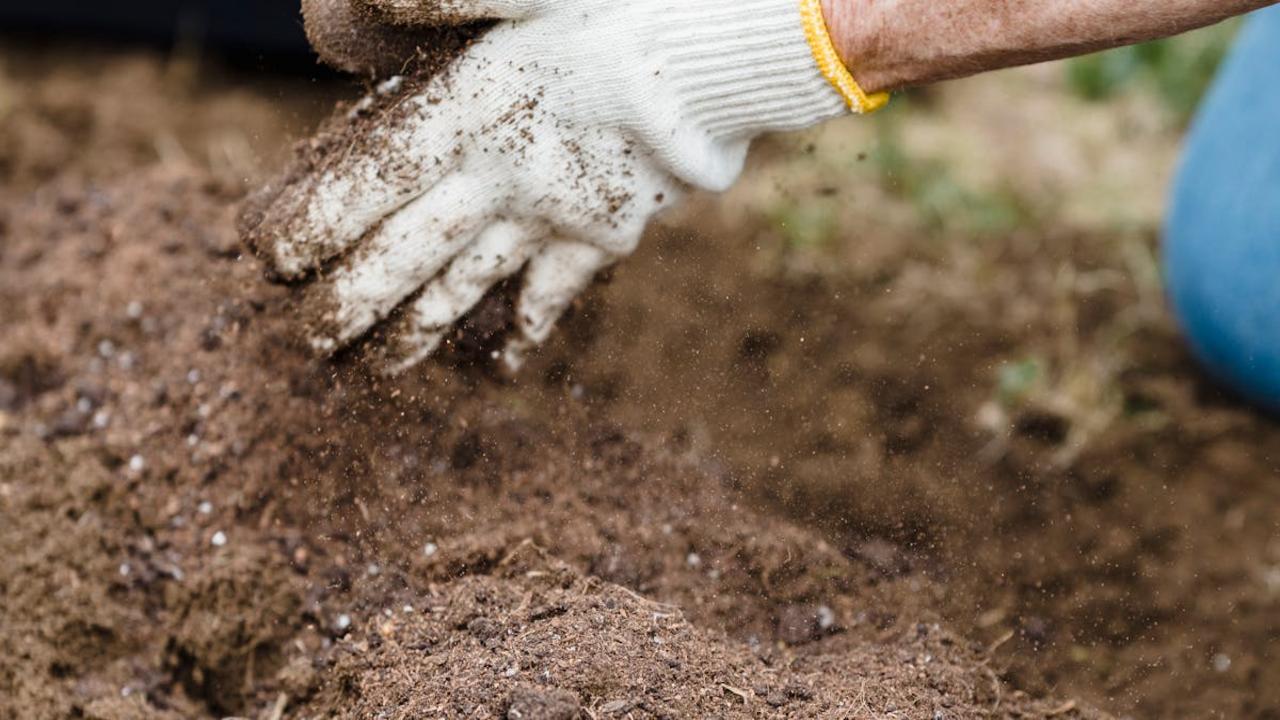
Listen, if you’re still tossing your banana peels and coffee grounds into the trash like some kind of wasteland warrior, we need to have a little chat. Starting a compost system transforms your kitchen scraps from sad garbage into black gold that’ll make your garden plants do a happy dance. You can go fancy with a tumbling composter that looks like it belongs on a space station, or keep it simple with a basic bin in your backyard. Even apartment dwellers can join the party with countertop composters or worm bins that are surprisingly less gross than they sound – those little wigglers are basically recycling machines with attitude.
Here’s the wild part: composting diverts about 30% of household waste from landfills, where food scraps would otherwise release methane gas and contribute to climate chaos. Your morning coffee grounds mixed with last night’s salad remnants create a nutrient-rich feast for soil microorganisms that work harder than a short-order cook during Sunday brunch rush. The finished compost feeds your plants better than any store-bought fertilizer, creating a beautiful cycle where your kitchen waste becomes tomorrow’s tomatoes. Plus, there’s something deeply satisfying about watching potato peels transform into rich, dark soil – it’s like magic, but with more worms and way better for the planet.
Swap Single Use Items for Reusable Alternatives

Your kitchen probably has more single-use items lurking around than you’d care to admit – and trust me, I’m not judging because mine used to look like a disposable wasteland too! Paper towels, plastic wrap, aluminum foil, disposable containers, and those flimsy plastic bags that somehow multiply overnight in your pantry drawers. Here’s a fun fact that’ll make you rethink your relationship with disposables: the average American household throws away about 1,500 paper towels per year, which equals roughly one entire tree. That’s right – you’re basically deforesting your way through dinner prep, one spill at a time!
Making the switch to reusable alternatives isn’t just good for the planet; it’s surprisingly satisfying and will save you money in the long run. Replace those paper towels with colorful cloth napkins and washable kitchen towels that actually absorb spills better than their paper cousins. Ditch plastic wrap for beeswax wraps that smell faintly of honey and make your leftovers look like little presents, or invest in glass containers with tight-fitting lids that won’t stain orange from your leftover marinara sauce. Silicone food storage bags are practically magic – they’re dishwasher safe, freezer friendly, and unlike their plastic predecessors, they won’t split open and dump your sandwich filling all over your lunch bag. Your future self will thank you every time you open that kitchen drawer and see organized, reusable tools instead of crinkly chaos.