14 Simple Meal Tweaks to Upgrade Your Plate
You don’t need a kitchen overhaul to dramatically improve your meals. Small, strategic tweaks can transform everyday dishes into nutritional powerhouses without sacrificing flavor. The 14 simple changes I’m sharing today have revolutionized my own cooking—they’re practical shifts anyone can make, regardless of your cooking experience.
I’ve watched friends adopt these tweaks one by one, reporting more energy, better digestion, and surprisingly, more satisfaction from their meals. Think of this as your practical roadmap to healthier eating without the intimidation factor. No fancy ingredients or complicated techniques required!
These adjustments work because they focus on adding good things rather than just eliminating foods you enjoy. By swapping in nutrient-dense alternatives and incorporating simple but impactful ingredients, you’ll create meals that nourish your body while actually tasting better than what you were eating before.
Cut Back on Processed Foods

I’ve watched my own cooking transform when I started reading ingredient labels more carefully. Those mysterious additives and preservatives that sound like chemistry experiments? They don’t belong in your kitchen. When you choose whole ingredients over their processed counterparts, you’re not just eating better—you’re reclaiming control over what nourishes your body. Fresh tomatoes instead of canned sauce, whole grains instead of refined flour, and real spices instead of flavor packets make an incredible difference in both taste and nutrition.
Start small with one swap per week. Replace that boxed mac and cheese with a quick homemade version using real cheese, butter, and pasta—it takes barely longer but tastes infinitely better. Trade those seasoning packets for your own blend of garlic powder, onion flakes, and herbs. I keep mason jars filled with homemade spice mixes that work beautifully in everything from stir-fries to roasted vegetables. Your body craves real food, not laboratory creations, and once you taste the vibrant flavors of minimally processed ingredients, you’ll wonder why you ever settled for anything less.
Swap Butter for Plant Spreads
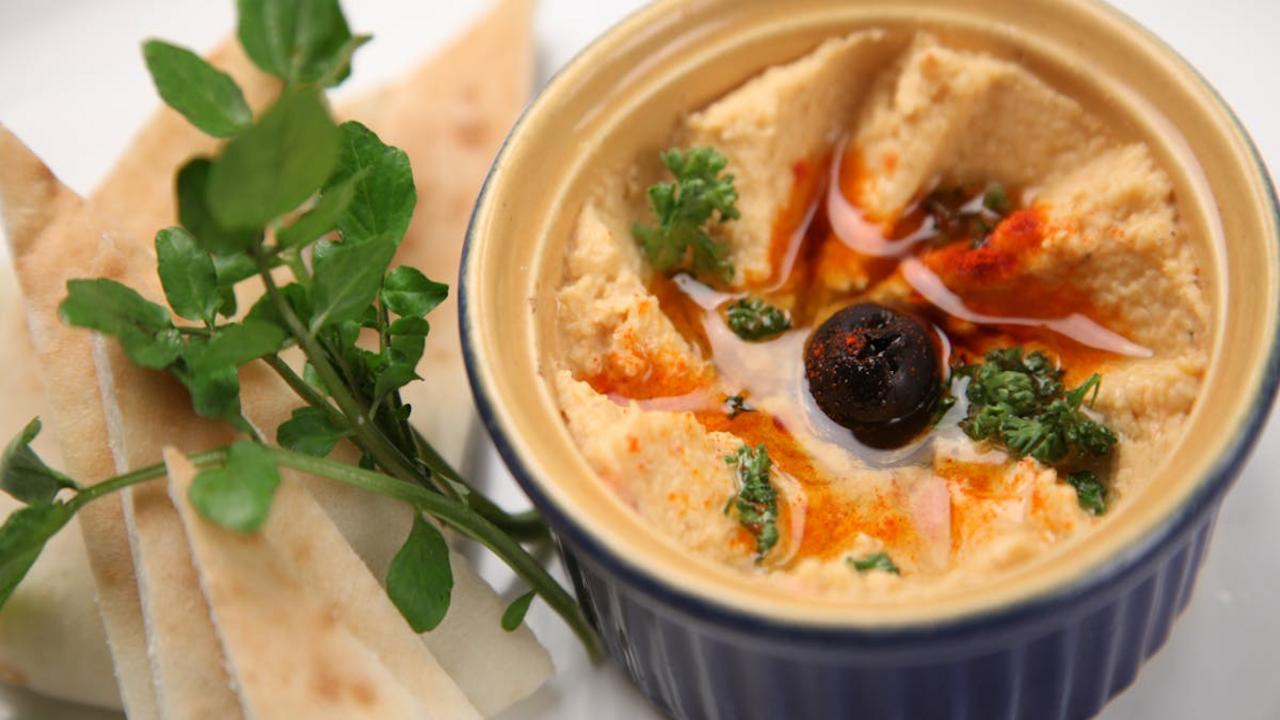
I switched to plant-based spreads years ago, and honestly, I never looked back. Whether you’re sautéing onions for a curry base or spreading something creamy on your morning toast, plant spreads bring their own unique flavors while keeping things lighter on your digestive system. Avocado-based spreads work beautifully in baking, giving brownies that fudgy texture you crave. Coconut oil adds a subtle tropical note to stir-fries, while olive oil spreads complement Mediterranean dishes perfectly.
The beauty of plant spreads lies in their versatility and how they enhance rather than mask other flavors in your dish. When I’m making my grandmother’s spiced lentils, I reach for a neutral sunflower spread that won’t compete with the cumin and coriander. For sweet applications like banana bread or morning pancakes, a touch of coconut spread brings natural sweetness without overwhelming the recipe. Your heart will thank you for making this simple swap, and your taste buds won’t miss traditional butter once you discover how plant spreads can actually improve the complexity of your favorite dishes.
Fresh Fruits Daily
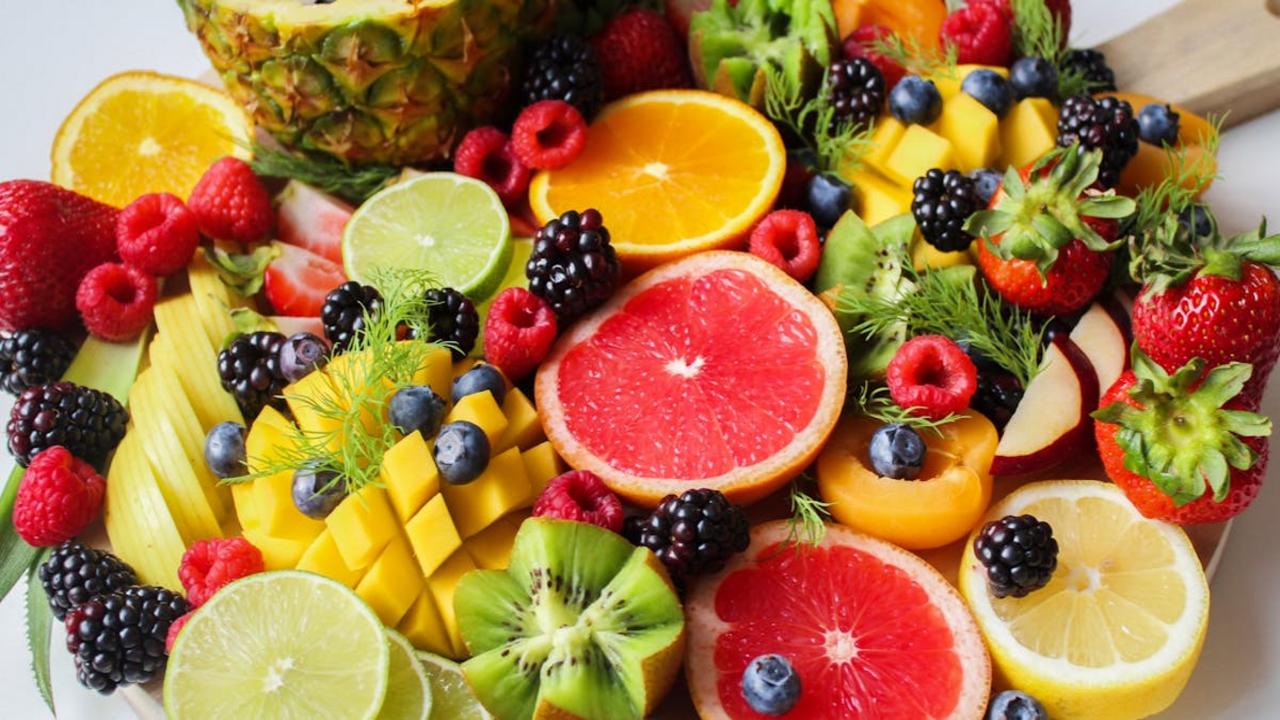
You know what changed everything for me? Starting each day with a piece of fresh fruit right after I wake up. I keep a bowl of whatever’s in season on my kitchen counter – mangoes from the Caribbean market, crisp apples from the orchard down the road, or those perfectly ripe pears that smell like heaven. There’s something magical about how your body responds when you give it natural sugars and fiber first thing. Your energy stabilizes, your digestion improves, and honestly, you stop craving those processed breakfast pastries that used to call my name from the pantry.
But here’s where it gets interesting – I don’t just eat fruit plain anymore. I’ve started incorporating it into my savory dishes too. Diced apples in my morning scrambled eggs with a pinch of cinnamon, fresh berries tossed into my quinoa salad, or sliced pears on top of my avocado toast with a drizzle of honey and sea salt. These combinations might sound unusual, but they create this beautiful balance of sweet and savory that makes every meal feel special. Your plate becomes more colorful, more nutritious, and way more exciting than the same old routine you’ve been stuck in.
Add Garlic and Onions
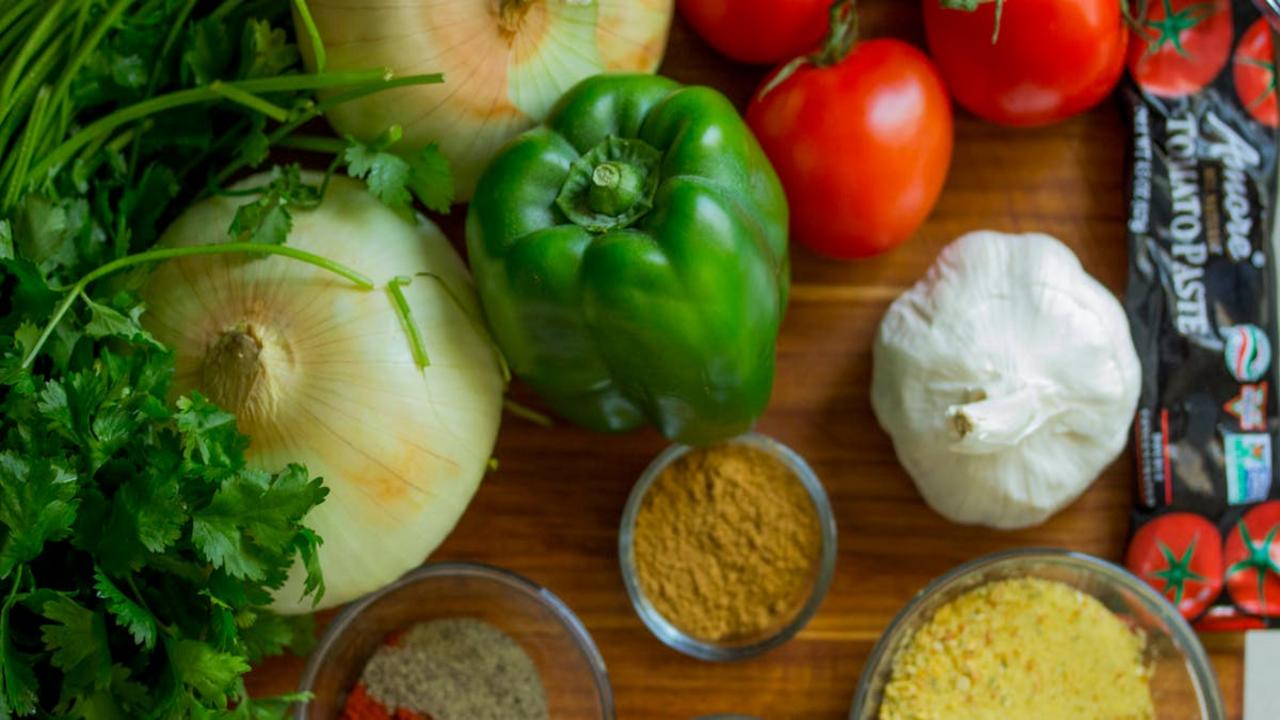
You know that moment when you walk into someone’s kitchen and immediately feel at home? Nine times out of ten, garlic and onions are sizzling in a pan somewhere. These two ingredients form the backbone of flavor in so many global cuisines—from the sofrito base in Latin cooking to the holy trinity in Creole dishes to the simple mirepoix in French cuisine. I keep both on my counter at all times because they transform even the most basic ingredients into something special. Whether you’re making a simple pasta sauce, roasting vegetables, or building a soup from scratch, starting with sautéed garlic and onions creates layers of flavor that processed seasonings simply can’t match.
The magic happens when you take your time with them. I love watching onions slowly caramelize, their sharp bite mellowing into sweet, golden perfection that adds depth to everything from grain bowls to stir-fries. Fresh garlic, minced and added at just the right moment—not too early that it burns, not too late that it stays harsh—brings that aromatic warmth that makes your whole kitchen smell like love. Try this simple upgrade: next time you’re making rice, sauté minced garlic and diced onions in a bit of oil before adding your grains. You’ll never go back to plain rice again. These two ingredients cost pennies but deliver restaurant-quality flavor to your everyday meals.
Pick Low Fat Dairy

You know that creamy richness we all crave in our cooking? Low-fat dairy gives you exactly that satisfaction without the heavy feeling afterward. I’ve been swapping regular milk for its lighter cousin in everything from my morning chai to the béchamel sauce I make for weekend lasagna. The difference in taste? Practically undetectable. The difference in how you feel after eating? Night and day. Greek yogurt becomes your secret weapon here – it’s protein-packed and transforms into the most incredible marinades for chicken or lamb. I use it in place of sour cream in my Middle Eastern-inspired dishes, and guests never know the difference.
What really excites me about low-fat dairy is how it opens up possibilities for indulgent-tasting dishes that won’t weigh you down. Take my go-to pasta sauce – I blend low-fat ricotta with fresh herbs and a splash of pasta water to create this silky, restaurant-quality finish. Or try using skim milk in your homemade bread; it gives you that tender crumb while keeping things light. The protein content actually helps with browning, so your baked goods develop that gorgeous golden color we all want. Trust me, once you start cooking this way, you’ll wonder why you waited so long to make the switch.
Limit Red Meat
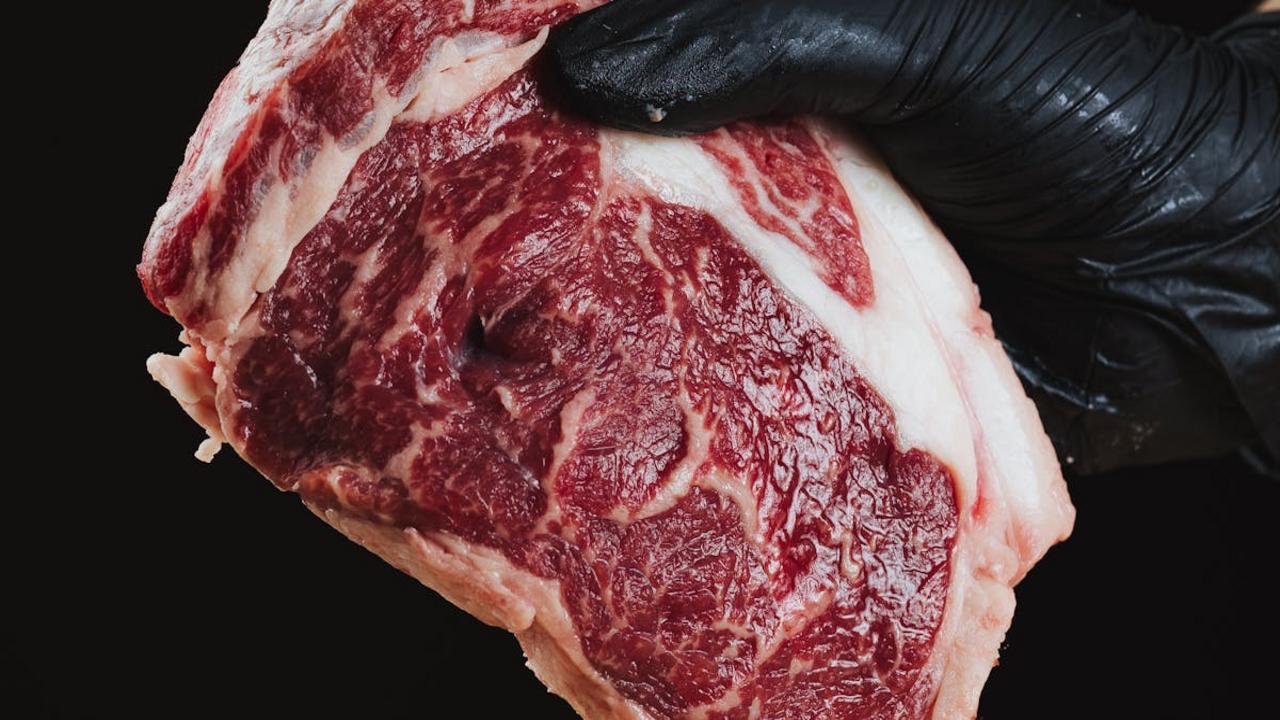
I get it—red meat feels like the star of so many comfort dishes, from my grandmother’s Sunday roast to those perfectly grilled steaks that make your mouth water. But here’s what I’ve learned through years of cooking for my family: scaling back on red meat doesn’t mean sacrificing flavor or satisfaction. Instead, it opens up incredible opportunities to experiment with other proteins that bring their own unique textures and tastes to your plate. Think about swapping that ground beef for lentils in your next Bolognese, or replacing steak with thick portobello mushrooms that soak up marinades beautifully.
The magic happens when you start viewing red meat as a supporting actor rather than the main character. I love adding small amounts of high-quality bacon or pancetta to bean dishes for that smoky depth, while letting vegetables and legumes take center stage. This approach not only reduces your environmental footprint but also introduces your palate to amazing plant-based proteins from around the world—from Middle Eastern chickpea stews to Asian tofu preparations that pack serious umami punch. Your wallet will thank you too, since beans, lentils, and seasonal vegetables cost a fraction of premium cuts while delivering incredible nutrition and fiber that keeps you satisfied longer.
Dark Leafy Greens
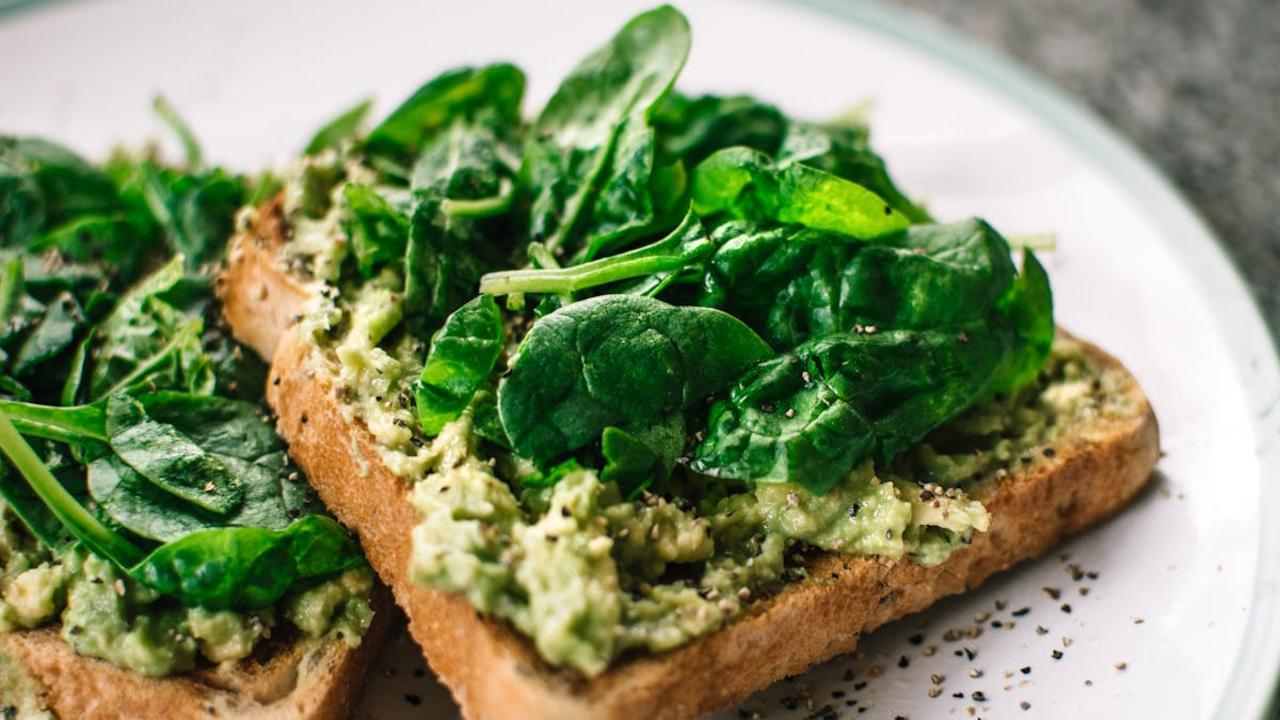
You know that moment when you open your fridge and spot those beautiful dark greens you bought with the best intentions? Instead of letting them wilt away in your crisper drawer, transform them into the star of your plate! Dark leafy greens like kale, collards, Swiss chard, and spinach pack incredible nutrition and add gorgeous color to any meal. I grab whatever looks freshest at the market and think of them as my flavor canvas. These powerhouse vegetables work magic in everything from morning smoothies to hearty dinner bowls.
The beauty of dark greens lies in their versatility across different cooking traditions. Massage raw kale with olive oil and lemon for a Mediterranean-inspired salad, or quickly sauté collards with garlic and ginger for an Asian twist. My favorite trick? Add a handful of chopped greens to your scrambled eggs during the last minute of cooking – they wilt perfectly and boost both nutrition and visual appeal. Whether you’re making a simple pasta dish or a complex curry, these greens absorb flavors beautifully while maintaining their own earthy character that grounds any recipe.
Eat More Beans
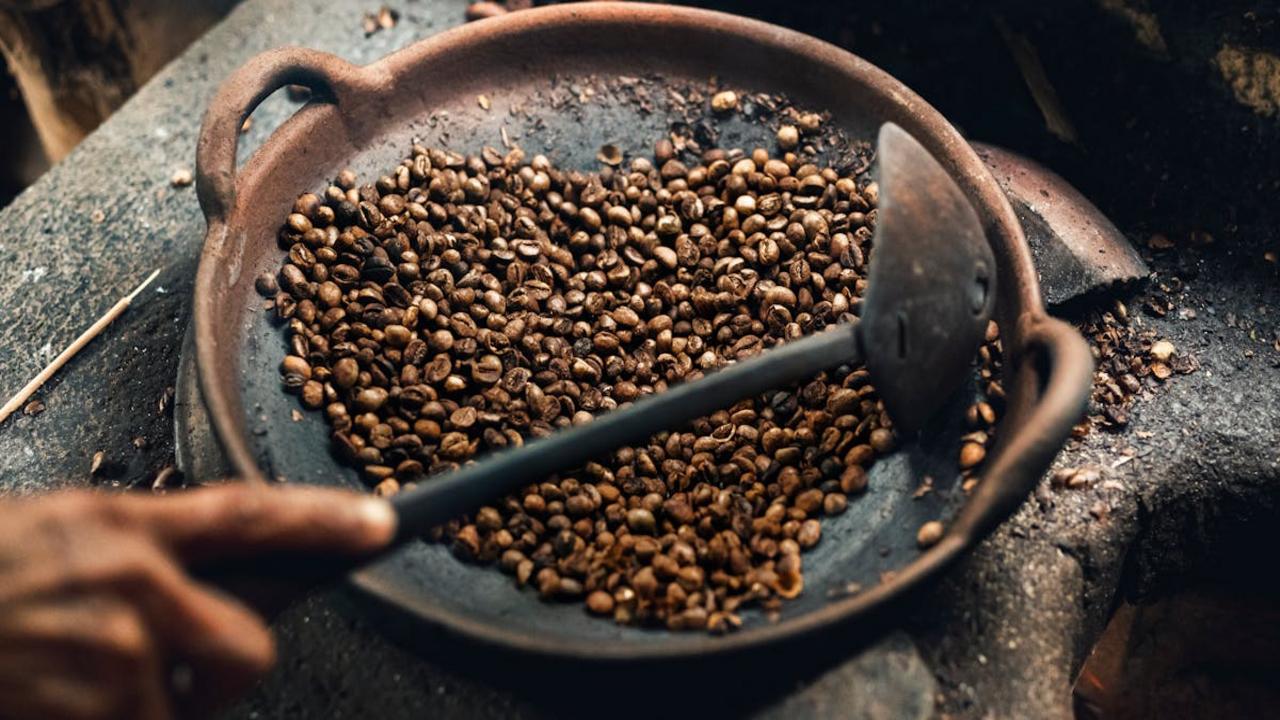
Beans have become my secret weapon for transforming ordinary meals into something extraordinary. I keep at least five different varieties in my pantry—black beans, chickpeas, cannellini beans, lentils, and kidney beans—because they bring instant heartiness and protein to whatever I’m cooking. When I toss a handful of white beans into my pasta sauce, it becomes more satisfying and nutritious. Black beans turn a simple quesadilla into a complete meal, while chickpeas make my salads feel substantial enough for dinner.
The beauty of beans lies in their versatility and how they absorb the flavors around them. I love mashing cannellini beans with garlic and olive oil for a quick spread, or blending chickpeas with tahini and spices for homemade hummus. Lentils cook quickly and work perfectly in soups, curries, and even as a meat substitute in tacos. The fiber and plant-based protein in beans keep you full longer while supporting your digestive health. Start small—add a can of rinsed beans to your next soup, stew, or grain bowl. Your body will thank you, and your wallet will too, since beans cost a fraction of what you’d spend on meat while delivering comparable nutrition.
Add Avocados
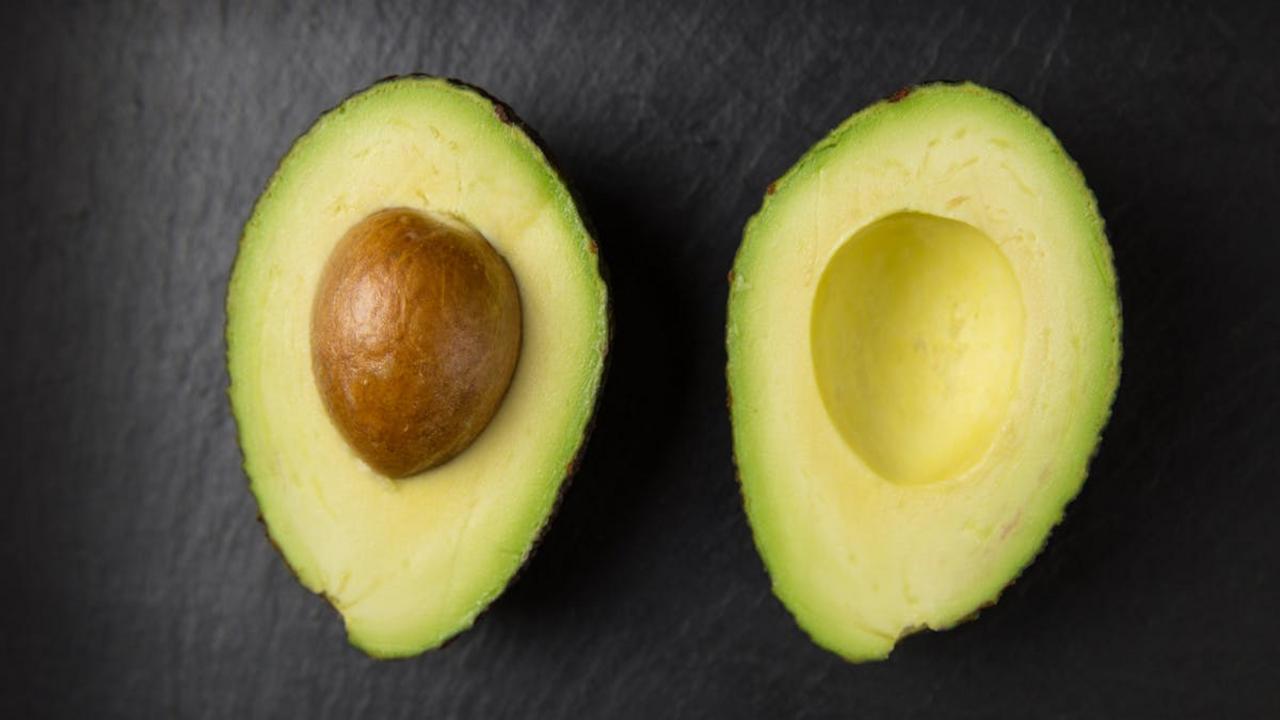
You know that moment when you’re staring at a perfectly good meal that feels like it’s missing something special? Nine times out of ten, sliced avocado is your answer. I keep ripe avocados on my counter like other people keep emergency chocolate – they’re my secret weapon for transforming ordinary dishes into something memorable. Whether you’re dealing with leftover rice and beans, a simple omelet, or even basic toast, creamy avocado brings richness and healthy fats that make everything taste more satisfying. The buttery texture creates an instant upgrade that makes your mouth think you’re eating something far more indulgent than you actually are.
What I love most about avocados is how they bridge flavors from completely different food traditions. Slice them over Korean bibimbap, mash them into Mexican-inspired black bean bowls, or layer them on Nordic-style rye bread with cucumber – they work everywhere. The natural oils in avocados help your body absorb fat-soluble vitamins from other ingredients on your plate, so you’re not just adding flavor, you’re actually making your meal more nutritious. I always buy a few avocados at different stages of ripeness, so I have one ready whenever inspiration strikes. Just remember to add them at the very end to preserve that perfect creamy texture.
Choose Whole Grain Bread

You know that moment when you’re standing in the bread aisle, staring at dozens of options? Here’s my secret: skip the fluffy white stuff and grab whole grain bread instead. I learned this trick from my grandmother, who always said the darker the bread, the better your body feels. Whole grain bread brings fiber, B vitamins, and minerals that white bread simply can’t match. When I make my morning avocado toast or afternoon grilled cheese, that nutty, complex flavor from whole grains transforms an ordinary sandwich into something satisfying and nourishing.
The beauty of whole grain bread lies in its versatility across different cuisines. I love using hearty rye for my Scandinavian-inspired open-faced sandwiches topped with smoked fish, or choosing seeded multigrain for Mediterranean-style bruschetta with fresh tomatoes and herbs. Even when I’m making French toast for weekend brunch, whole grain bread soaks up the custard mixture perfectly while adding texture and depth. Your blood sugar stays more stable, you feel full longer, and honestly, the flavor is just better. Once you make this simple swap, you’ll wonder why you ever settled for anything less substantial.
Include Fatty Fish
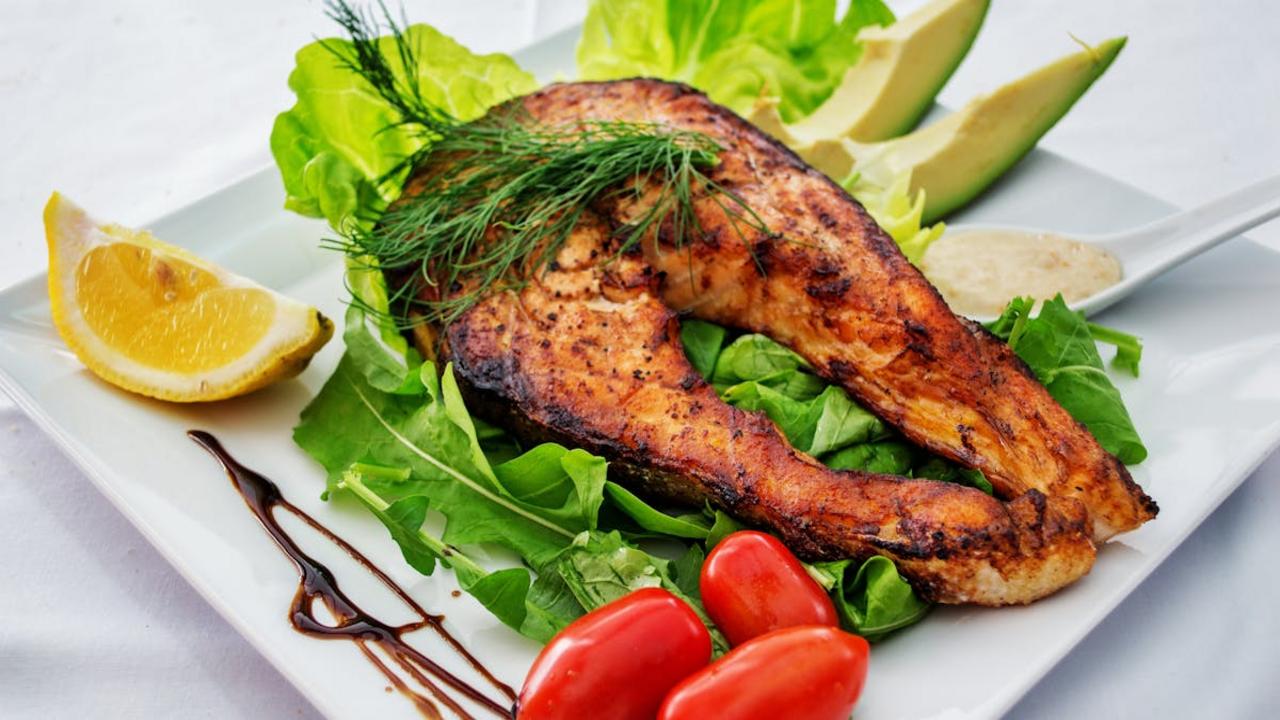
Your dinner plate deserves the rich, satisfying presence of fatty fish like salmon, mackerel, or sardines. I’ve watched countless home cooks shy away from these omega-3 powerhouses, thinking they’re too complicated or “fishy” for everyday meals. Trust me, once you discover how simple it is to pan-sear a piece of salmon with just salt, pepper, and a squeeze of lemon, you’ll wonder why you waited so long. These fish bring natural oils that keep your meal moist and flavorful while delivering nutrients your body craves for brain health and reducing inflammation.
What excites me most about cooking with fatty fish is how they pair beautifully with global flavors I love experimenting with. Try rubbing mackerel with za’atar and roasting it alongside vegetables, or marinating salmon in miso paste for an umami-rich dinner that feels restaurant-worthy but takes twenty minutes. Even canned sardines become magical when you toss them with pasta, garlic, and fresh herbs. The key is buying quality fish and treating it simply – these ingredients shine brightest when you don’t overthink the preparation.
Snack on Nuts
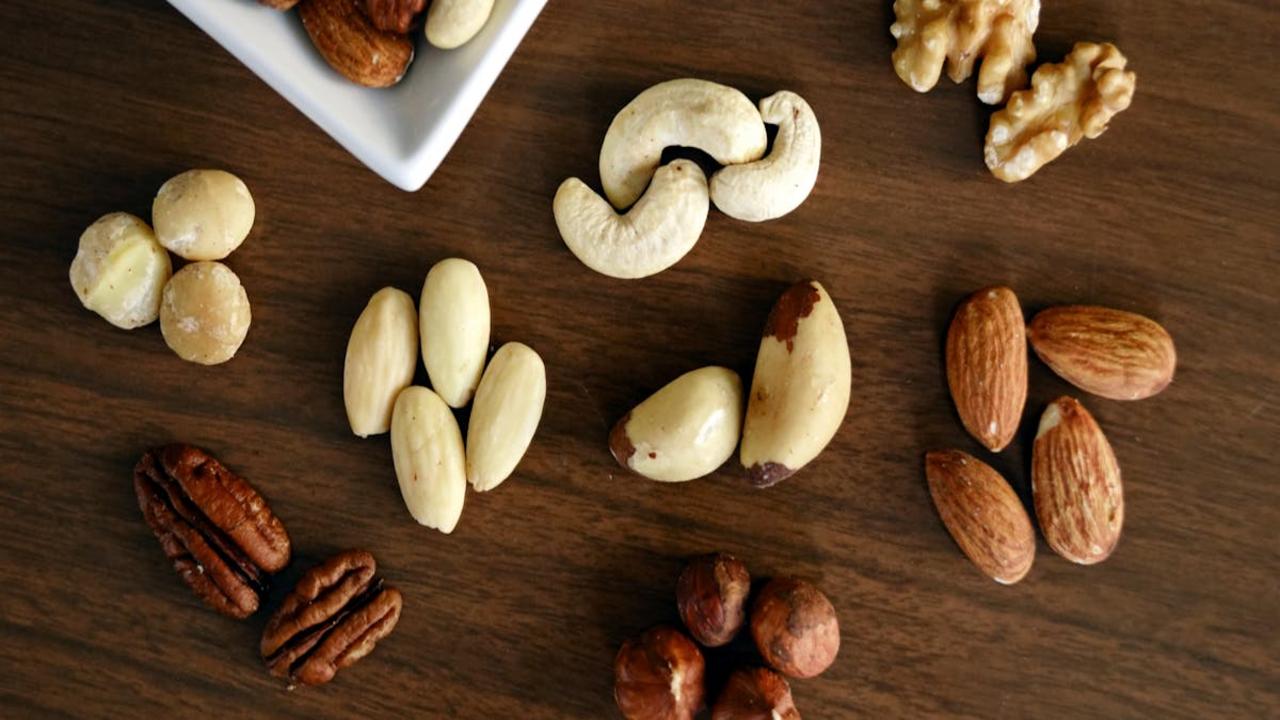
You know what transforms an ordinary meal into something special? Those little crunchy treasures we often overlook—nuts! I keep bowls of mixed nuts within arm’s reach in my kitchen because they’re my secret weapon for adding instant richness and texture to almost anything I’m cooking. Whether I’m sprinkling toasted almonds over my morning yogurt, crushing walnuts into my homemade pesto, or adding pine nuts to my roasted vegetables, these nutrient-dense powerhouses bring depth and satisfaction that processed snacks simply can’t match.
The beauty of nuts lies in their versatility and how they bridge flavors from different corners of the world. I love how pistachios add a Middle Eastern flair to my rice dishes, while cashews create the creamiest dairy-free sauces for my pasta. Try tossing a handful of pecans into your next salad or grinding hazelnuts into your morning smoothie—you’ll be amazed at how these simple additions elevate your everyday meals. Plus, the healthy fats and protein keep you satisfied longer, making them perfect for curbing those afternoon cravings while nourishing your body with wholesome, unprocessed goodness.
Add Oatmeal for Breakfast
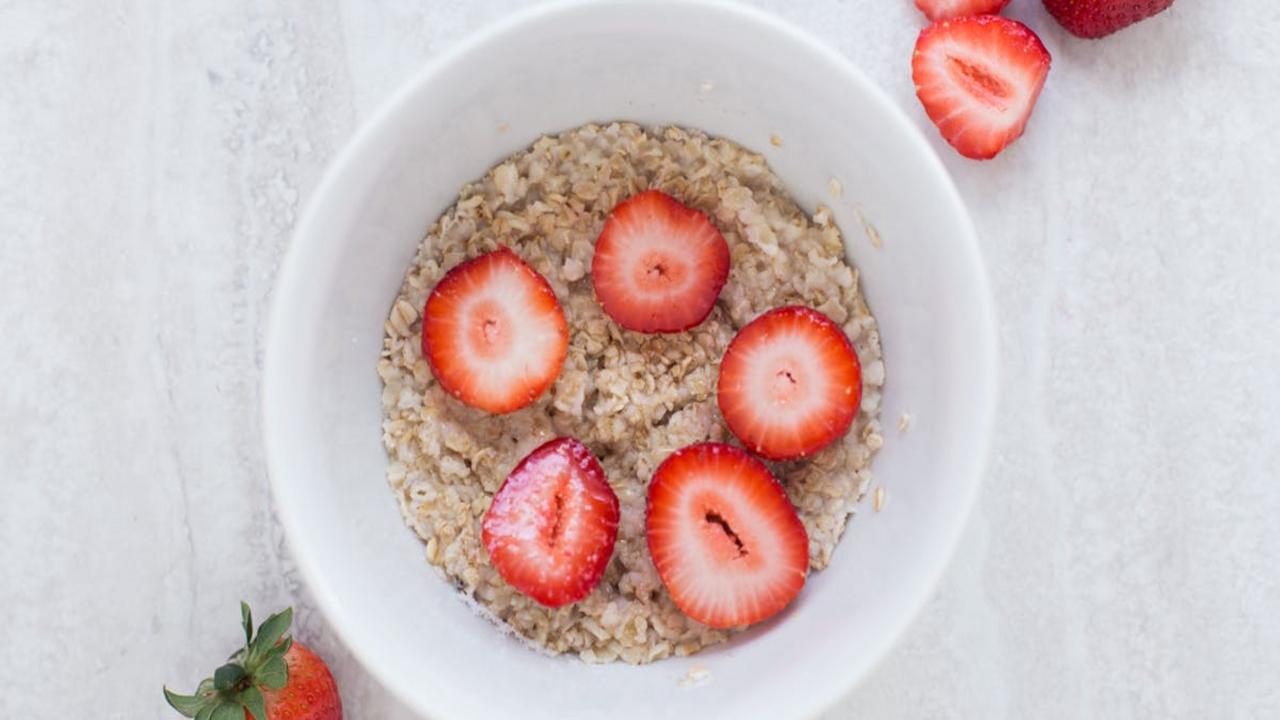
Listen, I get it – mornings can feel like a sprint, and the last thing you want is another complicated breakfast routine. But here’s what I’ve discovered in my own kitchen: oatmeal isn’t just peasant food or bland hospital fare. When you make it from scratch with rolled oats (never the instant packets loaded with sugar), you’re creating a canvas for incredible flavors. I start mine with a splash of coconut milk instead of water, then fold in whatever speaks to me that morning – maybe cardamom and pistachios for a Middle Eastern twist, or cinnamon with grated apple for something more familiar.
The magic happens when you think beyond the typical toppings. I’ve been experimenting with savory oatmeal lately – imagine soft oats topped with a runny egg, everything bagel seasoning, and fresh herbs from my windowsill garden. Or try my favorite sweet version: oats cooked with a spoonful of tahini, topped with fresh berries and a drizzle of honey. Your body will thank you for the fiber and protein that keeps you satisfied until lunch, while your taste buds get excited about breakfast again. This simple swap transforms your morning from rushed to nourishing, giving you energy that actually lasts.
Switch to Olive Oil
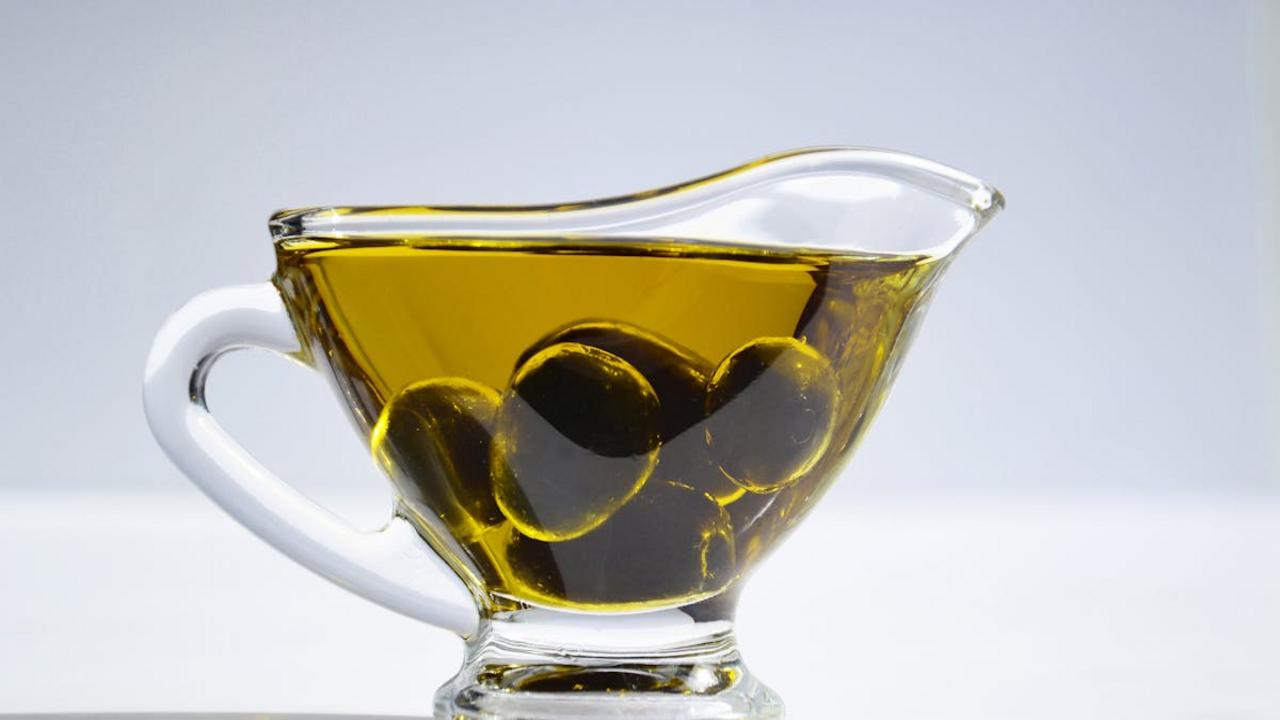
I remember the first time I replaced my go-to vegetable oil with extra virgin olive oil in my everyday cooking—it transformed everything. The rich, fruity notes of good olive oil don’t just add flavor; they bring your ingredients to life in ways that neutral oils simply can’t match. Whether I’m sautéing garlic for a simple pasta or drizzling it over roasted vegetables, olive oil becomes part of the dish rather than just a cooking medium. The Mediterranean approach to cooking taught me that fat isn’t something to fear—it’s a vehicle for flavor and nutrition that deserves respect.
Beyond the incredible taste, olive oil offers genuine health benefits that make this switch feel like a gift to your body. Those monounsaturated fats support heart health, while the antioxidants help fight inflammation throughout your system. I keep different olive oils in my kitchen now—a robust one for cooking and a delicate, peppery finishing oil for drizzling over completed dishes. Start small by replacing whatever oil you’re using for salad dressings, then gradually incorporate it into your sautéing and roasting. Your food will taste more vibrant, and you’ll feel good knowing you’re nourishing yourself with every meal.