10 Ways the Spice Trade Forged Global Flavors and Shaped What You Cook and Crave Today
That cinnamon in your morning bun? It traveled further than your last vacation. For thousands of years, peppercorns, nutmeg, and cardamom pods crossed oceans and continents, sparking wars, building empires, and completely transforming what humans eat. Your spice cabinet holds tiny fragments of global history that changed everything about how we cook and eat.
From ancient camel caravans trudging the Silk Road to Portuguese ships battling stormy seas, these flavor-packed treasures created the first truly global economy. Kings spent fortunes on saffron. Explorers died seeking clove-producing islands. A handful of nutmeg once cost more than a house – all for ingredients we now casually sprinkle into holiday cookies.
The spice routes connected East with West, creating culinary mashups that define what you consider “traditional” food today. Your pizza, curry, barbecue, and hot chocolate exist because merchants, sailors and conquerors carried little packets of flavor across the world. The history of spices isn’t just about food – it’s the story of how our world became connected.
Influence on Modern Global Cuisine
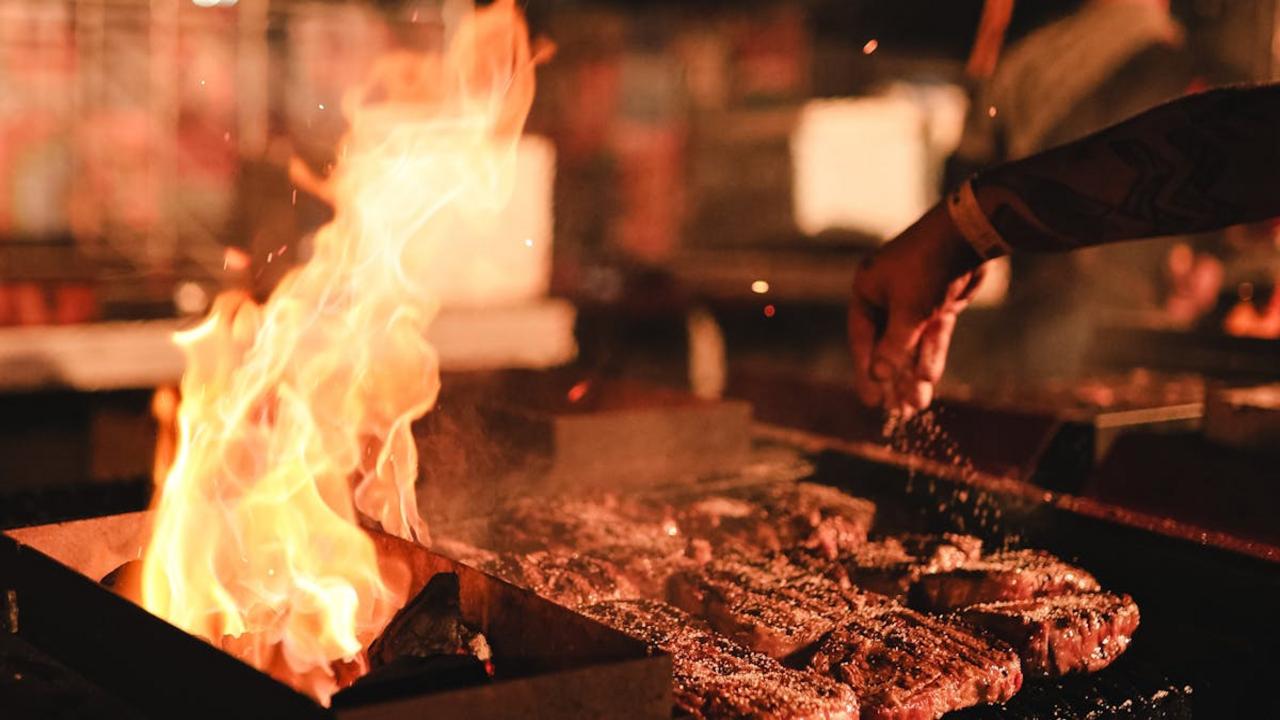
Picture this: you’re scrolling through Instagram, drooling over a Korean-Mexican fusion taco topped with gochujang and cilantro, or maybe you’re eyeing that trendy ramen burger that somehow makes perfect sense. These wild flavor combinations didn’t just magically appear – they’re the direct descendants of those ancient spice routes that connected continents centuries ago. Today’s global cuisine playground exists because traders once risked their lives hauling cinnamon from Ceylon and black pepper from India, creating the first international flavor network. Your favorite Thai-Italian restaurant downtown? That’s basically a modern spice route stop, where lemongrass meets basil and nobody bats an eye.
Modern chefs treat the world like their personal spice cabinet, and we’re all better for it. You can find Middle Eastern za’atar sprinkled on avocado toast in Brooklyn, or Indian curry powder transforming boring chicken salad into something magnificent. Food trucks serve Vietnamese banh mi with Peruvian aji amarillo, and fancy restaurants create “fusion” dishes that would make ancient spice merchants weep with joy. The spice trade taught us that borders mean nothing when flavor is involved – a lesson that turned our modern kitchens into miniature United Nations where cumin, cardamom, and star anise coexist peacefully in the same dish, creating combinations our ancestors could never have imagined.
Introduction of New Preservation Techniques
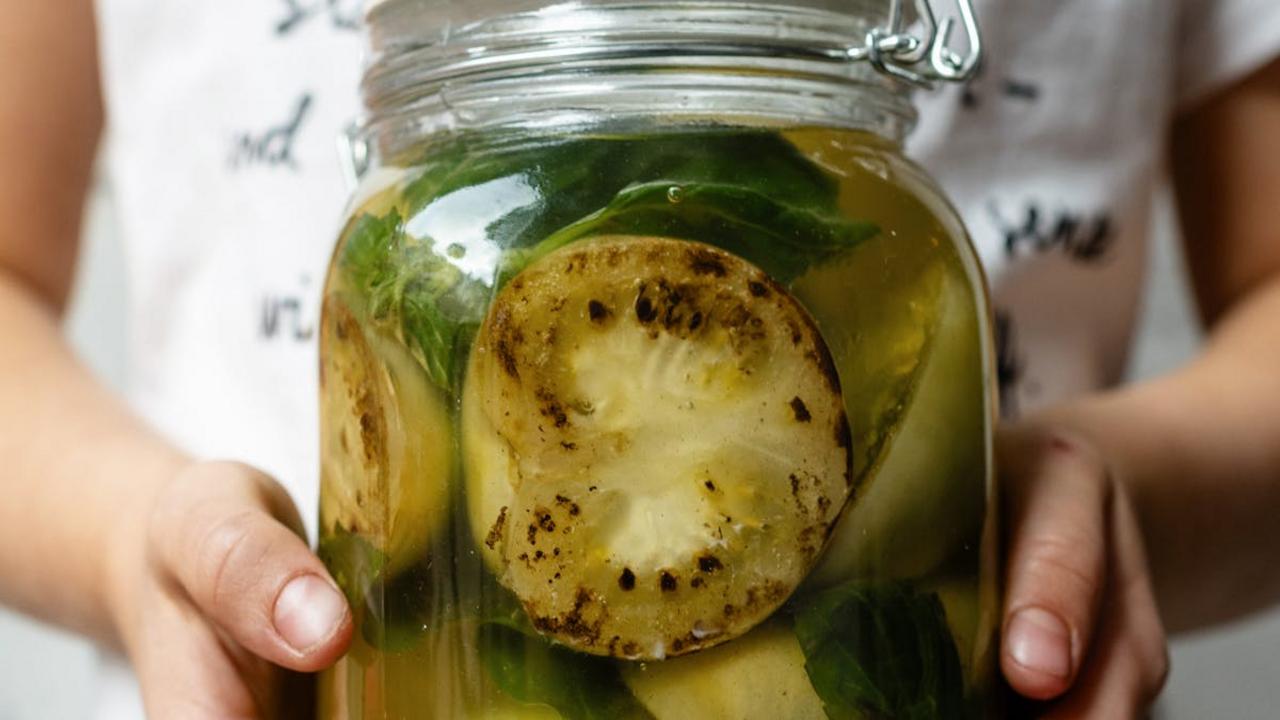
Picture this: you’re a medieval merchant with a ship full of precious black pepper, and you need to keep it fresh for months while sailing from India to Europe. No refrigerators, no vacuum-sealed bags, just your wits and whatever preservation magic you can muster! The spice trade didn’t just bring us flavor – it revolutionized how we keep food from going bad. Traders became accidental food scientists, experimenting with salt-curing, smoking, and drying techniques that would make modern chefs weep with joy. They discovered that certain spices like cinnamon and cloves weren’t just tasty additions but natural antimicrobials that could extend shelf life dramatically.
These preservation methods spread faster than gossip in a small town, transforming kitchens across continents. Suddenly, European cooks learned to cure meats with exotic spice blends, while Asian techniques for pickling vegetables with aromatic seeds traveled westward. The Spanish picked up smoking methods from the Americas, combining them with their imported saffron and paprika to create chorizo that could survive long journeys. Even today, your grandmother’s pickle recipe probably traces back to these ancient trade routes – those mysterious whole spices floating in the brine aren’t just for show, they’re preserving your cucumbers the same way merchants preserved their fortunes centuries ago!
Development of Regional Cuisines
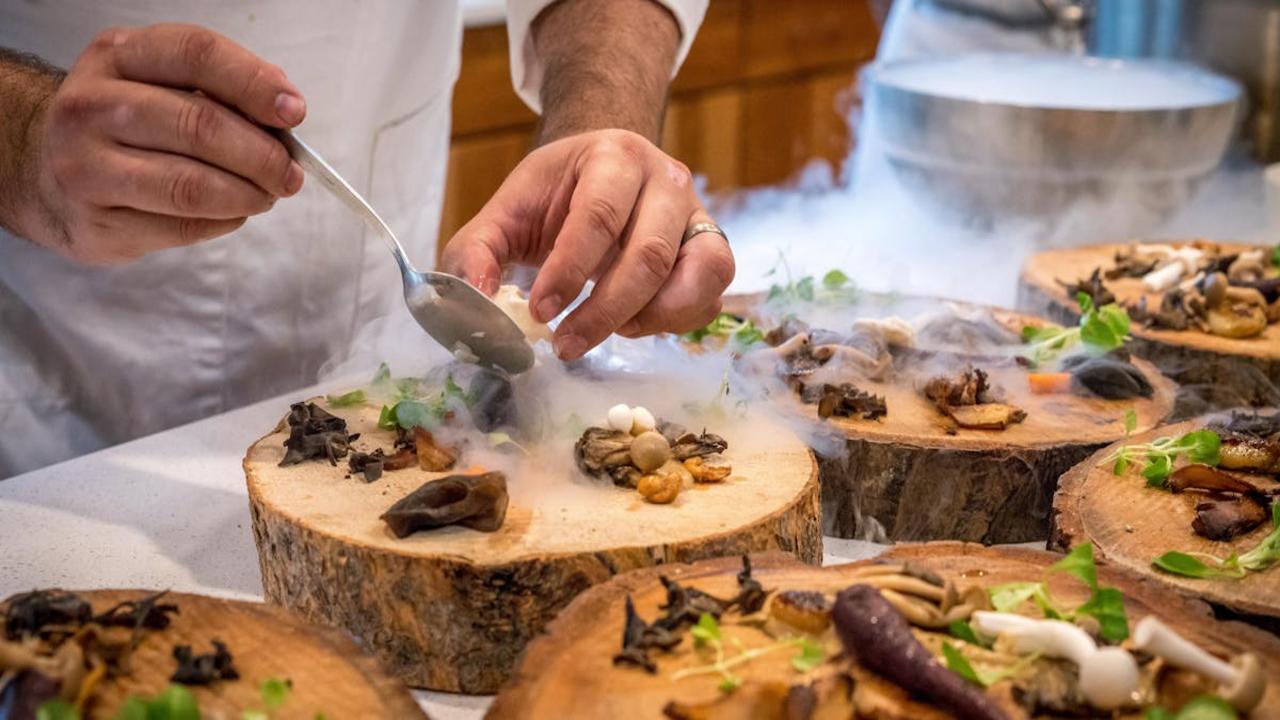
Picture this: merchants trudging across ancient trade routes with saddlebags full of cinnamon, cardamom, and cloves, completely unaware they were about to revolutionize dinner tables thousands of miles away. When these precious spices landed in different corners of the world, local cooks didn’t just sprinkle them on food and call it a day—they got creative! In India, those warming spices merged with local ingredients to create complex curry blends that still make your mouth water today. Meanwhile, European kitchens welcomed these exotic flavors into their hearty stews and roasts, transforming bland medieval meals into something worth getting excited about.
The beauty of regional cuisine development lies in how different cultures took the same basic spices and created completely unique flavor profiles. Take cinnamon, for example—while Middle Eastern cooks paired it with savory lamb dishes and rice pilafs, Mexican cooks discovered it played beautifully with chocolate and chilies, giving birth to mole sauces that are pure genius. Each region became a mad scientist’s lab where local ingredients met foreign spices, creating signature dishes that define entire cultures. Today, when you bite into Thai curry with its perfect balance of sweet, spicy, and aromatic notes, or savor a Moroccan tagine bursting with warm spices, you’re tasting centuries of culinary evolution sparked by those brave spice traders who probably never imagined their cargo would become the backbone of global cuisine.
Spices’ Role in Colonial Expansion
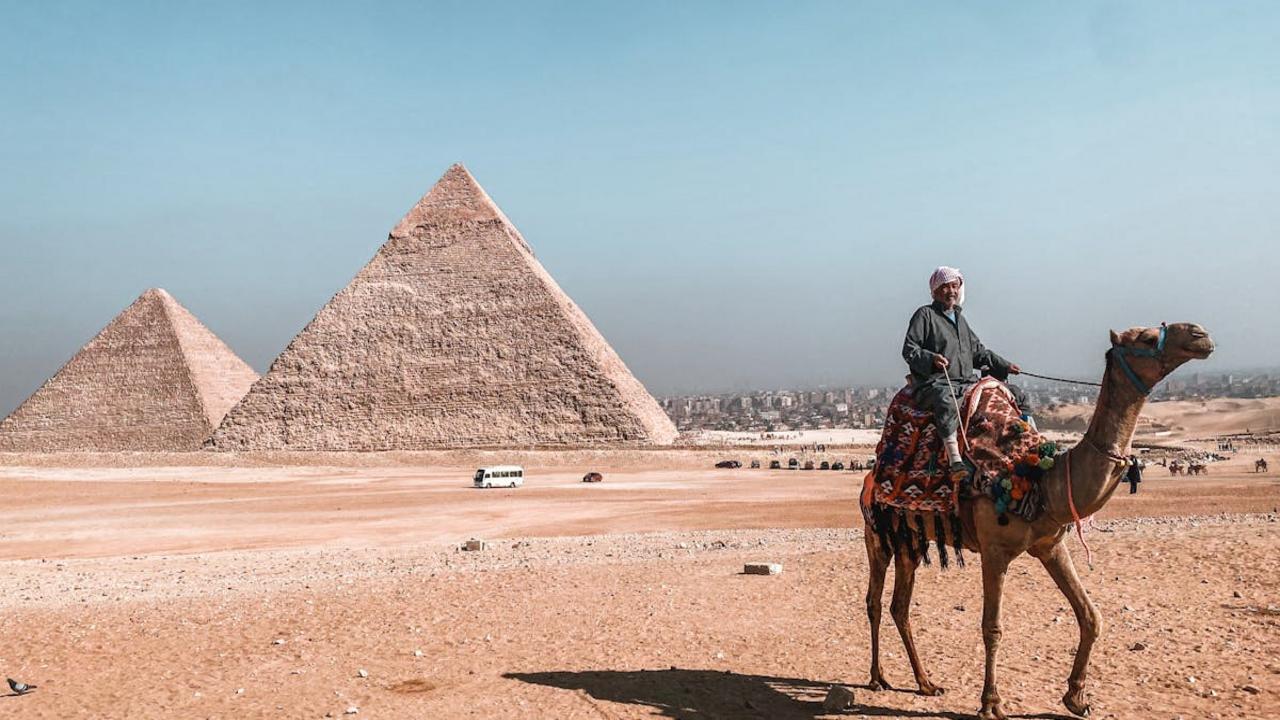
Picture this: you’re a 15th-century European monarch, and your dinner tastes like cardboard soaked in disappointment. Your meat is bland, your vegetables are boring, and the only seasoning you have is whatever sad herbs grow in your dreary climate. Then some adventurous sailor shows up with a tiny pouch of black peppercorns that costs more than your castle, and suddenly you’re willing to fund entire fleets to get more. That’s exactly how spices became the rocket fuel behind colonial expansion! European powers didn’t just want gold and glory—they desperately craved flavor, and they were willing to sail off the edge of the known world to get it.
The Portuguese kicked off this spice-fueled madness by muscling their way into the Indian Ocean trade routes, setting up shop in Goa and Macau faster than you can say “cinnamon stick.” The Dutch followed suit with their East India Company, basically becoming the world’s first corporate overlords while monopolizing nutmeg from the tiny Banda Islands. Here’s a wild fact: nutmeg was once so valuable that the Dutch traded Manhattan to the British for a single nutmeg-producing island called Run! Meanwhile, the British built their entire empire on a foundation of pepper, cardamom, and good old-fashioned colonization. These spice wars reshaped entire continents, created new trade languages, and mixed cultures in ways that still flavor your curry powder and pumpkin spice latte today.
Impact on Maritime Exploration and Discovery
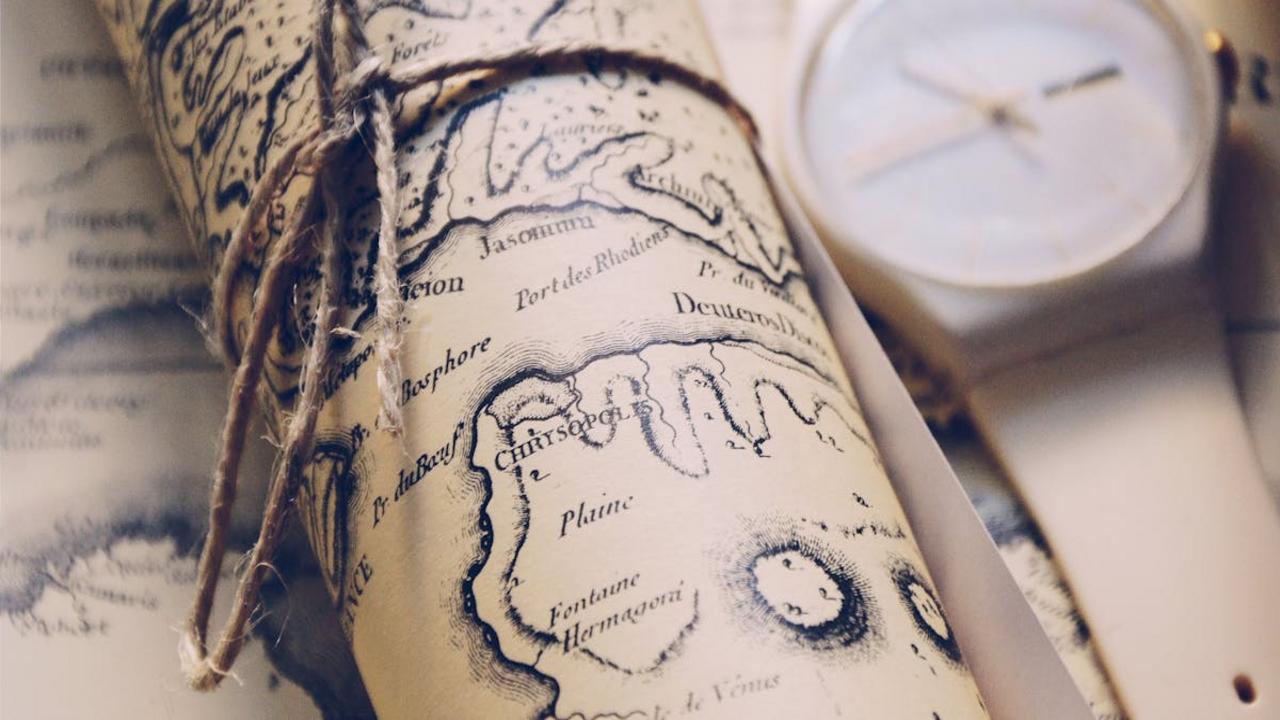
Picture this: Christopher Columbus sets sail in 1492, convinced he’s going to find a shortcut to Asia’s spice markets, and instead bumps into the Americas like someone walking into a glass door while texting. That’s the power of pepper and cinnamon for you! European sailors literally risked their lives crossing uncharted oceans because black pepper was worth more than gold, and nutmeg could buy you a house in Amsterdam. These intrepid seafarers weren’t just looking for new lands—they were chasing the ultimate flavor fix, driven by wealthy merchants who knew that whoever controlled the spice routes controlled serious money.
The Portuguese figured out how to sail around Africa to reach India’s Malabar Coast, where they could load up on cardamom and black pepper straight from the source. Meanwhile, the Dutch were so obsessed with nutmeg that they traded Manhattan (yes, that Manhattan!) for a tiny Indonesian island called Run that produced the precious spice. Magellan’s crew became the first to circumnavigate the globe while hunting for cloves, though poor Magellan himself got killed in the Philippines before completing the trip—talk about dedication to the spice game! These maritime adventures didn’t just map our world; they created the first global trade networks, connecting kitchens from Lisbon to Jakarta with flavors that still make your mouth water today.
Spices as Status Symbols in Europe

Picture medieval Europe, where black pepper cost more per pound than silver and saffron commanded prices that would make your modern truffle dealer blush. Back then, your spice rack wasn’t just about flavor—it was your social credit score displayed right there on the dining table. Wealthy merchants and nobles would literally sprinkle money on their food, dousing everything from roasted peacock to honeyed wine with exotic seasonings just to prove they could afford it. The more cinnamon you could casually toss into your mulled wine, the higher you ranked in society’s pecking order. One particularly audacious French duke reportedly served a banquet where every single dish contained at least three different imported spices, effectively turning dinner into the medieval equivalent of flexing your Rolex collection.
The obsession ran so deep that European cookbooks from the 13th and 14th centuries read like prescription drug labels—calling for pinches of cardamom here, dashes of nutmeg there, all in quantities that would bankrupt most families for months. Wealthy households employed dedicated spice masters whose sole job involved measuring out these precious seasonings with the precision of a pharmacist. They kept their spices locked in ornate boxes with multiple keys, because losing a few ounces of imported ginger could mean financial ruin. This wasn’t just about making food taste good—it was pure theater, a way to announce to every dinner guest that you possessed enough wealth to season your soup with what amounted to liquid gold from distant lands.
Cultural and Culinary Exchanges
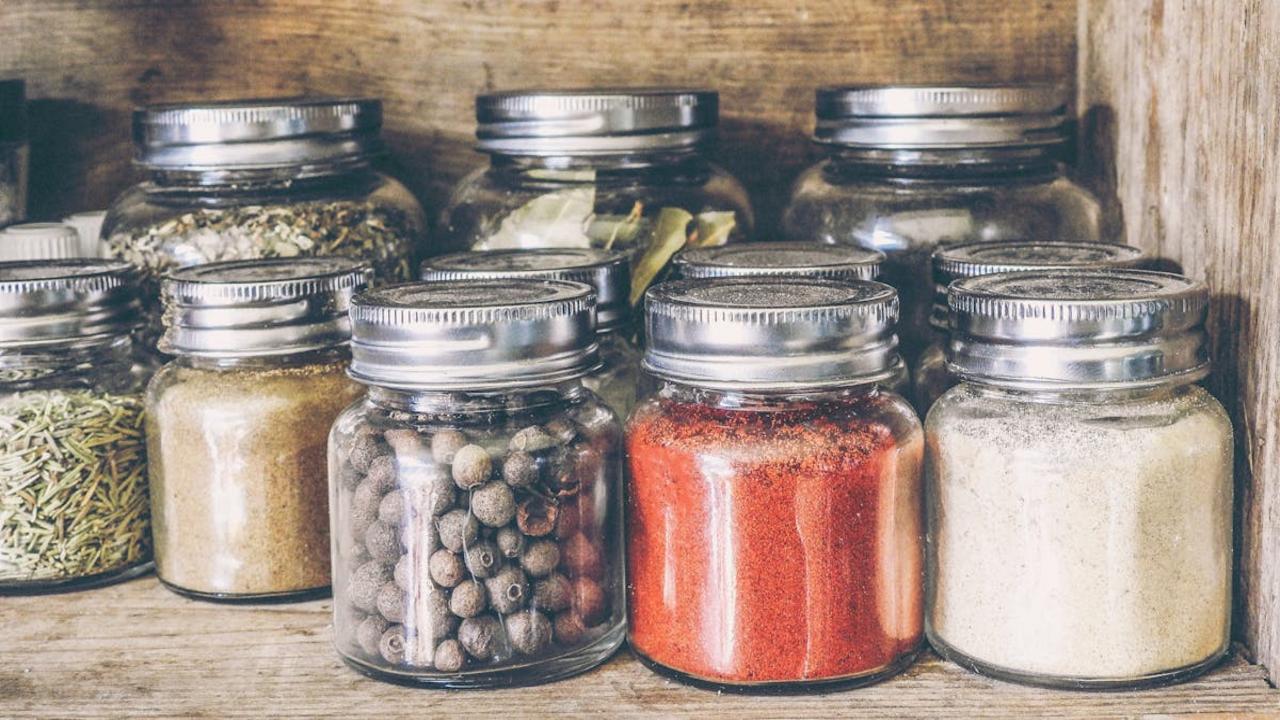
Picture this: a 15th-century Venetian merchant bites into his first taste of black pepper from India and literally changes the course of history. That single peppercorn sparked trade routes that would connect continents and create the most delicious cultural mashup the world had ever seen. When spice traders crossed oceans, they didn’t just carry cardamom and cinnamon—they brought entire cooking philosophies with them. Portuguese traders introduced chili peppers to India (can you imagine Indian food without heat?), while Arab merchants carried saffron recipes that would eventually make Spanish paella possible. These weren’t just business transactions; they were flavor revolutions wrapped in silk and tucked into ship cargo holds.
The beautiful chaos of spice trading created fusion cuisines centuries before we had a name for it. Take cinnamon rolls, for instance—that perfect marriage of Scandinavian baking traditions with Ceylon cinnamon happened because Viking traders had serious wanderlust and even more serious sweet teeth. Or consider how turmeric traveled from India to become the golden soul of Persian rice dishes, which later influenced Middle Eastern cooking, which eventually found its way into European Jewish kitchens. Each trade route was like a giant game of culinary telephone, where recipes transformed with every port of call. Today, when you sprinkle nutmeg on your latte or add star anise to your beef stew, you’re participating in a flavor conversation that started with brave merchants who risked everything for a handful of seeds.
Economic Empowerment of Trading Nations
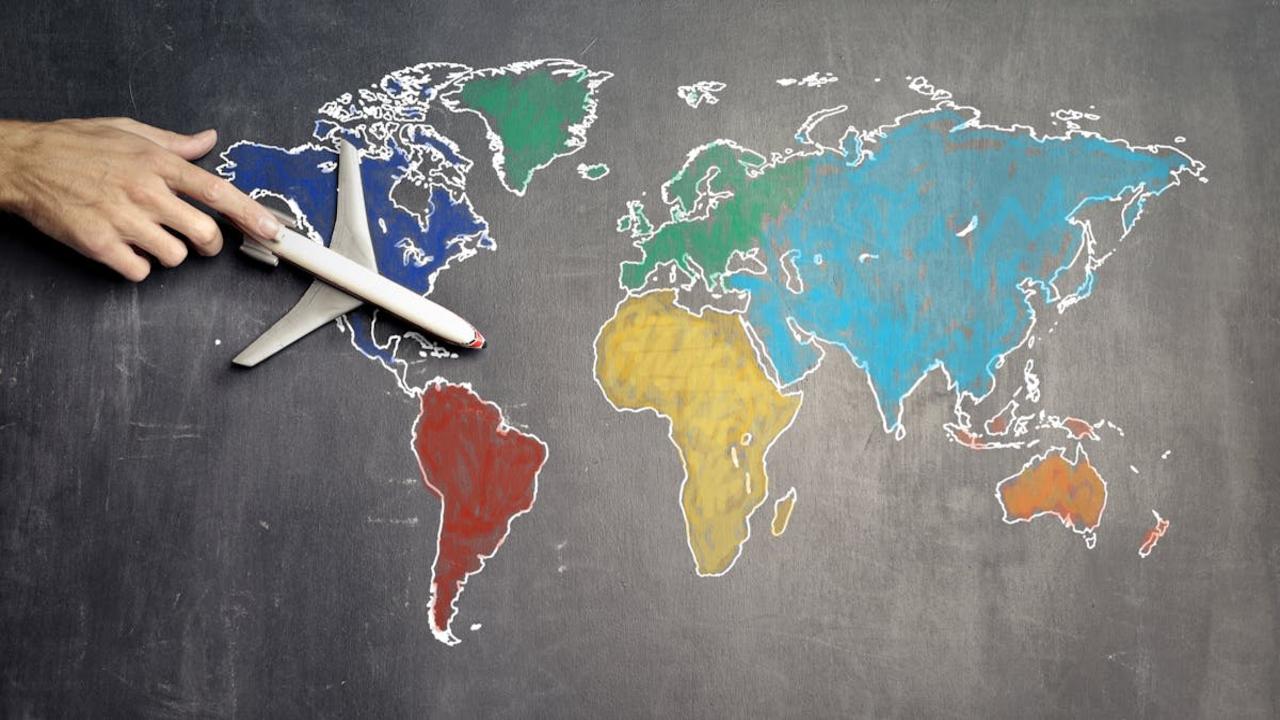
Picture this: tiny peppercorns worth their weight in gold, literally transforming entire nations from sleepy backwaters into bustling economic powerhouses. The spice trade didn’t just season our food—it seasoned entire economies with prosperity! Portugal went from being a small European kingdom to controlling massive trading routes thanks to their monopoly on black pepper and cinnamon. Meanwhile, the Dutch practically invented modern capitalism while chasing after nutmeg, establishing the world’s first stock exchange in Amsterdam just to fund their spice-hunting adventures. These weren’t just merchants; they were flavor pirates sailing across oceans for aromatic treasures that would make them richer than kings.
The economic ripple effects were absolutely wild. Venice became so wealthy from controlling Mediterranean spice routes that they built an entire floating city of marble palaces—talk about seasoning your architecture with success! Indian Ocean ports like Calicut and Malacca transformed from fishing villages into cosmopolitan trading hubs where merchants spoke dozens of languages and currencies changed hands faster than hot samosas. Even today, you can trace the wealth of nations back to who controlled which spices when. Singapore’s modern prosperity? Built on the foundation of being the ultimate spice trading crossroads. Next time you sprinkle cinnamon on your latte, remember you’re participating in a economic tradition that literally built empires and funded the exploration of our entire planet!
Formation of Global Trade Networks
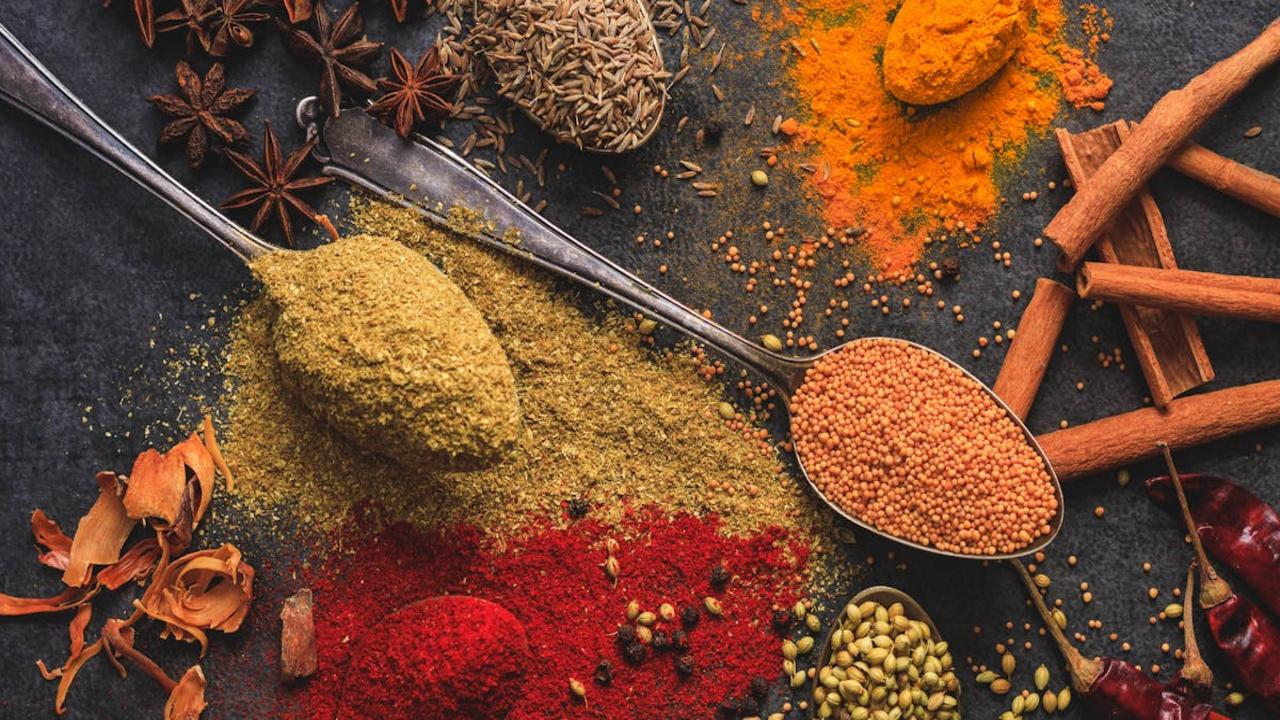
Picture this: thousands of years ago, some brave soul decided that plain rice just wasn’t cutting it anymore and set off across treacherous seas to find something that would make dinner actually exciting. That person probably had no idea they were about to create the world’s first international food delivery system! The spice trade didn’t just connect distant lands—it basically invented globalization before anyone knew what that word meant. Merchants from Venice rubbed elbows with traders from Constantinople, who swapped stories (and seasonings) with adventurers from the Far East. These weren’t your average business meetings either; imagine negotiating over cardamom while dodging pirates and praying your ship wouldn’t sink in the next storm.
What started as simple bartering between neighboring regions snowballed into intricate networks spanning continents. Arab traders became the original middlemen, creating routes that stretched from Indonesian nutmeg groves to European castle kitchens. The Silk Road wasn’t just about silk—it was highway central for cinnamon, cloves, and black pepper that was literally worth its weight in gold. Portuguese and Dutch sailors later muscled in on the action, establishing trading posts that became permanent settlements. You know that Portuguese influence you taste in Goan curry? That’s centuries-old trade route DNA right there! These networks were so valuable that entire wars broke out over who controlled them, proving that humans will fight over anything that makes food taste better.
Rise and Influence of the Silk Road
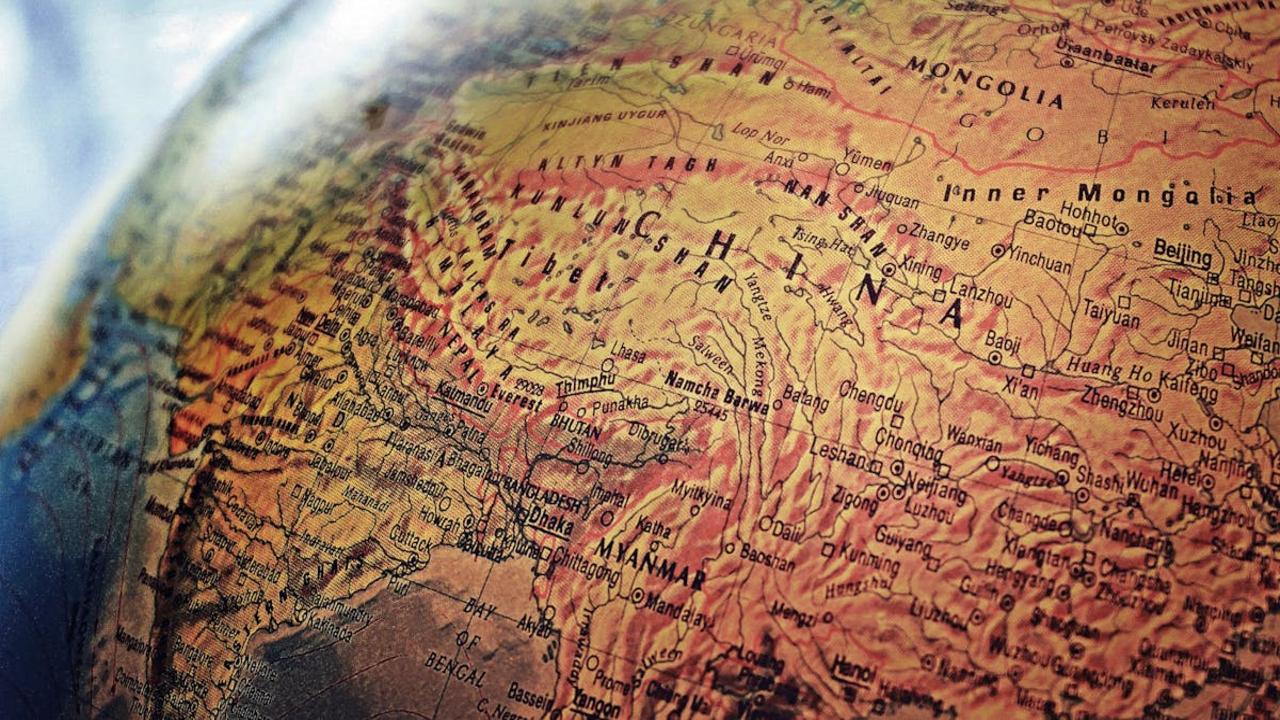
Picture this: thousands of years ago, brave merchants loaded their camels with precious cargo and set off across treacherous deserts, mountain passes, and bandit-infested territories. What drove them to risk life and limb? Spices! The Silk Road wasn’t just about silk (though that fabric was pretty spectacular too). This legendary network of trade routes connected East and West like the world’s first international food delivery system, except it took months instead of minutes. Cinnamon from Ceylon, black pepper from India, and star anise from China traveled these dusty paths, transforming bland European porridge into something worth talking about. These merchants didn’t just carry spices; they carried flavor revolution in their saddlebags.
The Silk Road created the world’s first global fusion cuisine without anyone even realizing it. Persian traders introduced Chinese five-spice to Middle Eastern markets, while Byzantine merchants brought Mediterranean herbs eastward. Along the way, recipes mixed and mingled faster than gossip at a neighborhood barbecue. Every trading post became a melting pot where local cooks experimented with exotic newcomers. That Indonesian satay you love? Thank the Silk Road for bringing those perfect spice combinations together. Your favorite Indian curry? Those complex spice blends developed because traders from different regions shared their secret ingredients at dusty caravan stops. Today’s global pantry exists because these ancient entrepreneurs refused to accept that good food should be limited by geography.