15 Flavor-Packed Superfoods to Help Lower Blood Pressure Naturally
Keeping your blood pressure in check doesn’t mean eating bland, joyless food! Mother Nature packed incredible flavor and heart-healthy benefits into foods you probably already love. From creamy bananas to rich dark chocolate, these superfoods work double-duty – tantalizing your taste buds while helping your cardiovascular system stay in top form.
I discovered this superfood approach after my doctor warned me about my rising blood pressure numbers. Instead of immediately reaching for medication, I filled my kitchen with colorful berries, leafy greens, and sweet potatoes. The results? Not only did my readings improve, but my meals became more exciting!
Think of these 15 superfoods as your delicious defense team against hypertension. Each brings unique compounds like potassium, nitrates, or antioxidants that help your blood vessels relax and your pressure drop. The best part? You won’t feel like you’re “on a diet” – you’ll simply enjoy food that loves your body back.
Pomegranate
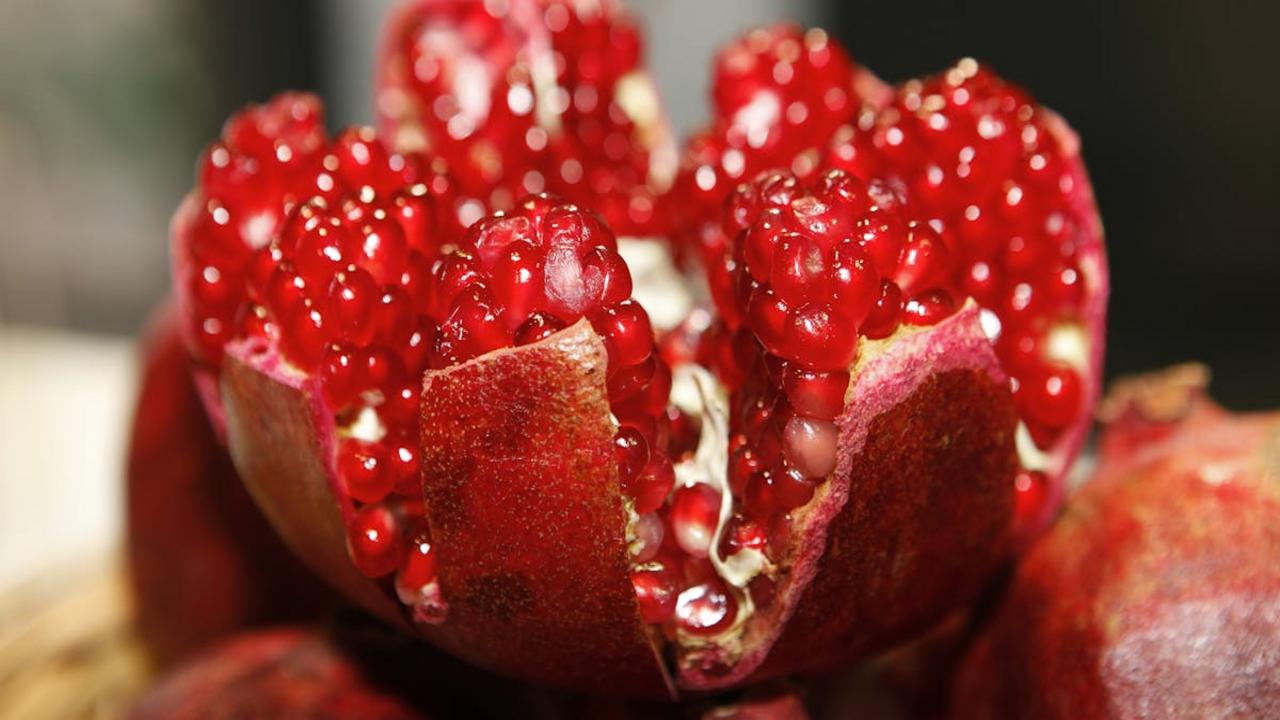
Picture this: you’re cracking open what looks like nature’s most complicated jewelry box, and inside, hundreds of ruby-red gems burst forth like tiny fireworks. That’s pomegranate for you – the fruit that makes you work for every single antioxidant-packed seed! These crimson treasures contain more blood pressure-lowering compounds than a pharmacy, thanks to their sky-high levels of polyphenols and nitrates. Ancient Persians called pomegranates “the fruit of paradise,” and honestly, they weren’t wrong. One cup of these little ruby seeds delivers about 30% of your daily vitamin C needs while simultaneously telling your blood vessels to chill out and relax.
Now, here’s where things get interesting: pomegranate juice has been shown to reduce systolic blood pressure by up to 12% in some studies. But fair warning – extracting those seeds can feel like performing surgery on a grenade. Pro tip from someone who’s learned the hard way: do it underwater in a large bowl, and wear clothes you don’t mind staining burgundy. Your white shirt will thank you later! Sprinkle those gorgeous seeds over yogurt, toss them into salads, or blend them into smoothies. Just remember, fresh pomegranate beats store-bought juice every time – those commercial versions often pack more sugar than a candy bar, which defeats the whole blood pressure purpose.
White Beans
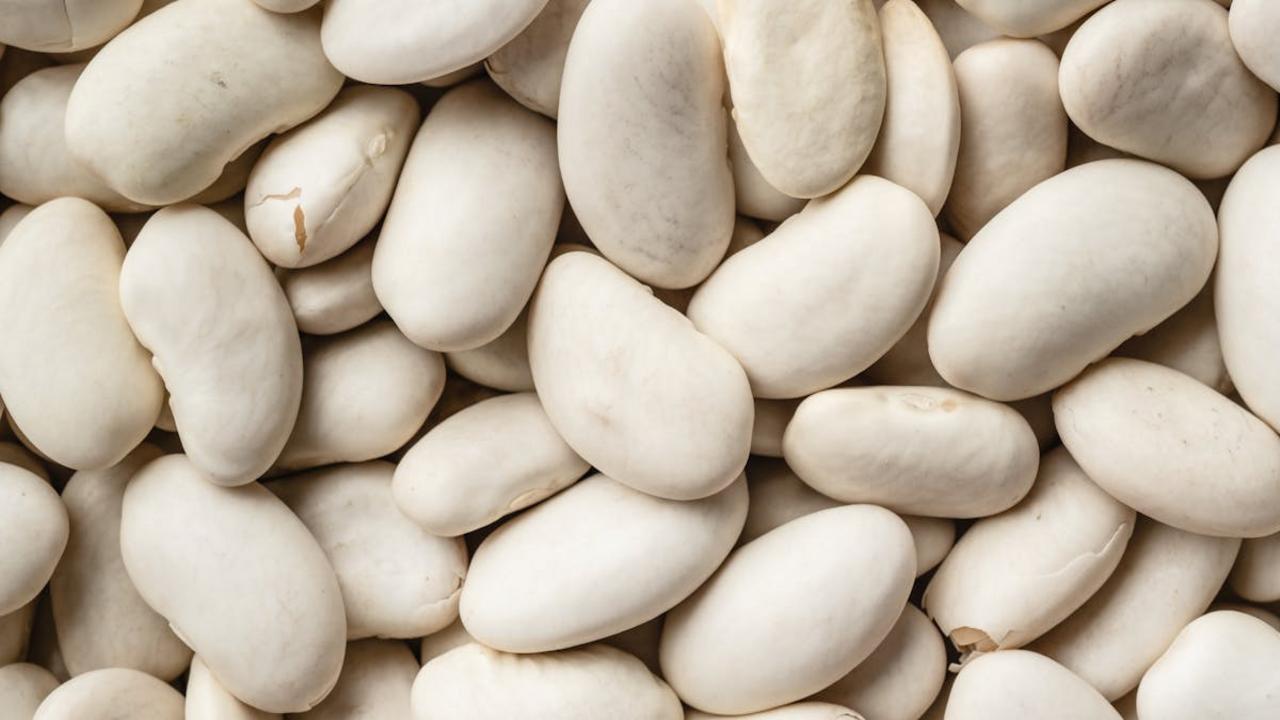
White beans might look like boring little pebbles sitting in your pantry, but these unassuming legumes pack more blood pressure-fighting power than a yoga instructor with a meditation app. One cup delivers a whopping 1,000 milligrams of potassium – that’s nearly a quarter of your daily needs! Your arteries will thank you for this mineral bonanza because potassium acts like a bouncer at an exclusive club, kicking excess sodium out of your system while helping your blood vessels relax. Fun fact: ancient Romans considered beans so valuable they used them as voting tokens, and honestly, I’d vote for these creamy gems any day over their flashy kidney bean cousins.
The beauty of white beans lies in their chameleon-like ability to absorb whatever flavors you throw at them. Toss them into a rustic Italian soup with garlic and rosemary, mash them into a protein-packed hummus alternative, or simply sauté them with olive oil and fresh herbs for a side dish that’ll make your dinner guests wonder why they never appreciated beans before. I once watched my notoriously picky nephew devour an entire bowl of white bean and sage pasta, completely unaware he was eating something that would make his future cardiologist proud. These little nutritional powerhouses contain fiber, folate, and magnesium – a trio that works together like a well-rehearsed boy band to keep your cardiovascular system humming along smoothly.
Pistachios
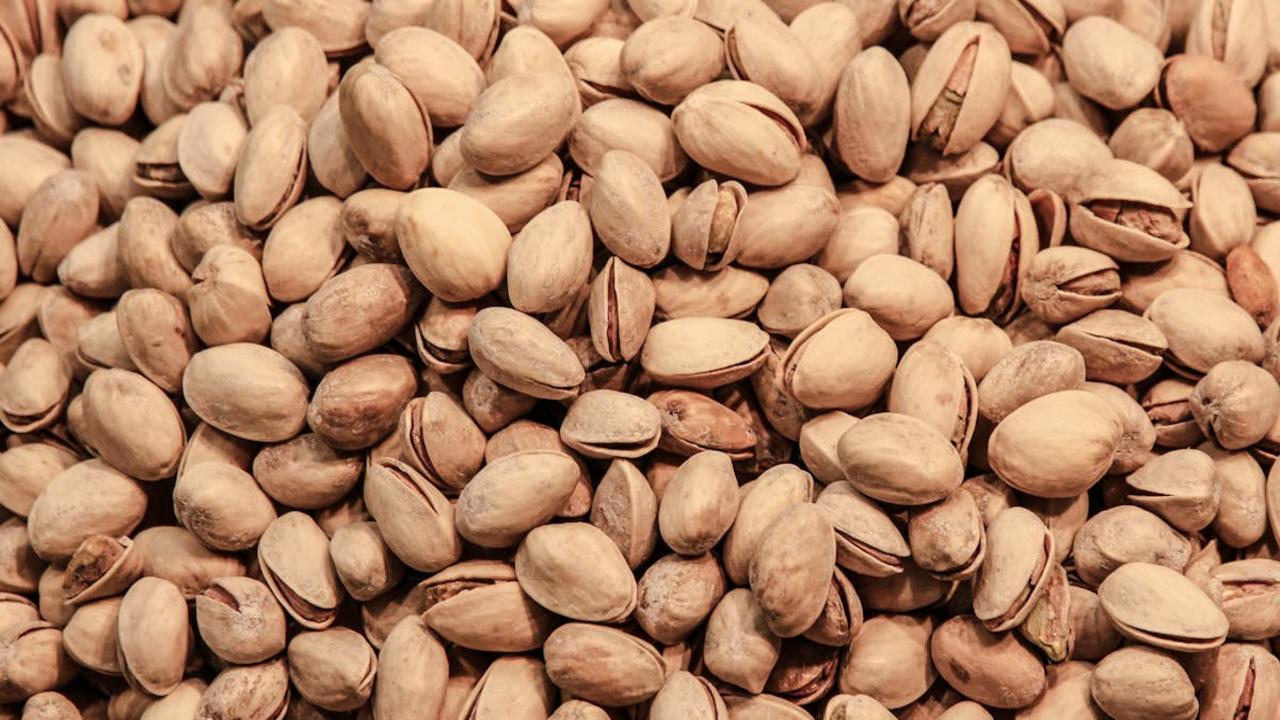
These little green gems deserve way more credit than they get! Sure, they’re famous for being the snack that turns your fingers purple and leaves shells scattered across your coffee table like confetti after a very boring party, but pistachios pack a serious punch when it comes to blood pressure management. A single ounce contains potassium, magnesium, and healthy fats that work together like a tiny orchestra conducting your cardiovascular system back into harmony. Plus, they’re one of the few nuts that come with their own portion control system – those shells force you to slow down and actually pay attention to how many you’re eating, unlike their naked cashew cousins that disappear faster than your willpower at a dessert buffet.
Here’s something that’ll blow your mind: pistachios are technically seeds, not nuts, and they’re related to mangoes and cashews (talk about a diverse family tree!). The best part? You can toss them into practically anything – sprinkle them over Greek yogurt for breakfast, blend them into pesto that’ll make your pasta sing opera, or just eat them straight from the bag while binge-watching your favorite show. Studies show that munching on about an ounce daily can help reduce both systolic and diastolic blood pressure, probably because your heart gets so excited about all those heart-healthy nutrients that it starts behaving better. Just remember to buy them unsalted, because adding extra sodium to a blood pressure-lowering snack is like wearing flip-flops to a marathon – counterproductive and slightly ridiculous.
Watermelon
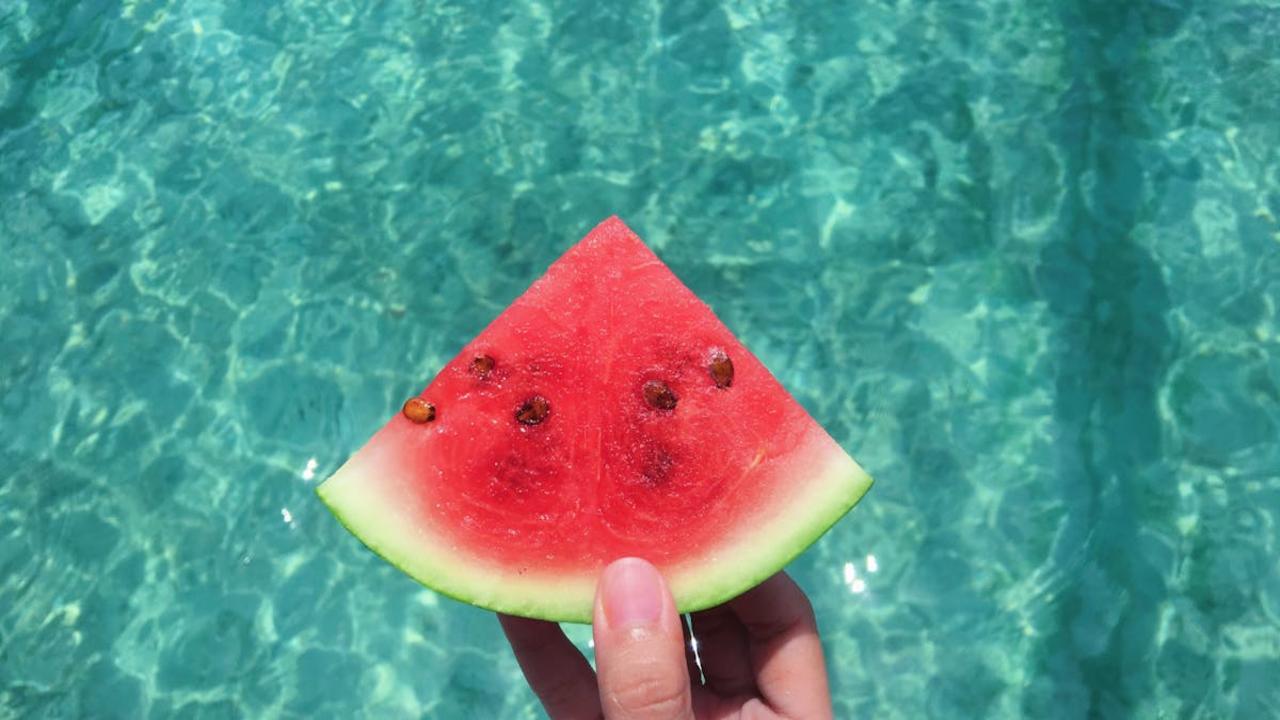
Picture this: you’re lounging poolside on a blazing summer afternoon, and someone hands you a thick wedge of watermelon so juicy it practically requires a swimsuit to eat. That sweet, refreshing explosion isn’t just summer magic—it’s your blood pressure saying “thank you!” This crimson-fleshed wonder packs a secret weapon called citrulline, an amino acid that gets converted into arginine in your body, which then helps relax those stubborn blood vessels. Think of citrulline as your circulatory system’s personal masseuse, working overtime to keep things flowing smoothly.
Here’s where watermelon gets really sneaky smart: a single cup contains about 170 milligrams of potassium, nature’s own blood pressure balancer that counteracts all that sneaky sodium hiding in your diet. Plus, watermelon is roughly 92% water, making it the ultimate multitasker—hydrating you while simultaneously working its cardiovascular magic. Fun fact: those black seeds you’ve been spitting out? They’re actually edible protein powerhouses! But honestly, seedless varieties work just as well for your heart, and they won’t turn your backyard gathering into a seed-spitting competition (though where’s the fun in that?).
Sweet Potatoes
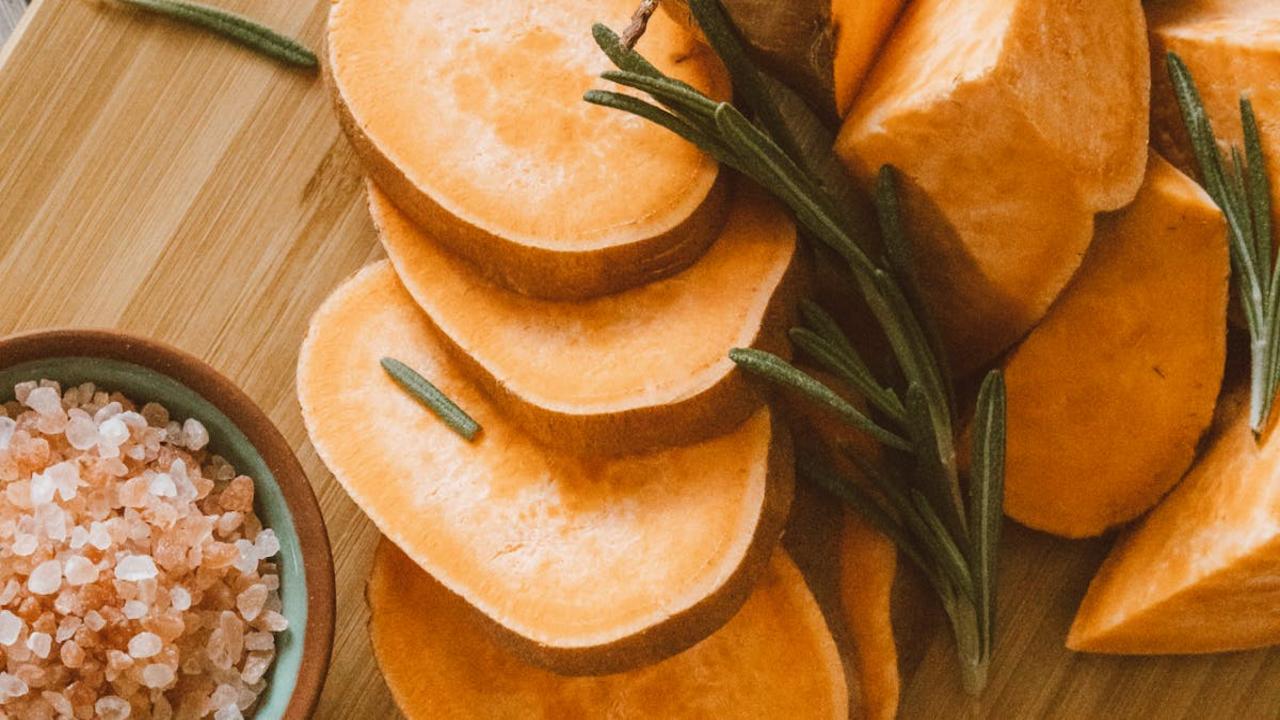
You know that moment when you bite into a perfectly roasted sweet potato and suddenly understand why your grandmother always insisted they were nature’s candy? Those vibrant orange beauties aren’t just sweet-talking your taste buds – they’re secretly working overtime to keep your blood pressure in check! Packed with potassium (more than a banana, if you can believe it), sweet potatoes help your body flush out excess sodium like a bouncer kicking troublemakers out of a fancy club. Plus, they’re loaded with magnesium and fiber, creating a triple threat against hypertension that would make any superhero jealous.
Here’s something that’ll knock your socks off: sweet potatoes contain anthocyanins, the same compounds that give blueberries their superfood status, but somehow sweet potatoes never get invited to the cool kids’ antioxidant table. Try roasting them with a drizzle of olive oil and a sprinkle of cinnamon – your kitchen will smell like autumn had a baby with heaven, and your arteries will thank you later. You can mash them, fry them into crispy wedges, or stuff them with black beans and avocado for a meal that’s basically a hug for your cardiovascular system. Trust me, once you start treating sweet potatoes like the blood pressure-lowering rockstars they are, regular potatoes will seem as exciting as watching paint dry.
Garlic
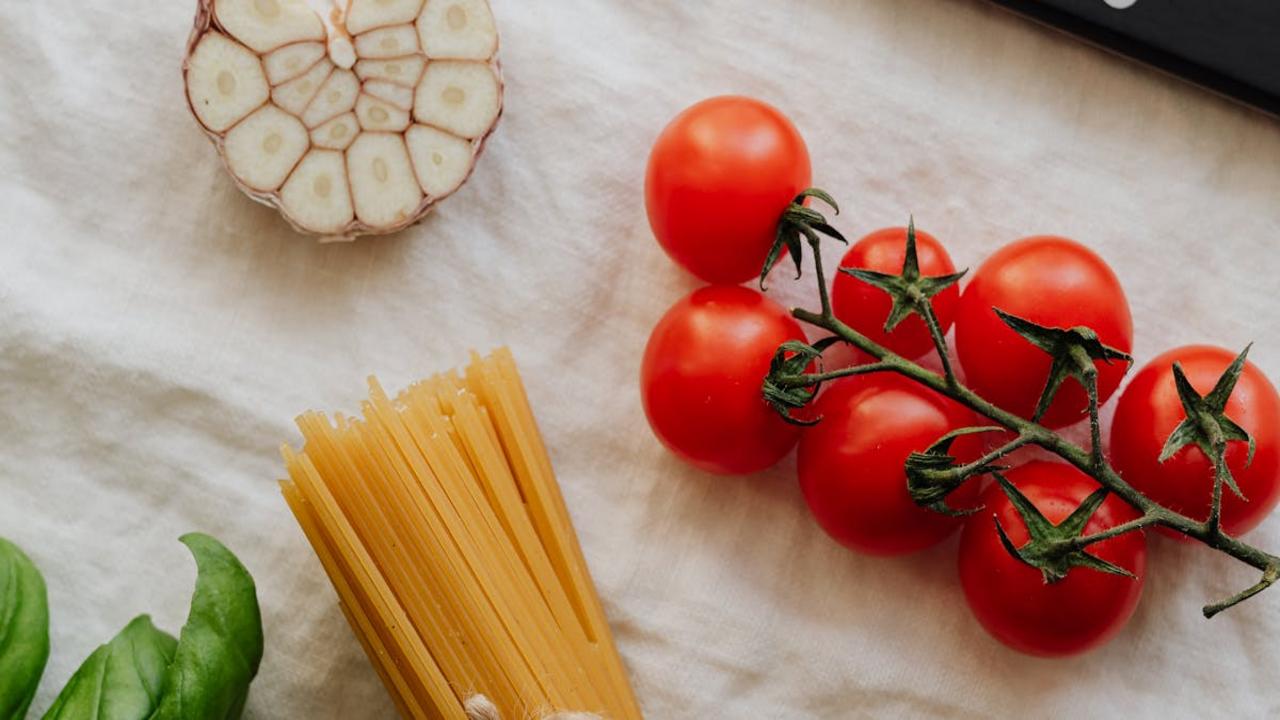
You know that friend who shows up uninvited but somehow makes every party better? That’s garlic for your blood pressure! This pungent little bulb packs a serious punch when it comes to keeping your cardiovascular system happy. The magic happens thanks to allicin, a sulfur compound that gives garlic its distinctive aroma and works like a tiny vampire slayer against high blood pressure. Studies show that just one clove daily can drop systolic pressure by up to 10 points – that’s better than some prescription medications, and way more delicious too.
Here’s where things get interesting: you can’t just toss whole cloves into your pasta and call it a day. The allicin only activates when garlic gets crushed, chopped, or chewed, so give those cloves a good smash with the flat side of your knife before cooking. My grandmother swore by eating raw garlic on buttered toast every morning – she lived to 94 with the blood pressure of someone half her age, though I suspect her social calendar suffered slightly. If raw garlic makes you wince, roast whole bulbs until they’re golden and creamy, then spread the sweet, mellow paste on everything from vegetables to grilled meats.
Pumpkin Seeds
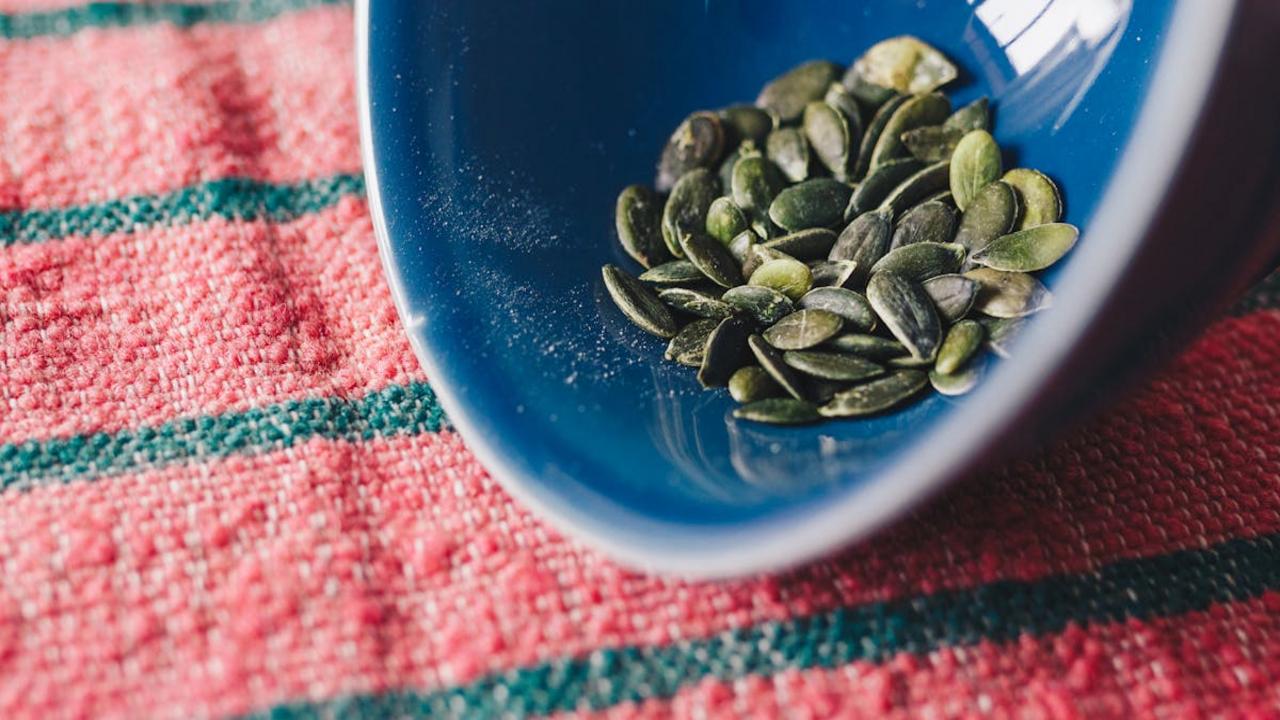
You know those slimy, stringy bits you scrape out of your jack-o’-lantern every October? Stop tossing them in the trash like some kind of nutritional barbarian! Those little green gems hiding inside are absolute powerhouses for your blood pressure, packed with magnesium that makes your arteries do a happy dance. One ounce of these crunchy nuggets delivers about 150 milligrams of magnesium – that’s roughly 37% of your daily needs. Your cardiovascular system will thank you by relaxing those blood vessel walls and telling your blood pressure to chill out.
But here’s the kicker: pumpkin seeds aren’t just October’s forgotten heroes. You can find them year-round at most grocery stores, and they’re ridiculously easy to prep at home. Just rinse off that pumpkin goop, toss with a little olive oil and sea salt, then roast at 300°F for about 20 minutes until they’re golden and crispy. Pro tip from someone who learned the hard way – don’t crank up the heat thinking you’ll speed things up. You’ll end up with burnt offerings that taste like disappointment. These little seeds also pack zinc, healthy fats, and fiber, making them the perfect snack for when you need something more exciting than another boring apple.
Fatty Fish
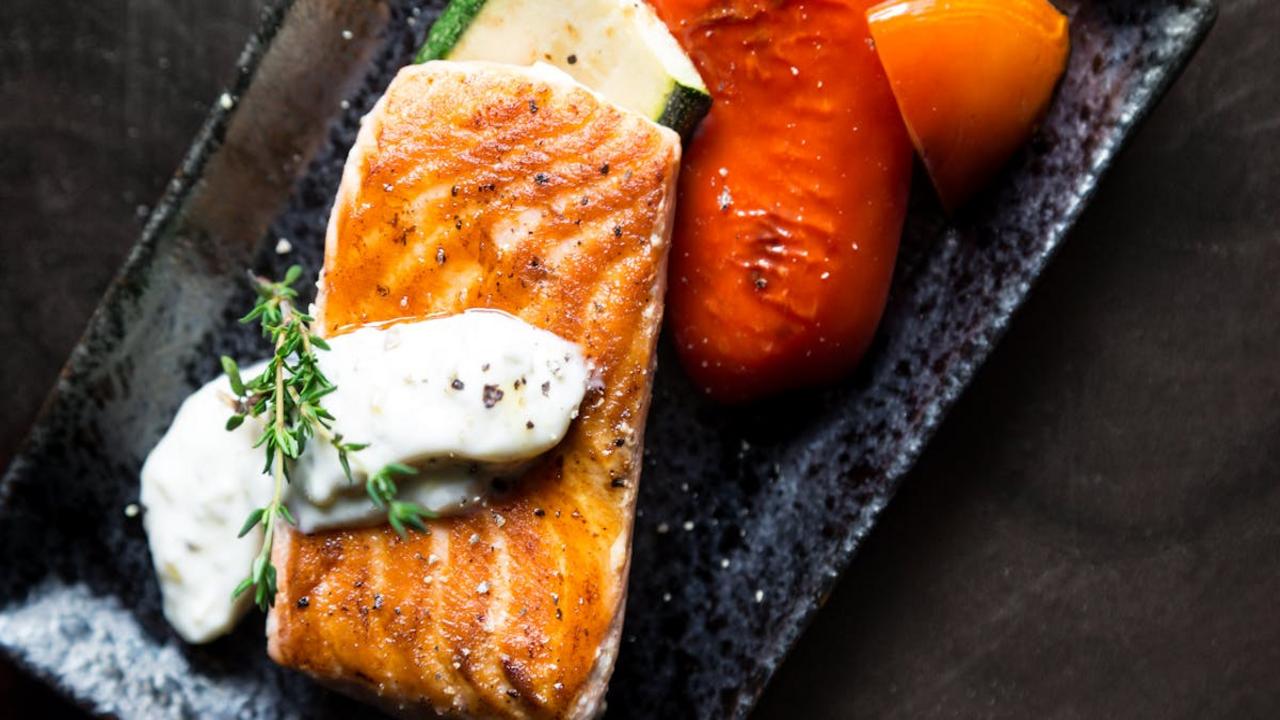
Picture this: you’re sitting by the ocean, watching waves crash while savoring a piece of perfectly grilled salmon that’s so tender it practically melts on your fork. That buttery, rich flavor isn’t just making your mouth happy—it’s actually working overtime to keep your blood pressure in check! Fatty fish like salmon, mackerel, sardines, and tuna pack a serious punch of omega-3 fatty acids, those magical little compounds that act like tiny peacekeepers in your cardiovascular system. These omega-3s help relax your blood vessels, reduce inflammation, and basically tell your arteries to chill out and stop being so tense.
Here’s something that’ll blow your mind: a single serving of salmon contains about 1,800 milligrams of omega-3s, which is more than most people get in an entire week! And before you wrinkle your nose at sardines (I see you there), these little silver swimmers are actually nutritional powerhouses that cost less than a fancy coffee drink. Try mashing them into avocado toast with a squeeze of lemon, or toss some canned salmon into pasta with garlic and herbs. Your heart will thank you, and your wallet won’t hate you either. Plus, unlike those mysterious fish oil supplements that taste like you’ve been kissing a harbor seal, getting your omega-3s from actual fish means you’re also scoring high-quality protein and vitamin D.
Oatmeal
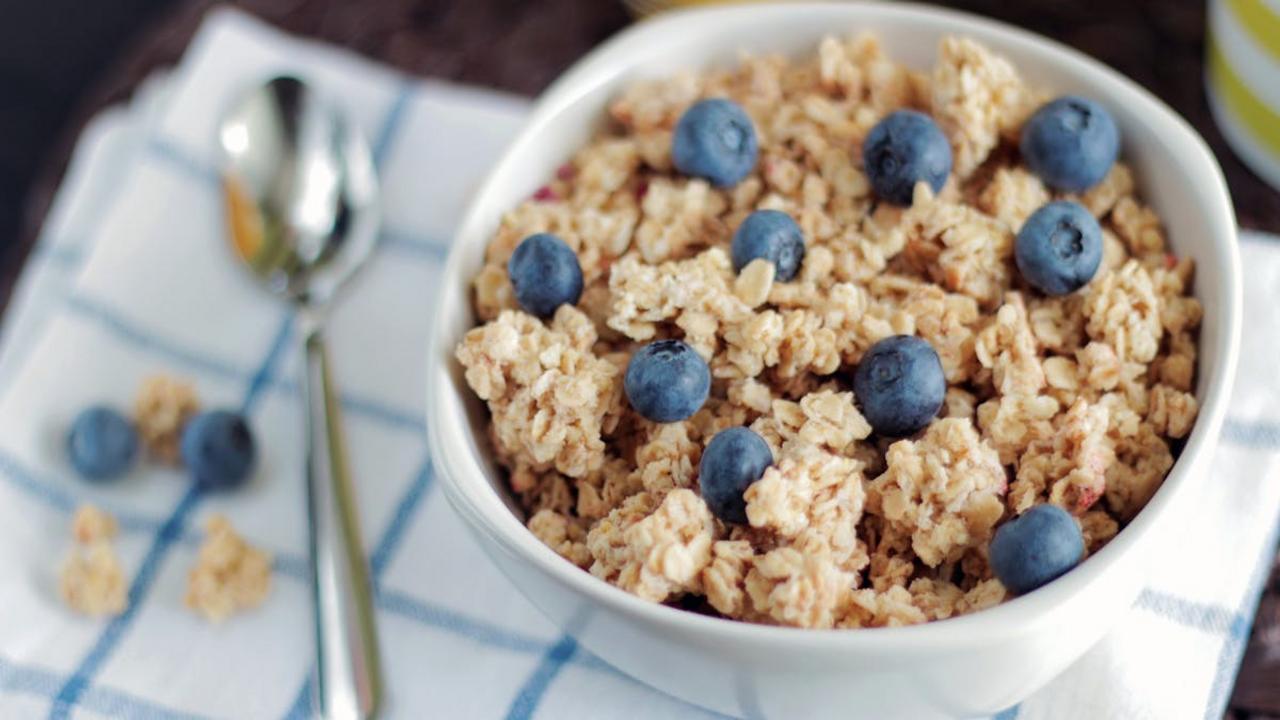
Picture this: you’re stumbling into the kitchen at 7 AM, hair resembling a bird’s nest, and your blood pressure monitor is giving you numbers that make your doctor frown. Enter oatmeal – the humble breakfast hero that doesn’t need fancy packaging or Instagram-worthy presentation to kick your cardiovascular system into high gear. This bowl of creamy, fiber-packed goodness contains beta-glucan, a soluble fiber that acts like a tiny bouncer in your bloodstream, literally grabbing onto cholesterol and escorting it right out of your body. Scientists have found that just three grams of beta-glucan daily can drop your systolic blood pressure by up to 7 points – that’s more impressive than some medications!
Now, before you start thinking oatmeal is about as exciting as watching paint dry, let me share a secret: this breakfast champion is actually a blank canvas waiting for your creative genius. Toss in some cinnamon (another blood pressure warrior), swirl in fresh berries, or go wild with chopped walnuts and a drizzle of honey. The Scots have been onto something for centuries – they traditionally made their porridge with nothing but oats, water, and salt, stirring it clockwise with a wooden spoon called a “spurtle” while standing up. You don’t need to follow their ritualistic approach, but you should definitely respect oatmeal’s power to turn your morning routine into a blood pressure-lowering celebration that tastes infinitely better than cardboard.
Greek Yogurt
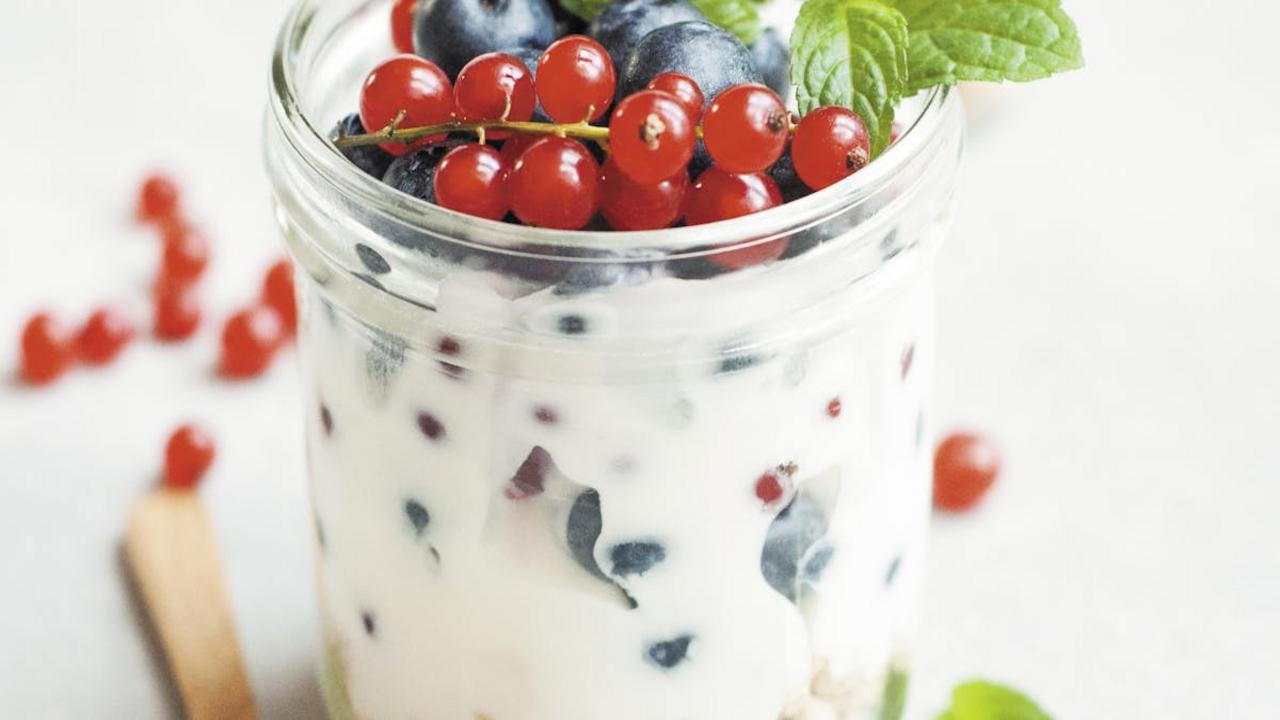
You know that moment when you open a container of Greek yogurt and it’s so thick you could practically stand a spoon upright in it? That’s not just impressive texture—that’s concentrated nutrition working overtime to keep your blood pressure in check! Greek yogurt packs nearly twice the protein of regular yogurt because it’s strained to remove excess whey, leaving behind a creamy powerhouse loaded with potassium, calcium, and magnesium. These three minerals work together like a perfectly choreographed dance team, helping your blood vessels relax and your heart pump more efficiently.
Here’s something that’ll make you smile: ancient Greeks accidentally discovered this thick, tangy treat when they transported milk in pouches made from animal stomachs (talk about primitive Tupperware!). The natural enzymes and movement created what we now call Greek yogurt. Today, you can top yours with fresh berries and a drizzle of honey for a blood pressure-friendly breakfast that tastes like dessert. Pro tip: choose plain varieties over flavored ones—those sneaky added sugars can counteract all the good work those minerals are doing. Your heart will thank you for every creamy, protein-packed spoonful!
Beets
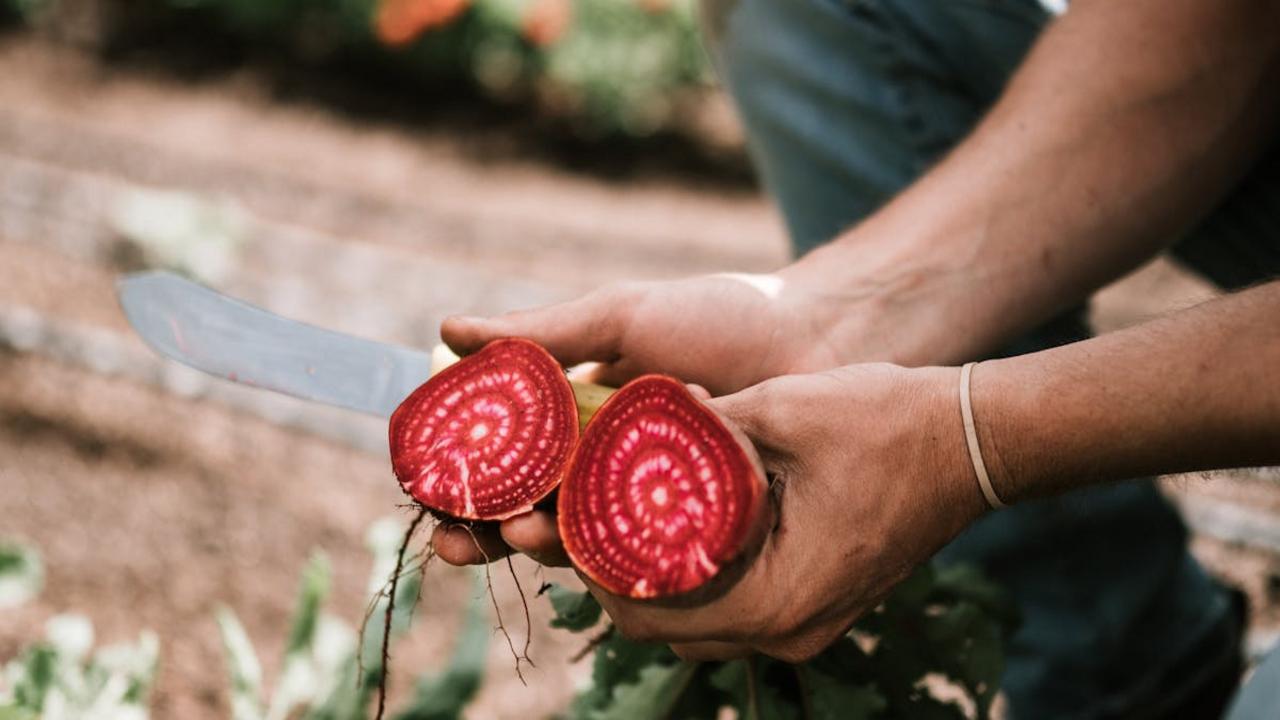
Those ruby-red root vegetables sitting in your grocery store might look like they belong in a medieval potion, but beets pack more blood pressure-fighting power than a superhero’s cape! These earthy gems contain natural nitrates that your body converts into nitric oxide, which relaxes blood vessels and helps blood flow more smoothly. Think of nitrates as tiny janitors sweeping through your arteries, making everything spick and span. Studies show that drinking beet juice can lower blood pressure within hours – it’s like having a natural pharmacy growing in dirt!
Now, I know what you’re thinking: “But beets taste like dirt!” Here’s the secret – roast them with olive oil and herbs until they’re caramelized and sweet, or blend them into smoothies with berries and ginger where they add gorgeous color and earthy depth without overwhelming your palate. Fun fact: beets will turn your urine pink (don’t panic, it’s completely harmless and actually kind of fun). You can pickle them, spiralize them into noodles, or even bake them into chocolate brownies for a sneaky veggie boost. Your blood pressure will thank you, and your Instagram feed will never look more vibrant!
Berries
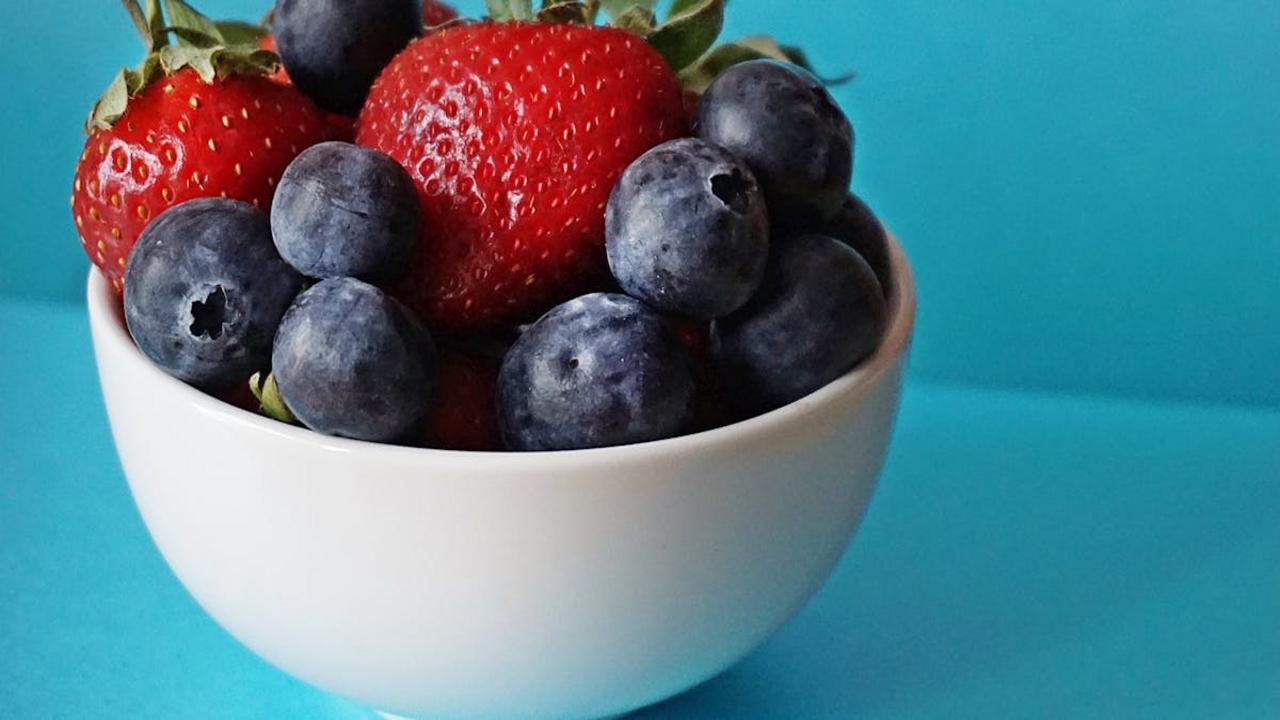
Picture this: you’re standing in the grocery store, staring at those gorgeous little jewels in the produce section, and your wallet starts whimpering. But here’s the thing about berries – they’re basically nature’s blood pressure medication disguised as dessert! Blueberries, strawberries, raspberries, and blackberries pack more anthocyanins than a superhero convention. These powerful compounds give berries their stunning colors and work overtime to relax your blood vessels like a spa day for your circulatory system. One study found that people who ate just one cup of blueberries daily for eight weeks saw their blood pressure drop significantly. That’s roughly the same amount you’d toss into your morning smoothie without thinking twice!
The beauty of berries lies in their versatility – you can throw them on yogurt, blend them into smoothies, or just grab a handful straight from the container while standing in your kitchen at 2 AM (we’ve all been there). Fresh berries reign supreme, but frozen ones work just as well and won’t judge you for buying them in bulk during berry season. Pro tip: buy extra berries when they’re on sale and freeze them yourself – just spread them on a baking sheet first so they don’t turn into one giant berry iceberg. Your future self will thank you when you’re making a February smoothie that actually tastes like summer instead of disappointment.
Leafy Greens
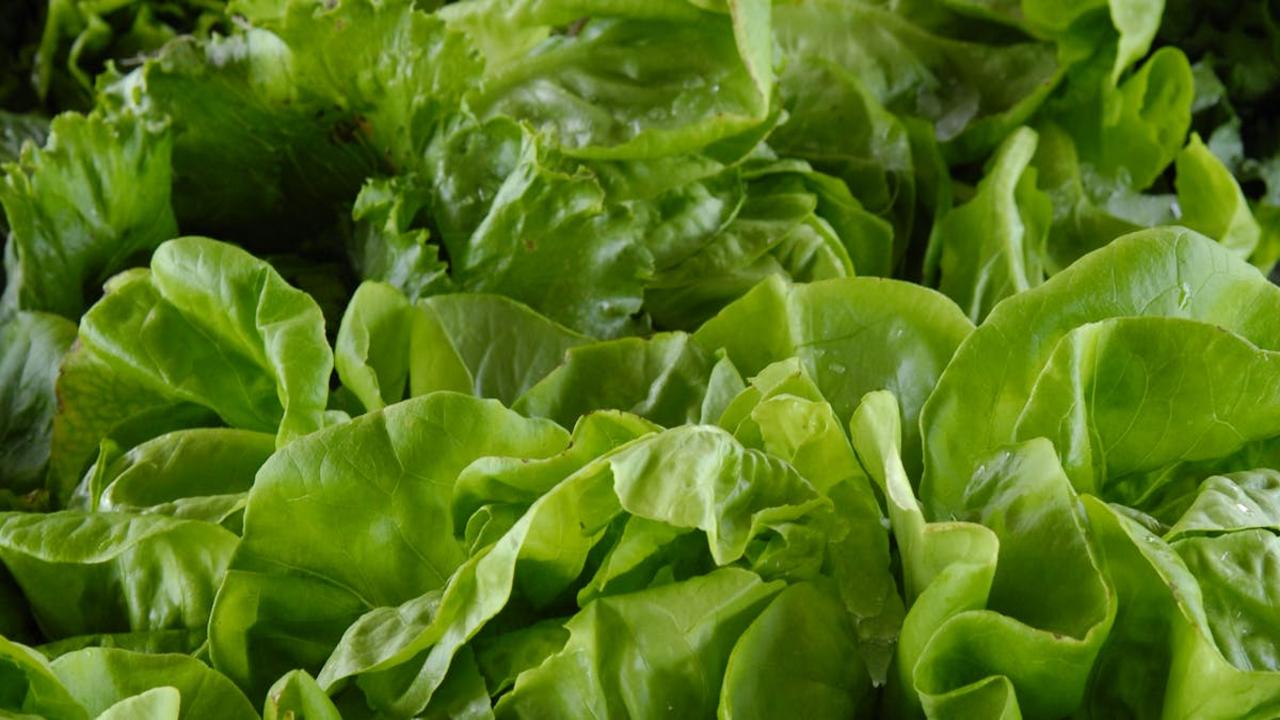
Spinach, kale, arugula, and their green gang deserve a standing ovation for their blood pressure-lowering superpowers! These verdant heroes pack more nitrates than a rocket fuel factory, and your blood vessels absolutely love them for it. When you munch on these emerald beauties, your body converts those nitrates into nitric oxide, which basically tells your arteries to chill out and relax. It’s like giving your cardiovascular system a spa day, except the spa treatments taste great sautéed with garlic or tossed in a killer vinaigrette.
Here’s something wild: one cup of cooked spinach delivers about 839 milligrams of potassium – that’s more than a medium banana! Your kidneys do a happy dance when they get this mineral boost because it helps them flush out excess sodium, the sneaky villain behind high blood pressure. I love throwing a massive handful of baby spinach into my morning smoothie (you can’t even taste it, I swear!), or creating what I call “green pasta” by wilting an obscene amount of spinach into my spaghetti. Swiss chard brings its rainbow stems to the party, while collard greens offer that satisfying, hearty texture that makes you feel like you’re actually eating something substantial instead of rabbit food.
Dark Chocolate
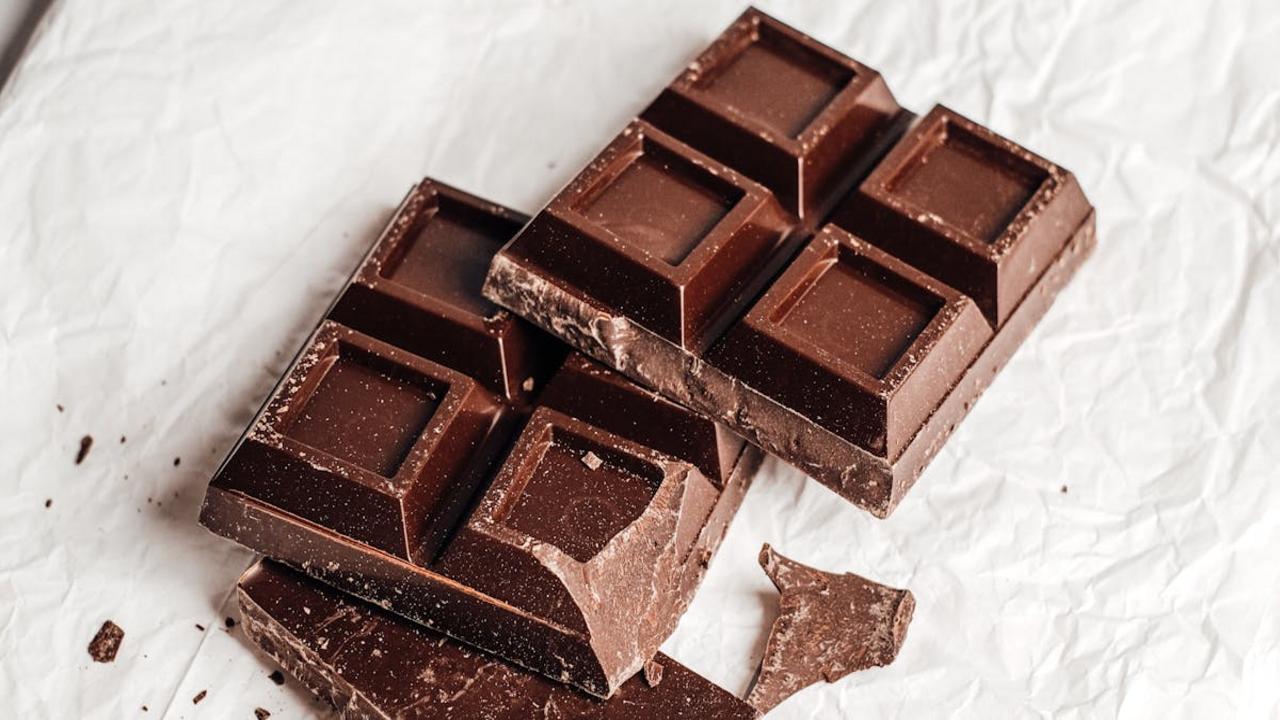
Get ready to have your mind blown: that decadent square of dark chocolate sitting in your pantry isn’t just a guilty pleasure—it’s basically medicine disguised as dessert! Dark chocolate (we’re talking 70% cacao or higher, not that sugary milk chocolate masquerading as the real deal) contains flavonoids called flavanols that work like tiny construction workers in your blood vessels, helping them relax and widen. Think of it as yoga class for your arteries, except way more delicious and you don’t have to wear stretchy pants.
The Kuna people of Panama have been unknowingly conducting the world’s longest chocolate study for centuries, drinking cacao-rich beverages daily and maintaining impressively low blood pressure well into old age. Scientists finally caught on and discovered that just one ounce of quality dark chocolate can drop your systolic pressure by 2-3 points—not earth-shattering numbers, but hey, every little bit counts when you’re fighting the good fight against hypertension! Choose bars with minimal ingredients (cacao, cacao butter, maybe a touch of vanilla), and savor it slowly like the treasure it is. Your heart will thank you, and your sweet tooth will throw a victory parade.
Bananas
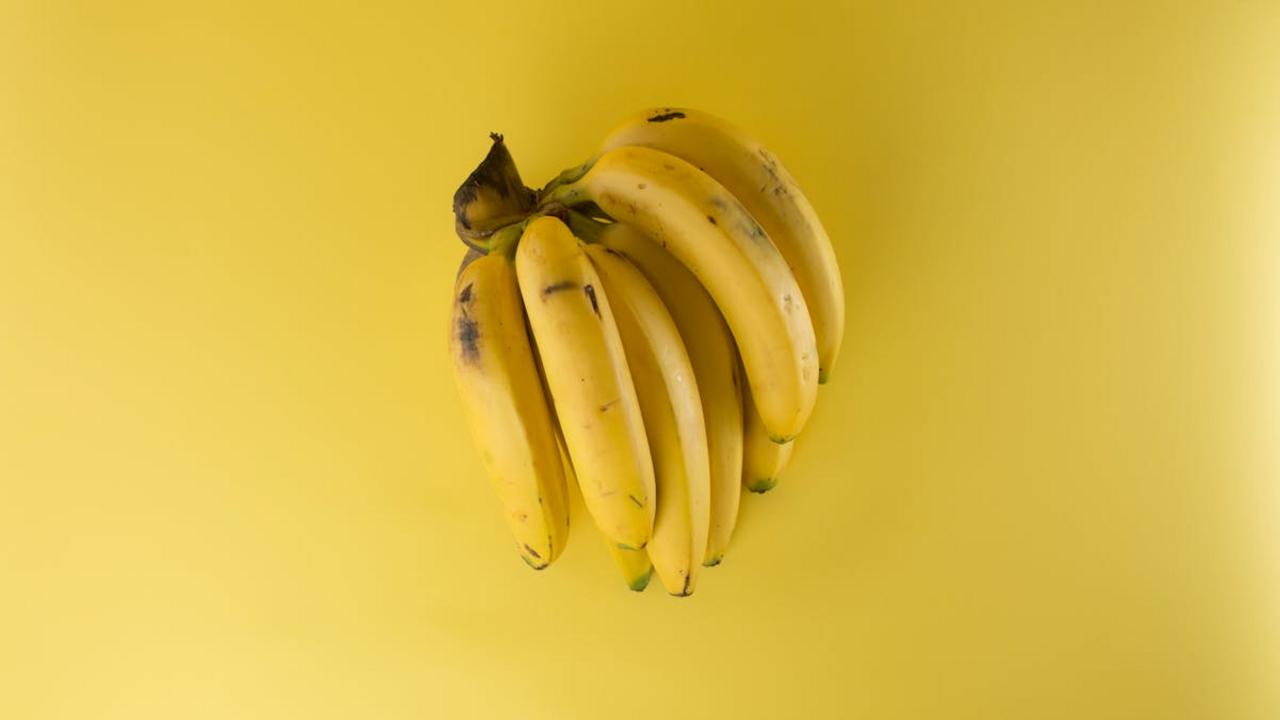
You know that curved yellow friend sitting in your fruit bowl? That humble banana is practically a blood pressure superhero disguised as breakfast food! Packed with potassium (about 422mg per medium banana), this naturally sweet treat helps your blood vessels relax and your kidneys flush out excess sodium like a tiny yellow janitor with serious cleaning skills. While everyone’s obsessing over exotic açaí berries and fancy goji everything, bananas are quietly doing the heavy lifting in the heart-health department. Fun fact: Americans eat more bananas than any other fresh fruit, consuming about 27 pounds per person annually – that’s roughly 90 bananas a year per human!
The best part about bananas? They’re basically nature’s convenience store snack, complete with their own biodegradable wrapper. Toss one in your bag for that afternoon energy crash, blend it into a morning smoothie, or slice it over your oatmeal for a potassium-packed breakfast that won’t require a second mortgage. Here’s a quirky tidbit that’ll make you smile: bananas are technically berries (botanically speaking), while strawberries aren’t – science has a twisted sense of humor! Whether you prefer them slightly green and firm or spotted with those sweet brown freckles that signal peak ripeness, you’re getting a heart-healthy dose of natural goodness that your cardiovascular system will thank you for.