15 Iconic Indian Curries Every Food Lover Should Taste
Indian curry represents thousands of years of regional cooking wisdom passed down through generations. Each dish tells a story of local spices, cooking techniques, and cultural traditions that transform simple ingredients into extraordinary meals. You’ll discover how coconut milk creates creamy southern curries while northern regions favor rich tomato bases and dairy.
These fifteen curries showcase India’s incredible diversity—from Kashmir’s aromatic lamb to Kerala’s fiery seafood preparations. I’ve chosen recipes that highlight authentic flavors while remaining accessible for home cooks. You can recreate these dishes using whole spices and fresh ingredients, avoiding processed shortcuts that compromise taste.
Each curry offers a unique flavor profile worth mastering. Start with milder options like Butter Chicken or Paneer Tikka Masala, then progress to bolder preparations like Chettinad Chicken or Kolhapuri specialties. Your kitchen will become a gateway to India’s rich food heritage.
Bihari Litti Chokha
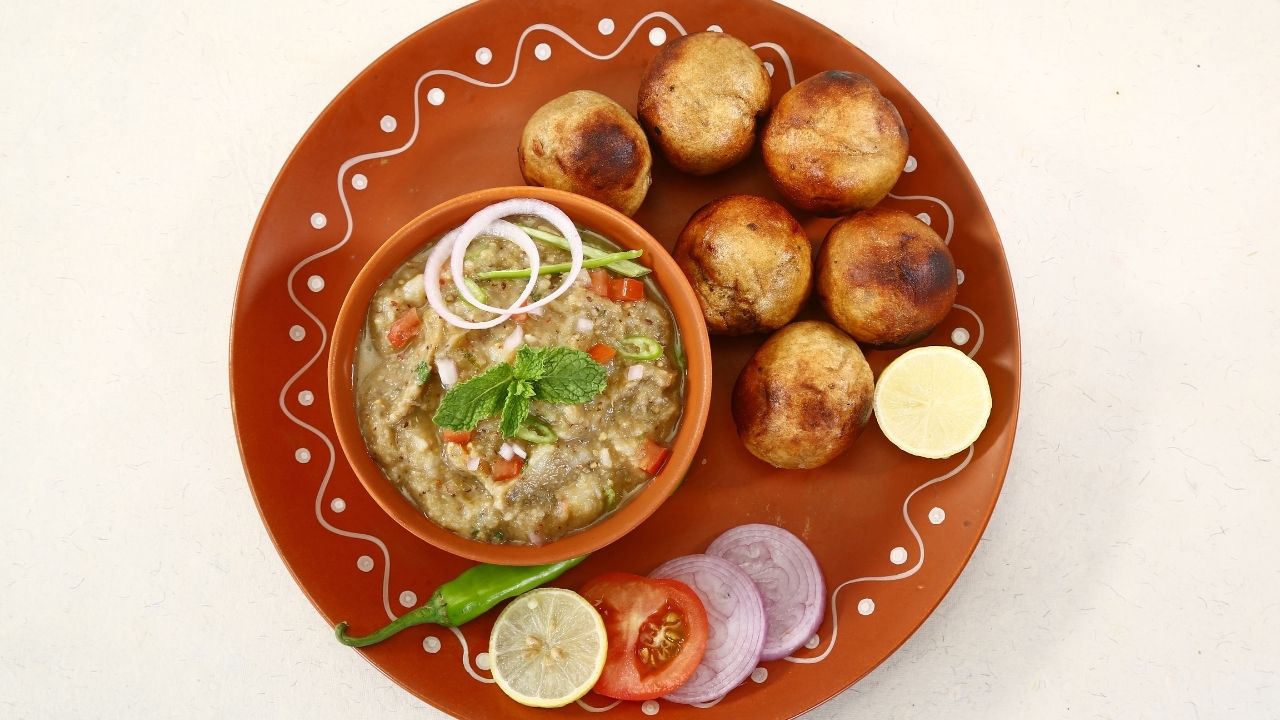
You know that feeling when you bite into something that tastes like pure comfort? That’s exactly what happens with Bihari Litti Chokha, a rustic gem from Bihar that transforms simple ingredients into something magical. Picture this: whole wheat dumplings stuffed with roasted gram flour, ajwain, and spices, then baked over an open flame until they develop that gorgeous smoky char. The litti isn’t just bread—it’s a vessel of warmth that carries centuries of tradition in every bite.
Now here’s where it gets exciting—the chokha! I love how this dish celebrates the beauty of fire-roasted vegetables. Eggplant, tomatoes, and potatoes get charred directly over flames until their skins blacken and their insides become silky and sweet. You mash them together with mustard oil, green chilies, and fresh coriander, creating this chunky, smoky accompaniment that pairs perfectly with the earthy litti. What makes this dish so special is its honesty—no fancy techniques or processed ingredients, just fire, vegetables, and the kind of intuitive cooking that connects us to our roots. When you dip that hot litti into ghee and scoop up the chokha, you’re experiencing food in its most authentic, nourishing form.
Punjabi Chole
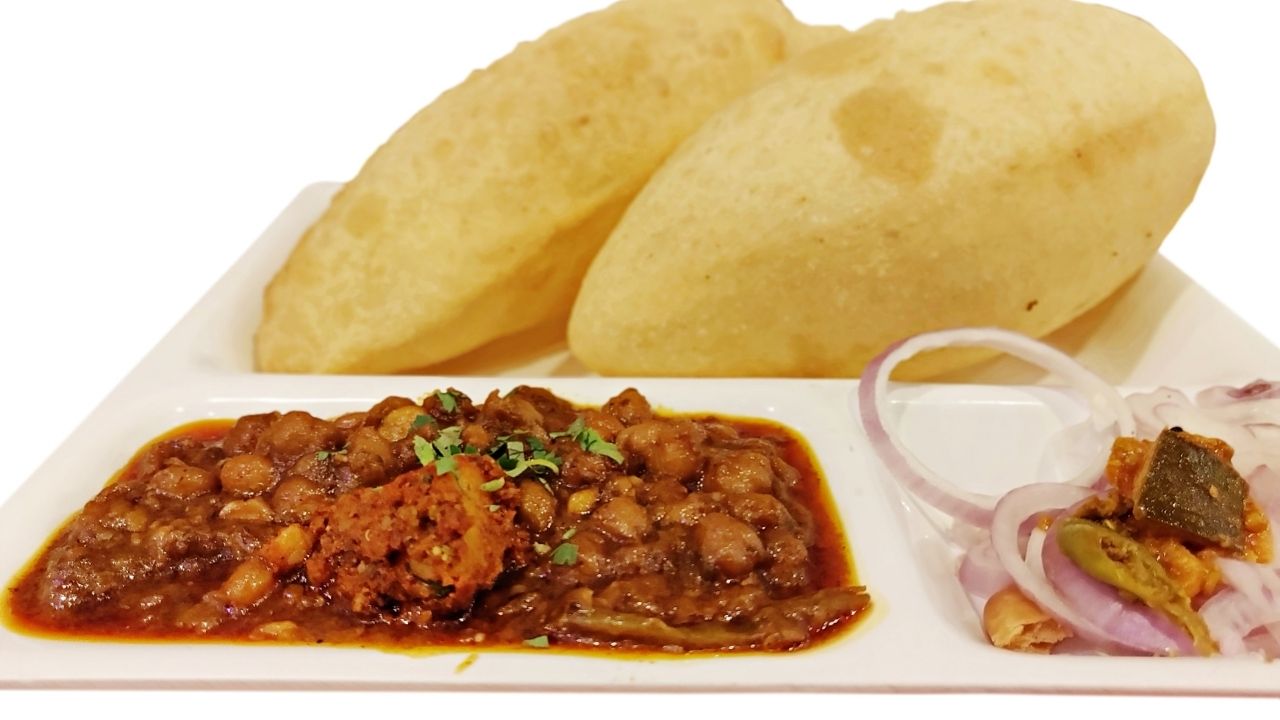
You know that moment when you walk into a Punjabi household and catch the first whiff of chole simmering on the stove? That’s pure magic right there. Punjabi chole transforms humble chickpeas into something extraordinary through a symphony of whole spices—cumin seeds crackling in hot oil, cinnamon sticks releasing their warmth, and bay leaves adding their subtle earthiness. I always start by soaking my chickpeas overnight, then pressure-cook them until they’re tender but still hold their shape. The real secret lies in the masala base: I blend fresh ginger, garlic, and green chilies with tomatoes, creating a paste that becomes the soul of this dish.
What makes Punjabi chole so special is how the spices build layers of flavor without overwhelming your palate. I add turmeric for that golden color, coriander powder for warmth, and a touch of garam masala at the end to tie everything together. The chickpeas absorb all these beautiful flavors while maintaining their creamy texture. I love serving this with freshly made chapati or fluffy bhature, watching friends and family gather around the table, breaking bread together. This dish proves that simple ingredients, treated with respect and patience, can create something truly memorable—no shortcuts needed, just good spices and a little love.
Kerala Beef Curry
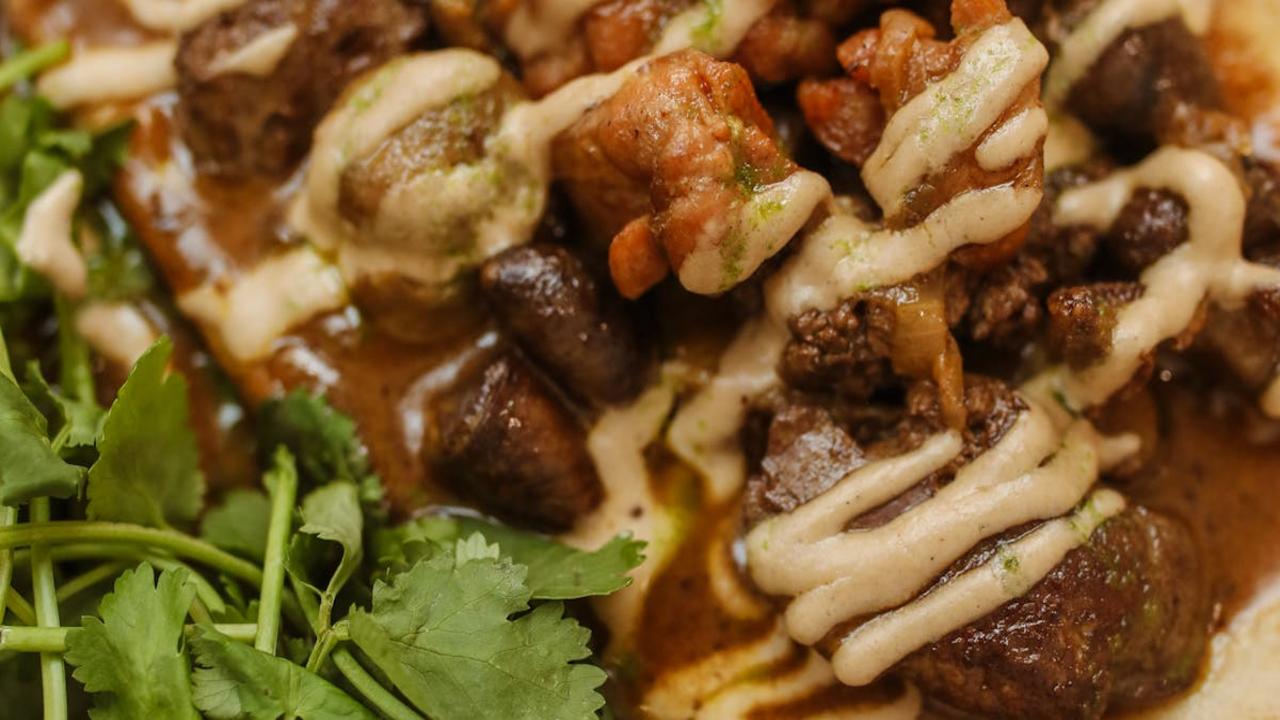
When I first moved to Kerala for a few months to learn traditional cooking techniques, I discovered something magical about their beef curry that completely changed how I approach slow-cooked dishes. The locals taught me that the secret lies in the coconut oil – you need to heat it until it shimmers, then add curry leaves that crackle and release their aromatic oils. This isn’t just any beef curry; it’s a symphony of roasted spices, fresh coconut, and tender meat that’s been marinated in a paste of ginger, garlic, and chilies. What makes this dish so special is how the coconut milk reduces into a rich, velvety sauce that coats each piece of beef perfectly.
I love making this curry on lazy Sunday afternoons because it fills my entire kitchen with the most incredible fragrance. The key is patience – you brown the beef first to develop deep flavors, then let everything simmer slowly until the meat becomes fork-tender and the sauce thickens naturally. I always grind my own spice paste from scratch using coriander seeds, black peppercorns, and fennel, which creates layers of warmth that store-bought powders simply can’t match. Serve this with appam or steamed rice, and you’ll understand why Kerala’s beef curry has become legendary among food enthusiasts who appreciate authentic, home-style cooking.
Hyderabadi Mirchi Ka Salan
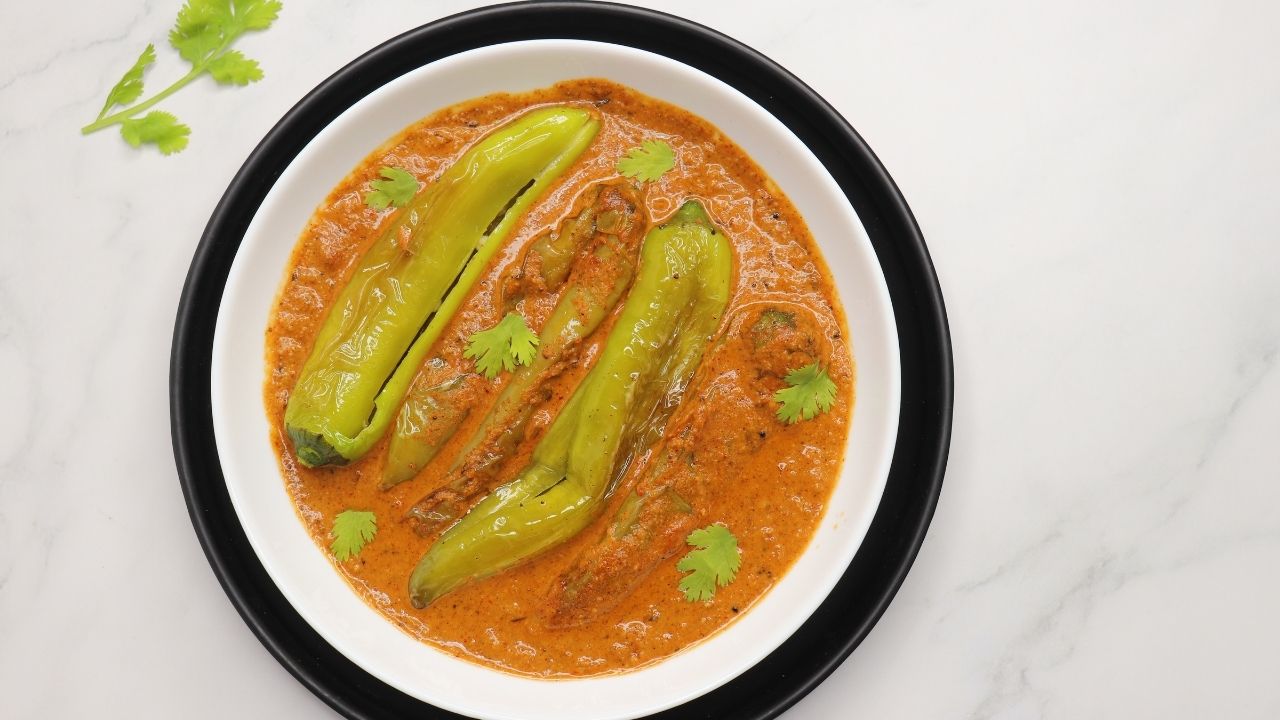
You know what makes me excited about Indian regional cooking? It’s dishes like Hyderabadi Mirchi Ka Salan that completely change how you think about vegetables. This isn’t your typical curry – it’s a sophisticated, tangy preparation where large green chilies take center stage, simmered in a rich gravy made with peanuts, sesame seeds, and tamarind. The Nizami kitchens of Hyderabad created this masterpiece as a perfect companion to their famous biryani, and honestly, once you try this combination, you’ll understand why it’s been cherished for centuries.
What fascinates me most about this dish is how it transforms humble green chilies into something truly regal. The chilies are first stuffed with a spiced mixture, then cooked in a creamy, nutty sauce that balances heat with incredible depth of flavor. I love making this at home because it teaches you so much about building complex flavors from simple, whole ingredients – no shortcuts needed. The way the coconut, peanuts, and sesame seeds create this velvety base while the tamarind adds that perfect sour note shows you how traditional cooks understood flavor chemistry long before we had fancy culinary schools.
Kolhapuri Chicken
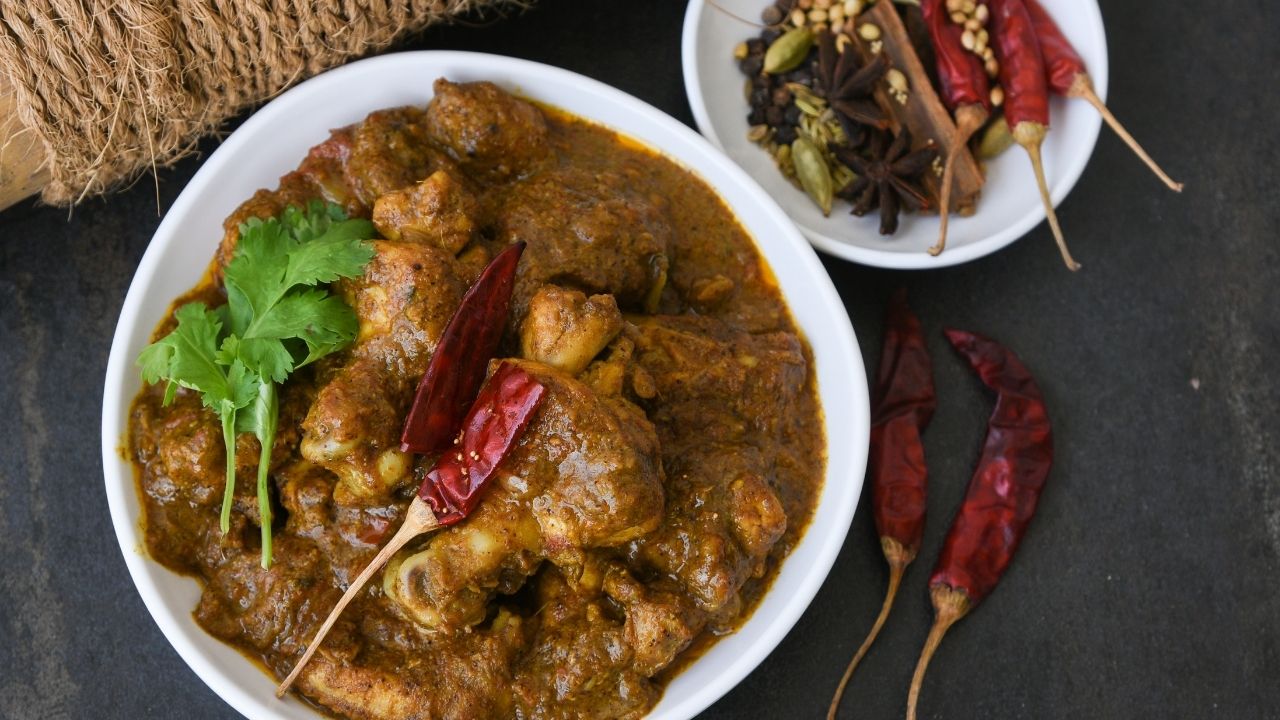
When I first encountered Kolhapuri chicken at a friend’s dinner table in Mumbai, the fiery red gravy nearly made me reach for a glass of milk before I even took my first bite. This legendary dish from Maharashtra’s Kolhapur region doesn’t mess around – it’s bold, unapologetic, and absolutely magnificent. The secret lies in the special Kolhapuri masala, a complex spice blend featuring dried red chilies, coriander seeds, cloves, and coconut that gets roasted until fragrant. I love how this dish teaches you that heat and flavor can dance together beautifully when you respect the ingredients.
What makes Kolhapuri chicken so special is how the spices build layers of complexity rather than just burning your mouth. The coconut adds a subtle sweetness that balances the intense heat, while the onions and tomatoes create a rich, thick gravy that clings to tender chicken pieces. I always tell people to start with less spice if they’re heat-sensitive – you can gradually build your tolerance while still enjoying the incredible depth of flavors. Serve it with bhakri (sorghum flatbread) or simple steamed rice, and you’ll understand why this dish has become synonymous with Maharashtrian hospitality and bold cooking.
Kadhi Pakora
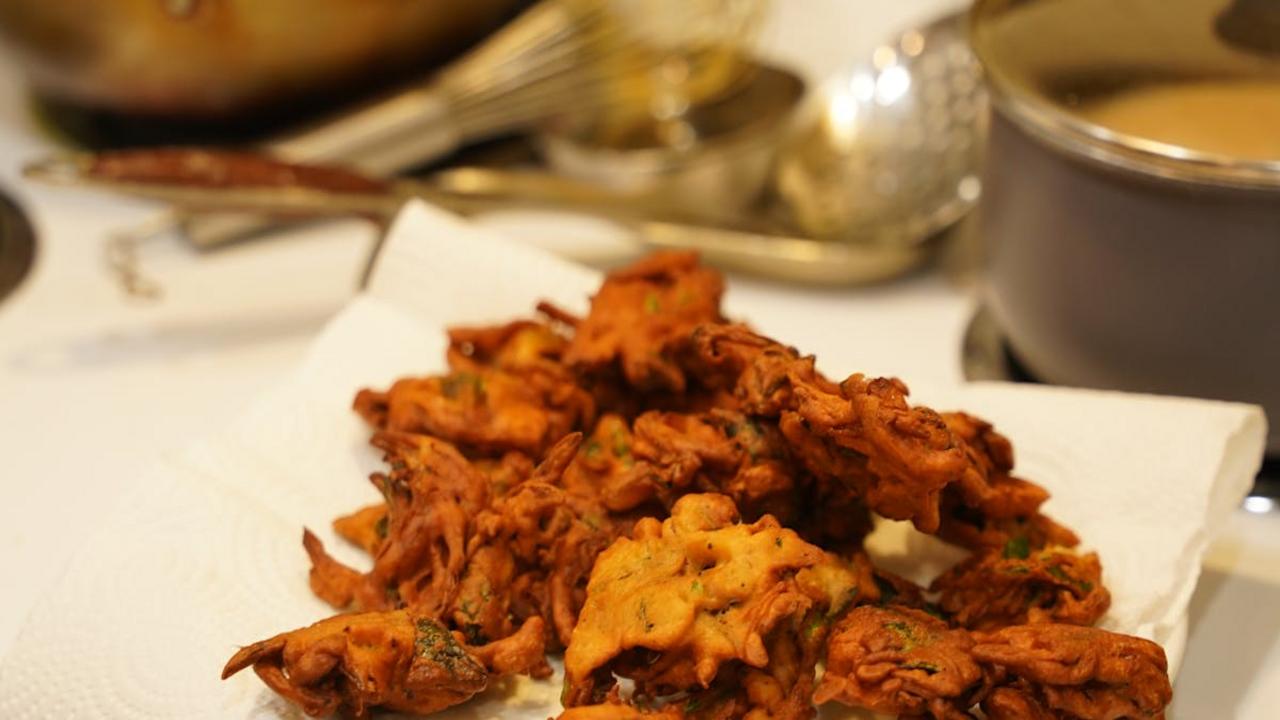
You know that feeling when comfort food wraps around you like a warm hug? That’s exactly what Kadhi Pakora does for me every single time. This Punjabi masterpiece combines tangy yogurt-based curry with crispy gram flour fritters, creating a symphony of textures that makes my heart sing. I love how the smooth, creamy kadhi contrasts beautifully with those golden pakoras floating like little clouds of joy. The secret lies in tempering the yogurt curry with cumin, mustard seeds, and curry leaves – a technique that transforms simple ingredients into something magical.
What I find fascinating about this dish is how it teaches you patience and intuition in the kitchen. You cannot rush the process of whisking yogurt with gram flour and water, then slowly bringing it to a gentle simmer while stirring constantly. The pakoras need that perfect balance of spices and the right consistency to achieve that crispy exterior and fluffy interior. I always tell people to trust their instincts when seasoning – taste, adjust, and repeat. Served over steaming basmati rice with a dollop of ghee and fresh coriander, Kadhi Pakora becomes more than just a meal; it becomes a celebration of simple ingredients transformed through love and technique.
Malabar Prawn Curry
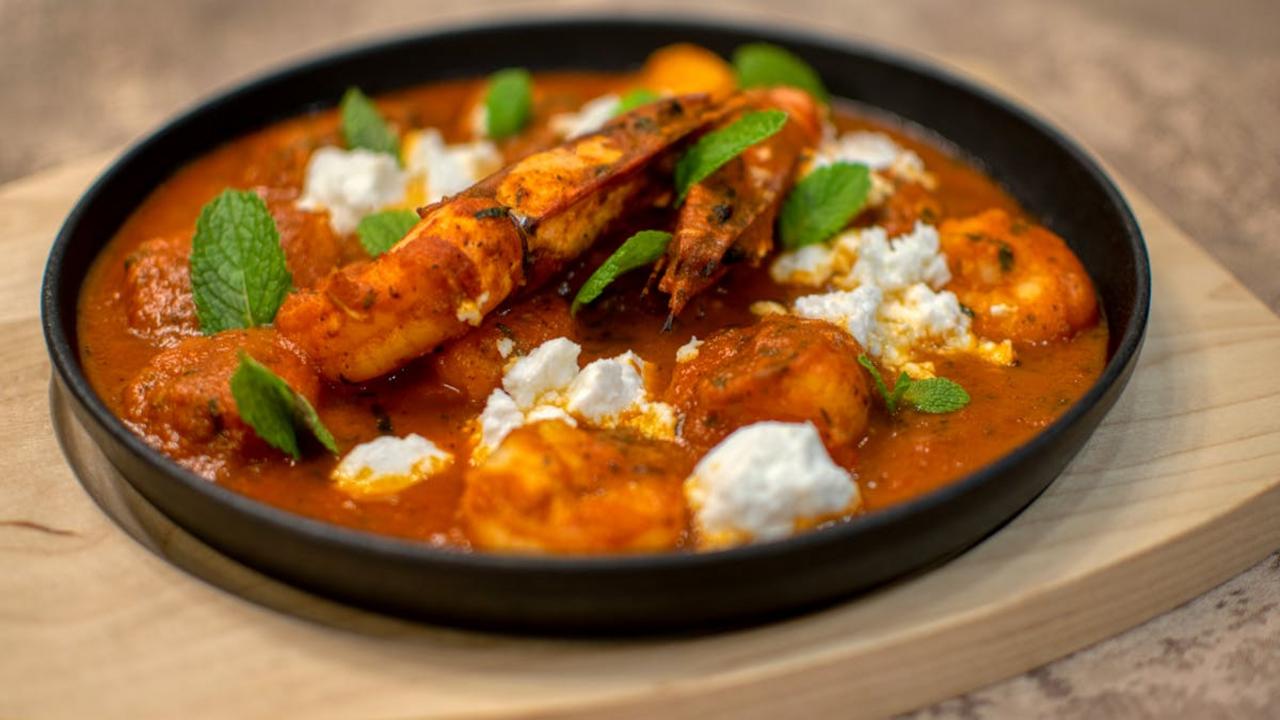
Picture this: you’re standing in a bustling Malabar kitchen, coconut milk bubbling gently in a clay pot while fresh prawns wait to meet their destiny. This curry represents everything I love about coastal Indian cooking – the marriage of sweet coconut cream with fiery Kashmiri chilies, the gentle heat of black peppercorns dancing with curry leaves that pop and sizzle in coconut oil. I always tell people that Malabar prawn curry isn’t just food; it’s liquid poetry from Kerala’s coast. The secret lies in building layers – first tempering whole spices, then adding that gorgeous red chili paste, followed by thick coconut milk that transforms into silk.
What makes this curry absolutely magical is how the prawns cook just enough to remain tender while absorbing all those complex flavors. I’ve learned that timing matters more than anything here – add the prawns too early and they become rubber, too late and they won’t absorb the coconut-spiced goodness. The tangy notes from kokum or tamarind balance the richness perfectly, creating a harmony that makes you close your eyes with each spoonful. Served over steaming rice or with flaky parottas, this curry brings the warmth of the Arabian Sea right to your dining table, proving that the best curries come from places where spice routes once flourished.
Bengali Kosha Mangsho
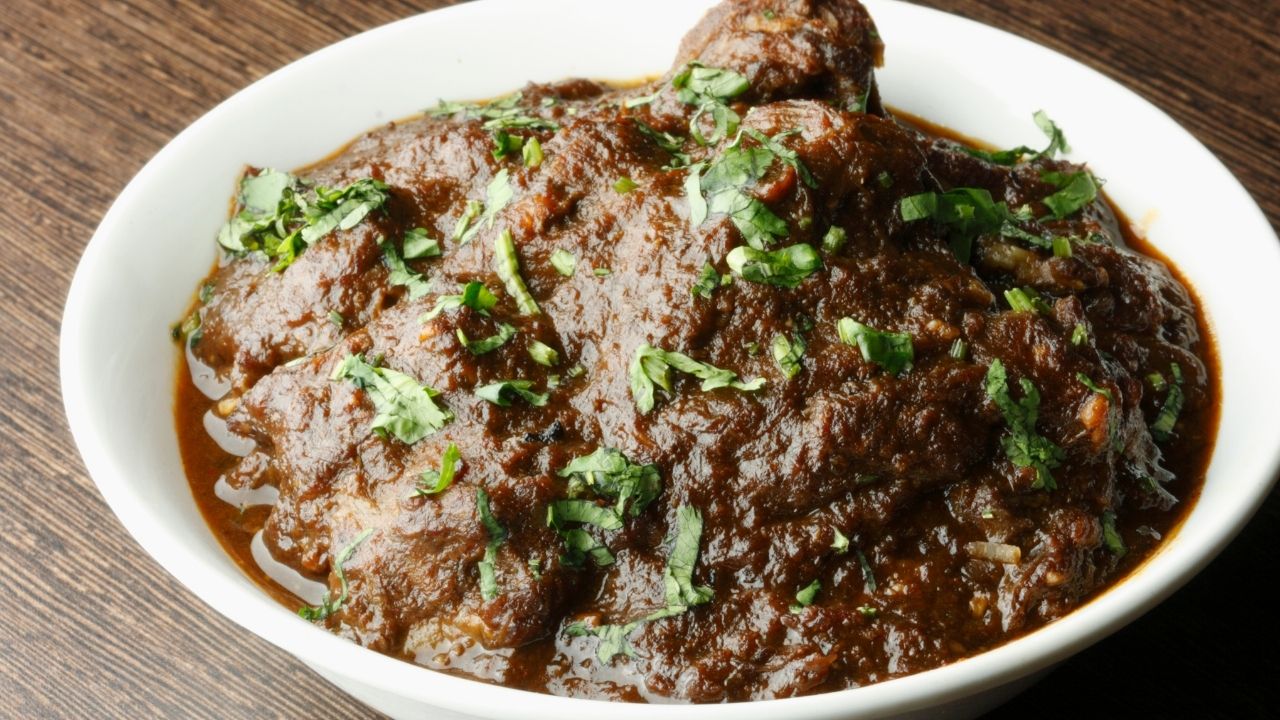
Bengali Kosha Mangsho represents the soul of Bengali home cooking, where patience and slow-cooking transform simple mutton into something extraordinary. I always tell my friends that this curry teaches you the beauty of restraint – you start with basic onions, ginger-garlic paste, and a handful of whole spices, then let time do the heavy lifting. The “kosha” technique means cooking until the moisture evaporates and the meat develops that gorgeous, caramelized coating that clings to every piece. You’ll know you’ve got it right when the oil starts separating from the masala and everything smells deeply aromatic.
What makes this curry special is how the meat becomes incredibly tender while maintaining its robust flavor. I love adding a touch of mustard oil at the end – it gives that authentic Bengali punch that processed cooking oils simply can’t match. The gravy should be thick enough to coat the back of a spoon, rich with onions that have been cooked down to jammy perfection. Serve this with steaming basmati rice or fresh rotis, and you’ve got comfort food that speaks to generations of Bengali families. The slow cooking process might take a couple of hours, but trust me – every minute is worth the wait when you taste that first spoonful.
Chettinad Chicken Curry
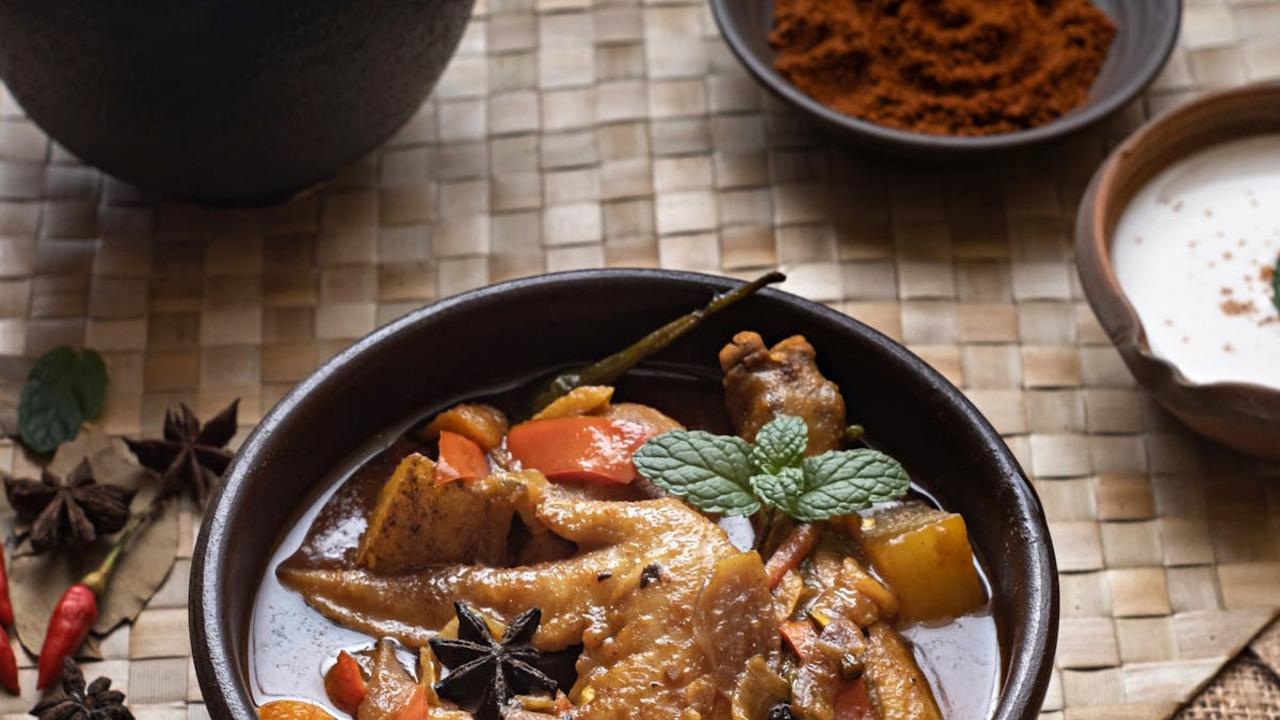
Picture this: you’re standing in a traditional Tamil kitchen in Chettinad, watching your grandmother grind fresh spices on a stone mortar. That’s the magic I want you to recreate with this phenomenal curry that comes straight from the Chettiar community of Tamil Nadu. This isn’t your everyday chicken curry – Chettinad chicken packs a serious punch with its complex spice blend that includes star anise, marathi moggu, and dried red chilies. I love how this dish teaches you patience because you’ll spend time dry roasting each spice individually, releasing those incredible aromatic oils that make your kitchen smell like heaven.
What makes me excited about sharing this recipe with you is how it transforms simple ingredients into something extraordinary. You’ll create a paste from coconut, poppy seeds, and cashews that gives the curry its rich, velvety texture without relying on heavy cream or processed thickeners. The key lies in tempering the spices properly – fennel seeds, cinnamon, and curry leaves dance in hot oil before the chicken joins the party. When you taste that first spoonful, you’ll understand why Chettinad cuisine has gained global recognition. The heat builds slowly, balanced perfectly by the coconut’s natural sweetness, creating a harmony that makes you reach for more rice.
Kashmiri Dum Aloo
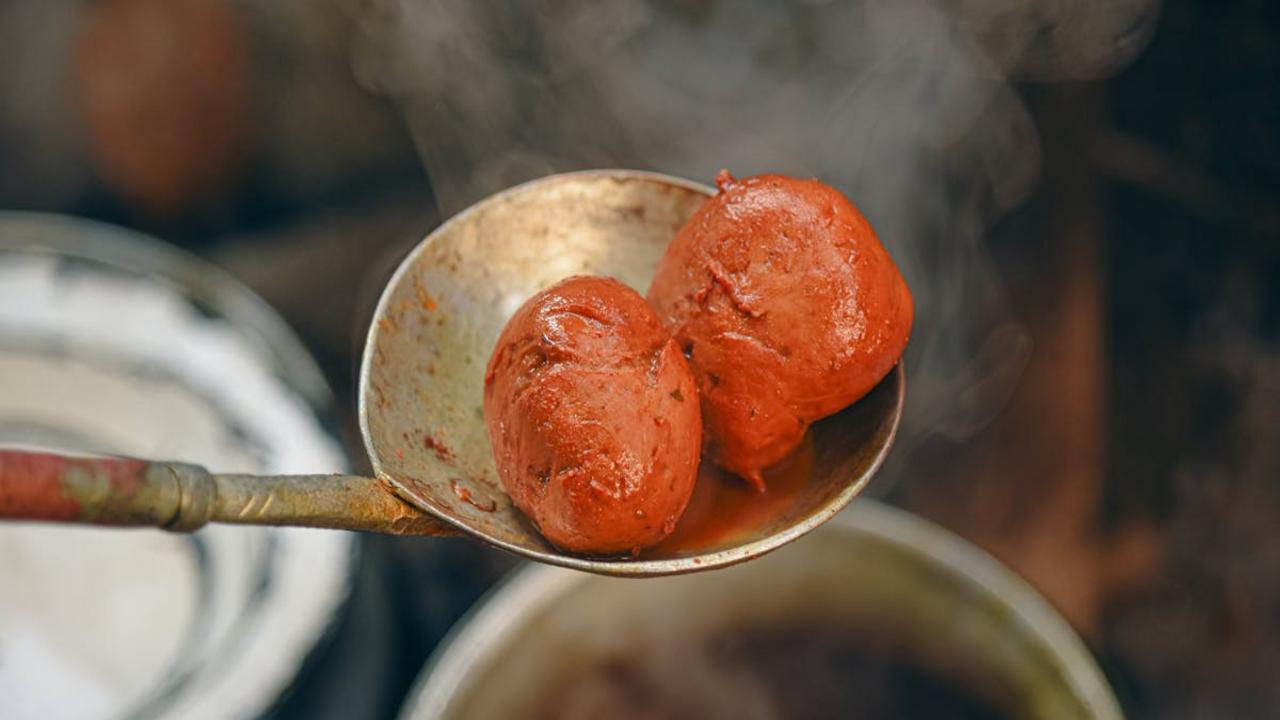
You know what gets me excited about Kashmiri Dum Aloo? It’s how this dish transforms simple baby potatoes into something absolutely magical. I remember the first time I made this – watching those golden potatoes swim in that gorgeous red gravy, fragrant with fennel and ginger. The secret lies in the slow cooking method called ‘dum,’ where everything steams together in its own aromatic moisture. What makes this curry special is the absence of onions and garlic, relying instead on yogurt and a beautiful blend of Kashmiri spices to create depth.
The way I approach this dish, I always start by pricking those baby potatoes and giving them a quick fry until they’re golden. Then comes the fun part – creating that signature red gravy with Kashmiri red chili powder, which gives color without overwhelming heat. I whisk yogurt with ginger-garlic paste and fennel powder, then slowly incorporate it into the base. The magic happens when you cover the pot and let it cook on low heat, allowing all those flavors to meld together. This curry teaches you patience, but trust me, every minute of waiting pays off when you taste that rich, velvety sauce coating perfectly tender potatoes.
Mangalorean Chicken Sukka
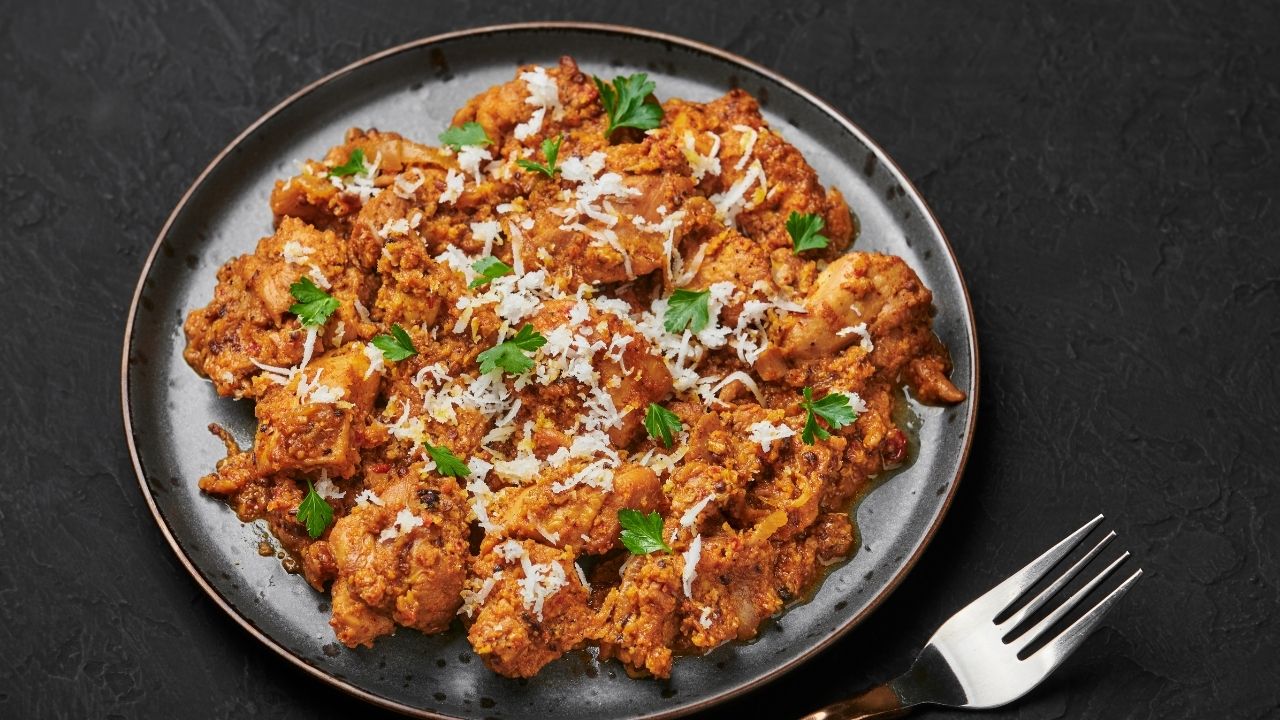
When I first encountered Mangalorean Chicken Sukka in a tiny coastal restaurant, I knew I’d discovered something extraordinary. This dry curry from Karnataka’s coastal region transforms humble chicken pieces into an intensely flavorful masterpiece through a magical blend of roasted spices and fresh coconut. The dish gets its distinctive character from ghee roast masala – a fragrant mix of red chilies, coriander seeds, and other aromatics that are dry-roasted until they release their oils. What makes this curry special is how the coconut oil and fresh grated coconut create layers of richness without making the dish heavy.
Making authentic Chicken Sukka at home has become one of my favorite weekend projects because it teaches you the true meaning of patience in cooking. You slow-cook the marinated chicken until all the moisture evaporates, leaving behind tender meat coated in concentrated spices. I always use bone-in chicken pieces because they add so much more flavor than boneless cuts. The final garnish of fresh curry leaves fried in coconut oil sends the most incredible aroma through your kitchen. This isn’t just dinner – it’s a celebration of how simple ingredients, when treated with respect and time, create something absolutely unforgettable.
Goan Fish Curry
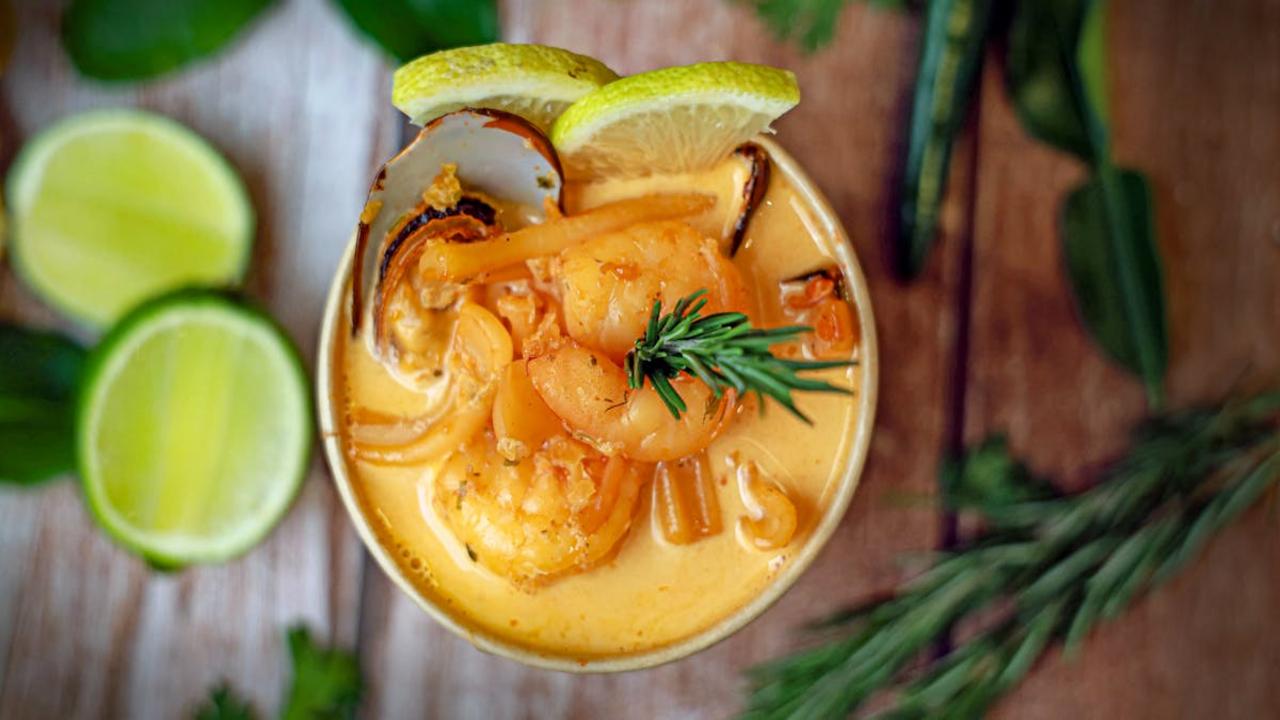
Picture this: you’re sitting by the Arabian Sea, and someone brings you a bowl of sunshine in curry form. That’s exactly what Goan fish curry feels like to me. This coastal masterpiece combines fresh coconut milk with tangy kokum, creating a bright orange-red base that’s both comforting and exotic. The Portuguese influence shines through in the careful balance of spices, while the coconut keeps everything creamy and rich. I love using kingfish or pomfret, but honestly, any firm white fish works beautifully here.
What makes this curry special is how the coconut milk never curdles, thanks to the gentle cooking technique passed down through generations of Goan cooks. The kokum adds this incredible sourness that brightens every spoonful, while curry leaves and green chilies provide aromatic depth. I always grind my own spice paste with coriander seeds, cumin, and turmeric – it makes such a difference compared to store-bought powders. Serve this over steamed rice, and you’ll understand why this dish has captured hearts far beyond Goa’s borders. The freshness of the ingredients really shines through in every bite.
Paneer Tikka Masala
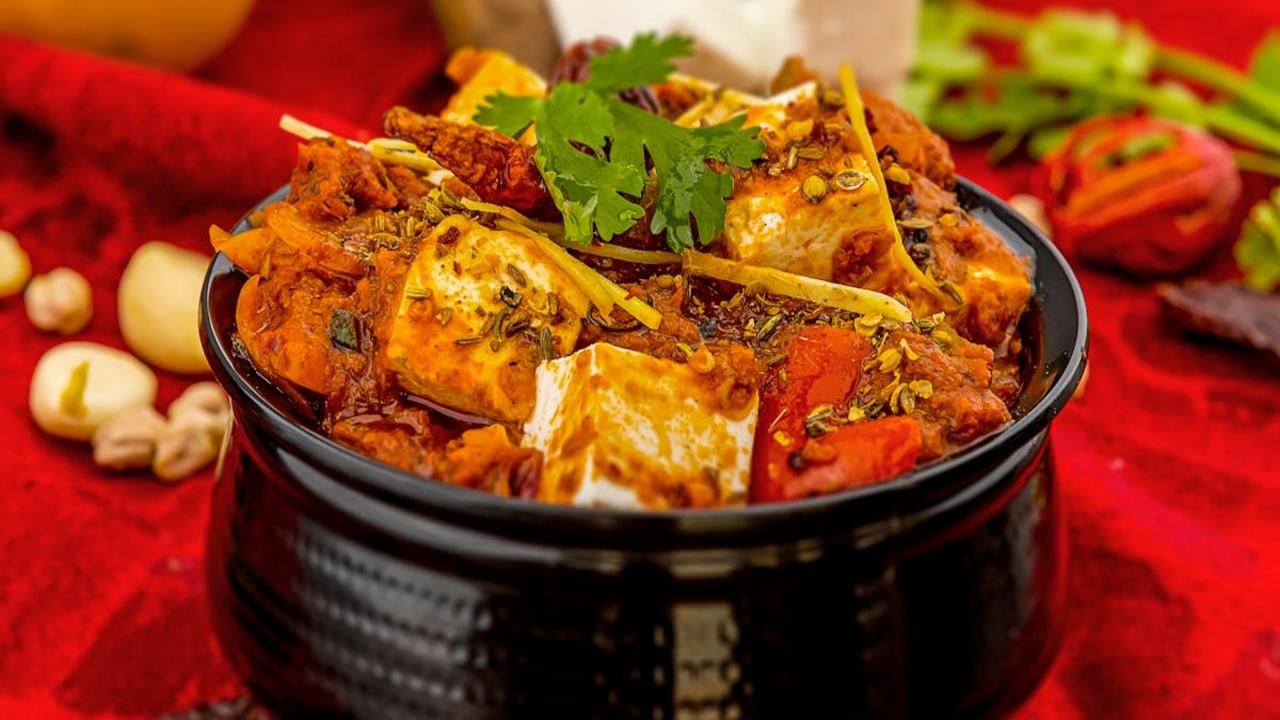
You know what happens when creamy tomato sauce meets perfectly spiced paneer? Pure magic on your plate! Paneer Tikka Masala brings together tender cubes of paneer that have been marinated in yogurt and spices, then grilled until they develop those beautiful charred edges. I love making this dish because you can control every ingredient – no mysterious additives or processed shortcuts needed. The paneer soaks up all those gorgeous flavors from garam masala, turmeric, and fresh ginger, creating little pillows of protein that practically melt in your mouth.
The sauce deserves its own spotlight here – I build mine from scratch using fresh tomatoes, onions, and cashews for that silky richness without heavy cream. The secret lies in roasting your spices first; that extra step releases oils that transform your ordinary tomato base into something extraordinary. I often add a touch of coconut milk instead of dairy cream, which gives the sauce this beautiful golden color and subtle sweetness. Serve this over brown rice or with homemade naan, and you’ve got a restaurant-quality meal that nourishes both body and soul. Trust me, once you master this recipe, you’ll never order takeout paneer again!
Rogan Josh
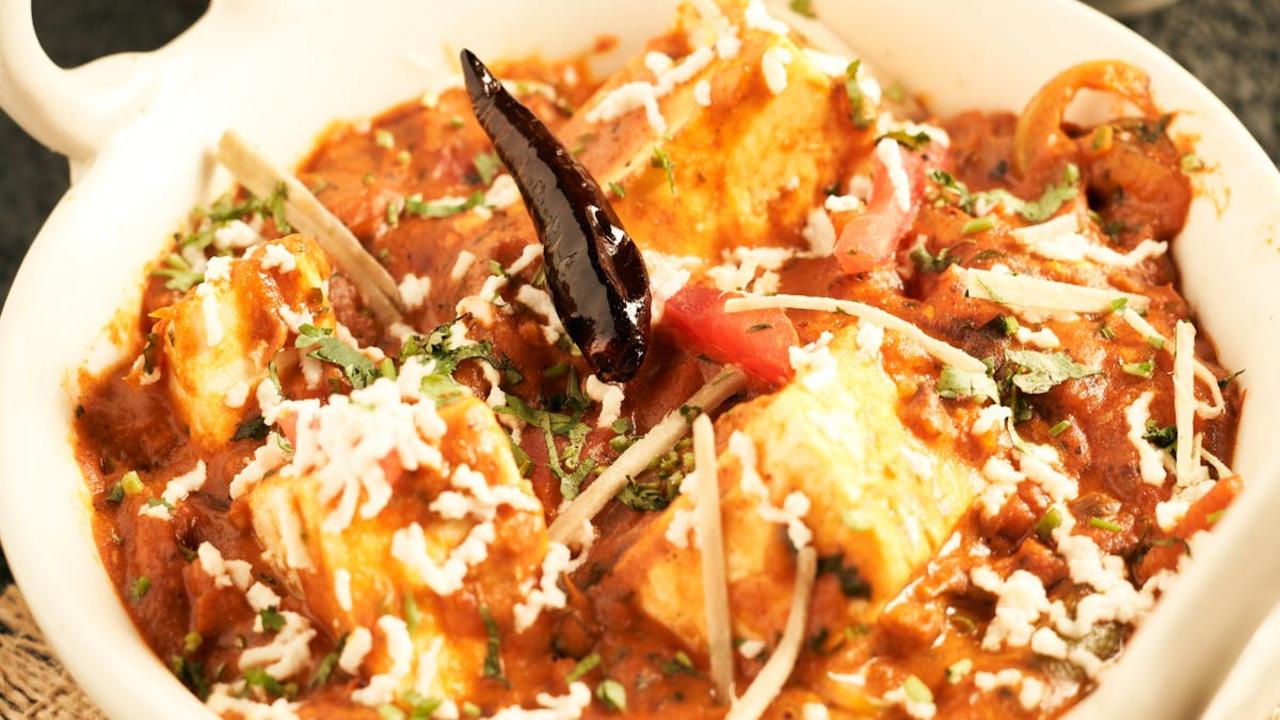
Picture this: tender chunks of lamb swimming in a rich, crimson-colored gravy that’s been perfected over centuries in Kashmir’s royal kitchens. Rogan Josh represents everything I love about Indian cooking – the way simple ingredients transform into something absolutely magical when you give them time and respect. The dish gets its gorgeous red color from Kashmiri red chilies, which bring warmth without overwhelming heat, and the name literally translates to “red lamb” in Persian. What makes this curry special is how the meat slowly braises in yogurt and aromatic spices, creating layers of flavor that build with each bite.
When I make Rogan Josh at home, I always start by browning the lamb properly – this step creates the foundation for that deep, complex flavor you can’t rush. The key lies in tempering whole spices like cardamom, cinnamon, and bay leaves in ghee, then building the gravy with onions, ginger-garlic paste, and that beautiful Kashmiri chili powder. I’ve learned that patience pays off here; letting the yogurt cook down slowly prevents curdling and creates that silky texture. The fennel powder added at the end gives it that distinctive Kashmiri touch that sets it apart from other lamb curries across India.
Butter Chicken
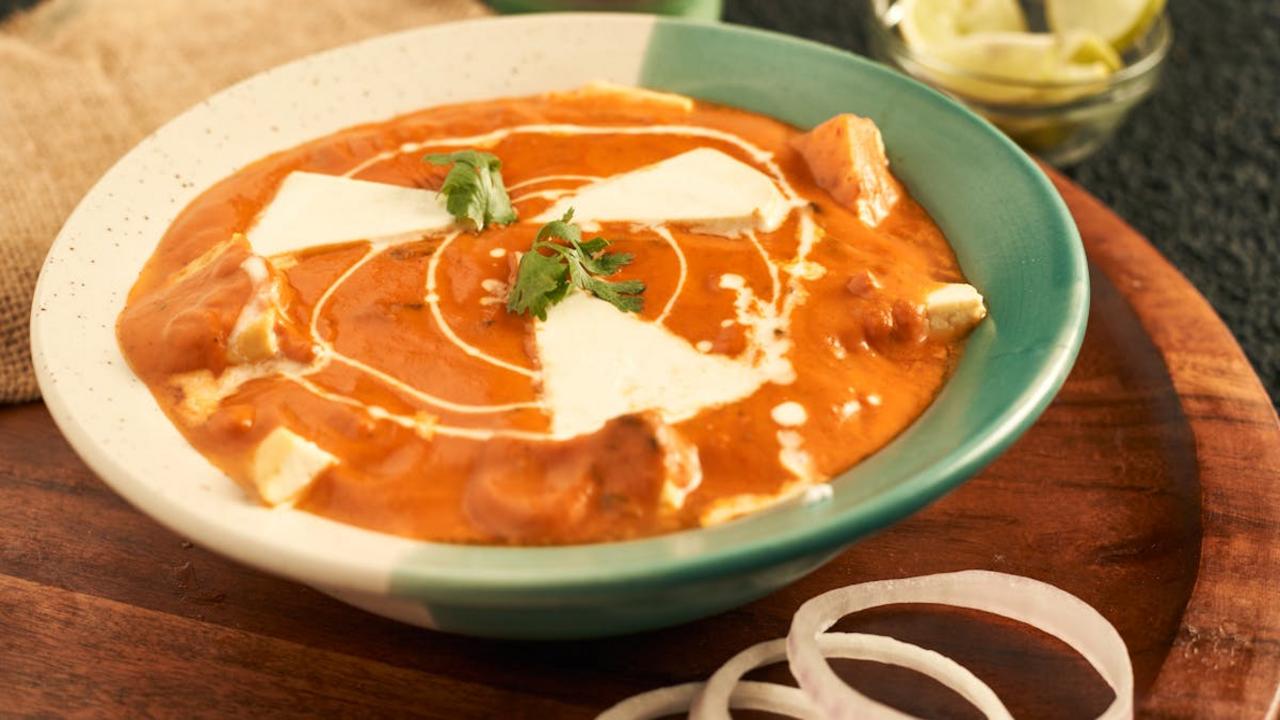
You know that moment when you take your first bite of butter chicken and everything just makes sense? This creamy, tomato-based marvel represents comfort food at its finest, and I’ve spent countless hours perfecting my version in the kitchen. What started as a happy accident by chef Kundan Lal Gujral in the 1950s has become the gateway curry for so many people discovering Indian cuisine. The beauty lies in its balance—tender chicken swimming in a velvety sauce that marries tangy tomatoes with rich cream and aromatic spices like garam masala, cumin, and fenugreek leaves.
I always tell home cooks that butter chicken teaches you the fundamentals of Indian cooking without intimidation. You build layers of flavor by blooming whole spices in ghee, creating a proper tomato base, and finishing with that signature touch of cream or cashew paste for silkiness. The secret I’ve discovered? A splash of honey balances the acidity beautifully, and I often sneak in some roasted bell peppers for extra depth. Don’t worry about achieving restaurant-level perfection on your first try—this forgiving dish rewards experimentation, and each batch teaches you something new about spice balance and sauce consistency.