13 Everyday Foods That Aren’t What They Used to Be
Ever noticed your favorite foods don’t taste quite like they did when you were a kid? You’re not imagining things! Many common foods on your grocery list have transformed dramatically over the decades through selective breeding, agricultural practices, and production methods aimed at increasing yield and shelf life—often at the expense of flavor and nutrition.
Your grandparents wouldn’t recognize today’s versions of many fruits and vegetables. That perfect-looking apple? It’s been bred for uniformity and durability during shipping. The bright orange carrots in your fridge? They once came in purple, yellow, and white varieties with different nutrient profiles. Even staples like bread, milk, and chicken have undergone significant changes that affect both taste and nutritional value.
This food evolution impacts not just your taste buds but your health too. By understanding how these 13 everyday foods have changed, you’ll make better choices at the supermarket. Some transformations offer benefits, while others might leave you searching for more traditional alternatives that provide the flavors and nutrition nature originally intended.
Sugar
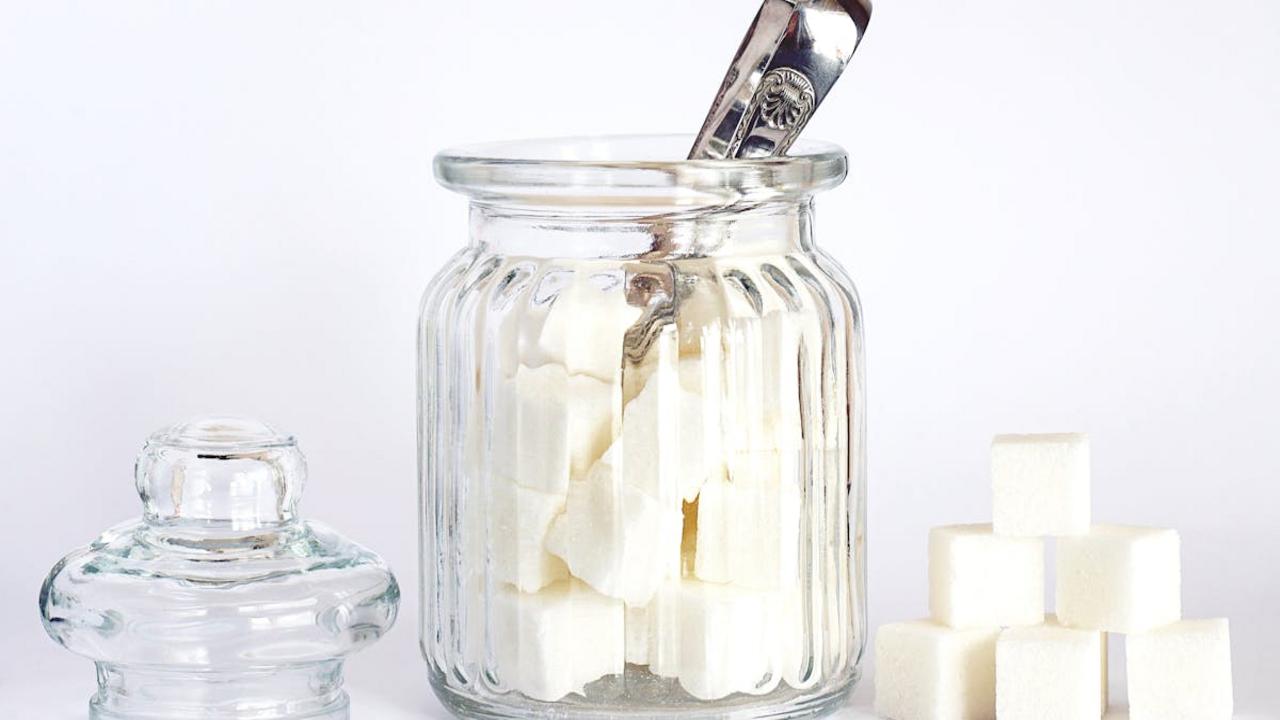
Here’s something that might shock you: the sugar sitting in your pantry right now bears little resemblance to what our great-grandparents used. Back in the day, most people sweetened their food with honey, maple syrup, or raw cane sugar that retained its natural molasses and minerals. Today’s white sugar goes through an intensive refining process that strips away every trace of nutrition, leaving behind pure sucrose crystals. This ultra-processed sweetener floods our bloodstream faster than a race car, causing those dreaded energy spikes and crashes that leave us reaching for more.
The real kicker? High fructose corn syrup has snuck into nearly everything we eat, from bread to salad dressing, making it almost impossible to avoid added sugars. While our ancestors consumed about 4 pounds of sugar per year, Americans now average over 150 pounds annually! I’ve started swapping refined sugar for natural alternatives like coconut sugar, pure maple syrup, and even mashed dates in my baking. These unrefined options provide trace minerals and fiber that help slow sugar absorption, giving you steady energy instead of that rollercoaster ride. Your pancreas will thank you, and honestly, these natural sweeteners add such rich, complex flavors that make your homemade treats taste infinitely better than anything from a box.
Peaches
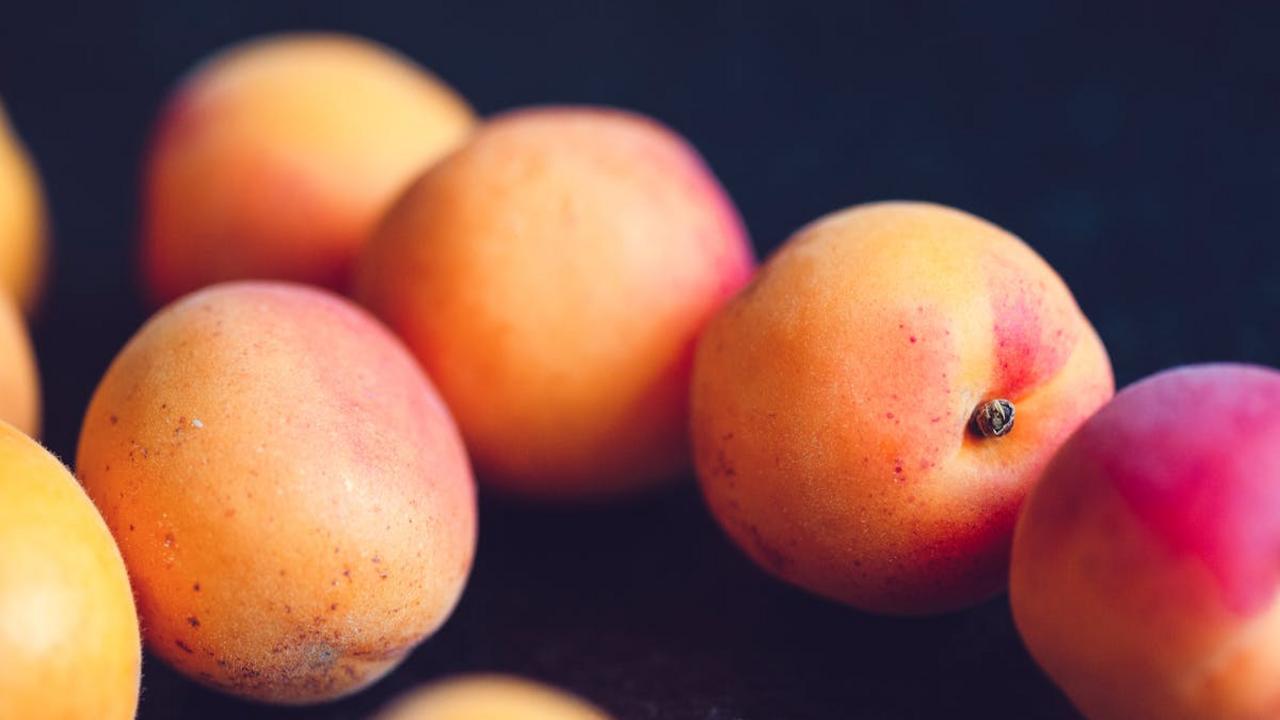
Remember biting into a perfectly ripe peach as a kid, juice dripping down your chin and that incredible sweetness filling your mouth? Today’s peaches often leave us wondering what happened to that amazing flavor. Modern commercial peaches get picked way too early to survive shipping and storage, which means they never develop their full sugar content or that complex, floral aroma we remember. The focus shifted from taste to shelf life, and honestly, we all lost out on something pretty special.
You can still find those incredible peaches, but you’ll need to seek them out at farmers markets or grow your own tree. Look for heirloom varieties like Georgia Belle or Elberta that prioritize flavor over shipping durability. When you find a good peach, you’ll know it immediately – the skin gives slightly to gentle pressure, the stem end smells intensely peachy, and that first bite transports you right back to childhood summers. Don’t settle for those rock-hard, flavorless imposters at the grocery store. Your taste buds deserve so much better, and trust me, once you rediscover what a real peach tastes like, you’ll never go back to those disappointing substitutes.
Tomatoes
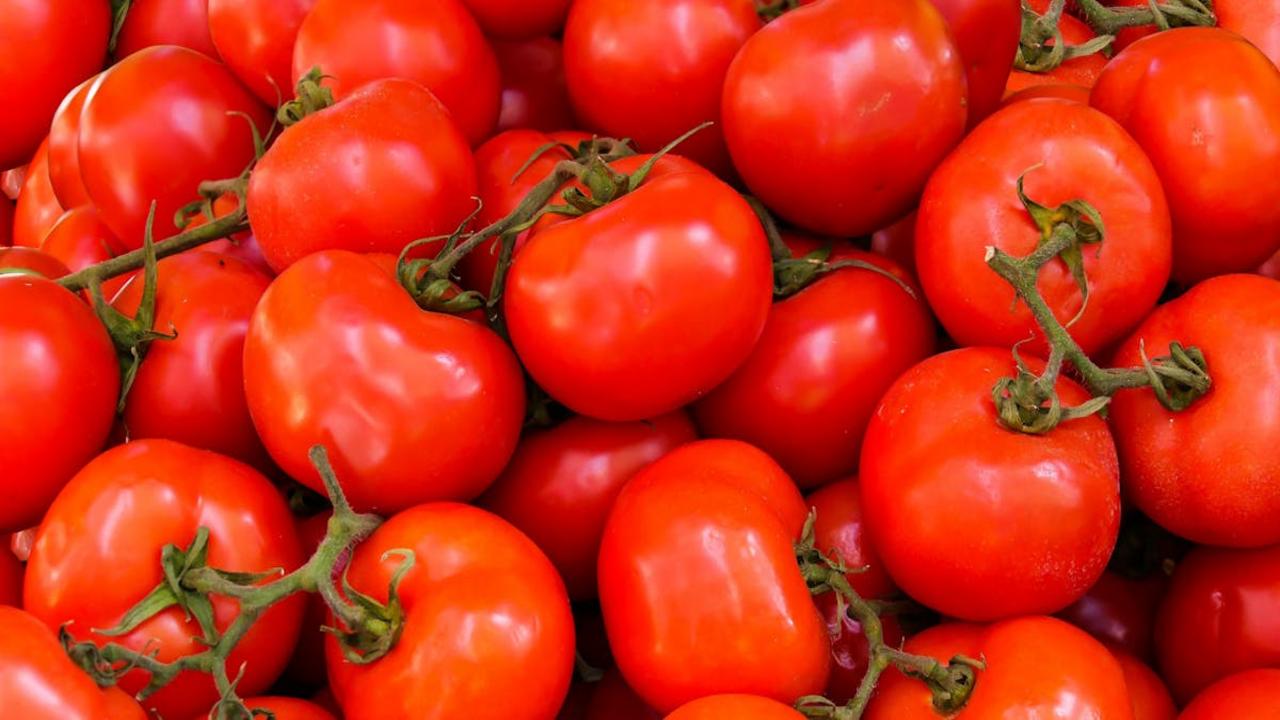
Remember when tomatoes actually tasted like something? I’m talking about those deep, rich, almost wine-like flavors that made you close your eyes and savor every bite. Today’s supermarket tomatoes often taste like crunchy water with a hint of disappointment. This dramatic shift happened because commercial growers prioritized shelf life, uniform appearance, and shipping durability over flavor. They selected varieties that could travel thousands of miles without bruising, but somewhere along the way, we lost those incredible heirloom genetics that made tomatoes the stars of summer cooking.
The good news? You can still find those amazing flavors if you know where to look! Farmers markets, local growers, and even your own backyard can give you access to varieties like Cherokee Purples, Brandywines, and Green Zebras that pack serious flavor punch. These old-school tomatoes might look imperfect and won’t last weeks in your fridge, but they’ll transform your salads, sauces, and sandwiches into something magical. Try growing a few plants yourself – even a simple cherry tomato variety will remind you what real tomato flavor should be. Your pasta sauce will thank you, and you’ll never look at those pale pink grocery store specimens the same way again.
Chocolate
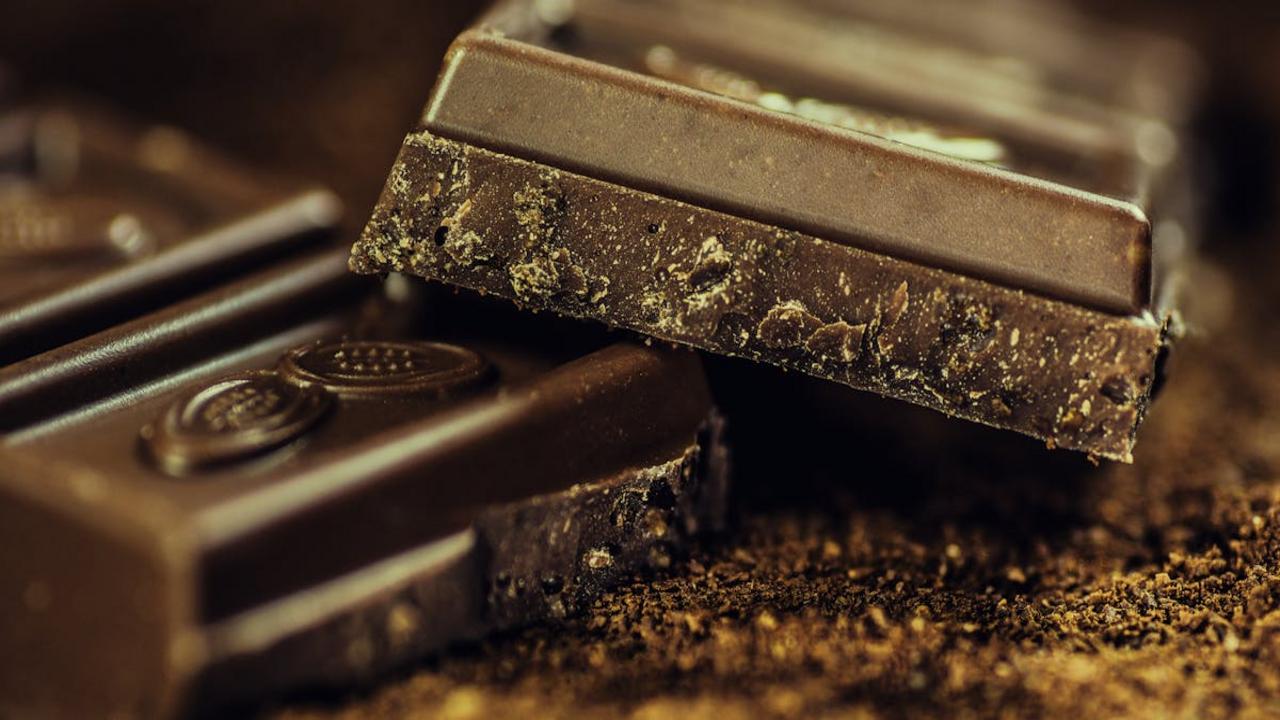
Remember when you could pronounce every ingredient on a chocolate bar wrapper? Those days feel like ancient history now. Today’s chocolate often contains lecithin, artificial flavors, and stabilizers that your great-grandmother wouldn’t recognize. The cocoa content has dropped significantly in many mainstream brands, replaced with more sugar and fillers to cut costs. What used to be a simple blend of cocoa beans, sugar, and maybe some milk has transformed into a complex chemistry experiment designed for shelf stability and mass production.
Real chocolate makers still exist, and they’re creating bars that taste like chocolate should – rich, complex, and made from ingredients you can actually pronounce. Look for bars with short ingredient lists: cocoa beans, sugar, perhaps vanilla or milk. These chocolates might cost more, but you’ll taste the difference immediately. The flavor develops on your palate instead of hitting you with overwhelming sweetness. Support small chocolate makers who source their beans ethically and process them with care. Your taste buds will thank you, and you’ll rediscover what chocolate was meant to be before industrial processing took over.
Coffee
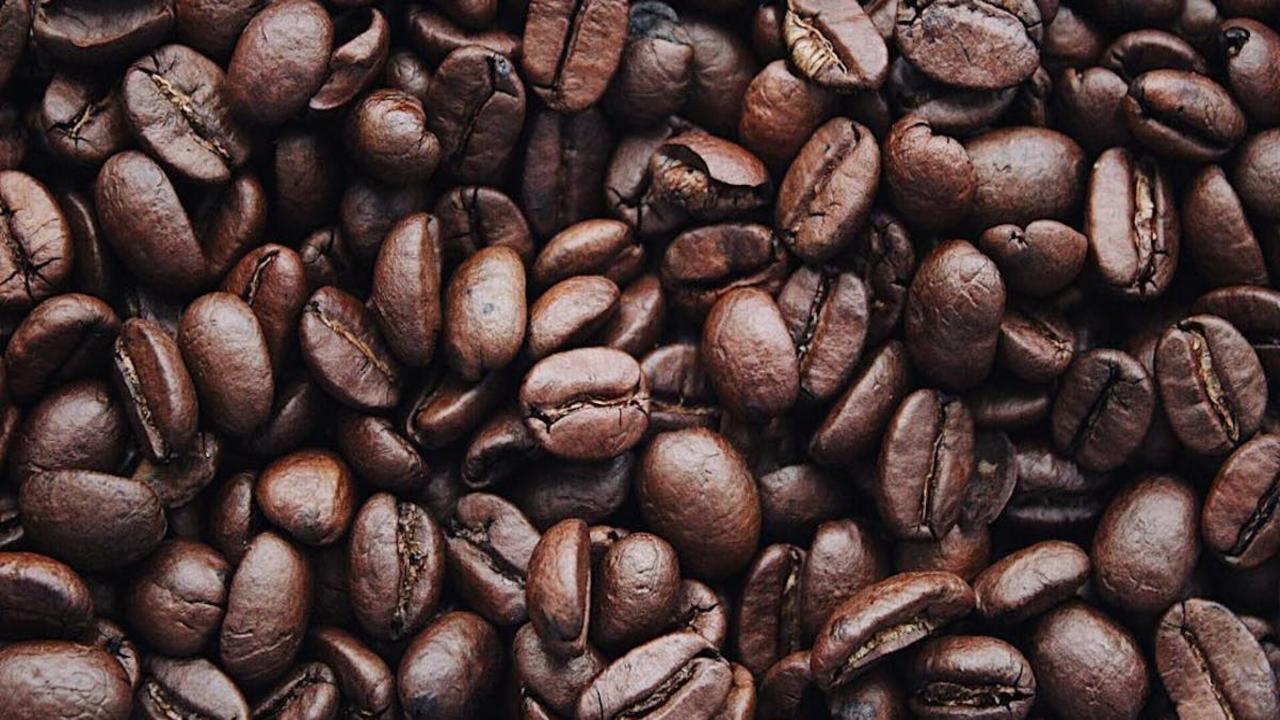
Your morning cup of coffee tells a completely different story than the one your grandparents enjoyed decades ago. Back then, coffee meant simple, dark roasts from small local roasters who knew their beans intimately. Today’s coffee landscape has transformed into a complex world of single-origin varieties, specialty brewing methods, and beans that travel thousands of miles before reaching your kitchen. The shift from traditional percolators and drip machines to espresso makers, French presses, and pour-over systems has changed not just how we brew, but what we expect from our daily caffeine fix.
Modern coffee production focuses heavily on consistency and mass appeal, which often means sacrificing the bold, robust flavors that once defined a good cup. Many commercial brands now use lighter roasts and blends designed to please the widest possible audience, resulting in milder, more predictable flavors. The beans themselves have changed too – climate shifts and industrial farming practices have altered growing conditions worldwide. While specialty coffee shops have introduced us to exciting new varieties and brewing techniques, the everyday coffee you grab from grocery store shelves often lacks the depth and character that made coffee such a beloved ritual for previous generations.
Milk
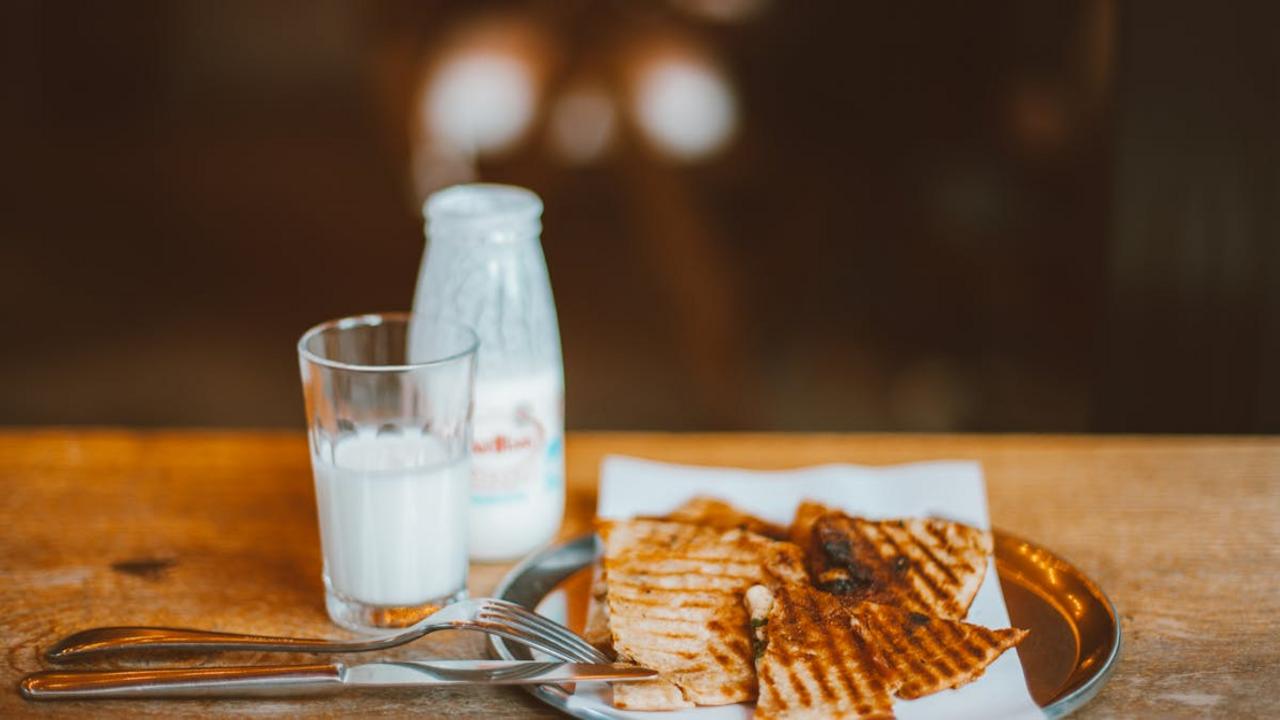
Remember when milk came straight from local dairies, thick with cream that would separate and float to the top? Today’s milk tells a completely different story. Modern dairy operations have transformed this once-simple beverage into a highly processed product that bears little resemblance to what your grandparents poured on their cereal. Most commercial milk goes through pasteurization at ultra-high temperatures, homogenization that breaks down fat molecules, and often fortification with synthetic vitamins. The cows themselves live vastly different lives too – many never see pasture and eat grain-heavy diets instead of grass, which directly affects the nutritional profile of their milk.
You’ll notice the difference immediately when you taste fresh, minimally processed milk from grass-fed cows. The flavor is richer, more complex, and the texture feels completely different in your mouth. Raw milk enthusiasts will tell you there’s no comparison, though safety regulations make it harder to find. Even organic milk, while better than conventional options, still undergoes significant processing. If you want to experience something closer to traditional milk, seek out local dairies that practice low-temperature pasteurization and avoid homogenization. Your morning coffee and baking projects will thank you for the upgrade – the proteins haven’t been damaged by extreme heat, so everything from yogurt to cheese turns out better.
Bread
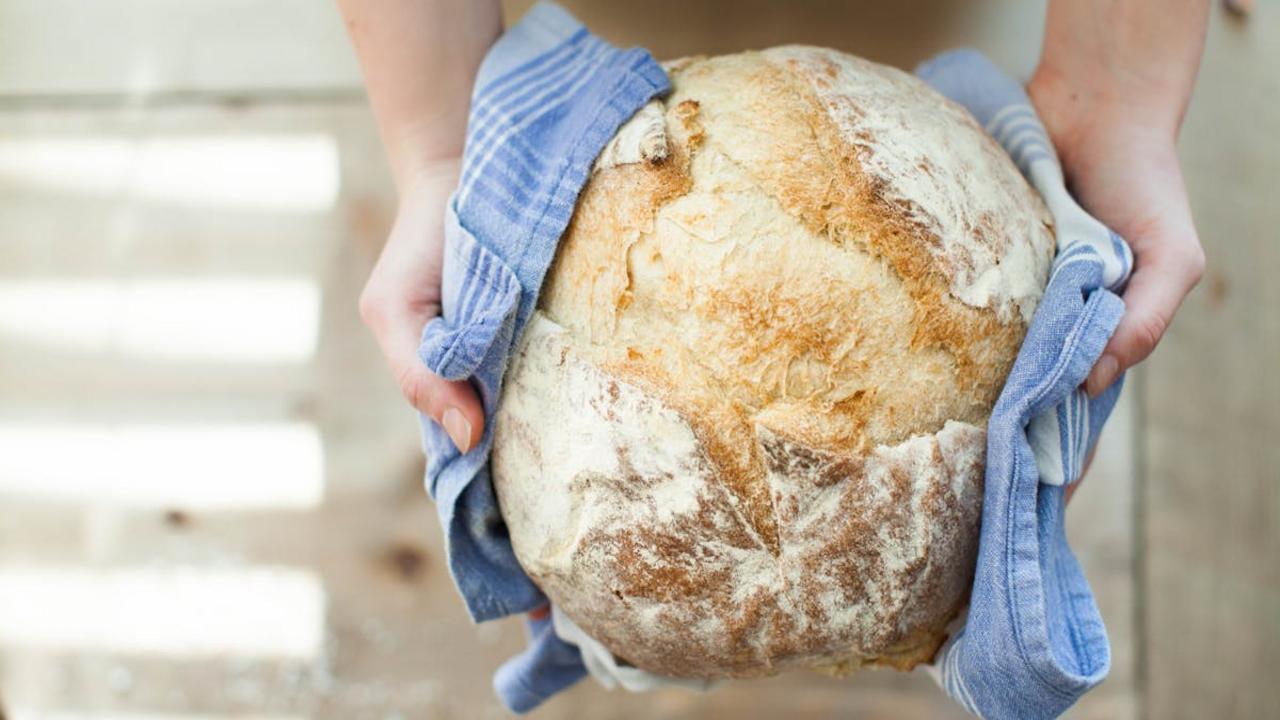
Remember when bread meant a simple loaf made from flour, water, yeast, and salt? Today’s commercial bread tells a completely different story. Walk down any grocery aisle and you’ll find loaves packed with dozens of ingredients you can’t pronounce – preservatives, dough conditioners, high fructose corn syrup, and artificial flavors. Modern industrial bread production prioritizes shelf life and mass production over the traditional slow fermentation process that once created naturally flavorful, digestible bread. Even “whole wheat” varieties often contain refined flour as their primary ingredient, with just enough whole grain to earn the label.
The shift started in the 1960s when the Chorleywood Bread Process revolutionized commercial baking, reducing fermentation time from hours to minutes. This change stripped bread of its natural probiotics and made it harder for many people to digest. Your grandmother’s bread rose slowly, developing complex flavors and breaking down proteins naturally. Today’s quick-rise breads skip this process entirely, which explains why so many people experience digestive issues with modern bread. If you want to experience real bread again, seek out local bakeries that still practice traditional fermentation methods, or try your hand at sourdough baking – your body will thank you for the difference.
Chicken

The chicken on your dinner plate today looks dramatically different from what your grandparents enjoyed decades ago. Modern broiler chickens grow at lightning speed, reaching market weight in just six to seven weeks compared to the 16 weeks it took in the 1950s. This rapid growth comes from selective breeding programs that prioritize size and speed over flavor and nutrition. Today’s chickens carry significantly more breast meat and less dark meat, creating those familiar oversized chicken breasts you see at the grocery store.
Unfortunately, this transformation hasn’t been kind to flavor or nutritional value. Studies show that modern chicken contains less protein and higher fat content than its predecessors. The meat often lacks the rich, complex taste that free-range, slower-growing birds develop naturally. You can still find heritage breed chickens and pasture-raised options that more closely resemble what chicken used to be – they cost more, but the difference in flavor and texture will remind you of what we’ve lost. These birds take longer to mature, developing stronger muscles and more concentrated flavors that make every bite worthwhile.
Apples
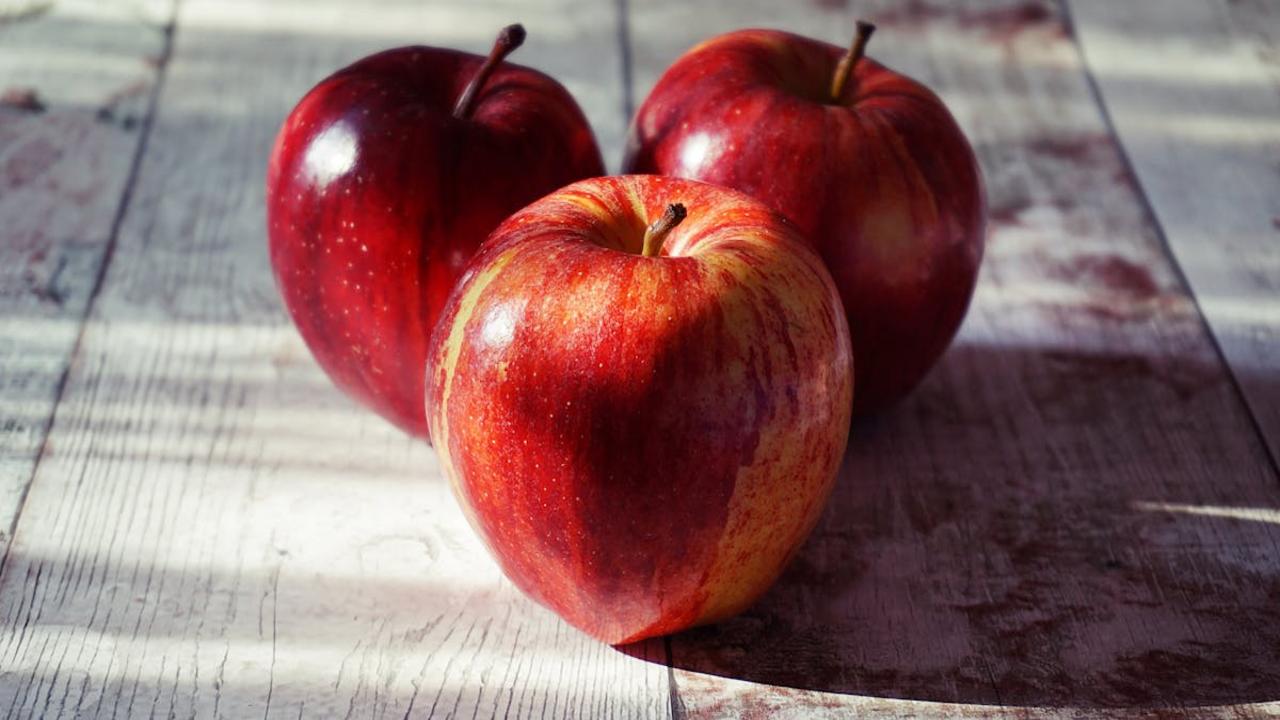
Remember those crisp, tart apples your grandparents grew in their backyard? Today’s supermarket apples tell a completely different story. Modern apple varieties have been bred for sweetness, shelf life, and visual appeal rather than the complex flavors that once defined this beloved fruit. The Red Delicious apple, once America’s favorite, now tastes more like sugary cardboard compared to the robust, tangy apples that graced dinner tables decades ago. Commercial growers prioritize varieties that can withstand long-distance shipping and months of cold storage, which means sacrificing the delicate balance of sweet and tart that made apples so special.
You can still find those incredible flavors if you know where to look! Farmers’ markets often carry heirloom varieties like Ashmead’s Kernel, Esopus Spitzenburg, or Cox’s Orange Pippin – apples that burst with personality and complexity. These varieties might not look as perfect as their commercial cousins, but they deliver the authentic apple experience your taste buds crave. I encourage you to seek out local orchards during apple season and try different varieties. You’ll discover that apples can be wine-like in their complexity, with notes ranging from honey and spice to bright citrus. Supporting small growers who preserve these heritage varieties means keeping real apple flavor alive for future generations.
Carrots
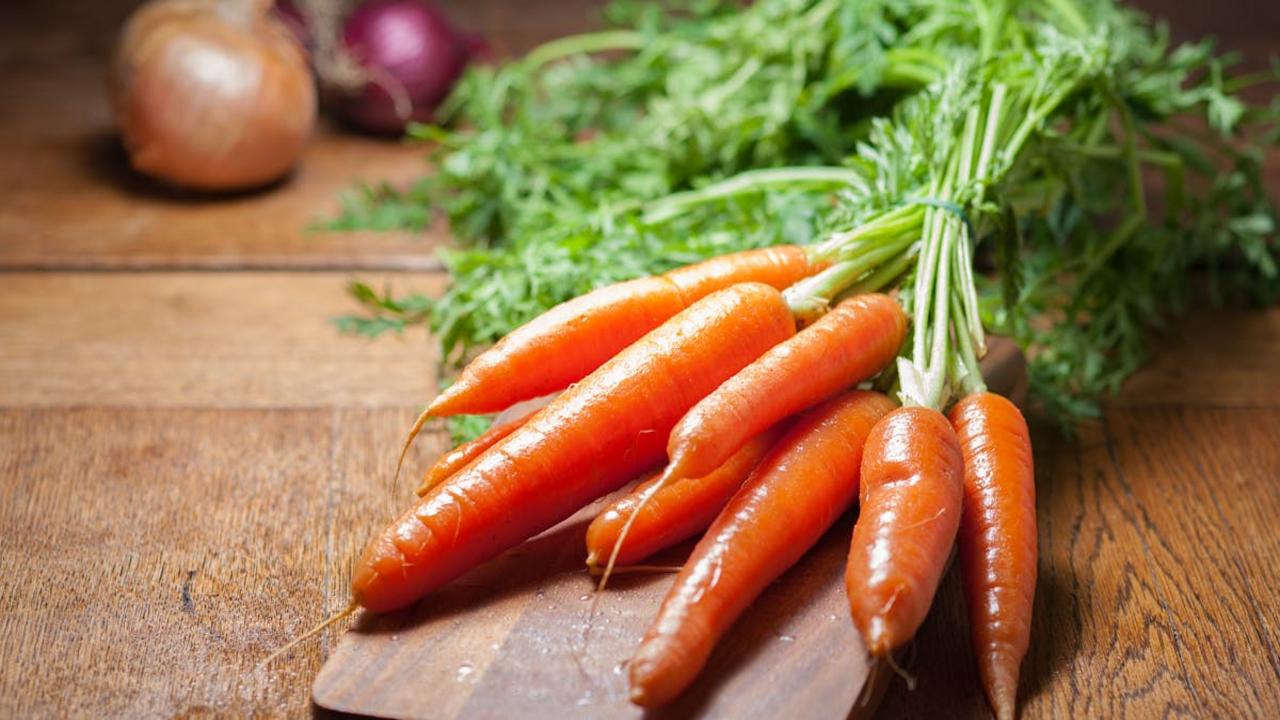
Picture this: you’re crunching into a bright orange carrot, thinking this vibrant color has always been nature’s choice. But here’s something that might surprise you – carrots weren’t originally orange at all! These root vegetables started their journey in shades of purple, white, and yellow. The orange variety we know and love today actually came about through selective breeding by Dutch farmers in the 17th century, who developed them to honor the House of Orange. So that classic orange hue you associate with carrots? It’s actually a relatively recent development in agricultural history.
Beyond their color transformation, modern carrots have changed significantly in sweetness and texture too. Today’s carrots are much sweeter and more tender than their ancient ancestors, which were often tough, bitter, and quite fibrous. Through generations of careful cultivation, farmers have bred carrots to have higher sugar content and a more pleasant, crisp texture that makes them perfect for snacking, juicing, or cooking. This means when you grab that bag of baby carrots from the grocery store, you’re getting a vegetable that’s been refined over centuries to be more appealing to our modern palates – quite different from what our ancestors would have recognized!
Watermelon

If you could travel back to the 17th century and bite into a watermelon, you’d barely recognize the fruit we know today. Historical paintings show watermelons with thick white flesh, small pockets of red, and seeds scattered throughout every bite. These early varieties were bitter, dense, and far from the sweet, juicy treat we expect. Selective breeding over centuries transformed this humble fruit into the candy-like summer favorite that graces our picnic tables.
Today’s watermelons pack incredible sweetness – some varieties contain more sugar than many desserts! The flesh now spans the entire interior in brilliant red, pink, or even yellow, while the rind has become thinner and more manageable. Modern seedless varieties make eating effortless, though they’re actually not completely seed-free – those tiny white seeds are just immature versions. You can thank generations of farmers and plant breeders for turning what was once a barely edible fruit into one of summer’s most refreshing pleasures. Next time you enjoy that perfect slice, remember you’re tasting hundreds of years of agricultural innovation.
Bananas
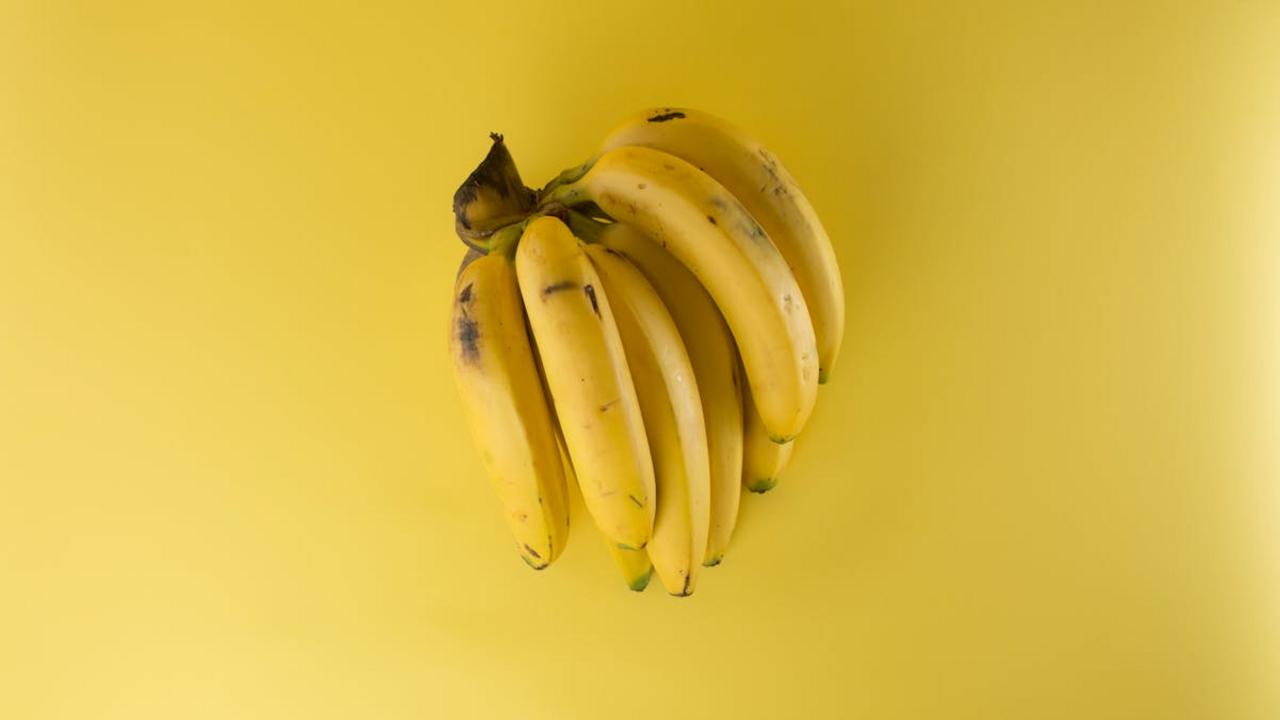
Your morning smoothie banana tastes completely different from what your great-grandparents enjoyed! The sweet, creamy Cavendish bananas we know today replaced the Gros Michel variety in the 1950s after a devastating fungal disease wiped out commercial plantations worldwide. Those original bananas packed a more intense, almost artificial-seeming flavor that actually inspired the banana flavoring we still find in candies and baked goods today. You know that “fake” banana taste? That’s actually what real bananas used to taste like!
Today’s Cavendish bananas offer their own wonderful qualities – they’re milder, creamier, and perfect for everything from your morning oatmeal to homemade banana bread. However, we’re facing the same threat again with Panama disease affecting Cavendish crops globally. Scientists are working hard to develop disease-resistant varieties, which means the bananas your kids enjoy might look and taste different from the ones you grew up with. While change can feel uncertain, I find it exciting that nature keeps surprising us with new flavors and textures to discover in our kitchens!
Corn
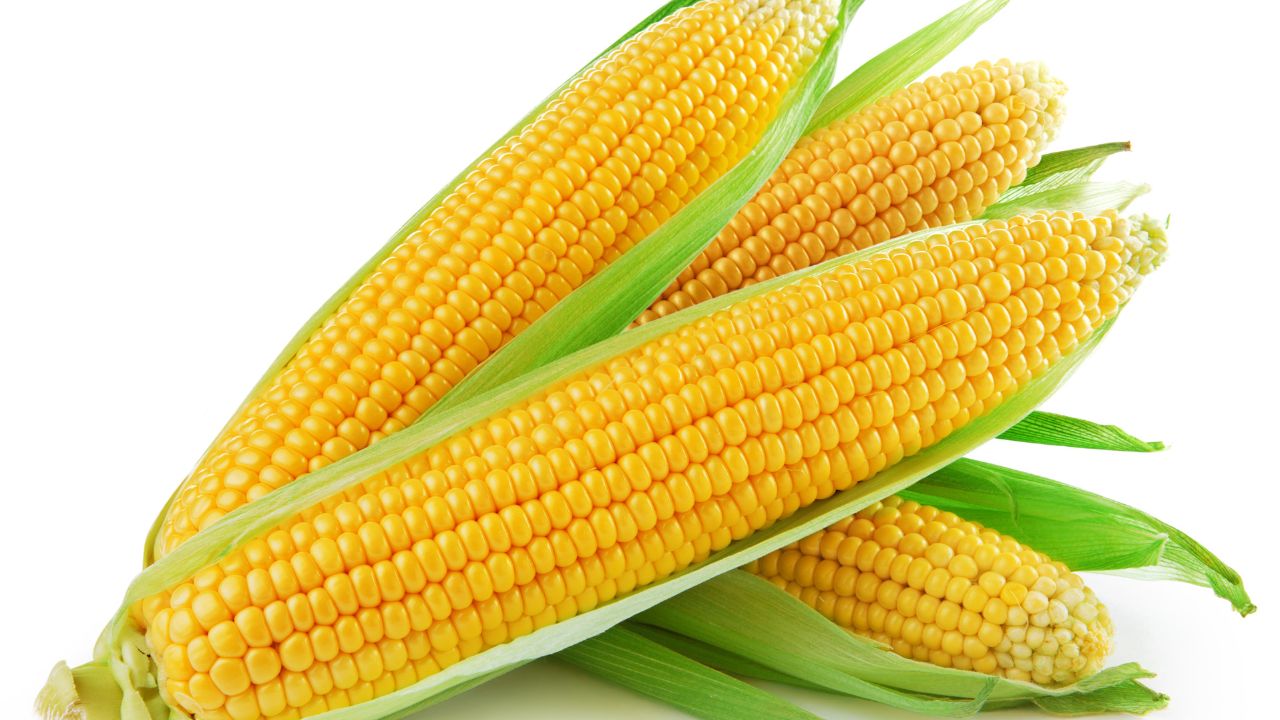
Remember the sweet, tender corn your grandparents grew in their backyard gardens? Today’s corn tells a completely different story. Modern corn has been genetically modified to resist pests and herbicides, creating varieties that barely resemble the original plant our ancestors cultivated thousands of years ago. The kernels you see today are plumper, sweeter, and more uniform than ever before, but they’ve also lost much of their nutritional density in the process.
Traditional corn varieties contained higher levels of protein and beneficial compounds, while today’s versions pack significantly more sugar and starch. You can still find heirloom varieties at farmers markets that offer a glimpse into corn’s authentic past – they’re smaller, less sweet, and often more colorful than the bright yellow kernels we’re used to seeing. These older varieties provide better nutrition and more complex flavors that truly showcase what this amazing grain was meant to taste like before industrial agriculture transformed it into something entirely new.