14 Flavor-Packed Low-Sodium Foods You’ll Actually Crave
Cutting salt doesn’t mean cutting flavor! The low-sodium food world isn’t just about bland chicken and unseasoned veggies. There’s a whole rainbow of naturally zingy, punchy, and downright crave-worthy foods that won’t send your blood pressure through the roof. From the earthy sweetness of beets to the rich depth of dark chocolate, these 14 foods pack serious flavor without the sodium overload.
You know that moment when you bite into something so good your eyes roll back a little? That’s what we’re after here. Think juicy watermelon on a hot day, the unexpected crunch of pistachios, or that pop of tartness from a fresh pomegranate. Each food on this list brings its own unique punch that makes salt seem totally unnecessary.
What makes these foods magical is how they transform everyday meals from “meh” to “more please!” Sprinkle flaxseeds on your morning yogurt, sauté kale with garlic for a side dish that sings, or brew a cup of hibiscus tea for a ruby-red treat. Your taste buds will thank you, and your heart will too. Who said healthy eating had to be boring?
Lentils
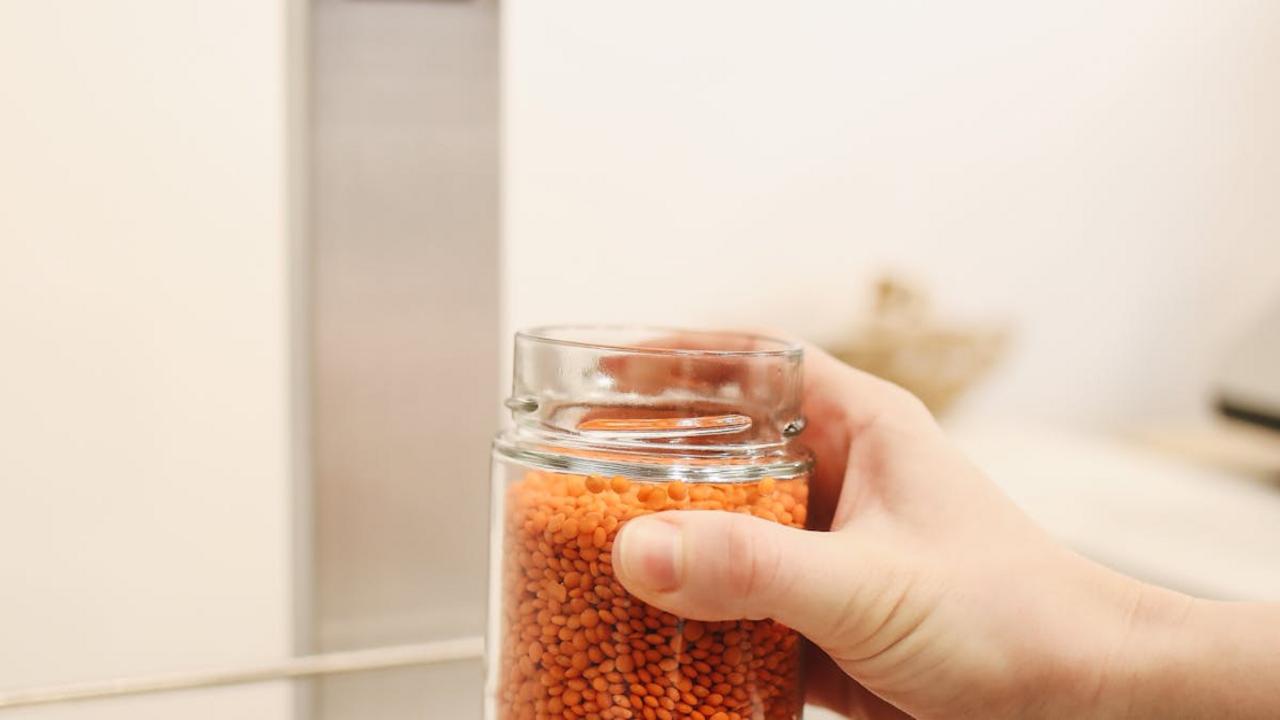
Lentils are the unsung heroes of the legume world, quietly sitting in your pantry like little protein-packed gems waiting to transform your dinner game. These tiny powerhouses contain virtually zero sodium naturally, yet they absorb flavors like culinary sponges, making them perfect for anyone trying to cut back on salt without sacrificing satisfaction. I once watched my skeptical meat-loving brother devour three bowls of red lentil curry, completely forgetting he was eating something that grows from the ground. The secret? Lentils don’t just take on the personality of whatever spices you throw at them—they actually enhance those flavors, creating a rich, earthy backdrop that makes every bite more complex and interesting.
Here’s something that’ll blow your mind: lentils cook faster than you can decide what to watch on Netflix, with red varieties ready in just 15 minutes and green ones taking about 25. They’re like the speed demons of the dried legume world, which means you can have a satisfying, protein-rich meal on your table before your takeout order would even arrive. Try cooking them in low-sodium vegetable broth with garlic, cumin, and smoked paprika—the result is so flavorful you’ll wonder why anyone ever thought healthy eating had to be boring. Plus, with about 18 grams of protein per cup, these little nutritional ninjas will keep you full and happy long after your last spoonful.
Oats
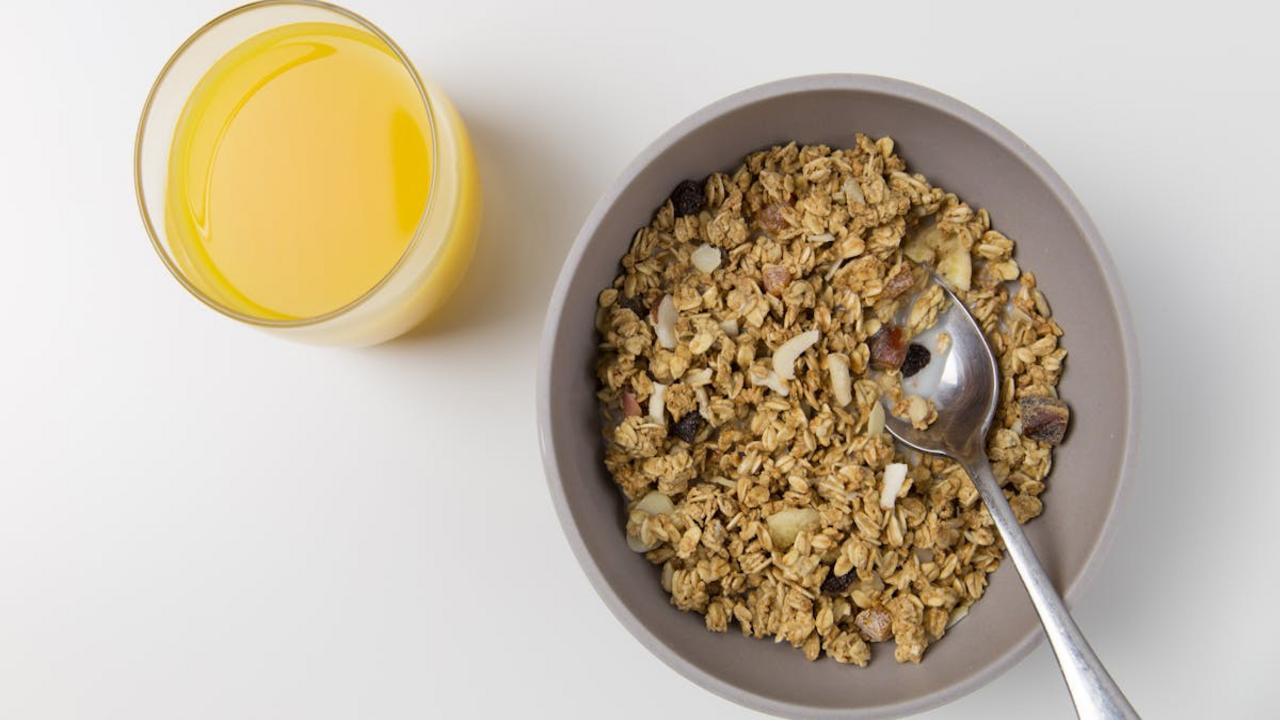
Listen, I used to think oats were punishment food—the beige mush your mom made when you were sick or the cardboard packets from college that tasted like regret. Then I discovered what happens when you treat these humble grains with actual respect! Oats contain only 2 milligrams of sodium per cup, making them your heart’s best friend while your mouth does a happy dance. Here’s the kicker: these little powerhouses have been around for over 4,000 years, originally considered weeds until some genius realized they were actually edible gold. Scottish warriors ate oats before battle because they knew what we’re just figuring out—this grain gives you serious staying power.
The magic happens when you stop treating oats like boring breakfast cereal and start seeing them as your blank canvas of deliciousness. Toss them with cinnamon and diced apples for something that tastes like apple pie had a healthy makeover, or go savory with garlic, herbs, and a splash of low-sodium broth for risotto vibes without the fuss. My personal favorite? Steel-cut oats cooked with vanilla extract and topped with fresh berries—it’s like eating dessert for breakfast without your pants getting tight. Plus, oats contain beta-glucan fiber that actually helps your body kick sodium to the curb naturally, so you’re basically getting a two-for-one deal on flavor and health benefits.
Fermented Foods
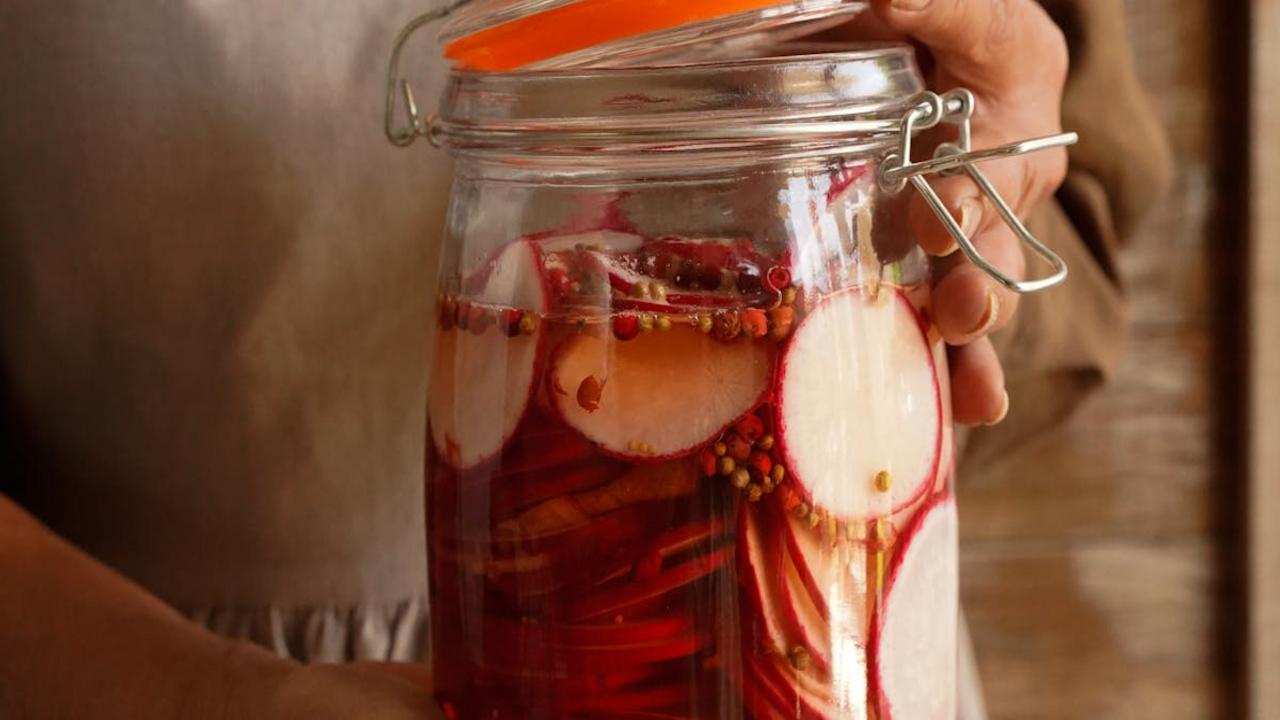
You know that satisfying tang that makes your mouth water just thinking about it? That’s the magic of fermentation working its wonders, and here’s the kicker – these bubble-producing beauties are naturally low in sodium while packing more flavor than a jazz funeral parade in New Orleans. Sauerkraut, kimchi, miso, and kombucha are like the punk rock band of the food world: they’re rebellious, they make a statement, and they transform ordinary ingredients into something extraordinary. The fermentation process creates lactic acid, which gives these foods their signature zip without relying on salt for flavor enhancement.
My grandmother used to keep mason jars of fermenting vegetables on her windowsill like they were prized orchids, and now I understand why she treated them with such reverence. These living foods contain beneficial probiotics that throw a party in your gut while delivering complex flavors that dance between sour, savory, and slightly effervescent. Try adding a forkful of homemade sauerkraut to your sandwich instead of pickles, or splash some kombucha vinegar into your salad dressing. The ancient art of fermentation turns humble cabbage into a zingy superfood that makes your regular vegetables seem downright boring – and your sodium-conscious heart will thank you for choosing these naturally preserved powerhouses over their salt-laden processed cousins.
Garlic
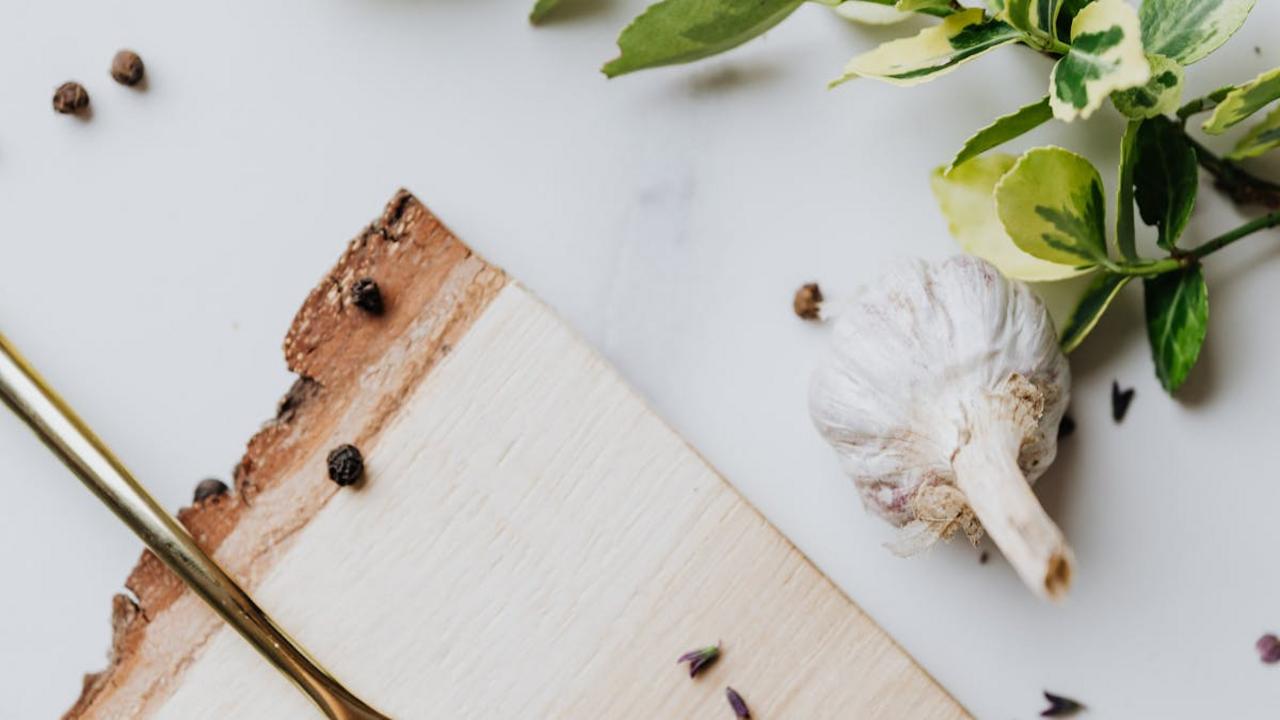
You know that moment when you walk into someone’s kitchen and smell garlic sizzling in olive oil? That’s pure magic right there, and your nose knows it’s about to experience something incredible. Garlic doesn’t just season your food—it transforms it into something that makes your neighbors peek over the fence wondering what amazing thing you’re cooking. This pungent little bulb packs more flavor per clove than most entire spice racks, which means you can ditch the salt shaker and still create dishes that make people close their eyes and do that happy food dance.
Here’s a fun fact that’ll blow your mind: garlic contains over 100 sulfur compounds, which explains why it can make your breath questionable but your food absolutely divine. Ancient Egyptians were so obsessed with garlic they used it as currency—imagine paying your rent with a string of garlic bulbs! Whether you’re roasting whole heads until they’re sweet and spreadable, mincing it raw for that sharp bite, or slow-cooking it until it becomes mellow and nutty, garlic gives you endless ways to add serious depth without reaching for the salt. Pro tip: smash your cloves with the flat side of your knife before chopping—it releases more of those magical oils and makes peeling a breeze.
Hibiscus Tea
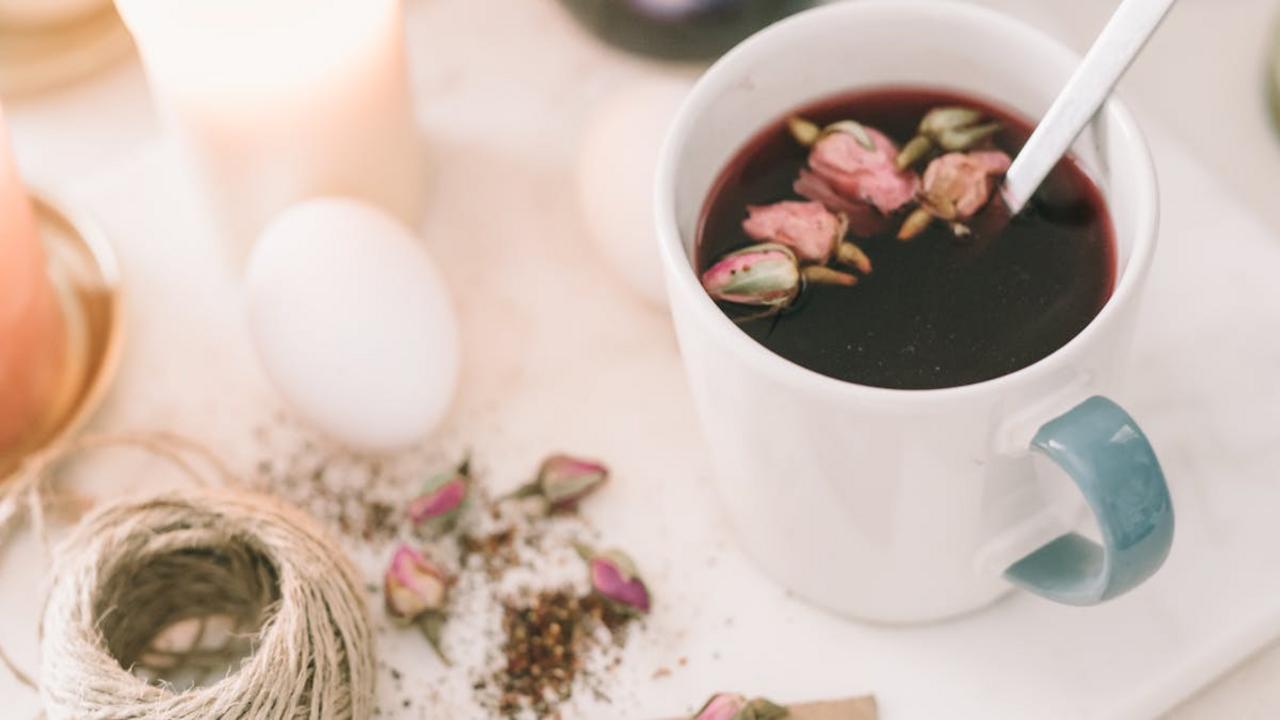
Picture this: you’re sipping what looks like liquid rubies while your blood pressure quietly thanks you for making such a brilliant life choice. Hibiscus tea doesn’t mess around when it comes to delivering bold, tart flavor that’ll make your regular cup of chamomile seem about as exciting as watching paint dry. This crimson beauty packs zero sodium but brings enough personality to make lemonade jealous. I discovered this floral powerhouse during a particularly stubborn summer when my usual iced tea routine needed serious intervention, and wow, did hibiscus deliver the drama I didn’t know I needed.
Here’s the thing about hibiscus: it’s basically nature’s way of saying “who needs artificial flavoring?” The dried flowers steep into this gorgeous deep red brew that tastes like cranberries had a sophisticated older sister. You can drink it hot for that cozy evening vibe or cold-brew it overnight for the most refreshing pitcher of liquid happiness your fridge has ever housed. Pro tip from someone who learned the hard way – this stuff will stain everything it touches, including your teeth temporarily, but trust me, it’s worth looking like you’ve been eating berries for thirty minutes. Plus, studies suggest it might help lower blood pressure naturally, which means you get to feel smug about your beverage choices while actually enjoying every single sip.
Kale
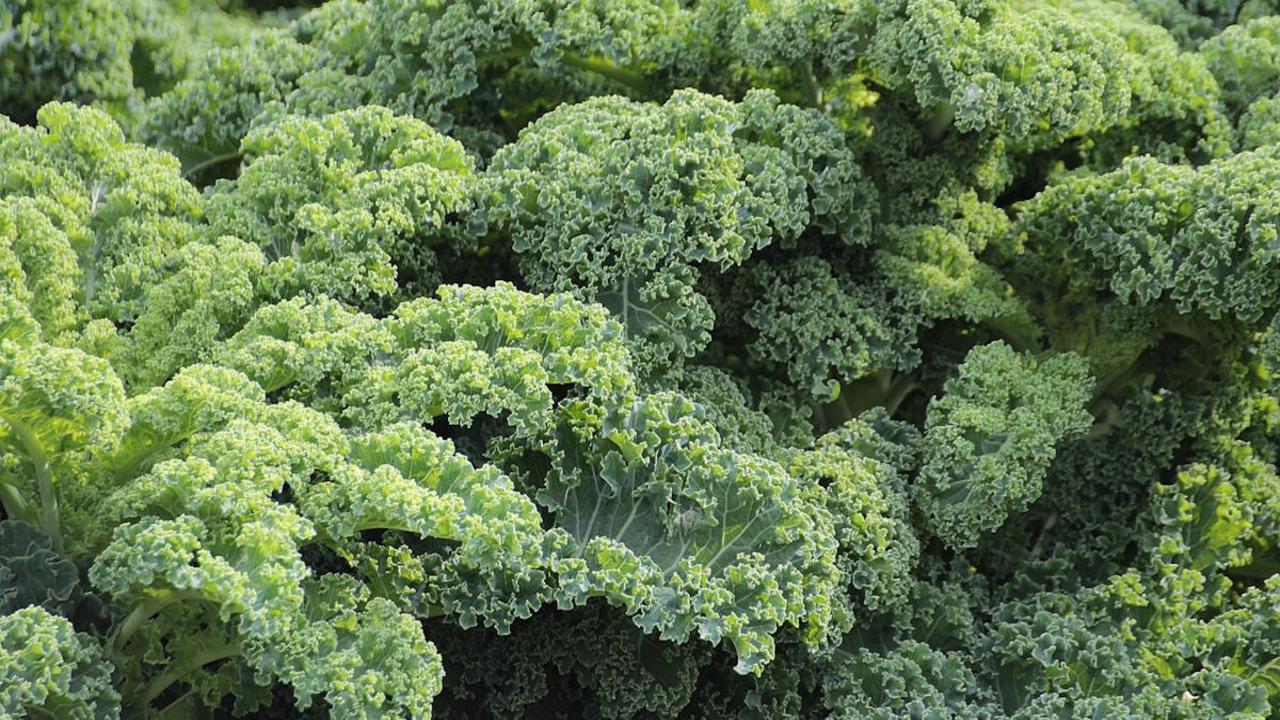
Kale gets a bad rap for being the vegetable equivalent of that friend who constantly posts gym selfies, but hear me out – this leafy green actually packs more flavor punch than most people give it credit for. With only 7 milligrams of sodium per cup, kale brings serious nutritional firepower without the salt overload that makes your ankles puff up like marshmallows. The secret lies in how you treat it: massage those tough leaves with a bit of olive oil and lemon juice for thirty seconds, and watch them transform from leathery disappointment into silky, tender ribbons that actually taste good. I discovered this trick after years of choking down raw kale salads that felt like chewing on small trees.
What makes kale truly shine is its chameleon-like ability to absorb whatever flavors you throw at it. Toss it with roasted garlic and red pepper flakes for a spicy kick, or blend it into smoothies where it disappears completely but sneaks in a day’s worth of vitamins. Fun fact: kale actually gets sweeter after the first frost, which is why your winter farmer’s market haul tastes so much better than that sad summer bunch wilting in your crisper drawer. Try roasting kale chips with just a drizzle of olive oil and a sprinkle of nutritional yeast – they’ll satisfy that crunchy, salty craving while keeping your sodium intake in check. Your body will thank you, and surprisingly, so will your mouth.
Celery
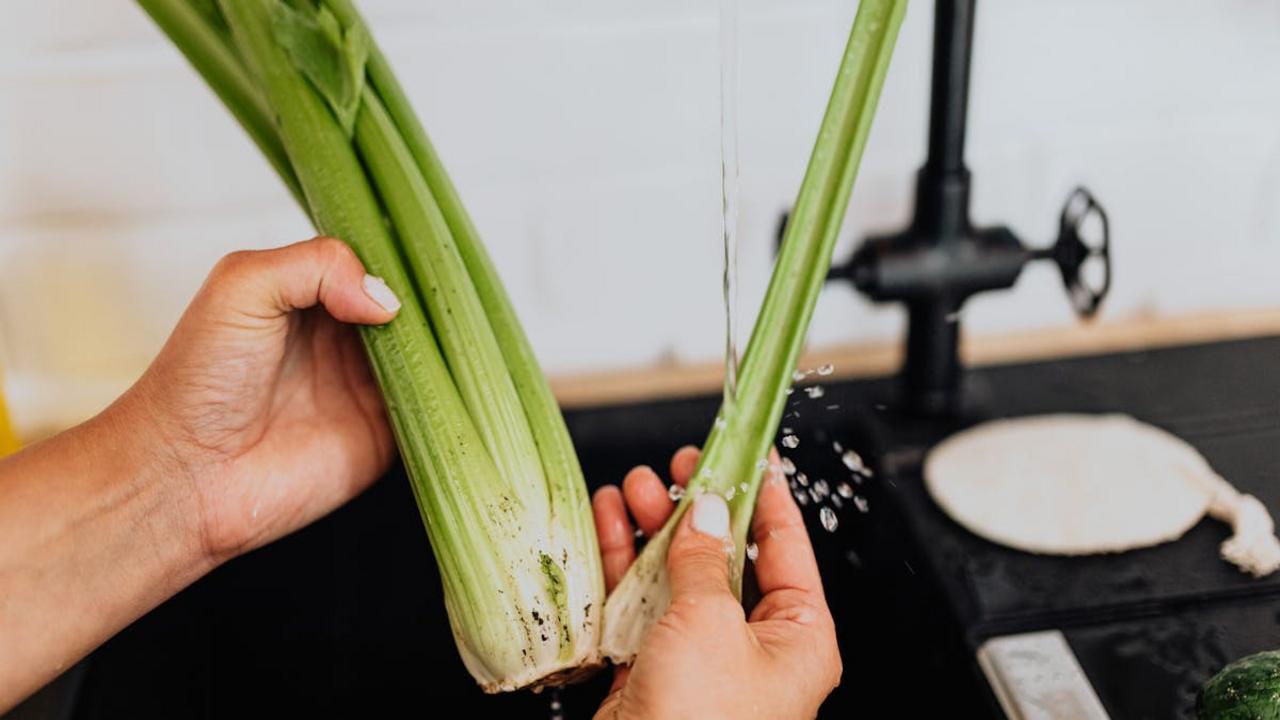
Oh, celery! The vegetable that gets about as much respect as a soggy sandwich at a picnic. But here’s the thing – this crunchy green wonder is secretly one of nature’s most brilliant flavor vehicles, and it’s practically sodium-free at just 32 milligrams per cup. I used to think celery was just water pretending to be a vegetable until I discovered its incredible ability to absorb and amplify whatever flavors you pair it with. Stuff those stalks with almond butter and a sprinkle of everything bagel seasoning, and suddenly you’ve got a snack that’ll make you forget all about those salt-laden crackers.
The real magic happens when you treat celery like the supporting actor it was born to be. Dice it up for a mirepoix base in your soups (hello, natural umami!), or juice it with apples and ginger for a refreshing drink that tastes like health in a glass. Fun fact: ancient Romans used celery as a party crown – they literally wore it to celebrations! While I don’t recommend accessorizing with your vegetables, I do suggest keeping celery hearts in your fridge at all times. They’re like nature’s edible straws, perfect for scooping up hummus or cream cheese spreads without adding a single grain of salt to your day.
Watermelon
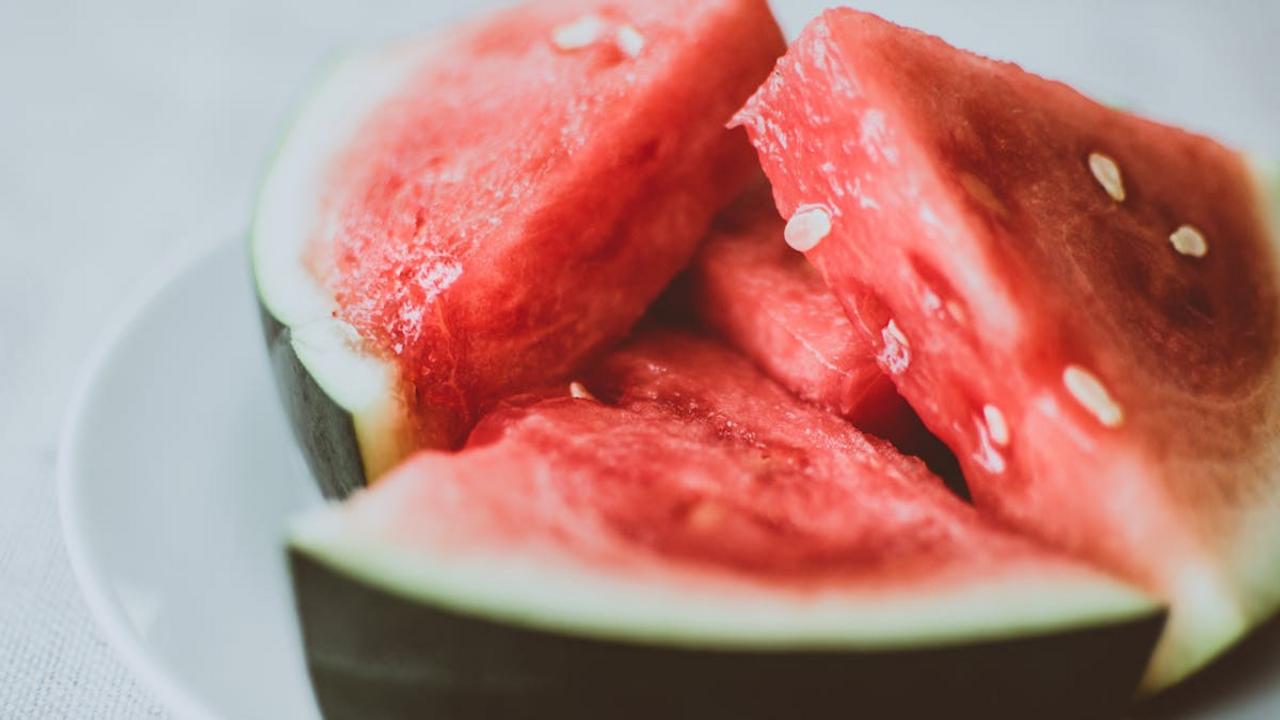
Picture this: it’s ninety degrees outside, you’re sweating like a contestant on a cooking show, and someone hands you a massive wedge of watermelon. That first bite? Pure magic. This striped green giant contains only 6 milligrams of sodium per cup, making it practically a sodium-free zone while delivering maximum refreshment. I once watched my neighbor demolish half a watermelon in one sitting during a backyard barbecue, and honestly, I respected the commitment. The beauty of watermelon lies in its simplicity – it’s 92% water, which means you’re basically eating nature’s sports drink, but infinitely more satisfying than anything that comes in a plastic bottle.
Here’s something that’ll blow your mind: watermelon contains more lycopene than tomatoes, that powerful antioxidant that gives red fruits their superhero status. Plus, the natural sugars hit differently than processed sweets – they satisfy your sweet tooth without leaving you in a sugar coma on the couch. Try grilling watermelon slices for about two minutes per side and watch people lose their absolute minds over how the heat concentrates those flavors into something almost candy-like. Throw some fresh mint on top, maybe a squeeze of lime, and you’ve got yourself a side dish that’ll steal the spotlight from whatever main course you thought was the star of the show.
Kiwi
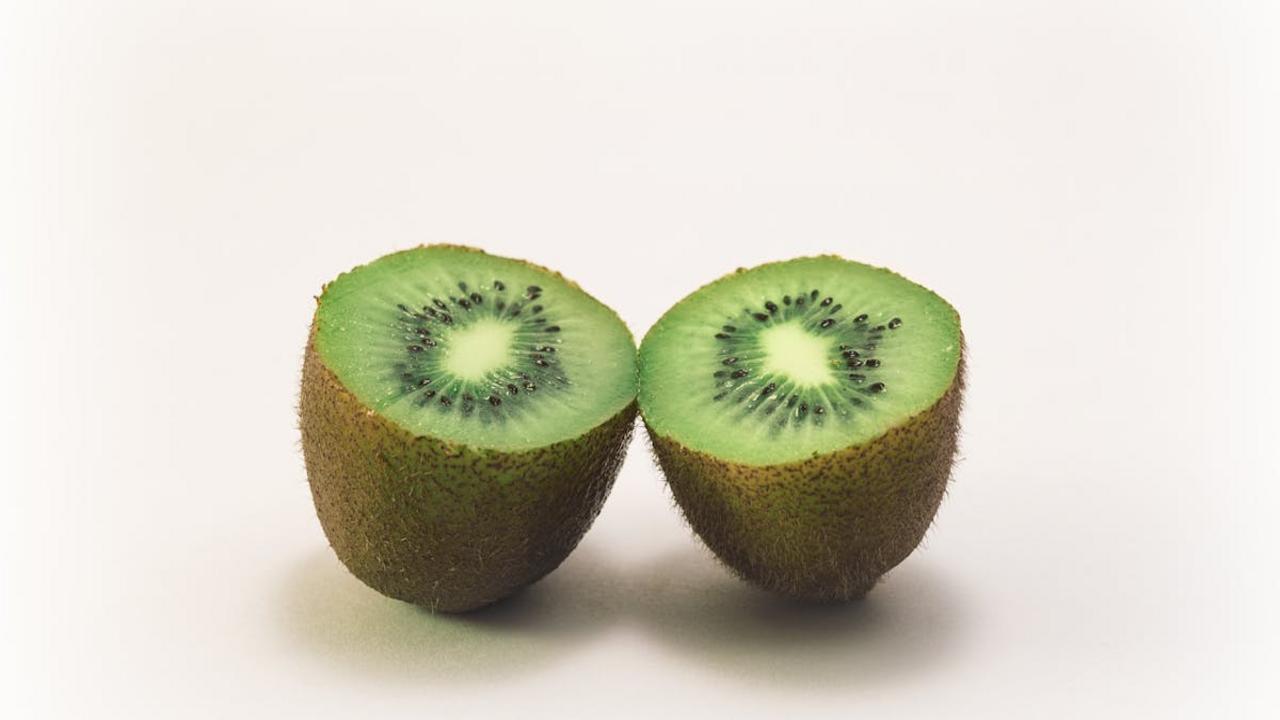
Picture this: you’re slicing into what looks like a fuzzy brown tennis ball, only to reveal the most gorgeous emerald flesh dotted with tiny black seeds arranged in perfect concentric circles. That’s kiwi for you – nature’s little surprise package that packs just 2 milligrams of sodium per fruit while delivering a vitamin C punch that would make an orange jealous. Originally called Chinese gooseberry (despite having zero relation to geese), this little fruit got its modern name from New Zealand marketers who thought it resembled their national bird. Smart move, because “Chinese gooseberry” doesn’t exactly roll off the tongue at the grocery store.
What makes kiwi absolutely irresistible is that perfect balance of sweet and tart that makes your mouth do a happy dance. The texture is like nothing else – creamy yet slightly firm, with those little seeds providing the most satisfying tiny pops between your teeth. You can eat the fuzzy skin too (seriously!), which doubles the fiber content and saves you the peeling hassle. Try slicing kiwi onto your morning yogurt, blending it into smoothies, or just eating it with a spoon like nature’s own pudding cup. Pro tip: keep them at room temperature until they yield slightly to pressure, then refrigerate – and watch them transform from rock-hard disappointments into sweet, juicy gems.
Pistachios
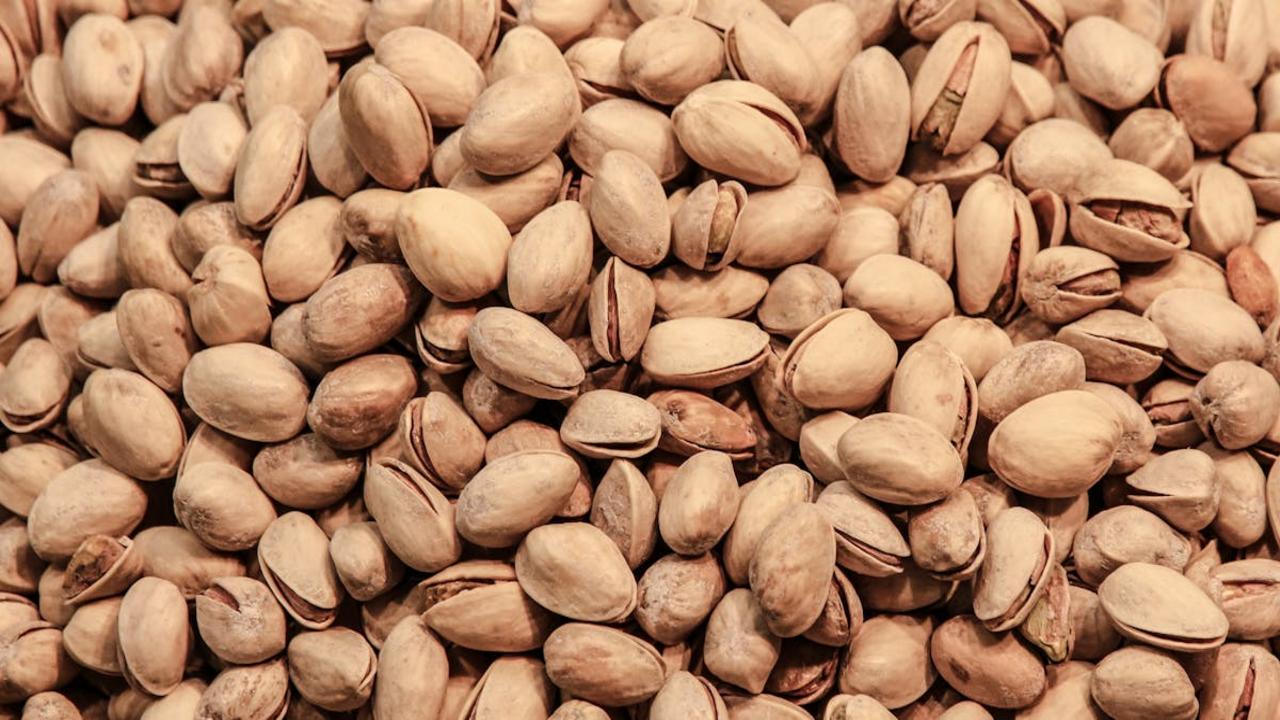
These little green gems pack more personality than your most dramatic friend, and they’re naturally low in sodium while being ridiculously addictive. Pistachios contain only about 1 milligram of sodium per ounce, which means you can crack through a handful without your blood pressure monitor giving you the side-eye. Here’s a fun fact that’ll make you the hit of your next dinner party: pistachios are actually seeds, not nuts, and they’re one of the oldest flowering nut trees in the world. The shells split open with a satisfying *pop* when they’re perfectly ripe, which is why they’re called “the smiling nut” in Iran.
The best part about pistachios? They practically force you to eat slowly because you have to work for each one, giving your brain time to register that you’re full before you demolish the entire bag. Try tossing them into yogurt with a drizzle of honey, or crush them up as a crunchy coating for baked chicken – the nutty richness adds incredible depth without any extra salt. I keep a small bowl on my counter because they’re the perfect afternoon pick-me-up that won’t leave me reaching for the nearest bag of chips. Plus, the ritual of cracking each shell gives your hands something to do, making them ideal for stress eating that’s actually good for you.
Dark Chocolate
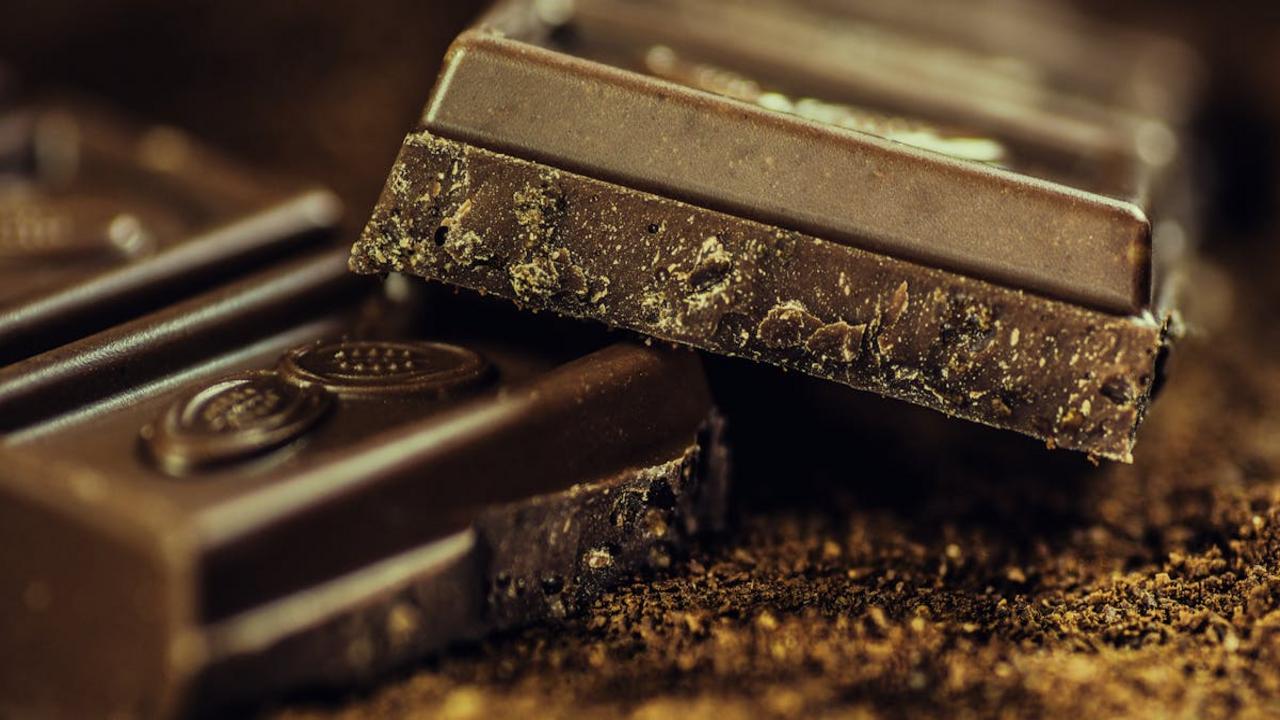
Who says healthy eating has to be a punishment? Dark chocolate swoops in like a caped crusader, rescuing us from bland, virtuous foods with its rich, complex flavors that actually make your mouth water. Here’s the kicker: a standard ounce of dark chocolate contains only about 2 milligrams of sodium – that’s practically nothing! Compare that to a slice of regular bread (which can pack 150+ milligrams), and suddenly your afternoon chocolate break feels downright medicinal. The higher the cacao percentage, the lower the sodium content, so go ahead and reach for that 70% or 85% bar sitting smugly on the shelf.
But wait, there’s more magic happening here than just low sodium numbers. Dark chocolate delivers a symphony of flavors – from fruity and floral notes in single-origin bars to deep, earthy undertones that make your regular milk chocolate seem like a one-note wonder. I keep a square or two in my desk drawer for those 3 PM energy crashes, and honestly? It works better than any energy drink. The natural compounds in cacao give you a gentle lift without the jittery aftermath. Try melting a piece into your morning coffee or sprinkling chopped dark chocolate over plain yogurt with berries – suddenly your “diet food” transforms into something that feels indulgent enough to serve at a dinner party.
Flaxseeds
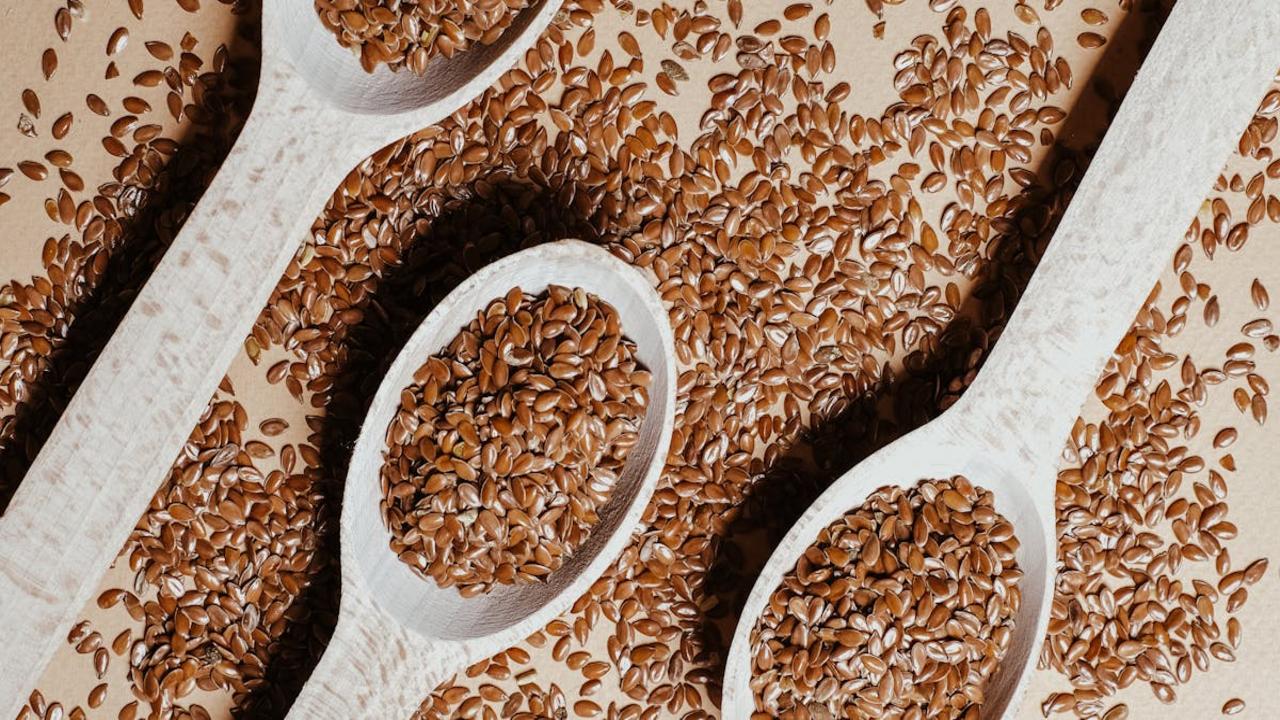
These tiny brown powerhouses might look like bird food, but don’t let their humble appearance fool you – flaxseeds pack more personality than a dinner party full of foodies! With practically zero sodium (we’re talking less than 1mg per tablespoon), these nutty little gems bring a satisfying crunch and earthy flavor that transforms everything from your morning smoothie to your evening salad. Ancient civilizations knew what they were doing when they cultivated flax over 6,000 years ago, and honestly, I’m convinced they were secretly time-traveling nutritionists because flaxseeds contain more omega-3 fatty acids than most fish. Pop them in your mouth raw and they’ll give you that satisfying crunch of sunflower seeds, but with a more sophisticated, almost buttery finish.
Here’s where flaxseeds get really fun – they’re like the chameleons of the seed world, adapting to whatever dish needs them most. Grind them up fresh (because pre-ground flax goes rancid faster than my motivation on Monday mornings), and they’ll thicken your smoothies while adding a pleasant nuttiness that makes you forget you’re being healthy. Sprinkle whole ones on your yogurt for texture that’ll make your jaw work harder than a personal trainer, or mix ground flax into your pancake batter for a protein boost that doesn’t taste like cardboard. Pro tip: store them in your fridge or freezer because these little guys contain oils that can go bad, and nobody wants rancid seeds ruining their perfectly planned low-sodium feast.
Pomegranate
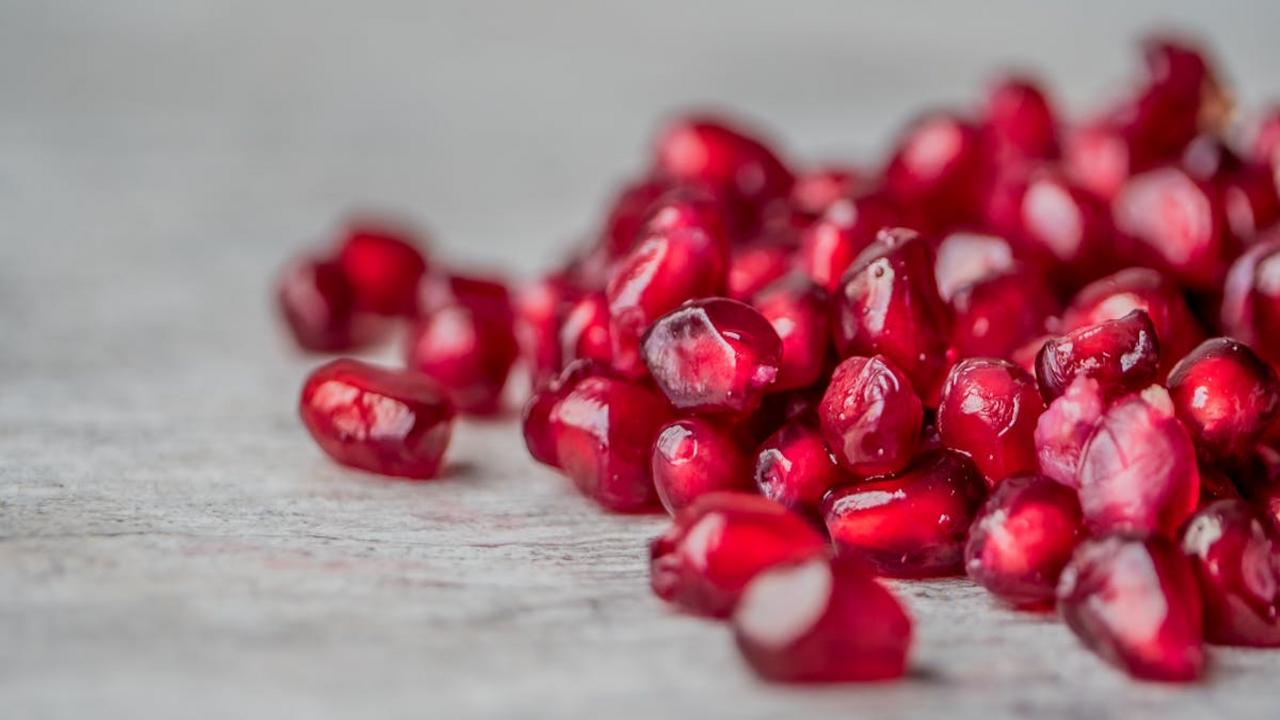
Picture this: you’re trying to crack open what looks like nature’s most stubborn jewelry box, and inside? Ruby-red gems that burst with sweet-tart magic on your tongue. Pomegranates are the divas of the fruit world – they make you work for every single aril (that’s what those juicy seed sacs are called, fancy right?), but oh boy, do they reward your patience. With practically zero sodium and more antioxidants than you can shake a spoon at, these ancient Persian treasures have been making people happy for over 4,000 years. Fun fact: archaeologists found dried pomegranate seeds in King Tut’s tomb – talk about packing snacks for the afterlife!
Now, I know what you’re thinking – “Emily, these things are messier than a toddler with finger paints!” True, but here’s my secret weapon: score the skin in quarters, submerge in a bowl of water, and break it apart underwater. The arils sink while the bitter white pith floats – boom, mess-free pomegranate surgery! Sprinkle those jewel-like seeds over yogurt, toss them into salads for that perfect pop of sweetness, or just eat them straight up like nature’s candy. Your mouth gets a party, your heart gets happy antioxidants, and your sodium intake stays blissfully low. Sometimes the best things really do come in the most complicated packages.
Beets
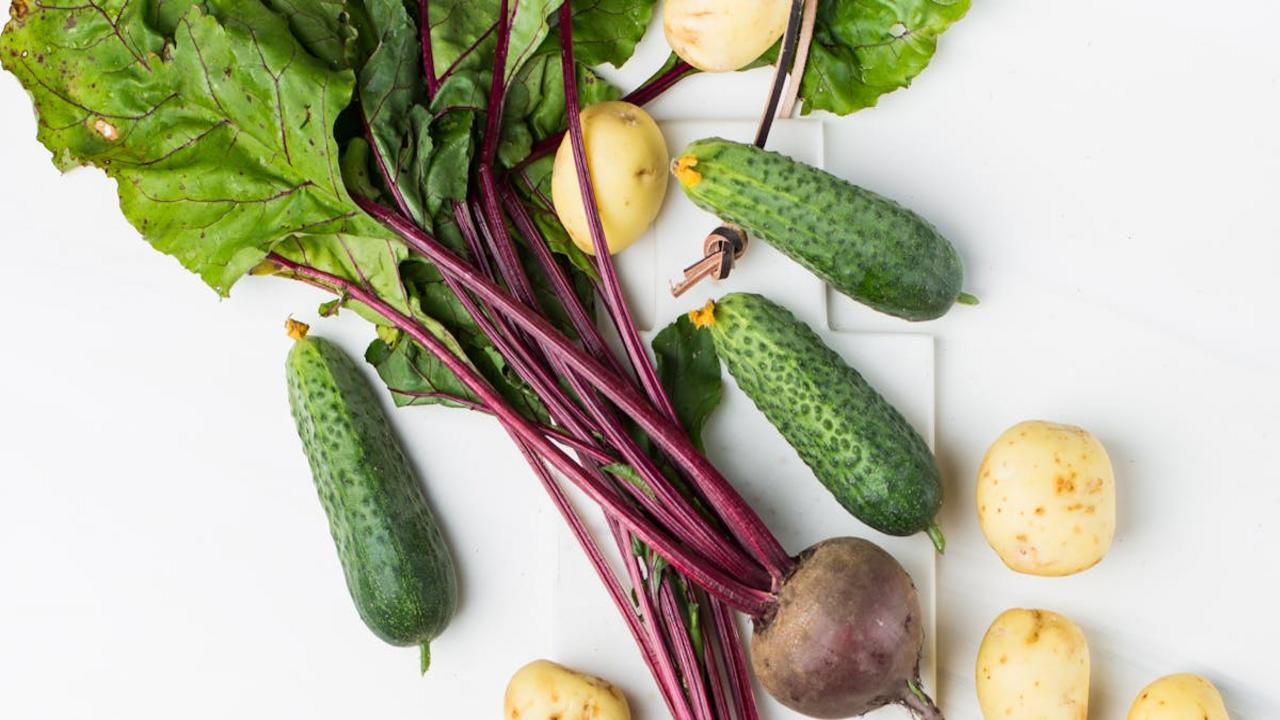
You know that moment when someone mentions beets and half the room goes “eww” while the other half lights up like they just discovered buried treasure? I’m firmly in the treasure camp, and here’s why these ruby-red gems deserve a spot on your low-sodium superstar list. Beets pack only 65 milligrams of sodium per cup, but don’t let that fool you into thinking they’re bland – these babies bring an earthy sweetness that’s like candy grew up and got sophisticated. Fun fact: beets contain betalains, the same compounds that give them their gorgeous crimson color and also happen to be powerful antioxidants. Ancient Romans used beet juice as rouge, which honestly makes perfect sense because have you seen how intensely these things stain your cutting board?
The beauty of beets lies in their chameleon-like ability to transform in the kitchen. Roast them with a drizzle of olive oil and fresh thyme, and they caramelize into sweet, tender nuggets that make even the most dedicated carnivore forget about meat for a hot minute. Grate them raw into salads for a crunchy pop of color and peppery bite, or blend them into smoothies where they add natural sweetness without screaming “I’m a vegetable!” My personal favorite trick? Spiralize them into “noodles” and toss with goat cheese and walnuts – it’s like eating a sunset, and your Instagram followers will never recover from the photos. Plus, here’s a delightful bonus: beets can turn your urine pink, which is completely harmless but guaranteed to give you a tiny heart attack the first time it happens.