14 Foods That Built Empires and Changed History
Behind every empire’s rise and fall, you’ll find some surprising culinary conspirators. Food hasn’t just filled our stomachs throughout history—it’s sparked wars, funded colonial conquests, and completely reshaped global trade routes. From humble potatoes to exotic spices, these ingredients weren’t just dinner; they were currency, medicine, and sometimes the ultimate status symbol.
Think about it: coffee kickstarted workdays long before your morning brew ritual, while sugar once cost more than gold. European monarchs fought bloody battles over nutmeg and cloves, while chocolate began as an elite Aztec beverage before becoming your go-to comfort food. These ingredients traveled across oceans, transforming economies and cultures faster than armies ever could.
What’s on your plate today carries echoes of this tasty, turbulent history. The tomatoes in your pasta? Revolutionary newcomers to Europe. That vanilla in your cookies? A botanical treasure once worth its weight in silver. Let’s dig into fourteen foods that didn’t just change menus—they changed the world map itself.
Vanilla
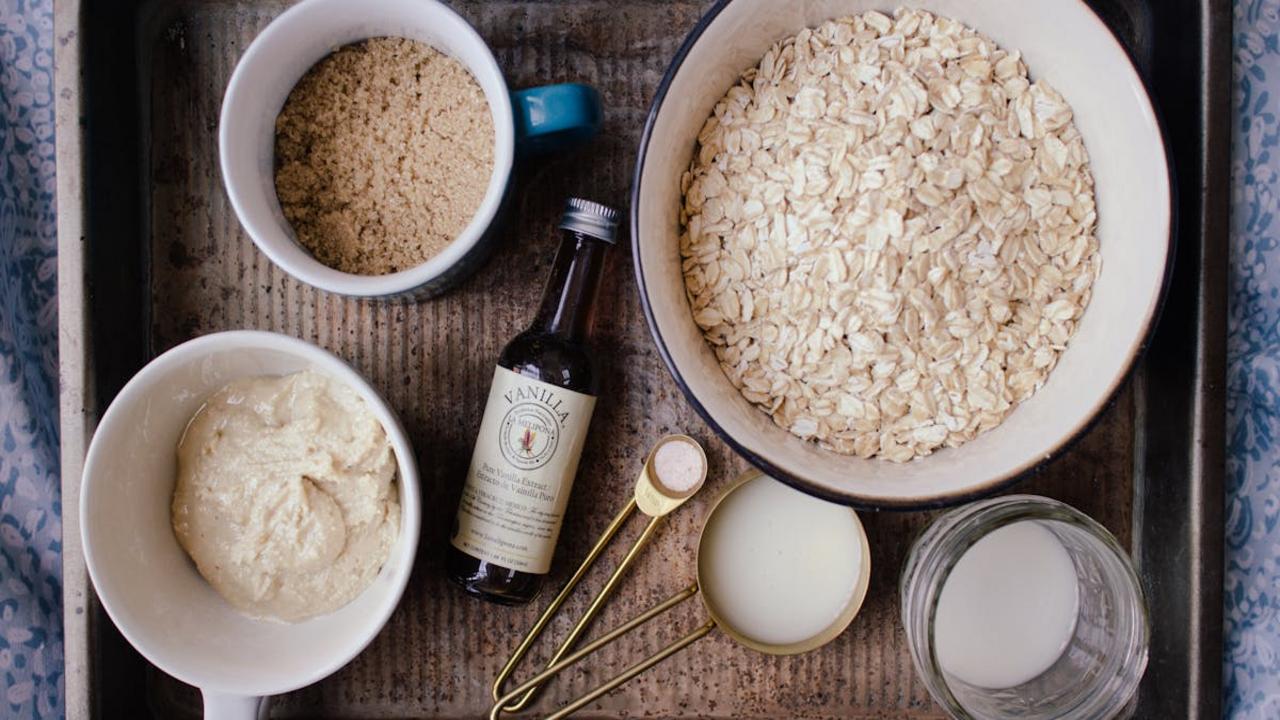
You think vanilla means boring? Ha! This little orchid pod once sparked international espionage, colonial warfare, and enough economic chaos to make cryptocurrency look stable. The Totonac people of Mexico first discovered how to coax flavor from these finicky green pods, and they guarded their secret like the crown jewels. When Spanish conquistadors got their first taste in Montezuma’s chocolate drinks, they knew they’d struck liquid gold. But here’s the kicker – vanilla orchids are drama queens that only bloom for a few hours and require hand-pollination by a specific type of bee found exclusively in Mexico. Talk about high maintenance!
For three centuries, Mexico held a vanilla monopoly tighter than my grandmother’s grip on her secret cookie recipe. Then in 1841, a 12-year-old enslaved boy named Edmond Albius figured out how to hand-pollinate vanilla orchids on the French island of Réunion. This kid literally broke a global monopoly with his bare hands! Suddenly, vanilla plantations sprouted across Madagascar, Tahiti, and Indonesia faster than weeds after rain. Today, Madagascar produces about 80% of the world’s vanilla, and those precious black specks in your ice cream cost more per pound than silver. Next time someone calls something “vanilla,” remind them they’re talking about the second most expensive spice on Earth – right after saffron!
Garlic
Oh, garlic! That pungent little bulb that makes your breath questionable but your food absolutely divine. This aromatic powerhouse didn’t just season dishes—it built the Roman Empire’s backbone! Roman soldiers chomped on raw garlic cloves before battle, believing it gave them supernatural strength and courage. Gladiators rubbed it all over their bodies like some ancient energy drink meets deodorant combo. The Greeks called it “rose of stinking,” which honestly sounds like something I’d name my pet cat. Egyptian pyramid builders received daily garlic rations as payment, making it literally more valuable than gold coins. Imagine explaining that salary to your modern friends!
Garlic’s empire-building resume reads like a superhero origin story. Medieval European nobles hung braided garlic around their necks to ward off vampires, plague, and presumably awkward dinner conversations. Chinese emperors declared it a medicinal miracle, using it to treat everything from baldness to broken hearts (results may vary). During World War I, medics packed wounds with crushed garlic when antibiotics ran short—earning it the nickname “Russian penicillin.” Today’s vampire-repelling bulb conquered global kitchens so thoroughly that we panic when recipes call for “one clove” because who uses just one? Smart cooks always triple that number, creating aromatic clouds that transform simple ingredients into mouth-watering masterpieces that would make ancient Roman soldiers weep with joy.
Quinoa
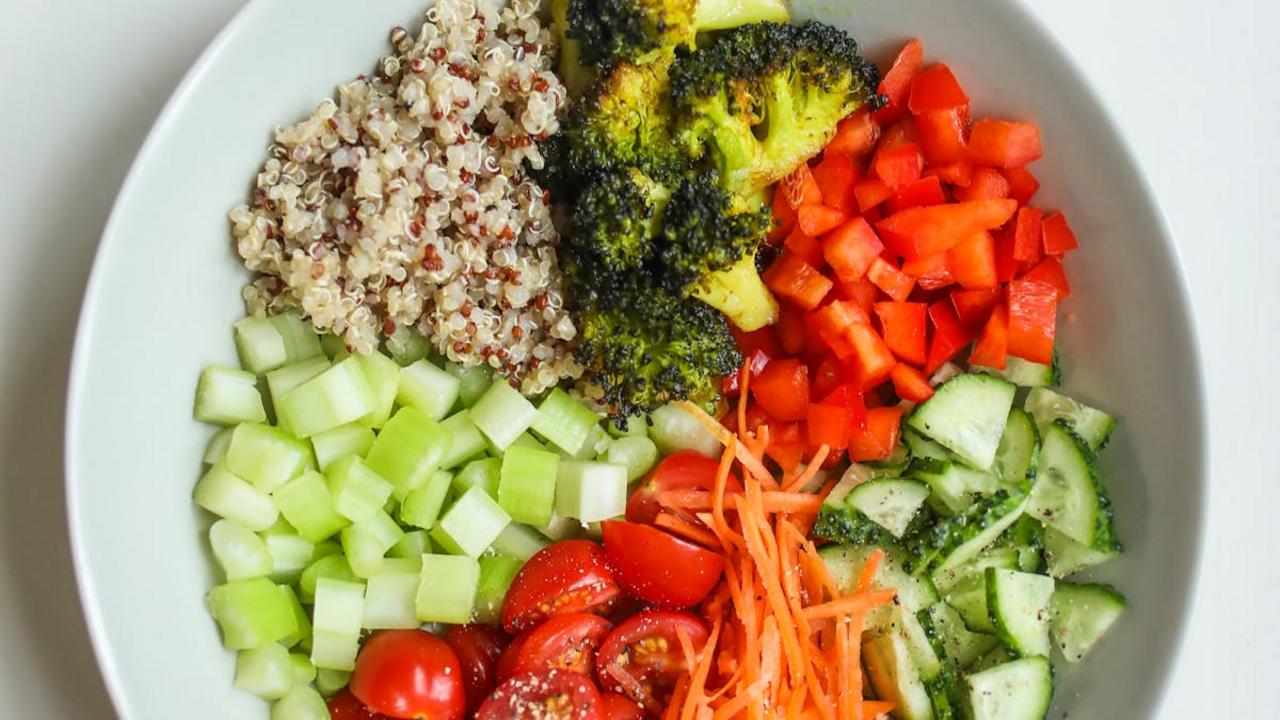
Picture this: while European conquistadors were busy pillaging gold from the Andes, they completely missed the real treasure sitting right under their noses. Quinoa, the tiny seed that Inca warriors called “chisaya mama” (mother of all grains), had been fueling high-altitude civilizations for over 5,000 years. These little beads packed more protein than a steak dinner and grew happily at elevations that would make most crops gasp for air. The Spanish colonizers were so obsessed with finding shiny metals that they actually banned quinoa cultivation, forcing the “grain of the gods” into hiding in remote mountain villages where indigenous families secretly kept the ancient varieties alive.
Fast-forward to the 21st century, and quinoa has pulled off the ultimate comeback story. NASA scientists studied this superfood for space missions because it contains all nine essential amino acids – basically, it’s the Swiss Army knife of grains. The irony is delicious: what colonizers once dismissed as “Indian food” now sells for premium prices in trendy health food stores from Brooklyn to Berlin. But here’s the plot twist that would make any telenovela writer jealous – quinoa’s global popularity has priced out many of the very communities who preserved it through centuries of oppression. Today, Bolivian farmers often can’t afford to eat the crop their ancestors considered sacred, exporting their heritage to feed yoga instructors in California instead.
Corn
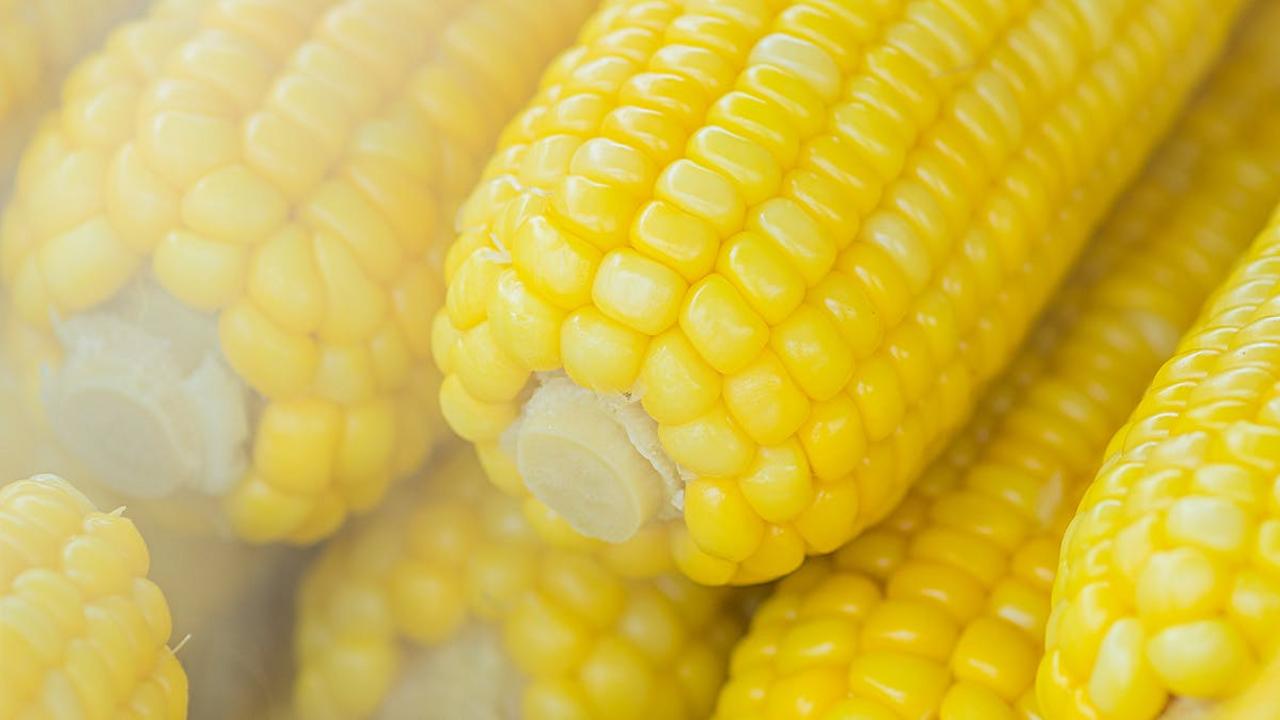
Picture this: you’re munching on popcorn at the movies, completely unaware that you’re chomping on the grain that literally built civilizations. Corn didn’t just feed empires—it created them from scratch! The Aztecs, Maya, and Inca didn’t stumble upon greatness by accident; they had corn as their secret weapon. This golden grain was so revered that the Maya believed humans were actually made from corn dough (talk about taking “you are what you eat” to the next level). While Europeans were still figuring out how to not die from various plagues, Mesoamerican civilizations were engineering sophisticated agricultural systems around corn, creating population booms that would make modern city planners weep with envy.
Here’s where corn gets really wild: it’s basically a mutant grass that can’t survive without humans, and humans can’t thrive without it—the ultimate codependent relationship! Native Americans spent thousands of years turning a scraggly wild grass called teosinte into the plump kernels we know today through selective breeding so advanced it would make modern geneticists tip their hats. When European colonists finally caught on to corn’s potential, it spread faster than gossip in a small town. Today, you can’t escape corn if you tried—it’s lurking in your soda as high-fructose corn syrup, your car as ethanol fuel, and probably in your makeup as corn starch. This humble grain quietly runs the modern world, proving that sometimes the most powerful things come in the most unassuming packages.
Olives
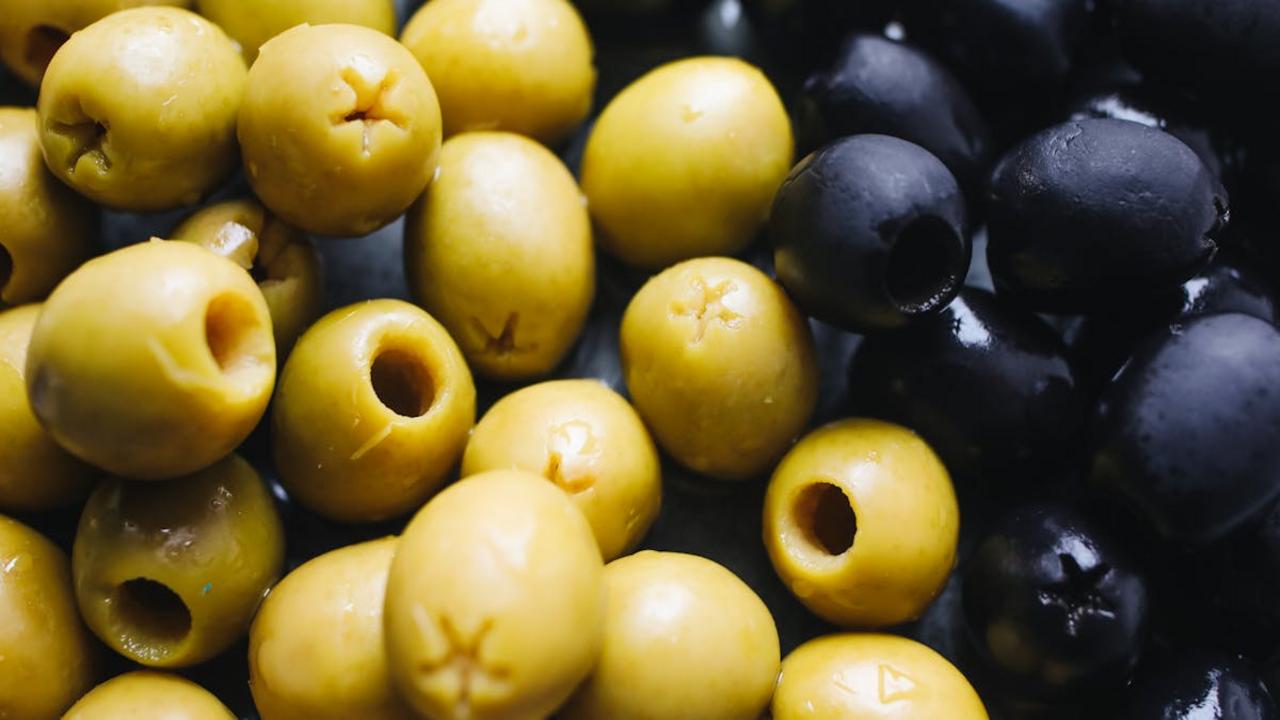
Picture this: you’re lounging in ancient Greece, probably complaining about your toga being too scratchy, when someone hands you a small, wrinkled fruit that tastes like concentrated sunshine mixed with a hint of brine. That’s your first olive, and congratulations – you’ve just encountered one of history’s most economically powerful little green (or black) orbs. These Mediterranean darlings didn’t just feed civilizations; they bankrolled them. The olive trade turned sleepy coastal towns into bustling commercial hubs, and olive oil became so precious that ancient athletes slathered themselves in it before competitions. Talk about expensive moisturizer! The Romans were so obsessed with olives that they built an entire mountain – Monte Testaccio – out of discarded olive oil amphora shards. That’s approximately 53 million containers, which makes your recycling bin look adorably modest.
But here’s where olives get really sneaky: they’re basically the ultimate multitaskers of the ancient world. Need lamp fuel? Olive oil. Want to preserve food? Olive oil. Trying to make soap that doesn’t strip your skin raw? You guessed it – olive oil. The Greeks and Romans treated this liquid gold so seriously that they established the first quality control systems, complete with official tasters who could distinguish between oil from different regions faster than a sommelier identifies wine notes. Modern olive enthusiasts continue this tradition, though thankfully we’ve moved beyond using olive oil as currency (imagine trying to pay your rent with a bottle of extra virgin). Today’s olive industry spans continents, but those ancient Mediterranean groves still whisper stories of empires built one perfectly briny bite at a time.
Rice
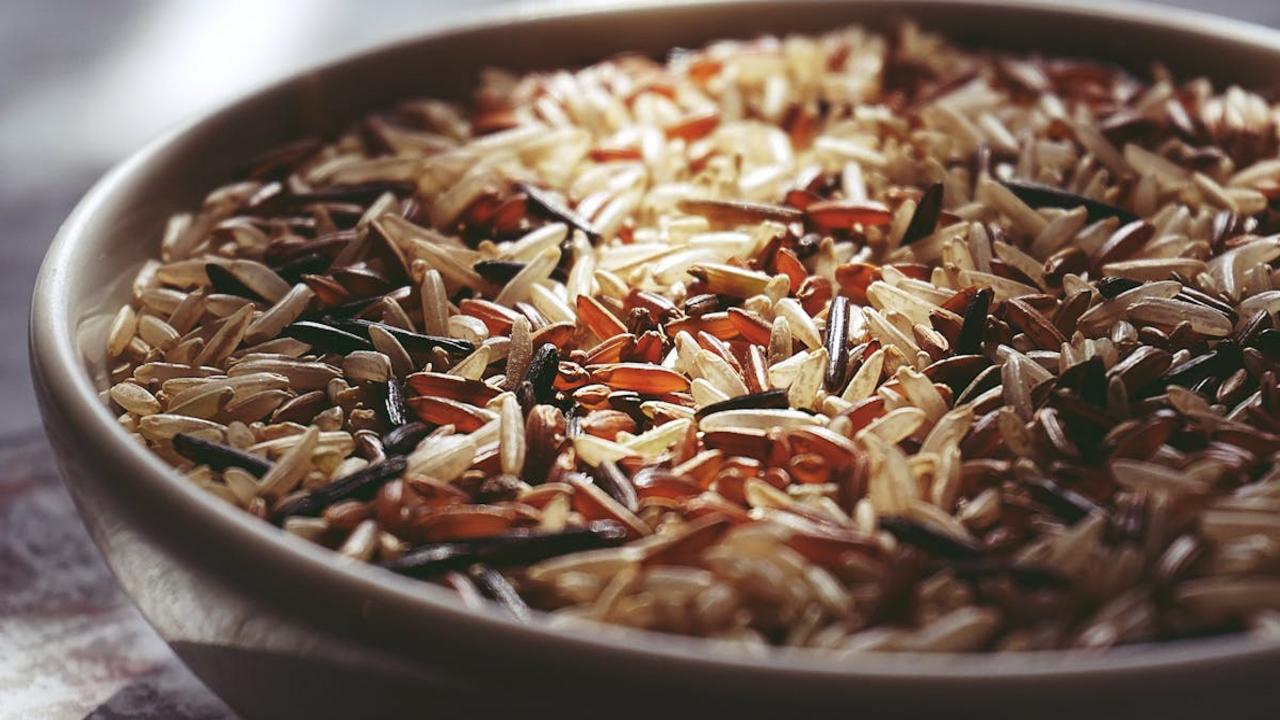
Picture this: you’re holding a tiny grain that literally feeds half the planet and has been doing so for over 10,000 years. Rice didn’t just build empires—it is the empire, quietly ruling from every bowl, plate, and takeout container across Asia and beyond. This unassuming little seed transformed entire civilizations, from the terraced mountains of China to the flooded fields of Vietnam, creating agricultural systems so sophisticated they make modern farming look like child’s play. The ancient Chinese were so obsessed with rice they had over 40 different words for it, depending on how it was prepared, stored, or even what time of day you ate it. Talk about dedication to your carbs!
Here’s where rice gets really sneaky: it secretly shaped world politics for centuries. Wars were fought over rice-producing regions, trade routes were established to move this precious grain, and entire social hierarchies developed around who controlled the paddies. Japanese samurai received their salaries in rice (called “koku”), making them literally paid in lunch money—though I wouldn’t recommend telling a sword-wielding warrior that to their face. Today, rice feeds more than 3.5 billion people daily, and there are over 40,000 varieties worldwide. From the sticky sushi rice that makes your California roll possible to the fragrant basmati that elevates your curry night, this grain continues its quiet conquest of dinner tables everywhere, one perfectly fluffy bite at a time.
Potatoes
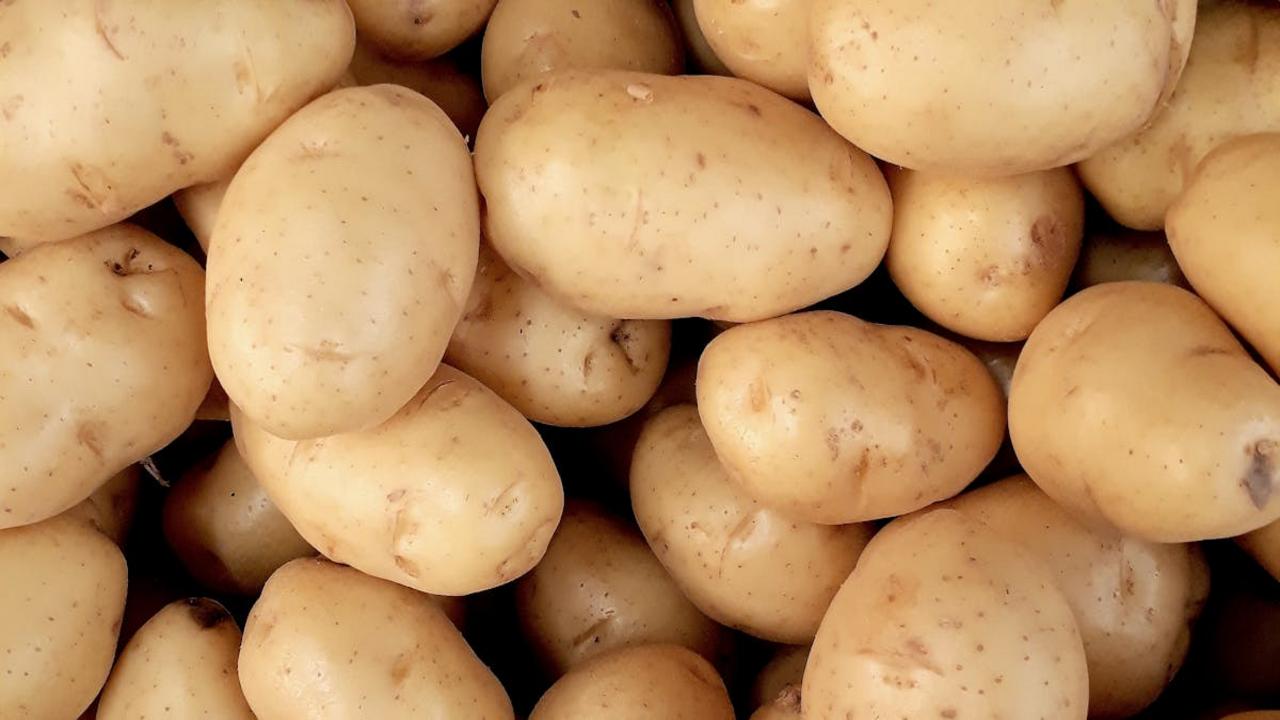
Who knew that a humble, dirt-covered tuber from the Andes could topple kingdoms and feed armies? The potato arrived in Europe around 1570, but Europeans treated it like that weird cousin nobody wants to invite to dinner parties. They thought potatoes caused leprosy, were poisonous, and were generally up to no good. Frederick the Great of Prussia had to trick his people into eating them by posting guards around potato fields during the day, then withdrawing them at night. Curious peasants would sneak in to steal what they assumed must be precious royal food. Brilliant reverse psychology, Frederick!
By the 1800s, potatoes had become so important that entire populations depended on them for survival. Ireland learned this lesson the hard way during the Great Famine of the 1840s, when potato blight wiped out the crop and triggered mass starvation and emigration. Meanwhile, potatoes were busy conquering battlefields too – Napoleon’s armies marched on potato rations, and the spud’s high vitamin C content helped prevent scurvy among sailors. Today, this starchy shapeshifter appears in more forms than a superhero: french fries, chips, vodka, and even biodegradable plastic. Not bad for something that spent centuries being called “the devil’s apples.”
Tomatoes
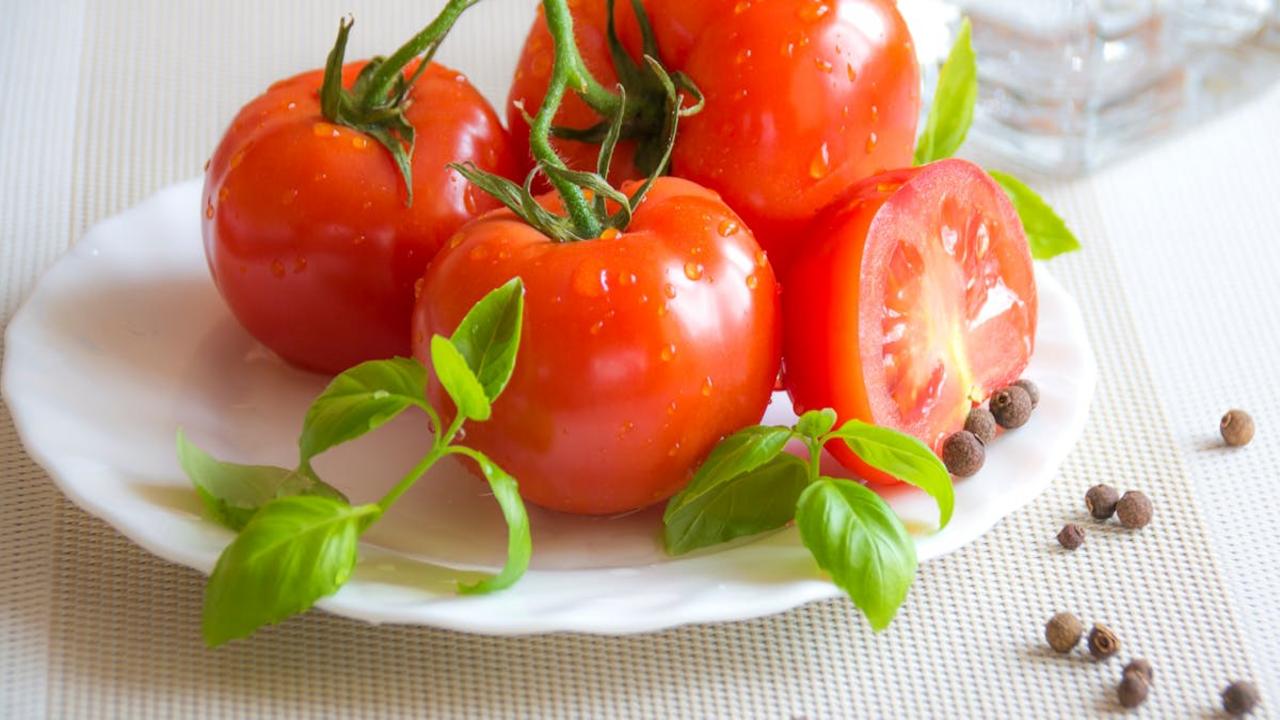
Picture this: wealthy Europeans once thought tomatoes were literal poison, refusing to touch the ruby-red beauties that now dominate pizza boxes worldwide. The aristocracy blamed these innocent fruits for mysterious deaths, but plot twist – their fancy pewter plates were actually leaching lead when exposed to tomato acid! Meanwhile, peasants happily munched away on wooden dishes, completely fine and probably wondering why rich folks were so dramatically afraid of such delicious things. The irony? Those same “deadly” tomatoes were busy building culinary empires across the Atlantic.
Fast-forward to today, and tomatoes practically run the food world – imagine Italian cuisine without marinara, or summer without caprese salads! These botanical fruits (yes, science says fruit, but your sandwich disagrees) transformed from European pariah to global superstar, creating billion-dollar industries from ketchup factories to gourmet heirloom varieties. Spanish conquistadors brought them back from the Americas in the 1500s, never suspecting they’d sparked a food revolution. Now you can find everything from tiny cherry bombs to massive beefsteaks, each variety telling its own story of selective breeding and pure deliciousness that would make those paranoid aristocrats roll over in their lead-lined graves.
Spices
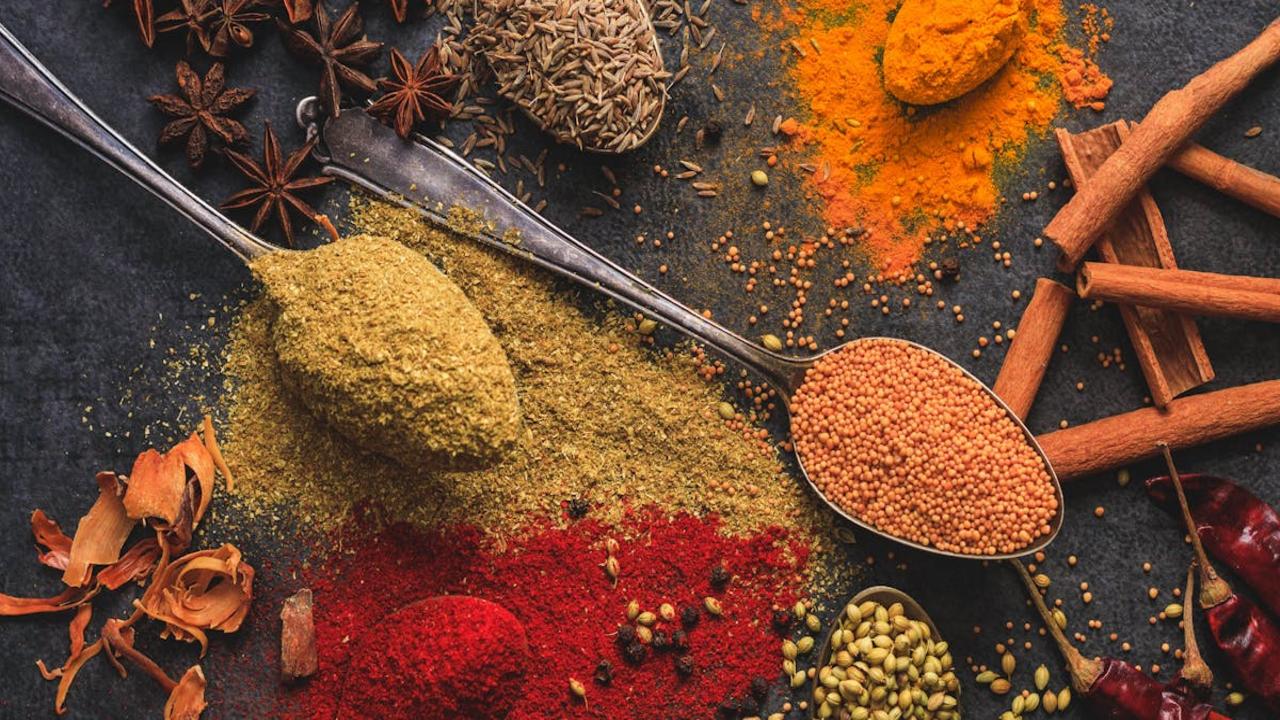
Picture Columbus bumbling around the Atlantic because he desperately wanted black pepper for his pasta. That’s right—the “discovery” of America happened because Europeans were absolutely obsessed with tiny seeds that made their food less terrible. Spices didn’t just season food; they built empires, toppled governments, and made merchants richer than tech billionaires. Black pepper was literally worth its weight in silver, and saffron cost more than gold. Wars were fought over nutmeg islands, and entire trade routes existed just to move these magical flavor bombs from Asia to European kitchens where people thought beans were exotic.
The spice trade created the first global economy, connecting civilizations across continents in ways that would make modern logistics companies weep with envy. Dutch colonizers controlled tiny Indonesian islands not for their beaches, but because they grew nutmeg and cloves. Portuguese sailors risked their lives rounding Africa just to avoid paying middlemen for cinnamon. The British East India Company became so powerful controlling spice routes that it practically ran half the world with its own army. Today you can grab a $2 bottle of cumin at your corner store, but remember—that humble jar once toppled kingdoms and launched a thousand ships. Every time you sprinkle paprika on your eggs, you’re participating in humanity’s oldest and most dramatic food obsession.
Chocolate
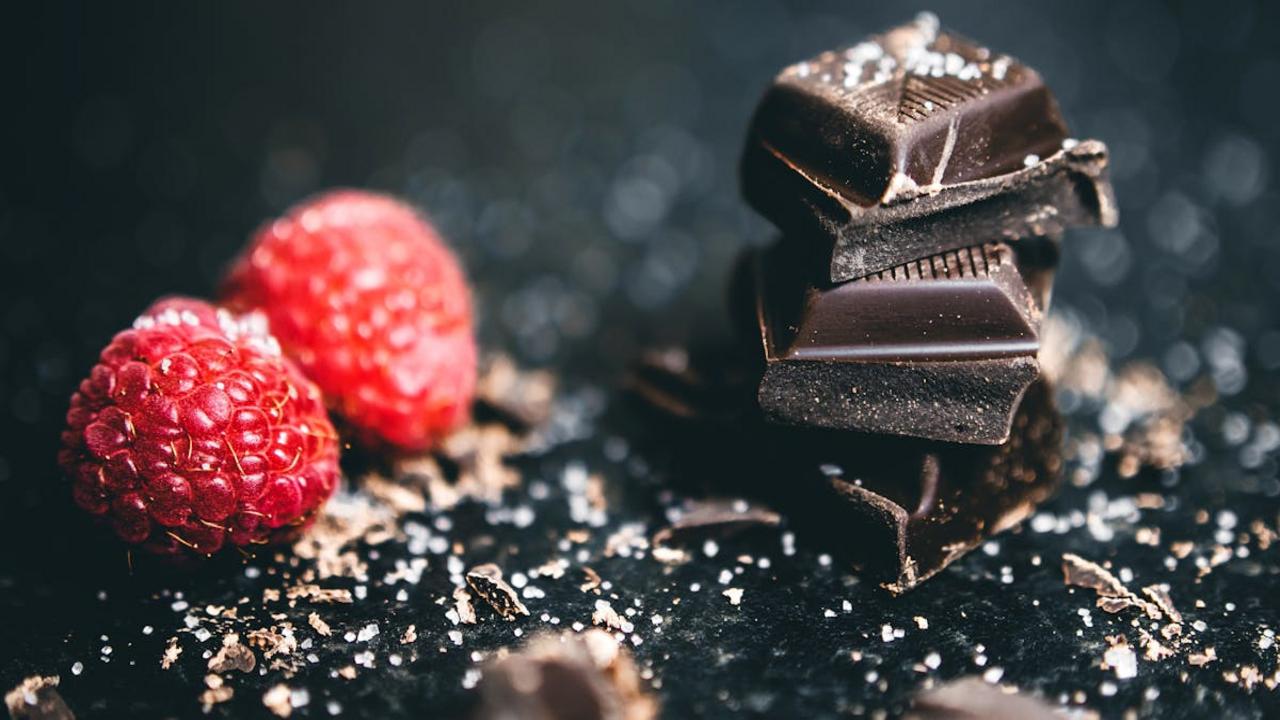
The Aztecs called it “xocolatl” – the drink of gods – and honestly, they weren’t wrong. This magical bean from the cacao tree didn’t just satisfy sweet cravings; it literally funded expeditions, toppled governments, and made entire nations ridiculously wealthy. When Hernán Cortés first tasted Montezuma’s bitter, spiced chocolate drink in 1519, he probably had no idea he was sipping on liquid gold that would soon transform European society. The Spanish kept chocolate a closely guarded secret for nearly a century, mixing it with sugar and vanilla to create the addictive concoction we recognize today. Meanwhile, cacao beans were so precious in Mesoamerica that they served as actual currency – imagine paying your rent with Snickers bars!
Fast forward to the Industrial Revolution, and chocolate went from aristocratic luxury to mass-market obsession faster than you can say “Willy Wonka.” The invention of the cocoa press in 1828 revolutionized production, while Milton Hershey’s milk chocolate formula in 1900 made him America’s candy king and gave birth to an entire town named after his company. But here’s the kicker: chocolate contains phenylethylamine, the same chemical your brain produces when you fall in love, which explains why heartbreak and ice cream go hand in hand. Today’s global chocolate industry pulls in over $100 billion annually, proving that what started as an Aztec emperor’s breakfast drink now rules the world – one candy bar at a time.
Tea
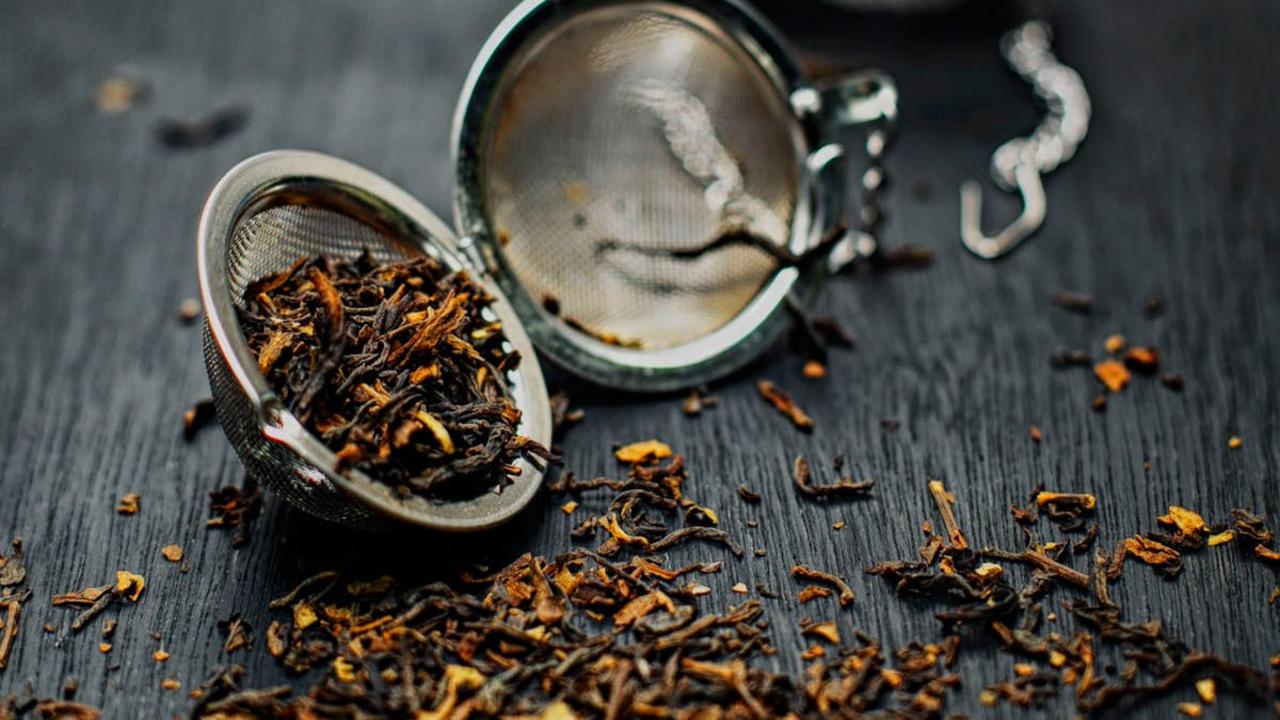
Picture this: a Chinese emperor sitting under a tree in 2737 BCE when a few leaves accidentally drop into his boiling water. Instead of getting annoyed, he takes a sip and basically invents the most civilized beverage known to humanity. That’s the legend of how tea began, though I suspect Emperor Shen Nong was probably just really thirsty and willing to try anything. What started as a happy accident became the drink that launched a thousand ships, sparked revolutions, and gave the British Empire something to obsess over besides conquering small islands.
Tea didn’t just stay in China playing it cool – oh no, this little leaf had bigger plans. By the time it reached Europe in the 17th century, tea had become so precious that people locked it in special caddies like it was made of gold. The Dutch started the whole European tea craze, but the British? They turned it into an art form, complete with tiny sandwiches and enough rules to make your head spin. Boston Harbor got a tea makeover in 1773 (thanks, angry colonists!), and suddenly this innocent leaf found itself at the center of a revolution. Meanwhile, across the pond, afternoon tea became so sacred that stopping everything at 4 PM for biscuits and gossip practically became law. Who knew that dunking dried leaves in hot water could topple governments and build social rituals that still make people check their watches today?
Peppers
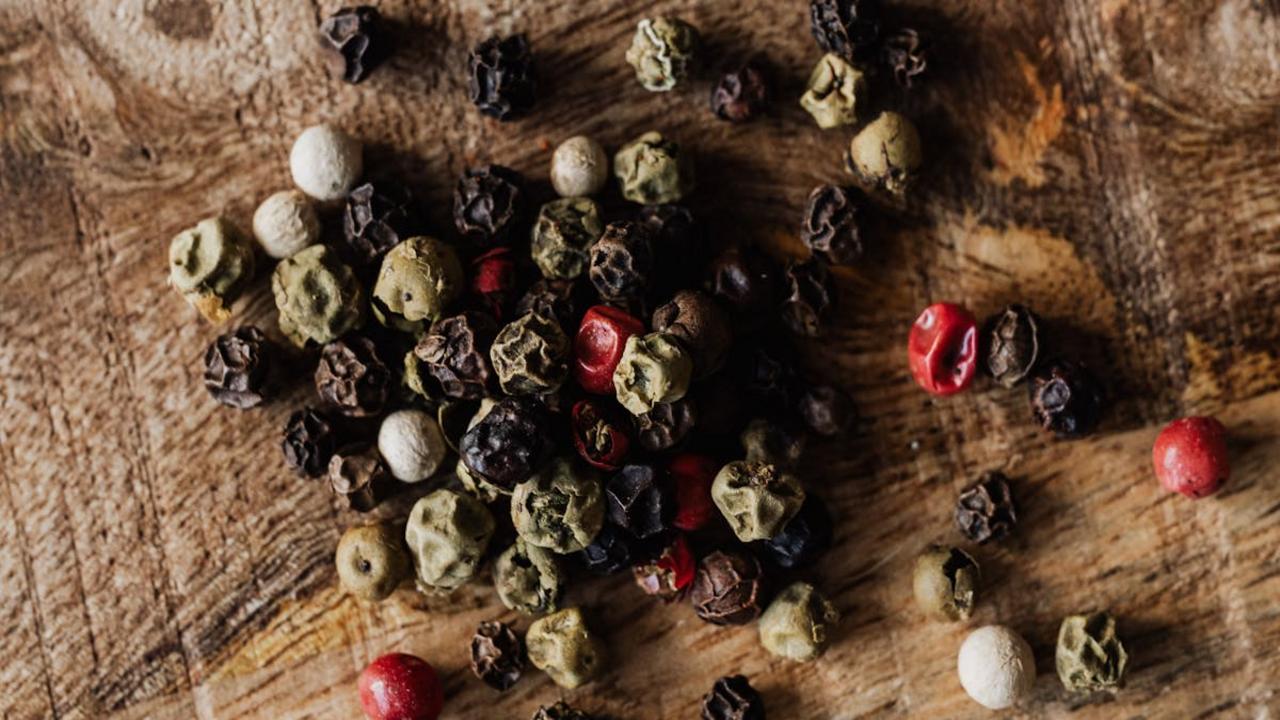
Picture this: Columbus sets sail looking for black peppercorns to spice up Europe’s bland cuisine, and instead stumbles upon capsicums in the Americas that would literally set the world on fire. These vibrant pods didn’t just add heat to food—they rewrote the entire global spice trade and sent European tongues into a frenzy they never saw coming. From the moment Spanish conquistadors first bit into a jalapeño and probably spent the next hour frantically searching for milk, peppers began their conquest of kitchens worldwide. The Aztecs and Mayans had been cultivating these fiery gems for thousands of years, using them not just for flavor but as currency, medicine, and even warfare deterrents.
Within decades, peppers spread faster than gossip in a small town, completely transforming cuisines from Hungary (hello, paprika!) to India, where they became so integral that most people assume they’ve always been there. Portuguese traders carried them to Asia, where Thai bird’s eye chilies and Korean gochugaru would eventually make your average European pepper look like a gentle whisper. Today, you can’t imagine Italian arrabbiata, Mexican mole, or Indian vindaloo without these capsaicin-packed powerhouses. The beauty of peppers lies in their incredible diversity—from sweet bell peppers that won’t hurt a fly to Carolina Reapers that could probably strip paint off your kitchen walls. They didn’t just change how we eat; they created entirely new food cultures and gave us the perfect excuse to keep a glass of milk handy during dinner.
Sugar
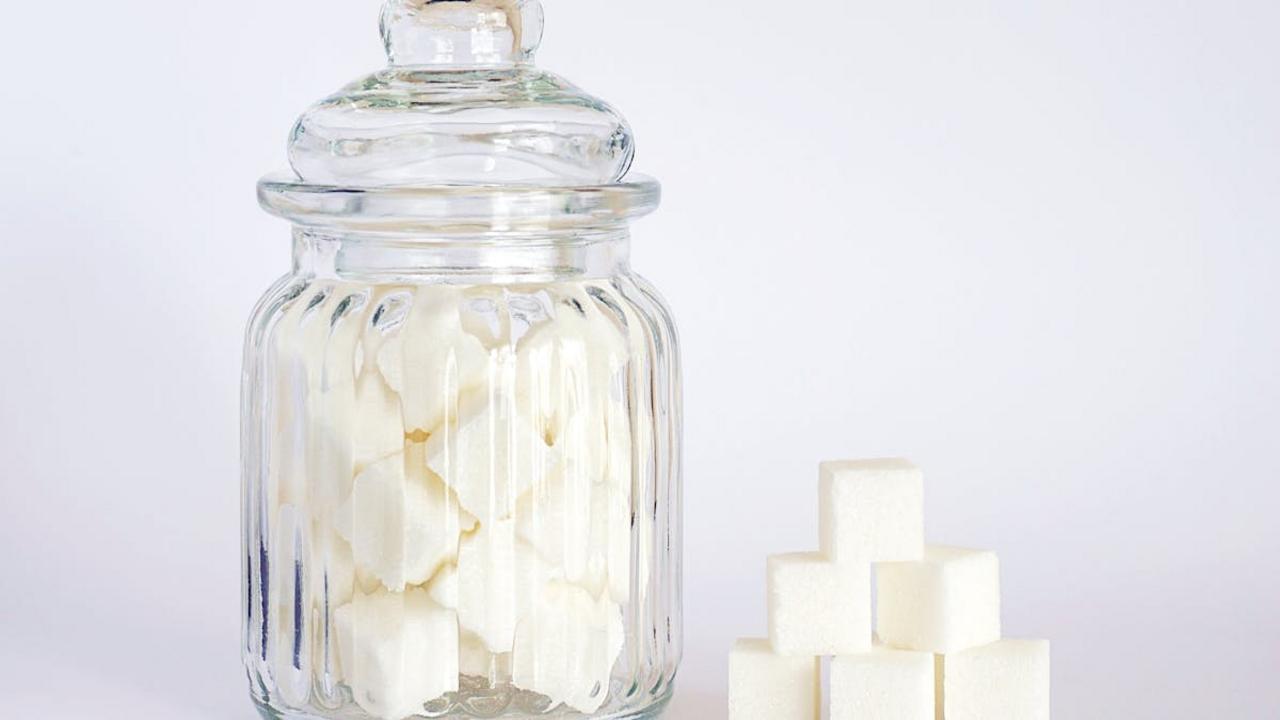
You know that innocent white powder sitting in your coffee right now? That sweet little granule has more blood on its hands than a medieval battlefield. Sugar didn’t just sweeten tea parties—it built entire economic systems, funded slave trades, and literally shaped continents. European colonizers went absolutely bonkers for this “white gold,” establishing massive plantations across the Caribbean and South America. The demand was so intense that entire islands were stripped bare and replanted with nothing but sugar cane, creating some of history’s most brutal labor conditions.
Here’s the wild part: before sugar showed up in Europe around the 11th century, people used honey for sweetness, and suddenly everyone lost their minds over this crystalline wonder from the East. Venice became ridiculously wealthy just by controlling sugar trade routes, and Columbus literally brought sugar cane to the New World on his second voyage—talk about priorities! The stuff was so valuable that wealthy families locked it away like jewelry. Today you can grab a five-pound bag for pocket change, but back then, sugar was literally worth its weight in silver. Next time you’re stirring that morning coffee, remember you’re swirling around centuries of human ambition, greed, and the occasional revolution.
Coffee
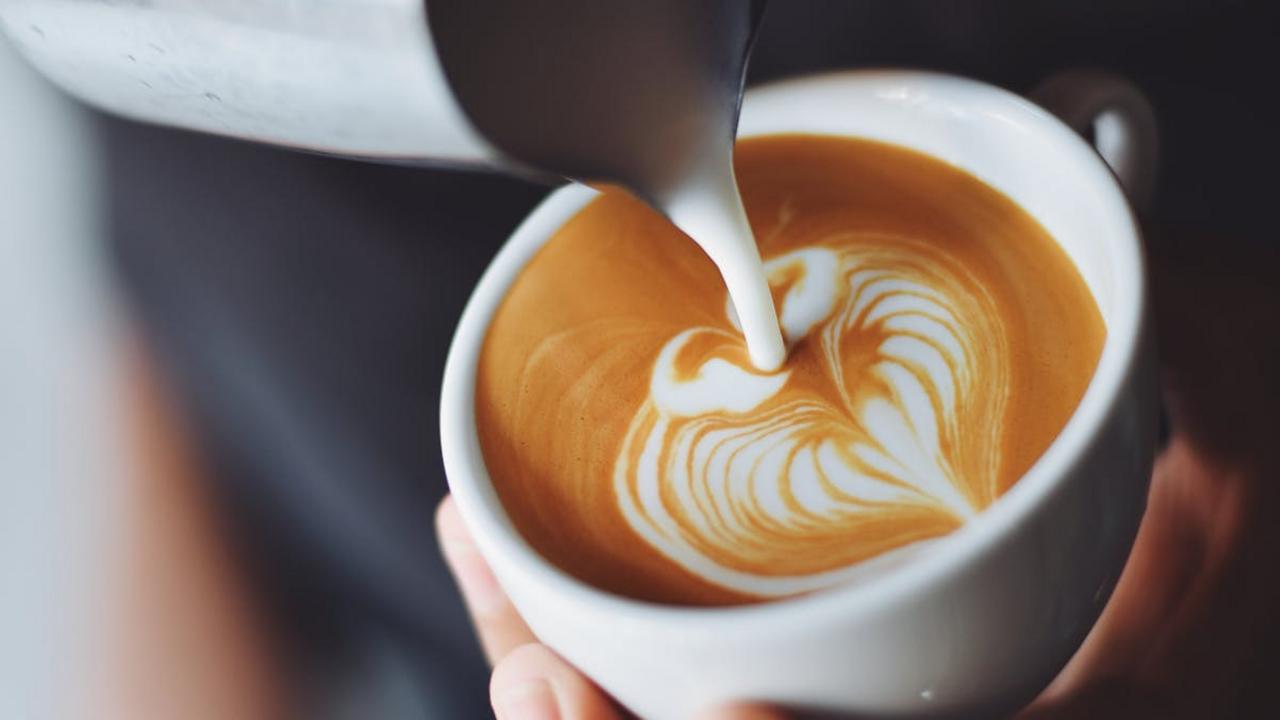
You know that magical brown liquid that transforms you from zombie to human each morning? Coffee didn’t just wake up the world—it literally built empires and sparked revolutions. This humble bean from Ethiopia somehow convinced entire nations to colonize distant lands, establish trade routes that spanned continents, and create social spaces where ideas flourished. The Dutch got so obsessed with coffee that they planted it everywhere they could stick a flag, while the British were so determined to control the trade that they basically invented the concept of corporate colonialism. Coffee houses became the internet of the 17th century, where merchants made deals, philosophers debated, and revolutionaries plotted. The Boston Tea Party? That happened because Americans were already team coffee, making it the perfect middle finger to British tea culture.
But here’s where coffee gets really wild: it created the first global economy. Suddenly, a farmer in Java was connected to a barista in Vienna, and everyone in between was making money. Coffee transformed sleepy port cities into bustling metropolises, funded entire governments through taxation, and even influenced architecture—those gorgeous coffee houses with their marble tables and velvet chairs weren’t just pretty, they were power centers. The bean was so valuable that countries fought wars over it, and fortunes were made and lost faster than you could say “espresso.” Today, coffee remains the world’s second-most traded commodity after oil, which means your morning latte is still part of a global empire that spans every continent and touches billions of lives daily.