14 Genius Ways to Save on Pricey Ingredients at the Grocery Store
Your wallet takes a hit every time grocery prices climb, especially on those premium ingredients that make your meals shine. I’ve felt that pinch too! After years of cooking professionally and at home, I’ve discovered smart ways to keep making delicious food without breaking the bank. These money-saving tricks help you get quality ingredients for less.
The secret isn’t just clipping coupons (though that helps!). It’s about shopping smarter—knowing where to look, when to buy, and how to substitute expensive items with affordable alternatives that don’t sacrifice flavor. From bulk buying to seasonal shopping, these strategies have saved me thousands on my grocery bills.
I’m sharing 14 genius methods I use weekly to keep cooking the foods I love without the sticker shock. These practical tips work for anyone—whether you’re feeding a family or cooking solo. Ready to transform your grocery shopping and save money on those pricey ingredients? Let’s jump right in!
Sign Up for Store Loyalty Programs

Your grocery store’s loyalty program isn’t just another piece of plastic cluttering your wallet—it’s your secret weapon for scoring premium ingredients at prices that won’t break your budget. I’ve watched my grocery bills drop significantly since I started actively using these programs, especially when hunting for those expensive items like good olive oil, artisanal vinegar, or organic spices that can transform your home cooking from ordinary to extraordinary. Most major chains offer exclusive member discounts, early access to sales, and personalized coupons based on your shopping habits.
The real magic happens when you combine loyalty program benefits with strategic shopping. I always check my store’s app before heading out because they frequently send digital coupons for items I regularly buy—like that beautiful grass-fed butter I love using in my weekend baking sessions, or the imported Parmesan that makes my homemade pasta sing. Some programs also offer bonus points on certain categories each month, so I time my purchases of pricier pantry staples accordingly. Don’t overlook the birthday perks either; many stores give you special discounts or free items during your birthday month, which is perfect timing for treating yourself to that expensive vanilla extract or specialty flour you’ve been eyeing.
Check Clearance Sections

You know that feeling when you discover a hidden treasure? That’s exactly what happens when I make my regular rounds through the clearance sections of grocery stores. I’ve scored premium saffron for half price, organic coconut oil marked down 60%, and those fancy imported cheeses that usually make my wallet weep. The secret lies in timing – I typically check these areas first thing in the morning or late evening when staff restocks and marks down items approaching their sell-by dates. These aren’t spoiled ingredients; they’re perfectly good products that stores need to move quickly.
Smart shopping means understanding that many clearance items can transform into pantry gold with proper storage. I’ve built entire meal plans around discounted proteins, freezing what I can’t use immediately and creating batch cooking sessions with marked-down vegetables. Last month, I found premium vanilla beans at 70% off and turned them into homemade vanilla extract that will last me years. The key is flexibility – instead of shopping with a rigid list, I let these bargain finds inspire my weekly menu. When you spot high-quality ingredients at clearance prices, grab them and let your creativity flow in the kitchen.
Ask for Price Matching
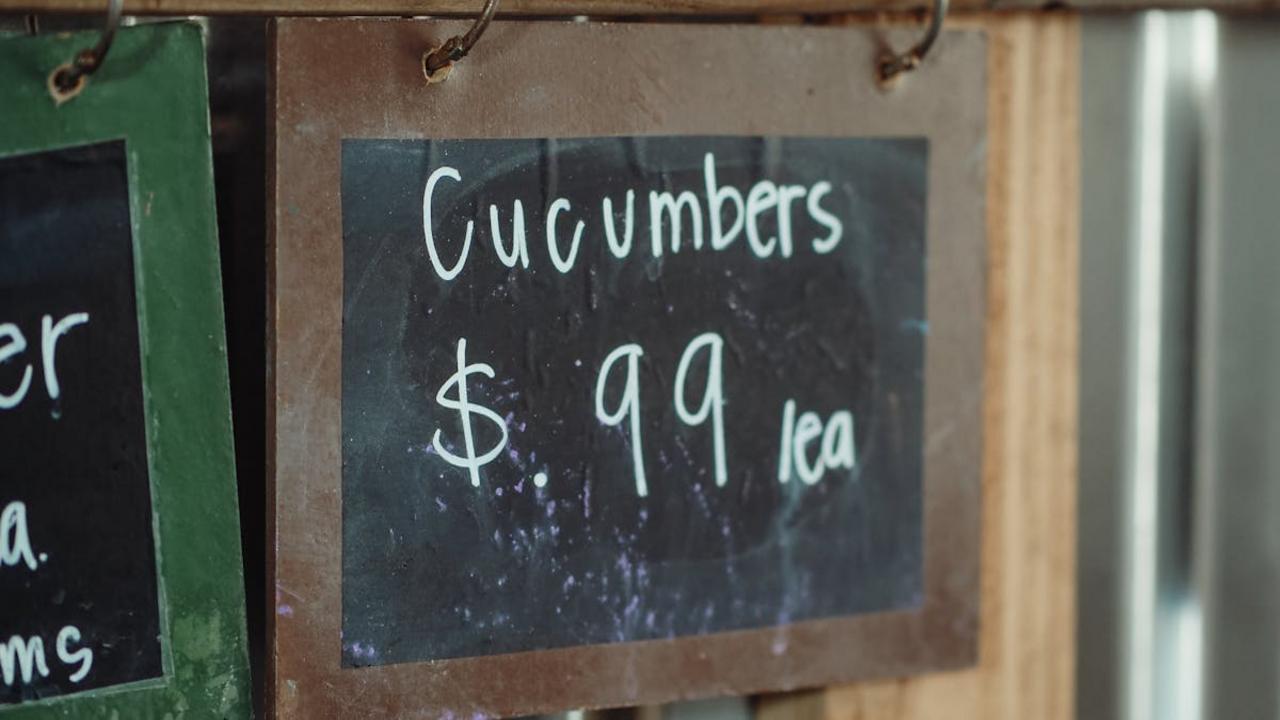
You know what’s brilliant about grocery shopping today? Most major chains will match competitors’ prices right at checkout – you just need to speak up! I’ve saved hundreds of dollars over the years by keeping track of weekly ads from different stores and bringing them with me. When I see organic coconut oil for $12 at my usual store but it’s advertised for $8 elsewhere, I simply show the cashier the competitor’s ad on my phone. They match it instantly, no questions asked. This works particularly well for those expensive specialty ingredients we love – think real vanilla extract, quality olive oil, or that gorgeous saffron you’ve been eyeing.
The key is knowing each store’s policy beforehand since they vary slightly. Some require the competitor to be within a certain radius, others accept digital ads while some need printed copies. I keep a note in my phone with each store’s specific rules so I’m always prepared. What makes this strategy even better is that you can combine it with store sales and coupons for maximum savings. Last month, I scored organic tahini for half price by price matching during a store promotion. Don’t feel awkward about asking – customer service representatives handle these requests daily, and most are happy to help you save money on those pricier ingredients that make your home cooking truly special.
Compare Unit Prices
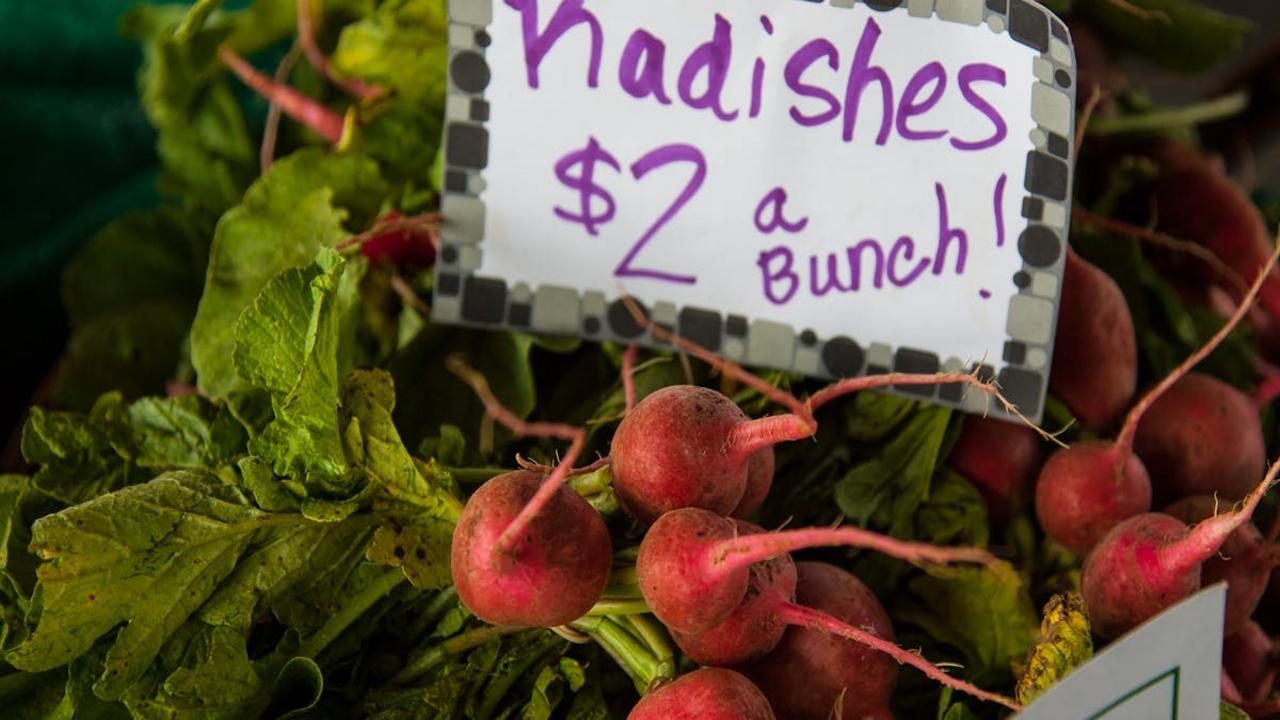
You know that moment when you’re standing in the spice aisle, holding two different brands of saffron, and your wallet starts sweating? I’ve been there countless times, especially when I’m hunting for those precious ingredients that make my Persian-inspired dishes sing. Here’s the thing that completely changed my grocery game: those tiny unit price labels on the shelf edges. They’re your secret weapon against marketing tricks and fancy packaging. When I’m buying something like premium vanilla extract or good olive oil, I always check the price per ounce or milliliter, not just the sticker price. That gorgeous glass bottle might look fancy, but sometimes the plain plastic container gives you twice as much for the same money.
I remember discovering this trick when I was comparing different brands of tahini for my Middle Eastern cooking experiments. The artisanal jar looked so appealing, but when I did the math, the bulk container from the international aisle cost half as much per ounce and tasted just as rich and nutty. Now I make this comparison second nature, especially for pantry staples like good quality coconut oil, real maple syrup, and those precious spice blends I can’t live without. Your phone’s calculator becomes your best friend here – just divide the total price by the quantity, and suddenly you’re making decisions based on real value, not clever marketing. This simple habit has saved me hundreds of dollars over the years, money I can spend on discovering new ingredients instead.
Look for Imperfect Produce

Those slightly bruised apples and wonky-shaped carrots sitting in the discount section? They’re your secret weapon for stretching your grocery budget without sacrificing flavor or nutrition. I’ve built countless delicious meals around these “imperfect” ingredients, and honestly, they often taste just as good—if not better—than their picture-perfect counterparts. That browning banana becomes the star of your next batch of muffins, while those soft tomatoes transform into the richest pasta sauce you’ve ever made. Most grocery stores now have dedicated sections for these discounted gems, and farmers’ markets often sell their “seconds” at fraction of regular prices.
The beauty of cooking with imperfect produce lies in how it pushes you to be more creative in the kitchen. Instead of following rigid recipes, you learn to work with what you have, turning potential food waste into wholesome, nourishing meals. I love grabbing a bag of slightly wrinkled bell peppers to roast with olive oil and garlic—the wrinkles disappear completely once they hit the oven, and you’re left with sweet, caramelized vegetables that cost half the price. Root vegetables like carrots, potatoes, and onions are particularly forgiving; a few soft spots or odd shapes won’t affect their flavor once you peel and chop them for soups, stews, or roasted vegetable medleys.
Use Substitutes

You know what I’ve learned after years of cooking on a budget? Some of the most expensive ingredients have incredible stand-ins that work just as beautifully in your recipes. Take saffron, for instance—that golden spice can cost more per ounce than gold itself! But here’s my secret: turmeric mixed with a tiny pinch of paprika gives you that gorgeous color and adds its own warm, earthy flavor to rice dishes and stews. I’ve fooled dinner guests countless times with this simple swap. Similarly, when recipes call for expensive vanilla beans, I reach for pure vanilla extract or even make my own vanilla sugar by storing vanilla pods in a jar of sugar for weeks.
The magic happens when you start thinking creatively about flavor profiles instead of getting stuck on specific ingredients. Need truffle oil but cringing at the price? Mushroom powder mixed with good olive oil creates that umami richness you’re after. Expensive pine nuts? Toasted sunflower seeds or chopped almonds bring the same satisfying crunch to your pesto or salads. I’ve discovered that Greek yogurt works beautifully in place of crème fraîche or sour cream in most recipes, and it actually adds more protein and probiotics to your meals. The key is understanding what each ingredient brings to the dish—is it flavor, texture, or color?—then finding a more affordable alternative that delivers the same result.
Buy Seasonal Items
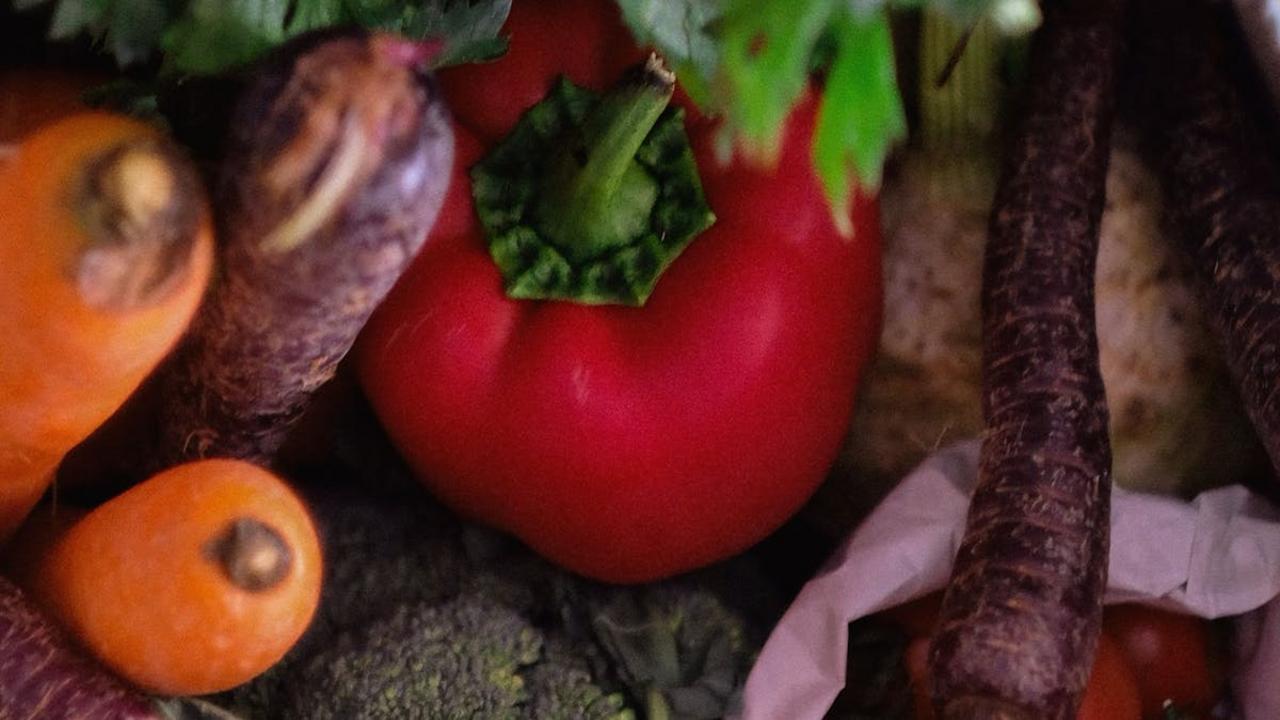
I always tell my friends that shopping with the seasons is like having nature as your personal grocery budget advisor. When you buy what’s naturally abundant at any given time, you’re getting the best prices because supply is high and transportation costs are minimal. Think about it—strawberries in June cost a fraction of what they do in December, and those winter tomatoes that taste like cardboard? Skip them entirely and save your money for the gorgeous, sun-ripened ones that’ll show up in summer. I’ve made this my golden rule: if it’s not in season where I live, I either wait for it or find a creative substitute that works just as beautiwhen.
Seasonal shopping also pushes you to be more creative in the kitchen, which honestly makes cooking so much more exciting. Last fall, when butternut squash was practically being given away at my local market, I bought several and turned them into everything from creamy pasta sauces to spiced soups and even roasted them with berbere seasoning for an Ethiopian-inspired side dish. I learned to preserve peak-season produce too—blanching and freezing summer vegetables, making sauces from abundant tomatoes, and dehydrating herbs before frost hits. Your wallet will thank you, and you’ll discover flavor combinations you never would have tried if you’d stuck to buying the same expensive, out-of-season ingredients year-round.
Choose Store Brands

You know what? I used to be that person who automatically reached for name brands, thinking they were somehow better or more trustworthy. But after years of cooking and experimenting in my kitchen, I’ve discovered that store brands are often made by the exact same manufacturers as the fancy labels – they just slap a different sticker on them! I’m talking about everything from canned tomatoes to olive oil, spices to frozen vegetables. The quality difference is usually nonexistent, but the price difference can be massive. I’ve saved hundreds of dollars over the years simply by giving store brands a chance, and honestly, most of the time I can’t tell the difference in my finished dishes.
Here’s my approach: start with pantry staples and basic ingredients where flavor isn’t the main star. Things like flour, sugar, baking soda, canned beans, and frozen fruits work beautifully as store brands. I’ve made countless batches of my grandmother’s bread recipe using store-brand flour, and it turns out just as fluffy and delicious as ever. For items like spices, I’ll often buy the store brand and then store them in glass jars – nobody knows the difference, and I’m spending maybe 40% less than I would on name brands. The money you save on these basics gives you more room in your budget to splurge on those special ingredients that really make a difference, like good vanilla extract or high-quality chocolate for desserts.
Search for Online Deals

Your smartphone becomes your best shopping companion when you’re hunting for those expensive specialty ingredients. I spend a few minutes each week scrolling through grocery store apps and websites, checking for digital coupons on items like premium olive oil, imported cheeses, or organic spices. Many stores offer exclusive online-only deals that you won’t find walking through the aisles. Download your favorite grocery chain’s app and enable notifications – you’ll get alerts when your frequently purchased items go on sale.
Beyond individual store apps, I use cashback apps like Ibotta and Checkout51 that offer rebates on specific brands and products. These apps often feature deals on organic produce, artisanal condiments, and specialty flours that can add up to significant savings over time. I also follow my favorite brands on social media because they frequently share exclusive promo codes for their premium products. Before heading to the store, I always check if there are manufacturer coupons available online that I can load directly to my store loyalty card. This digital approach has helped me score deals on everything from Madagascar vanilla beans to grass-fed beef, making high-quality ingredients more accessible for my home cooking adventures.
Join Wholesale Clubs

Wholesale clubs like Costco, Sam’s Club, and BJ’s have become my secret weapon for scoring premium ingredients without the premium price tag. I remember feeling hesitant about that annual membership fee, but trust me—it pays for itself faster than you think, especially if you cook from scratch regularly. These stores offer restaurant-quality proteins, organic produce, and specialty items in bulk quantities that can transform your meal planning. You’ll find grass-fed beef, wild-caught salmon, and free-range chicken at prices that make your regular grocery store look expensive. The key is understanding that buying larger quantities doesn’t mean you need to use everything immediately.
Smart storage becomes your best friend when shopping wholesale. I portion proteins into meal-sized packages and freeze them, giving me restaurant-quality ingredients ready whenever inspiration strikes. Their organic produce section often beats regular stores by 30-40%, and items like nuts, spices, and pantry staples last months when stored properly. The real magic happens when you discover their international food sections—I’ve found authentic miso paste, tahini, and specialty vinegars that would cost double elsewhere. Split large purchases with friends or neighbors if storage space concerns you, and always check their seasonal organic selections for the best deals on fresh ingredients.
Find Local Farmers Markets
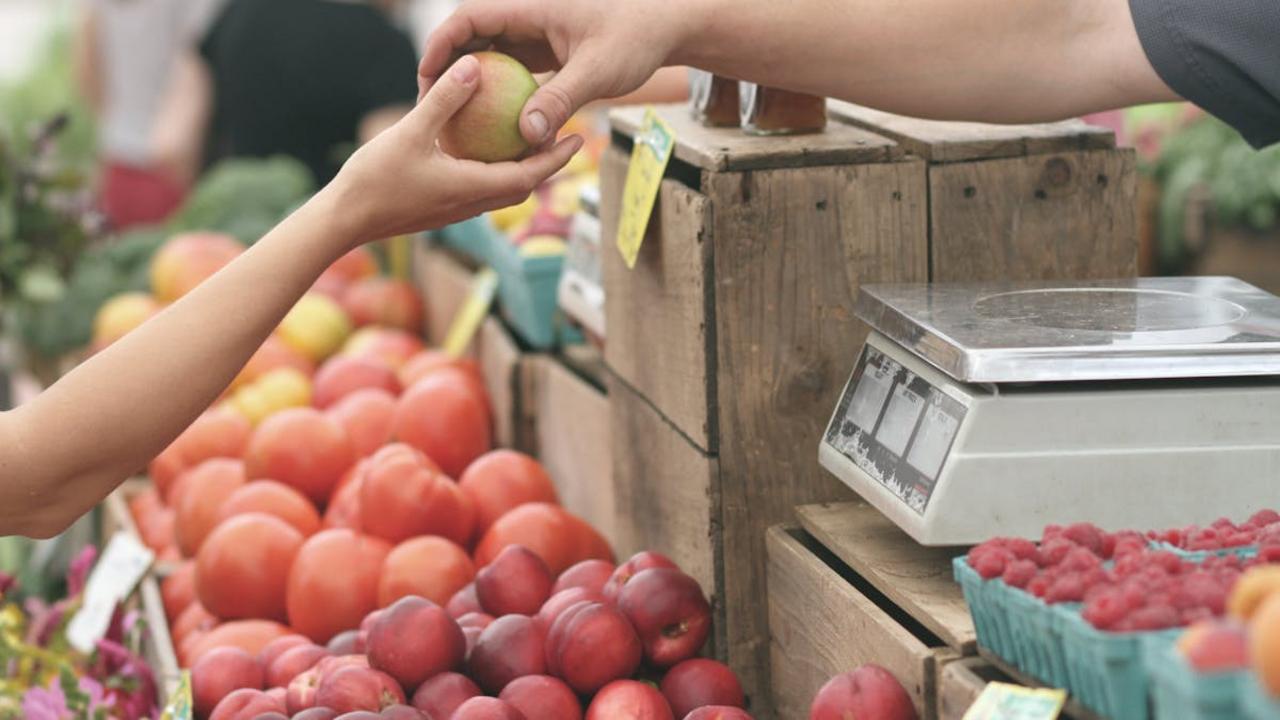
Your neighborhood farmers market holds incredible treasures that can transform both your cooking and your grocery budget. I’ve discovered that seasonal produce at these markets often costs significantly less than supermarket prices, especially for specialty items like heirloom tomatoes, fresh herbs, and unique vegetables that would break the bank at conventional stores. The vendors grow what thrives in your region, meaning you’re getting peak-quality ingredients at their most affordable. Plus, many farmers offer bulk discounts or end-of-day deals that make premium produce accessible to any home cook.
Beyond the savings, farmers markets connect you directly with growers who can share preparation tips and suggest complementary ingredients you might never have considered. I love chatting with vendors about their growing methods and discovering new varieties that inspire completely fresh recipe ideas. Many markets also feature prepared foods, artisanal products, and specialty items from local producers – often at prices that rival or beat gourmet grocery stores. Building relationships with these vendors means you’ll learn about seasonal peaks, get first dibs on the best produce, and sometimes score deals on items they need to move quickly. This direct connection creates a sustainable cycle where your food budget stretches further while supporting local agriculture.
Purchase Frozen Alternatives

I’ve discovered that frozen ingredients can be absolute lifesavers for both your wallet and your weeknight cooking routine. Instead of paying premium prices for fresh berries that might spoil before you use them, grab those frozen bags—they’re picked at peak ripeness and flash-frozen, meaning you get incredible flavor and nutrition at a fraction of the cost. Frozen vegetables like peas, spinach, and corn maintain their nutritional value beautifully, and I actually prefer frozen corn kernels over fresh in my Mexican street corn salad because they have that perfect bite and sweetness year-round.
The key is knowing which frozen items work best in your cooking style. I stock my freezer with frozen mango chunks for smoothies and curry bases, frozen artichoke hearts for Mediterranean dishes, and frozen edamame for quick protein additions to grain bowls. These ingredients cost significantly less than their fresh counterparts and eliminate food waste—something I’m passionate about in my kitchen. You can transform a simple weeknight dinner by tossing frozen vegetables directly into stir-fries, soups, and pasta dishes without thawing. The convenience factor alone makes frozen alternatives worth considering, especially when you’re building meals from scratch on busy weeknights.
Shop at International Markets

Here’s something I discovered years ago that completely changed how I approach expensive ingredients: international markets are absolute goldmines for premium items at fraction-of-the-cost prices. You know those specialty spices that cost $8 for a tiny jar at regular grocery stores? I find them for $2-3 in large quantities at my local Middle Eastern market. The same goes for ingredients like saffron, cardamom, sumac, and za’atar – items that would normally break my budget become accessible when I shop at these authentic markets. The owners often source directly from their home countries, cutting out multiple middlemen and passing those savings directly to you.
What I love most about these markets is discovering ingredients I never knew existed alongside familiar favorites at unbeatable prices. Last week, I picked up fresh curry leaves for $1.50 that would have cost me $6 at the mainstream grocery store, and I stumbled upon black lime (loomi) that transformed my next batch of Persian rice. Asian markets offer incredible deals on coconut milk, fish sauce, miso paste, and specialty vinegars, while Latin American markets stock affordable avocados, plantains, and dried chiles year-round. Don’t feel intimidated if you can’t read all the labels – most vendors speak English and genuinely enjoy sharing knowledge about their products. They’ll often suggest preparation methods and even share family recipes, turning your shopping trip into an educational experience that expands your cooking repertoire.
Buy in Bulk
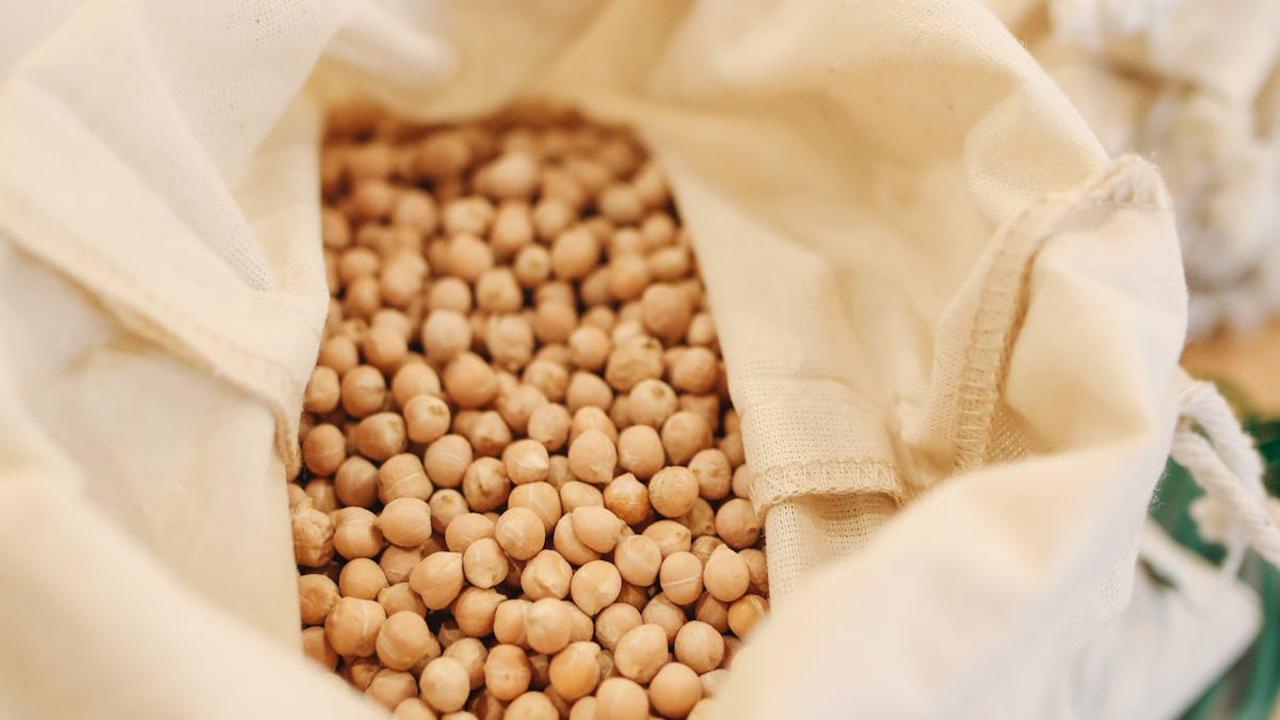
You know that sinking feeling when you see the price tag on specialty spices like saffron or cardamom pods at the grocery store? I’ve been there, clutching my shopping list and wondering if I should skip that amazing Persian rice recipe I’ve been dreaming about. Here’s what changed everything for me: buying in bulk from warehouse stores or specialty markets. When you purchase larger quantities of expensive ingredients like nuts, seeds, dried fruits, and spices, the per-unit cost drops dramatically. I buy my almonds, pine nuts, and tahini this way, and I’m talking about savings of 30-50% compared to those tiny packages.
The secret lies in proper storage and sharing with friends or family. I keep my bulk spices in airtight glass jars away from heat and light, and they stay fresh for months longer than you’d expect. For items like nuts and seeds, I portion them into smaller containers and freeze what I won’t use immediately – they maintain their flavor and texture perfectly. Sometimes I’ll coordinate with my neighbors or cooking friends to split large quantities of premium ingredients like vanilla beans or specialty flours. This approach has opened up so many recipe possibilities for me, from making my own harissa paste to experimenting with different varieties of rice that would have been too expensive to try otherwise.