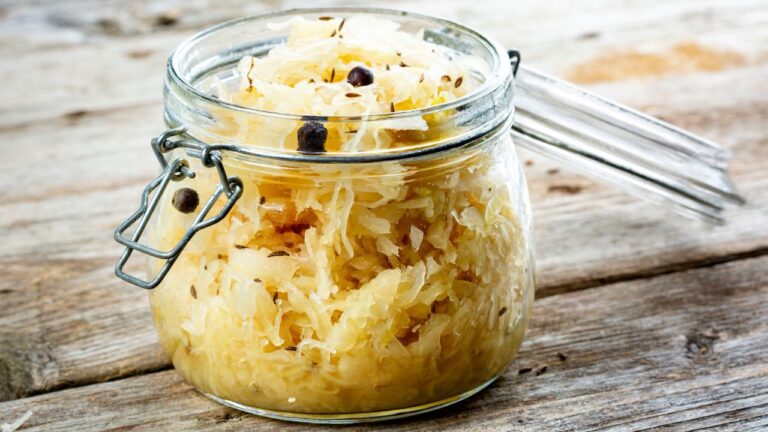
13 Power-Packed Grains to Boost Flavor, Nutrition, and Creativity in Every Meal
Want to shake up your meals with grains that pack both flavor and nutrition? I’ve discovered 13 incredible whole grains that will transform your cooking from basic to brilliant. These powerhouse ingredients bring unique textures, rich flavors, and amazing health benefits to every dish.
From the ancient Ethiopian teff to the Japanese Job’s tears, each grain carries its own story and distinctive personality. You’ll find protein-rich options like amaranth, fiber-packed choices like freekeh, and antioxidant superstars like black rice. The best part? These grains work beautifully in both sweet and savory recipes.
Ready to move beyond plain white rice and basic oats? I’m sharing my favorite ways to cook these versatile grains, plus simple tips to incorporate them into your daily meals. Whether you’re making breakfast bowls, hearty soups, or fresh salads, these grains will make every dish more exciting and nutritious.
Red Rice
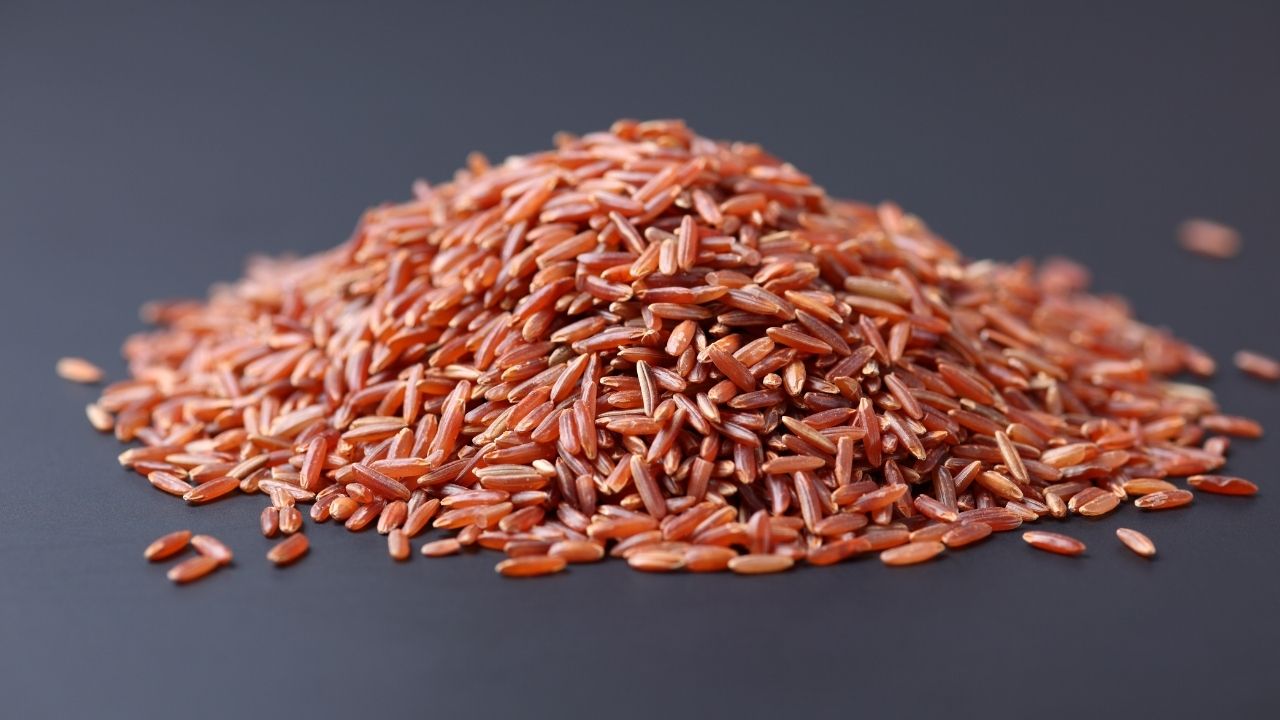
Red rice will add a bold burgundy color and nutty flavor to your meals while packing a serious nutritional punch! This whole grain stands out with its deep, rich hue thanks to anthocyanins – the same compounds that give berries their vibrant colors. I love how red rice brings both beauty and benefits to the table, offering more antioxidants than brown or white rice varieties. The slightly chewy texture holds up beautifully in soups, stir-fries, and grain bowls, making it perfect for meal prep since it won’t get mushy.
You’ll find this grain especially popular in Himalayan and Bhutanese cuisine, where local farmers have grown it for generations. To cook red rice, simply combine 1 part rice with 2 parts water and simmer for about 20 minutes until tender. The natural earthiness pairs wonderfully with roasted vegetables, grilled meats, or mixed into hearty salads. I recommend starting your red rice journey with a simple pilaf – just add sautéed onions, garlic, and your favorite herbs. The gorgeous color will make any dish Instagram-worthy while providing extra fiber, protein, and minerals to nourish your body.
Black Rice
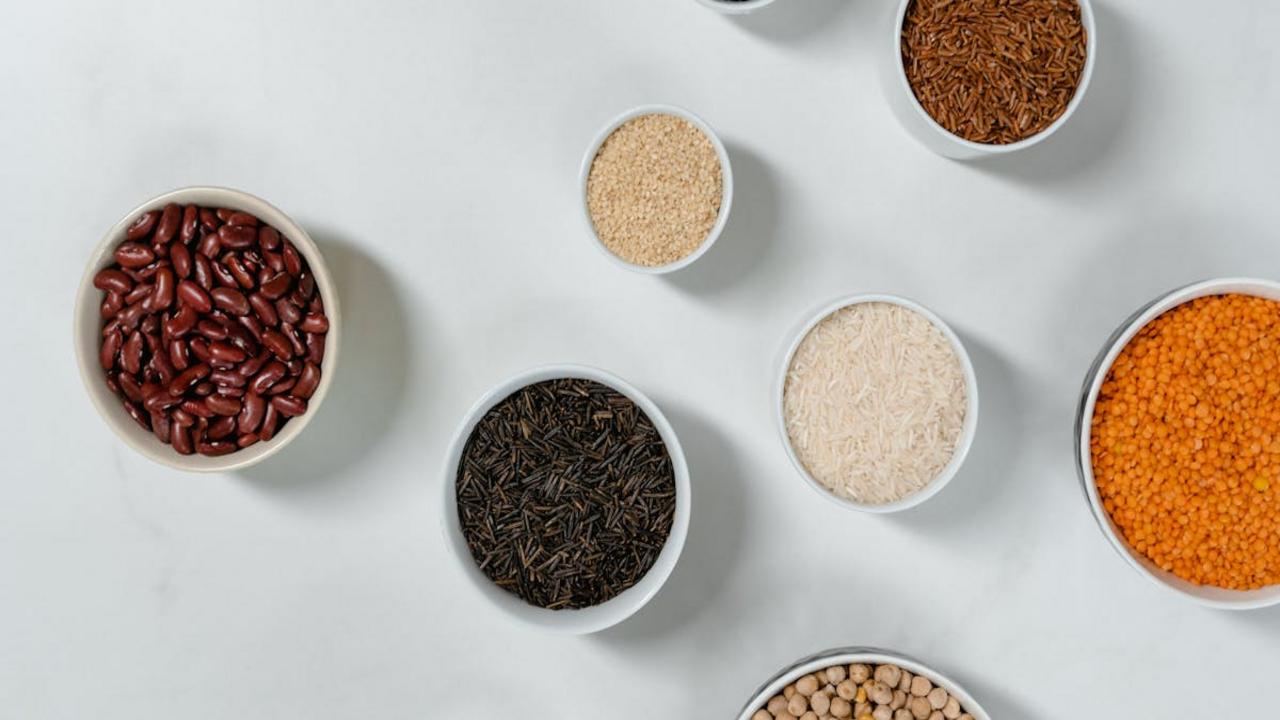
Black rice will catch your eye with its deep purple-black color and win your heart with its sweet, nutty flavor. Known in ancient China as “forbidden rice” because only emperors could eat it, this grain now brings its royal status to your kitchen. I love how black rice adds drama to any dish while packing a serious nutritional punch – it contains more antioxidants than blueberries and delivers a hefty dose of iron, protein, and fiber in every serving.
You’ll find black rice incredibly versatile in your cooking. I regularly mix it into Buddha bowls, stuff it into roasted squash, or serve it as a striking side dish with grilled fish. The grain maintains its lovely chewy texture even after cooking, making it perfect for meal prep and next-day lunches. Just remember to plan ahead – black rice needs about 30-35 minutes to cook. Give your dishes a beautiful purple tint by adding a scoop of black rice to soups or combining it with other grains in pilafs.
Job’s Tears
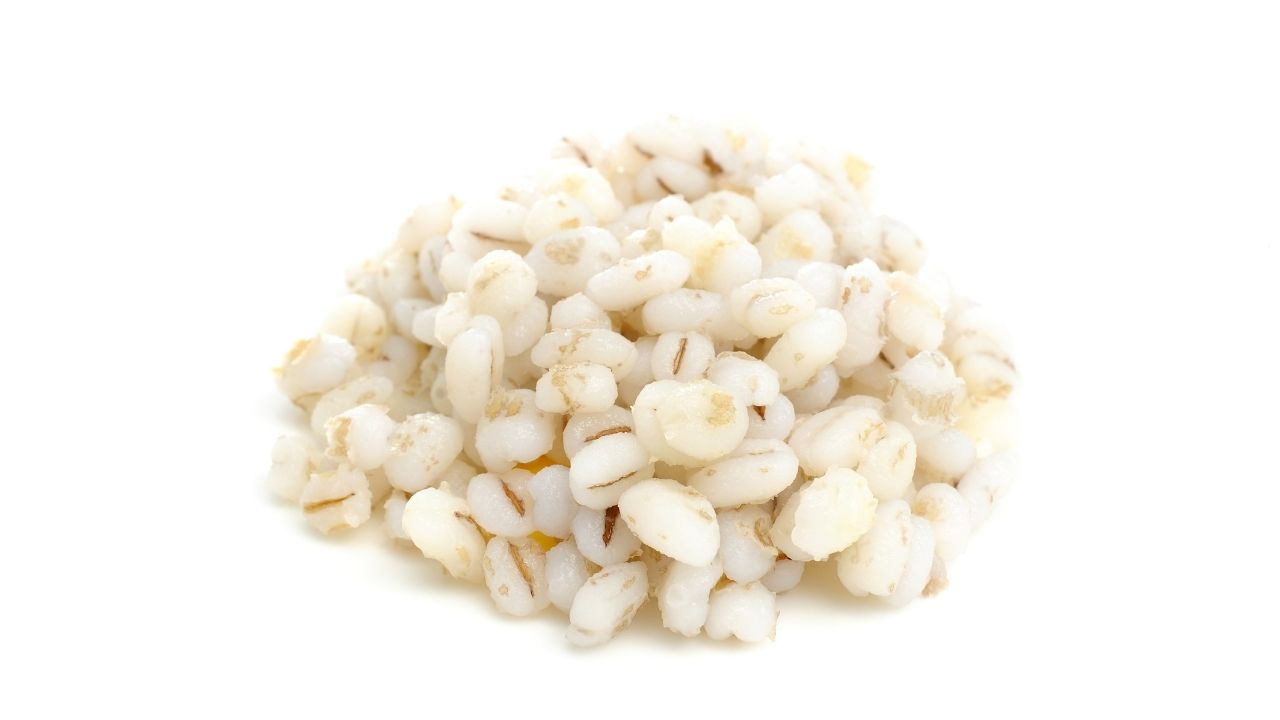
I discovered Job’s Tears at a local Asian market, and now I can’t get enough of this ancient grain! Also known as coix seeds or Chinese pearl barley, Job’s Tears bring a unique texture and nutty flavor to your dishes. These pearly, tear-shaped grains have a satisfying chewy bite and work beautifully in both sweet and savory recipes. You’ll find them particularly wonderful in soups and stews, where they maintain their firm texture while soaking up all the rich flavors around them.
Beyond their amazing taste, Job’s Tears pack a serious nutritional punch that will make you want to add them to your regular meal rotation. They contain high amounts of protein, fiber, and beneficial compounds that support your immune system. I love throwing them into Buddha bowls with roasted vegetables, or cooking them like risotto with mushrooms and parmesan. You can even grind them into flour for gluten-free baking! Just remember to soak them overnight before cooking to reduce the cooking time and make them more digestible.
Buckwheat Groats
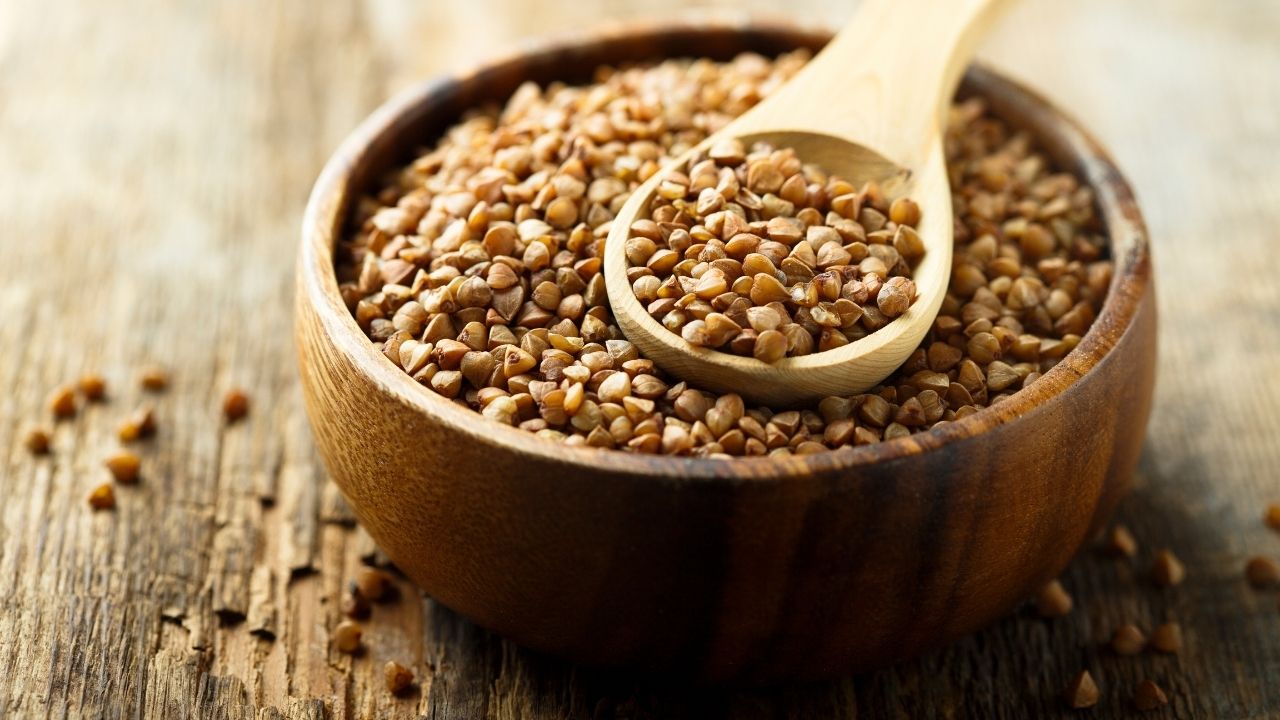
Don’t let the name fool you – buckwheat isn’t wheat at all! These pyramid-shaped kernels pack a protein punch and bring a rich, nutty flavor to your meals. I love adding these gluten-free seeds to my morning porridge or mixing them into salads for extra crunch. The best part? Buckwheat groats contain all nine essential amino acids, making them a complete protein source. They also bring plenty of fiber, manganese, and magnesium to your plate.
You can cook buckwheat groats just like rice – combine them with water in a 1:2 ratio and simmer until tender. Try them as a base for grain bowls, blend them into pancake batter, or toast them in a dry pan until fragrant for a crunchy salad topping. Russian cuisine features kasha, a traditional dish of toasted buckwheat groats cooked in broth – it makes an amazing side dish that’ll have your family asking for seconds. The versatility of buckwheat groats means you can include them in both sweet and savory dishes.
Spelt
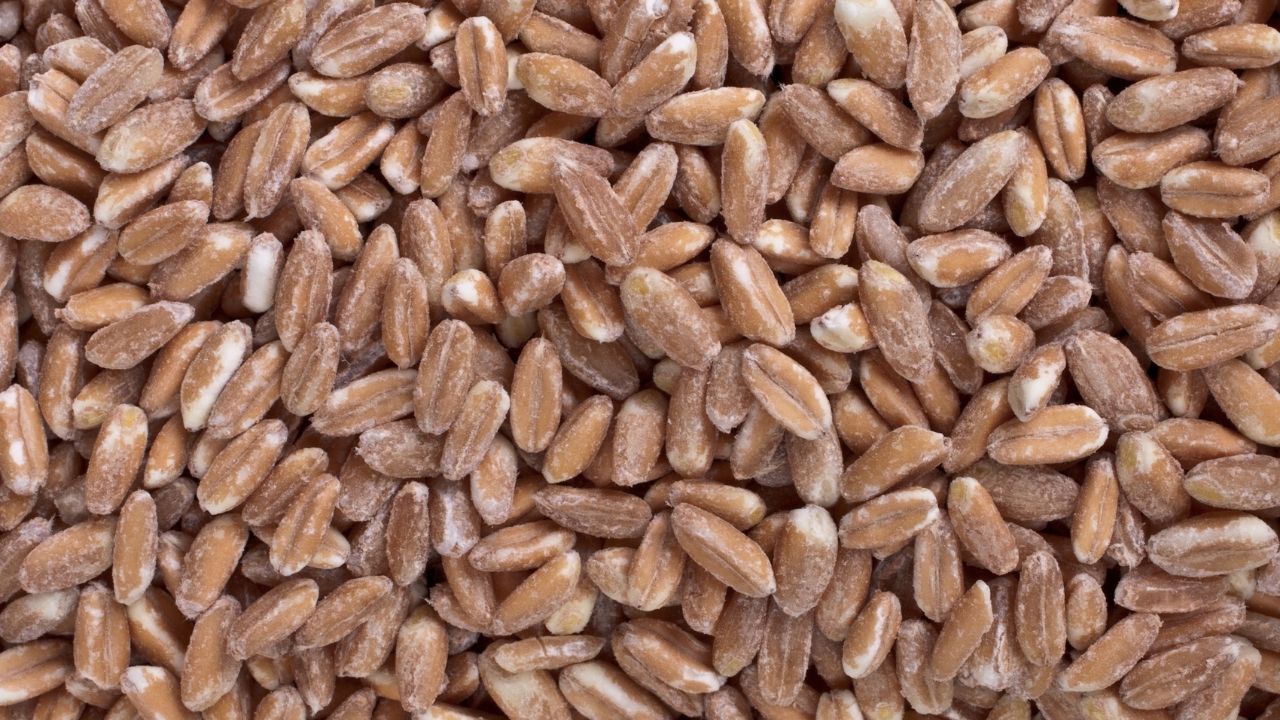
I adore spelt for its sweet, nutty character that brings depth to my baking and cooking. This ancient grain has stood the test of time, dating back over 8,000 years – and for good reason! You’ll notice its robust, chewy texture adds personality to breads, pasta, and salads. The versatility of spelt makes it a star in my kitchen – I often swap it for wheat flour in my favorite bread recipes, and it creates wonderfully tender results with a complex flavor profile that regular wheat just can’t match.
Beyond its delicious taste, spelt packs a serious nutritional punch that will boost your everyday meals. Each serving delivers impressive amounts of fiber, protein, and B vitamins to fuel your body. I particularly love that spelt contains more protein than common wheat, making it perfect for vegetarian dishes. The grain’s natural digestibility means many people who struggle with wheat sensitivities can enjoy spelt without issues. Try adding cooked spelt berries to soups and stews, or blend spelt flour into pancakes for a nutrient-rich breakfast that will keep you satisfied until lunch.
Triticale
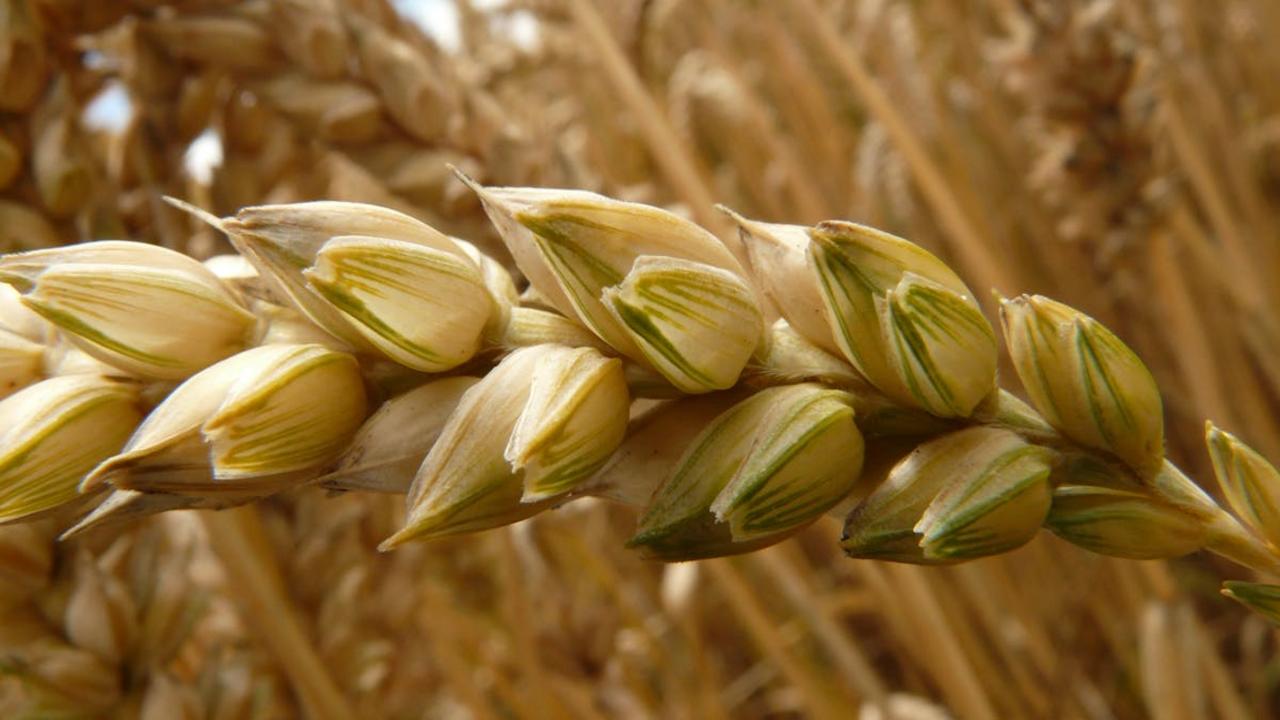
I love introducing my readers to triticale, a brilliant hybrid grain that combines the best qualities of wheat and rye. This unique grain packs more protein than wheat and delivers a rich, nutty flavor that will make your baked goods shine. You’ll find triticale adds a wonderful complexity to breads, muffins, and pancakes while bringing extra nutritional benefits to your table. The grain contains high levels of essential amino acids, making it an excellent choice for anyone looking to boost their protein intake naturally.
Beyond its nutritional prowess, triticale brings versatility to your kitchen creations. I often mix it with other flours in my morning waffles or add the whole berries to hearty grain bowls. The slightly sweet undertones pair beautifully with both savory and sweet dishes. You can substitute triticale flour for up to half the wheat flour in most recipes without compromising texture. Try adding triticale flakes to your morning oatmeal or granola mix – the robust flavor and extra protein will keep you satisfied until lunch.
Millet
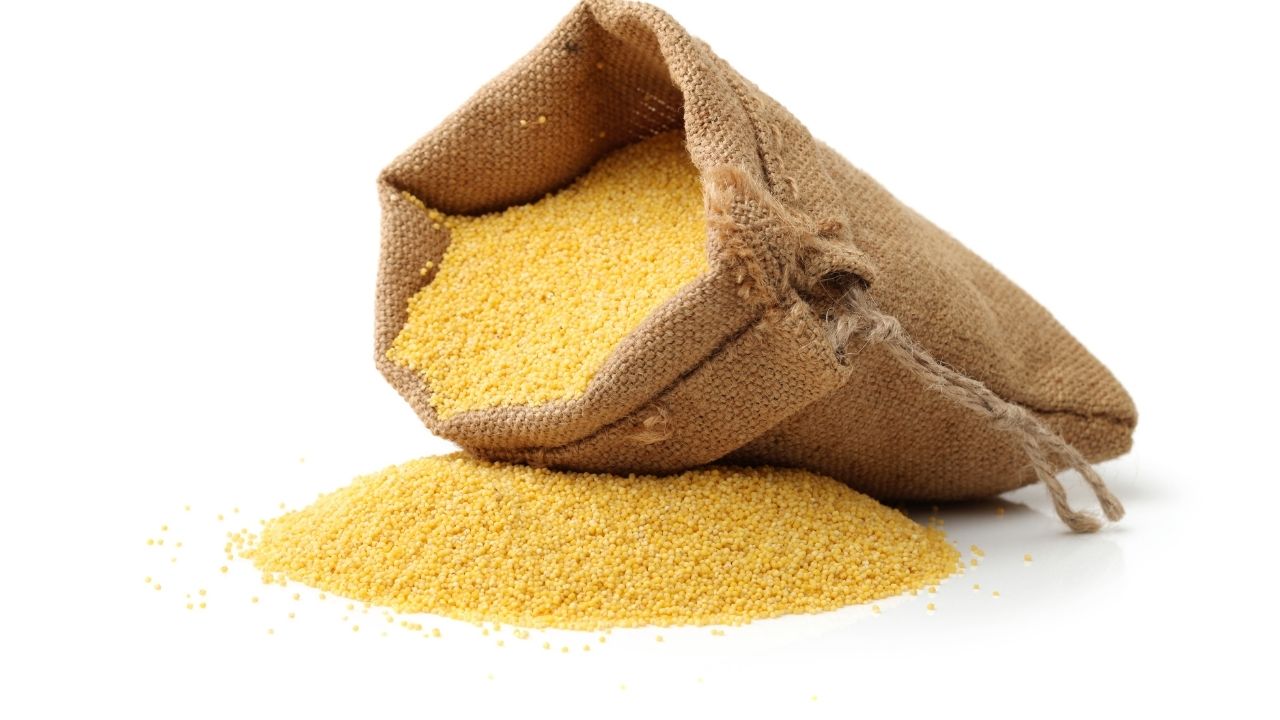
I’ve discovered that millet brings an incredible nutty flavor and versatility to your kitchen! This small, round grain packs a mighty nutritional punch with its high protein content and rich minerals like magnesium and phosphorus. What makes millet stand out is its quick cooking time – just 20 minutes to fluffy perfection. You can add this gluten-free powerhouse to your morning porridge, toss it into salads, or blend it into homemade bread for extra nutrition.
Your body will thank you for making millet a regular part of your meals. The grain’s high fiber content helps maintain steady blood sugar levels and keeps you feeling full longer. I love recommending millet to my readers who want to shake up their grain routine – try it as a rice substitute in stir-fries or create a creamy millet risotto with mushrooms and herbs. The subtle, sweet undertones make it perfect for both savory and sweet dishes, while its light texture won’t weigh you down. Plus, its alkaline nature makes it gentle on your digestive system.
Sorghum

I discovered sorghum during my adventures through local farmers’ markets, and this ancient grain quickly became a staple in my kitchen. You’ll find sorghum’s nutty, slightly sweet flavor adds depth to both sweet and savory dishes. This versatile grain packs a powerful nutritional punch with high levels of fiber, protein, and antioxidants. Plus, it’s naturally gluten-free, making it perfect for anyone with dietary restrictions. The chewy texture reminds me of barley but with its own unique personality that shines through in grain bowls, soups, and even popped like popcorn!
You can cook sorghum just like rice – add it to boiling water with a pinch of salt and simmer until tender, about 45-50 minutes. I love tossing cooked sorghum into salads for extra protein and texture, or grinding it into flour for gluten-free baking. The grain holds up beautifully in meal prep too – make a big batch on Sunday and mix it into different dishes throughout the week. My favorite way to serve sorghum? In a warm breakfast bowl with almond milk, honey, and fresh berries. The grain’s natural sweetness pairs perfectly with fruit, and its slow-digesting carbs keep me energized all morning.
Kamut
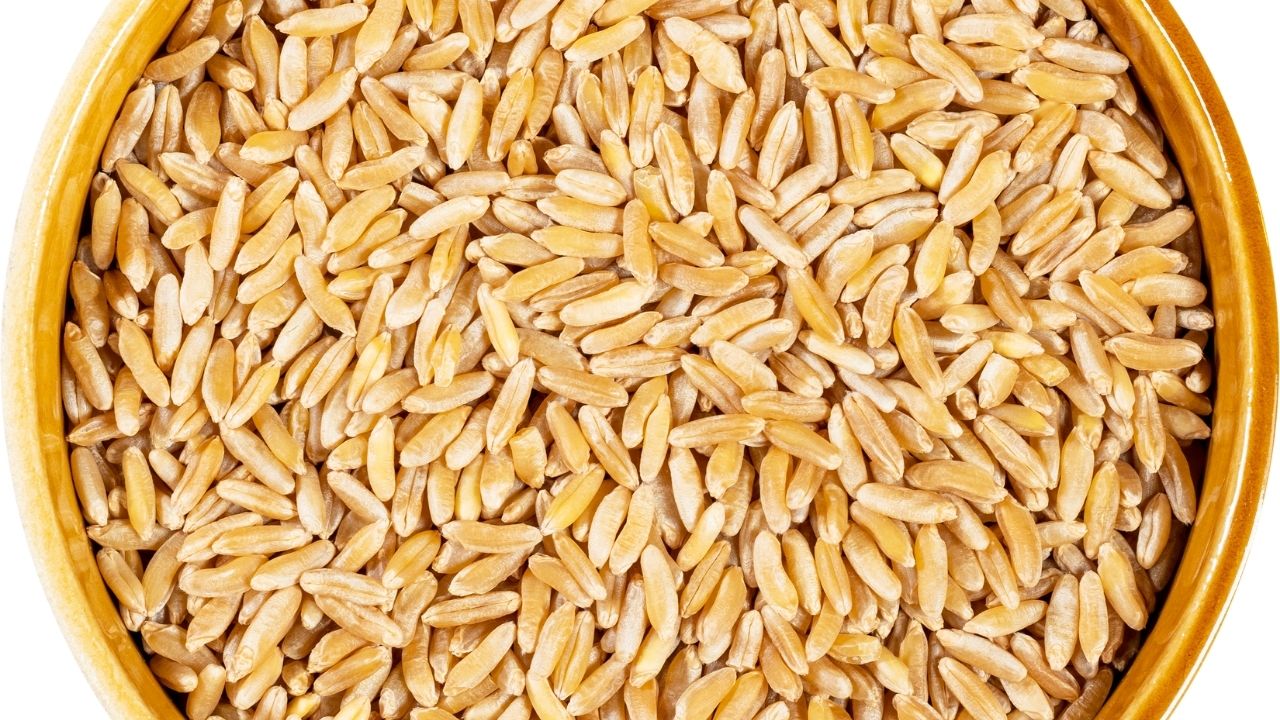
You’ll love adding Kamut to your meals – this ancient grain packs twice the protein and nutrients of regular wheat! I discovered Kamut while searching for nutritious alternatives to my usual grains, and its rich, buttery flavor won me over immediately. The large, golden kernels have a firm, chewy bite that holds up beautifully in soups and grain bowls. Plus, its high selenium content supports thyroid function and boosts your immune system, while its complex carbohydrates give you steady energy throughout the day.
Want to make the most of this powerhouse grain? Try cooking Kamut like rice – simmer 1 cup of grains in 3 cups of water for about 40-50 minutes until tender. I love tossing cooked Kamut into Mediterranean-style salads with cherry tomatoes, cucumbers, and feta cheese. The nutty flavor pairs perfectly with roasted vegetables and fresh herbs. Many of my gluten-sensitive friends can digest Kamut more easily than modern wheat, though it does contain gluten. Store your uncooked Kamut in an airtight container in a cool, dark place, and it will keep fresh for months.
Amaranth
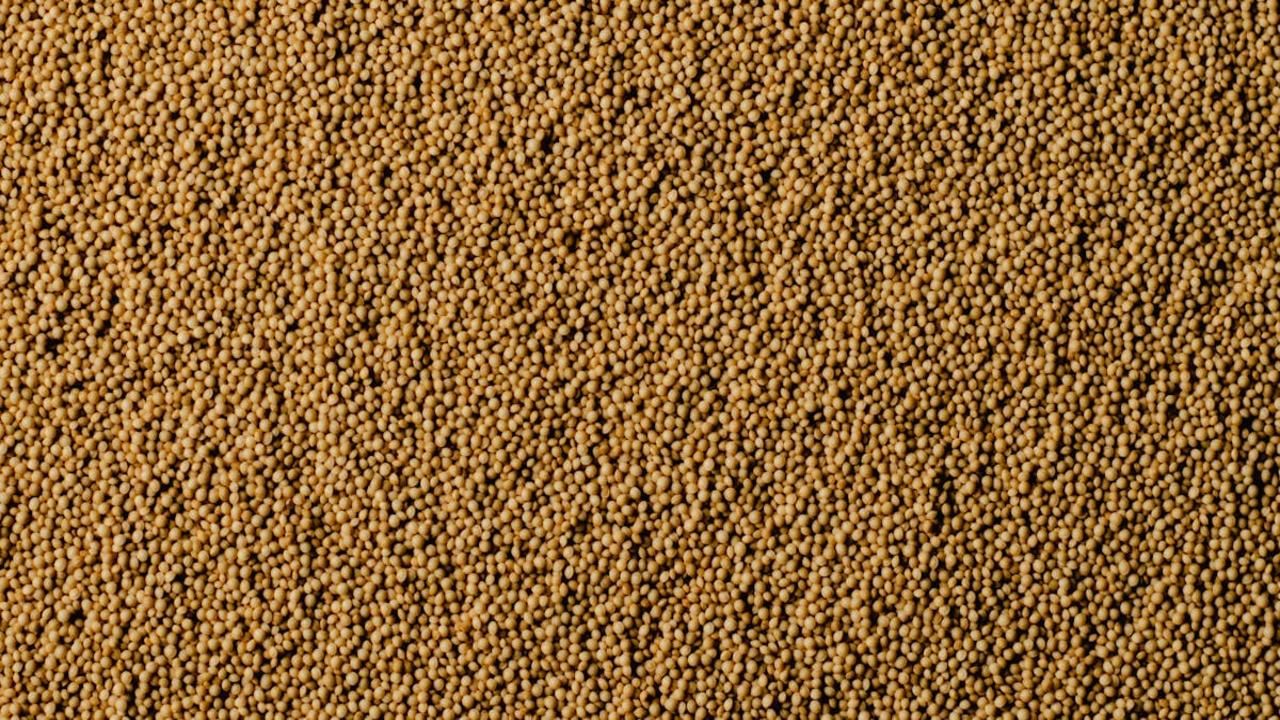
I’m so excited to share one of my favorite ancient grains with you – amaranth! This tiny powerhouse grain packs a mighty nutritional punch with its complete protein profile and high levels of iron, magnesium, and calcium. What makes amaranth really special is its nutty, peppery flavor that adds wonderful depth to both sweet and savory dishes. You can pop it like popcorn for a fun, crunchy snack, or cook it into a creamy breakfast porridge that will keep you satisfied all morning long.
Adding amaranth to your weekly meal rotation opens up so many creative possibilities in the kitchen. I love sprinkling the popped grains over salads or yogurt bowls for extra crunch, and the cooked grain makes an amazing thickener for soups and stews. The best part? Amaranth contains more protein than most other grains and remains naturally gluten-free, making it perfect for anyone looking to add more plant-based protein to their diet. Mix it with other grains like quinoa or rice to create nutrient-rich grain bowls that will energize your day.
Teff
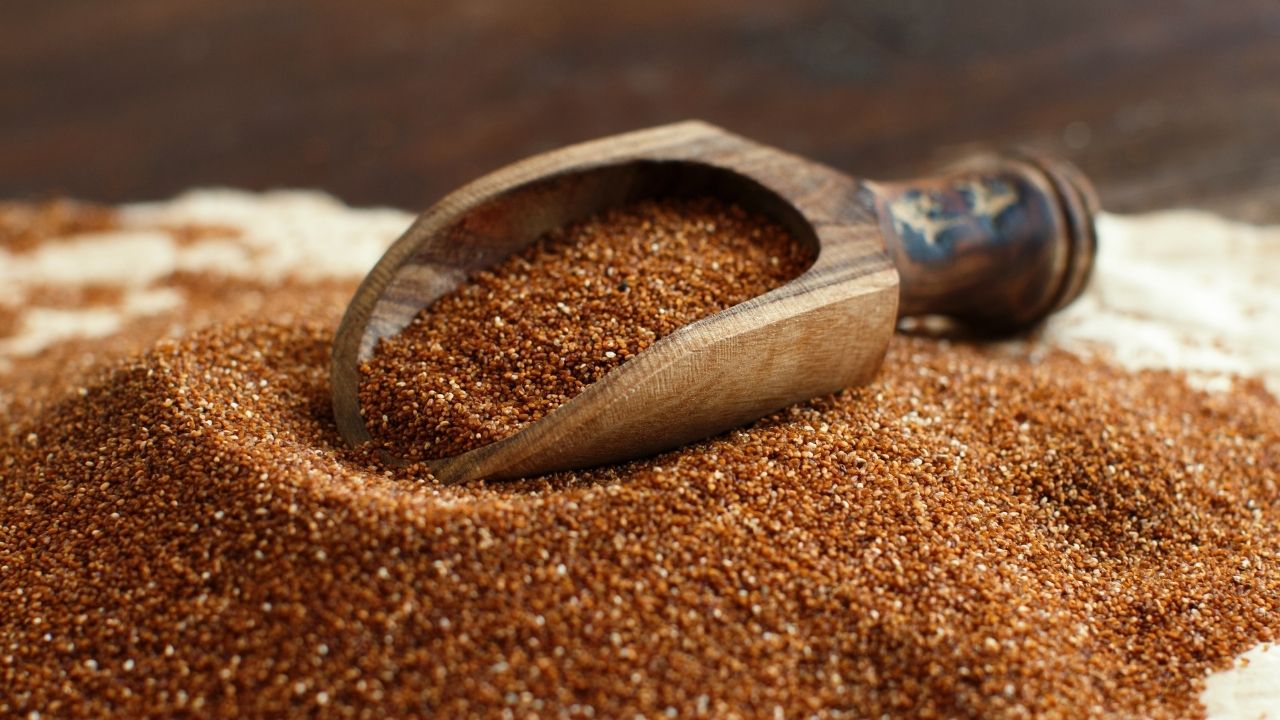
You’ll adore teff, the tiny ancient grain that packs a mighty nutritional punch! This gluten-free powerhouse from Ethiopia contains more calcium than any other grain and delivers complete protein to keep you energized throughout your day. I love adding teff to my morning porridge for its subtly sweet, nutty flavor that reminds me of hazelnuts. The best part? You can cook this versatile grain into creamy hot cereals, mix it into baked goods, or use it as a natural thickener for soups and stews.
Ready to bring teff into your kitchen? Start by making injera, the traditional Ethiopian flatbread that gives teff its claim to fame. The fermentation process creates a wonderfully tangy sourdough-like flavor that’ll make your taste buds dance. My favorite quick tip: mix teff flour into your pancake batter for an iron and fiber boost that’ll transform your breakfast. The dark brown or ivory grains might look tiny, but they’ll fill your meals with rich, earthy flavors and outstanding nutrition that’ll keep you coming back for more.
Freekeh
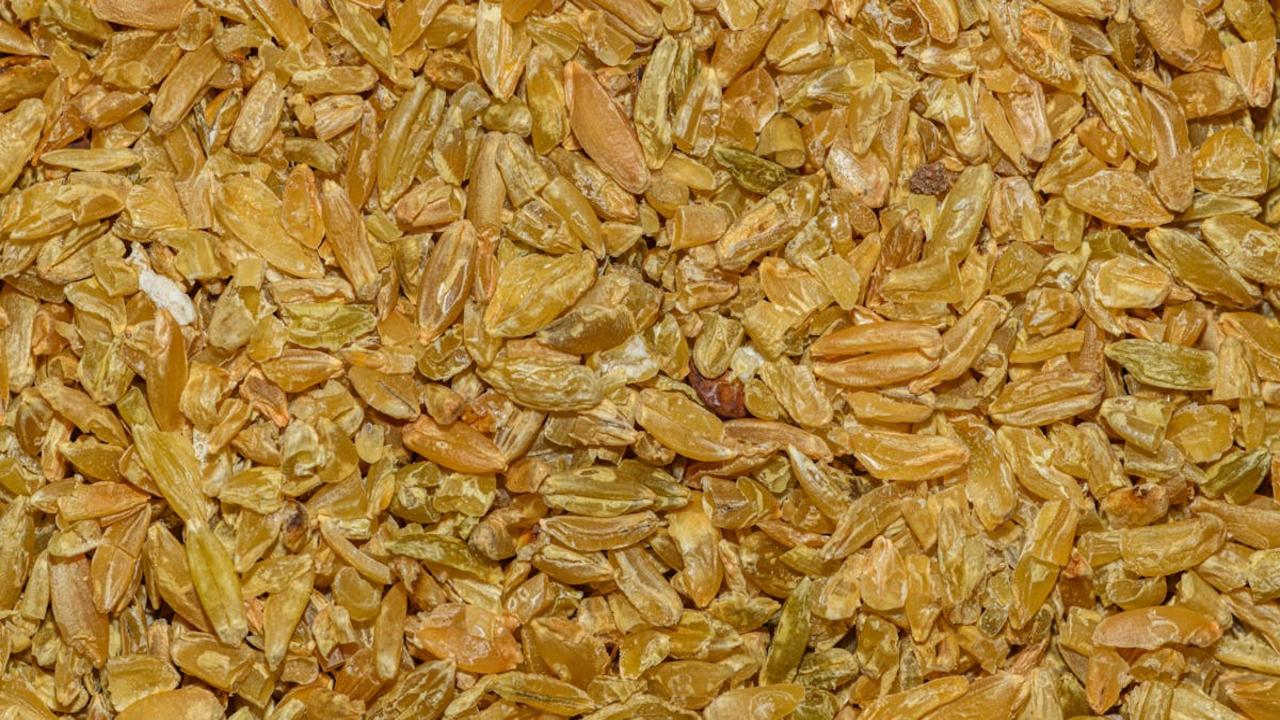
I absolutely adore freekeh, a young green wheat that’s harvested early and roasted to create a nutty, smoky flavor that’ll make your dishes shine! This ancient Middle Eastern grain packs a serious nutritional punch with more protein and fiber than regular wheat. The roasting process gives freekeh its signature taste and creates a chewy texture that holds up beautifully in soups, salads, and grain bowls. You’ll find both whole and cracked versions at specialty stores – the cracked cooks faster while keeping all the good stuff.
Want to make freekeh your new kitchen staple? Try it as a hearty base for Buddha bowls topped with roasted vegetables and tahini dressing. I love mixing it with fresh herbs, pomegranate seeds, and pine nuts for a bold side dish that steals the show. The best part? This powerhouse grain contains zinc, iron, and calcium – perfect for anyone looking to add more nutrients to their meals. Swap it for rice or quinoa in your favorite recipes, and you’ll discover a whole new world of nutty, smoky goodness that’ll keep you coming back for more.
Farro
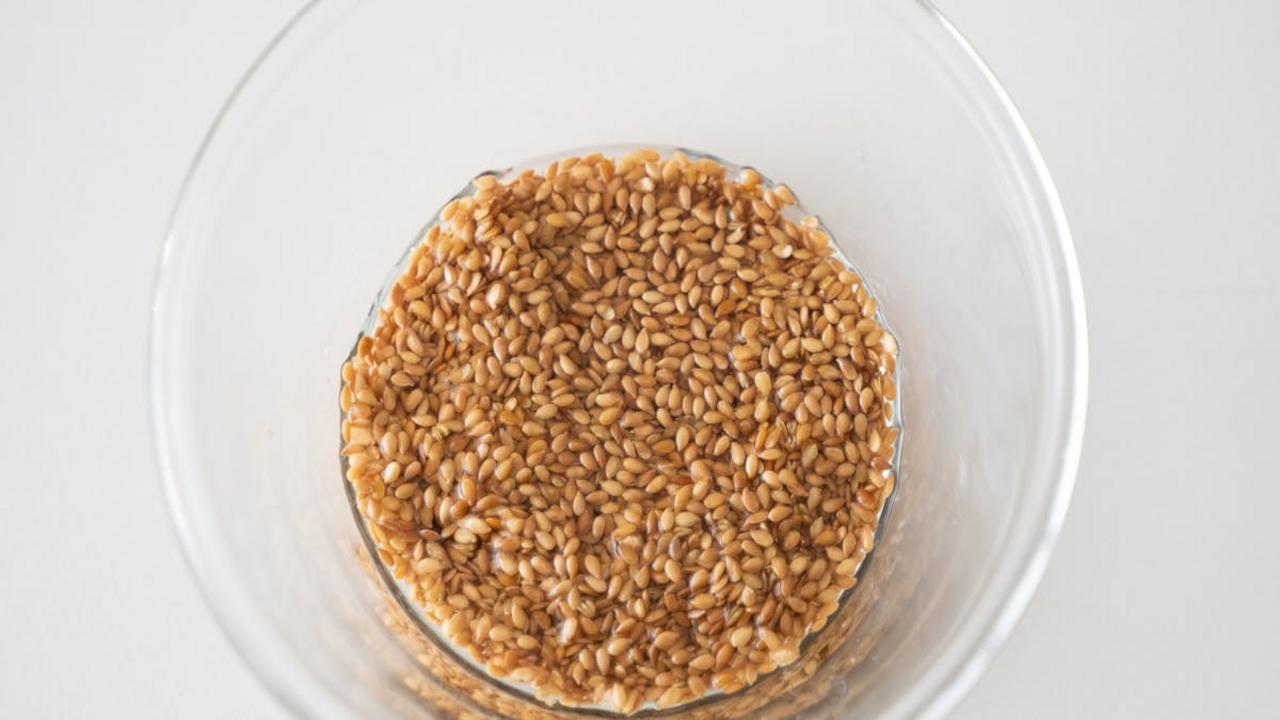
I first discovered farro while visiting a small Italian market in my neighborhood, and now I can’t imagine my kitchen without it! This ancient wheat grain brings a wonderful chewy texture and nutty flavor that will make your meals so much more interesting. You’ll find farro perfect for hearty salads, warming soups, and grain bowls – it holds its shape beautifully while cooking and absorbs all those amazing flavors from broths and dressings. Plus, it packs a serious nutritional punch with protein, fiber, and minerals like magnesium and zinc.
Want to make farro shine in your next meal? Try cooking it in vegetable or chicken broth instead of water – this simple switch adds incredible depth to the grain. I love tossing cooked farro with roasted vegetables, fresh herbs, and a bright vinaigrette for a satisfying lunch that keeps me energized all afternoon. The grain also makes an excellent base for breakfast bowls – just add some milk, honey, and fresh fruit for a warm, comforting start to your day. Remember to give the grains a quick rinse before cooking, and you’ll need about 30 minutes of simmering to reach that perfect al dente texture.