15 Delicious Great Depression-Era Recipes You’ll Still Love Today
Money was tight during the Great Depression, but American creativity in the kitchen never wavered. Families turned everyday pantry staples into hearty meals that filled bellies and lifted spirits. From mock apple pies made without apples to creative uses for crackers and cornmeal, these recipes show the remarkable ingenuity of home cooks during tough times.
What makes these Depression-era recipes truly special is their staying power. That simple combination of beans and bacon evolved into a comforting soup we still crave, while Wacky Cake proves you don’t need eggs or butter to make a chocolate dessert worth celebrating. These budget-friendly dishes didn’t just help people survive – they became beloved family traditions.
The 15 recipes featured here honor that resourceful spirit while offering practical meal solutions for modern budgets. Whether you want to recreate your grandmother’s famous peanut butter bread or discover why Hoover Stew earned its presidential nickname, these Depression-era classics deserve a spot in your regular rotation.
Chili Mac
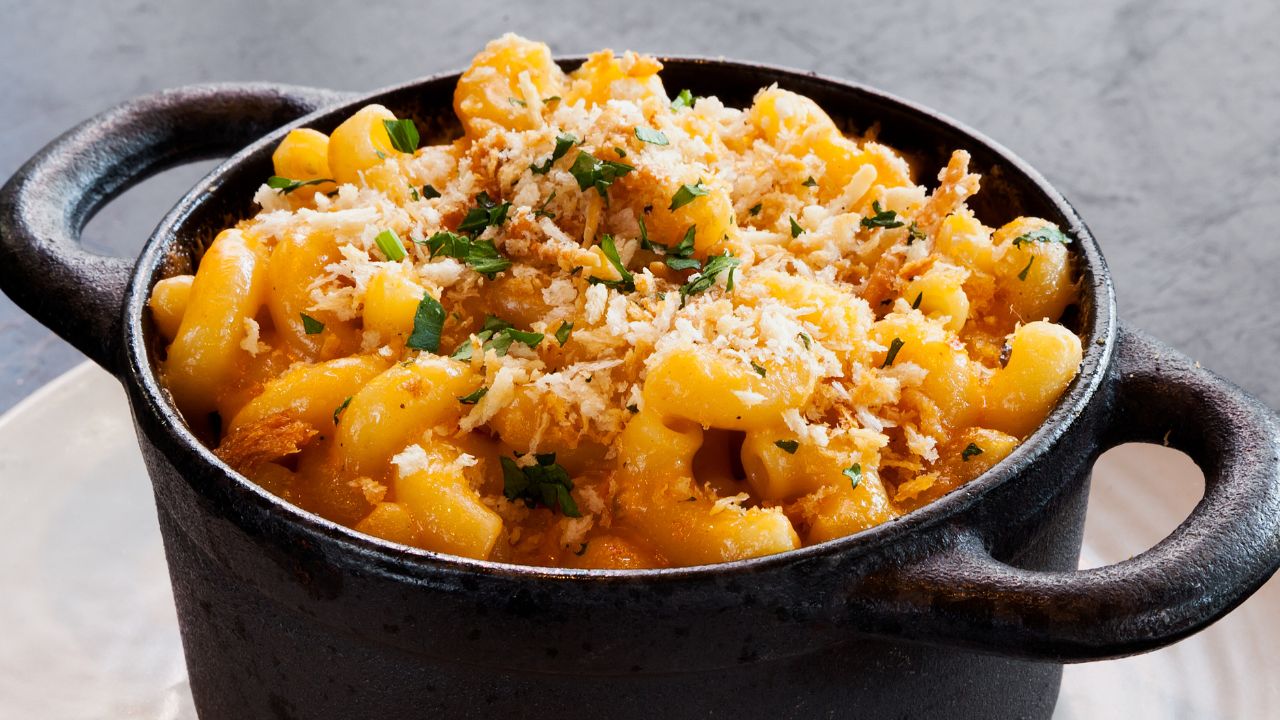
You haven’t lived until you’ve tried a steaming bowl of old-school Chili Mac! This brilliant marriage of macaroni and chili became a Depression-era superstar because it stretched two humble ingredients into a filling family meal. My grandma swears her mom could feed eight hungry mouths with just one pound of ground beef, a box of macaroni, and some creative seasoning. The genius lies in how the pasta soaks up all that rich, spicy chili goodness – no fancy sauce needed!
Making Chili Mac today still follows that same simple formula: brown your beef, add beans, tomatoes, and your favorite chili spices, then toss in the cooked macaroni. Some folks add cheese on top (because honestly, what doesn’t taste better with cheese?), while others keep it classic and cheese-free. The best part? You can whip up a huge batch for pennies per serving, and it tastes even better the next day. No wonder this budget-friendly comfort food has stuck around for nearly 100 years!
Depression-era Meatloaf
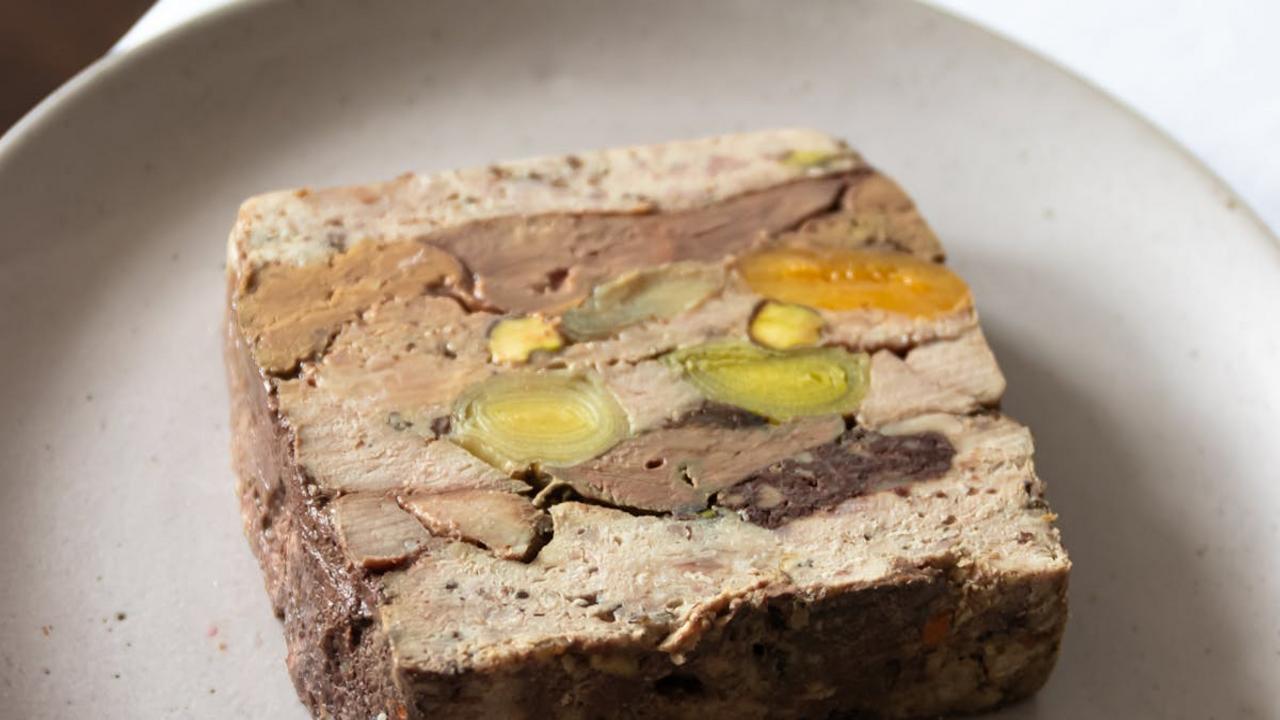
Your grandmother knew what she was doing with this Depression-era meatloaf! Back in those penny-pinching days, home cooks stretched their precious ground beef by mixing in oats, breadcrumbs, and whatever vegetables they had on hand. The result? A hearty, filling meal that could feed a whole family for just a few cents. I’ve tasted modern meatloaf recipes with fancy ingredients, but nothing beats this simple, savory version topped with a sweet-tangy ketchup glaze.
The secret to making this budget-friendly classic shine lies in the mix-ins. Finely diced onions, carrots, and celery add moisture and flavor, while milk-soaked bread or oats keep everything tender. My neighbor Mrs. Johnson swears by adding a dash of Worcestershire sauce – a Depression-era splurge her mother saved for special occasions. Want the real deal? Mix your ingredients gently (don’t overwork the meat!), form into a loaf, and bake until golden brown. This humble dish proves that sometimes the simplest foods bring the most comfort.
Spam Hash
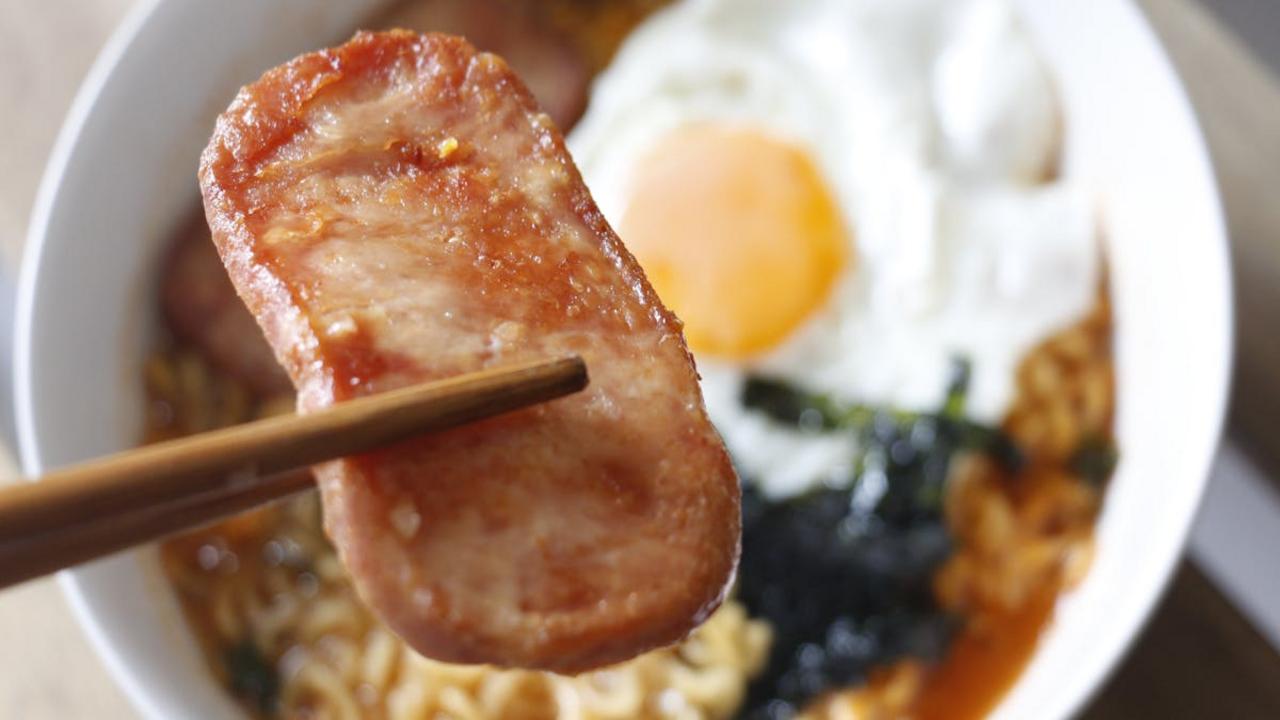
If you’ve never given Spam hash a chance, you’re missing out on one of the most satisfying and budget-friendly comfort foods from the Great Depression. During those tough times, families turned this humble canned meat into a hearty meal by dicing it up with potatoes and onions, then frying everything until golden and crispy. The salty, meaty Spam creates the perfect partnership with tender potatoes – think of it as the working class cousin of corned beef hash.
I mix mine with bell peppers for extra color and crunch, following my grandmother’s depression-era recipe that kept her family of six well-fed. The key? Getting that perfect crust on the bottom before flipping – patience pays off here! Top it with a runny fried egg, and you’ve got yourself a breakfast that would make any depression-era cook proud. The best part? This filling dish still costs just pennies per serving, proving that some of the most resourceful recipes from hard times remain downright delicious today.
Banana Bread
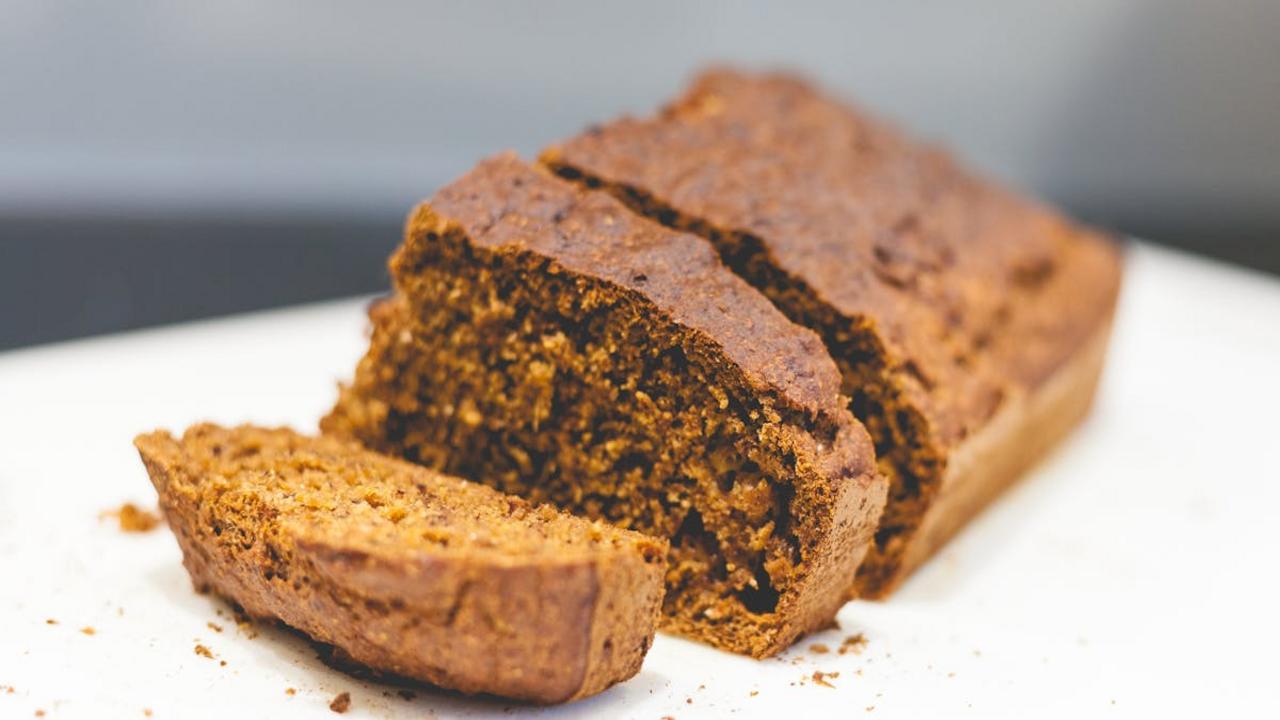
During the Great Depression, smart home cooks transformed their overripe bananas into warm, comforting banana bread instead of tossing them out. This genius money-saving hack quickly became a family favorite across America. The recipe calls for basic pantry ingredients – flour, sugar, eggs, and those spotted bananas nobody wants to eat fresh. You’ll find countless Depression-era recipe cards with notes scribbled in the margins about adding nuts, spices, or even a sprinkle of sugar on top before baking.
My grandmother swears the secret to perfect banana bread lies in using the darkest, ugliest bananas you can find – the ones that look ready for the compost bin. The darker the banana, the sweeter and more intense the flavor becomes. She learned this trick from her mother who lived through the Depression and made banana bread twice a week. The recipe’s simplicity and flexibility made it a depression-era star, while its moist, tender crumb and sweet banana flavor keep it a beloved breakfast and snack even today. Just mash those bananas, mix with your dry ingredients, pour into a loaf pan, and fill your kitchen with that irresistible aroma.
Peanut Butter Bread
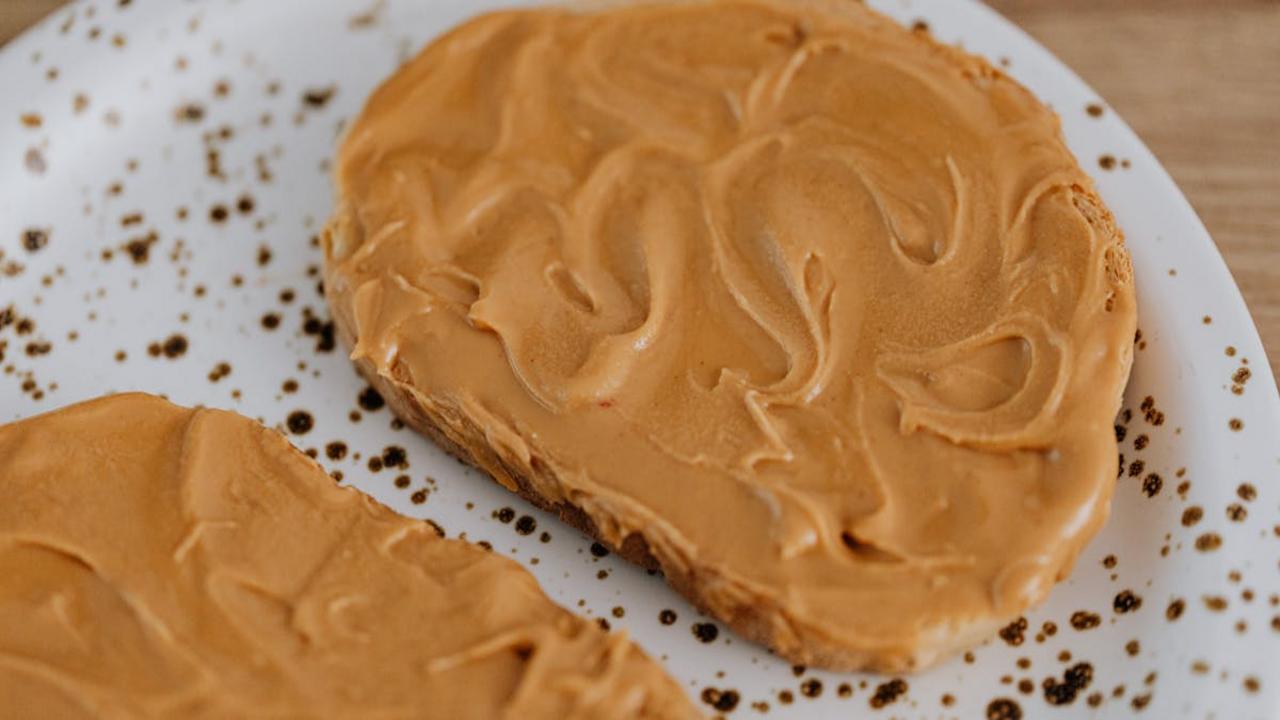
You haven’t lived until you’ve pulled a warm loaf of peanut butter bread from your oven! This Depression-era superstar came about when resourceful home bakers discovered they could swap pricey butter for affordable peanut butter. The result? A moist, nutty bread that costs pennies to make and fills your kitchen with the most incredible aroma. I make this bread at least once a month, and my kids mob the kitchen every time – there’s something magical about that peanutty goodness baked right into a soft, tender loaf.
The recipe couldn’t be simpler: mix flour, baking powder, salt, sugar, milk, and a generous scoop of peanut butter. No yeast, no fuss, no waiting around for dough to rise! Pour it into a loaf pan, pop it in the oven, and 45 minutes later you’ll have pure comfort food. My favorite way to eat it? Toasted with a drizzle of honey or topped with banana slices – though my grandmother swears by spreading MORE peanut butter on top. Talk about peanut butter paradise! This bread proves that sometimes the most modest ingredients create the most memorable foods.
Ritz Cracker Crust Pizza

Who knew those buttery Ritz crackers could transform into a genius pizza crust substitute? During the Great Depression, folks got creative with pantry staples, and this budget-friendly pizza hack became a family favorite. You’ll want to crush about 30 Ritz crackers, mix them with melted butter and a dash of Italian seasoning, then press the mixture into a pie pan. The result? A wonderfully crispy, flaky base that adds a unique twist to your homemade pizza night!
I’ve made this recipe countless times, and my kids go nuts for the extra buttery, slightly salty crust. Just top your Ritz base with whatever pizza fixings you have on hand – tomato sauce, cheese, pepperoni, or even canned vegetables (keeping true to those Depression-era roots). Pop it in the oven at 375°F for about 15 minutes, and you’ll have a pizza that’s both wallet-friendly and surprisingly delicious. The best part? That satisfying crunch when you bite into the golden-brown crust!
Egg Drop Soup

During the Great Depression, Chinese restaurants stayed afloat by serving affordable egg drop soup – a simple broth with wisps of beaten egg swirled through it. The beauty of this budget-friendly soup lies in its minimal ingredients: chicken broth, eggs, and a sprinkle of salt and pepper. My grandmother swears her mother would make this soup twice a week during the hardest years, stretching one chicken carcass into multiple meals by simmering it for broth and adding those golden egg ribbons.
You can whip up this comforting soup in under 10 minutes – just bring your broth to a simmer, stir it in a circular motion, and drizzle in beaten eggs to create those signature silky strands. Some Depression-era cooks would add corn starch to thicken the broth or toss in leftover vegetables to bulk it up. While modern versions often include fancy additions like sesame oil or green onions, the bare-bones Depression recipe proves that sometimes the simplest foods bring the most comfort. My favorite trick? Adding a dash of white pepper – it gives the soup a subtle kick that’ll warm you right up.
Creamed Chipped Beef on Toast
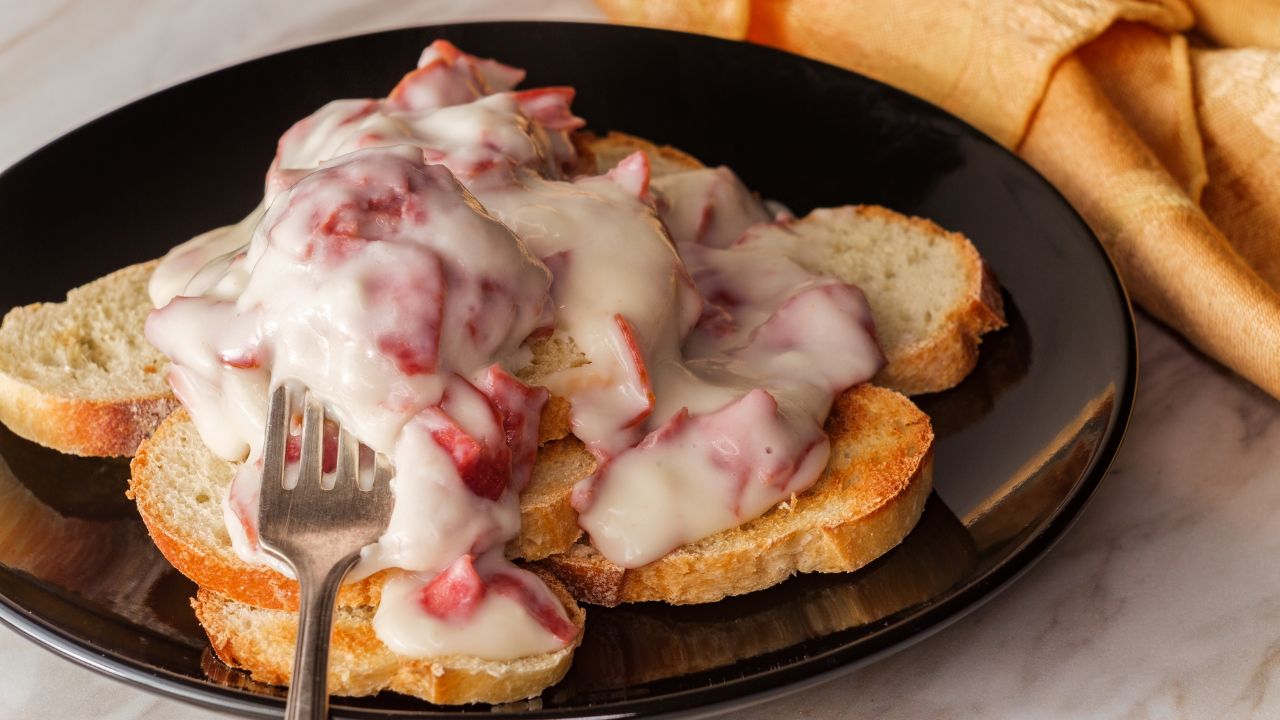
Oh, the comfort of creamed chipped beef on toast! Back in the Depression era, this budget-friendly meal kept countless families going strong – and I bet your grandparents remember it fondly. Picture this: tender, thin slices of dried beef swimming in a rich, creamy white sauce, all poured over golden-brown toast. The military folks nicknamed it “S.O.S” (you can guess what that stands for!), but don’t let that deter you – this filling dish packs way more flavor than its humble ingredients suggest.
You’ll want to start with dried beef (find it near the canned meats), butter, flour, milk, and your favorite bread for toasting. Make a simple white sauce by melting butter, whisking in flour until golden, then slowly adding milk until smooth and thick. Chop up that dried beef and toss it in – but here’s a pro tip: give the beef a quick rinse first to knock down the saltiness. My favorite part? That moment when the sauce hits the hot toast and soaks in just enough to create the perfect bite. Trust me, one plate of this nostalgic comfort food and you’ll understand why it stood the test of time!
Hoover Stew
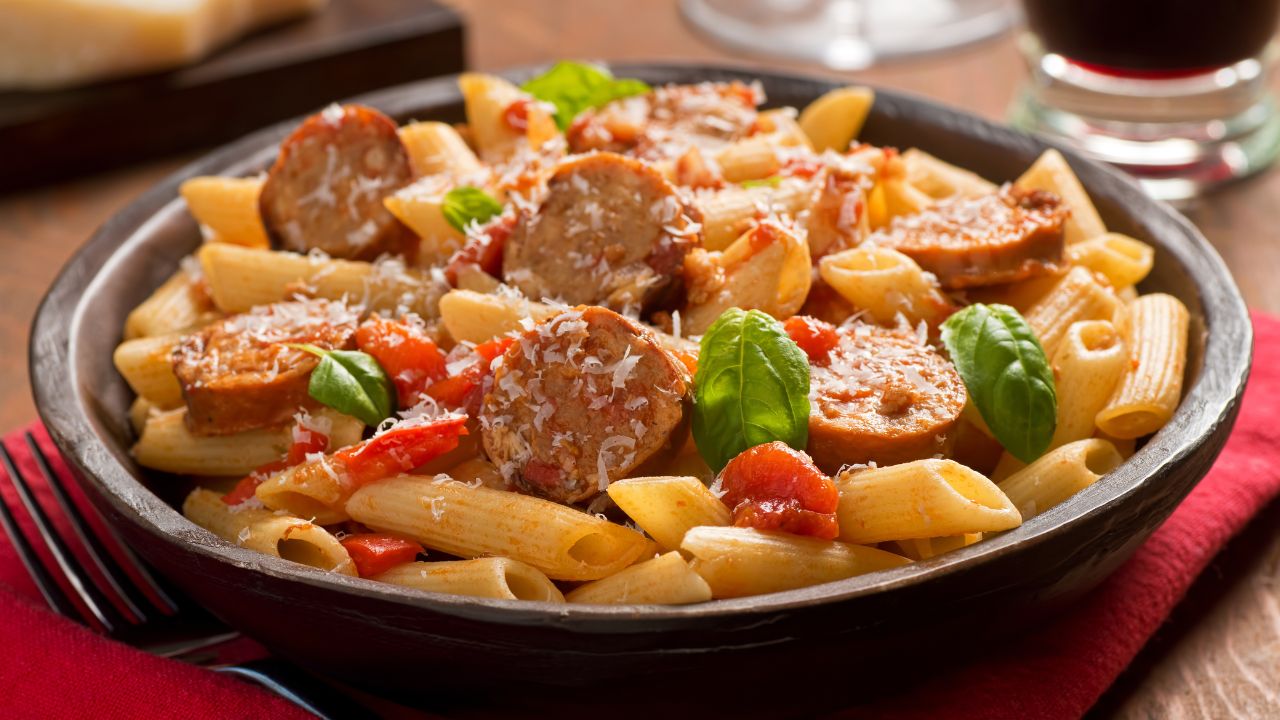
Named after President Herbert Hoover during the Great Depression, Hoover Stew became a go-to meal in soup kitchens across America. This budget-friendly dish combined macaroni, canned corn beef or stewed meat, and canned corn or vegetables into a hearty one-pot wonder. What makes this recipe genius is how it stretches minimal ingredients to feed many mouths – a true testament to Depression-era ingenuity. The starch from the pasta creates a naturally thick and satisfying base, while the meat adds protein and the vegetables bring color and nutrients.
You’ll find this comfort food remarkably adaptable – I’ve seen modern versions using everything from ground turkey to plant-based proteins. The basic recipe stays simple: cook your macaroni until tender, add your chosen protein and vegetables, then let it all simmer together until the flavors meld. My grandmother swears the secret lies in not rushing the process – giving the ingredients time to get cozy with each other in the pot. Despite its humble origins, this filling meal continues to win over new fans with its no-fuss preparation and soul-warming qualities.
Bean and Bacon Soup
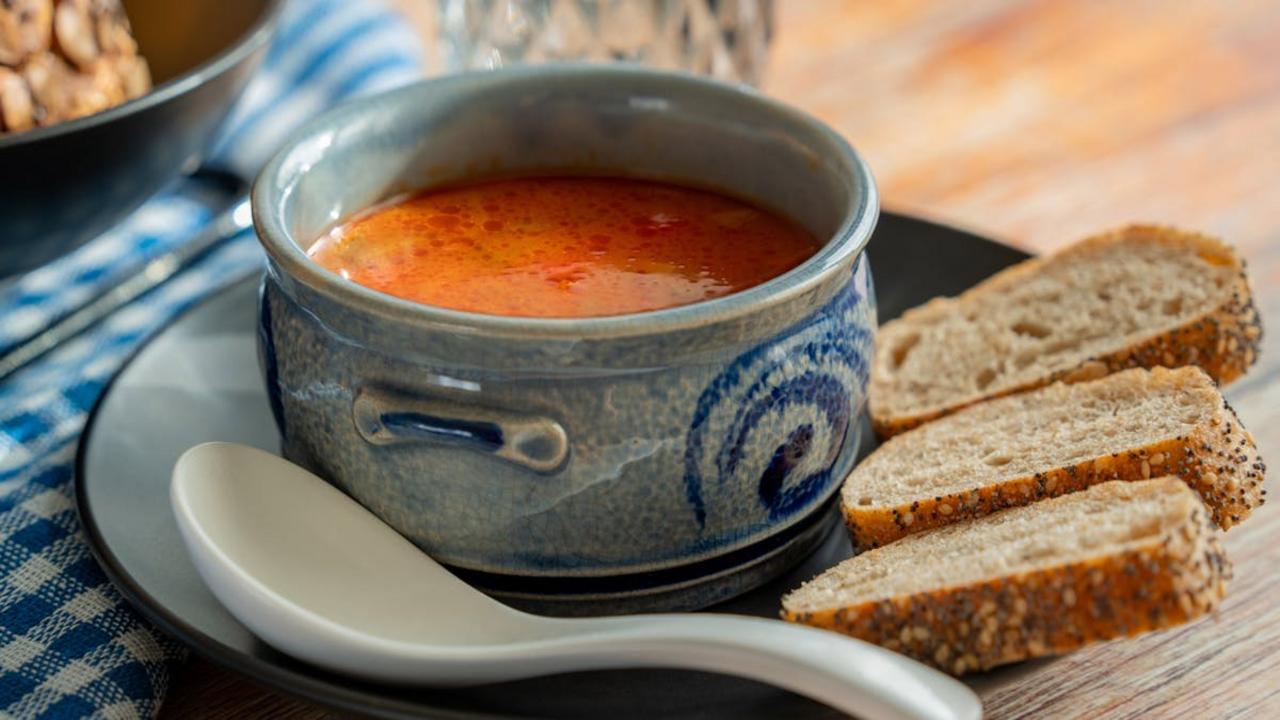
Want to know what kept folks going during the Great Depression? A hearty bowl of bean and bacon soup! This budget-friendly meal combines simple navy beans with smoky bacon pieces to create pure comfort in a bowl. Your grandma probably made this by soaking dried beans overnight, then slow-cooking them with bacon, onions, and whatever vegetables she had on hand. The result? A rich, creamy soup that could feed a whole family for pennies.
I recently made this old-school recipe and discovered why it became such a Depression-era staple. The bacon adds a deep, salty punch while the beans create a naturally thick broth without needing fancy ingredients. My favorite part? Tossing in some carrots and celery near the end gives the soup extra body and nutrition. Pro tip: Save your bacon grease to add an extra layer of smoky goodness – that’s exactly what thrifty cooks did back then! Serve it with cornbread, and you’ve got a meal that’ll make your wallet and your stomach happy.
Vinegar Pie

You might think vinegar and pie don’t belong in the same sentence, but this Depression-era dessert will make you question everything you know about baking! Born from necessity when fresh fruits were scarce, vinegar pie creates a tangy-sweet filling that’ll remind you of lemon meringue. The simple mix of vinegar, water, butter, sugar, and eggs transforms into a smooth, custardy treat that kept families going through tough times. My grandma swears the secret lies in using apple cider vinegar – it adds just the right zip without overwhelming your taste buds.
Making this pie takes me back to my first attempt in my tiny apartment kitchen. I’d run out of lemons for a dessert I’d promised to bring to a potluck, and remembered this old recipe card tucked away in my cookbook. What started as a desperate substitution turned into a conversation starter! The filling comes together in minutes – just whisk your ingredients, pour into a pie crust, and bake until set. The result? A silky smooth, perfectly balanced dessert that’ll have your friends begging for the recipe while they try to guess the secret ingredient.
Wacky Cake
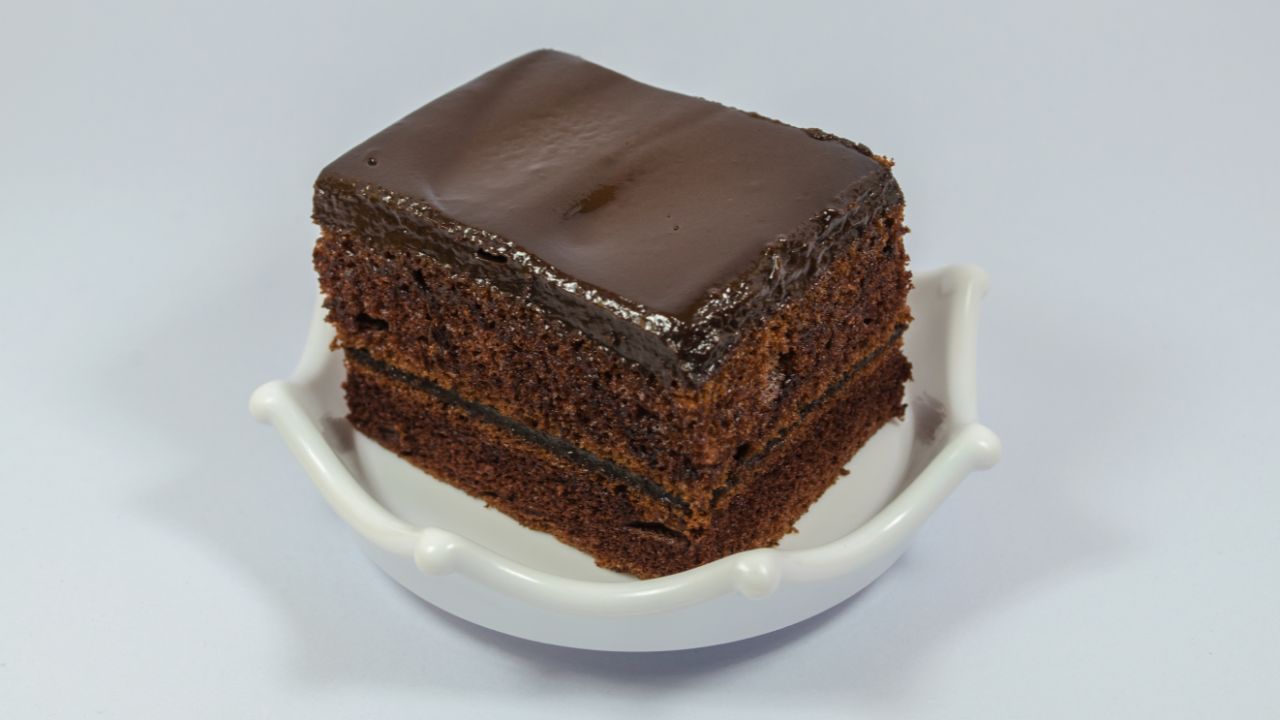
You’ll get a kick out of this Depression-era cake’s silly name and even sillier preparation method! Also known as “Crazy Cake” or “Depression Cake,” this chocolate masterpiece became popular because it doesn’t need eggs, milk, or butter – ingredients that were either too expensive or hard to find during the 1930s. Instead, you’ll mix flour, cocoa powder, and sugar with vinegar and vegetable oil. The fun part? You make three wells in the dry ingredients and pour the wet ingredients into them before stirring everything together.
The science behind Wacky Cake is pretty neat – the vinegar reacts with the baking soda to create bubbles, making the cake super light and fluffy without eggs. My grandmother swears the best way to make it is right in the baking pan – no bowls needed! Just dump, mix, and bake. The result? A rich, moist chocolate cake that’ll make you wonder why anyone bothers with fancy ingredients. Top it with a simple powdered sugar glaze or eat it plain – either way, this quirky cake proves that sometimes the best recipes come from making do with what you have.
Mock Apple Pie
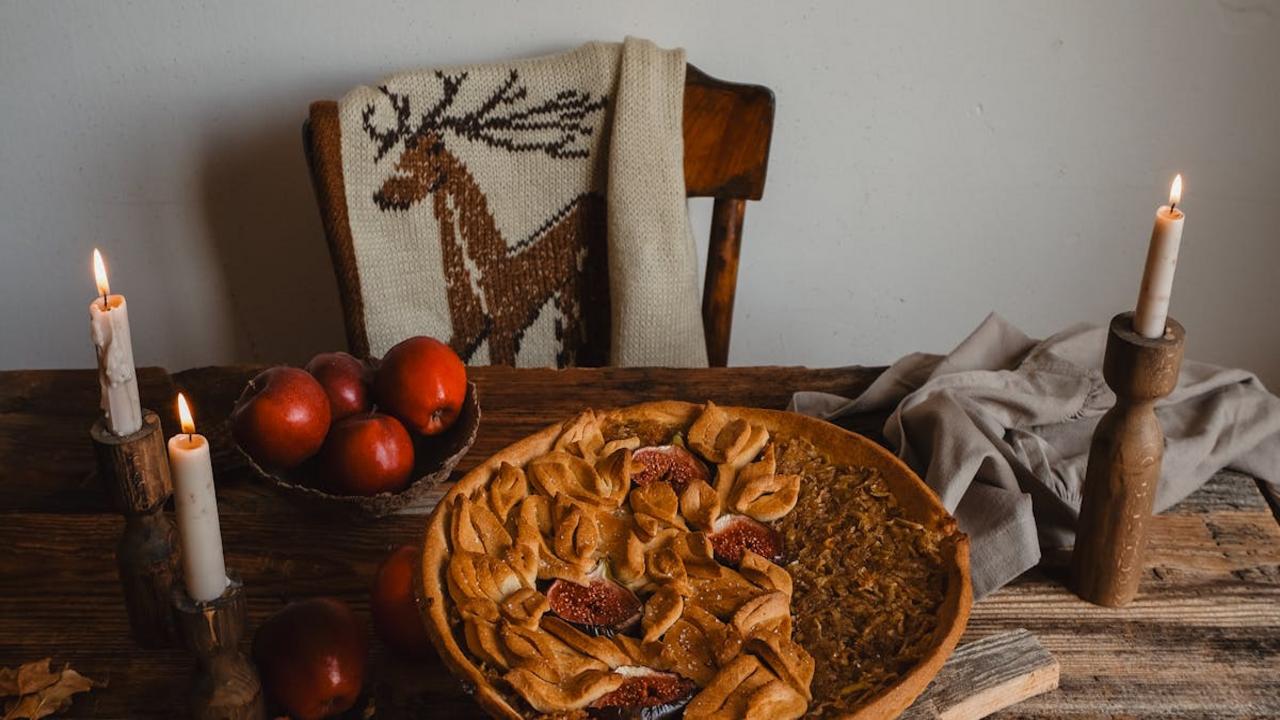
Here’s a Depression-era recipe that will make you do a double-take – Mock Apple Pie contains zero apples! Instead, my grandmother swears by crushed Ritz crackers, which amazingly transform into an apple-like filling when baked with cinnamon, sugar, and cream of tartar. The crackers soak up the syrupy mixture and take on a soft, fruity texture that genuinely tricks your brain into thinking you’re biting into real apple slices. I’ve served this to countless friends who refused to believe there wasn’t a single apple in sight!
The genius behind this clever substitute came from resourceful home cooks during the 1930s, when fresh fruit was either too expensive or hard to find. Ritz crackers hit the market in 1934 and quickly became a pantry staple for making this deceptive dessert. The recipe even made its way onto the back of Ritz cracker boxes, where many families discovered this money-saving trick. You’ll want about 36 crackers, some lemon juice, vanilla extract, and traditional apple pie spices to create this surprisingly authentic-tasting treat that will fool even the most discerning pie critics.
Cornmeal Mush

Your grandma probably remembers cornmeal mush fondly – this humble dish kept countless families going during the Great Depression. Made by cooking cornmeal with water or milk until thick and creamy, it’s basically the predecessor to today’s polenta (though don’t you dare call it that around Depression-era cooks!). I like to think of it as the original “stretch your dollar” breakfast that actually worked. You could eat it hot and creamy for breakfast with butter and syrup, or let it cool until firm and fry it up in crispy squares for dinner.
The real magic of cornmeal mush lies in its versatility and penny-pinching power. One cup of cornmeal mixed with water could feed a family of four, making it a depression-era superstar. My favorite way to serve it? Cool it overnight, slice it thin, fry it golden brown in a skillet with a pat of butter, then drizzle with maple syrup. The outside gets wonderfully crispy while the inside stays soft and warm. Some folks even went savory, topping their fried mush with gravy or cheese – proving that creativity in the kitchen existed long before fancy cooking shows!
Potato Pancakes
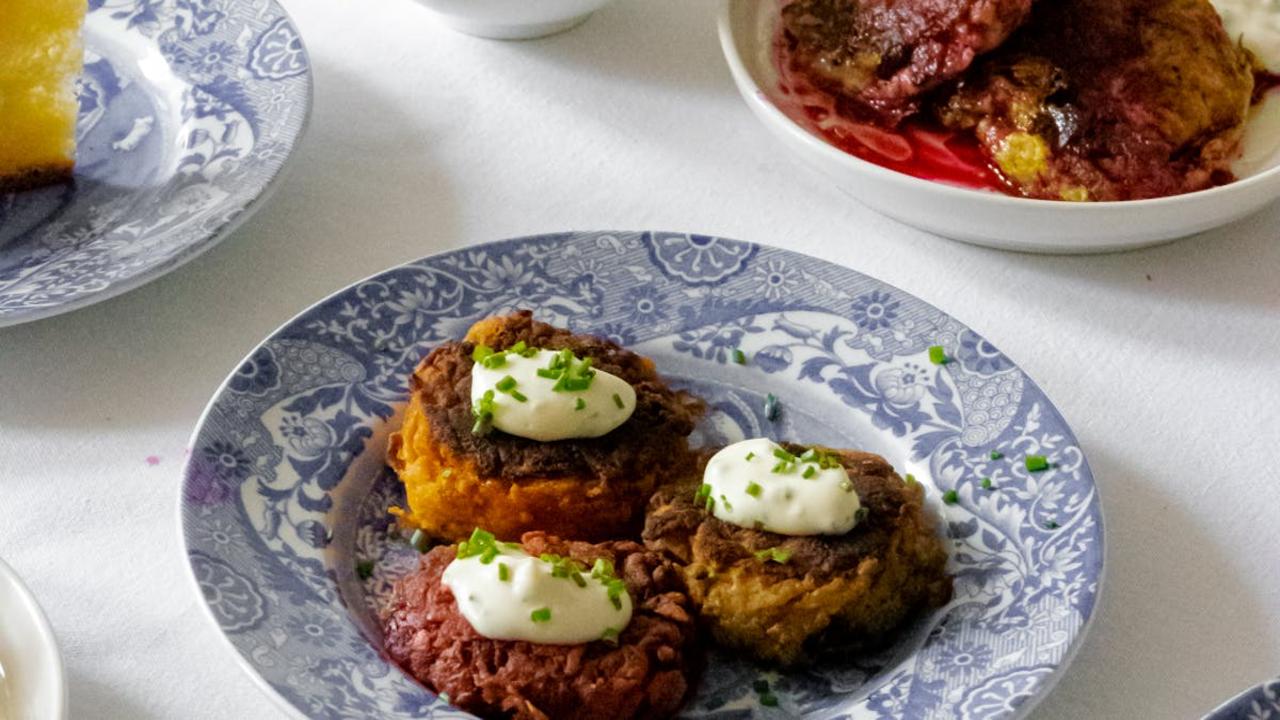
Nothing screams comfort food quite like crispy potato pancakes! During the Great Depression, resourceful home cooks transformed humble spuds into these golden-brown beauties by grating raw potatoes and onions, mixing them with a bit of flour and egg, then frying them until perfectly crisp. The simple recipe made the most of cheap, filling potatoes while creating something truly mouthwatering. My grandmother swears these saved dinner more times than she could count – especially on those lean end-of-month days when the pantry was running low.
You’ll want to squeeze out as much liquid as possible from your grated potatoes – that’s the secret to achieving that satisfying crunch! Mix your wrung-out potatoes with finely diced onions, a beaten egg, a few tablespoons of flour, and a good pinch of salt and pepper. Drop spoonfuls into hot oil and fry until golden on both sides. Some Depression-era families would top these with homemade applesauce or sour cream when they could get it, but they’re just as delicious plain. Trust me, once you master these crispy bites of potato heaven, they’ll become a regular in your dinner rotation!