12 Hot-Button Foods – Adored or Abhorred?
Some foods spark instant love-or-hate reactions the moment you mention them. No middle ground exists – you either crave these controversial ingredients or run screaming in the opposite direction. From the pungent power of durian to the salty smack of Marmite, these 12 foods divide dinner tables and spark heated debates worldwide.
I’ve watched friendships crumble over pineapple pizza toppings and witnessed families split into Team Cilantro vs. Team Soap-Taste at Mexican restaurants. These polarizing foods create such strong reactions that scientists study the genetic factors behind why we love or loathe certain flavors.
Ready to pick sides? Whether you’re team anchovy or firmly against fish on anything, this deep-dive into 12 of the world’s most controversial foods will make you laugh, cringe, and maybe even change your mind about that jar of Vegemite gathering dust in your pantry.
Wasabi
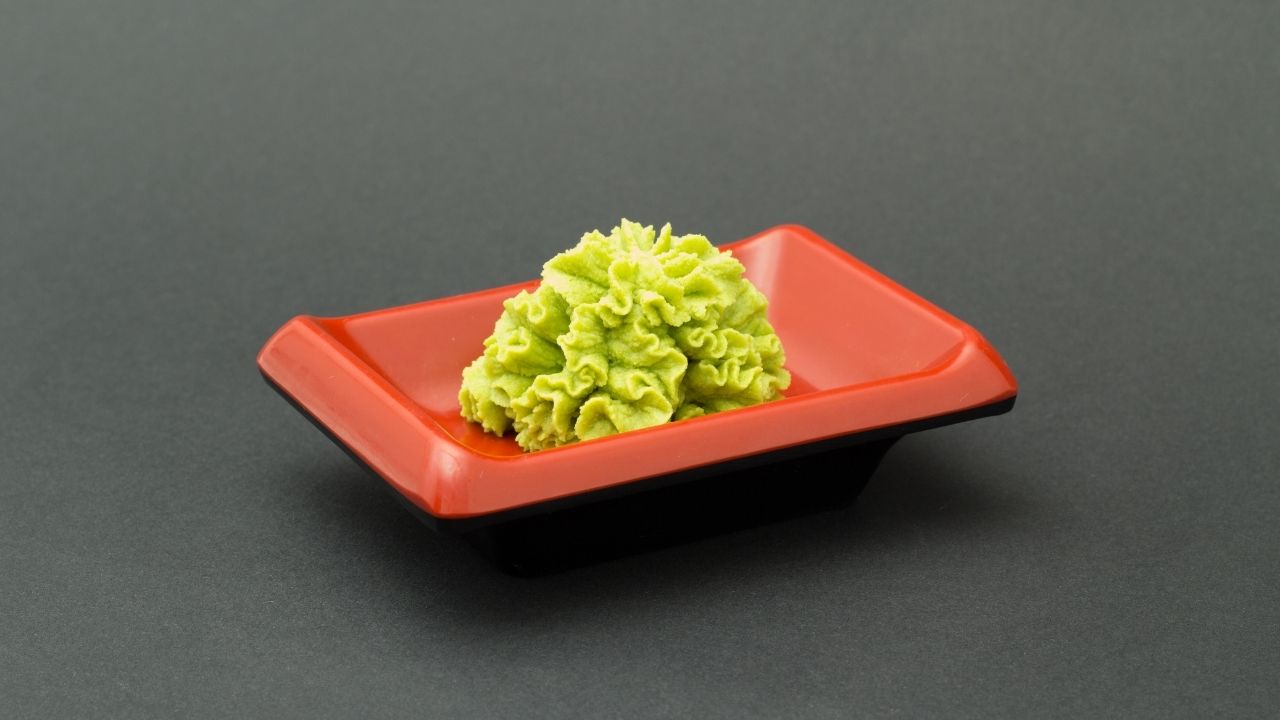
Most Americans think they know wasabi from their sushi adventures, but I’ve got news for you – that green paste you’re mixing into your soy sauce? It’s probably just horseradish and food coloring! Real wasabi costs around $250 per kilogram and loses its punch in just 15 minutes after grating. The genuine article comes from the wasabia japonica plant root, which Japanese farmers grow in spring water beds for months before harvest. The authentic stuff has a complex sweetness followed by a clean, hot kick that tickles your sinuses without the lingering burn of its impostor cousin.
If you want to spot the real deal, look for the chef grating it fresh on a sharkskin board called an oroshigane. The traditional method releases enzymes that create wasabi’s signature heat and flavor. While some people run screaming from anything wasabi-flavored, others can’t get enough of its unique punch. Japanese cuisine has featured this spicy root for over a millennium, using it not just for flavor but also as a natural antibacterial agent for raw fish. Now that’s what I call smart eating – delicious and practical!
Vegemite
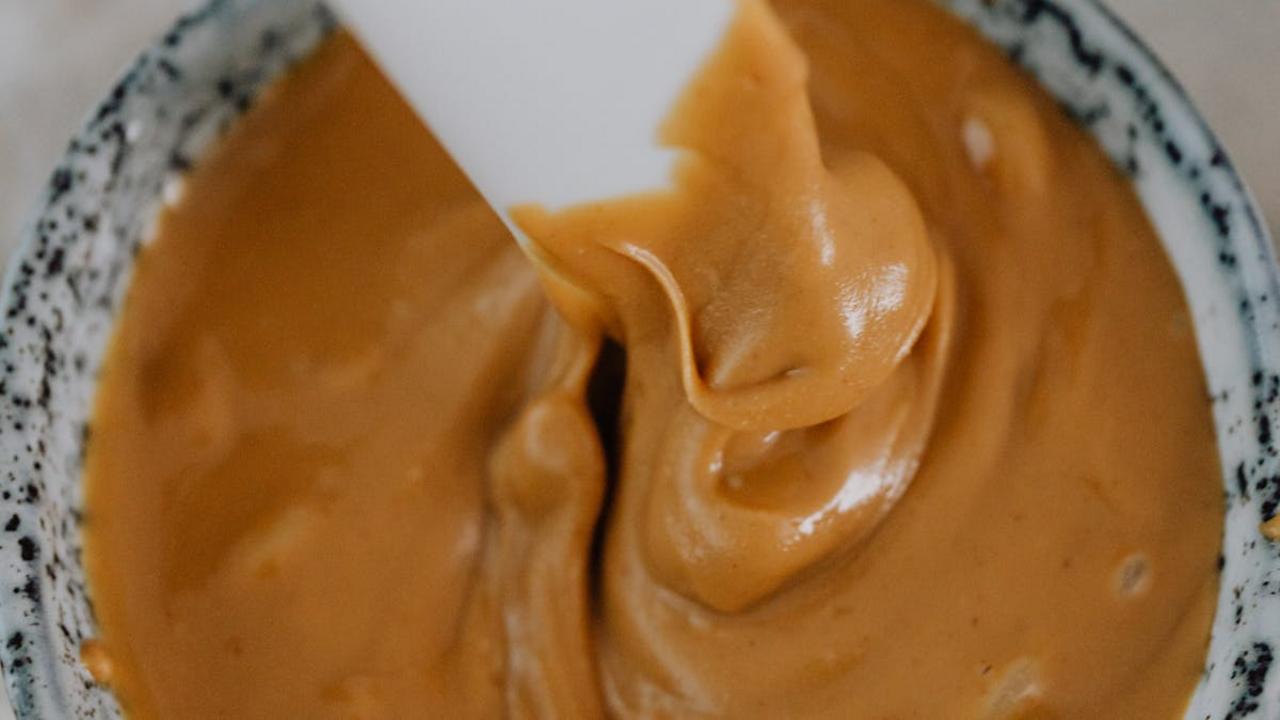
You’ll either squeal with delight or run screaming from Vegemite – there’s no middle ground with this iconic Australian spread! This sticky, dark brown paste made from leftover brewers’ yeast extract has divided families, sparked debates, and confused tourists for generations. While Aussies slather it on their morning toast like it’s liquid gold, most first-timers make the rookie mistake of treating it like Nutella and end up with a mouth full of super-salty, intensely savory spread that kicks their taste buds into overdrive.
The genius of Vegemite lies in its simplicity – just spread a paper-thin layer on buttered toast, and you’ll discover why Australians consume over 22 million jars annually. Rich in B vitamins and born during World War I food shortages, this humble spread has become such a cultural icon that you’ll find it mentioned in Men at Work’s hit song “Down Under.” Want my pro tip? Mix a tiny bit into your gravy or stew for an umami bomb that’ll make your dinner guests beg for your secret ingredient. Just don’t tell the Vegemite-haters what’s in it!
Tofu
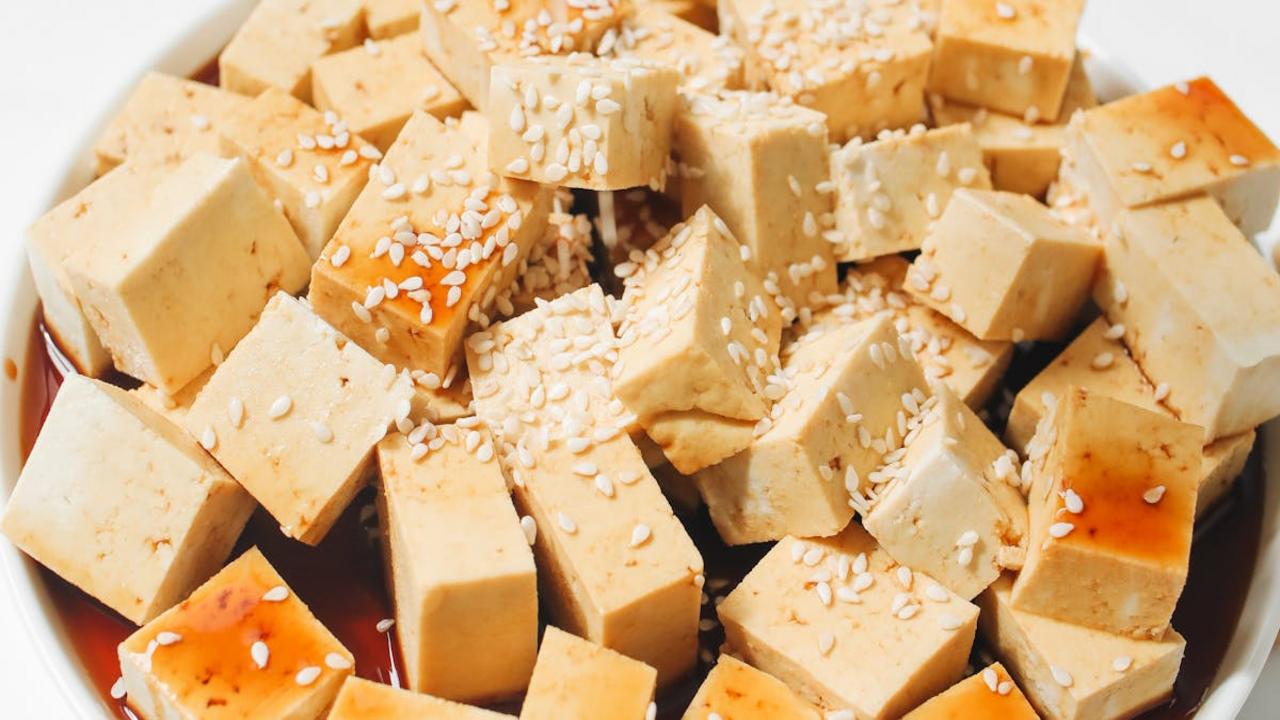
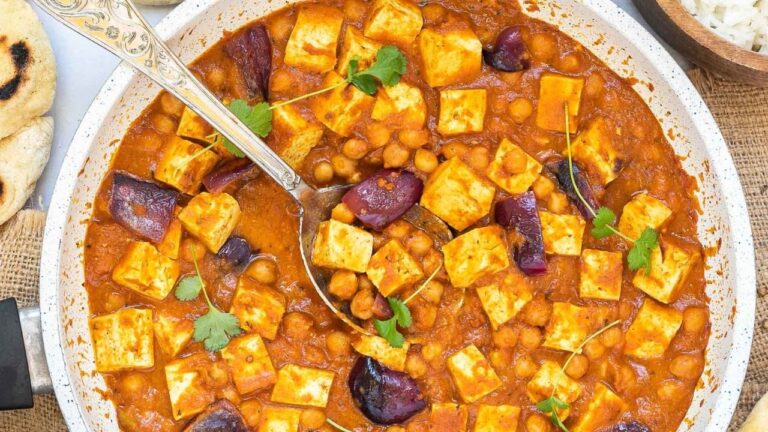
Ah, tofu – the food that sparks more heated dinner table debates than politics! This humble block of coagulated soy milk has been dividing opinions faster than you can say “bean curd.” While some folks run screaming at the sight of its wobbly white surface, others can’t get enough of its chameleon-like ability to soak up flavors. I’ve met people who swear tofu tastes like nothing (spoiler alert: they’re probably not cooking it right), and others who’ve mastered the art of transforming it into everything from crispy nuggets to creamy desserts.
What makes tofu so fascinating is its rich history dating back 2,000 years to ancient China, where legend says it was accidentally discovered by a cook who curdled soy milk with nigari. Today, you’ll find tofu in countless forms – silken, firm, extra firm, smoked, fermented – each with its own personality. My favorite tofu trick? Freezing it solid then thawing it out creates a spongier texture that soaks up marinades like nobody’s business. And for anyone who claims tofu is boring, I dare you to try it deep-fried and coated in sweet chili sauce – it might just change your mind about this controversial cube!
Sardines
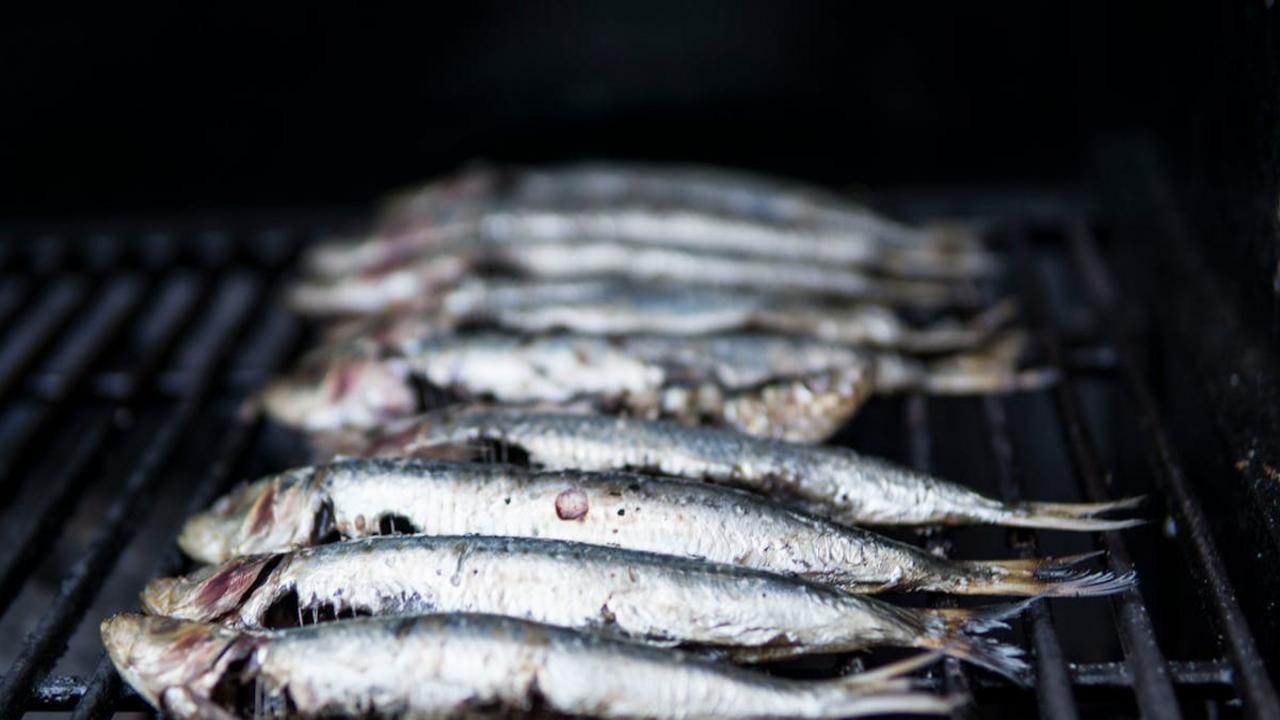
You’ll find few foods that divide opinion quite like sardines – those tiny, silvery fish that come packed like swimmers at a pool party. I’ve watched dinner guests literally run from the room when I crack open a tin, while others grab forks and dive right in. These small but mighty fish pack more omega-3s than salmon, enough calcium to make milk jealous, and a hefty dose of vitamin D. Yet their reputation often swims in murky waters, thanks to their intense fishy aroma and the whole “eating them with their heads on” thing that freaks some people out.
Here’s the funny thing about sardines – they’re actually a superstar of sustainability. Unlike their fancy cousin tuna, sardines reproduce quickly and don’t contain those pesky heavy metals. My grandmother used to tell stories about serving them on crackers during bridge club meetings in the 1950s – back when they were considered a fancy party snack! Today, you’ll spot them starring in trendy Spanish tapas bars and Italian restaurants, often grilled fresh with lemon and herbs. I love them mashed on toast with avocado and hot sauce, though my cat Maurice thinks I should share them straight from the can (sorry buddy, these are mine!).
Pineapple on Pizza
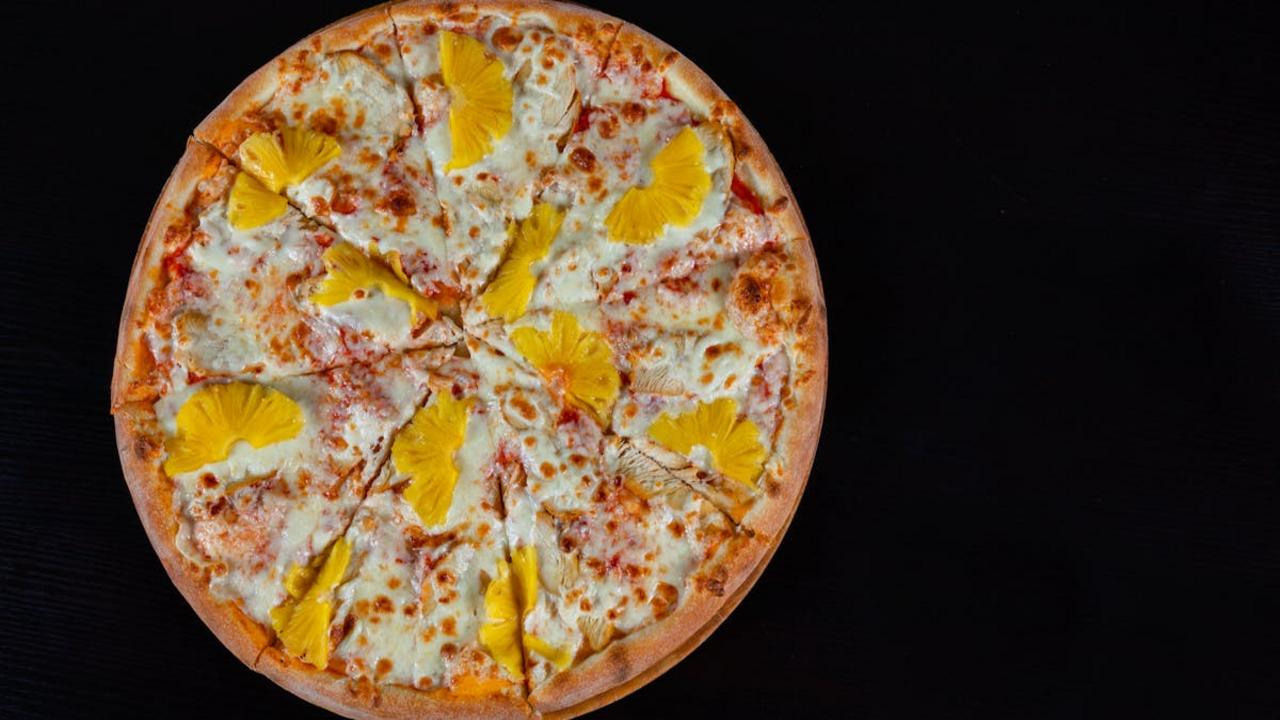
You’ll never find a more divisive pizza topping than pineapple! This tropical fruit has sparked heated debates, ruined friendships, and even caused international incidents (okay, maybe not that last one). The infamous “Hawaiian Pizza” wasn’t even created in Hawaii – it was actually invented by Sam Panopoulos, a Greek-Canadian restaurateur, in 1962. He had a wild idea to mix sweet and savory flavors by combining canned pineapple with ham on a pizza, and boom – food history was made, for better or worse.
The great pineapple pizza divide runs deep – some swear by the sweet-salty combo that happens when warm pineapple mingles with melted cheese and crispy ham. Others consider it an absolute crime against Italian cuisine. Even celebrity chefs have picked sides: Gordon Ramsay despises it, while Alton Brown defends it. The debate got so heated in 2017 that Iceland’s President Guðni Th. Jóhannesson jokingly suggested banning pineapple on pizza, causing such an uproar that he had to issue a public statement clarifying his position. Now that’s what I call pizza drama!
Olives
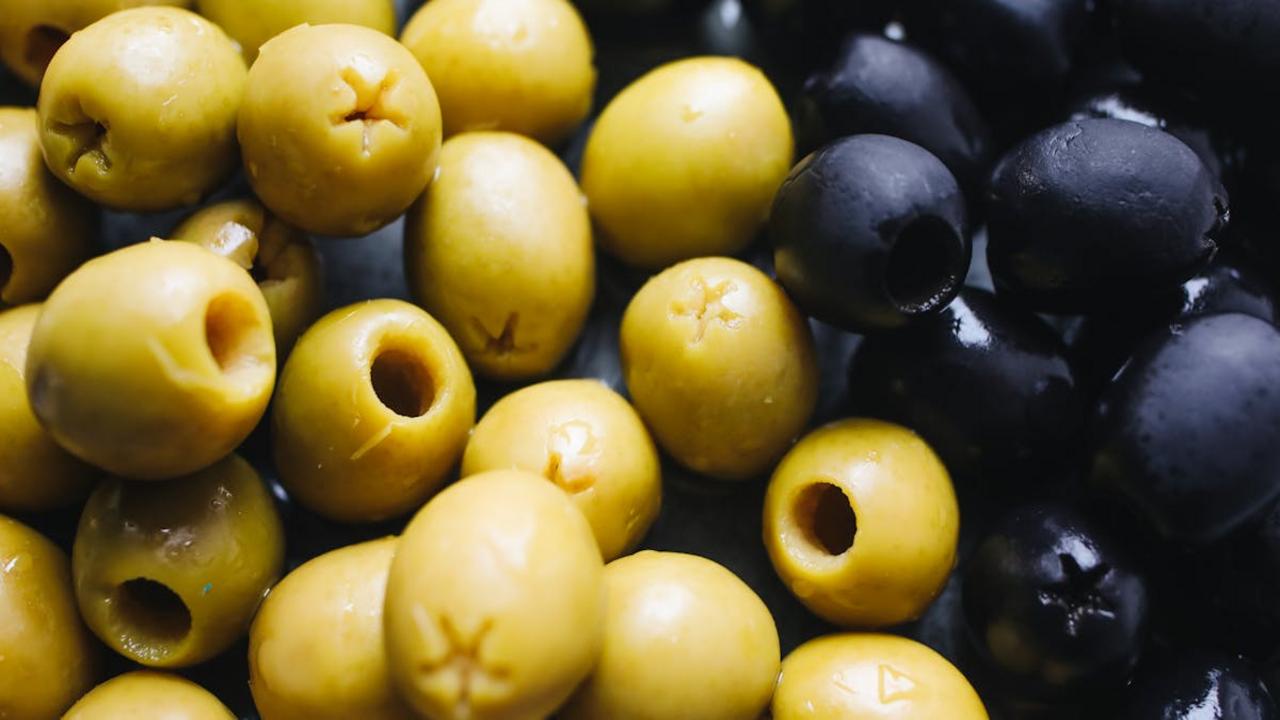
You’ll find few foods that split opinions quite like olives! These little fruits (yes, they’re technically fruits) spark heated debates at dinner parties worldwide. Some people pop them like candy, while others react like they’ve just bitten into something truly offensive. The intensity of olive opinions runs so deep that I’ve witnessed friendships temporarily fracture over pizza topping choices. What makes this divide even funnier? Scientists say your olive preference might be genetic – just like how some people think cilantro smells like soap!
If you’ve only tried those bland black olives from a can, you’re missing out on a whole world of flavors. From the buttery Castelvetranos of Sicily to the punchy Kalamatas of Greece, each variety brings its own personality to the party. The ancient Greeks valued olives so much they made them sacred to Athena and punished anyone who damaged an olive tree with exile or death – talk about taking your snacks seriously! And while modern penalties aren’t quite so harsh, the passion for (or against) olives remains just as fierce today.
Marmite
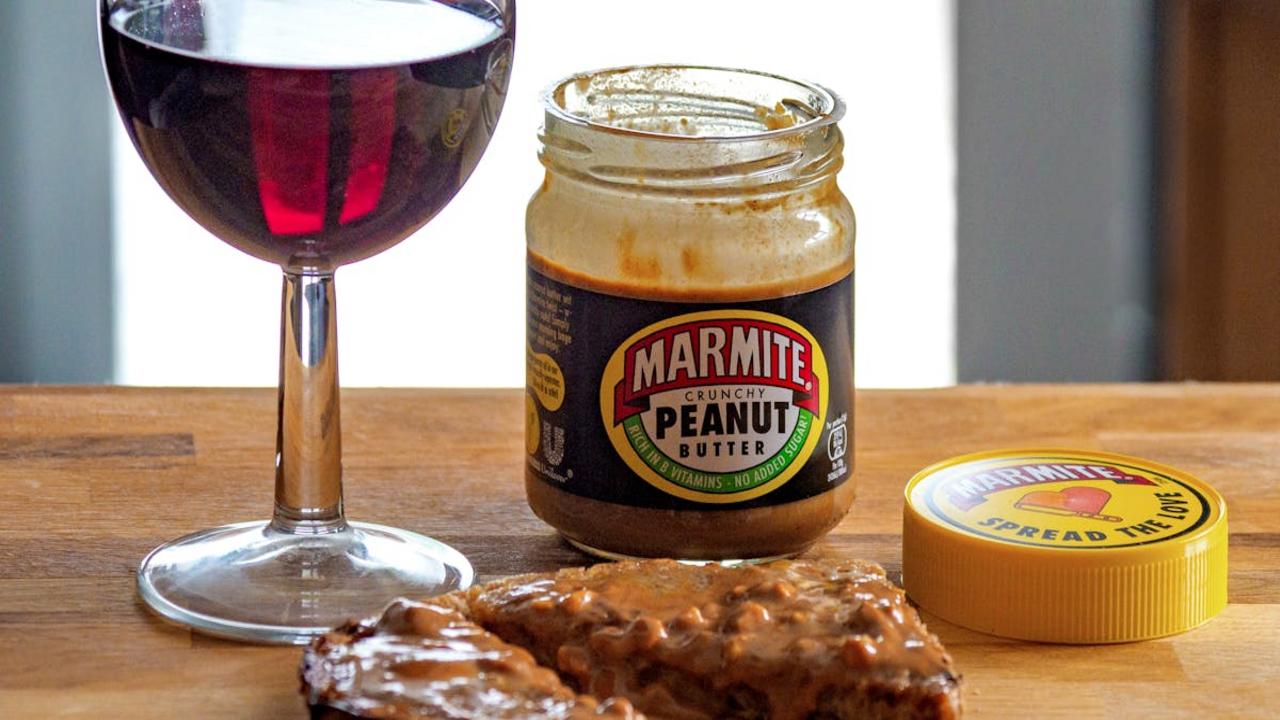
You’ll never meet a more polarizing spread than Marmite – people either worship it or run screaming from the room! This thick, dark brown British invention started as a happy accident in 1902 when a German scientist discovered he could concentrate leftover brewer’s yeast into a savory paste. Think of it as Britain’s answer to soy sauce – deeply umami, intensely salty, and absolutely packed with B vitamins. I’ve seen friendships tested over Marmite debates, with devoted fans slathering it thick on buttered toast while critics compare it to tar.
The marketing team behind Marmite brilliantly capitalized on this love-hate relationship with their “You either love it or hate it” campaign. British households today still divide themselves into Marmite and anti-Marmite camps. While some spread it thin on crackers or mix it into gravies and stews, others claim just opening the jar makes them queasy. Fun fact: During World War I, Marmite became part of British soldiers’ ration packs because of its high B vitamin content. The tiny jar even helped prevent cases of beriberi among troops! Now that’s what I call turning waste into wonder – who knew leftover beer yeast could create such drama at breakfast tables?
Durian
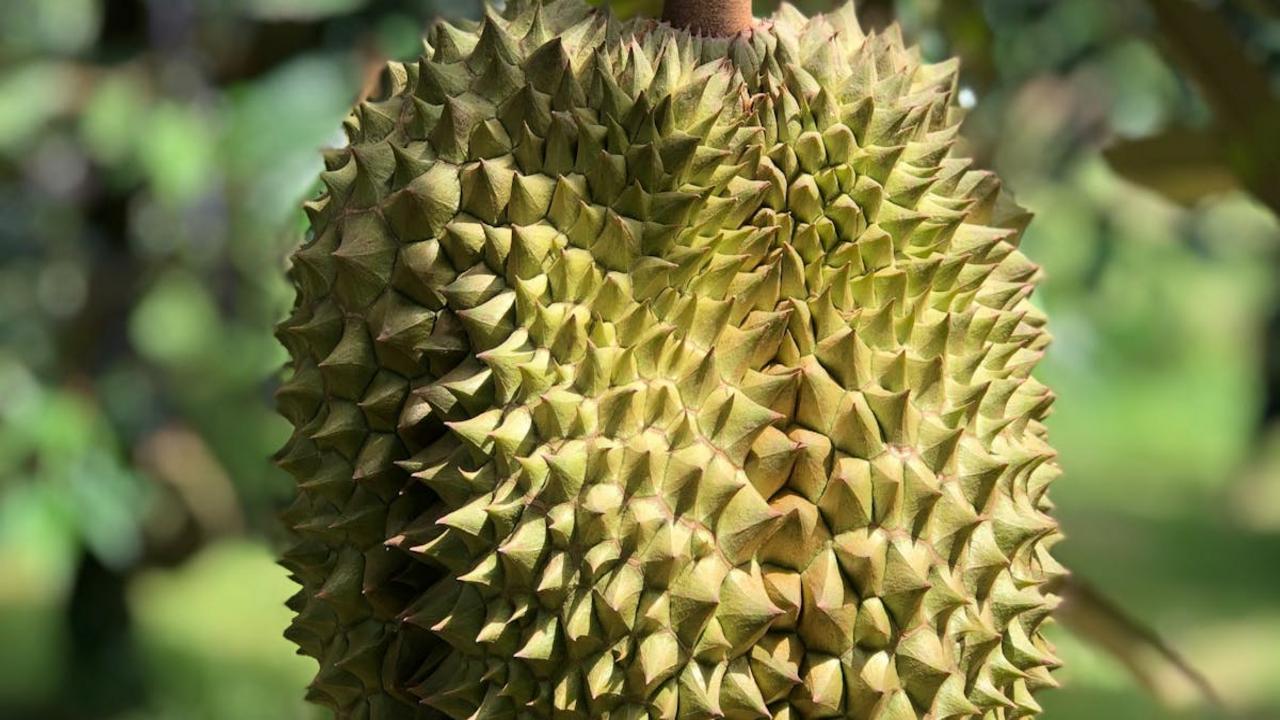
Ah, durian – the infamous “King of Fruits” that’s banned in hotels, planes, and public spaces across Southeast Asia! This spiky, football-sized fruit packs such a powerful punch that you’ll either worship it or run away screaming. The creamy yellow flesh inside smells like a mix of rotting onions, gym socks, and sweet custard (yes, really). Yet millions of people in Malaysia, Thailand, and Indonesia absolutely adore it. I’ve watched friends fight over the last piece while others dramatically plug their noses and flee the room.
Despite its divisive reputation, durian delivers an incredibly complex flavor profile – think caramelized almonds mixed with vanilla cream and garlic. The texture feels like butter-soft cheese that melts in your mouth. Fun fact: some scientists discovered that durian’s legendary stink comes from the same compounds found in skunk spray! But if you can get past the smell, you’ll discover why people shell out hundreds of dollars for premium varieties like the coveted Musang King. Just remember – eating durian will make your breath smell for hours, so maybe skip it before that important meeting or first date!
Cilantro
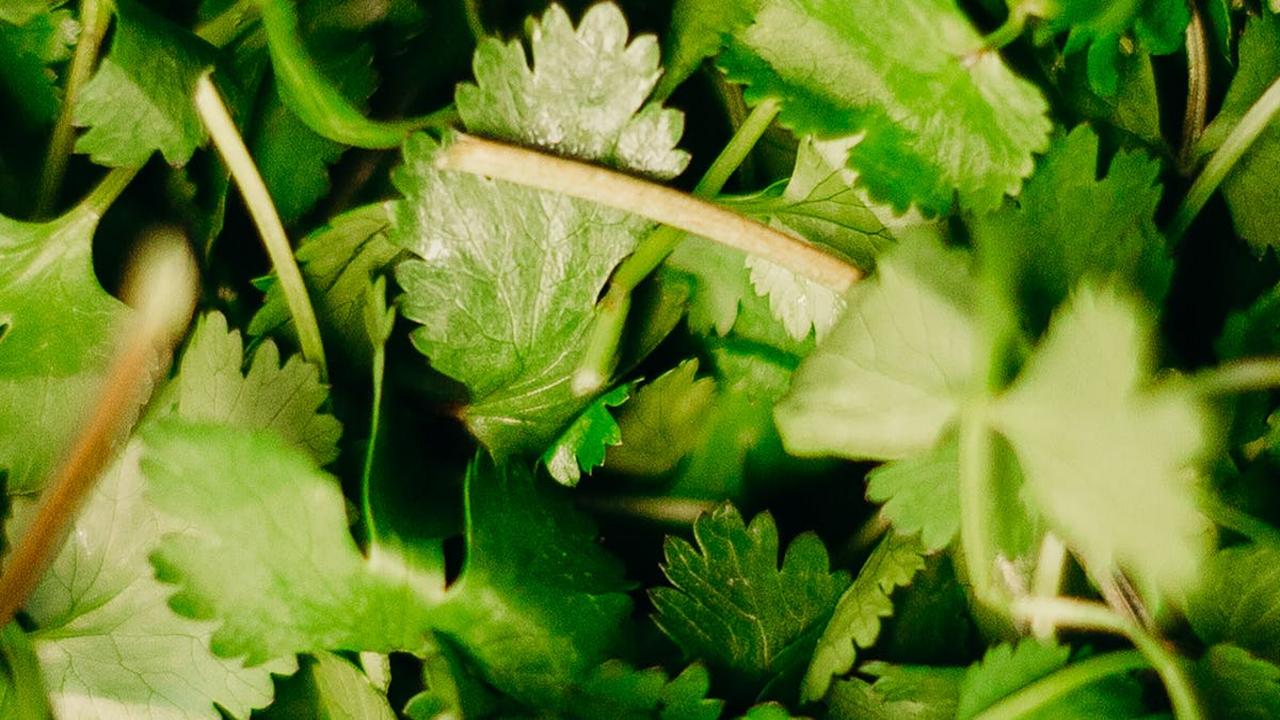
Ah, cilantro – the herb that splits dinner parties faster than political discussions! This leafy green creates such passionate reactions that scientists actually studied why some people love it while others think it’s pure evil. The explanation? A genetic variation makes about 4-14% of people experience cilantro as tasting like soap. Next time your friend pushes away your guacamole claiming it “tastes like Dawn dish detergent,” you can blame their OR6A2 gene rather than your cooking skills!
Mexican, Indian, Thai, and Vietnamese cuisines wouldn’t shine without cilantro’s bright, citrusy punch. Every part of the plant brings something unique to the table – the leaves add fresh zest to salsas and curries, while the seeds (known as coriander) pack a warm, nutty flavor perfect for spice blends. But here’s a fun tidbit: ancient Romans used cilantro as a perfume and aphrodisiac. They’d stuff their mattresses with it, hoping its aromatic powers would spice up their love lives. Talk about taking “food of love” to a whole new level!
Brussels Sprouts
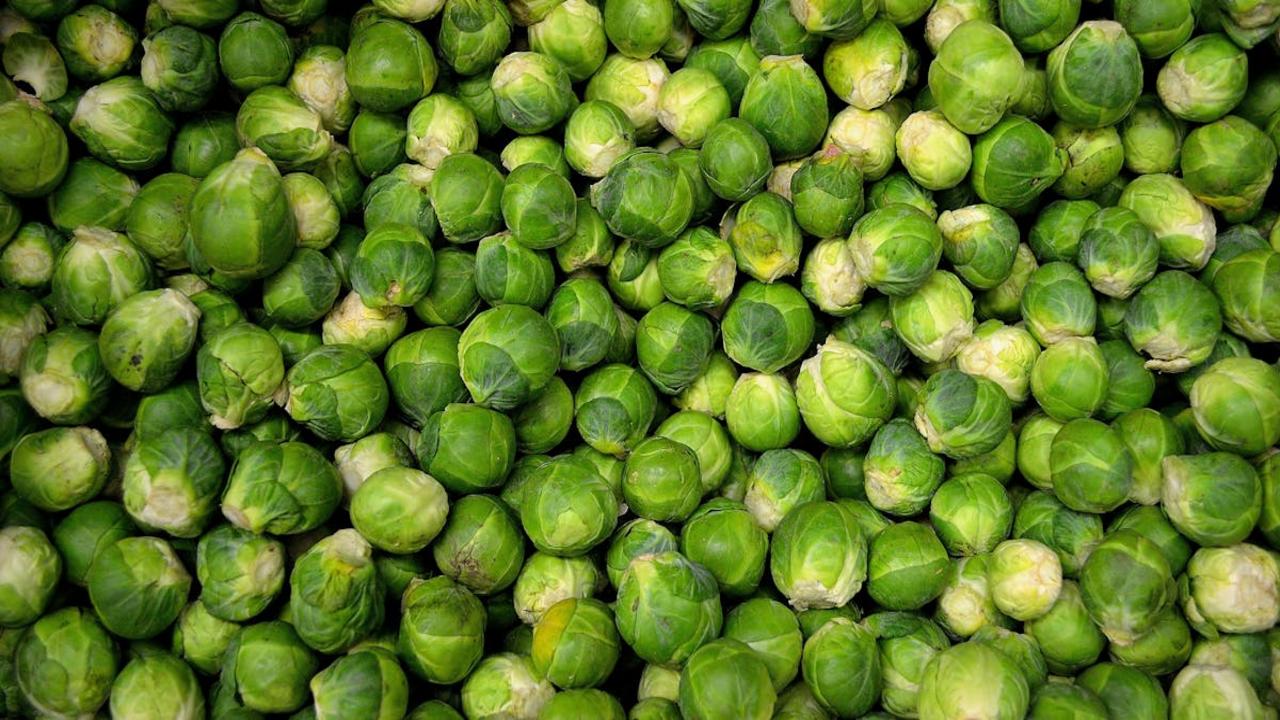
I was that kid who pushed Brussels sprouts around my plate, creating little green mountain ranges while pretending to eat them. Now? I’m the annoying friend who won’t shut up about how amazing these mini cabbages really are! The secret? Don’t boil them to death like our grandmothers did. Roast these beauties with olive oil and bacon until they’re crispy and caramelized, and you’ll discover a completely different vegetable. Trust me, nothing beats the nutty sweetness of properly cooked Brussels sprouts, especially when they get those crispy outer leaves that crunch like potato chips.
Here’s a fun fact that’ll make you look at Brussels sprouts differently – they’re actually named after Brussels, Belgium, where they gained popularity in the 16th century. And if you think all Brussels sprouts equal bitter disappointment, blame your genes! About 50% of people have a specific genetic variation that makes them super-sensitive to the bitter compounds in these vegetables. But don’t let that stop you – try them shredded raw in salads, stir-fried with garlic, or my personal favorite: halved and roasted with balsamic glaze until they’re golden brown. Your childhood nemesis might just become your new favorite side dish!
Black Licorice
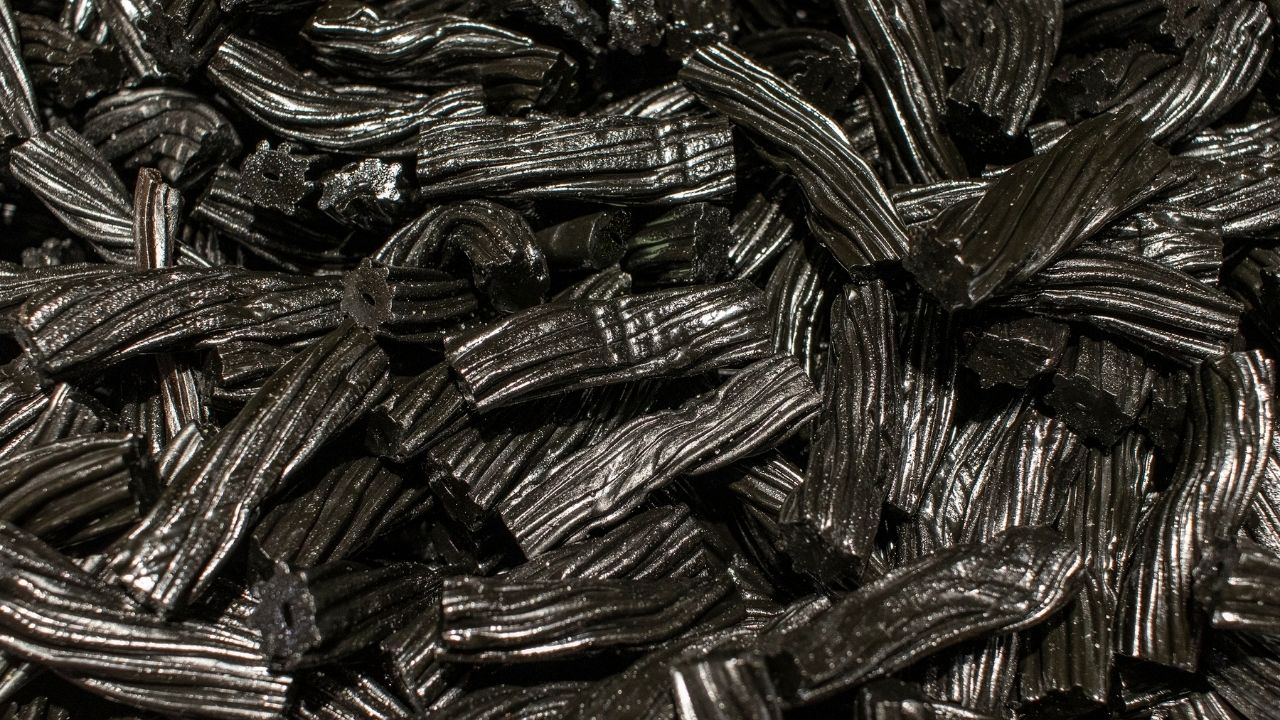
Black licorice stands proudly as the Jekyll and Hyde of the candy world – you either want to marry it or murder it. Made from the root extract of Glycyrrhiza glabra (try saying that five times fast!), this dark, twisted candy rope has sparked more dinner table debates than politics and religion combined. Fun fact: the word “licorice” comes from the Greek words “glykys” meaning sweet and “rhiza” meaning root. Real black licorice contains zero chocolate – that intense dark color comes from the molasses used in the manufacturing process.
While Americans often turn their noses up at black licorice, the Dutch consume more of it per capita than any other nation on Earth – about 4.5 pounds per person annually! They’ve created countless varieties, from soft and chewy to hard and salty. But before you go on a licorice binge, here’s a wild fact: the FDA warns that eating 2 ounces of black licorice daily for two weeks can cause irregular heart rhythms in people over 40. Who knew this polarizing candy packed such a punch? Maybe that’s why some people run screaming while others can’t get enough!
Anchovies
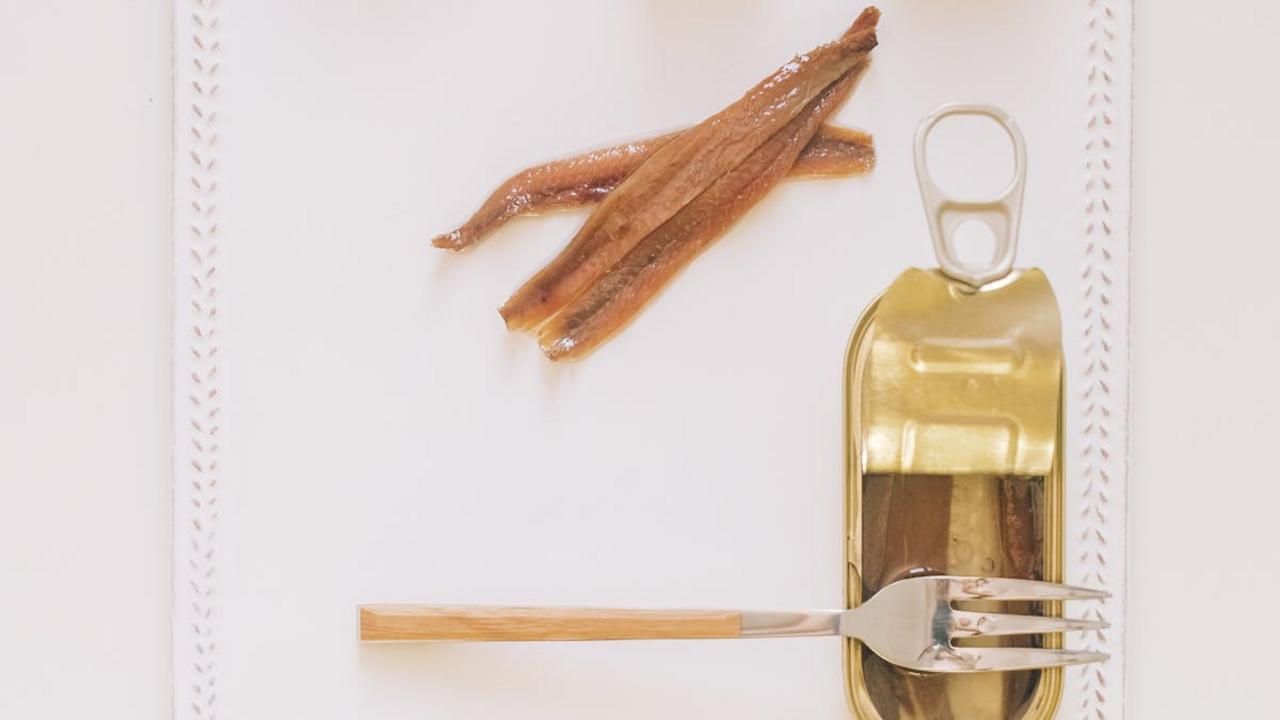
You’ll find people either jumping for joy or running for the hills at the mention of anchovies. These tiny, silvery fish pack more drama than a soap opera! While some folks can’t stand their intense, salty punch, others (like me) sprinkle these umami bombs on everything from pizza to pasta. What many anchovy-haters don’t know is that these little swimmers are actually the secret ingredient in many beloved foods – including Worcestershire sauce and Caesar dressing. They quietly add depth and richness without screaming “fish” at your dinner guests.
If you want to dip your toes into the anchovy world, start with good quality ones packed in olive oil – they’re milder and less aggressive than the cheap pizza variety. I love mashing them into butter with garlic and herbs for the most incredible garlic bread you’ll ever eat. These small but mighty fish also bring serious nutritional benefits to the table, loaded with omega-3s, calcium, and iron. Fun fact: Ancient Romans made a popular fermented fish sauce called garum using anchovies, and they literally used it like we use ketchup today – on everything!