14 Surprising Food Rituals That Bring People Together Around the Globe
Food has this magical ability to turn strangers into friends faster than you can say “pass the salt.” While we’re busy scrolling through endless photos of perfectly plated avocado toast, people across the globe have been perfecting the ancient art of connection through shared meals and drinks for centuries.
From sipping mate through a communal straw in Argentina (yes, you heard right—one straw, multiple mouths) to gathering around steaming hot pots in Japan where chopstick etiquette becomes a bonding experience, these traditions prove that the best conversations happen when food gets involved.
These rituals aren’t just about satisfying hunger—they’re social glue disguised as snacks. Whether you’re learning the intricate dance of Ethiopian coffee ceremonies or discovering why Swedes literally schedule time to eat cake together, these practices remind us that breaking bread together remains humanity’s most delicious universal language.
Traditional Moroccan Mint Tea Service
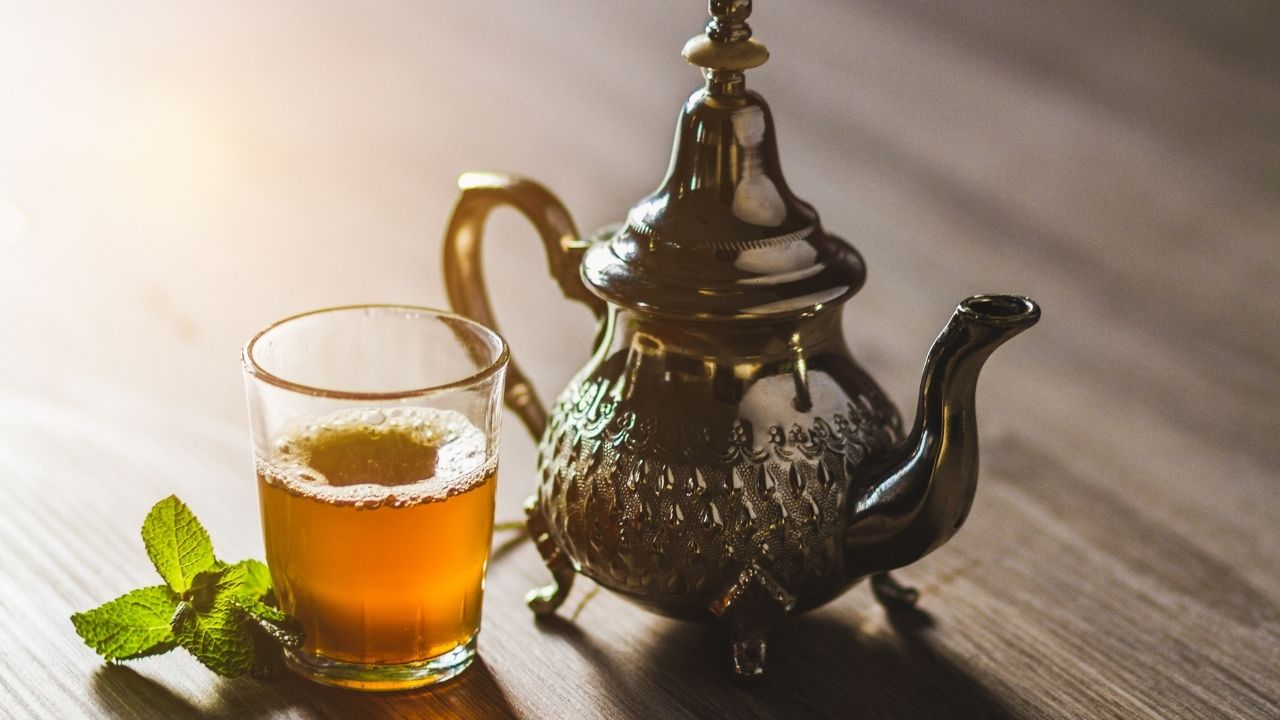
Picture this: you’re sitting cross-legged on vibrant cushions while your Moroccan host performs what can only be described as liquid acrobatics. The traditional mint tea ceremony isn’t just about brewing a drink—it’s a gravity-defying performance that would make Cirque du Soleil jealous. Your host holds that ornate silver teapot high above their head, creating a perfect golden arc of steaming tea that lands precisely in tiny glasses without spilling a single drop. This isn’t showing off (okay, maybe a little)—the dramatic pour actually aerates the tea and creates that signature frothy top that locals call “the crown.”
Here’s what makes this ritual absolutely magical: refusing the first glass is considered polite, but trust me, you don’t want to miss out on this liquid gold. The combination of green tea, fresh mint, and enough sugar to make your dentist weep creates a flavor that’s both refreshing and energizing. Moroccans say the first glass is as bitter as life, the second as strong as love, and the third as gentle as death—though honestly, I think they just wanted an excuse to drink three glasses guilt-free. The real bonding happens during those long, leisurely conversations that stretch between pours, where strangers become friends and business deals get sealed over shared sugar crashes.
Indian Paan Sharing Traditions
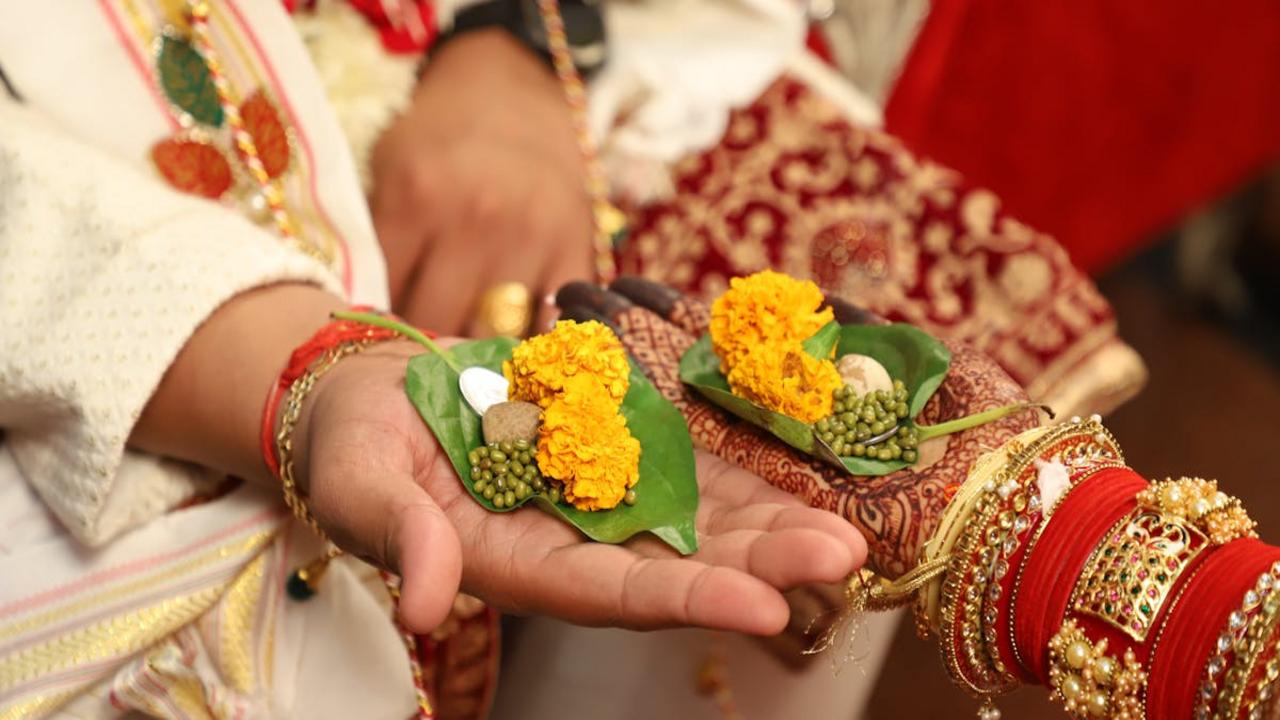
Picture this: you’re at an Indian wedding, stuffed beyond belief from the feast, when someone approaches with a silver tray of colorful, triangular parcels that look like tiny gift wraps made of leaves. Welcome to the world of paan! This betel leaf creation stuffed with areca nut, lime paste, and an assortment of sweet or savory fillings transforms any gathering into an intimate ritual of sharing. The host personally offers each guest a paan, and refusing one? That’s like declining a warm hug from your grandmother. The act of preparing and distributing paan shows respect, hospitality, and genuine care for your guests’ comfort.
What makes paan sharing absolutely magical is how it turns everyone into a temporary family member. You’ll watch dignified aunties giggle like schoolgirls as they compare their favorite paan wallah’s secret spice blend, while uncles debate whether meetha (sweet) or saada (plain) paan reigns supreme. The red-stained smiles that follow create an instant bond – you’re all part of the same colorful conspiracy now! Pro tip: always accept the paan with both hands and prepare for a flavor explosion that’s part refreshing, part numbing, and completely addictive. Just don’t wear white clothes afterward – those betel leaf stains are badges of honor that tell the story of a night well spent.
Mexican Tamaladas (Tamale Making Parties)
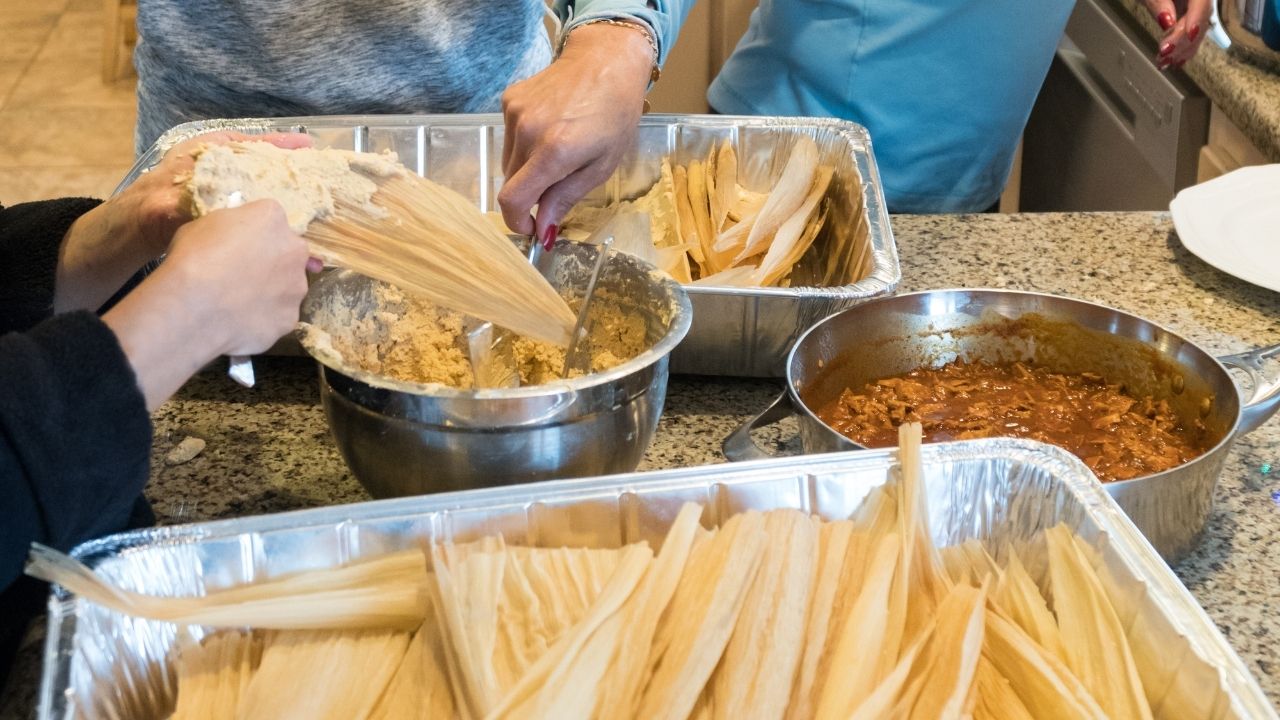
Picture this: dozens of Mexican grandmothers armed with masa, corn husks, and decades of tamale-making wisdom, transforming someone’s kitchen into a bustling assembly line of pure deliciousness. Tamaladas aren’t just cooking sessions – they’re social events where families gather to produce hundreds of tamales in a single marathon day, usually around Christmas or special celebrations. You’ll find aunts arguing over the perfect pork shoulder seasoning while cousins compete to see who can wrap tamales fastest (spoiler alert: abuela always wins). The beauty lies in the organized chaos – someone’s stirring masa with a wooden spoon the size of a baseball bat, another person’s spreading filling with surgical precision, and inevitably, there’s that one family member whose job is “quality control” (aka eating the broken ones).
What makes tamaladas truly magical is how they turn a labor-intensive process into pure entertainment. Making tamales solo would take forever, but with ten pairs of hands, you can knock out enough tamales to feed a small village in just a few hours. The corn husks get soaked, the masa gets whipped to fluffy perfection, and fillings range from traditional pork in red sauce to modern innovations like pineapple and jalapeño. Between the gossip, the laughter, and the occasional masa fight (yes, that’s a thing), you create memories that stick better than masa to your fingers. Plus, everyone goes home with bags of frozen tamales – it’s like meal prep, but make it festive and slightly chaotic.
Pacific Islander Kava Circles
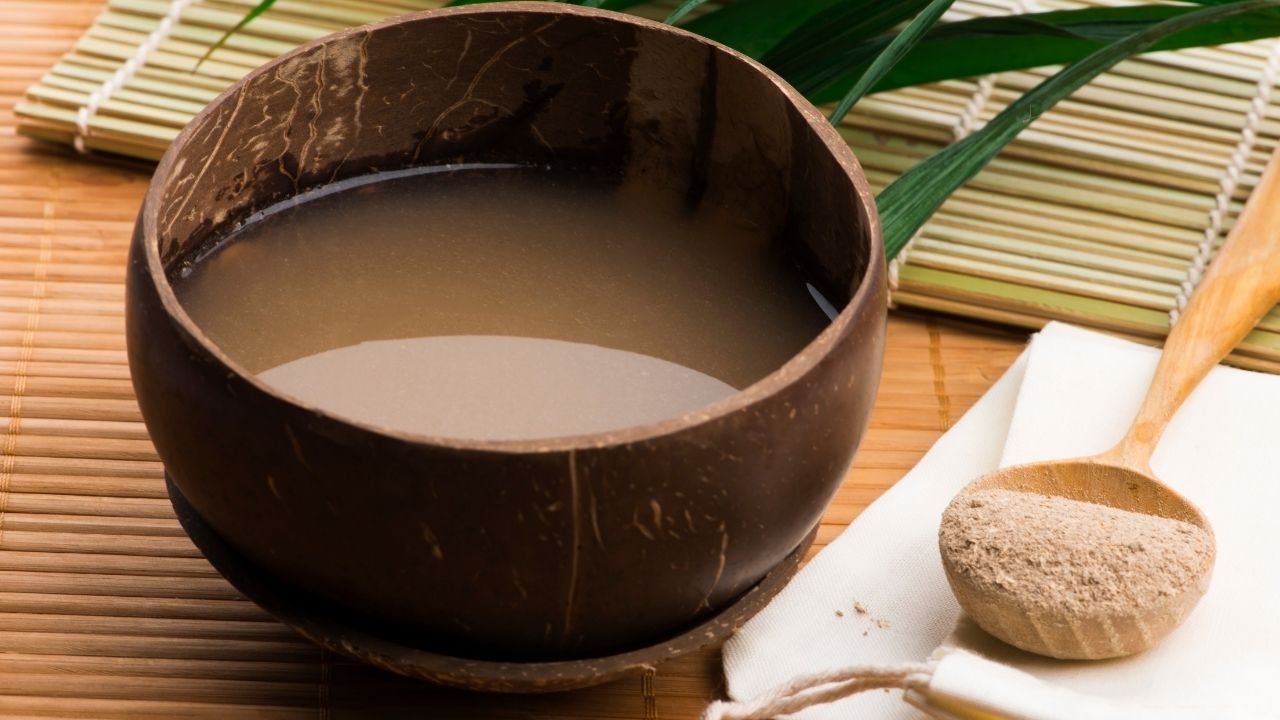
Picture this: you’re sitting cross-legged on woven mats under a canopy of stars, watching someone pour what looks like muddy dishwater from a coconut shell bowl. Welcome to a kava circle, where Pacific Islanders have been gathering for centuries to share this earthy, slightly numbing beverage that tastes like what I imagine tree bark would if it went to bartending school. The root of the kava plant gets pounded into powder, mixed with water, and strained through coconut fiber—creating a drink that makes your mouth tingle and your worries melt away like ice cream on hot sand.
The magic happens in the ritual itself: everyone sits in a perfect circle, the kava master serves each person in order of social rank (no cutting in line here!), and you clap once before drinking, then three times after finishing your shell. The whole experience creates this beautiful communal bond where conversations flow as freely as the kava itself. In Fiji, they say the drink connects you to your ancestors, while in Vanuatu, it’s so sacred that women traditionally weren’t allowed to drink it (though that’s changing now, thankfully). Fair warning though—kava tastes like someone mixed dirt with regret, but stick with it because the second cup always goes down easier, and by the third, you’ll understand why entire Pacific cultures have built their social lives around this wonderfully weird mud water.
Chinese Tea Ceremonies for Marriage Proposals
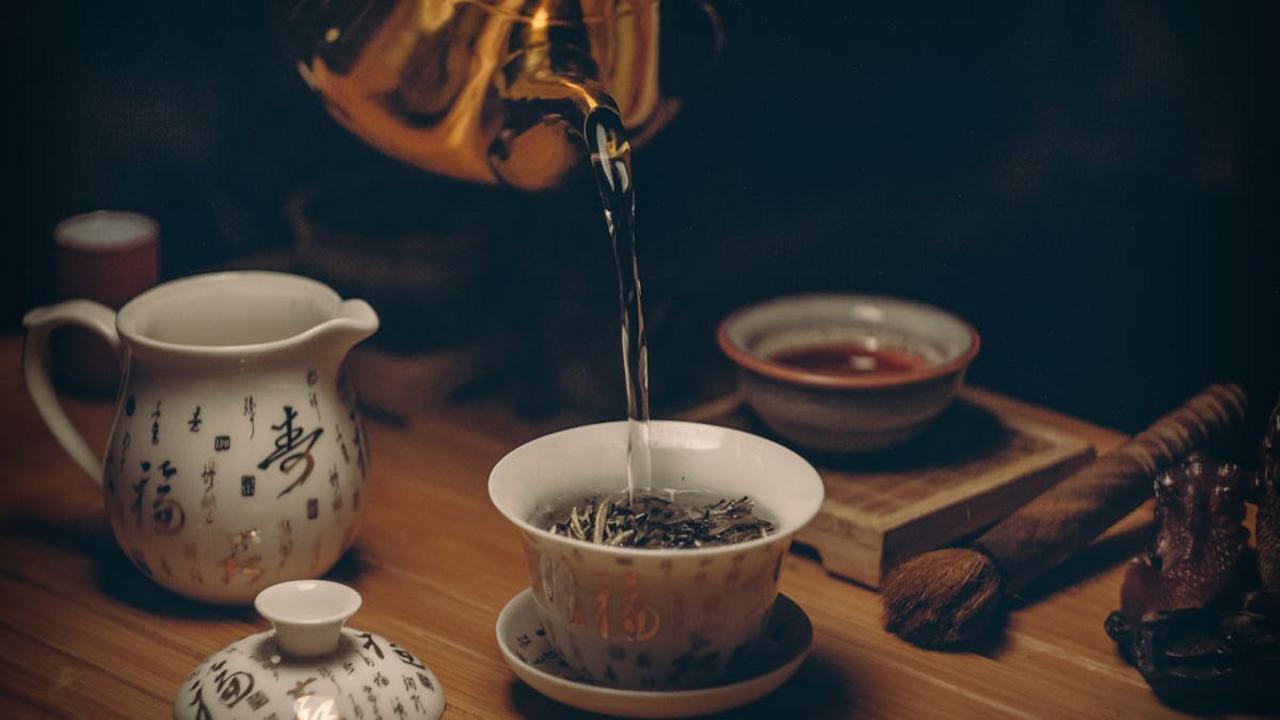
Picture this: you’re dating someone amazing, and instead of the typical Western down-on-one-knee scenario, your partner invites you for what seems like a casual tea session with their parents. Plot twist – you’re actually participating in one of the most romantic traditions on the planet! In Chinese culture, the tea ceremony serves as the ultimate relationship test drive. The potential bride or groom serves tea to their future in-laws, who then evaluate everything from their grace under pressure to their tea-pouring technique. No pressure at all, right? The parents’ acceptance of the tea equals their blessing of the union, making this liquid courage ritual way more nerve-wracking than any modern dating app conversation.
The ceremony follows strict protocols that would make even Emily Post sweat. You must serve the tea in order of seniority, starting with the eldest family members, and the specific way you hold the teacup speaks volumes about your character. The tea itself – usually premium oolong or pu-erh – becomes secondary to the performance. What makes this tradition absolutely brilliant is how it transforms a simple beverage into a bridge between families. The parents literally taste their approval, and once they sip that tea, they’re symbolically welcoming you into their clan. Modern Chinese couples still practice this ceremony today, though thankfully, most families won’t reject you if you accidentally spill a drop or two!
Bedouin Coffee Bonding Rituals
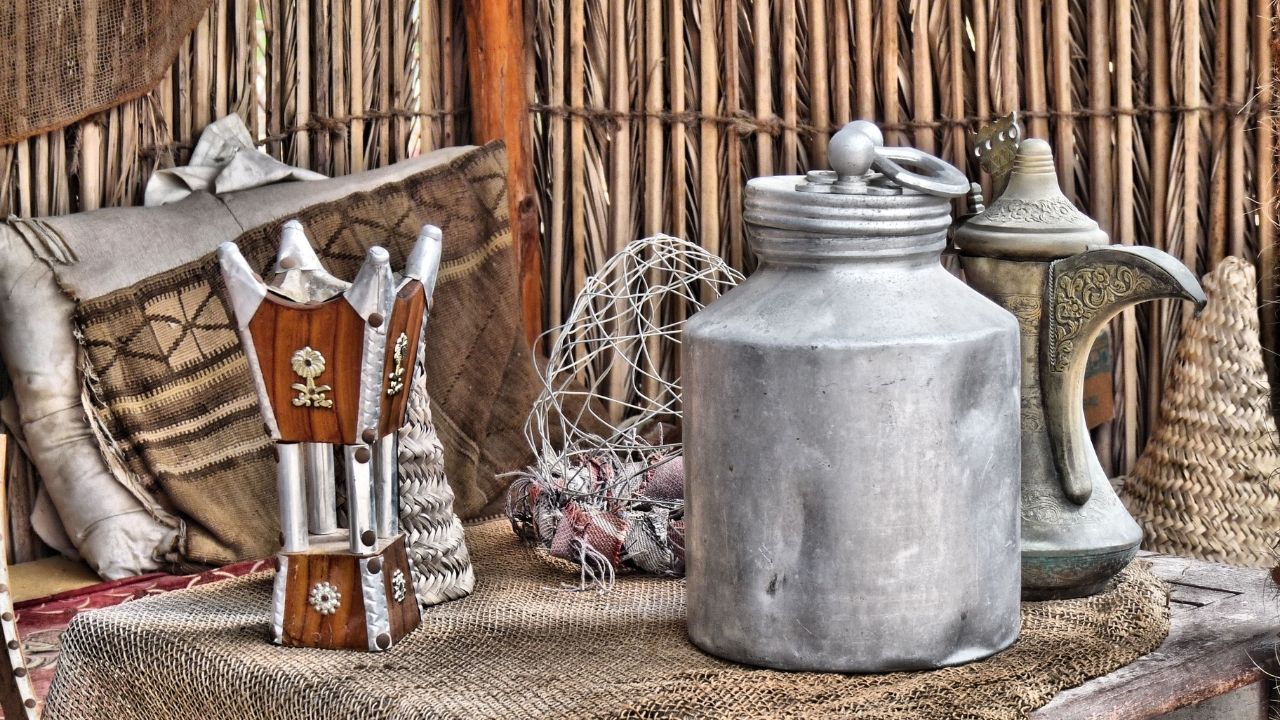
Picture this: you’re sitting cross-legged on ornate carpets in the middle of the desert, watching your Bedouin host perform what looks like an ancient dance with a long-handled coffee pot called a dallah. The ceremonial coffee preparation isn’t just about caffeine—it’s a sacred social contract that’s been brewing for centuries. Your host will roast green coffee beans over an open fire, grind them by hand with a mortar and pestle, then brew the coffee three times with cardamom, creating a fragrant, bitter elixir that tastes like liquid hospitality. The rhythmic pounding of the pestle creates a desert soundtrack that announces to everyone within earshot: “Coffee time, friends!”
Here’s where things get beautifully complicated: you can’t just gulp and go. Bedouin coffee etiquette requires you to accept at least one cup (refusing is considered rude), but never more than three (that’s just greedy). The eldest guest gets served first, and you must hold the small, handle-less cup in your right hand while making polite conversation. When you’re done, you wiggle the cup slightly—this universal desert signal means “no more, thank you!” The whole ritual can last for hours, transforming strangers into friends over countless tiny cups of intensely flavored coffee. It’s like speed-dating, but slower, more caffeinated, and with significantly more sand.
Japanese Hot Pot (Nabe) Gatherings
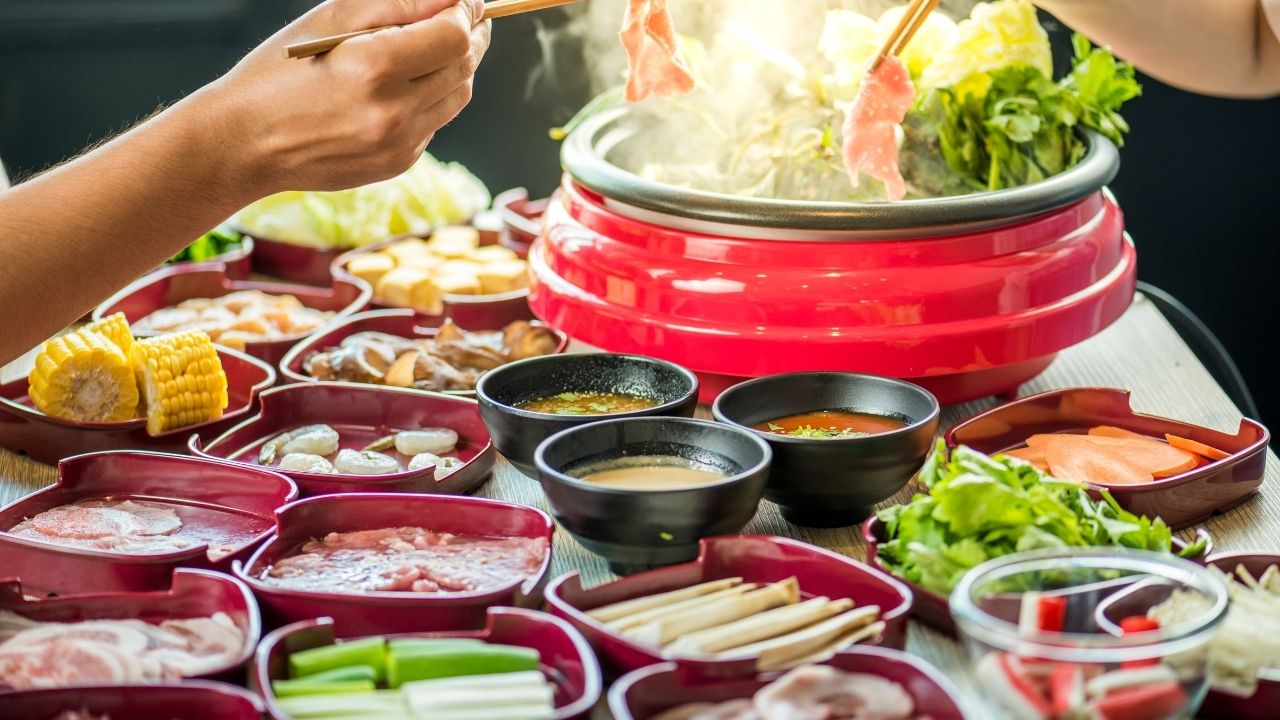
Picture this: you’re sitting around a bubbling cauldron of broth with your closest friends, chopsticks at the ready, and nobody’s allowed to leave until every last morsel gets devoured. That’s the magic of Japanese nabe gatherings, where the pot becomes the star of the show and everyone becomes a chef. The best part? You literally can’t mess this up – just toss your ingredients into the communal pot and watch the magic happen. From tender slices of wagyu beef to plump shiitake mushrooms and silky tofu, everything swims together in perfect harmony while you gossip, laugh, and accidentally burn your tongue because you’re too excited to wait for things to cool down.
What makes nabe gatherings absolutely brilliant is the unspoken rule that slower eaters get the best bits – because while you’re busy chatting, that perfectly cooked piece of fish just keeps getting more tender in the broth. The ritual transforms a simple meal into a social marathon where time stops mattering and your biggest worry becomes whether to grab the last dumpling or be polite. Pro tip: always bring backup ingredients because nabe has this sneaky way of making everyone hungrier than they thought possible, and trust me, you don’t want to be the person who suggests ordering pizza when the pot runs dry.
Swedish Fika Social Breaks
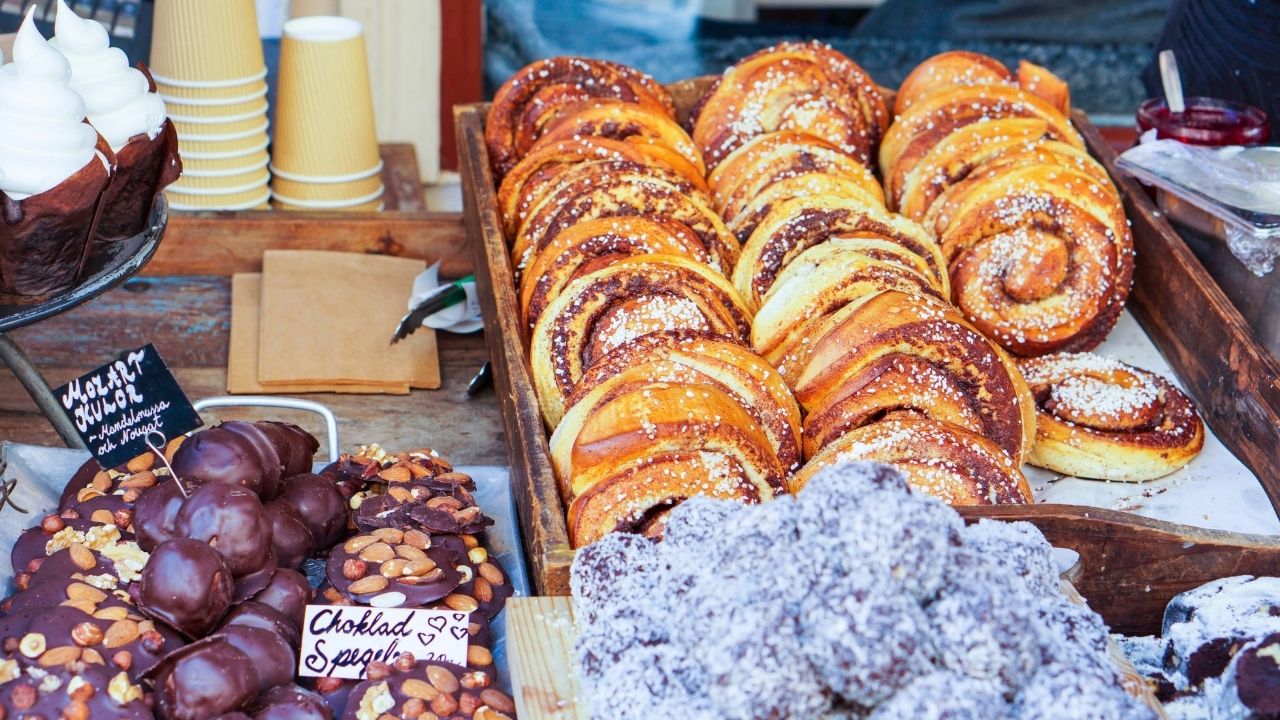
Picture this: it’s Tuesday afternoon in Stockholm, and suddenly the entire office grinds to a halt. Not because of a fire drill or technical meltdown, but because it’s fika time – Sweden’s sacred coffee break that’s practically written into their cultural constitution. You can’t just grab a quick cup and dash back to your desk like some caffeine-crazed American. Oh no, fika demands you sit down, slow down, and actually talk to your colleagues about something other than spreadsheets. The Swedes have turned what we consider a guilty pleasure into a mandatory social ritual, and honestly, they’re onto something brilliant here.
The magic happens when you pair that perfectly brewed coffee with a cinnamon bun so good it could make you weep with joy. These aren’t your gas station pastries – Swedish cinnamon buns are fluffy, buttery spirals of heaven that practically melt on your tongue. The best part? Fika isn’t just about the food and drink; it’s about creating genuine connections in our increasingly disconnected world. Companies actually budget for fika supplies because they know happy, caffeinated employees who actually like each other are more productive. Try suggesting mandatory coffee breaks at your workplace and watch your boss’s eye twitch – but maybe mention the productivity studies first!
Malaysian Open House During Festivals
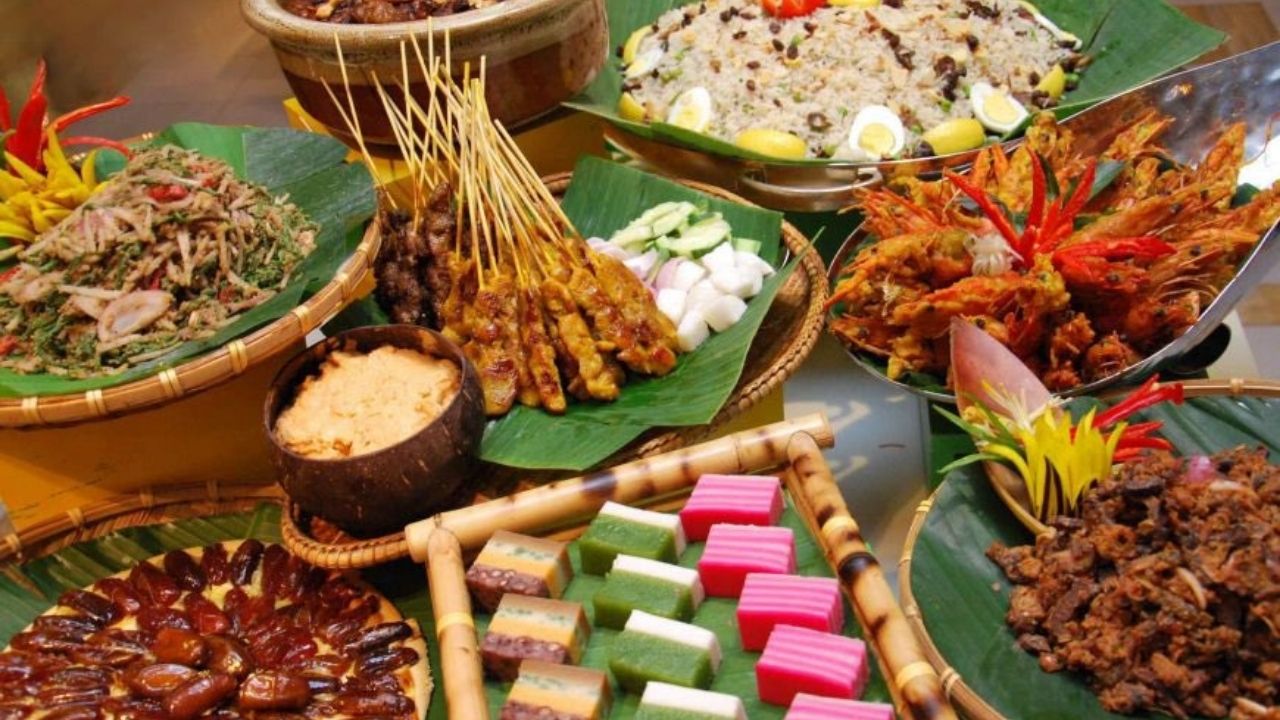
Picture this: your Malaysian neighbor knocks on your door during Hari Raya, Chinese New Year, or Deepavali, and suddenly you’re swept into their home where tables groan under the weight of rendang, satay, laksa, and enough kuih to feed a small army. This beautiful chaos is Malaysia’s open house tradition, where cultural barriers dissolve faster than sugar in hot teh tarik. You don’t need an invitation, formal wear, or even advance notice – just bring your appetite and prepare for what locals call “stomach diplomacy.” I once watched a Malay auntie force-feed curry puffs to a shy Indian uncle while a Chinese grandmother stuffed ang pau (red packets) into everyone’s pockets, creating the most delicious cultural exchange program ever invented.
What makes these gatherings absolutely magical is how food becomes the universal translator. You might stumble through “Selamat Hari Raya” in broken Bahasa Malaysia, but when you’re demolishing someone’s homemade lemang (glutinous rice cooked in bamboo) with pure joy, language barriers vanish completely. Malaysian families spend weeks preparing for these events, with mothers-in-law competing over whose sambal is spiciest and whose dodol is chewiest. The unspoken rule? Never leave empty-handed or with an empty stomach. Hosts will pack leftover food into containers, bags, and sometimes even random shopping bags because sharing abundance is the whole point. It’s like Thanksgiving, but instead of one awkward family dinner, you get to hop between houses, sampling different cultural treasures while making new friends who insist you’re now part of their extended family.
Georgian Supra Feasts with Tamada Toastmaster
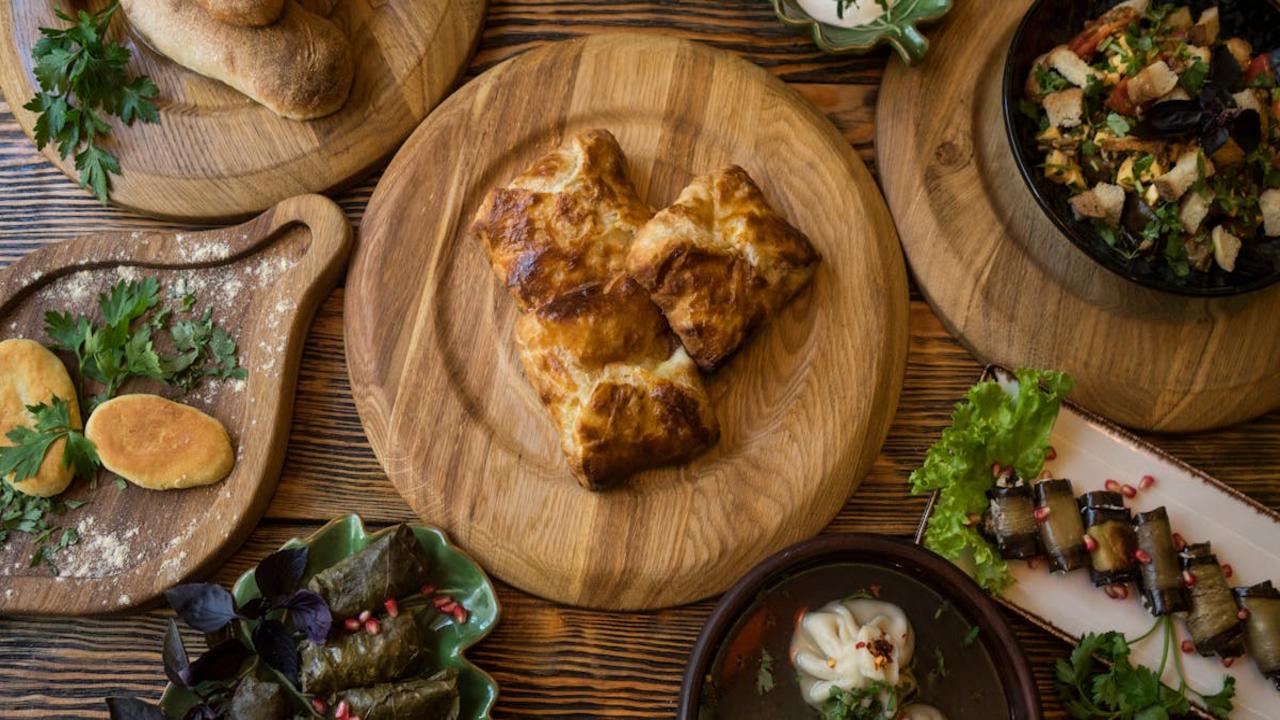
Picture this: you’re sitting around a Georgian table that’s practically groaning under the weight of khachapuri (cheese-filled bread that’ll make you weep tears of joy), khinkali dumplings twisted into perfect little purses, and enough wine to float a small boat. But here’s where things get wonderfully weird – you can’t just grab your glass and start chugging. Oh no, my friend, you need permission from the tamada, the designated toastmaster who runs this culinary circus with the authority of a benevolent dictator. This person controls every single toast throughout the evening, and trust me, there will be approximately seventeen thousand toasts covering everything from your grandmother’s health to world peace to that time your cousin’s dog learned to skateboard.
The tamada doesn’t just make random toasts – they weave stories, share wisdom, and basically turn dinner into performance art. Each toast builds on the last one, creating this incredible narrative arc that transforms a simple meal into an epic saga. And here’s the kicker: everyone must drain their glass completely after each toast, no sipping allowed! Georgians take this so seriously that they have a saying: “A guest is a gift from God,” which explains why these supra feasts can last anywhere from four to twelve hours. By the end of the night, you’ll have heard your life story retold through the lens of Georgian hospitality, made seventeen new best friends, and probably agreed to name your firstborn after someone’s great-aunt Tamari.
Korean Banchan Sharing Culture
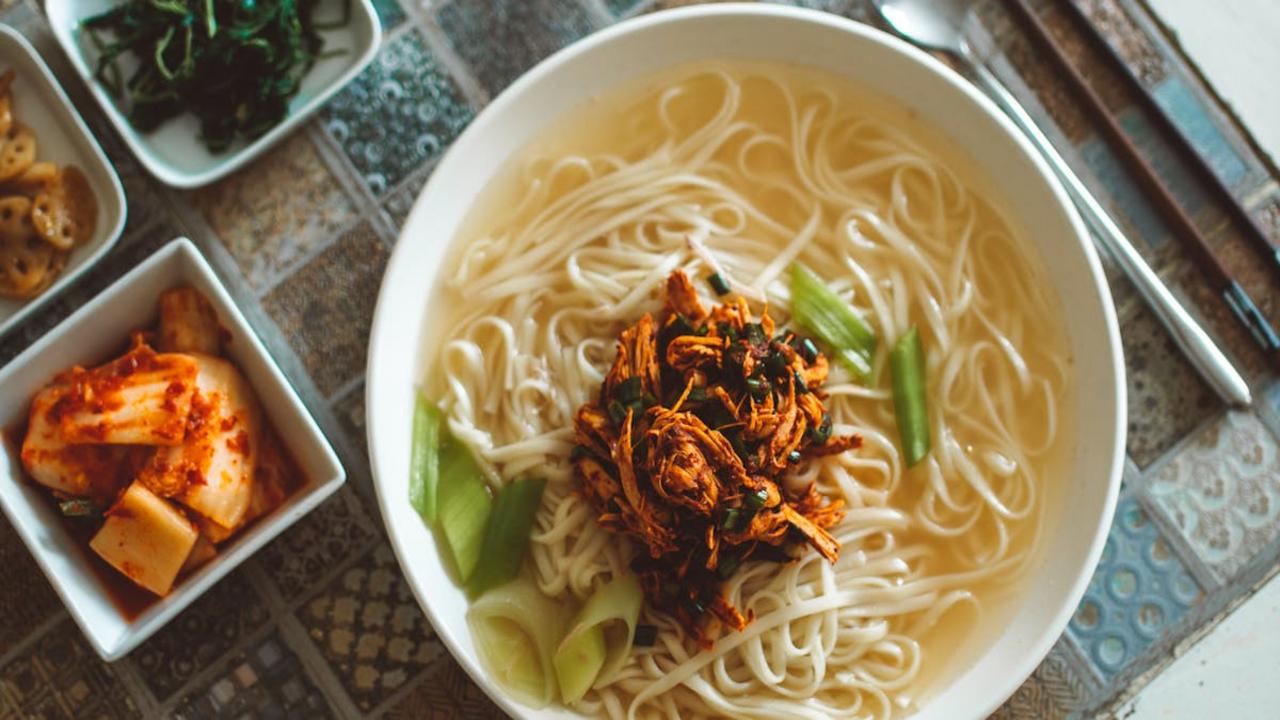
Picture this: you walk into a Korean restaurant, order one main dish, and suddenly your table transforms into a colorful mosaic of small plates that you definitely didn’t ask for. Welcome to the wonderful world of banchan! These aren’t appetizers or sides in the Western sense—they’re communal treasures meant for everyone to share. From kimchi that’ll make your sinuses sing opera to seasoned spinach so good you’ll question why you ever ignored vegetables, banchan creates an instant bond between diners. The beauty lies in the unspoken etiquette: you grab a bit of this, pass that dish to your friend, and suddenly you’re all reaching across each other like a choreographed food ballet.
What makes banchan truly magical isn’t just the free refills (yes, most places will happily replenish your favorites), but how it breaks down social barriers faster than a K-pop dance craze. Sharing these tiny dishes forces strangers to become conspirators, debating whether the pickled radish or fermented soybean paste deserves the last bite. Korean families have perfected this tradition over centuries, teaching children that good food means nothing without good company to share it with. The next time you find yourself at a Korean table, watch how naturally people start coordinating their chopsticks—it’s like witnessing humanity at its most cooperative, all thanks to some seriously addictive marinated vegetables.
Ethiopian Coffee Ceremonies
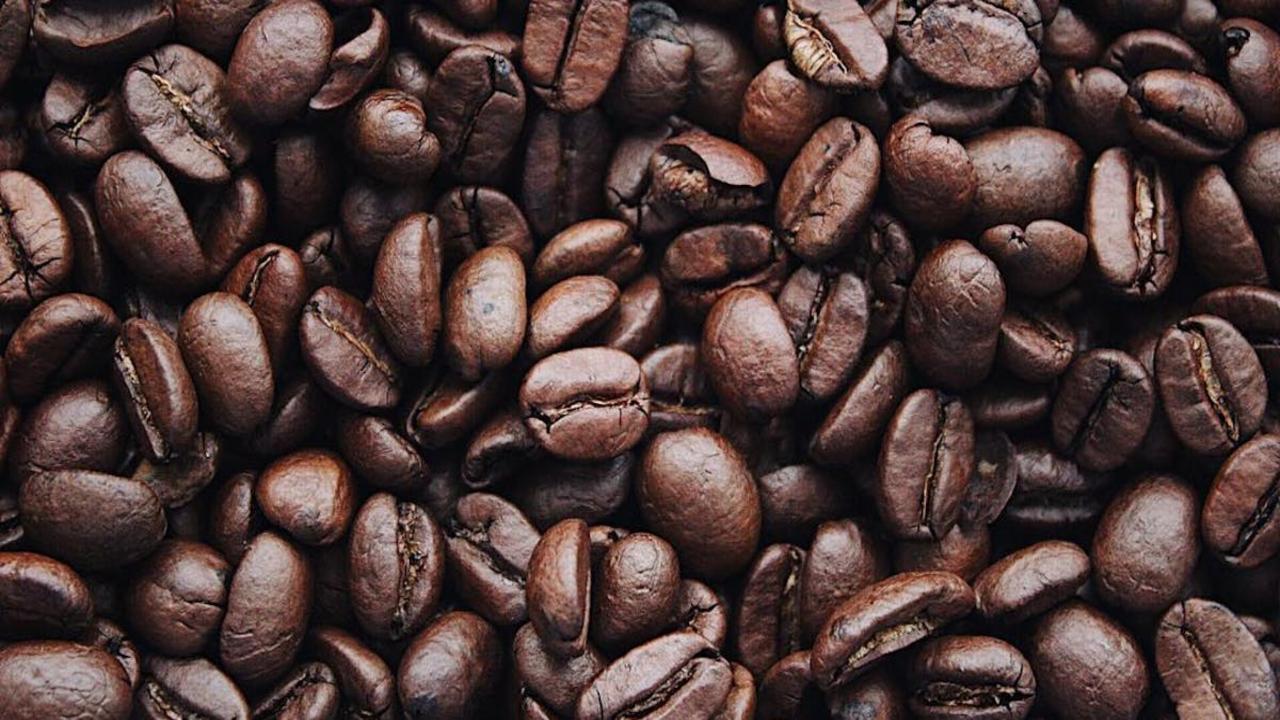
Picture this: you’re invited to an Ethiopian home, and suddenly your host disappears into the kitchen only to return with green coffee beans and a small pan. What follows is nothing short of theatrical magic – a three-hour coffee ceremony that makes your morning Starbucks run look like amateur hour. The hostess roasts those beans right in front of you, waving the aromatic smoke toward your face so you can inhale every single note of that heavenly fragrance. This isn’t just coffee preparation; it’s a full sensory experience that would make even the most dedicated coffee snob weep with joy.
The ceremony unfolds in three sacred rounds – abol, tona, and baraka – each one stronger than the last, and each one accompanied by popcorn or roasted barley because apparently Ethiopians figured out the perfect coffee pairing centuries before anyone else. Here’s the kicker: you can’t just gulp and go. Oh no, this is a social event where conversations flow as freely as the coffee itself, and rushing would be considered downright rude. Women traditionally lead these ceremonies, passing down techniques through generations like precious family heirlooms. By the time you finish all three rounds, you’ll have solved world problems, shared family gossip, and formed bonds stronger than the caffeine coursing through your veins.
Nyama Choma Communal Grilling in Kenya
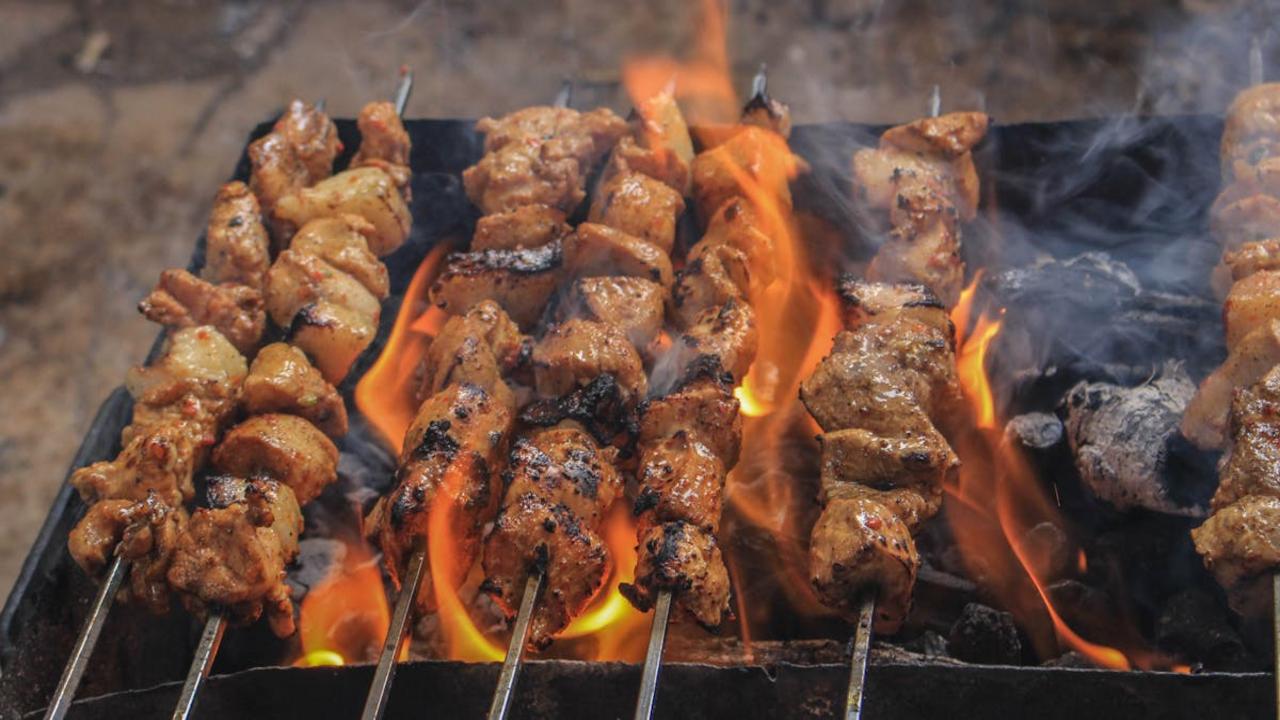
Picture this: you’re in Kenya, and someone mentions “nyama choma,” which literally translates to “roasted meat.” Your mouth starts watering before you even know what hit you! This isn’t just any barbecue – it’s a full-contact social sport where friends, family, and even strangers gather around sizzling grills, turning chunks of goat, beef, or chicken into smoky perfection. The beauty lies in the process: everyone takes turns manning the grill, sharing stories, and arguing about the perfect char level. You’ll find yourself part of an impromptu community, bonding over flying sparks and the intoxicating aroma of meat kissed by open flames.
What makes nyama choma special goes beyond the food itself. Kenyans have perfected the art of stretching a simple grilling session into an all-day affair, complete with cold Tusker beers, animated debates about football, and enough laughter to wake the neighbors three blocks away. The meat gets served on banana leaves or newspapers (yes, really!), accompanied by ugali, kachumbari salad, and enough banter to fuel a comedy show. Don’t be surprised if you arrive for a “quick bite” and find yourself still there at midnight, having made seventeen new best friends and learned the finer points of Kenyan politics. That’s the magic of communal grilling – it transforms a meal into a celebration of human connection.
Shared Mate Drinking Circles in Argentina
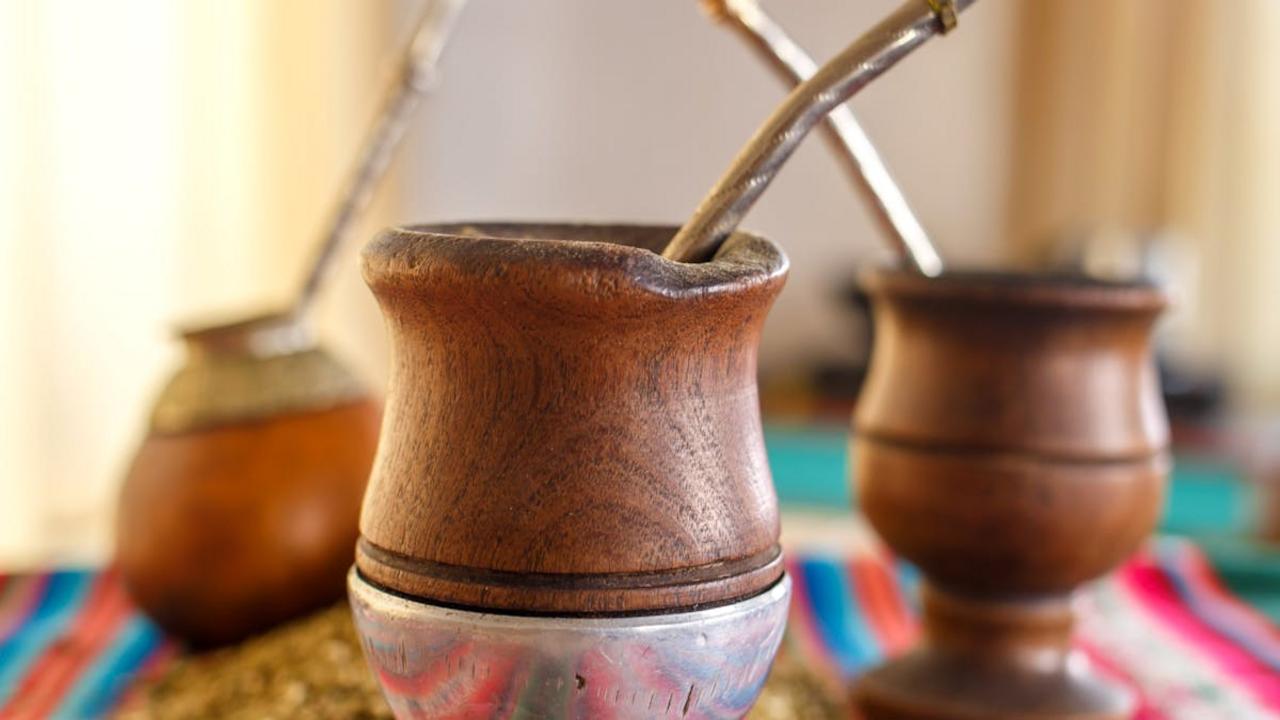
Picture this: you’re sitting in a Buenos Aires park, and someone hands you what looks like a hollowed-out gourd filled with green tea and a metal straw that could double as a tiny sword. Welcome to the world of mate, Argentina’s beloved social ritual that turns strangers into family faster than you can say “asado.” This isn’t just about caffeine – it’s about connection, respect, and a whole lot of unspoken rules that’ll make your head spin. The mate gourd gets passed clockwise around the circle, and breaking this sacred direction is like wearing socks with sandals – technically possible, but socially unacceptable.
Here’s where things get beautifully bizarre: everyone shares the same straw (called a bombilla), which means you’re basically swapping spit with your new Argentine friends. Don’t panic – this metal straw acts as both filter and communal bond, and nobody bats an eye about germs. The person preparing the mate (the cebador) holds serious responsibility, refilling the gourd with hot water and deciding when each person has had enough. You never say “thank you” until you’re done drinking forever, because gratitude signals you’re leaving the circle. One sip connects you to centuries of tradition, countless conversations, and the strange magic that happens when bitter herbs bring people together in the most unexpectedly intimate way.