14 Outrageously Expensive Grocery Items
Money can’t buy happiness, but it sure can buy some ridiculously fancy food! From gold-dusted delicacies to rare mushrooms worth their weight in diamonds, these 14 grocery items will make your weekly shopping bill look like pocket change.
Imagine spending your entire paycheck on a single pound of coffee beans that passed through a cat’s digestive system (yes, really!) or dropping thousands on a melon that could pay your monthly rent. These aren’t just ingredients – they’re status symbols that scream “I have more money than sense!”
Ready to discover the world’s most outrageous edibles? These ultra-premium ingredients might cost an arm and a leg, but they’ve earned their astronomical price tags through rarity, labor-intensive production methods, or simply by being really, really hard to find. Hold onto your wallet – we’re about to make your expensive cheese habit look completely reasonable.
Pine nuts
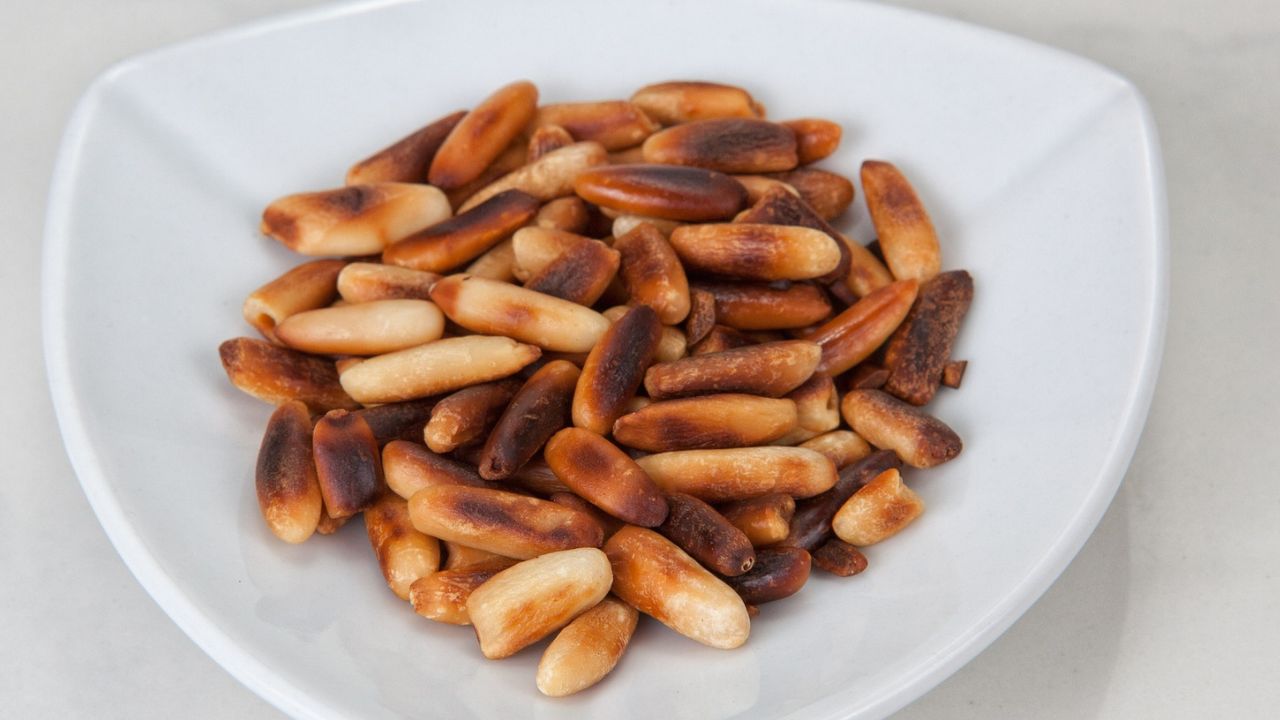
I nearly fainted when I spotted the price tag on pine nuts at my local grocery store last week – $45 for just a pound! These tiny, sweet kernels pack a mighty punch to your wallet, and there’s a good reason why. Pine nuts take an incredibly long time to grow and harvest – we’re talking 15-25 years before a pine tree produces nuts ready for picking. Plus, you’ll need someone to climb those tall trees and shake loose the pine cones, then dry them in the sun until they crack open. Talk about labor-intensive!
Despite their eye-watering cost, I can’t resist tossing these buttery little gems into my homemade pesto or sprinkling them over salads. They bring such a rich, nutty flavor that’s impossible to replicate with cheaper alternatives. Fun fact: Romans considered pine nuts a natural Viagra and would munch on them before romantic encounters! While I can’t verify those claims, I can confirm these pricey morsels have been causing sticker shock at grocery stores for centuries. The ancient Romans actually used them as currency – now that’s what I call expensive grocery shopping!
Beluga Caviar
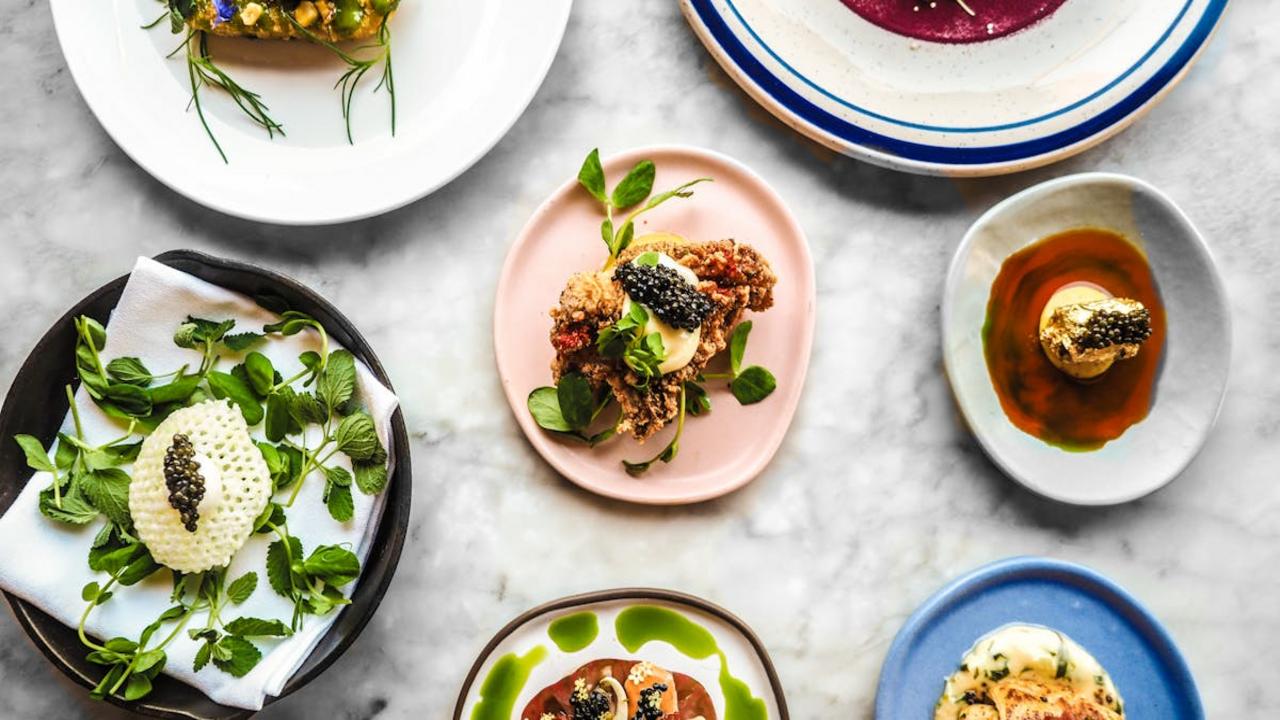
Ever wondered what makes beluga caviar the rockstar of luxury foods? These tiny black pearls from the beluga sturgeon can cost you up to $25,000 per kilogram – yes, you read that right! The astronomical price tag comes from the rarity of these prehistoric fish, which take 20 years to mature and produce the coveted eggs. Only found in the Caspian Sea, these fish face near extinction from overfishing, making their eggs more precious than gold. The caviar’s buttery, clean flavor and perfectly popped texture have made it a status symbol at fancy parties and royal gatherings.
Russian tsars guarded beluga caviar like treasure, and they weren’t wrong! The pearls range from light gray to black, with the palest ones (called Almas) commanding the highest prices. Each tin goes through strict quality control – experts grade the eggs by size, color, firmness, and flavor. Want to serve it like a pro? Never use metal spoons – they’ll ruin the flavor. Instead, grab a mother-of-pearl spoon and serve it on blinis or straight up. Just don’t expect to find real beluga caviar easily – strict regulations mean you’ll need deep pockets and good connections to get your hands on this luxurious delicacy.
White Alba Truffles
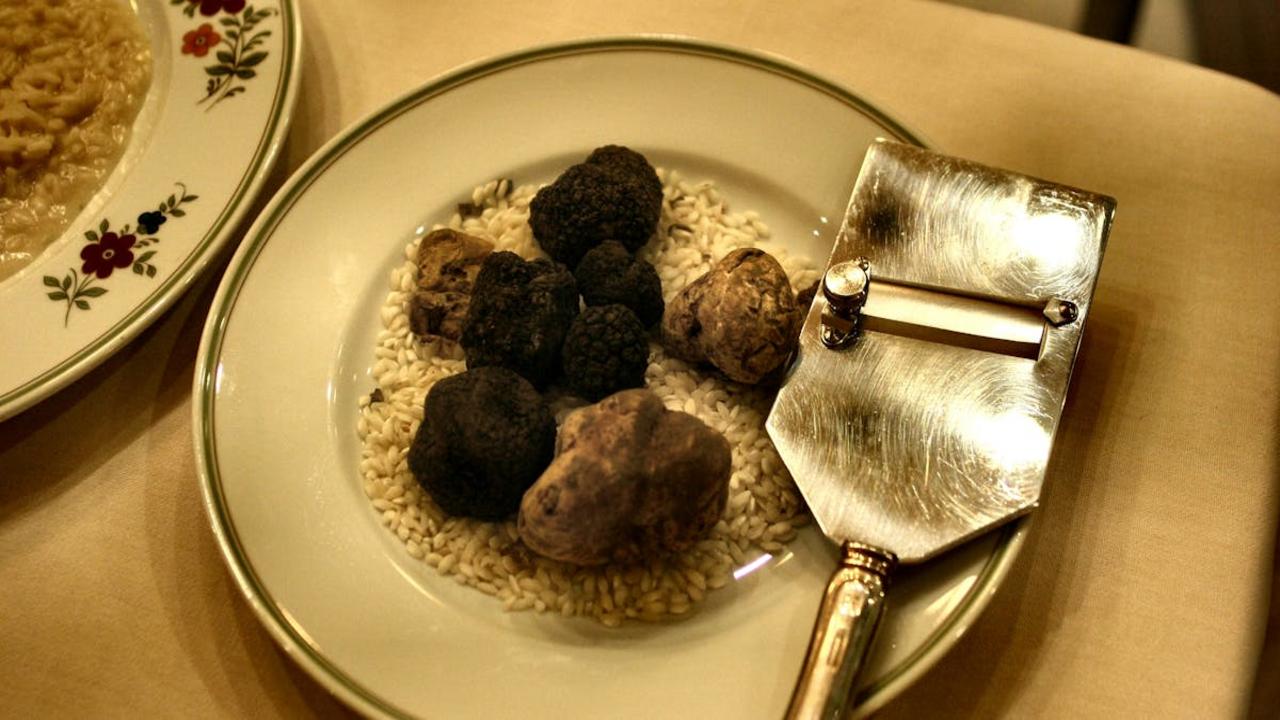
You haven’t lived until you’ve experienced the intoxicating aroma of White Alba truffles, the diamonds of the fungi world that’ll set you back a whopping $3,600 per pound! These precious mushrooms, found in the Piedmont region of Italy, pack such an intense flavor punch that even a tiny shaving can transform a simple pasta dish into a luxurious feast. I once watched a chef nearly faint when a customer accidentally brushed off the truffle shavings from their risotto – at $168 per ounce, that’s basically like tossing diamond dust in the trash!
The astronomical price tag on these fancy funghi comes from their incredibly specific growing conditions and the skilled truffle hunters who track them down with their specially trained dogs. Unlike their more common black truffle cousins, White Alba truffles only grow for a few months each year between September and December. You can’t farm them – trust me, many have tried and failed spectacularly. Each truffle must be sniffed out from beneath specific oak trees in Italy’s misty forests, making them the ultimate food treasure hunt. If you’re feeling fancy (and have a spare mortgage payment lying around), try shaving some over scrambled eggs – it’ll make your regular breakfast feel like dining with royalty!
Yubari King Melons
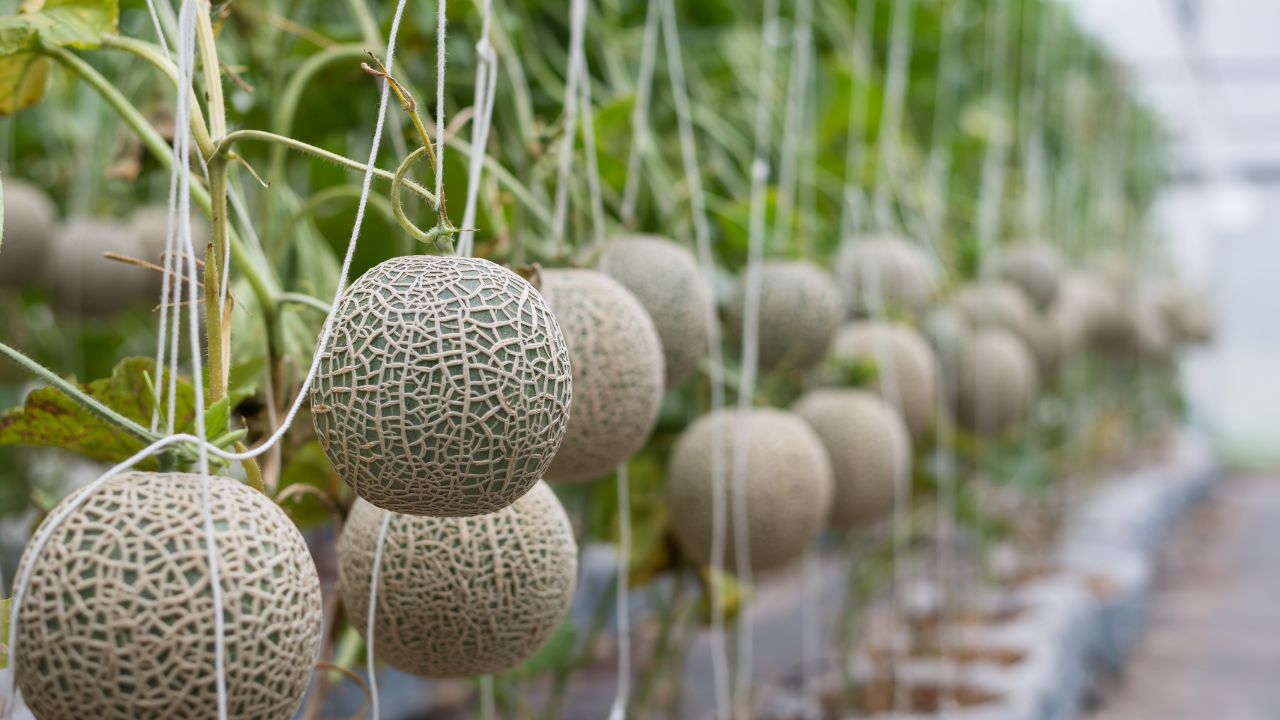
Hold onto your grocery carts, because these melons will make your wallet weep! Yubari King Melons from Japan are the crown jewels of the fruit world, with prices that’ll make you question everything you know about produce. In 2019, a pair of these perfectly round beauties sold for a mind-boggling $45,000! What makes them so special? These cantaloupe-like fruits grow only in Yubari, Hokkaido, where farmers pamper them like royalty – each melon gets its own little plastic hat to prevent sunburn, and workers gently massage them daily to enhance their sweetness.
The crazy thing about Yubari Kings isn’t just their astronomical price tag – it’s the intense dedication behind growing them. Japanese farmers spend years perfecting their melon-growing techniques, and only the most flawless specimens make the cut. The melons must have a perfect spherical shape, an exact weight, and a distinct checkerboard pattern on their skin. Inside, you’ll find some of the sweetest, most fragrant orange flesh you’ve ever tasted. While most of us won’t drop thousands on a single melon, these fruits have become popular luxury gifts in Japan, especially during the summer gift-giving season known as ochugen.
Fugu (Pufferfish)
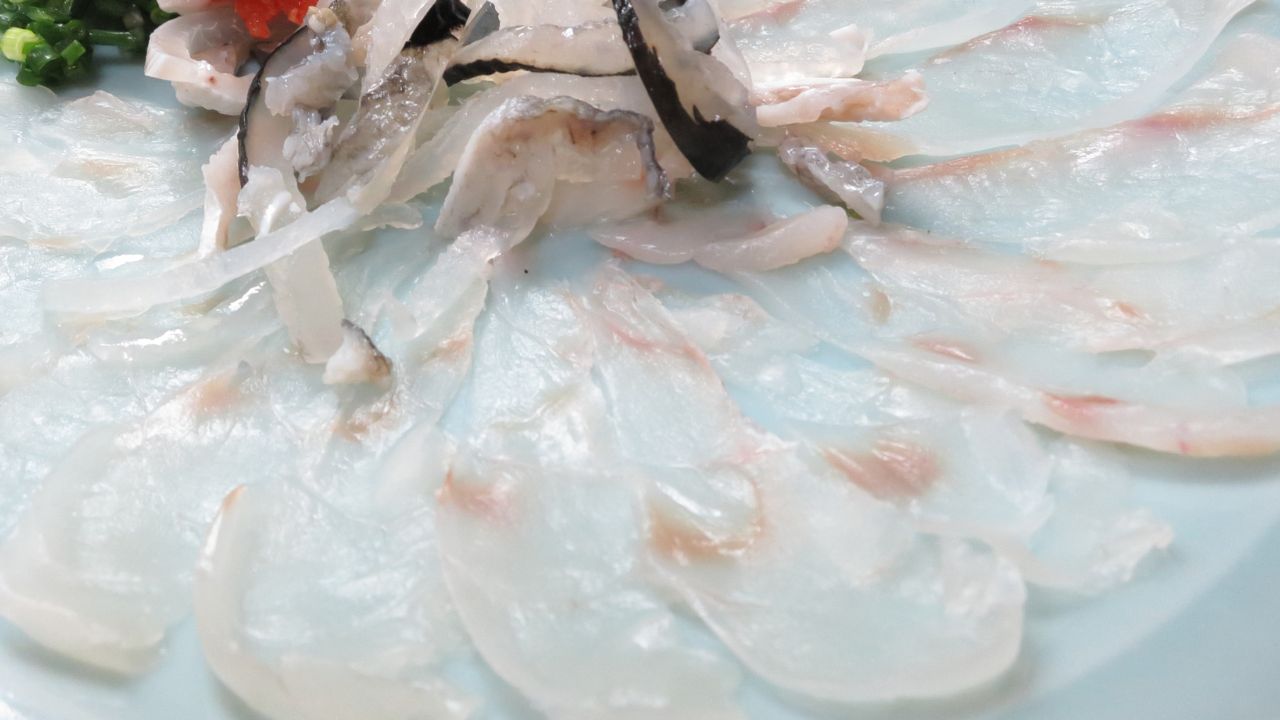
If you want to play Russian roulette with your dinner, fugu might be your next expensive thrill! This notorious Japanese pufferfish can cost up to $200 per plate at high-end restaurants, but here’s the kicker – one wrong cut by the chef and you’re done for. Only specially licensed chefs can prepare fugu in Japan after completing intensive training that spans at least three years. The fish contains tetrodotoxin, a poison 1,200 times more deadly than cyanide, which adds a whole new meaning to “dying to try something new.”
Despite its deadly reputation (or maybe because of it), fugu remains a sought-after delicacy in Japan, with the most expensive specimens selling for over $400 per pound. The meat itself? Pretty mild and unremarkable, according to most diners. The real thrill comes from the slight tingling sensation you might feel on your tongue – that’s the trace amounts of toxin giving you a little “hello!” Don’t worry though, deaths from fugu are super rare these days, thanks to strict regulations. Still, nothing says “I live dangerously” quite like dropping hundreds of dollars on a fish that could theoretically kill you!
Moose Milk Cheese
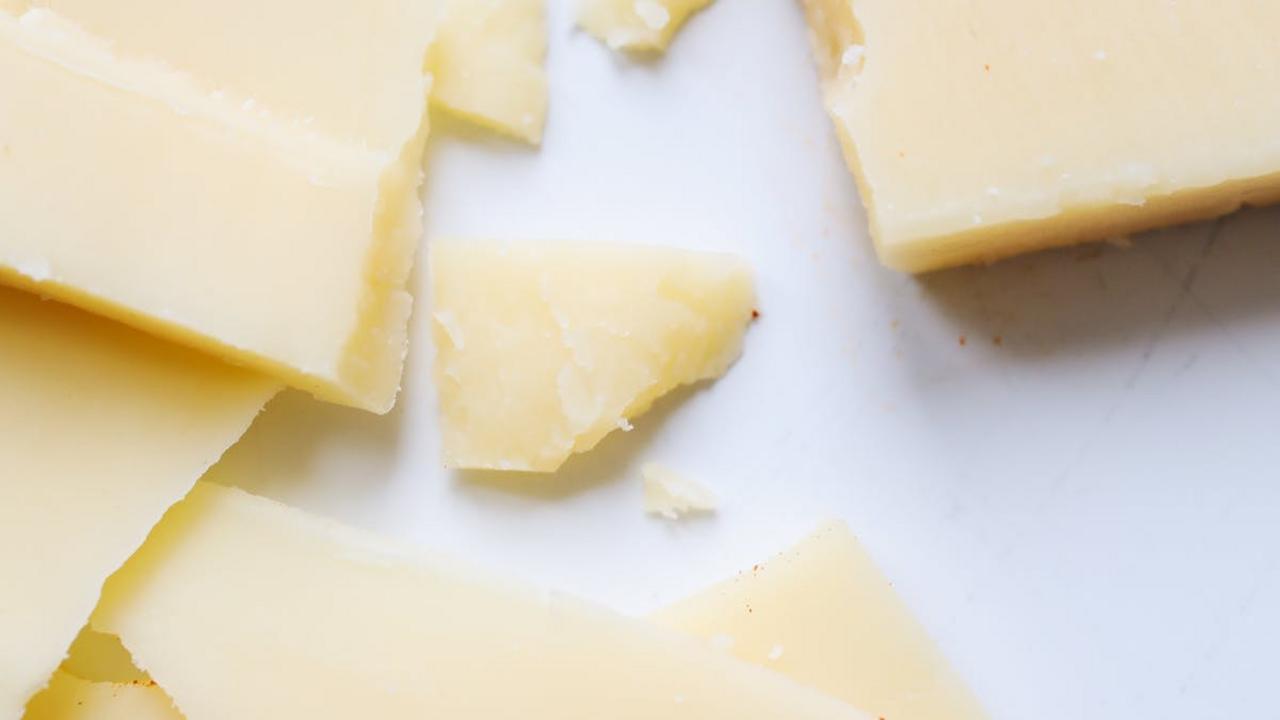
Want to try the world’s most expensive cheese? You’ll need to shell out a whopping $500 per pound for moose milk cheese! This ultra-rare dairy delicacy comes from the Elk House farm in Sweden, where they milk just three mooses (yes, that’s the correct plural) named Gullan, Haelga, and Juna. These temperamental ladies only produce milk between May and September, and you’ll get barely 5 liters of milk per day from each moose. Talk about exclusive!
The process of making this cheese is nothing short of extraordinary. The farmers must approach the moose with extreme caution during milking time – one wrong move and these 1,000-pound mammals might kick you into next week! The resulting cheese has a rich, creamy texture with subtle caramel notes. Only about 660 pounds of this cheese gets made each year, making it one of the rarest foods money can buy. Fun fact: the Swedish royal family claims most of the annual production, so good luck getting your hands on some unless you’ve got connections to royalty!
Bluefin Tuna
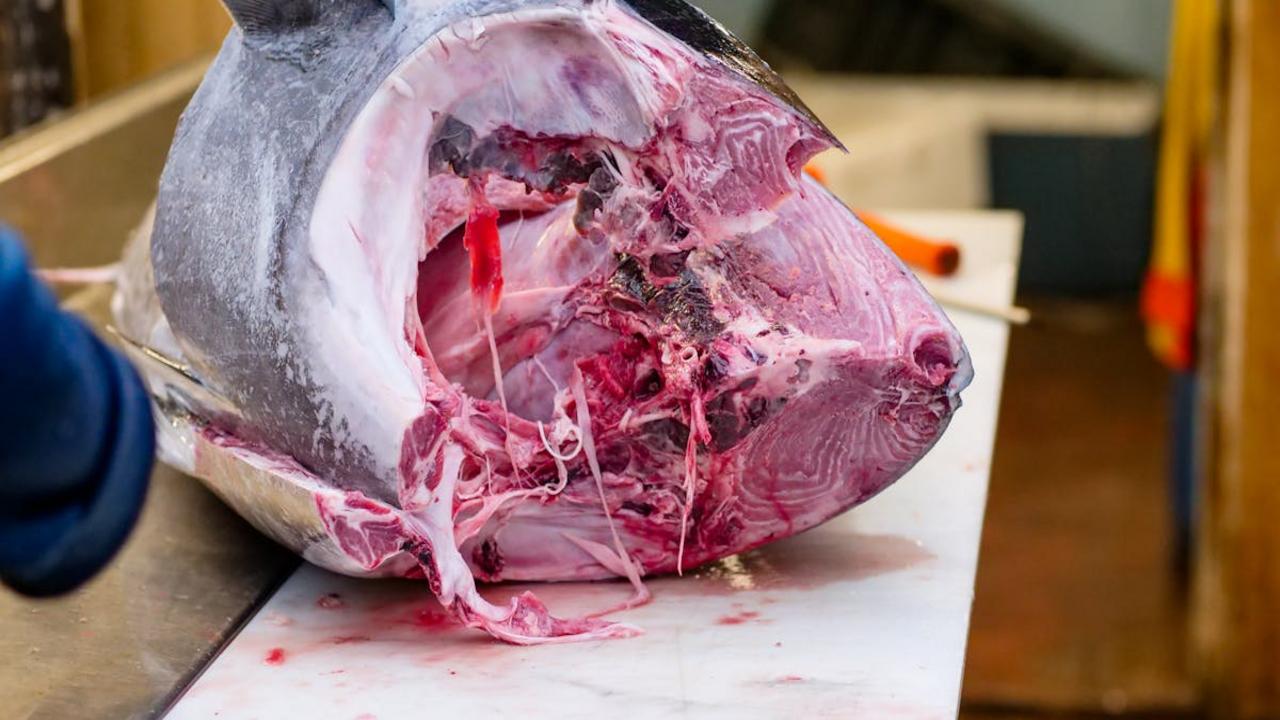
Hold onto your wallets, folks! A single bluefin tuna can fetch prices that’ll make your eyes pop right out of your head. In 2019, a massive 612-pound bluefin sold for a whopping $3.1 million in Tokyo’s fish market. That’s about $5,065 per pound! These magnificent fish, found in the Atlantic and Pacific oceans, have become luxury status symbols, particularly in Japan where top sushi restaurants compete fiercely to get their hands on the finest cuts. The fatty belly meat, called “otoro,” commands the highest prices and melts in your mouth like butter.
The eye-watering prices stem from their rarity and the strict fishing quotas meant to protect these incredible creatures. A single bluefin can take up to 15 years to reach maturity, and they’re not exactly easy to catch. The Japanese consider bluefin tuna the crown jewel of sushi, treating it with near-religious reverence. Every January, Tokyo’s Tsukiji fish market holds their first tuna auction of the year, where restaurants and distributors battle it out to claim the best fish. Think of it as the Super Bowl of seafood, where records keep getting broken year after year.
Kobe Beef
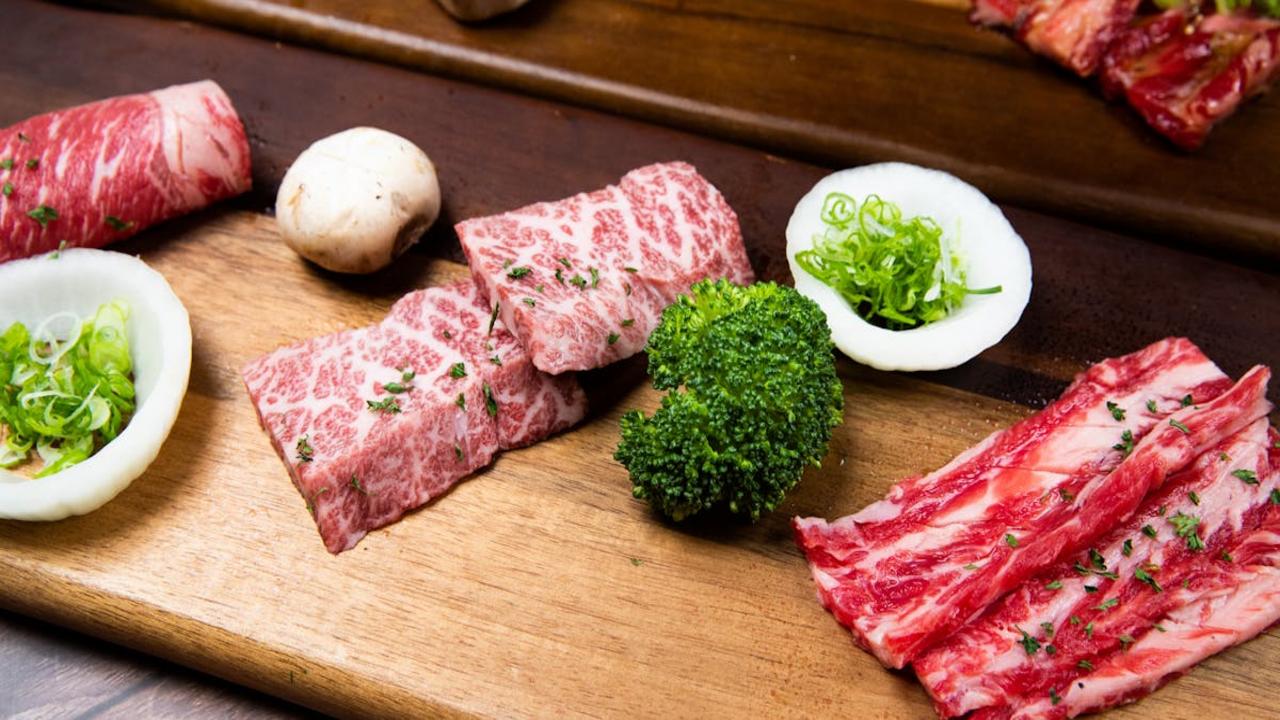
You haven’t truly lived until you’ve tried authentic Kobe beef – that is, if you can afford its eye-watering price tag of $200+ per pound! This legendary Japanese beef comes from pampered Tajima-gyu cattle raised in Hyogo Prefecture, where farmers follow incredibly strict rules. Only about 3,000 cattle qualify as true Kobe beef each year. These lucky cows get daily massages, drink beer, and listen to classical music (yes, really!) to keep them relaxed and help create that signature marbling that makes Kobe beef so special.
The meat itself? Pure magic. The fat literally melts in your mouth like butter, creating an almost sweet flavor that will make you question everything you thought you knew about steak. Here’s a fun fact – many restaurants claiming to serve “Kobe beef” are actually selling other types of wagyu. Real Kobe beef is so rare that only a handful of restaurants in the U.S. are certified to serve it. If you spot it on a menu for less than $400 per serving, you’re probably looking at an impostor. Save your pennies, my friends – this is one splurge that serious food lovers should experience at least once!
Iberico Ham
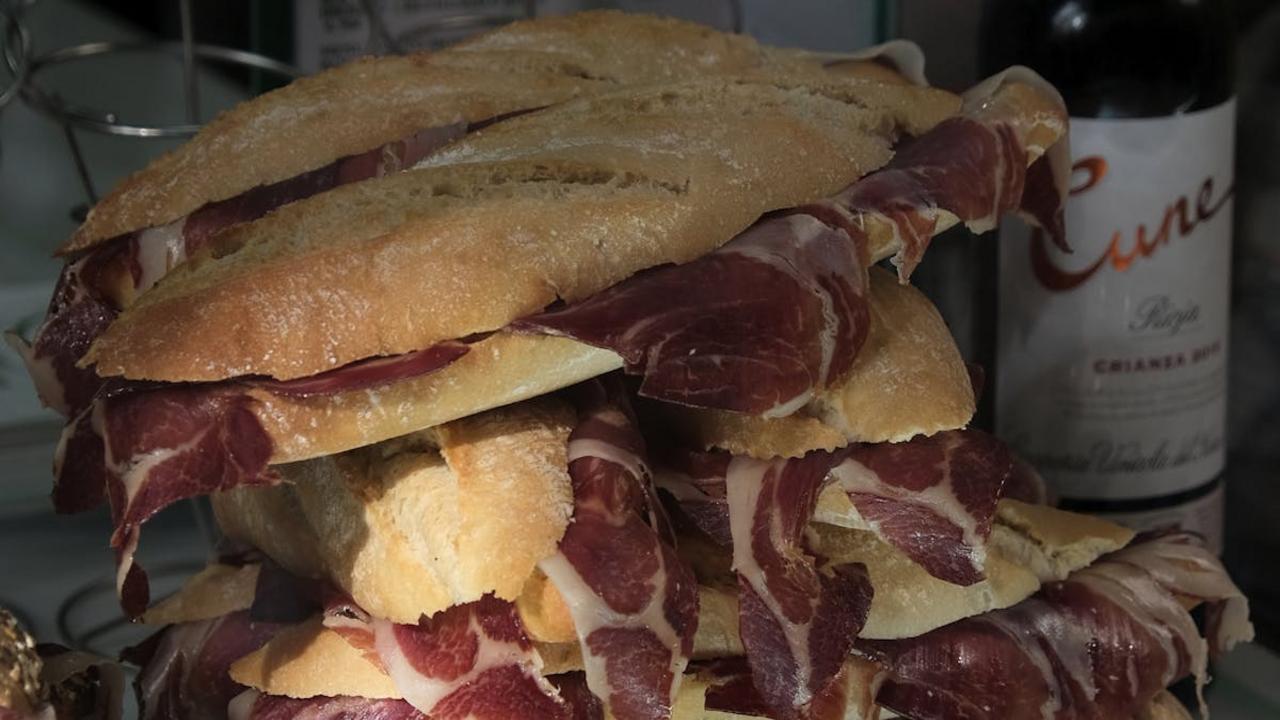
You haven’t truly experienced ham until you’ve tried Iberico – the caviar of cured meats that’ll cost you a small fortune. This luxurious Spanish delicacy comes from black Iberian pigs who live their best lives munching on acorns in oak forests. A single leg can set you back $1,000 or more, making it one of the priciest meats in the world. The pigs’ diet and lifestyle create meat with beautiful marbling and a rich, nutty flavor that melts in your mouth like butter. Some fans swear they can pick up notes of the acorns in every slice.
The production process is just as fancy as the price tag suggests. These pampered pigs roam free for years before their meat undergoes a careful curing process that takes 24 to 48 months. Only specific regions in Spain can produce authentic Iberico ham, and each leg gets its own certification number – like a designer handbag! The most prestigious variety, called Jamon Iberico de Bellota, comes from pigs fed exclusively on acorns during their final months. If you ever spot paper-thin slices of this deep red meat at a Spanish restaurant, prepare yourself for both an unforgettable meal and an eye-watering bill.
Manuka Honey
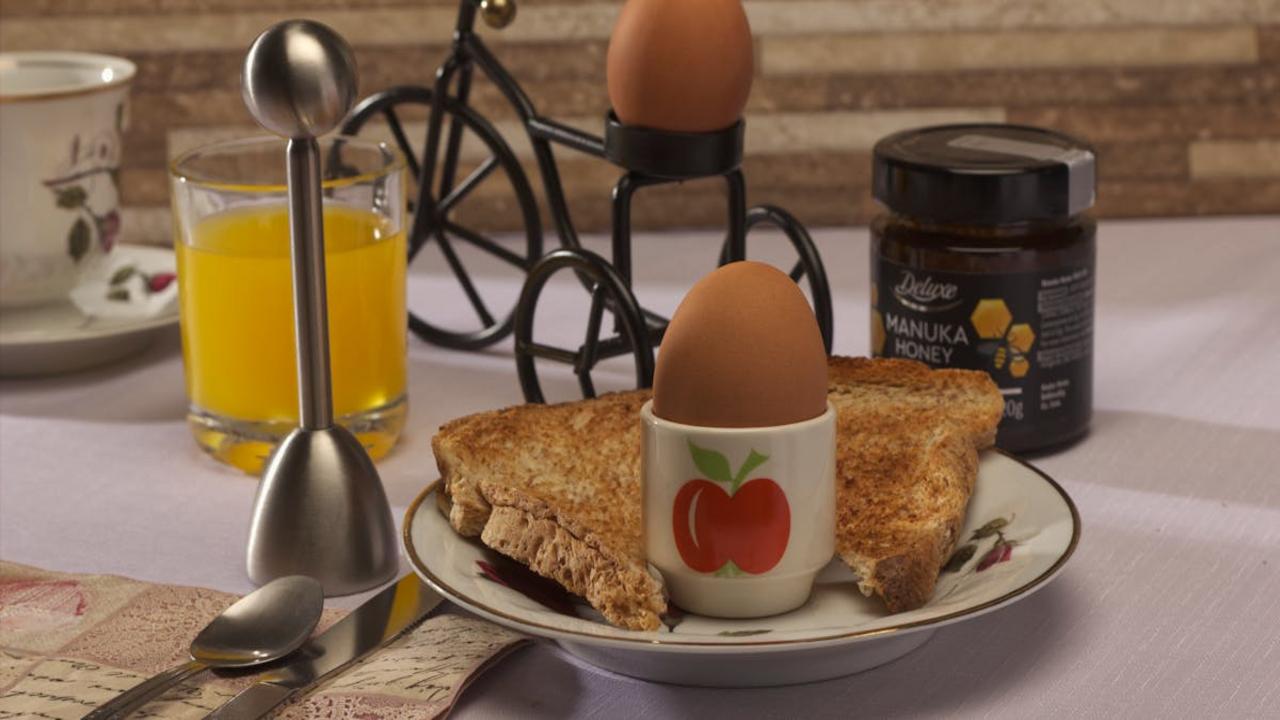
You might think honey is honey, but Manuka honey from New Zealand will make your wallet weep! This liquid gold can cost you up to $500 per jar – yes, you read that right! The price tag comes from its unique antibacterial properties, thanks to compounds found only in nectar from the Manuka bush. The bees work their magic for just a few weeks each year while these special flowers bloom, making this honey super rare. I once spotted a tiny 4-ounce jar at a fancy food shop for $125, which nearly made me drop my shopping basket!
Beyond its medical benefits (which ancient Maori people knew about long before scientists caught up), Manuka honey has a rich, complex flavor that regular honey just can’t match. Think caramel meets herbs meets earthiness – it’s truly something special. The grading system, called UMF (Unique Manuka Factor), tells you how potent your honey is – the higher the number, the more you’ll pay. Some celebrities swear by it for everything from wound healing to immune boosting, which probably explains why you’ll find it in luxury stores next to designer handbags rather than in the regular grocery aisle!
Kopi Luwak Coffee
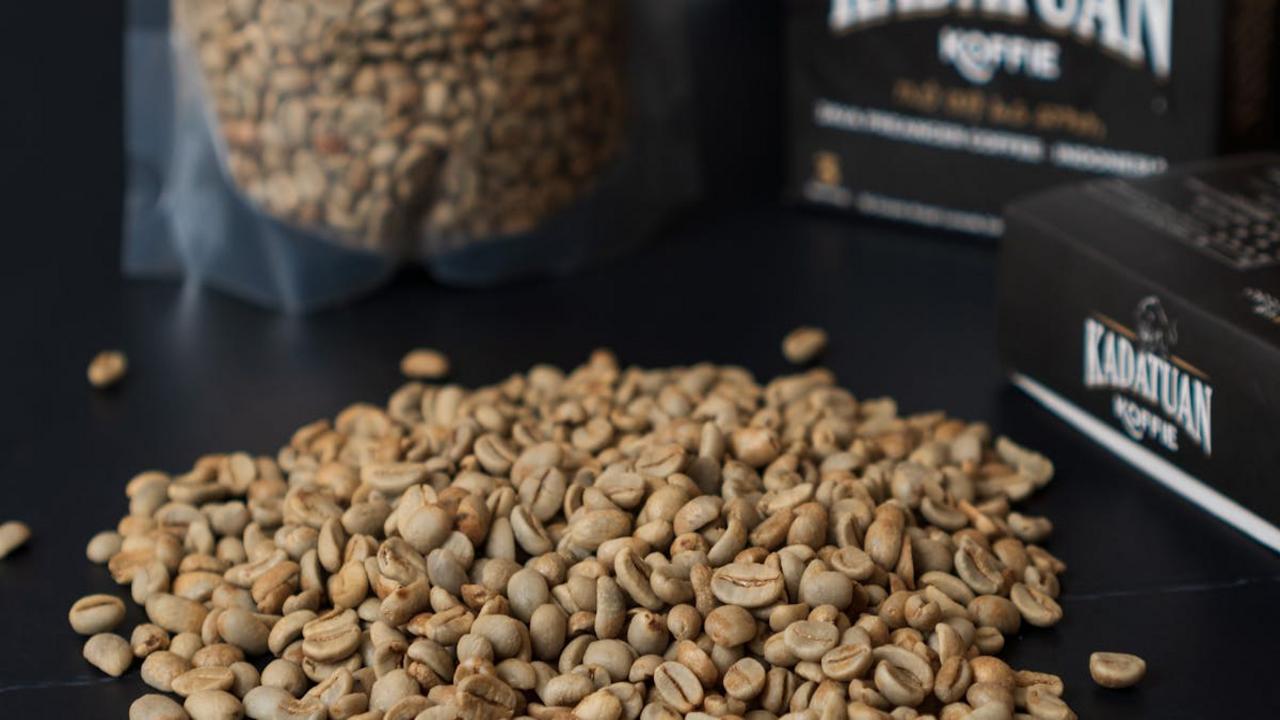
You might think I’ve lost my mind, but I’m about to tell you about coffee that costs up to $1,000 per pound – and yes, it comes from animal poop! Kopi Luwak, also known as civet coffee, starts its journey when Asian palm civets (adorable cat-like creatures) eat coffee cherries and…ahem…deposit the partially digested beans. The civets’ digestive enzymes break down the coffee proteins, creating an incredibly smooth, caramel-like flavor that coffee snobs worldwide go nuts over. Each bean gets handpicked from civet droppings, thoroughly cleaned, and roasted to perfection.
Before you rush to empty your savings account for a cup, know that authentic Kopi Luwak coffee is incredibly rare, making up less than 1% of global coffee production. The high price tag has unfortunately led to some sketchy farming practices, so if you’re determined to try it, make sure to buy from certified wild-sourced suppliers. Some coffee experts claim it’s just an expensive novelty, while others swear by its unique chocolate-y undertones and lack of bitterness. Either way, it’s definitely a conversation starter at your next coffee meetup!
Vanilla Beans
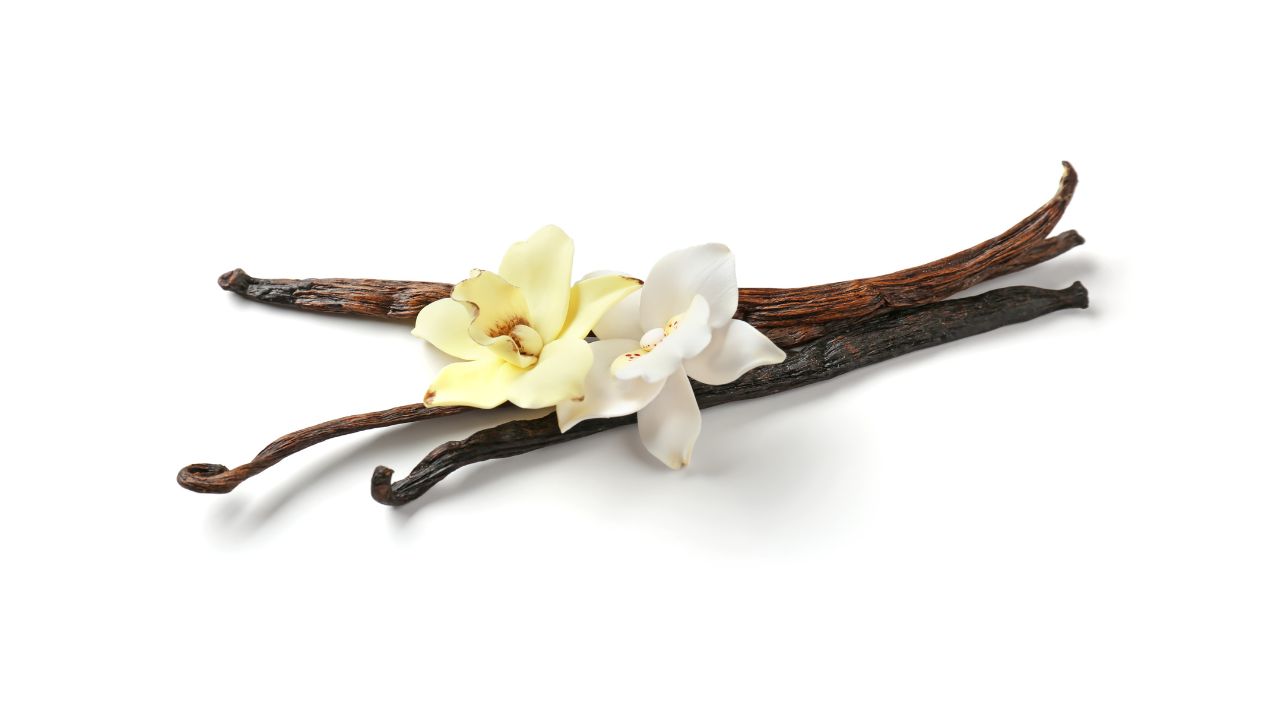
Ever wondered why that tiny jar of vanilla extract costs so much? Meet its source – the vanilla bean, one of the priciest spices in your grocery store. These dark, fragrant pods can set you back $200 per pound, with single beans often selling for $10 or more. The high price stems from the incredibly labor-intensive growing process. Each vanilla orchid flower blooms for just one day and must be hand-pollinated within 12 hours. After harvesting, the beans need careful curing and drying for several months to develop their signature aroma and flavor.
The vanilla bean’s crazy price tag hasn’t stopped home bakers and chefs from seeking out these precious pods. Madagascar produces about 80% of the world’s vanilla beans, but recent storms and market speculation have driven prices even higher. The good news? You only need a small amount to pack a big punch in your recipes. Split the pod lengthwise, scrape out those tiny black seeds, and watch them transform your ice cream, custards, or cakes into something extraordinary. Pro tip: After using the seeds, pop the empty pod into a jar of sugar – in a few weeks, you’ll have amazing vanilla-scented sugar for your coffee or baking.
Matsutake Mushrooms
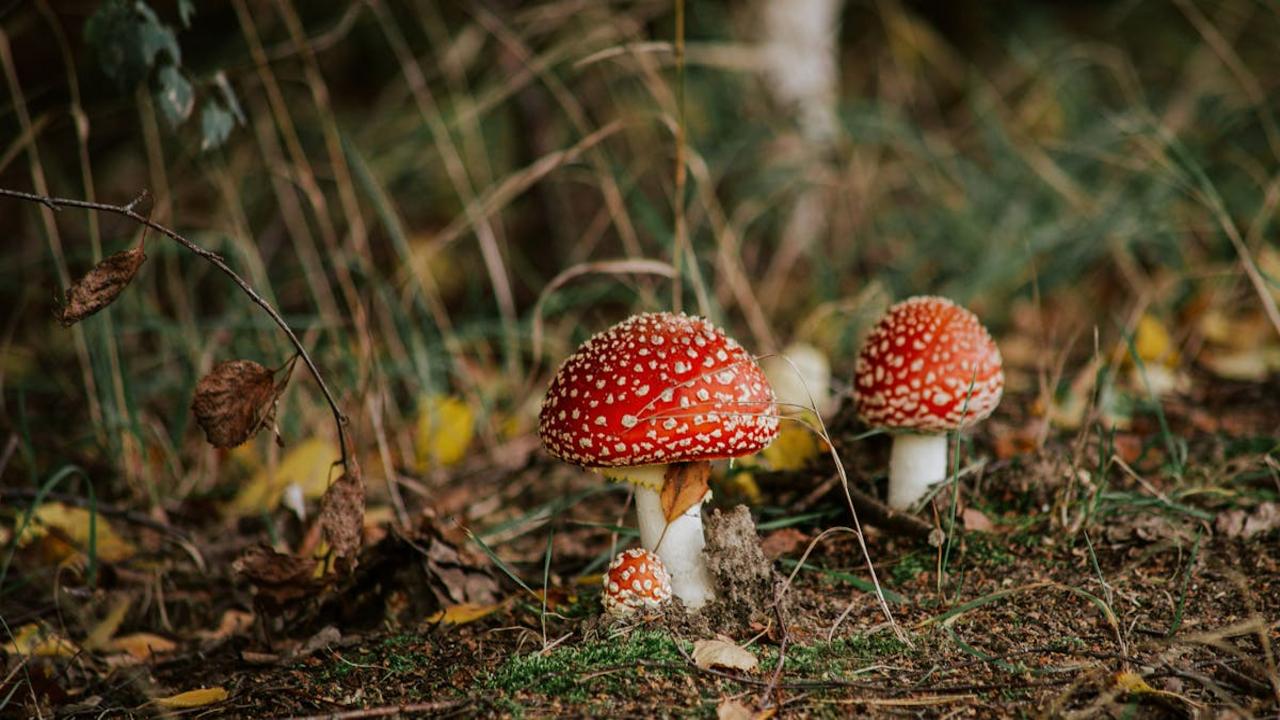
You’ll need deep pockets if you want to get your hands on matsutake mushrooms – these fancy fungi can cost up to $2,000 per pound! Native to Japan, these pine mushrooms have captured the hearts (and wallets) of food enthusiasts worldwide. Their unique spicy-aromatic scent, often compared to cinnamon mixed with pine needles, makes them a coveted ingredient in high-end Japanese cuisine. I once splurged on a single matsutake at a specialty market just to see what the fuss was about, and boy, did that tiny mushroom pack a flavor punch!
The sky-high price tag comes from their increasing rarity and the fact that you can’t farm these bad boys – they only grow wild in specific conditions near red pine trees. In Japan, foragers brave mountain terrain and compete with wildlife to find these prized mushrooms. The best specimens have firm, tight caps and clean, white stems. If you’re lucky enough to get your hands on one, the traditional way to cook them is simple: grilled whole or sliced thin in clear soup to really show off their distinctive aroma. Just remember, one matsutake costs about the same as a monthly grocery budget for some folks!
Saffron
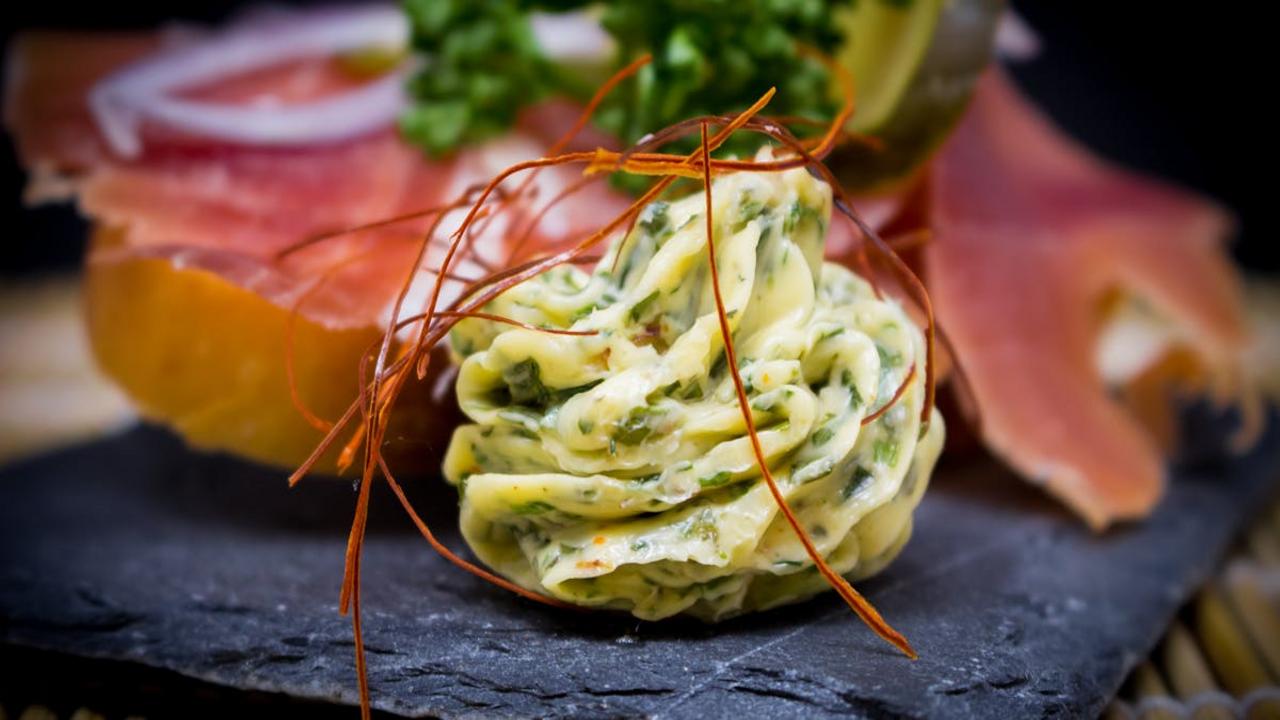
You’ll need to sit down for this one – saffron costs up to $11,000 per pound, making it the most expensive spice in the world. The sky-high price comes from the labor-intensive harvesting process: workers must hand-pick the tiny crimson stigmas from inside crocus flowers, and it takes about 170,000 flowers to produce just one pound of saffron. Each flower gives only three stigmas, and you’ll need to pick them at dawn before the flowers wilt in the sun. Talk about dedication!
Beyond its legendary status as a luxurious spice, saffron brings an irreplaceable golden color and distinct flavor to dishes like Spanish paella and Indian biryani. The spice contains more than 150 volatile compounds that create its complex aroma and taste. Most recipes only need a pinch – about 10-12 strands – to work their magic. Here’s a money-saving tip: if someone tries to sell you “cheap saffron,” run the other way! Fraudsters often mix in safflower or dyed corn silk to bulk up their products. Stick to reputable sellers and remember – with saffron, you truly get what you pay for.