14 Genius Pantry Swaps Every Home Cook Should Master
Running out of ingredients mid-recipe used to send me into a panic, frantically driving to the store in my pajamas. But those days are gone! I’ve learned the magic of smart substitutions that can rescue any dish from disaster. These genius swaps will transform your kitchen into a problem-solving powerhouse.
Think of your pantry as a chemistry lab where applesauce can replace eggs, honey steps in for sugar, and a simple mix of milk and lemon juice becomes buttermilk. You’ll save money, reduce food waste, and maybe even make your dishes healthier without sacrificing taste.
The best part? These substitutions work so seamlessly, your family won’t notice the difference. From turning crackers into breadcrumbs to swapping heavy cream with a milk-butter combo, these tricks will make you feel like a kitchen MacGyver. Get ready to master the art of the swap!
Cornstarch with Flour
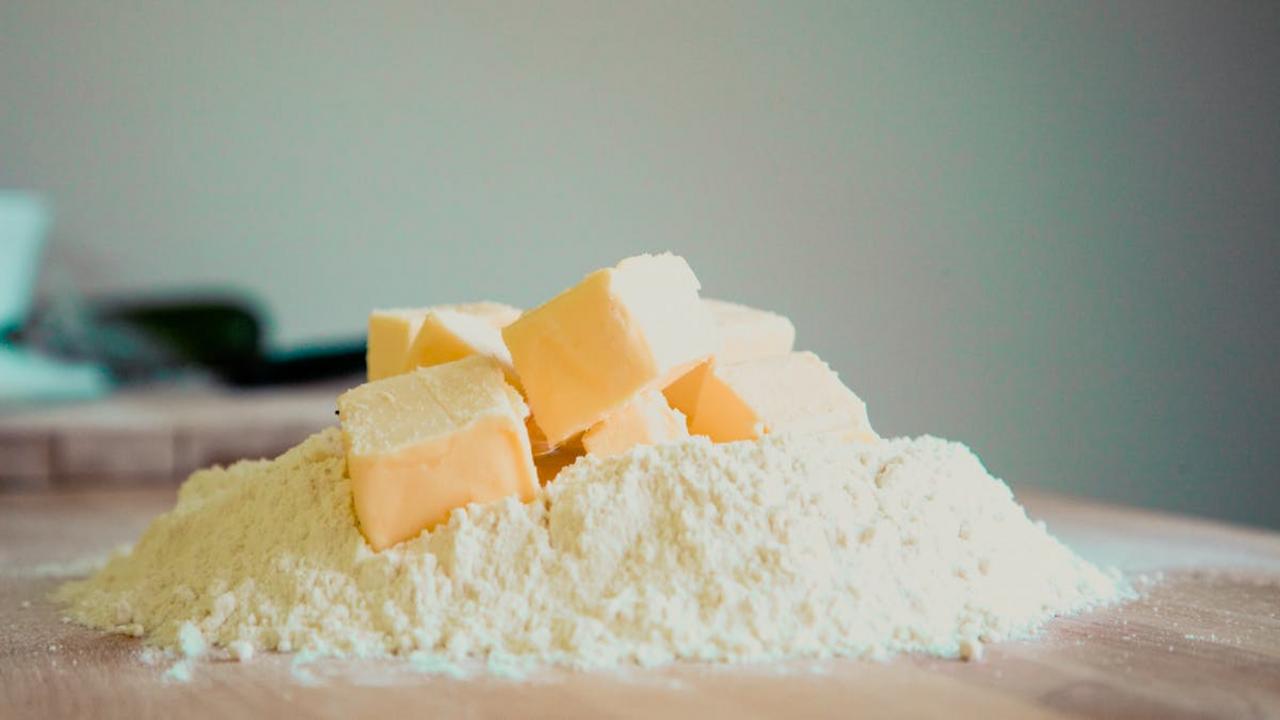
Got cornstarch but no flour? Don’t panic! While these white powdery siblings might look similar, they pack different punches in the kitchen. You can substitute cornstarch with twice the amount of all-purpose flour to achieve that perfect sauce thickness. For example, if your recipe asks for 1 tablespoon of cornstarch, grab 2 tablespoons of flour instead. The main difference? Cornstarch gives you that glossy finish and translucent look, while flour keeps things more matte and opaque – but both will get your gravy to that dreamy, thick consistency.
Here’s a fun tidbit: cornstarch is actually four times more powerful at thickening than flour! That’s why you need more flour to match cornstarch’s superhero thickening abilities. Remember to cook flour-based sauces a bit longer to get rid of that raw flour taste (nobody wants their beef stroganoff tasting like cookie dough). And if you’re making a light-colored sauce, flour might make it slightly cloudier than cornstarch would. But in most cases, this swap works like a charm – I’ve rescued countless Tuesday night stir-fries with this simple substitution!
Fresh Onion with Onion Powder

I keep both fresh onions and onion powder in my kitchen at all times, but let’s face it – sometimes you’re mid-recipe and realize you’ve used your last onion making French onion soup last night (worth it, by the way). That’s where onion powder swoops in to save dinner! For every medium fresh onion your recipe calls for, substitute with 1 tablespoon of onion powder. While you won’t get that same satisfying sizzle in the pan, onion powder packs a concentrated punch of flavor that distributes more evenly throughout your dish.
Here’s a fun fact that blew my mind: onion powder isn’t just dehydrated and ground onions – manufacturers actually cook the onions first, which creates different flavor compounds than you’d get from raw onions. This makes onion powder perfect for dishes where you want that deep, caramelized onion flavor without spending an hour at the stove. I particularly love using it in dry rubs for meats, homemade ranch dressing, and those emergency moments when I need to add a quick flavor boost to soups or stews. Just remember to store your onion powder in an airtight container away from heat – nobody wants clumpy seasoning!
Fresh Garlic with Garlic Powder

Oh, the eternal garlic dilemma! You’re ready to whip up that perfect pasta sauce, reach for your garlic bulb, and… it’s sprouted green shoots taller than your herb garden. Don’t panic – grab that trusty jar of garlic powder instead! While fresh garlic gives you that bold, spicy kick with its natural oils, garlic powder brings a mellower, more concentrated flavor that spreads evenly through your dishes. I keep both in my kitchen because each has its superpower – fresh garlic for dishes where you want those distinct pieces and that sharp bite, and powder for rubs, marinades, and last-minute flavor boosts.
Here’s my go-to conversion trick: substitute 1/8 teaspoon of garlic powder for each clove of fresh garlic your recipe needs. The powder works magic in dry spice blends, soups, and sauces where you want that garlicky goodness without the texture of minced pieces. Plus, garlic powder saves you from those stubborn garlic fingers that no amount of lemon juice or stainless steel can seem to fix. Just remember that garlic powder packs more punch per pinch than fresh, so start with less and add more to match your garlic dreams!
White Wine with Apple Juice

Want a quick fix when your recipe calls for white wine but your wine rack is empty? Grab that apple juice from your fridge! The natural sweetness and bright acidity of apple juice makes it a brilliant stand-in for white wine in most recipes. You’ll get that same fruit-forward complexity without opening a whole bottle of Chardonnay. I learned this trick during a dinner party panic when my last bottle of Pinot Grigio had mysteriously vanished (spoiler alert: my roommate was the culprit).
The swap works perfectly in pan sauces, risottos, and braised dishes. For every cup of white wine, use 3/4 cup of apple juice mixed with 2 tablespoons of white wine vinegar or lemon juice – this combo nails that perfect balance of sweet and tart notes. Your guests won’t notice the difference, and your wallet will thank you. Plus, you’ll always have this alcohol-free option ready for anyone who prefers not to cook with wine. Just remember to skip this swap in recipes where wine is the star player, like a classic French coq au vin.
Breadcrumbs with Crushed Crackers

Out of breadcrumbs again? Don’t rush to the store just yet! Your pantry holds a brilliant solution that’ll save your crispy chicken, meatballs, or casserole topping. Grab those saltine crackers, butter crackers, or even those forgotten sandwich crackers hiding in the back of your cabinet. Put them in a zip-top bag, grab your rolling pin (or wine bottle – hey, I won’t judge), and channel your inner stress-relief needs by crushing those crackers into fine crumbs. You’ll get the same crispy coating with an extra punch of flavor that plain breadcrumbs can’t match.
Here’s a little secret from my kitchen mishaps – crackers often work better than breadcrumbs because they’re already seasoned and contain the perfect amount of salt and fat. For every cup of breadcrumbs your recipe needs, substitute with one cup of finely crushed crackers. Ritz crackers make mac and cheese topping dreams come true, while graham crackers can replace breadcrumbs in pie crusts. My nephew once accidentally used cheese crackers for his chicken nugget coating, and now the family won’t eat them any other way! Sometimes the best kitchen discoveries happen when we run out of the “right” ingredients.
Fresh Herbs with Dried Herbs

I can’t count how many times I’ve bought fresh herbs for a recipe, only to find them wilted and sad in my fridge days later. That’s why I keep a solid stash of dried herbs in my pantry – they’re like my culinary insurance policy! The general rule of thumb? Use 1 teaspoon of dried herbs for every tablespoon of fresh ones. Woody herbs like oregano, thyme, and rosemary dry particularly well and pack a concentrated punch, making them perfect pantry staples for those “oops, forgot to buy fresh” moments.
Here’s a fun little herb hack: dried herbs work best when you add them early in the cooking process, while fresh herbs shine when sprinkled right before serving. Think of dried herbs as marathon runners – they need time to release their flavors during slow cooking. And if you’re wondering about shelf life, dried herbs typically last 1-3 years, though they’ll lose some oomph over time. Give them a quick sniff test – if they smell like nothing but dusty leaves, it’s time to replace them. Your future recipes will thank you!
Heavy Cream with Milk and Butter

Running out of heavy cream in the middle of making your favorite recipe can feel like a small kitchen catastrophe. But here’s a brilliant swap that’ll save your dish and your sanity: mix 3/4 cup whole milk with 1/3 cup melted butter to create 1 cup of heavy cream substitute. This combination works because you’re basically reconstructing heavy cream from its two main components – the fat from butter and the liquid from milk. I’ve used this trick countless times when making pasta sauces, and my dinner guests never noticed the difference!
While this substitute works magic in most recipes, keep in mind it won’t whip up into peaks like real heavy cream – physics just won’t allow it. But for soups, sauces, casseroles, or baked goods, you’ll get that same rich, creamy texture you’re after. The best part? You probably already have milk and butter in your fridge right now. Just remember to let the melted butter cool slightly before mixing it with the milk, or you’ll end up with a separated mess that looks like a science experiment gone wrong (trust me, I learned this the hard way during a late-night chocolate ganache craving).
Baking Powder with Baking Soda and Cream of Tartar
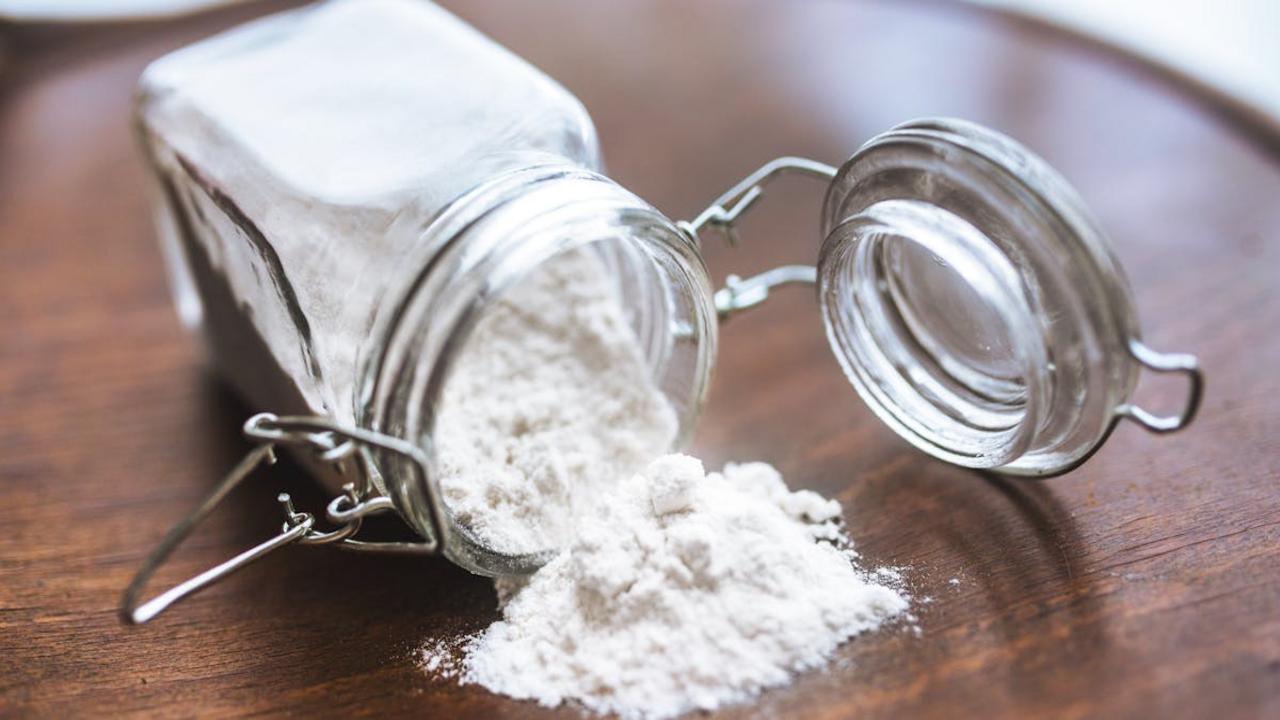
Oh, you’re halfway through baking those fluffy pancakes when you discover your baking powder container is empty – the horror! Don’t panic, I’ve got your back! You can create your own baking powder by mixing one part baking soda with two parts cream of tartar. This dynamic duo works exactly like store-bought baking powder because that’s what baking powder actually is – just baking soda and cream of tartar hanging out together in one container. The chemical reaction between these two ingredients creates the perfect lift for your baked goods.
Here’s a fun kitchen chemistry fact: baking soda needs acid to work its magic, and cream of tartar brings that acidic punch to the party. Mix 1/4 teaspoon baking soda with 1/2 teaspoon cream of tartar to replace 1 teaspoon of baking powder in any recipe. Just remember to use this mixture right away since the reaction starts the moment these two ingredients meet. If you want to make a bigger batch to store, add a teaspoon of cornstarch to keep things from getting too reactive too soon. Your cakes and cookies will never know the difference!
Brown Sugar with White Sugar and Molasses
Have you ever reached for brown sugar only to find a rock-hard brick that could double as a doorstop? I’ve been there! The good news is you can make your own brown sugar in a pinch with two simple ingredients you probably already have. Mix one cup of white granulated sugar with one tablespoon of molasses, and voilà – you’ve got perfect brown sugar! The ratio changes slightly depending on whether you want light or dark brown sugar – just add an extra tablespoon of molasses for the darker variety.
The beauty of this swap goes beyond convenience – you’ll actually get fresher-tasting brown sugar than the store-bought kind that’s been sitting on the shelf for months. Plus, you can fine-tune the molasses content to your exact preferences. Want a deeper caramel note in your chocolate chip cookies? Add a touch more molasses. Making a delicate streusel topping? Go lighter on the molasses for a more subtle flavor. Your baked goods will thank you, and you’ll never have to chisel away at a brown sugar brick again!
Sour Cream with Greek Yogurt
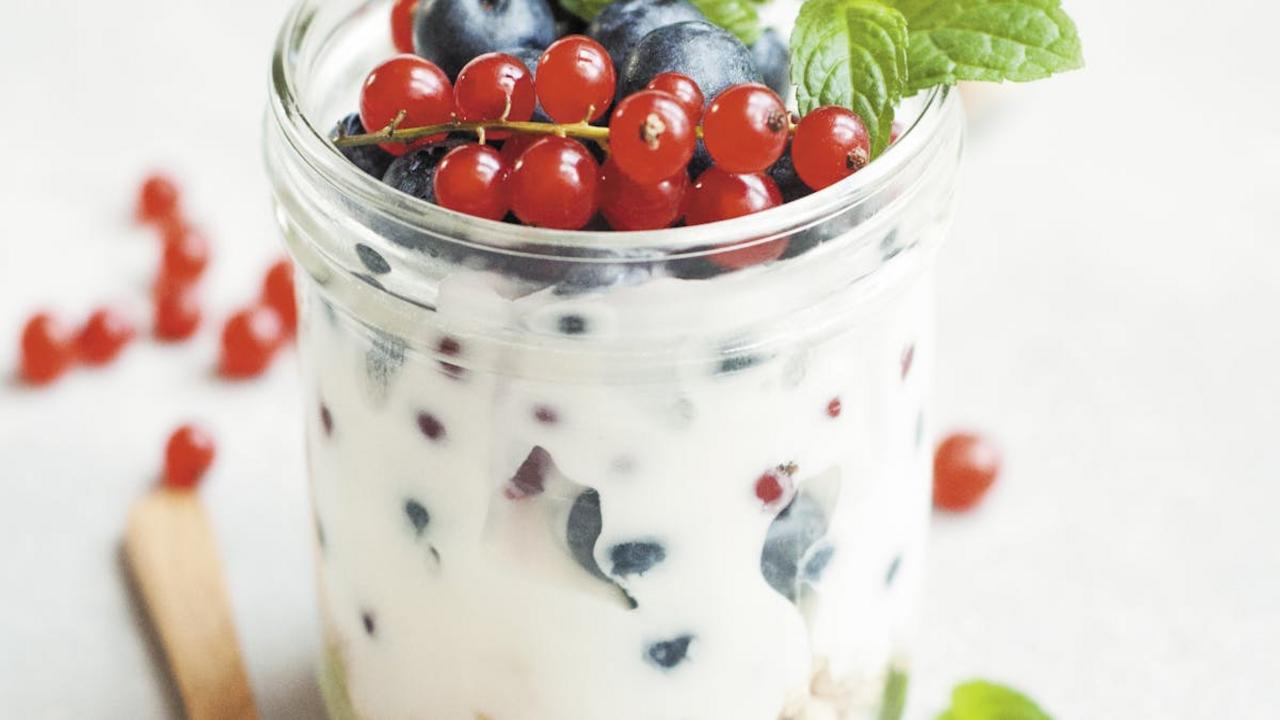
I’ll let you in on a secret that revolutionized my late-night taco habits – swapping sour cream with Greek yogurt! This brilliant substitution not only slashes calories and fat but pumps up the protein content of your dishes. Greek yogurt packs the same tangy punch and creamy texture as sour cream, making it perfect for dolloping onto baked potatoes, stirring into stroganoff, or mixing into your favorite dip recipes. Plus, you’ll get double the protein and calcium compared to regular sour cream, without sacrificing that rich, luxurious mouthfeel we all crave.
The magic ratio? A straight 1:1 swap works perfectly in most recipes. Your enchiladas won’t know the difference, and neither will your buffalo chicken dip-loving friends at game night. I once served a Greek yogurt-based ranch dip at a party, and my friend Mike – a self-proclaimed sour cream connoisseur – couldn’t spot the switch. The only place where Greek yogurt might act slightly different is in baking, where its higher protein content can change the texture. For those cases, try mixing equal parts Greek yogurt and regular yogurt to match sour cream’s consistency more closely.
All Purpose Flour with Cake Flour
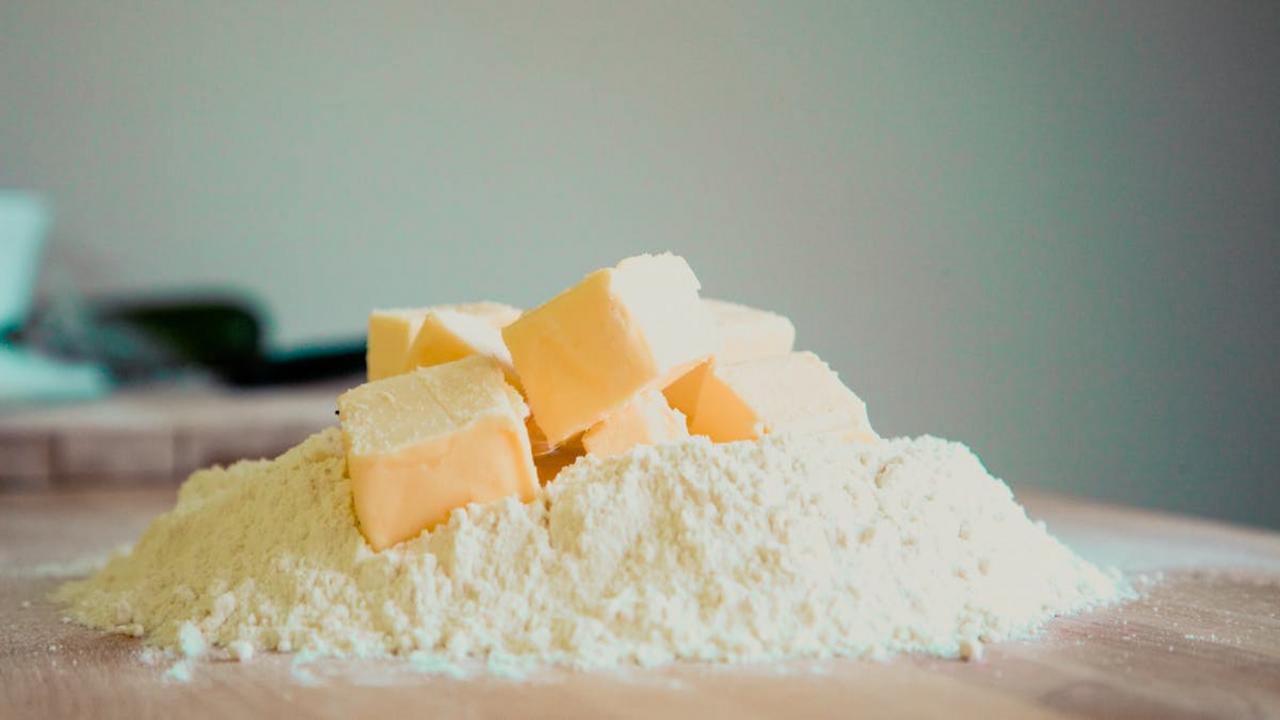
Want to know a genius baking trick? You can make your own cake flour from regular all-purpose flour in about 30 seconds! Just remove 2 tablespoons of all-purpose flour from each cup you plan to use, and replace it with 2 tablespoons of cornstarch. Give it a good sift 4-5 times (I like to pretend I’m a fancy pastry chef while doing this), and voilà – you’ve got yourself some homemade cake flour! This swap will save you both money and precious pantry space, plus it’s a lifesaver when you’re mid-recipe and realize you’re out of cake flour.
The science behind this swap is pretty cool – the cornstarch helps inhibit gluten formation, giving you that tender, delicate crumb that makes cake flour so special. I discovered this trick during a late-night baking frenzy when I desperately wanted to make my grandmother’s famous vanilla cupcakes but had zero cake flour. Now, I rarely buy cake flour anymore because this substitution works perfectly in everything from angel food cakes to tender biscuits. Just remember, this swap works best in recipes that need that super-fine, tender texture – for heartier baked goods, stick with your trusty all-purpose flour.
Sugar with Honey

Oh, honey! I can’t believe how many baking projects I ruined before discovering this genius swap. While sugar might be your go-to sweetener, honey brings so much more to your recipes than just sweetness. Your cookies will stay softer longer, your cakes will hold more moisture, and you’ll add subtle floral notes that plain old sugar could never dream of delivering. Plus, honey contains natural enzymes and antioxidants that make this swap a nutritional upgrade. Just remember to use about ¾ cup of honey for every cup of sugar, and reduce your recipe’s liquid content by about ¼ cup to maintain the right consistency.
Here’s a fun fact that’ll make you look like a kitchen wizard: honey acts as a natural preservative! Those ancient Egyptian honey pots archaeologists found in tombs? Still perfectly good after thousands of years. I now keep my banana bread fresher for days by swapping honey for sugar, and my morning coffee has transformed from a basic brew to a warm hug in a mug. You’ll need to watch your baking temperature though – honey browns faster than sugar, so lower your oven by 25 degrees Fahrenheit to prevent your treats from getting too dark too quickly.
Buttermilk with Milk and Lemon Juice
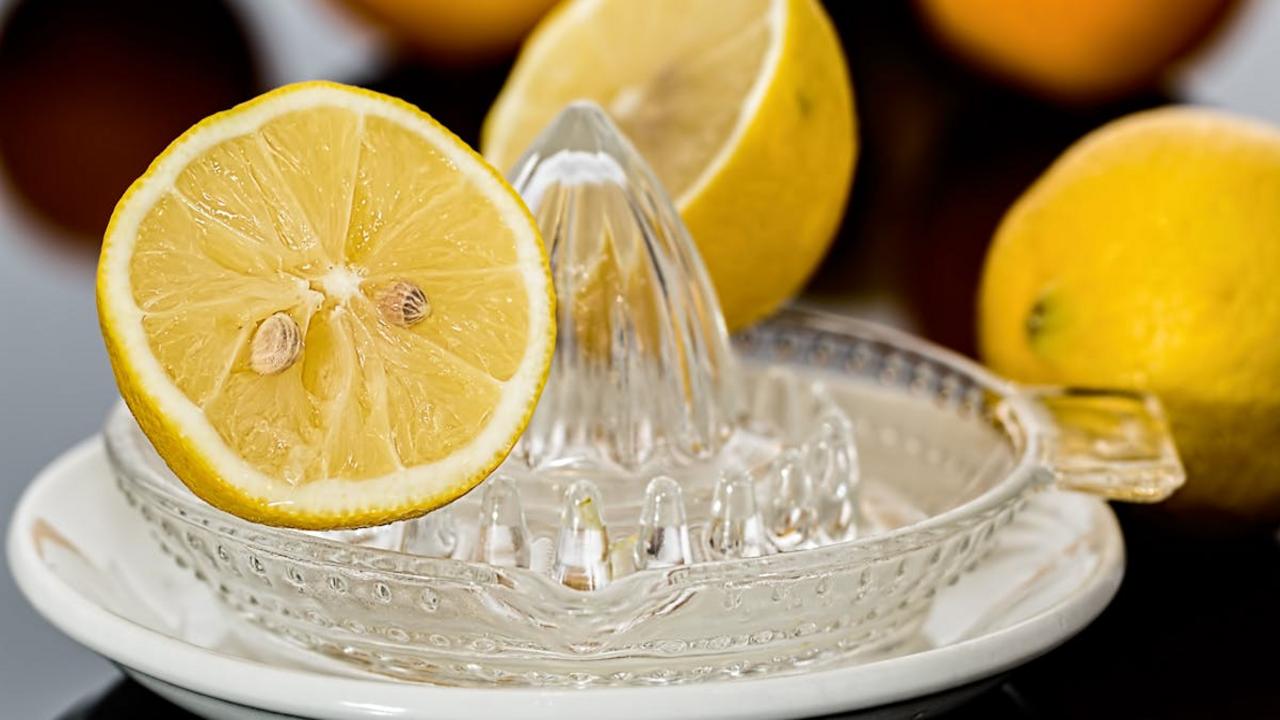
I’ll bet you’ve been there – you’re halfway through making those perfect pancakes when you realize you forgot to buy buttermilk. Don’t panic and don’t run to the store! You can make your own buttermilk substitute right in your kitchen with regular milk and lemon juice. Just add one tablespoon of fresh lemon juice to one cup of milk, let it sit for 5-10 minutes until it starts to curdle slightly, and voilà – you’ve got yourself a perfect buttermilk replacement that works in any recipe. The acid from the lemon juice creates the same tangy flavor and chemical reaction you need for fluffy baked goods.
This simple swap has saved my bacon (and my biscuits) more times than I can count. The best part? You can use any type of milk you have on hand – whole, 2%, or even non-dairy alternatives like soy or almond milk work great. White vinegar can stand in for lemon juice too, making this substitute extra flexible. Just remember the magic ratio: 1 cup milk + 1 tablespoon acid = homemade buttermilk. Your pancakes, muffins, and quick breads will turn out just as tender and delicious as if you’d used the real thing.
Eggs with Applesauce
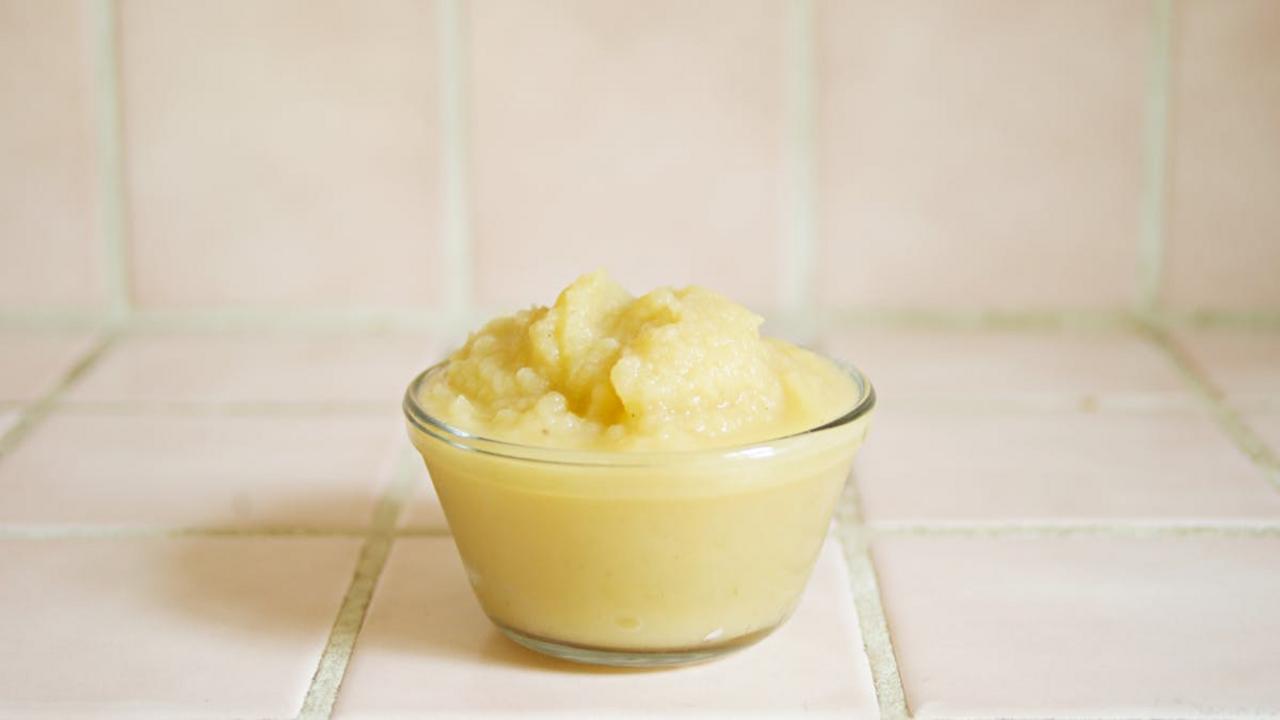
Want to make your favorite baked treats a bit healthier without sacrificing that moist, tender texture? Swap out eggs for applesauce in your next batch of brownies or muffins! For each egg in your recipe, simply substitute ¼ cup of unsweetened applesauce. This genius swap not only cuts down on cholesterol and calories but also adds natural sweetness and moisture to your baked goods. Plus, you’ll save money on eggs while sneaking in some extra fruit servings – now that’s what I call a win-win situation!
The science behind this substitution is pretty cool – applesauce contains pectin, which acts as a binding agent similar to eggs in baking. While this swap works wonderfully in most quick breads, cakes, and cookies, keep in mind it might not be perfect for recipes where eggs play a starring role (like meringues or soufflés). My favorite trick? Add an extra ½ teaspoon of baking powder to your recipe when using applesauce to help maintain that perfect rise. Your family won’t even notice the difference, but your heart (and your wallet) will thank you!