14 Smart Ingredient Substitutes to Save You Money Without Sacrificing Flavor
Looking to slash your grocery bill without compromising on flavor? Your kitchen likely holds countless swap opportunities that can transform expensive recipes into budget-friendly masterpieces. From simple dairy trades to clever pantry switches, these substitutions will keep your wallet happy and your meals delicious.
Think of ingredient substitution as a money-saving superpower. Why spend extra on fancy white wine for cooking when regular vinegar works perfectly? Or shell out for pricey fresh herbs when dried ones pack the same punch? The secret lies in knowing which swaps maintain the integrity of your dishes while costing significantly less.
I’ve tested dozens of ingredient alternatives to bring you the 14 smartest substitutions that actually work. These aren’t just random swaps – they’re tried-and-true replacements that’ll save you money and often add nutritional benefits too. Ready to transform your cooking game while keeping more cash in your pocket?
Seasonal Produce Instead of Out of Season

You know that heartbreaking moment when you spot gorgeous strawberries in December, only to find they cost more than your weekly coffee budget? I learned this lesson the hard way after dropping $8 on bland, out-of-season tomatoes. Now, I plan my meals around what’s actually growing nearby. Summer means loading up on juicy peaches and sweet corn at rock-bottom prices, while fall brings an abundance of cheap pumpkins, apples, and root vegetables. By following nature’s calendar, you’ll save serious cash and get way better flavor – those winter greenhouse tomatoes just can’t compete with their sun-ripened summer cousins.
Want a genius money-saving trick? Stock up when produce hits its peak season and preserve it for later. I freeze berries at the height of summer, can tomatoes when they’re practically giving them away at the farmers market, and dehydrate herbs from my garden. This way, I enjoy local produce all year without breaking the bank. My favorite swap? Using frozen summer peaches in January smoothies instead of paying premium for fresh ones. The secret is freezing them when they’re perfectly ripe – they’ll keep that sweet summer magic locked in until you need them.
Store Brand Instead of Name Brand

I’ll let you in on a little secret – those fancy name-brand products often come from the exact same manufacturers as store brands! You’re basically paying extra for prettier packaging and marketing campaigns. My local grocery store’s generic pasta sauce costs $2 less than the leading brand, and guess what? The ingredients list matches word-for-word! I’ve blind-tested store brands against name brands with my foodie friends, and most couldn’t spot the difference in basics like flour, sugar, butter, or canned tomatoes.
Your wallet will thank you for making this simple switch – store brands typically cost 20-30% less than national brands. Next time you shop, grab the store version of pantry staples like cereals, condiments, frozen vegetables, and dairy products. Many stores even offer a money-back guarantee if you’re not satisfied. I’ve saved hundreds annually by choosing generic brands for everything from olive oil to crackers. Just watch out for a few items where brand names do make a difference, like chocolate chips for baking (trust me, I learned this one the hard way during a cookie disaster).
Sunflower Oil Instead of Olive Oil

Hey, did you know you can swap that fancy (and often pricey) olive oil for good old sunflower oil in most recipes? I love a beautiful bottle of extra virgin olive oil as much as the next food enthusiast, but my wallet doesn’t always agree! Sunflower oil brings a light, neutral flavor that won’t overpower your dishes, and it has a higher smoke point than olive oil – meaning you can crank up the heat without worrying about burnt flavors or setting off your smoke alarm (been there, done that, got the takeout menu to prove it).
Your bank account will thank you for this switch, as sunflower oil typically costs about half the price of olive oil. Plus, it packs some impressive nutritional benefits – it’s rich in Vitamin E and heart-healthy fats. I keep both oils in my kitchen, saving the olive oil for those Mediterranean recipes and salad dressings where its distinct flavor really matters, and reaching for sunflower oil for everyday cooking, baking, and high-heat situations. You’ll barely notice the difference in most cooked dishes, but you’ll definitely notice the extra cash in your wallet!
Apple Sauce Instead of Eggs
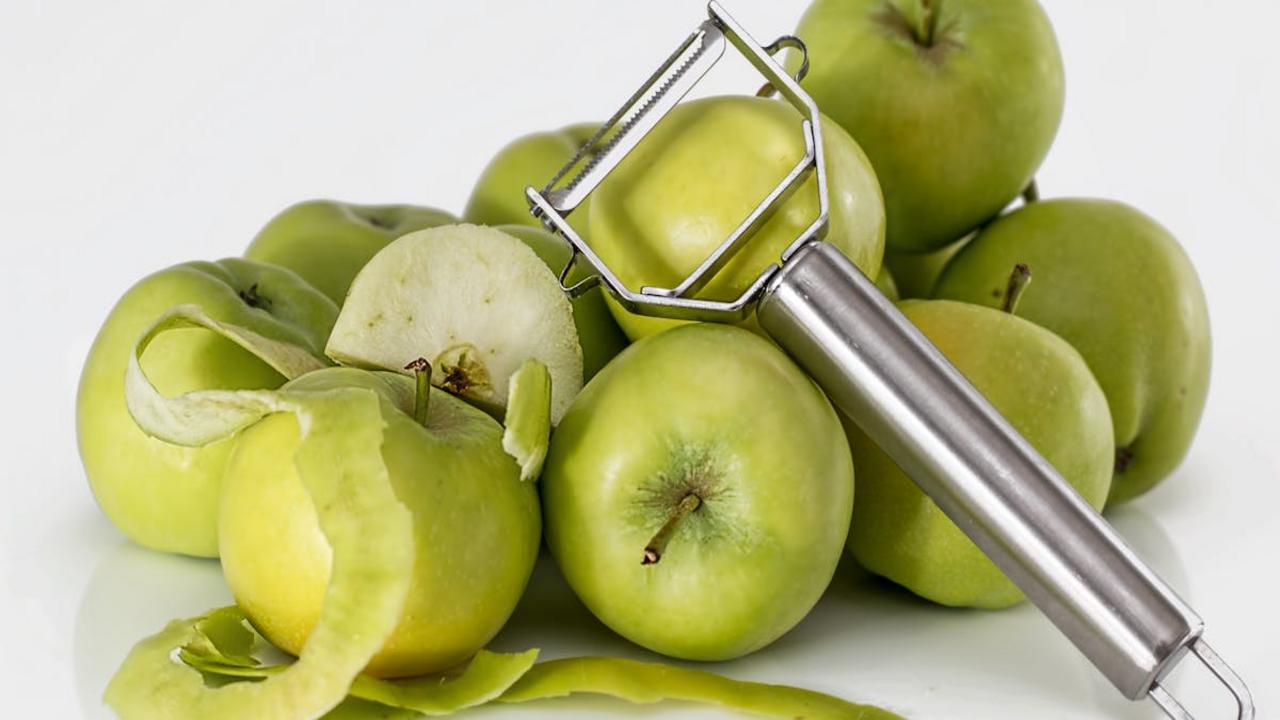
Want to know a genius baking hack that’ll save you money and work perfectly for your vegan friends? Grab that jar of applesauce hiding in your pantry! I discovered this trick during a late-night baking emergency when I ran out of eggs mid-recipe. Just swap in ¼ cup of applesauce for each egg, and your baked goods will turn out incredibly moist and tender. The natural sweetness adds a subtle depth to your treats, while the pectin in apples acts as a fantastic binding agent – exactly what eggs do in traditional recipes.
Beyond the cost savings (applesauce costs way less than eggs!), this substitution packs some extra perks. Your treats will have fewer calories and less cholesterol, plus you’ll add a boost of fiber and vitamin C. The best part? Nobody will guess your secret ingredient! I’ve served my applesauce-based brownies and muffins to countless friends, and they’ve all been amazed when I reveal the switch. Just remember to use unsweetened applesauce to maintain control over your recipe’s sugar content. This swap works beautifully in quick breads, cakes, and cookies – though I wouldn’t recommend it for recipes where eggs play a starring role, like meringues or soufflés.
Oats Instead of Breadcrumbs
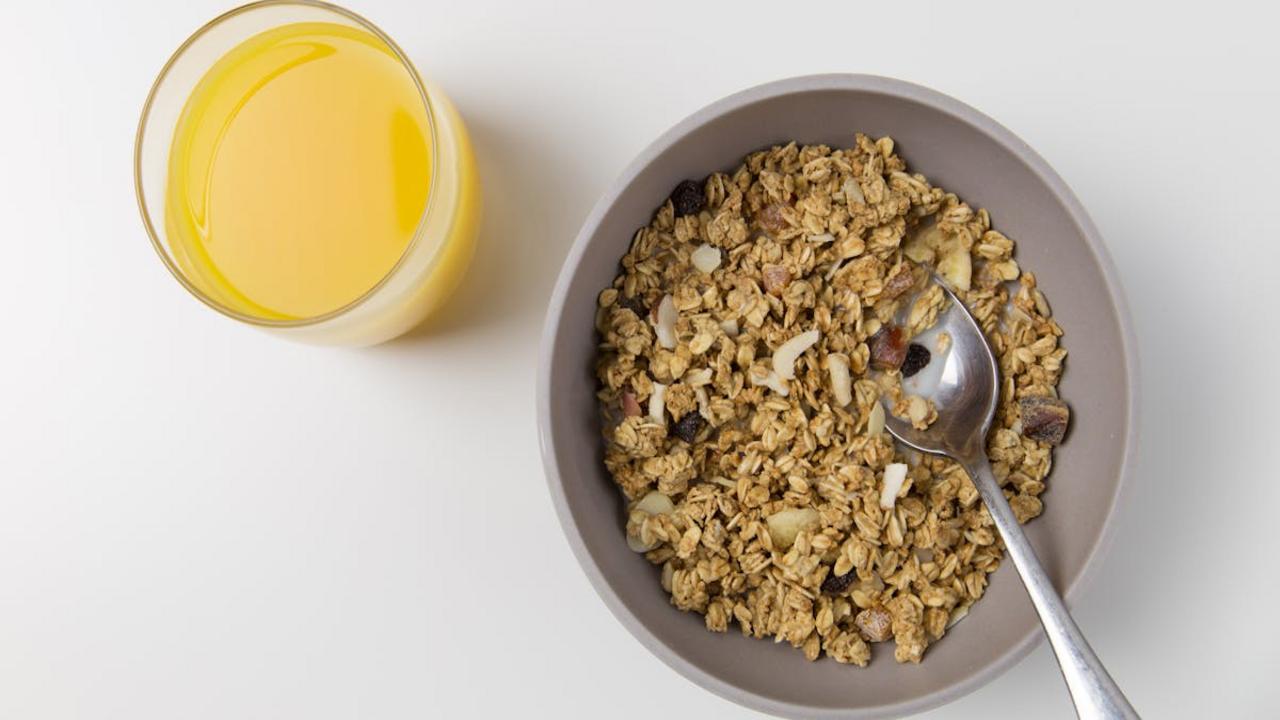
Here’s a brilliant money-saving trick I learned during a broke college phase that stuck with me: swap those pricey breadcrumbs for good old-fashioned oats! Just blitz regular oats in your food processor until they reach a fine, crumb-like texture, and voilà – you’ve got an incredible breadcrumb substitute that costs way less. The best part? Oats bring a nutty, wholesome flavor to your dishes that regular breadcrumbs can only dream of. I now use them in everything from meatballs to crispy chicken coatings, and my family actually prefers the richer taste.
Beyond the cost savings, oats pack serious nutritional benefits that white breadcrumbs simply can’t match. They’re loaded with fiber, protein, and minerals – making that crispy-coated chicken or meatloaf secretly healthier. Plus, your pantry probably already has a container of oats hanging around, so you’ll save yourself an extra trip to the store. Just remember to season your oat “breadcrumbs” well with herbs and spices. I love adding garlic powder, Italian herbs, and a pinch of salt to mine before using them as coating. The result? A crispy, golden-brown crust that’ll make you wonder why you ever bothered with regular breadcrumbs in the first place!
Beans Instead of Meat
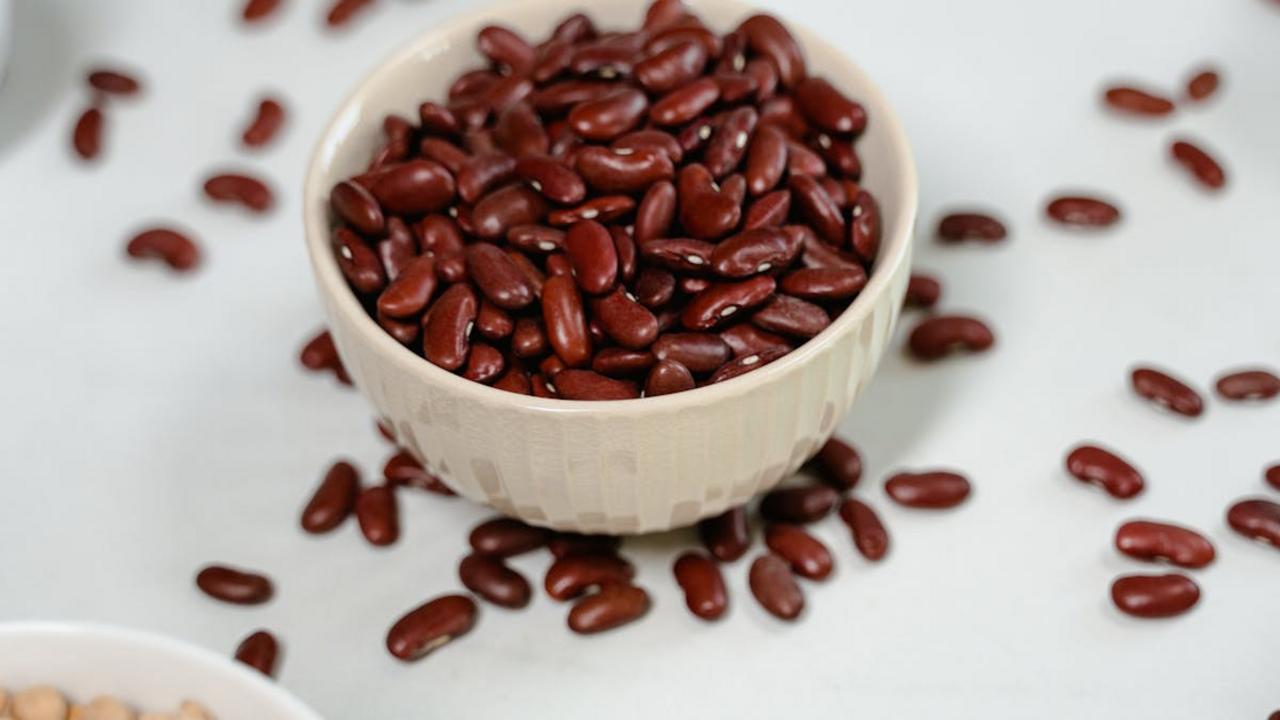
Hey, want to slash your grocery bill while keeping your meals satisfying and protein-packed? Swap that pricey ground beef for budget-friendly beans! A pound of dried beans costs around $1-2 and yields 6-7 cups when cooked – that’s enough to replace several pounds of meat in your weekly menu. Black beans make killer burgers, chickpeas transform into amazing “meatballs,” and lentils create the most incredible taco filling. Plus, beans pack a nutritional punch with fiber, minerals, and about 15 grams of protein per cup.
I’ve tricked many meat-loving friends with my black bean enchiladas and white bean “chicken” chili. The secret? Season your beans just like you would meat – think garlic, cumin, chili powder, and smoked paprika. Your wallet and body will thank you, as beans contain zero cholesterol and way less fat than meat. Pro tip: Keep a few cans of beans in your pantry for quick meals, but cook dried beans in big batches and freeze them in portions – you’ll save even more money and always have them ready for your next meatless masterpiece.
Plant Milk Instead of Heavy Cream
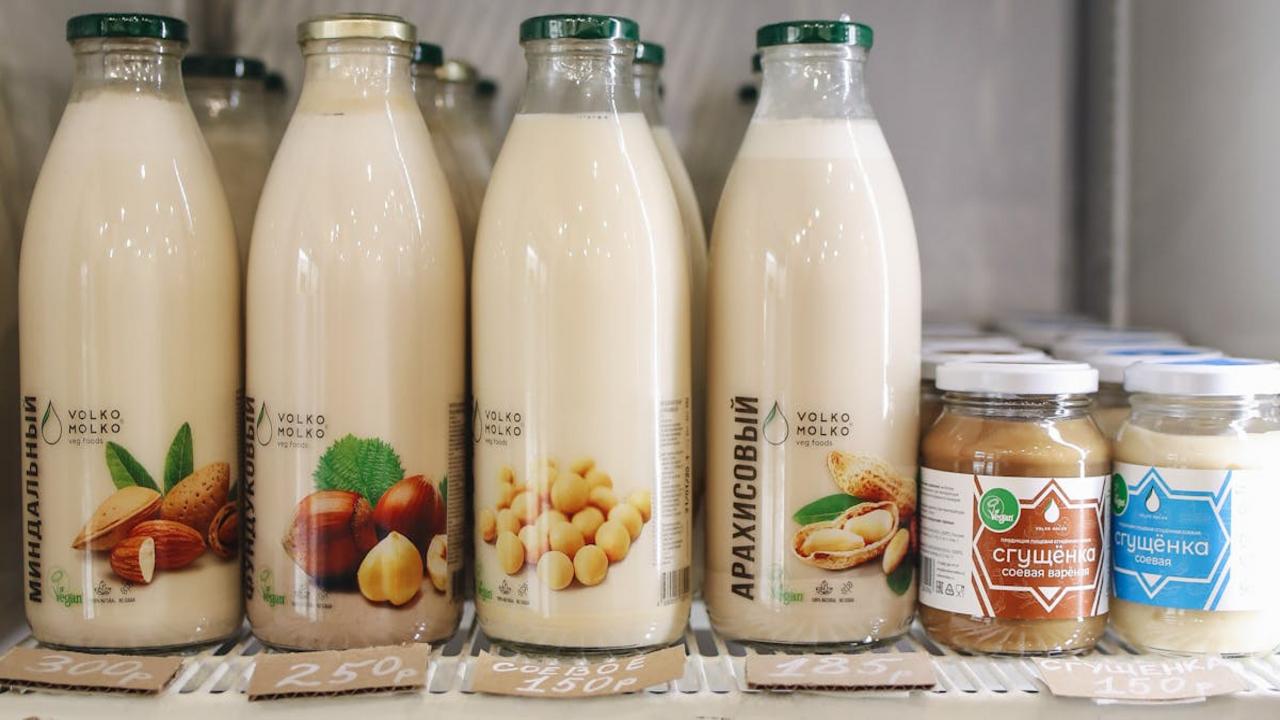
I bet you’ve stood in your kitchen at least once, ready to make a creamy sauce or dessert, only to find your heavy cream has gone bad (or worse, you forgot to buy it). Here’s your new best friend: plant-based milk! Mix one cup of your favorite plant milk (almond, oat, or soy work great) with a tablespoon of olive oil or melted vegan butter, and boom – you’ve got yourself a perfect heavy cream substitute that costs way less. My personal favorite is cashew milk because it brings a natural richness that makes my mushroom sauce practically identical to the dairy version.
Beyond the money-saving aspect, this swap opens up a whole new world of possibilities for your cooking. Want to make your grandmother’s famous alfredo sauce but have lactose-intolerant guests? No problem! Plant milk with oil creates that silky texture we all crave, without any dairy drama. Plus, you can switch up the plant milk varieties to create different flavor profiles – coconut milk adds tropical notes to curries, while oat milk brings a subtle sweetness to baked goods. Your wallet and your guests will thank you for this smart kitchen hack!
Ground Turkey Instead of Ground Beef

I’ll let you in on a money-saving secret that will revolutionize your weeknight dinners – swap that pricey ground beef for lean ground turkey! Your wallet (and waistline) will thank you, as turkey typically costs 20-30% less than beef while packing the same protein punch. The trick lies in how you season it – turkey loves bold flavors like garlic, onion, and Italian herbs. I’ve fooled countless dinner guests with my turkey meatballs and burgers because I add a splash of Worcestershire sauce and a pinch of smoked paprika to mimic that rich, beefy taste.
Ground turkey shines brightest in recipes where beef traditionally stars. Think juicy tacos loaded with fresh salsa, hearty chili topped with melty cheese, or a comforting shepherd’s pie with golden mashed potatoes. The key? Don’t skimp on the seasonings and add a touch more olive oil than you would with beef since turkey has less natural fat. My neighbor swore off ground beef after trying my turkey lasagna – she couldn’t believe the meat sauce wasn’t made with her Italian grandmother’s traditional recipe. With smart seasoning and proper cooking techniques, you’ll create budget-friendly meals that keep everyone at the table guessing.
Frozen Vegetables Instead of Fresh
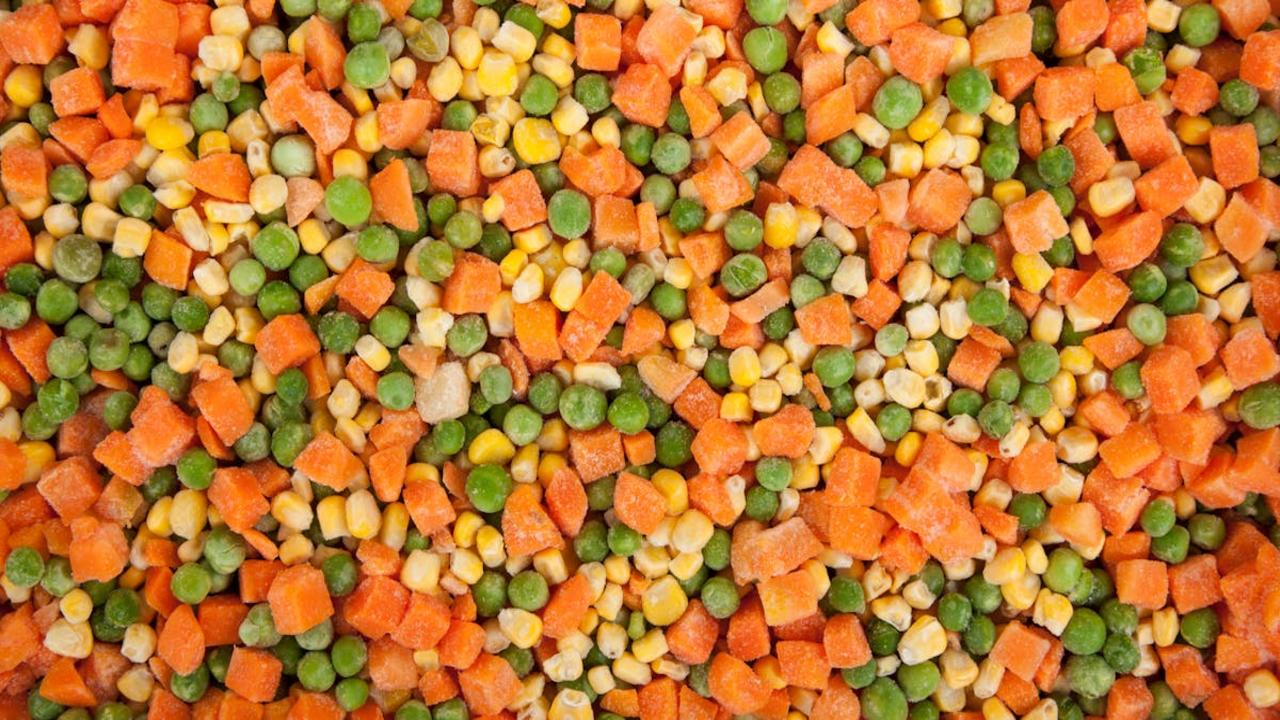
I’ll let you in on a money-saving secret that professional chefs don’t want you to know – frozen vegetables can be just as good as fresh ones, and sometimes even better! Most frozen veggies are picked at peak ripeness and flash-frozen within hours, locking in nutrients and flavor that their “fresh” counterparts might lose during long transport and storage times. Plus, you’ll save a small fortune, especially when buying out-of-season produce. A bag of frozen broccoli costs about a third of what you’d pay for fresh, and you won’t have to worry about it going bad in your crisper drawer.
The best part? Frozen vegetables can actually make your cooking life easier. No more washing, chopping, or prepping – just open the bag and you’re ready to go. I keep bags of frozen spinach for quick pasta dishes, mixed peppers for stir-fries, and corn for Mexican-inspired meals. My favorite trick is adding frozen peas directly to pasta during the last minute of cooking – they thaw instantly and add a perfect pop of sweetness. And here’s a pro tip: avoid those fancy sauce-covered vegetable medleys. Plain frozen vegetables give you more control over seasoning and cost significantly less.
Dried Herbs Instead of Fresh Herbs

Oh my goodness, let me share a money-saving secret that will revolutionize your pantry game! While fresh herbs can cost you a small fortune (I once spent $4 on a tiny bunch of basil that wilted before I could say “pesto”), dried herbs will give you the same fantastic flavors for a fraction of the price. Here’s the magic ratio: one teaspoon of dried herbs equals about three teaspoons of fresh herbs. Plus, dried herbs last way longer – I’m talking months instead of days – which means no more sad, forgotten herbs turning into brown mush in your fridge drawer.
The best part? Some herbs actually pack more punch when dried! Oregano, thyme, and rosemary become super concentrated flavor bombs in their dried form. I accidentally discovered this while making pizza sauce – one tablespoon of dried oregano had more oomph than the entire fresh bunch I usually buy. Just remember to add dried herbs earlier in the cooking process than fresh ones, so they have time to rehydrate and release all their aromatic goodness into your dish. And keep them in airtight containers away from light and heat – trust me, nothing ruins taco night quite like dusty-tasting dried cilantro!
White Vinegar Instead of White Wine

Hey, want to know a money-saving secret that’ll make your fancy recipes more budget-friendly? Skip the white wine and grab that bottle of white vinegar from your pantry instead! While white wine adds acidity and depth to dishes, white vinegar can create similar flavors at a fraction of the cost. Just remember this golden rule: for every cup of white wine in a recipe, substitute 1/3 cup white vinegar mixed with 2/3 cup water or broth. Your risottos, pan sauces, and braised meats will still pack that bright, complex punch you’re after.
I learned this trick during a particularly broke month in cooking school, and my instructor couldn’t even spot the difference in my mushroom sauce! White vinegar brings that same acidic kick that helps break down tough meat fibers and brightens heavy cream sauces. The best part? A bottle of white vinegar costs about $2 and lasts forever, while decent cooking wine runs $10-15 and goes bad if you don’t use it quickly. Plus, you won’t have to worry about your dinner guests drinking up your cooking wine before it makes it into the pot (yes, I’m speaking from experience)!
Cottage Cheese Instead of Ricotta

You know that moment when you’re making lasagna and discover your ricotta has turned into a science experiment in the back of your fridge? Don’t worry – cottage cheese will save your dinner! I stumbled upon this genius swap during a late-night cooking emergency, and now I actually prefer it. The smaller curds in cottage cheese create an incredibly creamy texture, while bringing a lighter, fresher flavor to your Italian dishes. Plus, cottage cheese packs more protein per serving and often costs about half the price of ricotta.
The secret to making this substitution work perfectly? Just blend your cottage cheese in a food processor for about 30 seconds until smooth. This quick step transforms the lumpy texture into that silky consistency we love in ricotta. Want to make it even more authentic? Add a tiny pinch of salt and a splash of heavy cream while blending. Your guests won’t notice the difference in your stuffed shells or manicotti, but your wallet will thank you. And here’s a fun bonus – cottage cheese stays fresh longer than ricotta, so you can stock up when it’s on sale!
Plain Greek Yogurt Instead of Sour Cream

I discovered the magic of Greek yogurt as a sour cream substitute during a late-night taco craving when my sour cream had gone bad. What a happy accident! Greek yogurt brings the same tangy kick and creamy texture to your dishes, but with bonus protein and fewer calories. You’ll save money too – Greek yogurt costs about 30% less per ounce than sour cream, and you can use it in everything from dips to baked potatoes to stroganoff. Your guests won’t notice the difference, but your wallet will thank you.
Here’s a pro tip: stick to plain, full-fat Greek yogurt for the closest match to sour cream’s richness. The non-fat versions can get a bit watery and don’t deliver that silky mouthfeel we all crave. I love adding a dollop to my black bean soup or mixing it with herbs for a quick veggie dip. Just remember to avoid heating it too quickly or it might separate – add it at the end of cooking or temper it first by stirring in a bit of the hot liquid. Your baked goods will stay moist, your dips will stay creamy, and your bank account will stay happier.
Vegetable Stock Instead of Chicken Stock
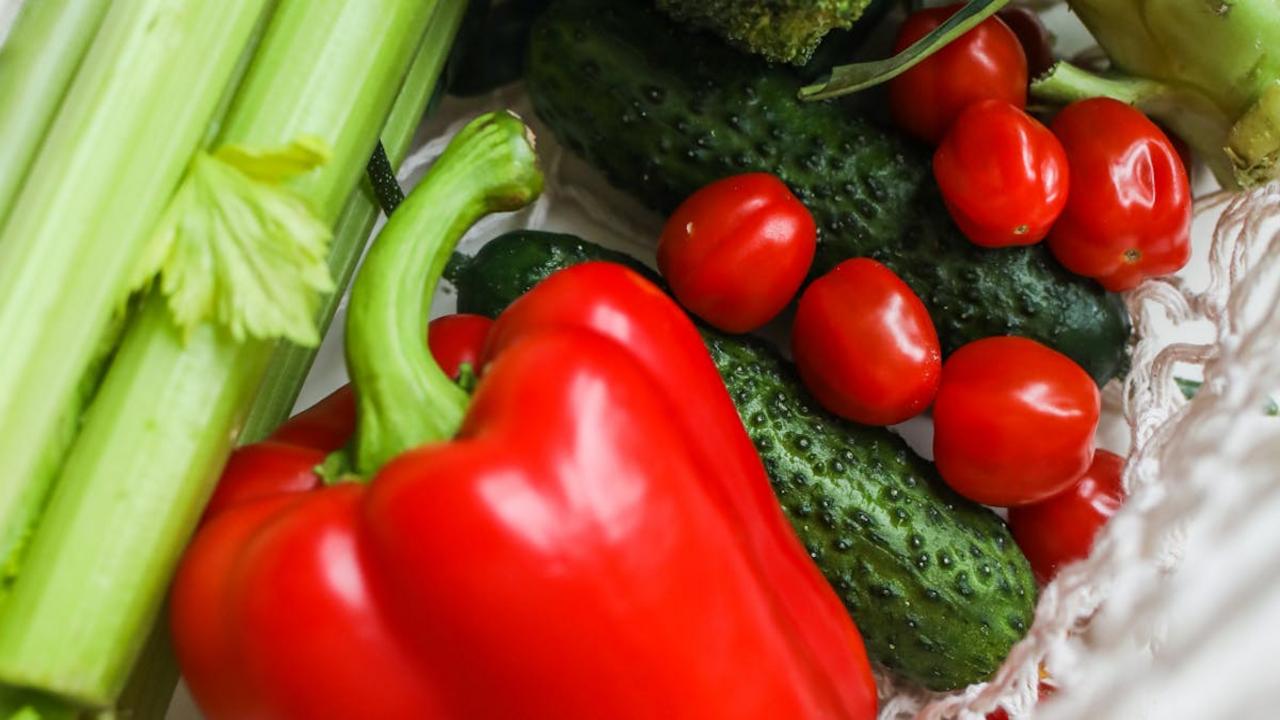
You’ll never catch me spending extra money on chicken stock when vegetable stock can do the same job for less! I learned this money-saving trick during my broke college days, and it stuck with me through my food writing career. The best part? You can make your own veggie stock practically for free by saving kitchen scraps like carrot tops, onion skins, and celery leaves in a freezer bag. Once the bag fills up, just simmer those odds and ends with water and a few basic seasonings for an hour – boom, free stock that packs just as much flavor punch as the store-bought stuff.
The real magic happens when you start experimenting with different veggie combinations in your homemade stock. I add mushroom stems for an earthy richness that mimics chicken stock’s savory depth. A handful of garlic skins brings extra oomph, while throwing in some dried herbs transforms the basic broth into something fancy-restaurant worthy. My favorite trick? Roast the vegetables first to create a deeper, more complex flavor profile. Your soups, risottos, and gravies will never know the difference, but your wallet sure will appreciate the swap!