12 Tips for Nailing French Classics at Home from Coq au Vin to Creme Brulee
French cooking intimidates home cooks everywhere, but here’s the secret: those fancy bistro dishes aren’t impossible magic tricks. You can absolutely recreate that rich, wine-braised coq au vin or the perfect torch-kissed crème brûlée right in your own kitchen. French chefs have been perfecting these techniques for centuries, and now you get to steal their secrets.
The French approach food like a love affair—passionate, patient, and with serious attention to detail. They understand that great cooking starts with respect for ingredients and proper technique. While Americans rush through dinner prep, French cooks take time to build layers of flavor, treating each step like a small celebration.
Ready to transform your kitchen into a Parisian bistro? These twelve tips will guide you through the fundamentals that separate mediocre attempts from restaurant-quality results. From sourcing the right ingredients to mastering those silky mother sauces, you’ll discover the techniques that make French cuisine legendary.
Essential Kitchen Tools
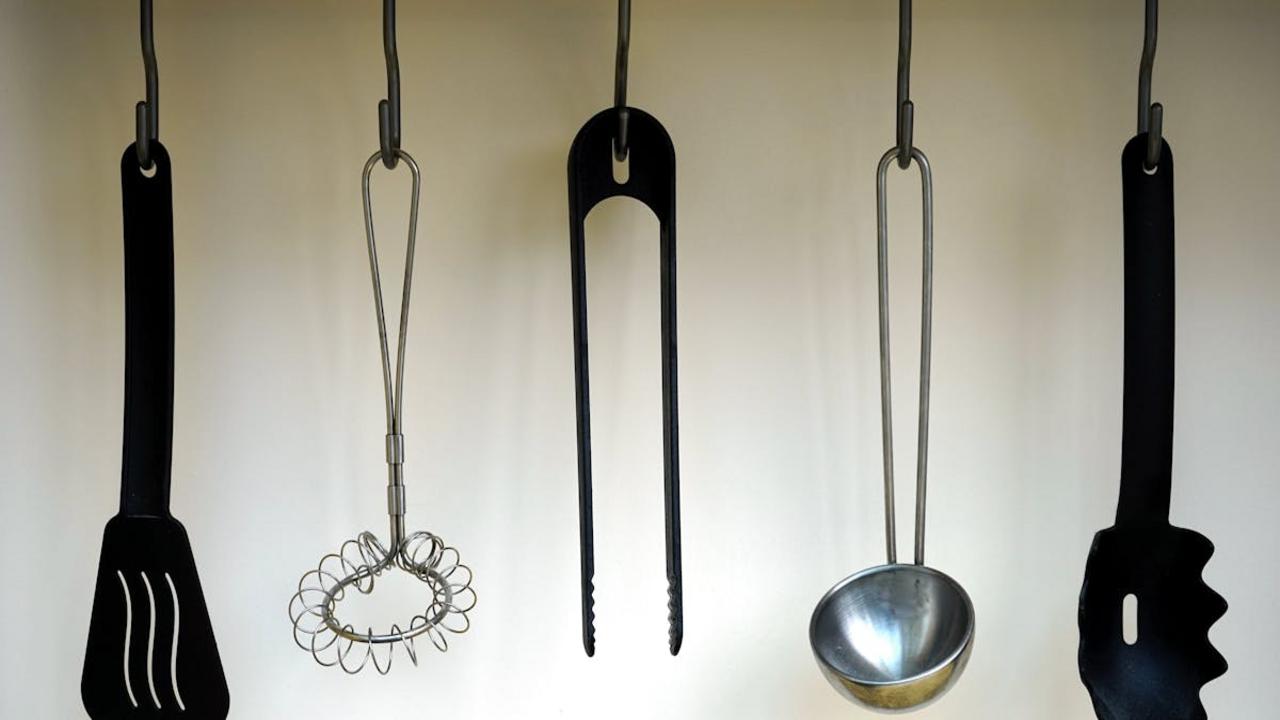
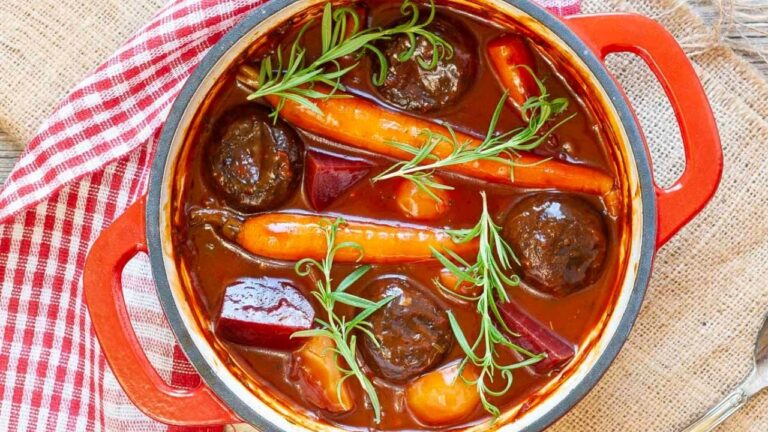
Listen, you can’t waltz into French cooking armed with just a butter knife and a prayer. You need the right weapons in your arsenal, and I’m not talking about anything fancy enough to bankrupt your savings account. A good heavy-bottomed pot (preferably enameled cast iron) will become your best friend for braising that coq au vin to perfection. The thick bottom prevents hot spots that turn your beautiful chicken into charcoal disaster zones. Grab a solid chef’s knife – something that feels balanced in your hand and sharp enough to make julienning carrots feel like meditation instead of torture. And here’s a fun fact: French chefs traditionally use carbon steel knives because they hold their edge longer, though they’ll turn funky colors over time (it’s called patina, darling, not dirt).
Now, for the sweet stuff – crème brûlée demands respect and proper equipment. Those cute little ramekins aren’t just for show; they distribute heat evenly and give you that perfect custard-to-crust ratio. You absolutely need a kitchen torch (yes, playing with fire in the kitchen is not only acceptable but encouraged). Don’t even think about using your broiler – that’s amateur hour and will leave you with sad, unevenly caramelized sugar that looks like a moonscape. A fine-mesh strainer saves your custard from lumpy embarrassment, and a good whisk prevents you from scrambling eggs when you meant to make silk. Pro tip: French copper pots conduct heat like nobody’s business, but they cost more than my first car, so stainless steel with an aluminum core works beautifully for us mere mortals.
Plating and Presentation
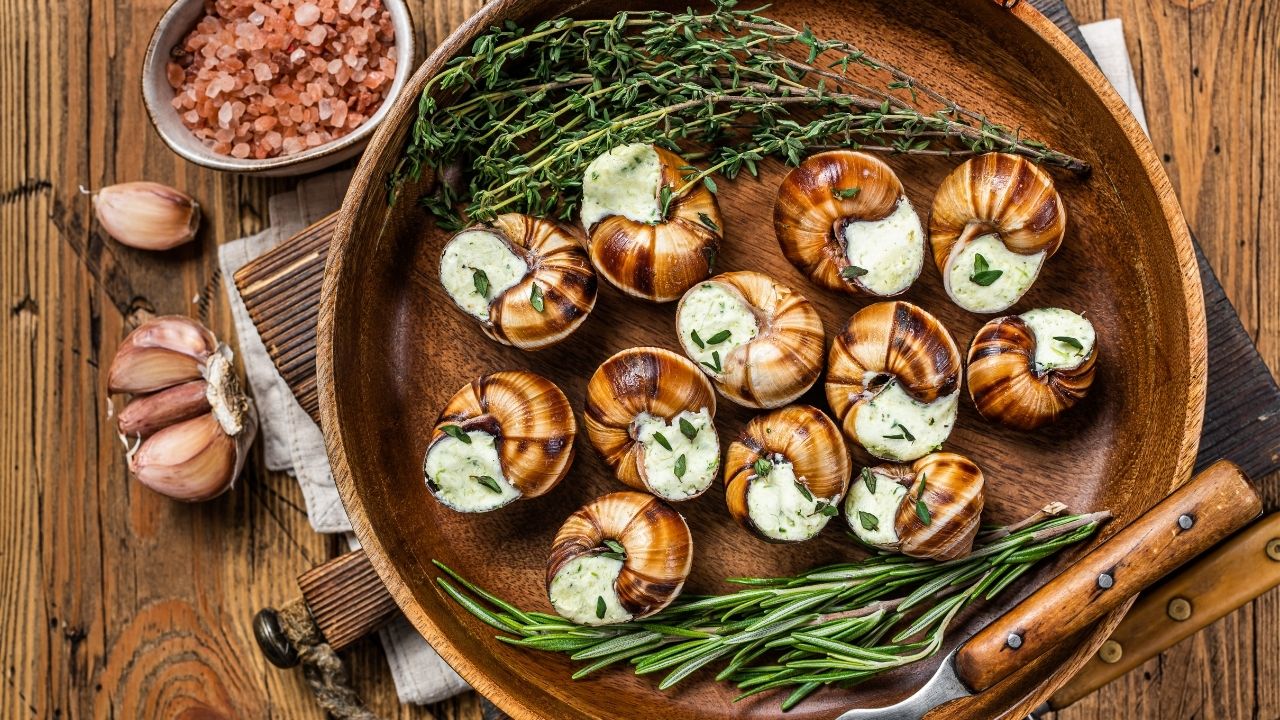
You know that moment when you’ve spent three hours perfecting your coq au vin and it tastes like heaven, but it looks like something you scraped off your shoe? Yeah, we’ve all been there. French chefs didn’t become legends by accident – they understand that your eyes eat first, and a beautifully plated dish can transform a Tuesday night dinner into a restaurant-worthy experience. The secret isn’t fancy equipment or Instagram-worthy props; it’s about understanding a few simple principles that make your food look as incredible as it tastes. Think odd numbers (three spoonfuls of sauce, not four), contrasting colors (that bright green herb oil against your rich brown beef), and creating height instead of spreading everything flat across the plate like you’re painting a parking lot.
Here’s a fun fact: French plating follows the “rule of thirds” – just like photography! Picture your plate divided into nine sections, and place your main elements where those lines intersect. Your crème brûlée doesn’t need a garnish garden, but a single fresh berry and a delicate mint sprig can make it look like it belongs in a Parisian bistro window. Keep your plates warm (seriously, run them under hot water and dry them), wipe those edges clean with a damp towel, and remember that negative space is your friend – not every inch needs food on it. Sometimes the most elegant presentations are the simplest ones, and trust me, your dinner guests will think you’ve been secretly attending culinary school when you serve that perfectly plated dish with a casual “Oh, this old thing?”
Slow Cooking Methods
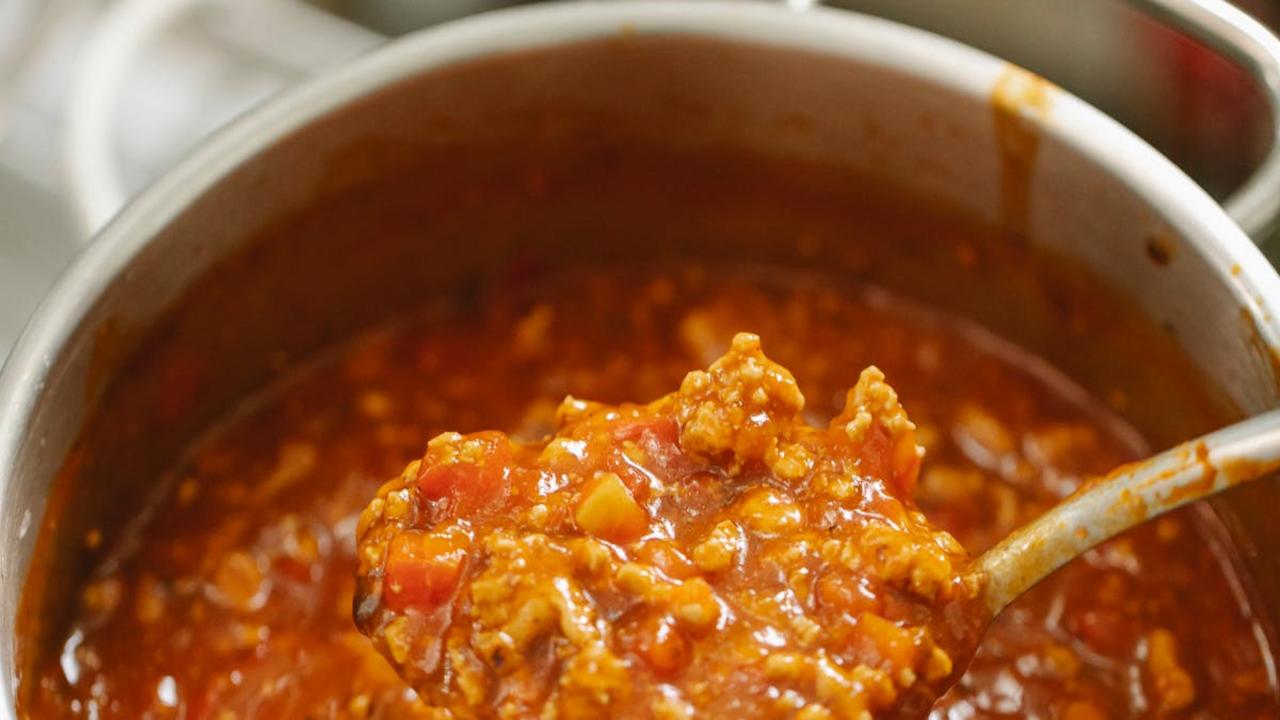
French slow cooking isn’t just a technique—it’s basically time travel in a pot! Think about coq au vin, that gorgeous burgundy-braised chicken that transforms tough old roosters into silky perfection through hours of gentle bubbling. The magic happens when you keep temperatures low and steady, around 325°F, allowing collagen to break down into gelatin that coats every morsel like liquid velvet. Fun fact: French peasants invented most slow-cooking methods because they couldn’t afford tender cuts, so they learned to make shoe leather taste like heaven through pure patience and wine (lots of wine).
Your slow cooker can absolutely nail French braises, but don’t just dump everything in and walk away like you’re making Tuesday night chili. Start by browning your proteins and aromatics in a heavy Dutch oven first—this creates the fond (those beautiful brown bits) that become the flavor foundation. Then transfer everything to your slow cooker with enough liquid to come halfway up the meat, not drowning it like a swimming pool. Boeuf bourguignon needs about 6-8 hours on low, while lamb shanks might need the full day treatment. The French have a saying: “La patience est amère, mais son fruit est doux”—patience is bitter, but its fruit is sweet. Trust me, your taste buds will thank you for every slow, torturous hour of waiting!
Herb and Seasoning Techniques
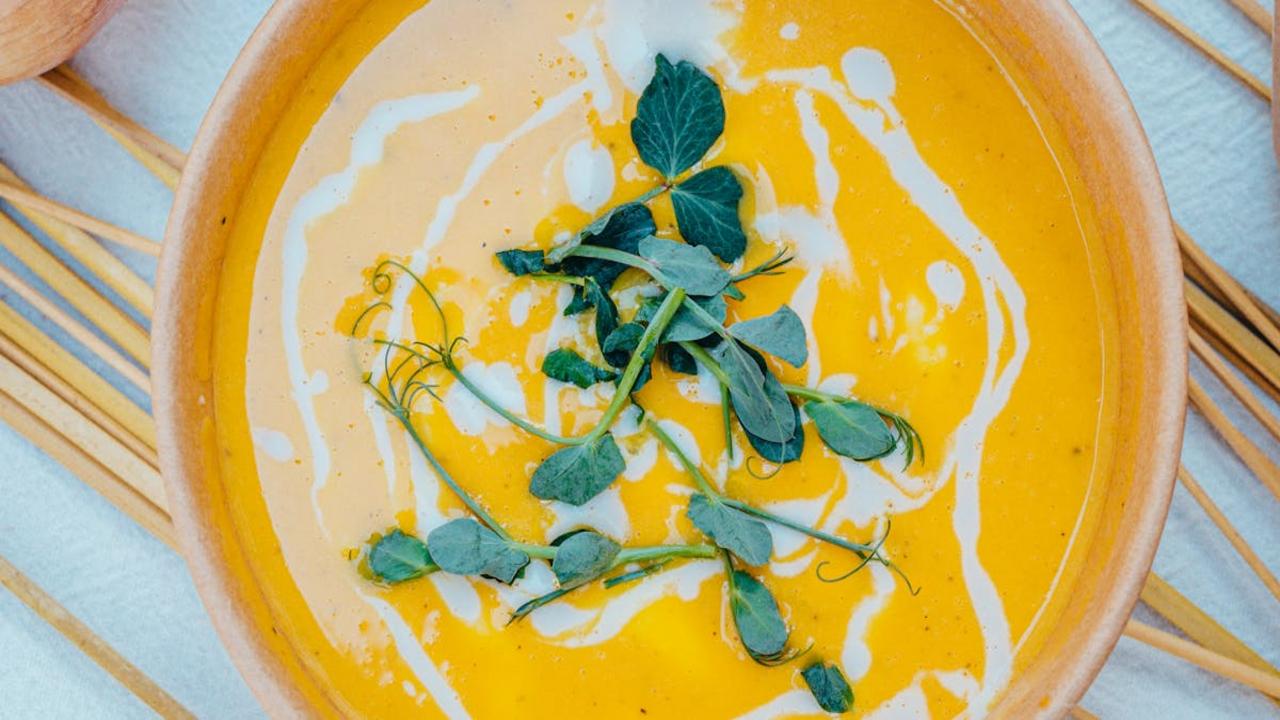
French cooking transforms ordinary ingredients into magic through the strategic use of herbs and seasonings, but here’s the thing – timing is everything! You can’t just throw dried herbs into your coq au vin at the last minute and expect miracles. Fresh herbs like thyme, rosemary, and bay leaves need time to infuse their oils into your dish, while delicate herbs like parsley and chives should dance in at the very end to preserve their bright, fresh punch. Think of herbs as your kitchen orchestra – the woody herbs are your bass section, providing deep foundation notes, while the tender leafy ones are your violins, adding that final flourish of brilliance.
Here’s a secret that separates amateur home cooks from French kitchen wizards: always bloom your dried spices in fat before adding liquids. Whether you’re making a classic beef bourguignon or a simple vinaigrette, heating spices like black pepper, herbes de Provence, or even mustard seeds in butter or oil for just thirty seconds releases compounds that would otherwise stay locked away. The French call this technique “blooming,” and it’s like giving your spices a little wake-up call. Also, never underestimate the power of salt timing – add it early for vegetables to draw out moisture, but wait until the end for delicate proteins. Your taste buds will thank you for this simple but transformative approach!
Wine Pairing Essentials
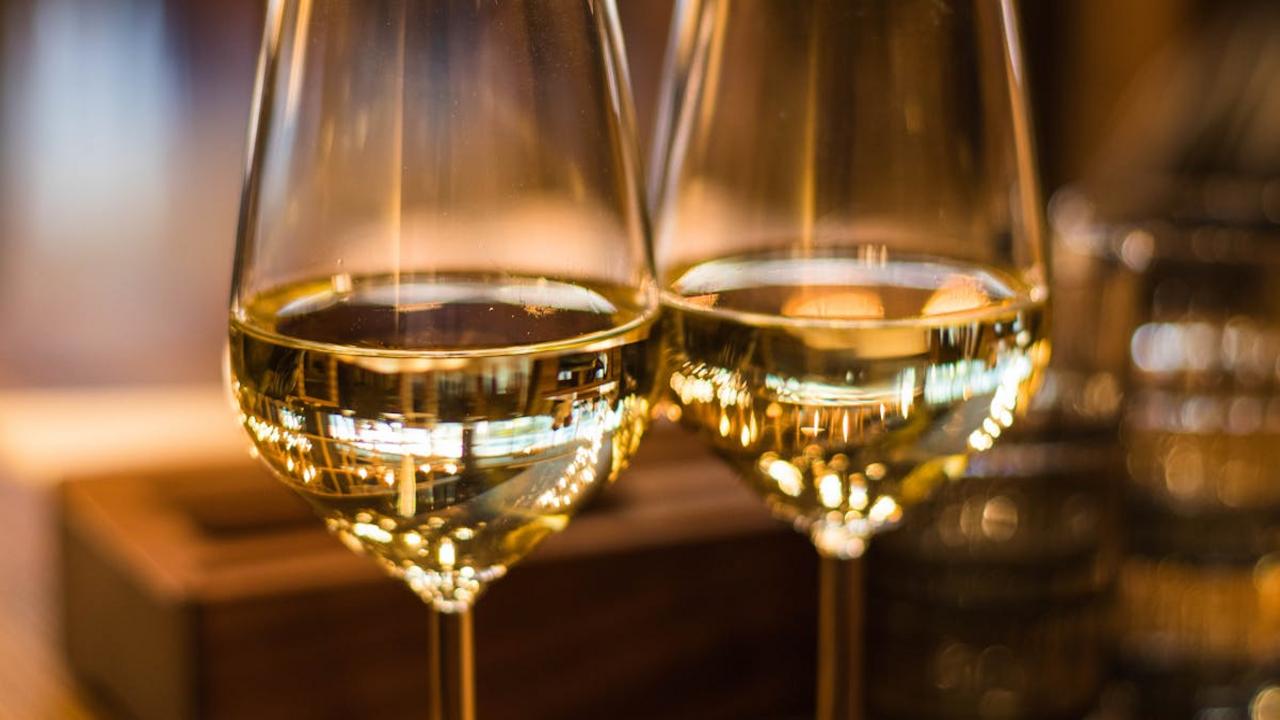
Here’s the thing about French wine pairing – it’s not rocket science, but somehow we’ve all convinced ourselves it requires a PhD in oenology and a monocle. The French have been doing this dance for centuries, and their secret isn’t some mystical knowledge passed down through generations of sommeliers. They simply match regional dishes with regional wines because, shock of all shocks, things that grow together taste amazing together! Your coq au vin doesn’t need a $200 Burgundy to shine – a decent Côtes du Rhône will make that chicken sing opera. The rule of thumb? Heavy dishes love bold reds, delicate fish prefers crisp whites, and anything with cream sauce practically begs for a buttery Chardonnay.
Now, here’s where things get fun – French wine regions are like personality types, each with their own quirks and moods. Burgundy wines are the moody artists of the wine world, temperamental but absolutely brilliant when they’re on. Loire Valley whites are the cheerful friends who get along with everyone, especially your goat cheese tart. And don’t get me started on Champagne – it’s basically the life of every party and pairs with everything from oysters to potato chips (yes, really!). The most liberating truth? Even the French break their own rules constantly. I once watched a Parisian grandmother serve Sancerre with duck confit because “it’s what I had open,” and it was absolutely divine. Trust your palate, stock a few reliable bottles from different regions, and remember that the best pairing is whatever makes you happy enough to have a second glass.
Temperature Control
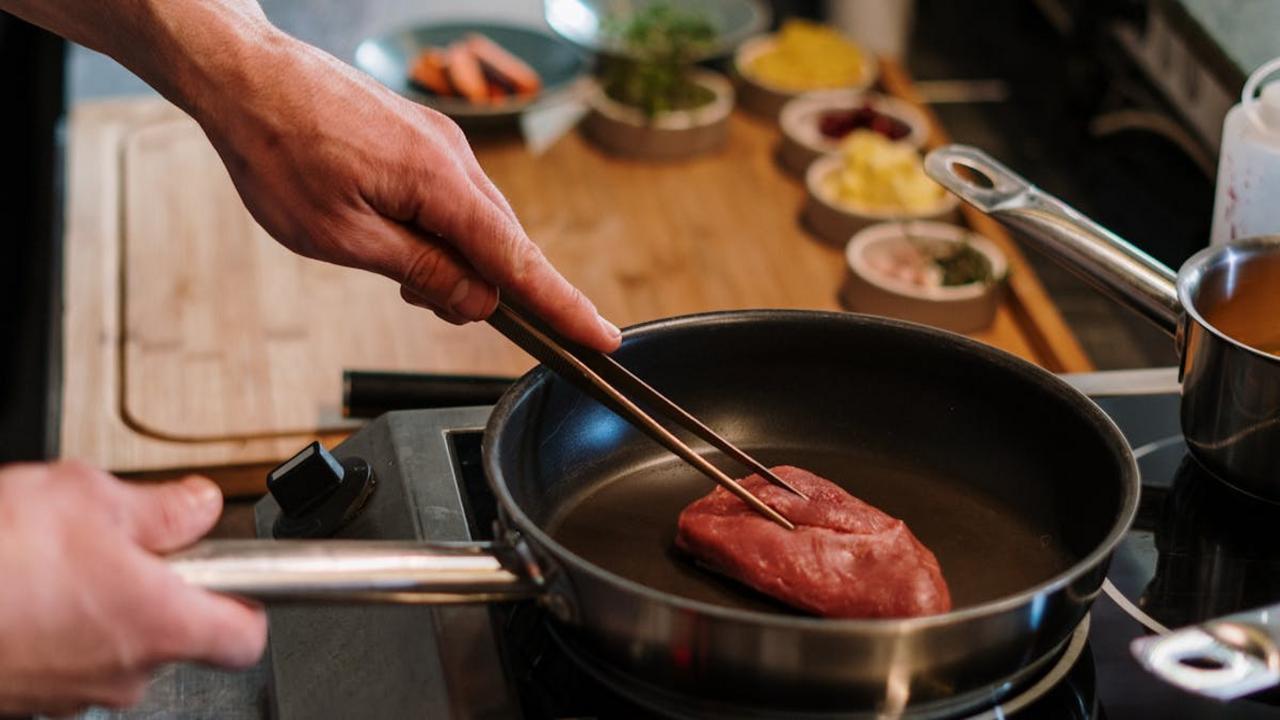
Listen, temperature control in French cooking isn’t just about fancy thermometers and precise measurements—it’s about understanding that your stove has moods just like your Great Aunt Gertrude. French chefs obsess over heat because they know one degree too high can turn your silky hollandaise into scrambled egg soup, and nobody wants to serve that disaster to dinner guests. Your oven thermometer might say 350°F, but does it really mean it? Most home ovens lie more than politicians during election season, swinging up to 25 degrees in either direction without warning you.
Here’s where things get interesting: different French dishes demand completely different temperature personalities. Your coq au vin wants a gentle, patient simmer that barely disturbs the surface—think meditation retreat, not rock concert. Meanwhile, that crème brûlée needs precise low-and-slow oven love at exactly 325°F, because custards are drama queens that will curdle if you so much as think about rushing them. Pro tip: invest in an instant-read thermometer and use it religiously. Your confit duck leg should hit 165°F internally, your chocolate ganache needs to stay between 86-90°F for perfect glossiness, and your caramel shouldn’t exceed 320°F unless you enjoy the taste of burnt sugar regret.
Proper Kitchen Setup
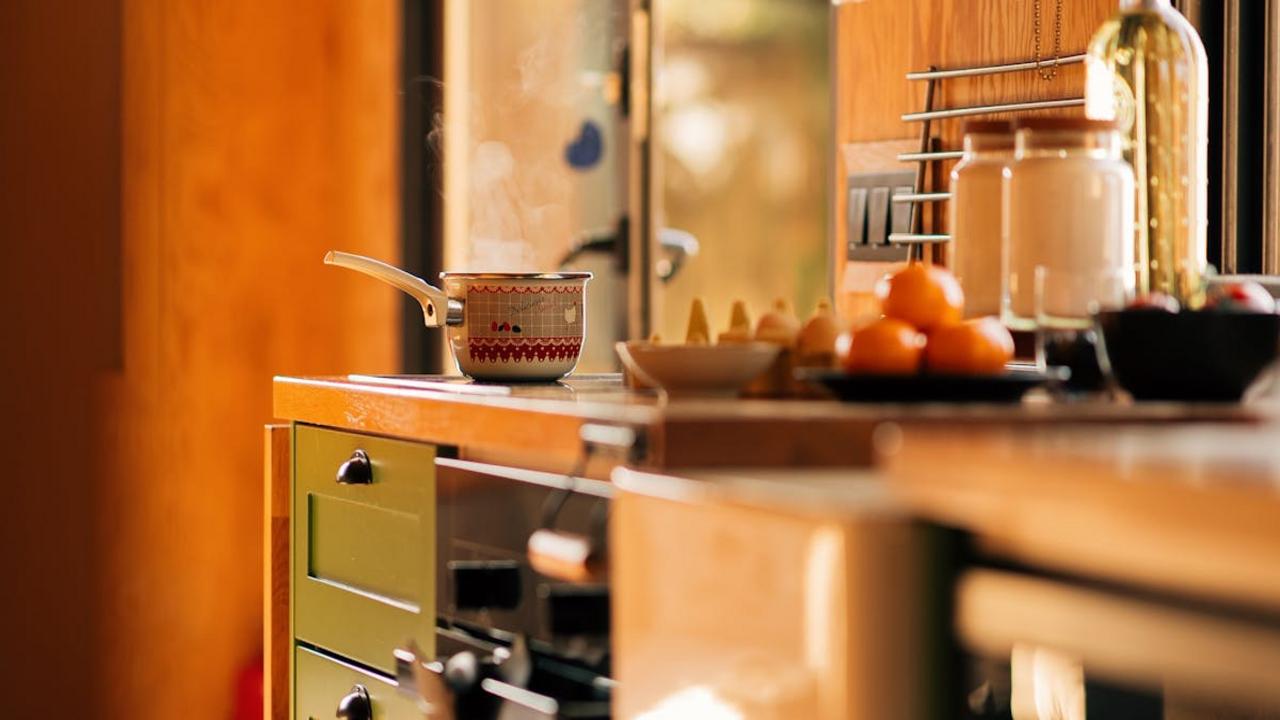
Listen, attempting French classics without the right kitchen setup is like trying to build IKEA furniture with a butter knife and sheer determination. You need your mise en place game stronger than Julia Child’s biceps after years of whisking hollandaise! Start by clearing counter space—and I mean really clearing it, not just shoving that pile of takeout menus behind the coffee maker. French cooking demands room to breathe, space to chop, and somewhere to line up your perfectly prepped ingredients like tiny soldiers ready for battle. Grab your heaviest saucepan (the one that could double as a weapon), a good knife that actually cuts instead of bruising your tomatoes, and enough small bowls to make you look like you’re hosting a very organized dinner party for elves.
Temperature control becomes your new religion when you’re channeling your inner French chef. Get yourself a decent thermometer because guessing the doneness of your coq au vin by poking it with a fork and hoping for the best worked exactly never in the history of cooking. French cuisine respects precision like a Swiss watchmaker respects tiny gears—everything has its perfect moment and temperature. Stock up on wooden spoons (they won’t scratch your pans and they make you feel authentically rustic), invest in a whisk that won’t fall apart mid-crème brûlée, and please, for the love of all things buttery and beautiful, buy a timer. Your phone’s alarm works, but a proper kitchen timer makes you feel like you know what you’re doing, even when you’re secretly panicking about whether that reduction sauce is reducing or just evaporating into expensive disappointment.
Stock Making Fundamentals
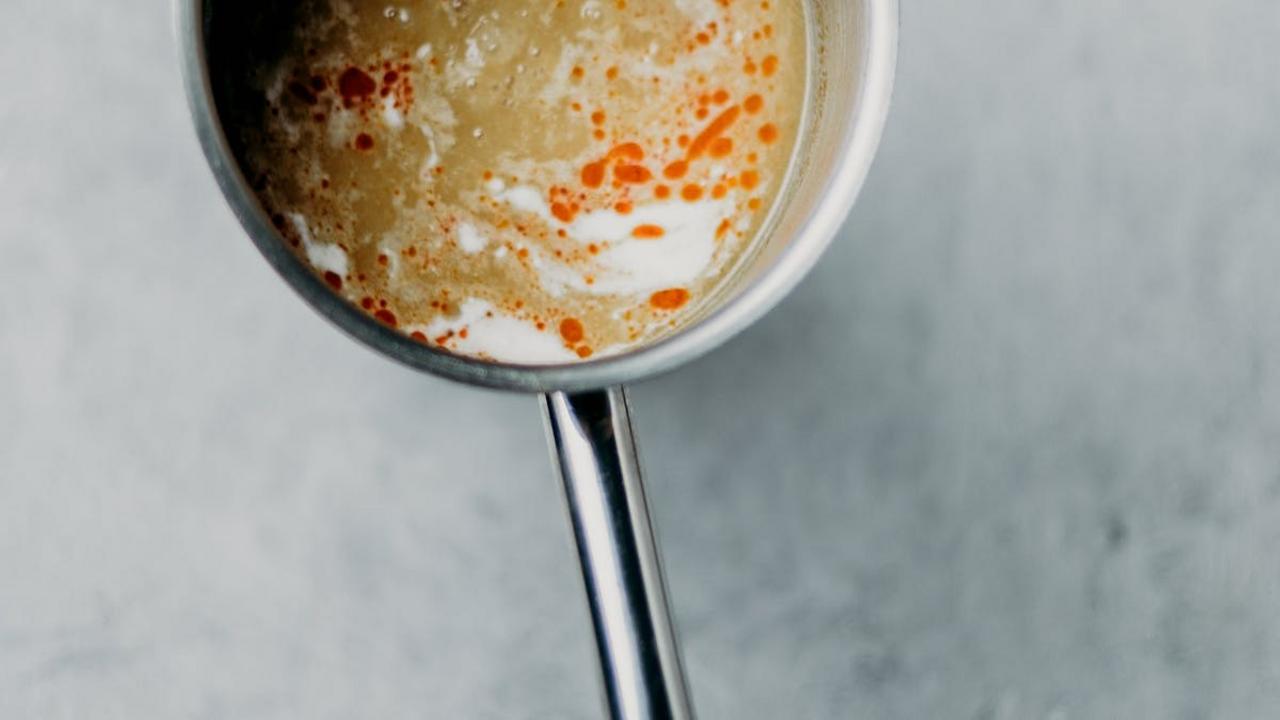
Listen, I’m about to blow your mind with something that sounds boring but is actually the secret superhero of French cooking: stock. You know those fancy French chefs who make everything taste like pure magic? They’re not wizards (though I’ve had my suspicions about Julia Child). They just understand that good stock is liquid gold, and making your own transforms you from someone who heats up food to someone who creates food that makes people weep tears of joy. The difference between homemade stock and that sad stuff in cartons is like comparing a Ferrari to a tricycle – both will get you there, but only one will make you feel fabulous doing it.
Here’s the beautiful truth about stock: it’s basically edible time travel. You throw bones, vegetables, and herbs into a pot, add water, and let time work its magic for hours. The French have three holy trinity stocks – white stock (made with unroasted bones), brown stock (roasted bones for deeper flavor), and fish stock (quick but mighty). My grandmother always said the best stocks simmer so gently that only one bubble breaks the surface every few seconds, like a sleepy volcano. Don’t rush it! Good stock needs about 4-8 hours for meat bones, 30 minutes for fish bones, and during that time, your kitchen will smell so incredible that neighbors will start dropping by with suspicious frequency. Strain it through cheesecloth, and you’ve got liquid magic that turns anything from risotto to gravy into restaurant-quality perfection.
Perfect Your Knife Skills
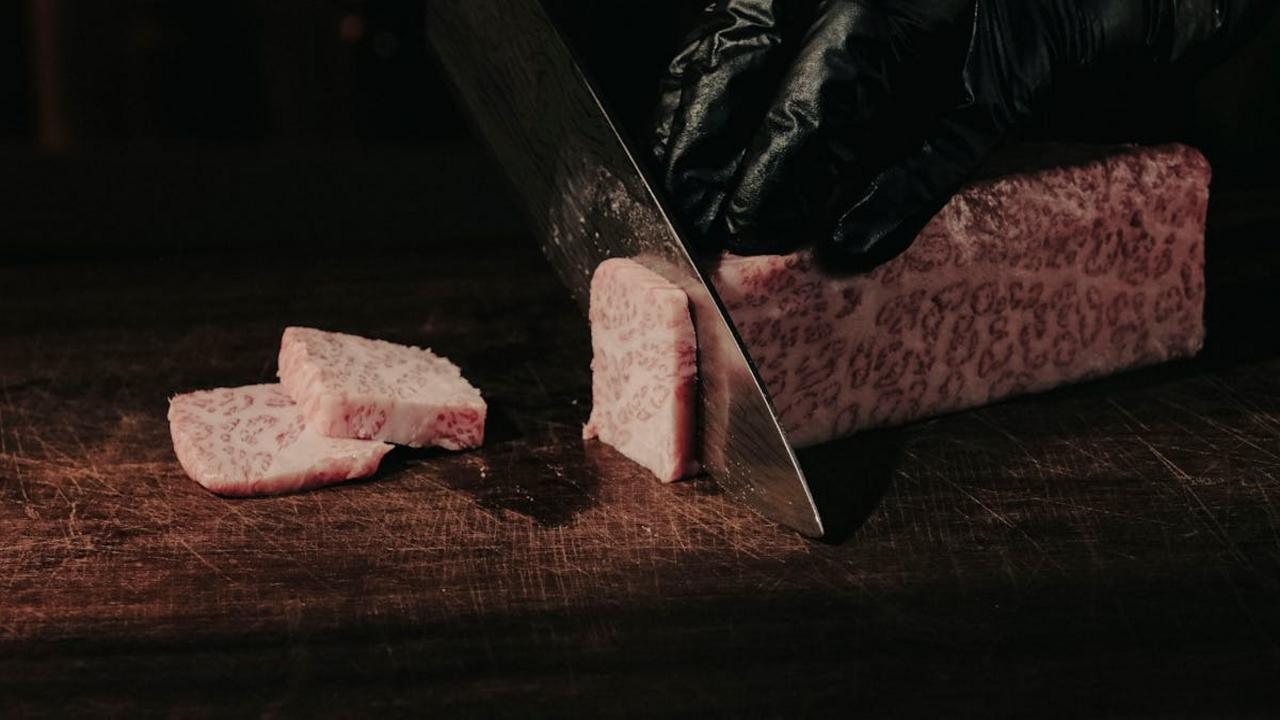
Listen, I used to chop onions like I was hacking through a jungle with a machete—tears streaming, uneven chunks everywhere, and my dignity somewhere on the kitchen floor. Then I discovered that French cooking doesn’t forgive sloppy knife work. Those gorgeous julienned vegetables in your coq au vin? They need precision. That perfect brunoise for your mirepoix? Your knife needs to move like a metronome. Here’s the thing: French chefs spend years perfecting their knife skills because they know that consistent cuts mean even cooking, and even cooking means flavor harmony that’ll make you weep (in a good way this time).
Start with the basic grip—pinch the blade between your thumb and forefinger, wrap your other fingers around the handle like you’re shaking hands with your new best friend. Your other hand becomes a claw, fingertips curved under, knuckles forward to guide the blade. Practice the rock-chop motion: tip stays on the cutting board, blade rocks up and down in a rhythmic dance. Fun fact: French knife techniques have names that sound like ballet moves—chiffonade, batonnet, paysanne—because precision in the kitchen really is an art form. Trust me, once you nail these fundamentals, you’ll slice through ingredients with the confidence of a Parisian chef, and your dishes will taste infinitely better for it.
Master Mother Sauces
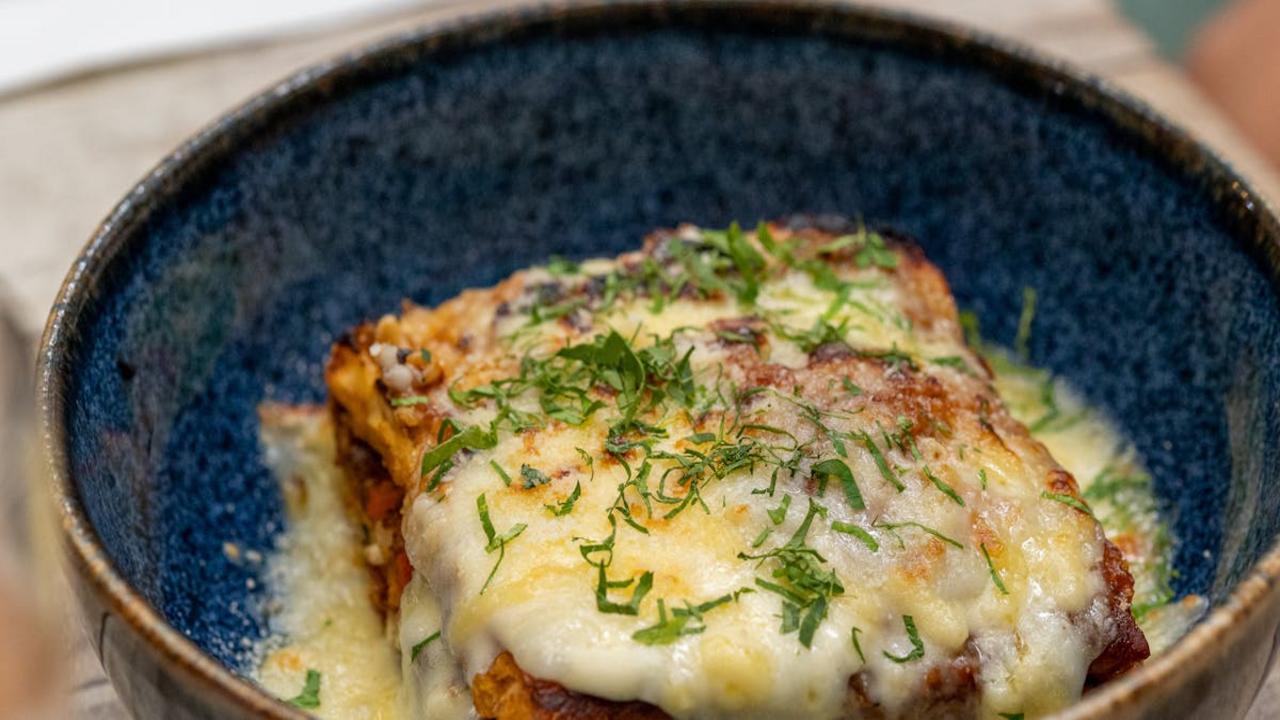
You know that moment when you’re watching a French cooking show and the chef casually whips up a béchamel like they’re buttering toast? That’s because they’ve mastered the holy grail of French cooking: the five mother sauces. These aren’t just fancy names to impress your dinner guests (though they absolutely will) – they’re the building blocks that’ll transform you from someone who burns water into a kitchen wizard. Béchamel, velouté, espagnole, hollandaise, and tomato sauce form the foundation of countless French dishes, and once you nail these bad boys, you’ll have more sauce variations than a McDonald’s condiment station.
Start with béchamel – it’s basically a grown-up version of mac and cheese sauce, made by whisking milk into a butter-flour roux until it’s silky smooth. Fun fact: this creamy goddess was named after Louis de Béchamel, a French financier who probably had no idea his name would forever be associated with cheese-covered casseroles. Master this technique, and you’ll unlock the secrets to perfect lasagna, soufflés, and that fancy croque-monsieur you’ve been intimidated to make. The key is patience and constant whisking – treat that whisk like your best friend, because lumpy béchamel is the stuff of nightmares, and nobody wants to explain why their “elegant French dinner” looks like cottage cheese gone wrong.
Learn Basic French Terms

You know what separates confident French cooks from kitchen disasters? They actually know what “sauté” means beyond “throw stuff in a hot pan and hope for the best.” French cooking terminology isn’t just fancy chef speak—it’s your secret weapon for understanding recipes that would otherwise leave you scratching your head. When Julia Child writes “brunoise the carrots,” she’s not speaking in tongues; she wants you to dice them into tiny, uniform cubes. Master terms like “mise en place” (getting all your ingredients ready before you start), “fond” (those gorgeous brown bits stuck to your pan), and “liaison” (thickening agents that save watery sauces), and suddenly those intimidating French cookbooks become your best friends.
Here’s the fun part: French cooking terms often describe exactly what’s happening, once you crack the code. “Confit” literally means “preserved,” which explains why duck confit involves slowly cooking the meat in its own fat until it practically melts. “Flambé” means “flamed,” so yes, you get to set things on fire in your kitchen legally. “Roux” sounds mysterious until you realize it’s just flour and butter cooked together—the foundation of countless French sauces. Start with these basics: julienne (matchstick cuts), emulsify (making oil and water play nice together), and reduce (concentrating flavors by cooking off liquid). Pretty soon, you’ll be throwing around French terms like you’ve been doing this forever, impressing dinner guests and yourself in equal measure.
Start with Quality Ingredients
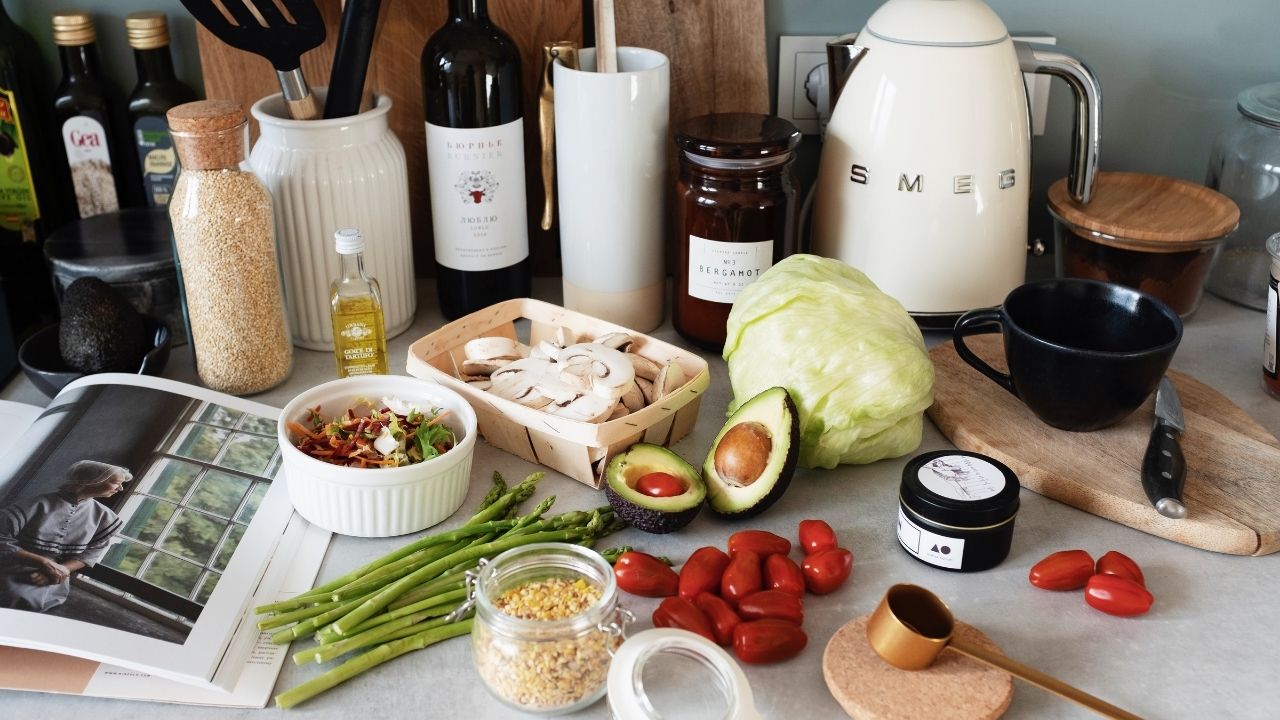
You know that moment when you bite into something so spectacular that your eyes roll back and you make those embarrassing little moaning sounds? That magic doesn’t happen by accident—it starts with ingredients that could probably win a beauty contest. French cooking isn’t about fancy tricks or secret techniques that require a culinary degree from Le Cordon Bleu. Nope! The real secret is simpler than you think: buy the best stuff you can afford, and half your work is already done. Think of it like dating—you can put on all the makeup in the world, but if you start with good bones, you’re already ahead of the game.
Here’s the thing about quality ingredients: they’re like good friends—they make everything better just by showing up. That butter from the fancy section isn’t just overpriced dairy; it’s the difference between a coq au vin that makes your dinner guests weep with joy and one that makes them politely ask for the ketchup. Fresh herbs instead of those dusty green flakes that have been sitting in your spice rack since 2019? Your food will actually taste like something other than cardboard. And don’t even get me started on real vanilla beans versus that artificial stuff that tastes like someone dissolved a crayon in alcohol. Trust me, your crème brûlée will thank you, and so will anyone lucky enough to get a spoonful.