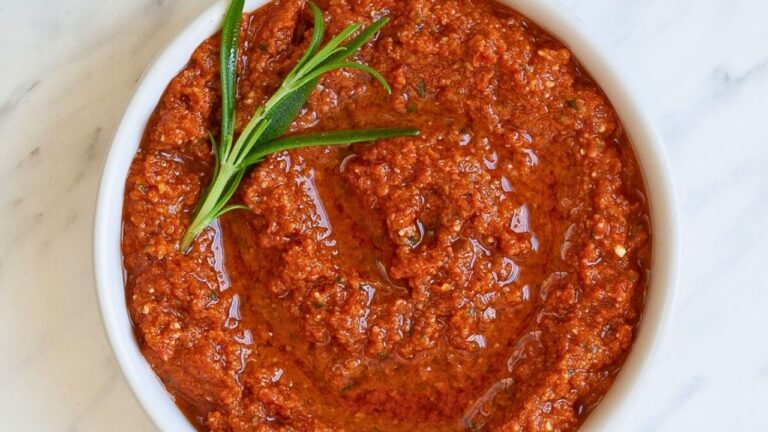
14 Delicious Foods You Can Rescue Instead of Tossing Out
Food waste hurts both your wallet and the environment. The good news? Many foods you might think are past their prime can transform into amazing dishes. I’ll show you how to save money and reduce waste by turning these overlooked ingredients into delicious meals.
From stale bread that makes perfect croutons to spotted bananas ideal for smoothies, your kitchen holds endless possibilities. Each ingredient deserves a second chance, and with simple techniques, you can rescue food from the trash and create something new and tasty.
My grandmother taught me that good cooking means using everything wisely – a lesson that shaped how I view food today. These 14 common items often end up in the trash, but with the right know-how, you can turn them into family favorites while helping the planet.
Browned Herbs
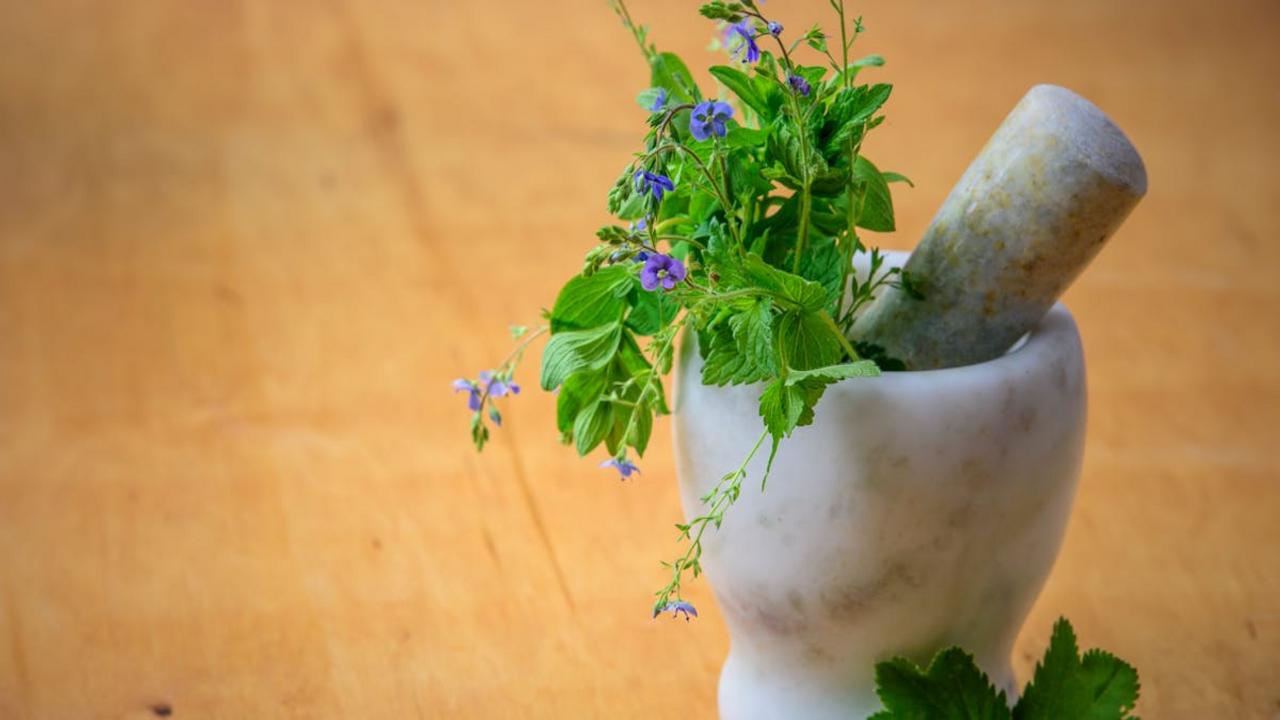
Have you ever noticed your fresh herbs starting to brown and wilt in the fridge? Don’t throw them away! Those slightly browned herbs still pack plenty of flavor and can transform into amazing pestos, herb oils, or compound butters. I love turning wilted basil, parsley, or cilantro into quick pestos by blending them with olive oil, garlic, nuts, and a touch of lemon juice. The deep green sauce adds incredible depth to pasta, sandwiches, or roasted vegetables.
You can also infuse your cooking oils with those browning herbs to create flavorful bases for sautéing or dressings. Simply warm olive oil in a pan, add your herbs, and let them gently release their flavors. Strain the herbs out and store your infused oil in an airtight container. Another great trick? Chop up those browning herbs and mix them into softened butter with garlic and seasonings. Roll the mixture into a log using parchment paper, freeze it, and slice off coins of herb butter whenever you need to add instant flavor to dishes.
Limp Celery
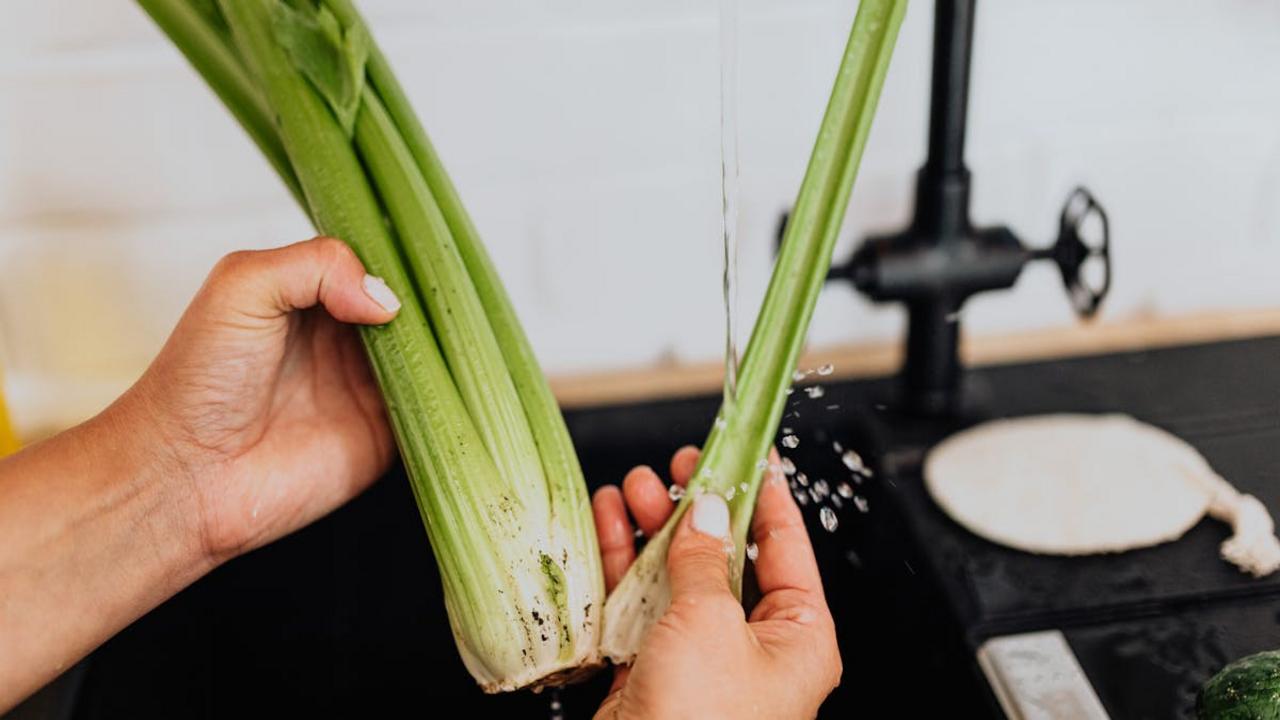
Your celery has gone limp in the fridge? Don’t toss it out! I’ve discovered a super simple trick to revive those droopy stalks – just trim the ends and place them upright in a tall glass of cold water. Leave them for about 2-3 hours, and you’ll see the celery magically crisp up again. The stalks absorb the water through their tiny vessels, helping them regain their trademark crunch. You can store the refreshed celery back in the fridge, wrapped in foil, where it’ll stay fresh for several more days.
If your celery is too far gone to crisp up, you can still put it to great use in soups, stews, or stocks. I love adding chopped limp celery to my vegetable soup base – it adds incredible depth of flavor as it simmers. You can also dice it finely and add it to tuna or chicken salad, where the softer texture won’t matter. My favorite way to use up less-than-crisp celery? Blending it into a smooth green juice with apples and ginger for a refreshing morning drink packed with nutrients.
Past Prime Berries
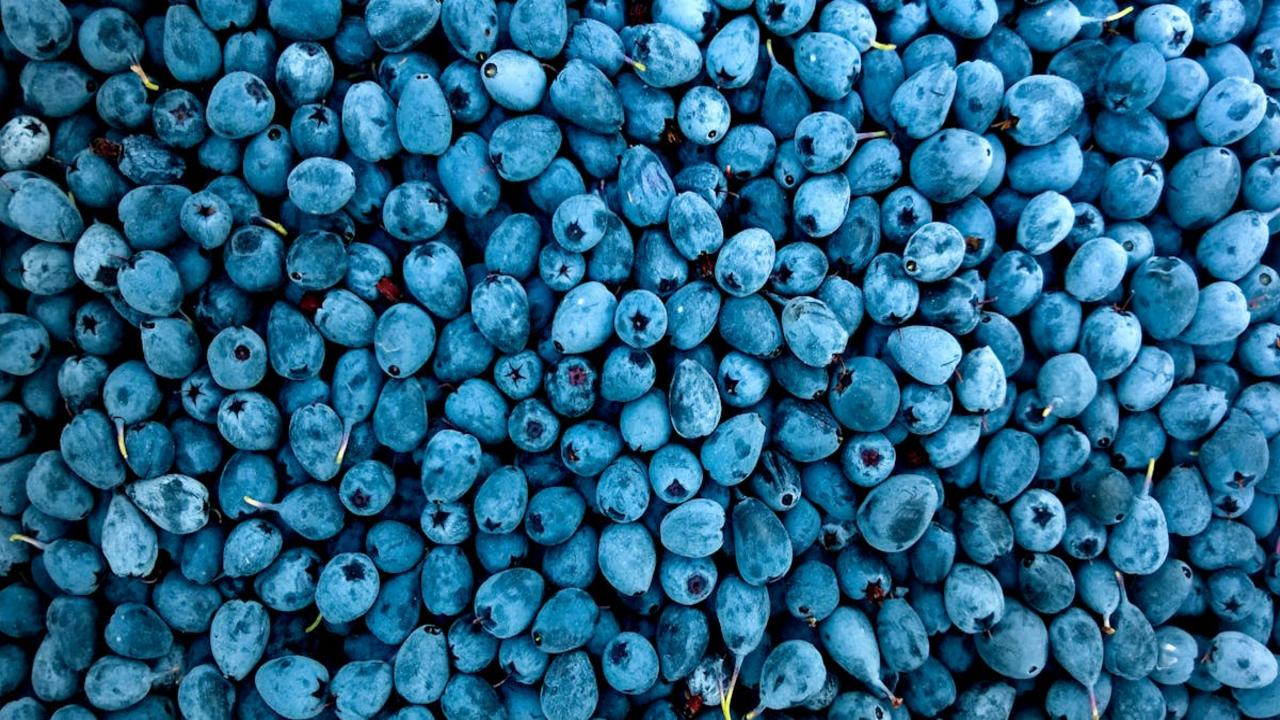
Those beautiful berries you bought a few days ago might look a bit wrinkly now, but don’t throw them away! I’ve discovered that slightly soft berries make incredible jams, compotes, and sauces. Just cook them down with a splash of water and honey or maple syrup until they break apart and thicken naturally. You can also blend them into smoothies or fold them into muffin batter – their natural sweetness intensifies as they ripen, making them perfect for baking.
My favorite rescue method is turning past-prime berries into a quick refrigerator jam. Simply simmer 2 cups of berries with 2 tablespoons of chia seeds and your preferred sweetener for about 15 minutes. The chia seeds help thicken the mixture naturally while adding omega-3s and fiber. Store your creation in an airtight jar in the fridge for up to 2 weeks. You’ll love spreading this homemade jam on toast, stirring it into yogurt, or using it as a natural sweetener in overnight oats.
Overripe Avocados
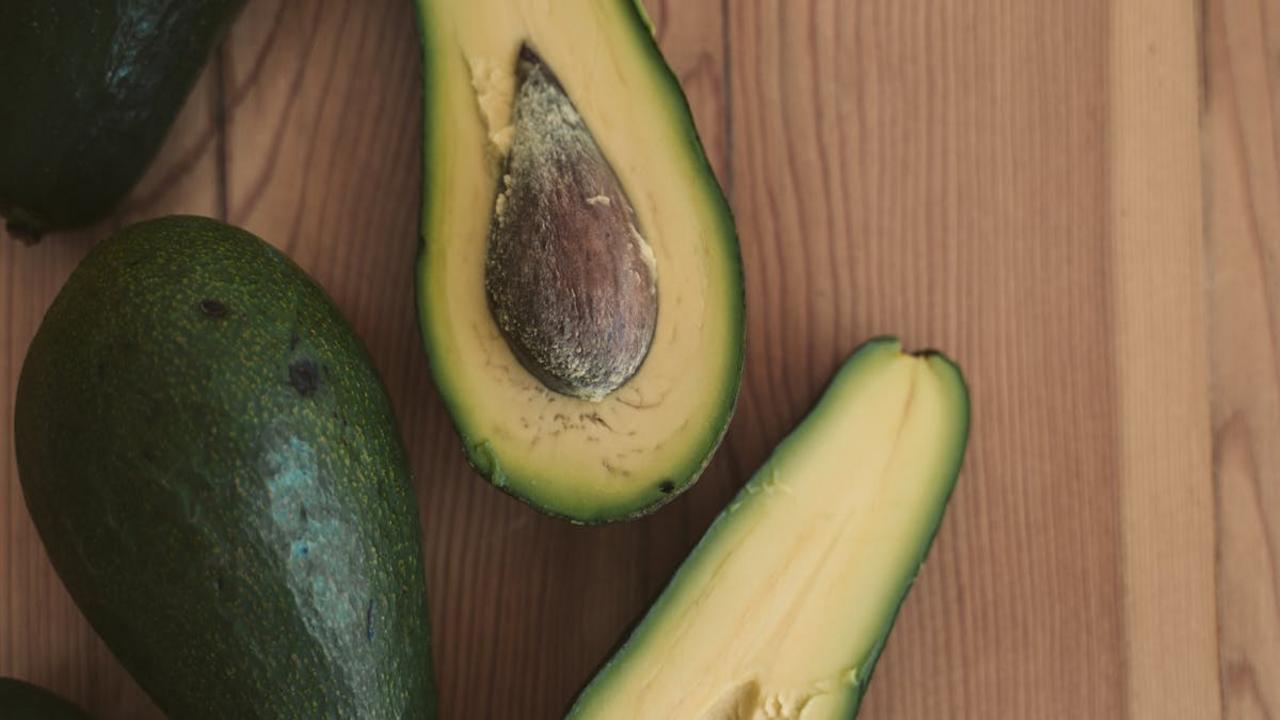
You might think those dark, slightly mushy avocados need to go straight to the compost bin – but wait! I’ve discovered these super-ripe fruits make the creamiest guacamole you’ll ever taste. The natural oils have developed fully, creating an incredibly rich texture that’s perfect for dips and spreads. Mix them with lime juice, diced tomatoes, onions, and a pinch of salt for a Mexican-inspired treat that’ll make you forget they were “too ripe” in the first place.
Beyond guacamole, overripe avocados work beautifully in chocolate mousse (yes, really!). The smooth, buttery texture blends perfectly with cocoa powder and your choice of sweetener for a dairy-free dessert that’ll blow your mind. You can also freeze them in chunks for future smoothies – they’ll add an incredible creaminess to your morning blend. Just remove the skin, cut into pieces, and pop them in a freezer bag. Your future self will thank you for saving these green gems from the trash!
Dry Cheese
You know that chunk of parmesan or aged cheddar sitting in your fridge that’s gotten a bit too dry and crumbly? Don’t throw it away! I’ve discovered that dry cheese makes an incredible flavor booster for many dishes. Simply grate or process it finely to create an intensely flavored cheese powder. You can sprinkle this concentrated cheese dust over pasta, soups, roasted vegetables, or popcorn for an instant umami kick. The drying process actually concentrates the cheese’s flavors, making it perfect for adding depth to your cooking.
My favorite way to revive dry cheese is to transform it into a rich cheese spread. Place the cheese in a food processor with a splash of white wine, olive oil, and your choice of herbs like thyme or rosemary. Blend until smooth and creamy. This transforms what you might have thrown away into a luxurious spread for crackers or crusty bread. I also love adding this cheese mixture to mashed potatoes or stirring it into hot pasta for an instant cheese sauce. Remember, aging and drying intensifies cheese’s natural flavors, so you’ll need less to make a big impact in your dishes.
Wrinkled Carrots
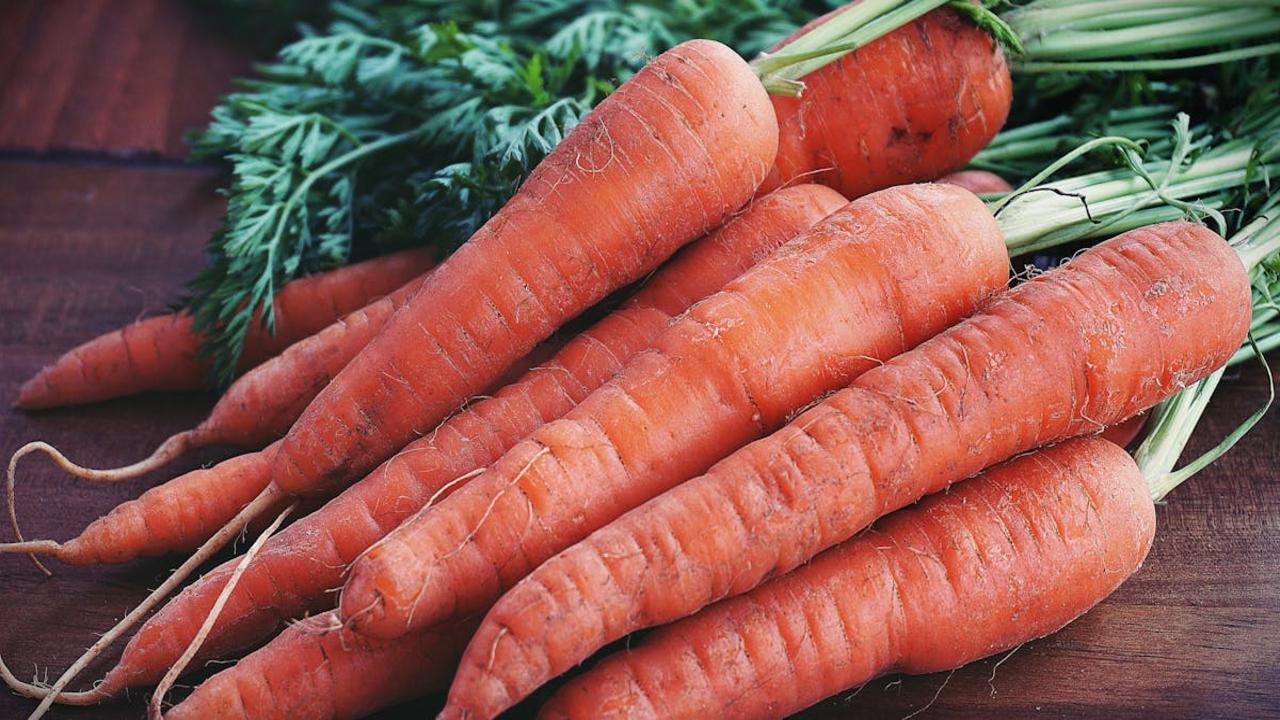
Your carrots look a bit sad and wrinkled? Don’t toss them out! These slightly dehydrated vegetables still pack plenty of nutrients and flavor – they just need a quick revival. Simply place them in a bowl of cold water for about 30 minutes, and you’ll watch them transform back to their crisp, vibrant selves. If you catch carrots early in their wrinkled stage, you can also store them in a container filled with water in your fridge to maintain their freshness for up to two weeks.
Even if you choose not to revive your wrinkled carrots, you can still put them to delicious use. Chop them up for hearty soups, stews, or stocks where their slight moisture loss won’t matter. You can also shred them into carrot cake batter or blend them into smoothies. My favorite way to save wrinkled carrots? Roast them with olive oil, honey, and your favorite herbs – the caramelization brings out their natural sweetness, making any wrinkles completely irrelevant to the final dish.
Old Potatoes
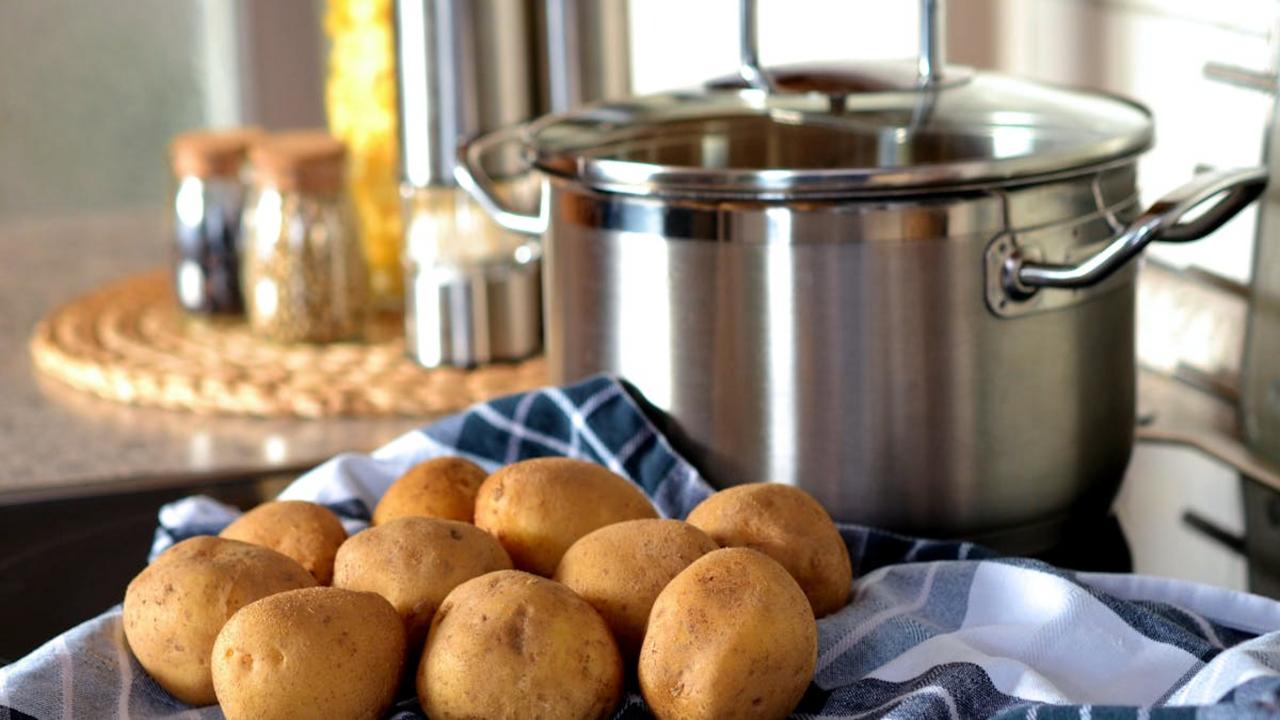
Before you toss those sprouting potatoes from your pantry, know that they’re still perfectly good to eat with a bit of prep work! Simply cut away any green parts and remove the sprouts (called “eyes”) with a small paring knife or potato peeler. The flesh underneath remains safe and nutritious. You can cook these slightly aged potatoes just like fresh ones – they work beautifully in gratins, mashes, roasts, and soups.
My favorite way to transform older potatoes is by making crispy homemade chips. Slice them extra thin using a mandoline (or careful knife work), give them a quick rinse to remove excess starch, pat them completely dry, then fry in small batches until golden brown. The natural sugars that develop in stored potatoes actually create an even more satisfying crunch and rich flavor than fresh ones. Just remember to store your potatoes in a cool, dark place to extend their life and check them regularly for any signs of serious decay or mushiness.
Bruised Peaches
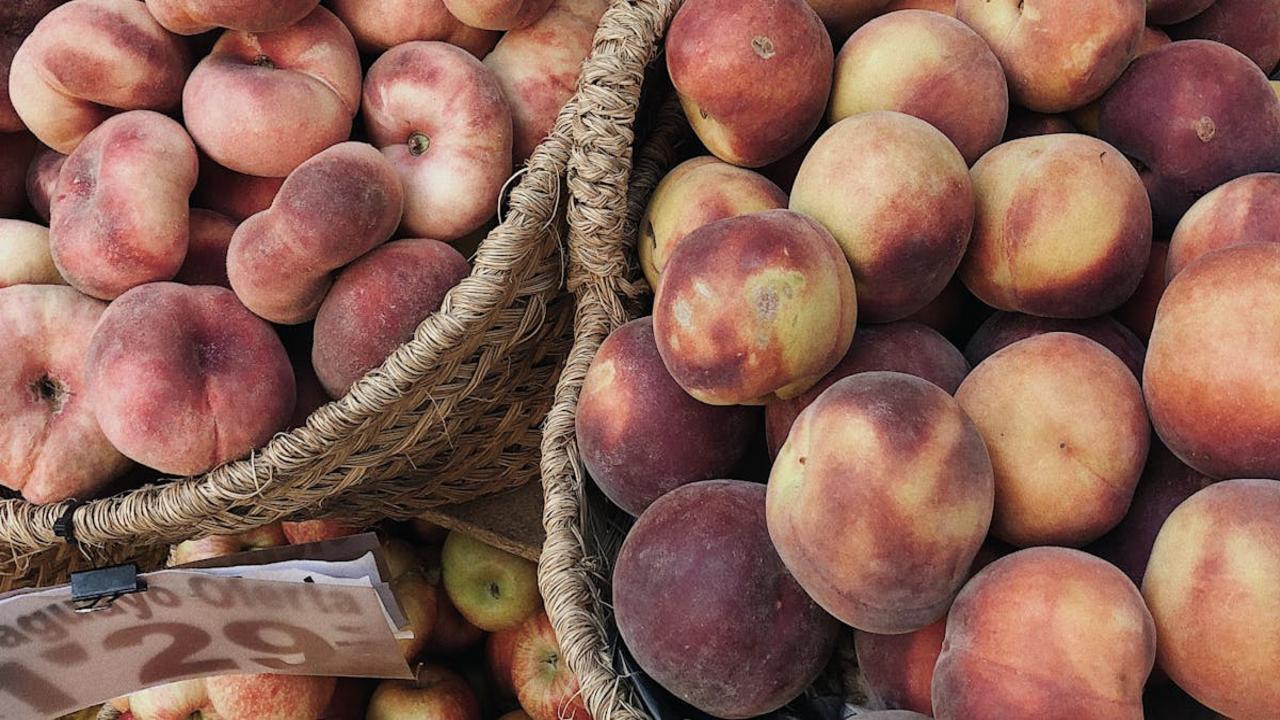
You know that feeling when you spot a dark bruise on your fresh peaches? Don’t toss them out! Those bruised peaches can transform into countless delicious treats. Simply cut away the bruised spots and use the remaining fruit in smoothies, jams, or baked goods. I love turning them into a quick peach compote – just simmer the cut pieces with a splash of water, honey, and cinnamon until soft. This sweet topping goes perfectly on yogurt, oatmeal, or ice cream.
For an extra special treat, try grilling your bruised peaches! The heat caramelizes the natural sugars and brings out an amazing depth of flavor. Just slice them in half, remove the pit, brush with a little olive oil, and grill cut-side down until you see those beautiful char marks. Top with a drizzle of honey and fresh mint leaves for a simple yet impressive dessert. You can also blend them into a peachy barbecue sauce or add them to your favorite salsa recipe for a sweet-savory kick that will make your guests ask for the recipe.
Milk Past Date
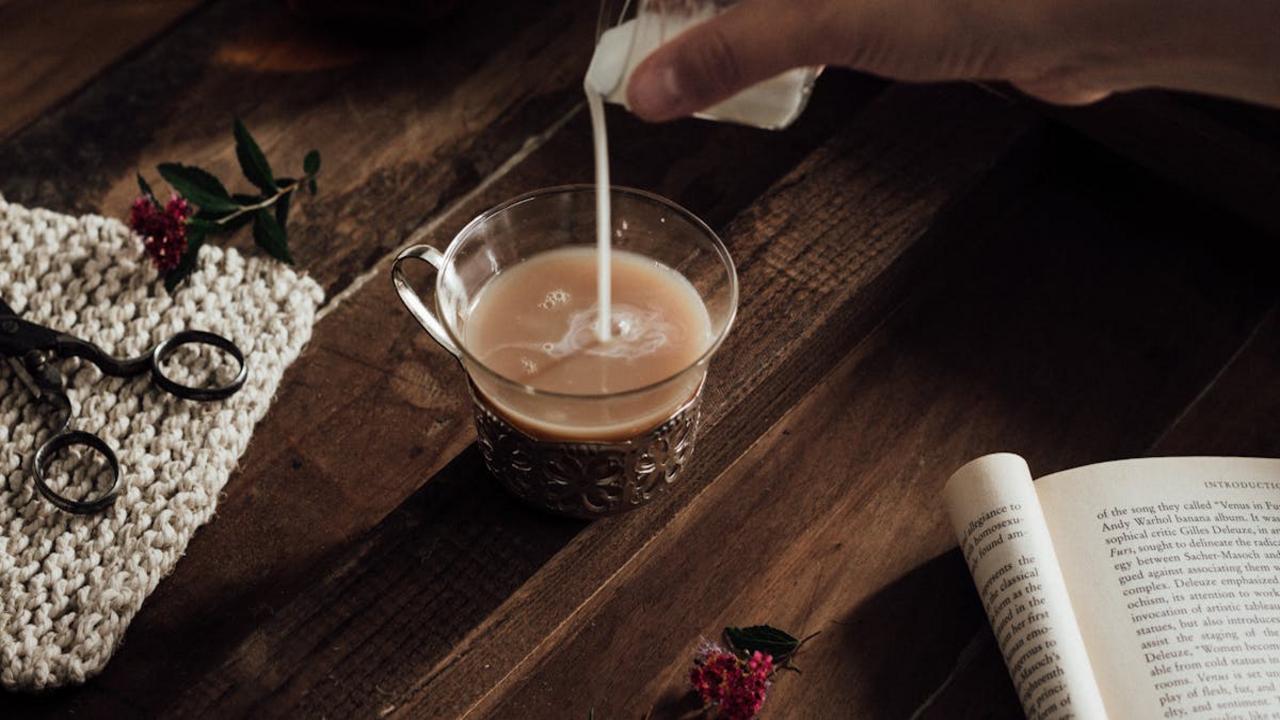
You don’t need to toss that milk just because it’s past the date on the carton! Many people don’t know this, but those dates are actually “best by” suggestions from manufacturers – not strict expiration deadlines. Your milk can stay fresh for up to a week past the printed date if you’ve stored it properly in the fridge below 40°F. The key is using your senses: give it a good sniff and look for any changes in texture or color. If it smells fine and looks normal, you’re good to go.
Even if your milk starts turning, you can still put it to delicious use in your kitchen. Slightly sour milk works beautifully in pancakes, biscuits, and other baked goods – it adds a wonderful tangy flavor and helps create a tender crumb. You can also use it to make homemade ricotta cheese by heating it until it curdles, then straining through cheesecloth. And here’s a pro tip: freeze milk in ice cube trays while it’s still fresh to extend its life for smoothies or cooking later. Just remember to shake or stir well after thawing since frozen milk can separate.
Soft Tomatoes
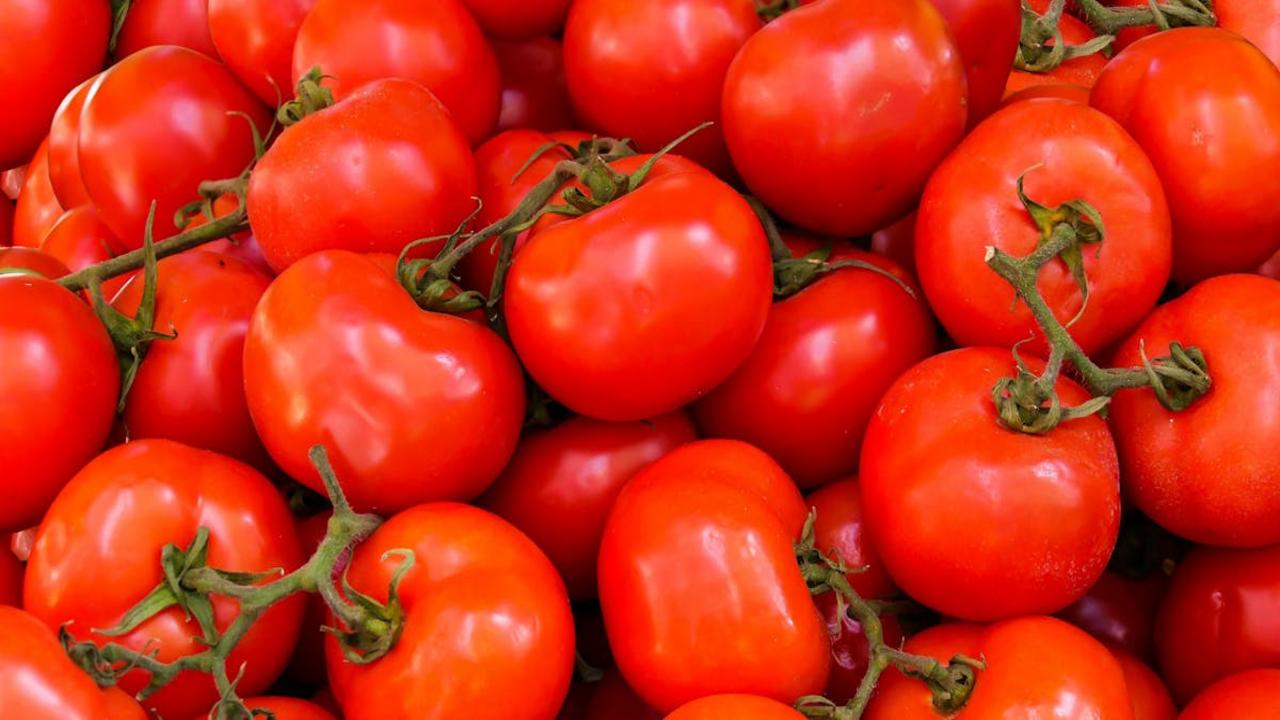
You know those tomatoes sitting on your counter that have gone a bit soft? Don’t throw them away! These perfectly ripe tomatoes make incredible sauce, soup, or salsa. I love turning my overripe tomatoes into a quick 30-minute marinara – just dice them up, sauté with garlic and herbs, and simmer until thick. The natural sugars concentrate during cooking, creating an intensely flavorful sauce that beats anything from a jar.
For a different spin, roast your soft tomatoes with olive oil, garlic, and herbs until they caramelize and get jammy. This brings out their natural sweetness and creates a versatile base for bruschetta, pasta, or even a spread for sandwiches. You can also blend the roasted tomatoes into a silky soup or freeze them in portions for future recipes. The possibilities go far beyond the compost bin – these tender tomatoes often pack more flavor than their firmer counterparts.
Spotted Apples
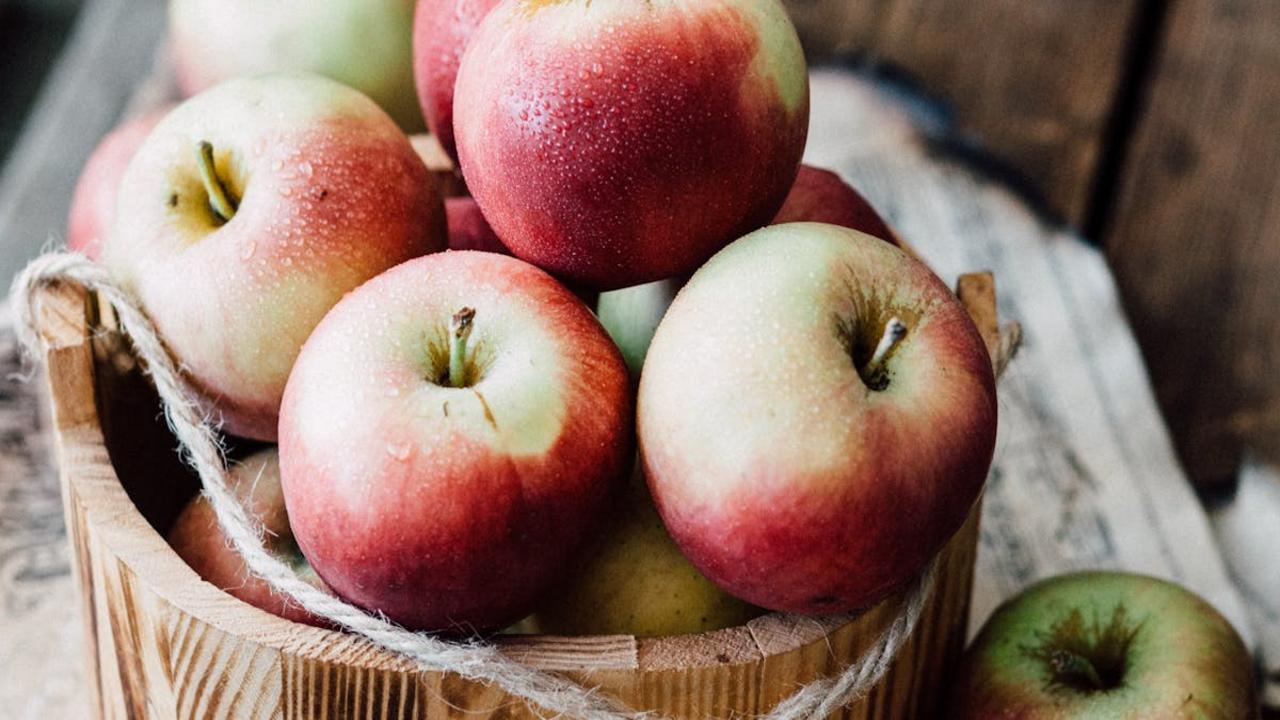
You know those brown spots that show up on your apples? Don’t toss them out! Those marks usually mean your apple is perfectly ripe and sweet. Many of my kitchen regulars actually prefer spotted apples because they’re naturally sweeter than their unblemished counterparts. Just cut around any truly damaged areas, and you’ll find the flesh inside remains crisp and delicious. I often dice these apples into my morning oatmeal or blend them into smoothies where their natural sweetness shines through.
Want to make the most of your spotted apples? Turn them into a quick apple sauce – simply peel, core, and simmer with a splash of water and cinnamon until soft. They also make fantastic baked goods since their increased sugar content adds extra flavor to muffins, cakes, and pies. The natural sweetness means you can reduce added sugar in your recipes. Store your spotted apples in the fridge to slow down further ripening, and check them regularly to use the ripest ones first. Your wallet and the environment will thank you for reducing food waste!
Wilted Lettuce
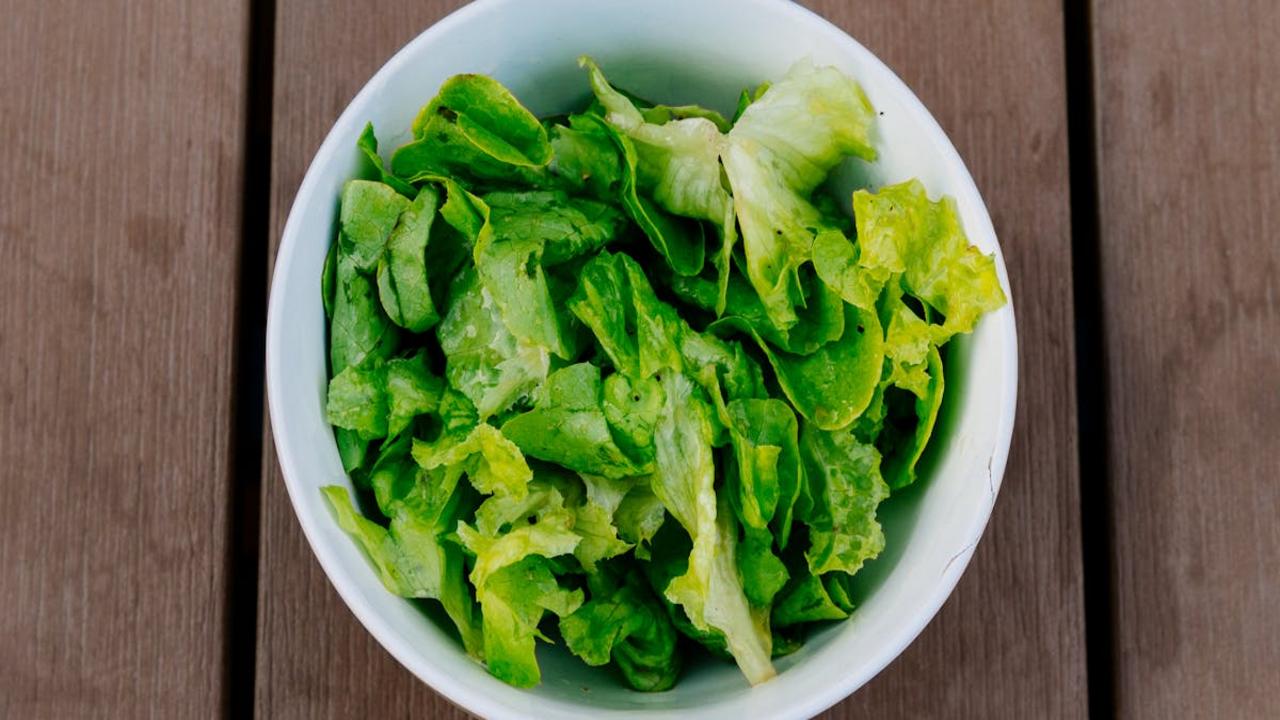
I know the disappointment of finding limp lettuce leaves in your fridge drawer – but don’t toss them yet! You can revive wilted lettuce by giving the leaves an ice bath for about 30 minutes. Simply fill a large bowl with cold water and ice cubes, then submerge the leaves completely. The cells will absorb the water and become crisp again. After soaking, dry them thoroughly in a salad spinner or with paper towels and they’ll be ready for your favorite salad.
If your lettuce is too far gone for revival, you can still cook with it! Try braising the leaves in a pan with garlic, olive oil and a splash of broth – they’ll become tender and flavorful like other cooked greens. You can also chop and add wilted lettuce to soups, stir-fries or pasta dishes in the last few minutes of cooking. The leaves will soften nicely and add nutrients to your meal. With these simple tricks, you’ll save money and reduce food waste while creating delicious dishes from ingredients you might have thrown away.
Brown Bananas
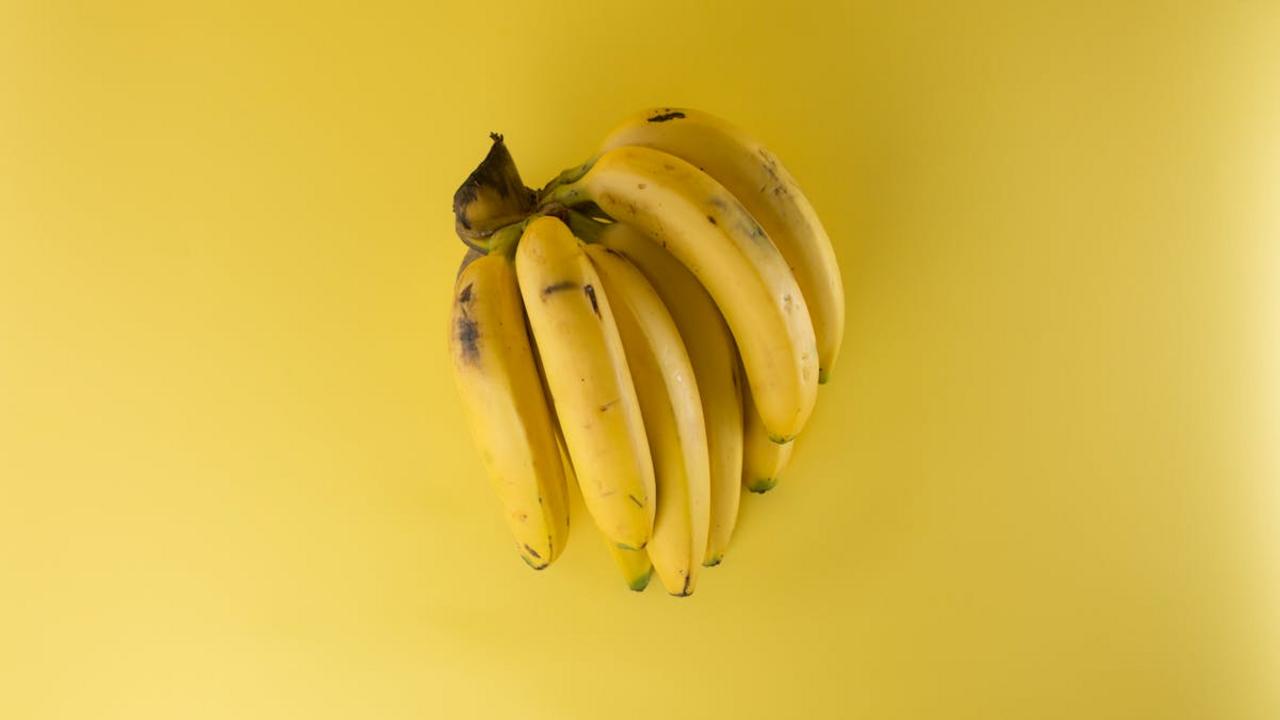
You might see those brown-spotted bananas on your counter and think they belong in the trash, but trust me – they’re pure gold for baking! The natural sugars in overripe bananas make them ideal for banana bread, muffins, and pancakes. I regularly freeze my brown bananas by peeling them first, then storing them in freezer bags. This way, I always have sweet, ripe bananas ready for smoothies or baking projects without any waste.
Beyond the classic banana bread, try blending those spotted beauties into overnight oats, mixing them into your morning oatmeal, or creating dairy-free “nice cream.” Simply freeze peeled brown bananas in chunks, then blend them until smooth and creamy – no added sugar needed! You can also mash them into cookie dough as a natural sweetener and egg replacer, or blend them into your post-workout protein shake for extra nutrients and natural sweetness.
Stale Bread
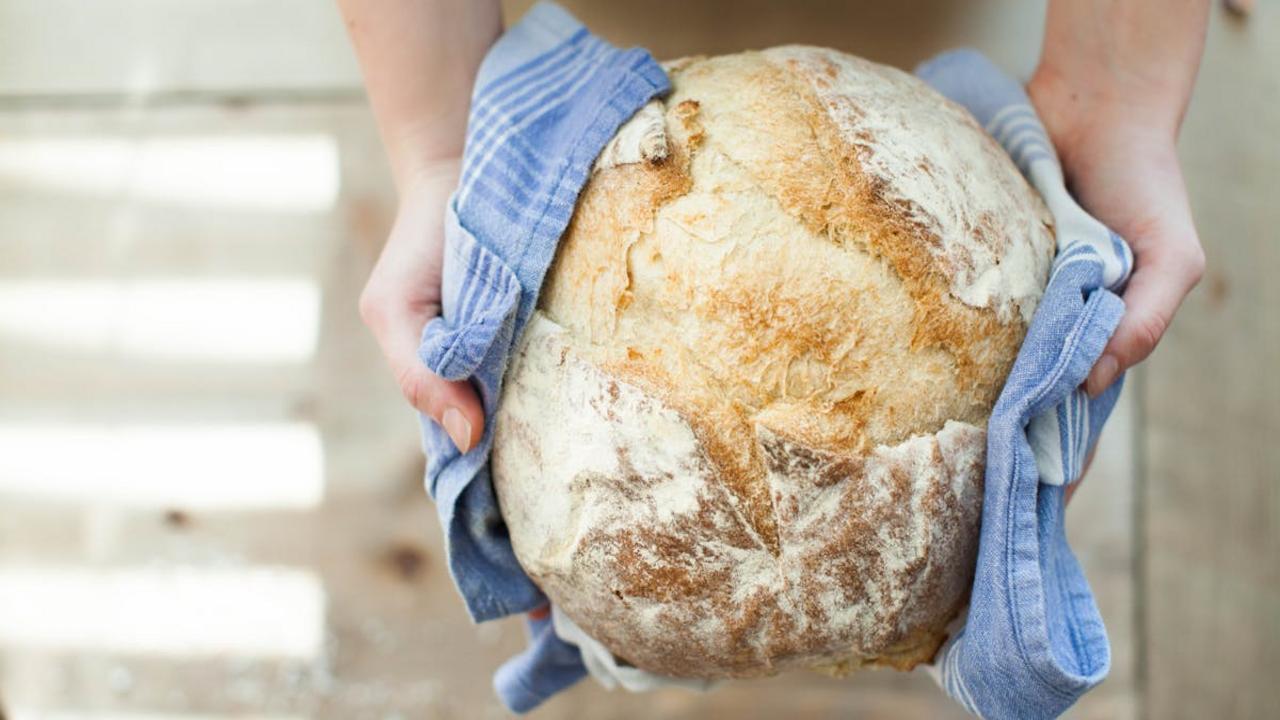
Before you toss that stale bread in the trash, know that it can transform into many delicious dishes! Your day-old bread makes perfect homemade croutons – just cube it up, toss with olive oil and your favorite seasonings like garlic powder and Italian herbs, then bake until golden and crispy. You can also pulse it in a food processor to create fresh breadcrumbs for coating chicken cutlets, topping mac and cheese, or binding meatballs. The natural dryness actually helps these dishes turn out better than using fresh bread.
Stale bread also shines in classic recipes like French toast, bread pudding, and panzanella salad. For a quick breakfast, soak thick slices in an egg mixture with cinnamon and vanilla, then pan-fry until golden brown. For panzanella, tear the bread into chunks and mix with juicy tomatoes, fresh basil, and a tangy vinaigrette – the bread soaks up all those amazing flavors. You can even use it to thicken soups and sauces, like in the traditional Spanish gazpacho or Italian ribollita. Your “old” bread will bring new life to so many recipes!