14 Beloved American Dishes with Unexpected International Roots
From backyard barbecues to late-night diners, certain foods just scream “America!” But here’s the twist – many of our most cherished national dishes actually started their stories far beyond our borders. Think you know your all-American favorites? You might need to think again!
Take the hot dog at your baseball game or that slice of warm apple pie cooling on the windowsill. These icons of American eating began their lives in different countries, shaped by different cultures, before finding their way into our hearts and onto our plates. Each dish carries a passport stamped with surprising origins.
The truth behind these foods reveals a beautiful mix of cultural connections and creative adaptations. From German immigrants transforming their traditional recipes to Chinese-American chefs inventing new classics, these 14 dishes show how international influences have shaped what we consider quintessentially American today.
Buffalo Wings
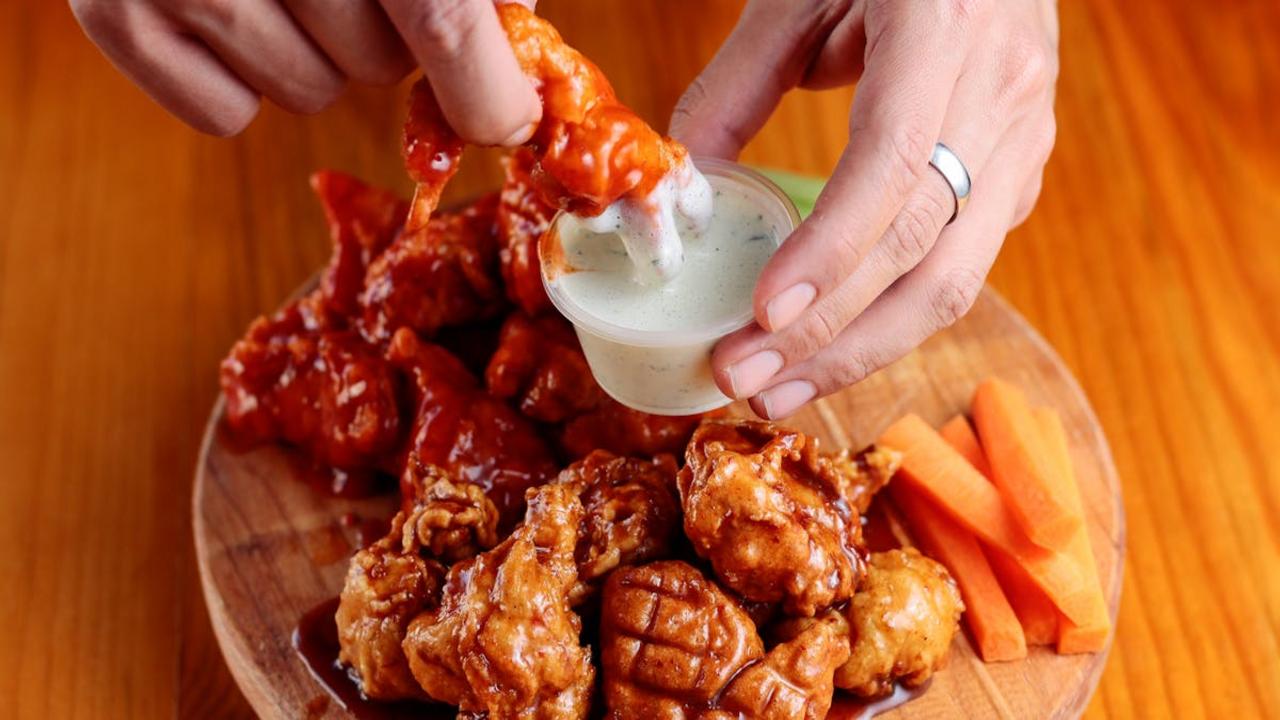
Would you believe those fiery, finger-licking Buffalo wings you devour during game day actually started as a late-night accident? Back in 1964, Teressa Bellissimo at the Anchor Bar in Buffalo, New York, created these spicy beauties when her son and his friends needed a midnight snack. She took some chicken wings (which most people threw away or used for soup stock), fried them up, tossed them in hot sauce, and served them with celery and blue cheese dressing. Little did she know she’d just invented an American food icon that would spark countless arguments about ranch vs. blue cheese!
The funny part? Buffalo wings aren’t even remotely Italian, despite their creator’s heritage. The sauce that makes these wings so addictive draws inspiration from Louisiana-style hot sauces, typically mixing Frank’s RedHot with butter. Americans now eat more than a billion wings during Super Bowl weekend alone – that’s enough wings to circle the Earth three times! And while many claim to serve the “original” recipe, the Anchor Bar still stands proud in Buffalo, serving up those same wings that started the craze nearly 60 years ago. Next time you’re licking that spicy sauce off your fingers, thank Teressa for not taking the easy route and making her son a sandwich instead!
German Chocolate Cake
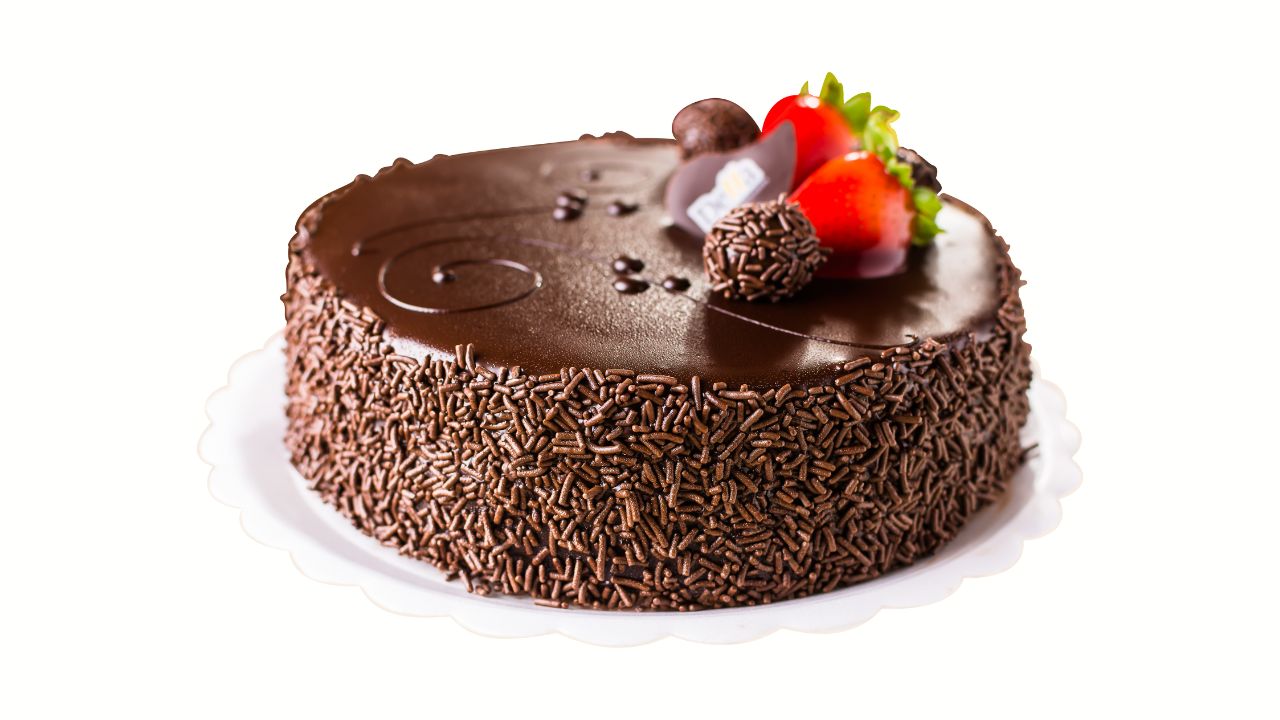
Here’s a fun plot twist for you – German Chocolate Cake isn’t German at all! This rich, nutty, coconut-packed dessert got its name from Samuel German, an American baker who worked for Baker’s Chocolate Company in the 1850s. He created a special type of dark baking chocolate which the company named “German’s Sweet Chocolate” in his honor. The actual cake recipe wouldn’t appear until over 100 years later, when a Dallas homemaker named Mrs. George Clay published her chocolate cake recipe using German’s chocolate in a local newspaper in 1957.
The cake became such a nationwide hit that sales of German’s Sweet Chocolate shot up by 73% within a year. The original recipe featured layers of chocolate cake slathered with a gooey pecan-coconut frosting that would make any sweet tooth swoon. General Foods, which owned Baker’s Chocolate at the time, started distributing the recipe across the country, and somewhere along the way, people dropped the possessive ‘s’ from German’s, leading many to mistakenly associate this deeply American dessert with Germany. So next time someone mentions German Chocolate Cake, you can wow them with this little tidbit of American baking history!
Bagels
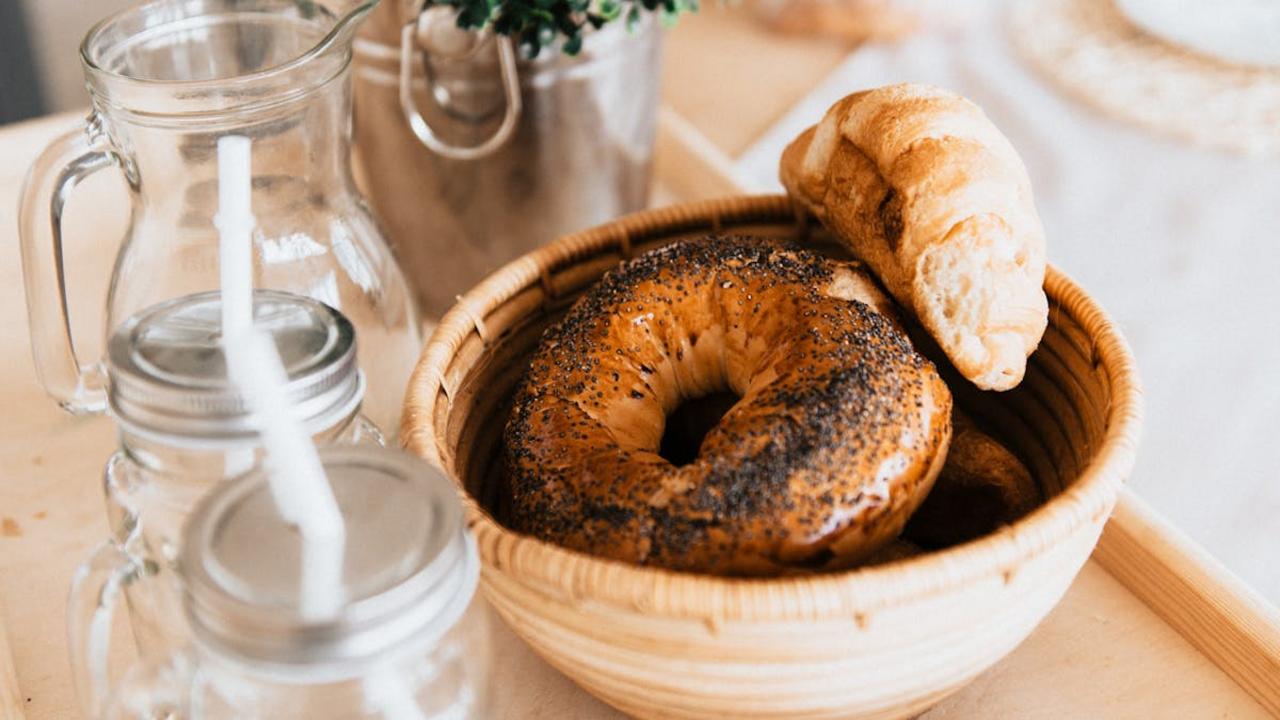
You might think bagels are as American as baseball, but these chewy, ring-shaped delights actually trace their roots back to 16th-century Jewish communities in Poland. The word “bagel” comes from the Yiddish “beygal,” derived from the German “bügel,” meaning ring or bracelet. These dense, doughy circles became a staple in Polish-Jewish cuisine before making their way to New York City in the late 1800s with Jewish immigrants who set up bakeries in the Lower East Side.
While modern American bagels come in flavors like blueberry and jalapeño-cheddar (which would make traditional bakers gasp), the original Polish versions stuck to simplicity. Bakers would hand-roll the dough, shape it into rings, boil them briefly in water, and then bake them until golden brown. This distinctive cooking method gives bagels their characteristic shiny crust and chewy interior. The traditional toppings? Just poppy or sesame seeds. No cream cheese schmear in sight! It wasn’t until these European imports hit American soil that they transformed into the breakfast behemoths we know today.
Macaroni and Cheese
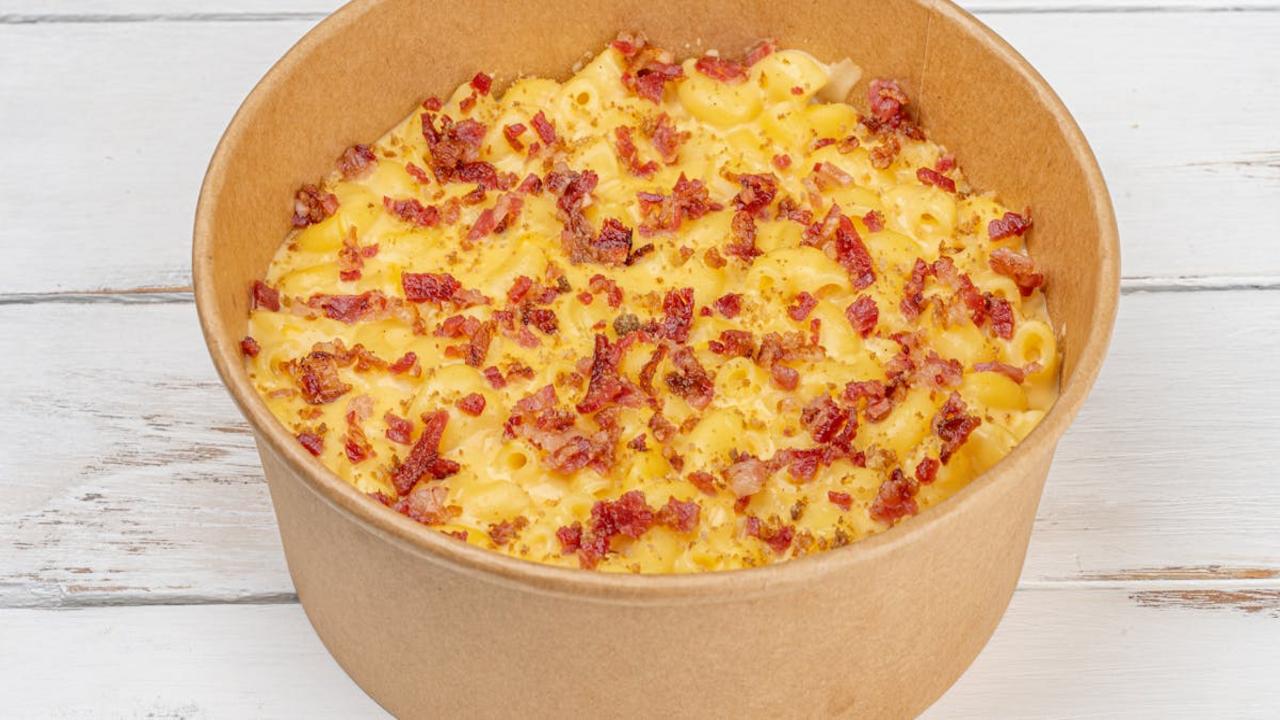
Would you believe your favorite comfort food, mac and cheese, actually traces its roots back to 14th century Italy? While Americans love claiming this cheesy, gooey goodness as their own creation, the earliest recorded recipe comes from an Italian cookbook called “Liber de Coquina,” which featured a dish of pasta and parmesan cheese. The recipe made its way through European nobility, with Thomas Jefferson famously falling head over heels for it during his time in Paris. He even imported a pasta machine back to Monticello in 1789 because he couldn’t bear the thought of living without his beloved macaroni!
The mac and cheese we know today got its real American makeover in 1937 when Kraft Foods introduced their boxed version during the Great Depression. At just 19 cents per box, it fed four people, making it an instant hit with families struggling through tough economic times. The bright orange powder cheese sauce we’ve all come to recognize wasn’t just a random choice – Kraft specifically designed it to stand out on grocery store shelves. Now Americans eat more than 2 million boxes of Kraft Mac & Cheese every day, though plenty of us still whip up grandma’s secret recipe with real cheese, butter, and that perfectly crusty top layer.
French Fries
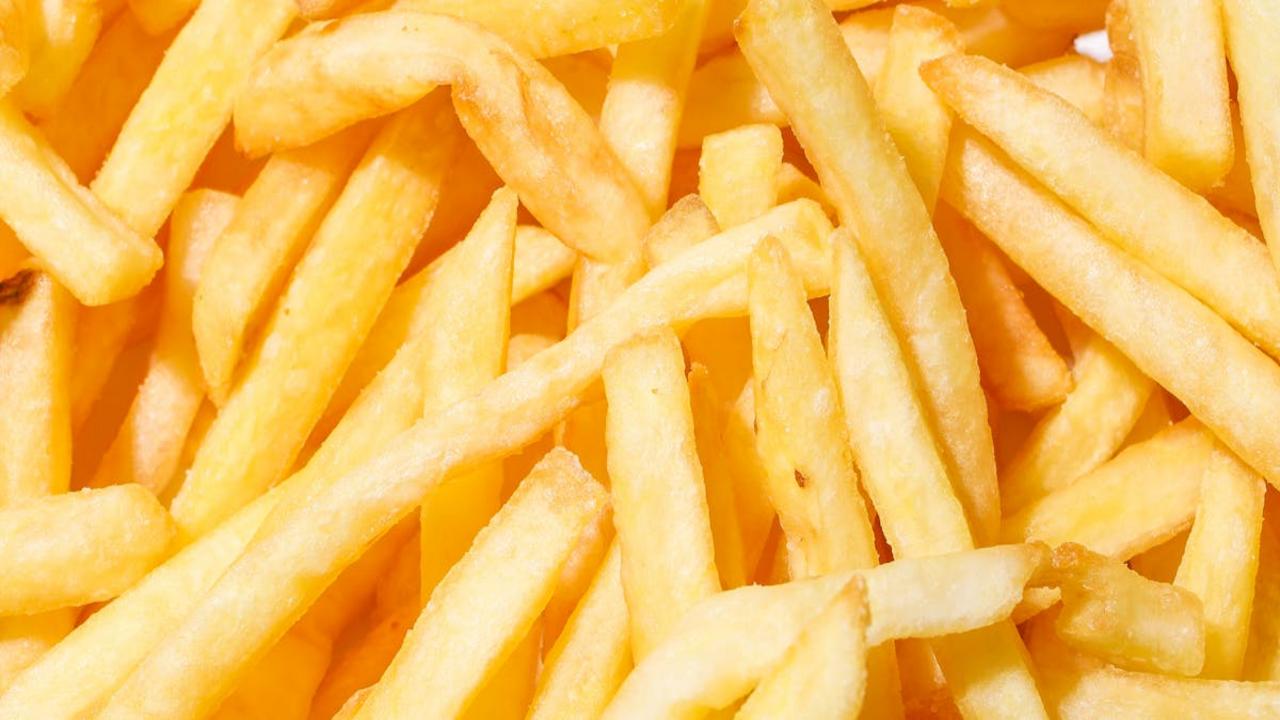
Here’s a fun fact that might ruffle some Belgian feathers – French fries aren’t actually French! These crispy potato strips got their start in Belgium, where locals have been frying up potatoes since the late 1600s. The name mix-up happened during World War I when American soldiers stationed in Belgium first tasted these golden beauties. Since the Belgian army spoke French, the Americans dubbed them “French fries,” and the misleading name stuck like ketchup on a hot fry.
The original Belgian street vendors would sell these crispy delights near bridges, where fishermen gathered. When the river froze in winter and fishing became impossible, the vendors switched from frying fish to frying potato strips in the same way. Today, Belgians still take their fries seriously – serving them in paper cones with dozens of sauce options, from traditional mayonnaise to spicy andalouse. And while Americans love drowning their fries in ketchup, real Belgian frites masters insist that’s practically a culinary crime! They’ll tell you the only proper way is to double-fry them until they’re perfectly golden and crunchy on the outside, yet fluffy on the inside.
Pizza
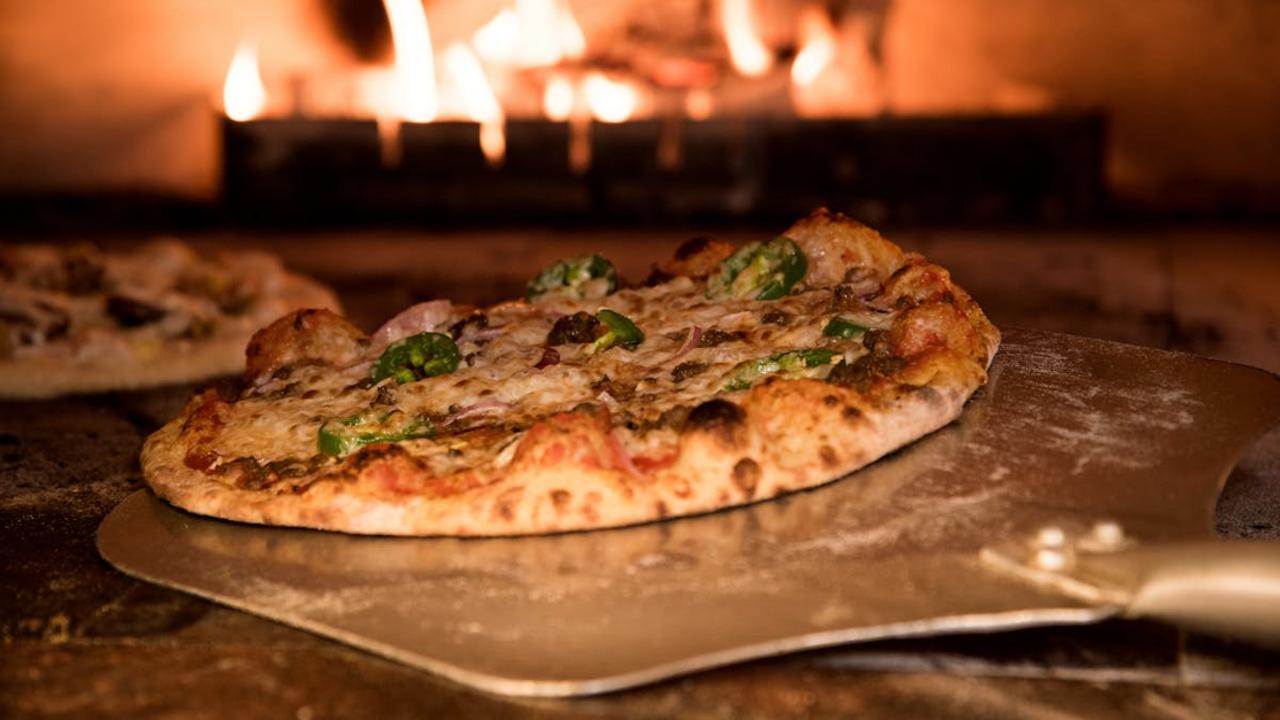
Think Italian food invented pizza? Not so fast! While modern pizza got its swagger from Naples, Italy in the late 1800s, humans have topped flatbreads with olive oil and spices since ancient times. The Persians, Greeks, and Romans all created early versions of pizza-like dishes. But it took Italian immigrants bringing their recipes to America in the late 19th century to kickstart our national love affair with this cheesy delight. Americans transformed pizza from a simple Neapolitan dish into countless varieties – from Chicago’s deep-dish to New York’s foldable slices.
You’ll find some wild American pizza innovations that would make an Italian grandmother faint – Hawaiian pizza with pineapple (actually created in Canada!), buffalo chicken pizza, and even dessert pizzas topped with chocolate and marshmallows. We eat around 350 slices every second in the USA, making pizza a $45 billion industry. Next time you grab a slice, remember you’re not just eating Italian-American food – you’re enjoying a dish that’s been remixed and reinvented across continents for thousands of years. From ancient Mediterranean flatbreads to today’s delivery apps, pizza keeps rolling with the times.
Peanut Butter
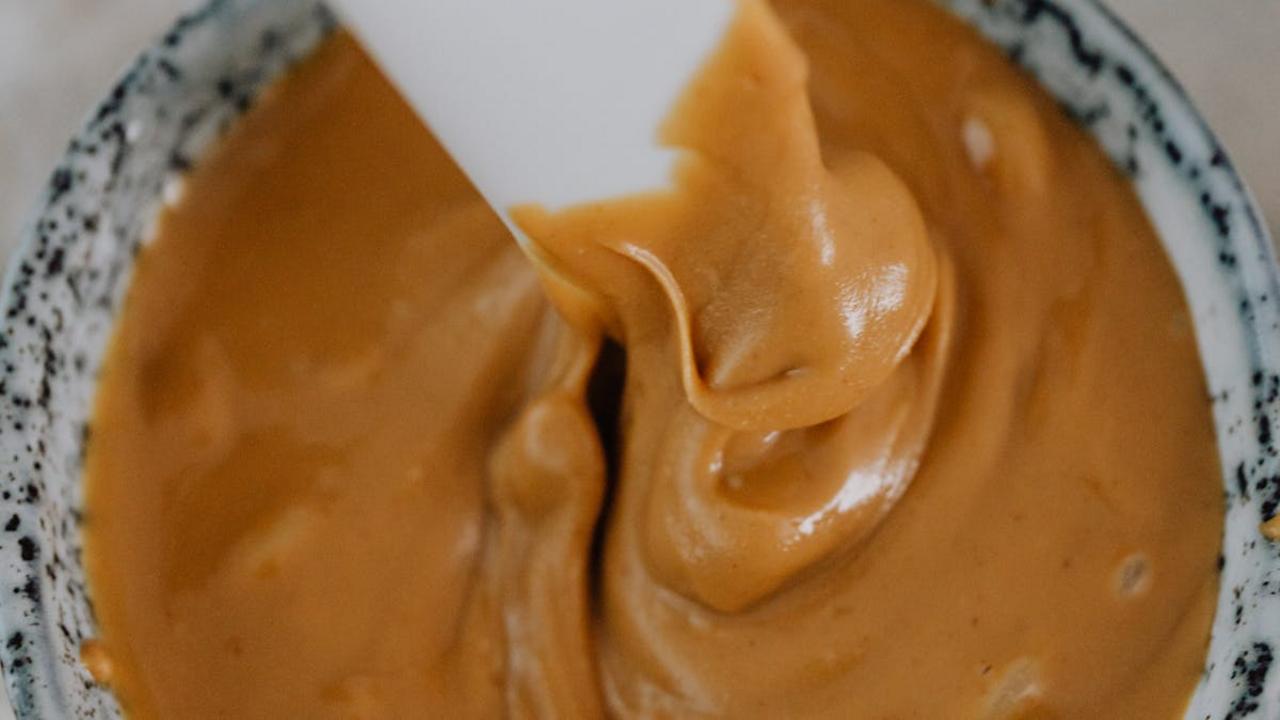
Your favorite PB&J sandwich has a fascinating backstory that’ll make you appreciate every creamy (or crunchy!) bite even more. While we Americans claim peanut butter as our own, the ancient Aztecs were actually the first to turn peanuts into a paste thousands of years ago. They’d mash roasted peanuts into a thick, spreadable consistency – though it looked quite different from the smooth stuff we slather on bread today. The modern version we know and love was popularized in the late 1800s by a St. Louis physician who created it as a protein-rich food for his elderly patients who couldn’t chew meat.
The real game-changing moment for peanut butter came at the 1904 St. Louis World’s Fair, where it was introduced to the masses. C.H. Sumner sold $705.11 worth of peanut butter at his concession stand – a fortune for that time! From there, it quickly became an American pantry staple. Today, Americans consume enough peanut butter annually to coat the floor of the Grand Canyon (though I wouldn’t recommend trying that). Fun fact: It takes about 540 peanuts to make a 12-ounce jar of peanut butter, and by law, any product labeled “peanut butter” in the U.S. must be at least 90% peanuts.
Pretzels
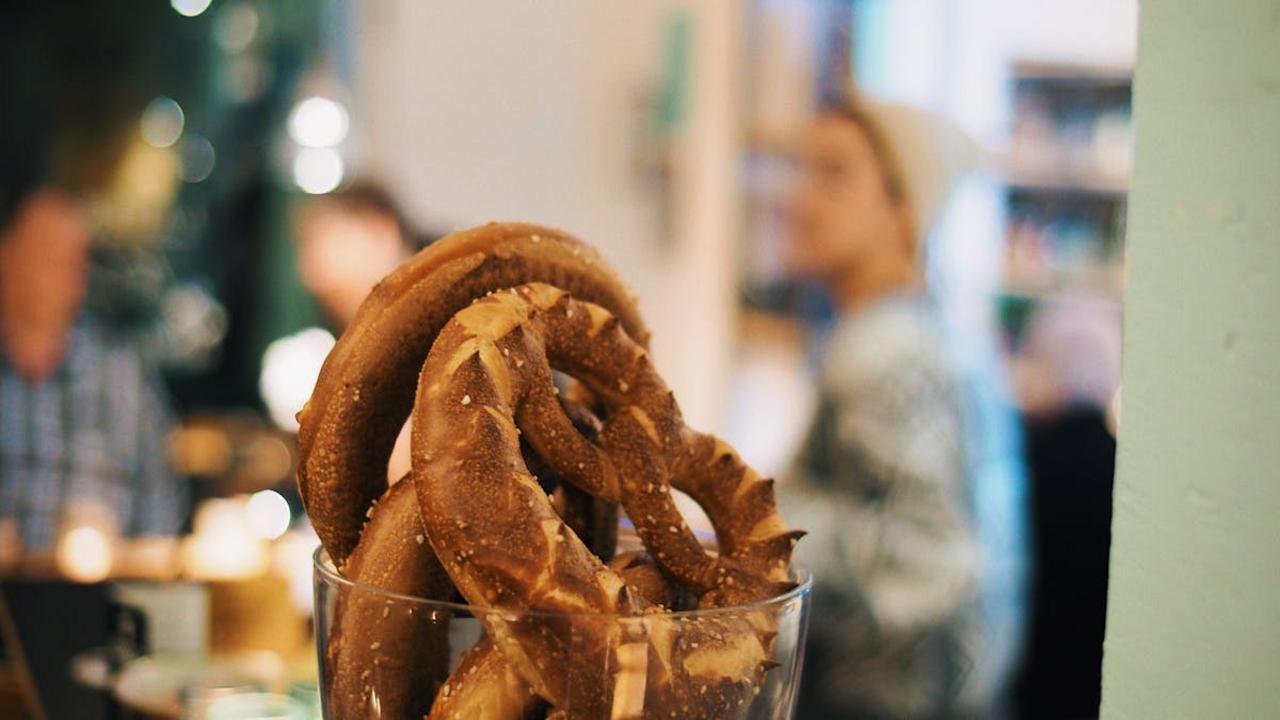
You might think pretzels are as American as baseball and apple pie, but these twisted treats actually got their start in medieval European monasteries! German monks created the original pretzels back in the 7th century, shaping the dough into loops that represented arms crossed in prayer. The story goes that one clever monk made these treats to reward children for learning their prayers – talk about a genius way to mix snacking with studying!
The pretzel made its grand entrance to America in the 1800s through German immigrants who settled in Pennsylvania. They brought their traditional pretzel-making skills and set up shops in what would become known as the “Pretzel Belt” – the area around Philadelphia and its suburbs. Today, Pennsylvania still leads the US in pretzel production, cranking out 80% of the nation’s supply. The hard, crunchy snack version we love munching on during movie nights? That’s a happy accident from 1861, when a baker dozed off and overcooked his batch, creating the first crispy pretzels!
Spaghetti and Meatballs
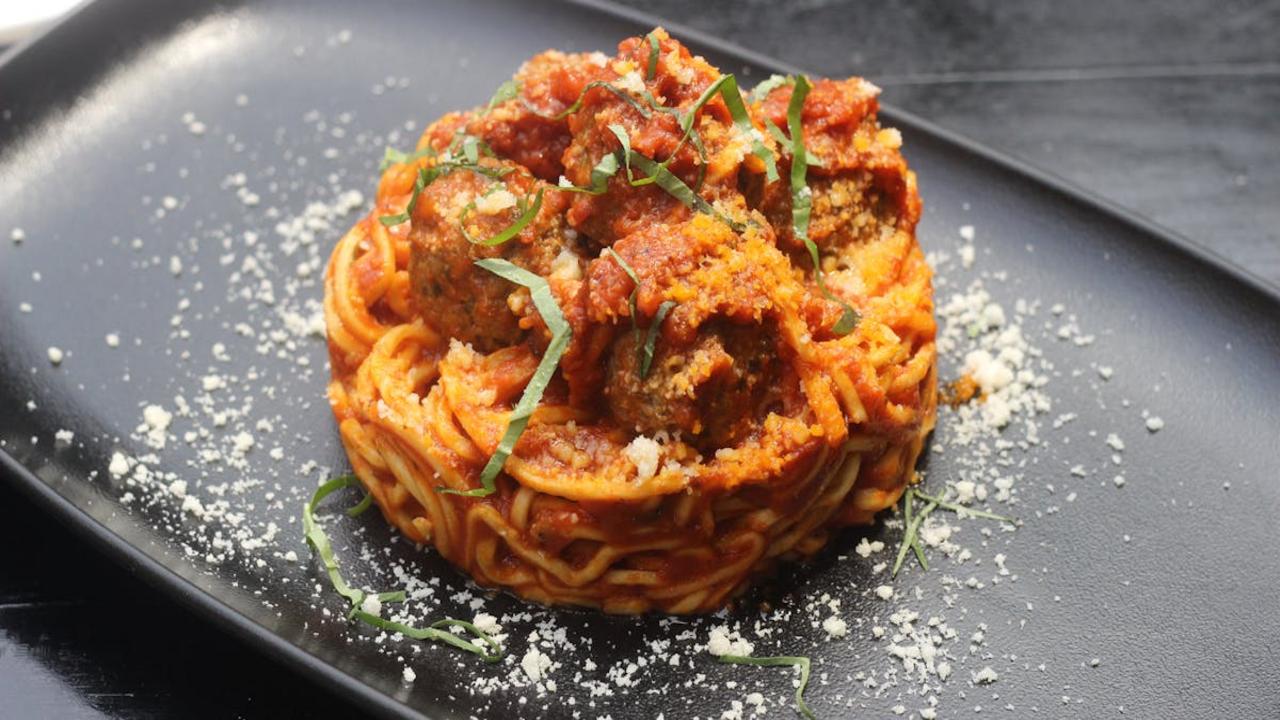
Here’s a shocking revelation for your next dinner party: that big plate of spaghetti and meatballs you love isn’t actually Italian! While both pasta and meatballs exist in Italian cuisine, the combination we know and love today was born right here in America. Italian immigrants in the early 1900s created this dish to adapt to their new home, where meat was more abundant and affordable than in Italy. Traditional Italian meatballs (polpette) are typically smaller and served without pasta as a separate course.
The genius behind this Italian-American mashup lies in its practical origins. Early immigrants found that American beef was cheaper and more available than in their homeland, so they started making bigger meatballs. They paired them with spaghetti and tomato sauce – another American twist, since tomato-based sauces weren’t common in many parts of Italy then. The result? A hearty, filling meal that could feed a large family on a budget. Today, this delicious merger of Old World and New World continues to fill countless restaurant menus and dinner tables across America, proving that sometimes the best dishes come from creative adaptation rather than strict tradition.
Hamburgers
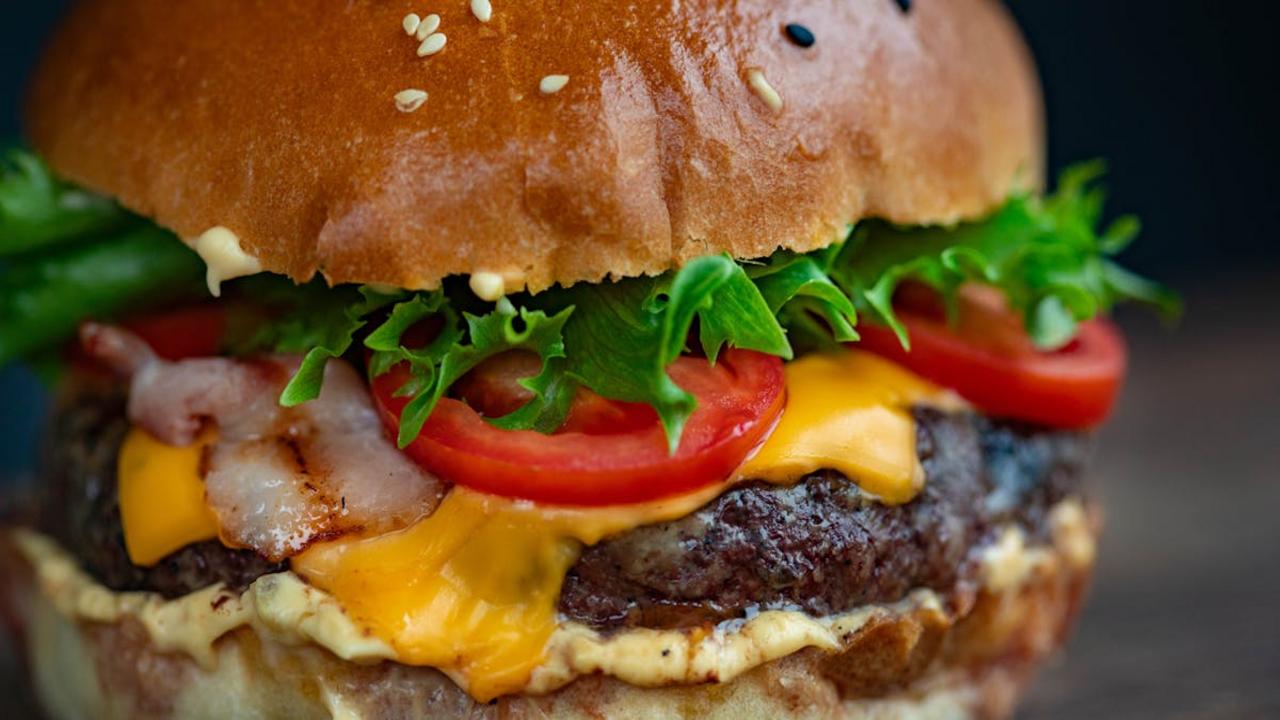
You’d think America’s favorite sandwich was born right here in the USA, but our beloved burger actually traces its roots back to Hamburg, Germany in the late 1700s. German sailors brought their “Hamburg steak” – a patty of chopped beef mixed with garlic, onions, and seasonings – to New York’s bustling ports. The real American twist? Slapping that patty between two buns, which happened at the 1904 St. Louis World’s Fair when vendors needed an easy way for visitors to eat their Hamburg steaks while walking around.
The burger’s journey from German port to American icon took some fascinating turns. In the early 1900s, street vendors across the country sold these meat sandwiches from carts and lunch counters, but White Castle really kicked off burger mania in 1921 by making them cheap, quick, and standardized. From there, every region put its stamp on the classic – Minnesota’s cheese-stuffed Jucy Lucy, New Mexico’s green chile cheeseburger, and California’s animal-style burgers. Now Americans eat nearly 50 billion burgers yearly, proving this German import has become as American as, well… burgers!
Apple Pie
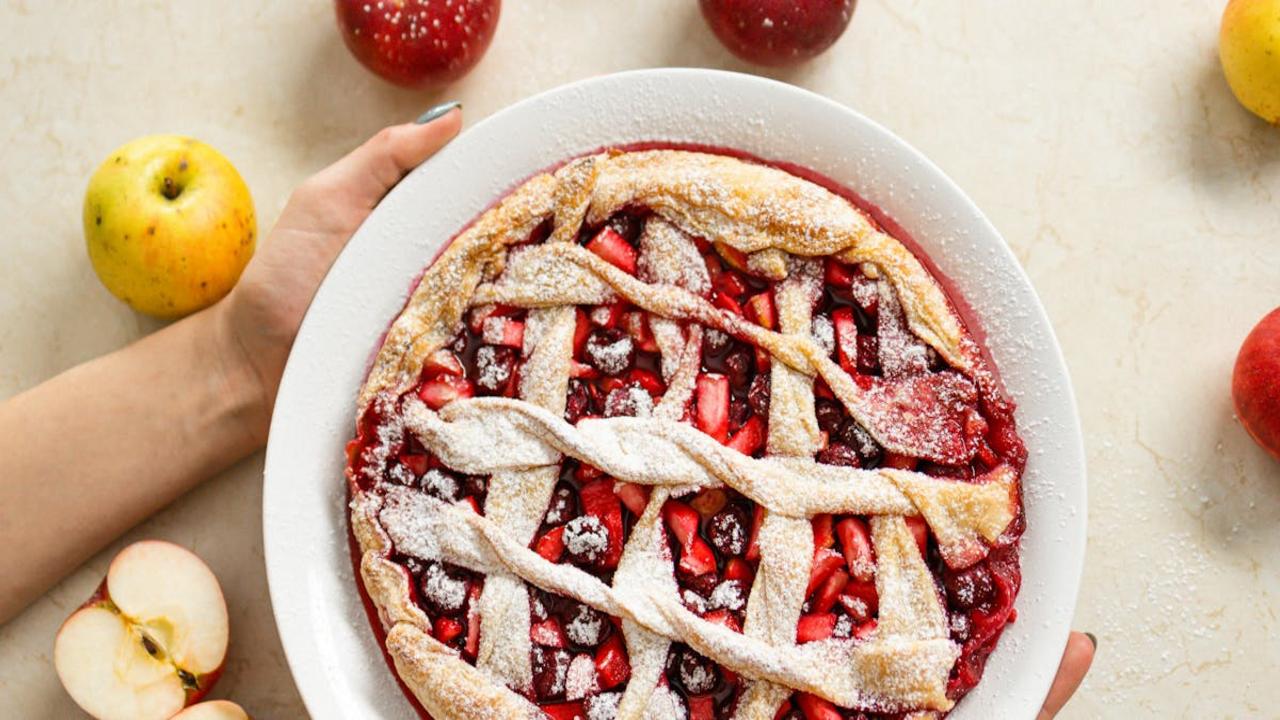
Hold onto your stars and stripes, folks – that all-American apple pie you’ve been baking every Fourth of July? It’s actually about as American as… well, England! The first recorded apple pie recipe dates back to 1381 in England, long before the Mayflower set sail. The original version didn’t even include sugar (gasp!) and called for figs, raisins, and pears mixed with apples in a pastry shell called a “coffyn.” Medieval bakers created these sturdy pastry containers more as a baking vessel than an edible crust – they were basically the original disposable baking pans!
The apples themselves didn’t grow naturally in North America either – European colonists brought the first apple trees over in the 17th century. Only crabapples existed here before that, and trust me, you wouldn’t want those tiny tart bombs in your pie. The phrase “as American as apple pie” gained popularity during World War II when American soldiers would tell journalists they were fighting for “mom and apple pie.” So while we’ve certainly perfected this sweet, cinnamon-scented dessert and made it our own national symbol, we should probably tip our hats to our British cousins for laying the groundwork for this beloved dish.
Hot Dogs
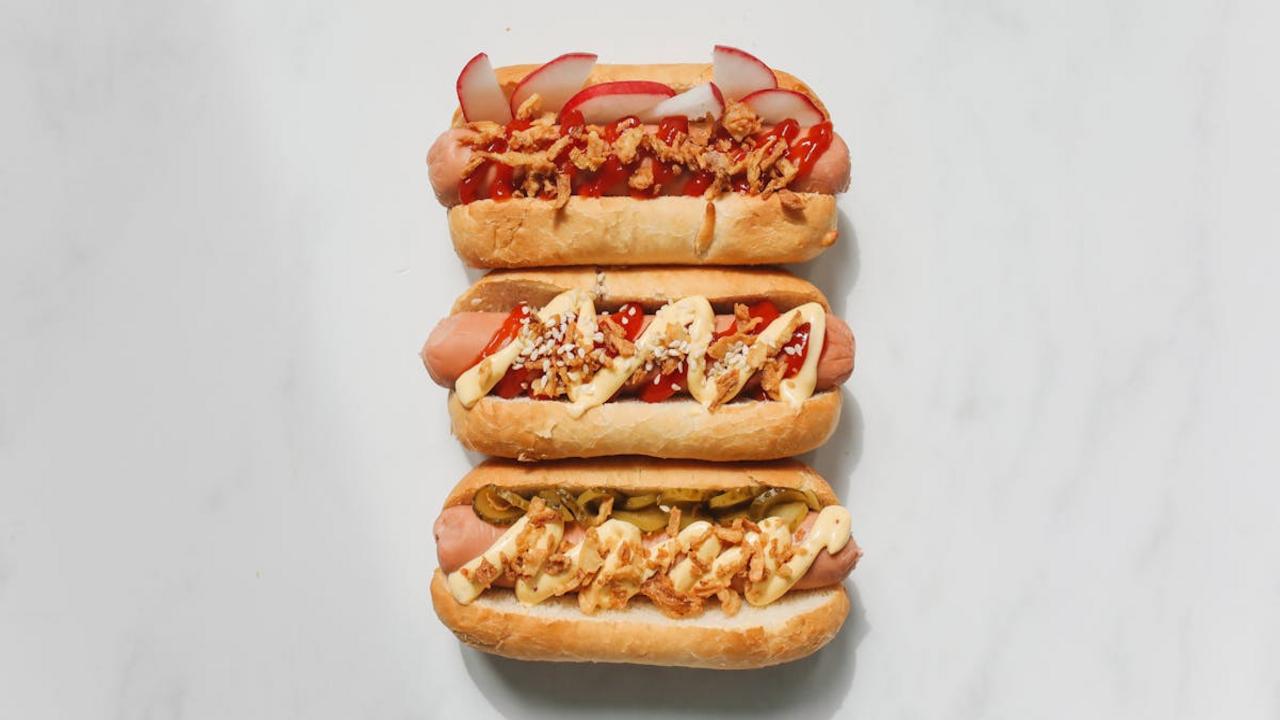
You might think hot dogs are as American as baseball and apple pie, but these beloved sausages actually trace their roots back to Germany! The frankfurter was born in Frankfurt (shocking, right?) during the 13th century, while the “wiener” originated in Vienna, Austria. German immigrants brought their sausage-making skills to America in the 1800s, and a brilliant soul decided to stuff these meaty treats into soft buns. The hot dog cart became a fixture on the streets of New York, where vendors found eager customers among baseball fans heading to games.
The modern American hot dog owes its massive popularity to one specific event – the 1904 St. Louis World’s Fair. German concessionaire Anton Feuchtwanger started lending white gloves to customers so they wouldn’t burn their hands on the hot sausages. Running low on gloves (which customers kept walking off with), he asked his brother-in-law, a baker, to create long soft rolls to wrap around the sausages. The rest is history! Today, Americans gobble up over 20 billion hot dogs annually, from Chicago-style dogs loaded with peppers and pickles to simple New York pushcart classics with mustard and sauerkraut.
Fortune Cookies
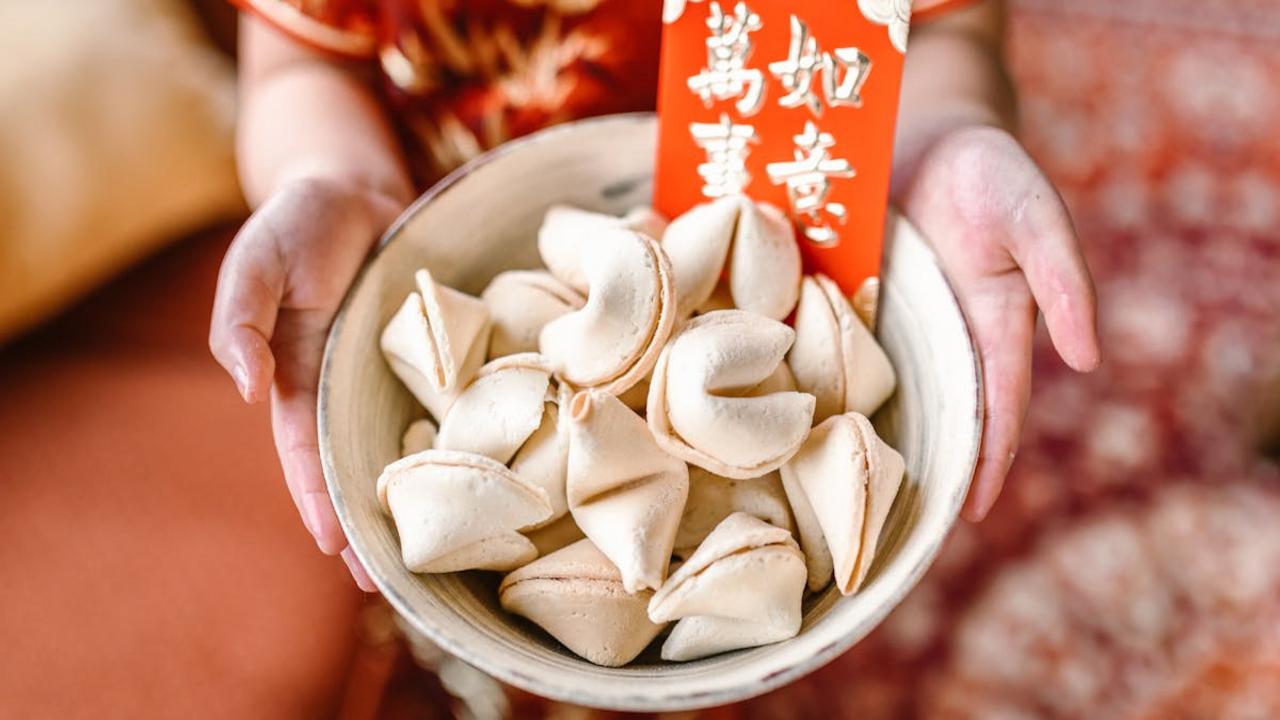
Here’s a plot twist that will blow your mind – those “Chinese” fortune cookies you crack open at the end of every Chinese restaurant meal? They’re actually Japanese! The original fortune cookie, called tsujiura senbei, came from Kyoto, Japan in the 1800s. Japanese immigrants brought these treats to California in the early 1900s, but during WWII’s Japanese internment, Chinese entrepreneurs stepped in and started producing them. The cookies quickly became a staple in Chinese-American restaurants, despite having zero connection to Chinese cuisine.
The modern fortune cookie has evolved quite a bit from its Japanese ancestor. While the Japanese version was darker, made with sesame and miso, today’s cookie sports that familiar vanilla-butter flavor we all know. The messages inside have changed too – Japanese fortunes were tucked into the bend of the cookie, not inside the hollow middle. And those fortunes? They’ve gone from traditional Japanese omikuji (random fortunes) to everything from Confucian wisdom to lucky lottery numbers. Next time you’re munching on one after your chow mein, you can impress your dinner companions with this little nugget of food history!
General Tsos Chicken
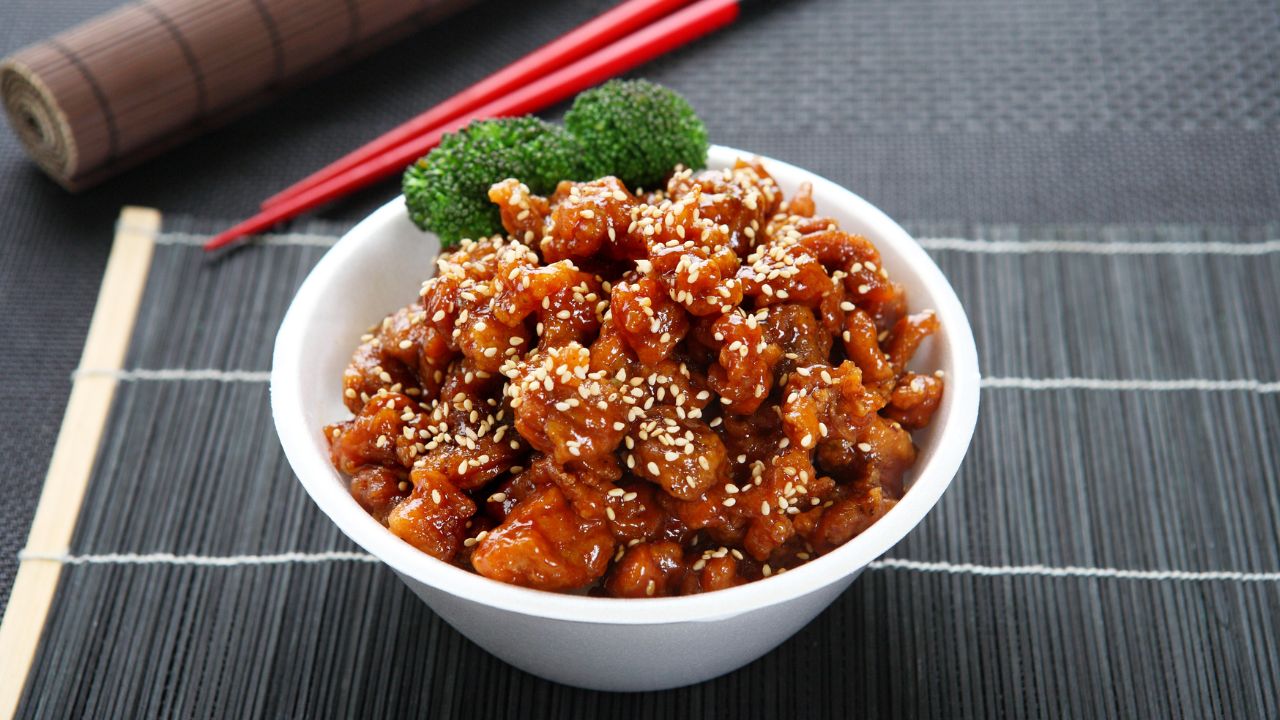
Here’s a shocker for Chinese food fans – General Tso’s Chicken isn’t from China at all! This sweet, spicy, and crispy chicken dish got its start right here in New York City during the 1970s. Chef Peng Chang-kuei created it to appeal to American palates, making it sweeter and crunchier than traditional Chinese dishes. The real General Tso, a 19th-century military leader from Hunan province, never tasted his namesake dish and would probably raise an eyebrow at its sugary-spicy profile.
The dish quickly became a hit in American Chinese restaurants, with each chef adding their own spin. The basic recipe stays constant: chunks of deep-fried chicken tossed in a thick sauce made from soy sauce, rice wine, sugar, ginger, and garlic. Some restaurants make it extra spicy with dried red chilies, while others keep it mild and sweet. Fun fact: in Hunan, China, where General Tso came from, locals had never heard of this dish until American tourists started asking for it! It’s a perfect example of how immigrant chefs adapt their cooking to create something totally new and uniquely American.