15 Tasty Low-Salt Foods to Fill Your Plate
Reducing sodium doesn’t mean sacrificing flavor or satisfaction in your meals. You can create vibrant, nutritious dishes that support your health goals while keeping your taste buds happy. The key lies in choosing naturally low-sodium whole foods that bring their own amazing flavors to your plate.
Fresh fruits, vegetables, and whole grains offer incredible variety without relying on added salt. These foods provide natural sweetness, earthy richness, and satisfying textures that make every bite interesting. Plus, they’re packed with vitamins, minerals, and antioxidants your body craves.
Building meals around these wholesome ingredients becomes second nature once you discover how delicious healthy eating can be. Each food on this list brings something special to your kitchen, from protein-packed options to naturally sweet treats that satisfy your cravings while supporting your wellness goals.
Pomegranate
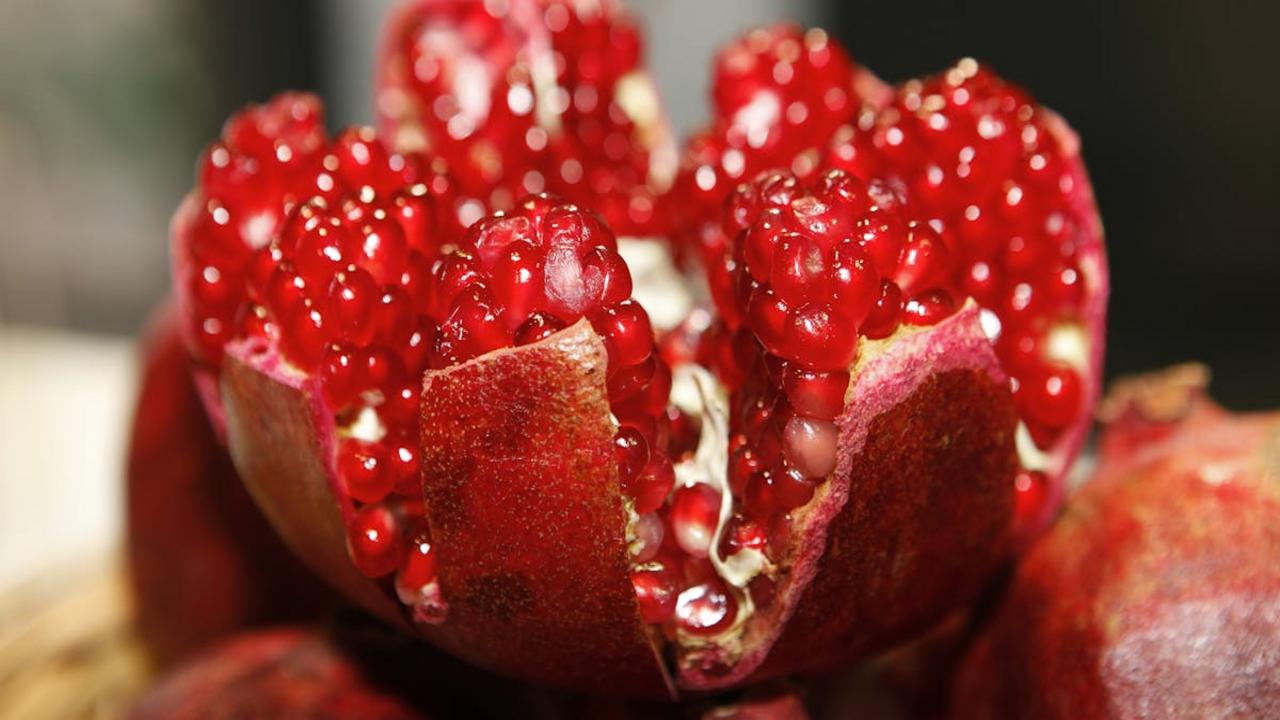
Pomegranates bring a burst of ruby-red jewels to your plate while keeping sodium levels incredibly low – we’re talking just 3 milligrams per cup of seeds! These gorgeous fruits pack serious nutritional punch with their antioxidant-rich profile and naturally sweet-tart flavor that makes every bite feel special. I love how versatile they are in the kitchen – you can sprinkle those gorgeous arils over salads, mix them into yogurt parfaits, or simply enjoy them by the handful as a refreshing snack.
What really gets me excited about pomegranates is how they transform ordinary dishes into something magical. Try adding them to your morning oatmeal for a pop of color and natural sweetness, or toss them into grain bowls for texture contrast that’ll make your lunch feel gourmet. The seeds store beautifully in your fridge for up to two weeks, so you can prep them ahead and have instant flavor boosters ready whenever you need them. Plus, they’re naturally gluten-free and work perfectly in both sweet and savory applications – from marinades to desserts!
White Beans
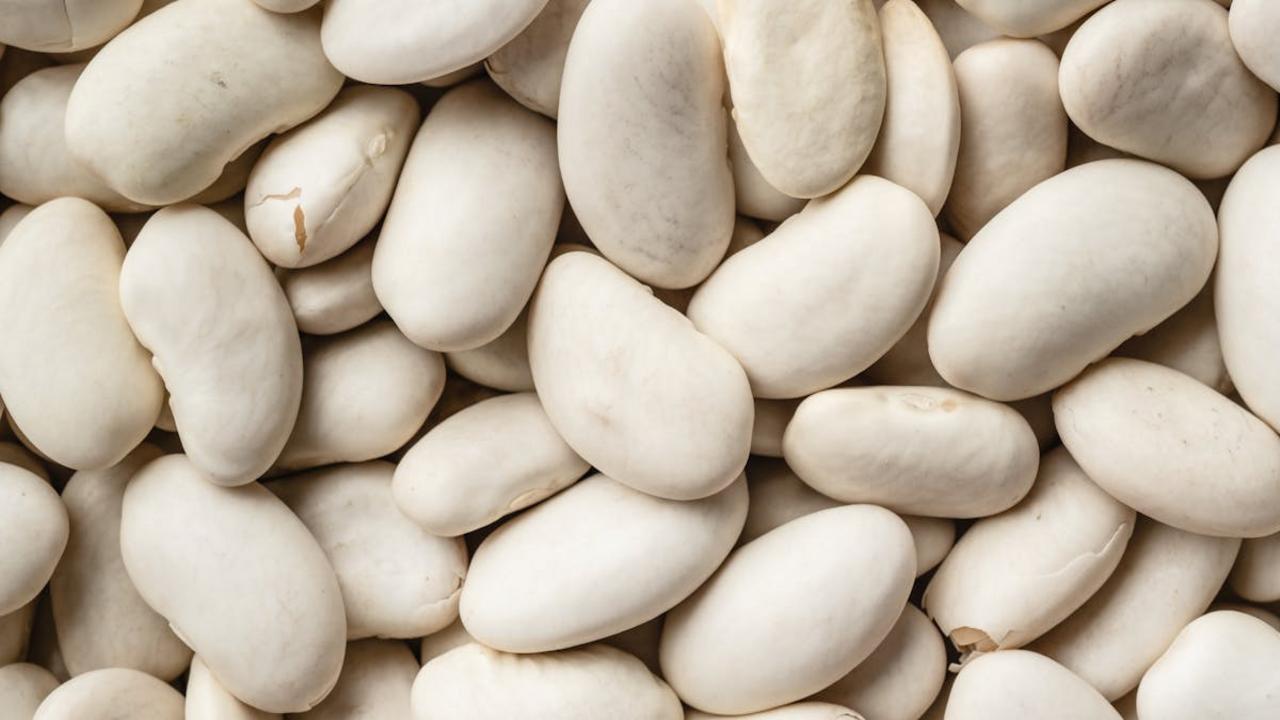
White beans bring incredible versatility to your low-sodium cooking adventures, and I can’t get enough of how they transform simple dishes into hearty, satisfying meals. These creamy legumes contain virtually no sodium naturally, making them perfect for anyone watching their salt intake. You can toss them into salads, blend them into smooth dips, or simmer them in soups without worrying about hidden sodium. Their mild flavor acts like a blank canvas, readily absorbing whatever herbs and spices you pair with them.
What I love most about white beans is how they make you feel full and energized for hours. They’re packed with protein and fiber, which means you won’t find yourself reaching for salty snacks later in the day. Try mashing them with garlic, lemon juice, and fresh herbs for a quick sandwich spread, or add them to your favorite pasta dish for extra substance. You can buy them dried and cook them yourself, or grab canned versions – just make sure to rinse them thoroughly to remove any added sodium from the liquid.
Pistachios
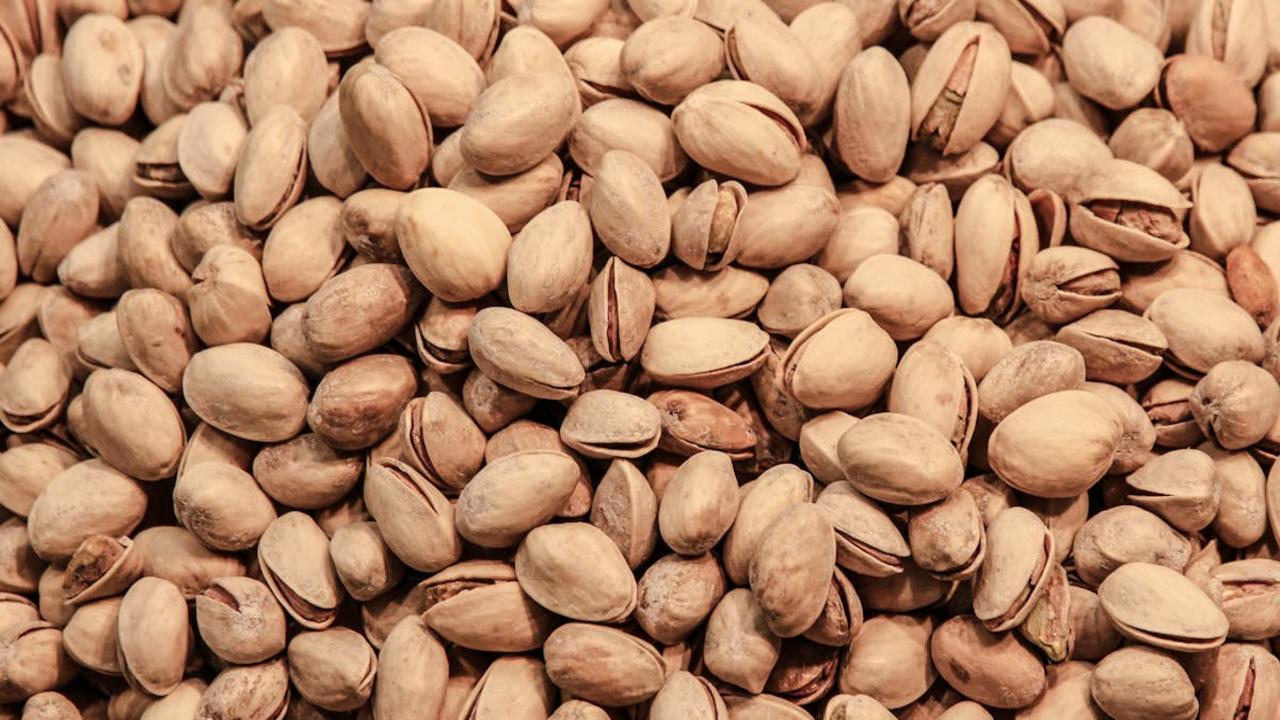
You know what makes me smile every time I reach for a snack? Pistachios! These little green gems pack just 1 milligram of sodium per ounce, making them one of the most heart-friendly nuts you can choose. I love how they give you that satisfying crunch while delivering 6 grams of protein and 3 grams of fiber in every serving. The best part? You get to crack them open yourself, which naturally slows down your eating pace and helps you feel more satisfied with smaller portions.
What really gets me excited about pistachios is their incredible versatility in the kitchen. I toss them into my morning yogurt, sprinkle them over salads for extra texture, or blend them into homemade pesto for a unique twist on the classic recipe. They’re also fantastic crushed up as a coating for baked chicken or fish – the natural oils help create that golden, crispy exterior we all crave. Keep a bowl of shelled pistachios on your counter for easy snacking, or buy them in the shell for a fun, mindful eating experience that keeps your hands busy while watching TV.
Watermelon
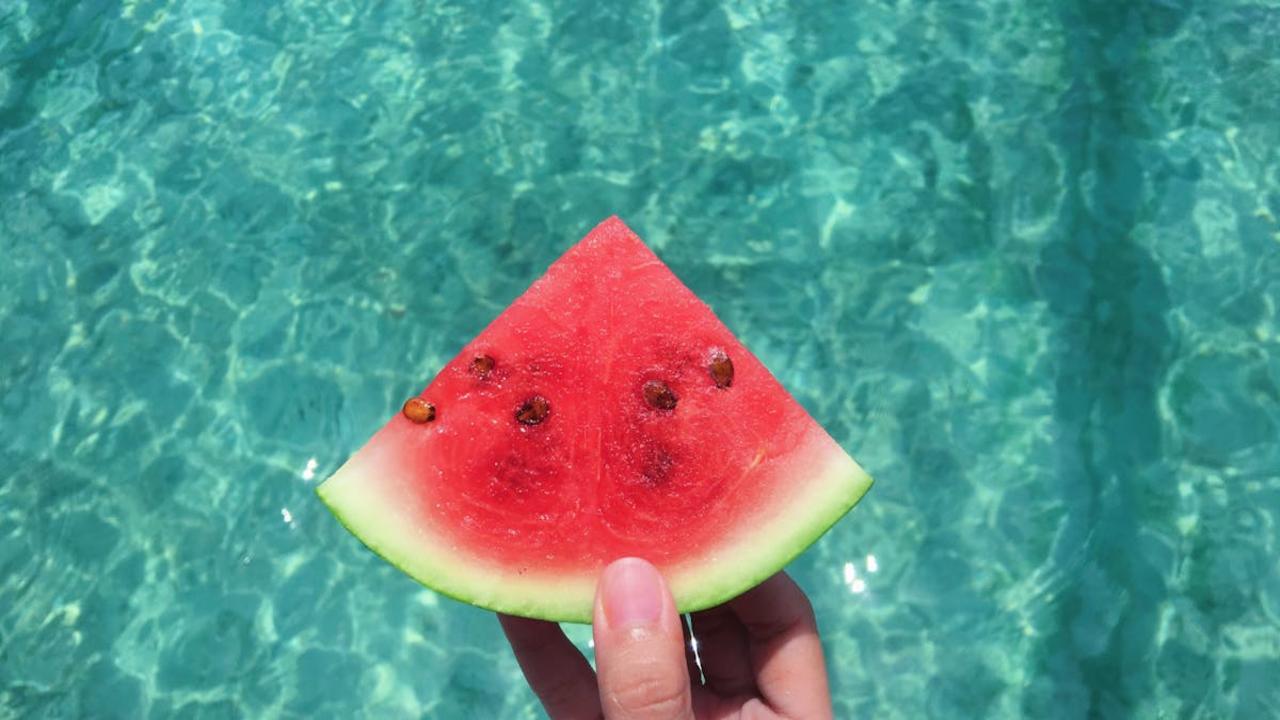
This juicy summer superstar brings natural sweetness to your low-salt lifestyle without any sodium guilt! Watermelon contains virtually zero sodium while delivering refreshing hydration and a burst of flavor that makes you forget you’re making healthy choices. I love how this gorgeous pink fruit naturally satisfies sweet cravings while keeping your blood pressure goals on track. You can slice it fresh for a quick snack, blend it into smoothies, or even grill thick wedges for a caramelized treat that will surprise your friends at the next barbecue.
Beyond its incredible taste, watermelon packs impressive nutritional benefits that make every bite worthwhile. This magnificent fruit contains lycopene, the same powerful antioxidant found in tomatoes, plus plenty of vitamin C to boost your immune system. The high water content helps you stay hydrated during hot days, while the natural sugars provide clean energy without processed additives. Try adding cubed watermelon to salads with fresh mint and feta cheese, or freeze chunks for a healthy alternative to sugary popsicles that both kids and adults absolutely adore.
Sweet Potatoes
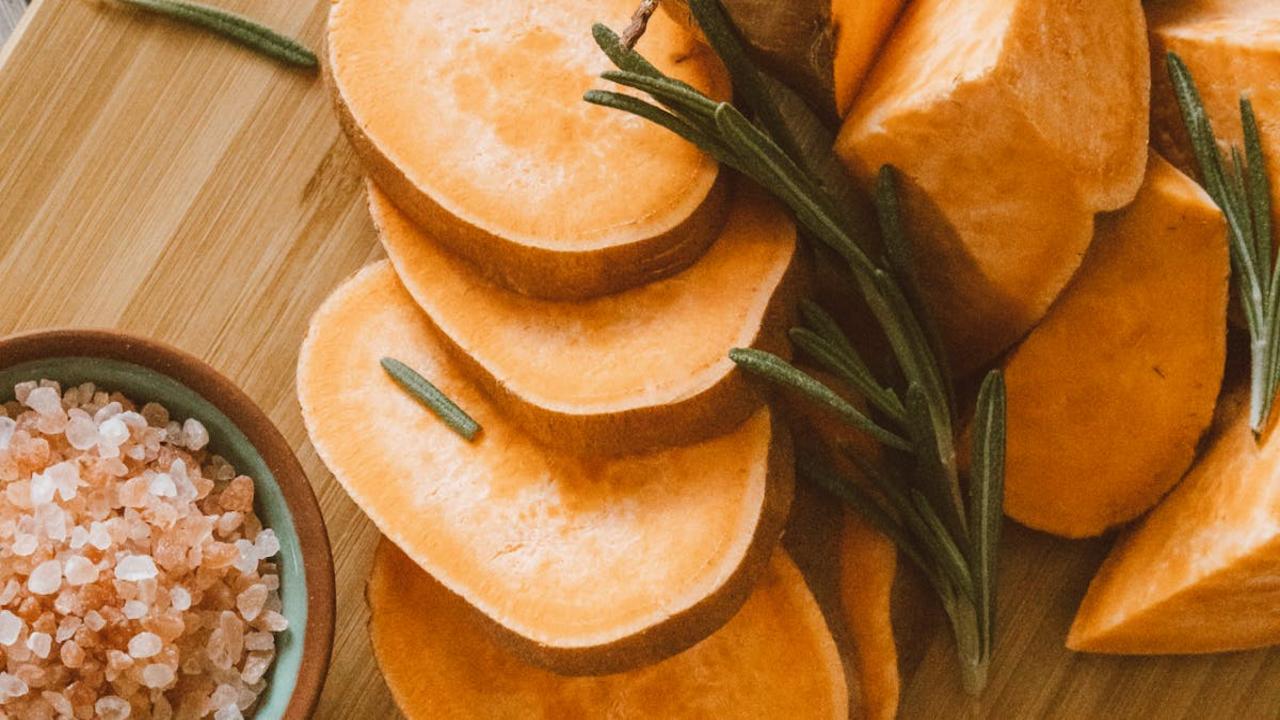
Sweet potatoes bring natural sweetness and incredible nutrition to your low-salt cooking adventures! These vibrant orange gems contain just 7 milligrams of sodium per medium potato, making them perfect for anyone watching their salt intake. I love how versatile they are – you can roast them with herbs, mash them with a touch of cinnamon, or even spiralize them into noodles for a fun pasta alternative. Their natural sugars caramelize beautifully during cooking, creating that irresistible golden-brown exterior that makes your kitchen smell absolutely amazing.
What makes sweet potatoes truly special is their impressive nutrient profile that goes way beyond low sodium. They’re packed with beta-carotene, which your body converts to vitamin A for healthy vision and immune function. Plus, they’re loaded with fiber, potassium, and vitamin C – all working together to support your overall health. Try roasting cubed sweet potatoes with rosemary and olive oil, or bake them whole and top with Greek yogurt and chopped pecans for a satisfying meal. You can even add pureed sweet potato to pancake batter for naturally sweet breakfast treats that’ll have everyone asking for your secret ingredient!
Garlic
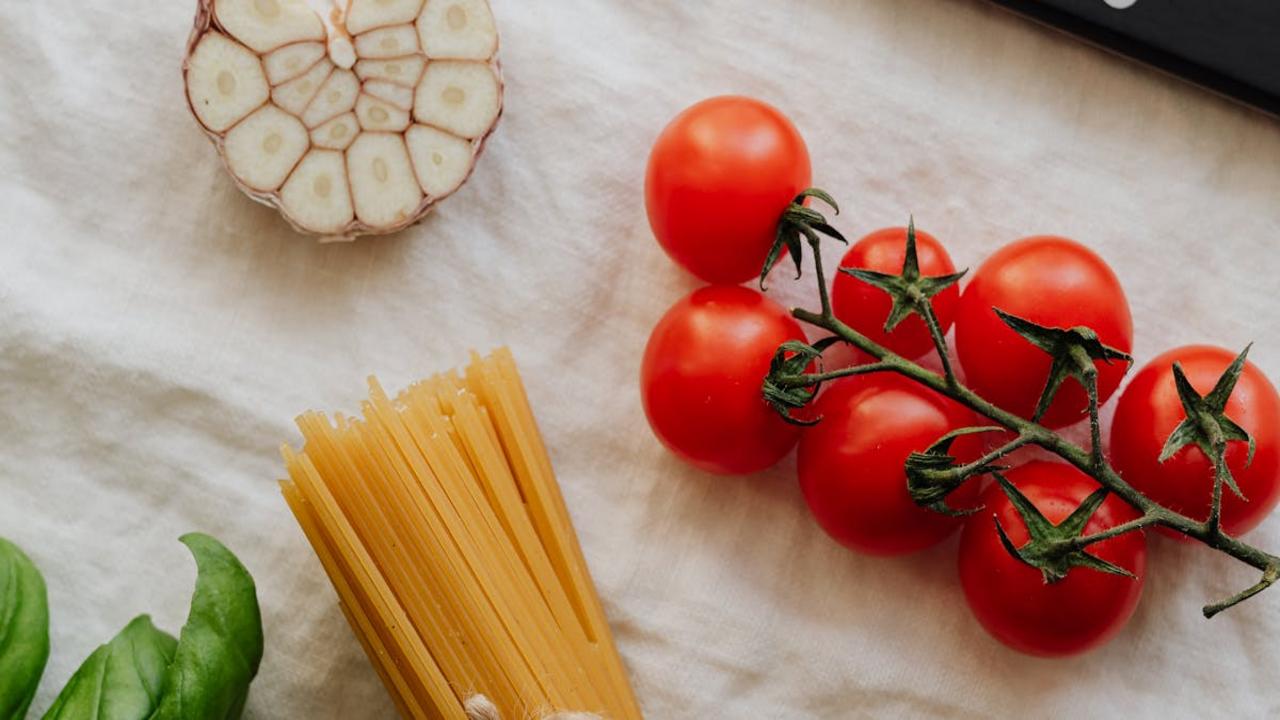
Garlic transforms any dish from bland to brilliant without adding a single grain of salt! This aromatic powerhouse packs incredible flavor punch that makes your taste receptors dance with joy. Fresh garlic cloves contain natural compounds that create complex, savory notes – from sharp and pungent when raw to sweet and mellow when roasted. You can mince it into marinades, crush it into pasta sauces, or roast whole bulbs until they become creamy and spreadable. The beauty of garlic lies in its versatility and its ability to make low-sodium cooking feel absolutely satisfying.
Beyond its flavor magic, garlic brings impressive health benefits to your plate. This humble bulb contains allicin, a compound known for supporting heart health and boosting immune function. You’ll find that incorporating more garlic into your meals naturally reduces your craving for salt because the flavor complexity keeps your palate engaged and happy. Try roasting garlic with vegetables, adding minced cloves to homemade salad dressings, or creating garlic-infused olive oil for drizzling over everything. Fresh garlic beats processed garlic powder every time – it delivers more robust flavor and better nutrition for your low-salt lifestyle.
Pumpkin Seeds
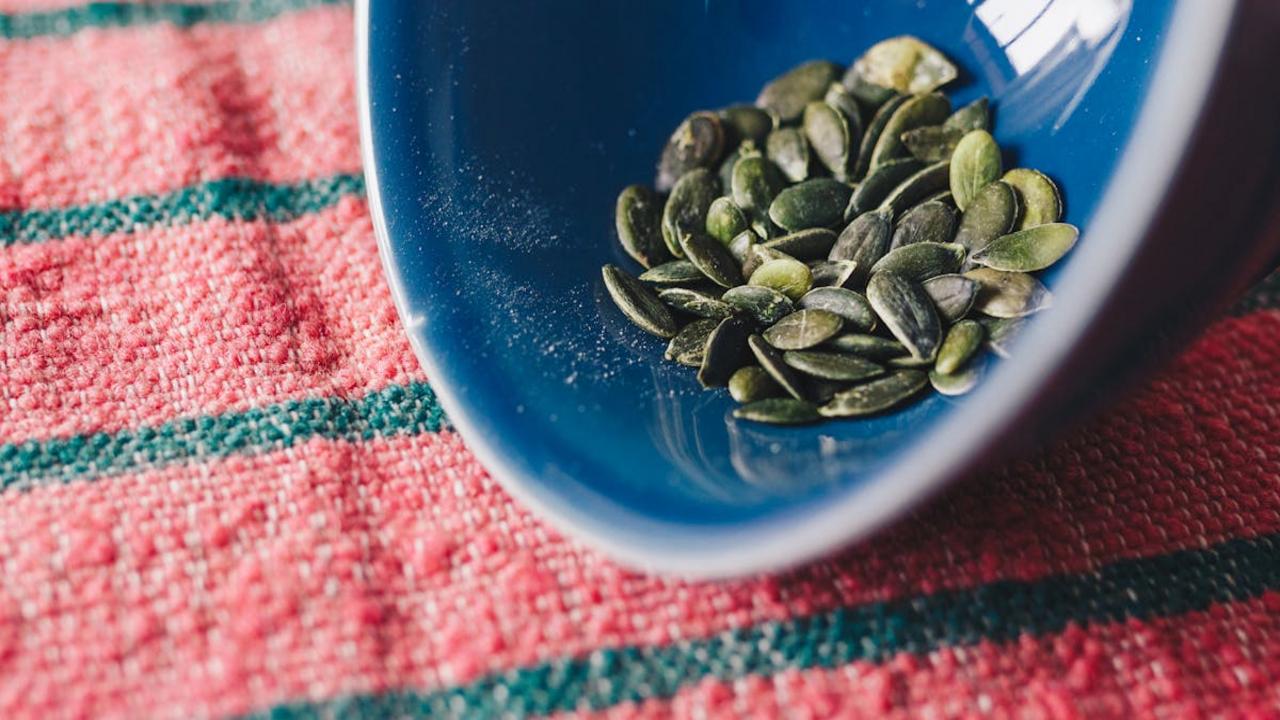
These crunchy little gems pack a serious nutritional punch while keeping sodium levels naturally low! Fresh pumpkin seeds contain virtually no sodium on their own, making them perfect for anyone watching their salt intake. I love how versatile they are – you can roast them with herbs like rosemary or thyme, toss them into salads for extra crunch, or blend them into smoothies for added protein. They’re loaded with magnesium, zinc, and healthy fats that support heart health and boost your immune system.
Don’t toss those seeds next time you carve a pumpkin or cook with fresh squash! Simply rinse them clean, pat dry, and roast at 300°F for about 20 minutes with a drizzle of olive oil and your favorite salt-free seasonings. Try cinnamon and nutmeg for a sweet version, or go savory with garlic powder and paprika. Store-bought versions can be tricky since many contain added salt, so making your own gives you complete control over the flavor profile. These seeds make fantastic snacks, soup toppers, or even additions to homemade granola – they’re proof that healthy eating never has to be boring!
Fatty Fish
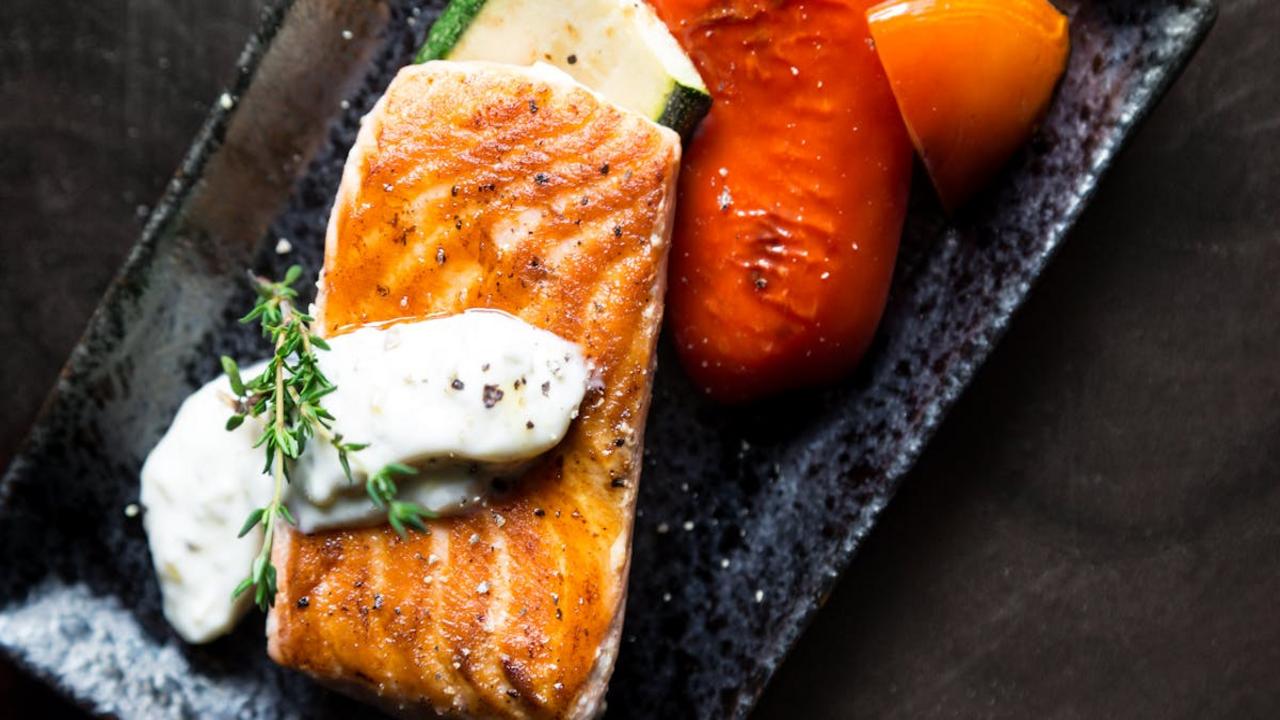
Picture this: you’re standing at the fish counter, and those beautiful salmon fillets are practically calling your name. Well, listen to them! Fatty fish like salmon, mackerel, sardines, and tuna pack an incredible punch of flavor without needing a single grain of added salt. These ocean treasures bring natural richness and satisfying protein to your plate, plus they’re loaded with heart-healthy omega-3 fatty acids that your body absolutely craves. The best part? You can season them with fresh herbs, citrus, garlic, or your favorite spice blends for maximum flavor impact.
I love how versatile fatty fish can be in your kitchen repertoire. Try pan-searing salmon with a simple lemon and dill combo, or toss some canned sardines into a vibrant pasta dish with cherry tomatoes and fresh basil. Mackerel works beautifully when grilled with Mediterranean herbs, while tuna steaks shine with just a quick sear and some wasabi or ginger on the side. These fish cook quickly, making them perfect for busy weeknight dinners when you want something nutritious and delicious without spending hours in the kitchen. Your heart and your taste buds will thank you for making fatty fish a regular star on your dinner table.
Oatmeal
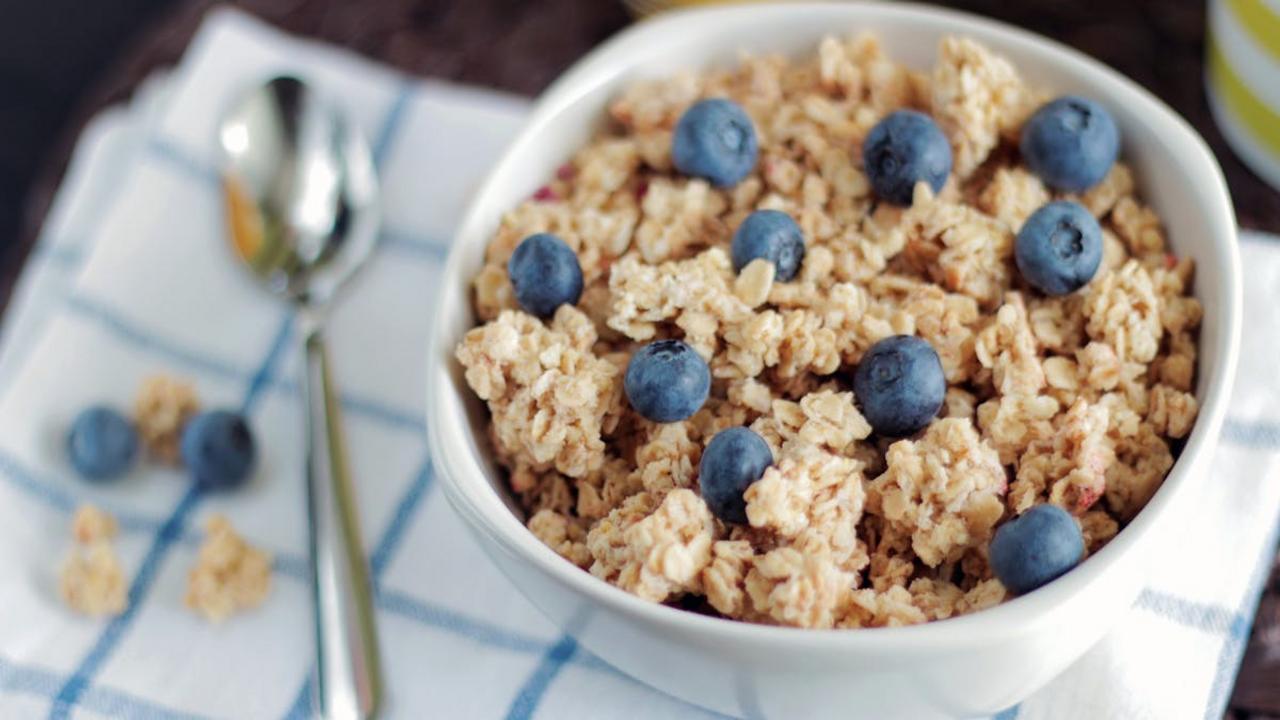
Oatmeal stands as one of the most naturally low-sodium breakfast champions you can invite to your morning table. This humble grain contains virtually no salt on its own, giving you complete control over what goes into your bowl. I love how versatile oats can be – you can transform them into creamy stovetop porridge, overnight oats that practically make themselves, or even blend them into smoothies for extra fiber and staying power. The beauty lies in how you can customize each bowl with fresh fruits, nuts, seeds, and spices without worrying about hidden sodium lurking in processed alternatives.
What makes oatmeal particularly wonderful for your heart-healthy lifestyle is its impressive nutritional profile beyond just being low in salt. You’re getting soluble fiber that helps manage cholesterol levels, plus protein to keep you satisfied throughout your morning. Try stirring in cinnamon and vanilla extract for warmth, or top your bowl with sliced bananas, berries, and a drizzle of honey. Steel-cut oats offer a heartier texture, while rolled oats cook faster for busy weekdays. Either way, you’re starting your day with a filling, nutritious meal that supports your low-sodium goals while actually tasting amazing.
Greek Yogurt
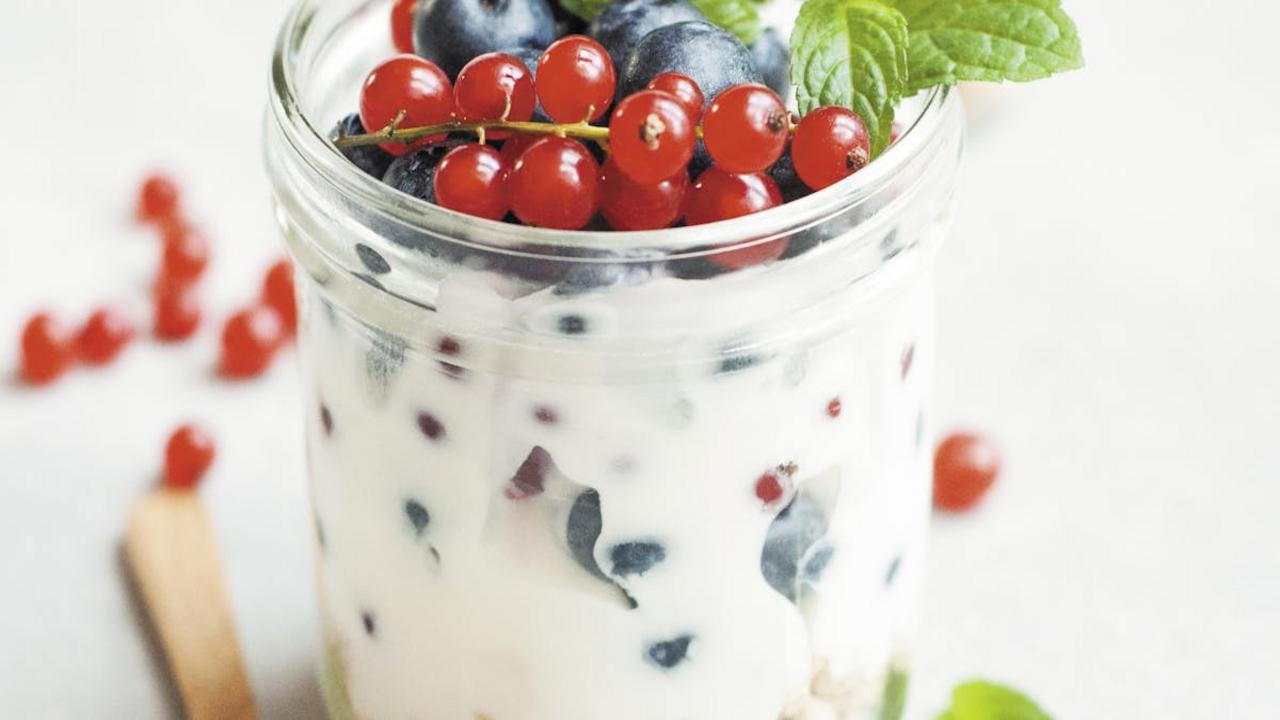
Greek yogurt stands out as a protein powerhouse that naturally contains less sodium than many other dairy products. With its thick, creamy texture and tangy flavor, this Mediterranean staple delivers around 15-20 grams of protein per serving while keeping sodium levels impressively low at just 50-65 milligrams per cup. You can enjoy it straight from the container, or use it as a versatile base for both sweet and savory dishes that will keep you satisfied for hours.
Transform your Greek yogurt into countless delicious creations without adding extra salt. Swirl in fresh berries and a drizzle of honey for breakfast, or create a refreshing tzatziki-style dip with cucumber, dill, and lemon juice. You can even substitute it for sour cream in recipes, giving your dishes that same rich creaminess with significantly less sodium. The probiotics in Greek yogurt also support digestive health, making this calcium-rich food a smart choice for your low-sodium lifestyle that doesn’t compromise on taste or nutrition.
Beets
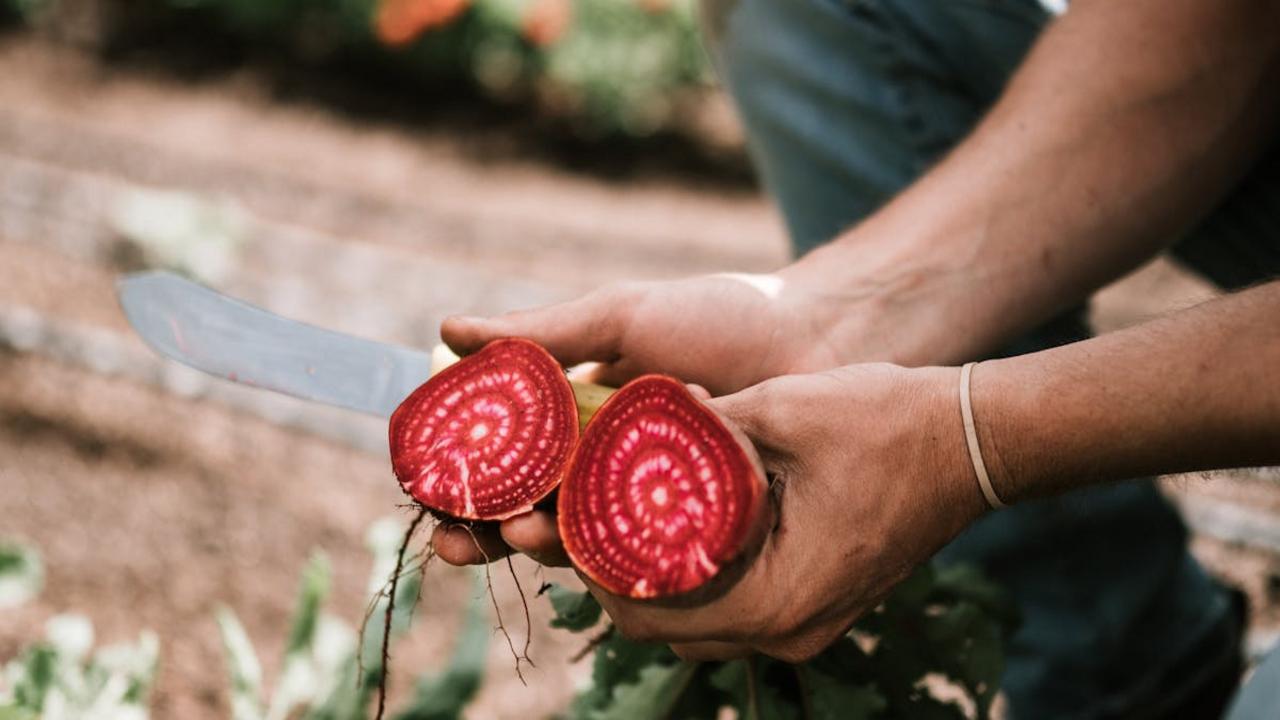
Those gorgeous ruby-red beets sitting in your produce section are calling your name for good reason! These earthy gems pack serious nutritional punch while keeping sodium levels refreshingly low. Fresh beets contain only about 78 milligrams of sodium per cup, making them perfect for anyone watching their salt intake. I love how versatile they are – you can roast them until they’re caramelized and sweet, grate them raw into salads for a satisfying crunch, or blend them into smoothies for that stunning pink color that makes your morning feel extra special.
What really gets me excited about beets is their incredible ability to transform any dish into something extraordinary. Try wrapping whole beets in foil with a drizzle of olive oil and fresh herbs, then roasting them until tender – the natural sugars concentrate and create this amazing sweet-earthy flavor that pairs beautifully with goat cheese and walnuts. You can even spiralize them into noodles or pickle them for a tangy side dish that brightens up any meal. Plus, beets are loaded with folate, fiber, and nitrates that support heart health, so you’re treating your body to something truly nourishing while satisfying your taste preferences.
Berries
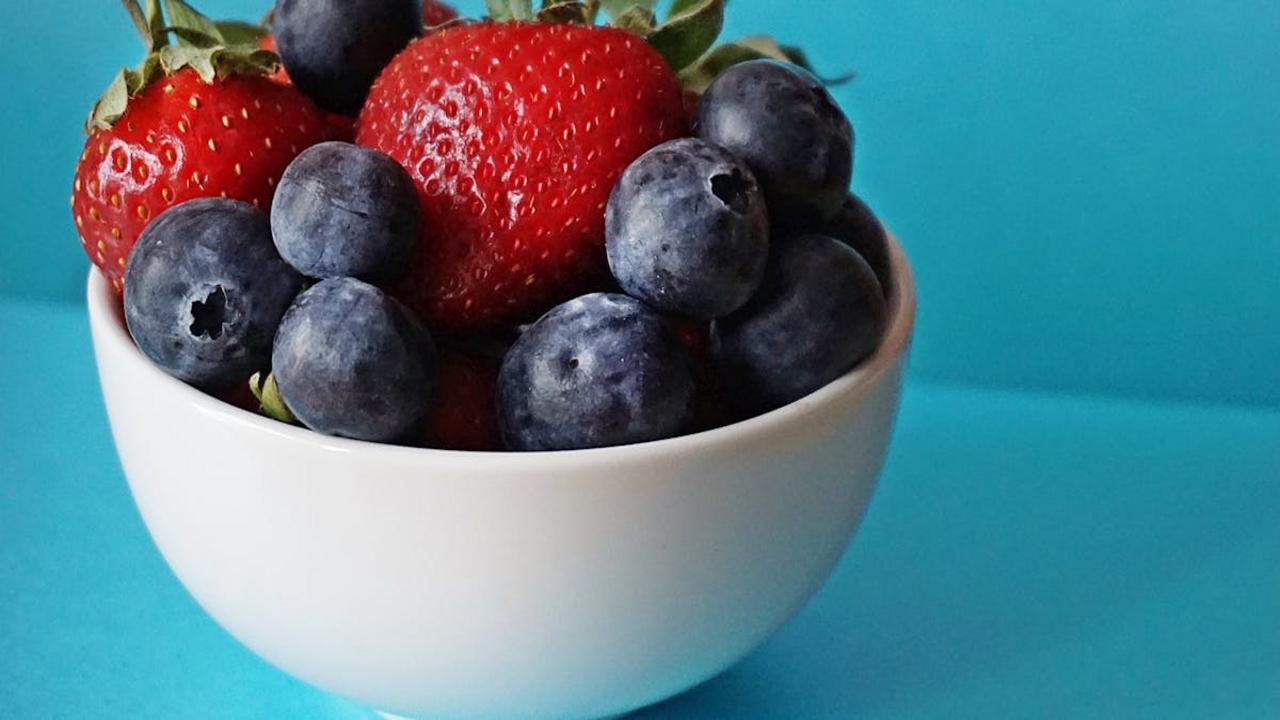
Berries are nature’s perfect little gems, packed with incredible flavor and virtually no sodium at all! Whether you’re reaching for blueberries, strawberries, raspberries, or blackberries, you’re getting a powerhouse of natural sweetness that makes your taste buds sing without adding a single grain of salt to your daily intake. I love how versatile these colorful beauties are – toss them into your morning oatmeal, blend them into smoothies, or simply grab a handful as an afternoon snack. Their natural sugars satisfy those sweet cravings while delivering tons of vitamins, antioxidants, and fiber that your body craves.
What makes berries so special for low-salt eating is their ability to brighten up any dish with their natural tartness and sweetness. You can create amazing desserts, breakfast bowls, and even savory dishes with berries as the star ingredient. Try mixing fresh berries into plain Greek yogurt with a drizzle of honey, or fold them into homemade muffins for a naturally sweet treat. Frozen berries work just as well and are often more budget-friendly, making it easy to keep these nutritional superstars on hand year-round. Trust me, once you start incorporating more berries into your meals, you’ll wonder how you ever lived without their bright, natural flavors!
Leafy Greens
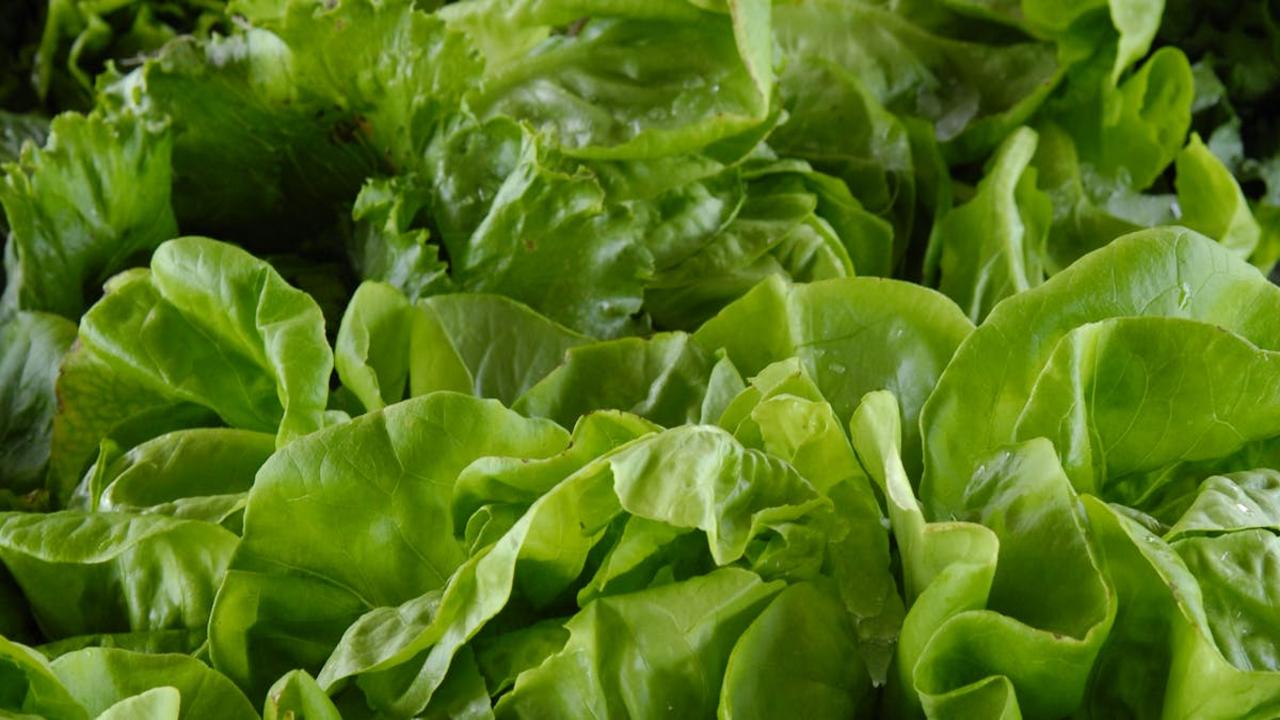
Leafy greens like spinach, kale, arugula, and Swiss chard are nature’s perfect low-sodium superstars that deserve a permanent spot on your dinner table. These vibrant vegetables contain virtually no sodium while packing an incredible nutritional punch with vitamins A, C, and K, plus folate and iron. I love how versatile they are – you can toss baby spinach into smoothies for a nutrient boost, massage kale with a drizzle of olive oil and lemon juice for a simple salad, or sauté Swiss chard with garlic for a flavorful side dish that pairs beautifully with any protein.
The beauty of leafy greens lies in their ability to absorb and complement other flavors without adding any unwanted salt to your meals. Try wilting spinach into pasta dishes, adding fresh arugula to pizza right after it comes out of the oven, or creating colorful salad bowls with mixed greens, cherry tomatoes, and your favorite herbs. These powerhouse vegetables help you feel full and satisfied while keeping your sodium intake in check, making them perfect allies in your quest for healthier eating habits that don’t sacrifice flavor or satisfaction.
Dark Chocolate
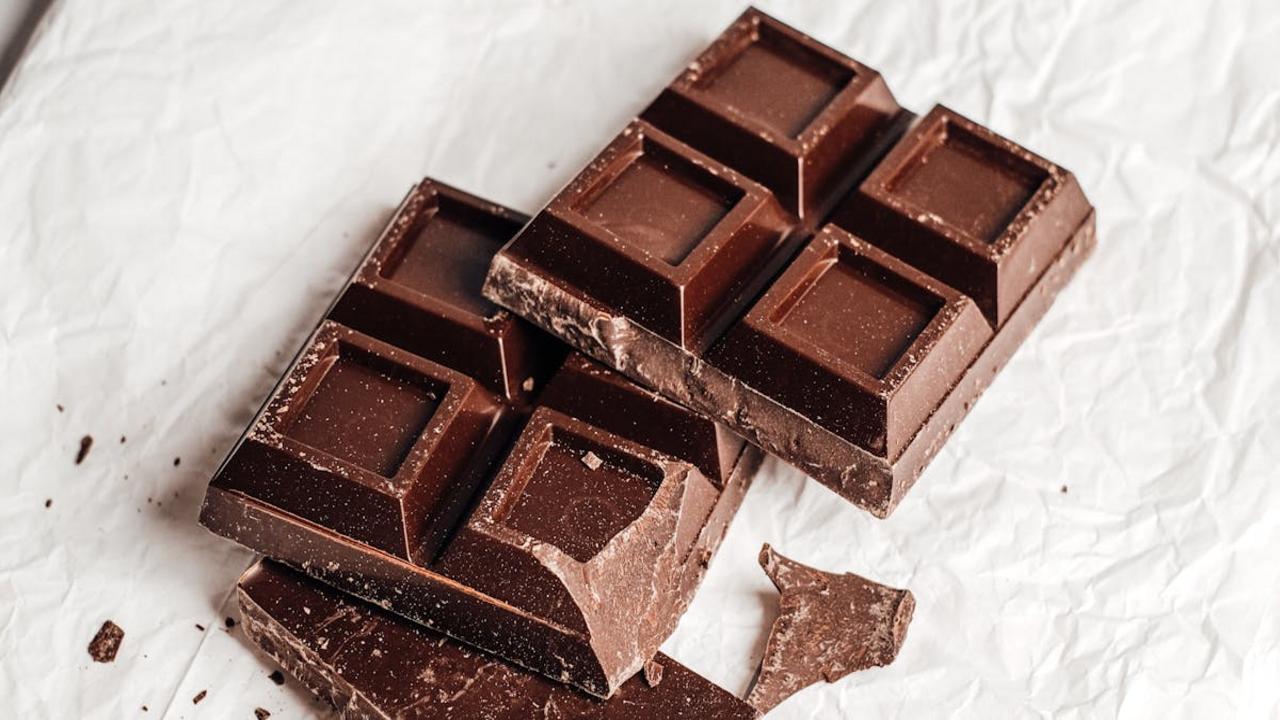
You know that moment when you’re craving something sweet but trying to watch your sodium intake? Dark chocolate swoops in like your favorite superhero! Most high-quality dark chocolate contains virtually no salt – we’re talking less than 10 milligrams per ounce. The beauty lies in cocoa’s natural intensity, which delivers rich flavor without needing any sodium boost. I always keep a bar of 70% dark chocolate in my pantry because it satisfies those dessert cravings while keeping my heart happy. The antioxidants in dark chocolate support cardiovascular health, making this treat both indulgent and beneficial.
When you’re shopping for dark chocolate, read those labels carefully – some brands sneak in extra salt for flavor enhancement, but the good stuff doesn’t need it. Look for bars with minimal ingredients: cocoa, cocoa butter, and a natural sweetener. I love melting a square into my morning coffee or enjoying a piece after dinner with fresh berries. You can even incorporate dark chocolate into baking projects like flourless chocolate muffins or energy balls with nuts and dates. This sweet solution proves that eating low-sodium doesn’t mean sacrificing the foods that bring you joy!
Bananas
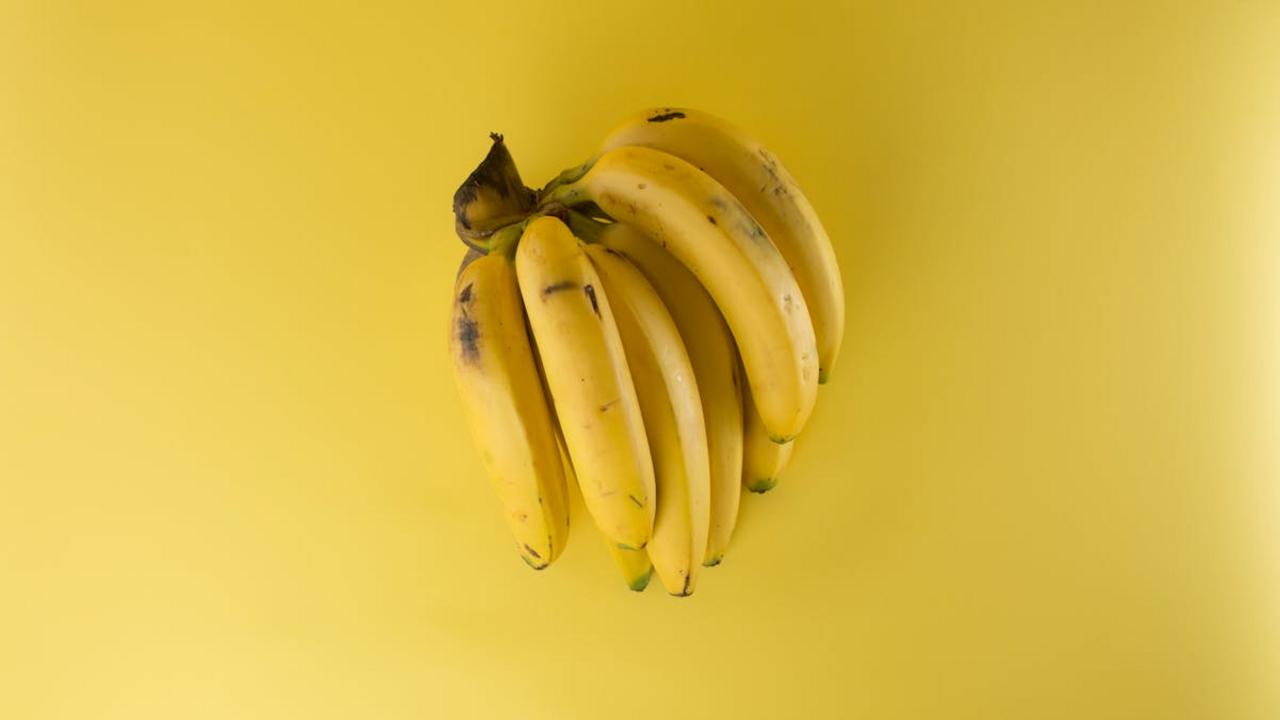
Bananas are nature’s perfect grab-and-go snack, packing just 1 milligram of sodium per medium fruit while delivering a powerhouse of nutrition. You get natural sweetness, fiber, and an impressive dose of potassium that actually helps your body regulate blood pressure – talk about a win-win! I love how versatile these yellow beauties are in the kitchen. Slice them over your morning oatmeal, blend them into smoothies, or freeze them for a creamy base in homemade nice cream.
The ripeness of your banana totally changes its flavor profile and cooking potential. Green bananas work wonderfully in savory dishes, while spotted ones bring intense sweetness to baked goods. Try mashing overripe bananas into pancake batter or bread recipes – they add moisture and natural sugar without any added salt. You can even grill banana halves with a sprinkle of cinnamon for a simple dessert that feels indulgent but keeps your sodium intake in check.