15 Tasty Foods to Add to Your Weekly Menu as You Age
Your weekly grocery list can make or break your health, especially as you add more candles to your birthday cake. The right foods don’t just fill you up—they actively support your changing nutritional needs and help maintain your energy, brain function, and overall wellness. From antioxidant powerhouses to omega-3 champions, specific foods deserve a permanent spot in your kitchen.
I’ve rounded up 15 delicious foods that deserve priority in your meal planning. These options combine fantastic flavors with impressive health benefits—proof that eating well doesn’t mean sacrificing taste. Many of these foods fight inflammation, boost cognitive function, and support heart health—three priorities that become increasingly important with age.
You’ll find these ingredients incredibly versatile too. Toss blueberries into your morning oatmeal, add avocado to your sandwich, or sprinkle turmeric into your soup. The beauty of these nutritional stars is how easily they complement your existing recipes. Small, consistent changes to your diet can yield significant health benefits, without requiring a complete overhaul of your eating habits.
Berries
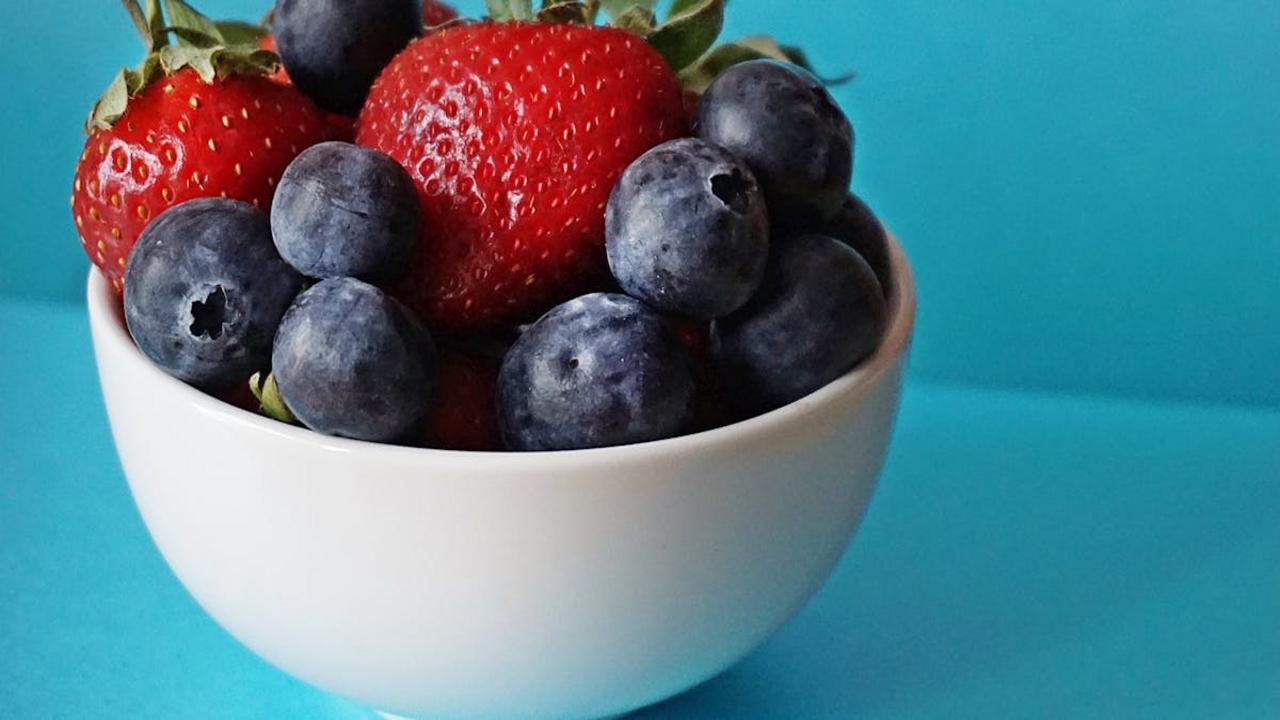
Berries deserve a permanent spot in your weekly rotation, especially as you get older and your body craves more antioxidant-rich foods. These colorful gems pack an incredible punch of vitamins, fiber, and compounds that support brain health and memory function. Whether you reach for blueberries, strawberries, raspberries, or blackberries, you’re treating your body to nature’s candy that actually loves you back. I love how versatile they are – toss them into your morning yogurt, blend them into smoothies, or simply enjoy them as a refreshing afternoon snack.
What makes berries particularly fantastic for aging gracefully is their ability to fight inflammation and support your immune system. The natural sugars give you energy without the crash you get from processed sweets, and the fiber helps keep your digestive system happy and healthy. Try mixing different berry varieties throughout the week to keep things interesting – Monday might be blueberry pancakes, Wednesday could feature a strawberry spinach salad, and Friday calls for a mixed berry parfait. Your future self will thank you for making this simple yet powerful addition to your menu!
Broccoli
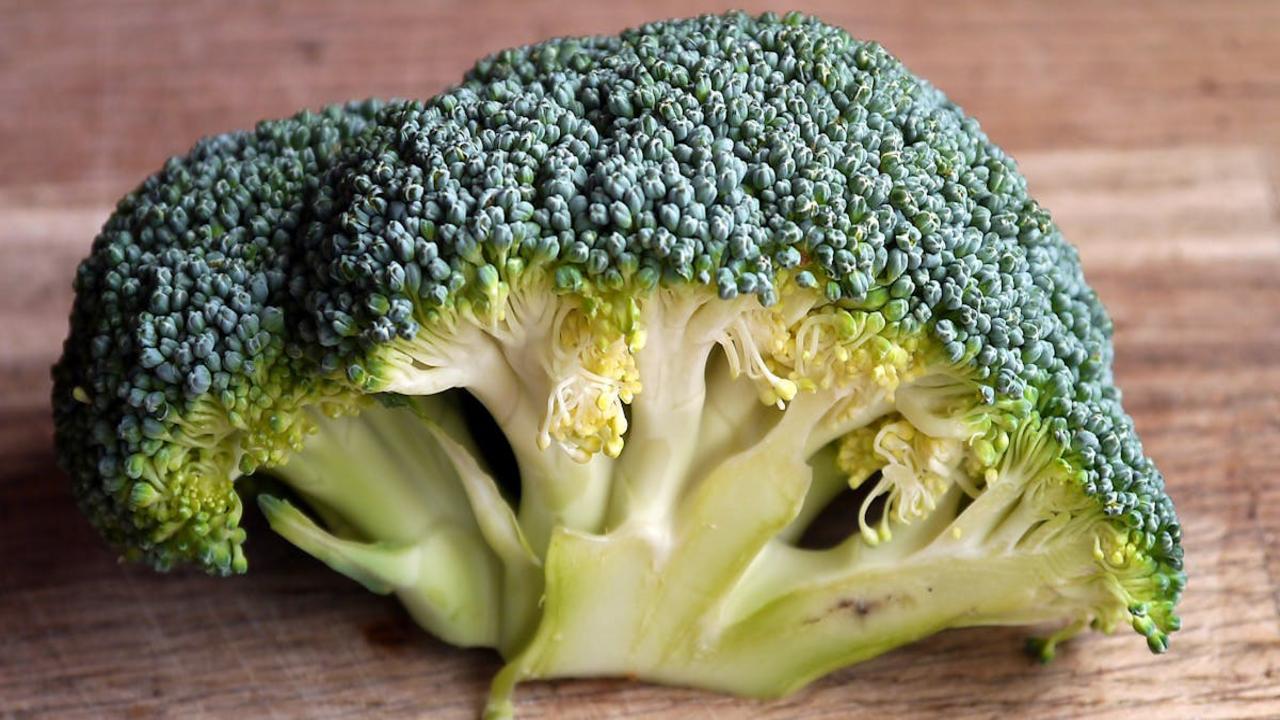
Broccoli deserves a permanent spot on your plate, especially as you get older! This vibrant green powerhouse packs an incredible nutritional punch that your body will thank you for. Rich in vitamin C, vitamin K, and folate, broccoli supports your immune system and bone health – two things that become increasingly important with age. The fiber content helps keep your digestive system running smoothly, while the antioxidants work behind the scenes to protect your cells from damage.
I love how versatile broccoli can be in your weekly meal rotation. Roast it with a drizzle of olive oil and garlic for a simple side dish that caramelizes beautifully in the oven. Toss fresh florets into stir-fries, blend them into creamy soups, or add them raw to salads for extra crunch. You can even steam a big batch at the beginning of the week and keep it in your fridge for quick additions to grain bowls, pasta dishes, or scrambled eggs. Don’t forget about the stem – it’s completely edible and adds wonderful texture to your meals when diced up!
Oranges
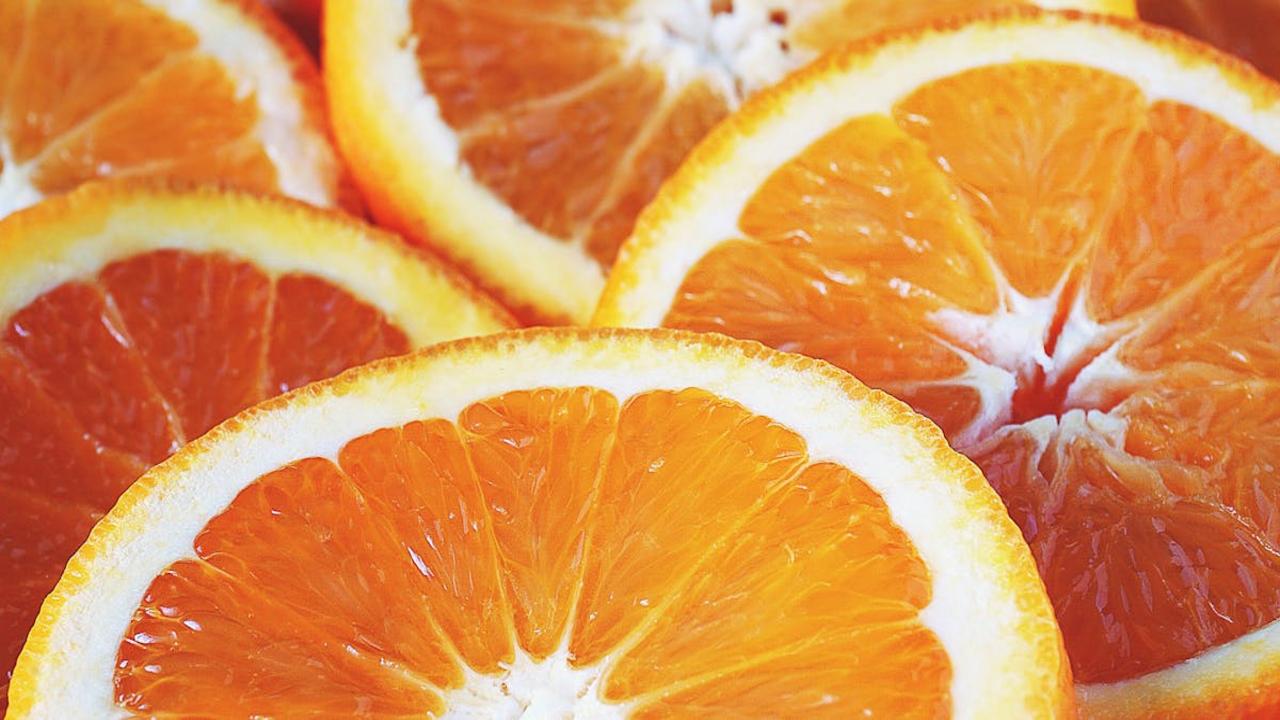
You know that burst of sunshine you get when you peel a fresh orange? That’s your body thanking you for one of nature’s most perfect packages of nutrition. Oranges pack an incredible punch of vitamin C – we’re talking about 92% of your daily needs in just one medium fruit! This powerhouse vitamin keeps your immune system strong and helps your body absorb iron more efficiently, which becomes increasingly important as we get older. Plus, the folate in oranges supports brain health and helps maintain sharp cognitive function.
What I love most about oranges is how versatile they are in your weekly meal planning. Toss orange segments into your morning yogurt or oatmeal for natural sweetness, or add them to spinach salads for a refreshing twist that makes eating greens feel like a treat. The fiber content helps keep your digestive system running smoothly while the potassium supports heart health – two benefits that become more significant with each passing year. Keep a bowl of oranges on your counter as your go-to snack, and you’ll find yourself reaching for this nutritious option instead of processed alternatives.
Green Tea

Green tea deserves a permanent spot in your daily routine, especially as you age! This antioxidant powerhouse contains catechins, particularly EGCG, which help protect your brain cells and may reduce your risk of cognitive decline. I love sipping on a warm cup in the afternoon – it gives me that gentle energy boost without the jitters that coffee sometimes brings. The polyphenols in green tea also support heart health by helping maintain healthy cholesterol levels and improving blood vessel function. Plus, research suggests that regular green tea consumption may help maintain bone density, which becomes increasingly important as we get older.
What makes green tea so special for mature adults is its ability to support metabolism while providing steady, sustained energy throughout the day. Unlike black tea or coffee, green tea contains L-theanine, an amino acid that promotes relaxation and focus – perfect for those busy days when you need mental clarity. I recommend starting with lighter varieties like sencha or jasmine green tea if you’re new to this beverage, then gradually trying stronger options. Brew it at 175-185°F for 2-3 minutes to avoid bitterness, and feel free to add a slice of lemon or a touch of honey. Making green tea part of your weekly routine is one of the simplest ways to boost your overall wellness!
Eggs
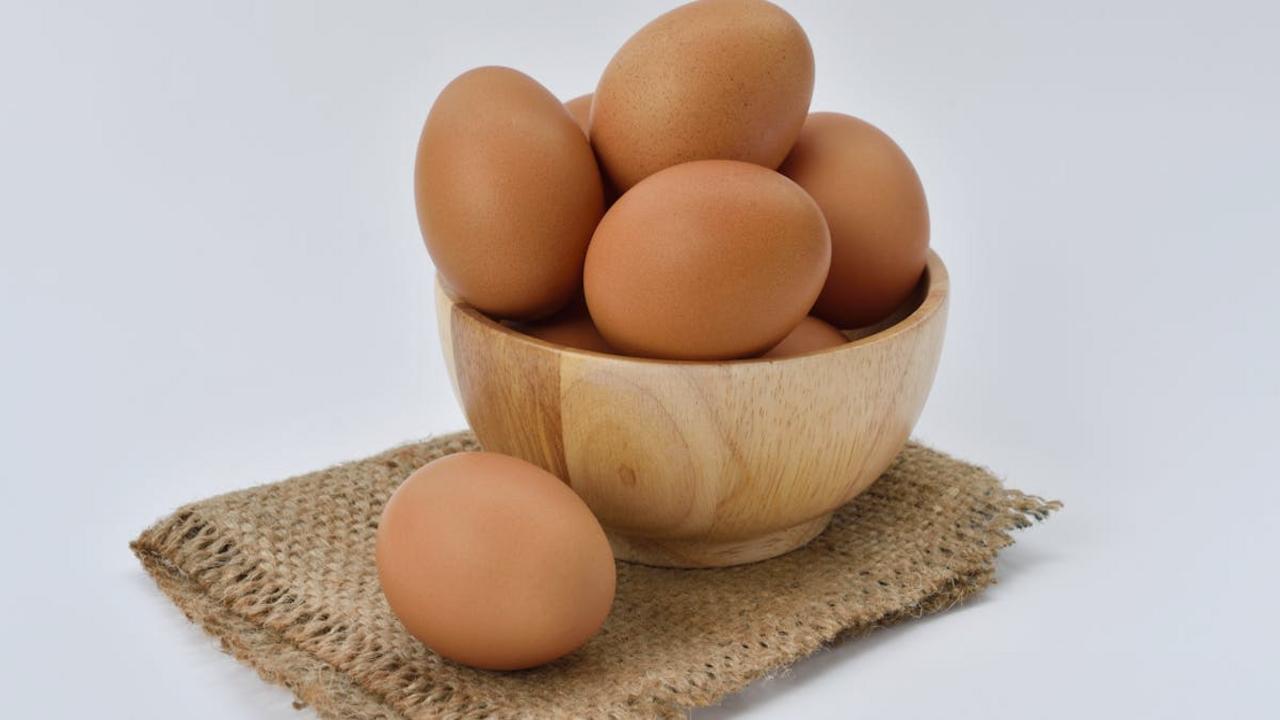
You know what makes me smile every morning? Cracking fresh eggs into my skillet and watching those golden yolks dance around. Eggs are like the perfect little protein packages that your body craves more and more as you get older. Each egg delivers about 6 grams of complete protein, which means it contains all nine amino acids your muscles need to stay strong and healthy. Plus, they’re packed with choline, a brain-boosting nutrient that helps keep your memory sharp and your thinking clear. The best part? Your body absorbs egg protein better than almost any other food source, making every bite count toward maintaining your strength and energy.
I love how versatile eggs can be in your weekly meal rotation. Monday might call for a veggie-packed scramble with spinach and bell peppers, while Wednesday could be perfect for a simple hard-boiled egg sliced over your favorite salad. Don’t forget about weekend brunches – a fluffy omelet filled with fresh herbs from your garden feels like pure comfort food that happens to be incredibly nutritious. The selenium and vitamin D in eggs also support your immune system, which becomes increasingly important with each passing year. Whether you prefer them sunny-side up, poached, or baked into a frittata, eggs give you endless possibilities to keep your meals interesting while nourishing your body exactly how it needs.
Avocados
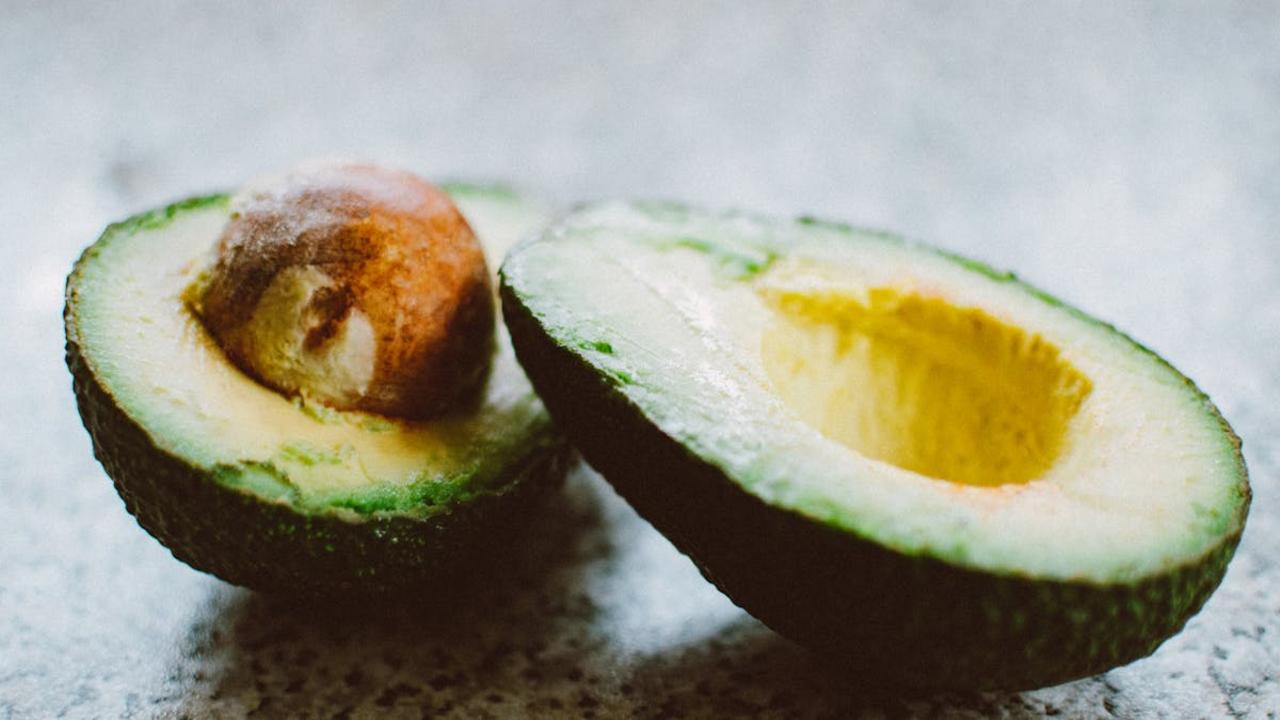
Avocados deserve a permanent spot on your grocery list, especially as you get older! These creamy green gems pack more nutrition per bite than almost any other fruit. Rich in heart-healthy monounsaturated fats, avocados help your body absorb fat-soluble vitamins like A, D, E, and K. They’re also loaded with potassium, which supports healthy blood pressure, and folate, which keeps your brain sharp. The fiber content helps with digestion and keeps you feeling satisfied longer – perfect for maintaining a healthy weight as metabolism naturally slows with age.
What I love most about avocados is their incredible versatility in the kitchen. Mash them into guacamole for a nutrient-dense snack, spread them on toast for a satisfying breakfast, or add slices to salads for instant creaminess. Try blending half an avocado into smoothies for an extra dose of healthy fats without changing the flavor much. You can even use mashed avocado as a substitute for butter or mayo in recipes – your heart will thank you! Store ripe avocados in the refrigerator to extend their life, and remember that a little lime juice prevents browning if you’re saving half for later.
Turmeric
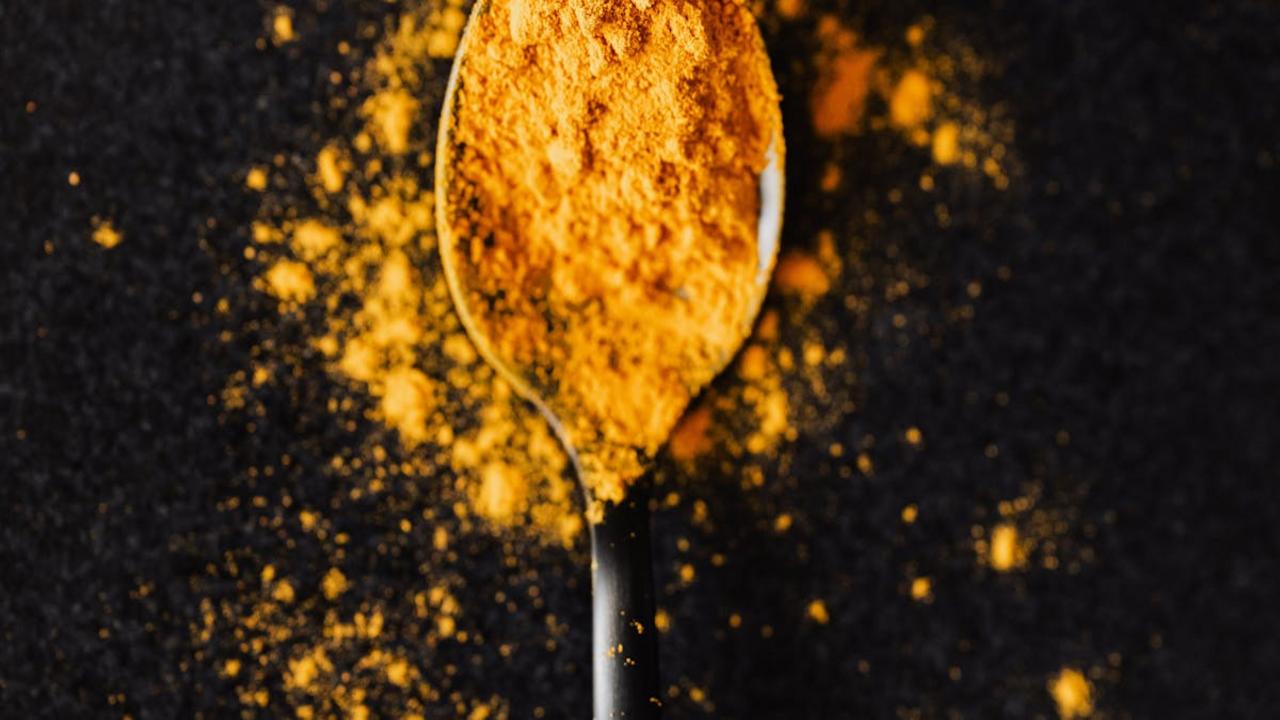
This golden spice deserves a permanent spot in your kitchen cabinet! Turmeric brings more than just gorgeous color to your dishes – it packs a powerful punch of curcumin, a compound that supports joint health and helps reduce inflammation throughout your body. I love how versatile this sunny spice can be. You can whisk it into scrambled eggs for a beautiful breakfast, blend it into smoothies, or create warming golden milk lattes that feel like a cozy hug in a mug. The earthy, slightly peppery flavor adds depth to curries, roasted vegetables, and even homemade salad dressings.
Here’s my favorite trick: always pair turmeric with a pinch of black pepper! The piperine in black pepper helps your body absorb curcumin much better, making this combination a true nutritional powerhouse. I keep a small shaker filled with turmeric and black pepper mixed together for easy sprinkling. Try adding this golden duo to your morning oatmeal, stirring it into rice while cooking, or dusting it over roasted cauliflower before baking. Your body will thank you for this simple addition, and your meals will taste more complex and satisfying than ever before.
Pumpkin Seeds
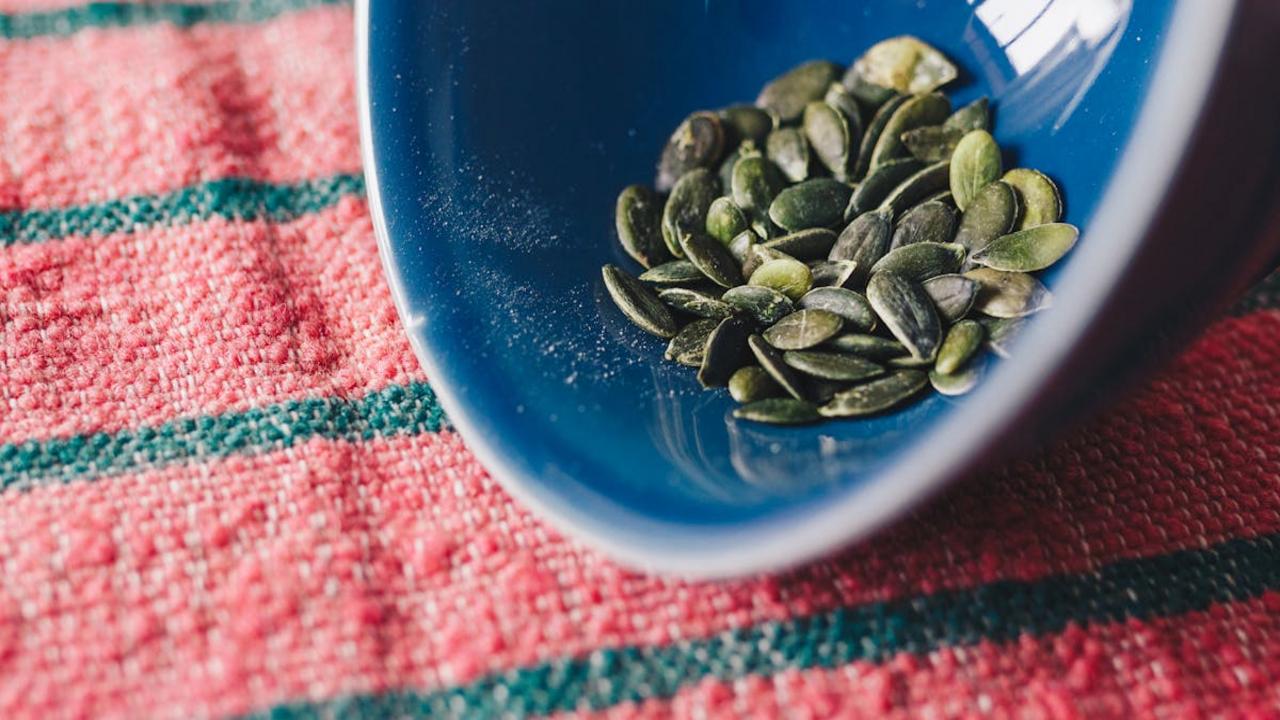
You probably toss those pumpkin seeds straight into the trash when carving jack-o’-lanterns, but I’m here to change that habit forever! These little nutritional powerhouses pack an incredible punch of minerals that your body craves more than ever as you get older. Pumpkin seeds deliver impressive amounts of magnesium, zinc, and healthy fats that support bone health, immune function, and heart wellness. Plus, they’re loaded with antioxidants that help fight inflammation and keep your cells happy.
Roasting pumpkin seeds transforms them into the perfect crunchy snack that beats any processed alternative. Simply rinse them clean, pat dry, toss with olive oil and your favorite seasonings, then bake at 300°F for about 20 minutes until golden. I love sprinkling them with sea salt and paprika, but you can go wild with garlic powder, curry spices, or even a touch of maple syrup for sweetness. Sprinkle them over salads, yogurt, or soup for extra texture and nutrition, or just grab a handful when you need an energy boost.
Coffee
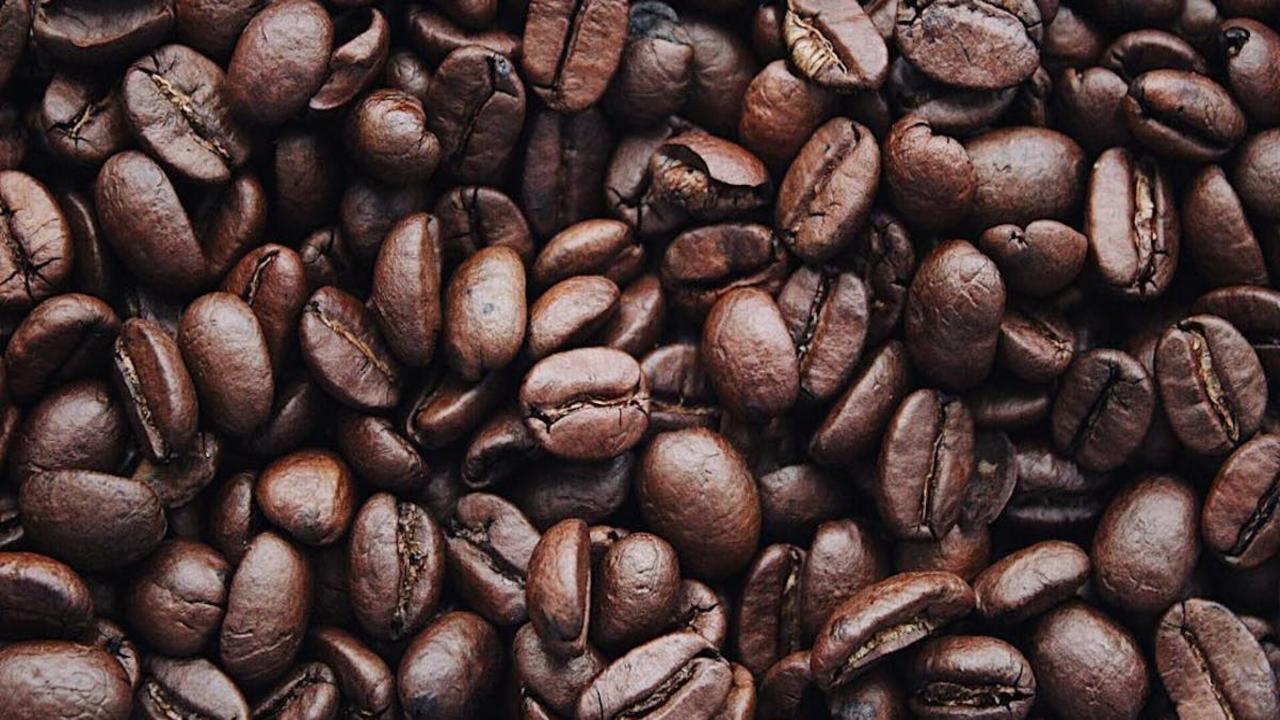
Your morning cup of coffee brings more benefits than you might expect, especially as you age gracefully through your golden years. Rich antioxidants in coffee beans help protect your brain cells from damage while supporting cognitive function and memory retention. Studies show that regular coffee consumption may reduce your risk of developing Parkinson’s disease, Alzheimer’s, and other age-related neurological conditions. The caffeine naturally boosts your alertness and mood, making those daily activities feel more manageable and enjoyable.
Beyond brain health, coffee supports your cardiovascular system and may help regulate blood sugar levels. Choose organic, freshly ground beans for maximum nutritional value, and consider adding cinnamon or a splash of unsweetened almond milk for extra flavor without unnecessary calories. If you’re sensitive to caffeine later in the day, switch to decaf after 2 PM to maintain healthy sleep patterns. Remember that moderation remains key – aim for 2-3 cups daily to reap the benefits while avoiding jitters or sleep disruption that can affect your overall well-being.
Extra Virgin Olive Oil
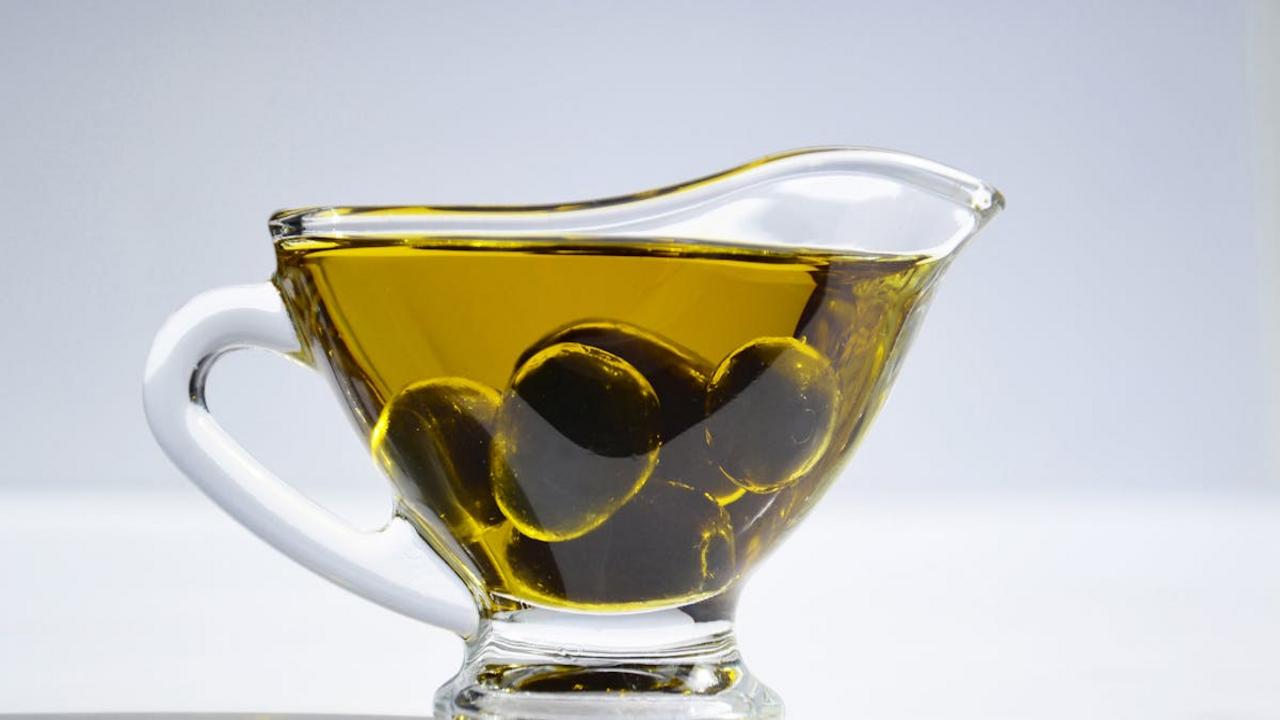
You know that bottle of extra virgin olive oil sitting in your pantry? It’s about to become your best friend in the kitchen! This liquid gold isn’t just a cooking staple – it’s a powerful ally for your health as you age. The monounsaturated fats in extra virgin olive oil help reduce inflammation throughout your body, supporting everything from your heart to your joints. Plus, it’s packed with antioxidants like vitamin E and polyphenols that protect your cells from damage. I love drizzling it over fresh vegetables, using it in salad dressings, or even taking a small spoonful straight up for its health benefits.
What makes extra virgin olive oil special is how gently it’s processed – cold-pressed without heat or chemicals, preserving all those amazing nutrients. Studies show that people who consume olive oil regularly have better cognitive function and lower rates of heart disease. Don’t save it just for special occasions! Use it daily in your cooking, but remember that heat can break down some of its beneficial compounds. Try finishing your dishes with a drizzle of the good stuff instead of cooking with it at high temperatures. Your body will thank you for choosing this Mediterranean treasure that’s been nourishing people for thousands of years.
Green Leafy Vegetables
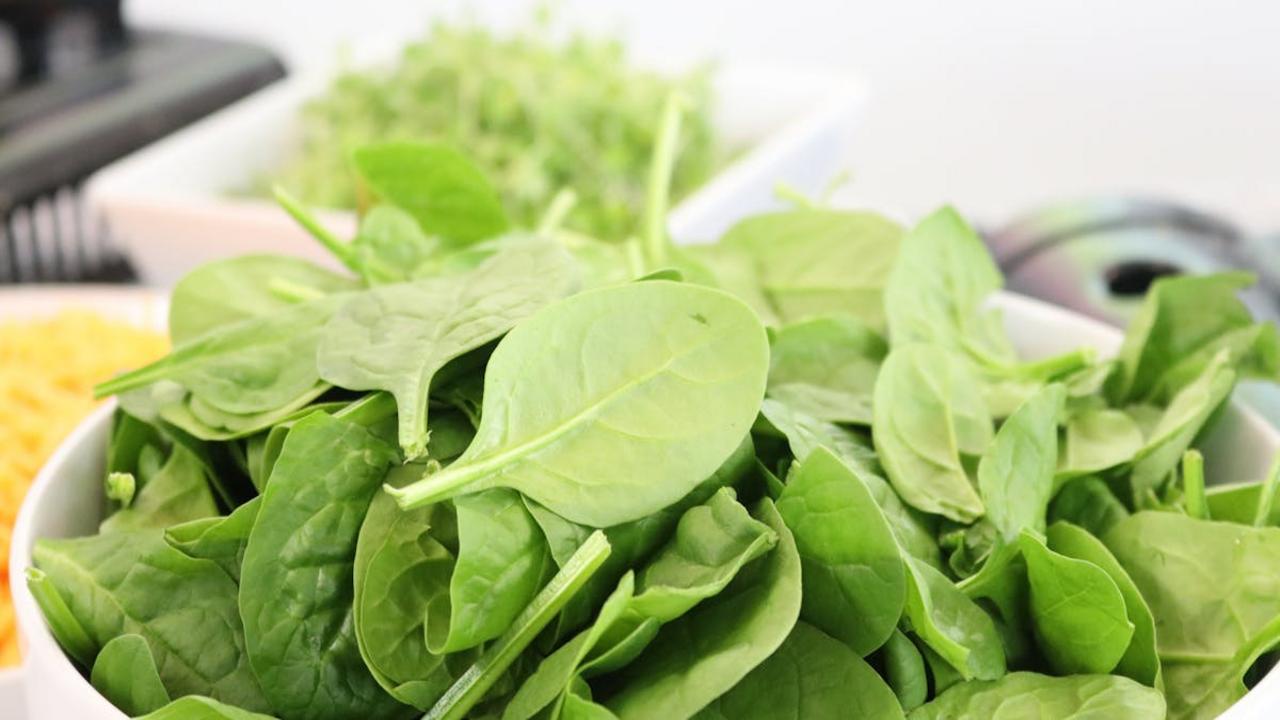
Green leafy vegetables become your best friends in the kitchen as you get older, and honestly, they deserve that spot on your plate every single day! Spinach, kale, arugula, Swiss chard, and collard greens pack incredible nutritional power that supports your body in amazing ways. These vibrant greens overflow with folate, which keeps your brain sharp and your mood balanced, while their high vitamin K content strengthens your bones and helps prevent fractures. The iron in these leaves fights fatigue, and their impressive fiber content keeps your digestive system running smoothly. I love how versatile these greens are – you can toss spinach into smoothies, massage kale into salads, or sauté Swiss chard with garlic for a simple side dish.
What really excites me about leafy greens is how they protect your eyes with lutein and zeaxanthin, two compounds that act like natural sunglasses for your retinas. These nutrients become increasingly important as you age, helping prevent macular degeneration and keeping your vision clear. The antioxidants in these vegetables also support your immune system and may help reduce inflammation throughout your body. Start small if you’re new to greens – blend a handful of spinach into your morning smoothie, add arugula to your sandwiches, or try my favorite trick of stirring chopped kale into soups during the last few minutes of cooking. Your future self will thank you for making these nutritional powerhouses a regular part of your weekly menu.
Nuts
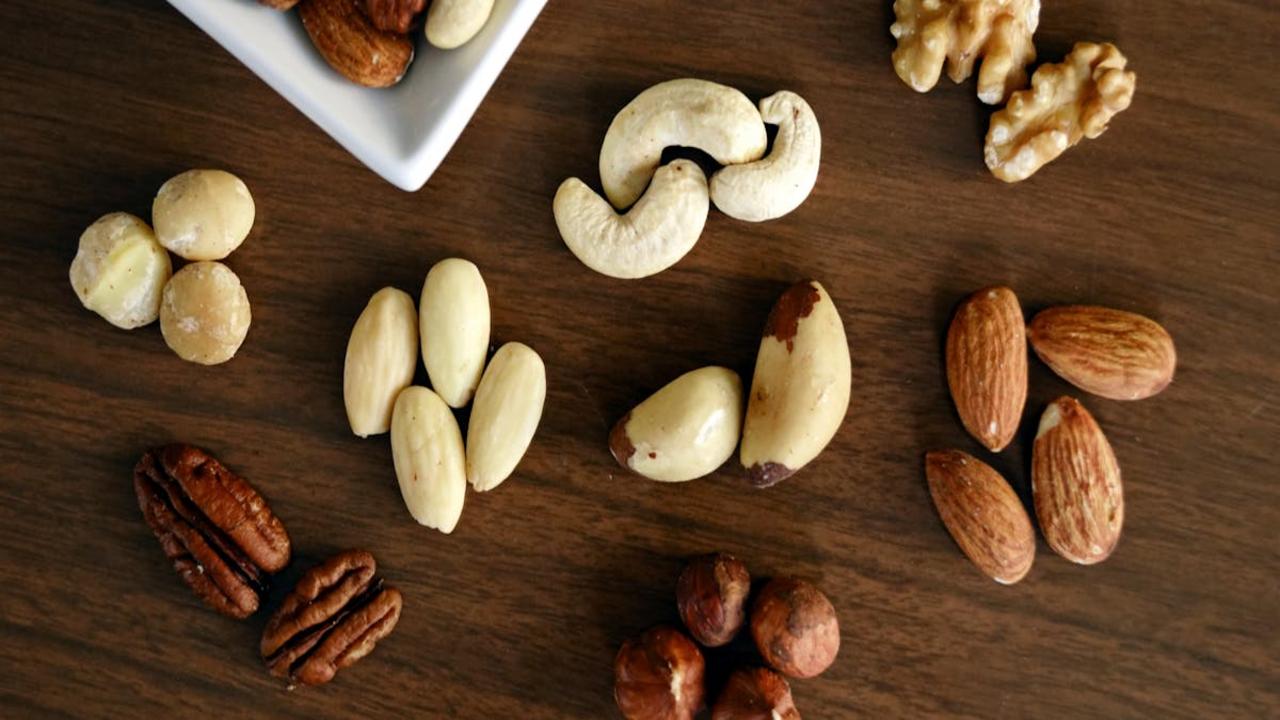
You know what makes me smile every time I reach for a handful of nuts? The satisfying crunch and knowing I’m doing something wonderful for my body! Nuts are nutritional powerhouses packed with healthy fats, protein, fiber, and antioxidants that become increasingly important as we age. Almonds support brain health with vitamin E, walnuts deliver omega-3 fatty acids for heart protection, and Brazil nuts provide selenium for immune function. The magnesium in cashews helps maintain bone density, while pistachios offer potassium for blood pressure regulation. I love keeping a mix of different nuts in small containers around my kitchen – they make perfect snacks and add incredible texture to meals.
The beauty of nuts lies in their incredible versatility and convenience. Sprinkle chopped walnuts over your morning oatmeal, toss sliced almonds into salads, or blend cashews into creamy soups and sauces. I often make my own trail mix by combining different nuts with dried fruits and dark chocolate chips for a satisfying afternoon pick-me-up. Remember to store your nuts properly in airtight containers in the refrigerator to keep them fresh longer. While they’re calorie-dense, the combination of protein, healthy fats, and fiber helps you feel satisfied longer, making them a smart choice for maintaining a healthy weight and steady energy levels throughout your day.
Fatty Fish
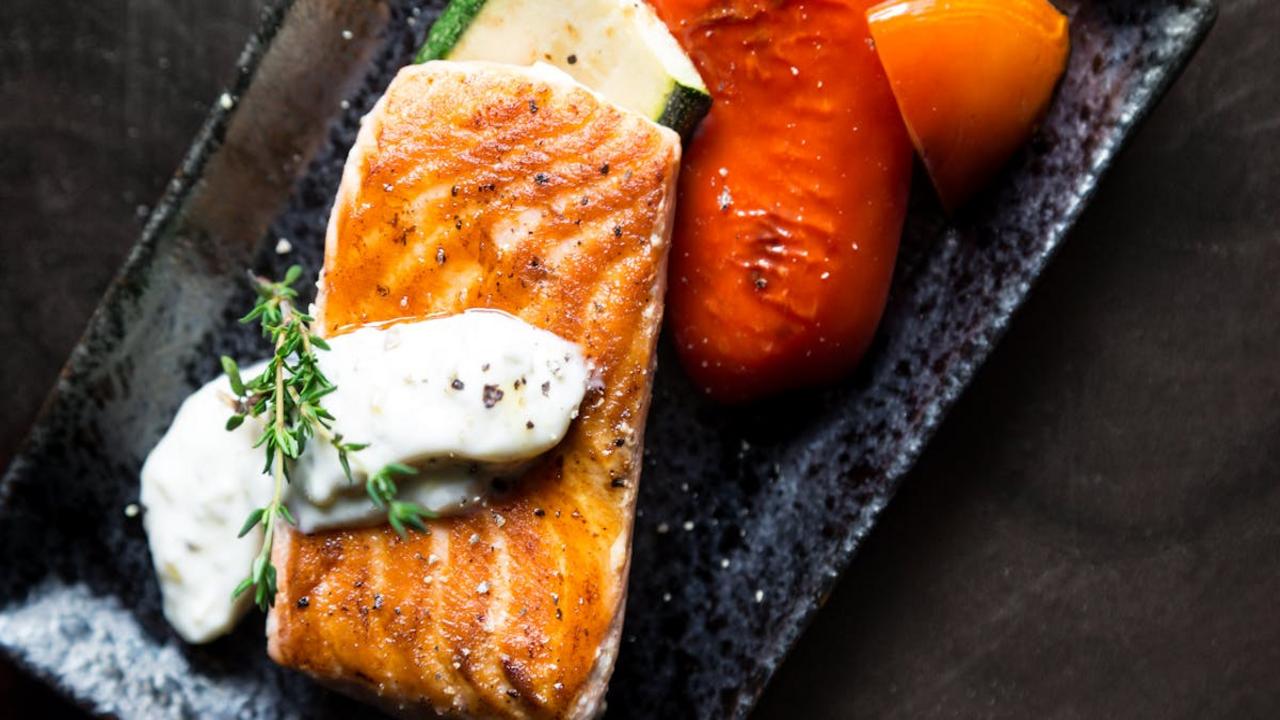
Fatty fish like salmon, mackerel, sardines, and tuna deserve a permanent spot on your dinner table, especially as you get older. These omega-3 powerhouses work wonders for your brain health, keeping your mind sharp while supporting heart function and reducing inflammation throughout your body. I love how versatile these fish are – you can grill a beautiful piece of salmon with herbs, toss sardines into a pasta salad, or create a simple tuna steak that feels restaurant-worthy. The healthy fats in these fish also help your body absorb fat-soluble vitamins better, making every meal more nutritious.
What makes fatty fish so special for aging adults is their incredible ability to support joint health and maintain cognitive function. Studies show that people who eat fatty fish regularly tend to have better memory and slower cognitive decline. Try incorporating these fish into your weekly rotation – aim for at least two servings per week. If you’re new to cooking fish, start with salmon fillets seasoned simply with lemon, garlic, and dill. The natural oils keep the fish moist and flavorful, and you’ll be amazed at how satisfying and energizing these meals can be for your body and mind.
Dark Chocolate
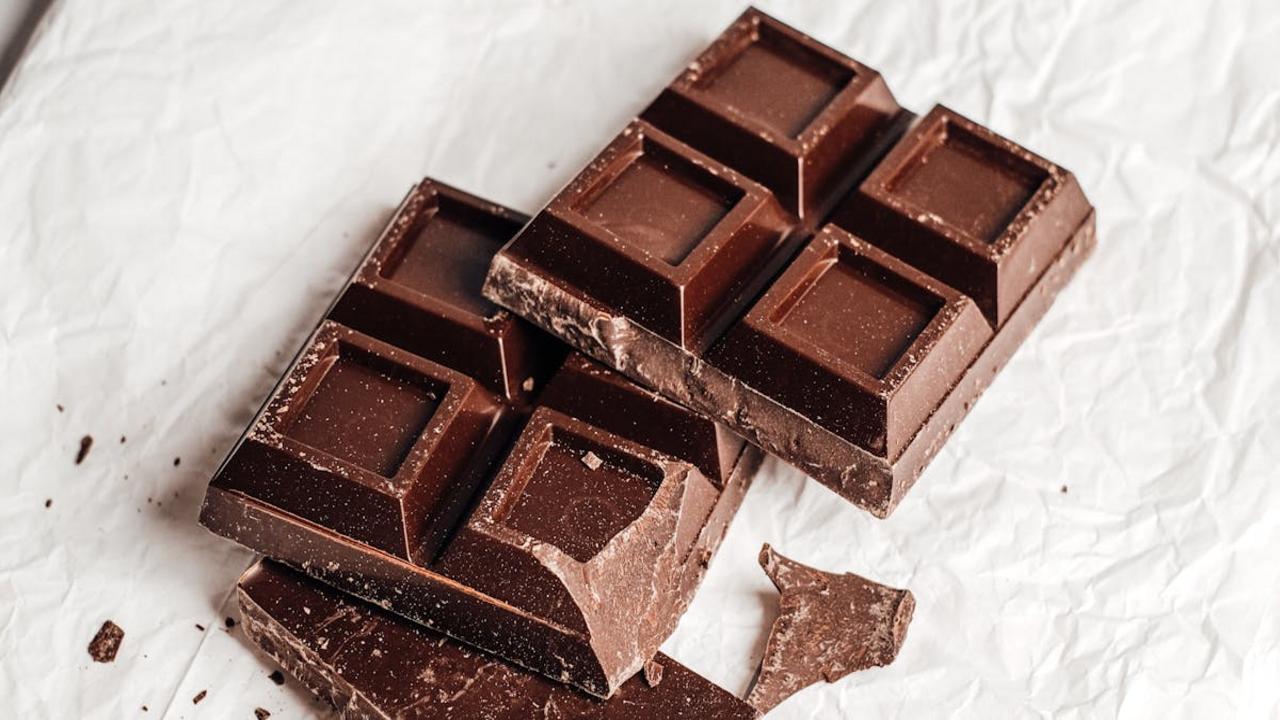
You know what makes me incredibly happy? Finding out that one of my favorite treats actually supports healthy aging! Dark chocolate – specifically varieties with 70% cacao or higher – brings incredible benefits to your body as you get older. The rich flavonoids in dark chocolate work wonders for your brain health, helping maintain cognitive function and memory. These powerful compounds also support cardiovascular health by improving blood flow and potentially lowering blood pressure. I love keeping a bar of high-quality dark chocolate in my pantry because just one or two squares daily can make a meaningful difference in your overall wellness routine.
The beauty of dark chocolate lies in its versatility and pure indulgence factor. You can enjoy it straight from the wrapper, melt it into warm oatmeal for breakfast, or chop it up and fold it into homemade trail mix with nuts and dried fruit. I particularly enjoy pairing dark chocolate with fresh berries – the antioxidants in both create a powerhouse combination that tastes absolutely divine. The key is choosing quality over quantity; look for brands that list cacao as the first ingredient and avoid those loaded with excess sugar. This approach allows you to savor every bite while giving your body exactly what it needs to thrive through the years ahead.
Blueberries
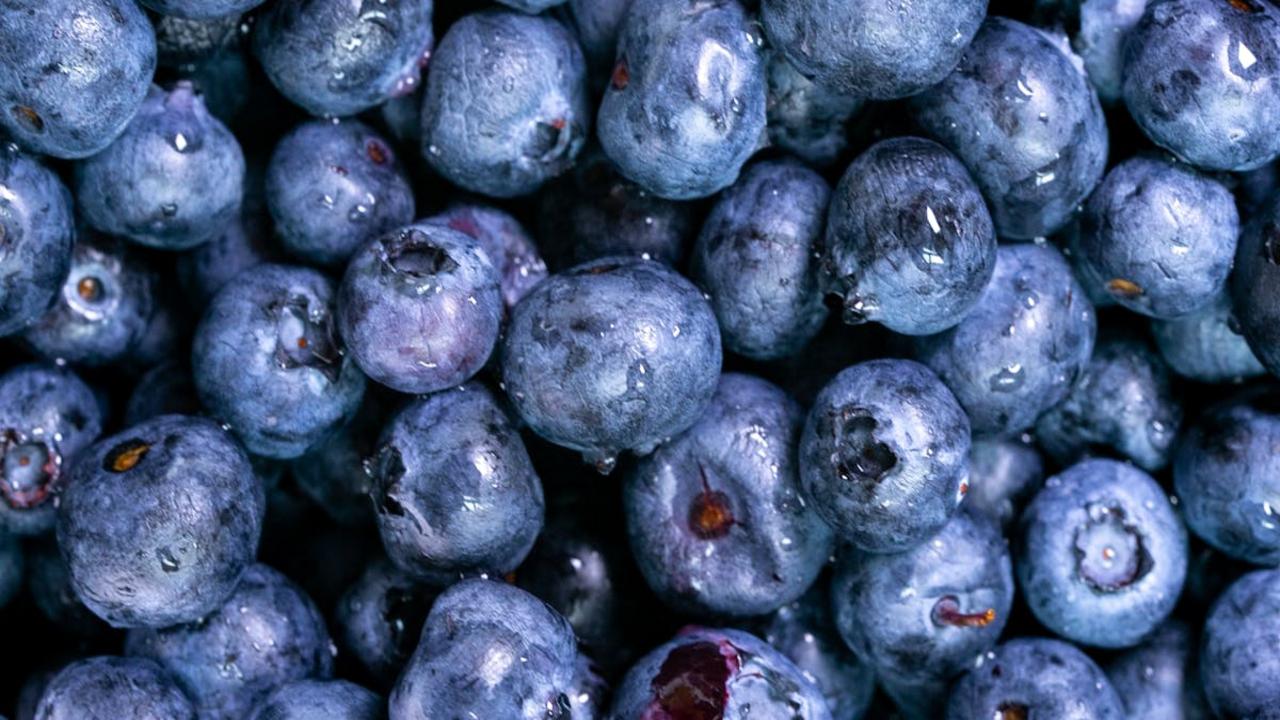
You know what makes my heart sing every time I walk through the produce section? Those gorgeous little blue gems sitting there just waiting to transform your meals! Blueberries pack an incredible punch of antioxidants that help protect your brain and keep your memory sharp – something we all appreciate more with each passing year. I love how these tiny powerhouses contain anthocyanins, the compounds that give them their beautiful color and help fight inflammation throughout your body. Plus, they’re loaded with vitamin C and fiber, making them perfect for supporting your immune system and digestive health.
The best part about blueberries is how incredibly versatile they are in your weekly menu planning. I toss them into my morning oatmeal, blend them into smoothies for an afternoon pick-me-up, or simply enjoy them by the handful as nature’s candy. Try folding them into whole grain muffins, swirling them into Greek yogurt with a drizzle of honey, or adding them to your favorite salad for a sweet pop of flavor. Fresh or frozen, they work beautifully year-round, and frozen ones are perfect for baking since they won’t burst and turn everything purple. Stock up when they’re in season and freeze them yourself – just spread them on a baking sheet first, then transfer to containers once frozen.