14 Foods to Keep Off Your Kids Plates
Keeping your kids safe at mealtime means knowing which foods might pose choking hazards or health risks. As a parent, I’ve learned that certain everyday foods require extra caution, especially for little ones under four whose chewing and swallowing skills are still developing.
While foods like grapes, cherry tomatoes, and hot dogs may seem harmless, their size and shape make them perfect for blocking small airways. Other items, including raw honey and unpasteurized milk, contain bacteria that young immune systems simply can’t handle yet. Even favorites like peanut butter can become dangerous without proper preparation.
I’ve compiled this guide based on pediatrician recommendations and personal experience raising my two children. You don’t need to ban these foods forever—just modify how you serve them or wait until your child reaches the appropriate age for safer consumption. Your vigilance now creates healthy eating habits for life.
Citrus fruits for infants
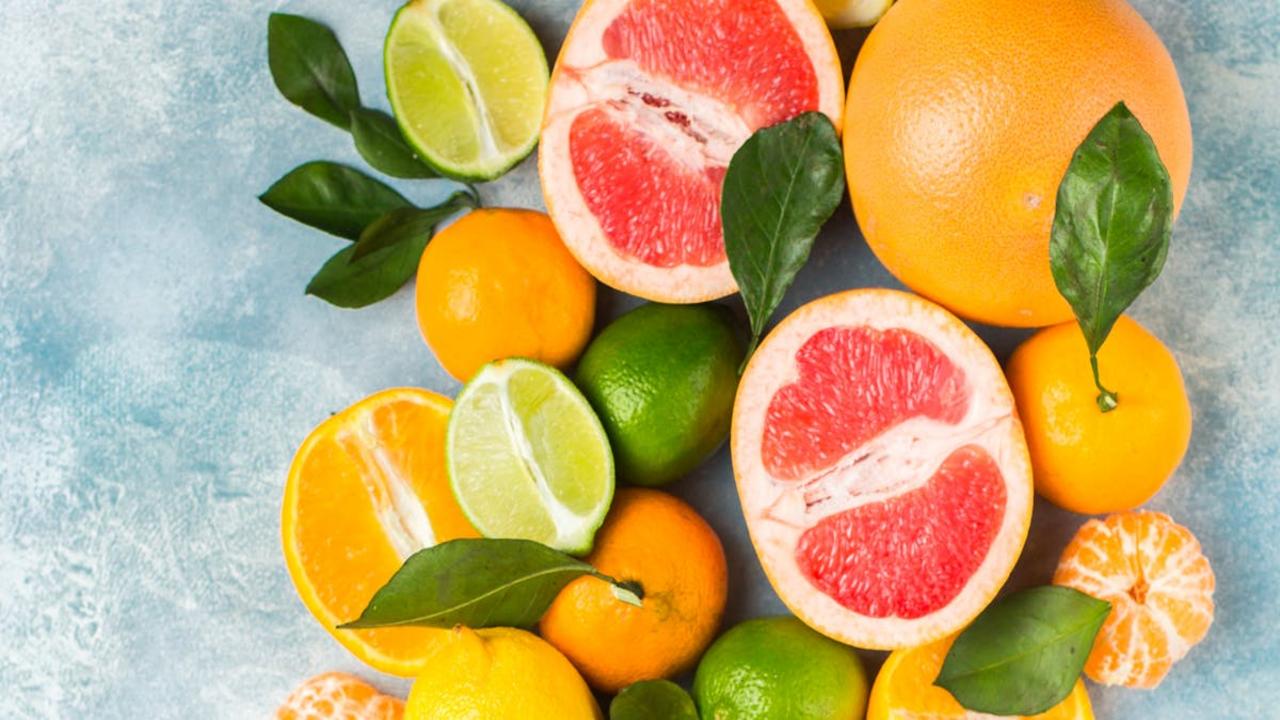
Listen, I know those bright oranges and lemons look tempting when you’re thinking about introducing fresh flavors to your little one, but hold off on citrus fruits until your baby hits that 12-month mark. The high acidity in oranges, lemons, limes, and grapefruits can wreak havoc on your infant’s delicate digestive system, causing uncomfortable diaper rashes and potential stomach upset. I’ve watched too many new parents rush into offering these vibrant fruits only to deal with cranky babies and inflamed skin around the diaper area.
Your baby’s digestive tract needs time to mature before handling these acidic powerhouses. Instead of citrus, try gentle fruits like mashed banana, steamed pear, or avocado – they offer plenty of vitamins without the harsh punch. Once your toddler reaches their first birthday, you can slowly introduce diluted citrus juices or small pieces of peeled orange segments. Trust me, there’s no rush – your child will have decades to enjoy fresh lemonade and orange slices, but right now, their tiny system needs gentler options that won’t leave them uncomfortable or you stressed.
Canned tuna
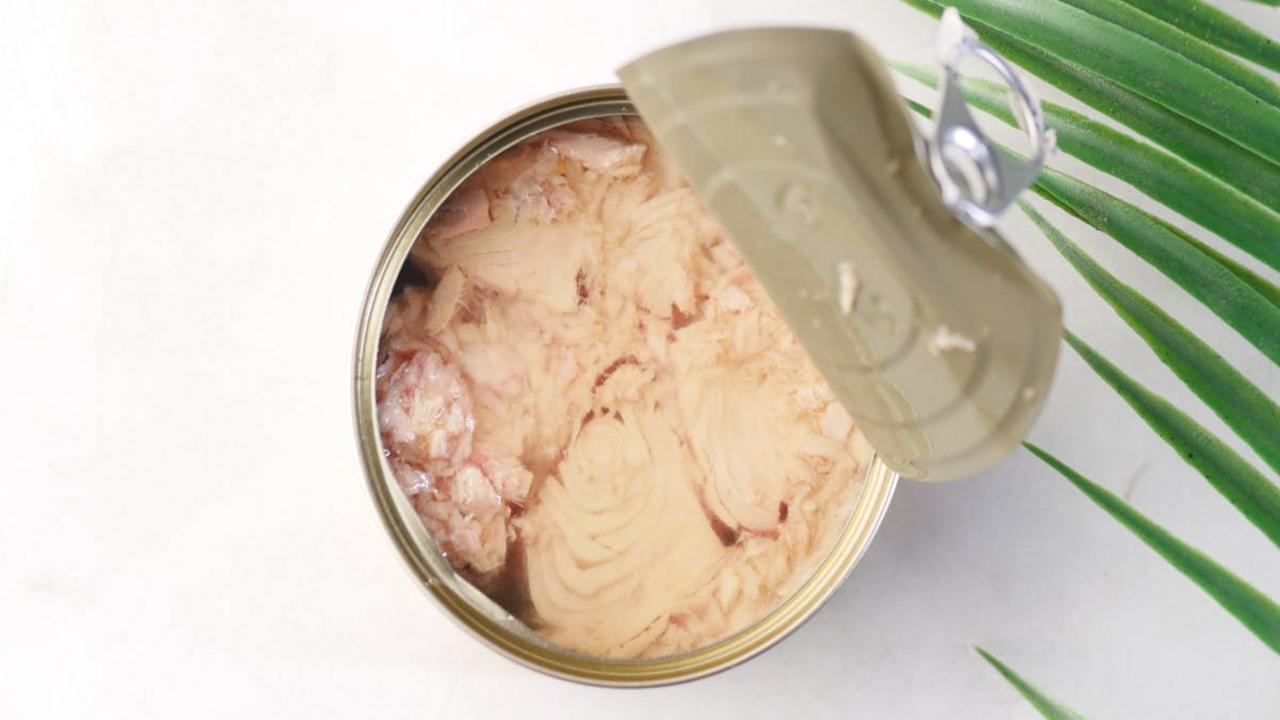
Friend, I know canned tuna seems like the perfect protein-packed lunch solution for busy parents, but we need to talk about mercury levels. Those convenient little cans often contain higher mercury concentrations than fresh fish, and children’s developing nervous systems are particularly sensitive to this heavy metal. As someone who’s spent years creating wholesome family meals, I’ve learned that what appears convenient isn’t always what’s best for our little ones. Mercury accumulates in larger fish like tuna, and regular consumption can affect brain development and cognitive function in children.
Instead of reaching for that familiar can, I encourage you to explore fresh alternatives that give you the same protein benefits without the worry. Wild-caught salmon, sardines, or even homemade chicken salad can satisfy that sandwich craving while keeping mercury exposure minimal. When you do choose fish for your family, smaller varieties like anchovies and mackerel offer incredible nutrition with significantly lower mercury content. I’ve discovered that making fish cakes with fresh cod or preparing simple salmon patties takes just minutes more than opening a can, yet the difference in both nutrition and flavor transforms the entire meal experience for your children.
Unpasteurized milk
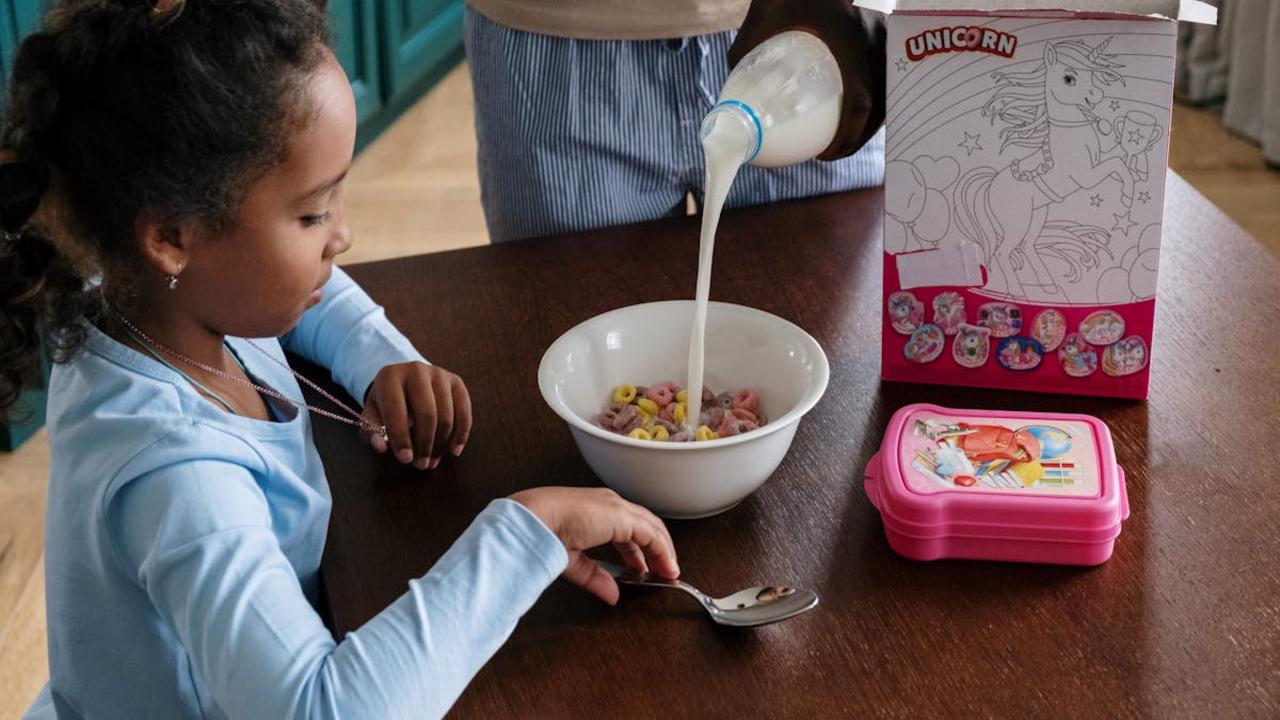
I know the allure of fresh, raw milk straight from the farm – it feels pure, natural, and connected to traditional ways of eating that I champion in my cooking. However, unpasteurized milk carries serious risks that make it unsuitable for children. Raw milk can harbor dangerous bacteria like E. coli, Salmonella, and Listeria, which can cause severe foodborne illnesses. Kids have developing immune systems that simply can’t fight off these pathogens the way adult bodies might.
While I’m all about minimizing processed foods and choosing whole ingredients, pasteurization isn’t processing in the harmful sense – it’s a safety measure that heats milk just enough to eliminate dangerous bacteria while preserving most nutrients. You can still find high-quality pasteurized milk from local dairies and grass-fed sources that align with your values of supporting sustainable farming. Save the raw milk romance for when your children are older and their bodies are better equipped to handle potential risks. Your family’s health always comes first in any kitchen decision.
Soft cheeses
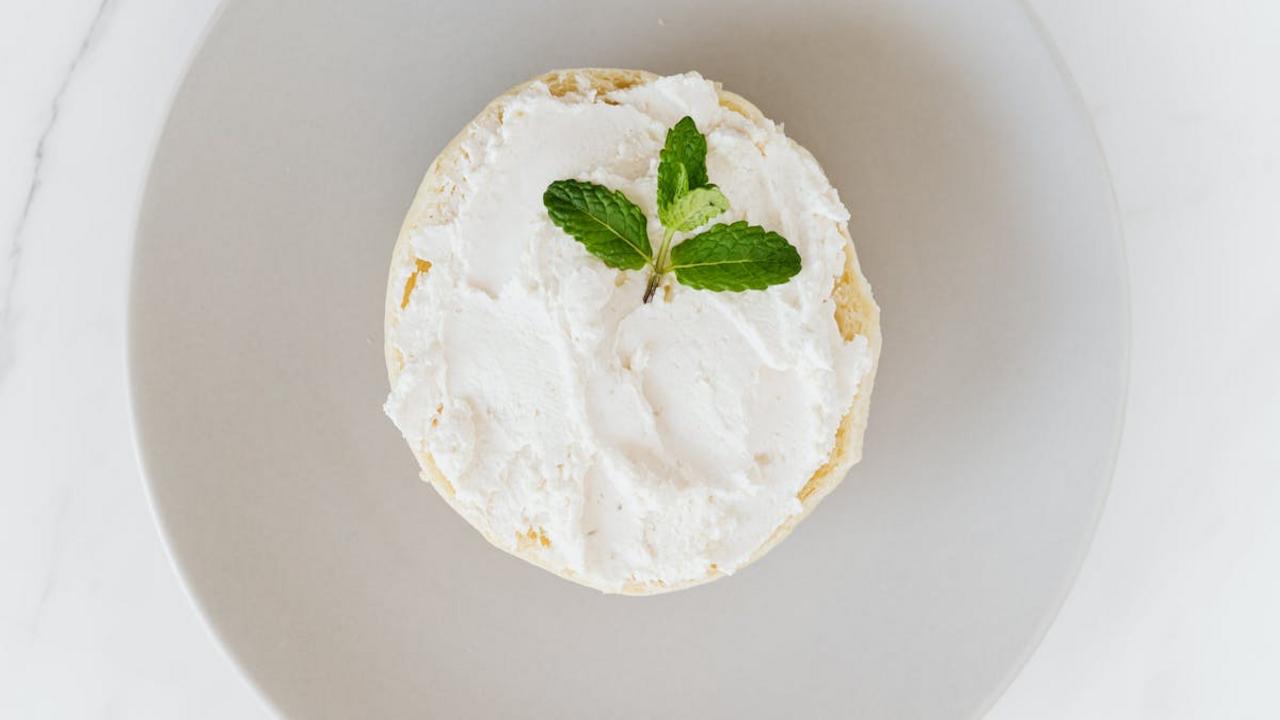
I know how tempting it can be to share that creamy brie or tangy goat cheese with your little ones, but soft cheeses deserve a spot on your “wait until later” list. These beautiful, unpasteurized varieties like camembert, feta, blue cheese, and fresh mozzarella can harbor listeria bacteria, which poses serious risks for young immune systems. While we adults can typically handle these potential pathogens without issue, children under five face much higher chances of severe illness from listeria exposure.
Instead of completely avoiding the cheese experience, I love introducing kids to aged hard cheeses like sharp cheddar, parmesan, or manchego. These varieties go through processes that naturally eliminate harmful bacteria while developing incredible depth of flavor. You can create amazing grilled cheese sandwiches using aged gouda, or grate fresh parmesan over homemade pasta dishes. Save those gorgeous soft cheese platters for adult gatherings, and focus on building your children’s palates with safer options that still deliver that satisfying, creamy texture they crave. Trust me, there’s plenty of time for them to discover the magic of a perfectly ripe camembert once their immune systems mature.
Dried fruits
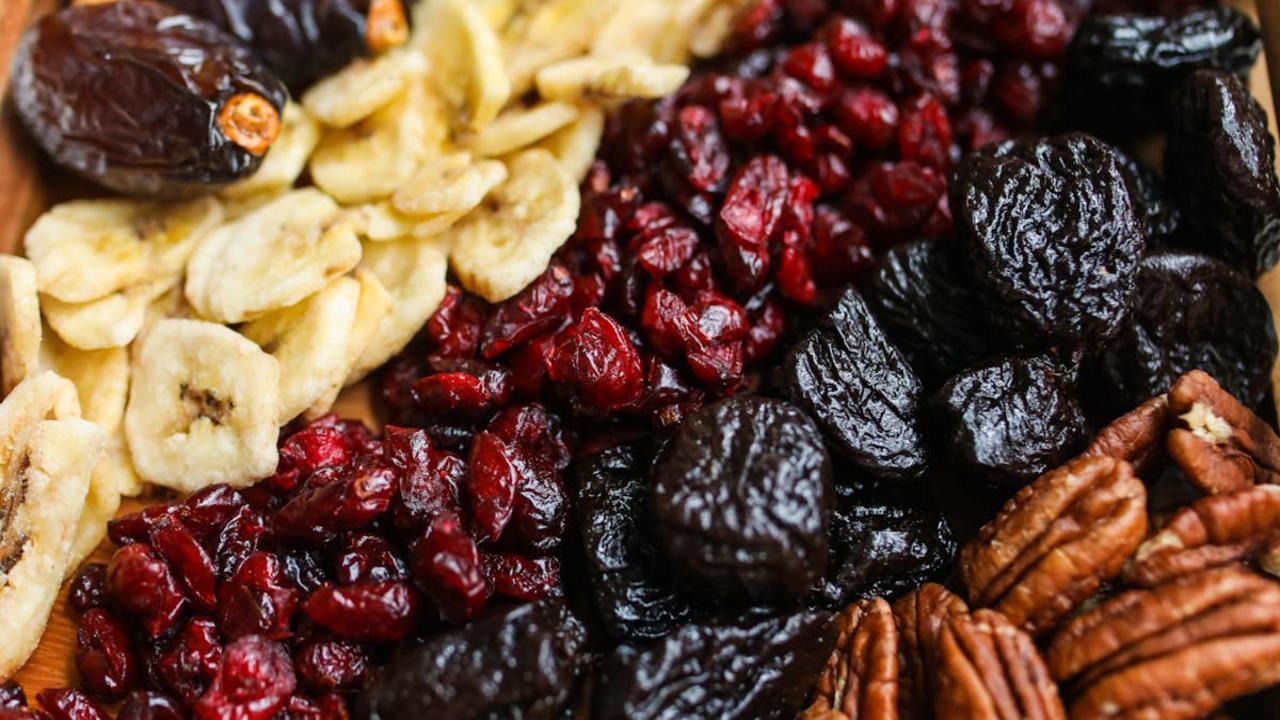
I know what you’re thinking – dried fruits sound healthy, right? They’re fruits, after all! But here’s what most parents don’t realize: those innocent-looking raisins, dried apricots, and fruit leather strips pack more sugar than candy bars. When you remove water from fresh fruit, you concentrate all that natural sugar into tiny, sticky pieces that cling to your child’s teeth like glue. A small box of raisins contains about six teaspoons of sugar – that’s more than a chocolate chip cookie! Plus, many commercial dried fruits get coated with extra sugar and preservatives to maintain that appealing color and extend shelf life.
The real problem goes beyond just sugar content. Dried fruits create the perfect storm for tooth decay because they stick in the crevices between teeth for hours, feeding harmful bacteria that produce acid. Your kids end up with cavities despite eating “healthy” snacks. Instead of reaching for those processed dried fruits, I always keep fresh fruit on hand – berries, apple slices with a sprinkle of cinnamon, or orange segments. If you want that concentrated sweetness, try making your own fruit leather at home using just pureed fruit and a dehydrator. You control what goes in, and your children get real nutrition without the dental disasters waiting to happen.
Hot dogs

I know hot dogs seem like the perfect kid-friendly food—quick, convenient, and always a hit at birthday parties. But here’s what I’ve learned after years of cooking for families: these processed meat tubes pack way more sodium, nitrates, and preservatives than growing bodies need. Most commercial hot dogs contain around 500mg of sodium per serving, which is nearly half the daily limit for children. The nitrates used to preserve that bright pink color have been linked to health concerns, and frankly, when you read the ingredient list, you’ll find additives you can’t even pronounce.
Instead of reaching for that package of hot dogs, I love making homemade chicken or turkey sausages with my kids. We mix ground meat with fresh herbs like parsley and thyme, add a touch of garlic powder, and form them into fun shapes. You can even use natural casings if you want that traditional sausage snap. Another favorite in my kitchen is grilled chicken strips seasoned with paprika and cumin—they’re just as easy to eat with little hands, and you control every single ingredient. Trust me, once you start making these alternatives, you won’t miss those processed options one bit.
Marshmallows
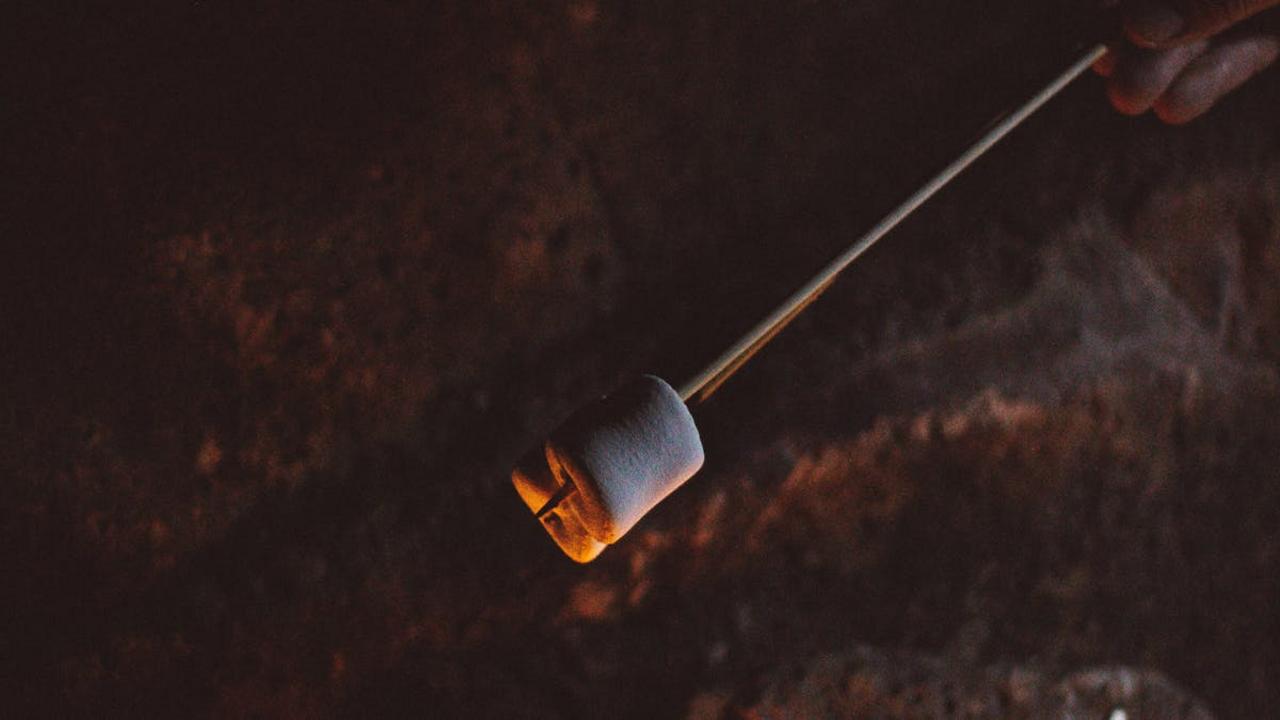
I know those puffy white clouds look innocent enough sitting in your pantry, but marshmallows pack a serious sugar punch that can send your little ones on a wild energy rollercoaster. Each fluffy piece contains mostly corn syrup, sugar, and gelatin – basically empty calories with zero nutritional value. When kids munch on these, their blood sugar spikes rapidly, followed by an inevitable crash that leaves them cranky and craving more sweets. I’ve watched my own nephews transform from calm angels to bouncing tornadoes after a marshmallow snack, and trust me, it’s not pretty for anyone involved.
Instead of reaching for those processed puffs, why not whip up some homemade fruit leather or frozen grape pops? Your kids get that sweet satisfaction they’re craving, but with actual nutrients their growing bodies can use. I love making coconut date balls rolled in shredded coconut – they’re naturally sweet, provide healthy fats and fiber, and kids think they’re getting a special treat. Save the marshmallows for those rare camping trips where roasting them over a fire becomes part of the memory-making experience, not a daily snack habit that sets up sugar addiction patterns.
Popcorn

You know how I feel about whole foods and cooking from scratch, so this one might surprise you – but popcorn presents some real concerns for little ones. Those fluffy kernels that seem so innocent can become serious choking hazards for children under four. The irregular shapes and hard pieces don’t break down easily in small mouths, and I’ve seen too many parents panic when their toddler starts coughing after grabbing a handful from the bowl during movie night.
Beyond the choking risk, most commercial popcorn comes loaded with artificial flavors, excessive salt, and questionable oils that I wouldn’t want in my own kitchen, let alone feeding to growing bodies. Instead of reaching for those pre-packaged bags, I make roasted chickpeas or baked sweet potato chips when my family wants something crunchy. These alternatives give you that satisfying crunch without the worry, plus they’re packed with nutrients that actually fuel those active little bodies. Save the popcorn for when they’re older and can handle it safely – there are so many better snack options waiting to be discovered!
Hard candies
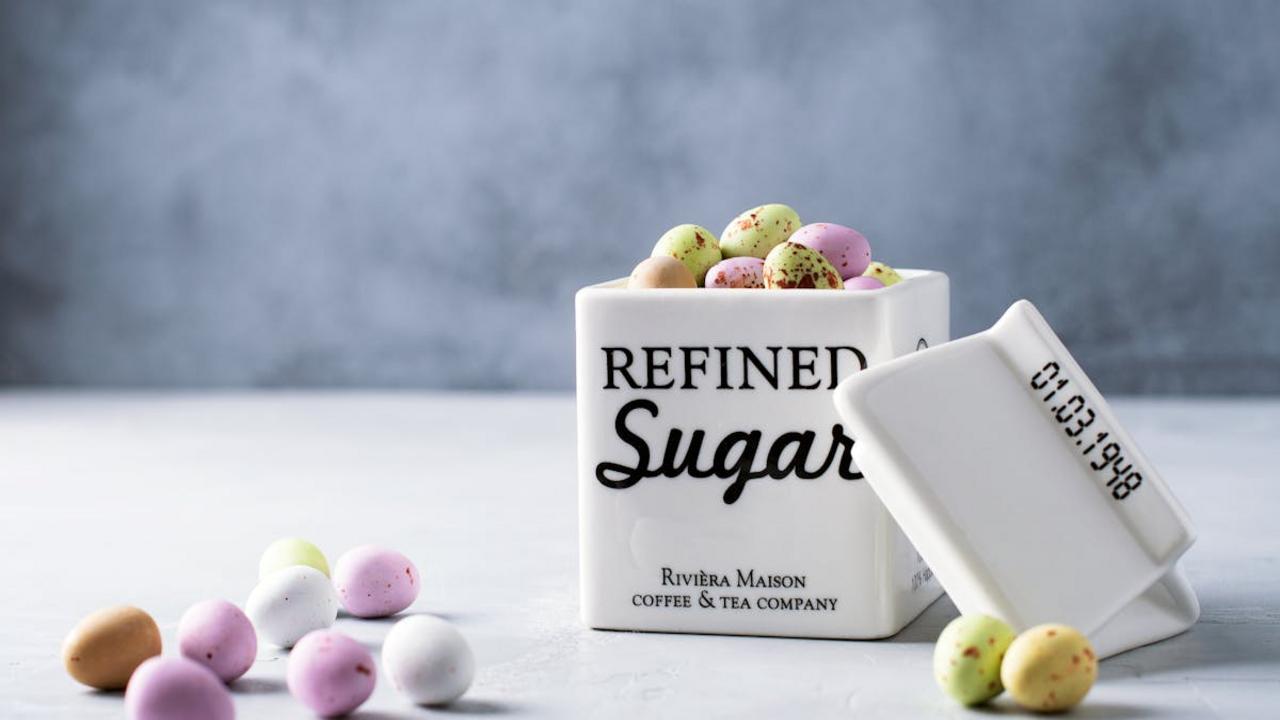
Hard candies might seem like innocent treats, but they’re actually little sugar bombs that can wreak havoc on your children’s health. I’ve watched too many parents unknowingly hand these colorful orbs to their kids, not realizing they’re essentially giving them concentrated sugar with zero nutritional value. These candies dissolve slowly in the mouth, bathing teeth in sugar for extended periods and creating the perfect environment for cavity-causing bacteria to thrive. Beyond the dental damage, hard candies can spike blood sugar levels dramatically, leading to those familiar sugar rushes followed by cranky crashes that leave everyone miserable.
What really concerns me about hard candies is how they teach children to crave intensely sweet flavors, making naturally sweet foods like fruits seem bland by comparison. I always tell parents to think about what they’re training their children’s palates to expect – when you regularly offer these artificially flavored, hyper-sweet candies, you’re essentially rewiring their taste preferences. Instead of reaching for that bag of hard candy at the checkout line, try keeping small portions of dried fruits or homemade fruit leather in your bag. Your kids will still get that sweet satisfaction, but with actual nutrients and fiber that their growing bodies can use constructively.
Whole nuts
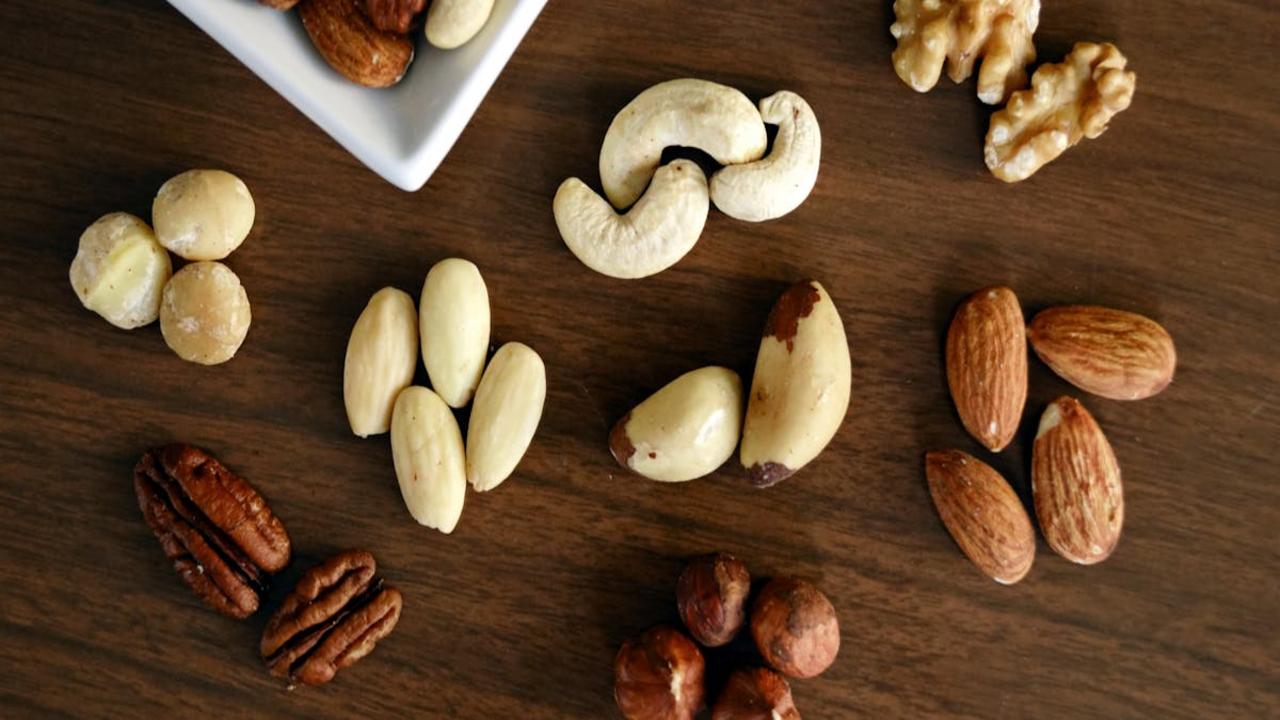
Listen, I know nuts seem like the perfect healthy snack for kids – they’re packed with protein, healthy fats, and nutrients that growing bodies need. But here’s what many parents don’t realize: whole nuts present a serious choking hazard for children under four years old. Their size and hard texture make them difficult for small airways to handle, and even older kids can struggle if they’re eating too quickly or not chewing properly. I’ve seen too many close calls in my own kitchen when little ones grab a handful of almonds or walnuts.
Instead of avoiding nuts completely, I grind them into butters or finely chop them to sprinkle over yogurt and oatmeal. Nut butters spread thin on toast or mixed into smoothies give kids all those wonderful nutrients without the risk. You can also try nut flours in baking – almond flour pancakes are absolutely divine and completely safe for young eaters. Once your child reaches school age and demonstrates good chewing habits, you can gradually introduce larger pieces, but always supervise snack time. Trust me, there are countless ways to include nuts in your family’s diet safely.
Cherry tomatoes
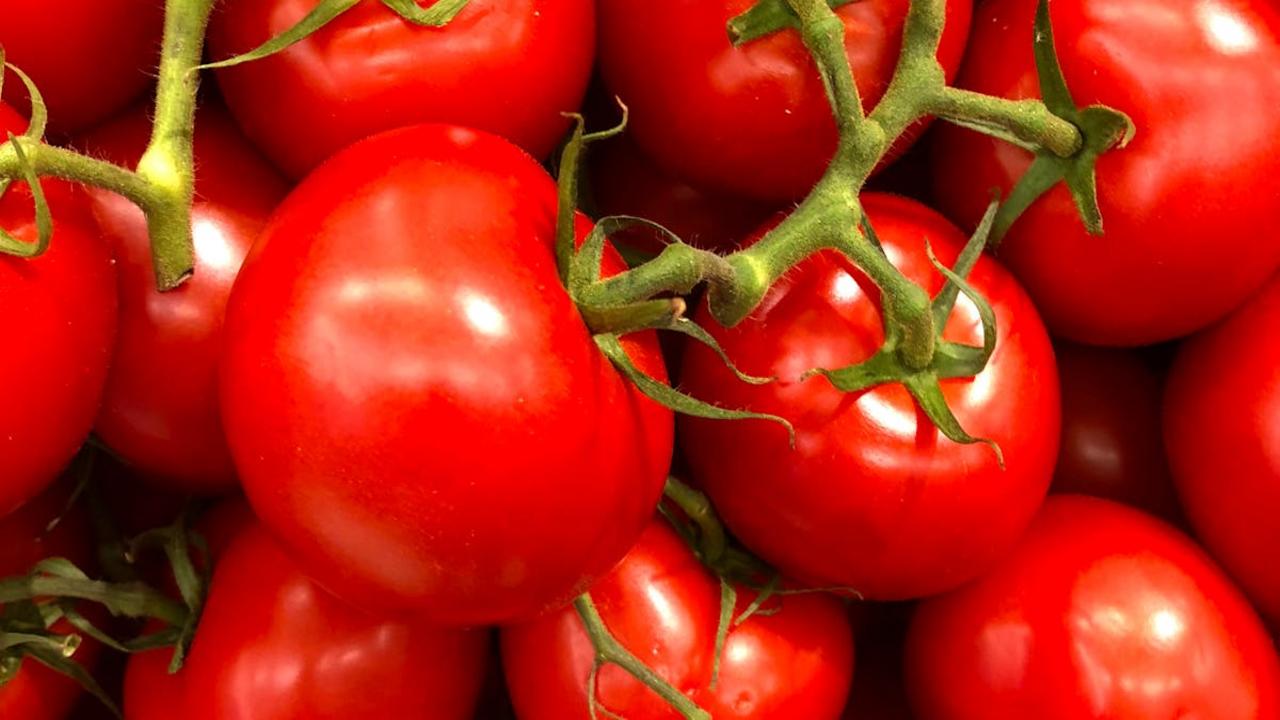
Listen, I know cherry tomatoes seem like the perfect finger food for little ones – they’re colorful, bite-sized, and packed with nutrients. But here’s something that might catch you off guard: these little ruby gems can be serious choking hazards for young children. Their smooth, round shape and firm texture make them slide right down a child’s throat before they can properly chew them. I’ve seen too many parents panic when their toddler starts gagging on what seemed like such an innocent snack.
Now, don’t get me wrong – I’m not telling you to ban tomatoes from your kitchen! Cherry tomatoes bring incredible flavor to our meals, and they’re nutritional powerhouses loaded with vitamin C and lycopene. The solution is simple: quarter them lengthwise before serving to children under four years old. This breaks up that dangerous round shape while keeping all the good stuff intact. You can toss these quartered pieces into pasta salads, scatter them over homemade pizzas, or mix them into grain bowls. Your kids still get to enjoy that sweet, tangy burst of summer flavor – just in a much safer package that won’t send you racing to the emergency room.
Raw honey
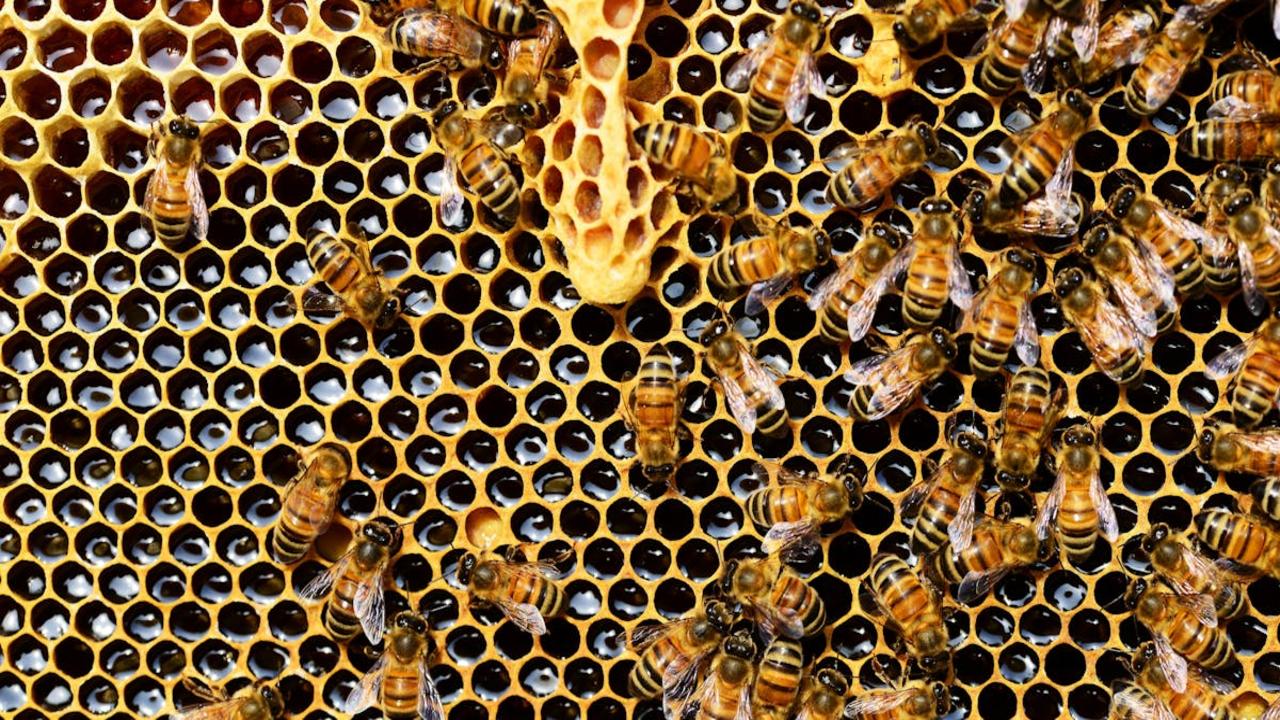
As someone who’s spent years cooking with honey from local farmers’ markets, I need to share something important about raw honey and babies. While this golden nectar brings incredible depth to my homemade granola and warm milk drinks, raw honey contains naturally occurring Clostridium botulinum spores that can cause infant botulism in children under 12 months. These spores live harmlessly in adult digestive systems, but babies’ immature gut bacteria can’t fight them off effectively.
I know it feels counterintuitive—after all, raw honey seems like the perfect natural sweetener for little ones. But I’ve learned to wait until my nephew turned one before drizzling that beautiful wildflower honey over his morning oatmeal. Instead, I sweeten baby foods with mashed bananas, pureed dates, or a touch of maple syrup for older babies. Once they hit that first birthday milestone, raw honey becomes a wonderful addition to their meals, adding both sweetness and beneficial enzymes to everything from yogurt bowls to homemade muffins.
Peanut butter
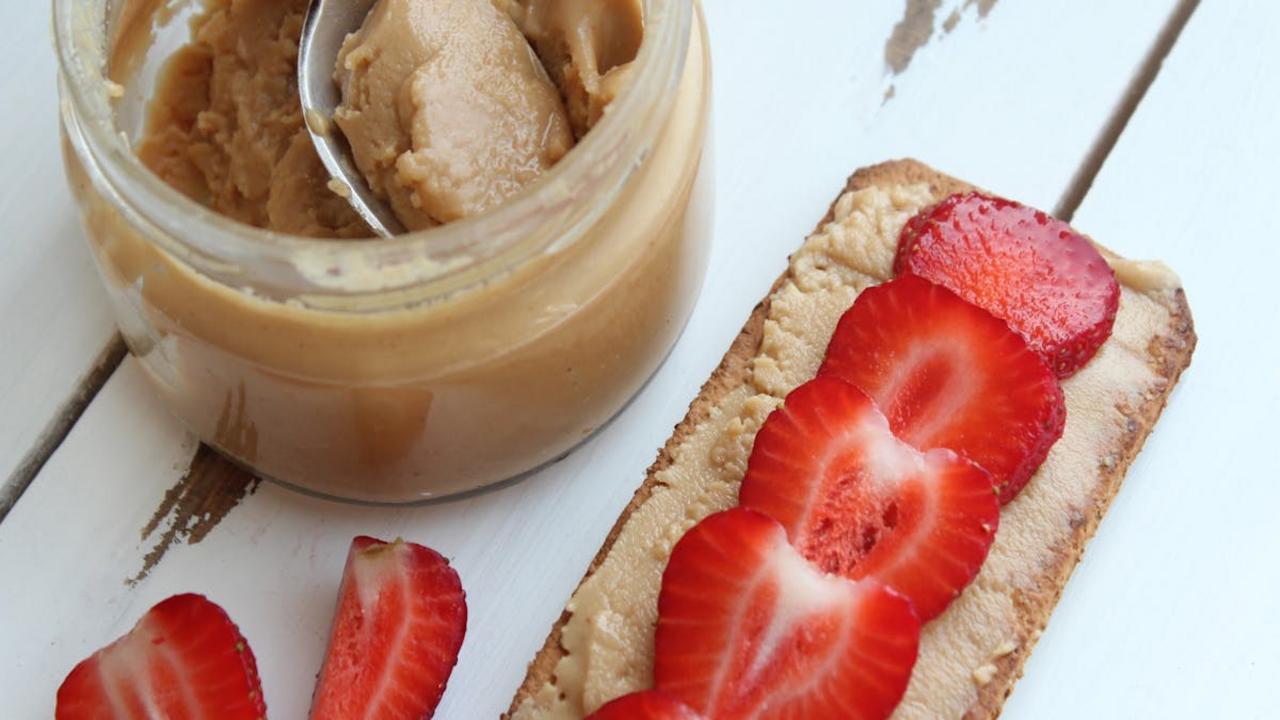
I know this might shock you – peanut butter sits in practically every pantry across America, and we’ve been told it’s a protein powerhouse for growing kids. But here’s what most parents don’t realize: the majority of commercial peanut butters are loaded with added sugars, hydrogenated oils, and preservatives that can trigger inflammatory responses in developing bodies. Those smooth, shelf-stable versions often contain palm oil and high fructose corn syrup, ingredients that work against the natural nutritional benefits of peanuts. Even worse, many brands use peanuts treated with pesticides and grown in soil that may contain aflatoxins, naturally occurring toxins that can be particularly harmful to children’s developing immune systems.
Instead of reaching for that familiar jar, I encourage you to make your own peanut butter at home using organic, raw peanuts – it takes just minutes in a food processor and gives you complete control over what goes into your child’s body. If homemade isn’t practical, seek out single-ingredient peanut butters that contain nothing but ground peanuts, or better yet, try almond butter, sunflower seed butter, or tahini as alternatives that offer different nutritional profiles without the common allergen concerns. Remember, real nutrition comes from whole foods prepared simply, not from products that need lengthy ingredient lists to achieve shelf stability. Your children deserve the pure, unadulterated taste of nuts ground fresh, not chemical-laden spreads masquerading as wholesome food.
Grapes
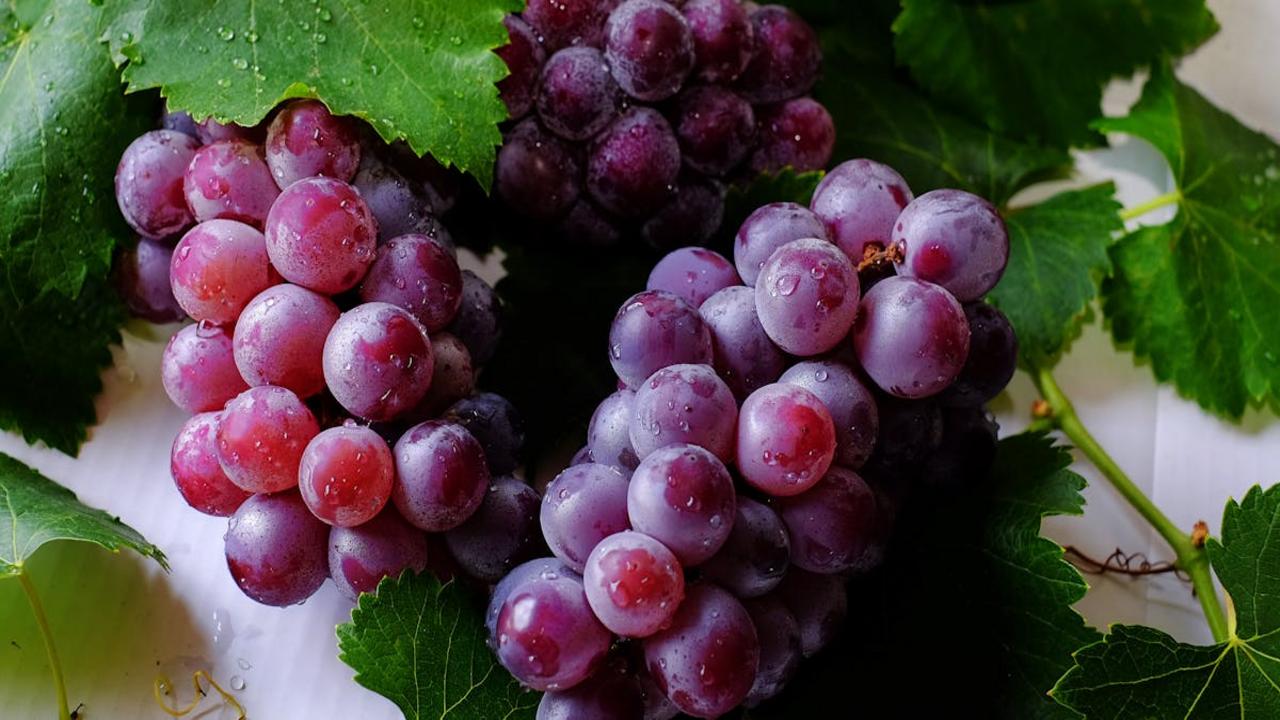
I know grapes seem like the perfect wholesome snack – they’re sweet, naturally portion-controlled, and packed with vitamins. But here’s something that might catch you off guard: whole grapes rank among the top choking hazards for young children. Their round, smooth shape and firm texture create the perfect storm for blocking little airways. I’ve seen too many close calls in my own kitchen when friends bring their toddlers over for cooking sessions. The way grapes can slip down a child’s throat whole, especially when kids are running around or talking while eating, makes them surprisingly dangerous for anyone under four years old.
Instead of avoiding grapes completely, I always slice them lengthwise into halves or quarters before serving them to young ones. This simple step transforms a risky snack into a safe, nutritious treat. I keep a small paring knife dedicated just for this purpose in my fruit prep area. When I’m making my rainbow fruit platters for family gatherings, I automatically quarter any grapes going to the kids’ section. The children still get all those antioxidants and natural sweetness, but without the worry. You can also try mashing grapes into homemade fruit leather or adding quartered ones to yogurt parfaits – both options eliminate the choking risk while keeping the nutritional benefits intact.