15 Pantry Staples Chefs Swear By For Quick And Delicious Meals
Your pantry holds incredible power when stocked with the right ingredients. I’ve learned that having these fifteen staples on hand means you’re never more than twenty minutes away from a satisfying meal. Professional chefs know this secret—they build their kitchens around versatile, quality basics that work across countless recipes.
These aren’t fancy ingredients or expensive specialty items. They’re simple, honest foods that form the backbone of cooking traditions worldwide. From Asian stir-fries to Mediterranean pasta dishes, these pantry heroes adapt to whatever flavors you crave. Each ingredient serves multiple purposes, giving you flexibility to create something different every single time.
Stock your shelves with these reliable companions, and you’ll discover cooking becomes more intuitive and spontaneous. No more staring into an empty pantry wondering what to make for dinner. Instead, you’ll have everything needed to transform simple ingredients into memorable meals that nourish both body and soul.
Canned Beans
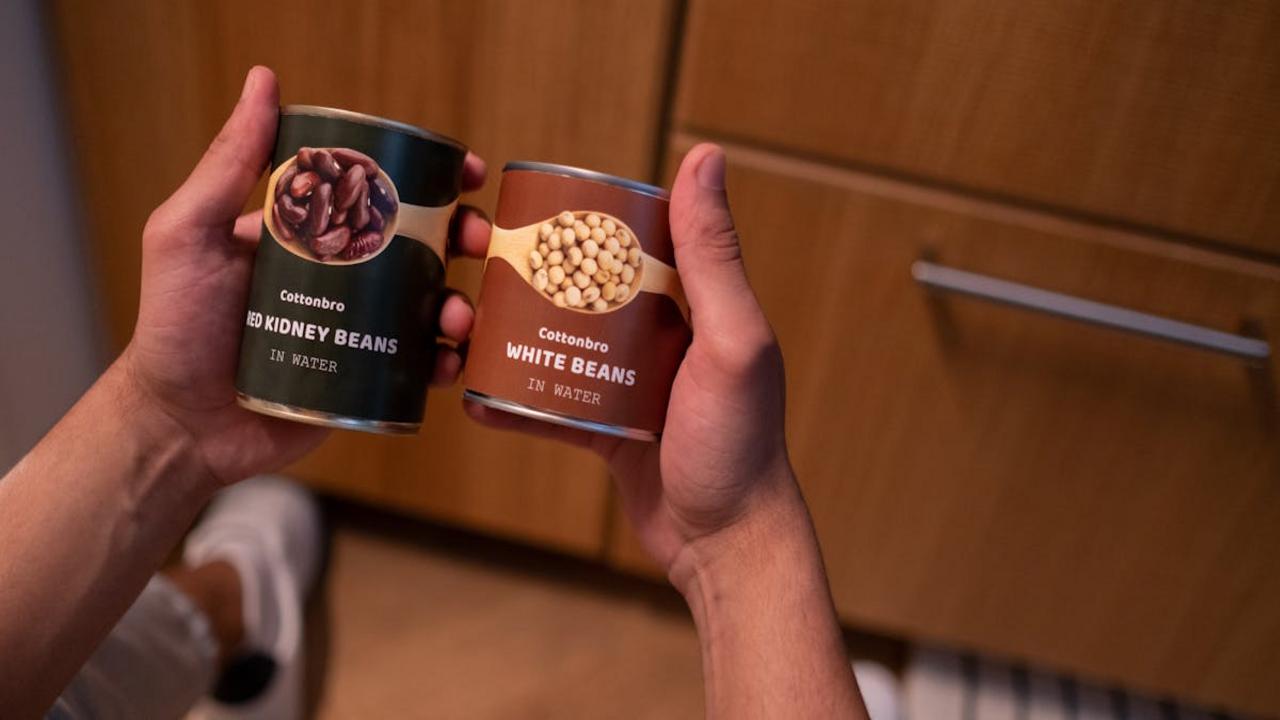
Listen, I know what you’re thinking—canned beans sound boring, right? But trust me, these humble pantry heroes have saved my dinner plans more times than I can count. Whether I’m reaching for creamy cannellini beans, earthy black beans, or protein-packed chickpeas, these little powerhouses transform simple ingredients into satisfying meals within minutes. I keep at least five different varieties stocked because each brings its own personality to the table.
The beauty of canned beans lies in their versatility and nutrition. You can toss them into a quick curry with coconut milk and spices, blend them into a silky hummus, or simply sauté them with garlic and herbs for an instant side dish. I love adding white beans to my soups for extra creaminess without dairy, or throwing black beans into grain bowls for that satisfying protein boost. Just remember to rinse them well—it removes excess sodium and that slightly metallic taste. With beans in your pantry, you’re never more than fifteen minutes away from a wholesome, filling meal that nourishes both body and soul.
Dried Herbs
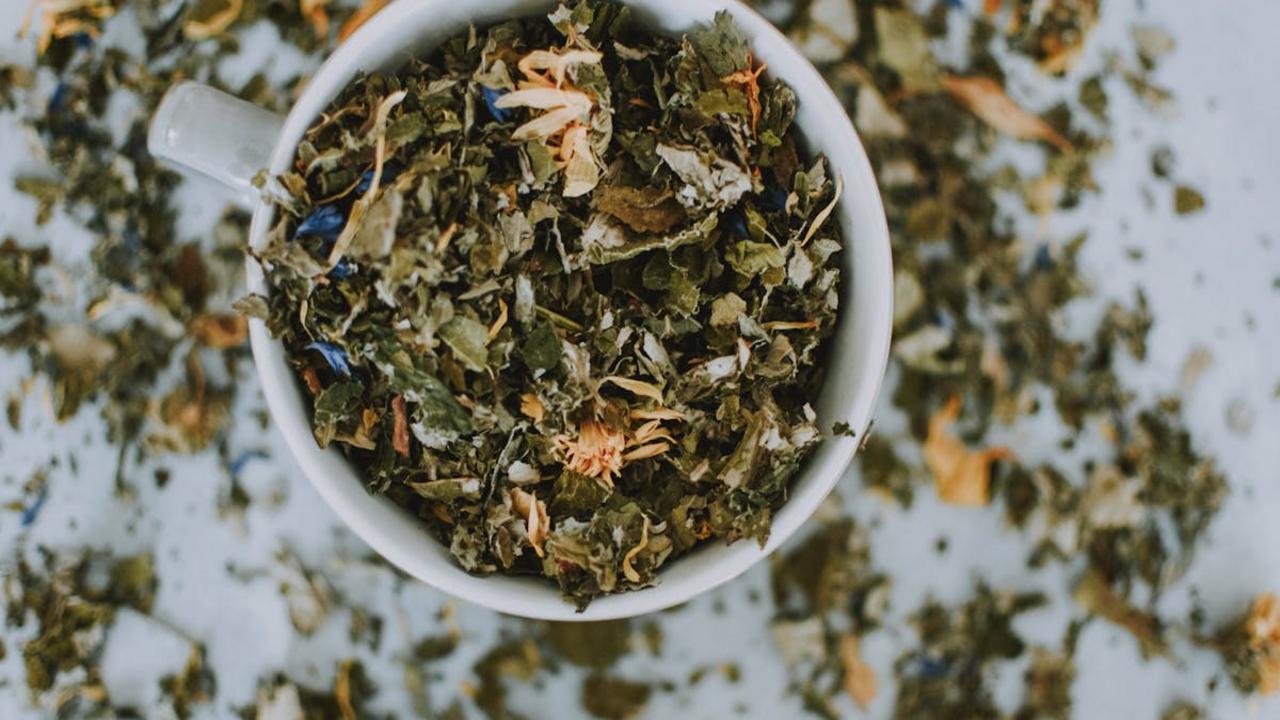
Dried herbs sit quietly in my pantry like old friends waiting to transform any ordinary dish into something memorable. I keep jars of oregano, thyme, rosemary, and basil within arm’s reach because they bring instant depth and complexity to whatever I’m cooking. Unlike fresh herbs that wilt and fade, dried herbs concentrate their flavors into potent little packages that last for months. When I’m making a quick weeknight pasta or seasoning roasted vegetables, a pinch of dried herbs creates layers of flavor that make simple ingredients sing.
The beauty of dried herbs lies in their reliability and versatility across different cooking styles. I love how a sprinkle of dried thyme can transport a basic chicken breast to the Mediterranean, while oregano turns any tomato-based dish into something that tastes like it simmered all day. You can bloom them in warm oil to release their oils, or add them directly to stews and braises where they’ll slowly rehydrate and infuse the entire dish. I always buy whole dried herbs rather than ground ones because they retain more flavor, and I crush them between my fingers right before using to release their aromatic oils.
Vinegar

You know that bottle of vinegar sitting in your pantry? It’s probably one of the most underrated ingredients in your kitchen arsenal. I keep at least three types on hand—apple cider, white wine, and rice vinegar—because they each bring something unique to the table. Apple cider vinegar adds a fruity tang that transforms simple salad dressings, while rice vinegar brings that gentle acidity that makes my quick pickled vegetables sing. White wine vinegar? That’s my go-to for deglazing pans and creating instant pan sauces that make weeknight dinners feel restaurant-worthy.
What makes vinegar so brilliant is how it brightens everything it touches without adding calories or processed ingredients. I splash it into soups that taste flat, drizzle it over roasted vegetables to make them pop, and use it to balance rich dishes that need a little lift. My favorite trick is keeping a bottle of herb-infused vinegar ready—just stuff fresh herbs into white wine vinegar and let it sit for a week. Suddenly, you have a finishing touch that elevates everything from grilled fish to grain bowls. Trust me, once you start cooking with vinegar intentionally, you’ll wonder how you ever managed without it.
Soy Sauce
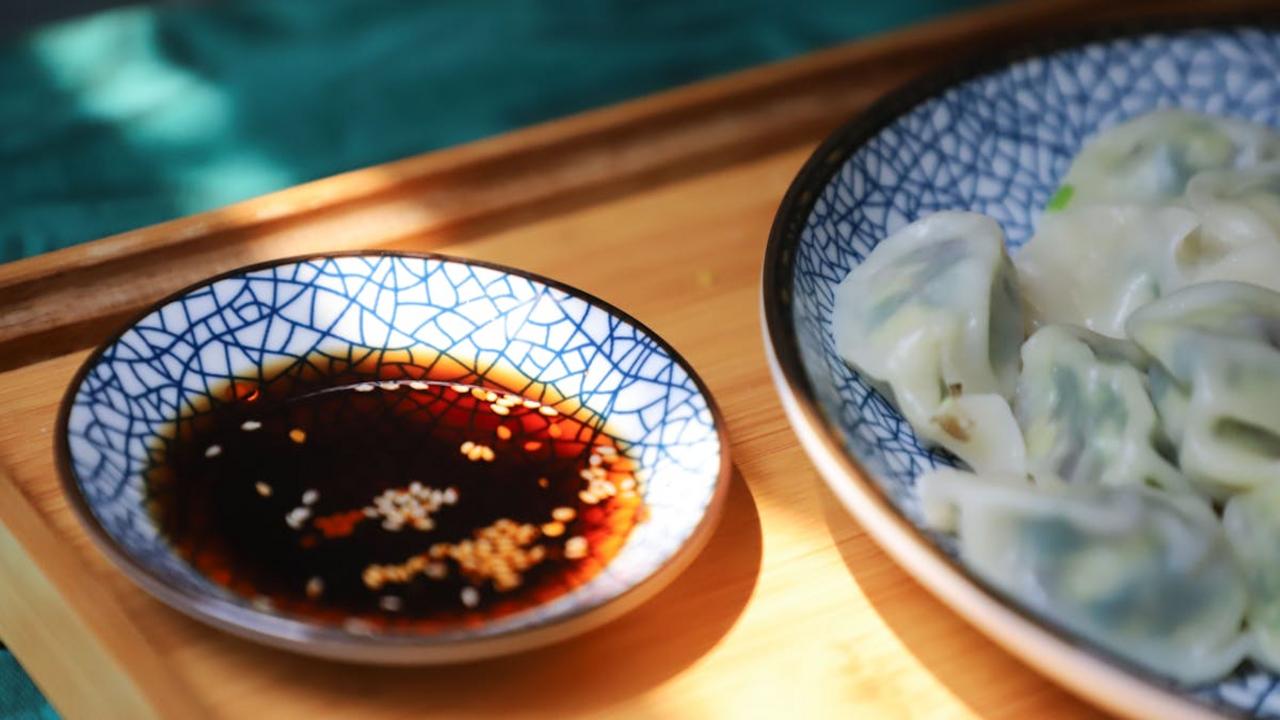
You know that bottle of soy sauce sitting in your pantry? It’s probably one of the most hardworking ingredients you own. I keep three types on hand – light soy sauce for seasoning and marinating, dark soy sauce for that rich color and deeper flavor, and tamari for when I want something wheat-free. This fermented wonder brings instant depth to everything from a quick stir-fry to slow-braised meats. I love how just a splash can transform simple steamed vegetables into something special, or how it creates the perfect base for marinades that make even the toughest cuts of meat tender and flavorful.
What really excites me about soy sauce is its incredible versatility across different cooking styles. I use it in my homemade salad dressings mixed with rice vinegar and sesame oil, add it to soups for umami richness, and even incorporate it into unexpected places like chocolate desserts for complexity. The beauty lies in how it bridges flavors – whether you’re making Korean-inspired bowls, adding depth to Italian pasta sauces, or creating fusion dishes that reflect your own background. Start with small amounts and taste as you go; this liquid gold will teach you about balance and how savory elements can make sweet and spicy flavors sing together beautifully.
Chicken Stock
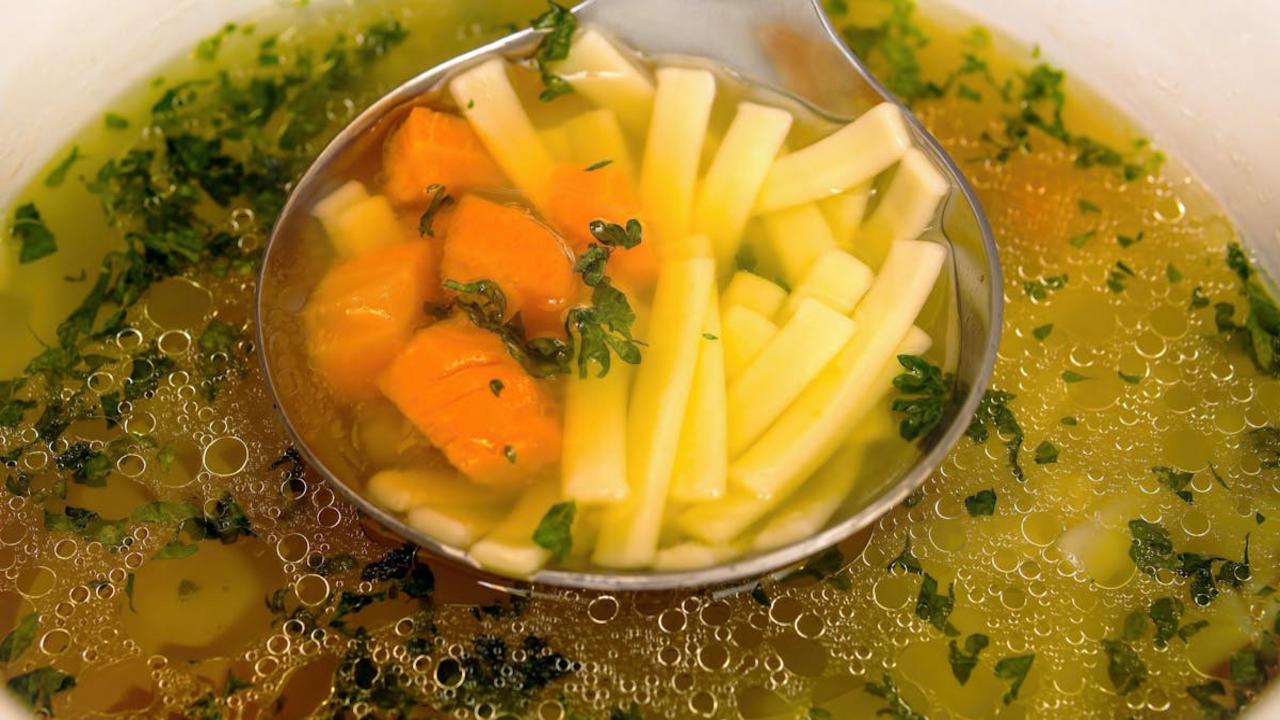
I keep homemade chicken stock in my freezer at all times, and it’s honestly one of the most transformative ingredients you can have on hand. While store-bought versions work in a pinch, nothing compares to the rich, gelatinous liquid gold that comes from simmering bones, aromatics, and herbs for hours. The depth of flavor you get from homemade stock forms the backbone of countless dishes across every cuisine I love to cook—from Vietnamese pho to Moroccan tagines to simple weeknight risottos.
What makes chicken stock so powerful is its ability to add instant complexity to any dish without overwhelming other flavors. I use it to deglaze pans, build sauces, cook grains like quinoa and farro, and create quick soups when I’m working with whatever vegetables are hanging out in my crisper drawer. The collagen-rich stock also brings incredible body to dishes, making even simple preparations feel restaurant-worthy. I always save my chicken bones and vegetable scraps in freezer bags, then spend a lazy Sunday afternoon making big batches that I portion and freeze in ice cube trays for easy access throughout the month.
Sugar
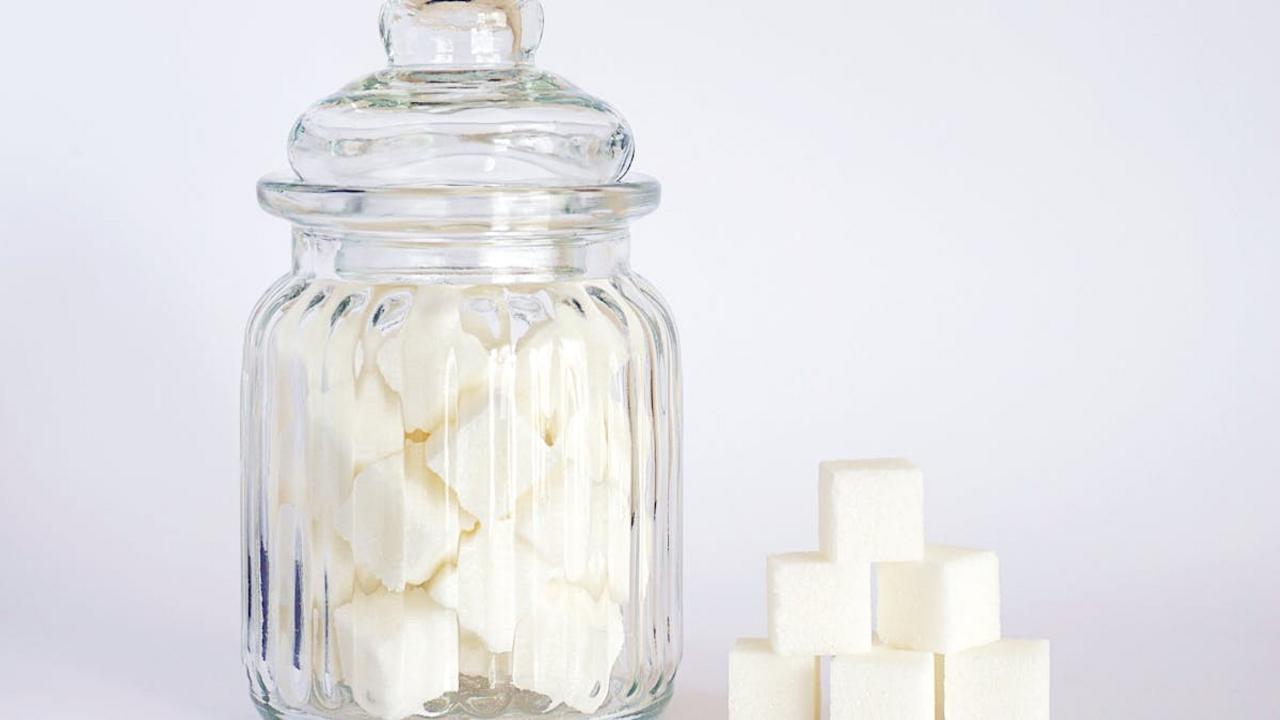
Sugar might seem like just a sweetener, but I treat it as one of my most versatile pantry allies for creating balanced, memorable meals. Beyond desserts, I reach for sugar to caramelize onions for my West African-inspired stews, balance the heat in spicy Thai curries, or create that perfect glaze on roasted vegetables. A pinch of brown sugar transforms a simple tomato sauce into something rich and complex, while raw sugar helps me build layers of flavor in marinades. I keep three types on hand: white for general cooking, brown for depth, and coconut sugar for its subtle molasses notes that pair beautifully with ginger and garlic in stir-fries.
The magic happens when you understand sugar’s role beyond sweetness – it’s a flavor enhancer that brings out the natural tastes in other ingredients. I add a teaspoon to my homemade bread dough not just for the yeast, but because it creates that golden crust I love. When making quick pickles for my grain bowls, sugar balances the acidity and creates that addictive sweet-tart combination. Even in savory dishes like my grandmother’s curry goat or a simple roasted chicken, a light sprinkle helps proteins develop that gorgeous caramelized exterior while keeping the inside tender and juicy.
Flour
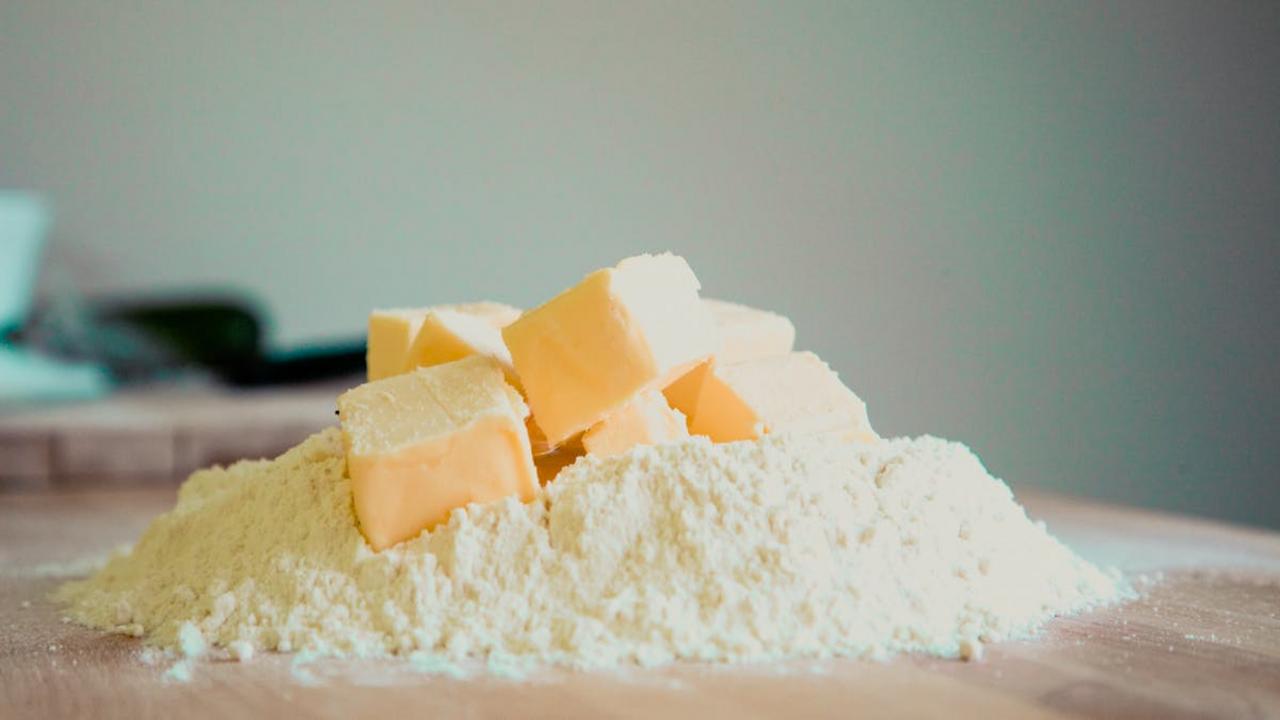
I keep at least three types of flour in my pantry at all times because this simple ingredient transforms into countless possibilities with just a little creativity. All-purpose flour serves as my reliable foundation for quick flatbreads when I’m out of store-bought bread, while whole wheat flour adds nutty depth to pancakes and improves the nutritional profile of my baked goods. My secret weapon? Chickpea flour, which I discovered during my experiments with Indian cooking – it creates the most incredible savory pancakes and can thicken soups without any dairy.
What excites me most about flour is how it bridges cultures in my kitchen. I’ll whisk together a simple batter with chickpea flour, water, and spices for besan chilla when I need a protein-rich breakfast in minutes, or combine all-purpose flour with yogurt and a pinch of baking soda for soft, pillowy naan that pairs beautifully with any curry. Even basic pancake batter becomes more interesting when I swap half the all-purpose flour for whole wheat and add a handful of seeds. This ingredient teaches you that with flour, water, and heat, you’re never more than twenty minutes away from fresh bread, crackers, or a satisfying meal that nourishes both body and soul.
Canned Tomatoes
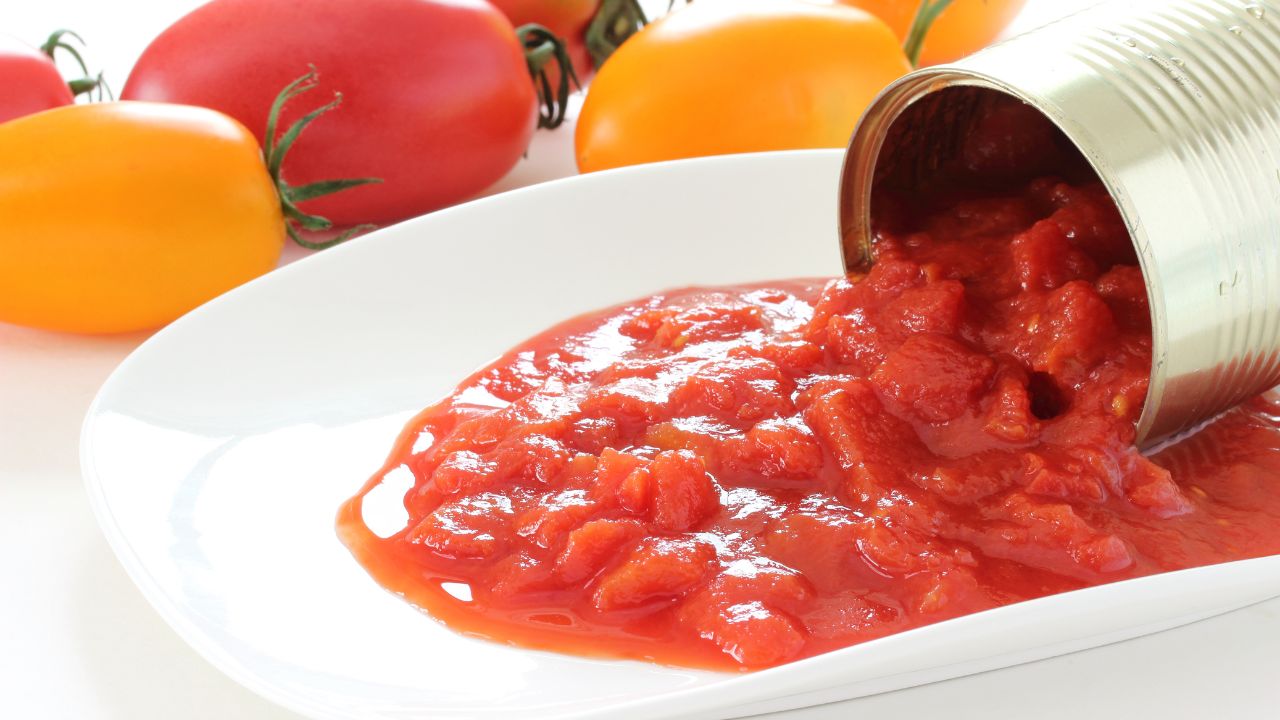
I keep at least three types of canned tomatoes in my pantry at all times—whole San Marzanos, crushed tomatoes, and tomato paste. These ruby gems transform ordinary weeknight dinners into something extraordinary. You can build an entire meal around a single can: simmer crushed tomatoes with garlic and herbs for a quick pasta sauce, or blend whole tomatoes into a silky soup base. The concentrated flavor in quality canned tomatoes often surpasses fresh ones, especially during winter months when fresh tomatoes lack that summer sweetness.
What I love most about canned tomatoes is their versatility across cuisines. I use them in my grandmother’s Moroccan tagines, toss them into Indian curries, or create a simple Italian marinara. The umami-rich depth they provide becomes the foundation for countless dishes. Don’t overlook tomato paste either—just a tablespoon bloomed in oil creates an incredibly rich base for stews and braises. Choose brands with minimal ingredients (just tomatoes and maybe salt), and you’ll have a shortcut to homemade flavor that never feels like cheating.
Garlic
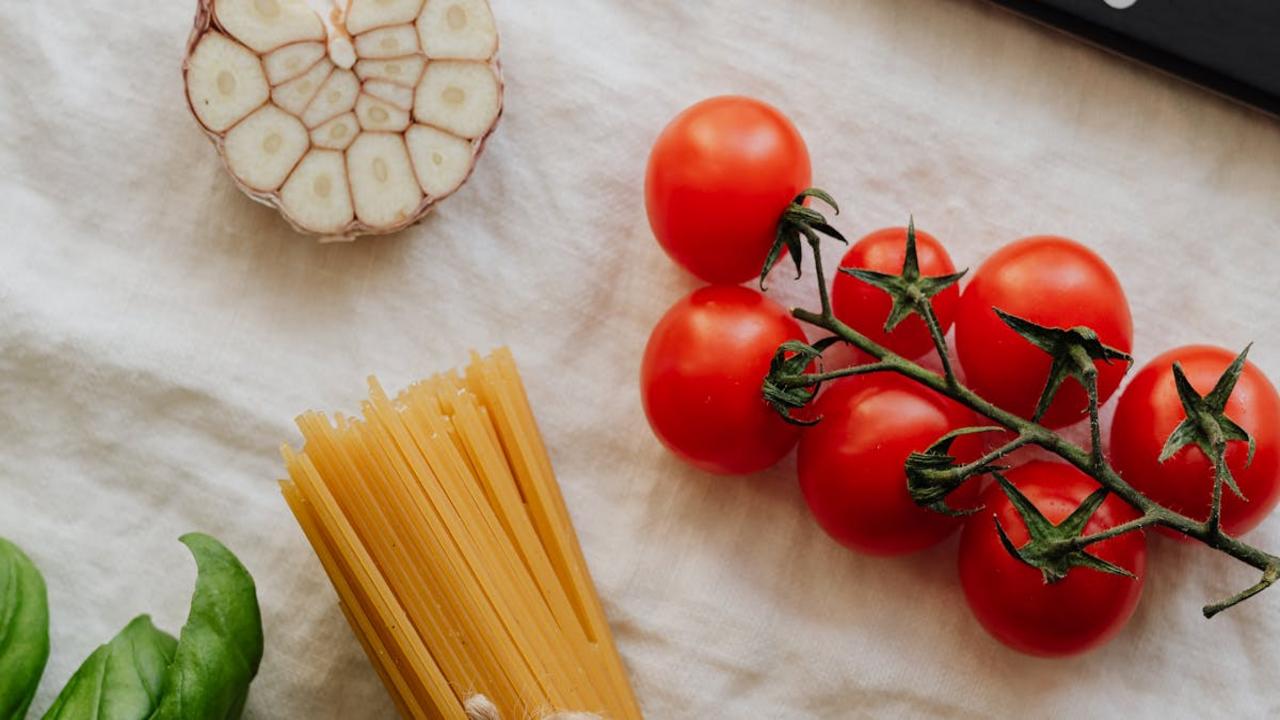
Garlic stands as my absolute go-to pantry hero, and honestly, I can’t imagine cooking without it. This humble bulb transforms everything it touches—from the simplest pasta aglio e olio to complex curry bases that define entire cuisines. I always keep both fresh bulbs and minced garlic in oil on hand because different preparations bring out completely different flavor profiles. When you slowly sauté fresh garlic in olive oil, it becomes sweet and mellow, creating the perfect foundation for Mediterranean dishes. But when you grate it raw into marinades or dressings, it delivers that sharp, pungent kick that wakes up your entire palate.
The beauty of garlic lies in its incredible versatility across every cuisine I love to cook. In my Korean-inspired dishes, I blend it with ginger and soy sauce for marinades that penetrate deep into proteins. For Mexican flavors, I char whole cloves directly over flame before grinding them into salsas—this technique adds a smoky depth that bottled garlic powder simply cannot match. I’ve learned that roasting entire bulbs until they’re caramelized creates a spreadable paste that turns ordinary bread into something extraordinary. The key is understanding when to use garlic raw for brightness, cooked for sweetness, or roasted for richness—this one ingredient can completely change the direction of your dish.
Onions
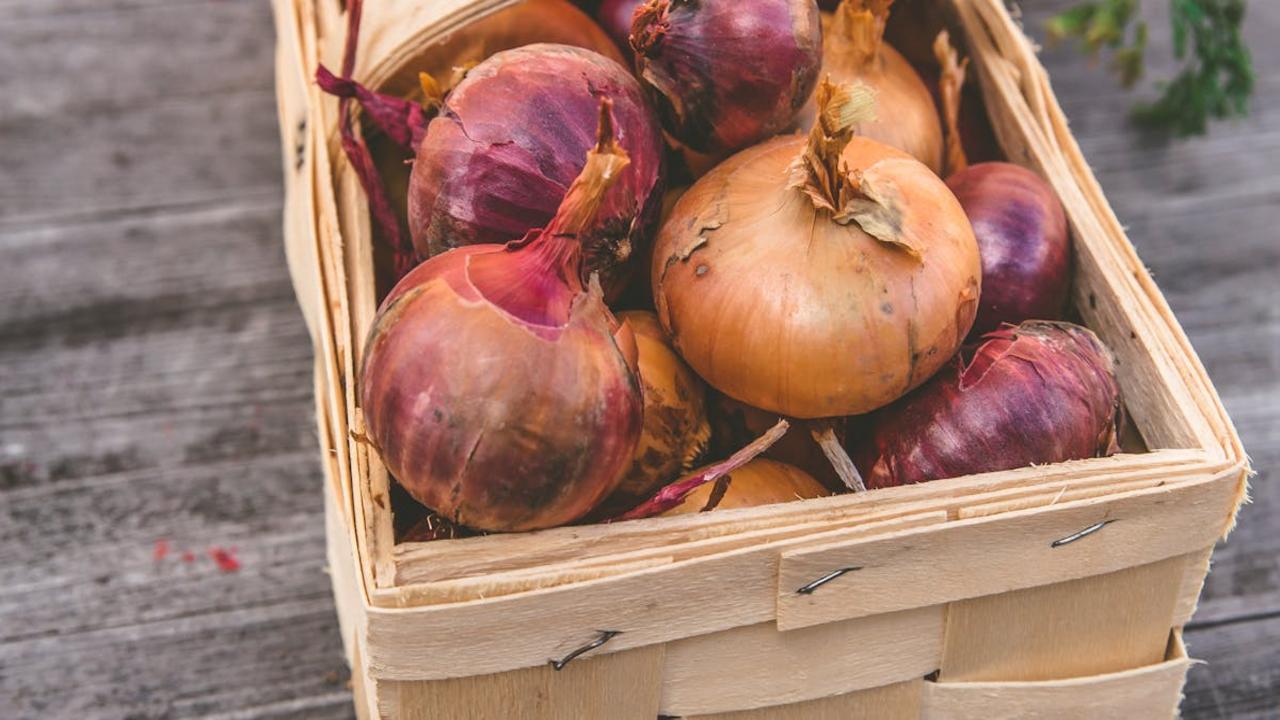
I keep three types of onions in my pantry at all times—yellow, white, and red—because they form the backbone of so many dishes across different cuisines. Yellow onions become sweet and caramelized when cooked slowly, making them perfect for French onion soup or as a base for curries. White onions bring a sharper bite that works beautifully in Mexican salsas and Asian stir-fries, while red onions add both color and a milder flavor that shines in salads and Mediterranean dishes.
The beauty of onions lies in their transformative power—they can be your aromatics foundation, your main ingredient, or your finishing touch. I love how they release their natural sugars when sautéed, creating that golden-brown fond that becomes the flavor base for countless soups, stews, and sauces. Whether you’re making a simple weeknight pasta or an elaborate weekend feast, onions give you that depth of flavor that makes people ask “what’s your secret?” The answer is always simpler than they expect: good onions, cooked with patience and love.
Pasta
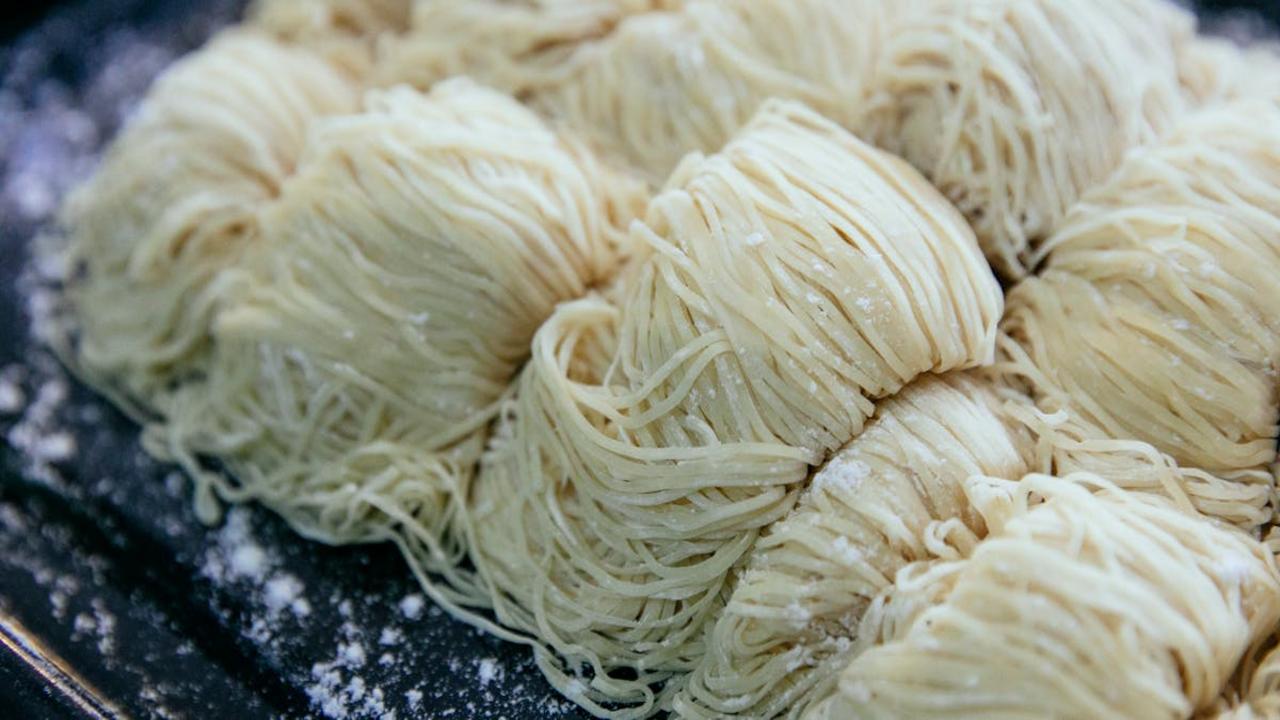
You know what I always keep stocked in my pantry? Good quality pasta in at least three different shapes. I’m talking about a sturdy long pasta like linguine or spaghetti, a short shape like penne or rigatoni, and something fun like orecchiette or farfalle. Each shape holds sauce differently, and that matters more than you might think. When I’m creating a quick weeknight dinner, I can grab any of these and transform them with whatever I have on hand – leftover roasted vegetables, a handful of herbs from the garden, or even just good olive oil and garlic.
What makes pasta so brilliant for home cooks is its versatility across global flavors. I’ll toss it with miso butter and scallions for a Japanese-inspired dish one night, then coat it with harissa and roasted chickpeas the next for a North African twist. The key is buying pasta made from durum wheat semolina – it holds its texture better and gives you that perfect al dente bite. I always cook mine in well-salted water (it should taste like seawater), and I save some of that starchy pasta water before draining. That liquid gold helps bind sauces and creates silky, restaurant-quality dishes right in your own kitchen.
Rice
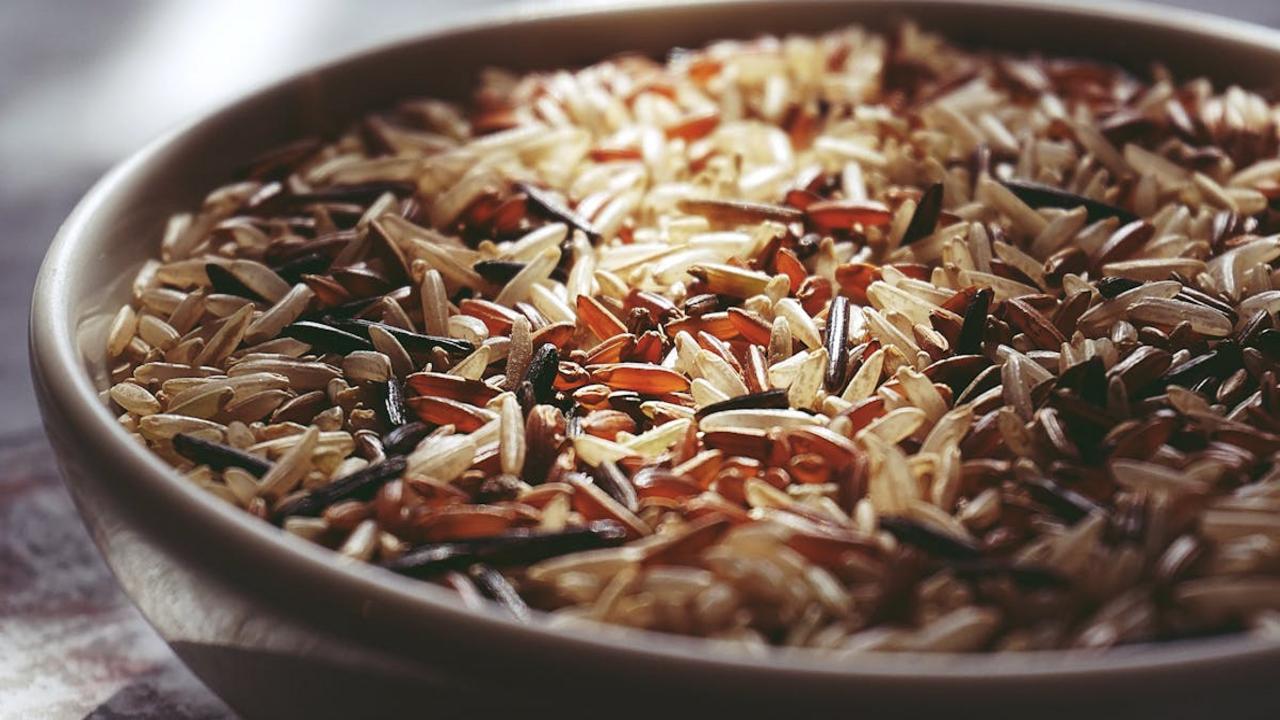
You know what sits quietly in my pantry, ready to transform any meal into something magical? Rice. This humble grain has been my saving grace countless times when I’ve opened the fridge to find nothing but wilted vegetables and some leftover protein. What I love most about rice is how it becomes a blank canvas for whatever flavors you want to paint with it. Whether I’m making a quick coconut rice with curry spices, folding it into a hearty vegetable stir-fry, or creating a comforting risotto-style dish with whatever broth I have on hand, rice never disappoints me.
The beauty of keeping different varieties in your pantry means you can match the rice to your mood and the dish you’re creating. Short-grain rice gives me that creamy, almost cuddly texture perfect for comfort food, while long-grain basmati brings fragrance and elegance to simple weeknight dinners. I always cook extra rice because cold, day-old rice makes the best fried rice – the grains separate beautifully and soak up all those wonderful flavors you add. From quick breakfast rice bowls topped with fresh fruit and nuts to late-night fried rice loaded with whatever vegetables need using up, this grain transforms leftovers into meals that feel completely intentional and satisfying.
Olive Oil
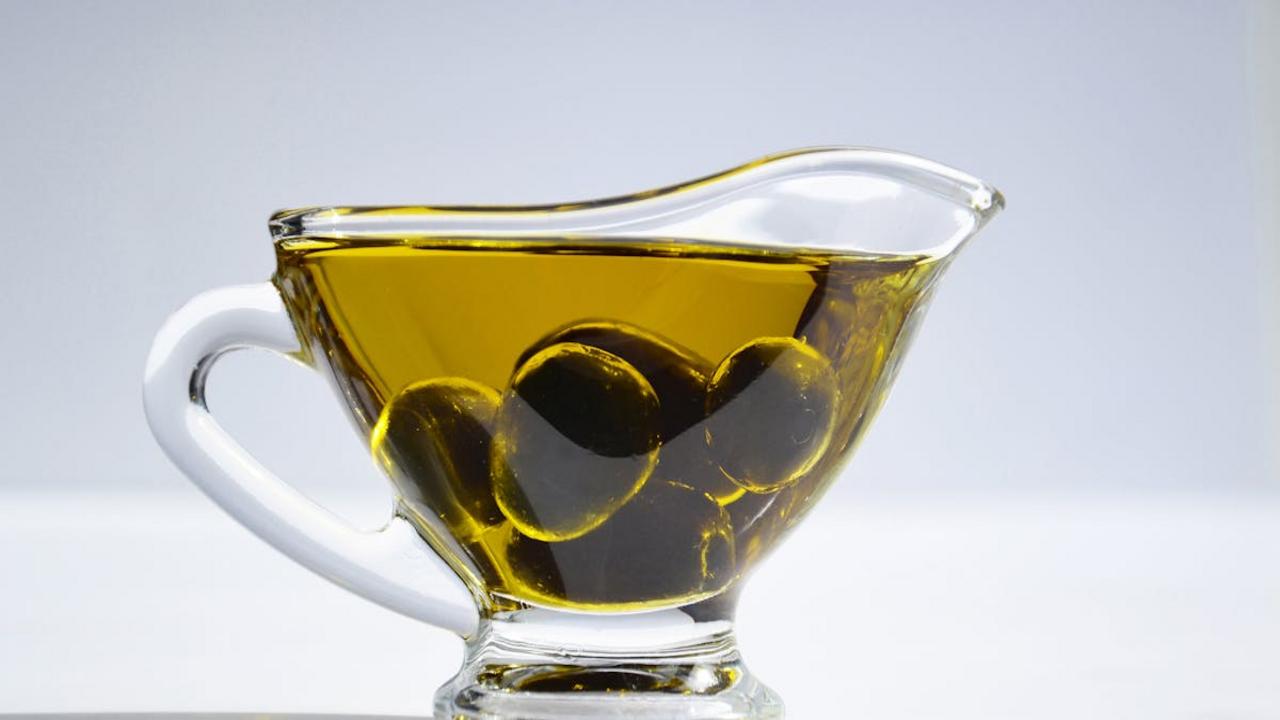
Good olive oil transforms every dish it touches, and I keep at least three bottles in my pantry at all times. You want a robust extra virgin for finishing salads and drizzling over roasted vegetables, a lighter one for sautéing garlic and onions, and maybe a fruity Greek variety for those moments when you crave something with more personality. I’ve learned that olive oil isn’t just fat—it’s flavor, richness, and the foundation that connects ingredients in ways that feel almost magical. Whether I’m making a simple aglio e olio or adding depth to a Moroccan tagine, olive oil carries the aromatics and creates that silky mouthfeel that makes everything taste more complete.
The beauty of having quality olive oil on hand means you can create something satisfying from the simplest ingredients. I love heating olive oil with crushed garlic and red pepper flakes, then tossing it with whatever pasta I have—instant comfort food that tastes like I spent hours cooking. For quick weeknight meals, I’ll roast whatever vegetables are lurking in my fridge with olive oil, salt, and herbs, creating caramelized edges that make even Brussels sprouts irresistible. Don’t forget that olive oil makes an incredible base for homemade salad dressings too—just whisk it with lemon juice, Dijon mustard, and honey for something that beats any store-bought version every single time.
Black Pepper
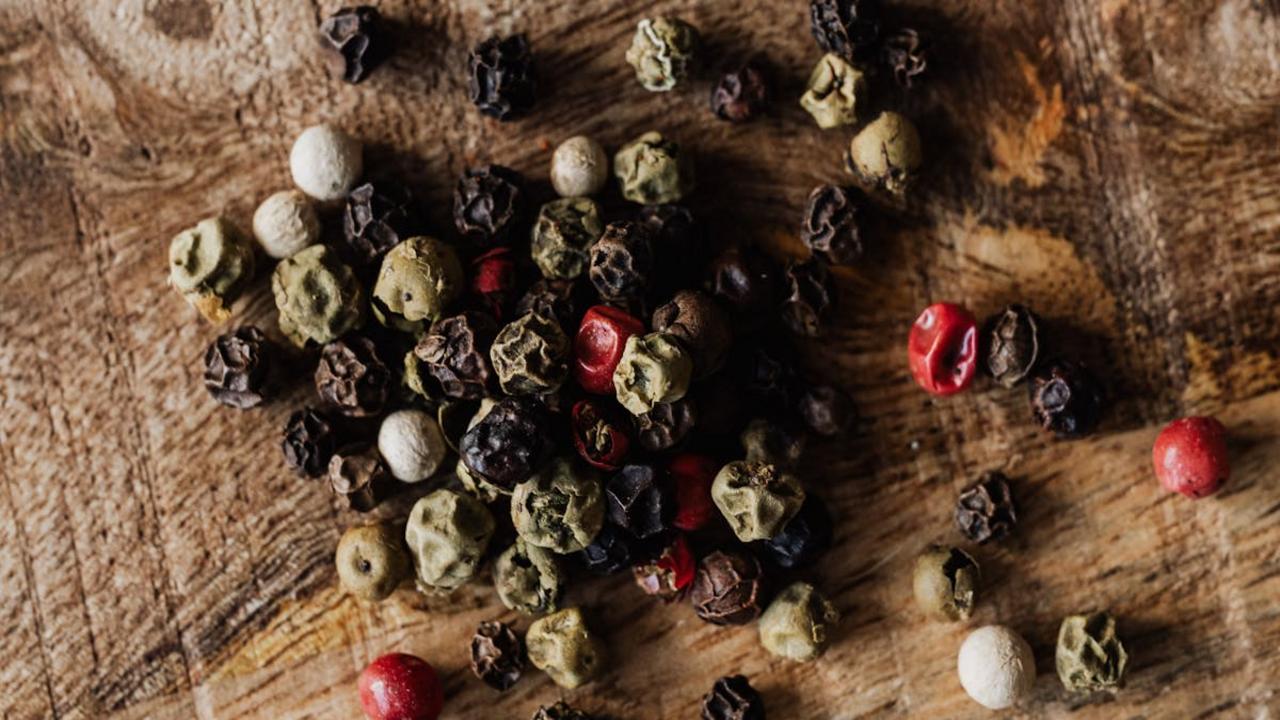
You know that little black powder sitting in your spice rack? It’s not just seasoning—it’s pure magic in granular form. I reach for my pepper grinder more than any other spice because black pepper transforms everything it touches. Whether I’m finishing a simple scrambled egg, adding depth to a Moroccan tagine, or creating my grandmother’s Sunday gravy, freshly cracked black pepper brings warmth and complexity that pre-ground versions simply can’t match. The difference between freshly ground and store-bought powder feels like comparing a live concert to a crackling radio—both work, but one moves your soul.
What makes black pepper so incredible is its versatility across global cuisines and its ability to enhance both sweet and savory dishes. I add a pinch to my chocolate chip cookies (trust me on this), sprinkle it generously over fresh strawberries with balsamic, and use it as the backbone for dry rubs on roasted vegetables. The key lies in using it at different stages of cooking—add it early for background warmth, finish dishes with a fresh crack for bright heat. Keep whole peppercorns in your pantry and invest in a good grinder; your taste receptors will thank you, and every meal becomes an opportunity to add that perfect spark of flavor that makes people ask for your secret.
Salt
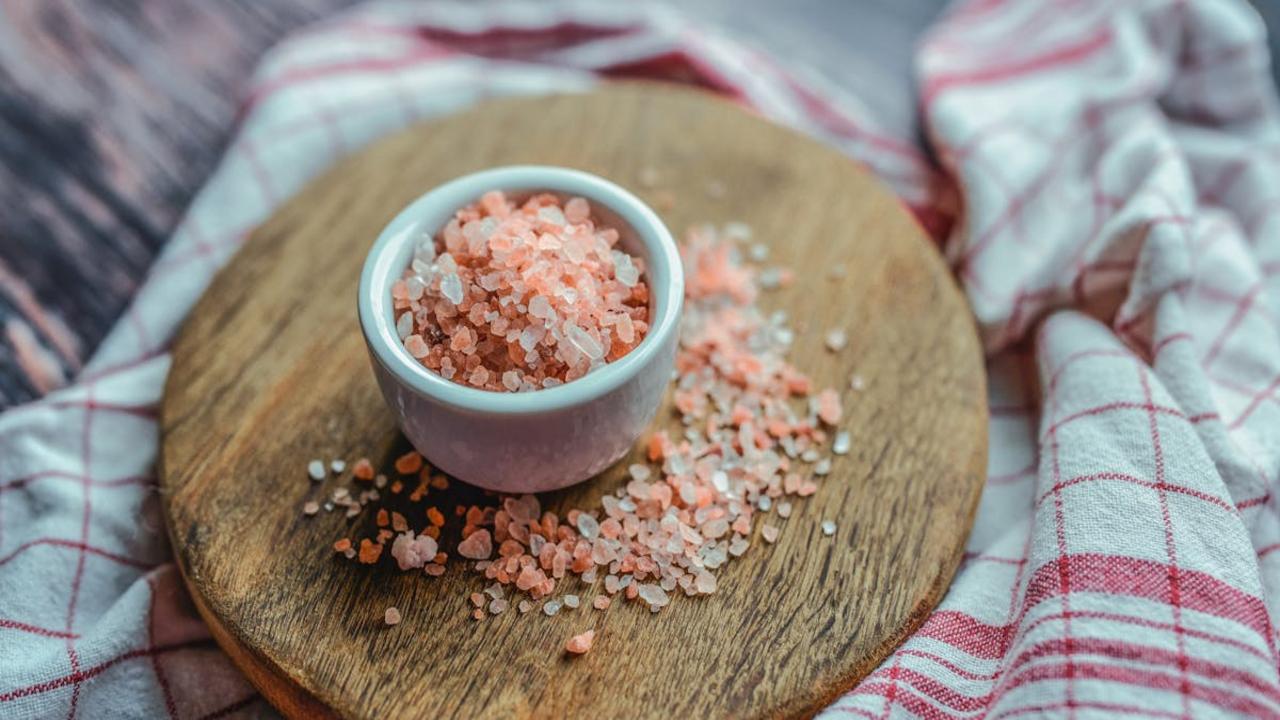
You know that moment when you taste something and think, “What’s missing?” Nine times out of ten, it’s salt. I keep three types in my pantry at all times: flaky sea salt for finishing touches, kosher salt for everyday cooking, and fine sea salt for baking. Salt doesn’t just make food taste salty—it amplifies every other flavor in your dish. Think of it as the conductor of your flavor orchestra, bringing out the sweetness in tomatoes, balancing the bitterness in greens, and making herbs sing louder than they ever could alone.
Here’s what changed my cooking forever: understanding that salt belongs at every stage, not just at the end. I season my pasta water until it tastes like the sea, salt my vegetables before roasting to draw out moisture and concentrate flavors, and always finish dishes with a pinch of flaky salt right before serving. When I’m making my grandmother’s curry or experimenting with a new grain bowl, salt helps me build layers of flavor that make people ask, “What did you do differently?” The answer is simple—I treated salt like the powerful ingredient it truly is, not an afterthought.