15 Luxury Foods the Ultra-Rich Eat Daily That Most People Cannot Afford
Have you ever wondered what fills the plates of the ultra-wealthy every day? While most of us budget for occasional treats, the super-rich indulge in foods that cost more than many people’s monthly grocery bills. These extravagant foods aren’t just expensive—they’re often rare, labor-intensive to produce, and sourced from remote corners of the world.
I’ve researched how the 1% eats, and the luxury ingredients they consume casually would make most of us gasp at the price tag. From seafood flown in fresh daily to meats from pampered animals raised under strict conditions, these foods represent both exclusivity and extraordinary quality.
The ultra-wealthy don’t just eat differently—they experience food as an art form, with private chefs transforming these premium ingredients into daily masterpieces. Ready for a peek into this exclusive world? Here’s what appears regularly on the tables of those who can afford anything.
Pearl Lobster
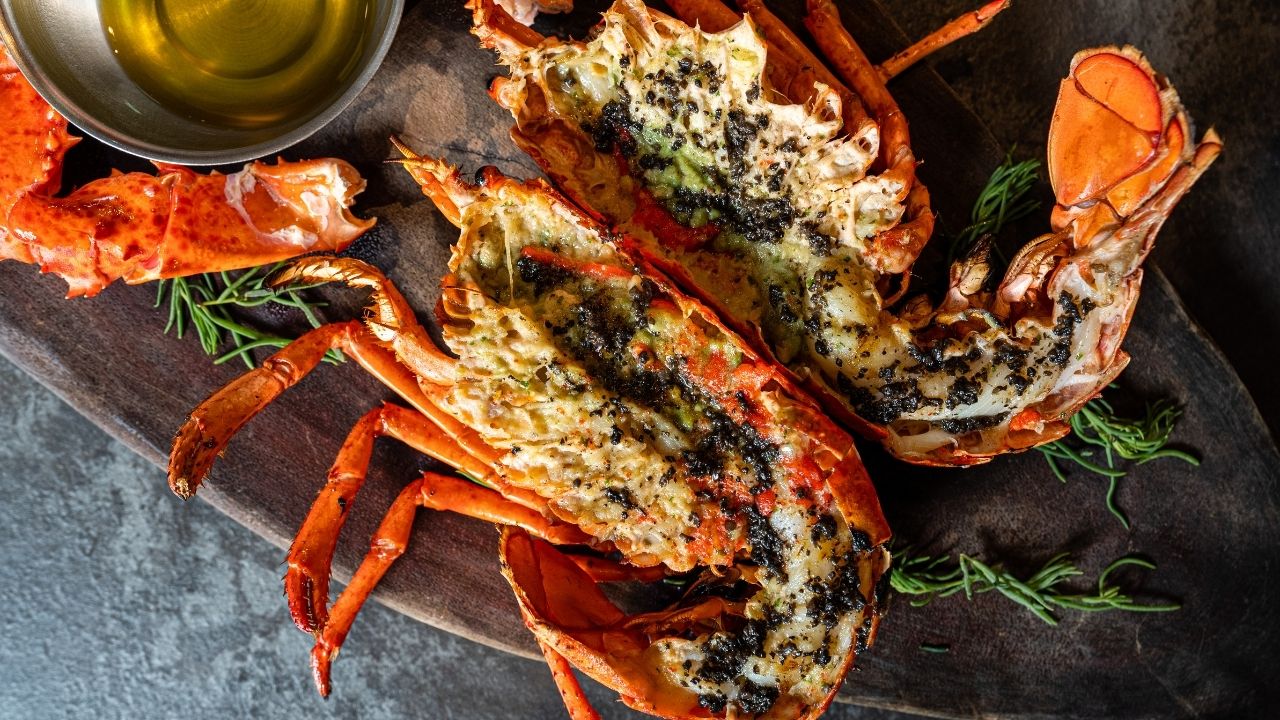
You know that moment when you think regular lobster is already a splurge? Well, pearl lobster takes that luxury to stratospheric heights. This isn’t your typical Maine catch – we’re talking about lobsters that develop rare, natural pearls within their shells, making each one a genuine treasure hunt. The ultra-wealthy don’t just buy these for dinner; they’re collecting edible jewels that can cost thousands of dollars per pound. What makes my chef heart skip a beat is knowing that these magnificent creatures represent the perfect marriage of oceanic rarity and gastronomic excellence.
From a cooking perspective, pearl lobster demands the utmost respect and simplicity – you don’t mask perfection with heavy sauces or complicated techniques. I dream about preparing one with nothing more than gentle steaming, a whisper of sea salt, and maybe a touch of fresh herbs from my garden. The meat supposedly has an even more delicate sweetness than regular lobster, with a texture so pristine it melts on your tongue. While most of us will never get our hands on one, understanding ingredients like this reminds me why I always encourage cooking with the best quality you can afford – even if it’s just upgrading to wild-caught shrimp instead of farmed, that respect for exceptional ingredients translates into every dish you create.
Bird’s Nest Soup
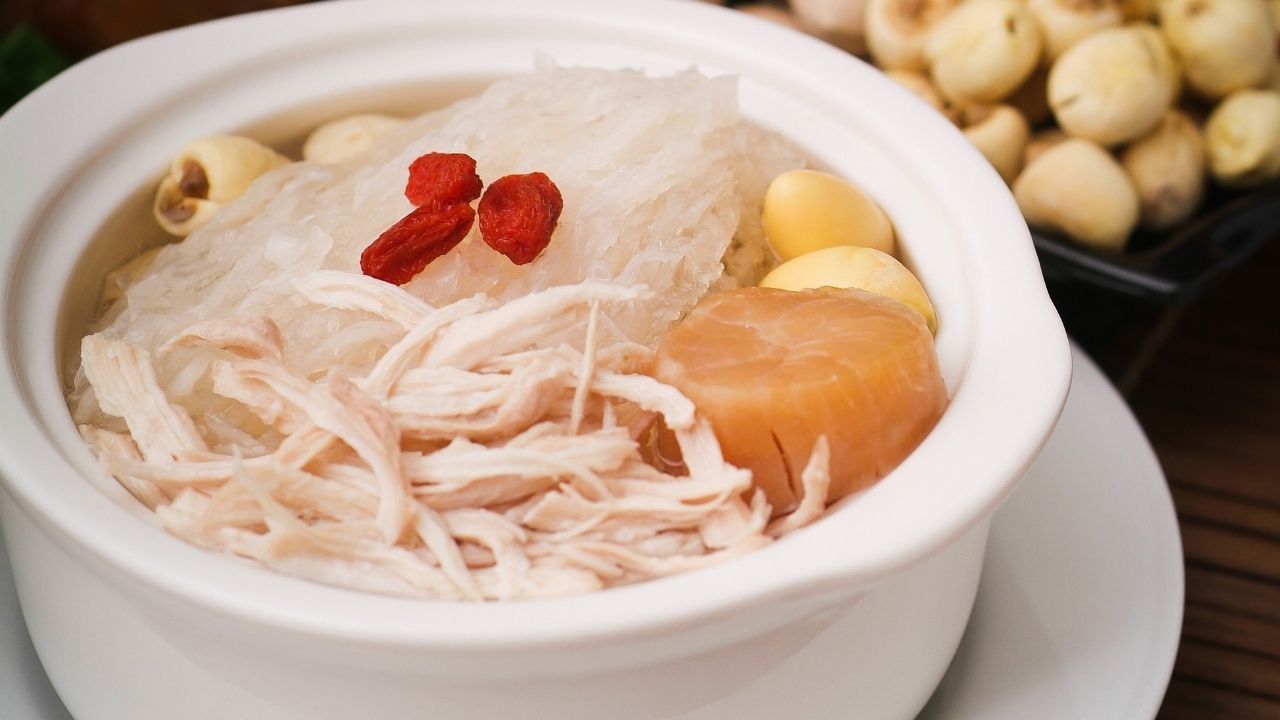
You know how I’m always talking about cooking from scratch and using whole ingredients? Well, here’s something that takes “natural” to an entirely different level – and price point. Bird’s nest soup uses actual nests from swiftlets, tiny birds that build their homes using their own saliva. These edible nests get harvested from limestone caves across Southeast Asia, particularly in Indonesia and Malaysia. The process is incredibly dangerous, with harvesters scaling cliff faces and cave walls to collect these precious nests by hand.
What blows my mind is that a single bowl can cost anywhere from $30 to $100 at restaurants, while the raw nests themselves sell for thousands of dollars per kilogram. In traditional Chinese medicine, people believe these nests boost immunity, improve skin health, and slow aging – though I always encourage you to think critically about health claims. The soup itself tastes quite mild, almost like a delicate broth with a unique gelatinous texture. For the ultra-wealthy, this isn’t just about nutrition; it’s about exclusivity and status. While I love exploring global ingredients, this one remains firmly in the “admire from afar” category for most of us home cooks!
Wagyu Beef
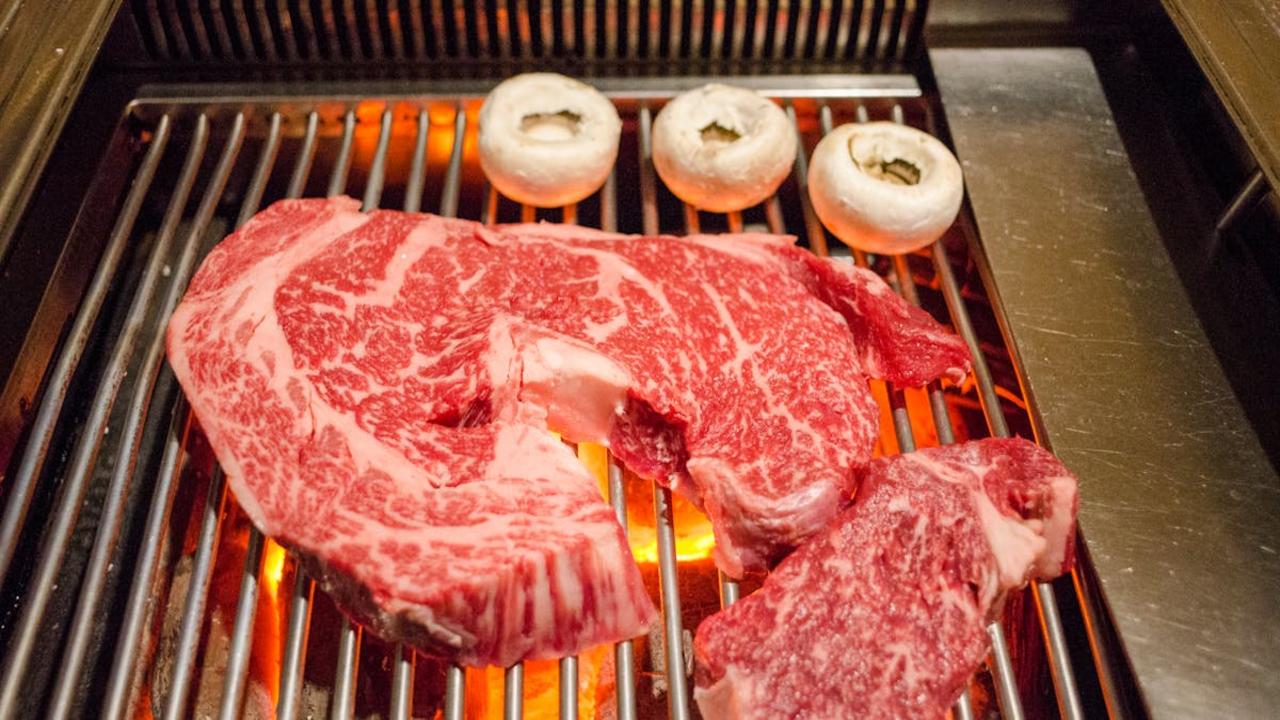
You know that moment when you bite into something so incredibly rich and buttery that your eyes literally close involuntarily? That’s Wagyu beef for you. This Japanese treasure isn’t just expensive because of marketing hype – it’s the result of centuries-old breeding techniques and meticulous care that produces meat with marbling so intricate it looks like edible art. True A5 Wagyu can cost upwards of $400 per pound, making it a daily indulgence only the ultra-wealthy can afford. The cattle are raised with such attention that they’re often massaged and fed beer, creating that signature melt-in-your-mouth texture that’s unlike anything else on earth.
What fascinates me most about Wagyu is how it completely changes your perspective on what beef can be. When I cook with premium cuts, I always think about how simple preparation brings out the best flavors – and Wagyu takes this philosophy to the extreme. You don’t need fancy seasonings or complicated techniques; just a hot pan, minimal salt, and restraint. The fat content is so high that it literally melts at body temperature, creating this almost creamy, luxurious experience. While most of us might splurge on Wagyu once or twice in our lives, imagine having access to this level of quality protein every single day – it’s a completely different relationship with food that money can buy.
Edible Gold
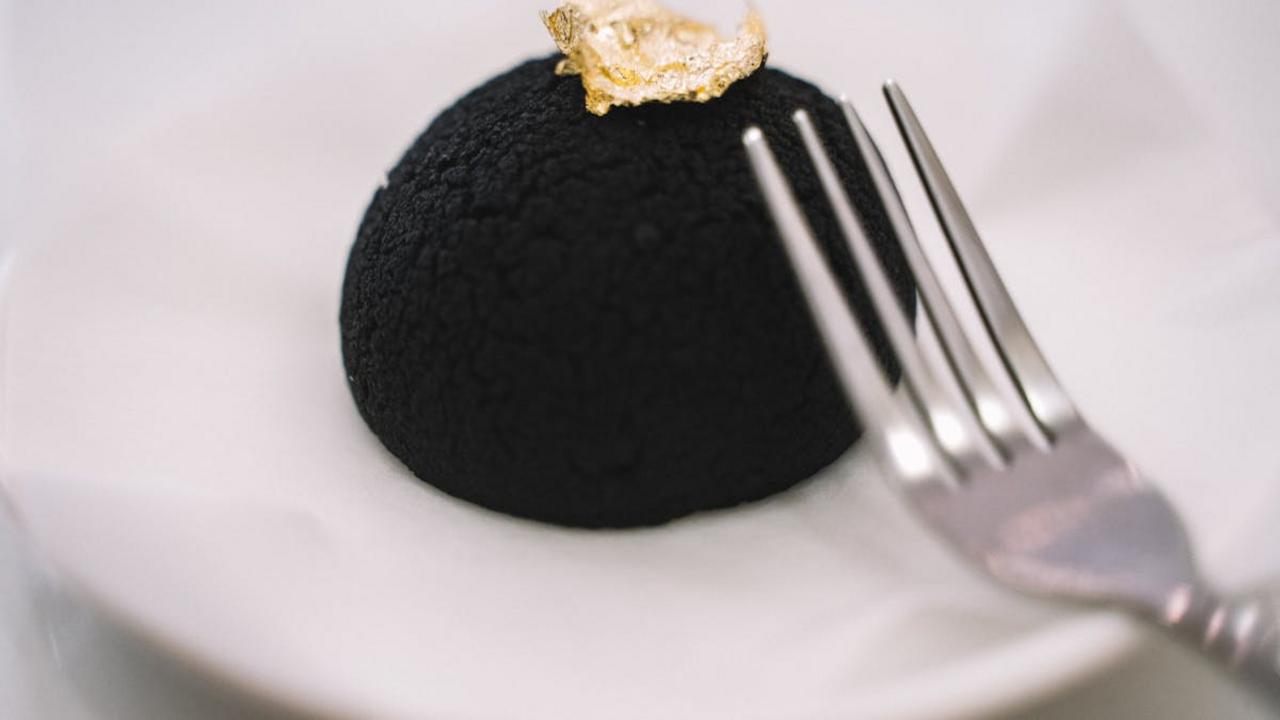
You know what’s wild? People are literally eating gold these days—not jewelry gold, but ultra-thin edible gold leaf that dissolves on your tongue like the most expensive tissue paper you’ve ever imagined. I remember the first time I saw a dessert topped with this shimmering luxury at a high-end restaurant, and honestly, my home cook brain immediately wondered if it would add any flavor (spoiler alert: it doesn’t, but the visual impact is undeniable). The ultra-wealthy sprinkle this stuff on everything from sushi rolls to chocolate truffles, turning regular dishes into Instagram-worthy masterpieces that cost more than most people’s grocery budget.
What gets me about edible gold is how it represents pure indulgence without any nutritional benefit—it passes right through your system unchanged, making it literally the most expensive garnish you’ll ever not taste. A single sheet can run anywhere from $15 to $50, and some wealthy folks use it daily on their morning coffee or evening cocktails just because they can. While I’m all about using quality ingredients that bring joy to cooking, this one’s purely about status and spectacle. If you’re curious about achieving that golden shimmer effect at home, try using turmeric or saffron instead—they’ll actually add flavor and health benefits while giving you that golden glow your dishes deserve.
Fugu Fish
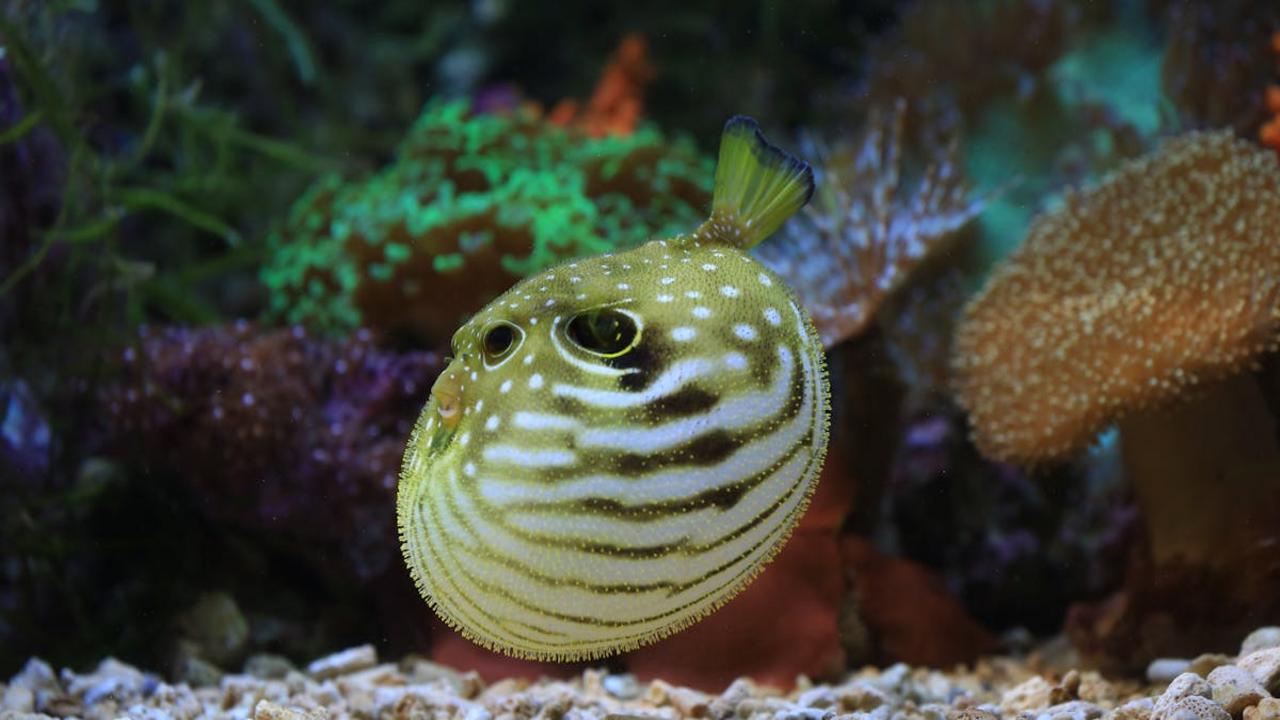
You know, when I think about foods that push boundaries, fugu fish sits at the very top of that list. This Japanese delicacy comes with a price tag that’ll make your wallet weep – we’re talking $200 to $500 per serving at high-end Tokyo restaurants. But here’s the thing that gets me: it’s not just about the money. Fugu contains tetrodotoxin, a neurotoxin that’s 1,200 times more deadly than cyanide. Only licensed chefs who’ve trained for years can legally prepare it, and even then, several people die each year from improper preparation. The ultra-rich don’t just pay for the fish – they pay for the chef’s expertise and the adrenaline rush of eating something that could literally be their last meal.
What fascinates me most is how this connects to my philosophy about knowing your ingredients intimately. While I always advocate for understanding every component in your cooking, fugu takes this to life-or-death extremes. The wealthy seek out this experience not just for status, but for the unique texture and subtle flavor that comes with such incredible risk. As someone who believes in fresh, whole ingredients over processed foods, I respect the purity of this tradition – even if I’ll stick to my safer, equally satisfying whole fish preparations. The ultra-rich treat fugu like a meditation on mortality, turning a simple meal into something transcendent through sheer danger and exclusivity.
Geisha Coffee
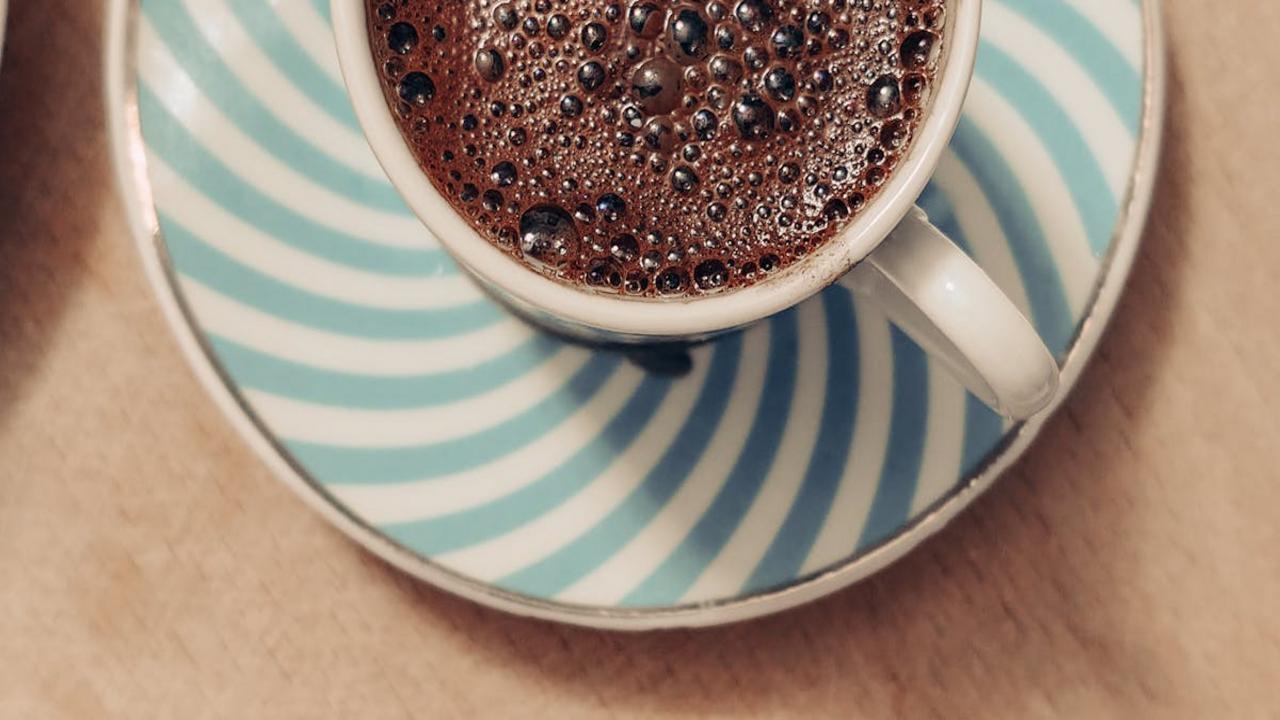
You know that morning ritual we all cherish—grinding fresh beans, brewing that perfect cup? Well, imagine if that daily cup cost you $100 or more. That’s the reality with Geisha coffee, one of the most expensive beans on the planet. This isn’t your grocery store blend; we’re talking about a varietal so rare and prized that coffee connoisseurs treat it like liquid gold. The ultra-wealthy don’t just drink coffee—they invest in these beans from specific farms in Panama, Ethiopia, and Colombia, where the growing conditions create flavors so complex they’ll make your head spin.
What makes Geisha so special? The flavor profile reads like a wine tasting note—jasmine florals, tropical fruits, bright acidity that dances on your palate. I’ve tasted regular specialty coffee that costs $20 per pound, but Geisha can run $600 or more for the same amount. The wealthy don’t blink at these prices because they’re buying an experience, not just caffeine. They have personal baristas who understand the precise brewing methods needed to honor these beans. While most of us grab our morning cup and rush out the door, the ultra-rich savor each sip like a meditation, knowing they’re drinking something most people will never taste.
Bluefin Tuna
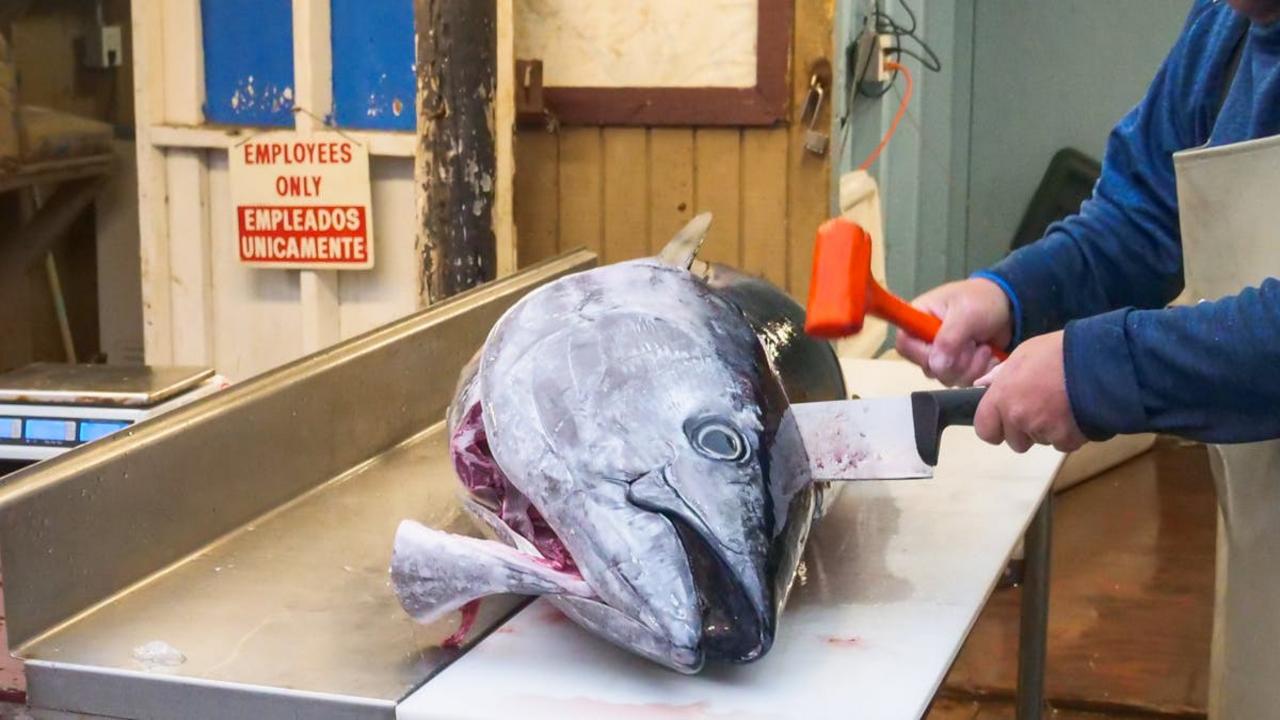
You know that moment when you see a price tag and your eyes widen in disbelief? That’s exactly what happens when I encounter bluefin tuna at high-end fish markets. This magnificent fish commands astronomical prices—we’re talking thousands of dollars for a single fish, with the record-breaking specimen selling for over $3 million at Tokyo’s Tsukiji auction. The ultra-wealthy don’t just buy this fish; they fly it in fresh from Japan, where master fishermen have perfected the craft of catching these prized giants. What makes bluefin so extraordinary goes beyond its hefty price tag—the marbling of fat throughout the deep red flesh creates an almost butter-like texture that melts on your tongue.
I’ve been lucky enough to taste authentic bluefin tuna once, and the experience completely changed my understanding of what fish can be. The richness rivals the finest wagyu beef, with different cuts offering varying intensities of flavor and fat content. The belly portion, called otoro, practically dissolves in your mouth with an almost creamy richness that’s impossible to replicate with any other fish. For the ultra-rich, having fresh bluefin flown in weekly isn’t unusual—they understand that this isn’t just food, it’s a fleeting masterpiece of nature. While most of us might splurge on good-quality yellowfin or bigeye tuna, true bluefin remains in a league of its own, reserved for those who can afford to pay premium prices for perfection.
Black Truffle
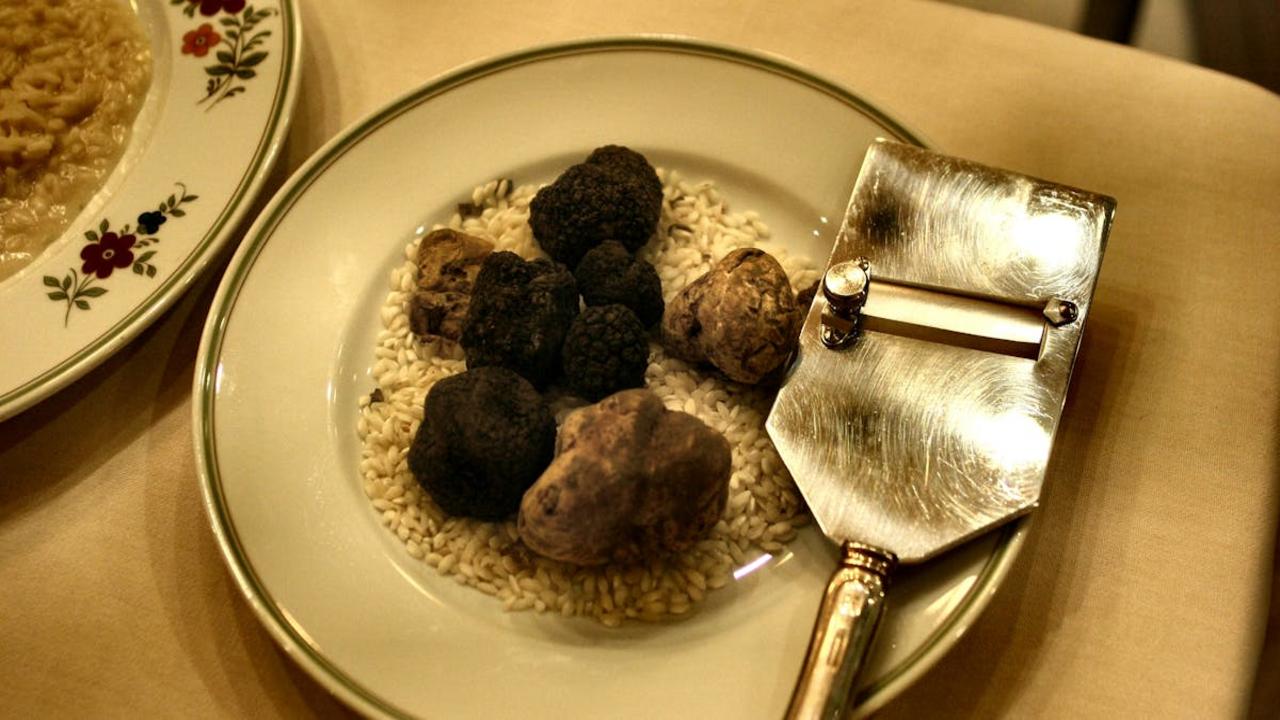
You know that earthy, almost mystical aroma that can transform an entire dish with just a few shavings? That’s the magic of black truffles, and honestly, I understand why the ultra-wealthy make these fungi a regular part of their dining routine. These underground treasures from regions like Périgord in France can cost upwards of $3,000 per pound during peak season. What makes them so extraordinary isn’t just their rarity – it’s that intense, complex flavor that’s impossible to replicate. I’ve worked with truffle oil before, but nothing compares to the real thing.
For those who can afford it, black truffles become a daily luxury, shaved over simple pasta, scrambled eggs, or even folded into butter for spreading on warm bread. The beauty lies in their ability to elevate the most basic ingredients into something transcendent. While most of us might splurge on a tiny portion once in a lifetime, the ultra-rich enjoy them as casually as we might sprinkle herbs from our garden. If you’re curious about that truffle experience on a budget, I recommend starting with truffle salt or seeking out restaurants during truffle season for a small taste of this extraordinary ingredient.
Iberico Ham
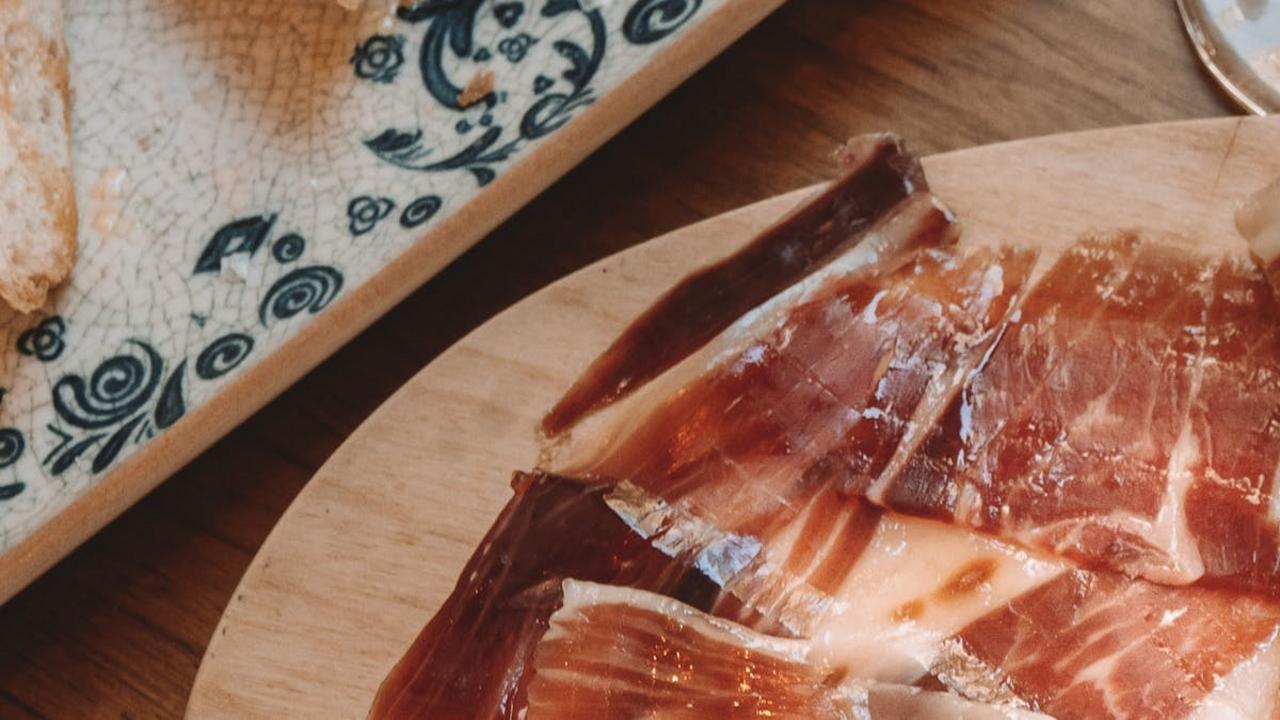
You know that moment when you taste something so extraordinary it stops you mid-chew? That’s exactly what happens with authentic Iberico ham from Spain. This isn’t your average deli meat—we’re talking about ham from black-footed pigs that roam oak forests, feasting on acorns that give the meat its distinctive nutty sweetness and marbled texture. The ultra-wealthy pay anywhere from $150 to $500 per pound for the finest grades, particularly the coveted “bellota” variety that comes from pigs fed exclusively on acorns during their final months.
What makes me fascinated by Iberico ham is the centuries-old curing process that transforms simple pork into something transcendent. These hams cure for 24 to 48 months in specialized facilities where temperature and humidity get monitored with scientific precision. The result? Paper-thin slices that literally melt on your tongue, releasing complex flavors that range from sweet and buttery to deeply savory. While most of us might splurge on a small portion for special occasions, the ultra-rich enjoy this Spanish treasure as their regular charcuterie, paired with aged Manchego cheese and fine wine—a daily indulgence that costs more than most people’s weekly grocery budget.
Almas Caviar
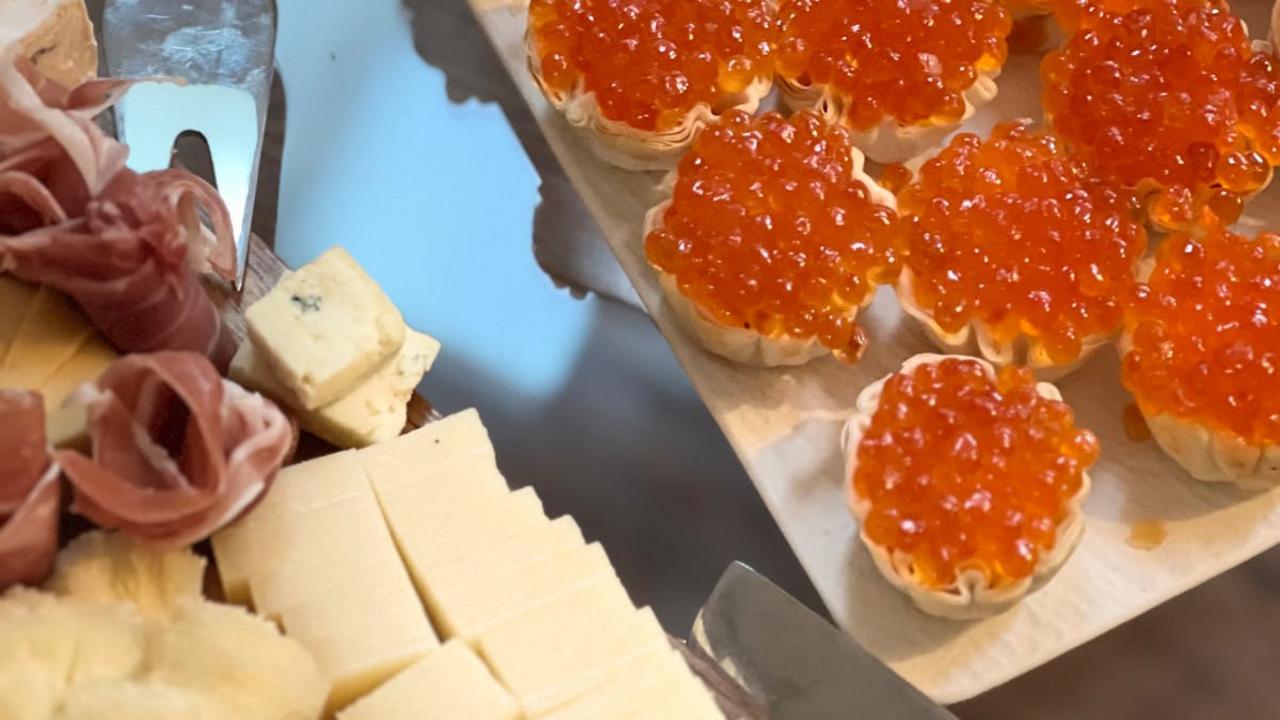
Almas caviar represents the absolute pinnacle of luxury dining, sourcing its precious pearls from the rare albino beluga sturgeon swimming in the Caspian Sea. This extraordinary delicacy commands prices that reach $25,000 per kilogram, making it one of the most expensive foods on Earth. The ultra-wealthy don’t just consume Almas caviar—they savor it as a daily ritual, often paired with mother-of-pearl spoons to preserve its delicate flavor profile. Each translucent egg bursts with an incredibly complex taste that combines buttery richness with subtle oceanic notes.
What fascinates me most about Almas caviar is how it transforms the simple concept of fish eggs into something transcendent. The sturgeon producing this caviar can live over 100 years, and the rarity of albino specimens makes each serving genuinely irreplaceable. While most of us might never taste this particular luxury, I find inspiration in how the ultra-rich approach this ingredient with such reverence. They understand that true quality demands patience, respect for natural processes, and appreciation for ingredients that cannot be rushed or replicated. This mindset reminds me why I always choose whole, unprocessed ingredients in my own cooking—even if my budget doesn’t stretch to $25,000 caviar!
Matsutake Mushrooms

You know those moments when you stumble across an ingredient that completely changes your perspective on food? That’s exactly what happened when I first encountered matsutake mushrooms. These aren’t your everyday button mushrooms from the grocery store – we’re talking about one of the most expensive fungi on the planet, with prices that can reach $1,000 per pound during peak season. The ultra-rich treasure these Japanese delicacies for their incredibly distinctive aroma and flavor profile that’s almost impossible to describe – imagine pine forests meeting spicy cinnamon with an earthy undertone that makes your kitchen smell like autumn magic.
What makes matsutake so special goes beyond just their price tag. These mushrooms only grow wild in very specific conditions, forming symbiotic relationships with certain tree roots, making them nearly impossible to cultivate commercially. I’ve experimented with incorporating matsutake into simple preparations – a light sauté with just a touch of butter and sea salt – because you never want to mask their natural complexity. The wealthy often enjoy them in traditional Japanese dishes or simply grilled to showcase their pure flavor. While most of us might never regularly stock our pantries with these precious fungi, understanding their unique character reminds me why I’m so passionate about seeking out extraordinary ingredients and treating them with the respect they deserve.
Saffron
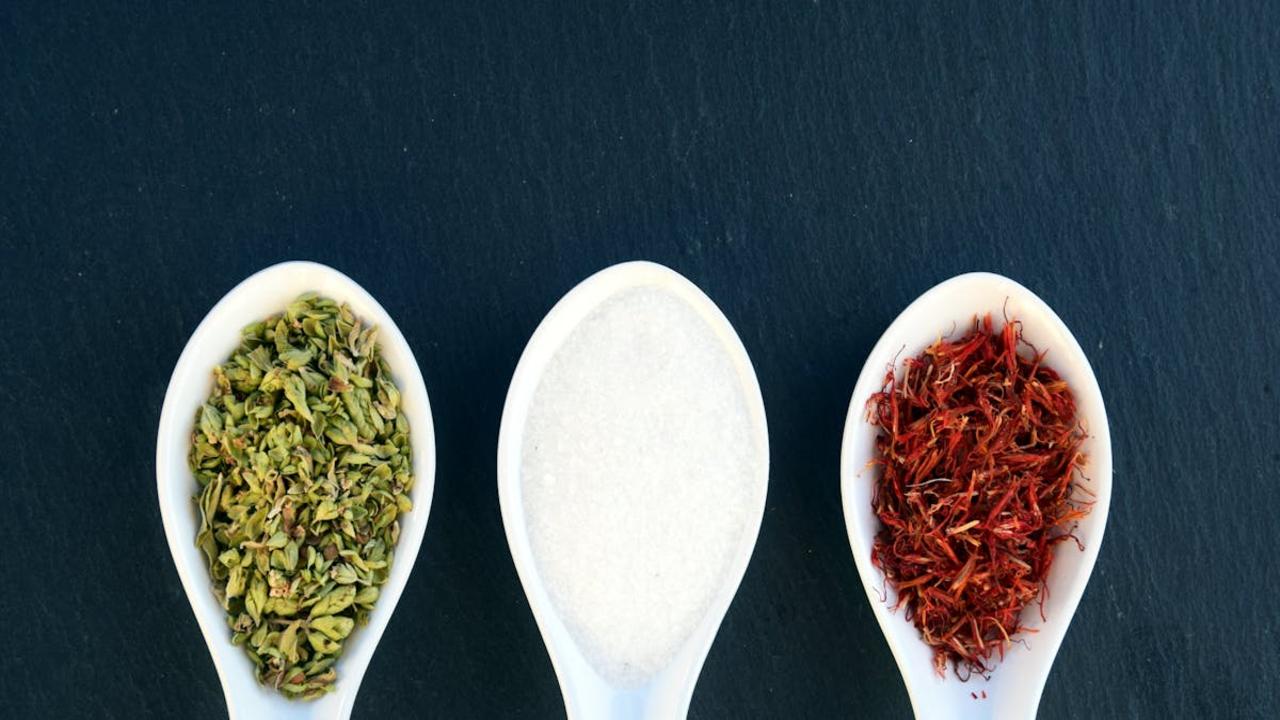
You know that moment when you open a jar of real saffron and those crimson threads release their intoxicating aroma? That’s liquid gold right there—literally worth more per gram than actual gold. I remember the first time I splurged on genuine Persian saffron for a rice dish, and honestly, it changed everything I thought I knew about flavor. These delicate stigmas from crocus flowers require hand-harvesting at dawn, with each flower yielding only three precious threads. The ultra-wealthy sprinkle this treasure into their daily meals without a second thought, while most of us save our tiny pinch for special occasions.
What makes saffron so extraordinary isn’t just its price tag—it’s the complex flavor profile that no substitute can match. Those earthy, honey-like notes with hints of metallic sweetness transform simple ingredients into restaurant-quality dishes. I’ve learned that a few threads bloom beautifully in warm milk or stock, releasing their golden color and aromatic compounds slowly. The wealthy incorporate saffron into morning teas, afternoon rice preparations, and evening desserts, treating this spice as a daily necessity rather than a luxury. When you understand that it takes 150 flowers to produce just one gram of saffron, you realize why the ultra-rich are among the few who can afford to cook with it regularly.
Foie Gras
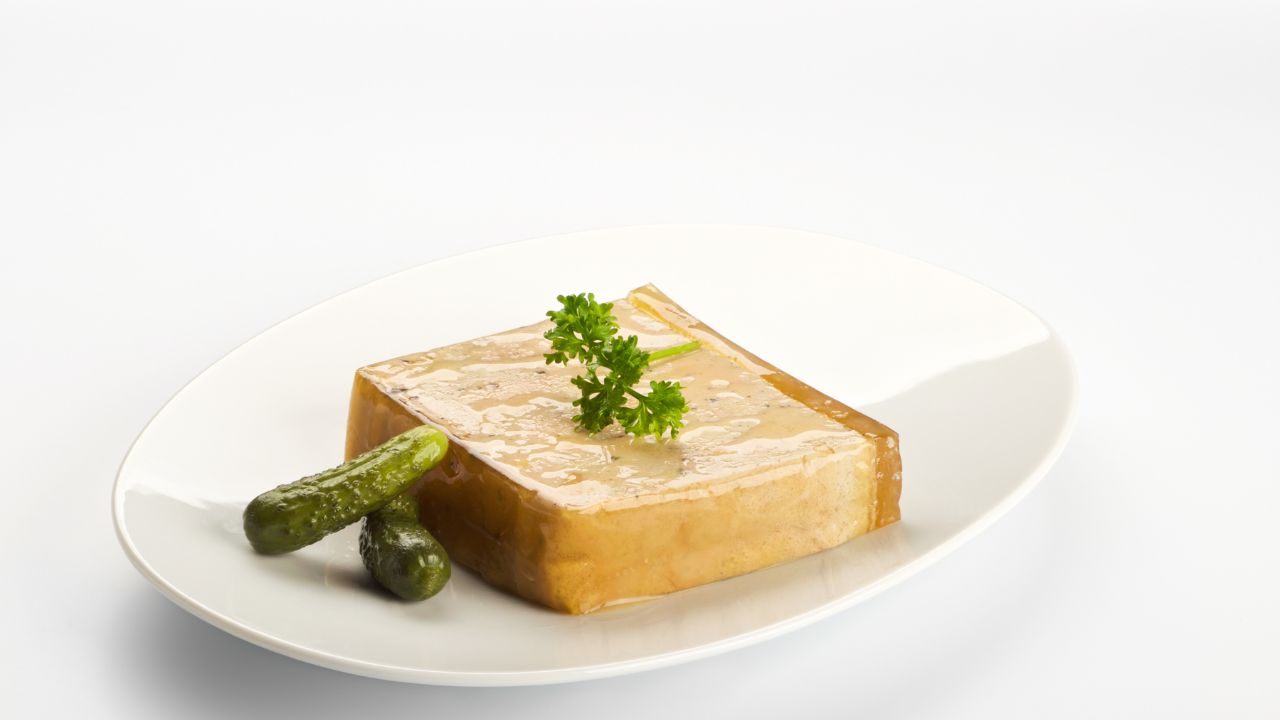
You know that moment when you’re watching a cooking show and the chef mentions foie gras like it’s just another pantry staple? Well, friend, this isn’t your average weekend grocery run ingredient. This buttery, silky delicacy comes from specially fattened duck or goose liver, and it carries a price tag that’ll make your wallet weep – we’re talking $50 to $150 per pound, sometimes more for the premium stuff. The ultra-wealthy don’t just order this at fancy restaurants; they stock their home kitchens with it, treating it like I treat my good olive oil.
What gets me about foie gras is how it completely transforms under heat – it melts into this rich, almost custard-like texture that coats your palate in pure indulgence. The wealthy often pair it with simple accompaniments like toasted brioche or figs, letting the liver’s natural richness shine through without competition. While most of us might splurge on it once for a special anniversary dinner, the ultra-rich incorporate it into their regular meal rotation, searing it for weeknight dinners or whipping it into mousses for casual entertaining. It’s the kind of ingredient that speaks to having money so abundant that luxury becomes ordinary.
Kobe Beef
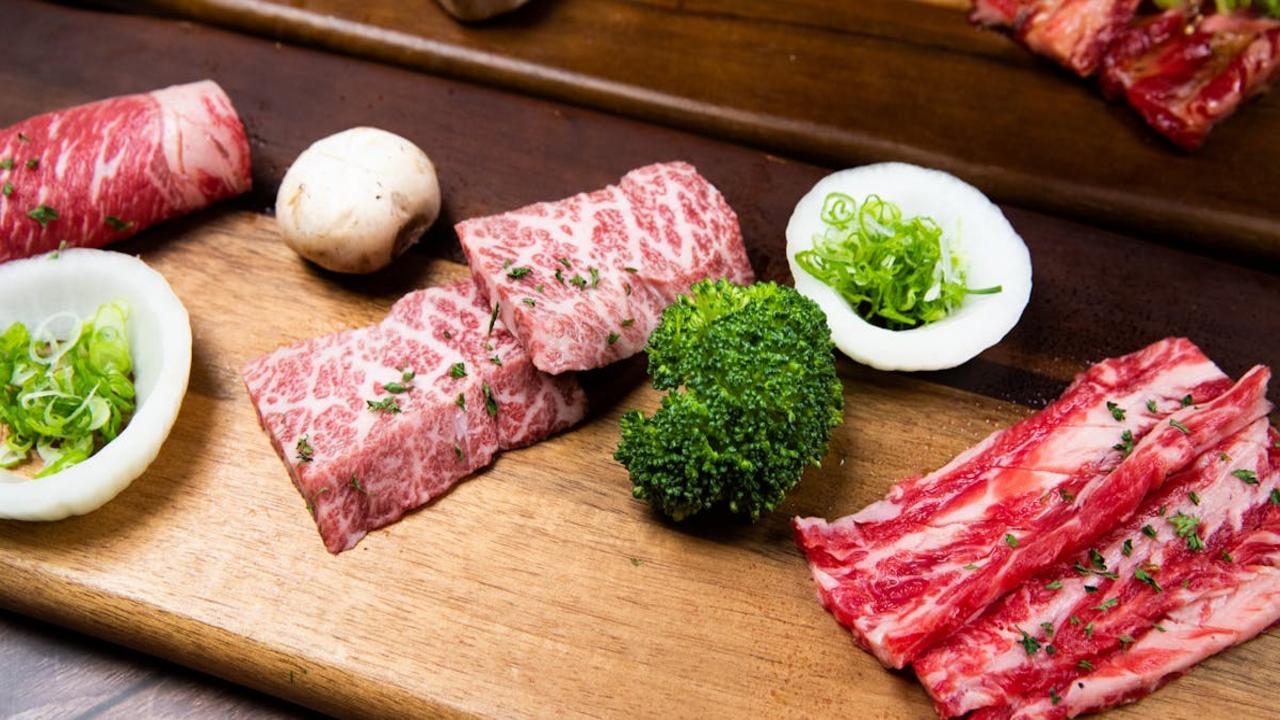
You know, I’ve spent years working with different cuts of beef from around the world, but nothing quite prepares you for the reality of authentic Kobe beef. This isn’t just any wagyu – we’re talking about cattle raised in Japan’s Hyogo Prefecture under incredibly strict conditions that would make most luxury standards seem casual. The marbling you see in true Kobe beef looks like intricate white veins running through deep red meat, creating a pattern so beautiful it almost seems wrong to cook it. What makes this beef so extraordinary is the way those fat deposits literally melt at room temperature, which means when you cook it, the meat bastes itself from the inside out.
Now, here’s what really gets me about Kobe beef – a single pound can cost anywhere from $200 to $600, and that’s if you can even find the real thing outside Japan. Most of what people call “Kobe” in restaurants is actually American wagyu, which is delicious but completely different. When I finally got my hands on a small piece of authentic Kobe, I kept the preparation incredibly simple – just a hot cast iron pan, a pinch of sea salt, and maybe thirty seconds per side. The fat rendered so quickly that I barely needed any additional oil. The texture was unlike anything I’d experienced before, almost buttery, with a richness that coated my mouth in the most luxurious way. It’s the kind of ingredient that reminds you why some foods command such premium prices – the difference is undeniable.
Caviar
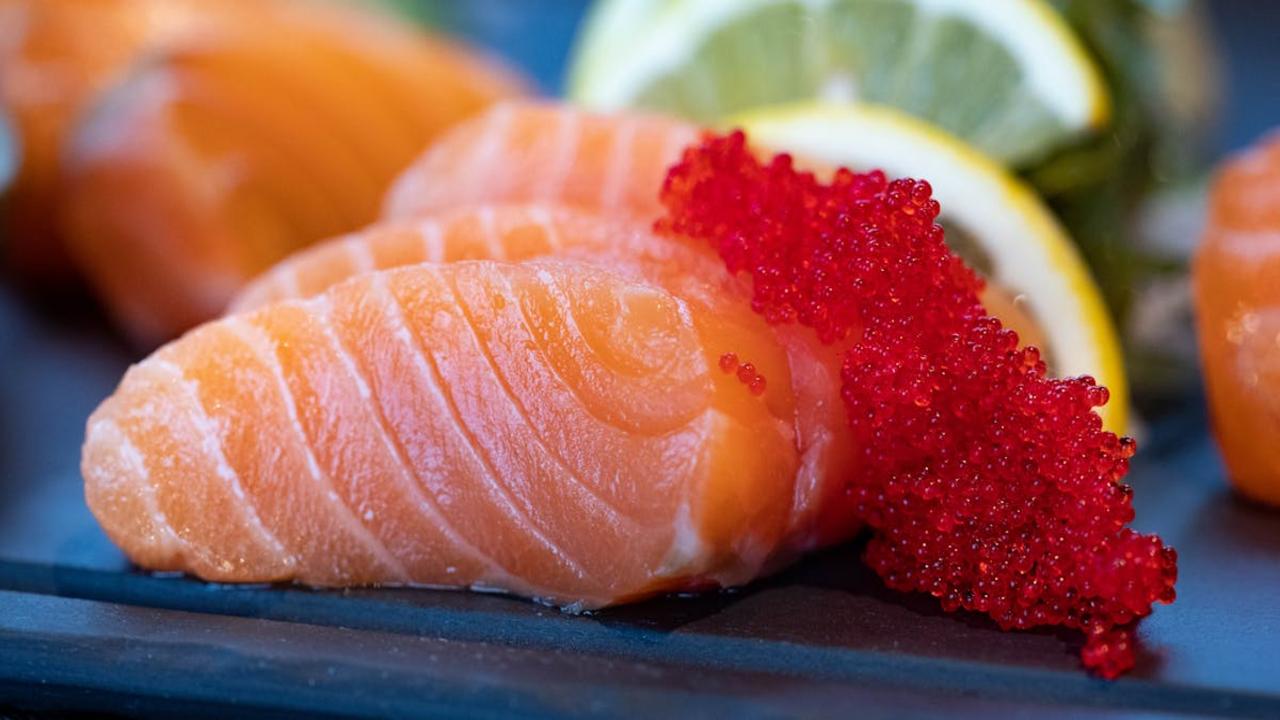
You know that moment when you see those tiny, glistening pearls on a fancy restaurant menu and wonder what makes them cost more than your monthly grocery budget? Caviar represents the absolute pinnacle of luxury dining, with the finest Beluga varieties fetching thousands of dollars per pound. These delicate fish eggs come from sturgeon that can take decades to mature, making each spoonful a testament to patience and rarity. The ultra-wealthy don’t just sprinkle this on special occasions—they incorporate it into their daily dining routine, treating it like we might treat salt or pepper.
What strikes me most about caviar isn’t just its price tag, but the incredible complexity that develops in your mouth with each bite. The best varieties burst with oceanic intensity, delivering layers of briny sweetness that change as you savor them. I’ve learned that true caviar appreciation requires understanding the subtle differences between Ossetra, Sevruga, and Beluga—each offering distinct textures and flavor profiles that pair beautifully with simple blinis, crème fraîche, or even scrambled eggs. For those living this luxury lifestyle, starting the morning with caviar-topped eggs becomes as routine as brewing coffee, transforming breakfast into an indulgent daily ritual that costs more than most people’s entire weekly food budget.