15 Insider Tips for Speedy Asian Dinners Bursting with Flavor
You know that feeling when you crave authentic Asian flavors but think you need hours to create them? I’m here to change that mindset completely. These fifteen insider tips will transform your weeknight cooking routine, bringing restaurant-quality dishes to your table in record time. The secret lies in understanding key techniques and having the right pantry staples at your fingertips.
Asian cooking thrives on preparation and smart shortcuts that don’t compromise on taste. From mastering high-heat stir-frying to building flavor layers with pantry heroes like soy sauce and sesame oil, these methods will revolutionize your dinner game. You’ll discover how simple tools like a good wok and rice cooker become your best kitchen allies.
Ready to create vibrant, healthy meals that satisfy your family’s hunger for bold flavors? These practical strategies focus on fresh ingredients, efficient cooking methods, and clever prep techniques that make weeknight Asian dinners both achievable and absolutely delicious. Your kitchen adventures are about to become so much more exciting!
Sauce Making
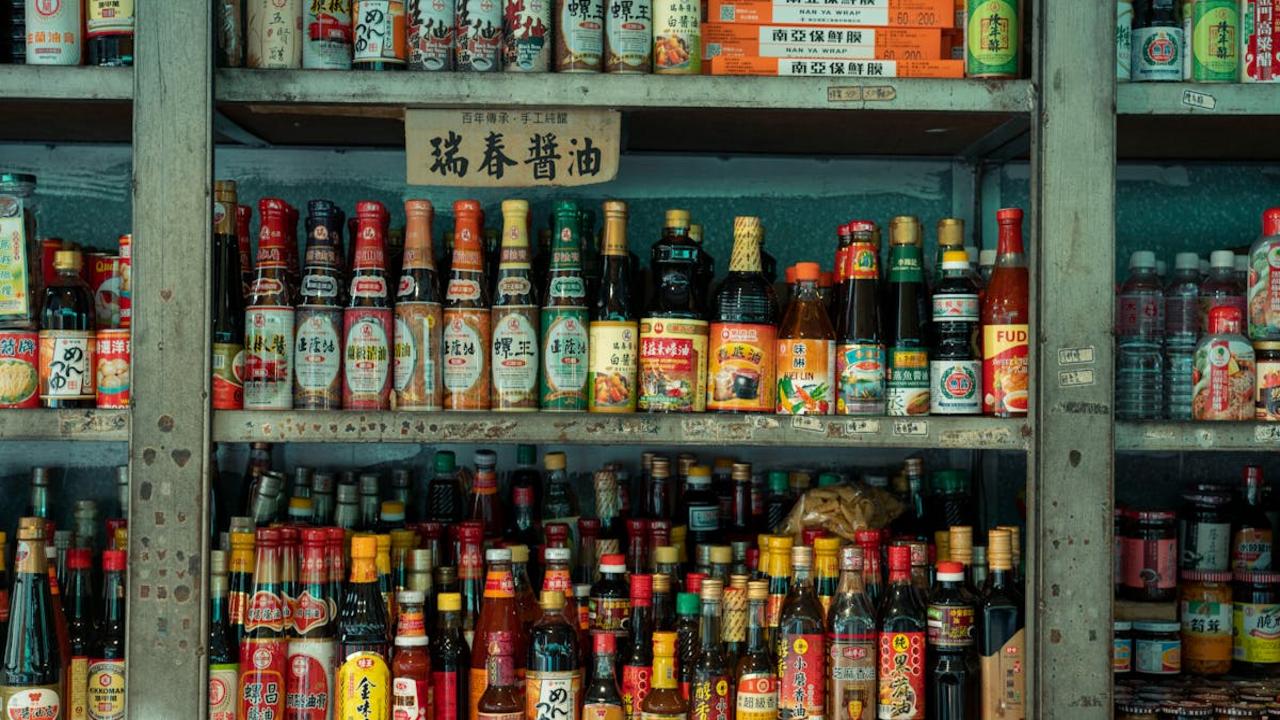
Your pantry becomes a treasure trove of possibilities when you master the basics of Asian sauce preparation. I keep bottles of soy sauce, rice vinegar, sesame oil, and chili garlic sauce within arm’s reach because these four ingredients alone can create dozens of different flavor combinations. Mix equal parts soy sauce and rice vinegar with a splash of sesame oil for an instant stir-fry sauce, or blend soy sauce with honey and grated ginger for a sweet glaze that transforms plain chicken into something spectacular. The beauty lies in understanding ratios rather than following rigid recipes – once you grasp that balance of salty, sweet, sour, and spicy, you can improvise with confidence.
Making larger batches of your favorite sauces saves precious time during busy weeknights and ensures consistent flavor in your dishes. I prepare peanut sauce, teriyaki glaze, and spicy mayo in mason jars every Sunday, storing them in the refrigerator for up to two weeks. These homemade versions taste infinitely better than store-bought alternatives and contain no mysterious preservatives or excess sodium. When you’re rushing to get dinner on the table, simply grab your pre-made sauce and toss it with whatever protein and vegetables you have on hand. This approach transforms mundane ingredients into exciting meals that feel restaurant-worthy, proving that great Asian cooking doesn’t require hours of preparation – just smart planning and quality ingredients.
Ingredient Grouping
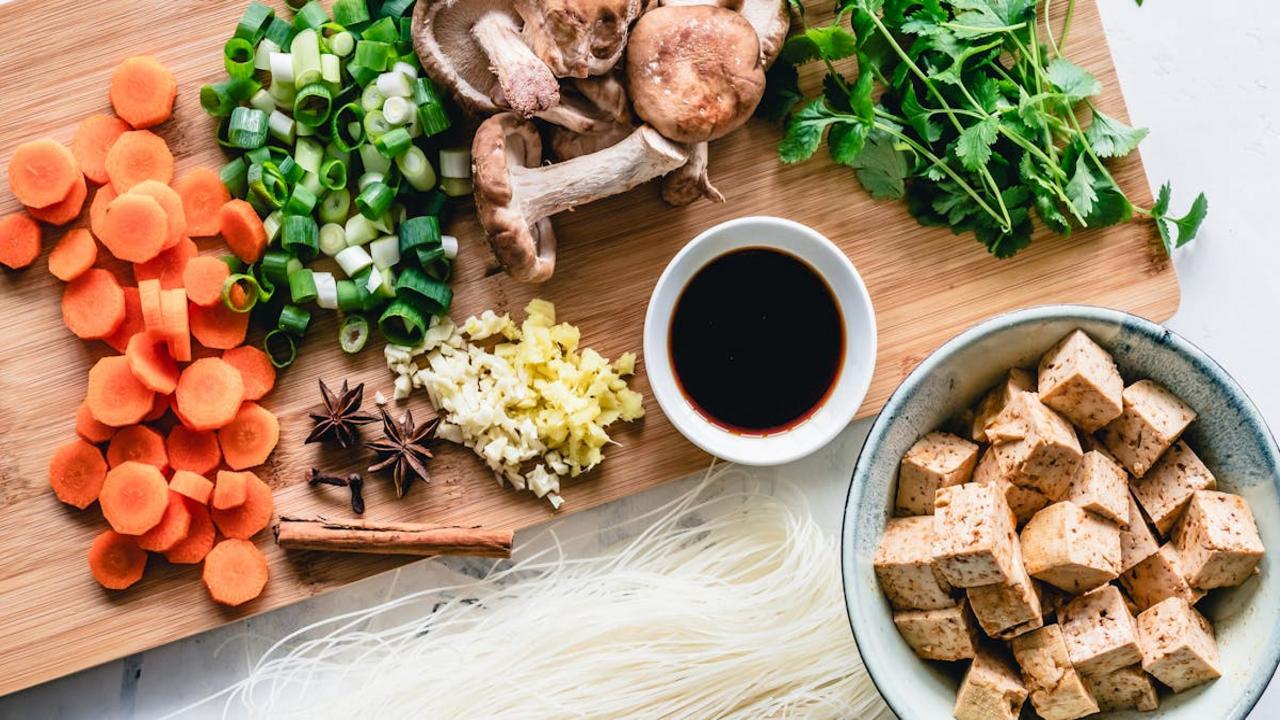
Smart ingredient grouping transforms your Asian cooking from chaotic to streamlined, and I promise this simple strategy will revolutionize your weeknight dinners. Start by organizing your ingredients into three distinct stations: aromatics (garlic, ginger, scallions), proteins and main vegetables, and your sauce components. This approach mirrors how professional Asian kitchens operate, where everything moves at lightning speed because every ingredient has its designated place and purpose. You’ll find yourself moving through recipes with confidence when your mise en place follows this logical system.
The magic happens when you prep your aromatics first – mincing that garlic and ginger, slicing those scallions – because these flavor builders appear in nearly every Asian dish. Next, prepare your proteins and vegetables in order of cooking time, with longest-cooking items prepped first. Finally, whisk together your sauce ingredients in a small bowl, ready to pour when the moment strikes. This grouping method means you’re never frantically searching for soy sauce while your garlic burns in the pan, and your stir-fries will have that restaurant-quality wok hei that makes everyone think you’re a kitchen wizard.
Meal Prep
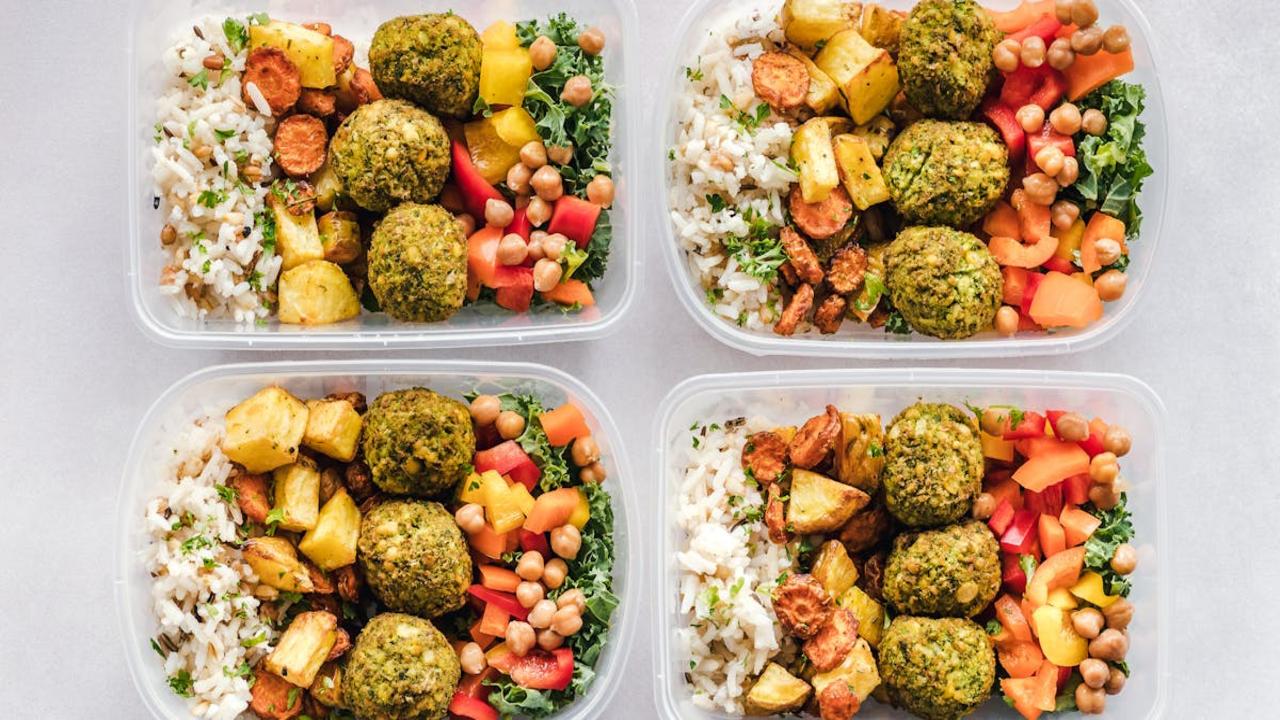
Planning your Asian dinners ahead transforms hectic weeknights into stress-free cooking experiences. I always dedicate Sunday afternoons to prepping key components that make my weekday meals practically assemble themselves. Start by washing and chopping all your vegetables – bell peppers, snap peas, carrots, and bok choy store beautifully in the fridge for up to five days. Cook a big batch of brown rice or quinoa that you can reheat throughout the week, and marinate your proteins in separate containers with different Asian-inspired sauces like teriyaki, ginger-soy, or spicy Korean gochujang blends.
Your future self will thank you for having pre-made sauce mixtures ready to go! Mix up bottles of stir-fry sauce, peanut sauce for noodles, and sweet and sour combinations that keep fresh for weeks in your refrigerator. I portion out proteins into individual servings and freeze them in their marinades – they thaw quickly and taste incredible after soaking up those flavors. Don’t forget about garnishes either; toasted sesame seeds, chopped scallions, and fresh cilantro stay vibrant when prepped correctly. With these building blocks ready, you can create completely different meals throughout the week by simply combining your prepped ingredients in new ways, keeping dinner exciting and flavorful without the daily prep work.
One Pan Cooking
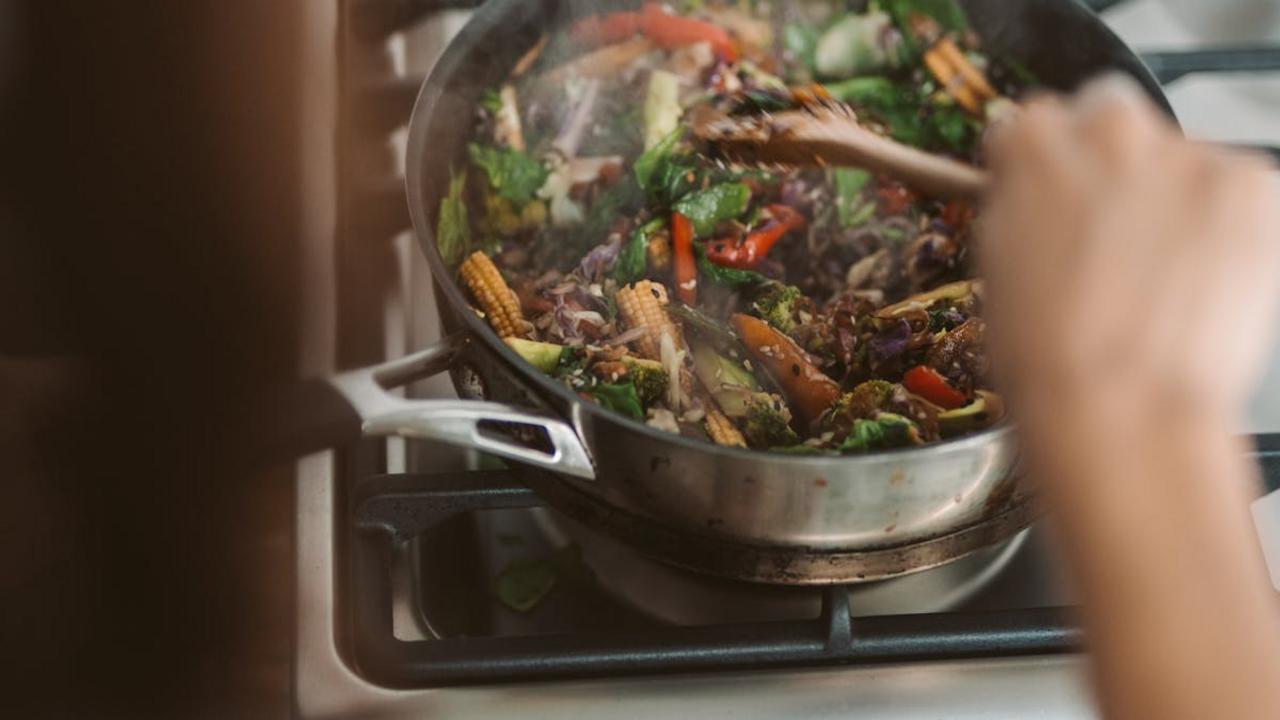
You know what makes weeknight cooking so much easier? Throwing everything into one pan and watching the magic happen! One-pan Asian dinners are your secret weapon for getting incredible flavor without the mountain of dishes afterward. Think about tossing marinated chicken thighs with broccoli, bell peppers, and snap peas in a hot skillet, then adding your favorite teriyaki or black bean sauce. The proteins and vegetables cook together, creating this beautiful symphony of textures and tastes that would normally take multiple pots and pans.
My go-to one-pan trick involves starting with aromatics like garlic, ginger, and scallions in oil, then building layers of ingredients based on their cooking times. Add your protein first, then harder vegetables like carrots and broccoli, followed by quick-cooking items like mushrooms and leafy greens. The best part? Everything gets coated in those gorgeous pan drippings and sauce, creating depth that you just can’t achieve with separate cooking methods. Try a sheet pan with salmon, bok choy, and shiitake mushrooms drizzled with miso-honey glaze, or a skillet full of ground pork with cabbage and soy-ginger sauce over rice.
Blanching Vegetables
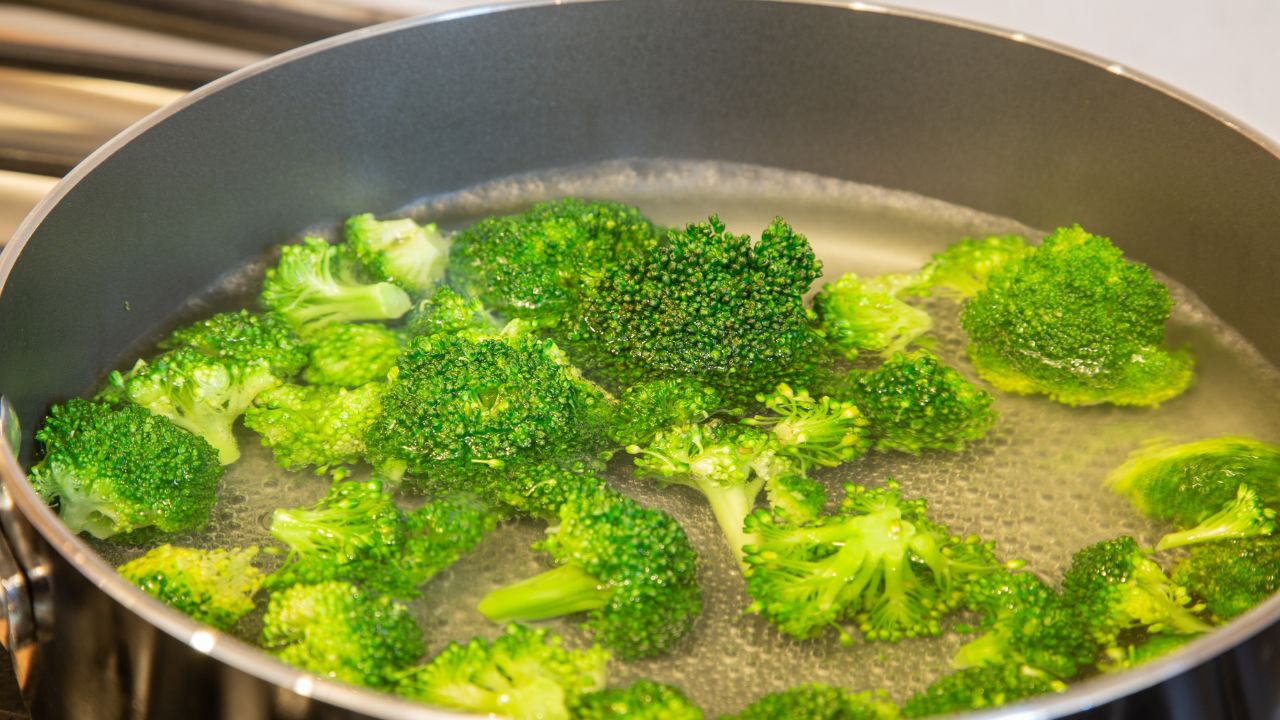
Blanching transforms your weeknight Asian dinners from good to absolutely incredible! This simple technique involves quickly boiling vegetables for just 1-2 minutes, then immediately plunging them into ice water to stop the cooking process. You’ll love how this method preserves that perfect bright green color in broccoli, snap peas, and bok choy while maintaining their crisp texture. I use this trick constantly for stir-fries because pre-blanched vegetables cook evenly and retain their vibrant appearance. Plus, you can blanch vegetables hours ahead of dinner, making your actual cooking time lightning-fast.
The real magic happens when you add blanched vegetables to your wok or pan during the final minutes of cooking. They heat through quickly without becoming mushy or overcooked, which means every bite has that satisfying crunch we all crave in Asian dishes. Try blanching asparagus for pad thai, green beans for Korean-style preparations, or cauliflower for fried rice. You can even blanch heartier vegetables like carrots or sweet potato cubes for curry dishes. Keep a bowl of ice water ready, and you’ll master this technique in no time – your vegetables will thank you with perfect texture and gorgeous color every single time!
Steam Method
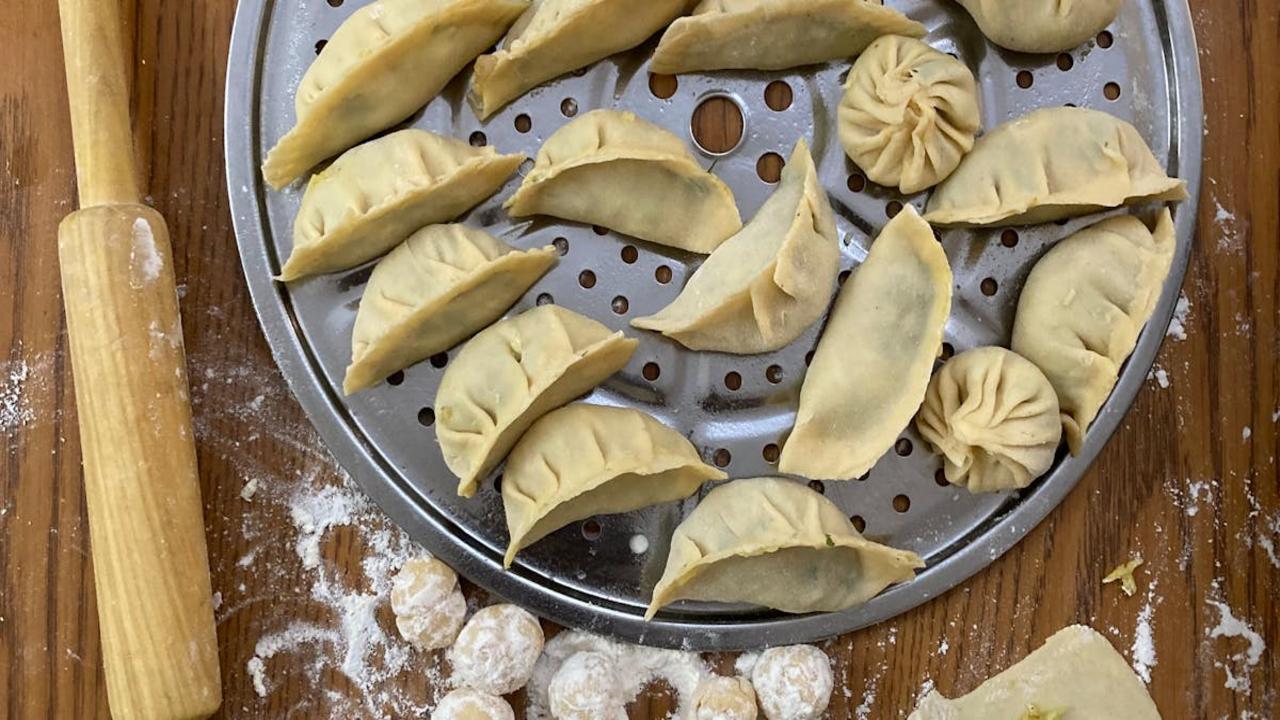
You know what’s magical about steaming? It transforms ordinary vegetables into silky, vibrant gems while preserving every single nutrient your body craves. When I discovered how beautifully Asian flavors marry with this gentle cooking technique, my weeknight dinners completely changed. Set up a bamboo steamer over simmering water, arrange your broccoli, snap peas, or bok choy inside, and watch them turn brilliant green in just 3-4 minutes. The best part? While your vegetables steam to perfection, you can prep a quick ginger-soy drizzle or sesame oil finish that will make your family think you spent hours in the kitchen.
Steaming isn’t just for vegetables though – this method works beautifully for fish fillets, dumplings, and even rice dishes. I love placing a piece of salmon on a plate with sliced ginger and scallions, then steaming it for 8-10 minutes until it flakes perfectly. The steam carries those aromatic flavors right into the protein, creating restaurant-quality results without any fuss. Your kitchen stays cool, cleanup takes seconds, and you get incredibly tender, flavorful food that feels both light and satisfying. Trust me, once you start steaming your way through Asian-inspired dinners, you’ll wonder why you ever bothered with complicated cooking methods.
High Heat Stir Frying
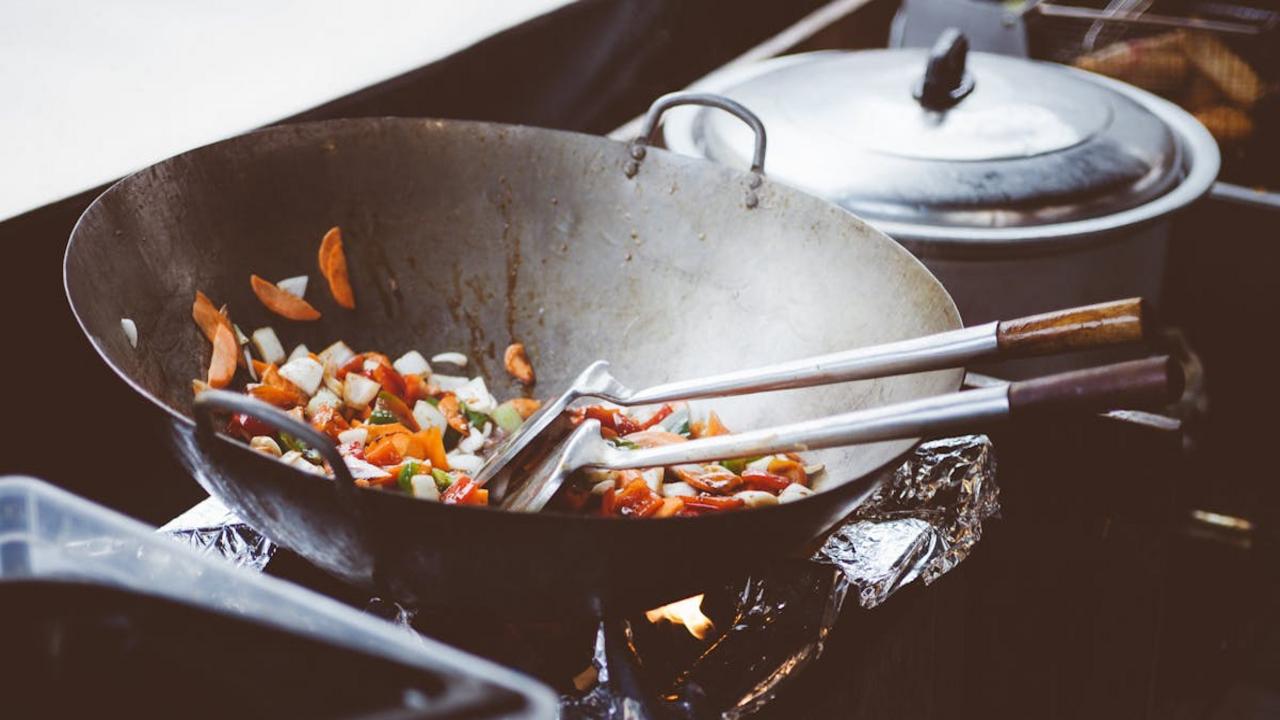
The secret to restaurant-quality stir-fries lies in cranking up that heat! You want your wok or heavy-bottomed pan smoking hot before adding any oil. This intense temperature creates what Chinese cooks call “wok hei” – that distinctive smoky flavor that makes takeout so irresistible. When your pan reaches proper temperature, proteins sear instantly, vegetables maintain their crisp texture, and flavors develop quickly without overcooking. Don’t overcrowd your pan either – cook in batches if needed to maintain that blazing heat.
Once you master high-heat cooking, your weeknight dinners transform completely. Have all ingredients prepped and ready before you start because things move fast! Add aromatics like garlic and ginger first for just 15-30 seconds, then proteins, followed by harder vegetables like carrots or broccoli. Softer items like snow peas go in last. The entire cooking process takes just minutes, preserving nutrients and creating those beautiful caramelized edges on your ingredients. Your family will wonder how you suddenly became a stir-fry master – and you’ll love how quickly dinner comes together!
Green Onions
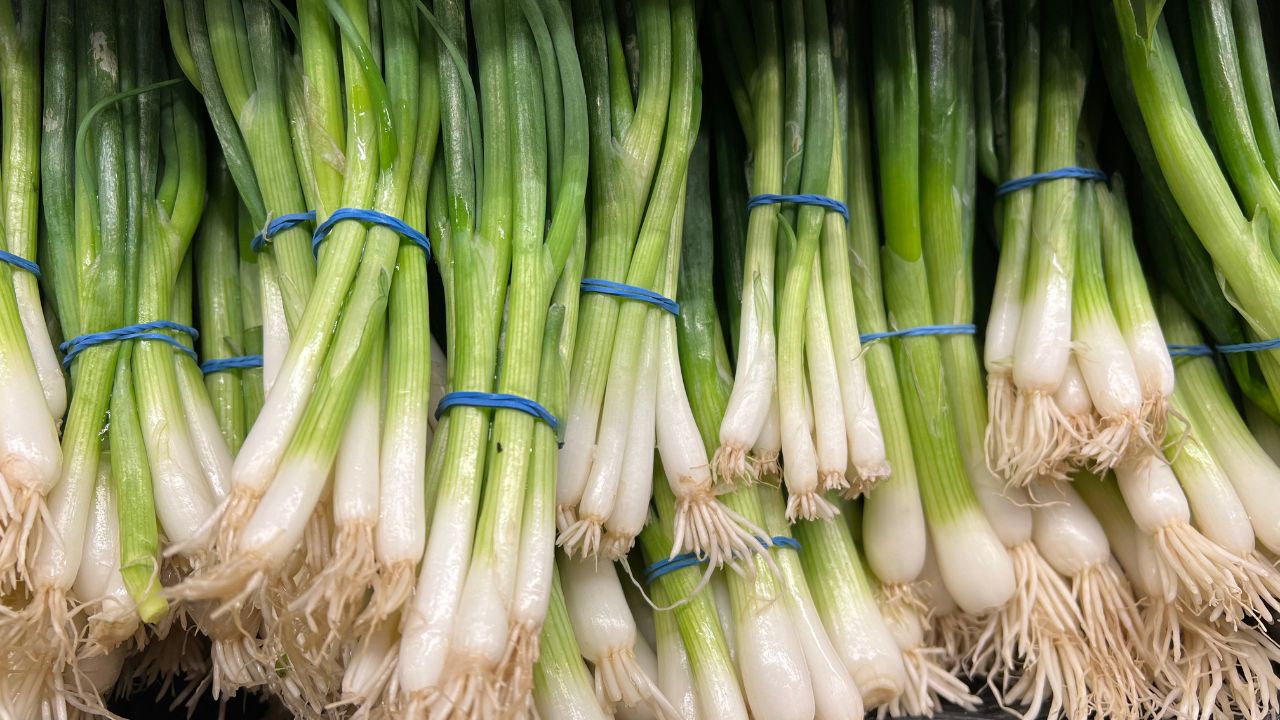
Green onions stand as your secret weapon for instantly transforming any Asian dish from ordinary to extraordinary. These slender beauties pack a double punch of mild onion flavor and fresh crispness that works magic in stir-fries, noodle bowls, and rice dishes. I keep bunches of these versatile gems in my fridge at all times because they’re like having a flavor shortcut right at your fingertips. The white parts offer a gentle bite that mellows beautifully when cooked, while those vibrant green tops provide a pop of color and fresh finish that makes every dish look restaurant-worthy.
Here’s what makes green onions so brilliant for quick Asian cooking: they cook in literally seconds, so you can add them at different stages for varying textures and intensities. Toss the white parts into your hot oil first to build your flavor base, then save those gorgeous green tops for the final sprinkle. They’re perfect for fried rice, ramen upgrades, dumpling garnishes, and even quick pickle solutions. Plus, green onions regrow themselves on your windowsill if you pop the white roots in water – talk about sustainable cooking! This means you’ll never run out of this speedy flavor booster for your weeknight Asian dinner adventures.
Fresh Ginger
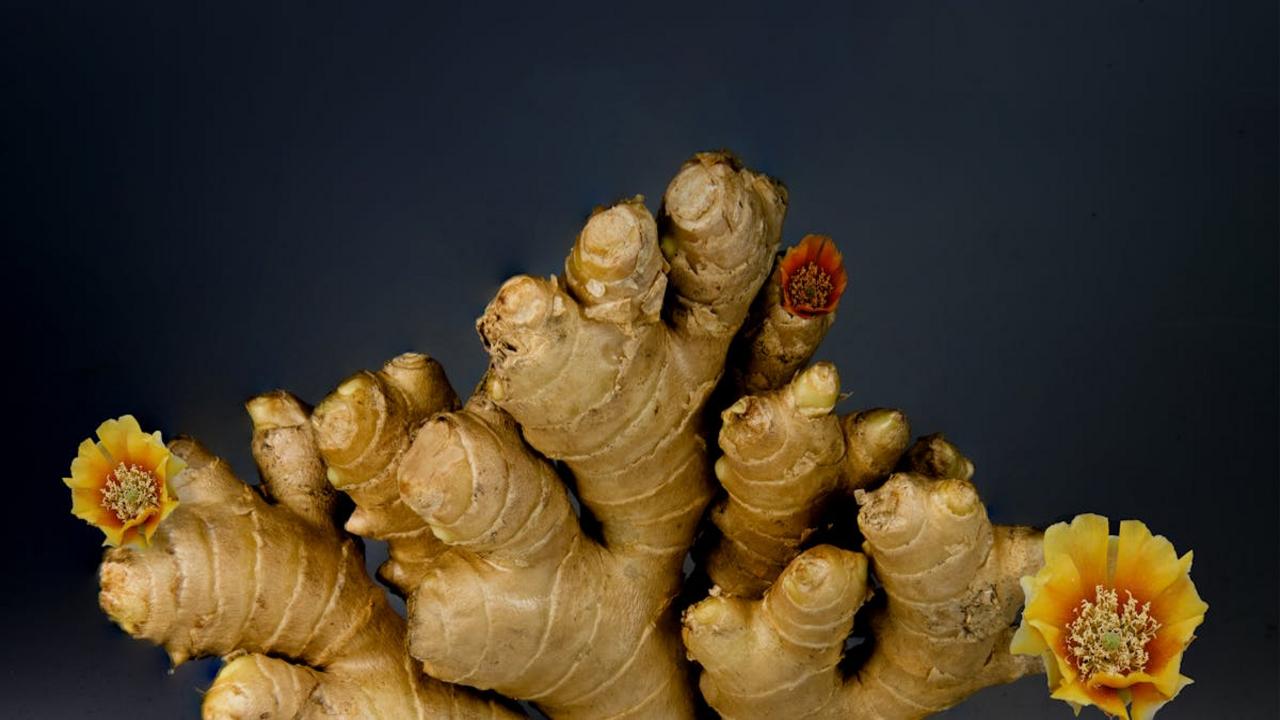
Fresh ginger stands as your secret weapon for transforming ordinary Asian dishes into restaurant-quality masterpieces in minutes. This knobby root packs an incredible punch of warm, spicy heat that awakens every flavor in your pan. I keep a piece of fresh ginger in my refrigerator at all times because it adds that authentic zing you simply can’t replicate with powdered versions. The key lies in proper preparation – peel the skin with a spoon’s edge, then grate it directly into your stir-fries, marinades, or sauces for maximum impact.
You’ll discover that fresh ginger works magic in both quick cooking methods and longer braises. For speedy weeknight dinners, mince ginger finely and add it to hot oil at the start of cooking – this releases those aromatic compounds that make your kitchen smell like your favorite Asian restaurant. Try pairing freshly grated ginger with garlic and scallions as your holy trinity for practically any Asian dish. Store your ginger properly by wrapping it in paper towels and keeping it in the refrigerator, where it stays fresh for weeks. This simple ingredient elevates everything from simple fried rice to complex curry dishes with minimal effort.
Sesame Oil
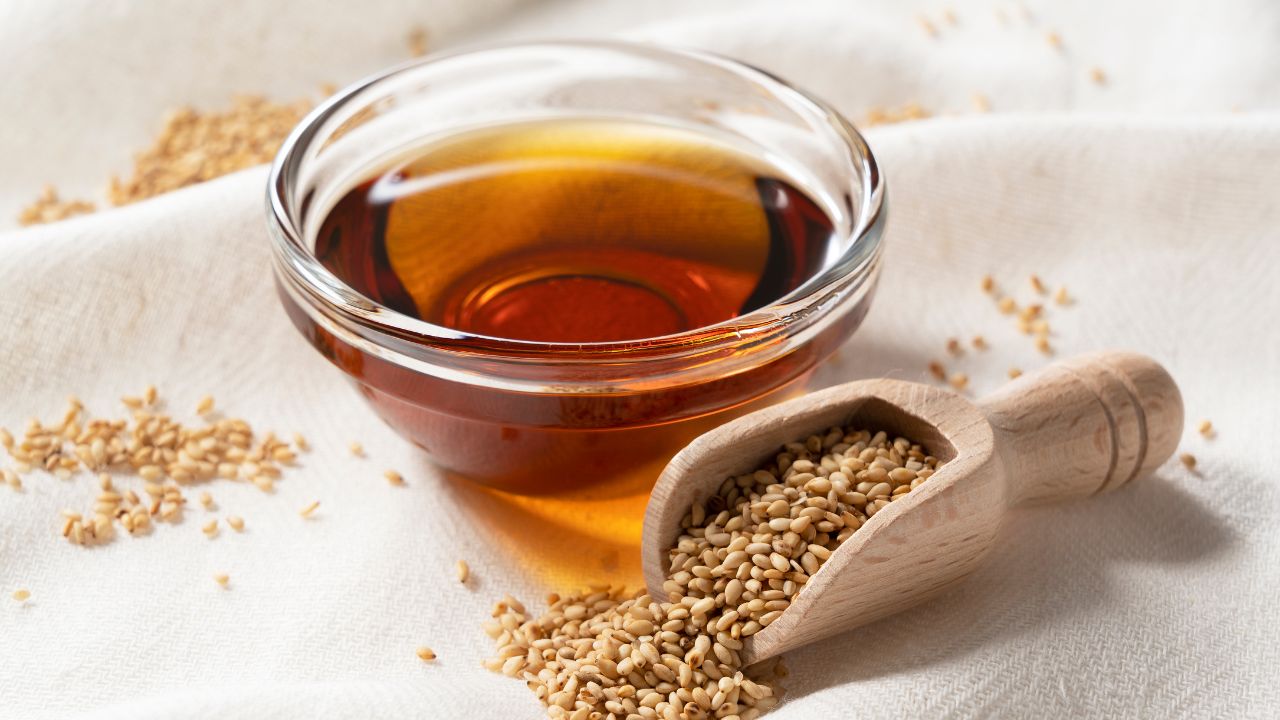
Sesame oil transforms ordinary weeknight dinners into restaurant-quality Asian dishes with just a few drops. This liquid gold comes in two main varieties: light sesame oil for cooking and dark toasted sesame oil for finishing touches. I always keep both on hand because they serve completely different purposes in my kitchen. The light version works perfectly for stir-frying vegetables or marinating proteins, while the dark version delivers that signature nutty aroma that makes your neighbors peek over the fence wondering what smells so incredible.
Here’s my favorite trick: add dark sesame oil at the very end of cooking, never during the high-heat process. Heat destroys its complex flavor, so I drizzle it over finished fried rice, noodle dishes, or steamed dumplings right before serving. Just one teaspoon can elevate simple steamed broccoli into something your family actually gets excited about. Store your sesame oil in the refrigerator after opening – it can go rancid quickly at room temperature. Trust me, fresh sesame oil makes all the difference between good Asian cooking and absolutely outstanding meals that have everyone asking for your secret ingredient.
Fish Sauce
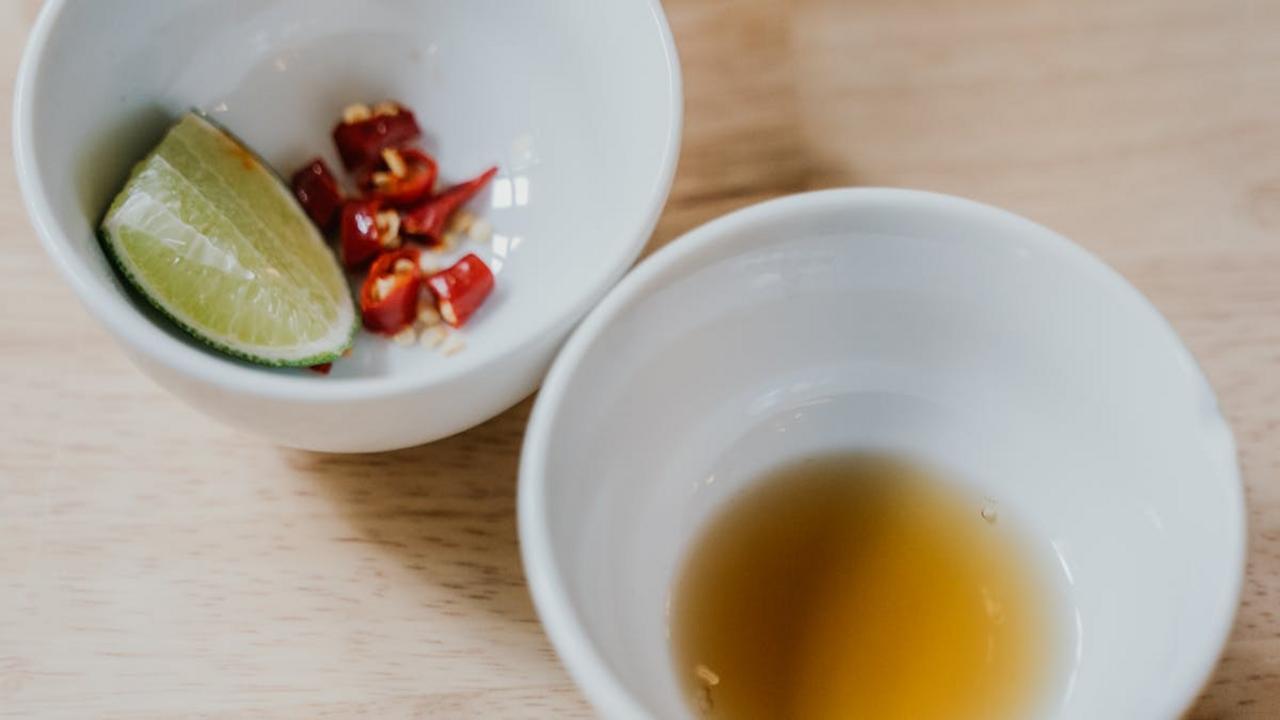
Fish sauce transforms ordinary Asian dinners into restaurant-quality meals with just a few drops of this liquid gold. This fermented condiment brings an incredible depth of umami that you simply can’t replicate with any other ingredient. I keep a bottle in my pantry at all times because it works magic in stir-fries, marinades, and dipping sauces. The salty, savory complexity adds layers of flavor that make your taste buds sing, and honestly, once you start cooking with fish sauce, you’ll wonder how you ever lived without it.
Start with small amounts – about half a teaspoon per serving – since fish sauce packs a powerful punch. I love adding it to my vegetable stir-fries, fried rice, and even soup broths for that authentic Asian restaurant flavor. The beauty of fish sauce lies in its ability to enhance other ingredients without overpowering them. Look for brands from Vietnam or Thailand for the best quality, and don’t worry about the strong smell when you first open the bottle – it mellows beautifully when cooked and creates the most incredible savory backbone for your dishes.
Rice Vinegar
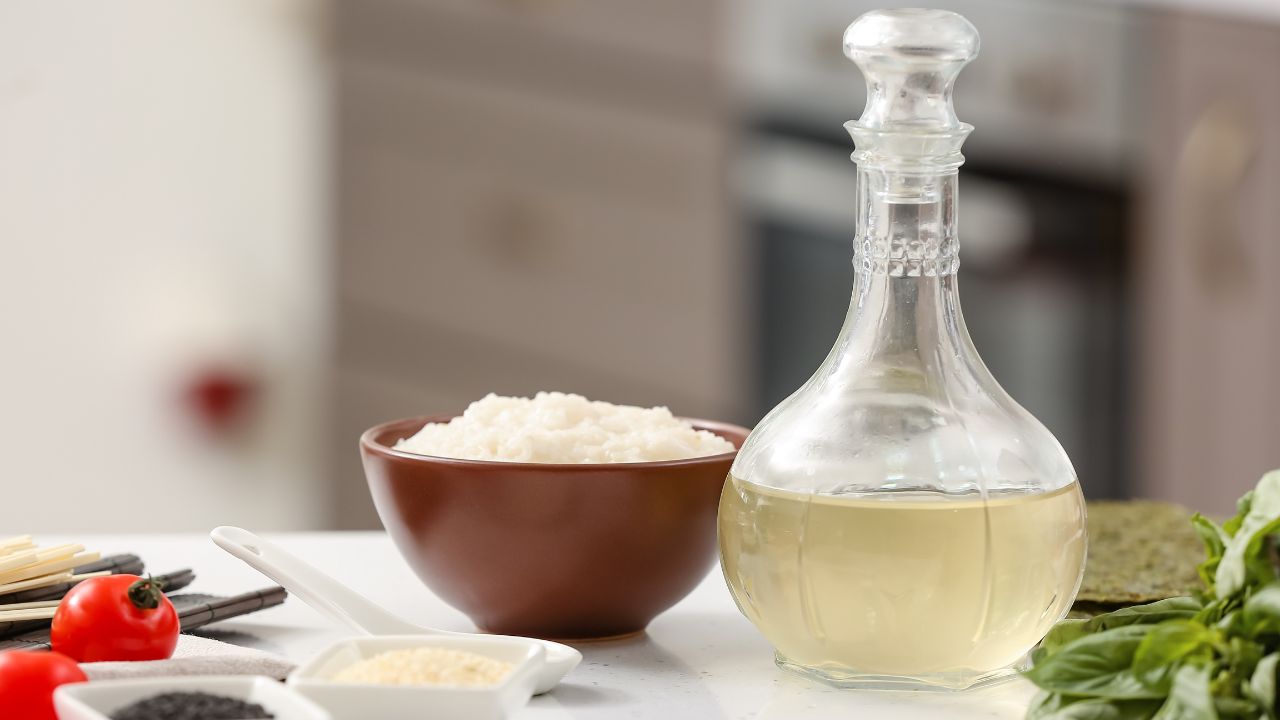
Rice vinegar stands as your secret weapon for transforming ordinary weeknight meals into restaurant-quality Asian dishes in minutes. This gentle, slightly sweet vinegar brings that perfect tang that makes your mouth water – you know, that bright note that cuts through rich sauces and balances heavy flavors beautifully. I keep bottles of both seasoned and unseasoned rice vinegar in my pantry because they work magic in different ways. The seasoned variety already contains sugar and salt, making it perfect for quick pickles or instant dipping sauces, while the plain version gives you complete control over your dish’s final flavor profile.
What makes rice vinegar so brilliant for speedy dinners is how quickly it brightens everything it touches. Toss it with leftover rice for instant sushi rice, whisk it into stir-fry sauces for that restaurant-style finish, or splash it over steamed vegetables for an immediate flavor boost. You can create lightning-fast cucumber salads by simply slicing cucumbers thin and tossing them with rice vinegar, a pinch of salt, and sesame oil. The versatility amazes me every single time – from marinades that tenderize proteins in just 15 minutes to salad dressings that come together in seconds, rice vinegar consistently delivers that authentic Asian flavor you crave without any complicated techniques or lengthy preparation.
Soy Sauce
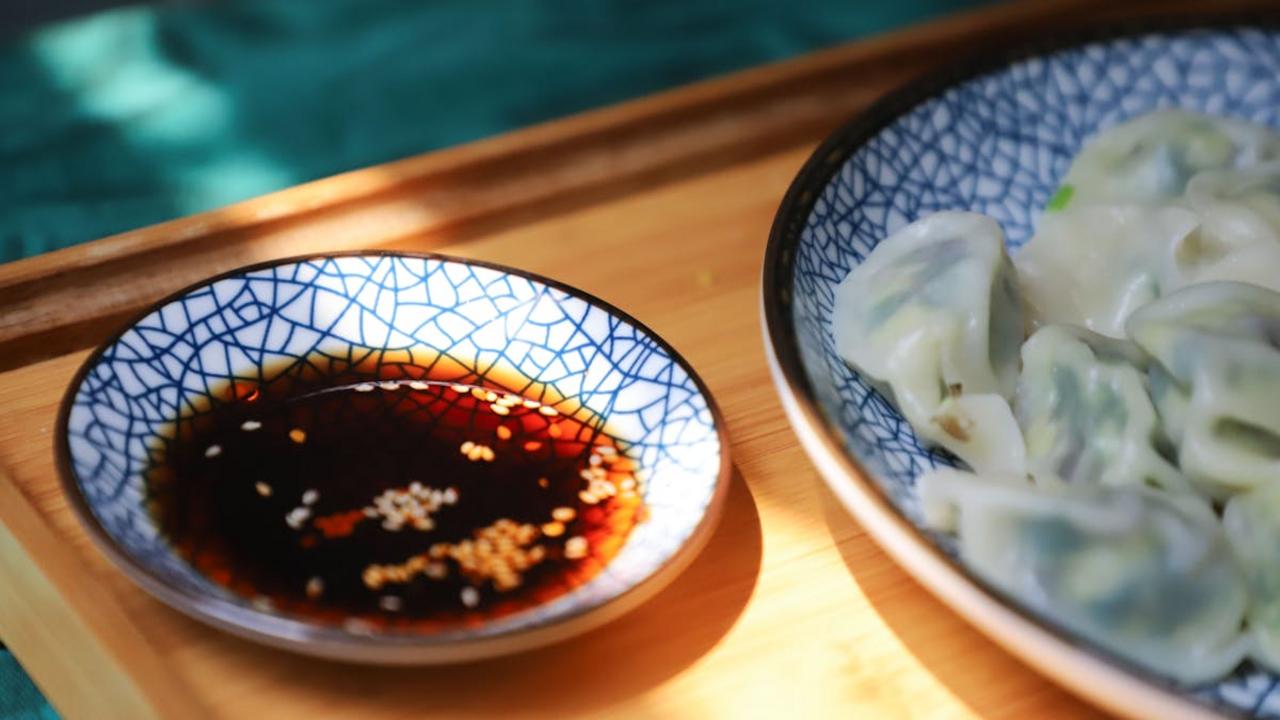
You probably have a bottle of soy sauce sitting in your pantry right now, and I’m here to tell you it’s your secret weapon for lightning-fast Asian dinners! This dark, savory liquid transforms ordinary ingredients into something extraordinary with just a few splashes. The beauty of soy sauce lies in its incredible versatility – it works as a marinade for proteins, a seasoning for stir-fries, and even a base for quick dipping sauces. I keep three types on hand: light soy sauce for everyday cooking, dark soy sauce for rich color and deeper flavor, and low-sodium versions for when I want more control over the saltiness.
Here’s my favorite time-saving trick: create an instant flavor base by mixing equal parts soy sauce, rice vinegar, and a touch of sesame oil. This magical combination works with almost any protein and vegetable combination you throw at it. Toss your ingredients in this mixture before cooking, and you’ll have restaurant-quality flavors in minutes. For an even quicker option, add a tablespoon of soy sauce to scrambled eggs or fried rice during the last minute of cooking – it creates that authentic umami punch that makes everything taste more complex and satisfying than it actually is.
Rice Cooker

Your rice cooker isn’t just for making perfect rice – it’s your secret weapon for creating complete Asian meals in one pot! I love how this humble appliance transforms into a flavor powerhouse when you add aromatics like ginger, garlic, and lemongrass directly to your rice water. Try tossing in coconut milk instead of plain water for Thai-inspired dishes, or add a splash of soy sauce and sesame oil for Chinese-style fried rice that practically makes itself. The beauty lies in how the steam circulates, infusing every grain with whatever flavors you choose to include.
Here’s where things get exciting – you can layer ingredients right on top of your cooking rice to create complete meals. Place marinated chicken thighs, fish fillets, or tofu on a steamer basket above your rice during the last 15 minutes of cooking. Add quick-cooking vegetables like broccoli, snap peas, or bok choy in the final 5 minutes. The result? Perfectly steamed protein and vegetables that absorb all those wonderful rice aromatics while everything cooks together. This method saves you time, dishes, and creates incredibly flavorful meals that taste like they took hours to prepare.
Wok
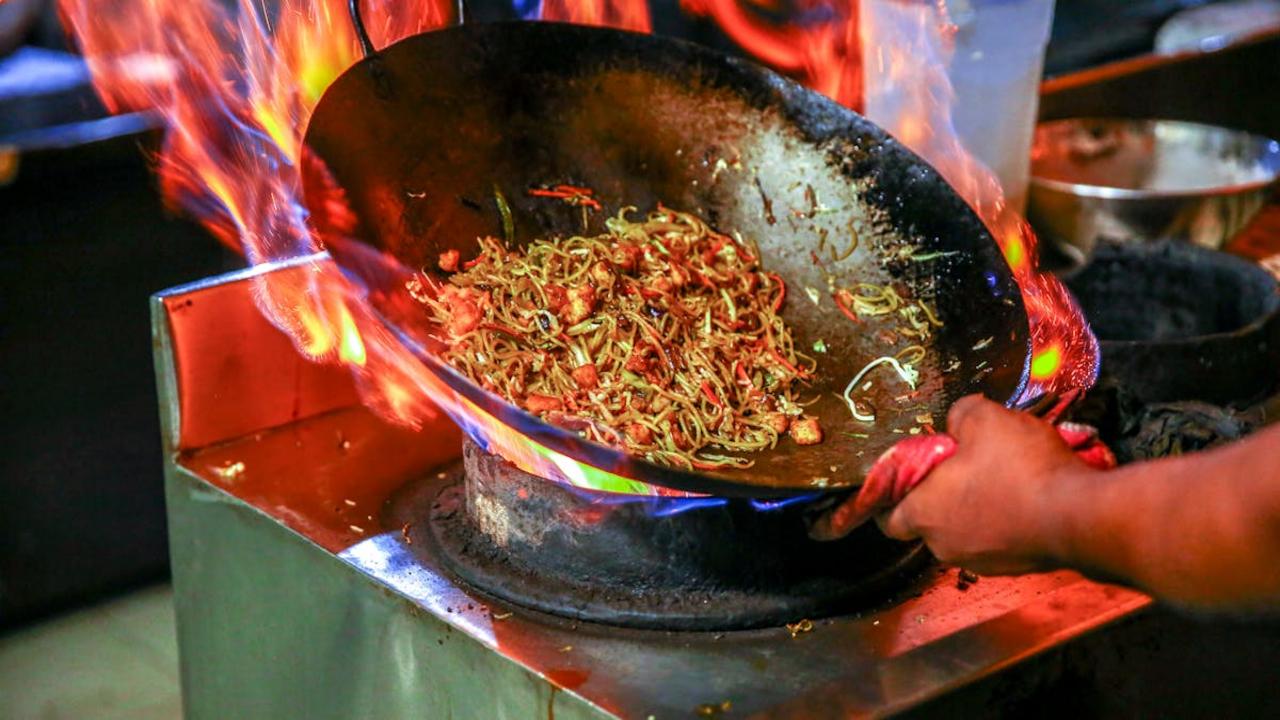
Your wok is about to become your best friend for lightning-fast Asian dinners! This curved-bottom wonder creates the perfect heat distribution that makes stir-frying so incredibly efficient. The high, sloped sides allow you to toss ingredients with confidence while the concentrated heat at the bottom sears proteins and vegetables to perfection. If you don’t own a wok yet, grab a carbon steel one – it heats quickly, retains temperature beautifully, and develops a natural non-stick surface over time that gets better with each meal you create.
The secret to wok mastery lies in getting it smoking hot before you add anything. Heat your empty wok over high heat for 2-3 minutes, then add oil and watch it shimmer. This technique prevents sticking and creates that coveted “wok hei” – the breath of the wok that gives restaurant-quality flavor to your home cooking. Keep your ingredients prepped and within arm’s reach because once you start cooking, everything happens fast. Toss constantly, keep ingredients moving, and you’ll have dinner on the table in under 10 minutes with flavors that sing!