15 Dishes Chefs Never Order At Restaurants
Ever wonder what makes professional chefs cringe when they scan a menu? These kitchen warriors have seen behind the curtain, and some dishes raise more red flags than a bullfighting convention. From Monday’s questionable fish to that suspiciously cheap “Kobe” burger, seasoned pros know which menu items spell trouble. Their insider knowledge goes beyond mere snobbery—it’s about understanding how restaurants cut corners, mask ingredients past their prime, or slap premium labels on mediocre food.
The truth is, chefs order differently because they recognize the telltale signs of kitchen shortcuts and ingredient quality issues that most diners miss. That gorgeous truffle oil drizzle? Probably synthetic. Those fluffy scrambled eggs at brunch? Likely made from a carton. Understanding these professional pet peeves doesn’t mean you can’t enjoy dining out—it just means you’ll make smarter choices and avoid the dishes that even experts won’t touch.
Whether you’re a foodie who wants to eat like a pro or simply curious about what happens behind kitchen doors, this guide reveals the menu items that send chefs running. From timing issues with seafood deliveries to ingredients that rarely justify their price tags, you’ll learn exactly why these fifteen dishes never make it to a chef’s table—and what you should order instead.
Oysters during non-“R” months
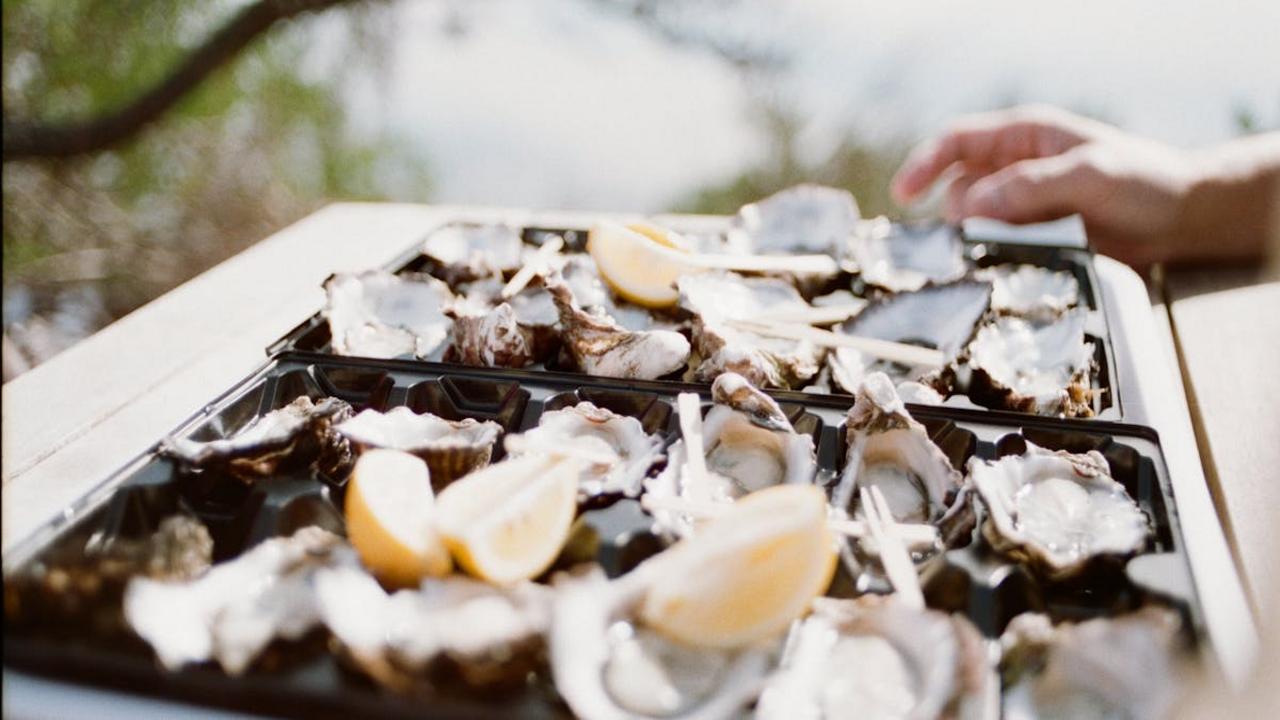
You know that old saying about only eating oysters in months with an “R” in them? Well, chefs take it seriously, and here’s why you should too. May through August—those rebellious non-“R” months—coincide with oyster spawning season. During this time, oysters become soft, milky, and frankly quite unpleasant in texture. They’re also more susceptible to bacterial growth in warmer waters, which means your romantic seafood dinner could turn into an evening spent hugging your toilet. Professional chefs know that while modern refrigeration has made year-round oyster consumption technically safer, the quality simply tanks during these months. The bivalves taste bland, the meat gets flabby, and you’re essentially paying premium prices for second-rate shellfish.
Beyond the spawning issue, warmer water temperatures create the perfect breeding ground for Vibrio bacteria, which causes nasty foodborne illness. Chefs who’ve spent years perfecting their palates aren’t about to gamble on subpar oysters just because someone has a craving. They’ll wait until September rolls around again, when the oysters are plump, firm, and bursting with that briny, ocean flavor that makes them worth the price tag. If you’re dining out during summer and spot oysters on the menu, your server might push them, but experienced kitchen staff will quietly order something else. Smart diners follow their lead and save the oyster indulgence for fall and winter, when these slippery beauties are at their absolute peak.
Specials that sound too inventive
You know that moment when you’re scanning the menu and the server leans in conspiratorially to tell you about today’s special: “charcoal-activated squid ink fettuccine with freeze-dried mango foam, topped with bacon-wrapped sea urchin and a drizzle of truffle-infused balsamic reduction”? Yeah, that’s your cue to run. Professional chefs understand that when a dish tries to pack in every trendy ingredient and technique known to humankind, it’s usually compensating for something—namely, a lack of actual flavor harmony. These Frankenstein creations often mean the kitchen is desperately trying to use up random ingredients before they expire, or worse, the chef is more interested in impressing Instagram than your palate. The reality is that great cooking respects the integrity of each component, and when you’re juggling seventeen different elements on one plate, something’s bound to go tragically wrong.
Here’s the thing about overly complex specials: they’re basically gambling with your dinner money. When a restaurant nails the basics consistently, that’s when they’ve earned the right to get creative. But throwing molecular gastronomy techniques, fusion concepts, and exotic proteins into a blender doesn’t make something innovative—it makes it a mess. Chefs who actually know their stuff will tell you that the best specials highlight one or two exceptional seasonal ingredients prepared simply and well, not an entire farmers market’s worth of produce subjected to every cooking method in the book. Trust me, if you need a glossary and a degree in food science to understand what you’re ordering, you’re better off sticking with something the kitchen makes every single day. Save your money for restaurants where “special” means genuinely special ingredients treated with respect, not a desperate science experiment masquerading as dinner.
Fettuccine Alfredo
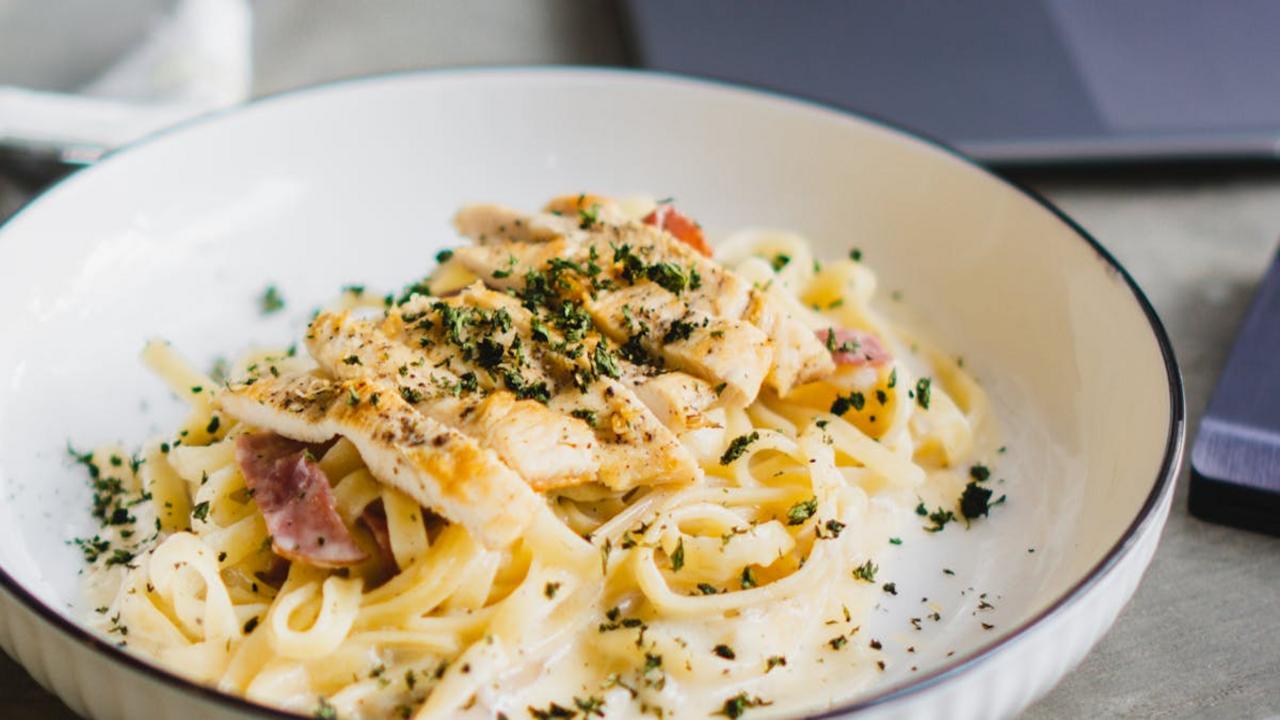
Ah, Fettuccine Alfredo—the creamy, buttery pasta that sounds like a cozy Italian dream but often turns into a caloric nightmare that leaves you questioning your life choices halfway through the plate. Here’s a secret: most chefs avoid this dish like it’s a food safety violation waiting to happen. Why? Because Alfredo sauce is one of the easiest things to mess up in a restaurant kitchen. When it’s sitting under heat lamps or made hours in advance, that velvety texture transforms into something resembling paste. The butter separates, the cheese clumps up, and what should be a luxurious coating becomes a gloppy mess that clings to your fork like regret. Professional cooks know that Alfredo needs to be made fresh, tossed immediately with hot pasta, and served within minutes—something most restaurants simply can’t guarantee during a busy dinner rush.
There’s also the authenticity factor that makes chefs roll their eyes. Traditional Italian Alfredo (yes, it’s actually from Rome) is nothing more than butter, Parmigiano-Reggiano, and pasta water—no cream in sight! The heavy cream version we know in America was created to appeal to richer palates, but it often becomes an excuse to mask mediocre ingredients. Chefs ordering out want to taste skill and quality, not a bowl of heavy dairy that could double as wallpaper adhesive. If you’re craving something creamy and indulgent, they’ll tell you to order carbonara instead, which requires actual technique and timing to pull off correctly. That way, you’ll know immediately if the kitchen knows what they’re doing—or if they’re just microwaving pre-made sauces and calling it Italian cuisine.
Fried chicken at a diner
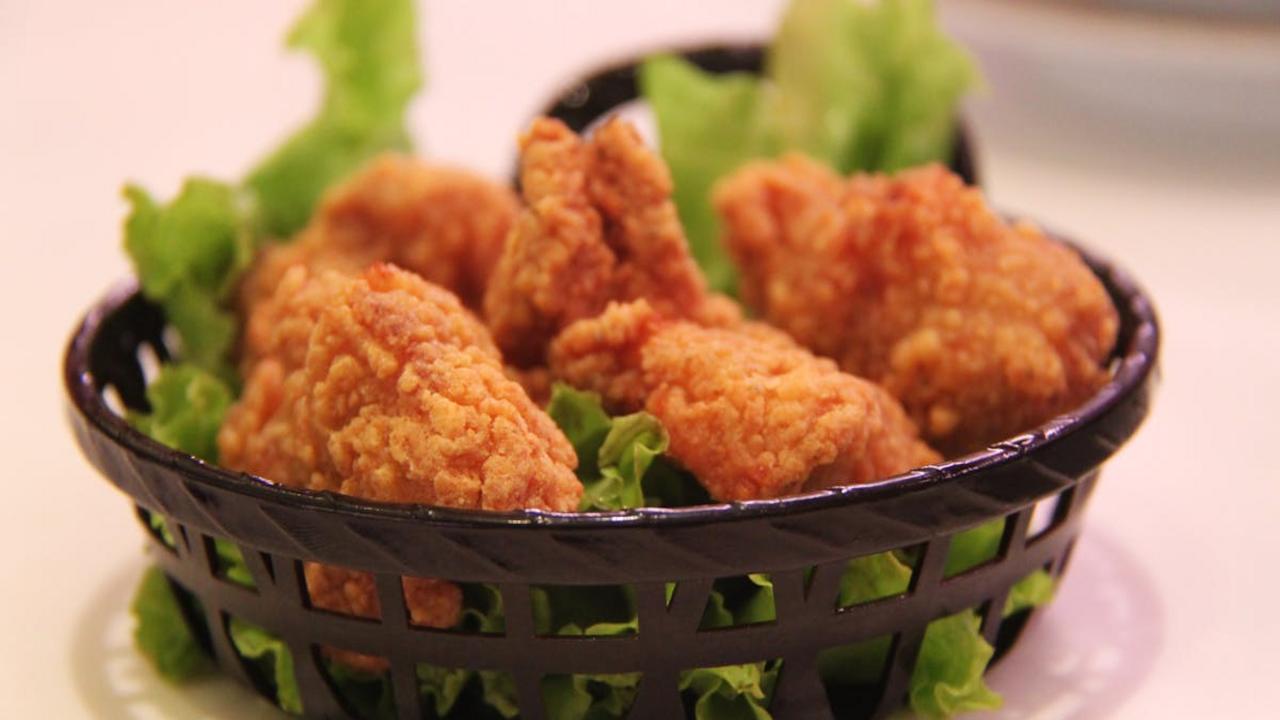
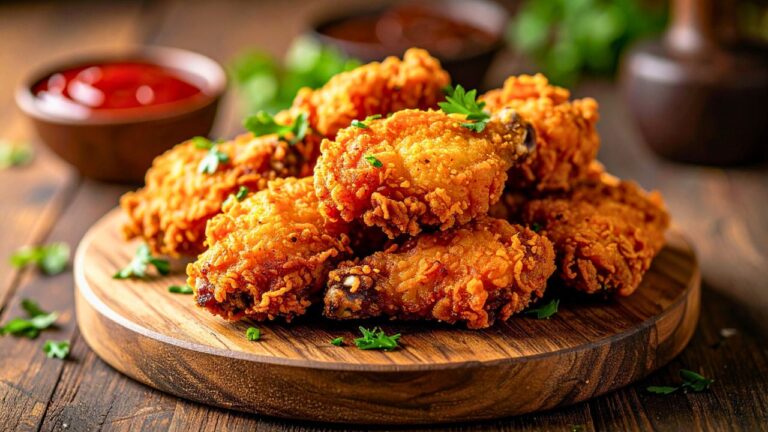
Look, I love a good diner as much as the next person who’s stumbled in at 2 AM craving pancakes and questionable life choices. But here’s the thing about diner fried chicken: most chefs won’t touch it with a ten-foot spatula. The problem isn’t that diners can’t make good fried chicken—it’s that most don’t. That beautiful golden crust you’re eyeing? It’s probably been sitting under a heat lamp since the lunch rush, slowly transforming from crispy perfection into something with the texture of cardboard wearing a greasy jacket. The oil these places use gets recycled more times than your neighbor’s aluminum cans, which means every piece of chicken tastes vaguely like yesterday’s fish sticks and last Tuesday’s mozzarella sticks. Professional chefs know that truly great fried chicken requires fresh oil, precise temperature control, and immediate service—three things that diner kitchens aren’t exactly famous for maintaining.
Here’s what really makes chefs shudder: most diners pre-bread their chicken hours before cooking it, meaning that coating has already absorbed moisture from the meat and lost its crunch before it even hits the fryer. Then there’s the fact that many places don’t brine their chicken properly (or at all), resulting in meat that’s drier than a stand-up comedian’s wit at an accountants’ convention. Add in the reality that diner chicken often comes from the cheapest supplier available, and you’ve got a recipe for disappointment on a plate. If you’re craving fried chicken, head to a place that specializes in it—somewhere that treats it like the art form it deserves to be, not just another item to slap on a laminated menu between the patty melt and the Greek salad.
Sushi at a buffet
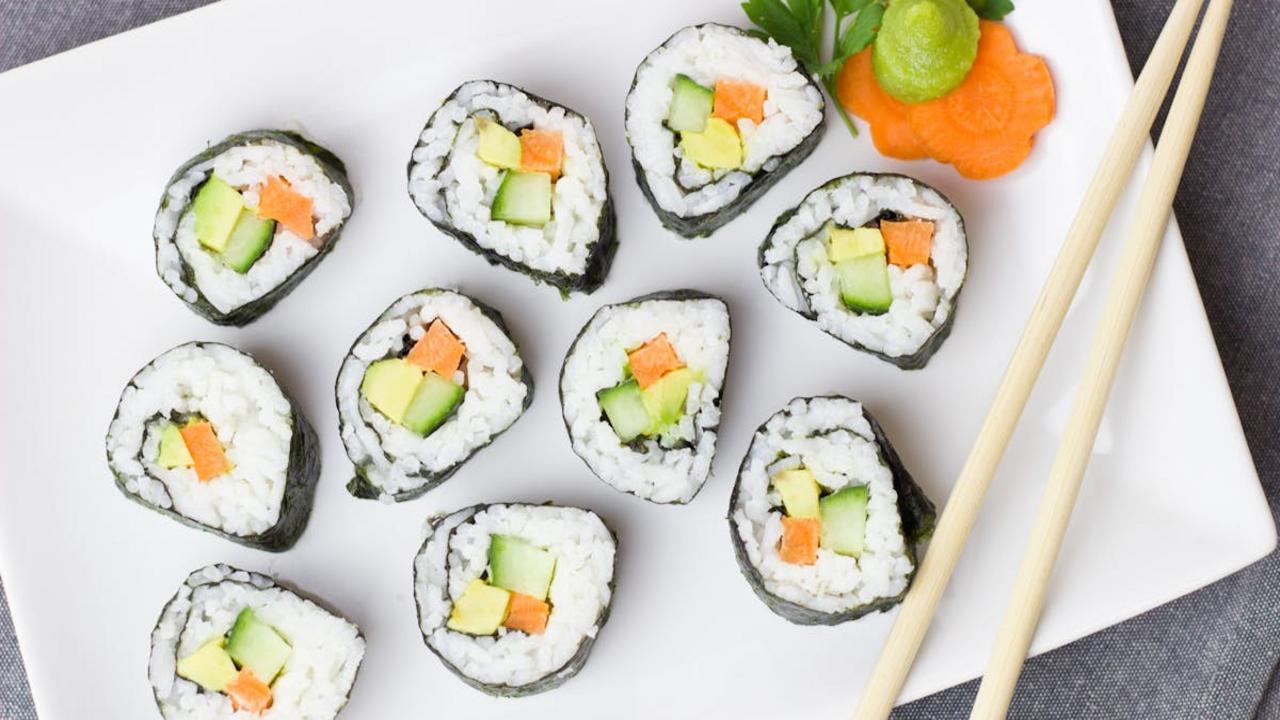
Picture this: rows of fish sitting under heat lamps, rice that’s been exposed to open air for who knows how long, and a parade of strangers breathing all over your potential California roll. Chefs know that sushi is one of those foods that demands precision, freshness, and speed—three things buffets simply cannot guarantee. The fish should be so fresh it practically whispers the ocean’s secrets, but buffet sushi? That fish has been telling the same tired story for hours, maybe even days. Professional chefs understand that raw fish is a ticking time bomb when it’s not stored and served properly, and they’re not about to play Russian roulette with their digestive systems just to save a few bucks.
The real problem goes beyond just staleness—it’s about temperature control and cross-contamination risks that multiply faster than rabbits at an Easter party. Quality sushi restaurants go through fish the same day it arrives, keeping everything at precise temperatures while preparing orders à la minute. Buffets, on the other hand, prep everything hours in advance and hope for the best. That imitation crab (which isn’t even real crab, by the way—it’s processed fish paste called surimi) gets even sadder under those lights. Chefs also cringe at the rice, which dries out faster than your grandmother’s Thanksgiving turkey when left uncovered. Add questionable mayo-based sauces that have been sitting out, and you’ve got yourself a recipe for regret. If you’re craving sushi, spend those extra dollars at a proper sushi bar where the chef actually knows your tuna’s life story.
Brunch scrambled eggs
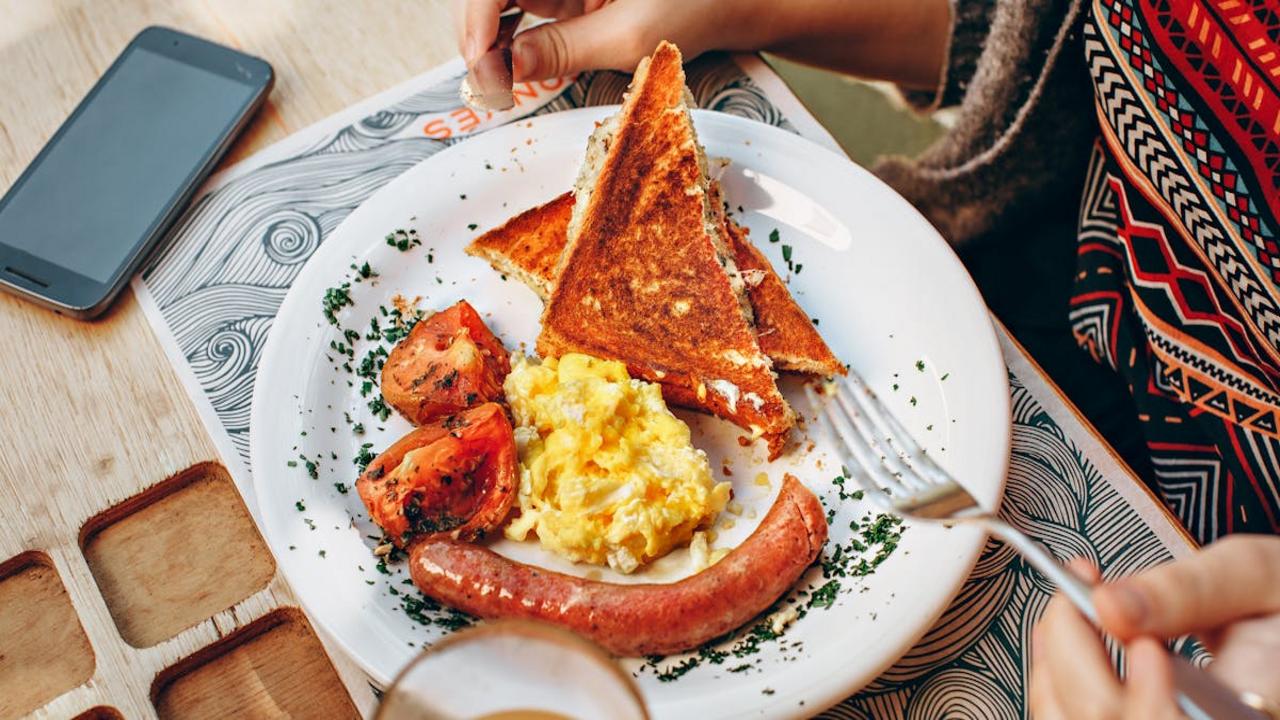
Here’s the thing about brunch scrambled eggs: chefs know exactly how easy they are to mess up, and restaurants mess them up constantly. You’d think something so simple—literally just eggs, heat, and maybe a splash of cream—would be foolproof, but nope. Most brunch spots are slammed on weekends, which means your scrambled eggs are probably sitting under a heat lamp, slowly transforming into rubbery yellow sadness while your server hunts down that third mimosa refill. Professional cooks will tell you that scrambled eggs need constant attention, gentle heat, and perfect timing. They should be creamy, barely set, and still glossy when they hit your plate. What you usually get instead is a dried-out pile of pre-scrambled egg product that was cooked twenty minutes ago in bulk and reheated to order.
The real secret that chefs mutter about is this: scrambled eggs are one of those dishes that taste exponentially better when made fresh at home. You can control everything—the heat, the timing, how much butter you’re adding (spoiler: it should be more than you think). At a restaurant, you’re paying twelve bucks for eggs that cost maybe fifty cents, and they’re almost certainly worse than what you could whip up in your own kitchen in under five minutes. Plus, home is where you can add fresh herbs, fold in some goat cheese, or throw in yesterday’s leftover salmon without judgment. So next time you’re scanning that brunch menu, maybe skip the scrambled eggs and order something the kitchen actually cares about—like their fancy Benedict or that shakshuka they can’t make ahead.
Iceberg wedge salad
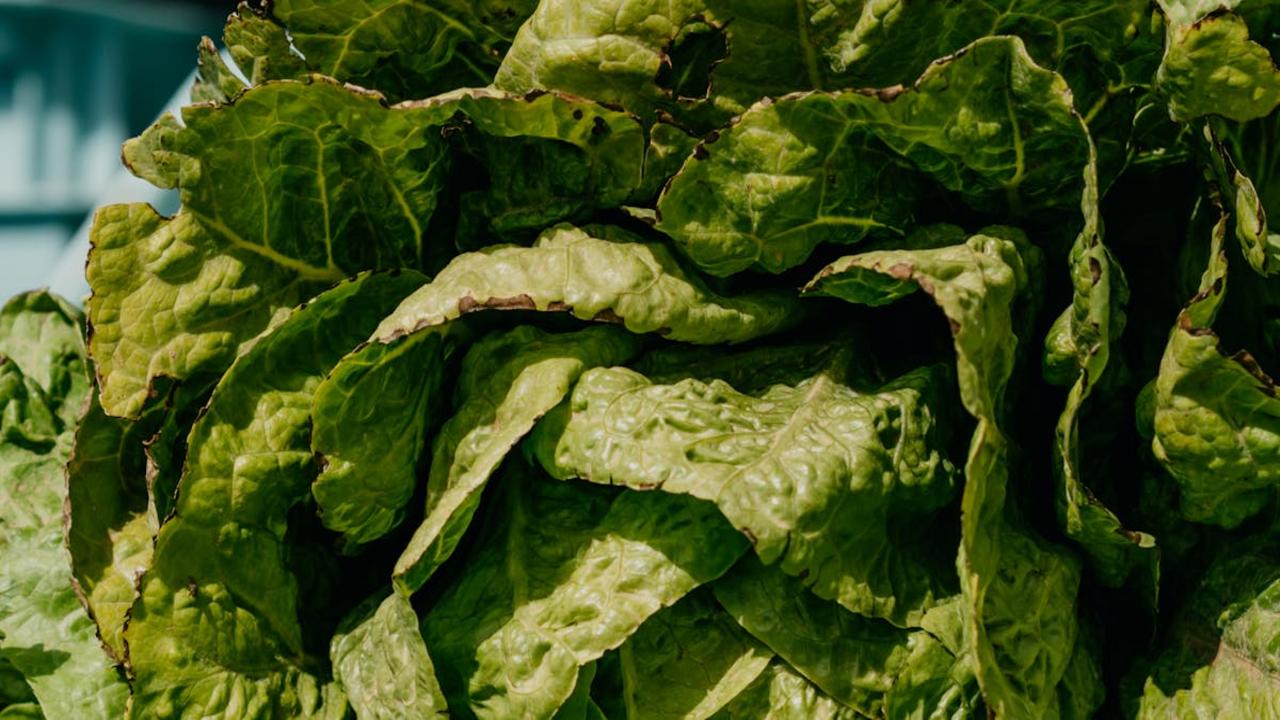
Listen, I have nothing against iceberg lettuce personally—it’s crunchy, it’s refreshing, it holds up like a champ in tacos—but ordering a wedge salad at a restaurant feels like paying someone to cut a vegetable in half. Chefs avoid this menu item because it’s basically a lesson in overcharging: you’re dropping $12 to $18 for a quarter head of lettuce drowned in blue cheese dressing, a few bacon bits, and maybe some sad cherry tomatoes if you’re lucky. The profit margin on this thing is astronomical, and the kitchen staff knows it. They’re not back there carefully selecting heirloom greens or crafting a delicate vinaigrette—they’re literally just hacking up iceberg and hoping you don’t notice you’re paying restaurant prices for what amounts to a glorified snack.
Here’s the thing that really gets chefs: the wedge salad represents everything wrong with dining out in America. It’s the menu equivalent of phoning it in. No creativity, no technique, no soul. Just cold lettuce and toppings you could easily replicate at home for about two bucks. Professional cooks see this dish and think, “I could be making something actually interesting with these ingredients,” but instead, restaurants keep it on the menu because people order it, probably out of some misguided sense of nostalgia or the belief that ordering a salad makes their steak dinner healthier. Spoiler alert: that blue cheese dressing has more calories than a small pizza. If you really want a wedge salad, make it yourself and save the money for an appetizer that actually required someone to, you know, cook something.
Soup of the day
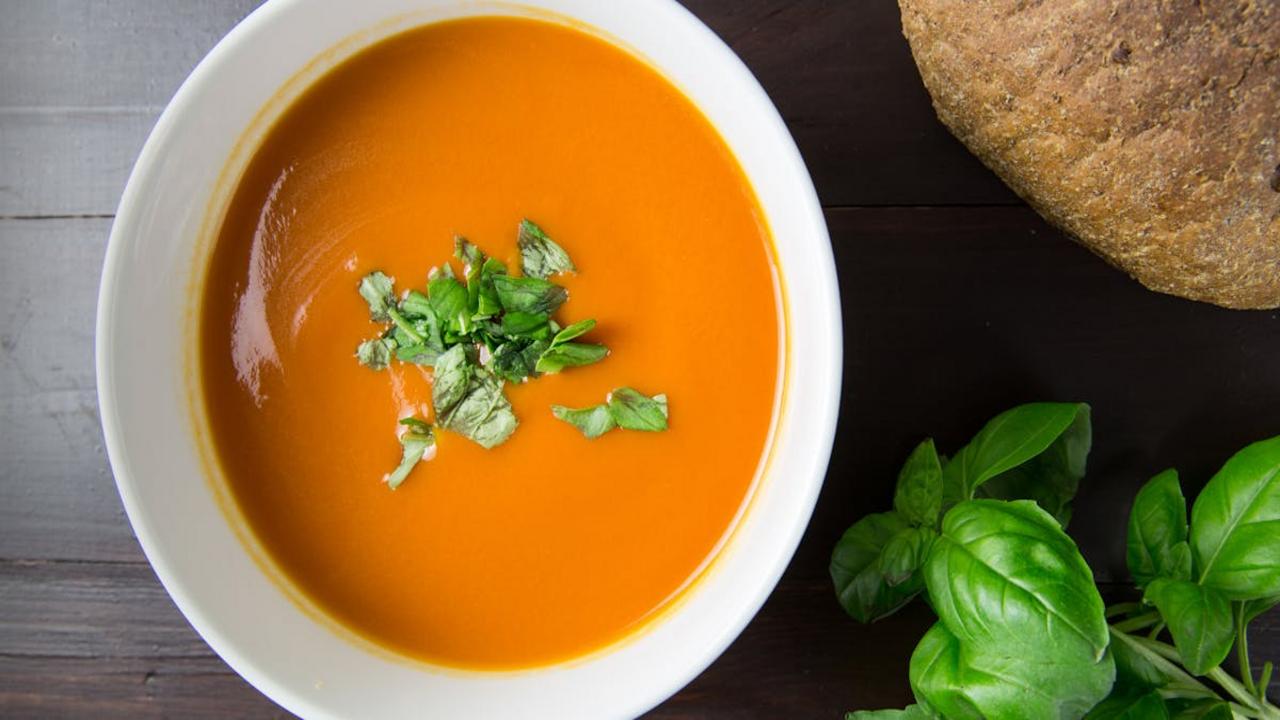
Ah, the “soup of the day”—that mysterious, ever-changing menu item that sounds so wholesome and comforting, doesn’t it? Here’s the thing: professional chefs know exactly what this often means in restaurant kitchens. It’s frequently the brilliant solution to yesterday’s ingredients that are about to turn. That wilted kale? Toss it in the soup pot. Those carrots looking a bit sad? Soup time. The roasted chicken from Sunday that nobody ordered Monday? Welcome to Tuesday’s chicken noodle special. While there are certainly restaurants that take pride in their daily soup creations, using fresh, thoughtfully selected ingredients each morning, many establishments view it as their most creative recycling program. It’s the kitchen’s way of ensuring nothing goes to waste, which is admirable from a sustainability standpoint but less appealing when you’re paying fifteen dollars for yesterday’s odds and ends blended with broth.
Chefs who order soup at restaurants typically stick to signature soups that appear on the regular menu year-round—the French onion that’s been perfected over years, the signature lobster bisque, or the ramen that’s been simmering for days. These dishes represent commitment and consistency. But that daily special? It’s often made in large batches early in the morning, sitting in a steam table for hours, developing that distinctive “held too long” taste. The texture changes, the seasonings become muddled, and any fresh herbs have long since given up their vibrant essence. If you absolutely must try the soup of the day, ask your server when it was made and what’s actually in it. A good restaurant will happily share those details, and their transparency will tell you everything you need to know about whether that bowl is worth ordering.
Chicken Parmesan
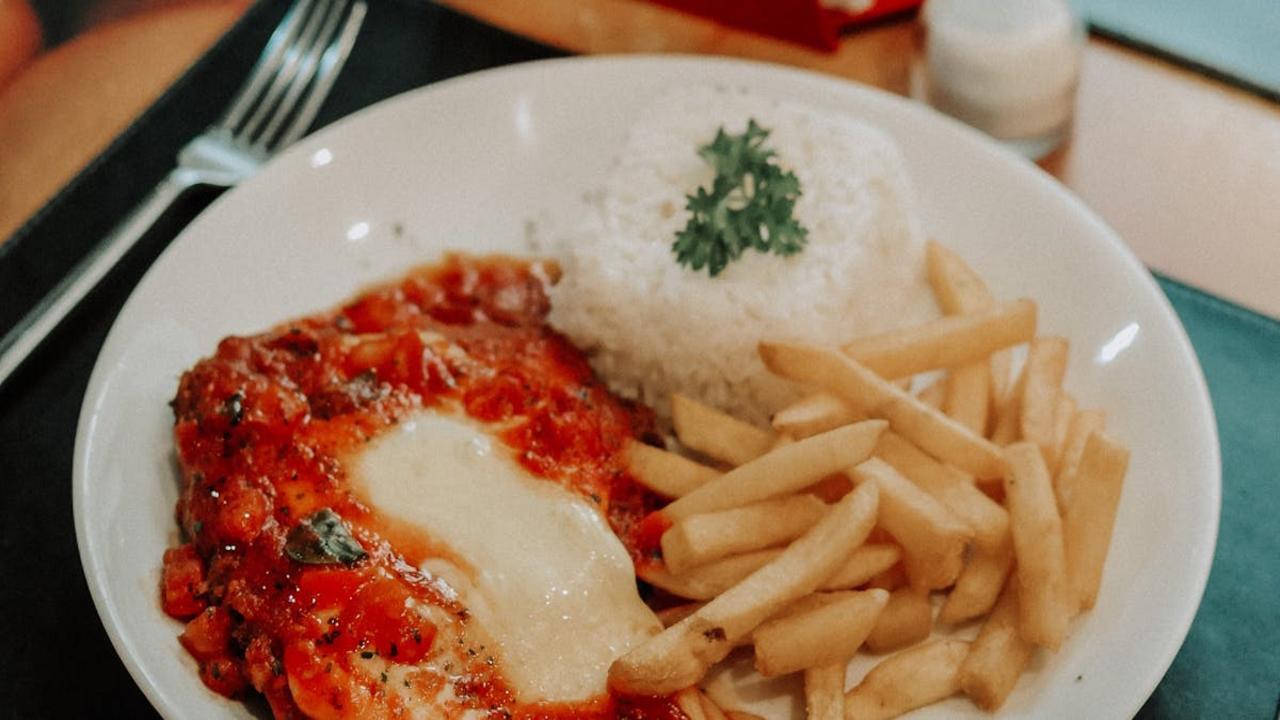
Picture this: a golden-brown chicken cutlet swimming in marinara sauce, draped with a blanket of melted mozzarella, and nestled on a bed of pasta. Sounds dreamy, right? Wrong—at least according to most chefs. The problem with restaurant chicken parm is that it’s often a soggy, reheated disaster that bears little resemblance to the crispy, cheesy masterpiece it should be. That beautiful breading you were dreaming about? It’s probably been sitting under sauce and cheese for hours, transforming into something with the texture of wet cardboard. Chefs know that maintaining that crucial crunch-to-sauce ratio requires precise timing, and most kitchens just slap together whatever’s been sitting under heat lamps. The chicken itself is frequently overcooked, dry, and pounded so thin it might as well be a piece of edible paper.
Here’s the kicker: chicken parmesan is actually incredibly easy to make at home, and you’ll end up with something ten times better than what most restaurants serve. You can control the quality of your chicken, keep that breading crispy by adding the sauce and cheese at the last possible second, and actually use real Parmigiano-Reggiano instead of the mystery cheese blend many establishments use. Chefs also point out that restaurant versions often use pre-shredded mozzarella, which contains anti-caking agents that prevent it from melting properly—giving you that weird, rubbery cheese situation nobody wants. Make it yourself and you’ll wonder why you ever ordered this Italian-American classic at a restaurant in the first place.
Anything with a truffle oil drizzle
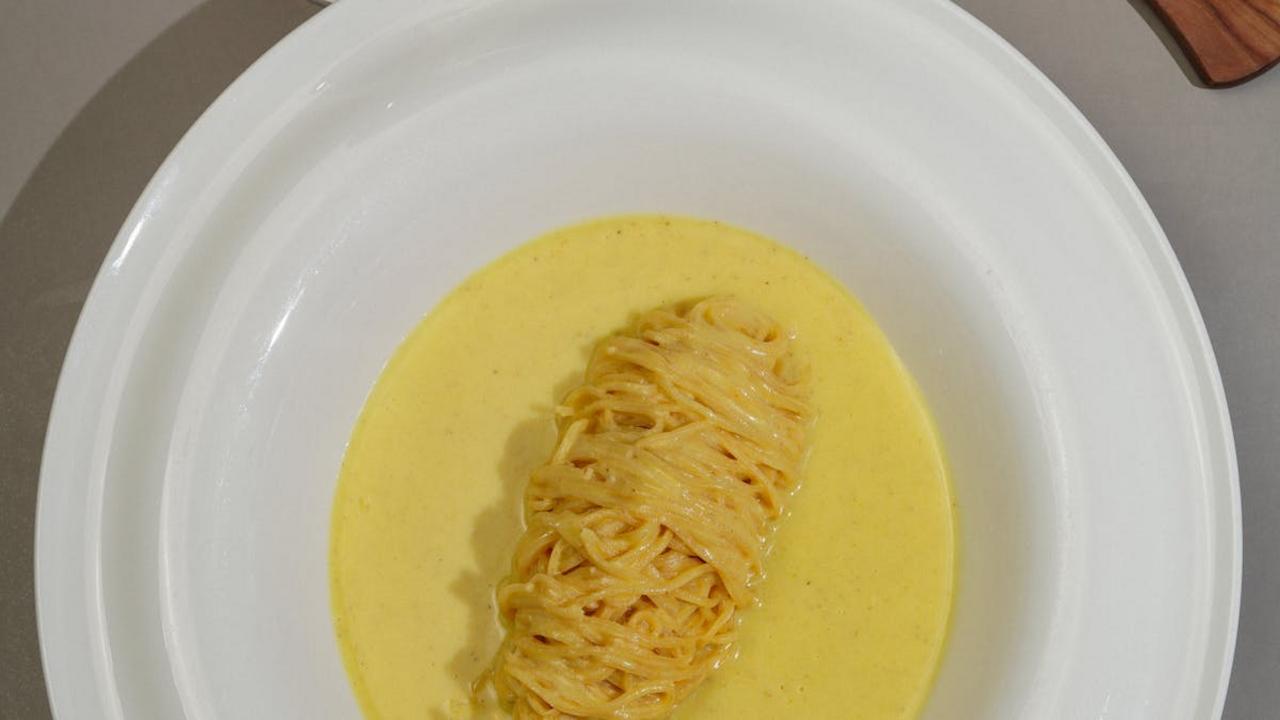
Ah, truffle oil—the fancy-pants ingredient that restaurants love to drizzle over everything from french fries to scrambled eggs, charging you an extra ten bucks for the privilege. Here’s the dirty little secret that chefs know but rarely share: most truffle oil is about as authentic as a three-dollar bill. That precious elixir you’re paying through the nose for? It’s usually just olive oil mixed with synthetic chemical compounds designed to mimic the earthy aroma of real truffles. The actual fungus has probably never been within a hundred miles of that bottle. Real truffles are wildly expensive and incredibly delicate, which is why restaurants opt for the fake stuff—but it’s like comparing a Ferrari to a toy car with a Ferrari sticker slapped on it.
Professional chefs can spot truffle oil from across the dining room, and not in a good way. That overpowering, almost gasoline-like smell is the telltale sign of the synthetic stuff, and it tends to dominate every other flavor on the plate like an uninvited guest at a dinner party who won’t stop talking. The flavor is one-dimensional and cloying, masking rather than enhancing the food beneath it. When you see “truffle oil drizzle” on a menu, what you’re really seeing is a restaurant’s attempt to make something seem luxurious without actually investing in quality ingredients. If a chef wants real truffle flavor, they’ll shave fresh truffles over your dish—and trust me, you’ll know the difference immediately. Save your money and your palate, and skip anything swimming in that suspicious golden liquid.
Kobe beef burger
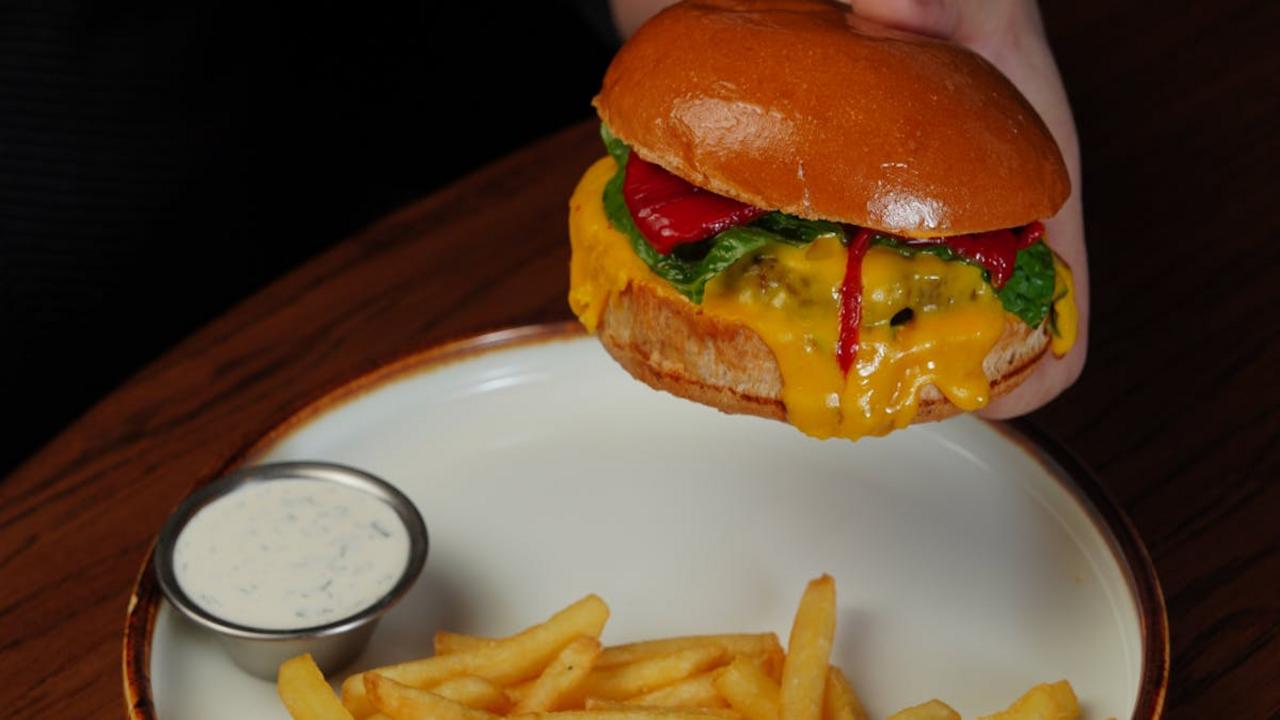
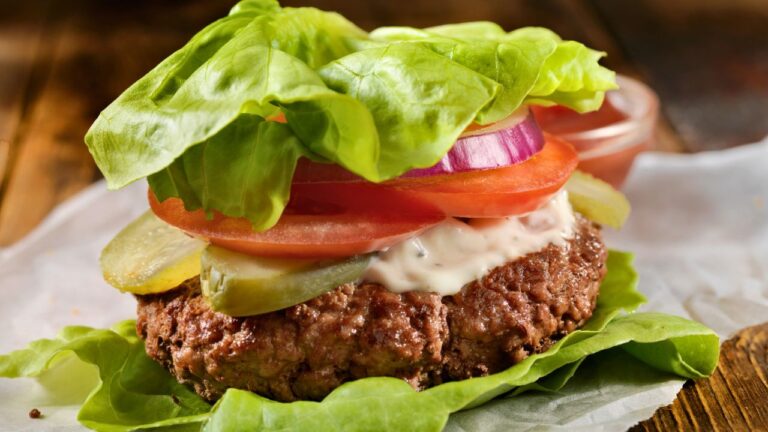
Picture this: you’re at a restaurant, and you spot “Kobe beef burger” on the menu for forty bucks. Your heart races. Your mouth waters. You’re about to taste the rarest, most exquisite beef on the planet—sandwiched between two buns with pickles and ketchup. Except here’s the thing chefs know that you might not: authentic Kobe beef is so ridiculously regulated and expensive that most restaurants wouldn’t dream of grinding it into burger meat. Real Kobe comes from Tajima cattle raised in Japan’s Hyogo Prefecture under strict conditions, and it’s marbled with fat so delicate it practically melts at room temperature. Grinding that into a patty and slapping it on a grill? That’s like using a Picasso as a coaster. Most “Kobe” burgers you’ll find are actually made from American Wagyu or regular beef with pretentious marketing, and chefs see right through it.
Even if you somehow scored an authentic Kobe burger, the cooking process defeats the entire purpose. That legendary marbling—the hallmark of real Kobe—renders out during high-heat cooking, dripping through the grates and taking your wallet’s sacrifice with it. Chefs prefer their Kobe served as steak, where you can actually appreciate the buttery texture and subtle flavor without drowning it in condiments. Plus, grinding beef masks imperfections, which makes it the perfect opportunity for restaurants to use inferior cuts while charging premium prices. Smart diners ordering burgers stick with good old-fashioned chuck or brisket blends—beef that’s actually meant to be ground. Save your forty dollars for something that deserves it, like three regular burgers and a really nice bottle of wine to wash them down with.
Caesar salad with anchovy
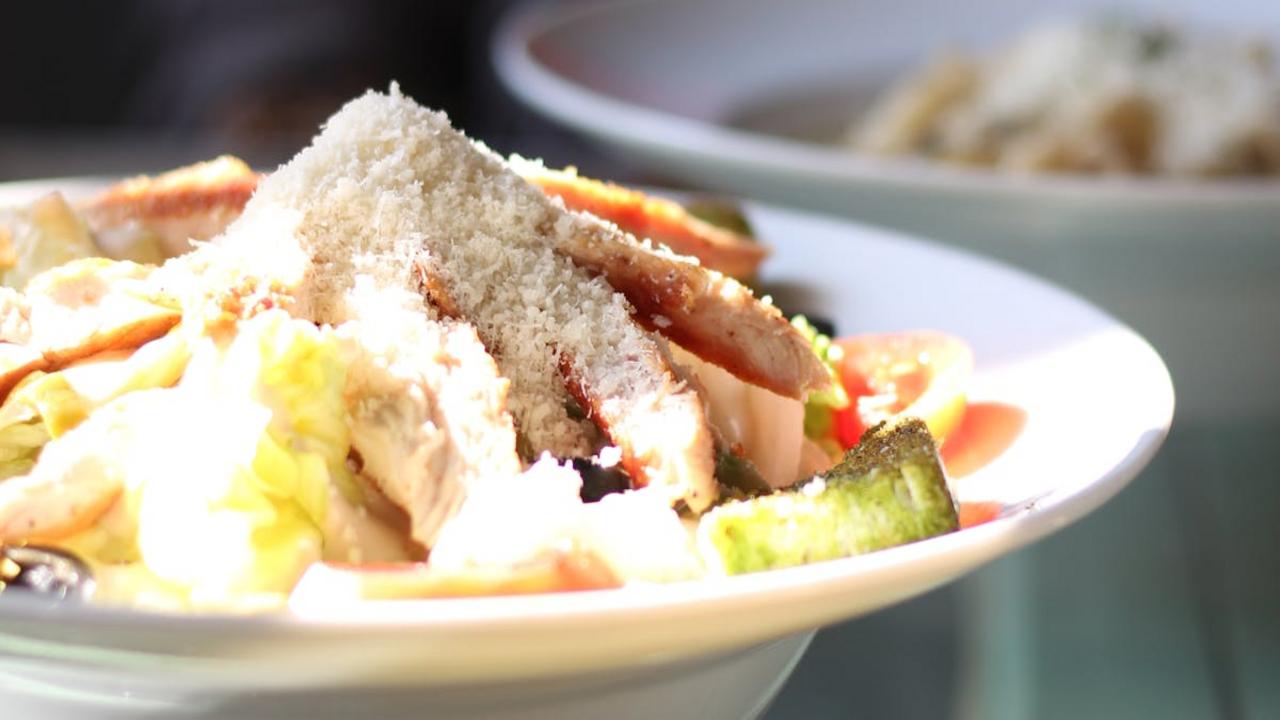
Picture this: you’re at a restaurant, scanning the menu, and there it is—the Caesar salad with anchovy, sitting there like a fishy landmine waiting to ruin your meal. Chefs know better than to order this deceptively simple dish, and here’s why. That beautiful dressing? It’s supposed to be made fresh with raw egg yolks, garlic, lemon juice, Parmesan cheese, and yes, those little salty fish. But most restaurants take shortcuts that would make Julius Caesar roll over in his toga. They’re using bottled dressing that’s been sitting on a shelf since last summer, tossing it with wilted romaine that’s seen better days, and sprinkling on croutons that have the texture of Styrofoam packing peanuts. The anchovies—if they even bother including them—are those sad, overly salty specimens from a tin that’s been open in the walk-in cooler for who knows how long.
Here’s the thing about Caesar salad: it requires skill, fresh ingredients, and perfect timing to get right. The dressing needs to be emulsified properly, creating that creamy, tangy coating that clings to every leaf. The lettuce should be crisp and cold, the cheese freshly grated (not the pre-shredded dust), and those anchovies should add a subtle umami punch, not taste like you’re licking the bottom of a fishing boat. Chefs avoid ordering it because they know the restaurant is probably charging fifteen bucks for something that costs them maybe two dollars to make—and even then, they’re cutting corners. They’ve seen too many colleagues dump everything into a bowl, give it a half-hearted toss, and call it done. Save yourself the disappointment and make one at home where you can control every component, or better yet, find that rare restaurant that actually respects this classic enough to do it justice.
Out-of-season seafood
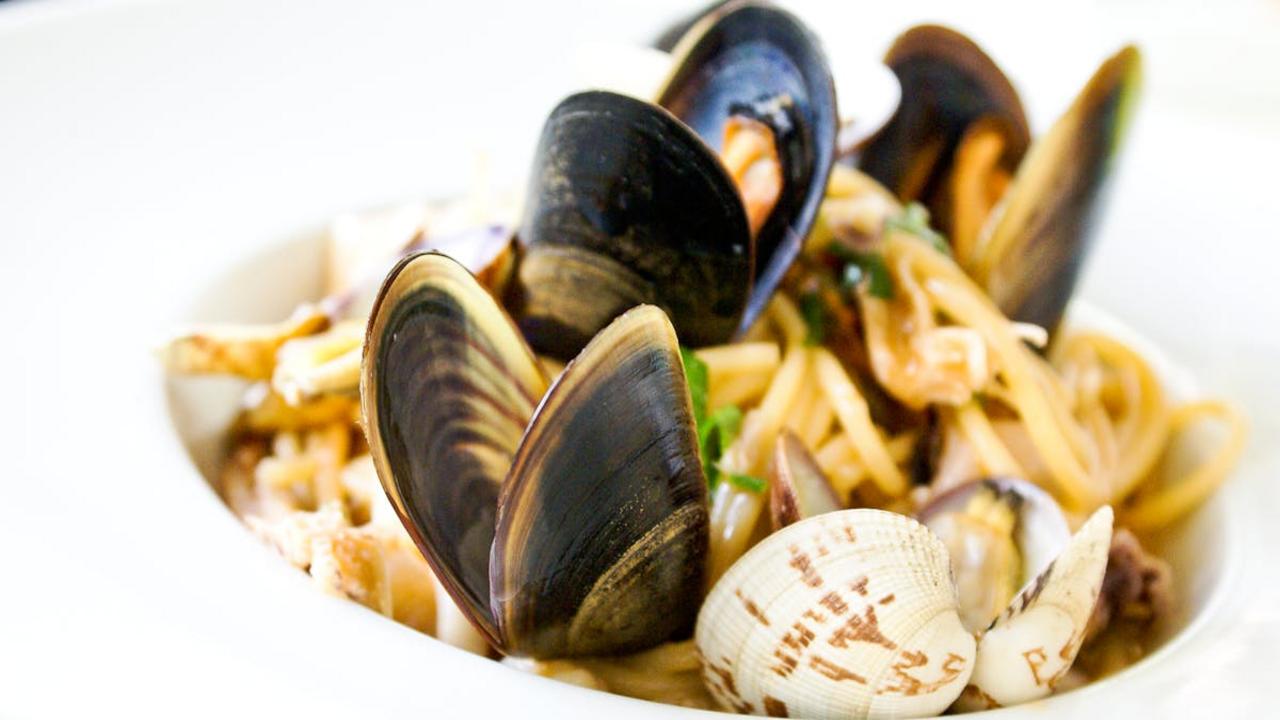
Picture this: It’s January, you’re bundled up in three layers, and there’s snow outside. You walk into a restaurant and spot “fresh” soft-shell crab on the menu. Your inner food detective should immediately start waving red flags because soft-shell crabs are a spring delicacy, my friend. Chefs know that ordering seafood when Mother Nature isn’t cooperating means you’re getting something that’s been frozen for months or shipped from halfway around the world, losing flavor and texture with every mile. That “fresh” halibut in December? It’s probably been chilling in a freezer longer than your leftovers from Thanksgiving. The ocean has seasons too, and ignoring them is like expecting strawberries to taste amazing in February—technically possible, but definitely disappointing.
Smart chefs stick to what’s swimming in local waters right now, not what sounds fancy on paper. They know that a humble mackerel caught yesterday will always beat a “premium” tuna that’s traveled across three continents. Plus, out-of-season seafood often comes with a hefty price tag that doesn’t match the quality you’re getting. You’re basically paying luxury prices for frozen mediocrity dressed up with fancy plating. The environmental impact isn’t great either—all that transportation and refrigeration just to satisfy your craving for something that’ll taste way better in four months anyway. Do yourself a favor and ask your server what’s actually in season locally. Your wallet, your taste buds, and the planet will thank you for being patient.
Hollandaise sauce dishes
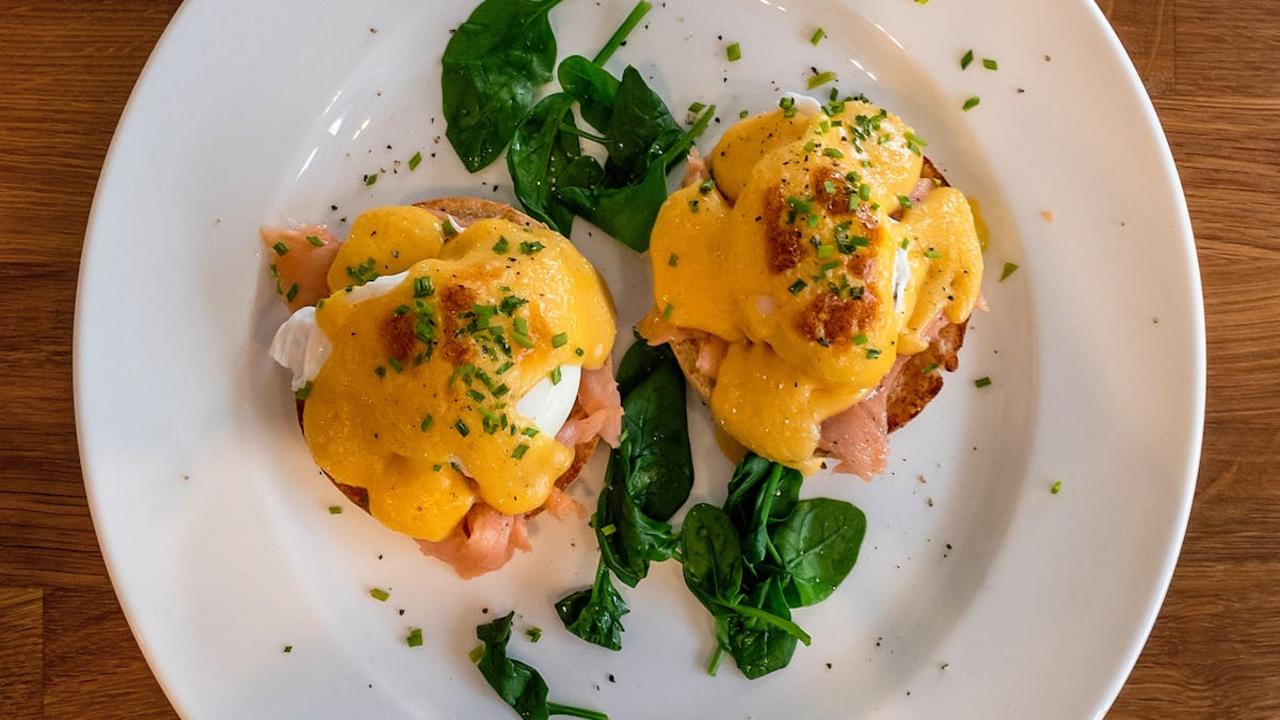
Here’s the thing about hollandaise sauce at restaurants: it’s basically a ticking time bomb of food safety nightmares wrapped in buttery yellow deception. Chefs know that this classic French emulsion requires constant attention, precise temperature control, and should be made fresh for each service. What actually happens? That hollandaise sitting in a warming drawer has been there since breakfast shift started at 6 AM, and now it’s dinner time. The sauce has been hovering in what food safety experts lovingly call “the danger zone”—that perfect temperature range where bacteria throw themselves a wild party. Professional cooks will tell you that proper hollandaise should never sit for more than two hours, yet they’ve all witnessed that same batch getting spooned over eggs Benedict well into the afternoon. The texture alone gives it away: fresh hollandaise has this silky, pourable consistency, while the sad restaurant version often looks separated or suspiciously thick from sitting too long.
Even worse, many restaurants have switched to powdered hollandaise mixes because making the real deal is too labor-intensive and expensive. You’re essentially paying premium brunch prices for reconstituted powder that tastes like butter-flavored disappointment mixed with regret. The eggs Benedict you ordered? That hollandaise probably contains more stabilizers and preservatives than actual egg yolks. Smart chefs skip these dishes entirely because they’ve seen behind the curtain—they know which corners get cut during busy Sunday brunch when tickets are flying and there’s no time to whisk up a fresh batch. If you absolutely must have hollandaise, order it at a high-end spot where they make it à la minute (to order), and definitely go during slower service times. Otherwise, you’re gambling with your digestive system for sauce that probably tastes like lemony sadness anyway.
Fish on a Monday
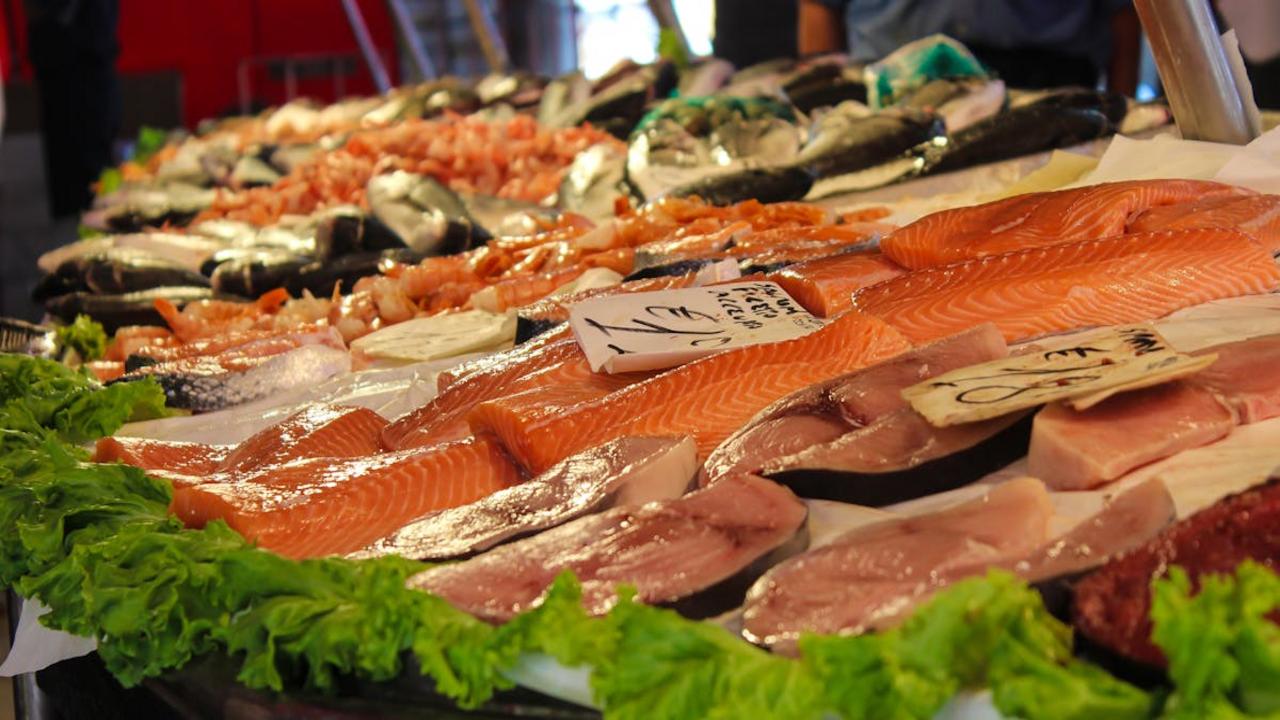
Picture this: it’s Monday morning, and somewhere in the world, a chef is staring down at a plate of grilled salmon with the kind of suspicion usually reserved for questionable leftovers. Why? Because that beautiful piece of fish sitting in front of you at your favorite restaurant probably arrived last Thursday or Friday—meaning it’s been hanging around for at least three days by the time Monday rolls around. Most seafood deliveries happen mid-week through Friday, which means your Monday fish special is swimming in dangerous territory, freshness-wise. Professional chefs know this schedule intimately, and they’re not about to gamble their taste experience on a piece of cod that’s past its prime. The restaurant industry has an unspoken rule: if you want truly fresh fish, avoid it at the beginning of the week like you’d avoid wearing white pants to a spaghetti dinner.
The science backs up this culinary wisdom too—fish begins losing its quality the moment it leaves the water, and while proper storage can slow this process, it can’t stop the clock entirely. By Monday, that once-pristine halibut has been through weekend service, sat through temperature fluctuations, and absorbed who-knows-what odors from its refrigerated neighbors. Chefs will often steer toward shellfish instead if they absolutely must order seafood early in the week, since oysters and clams have better staying power than their finned friends. Here’s your insider tip: ask your server when their seafood delivery arrives. If they say Tuesday or Wednesday, mark your calendar and come back then. Your future self (and your stomach) will thank you for dodging that suspicious-looking Monday mahi-mahi that’s been giving everyone the side-eye from the kitchen.