15 Great Depression Era Dishes Worth Bringing Back to Your Table
The Great Depression taught our grandparents something we’ve forgotten: incredible meals don’t require expensive ingredients. These resourceful cooks transformed basic pantry staples into satisfying dishes that fed families through the toughest times. Their creativity with simple ingredients like potatoes, cornmeal, and beans produced comfort food that still satisfies today.
I’ve been recreating these depression-era recipes in my own kitchen, and honestly, they’re revelations. Take potato pancakes—crispy, golden, and made from ingredients you probably have right now. Or wacky cake, which proves you can bake without eggs or dairy and still create magic. These dishes remind us that cooking from scratch beats processed convenience every time.
These fifteen recipes represent more than frugal cooking—they’re lessons in resourcefulness and creativity. Each dish tells a story of making do with less while never sacrificing flavor or nutrition. Your family will love these hearty, wholesome meals that connect us to our culinary roots.
Chili Mac
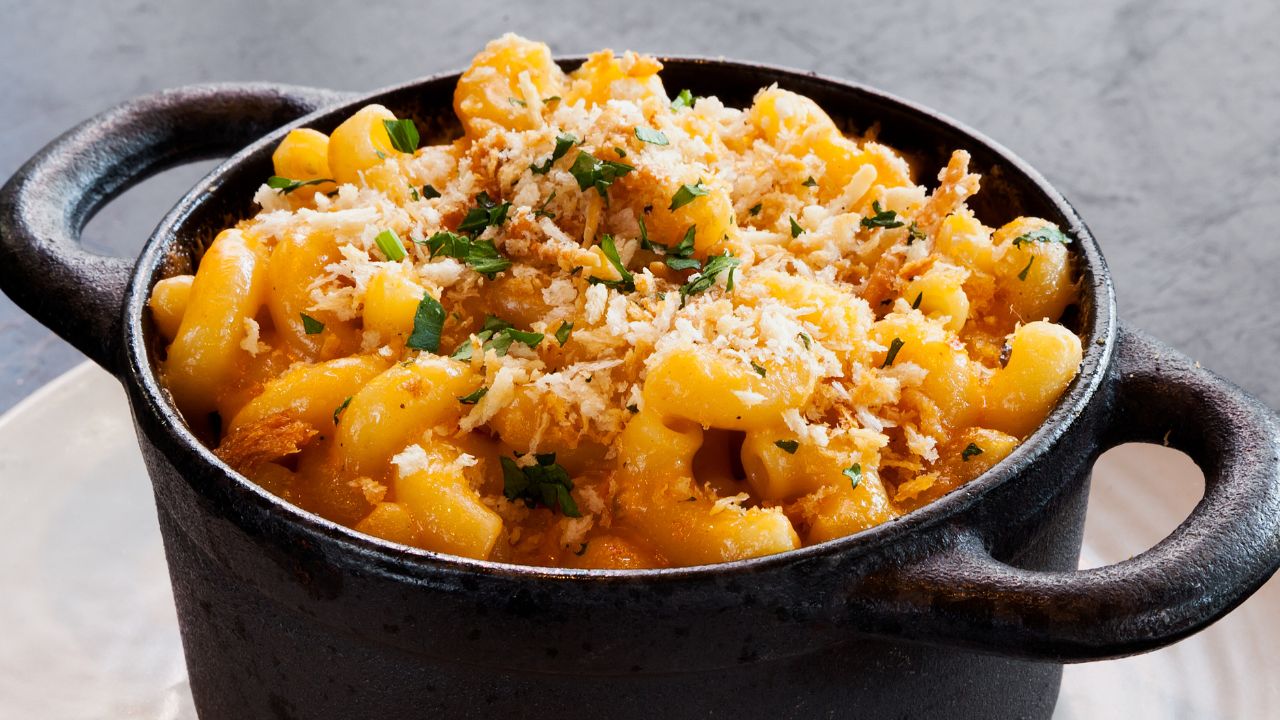
Picture this: you’re standing in your kitchen with ground beef, dried beans, and elbow macaroni—three humble ingredients that transformed Depression-era dinner tables into places of comfort and satisfaction. Chili mac became the hero meal when families needed to stretch every penny while still creating something that brought everyone together around the table. I love how this dish represents the beautiful marriage of two beloved American comfort foods, creating something greater than the sum of its parts. The warmth of spiced chili combined with tender pasta creates a one-pot wonder that fills both bellies and hearts.
What makes chili mac so special is how you can adapt it to whatever you have on hand—swap ground turkey for beef, add black beans alongside kidney beans, or throw in diced bell peppers and onions for extra nutrition. I always start by browning my protein with cumin, chili powder, and smoked paprika, then let everything simmer together so the pasta absorbs all those rich flavors. The result is a hearty, satisfying meal that costs a fraction of what you’d spend on takeout, yet delivers so much more in terms of nourishment and that homemade love your family craves. This is comfort food that actually comforts—no processed shortcuts needed.
Depression-era Meatloaf
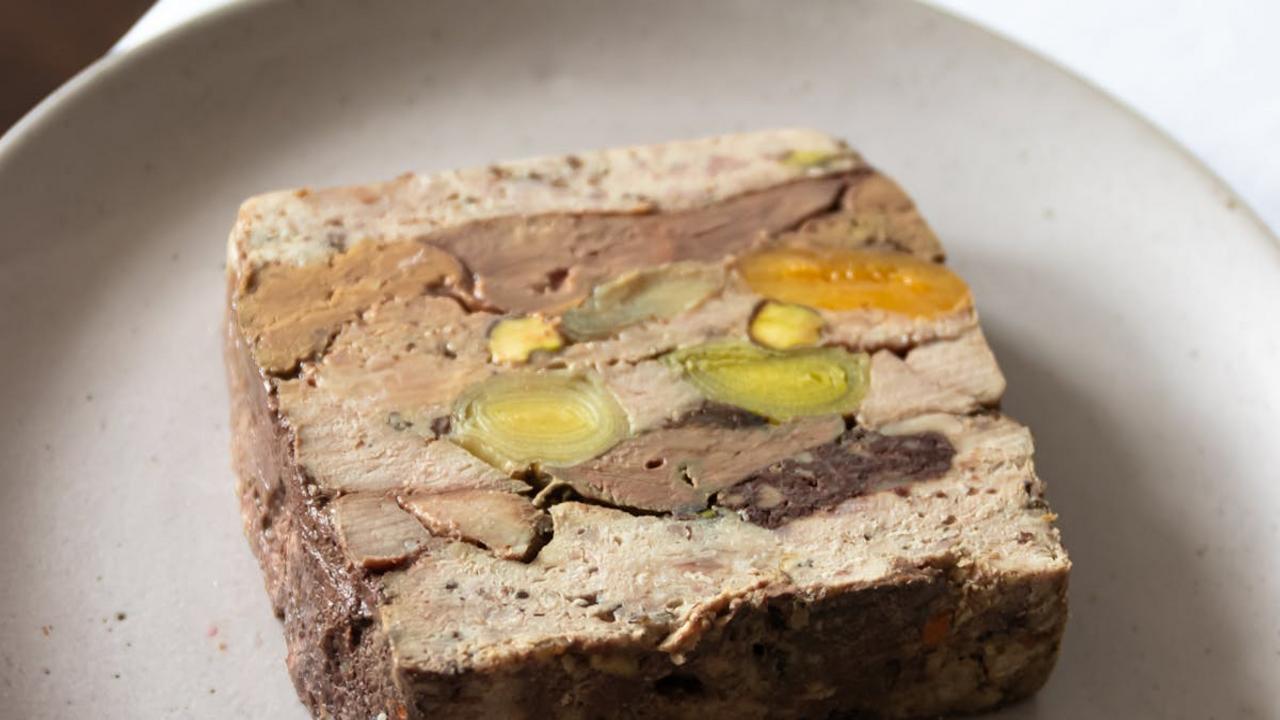
Depression-era meatloaf teaches us that resourcefulness creates the most comforting dishes. During those lean years, home cooks stretched ground meat with breadcrumbs, oats, and whatever vegetables they had on hand. This wasn’t about compromise—it was about creativity. I love how this approach mirrors my own cooking philosophy of working with what you have and making it extraordinary. The original recipes often included grated carrots, diced onions, and even leftover rice or potatoes to bulk up the mixture while adding moisture and flavor.
What makes this dish so appealing today is its adaptability and wholesome nature. You can swap the traditional beef for a mix of ground turkey and mushrooms, add fresh herbs from your garden, or incorporate international flavors like cumin and paprika for a global twist. The beauty lies in its forgiving nature—no two meatloaves need to be identical. Serve it with simple roasted vegetables and you have a complete, nourishing meal that honors both history and your family’s health. This humble dish proves that the best comfort food often comes from the simplest ingredients combined with love and ingenuity.
Spam Hash
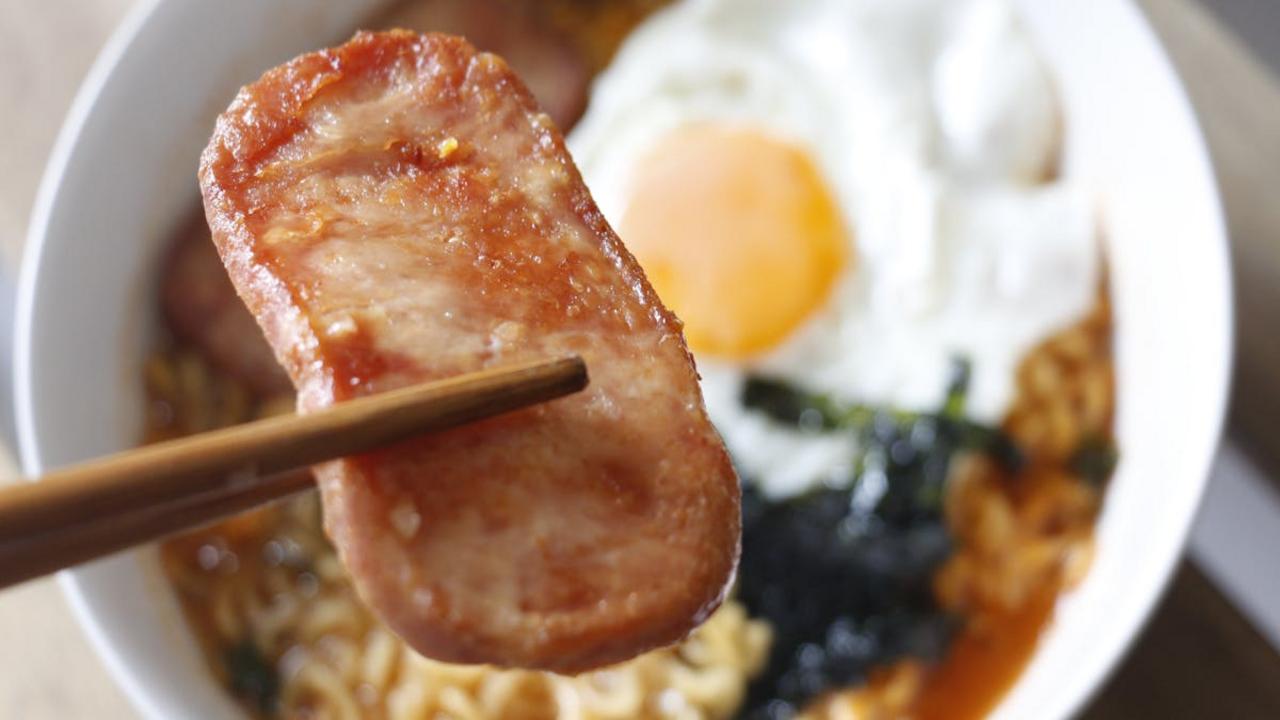
You know, I never thought I’d be singing the praises of Spam, but this Depression-era hash completely changed my perspective on this misunderstood pantry staple. When times were tough and fresh meat was scarce, families would dice up whatever vegetables they had on hand—usually potatoes, onions, and carrots—and toss them in a skillet with cubed Spam for a filling, one-pan meal. What makes this dish brilliant isn’t just its resourcefulness, but how the salty, savory Spam becomes almost bacon-like when you get those edges golden and crispy.
I’ve given this classic my own twist by adding bell peppers, fresh herbs, and finishing it with a runny egg on top. The key is patience—don’t rush the browning process because that caramelization creates incredible depth of flavor. Skip the processed frozen hash browns and use real potatoes that you cube yourself; the texture difference is remarkable. This hearty breakfast (or dinner!) reminds me why simple, honest cooking never goes out of style. Even my most skeptical friends admit this humble hash delivers serious comfort food satisfaction without breaking the bank.
Banana Bread
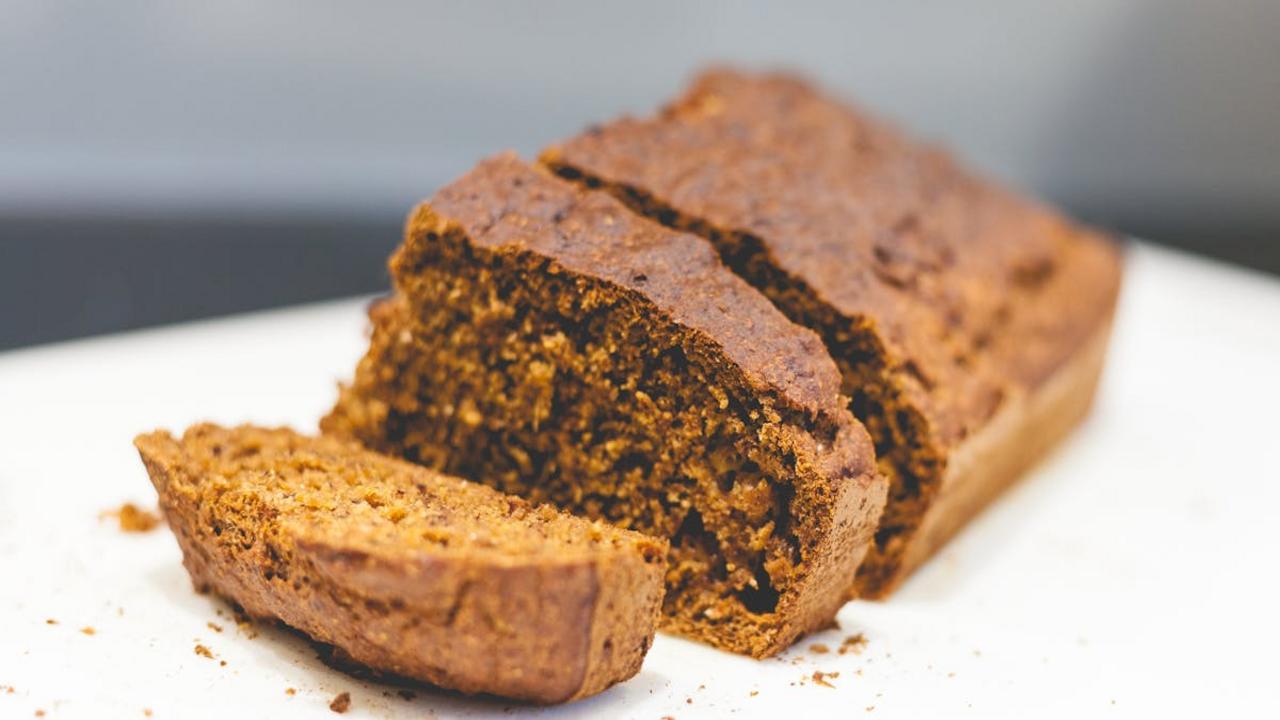
You know what gets me excited about banana bread? It’s how this Depression-era creation perfectly captures the spirit of never wasting food while delivering pure comfort in every slice. Back then, families couldn’t afford to throw away those overripe bananas sitting on the counter, so they transformed them into something magical. I love how this recipe teaches us that the best ingredients are often the ones we almost discard – those spotted, soft bananas that seem past their prime actually hold the sweetest, most concentrated flavors.
When I make banana bread today, I think about adding my own global twist while honoring its humble origins. Sometimes I fold in cardamom and chopped dates for a Middle Eastern flair, or add a handful of toasted walnuts and a sprinkle of cinnamon. The beauty lies in its flexibility – you can reduce the sugar since ripe bananas bring natural sweetness, swap half the flour for whole wheat, or even add a spoonful of Greek yogurt for extra moisture. Every time I pull a golden loaf from the oven, I’m reminded that the most satisfying recipes often come from the simplest moments of kitchen creativity and resourcefulness.
Peanut Butter Bread
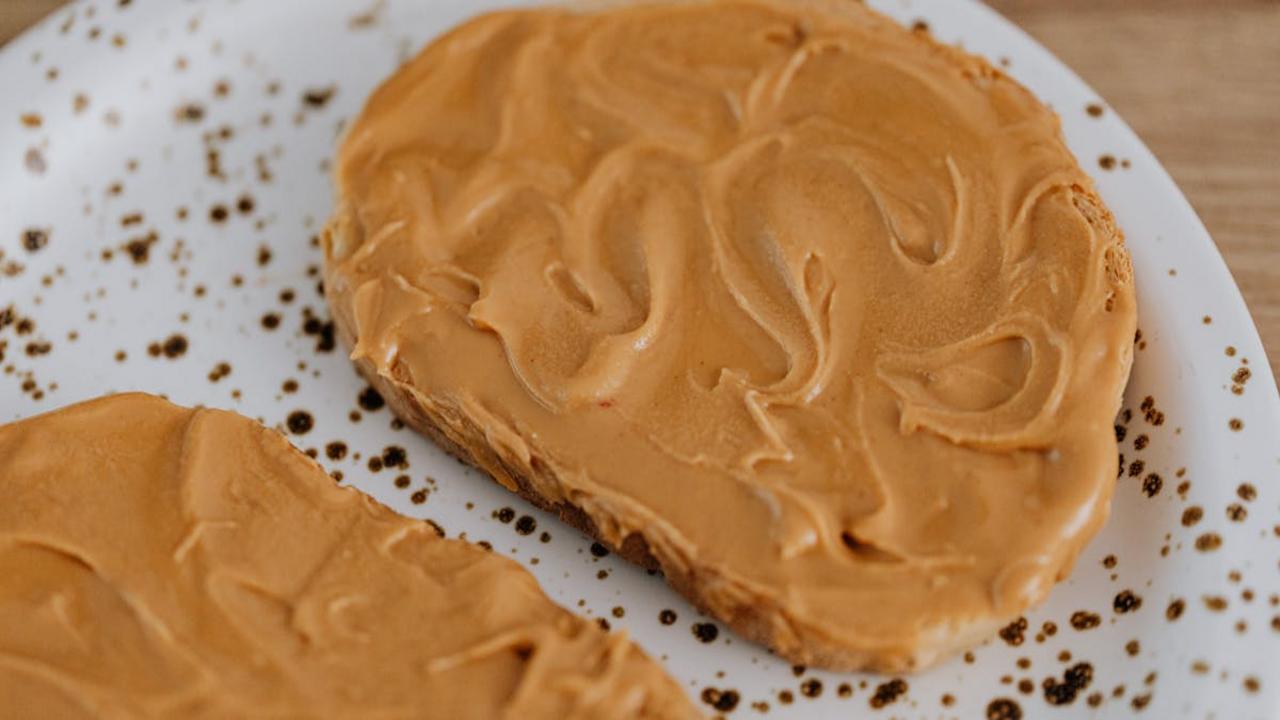
Picture this: you’re craving something sweet, but your pantry looks pretty bare. During the Great Depression, home cooks discovered that peanut butter could transform simple flour, sugar, and milk into pure comfort. This wasn’t just any quick bread—it was a protein-packed solution that satisfied hunger and sweet cravings simultaneously. I love how resourceful cooks turned what we now consider a sandwich spread into the star of their baking repertoire. The beauty of peanut butter bread lies in its incredible simplicity and the way it fills your kitchen with that unmistakable nutty aroma.
What makes this recipe so brilliant is how you can adapt it to whatever you have on hand. Skip the refined sugar and swap in honey or maple syrup. Add a handful of chopped peanuts for extra crunch, or fold in some dark chocolate chips if you’re feeling indulgent. The bread stays moist for days, making it perfect for breakfast toast, afternoon snacks, or even dessert. I often make a loaf on Sunday and watch it disappear throughout the week. This Depression-era gem proves that sometimes the most satisfying recipes come from the most humble ingredients—and honestly, your family will never guess this started as a survival recipe.
Ritz Cracker Crust Pizza

You know what makes me smile about Depression-era cooking? The pure creativity that came from necessity. Take this Ritz cracker crust pizza – it sounds wild, but trust me on this one. Your great-grandmother wasn’t crazy when she crushed up those buttery crackers to make a pizza base. She was onto something brilliant. I’ve made this dozens of times now, and each time I’m amazed at how that salty-sweet cracker foundation creates the most unexpected flavor harmony with tomato sauce and cheese. The crackers get pressed into a pie pan with a little egg to bind them, then you top it just like regular pizza.
What really gets me excited about bringing this recipe back is how it challenges our modern pizza assumptions. We spend so much money on fancy dough and complicated techniques, but sometimes the simplest swap creates magic. The cracker crust stays surprisingly sturdy while adding this incredible buttery richness that store-bought crusts just can’t match. Plus, you probably have everything you need sitting in your pantry right now. I love serving this to friends who think they know everything about pizza – their faces when they take that first bite and realize how good it actually tastes? Priceless. It’s proof that innovation often comes from limitation.
Egg Drop Soup
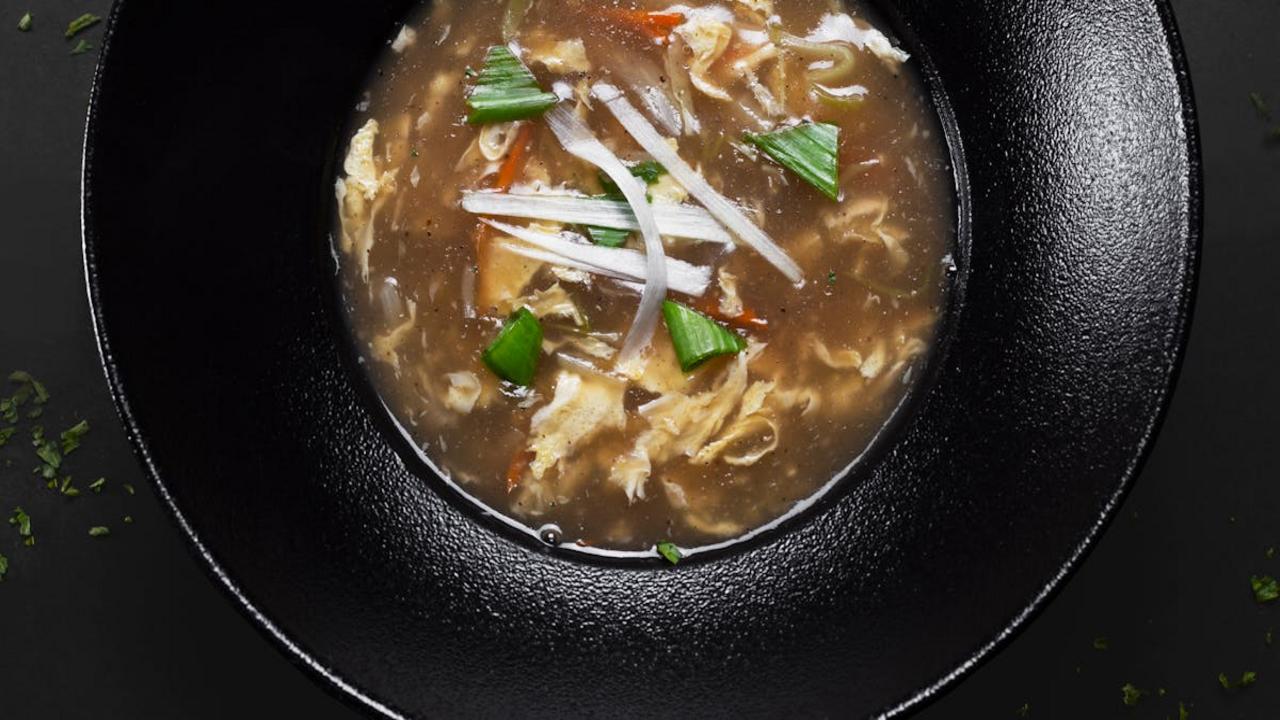
You know what amazes me about egg drop soup? This silky, comforting bowl became a Depression-era lifesaver because it transforms the simplest ingredients into something genuinely satisfying. Back then, families stretched every penny, and this soup proved you could create warmth and nourishment with just eggs, broth, and a few pantry staples. I love how the whisked eggs create those beautiful, delicate ribbons when you slowly drizzle them into hot broth—it’s like magic happening right in your pot.
What draws me to this recipe today is how it perfectly aligns with my approach to wholesome cooking from scratch. You start with good bone broth (homemade if possible), season it simply with ginger, garlic, and a touch of soy sauce, then watch as beaten eggs transform into silky strands. I often add fresh scallions, a handful of spinach, or even leftover vegetables to boost nutrition. This soup teaches us that comfort food doesn’t need complicated techniques or expensive ingredients—sometimes the most nourishing meals come from understanding how simple elements work together harmoniously.
Creamed Chipped Beef on Toast
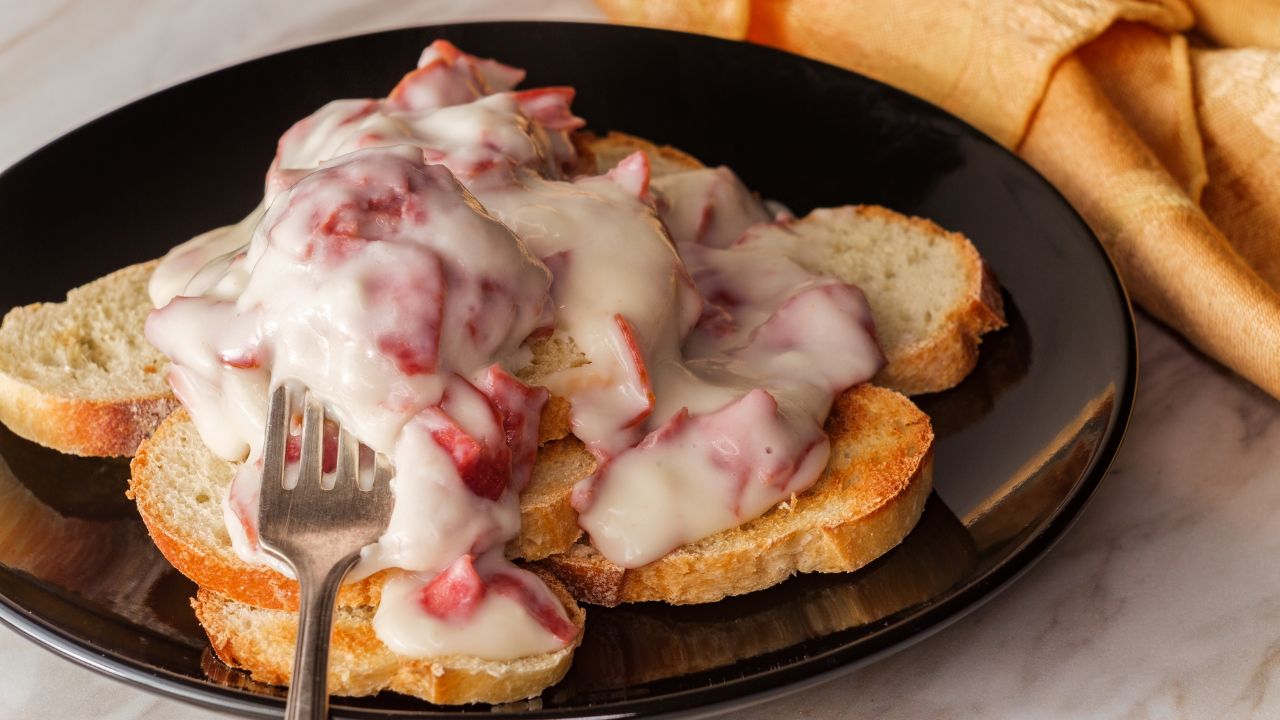
You know what gets me excited about Depression-era cooking? How resourceful cooks transformed the most humble ingredients into something genuinely satisfying. Creamed chipped beef on toast—affectionately nicknamed “S.O.S.” by military folks—proves that comfort food doesn’t need fancy components. I make mine by creating a silky white sauce with butter, flour, and milk, then folding in dried beef that I’ve rinsed to remove excess salt. The beauty lies in achieving that perfect consistency where the sauce clings beautifully to your toast without being too thick or thin.
What I love most about this dish is how it teaches you fundamental cooking techniques that carry over into countless other recipes. You’re mastering a basic roux, learning to build flavors gradually, and understanding how to balance saltiness with richness. I often add a pinch of black pepper and sometimes sneak in fresh chives from my garden for color and brightness. Serve it over thick slices of homemade bread, and you’ve got a meal that fills you up without breaking the bank. This recipe reminds us that good food comes from technique and care, not expensive ingredients.
Hoover Stew
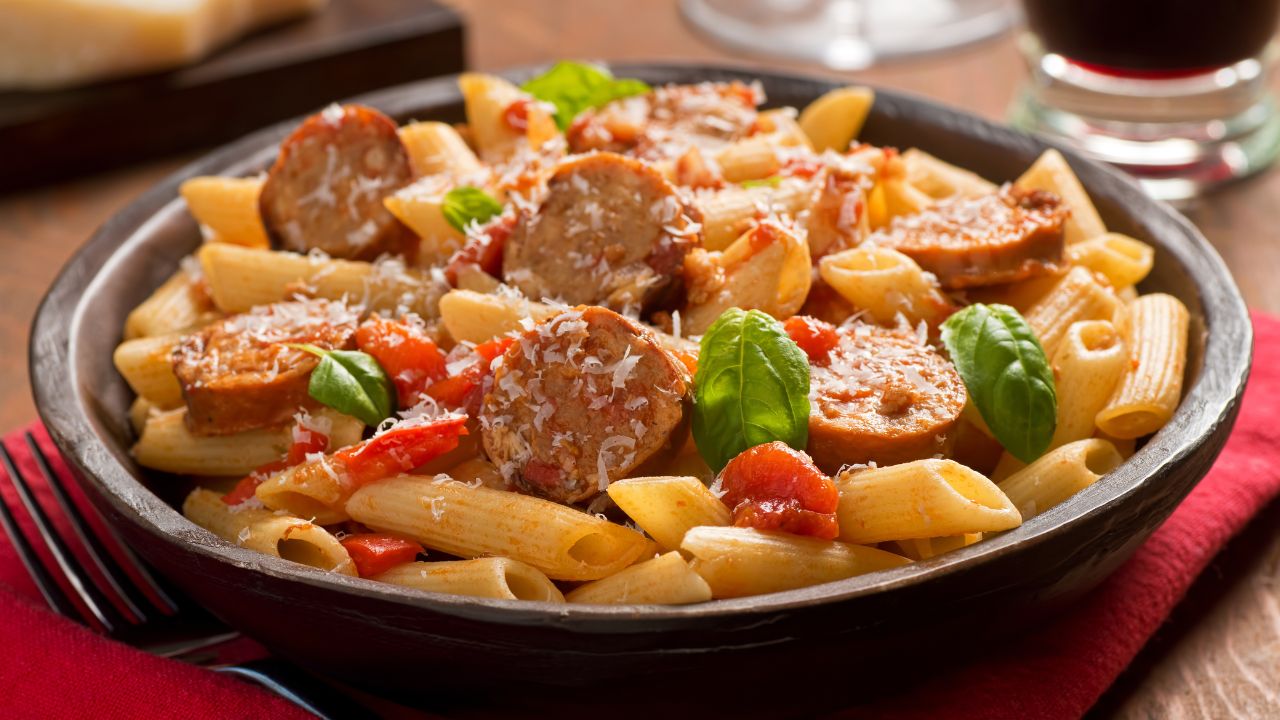
You know what I find beautiful about Hoover Stew? It’s basically a giant hug in a pot, born from necessity but somehow managing to be completely satisfying. This Depression-era creation got its name from President Hoover, though families called it different things depending on what they had on hand. The base recipe combines macaroni, canned tomatoes, ground meat (when available), and whatever vegetables you can find. I love how this dish represents the ultimate “clean out your pantry” meal—something I do regularly in my own kitchen when I want to avoid food waste.
What makes Hoover Stew perfect for today’s home cooks is its incredible flexibility. I’ve made versions with lentils instead of meat, added fresh herbs from my garden, and even thrown in leftover roasted vegetables for extra depth. The key is building layers of flavor: start by browning your protein, add aromatics like onions and garlic, then let everything simmer together until the flavors marry beautifully. You can stretch this meal to feed a crowd or make a smaller batch for weeknight dinners. It’s comfort food that doesn’t require expensive ingredients—just good technique and a willingness to trust your instincts about what tastes good together.
Bean and Bacon Soup
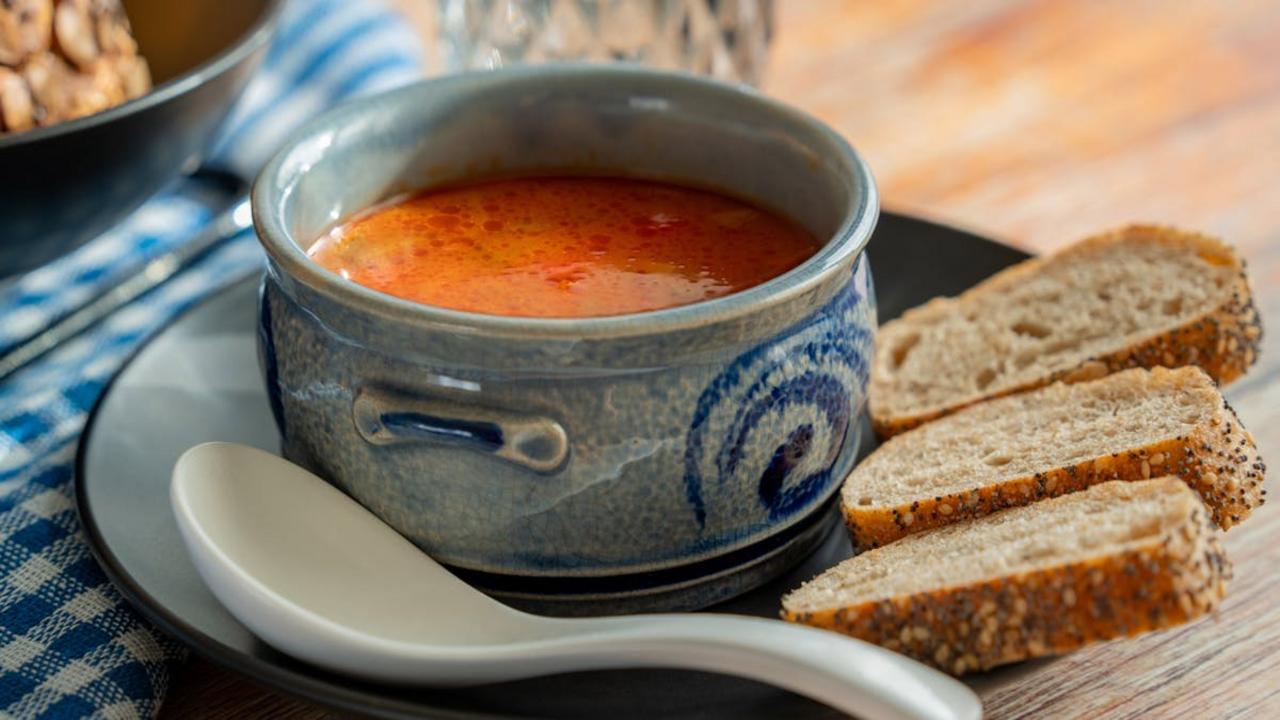
There’s something deeply satisfying about watching dried beans transform into a rich, hearty soup that could feed a family for days on just a few dollars. Bean and bacon soup became a Depression-era staple because it stretched ingredients brilliantly—a small piece of bacon or ham bone could flavor an entire pot of protein-packed beans. I love how this dish represents the kind of intuitive cooking that our grandparents mastered, turning humble pantry staples into something genuinely nourishing and delicious.
What makes this soup so brilliant is its flexibility and how it improves with time. You can start with any dried beans—navy beans work beautifully, but so do pintos or black-eyed peas—and build layers of flavor with aromatics like onions, carrots, and celery. The bacon renders its fat slowly, creating a rich base that infuses every spoonful. I often add herbs from my garden and finish with a splash of vinegar to brighten everything up. This soup tastes even better the next day, making it perfect for meal prep, and you can easily make it healthier by using turkey bacon or adding extra vegetables without losing that soul-warming comfort.
Vinegar Pie

When you hear “vinegar pie,” your first thought might be skepticism, but trust me on this one—this Depression-era dessert deserves a spot back in your recipe rotation. I’ve been experimenting with this humble creation lately, and what strikes me most is how a few basic pantry staples transform into something genuinely special. The pie filling combines white vinegar, butter, sugar, and eggs with a touch of flour, creating a custard-like texture that’s surprisingly similar to chess pie. The vinegar adds a subtle tang that balances the sweetness beautifully, creating layers of flavor you wouldn’t expect from such simple ingredients.
Making vinegar pie reminds me why I love cooking from scratch—you take what seems impossible and create magic. During the 1930s, families made this when lemons were too expensive, but the result stands on its own merit. I like to add a pinch of nutmeg or vanilla to mine, giving it a warm complexity that pairs perfectly with coffee or tea. The beauty lies in its simplicity: mix your filling, pour it into a pastry shell, and bake until set. You’ll discover that this forgotten dessert offers comfort and satisfaction without requiring exotic ingredients or complicated techniques.
Wacky Cake
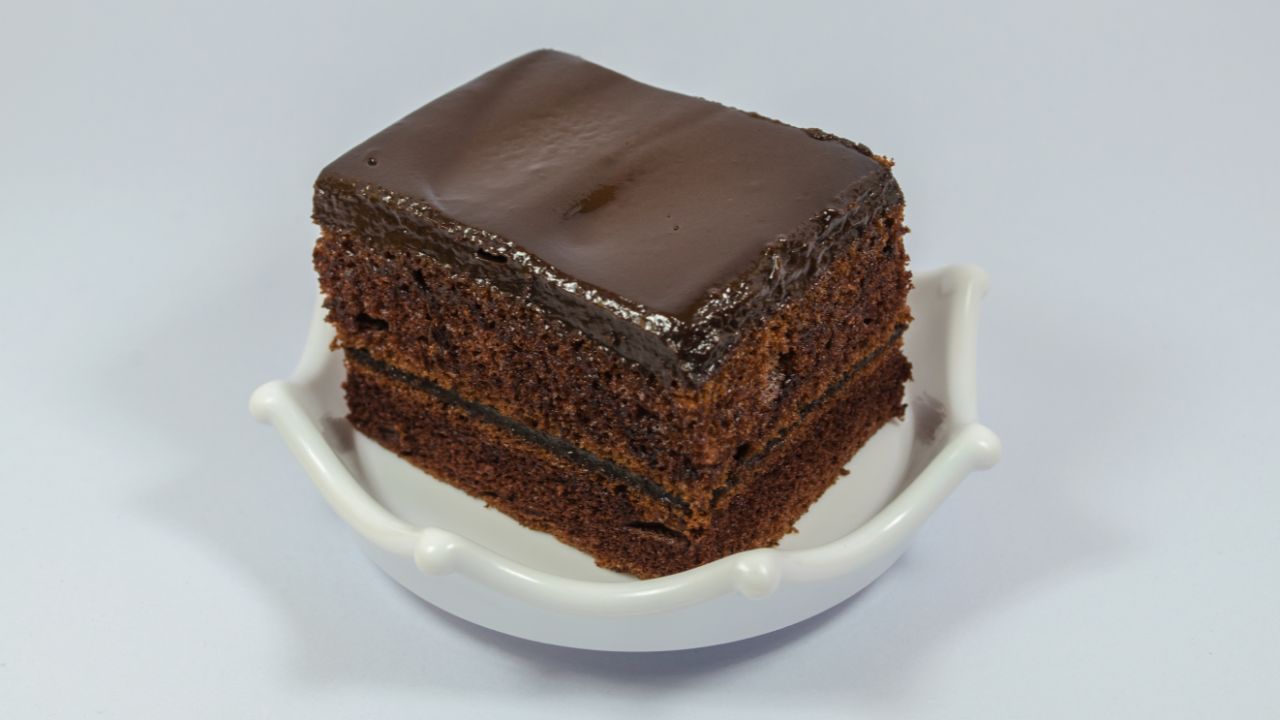
Here’s something magical that happened during the Great Depression – bakers discovered they could create an incredible chocolate cake without eggs, butter, or milk. Wacky Cake earned its name because the mixing method seems completely backwards from everything we know about baking. You make three wells directly in your dry ingredients, pour vinegar in one, vanilla in another, oil in the third, then add water and mix everything together right in the pan. No separate bowls, no creaming butter, no careful folding – just dump and stir.
I’ve made this cake countless times, and it never fails to amaze me how moist and rich it turns out. The vinegar reacts with the baking soda to create lift, while the oil keeps everything tender. What I love most is how this recipe teaches us that sometimes the unconventional path leads to the most beautiful results. You can easily adapt this foundation by adding coffee for deeper chocolate flavor, or swapping in coconut oil for a subtle tropical note. The simplicity makes it perfect for spontaneous baking moments when you realize you’re out of eggs but still crave homemade chocolate cake.
Mock Apple Pie
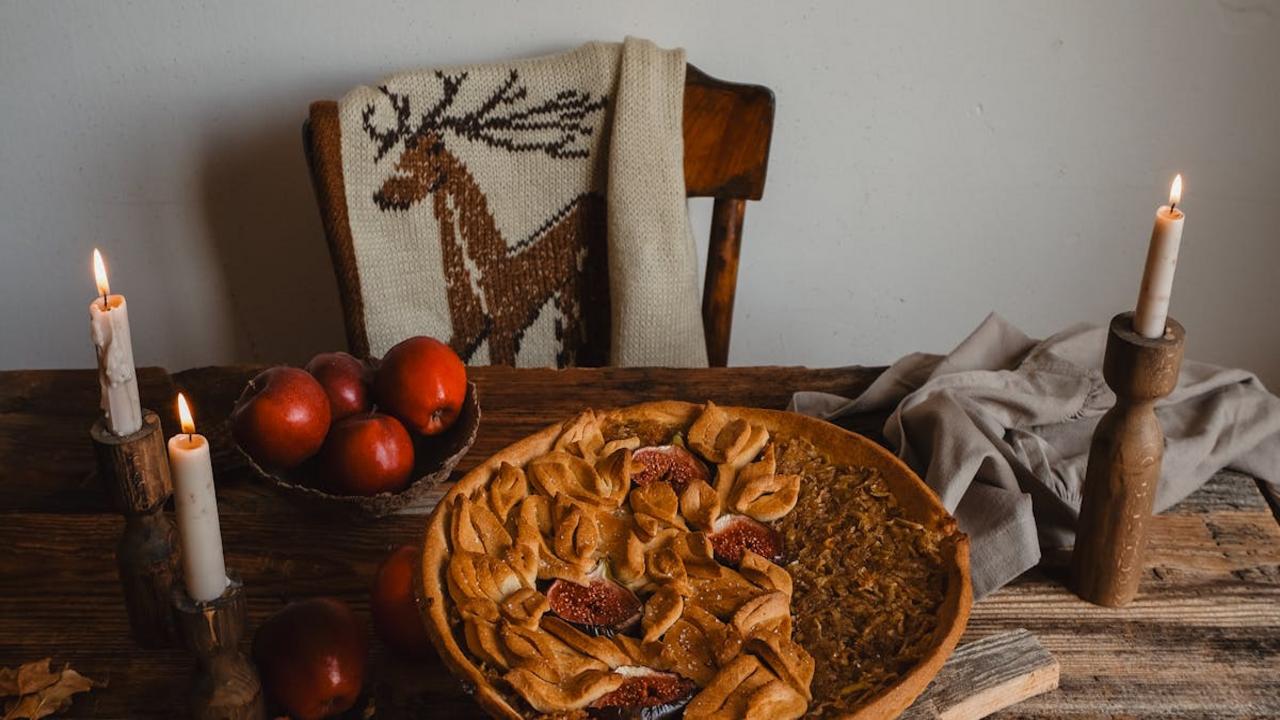
You know what blows my mind? During the Great Depression, when apples were scarce or too expensive, resourceful home cooks created this genius dessert using crackers instead of fruit. Mock apple pie transforms simple saltine crackers into something that genuinely tastes like spiced apples. The magic happens when you simmer the crackers with lemon juice, sugar, and warm spices like cinnamon and nutmeg. The crackers break down and absorb all those flavors, creating a texture that’s surprisingly similar to cooked apples. It’s one of those recipes that makes you question everything you thought you knew about cooking.
I’ve made this recipe dozens of times now, and it never fails to amaze guests who try to guess the secret ingredient. The beauty lies in its simplicity – you’re working with pantry staples that most people already have on hand. What I love most is how this recipe represents the creative spirit we need more of in our kitchens today. Instead of running to the store every time we’re missing an ingredient, we can look at what we have and transform it into something unexpected and delicious. This pie reminds me that some of the most memorable dishes come from necessity and imagination working together.
Cornmeal Mush
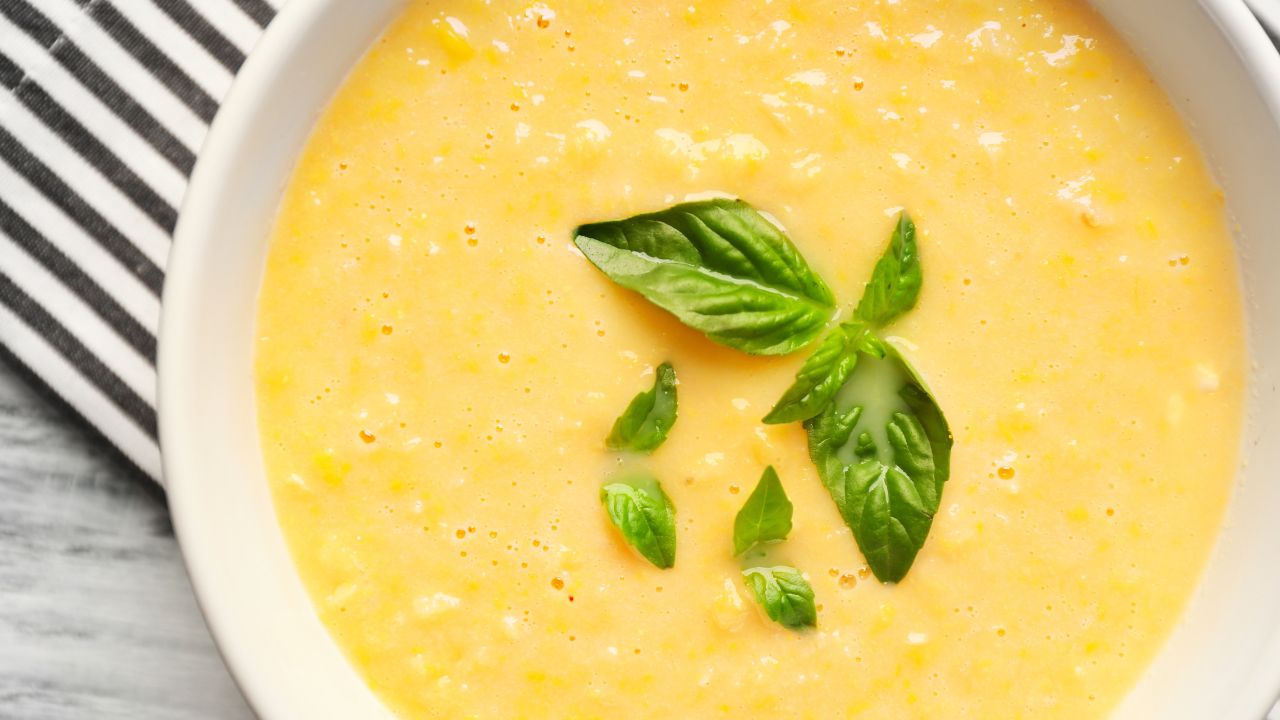
You know what fascinates me about cornmeal mush? This humble dish represents pure culinary wisdom from our grandparents’ generation. They understood that simple ingredients could create something deeply satisfying and nourishing. I make mine by whisking cornmeal into boiling salted water, stirring constantly to prevent lumps, then letting it simmer until thick and creamy. The key is patience – rushing this process never works. What you get is a blank canvas that accepts flavors beautifully, whether you want something sweet or savory.
I love serving cornmeal mush hot with a drizzle of maple syrup and fresh berries for breakfast, but don’t stop there. Try adding grated cheese and herbs while it’s still warm, or pour it into a pan to cool and slice for frying later. The versatility reminds me of polenta, which makes perfect sense since they’re cousins. This dish taught Depression-era families that comfort food doesn’t require expensive ingredients – just good technique and creativity. Plus, cornmeal provides decent protein and fiber, making this way more nutritious than many modern breakfast options.
Potato Pancakes
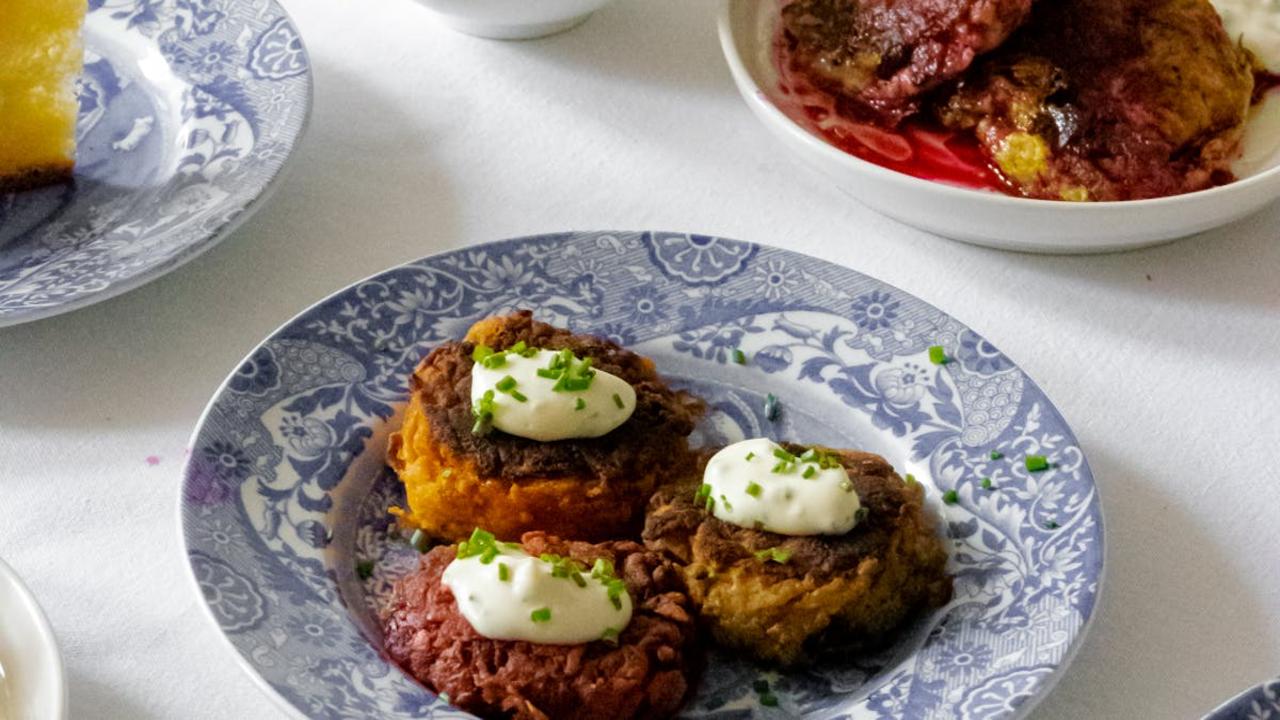
These golden, crispy rounds transformed humble potatoes into something magical during the Great Depression, and honestly, they still work that same magic today. I make mine by grating russet potatoes and mixing them with just an egg, a bit of flour, and whatever herbs I have growing on my windowsill. The key lies in squeezing out every drop of moisture from those grated potatoes—wrap them in a clean kitchen towel and twist it tight. This simple step ensures your pancakes sizzle beautifully in the pan instead of turning soggy.
What I love most about potato pancakes is how they bridge cultures while staying incredibly practical. Whether you call them latkes, rösti, or simply potato pancakes, the concept remains beautifully universal. During tough times, families stretched these pancakes by adding grated onions, leftover vegetables, or even small amounts of cheese when available. I often top mine with a dollop of homemade applesauce or a sprinkle of fresh chives from my garden. They freeze wonderfully too, making them perfect for meal prep—just reheat them in a hot skillet to restore that coveted crispiness.