15 Foods You’re Throwing Out Too Soon After the Expiry Date
You know that moment when you open your pantry and spot those expiration dates staring back at you? I bet you’re tossing out perfectly good food without realizing it! Many of us have been conditioned to panic at the first sight of those printed dates, but here’s the thing – they’re often more like suggestions than hard rules.
Food safety matters, absolutely, but understanding the difference between “best by” and “use by” dates can save you money and reduce waste. Your kitchen holds treasures that stay fresh and safe far beyond their stamped dates. From that jar of honey sitting in your cabinet to the bag of dried pasta you forgot about, many staples maintain their quality longer than you think.
Ready to become a smarter shopper and cook? These fifteen foods will surprise you with their staying power. You’ll discover which items practically never go bad and learn simple ways to check if something’s still good to eat. Your wallet and your conscience will thank you for this food-saving knowledge!
Instant Coffee
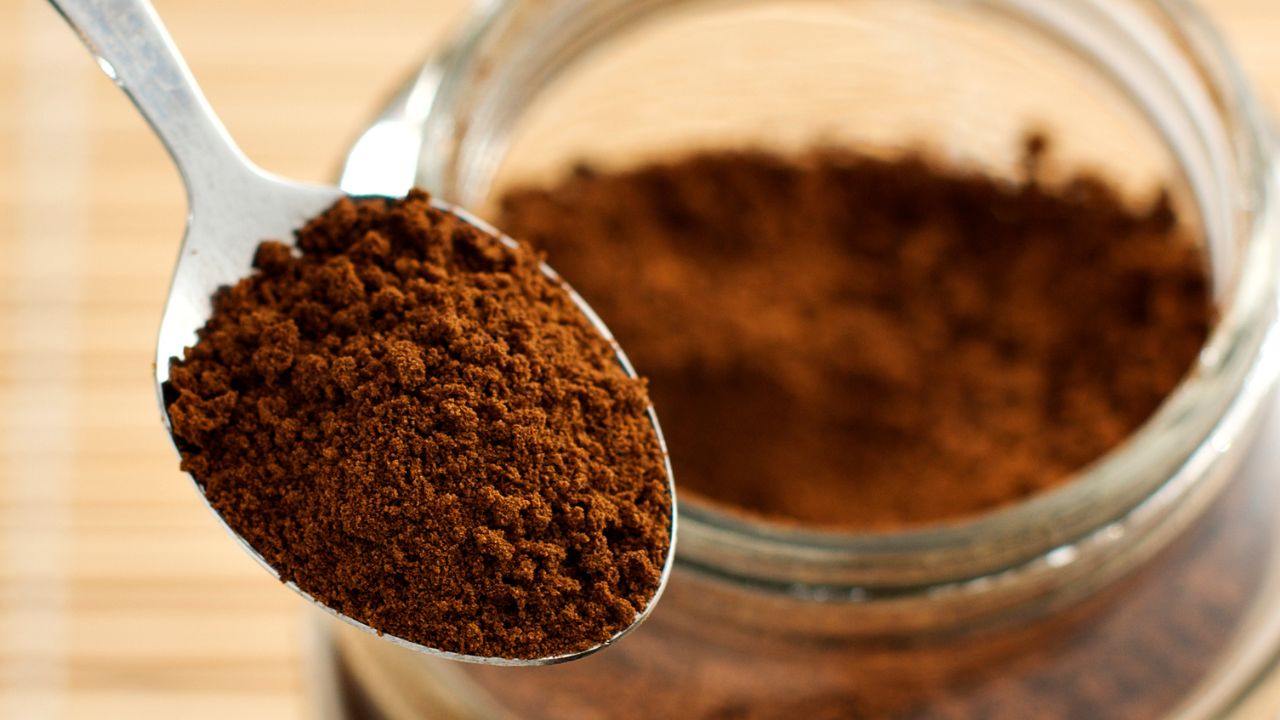
Your jar of instant coffee can stay fresh and flavorful for months or even years beyond that printed expiration date! Unlike ground coffee that loses its punch quickly, instant coffee goes through a dehydration process that removes moisture and creates an incredibly stable product. I keep discovering forgotten jars in my pantry that still brew up perfectly good cups of coffee, sometimes two years past their “best by” date. The key is proper storage – keep that jar tightly sealed in a cool, dry spot away from humidity and heat.
You’ll know your instant coffee has truly gone bad when it develops clumps, changes color dramatically, or starts smelling off – but honestly, this rarely happens if you store it correctly. I’ve found that even older instant coffee maintains most of its caffeine content and can still give you that morning boost you need. Sure, the flavor might be slightly less vibrant than a fresh jar, but it’s perfectly safe to drink and saves you money. Next time you spot that “expired” instant coffee in your cupboard, give it a sniff test first – chances are it’s still good to go for your daily brew!
Granulated Sugar
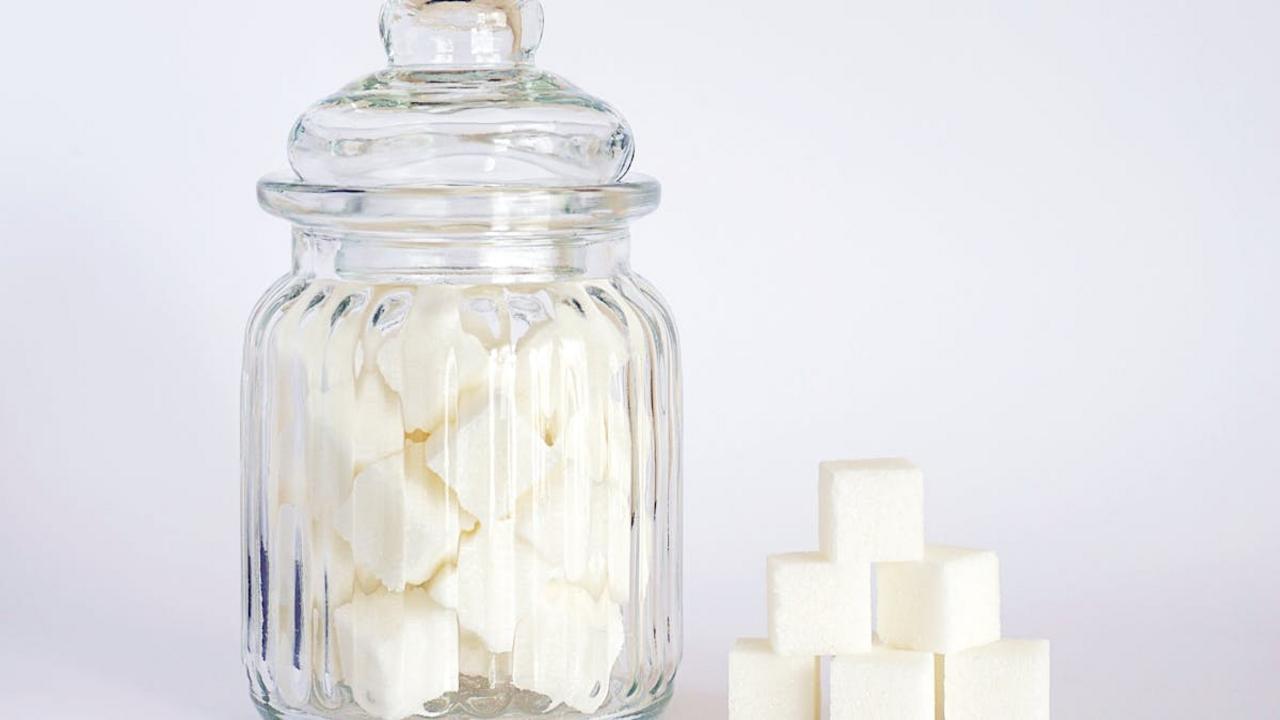
Here’s something that might shock you – granulated sugar never actually expires! That date stamped on your sugar bag is more about quality than safety, and you can safely use sugar years beyond that printed date. Sugar acts as a natural preservative because bacteria and mold can’t survive in its low-moisture environment. I’ve found containers of sugar in my pantry that were “expired” two years ago, and they worked perfectly in my weekend baking adventures.
The key to keeping your sugar fresh indefinitely is proper storage. Store your granulated sugar in an airtight container in a cool, dry place, and it will maintain its sweetness and texture for decades. If your sugar gets hard or clumpy, don’t panic – just place a slice of bread in the container overnight or give it a quick pulse in your food processor. You’ll save money and reduce waste by keeping that “expired” sugar instead of tossing it. Trust me, your cookies won’t know the difference!
Unopened Bottled Water

You know what makes me laugh? People tossing perfectly good bottled water just because it has an expiration date printed on the plastic. Here’s the thing – water doesn’t actually expire! That date you see stamped on your bottle isn’t about the water going bad; it’s about the plastic bottle itself. The FDA requires bottled water companies to print expiration dates, but unopened bottled water can last indefinitely if you store it properly in a cool, dry place away from direct sunlight and harsh chemicals.
I keep cases of bottled water in my pantry that are months past their printed dates, and they taste just as fresh as the day I bought them. The only real concern with older bottled water is that the plastic might start to break down after several years, potentially affecting the taste slightly – but we’re talking about years here, not months. If your bottle looks intact, smells normal, and the water appears clear, you’re absolutely fine to drink it. Don’t let those arbitrary dates fool you into wasting money and contributing to unnecessary plastic waste!
Dried Spices
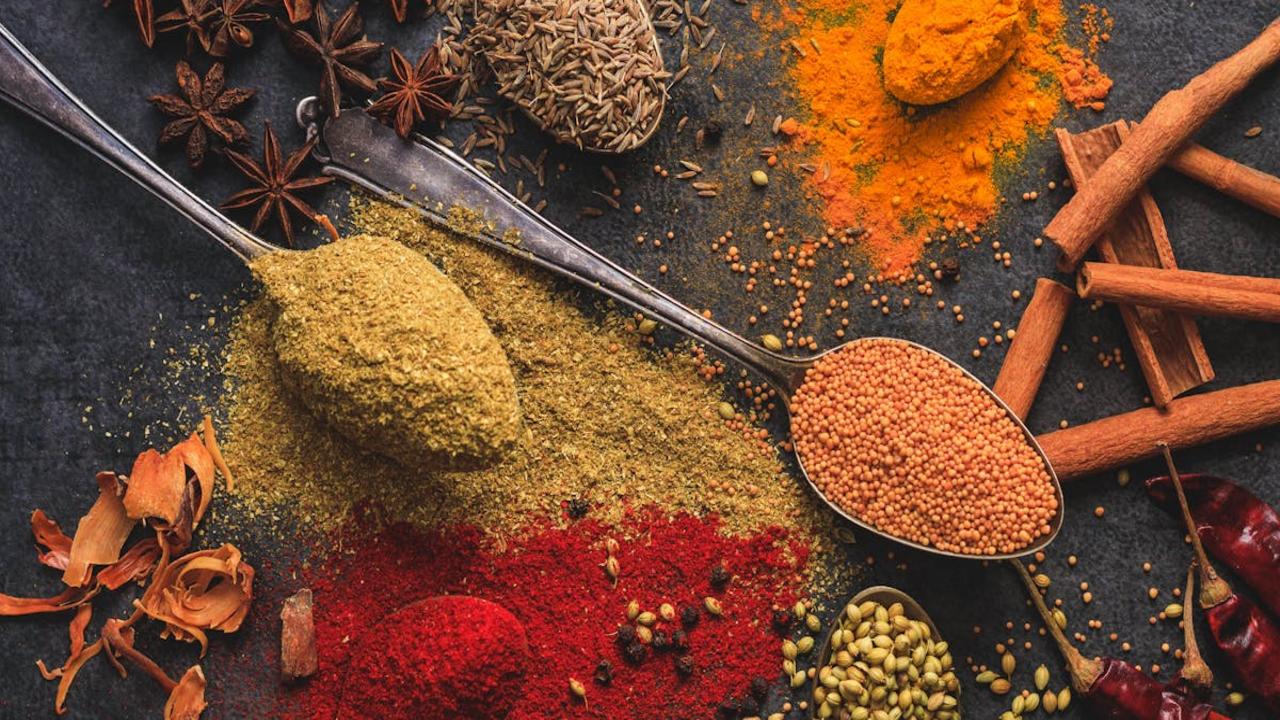
Your spice rack holds treasures that last far beyond those tiny expiration dates printed on the labels. Most dried spices maintain their potency and safety for years after the manufacturer’s suggested date, though their flavor intensity may gradually diminish over time. The key lies in proper storage – keep them in airtight containers away from heat, light, and moisture, and they’ll reward you with consistent seasoning power. Ground spices typically stay flavorful for 2-3 years past expiration, while whole spices can maintain their punch for up to 4 years.
Before tossing those “expired” seasonings, perform a simple smell test – open the container and take a good whiff. If the aroma hits you with its characteristic scent, you’re good to go! Faded colors or musty odors signal it’s time for replacement, but most spices simply become milder rather than spoiled. You can revive slightly weakened spices by toasting them gently in a dry pan for 30 seconds, which awakens their dormant oils. Remember, expired spices won’t harm you – they just might require a heavier hand to achieve the same flavor impact in your favorite dishes.
Pure Maple Syrup
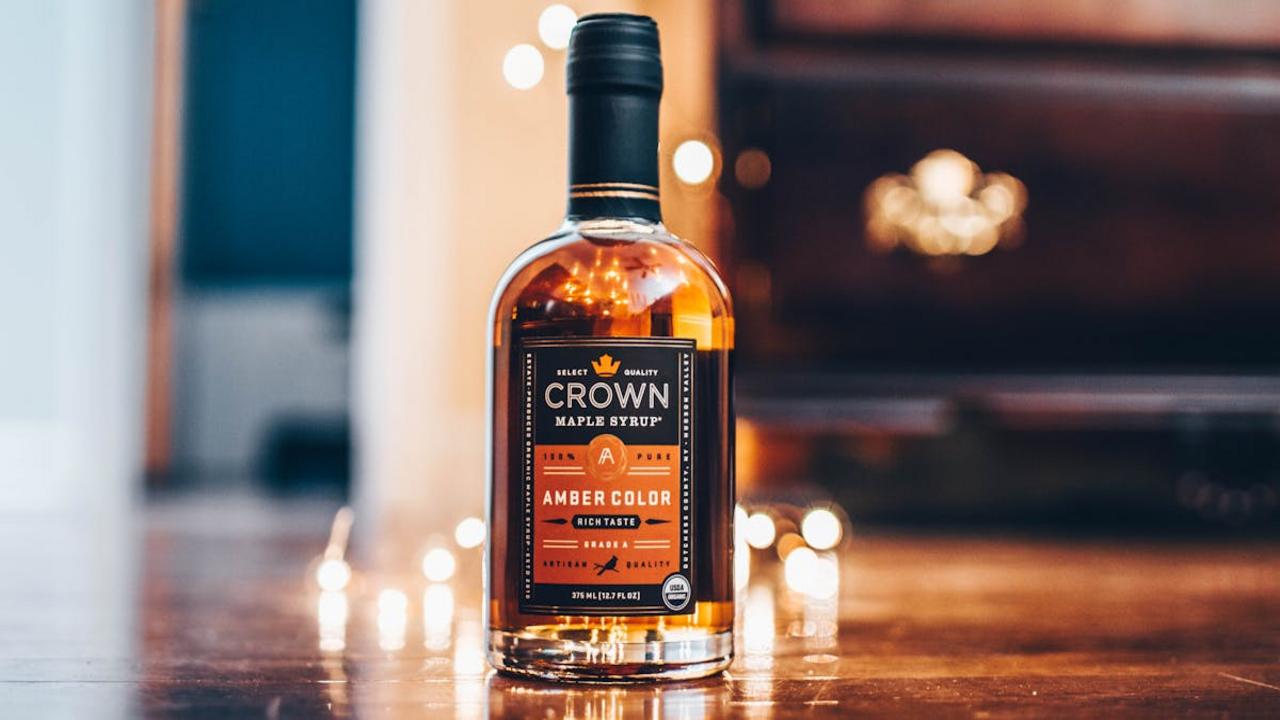
You know that bottle of pure maple syrup sitting in your pantry with a date that passed months ago? Don’t toss it just yet! Pure maple syrup has an incredibly long shelf life thanks to its high sugar content, which acts as a natural preservative. Even after the expiry date, your syrup remains perfectly safe to eat for years when stored properly. The worst thing that might happen is some crystallization or mold on the surface, both of which you can easily fix.
If you notice white crystals forming, simply warm the syrup gently in a saucepan over low heat, and those crystals will dissolve right back into liquid gold. Should you spot any mold (which rarely happens with pure syrup), just skim it off the top, bring the syrup to a boil for a minute, and you’re good to go. I keep my maple syrup in the refrigerator after opening, where it stays fresh indefinitely. This liquid treasure costs too much to waste, and honestly, there’s nothing quite like drizzling real maple syrup over your weekend pancakes or using it to glaze roasted vegetables.
Peanut Butter
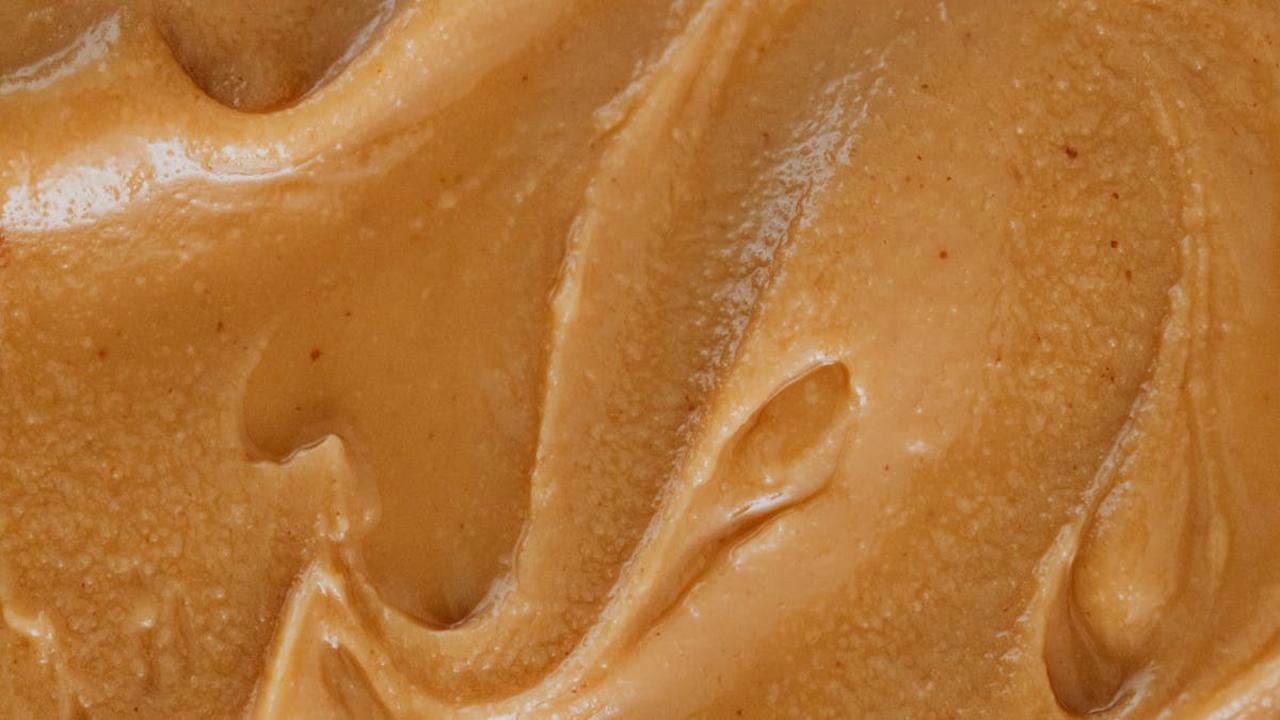
Your jar of peanut butter can actually last months beyond that expiry date, and I’m here to share why you shouldn’t panic when you see those numbers! Natural peanut butter typically stays good for 2-3 months past its date when stored in the pantry, while processed versions can hang around even longer – sometimes up to 6 months. The high fat content and low moisture in peanut butter create an environment where harmful bacteria struggle to grow, making it one of the safest foods to keep beyond its printed date.
You’ll know your peanut butter has truly gone bad when you notice changes in smell, texture, or taste – not just because a date on the jar says so. Look for any rancid odors, unusual separation that won’t mix back together, or mold growth around the edges. Store your opened jar in the refrigerator to extend its life even further, and always use clean utensils to prevent contamination. Trust your senses over that expiry date, and you’ll save money while reducing food waste in your kitchen!
Dried Pasta
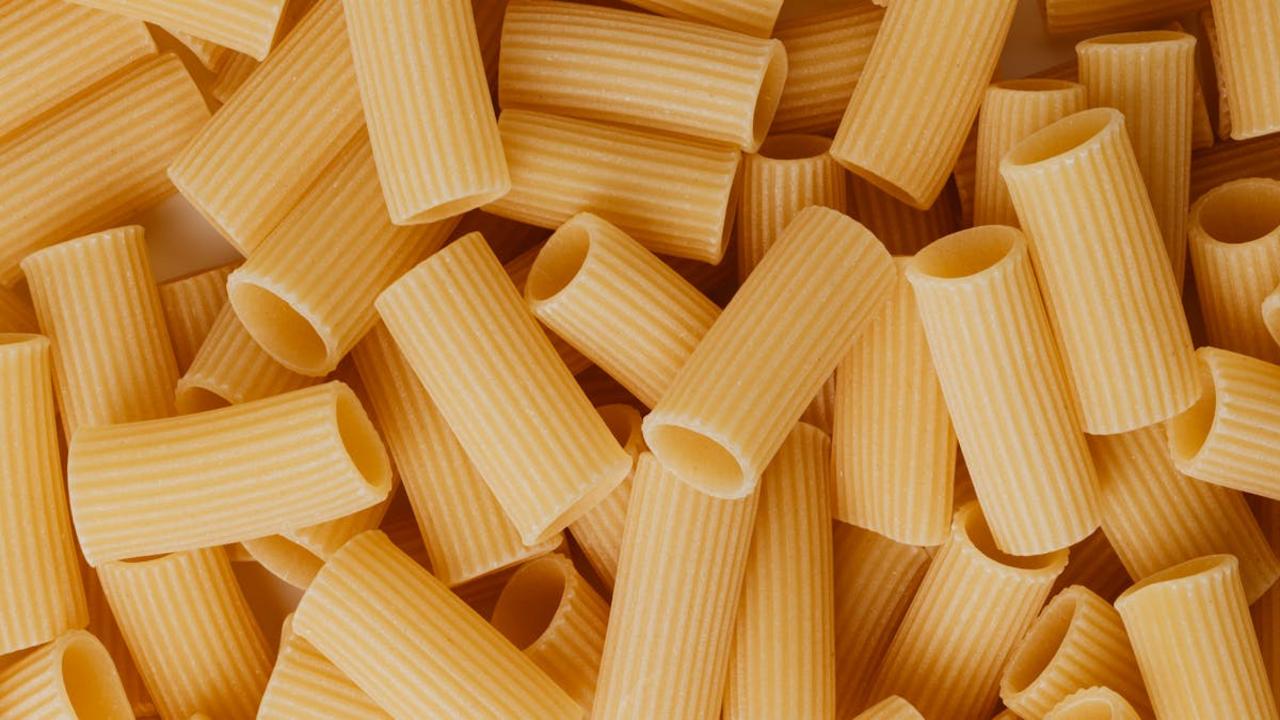
You know that box of penne hiding in your pantry with a date from last year? Don’t toss it just yet! Dried pasta can stay perfectly good for years beyond its printed expiration date when stored properly. I keep dried pasta in airtight containers in my cool, dry pantry, and honestly, some of my best weeknight dinners have come from “expired” boxes that were still completely fine. The key is looking for signs of spoilage rather than blindly following dates – if you see bugs, mold, or notice an off smell, then it’s time to say goodbye.
What makes dried pasta so incredibly shelf-stable is its low moisture content, which prevents harmful bacteria from growing. I’ve used pasta that was two or three years past its date with absolutely no issues – it cooked up beautifully and tasted exactly as it should. Just give it a quick visual check before cooking, and trust your nose. Your wallet (and your Wednesday night dinner plans) will thank you for not throwing away perfectly good pasta just because of an arbitrary date on the box.
Sugar
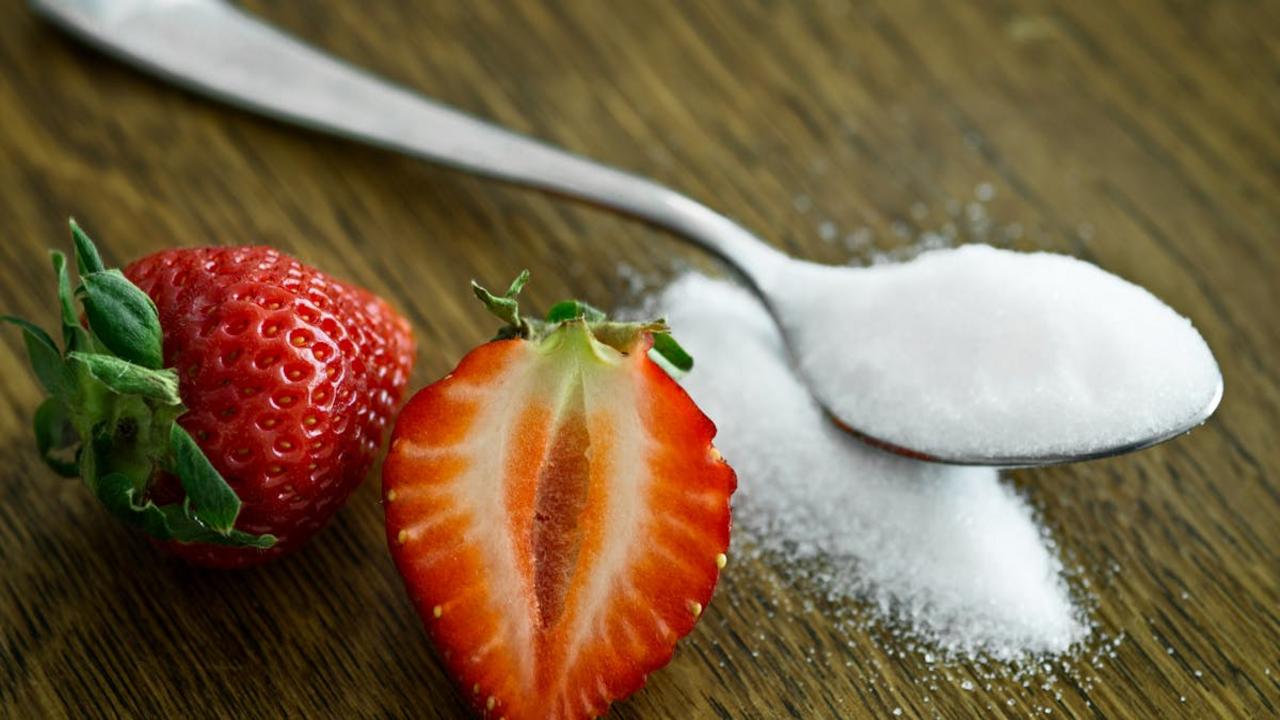
Here’s something that might shock you: sugar doesn’t actually expire! That date stamped on your sugar bag is more of a quality suggestion than a safety warning. Pure granulated sugar has an indefinite shelf life because bacteria simply can’t survive in its crystalline structure. The low moisture content creates an environment where harmful microorganisms can’t multiply, making sugar one of nature’s best preservatives. You can keep using that “expired” sugar for years without any safety concerns.
The biggest enemy of sugar isn’t time—it’s moisture and pests. Store your sugar in an airtight container in a cool, dry place, and it will stay fresh practically forever. If you notice your sugar has hardened into chunks, don’t panic! Simply place a slice of bread or a few marshmallows in the container for a day or two to restore its texture. Brown sugar follows the same rules, though it might dry out more quickly due to its molasses content. Next time you see that date on your sugar container, remember you’re holding one of the most shelf-stable ingredients in your pantry.
Salt
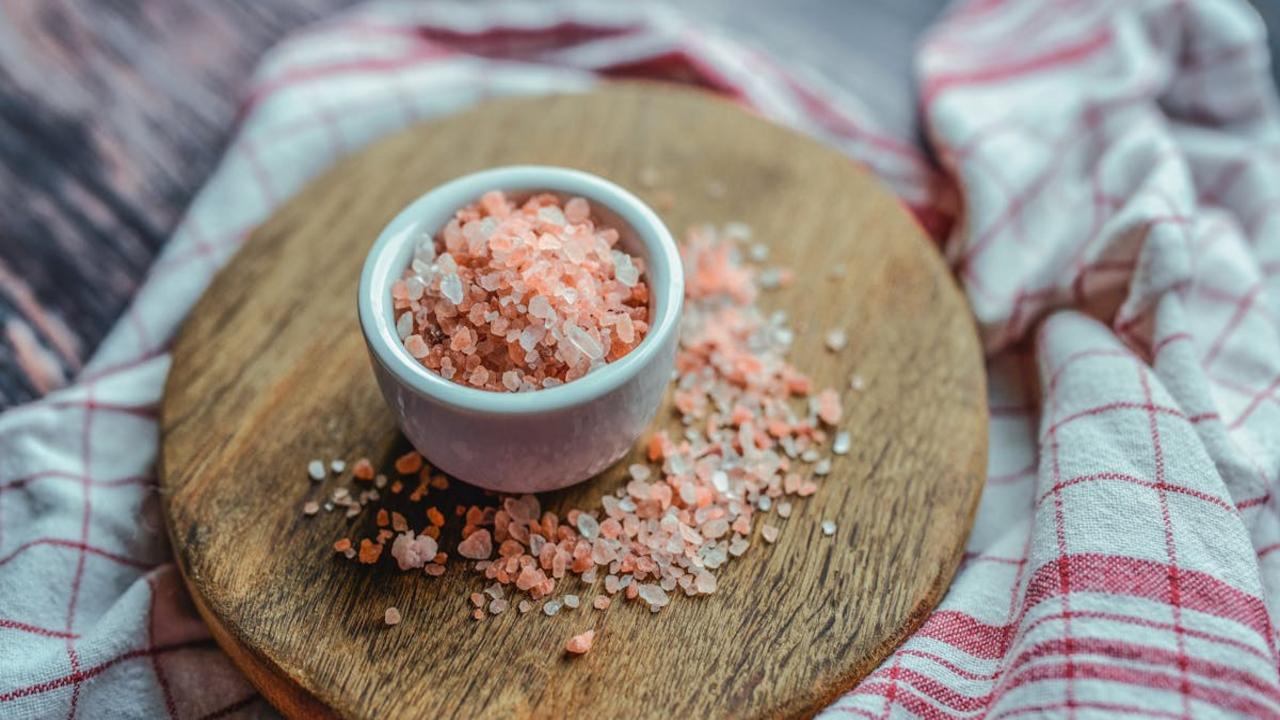
You know that container of salt sitting in your pantry with an expiry date from three years ago? Don’t you dare toss it! Salt is one of those magical pantry staples that literally lasts forever. The FDA doesn’t even require expiration dates on salt because it’s a mineral that doesn’t spoil, rot, or lose its flavor over time. Those dates you see on salt containers are purely for inventory purposes and have absolutely nothing to do with food safety or quality.
I keep salt containers from decades past, and they work just as perfectly as the day I bought them. The only thing that might happen over time is that your salt could clump up from moisture exposure, but a quick shake or gentle tap with a spoon breaks those clumps right apart. Whether you’re using table salt, sea salt, or fancy finishing salts, they’ll maintain their sodium content and seasoning power indefinitely when stored in a dry place. Save your money and skip the guilt – that “expired” salt deserves a permanent spot in your kitchen, not your trash can!
Vinegar
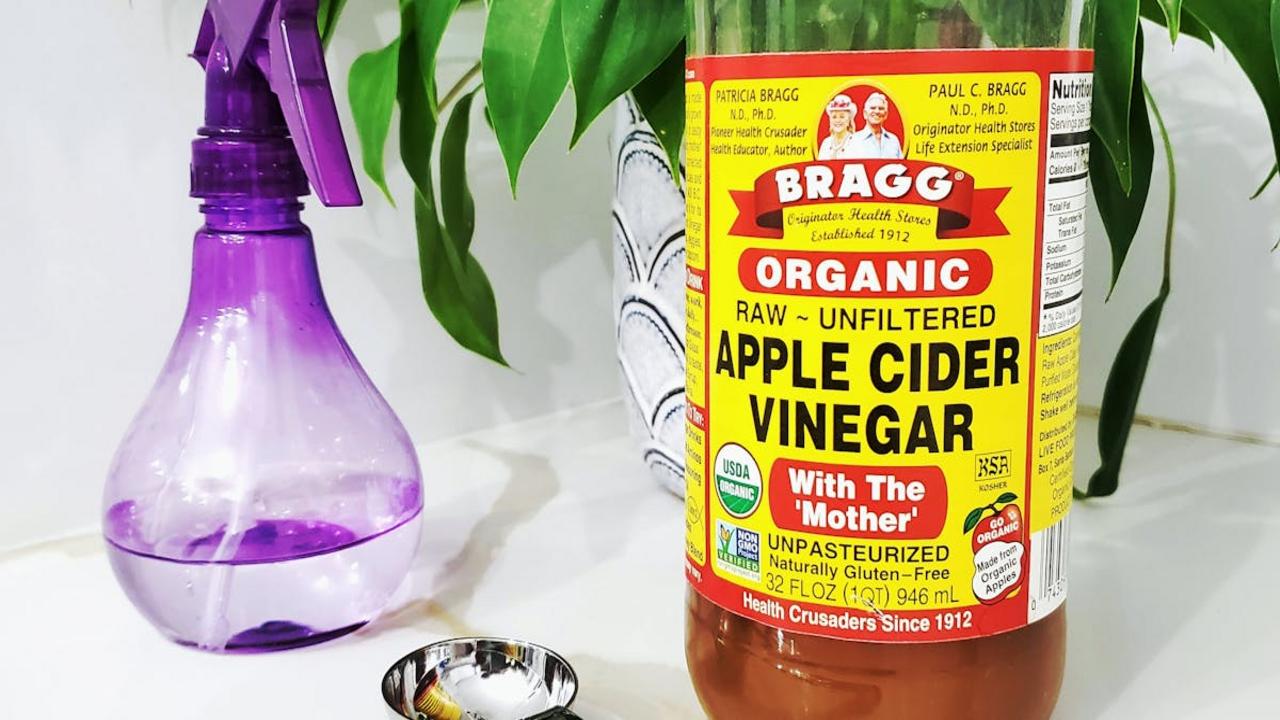
Your bottle of vinegar sitting in the pantry with that faded expiration date? Don’t toss it! Vinegar is one of those magical pantry staples that gets better with age, much like a fine wine. The acetic acid in vinegar creates an environment where harmful bacteria simply can’t survive, making it naturally self-preserving. Whether you’re working with white vinegar, apple cider vinegar, or balsamic, these acidic powerhouses maintain their quality and safety far beyond any printed date on the label.
I keep vinegar bottles that are years past their supposed expiration dates, and they work just as beautifully in my salad dressings and marinades as the day I bought them. You might notice some cloudiness or sediment forming in older bottles – that’s completely normal and actually indicates the vinegar is doing its natural thing! Simply strain it through a fine-mesh sieve if the appearance bothers you, but know that cloudy vinegar is perfectly safe and effective. Save your money and reduce food waste by keeping that “expired” vinegar right where it belongs – ready to brighten your next homemade vinaigrette or pickle recipe.
Soy Sauce
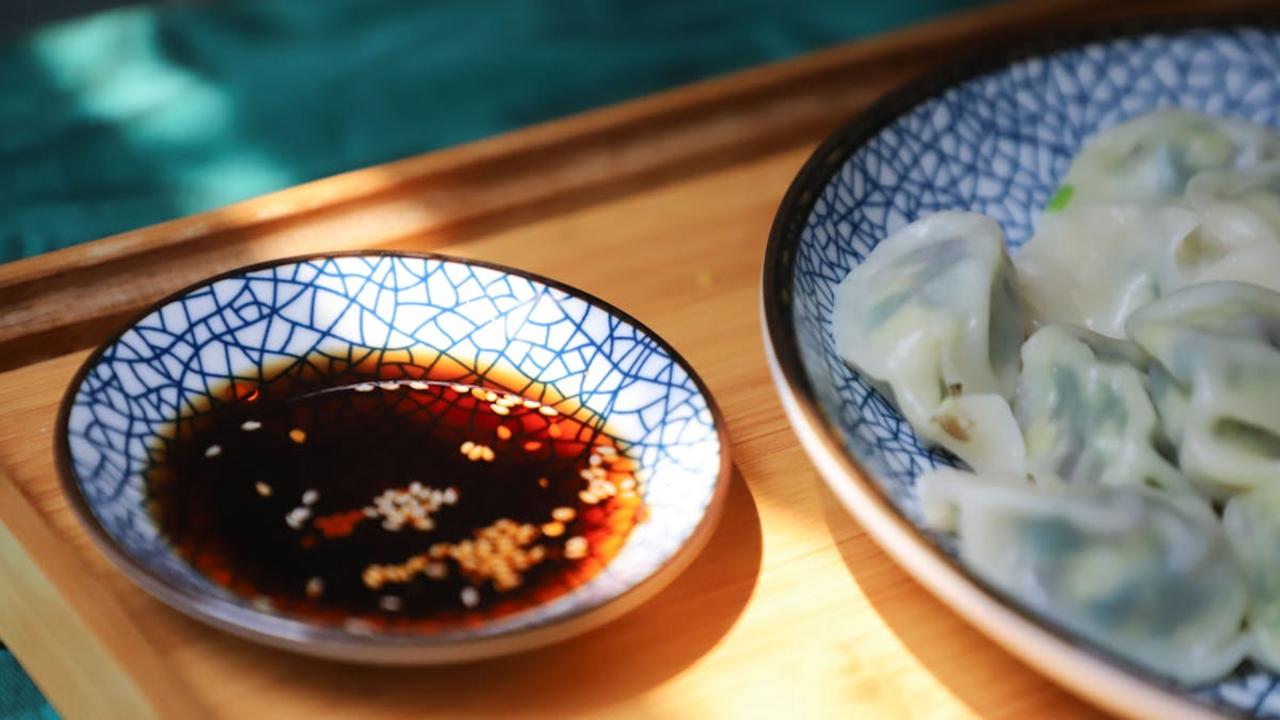
Your bottle of soy sauce sitting in the pantry for months past its expiration date? Don’t toss it just yet! This fermented condiment has incredible staying power thanks to its high sodium content and fermentation process. Soy sauce can remain perfectly safe and flavorful for years beyond the printed date when stored properly in a cool, dry place. The worst thing that might happen is a slight change in color or the formation of harmless white film on top, which you can simply skim off.
I keep bottles of soy sauce in my kitchen cabinet that are well past their “best by” dates, and they still add that perfect umami punch to my stir-fries and marinades. The key is checking for any off odors or mold growth, but honestly, I’ve never encountered either in all my years of cooking. Trust your senses – if it smells normal and looks fine, your soy sauce is ready to transform your next dish. This pantry staple proves that sometimes the best ingredients are the ones that stick around long after their official expiration dates suggest they should be gone.
Canned Vegetables
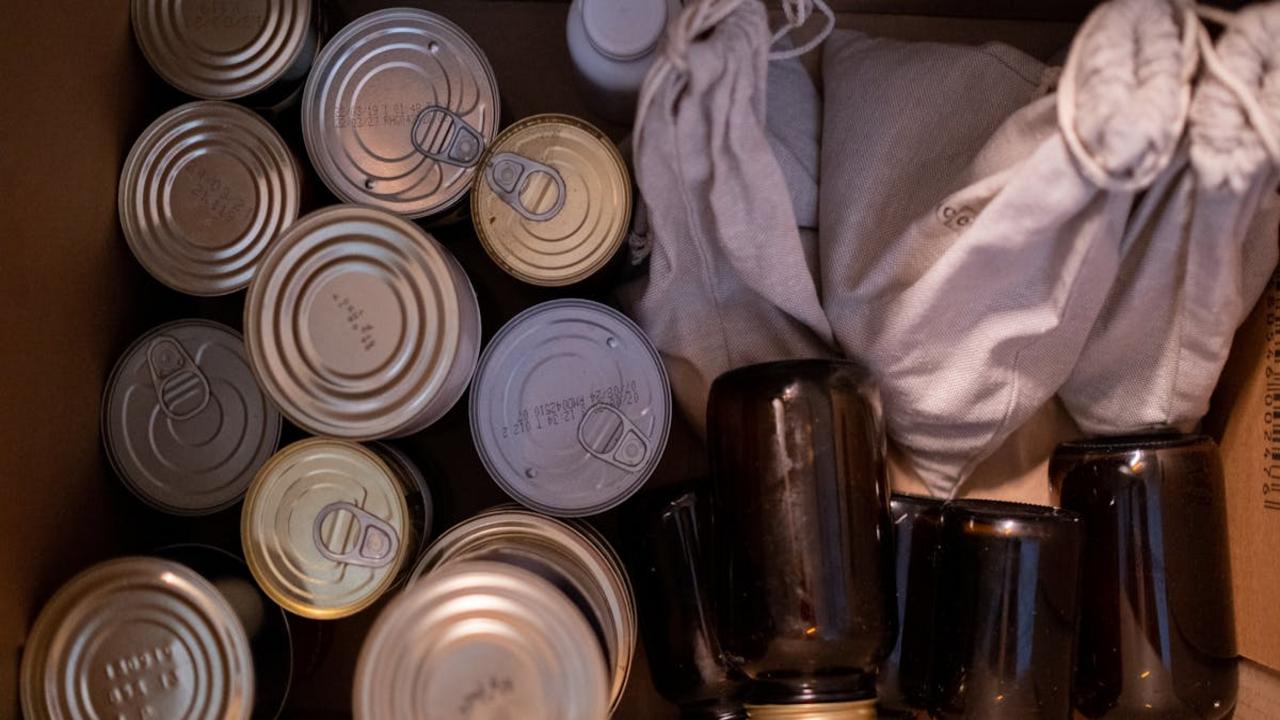
Your pantry’s canned vegetables deserve way more credit than you’re giving them! Those “expired” cans sitting in your cupboard might actually be perfectly safe to eat for months or even years past their printed dates. The canning process creates an incredibly stable environment that keeps vegetables fresh and nutritious for an impressively long time. I always check my cans for any dents, rust, or swelling before tossing them based on dates alone. If the can looks good and makes that satisfying “pop” sound when you open it, you’re golden.
Here’s what I love about canned vegetables – they’re your kitchen’s reliable backup dancers, ready to jump into soups, stews, and quick weeknight dinners whenever fresh produce runs low. The high-heat canning process actually makes some nutrients more available to your body, so you’re not sacrificing nutrition for convenience. I keep canned tomatoes, corn, and green beans as my pantry staples because they transform simple meals into something special. Before you throw out those “expired” cans, give them a proper inspection and trust your senses – your wallet and your dinner plans will thank you for it!
Hard Cheese
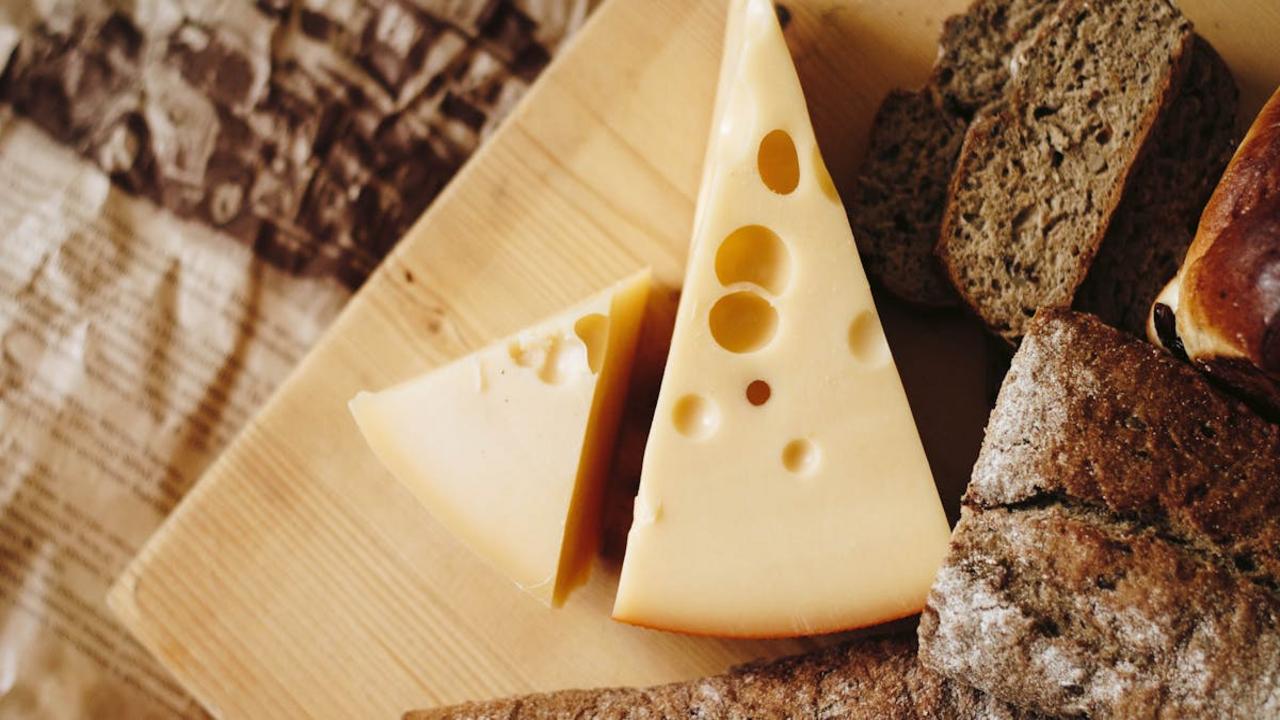
Hard cheese like cheddar, parmesan, and gouda can actually last weeks beyond their expiration dates when stored properly in your refrigerator. These aged cheeses have naturally lower moisture content and higher acidity levels, which create an environment that inhibits bacterial growth. You can safely enjoy that block of aged cheddar or chunk of parmesan even if it’s been sitting in your fridge drawer for a month past the printed date. The key is proper storage – wrap your hard cheese in wax paper or parchment paper, then place it in a loose plastic bag to maintain the right balance of moisture and airflow.
If you spot a small amount of mold on your hard cheese, don’t panic and toss the whole block! Simply cut away the moldy section plus an extra inch around it, and the rest remains perfectly safe to eat. The dense structure of hard cheese prevents mold from penetrating deeply, unlike soft cheeses where mold can spread throughout. Trust your senses – if the cheese smells off or feels slimy, then it’s time to say goodbye. Otherwise, that “expired” hard cheese will continue to add rich, complex flavors to your pasta dishes, cheese boards, and grilled sandwiches for weeks to come.
White Rice
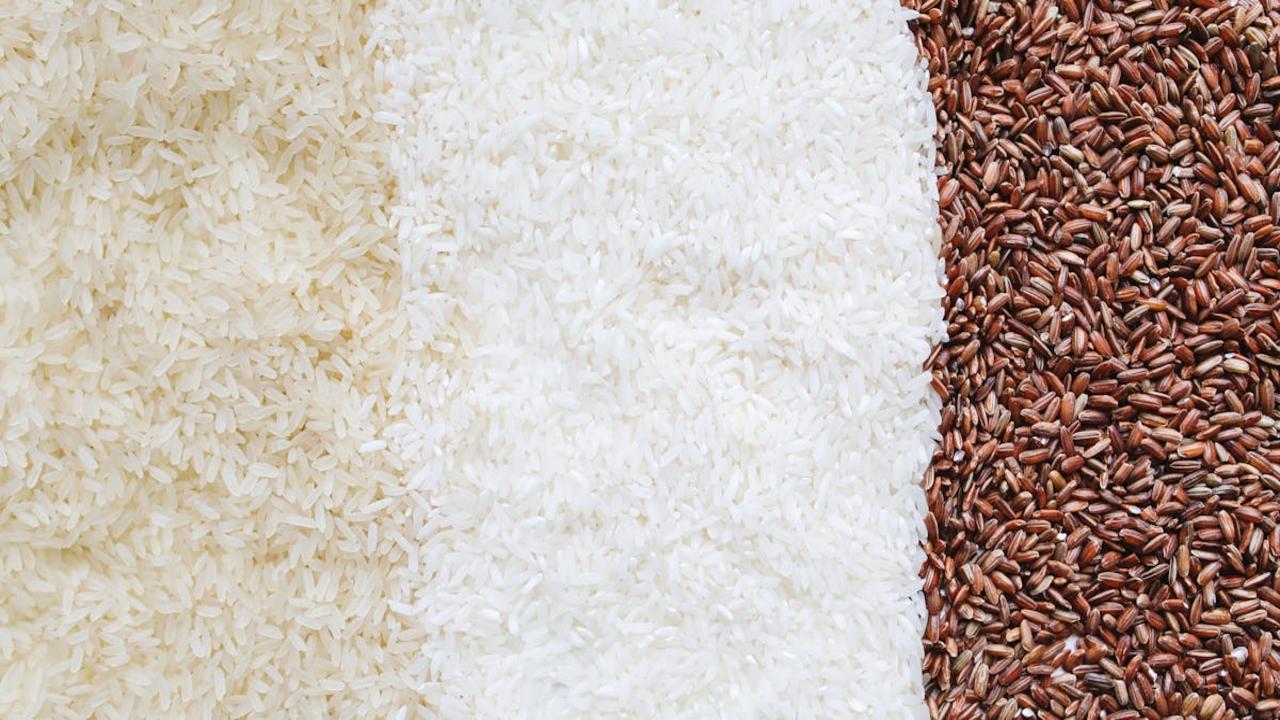
White rice sits in your pantry like a reliable friend, ready to transform into countless meals long after that printed date suggests otherwise. This pantry staple can actually last for years when stored properly in a cool, dry place. The expiration date you see represents peak quality rather than safety, and properly stored white rice maintains its nutritional value and cooking properties far beyond this timeframe. I keep mine in airtight containers away from moisture and heat, and it never disappoints me months or even years later.
You can easily tell if your white rice has gone bad by checking for signs like unusual odors, discoloration, or the presence of insects. Fresh white rice should smell neutral and appear uniformly white or slightly translucent. If your rice passes these simple tests, go ahead and cook it with confidence! I’ve used white rice that was two years past its printed date, and it cooked up perfectly fluffy and delicious. Remember that brown rice has a shorter shelf life due to its natural oils, but white rice’s processing actually works in your favor for long-term storage.
Honey
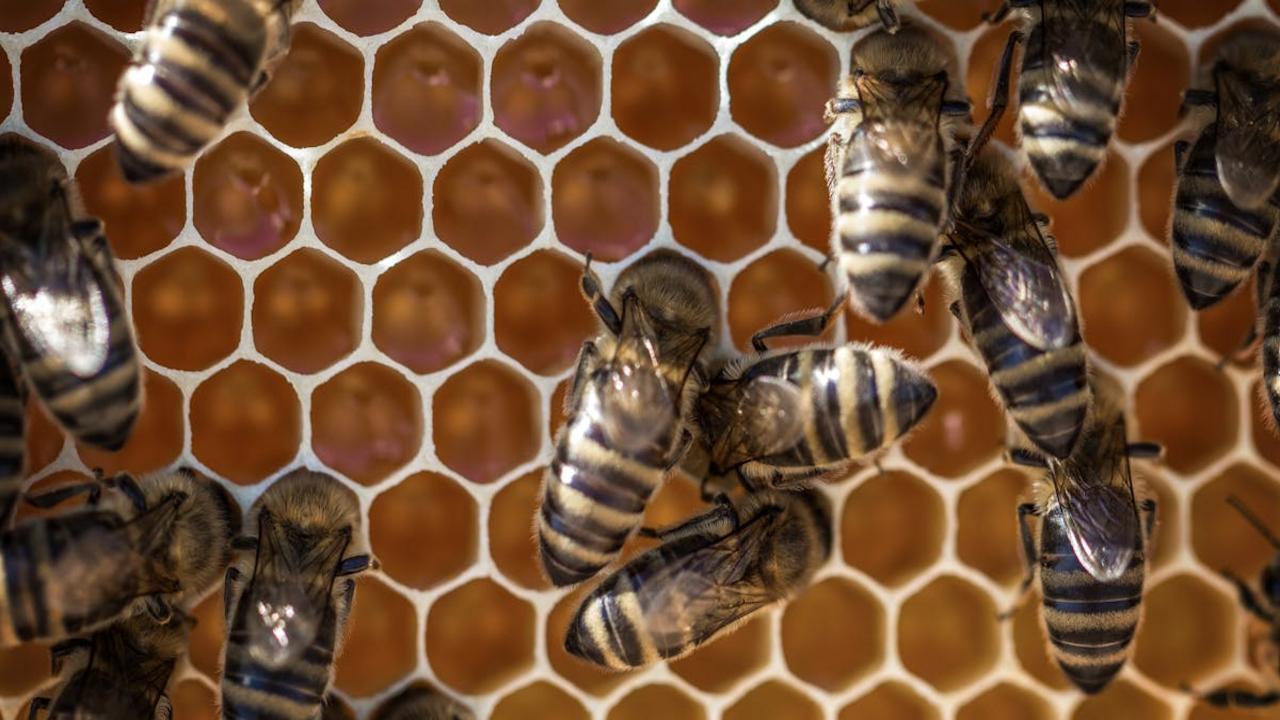
Here’s something that might shock you: honey never actually goes bad! This golden treasure has been found in ancient Egyptian tombs, still perfectly edible after thousands of years. The expiration date on your honey jar is more of a legal requirement than a safety warning. Thanks to its incredibly low moisture content and natural acidity, honey creates an environment where bacteria simply can’t survive. You can confidently keep using that crystallized honey sitting in your pantry, even if it’s months past its printed date.
When honey crystallizes and turns cloudy or grainy, don’t panic and throw it away – this is completely natural! Simply place the jar in a warm water bath or microwave it gently for a few seconds, and watch it return to its smooth, flowing consistency. Raw honey tends to crystallize faster than processed varieties, but both remain safe and delicious indefinitely. Store your honey in a sealed container at room temperature, and you’ll have a natural sweetener that outlasts practically every other ingredient in your kitchen. Next time you see that “expired” honey, remember you’re looking at one of nature’s most remarkable preservatives!