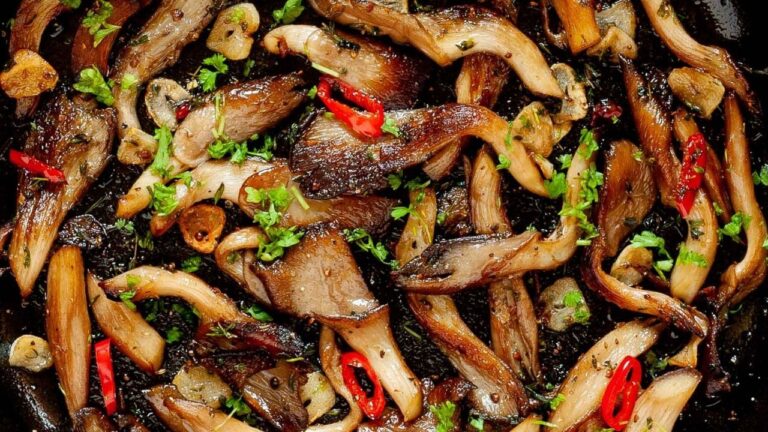
15 Foods You’re Throwing Out That Chefs Always Save
You know that moment when you’re prepping dinner and automatically tossing carrot tops, broccoli stems, and herb stems straight into the trash? I used to do the same thing until I realized professional chefs never waste these flavor-packed ingredients. These scraps hold incredible potential for stocks, pestos, and unexpected dishes that transform your cooking.
Growing up in a multicultural kitchen taught me that every part of an ingredient has value. Those pineapple cores you discard make amazing fermented drinks, while banana peels create tender, spiced curries in South Asian cooking. Even coffee grounds become rich additions to chocolate desserts and meat rubs.
Today I’m sharing fifteen “scraps” that deserve a second chance in your kitchen. These ingredients will stretch your grocery budget, reduce waste, and introduce you to flavors you never knew existed. Your cooking will become more resourceful, creative, and deeply satisfying when you start seeing potential instead of garbage.
Pumpkin seeds
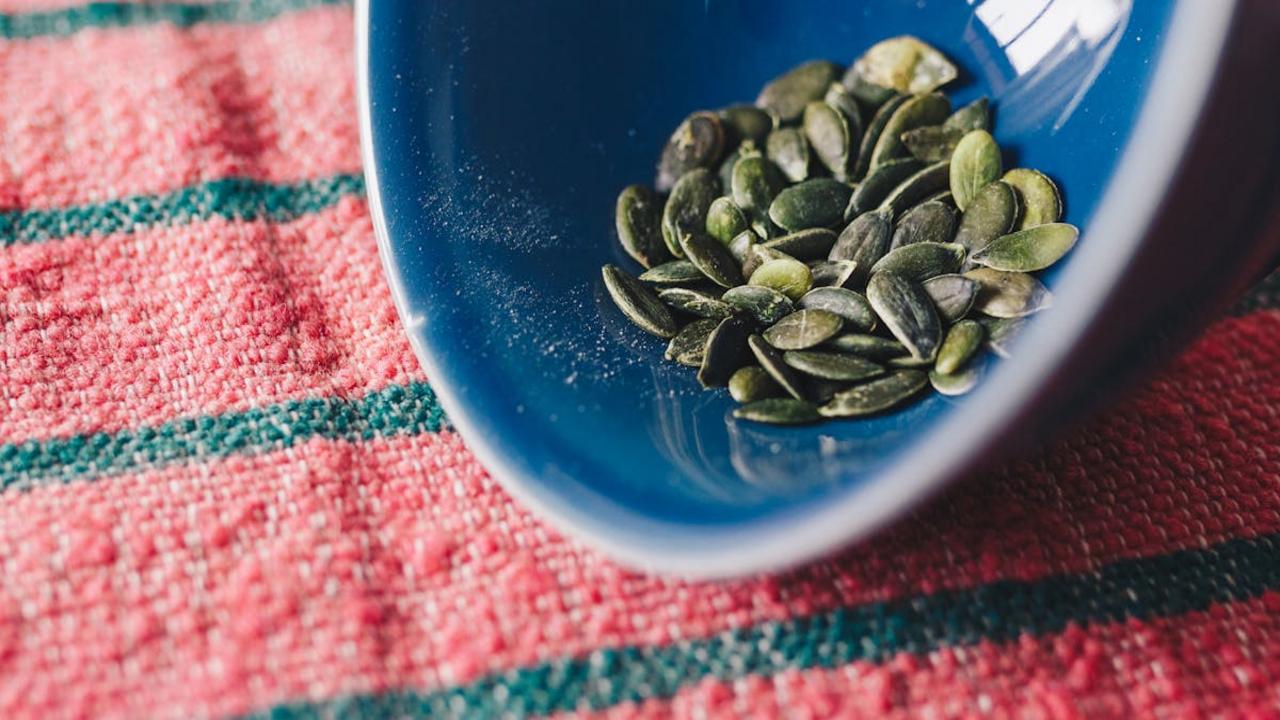
Every October, I watch friends carve their jack-o’-lanterns and toss those gorgeous seeds straight into the trash. My heart breaks a little each time! Those same seeds that professional chefs pay premium prices for are sitting right there in your pumpkin’s hollow center, waiting to become something magical. I’ve turned countless batches of these nutrient-packed gems into everything from crunchy snacks seasoned with za’atar and sumac to creamy tahini-style spreads that rival any store-bought version.
The transformation process couldn’t be simpler—rinse them clean, pat dry, and roast with whatever spices speak to your soul that day. I love experimenting with global flavor profiles: curry powder and turmeric for an Indian twist, or chili-lime seasoning for a Mexican-inspired crunch. Beyond snacking, you can grind roasted pumpkin seeds into flour for gluten-free baking, blend them into smoothies for extra protein, or even make your own seed butter. These little powerhouses pack serious nutrition—healthy fats, protein, magnesium, and zinc—making them far more valuable than any processed snack you’d buy at the store.
Aquafaba (chickpea liquid)
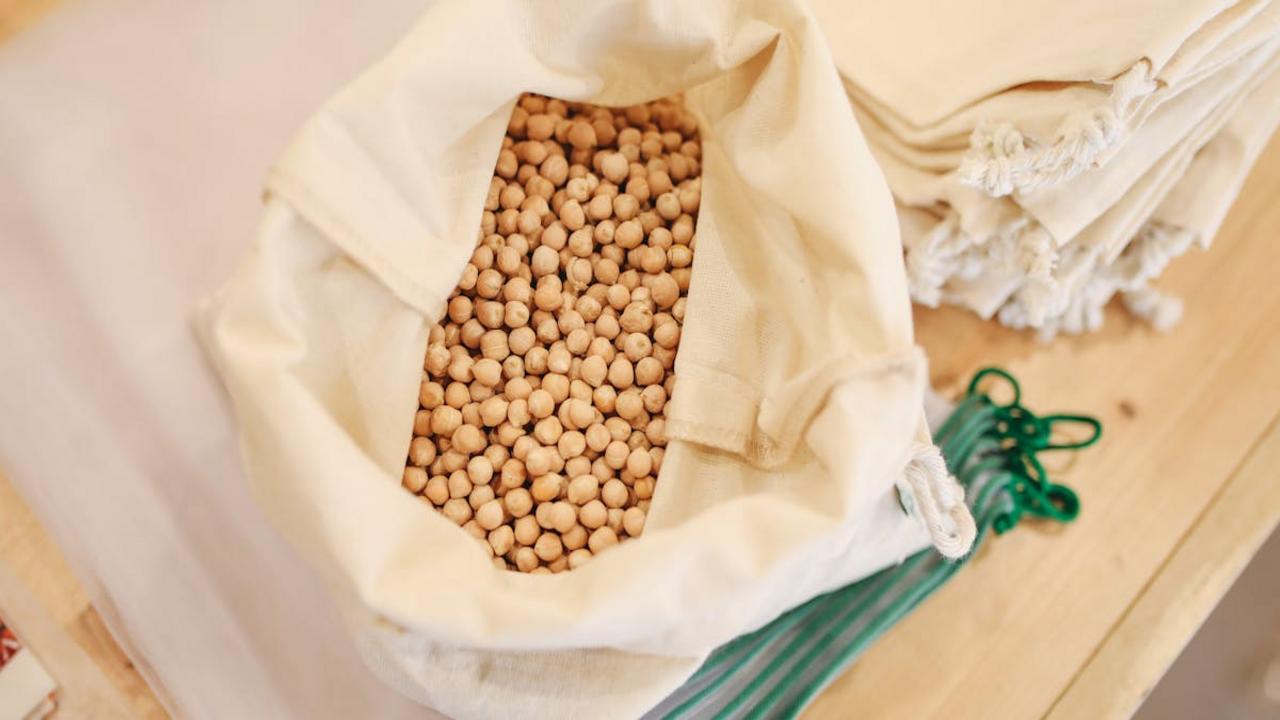
Next time you crack open a can of chickpeas, stop before you pour that cloudy liquid down the drain! That magical liquid has a name—aquafaba—and it’s about to become your secret weapon in the kitchen. I discovered this incredible ingredient when I started making more plant-based dishes, and now I keep jars of it in my fridge like liquid gold. The starchy, protein-rich liquid whips up just like egg whites, creating fluffy meringues, light mousses, and even mayonnaise that rivals any store-bought version.
You can use aquafaba straight from the can or reduce it on the stovetop for a more concentrated flavor. I love whipping it into chocolate mousse with just cocoa powder and a touch of maple syrup—three ingredients that create pure magic! It also works beautifully in baking as an egg replacer, giving your cakes and muffins that perfect tender crumb. Store your aquafaba in the refrigerator for up to a week, or freeze it in ice cube trays for longer storage. Trust me, once you start experimenting with this versatile liquid, you’ll never waste another drop.
Coffee grounds
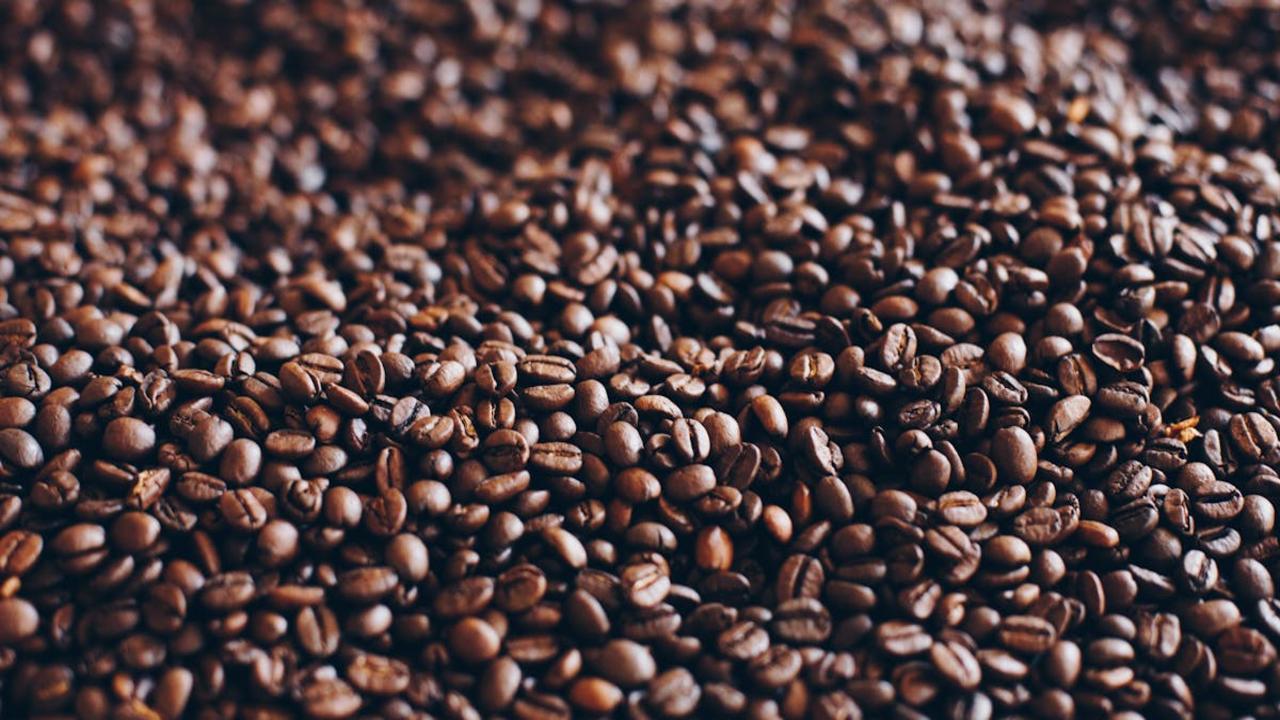
Your morning coffee ritual doesn’t have to end with tossing those rich, aromatic grounds into the trash. Those spent grounds carry incredible potential that extends far beyond your cup. I’ve discovered that coffee grounds work beautifully as a natural exfoliant in homemade body scrubs, mixed with coconut oil and a touch of honey. The texture removes dead skin while the caffeine helps improve circulation. In the kitchen, I’ve started incorporating dried grounds into spice rubs for grilled meats – they add an earthy depth that pairs wonderfully with beef and lamb, creating complex flavor profiles that remind me of Middle Eastern spice blends.
Beyond personal care and cooking, coffee grounds serve as incredible garden allies. I scatter them around my tomato plants and roses, where they act as a natural pest deterrent while slowly releasing nitrogen into the soil. The slightly acidic nature benefits acid-loving plants like blueberries and azaleas. You can also dehydrate the grounds completely and store them in small sachets to naturally absorb odors in your refrigerator or closets. This approach connects us to resourceful cooking traditions where nothing goes to waste, transforming what most people discard into useful household helpers that cost nothing extra.
Apple cores
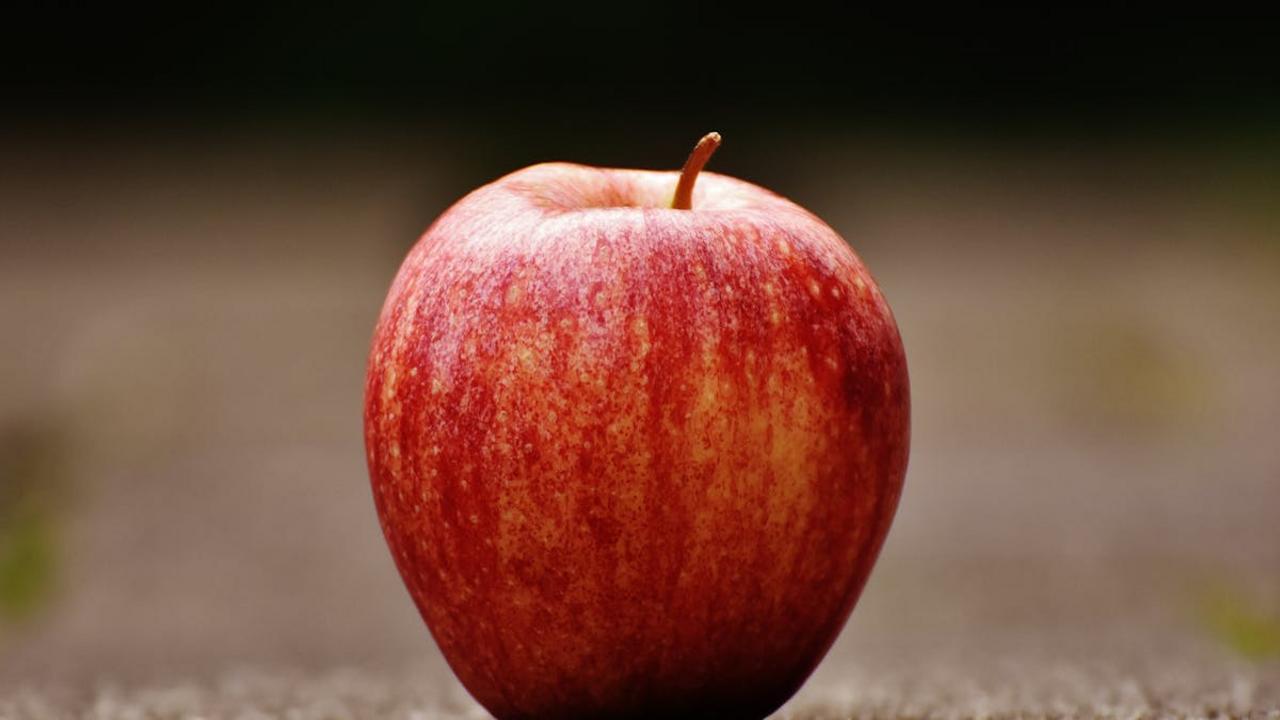
I remember watching my grandmother carefully save every apple core, and back then I thought she was just being overly frugal. Years later, I discovered she was actually preserving liquid gold! Apple cores contain concentrated pectin, the natural thickening agent that transforms ordinary fruit into silky jams and jellies without any artificial additives. Instead of tossing those cores into the compost, I now collect them in a freezer bag throughout apple season. When I have enough, I simmer them with water to create the most incredible homemade pectin that brings together seasonal fruit preserves with an intensity you simply cannot buy in stores.
The magic doesn’t stop at pectin extraction though. Those same simmered cores become the foundation for a warming apple core tea that fills your kitchen with the most comforting aroma. I often add a cinnamon stick and fresh ginger to create a immune-boosting drink that tastes like autumn in a cup. You can also dry the cores in a low oven until crispy, then grind them into a naturally sweet powder that adds depth to baked goods and homemade spice blends. This approach transforms what most people see as waste into ingredients that connect you more deeply with whole food cooking and reduce your reliance on processed alternatives.
Cheese rinds
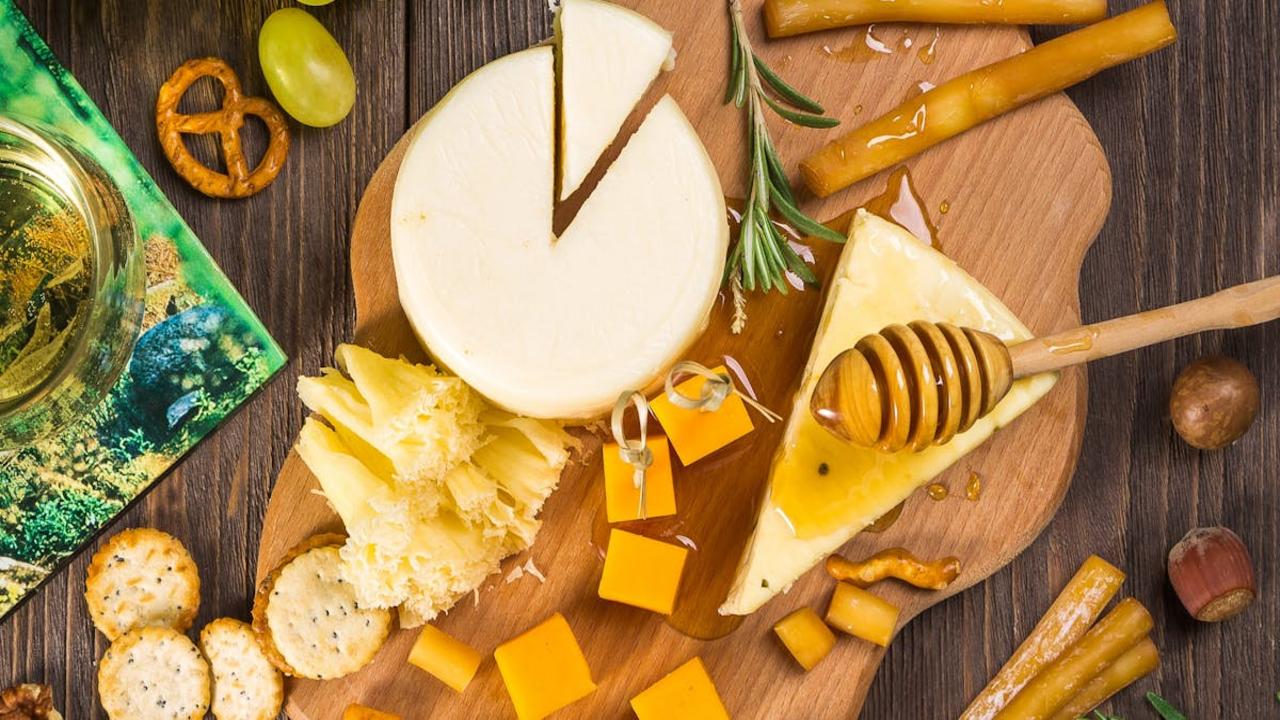
You know that moment when you’re grating fresh Parmesan and you’re left with that hard, waxy rind? Don’t toss it! I used to throw these away until I learned this incredible secret from Italian grandmothers who’ve been doing this for centuries. Those rinds are pure concentrated flavor bombs waiting to transform your soups and stews into something extraordinary. The rind slowly releases deep, nutty umami flavors that you simply cannot replicate with any other ingredient.
I keep a freezer bag specifically for collecting these precious rinds from Parmesan, Romano, and other hard cheeses. Drop one into your next pot of minestrone, bean soup, or even a simple vegetable broth while it simmers. The rind will soften and infuse the entire pot with this rich, savory depth that makes people wonder what your secret ingredient is. Just remember to fish it out before serving – think of it like a bay leaf. This single technique has elevated my homemade soups from good to absolutely soul-warming, and it costs nothing extra since you’re already buying the cheese anyway.
Onion skins
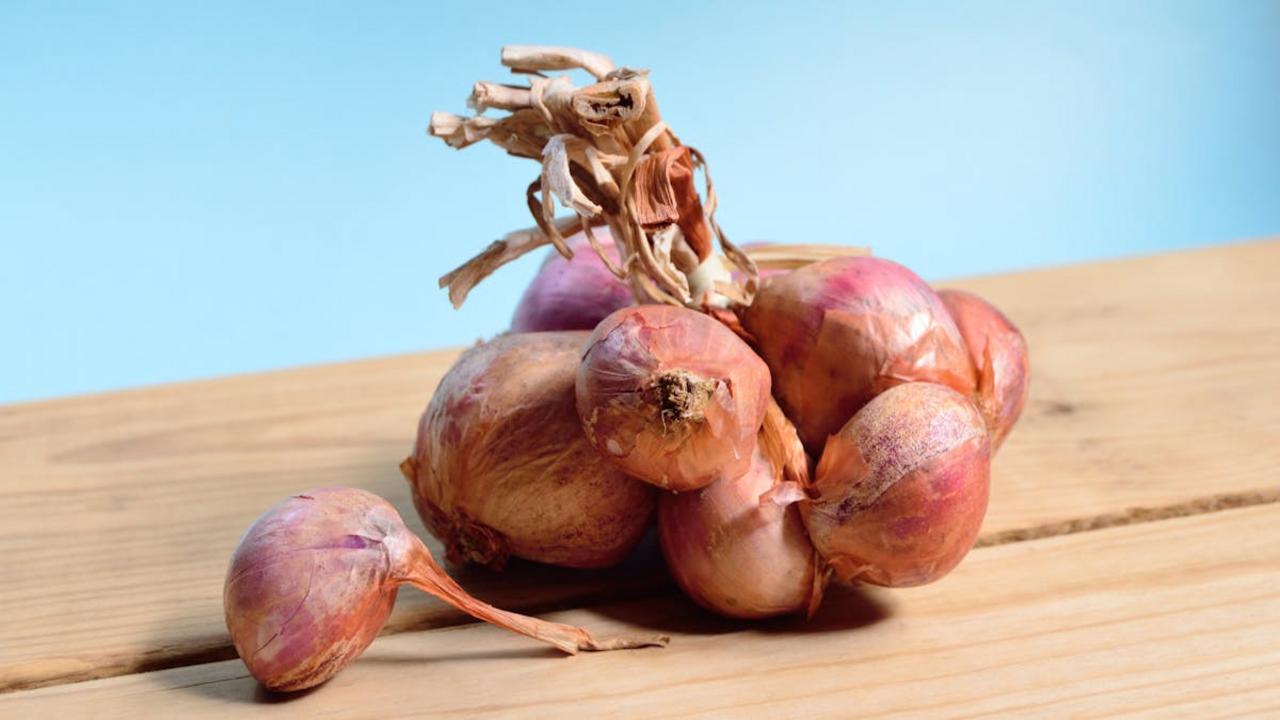
You know that papery outer layer you automatically peel off your onions before tossing it in the trash? Stop right there! Those golden, bronze, and deep purple skins contain incredible flavor compounds that professional kitchens never waste. I started saving mine after watching my grandmother steep them like tea leaves, creating the most beautiful amber-colored broth that added depth to everything from rice dishes to braised vegetables. The skins carry concentrated onion essence without the sharp bite, making them perfect for infusing stocks and broths with a mellow, sweet complexity.
Transform your cooking by collecting clean onion skins in a freezer bag until you have enough to make stock. Simply simmer them with vegetable scraps, herbs, and water for 45 minutes to create a rich, golden base for soups, risottos, and grain dishes. The natural quercetin in onion skins also adds antioxidant benefits to your homemade broths. I love using this technique in my Persian-inspired rice dishes, where the onion skin stock creates layers of flavor that connect beautifully with saffron and whole spices. Once you start viewing these “scraps” as liquid gold, you’ll never look at onion prep the same way again.
Pineapple core
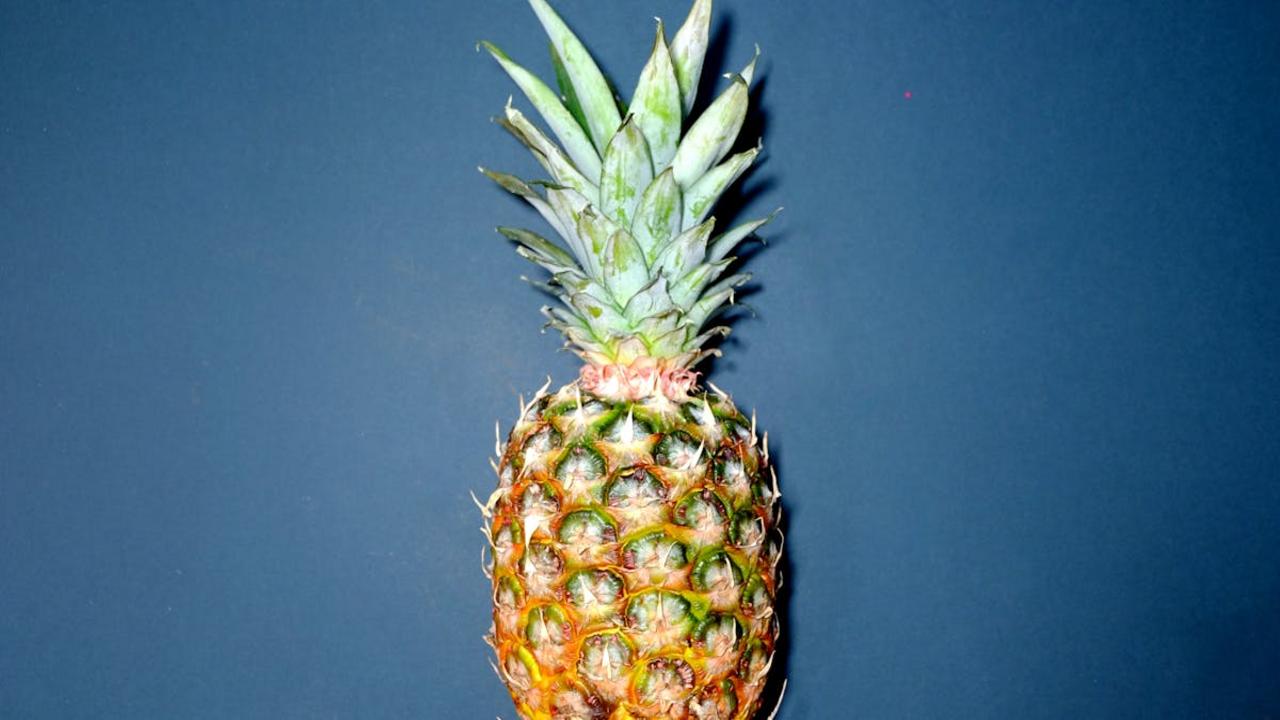
Friend, I see you tossing that pineapple core straight into the compost, but hold on! That fibrous center you’re discarding is actually a goldmine of sweet, tangy flavor that professional chefs never waste. I’ve learned to view the core as nature’s hidden gift—it’s packed with bromelain, an enzyme that aids digestion, plus it carries all that tropical pineapple essence in concentrated form. Instead of throwing it away, I chop it into chunks and toss them into my smoothie blender with coconut water and a handful of spinach for an instant tropical boost that makes my morning routine feel like a mini vacation.
The magic really happens when you get creative with this overlooked treasure. I love simmering pineapple cores with ginger and cinnamon to create a warming tea that soothes my throat and satisfies my sweet tooth without any added sugar. You can also grate the core into stir-fries where it adds natural sweetness and helps tenderize proteins, or blend it into homemade salsas for tacos where that extra fiber creates the perfect chunky texture. My grandmother always said waste nothing that nature provides, and the pineapple core proves her wisdom—it transforms from kitchen scraps into flavor-packed ingredients that make every dish more vibrant and nourishing.
Herb stems
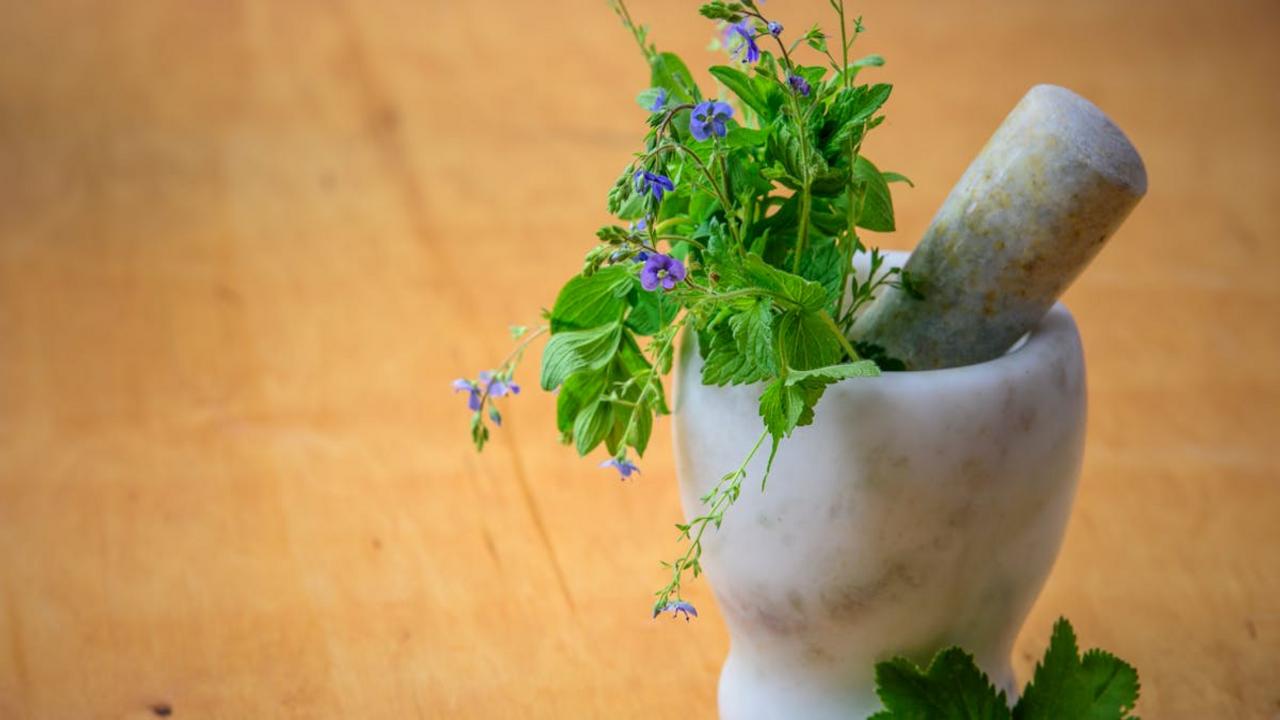
I get so frustrated when I see people toss those beautiful herb stems straight into the trash! Those stems pack serious flavor punch, and professional chefs know this secret well. Think about it – you’ve just paid good money for fresh cilantro, parsley, or basil, and you’re discarding half the plant? Not on my watch! Those stems contain concentrated oils and compounds that can transform your cooking. I throw cilantro stems into my blender when making green chutneys for Indian dishes, and they add incredible depth. Parsley stems go straight into my soup stocks, while basil stems get muddled into simple syrups for cocktails.
The trick is knowing which stems work best for different applications. Softer stems like cilantro and parsley can be chopped finely and used almost like the leaves themselves – I often include them in chimichurri or pesto. Tougher stems from rosemary or thyme make perfect additions to braising liquids or roasted vegetables, where they slowly release their aromatics. I keep a freezer bag specifically for herb stems, collecting them throughout the week to add to my weekly bone broth. This approach means I’m getting maximum value from every herb purchase while creating more complex, layered flavors in my dishes. Your wallet and your taste buds will thank you for this simple shift in thinking!
Celery leaves
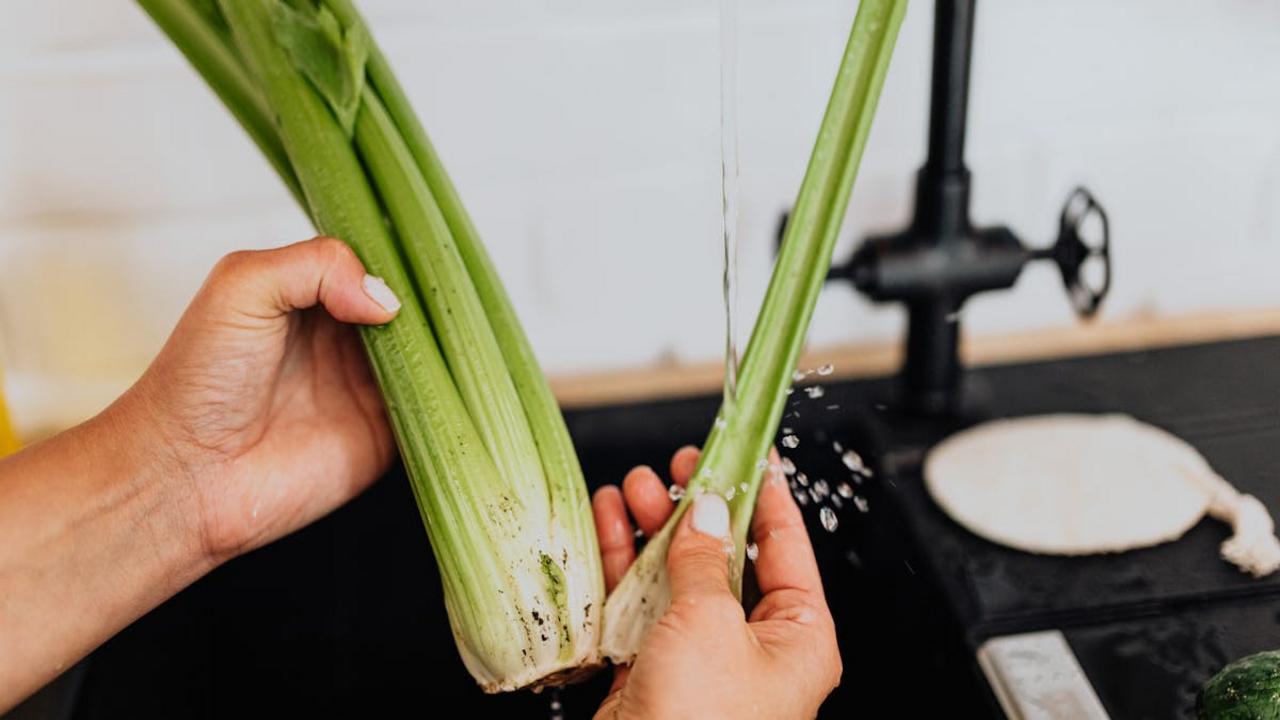
Most home cooks toss those feathery celery leaves straight into the compost bin, but I keep every single one! These delicate greens pack more concentrated flavor than the stalks themselves, carrying a bright, herbaceous punch that transforms ordinary dishes into something special. I treat them like any other fresh herb – chopping them into salads for a peppery bite, stirring them into soups just before serving, or blending them into chimichurri alongside parsley and cilantro.
The beauty of celery leaves lies in their versatility and their ability to bridge different flavor profiles. I love mixing them with mint and lemon for a refreshing tabbouleh, or sautéing them with garlic as a simple pasta sauce base. They also make incredible pesto when combined with nuts and olive oil, creating a unique spread that tastes nothing like traditional basil versions. Next time you buy celery, remember those leaves deserve the same respect as any expensive herb you’d purchase separately – they’re already there, ready to add depth and freshness to your cooking.
Potato skins
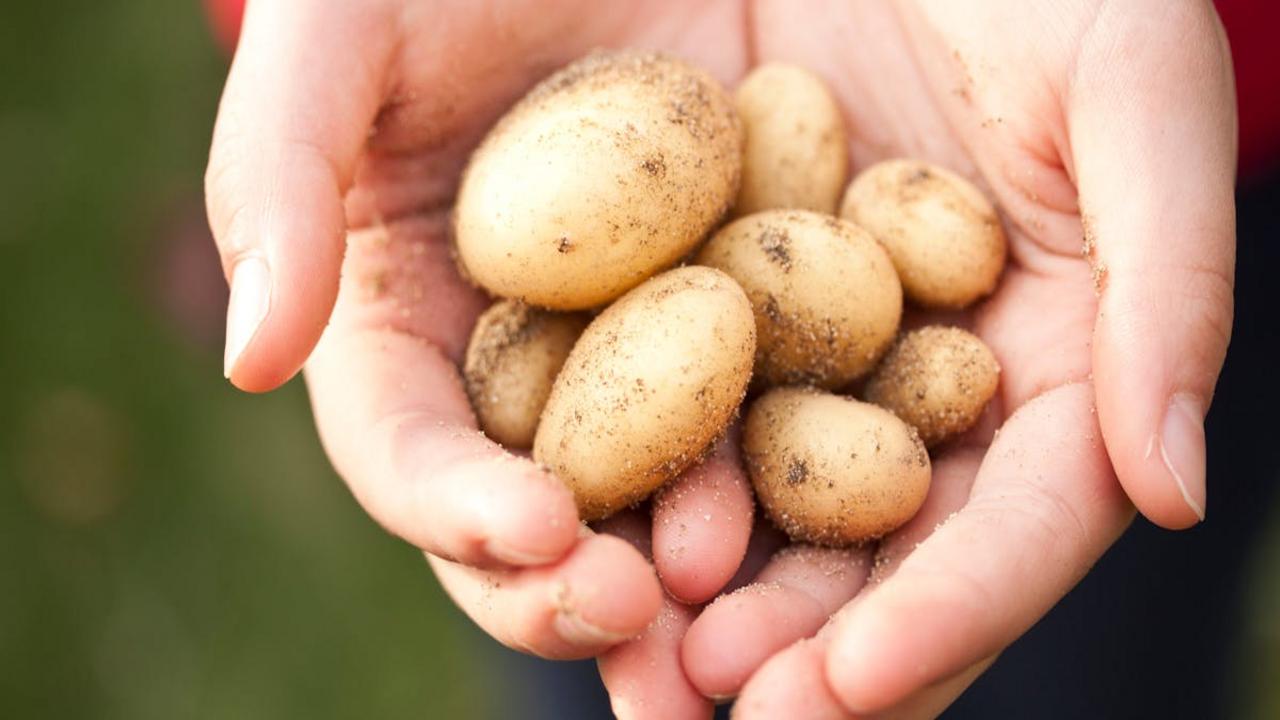
Your peeler just created gold, and you’re about to toss it in the trash! Those potato skins you automatically discard contain more nutrients than the flesh itself. I’ve watched too many home cooks throw away these crispy treasures without realizing they’re missing out on fiber, potassium, and antioxidants. The skin holds most of the potato’s nutritional power, plus it adds incredible texture to dishes when you know how to use it properly.
Transform those peels into crispy snacks by tossing them with olive oil, sea salt, and your favorite spices before roasting at 425°F until golden. They make perfect garnishes for soups, salads, or grain bowls. I love adding them to my morning hash or blending clean peels into vegetable broths for extra depth. You can even dehydrate them for homemade potato chips that put store-bought versions to shame. Next time you’re prepping potatoes, think twice before reaching for that compost bin – those skins deserve better!
Banana peels

Stop tossing those banana peels in the compost bin! Your kitchen scraps hold incredible potential that most home cooks never realize. I discovered this gem during my travels through Southeast Asia, where banana leaves and peels appear in countless traditional dishes. The thick, waxy skin of ripe bananas contains surprising amounts of fiber, potassium, and antioxidants. Plus, they bring a subtle earthy sweetness that transforms ordinary meals into something special.
Start simple by adding clean banana peels to your smoothies – they blend beautifully with tropical fruits like mango and coconut. For something more adventurous, try my favorite technique: slow-cooking the peels in curry dishes where they absorb all those gorgeous spices and develop a tender, almost meat-like texture. You can also dehydrate thin strips for homemade banana chips or sauté them with onions and garlic as a side dish. Just remember to choose organic bananas and scrub the peels thoroughly before cooking. This approach keeps your meals wholesome while reducing food waste – exactly the kind of mindful cooking that brings real satisfaction to your kitchen.
Watermelon rinds
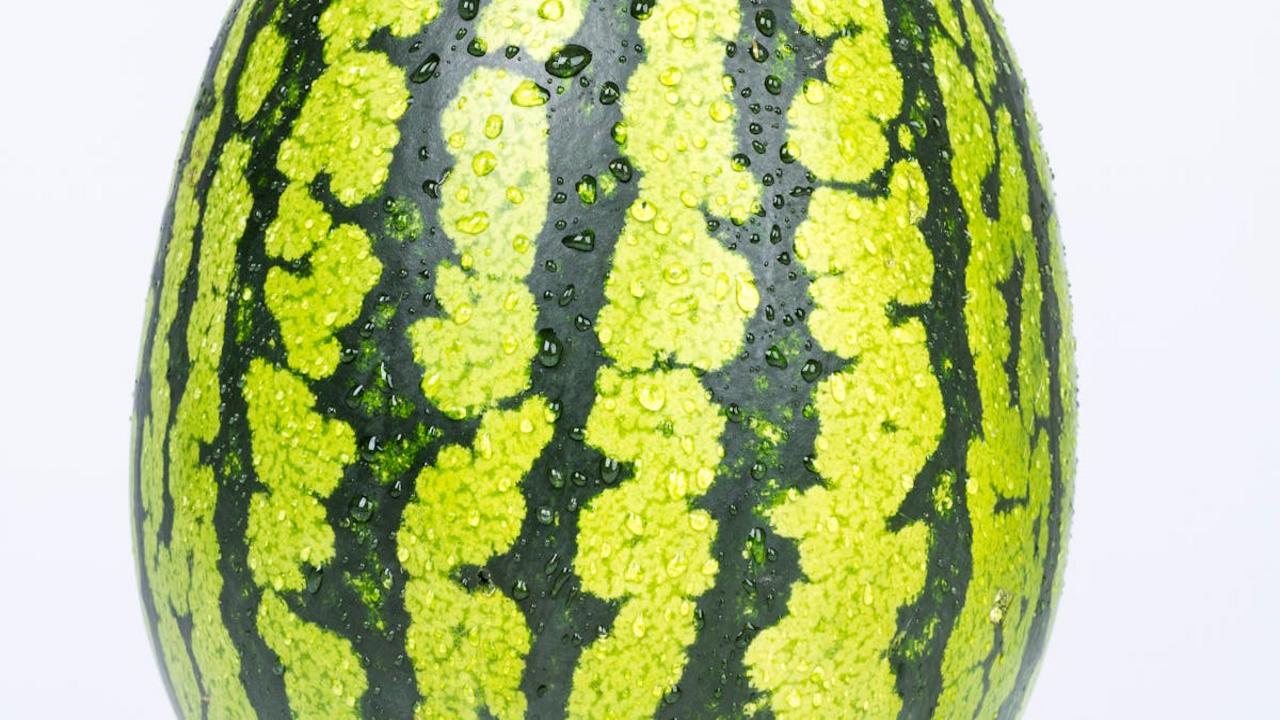
You know that satisfying moment when you bite into sweet, juicy watermelon on a hot summer day? Well, my friend, don’t toss those thick white and green rinds into the compost just yet! I used to do the same thing until I discovered that chefs around the world transform these “scraps” into incredible dishes. The rind has this amazing crisp texture and mild, almost cucumber-like flavor that absorbs marinades and spices beautifully. Think of it as nature’s perfect blank canvas for bold flavors.
In my kitchen, I’ve turned watermelon rinds into everything from tangy pickles with ginger and rice vinegar to refreshing salads with lime and chili. You can stir-fry them with garlic and soy sauce for an Asian-inspired side dish, or blend them into cooling gazpacho during scorching summer months. The key is removing that tough outer green skin and working with the white part – it becomes tender when cooked and adds this wonderful crunch to fresh preparations. Trust me, once you start cooking with watermelon rinds, you’ll never see them as waste again!
Orange peels
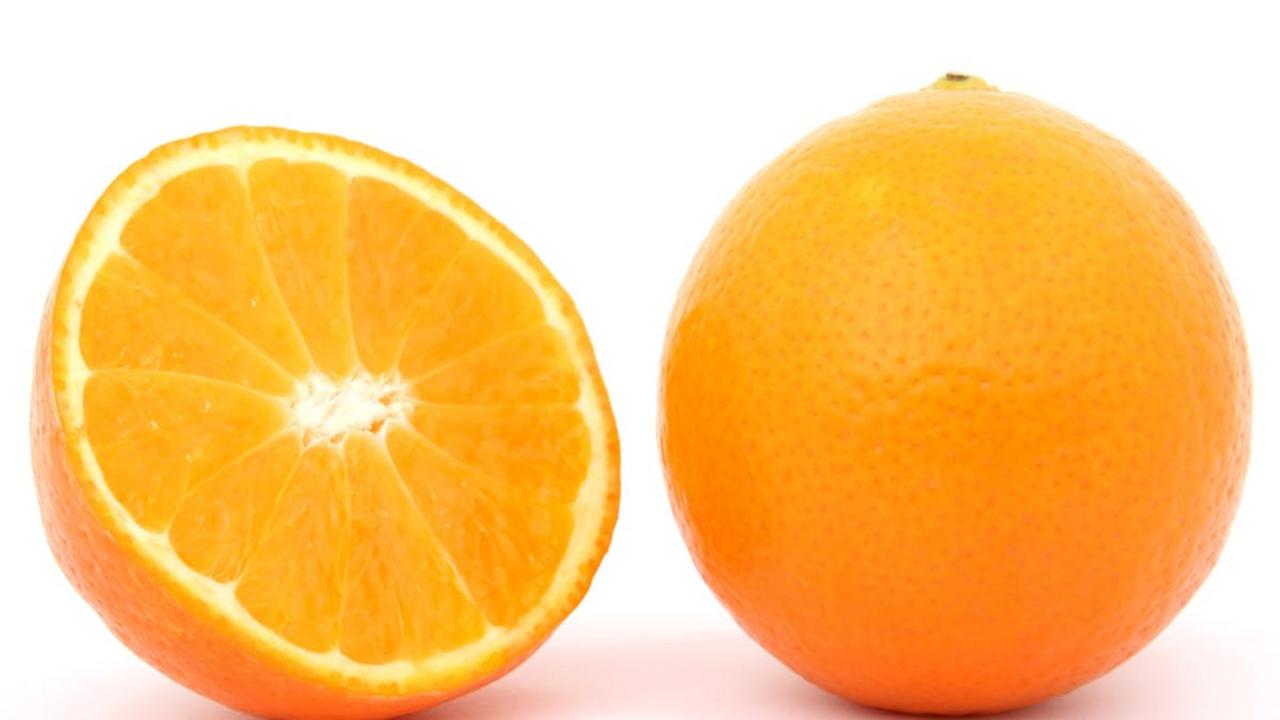
You know that satisfying moment when you peel an orange and the citrus oils spray into the air? That fragrant zest holds incredible flavor power that most of us toss straight into the compost bin. I’ve learned to think of orange peels as liquid sunshine waiting to transform your cooking. The oils concentrated in that colorful outer layer pack more punch than the fruit itself, and professional kitchens never waste them. Whether you’re grating fresh zest over a Moroccan tagine or infusing simple syrup with strips of peel, you’re adding depth that manufactured extracts simply can’t match.
Start small by saving your peels after breakfast – dry them on a rack for homemade potpourri, or freeze strips in ice cube trays for future cocktails and teas. I love simmering orange peels with cinnamon and star anise to create a natural room freshener that beats any chemical spray. For cooking, try candying strips in honey for garnishing desserts, or blend dried peels into spice rubs for roasted vegetables. My favorite trick is grinding dried orange peel with sea salt to create a finishing salt that brightens everything from chocolate desserts to grilled fish. Once you start using the whole orange, you’ll wonder why you ever threw away such concentrated flavor.
Carrot tops
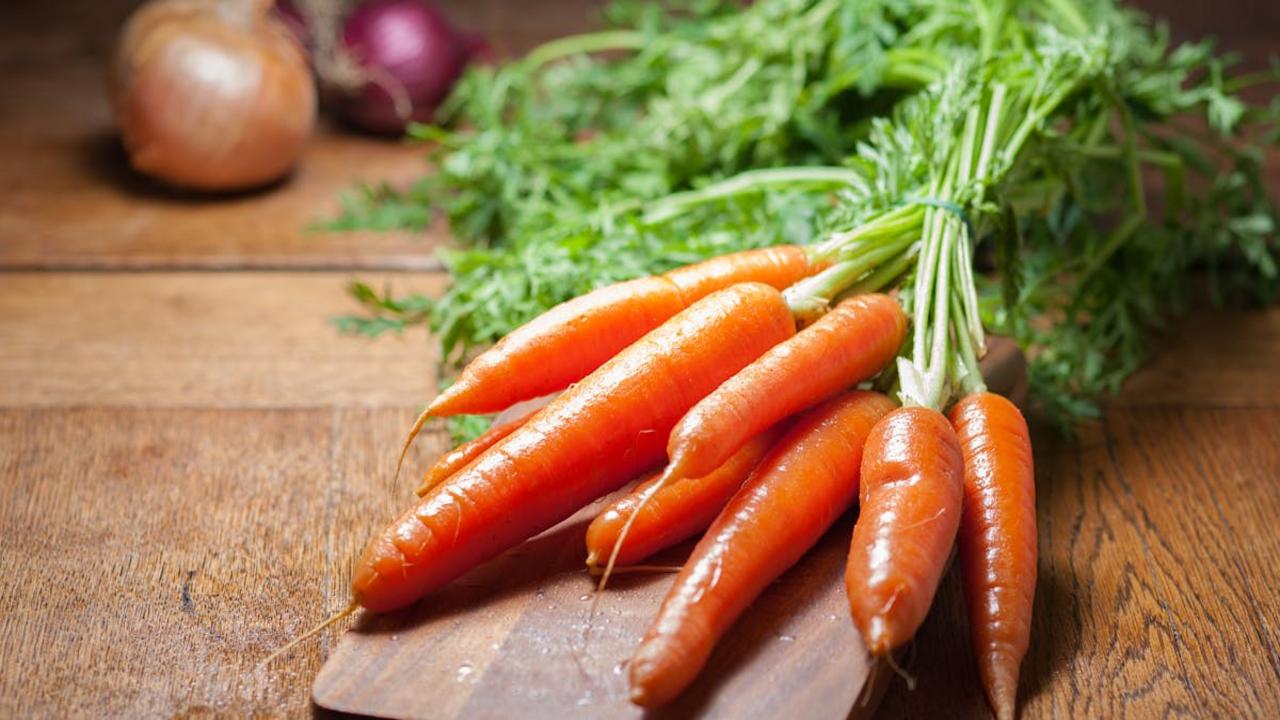
Those feathery green tops crowning your carrots pack more flavor punch than you’d expect! I toss them straight into my morning smoothies where they add an earthy, slightly bitter note that balances sweet fruits beautifully. Their taste sits somewhere between parsley and cilantro – fresh and herbaceous with a gentle bite that wakes up your palate. You can also chop them fine and sprinkle over roasted vegetables, blend into pestos with nuts and olive oil, or fold them into grain bowls for an unexpected twist.
These nutritional powerhouses contain more vitamin C than the actual carrots and offer calcium, potassium, and antioxidants your body craves. I love making a quick chimichurri by blending carrot tops with garlic, lemon juice, and good olive oil – it transforms grilled proteins and roasted root vegetables into something special. Store them like fresh herbs in a glass of water in your fridge, and they’ll stay vibrant for days. Next time you buy carrots with their tops intact, think of those greens as bonus ingredients rather than compost material.
Broccoli and cauliflower stems
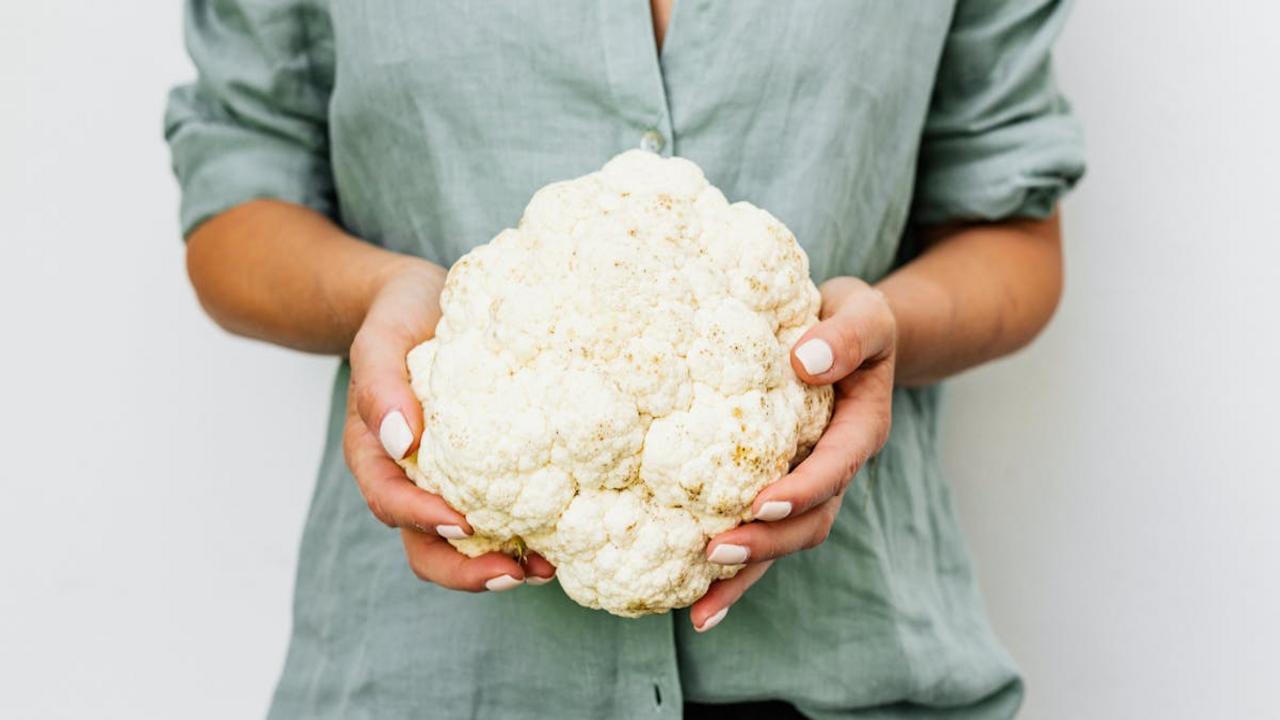
You know that moment when you’re prepping broccoli or cauliflower and automatically toss those thick stems into the compost? Stop right there! Those stems pack incredible flavor and nutrition that deserves a spot on your plate. I started saving mine after watching my grandmother slice them paper-thin for her Korean banchan, and now I can’t imagine wasting such versatile ingredients. The stems have this wonderful crisp texture and mild sweetness that works beautifully in stir-fries, soups, or even raw in salads.
Think of these stems as nature’s ready-made vegetable noodles – just peel away the tough outer layer and slice them into matchsticks for the most satisfying crunch. I love grating them into coleslaw for extra fiber and nutrients, or roasting chunks alongside root vegetables for a caramelized side dish. You can also blend peeled stems into smoothies for added creaminess without any veggie taste, or pickle them with ginger and rice vinegar for a tangy condiment that brightens up any meal. Once you start cooking with these stems, you’ll wonder why you ever threw away such culinary gold.