15 Foods You Can Still Safely Eat After Their Expiry Date
Ever tossed perfectly good food because of a date stamped on the package? You’re not alone! Many expiration dates actually indicate peak quality, not safety. Understanding which foods remain safe beyond these dates can save you money and reduce waste in your kitchen.
I’ve discovered numerous pantry staples that last far longer than their labels suggest. From honey that literally never spoils to dried pasta that stays good for years, these foods maintain their safety and nutritional value long after their “best by” dates have passed.
Your grocery budget will thank you for knowing which foods deserve a second chance. The items on this list aren’t just safe to eat—they often taste exactly the same as they did before their expiration date. Ready to become a smarter, more sustainable home cook? Let’s dive into these 15 foods you can keep with confidence!
Instant Coffee
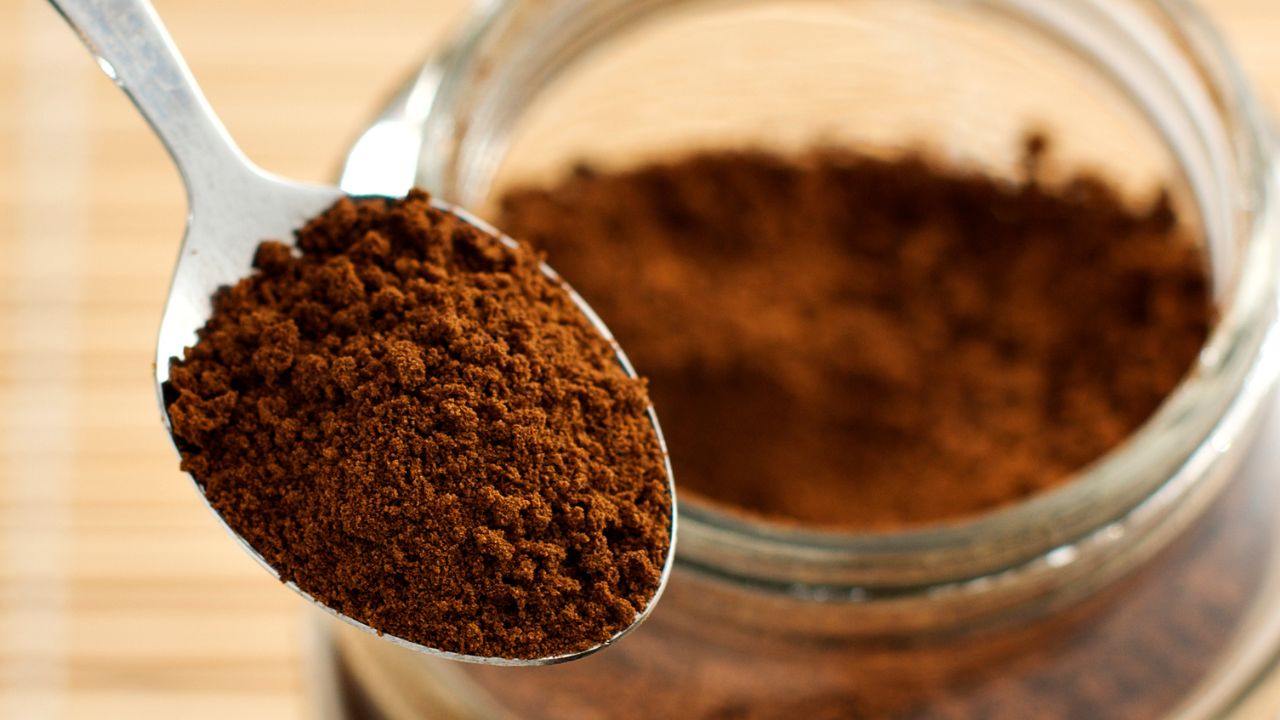
Your morning cup of instant coffee won’t suddenly turn dangerous just because the date on the jar has passed. I know many coffee lovers worry about their backup stash going bad, but here’s some reassuring news: properly stored instant coffee can stay perfectly safe for years beyond its printed expiration date. The granules or powder form creates an incredibly stable product that resists bacterial growth and spoilage. You’ll likely notice changes in flavor and aroma long before any safety concerns arise, so trust your senses when deciding whether to brew that cup.
Store your instant coffee in a cool, dry place with the lid tightly sealed, and it will reward you with consistent quality well past its suggested date. While the coffee might lose some of its bold flavor over time, it remains completely safe to drink. I’ve discovered that adding a pinch of cinnamon or vanilla extract can help revive older instant coffee and give it new life in your mug. The key is keeping moisture away from those precious granules – humidity is instant coffee’s biggest enemy, not time itself.
Granulated Sugar
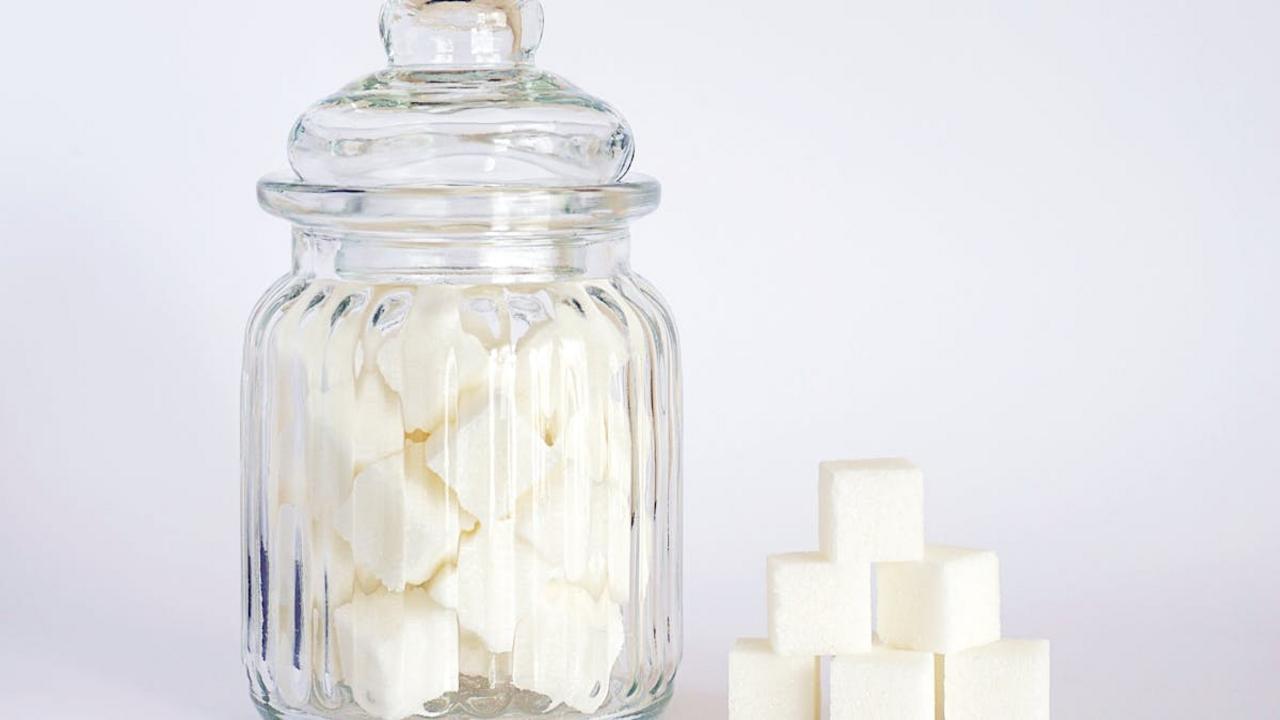
Your granulated sugar sitting in that pantry cabinet will outlast many other ingredients by decades! Sugar has an incredible shelf life because bacteria and other microorganisms simply can’t survive in its low-moisture environment. Even if the expiry date passed years ago, your white sugar remains perfectly safe to use in your favorite recipes. The crystals might clump together over time due to humidity, but a quick fork through the container will break them apart and restore the flowing texture you need for baking.
I keep sugar stored in airtight containers to prevent those annoying clumps and protect it from absorbing odors from nearby spices or coffee. Brown sugar requires a bit more attention since it contains molasses, but even hardened brown sugar can be softened with a slice of bread or a damp paper towel in the container overnight. Your cookies, cakes, and morning coffee deserve that perfect sweetness, and expired sugar delivers the same results as fresh sugar every single time. Don’t worry about tossing that “old” sugar – it’s ready to sweeten your next baking adventure!
Unopened Bottled Water

You know what makes me smile? Finding out that unopened bottled water never actually goes bad! That expiry date stamped on your bottle is more about the plastic container than the water itself. The FDA doesn’t even require expiry dates on bottled water because H2O doesn’t spoil. Those dates you see are usually there because of state regulations or company policies, typically ranging from one to two years from the bottling date.
Here’s what I love about this discovery – you can confidently drink that forgotten case of water you found in your garage from last summer’s camping trip. The water inside remains perfectly safe and refreshing. Just give the bottle a quick inspection first. If you notice any cracks, cloudiness, or funky odors, toss it out. But honestly, properly stored unopened bottles can last indefinitely. I keep a rotating stock in my pantry for emergencies, and knowing this fact gives me such peace of mind. Your body needs hydration, and that “expired” water will do the job beautifully!
Dried Spices
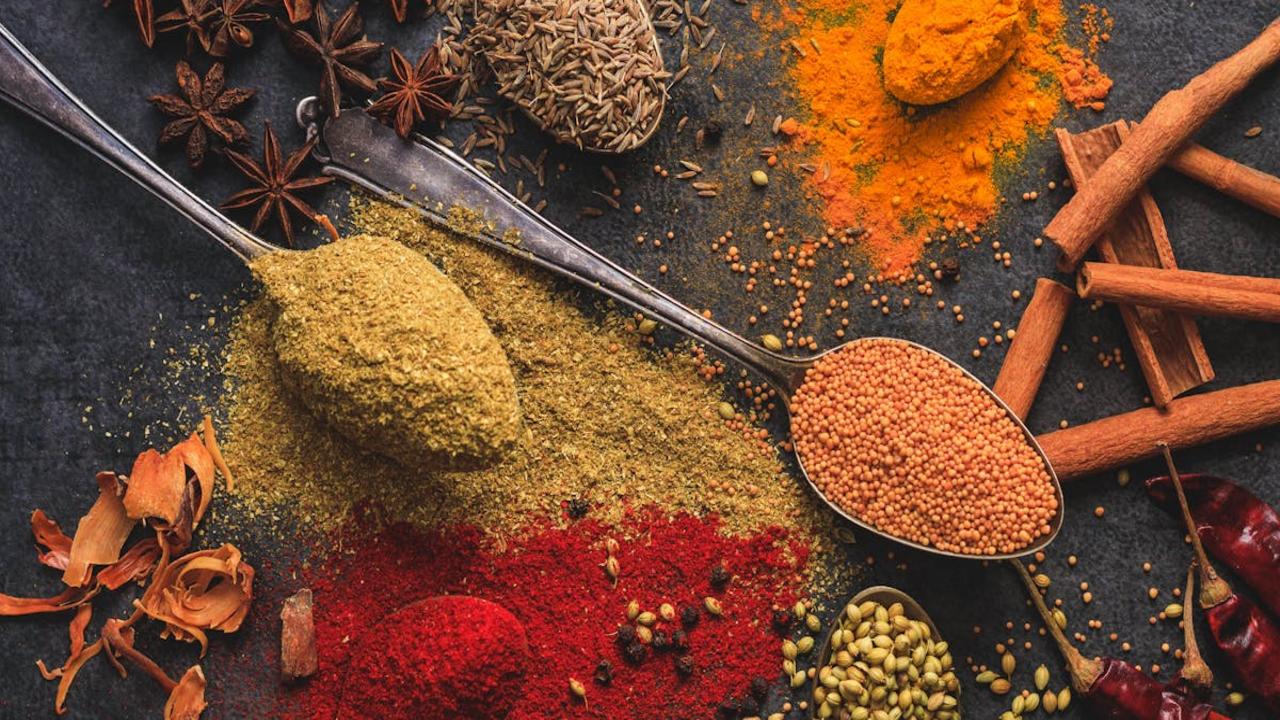
Your spice rack holds treasures that last far beyond their printed dates! Dried spices like oregano, basil, paprika, and cinnamon maintain their safety for years after expiration, though their potency gradually fades. The biggest change you’ll notice is diminished flavor intensity rather than any safety concerns. I keep a simple test in my back pocket: rub a pinch between your fingers and take a good sniff. If the aroma still comes through strong, you’re golden to keep using them in your favorite dishes.
While old spices won’t make you sick, they might turn your perfectly planned meal into something bland and disappointing. Store your spices in cool, dark places away from your stove’s heat, and they’ll reward you with longer-lasting flavor. I’ve found that whole spices like peppercorns and cinnamon sticks hold their punch much longer than ground versions. Ground spices typically stay flavorful for 2-3 years past their date, while whole spices can maintain their magic for up to 4 years. Trust your nose and taste buds – they’re your best guides for determining whether those expired spices deserve a spot in tonight’s dinner.
Pure Maple Syrup
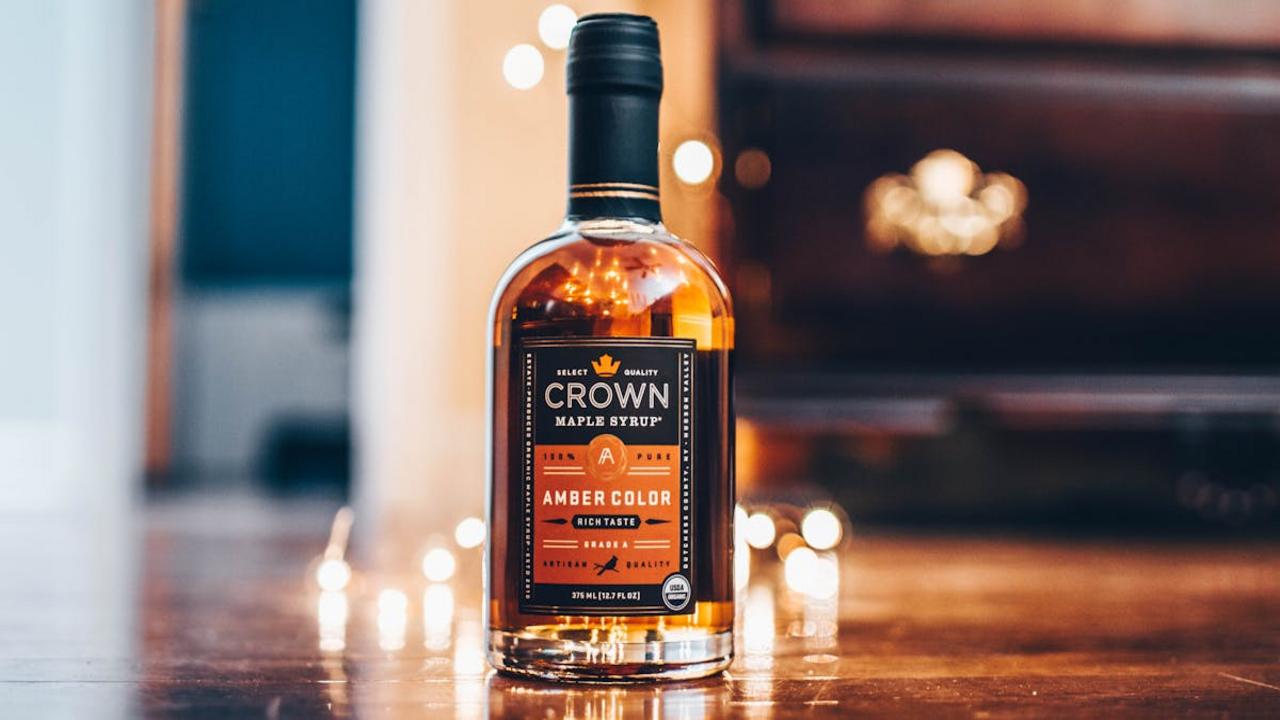
You know that bottle of pure maple syrup sitting in your pantry? The one with the expiry date that passed months ago? Don’t toss it just yet! Pure maple syrup has an incredibly long shelf life thanks to its high sugar content, which creates an environment where harmful bacteria simply can’t thrive. I keep bottles in my pantry that are well past their printed dates, and they taste just as amazing as the day I bought them. The key here is making sure you’re dealing with 100% pure maple syrup, not the artificially flavored corn syrup versions that have different preservation properties.
Over time, you might notice your maple syrup developing a slightly thicker consistency or even some crystallization, but this doesn’t mean it’s gone bad – it’s actually perfectly normal! If crystals form, simply warm the syrup gently in a saucepan over low heat, and it will return to its smooth, pourable state. Store your maple syrup in the refrigerator after opening to maintain its quality for years beyond the expiry date. I’ve used maple syrup that was two years past its date in my weekend pancake breakfasts, and my family never knew the difference. Just give it a quick smell and taste test – if it still has that rich, woody sweetness, you’re good to drizzle away!
Peanut Butter
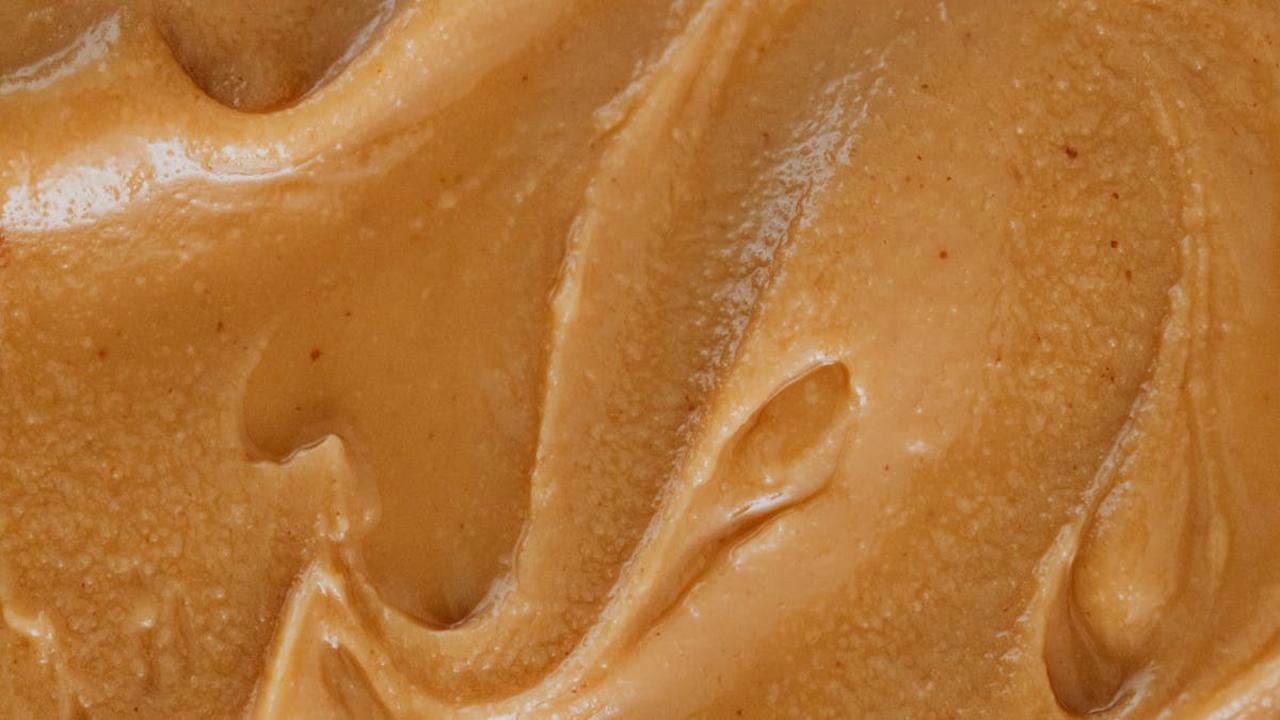
Your jar of peanut butter sitting in the pantry doesn’t suddenly turn dangerous the moment that expiry date passes! Natural peanut butter typically stays good for 2-3 months past its printed date, while processed varieties can last even longer – sometimes up to 9 months beyond expiration. The high oil content and low moisture levels create an environment that naturally resists bacterial growth, making peanut butter one of the most shelf-stable spreads you can keep in your kitchen.
Before you toss that “expired” jar, give it a quick inspection. Fresh peanut butter should smell nutty and pleasant, not rancid or sour. You might notice some oil separation, which is completely normal – just give it a good stir! If you see any mold (rare but possible) or detect an off smell, then it’s time to say goodbye. Store your peanut butter in a cool, dry place, and consider transferring natural varieties to the refrigerator after opening to extend their life even further. Your morning toast routine doesn’t have to suffer just because of an arbitrary date on the lid!
Dried Pasta
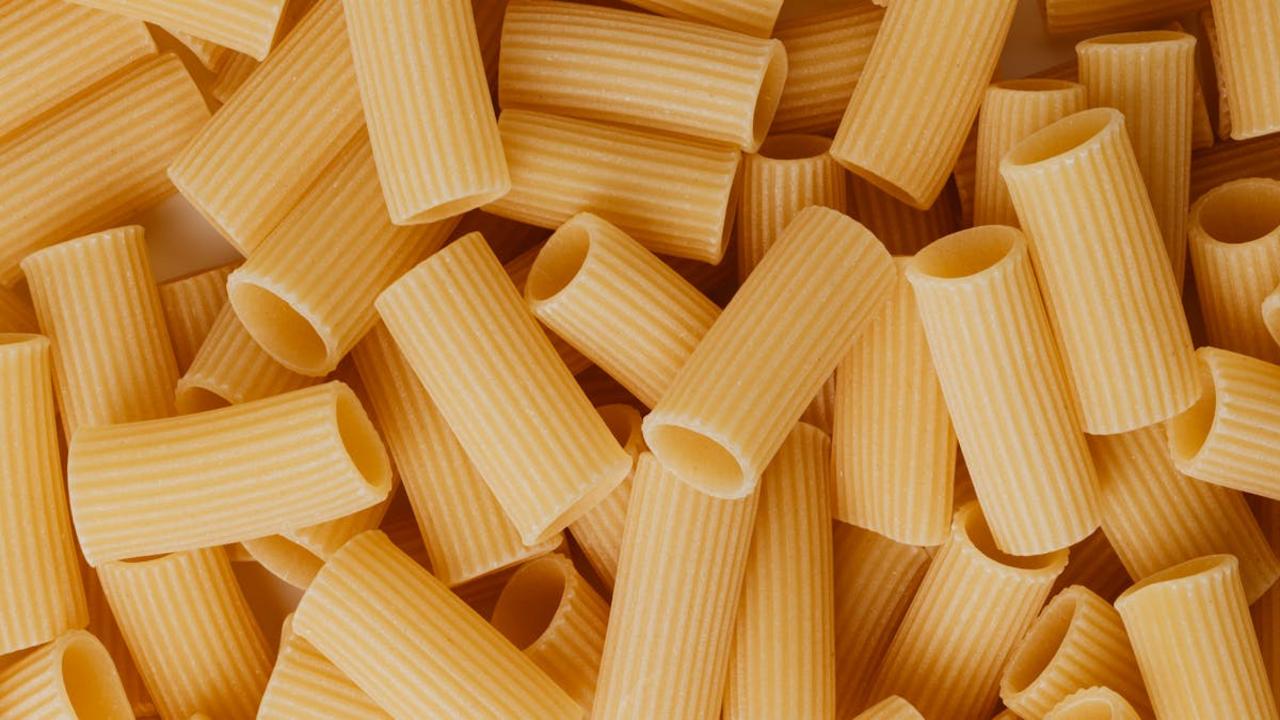
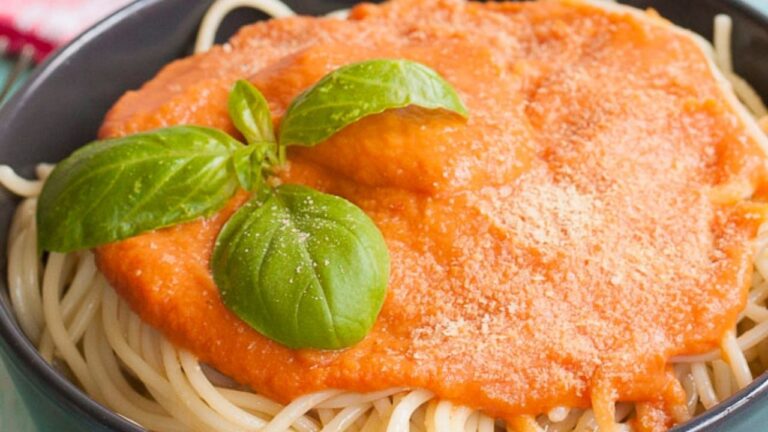
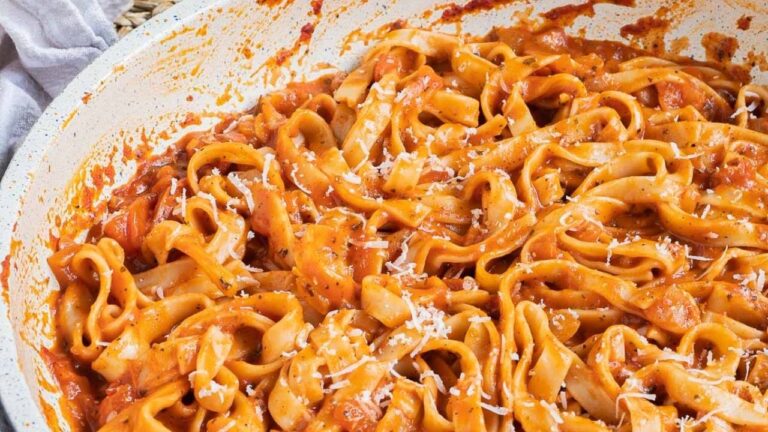
Your pantry’s most reliable friend, dried pasta can safely stay in your kitchen for years beyond its printed expiration date! I always keep multiple boxes on hand because this shelf-stable superstar maintains its quality and safety long after that date passes. The key lies in proper storage – keep your pasta in a cool, dry place away from moisture and pests. You’ll know it’s still good when the noodles look normal, smell neutral, and haven’t developed any strange colors or spots.
I’ve personally used dried pasta that was two years past its date with absolutely no issues whatsoever. The worst thing that happens over time is a slight decrease in texture quality – your perfectly al dente bite might become a touch softer than usual. But honestly, once you toss it with your favorite sauce and toppings, you won’t even notice the difference! Store your pasta in airtight containers or the original packaging, and it becomes your go-to solution for quick weeknight dinners that never disappoint.
Sugar
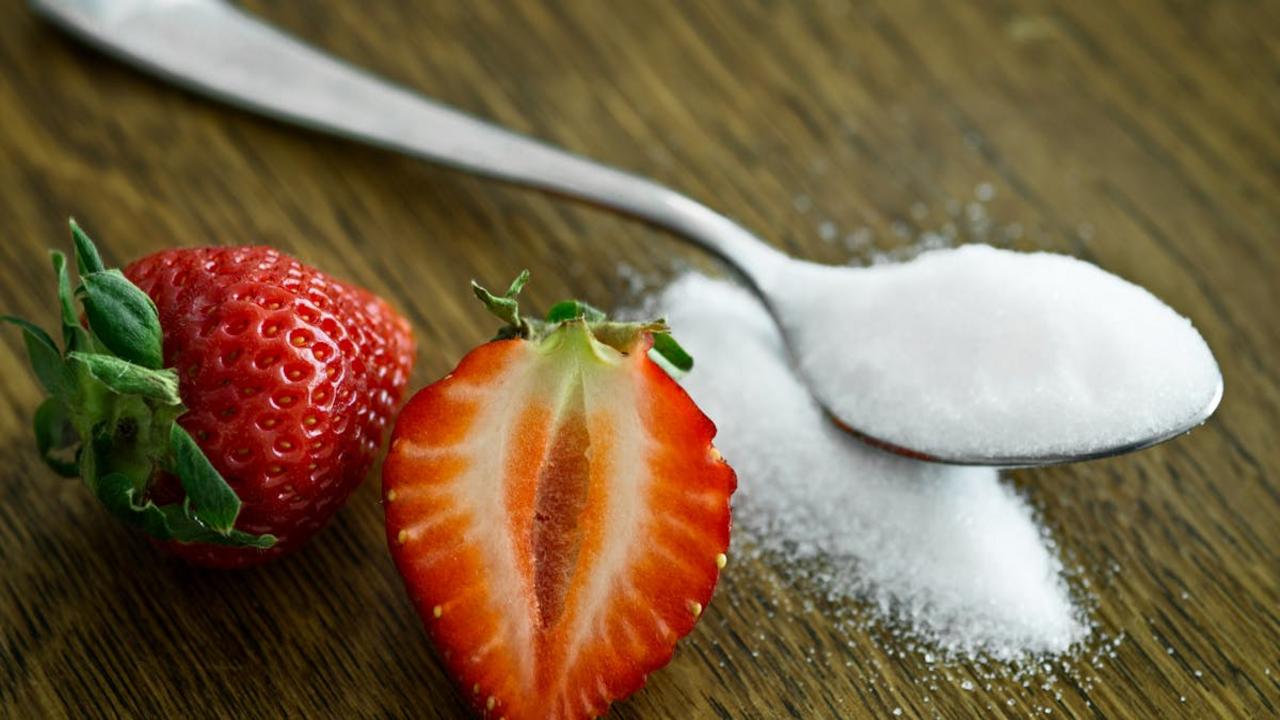
Sugar stands as one of the most reliable pantry staples you’ll ever own, and here’s something that might surprise you – it never actually goes bad! Whether you’re talking about white granulated sugar, brown sugar, or even powdered sugar, these sweeteners can last indefinitely when stored properly. The expiration dates you see on sugar packages are more about maintaining peak quality rather than safety concerns. I keep sugar containers that have been in my pantry for years, and they work just as beautifully in my weekend baking sessions as they did when I first brought them home from the store.
The key to keeping your sugar fresh and usable lies in proper storage techniques that prevent moisture and pests from getting into your containers. Store your sugar in airtight containers or sealed bags, and keep them in cool, dry places away from humidity. Even if your brown sugar hardens over time, you can easily revive it by adding a slice of bread or a damp paper towel to the container for a few hours. White sugar might develop some clumps in humid conditions, but a quick stir or gentle crushing brings it right back to its original texture. Your sugar will continue sweetening your coffee, baked goods, and favorite treats long past any printed date on the package.
Salt
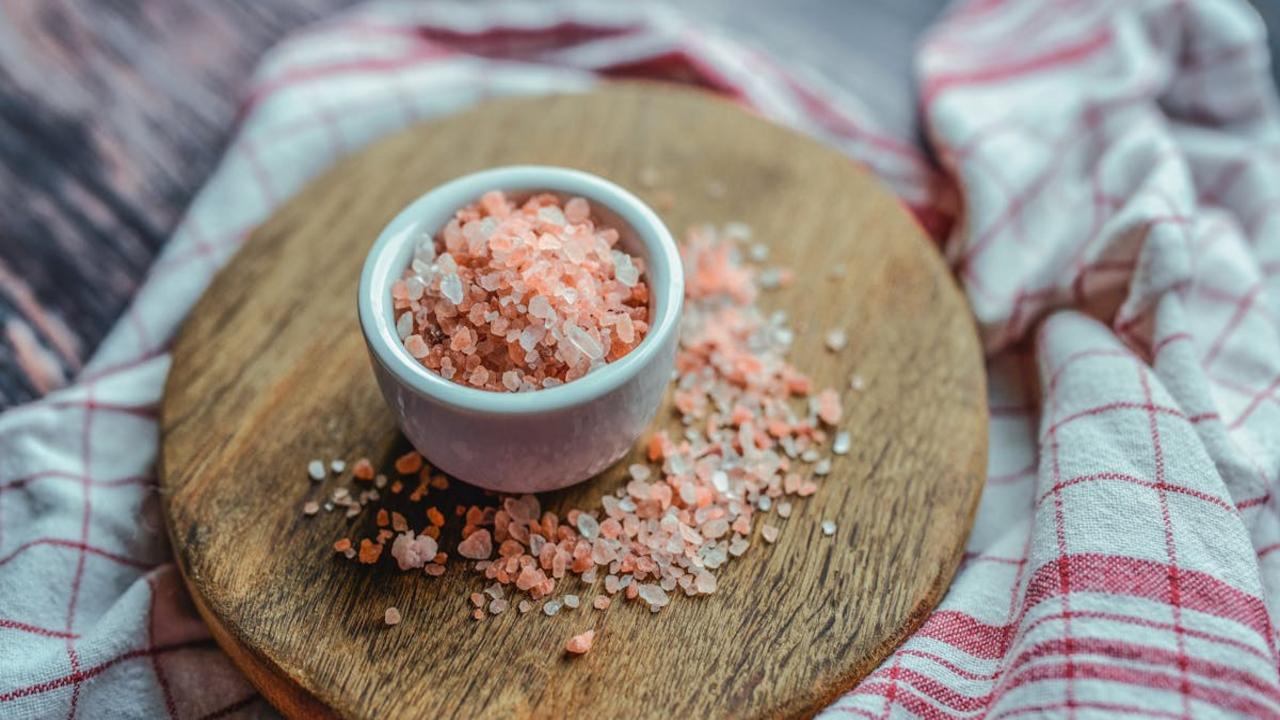
Salt stands as one of the most reliable pantry staples you’ll ever own, and here’s something that might surprise you – it literally never goes bad! This mineral powerhouse doesn’t support bacterial growth, which means your trusty table salt can sit in your cupboard for years beyond any printed date without losing its effectiveness. Whether you’re reaching for sea salt, kosher salt, or regular table salt, they all share this incredible staying power that makes them perfect for long-term storage.
The only thing you need to watch out for with older salt is moisture absorption, which can cause clumping – but even then, it’s still perfectly safe to use! I always keep a few grains of rice in my salt container to prevent this issue, and it works like magic. Your salt might lose some of its anti-caking agents over time if it’s the processed variety, but the sodium chloride itself remains unchanged and ready to season your favorite dishes. Store it in a cool, dry place in an airtight container, and you’ll have reliable seasoning power for practically forever!
Vinegar
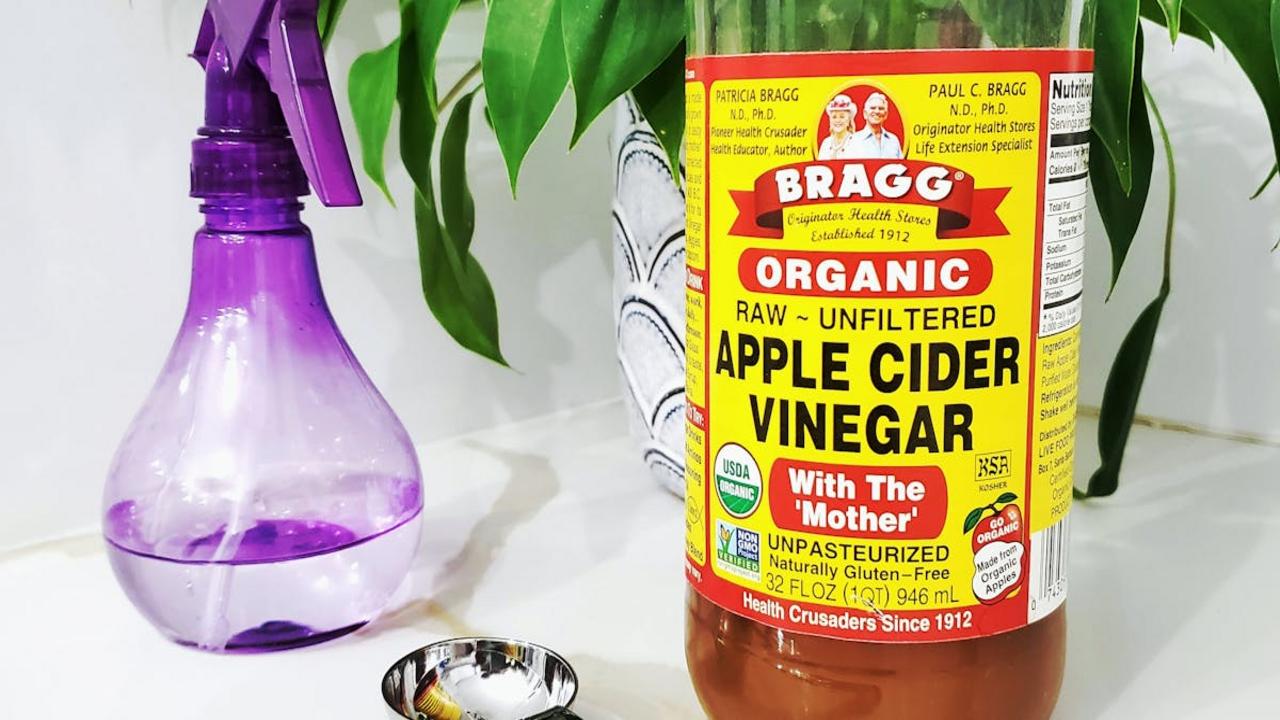
Your bottle of vinegar sitting in the pantry for months past its expiry date? Don’t toss it just yet! Vinegar is one of those magical pantry staples that gets better with time rather than worse. The acidic nature of vinegar creates an environment where harmful bacteria simply can’t survive, making it practically immortal in your kitchen. Whether you have apple cider vinegar, white vinegar, or balsamic, these acidic wonders maintain their potency and safety long after that printed date. The worst thing that might happen is a slight change in flavor or the development of a cloudy appearance, but these changes won’t hurt you one bit.
I keep multiple types of vinegar in my kitchen, and I’ve used bottles that were years past their expiry dates with fantastic results. The key is proper storage – keep your vinegar in a cool, dark place with the cap tightly sealed. You might notice some sediment or cloudiness over time, especially in apple cider vinegar, but this is completely natural and actually indicates the presence of beneficial compounds. From salad dressings to pickling vegetables, from cleaning solutions to baking reactions, aged vinegar performs just as wonderfully as fresh bottles. Trust me, your wallet and your cooking will thank you for not throwing away this liquid gold!
Soy Sauce
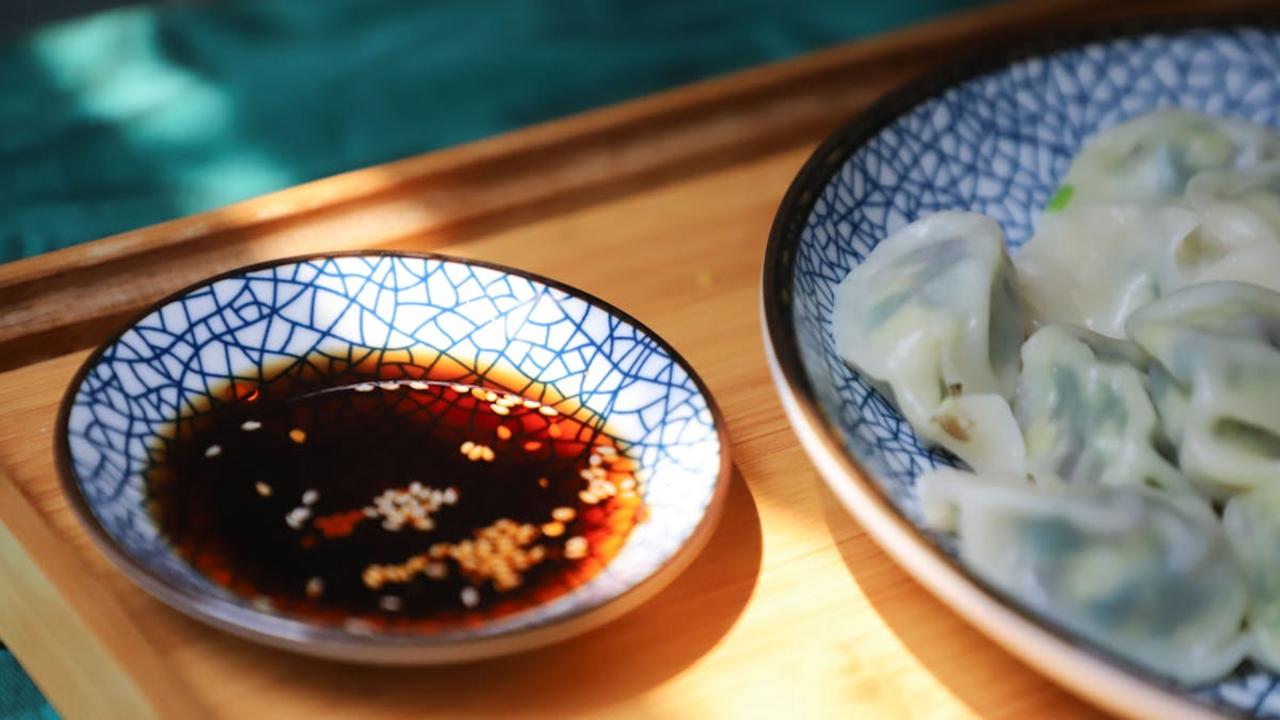
Your trusty bottle of soy sauce sitting in the pantry can remain perfectly safe to consume long after its printed expiration date passes. This fermented condiment contains such high levels of sodium that harmful bacteria simply cannot survive in this salty environment. The fermentation process creates natural preservatives that keep soy sauce stable for years when stored properly. You’ll notice that unopened bottles can maintain their quality for three to five years beyond the date on the label, while opened bottles stay good for about two years in the refrigerator.
I always keep multiple bottles of soy sauce on hand because they practically never spoil! The worst thing that might happen is some darkening of the color or slight changes in flavor intensity, but these don’t indicate spoilage. If you notice any mold growing around the cap or an off smell that’s distinctly different from the usual salty, umami aroma, then it’s time to replace your bottle. Store your soy sauce in a cool, dry place before opening, and pop it in the fridge once you break the seal. This simple condiment will continue adding that perfect salty depth to your stir-fries, marinades, and dipping sauces for much longer than you might expect.
Canned Vegetables
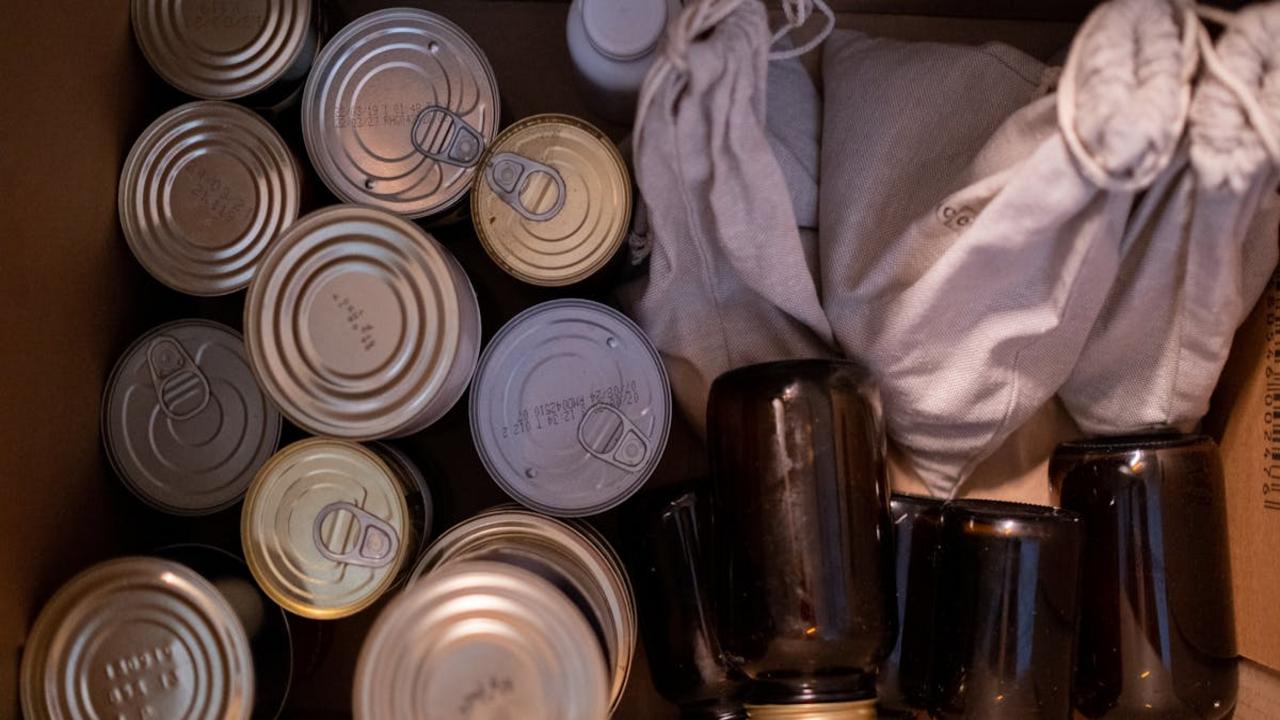
Your pantry’s collection of canned vegetables can stick around much longer than those printed dates suggest! I always keep a variety of canned corn, green beans, and tomatoes on hand because they’re incredibly forgiving when it comes to expiration dates. These shelf-stable gems can remain perfectly safe and nutritious for 2-5 years past their “best by” date when stored in a cool, dry place. The canning process creates an airtight seal that prevents harmful bacteria from spoiling your vegetables, making them one of the most reliable backup ingredients you can stock.
Before opening any can, give it a quick inspection – you want to avoid any dents, rust, or bulging that could indicate compromised integrity. Once you pop that can open, your vegetables should look vibrant and smell fresh, just like they did on day one. I love reaching for expired canned vegetables when I’m whipping up quick soups, casseroles, or pasta dishes because they maintain their nutritional value beautifully over time. The convenience factor alone makes these pantry staples worth keeping around, and knowing they’ll still nourish your family years later gives you incredible peace of mind during meal planning.
Hard Cheese
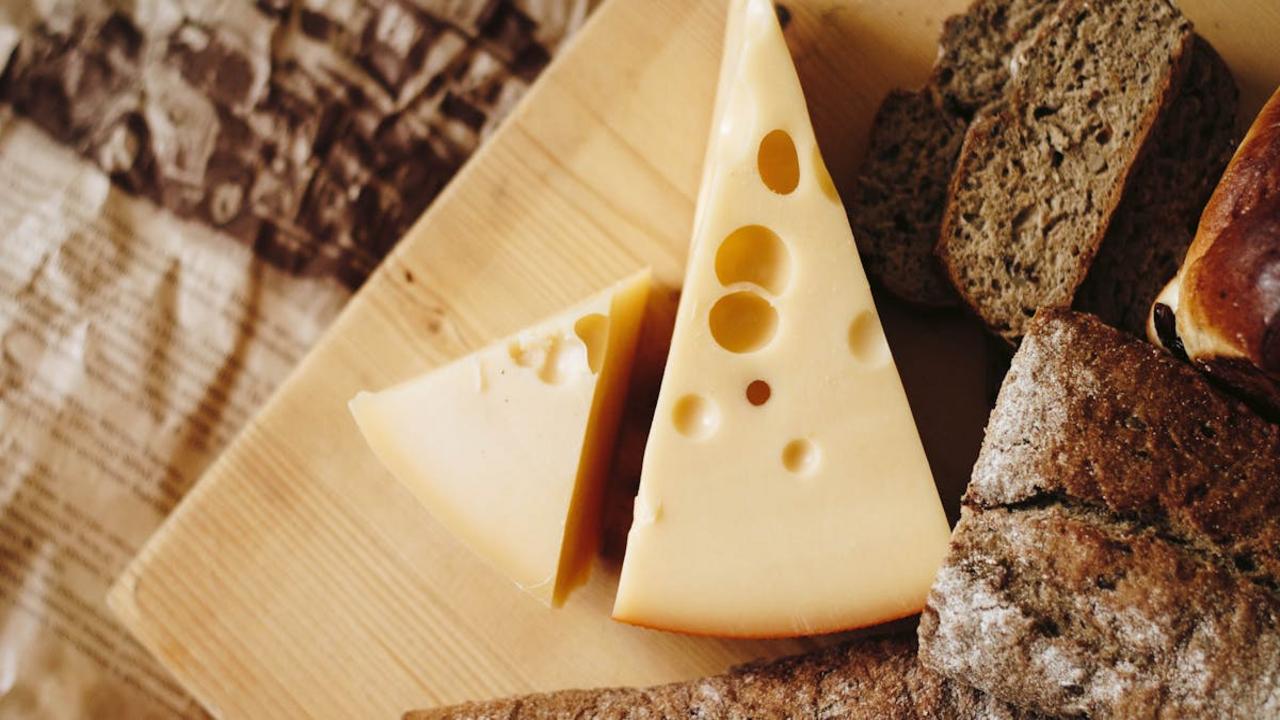
Your block of aged cheddar or parmesan sitting in the fridge doesn’t magically turn dangerous the moment it hits its printed date! Hard cheeses have incredibly low moisture content, which makes them naturally resistant to harmful bacteria. I always check my hard cheese by looking for any unusual mold growth – if you spot some fuzzy patches, simply cut them off with a generous margin around the affected area. The dense texture and aging process of hard cheeses like gouda, manchego, and romano create an environment where spoilage bacteria struggle to thrive.
You can typically enjoy hard cheese for several weeks beyond the expiry date if you store it properly in the refrigerator. Wrap your cheese in wax paper or parchment paper rather than plastic wrap to allow it to breathe while preventing it from drying out completely. Trust your senses – fresh hard cheese should smell pleasantly sharp and feel firm to the touch. If it develops an ammonia-like odor or becomes slimy, that’s your cue to toss it. Hard cheeses are fantastic grated over pasta, melted into grilled cheese sandwiches, or enjoyed with crackers and fruit for a satisfying snack that won’t break your budget!
White Rice
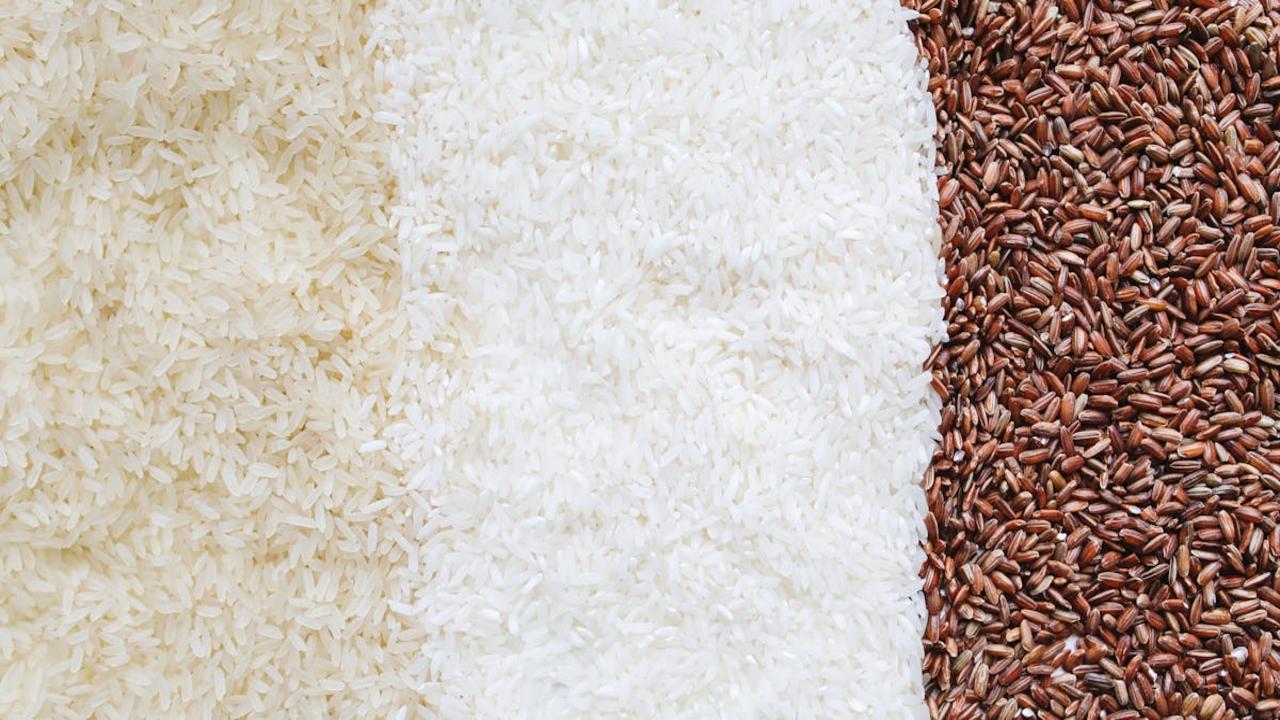
White rice becomes your pantry’s most reliable friend when you store it properly! Unlike brown rice, which contains oils that can go rancid, white rice has been milled to remove the bran and germ, making it incredibly shelf-stable. I keep bags of white rice in my pantry for years beyond their printed dates, and they still cook up perfectly fluffy and delicious. The key lies in proper storage – keep your rice in airtight containers away from moisture and pests, and you’ll have a dependable ingredient ready for countless meals.
You can easily tell if your white rice has gone bad by checking for signs of moisture damage, unusual odors, or tiny insects. Fresh white rice should smell neutral and feel dry to the touch. I love how versatile this grain becomes in my kitchen – from quick weeknight stir-fries to comforting rice puddings and hearty grain bowls. The beauty of white rice lies in its ability to absorb flavors while providing that satisfying, wholesome base for so many dishes. Don’t let those expiration dates fool you – properly stored white rice can feed your family for years to come!
Honey
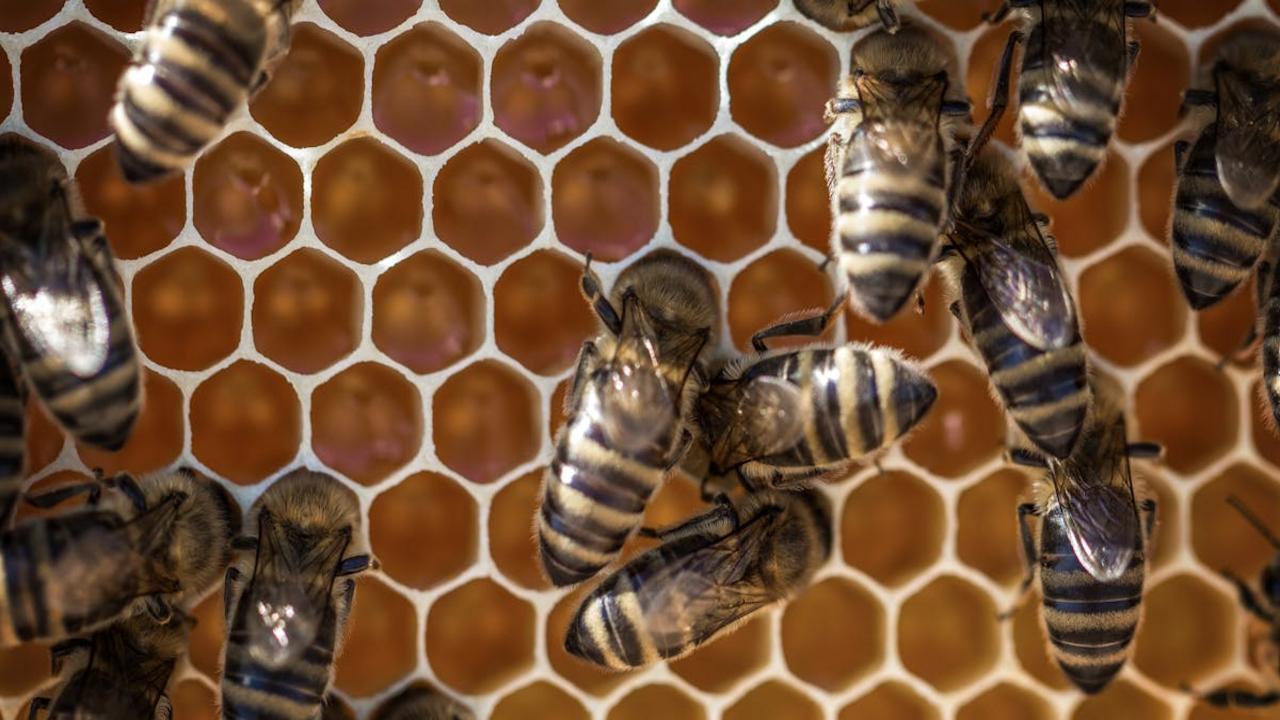
You know that jar of honey sitting in your pantry for months (or maybe years)? Don’t toss it just yet! Honey stands as one of nature’s most incredible preservatives, thanks to its unique composition and low moisture content. The high sugar concentration and acidic pH create an environment where bacteria simply can’t survive. Even if your honey has crystallized or turned thick and cloudy, it’s still perfectly safe to consume. Those crystals are just glucose separating from the liquid – completely normal and reversible!
I love keeping honey around because it never truly goes bad. Archaeologists have found edible honey in ancient Egyptian tombs that’s thousands of years old! If your honey has crystallized, simply place the jar in warm water for a few minutes, and watch it return to its smooth, golden state. The expiration dates on honey jars are mainly for quality purposes – the flavor might change slightly over time, but the safety remains intact. Store your honey in a cool, dry place with a tight lid, and you’ll have this liquid gold ready for your tea, baking projects, or drizzling over fresh fruit for years to come.