15 Foods Smart Travelers Never Order Abroad
Picture this: you’re wandering through a bustling Bangkok market, stomach growling louder than a motorbike engine, when suddenly you spot that glistening plate of mystery meat calling your name. Hold up there, brave food explorer! While I’m all for throwing caution to the wind and diving fork-first into local flavors, some dishes can turn your dream vacation into a bathroom-bound nightmare faster than you can say “where’s the nearest hospital?”
Trust me, I’ve learned this lesson the hard way during my globe-trotting adventures. That innocent-looking salad in Morocco? It knocked me out for three days. The “fresh” oysters in Vietnam? Let’s just say I became very familiar with my hotel room’s tile pattern. Smart travelers know that food poisoning doesn’t care about your Instagram feed or your carefully planned itinerary.
So before you go full Anthony Bourdain on every street corner, consider this your friendly survival guide. These fifteen food categories have sent more tourists running for cover than a monsoon in Mumbai. Your adventurous spirit will thank you later when you’re actually enjoying your trip instead of nursing regrets and a queasy stomach.
Lukewarm Soups
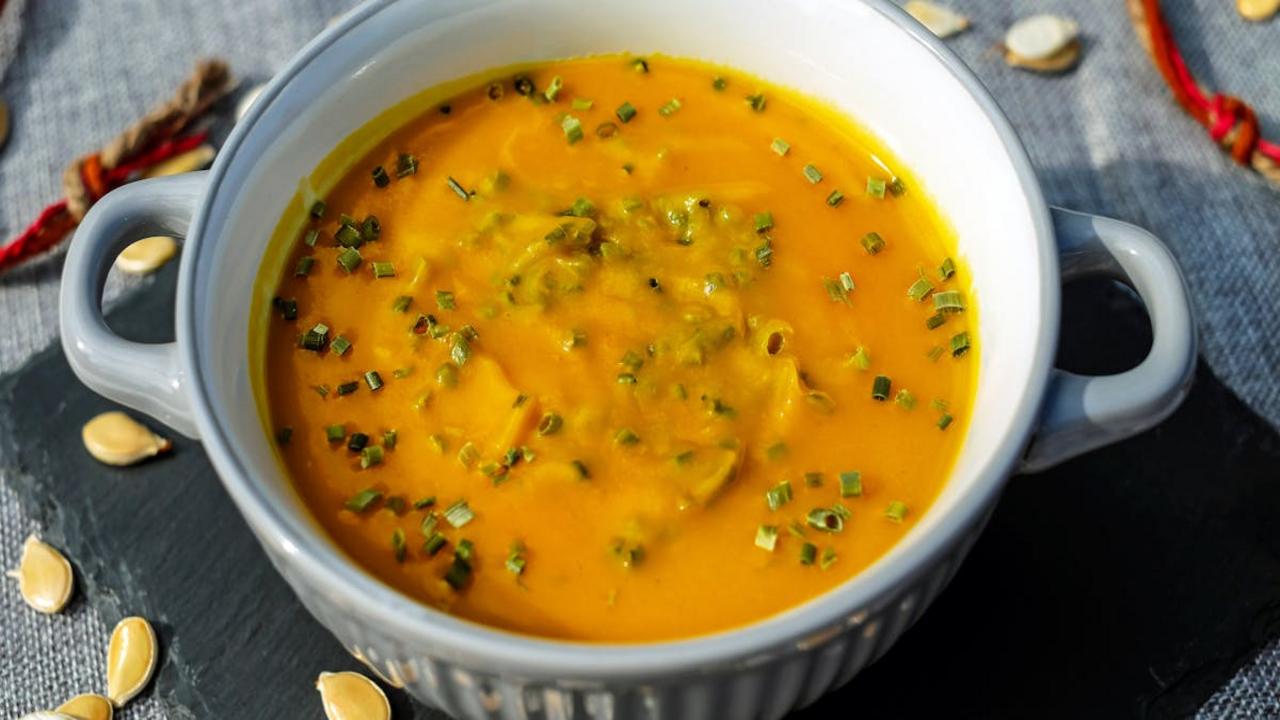
Picture this: you’re sitting in a charming little restaurant somewhere exotic, eagerly awaiting that steaming bowl of local soup everyone raved about. The waiter arrives with what looks promising, but one spoonful reveals the devastating truth – it’s lukewarm at best. Nothing screams “food safety nightmare” quite like soup that’s been sitting in the danger zone (between 40-140°F) for who knows how long. Bacteria throw their own little party in that temperature range, multiplying faster than your regrets about ordering it.
Smart travelers know that soup should arrive hot enough to fog up your glasses or it shouldn’t arrive at all. I once watched a fellow tourist in Bangkok politely sip through an entire bowl of tepid tom kha gai, probably thinking it was supposed to taste like disappointment soup. Meanwhile, the locals at the next table were getting theirs served bubbling hot from the same kitchen! Here’s your golden rule: if the soup doesn’t make you do that little “hot soup dance” where you blow frantically and make weird cooling sounds, send it back. Your stomach will thank you, and you’ll avoid spending your vacation making friends with the bathroom floor.
Unpeeled Fruits
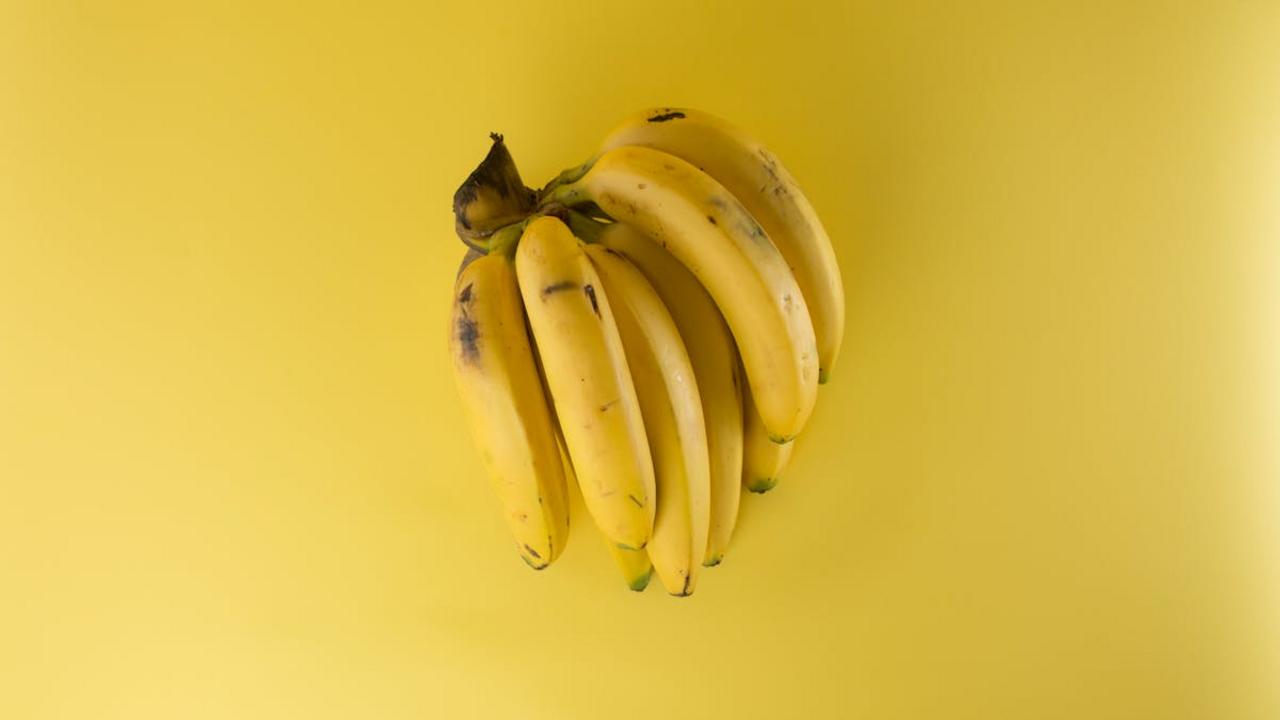
Picture this: you’re strolling through a bustling Bangkok market, and vendor after vendor tempts you with gorgeous mangoes, perfect pears, and ruby-red apples that practically scream “eat me!” But here’s where smart travelers hit the brakes harder than a tuk-tuk in traffic. Those beautiful, unpeeled fruits sitting in open-air markets have been touched by more hands than a politician during election season. The peel acts like a protective barrier, but once you bite into that unwashed surface, you’re basically playing Russian roulette with your digestive system.
The golden rule? If you can’t peel it yourself, don’t eat it. Bananas, oranges, and coconuts become your best friends because their thick skins protect the good stuff inside from contamination. Meanwhile, that gorgeous apple might look Instagram-perfect, but it could turn your vacation into an extended bathroom retreat faster than you can say “traveler’s revenge.” I once watched a fellow tourist in Morocco confidently bite into a beautiful pear, only to spend the next three days intimately acquainted with every public restroom in Marrakech. Stick to fruits you can personally undress – your stomach will thank you, and you’ll actually get to enjoy those ancient ruins instead of just their restroom facilities.
Shellfish
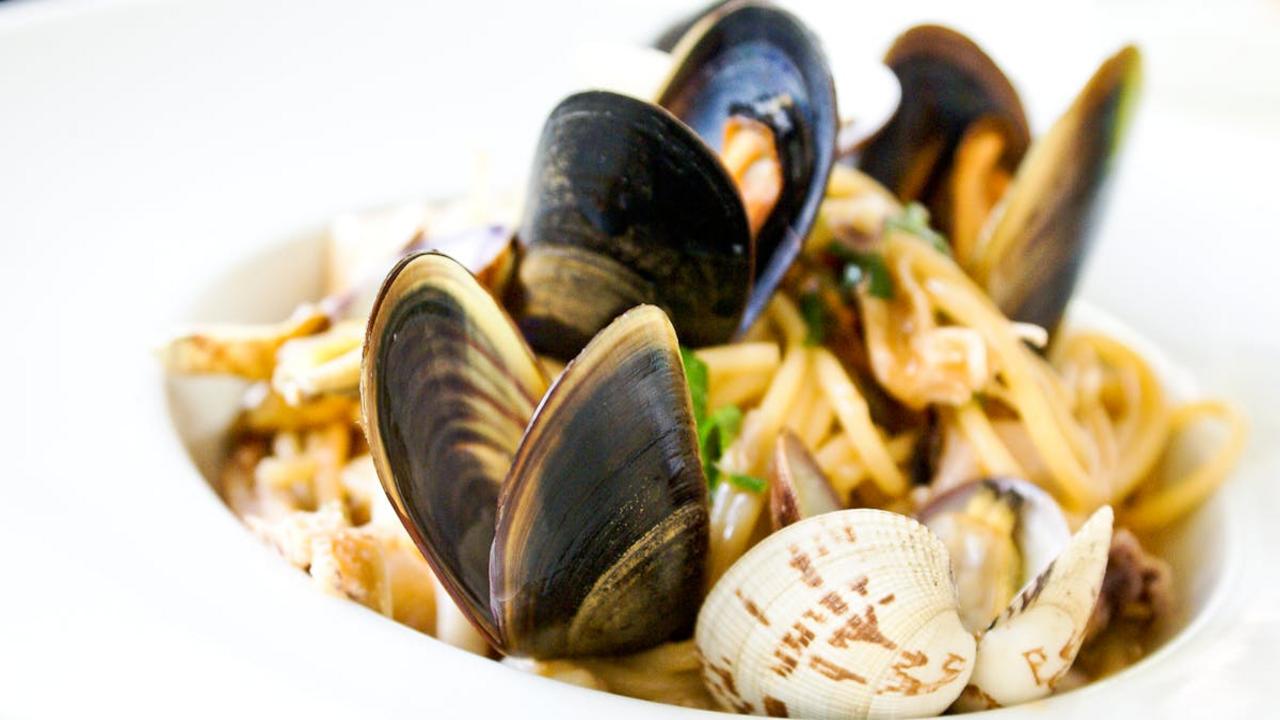
Picture this: you’re strolling through a bustling market in Bangkok, and someone hands you a plate of glistening prawns that’s been sitting under the tropical sun for who-knows-how-long. Your stomach might be rumbling, but your brain should be screaming “abort mission!” Shellfish are basically the ocean’s vacuum cleaners, filtering everything from plankton to pollution through their systems. When they’re fresh and properly handled, they’re absolutely divine. But when they’re not? Well, let’s just say you’ll become intimately acquainted with every bathroom between your hotel and the nearest hospital.
Smart travelers know that shellfish spoil faster than gossip in a small town, especially in hot climates where refrigeration might be more of a suggestion than a standard. These little critters can harbor nasty bacteria like Vibrio and E. coli, which multiply faster than rabbits in spring once temperatures rise. If you absolutely must indulge your craving for crustaceans abroad, stick to high-end restaurants with rapid turnover and visible kitchen standards. Skip the street vendors selling “mystery mussels” that could have been caught last week, and definitely avoid anything that smells like low tide mixed with regret. Your digestive system will thank you, and you’ll actually get to enjoy the rest of your vacation instead of speed-dating every public restroom in the city.
Raw Sprouts
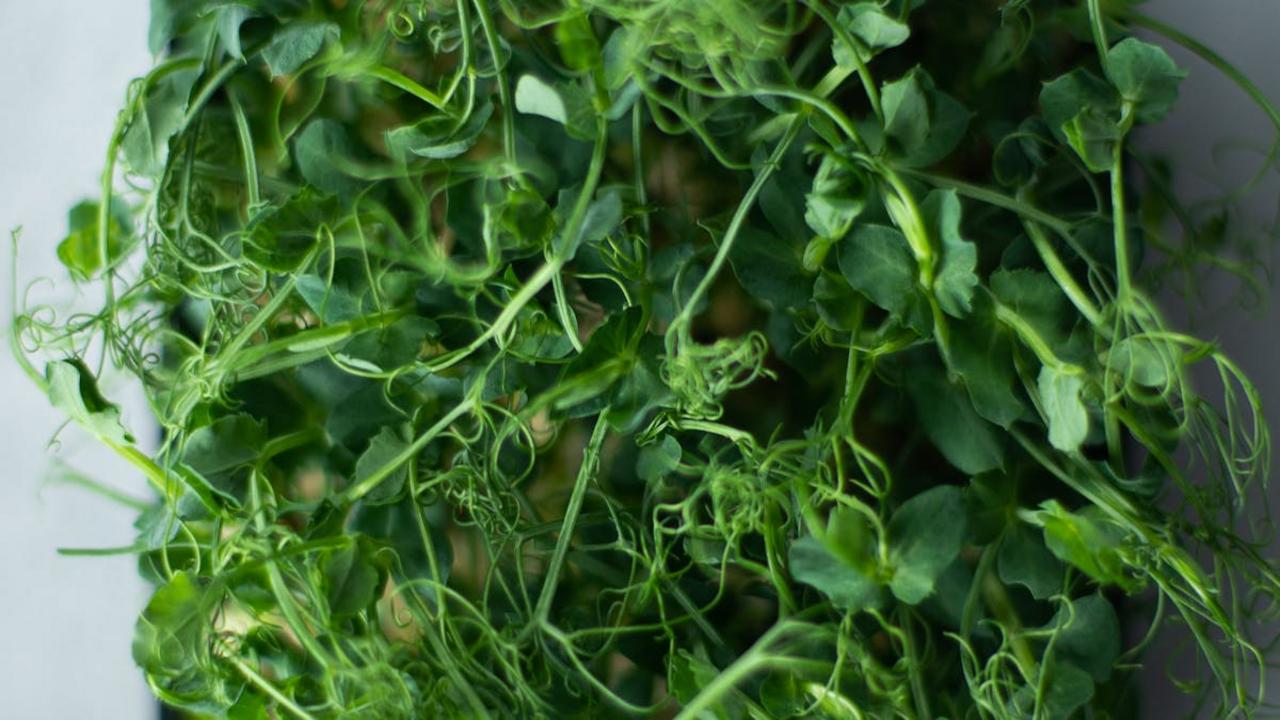
Picture this: you’re wandering through a bustling Bangkok market, and that gorgeous salad topped with delicate alfalfa sprouts catches your eye. Those tiny green tendrils look so innocent, practically screaming “health food!” But hold your horses, my adventurous friend. Raw sprouts are basically bacterial breeding grounds disguised as health food. The warm, moist conditions needed for sprouting create the perfect party environment for salmonella, E. coli, and listeria – and trust me, these are not the kind of party guests you want dancing in your digestive system.
Here’s the thing about sprouts: they’re grown in conditions that would make a microbiologist weep. Seeds sit in warm water for days, which is basically like running a five-star resort for harmful bacteria. Even if the restaurant looks spotless, those innocent-looking sprouts could knock you flat faster than you can say “food poisoning.” I’ve seen too many travelers spend their vacation days worshipping the porcelain throne because they couldn’t resist that crunchy garnish. Skip the raw sprouts abroad and save your stomach for the truly spectacular local dishes that won’t leave you googling “nearest hospital” in a foreign language.
Reheated Rice
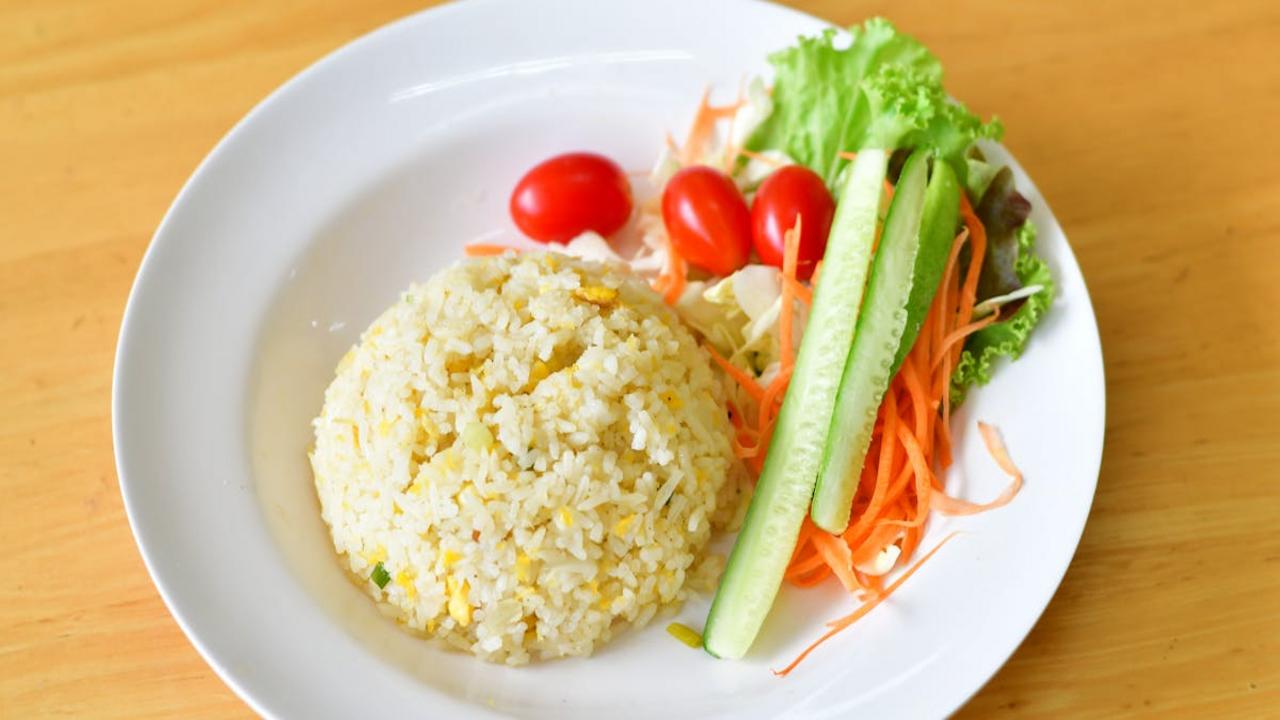
Listen, I get it – that leftover fried rice sitting under a heat lamp looks tempting after you’ve been wandering Bangkok’s streets for six hours. But here’s the thing about reheated rice that nobody warns you about: it’s basically a bacterial playground disguised as comfort food. Rice contains spores of Bacillus cereus, a sneaky little troublemaker that survives the initial cooking process. When rice sits at room temperature for too long (which happens constantly in busy restaurants), these spores wake up from their nap and throw a party that your stomach definitely wasn’t invited to.
The real kicker? You can’t tell just by looking if that rice has gone rogue. It doesn’t smell funky or look suspicious – it just sits there, innocent as can be, waiting to ruin your next 24 hours with food poisoning that feels like your intestines are staging a revolt. Smart travelers stick to freshly made rice dishes or skip rice altogether if they suspect it’s been sitting around. Trust me, nothing kills your vacation vibe faster than spending two days glued to a questionable hotel bathroom while your travel companions are out conquering the world.
Fresh Salads
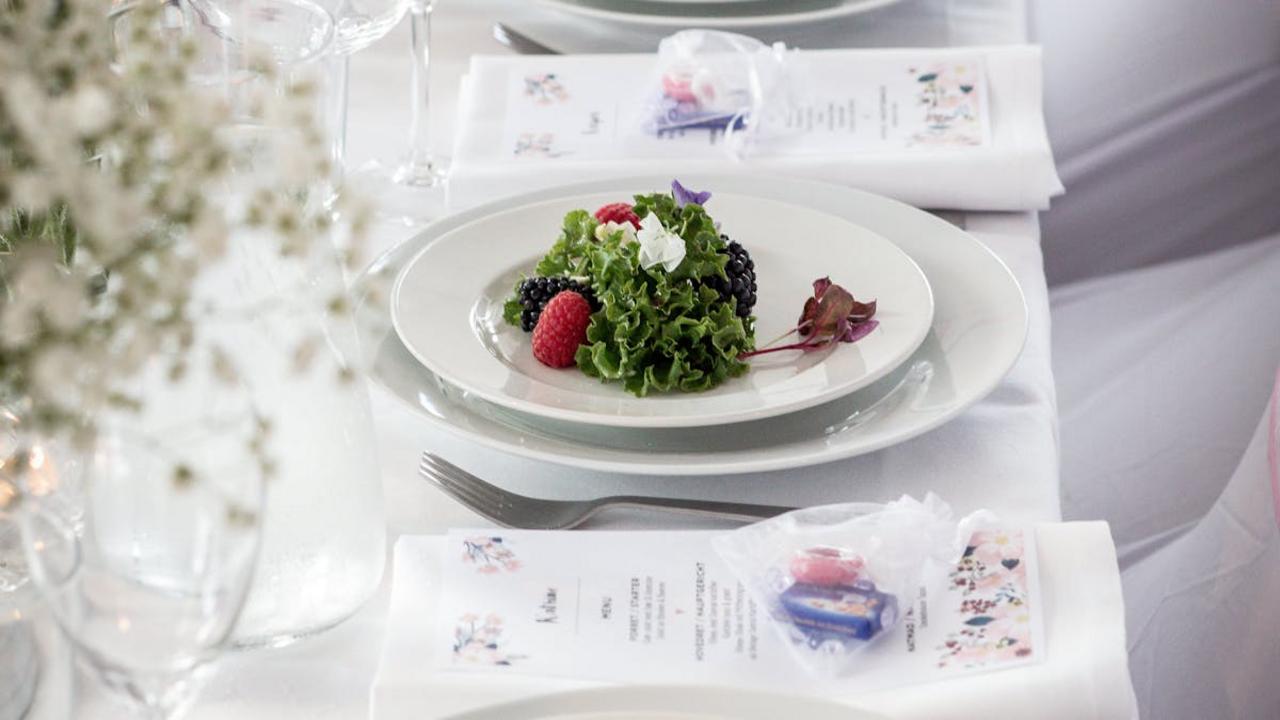
You know that gorgeous, Instagram-worthy salad glistening under the Mediterranean sun? The one with crisp lettuce leaves that practically scream “healthy choice”? Well, hold your horses there, health warrior! Those beautiful greens might be harboring more than just vitamins and good intentions. Raw vegetables in many countries get a rinse with local tap water that could contain bacteria your stomach has never met before – and trust me, first introductions can be awkward when they happen in your digestive system at 3 AM.
Here’s the thing about salads abroad: they’re like that friend who looks absolutely perfect on social media but has some seriously questionable hygiene habits. In places where water sanitation standards differ from what you’re used to, that refreshing crunch could turn into a week-long bathroom marathon. Smart travelers stick to cooked vegetables or fruits they can peel themselves – think of it as your stomach’s insurance policy. Save the leafy green adventures for when you’re back home where you know exactly what’s been swimming around in that water supply!
Room Temperature Buffets
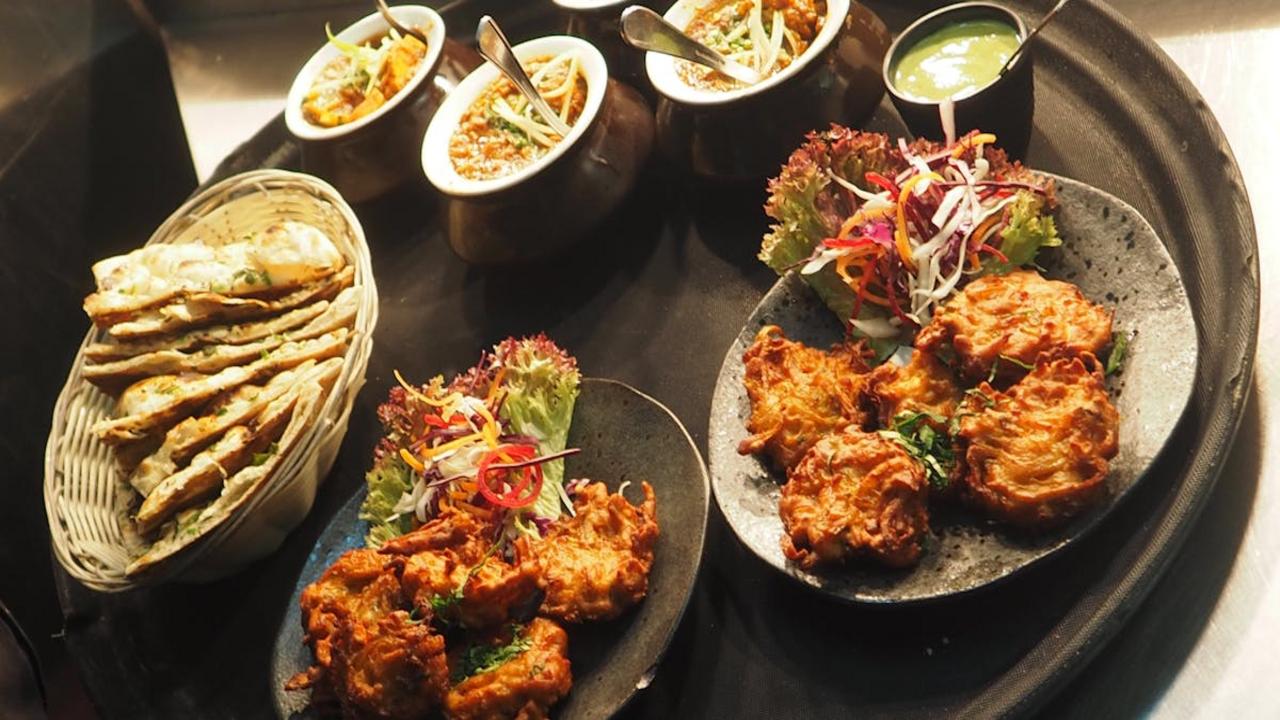
Picture this: you walk into a beautiful hotel restaurant, eyes gleaming at the endless spread of international dishes laid out before you. Those glistening meats, colorful salads, and mysterious sauces look absolutely divine under those warming lamps. But here’s the kicker – those warming lamps aren’t actually warming anything! Room temperature buffets are basically bacterial playgrounds disguised as food paradise. I’ve watched tourists pile their plates high with lukewarm chicken that’s been sitting there since breakfast, thinking they’ve struck gold. Meanwhile, every food safety expert in the world is quietly having a meltdown.
The danger zone for food sits between 40°F and 140°F, and room temperature buffets live permanently in this bacterial sweet spot. That gorgeous pasta salad you’re eyeing? It’s been hosting a microscopic party for hours. Smart travelers know that hot food should be steaming and cold food should be properly chilled – there’s no middle ground in food safety. Your stomach doesn’t care how photogenic that spread looks on Instagram. Stick to restaurants where you can watch your food being prepared fresh, or at minimum, buffets with proper heating and cooling equipment that actually function. Trust me, food poisoning halfway through your dream vacation feels way worse than missing out on that questionable shrimp display.
Bush Meat
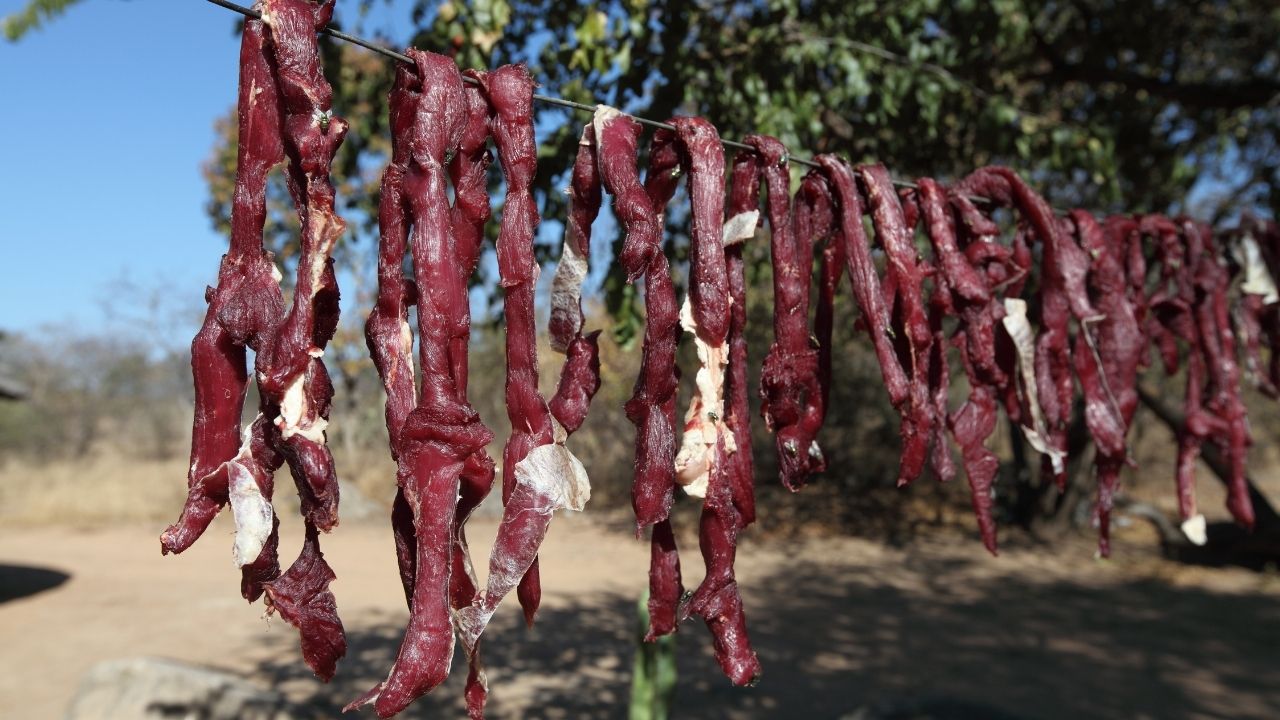
Listen, I get it – you’re feeling adventurous, maybe a little rebellious, and someone’s offering you “authentic local protein” that sounds mysteriously exotic. But here’s where I draw the line faster than a vegetarian at a barbecue convention: bush meat. This umbrella term covers wild animals hunted in forests and savannas, from antelope and monkeys to bats and rodents. While it might seem like the ultimate off-the-beaten-path food experience, this particular adventure comes with more red flags than a Soviet parade.
Beyond the obvious conservation concerns (many of these animals are endangered), bush meat carries serious health risks that make Russian roulette look like a safe bet. We’re talking about potential exposure to diseases that can jump from animals to humans – think Ebola, Marburg virus, and other pathogens that definitely weren’t on your travel insurance wishlist. Many countries have strict regulations or outright bans on bush meat trade, so you could find yourself in legal hot water faster than you can say “I thought it was chicken.” Save your adventurous appetite for street food that won’t land you in a hospital or jail cell!
Uncooked Eggs
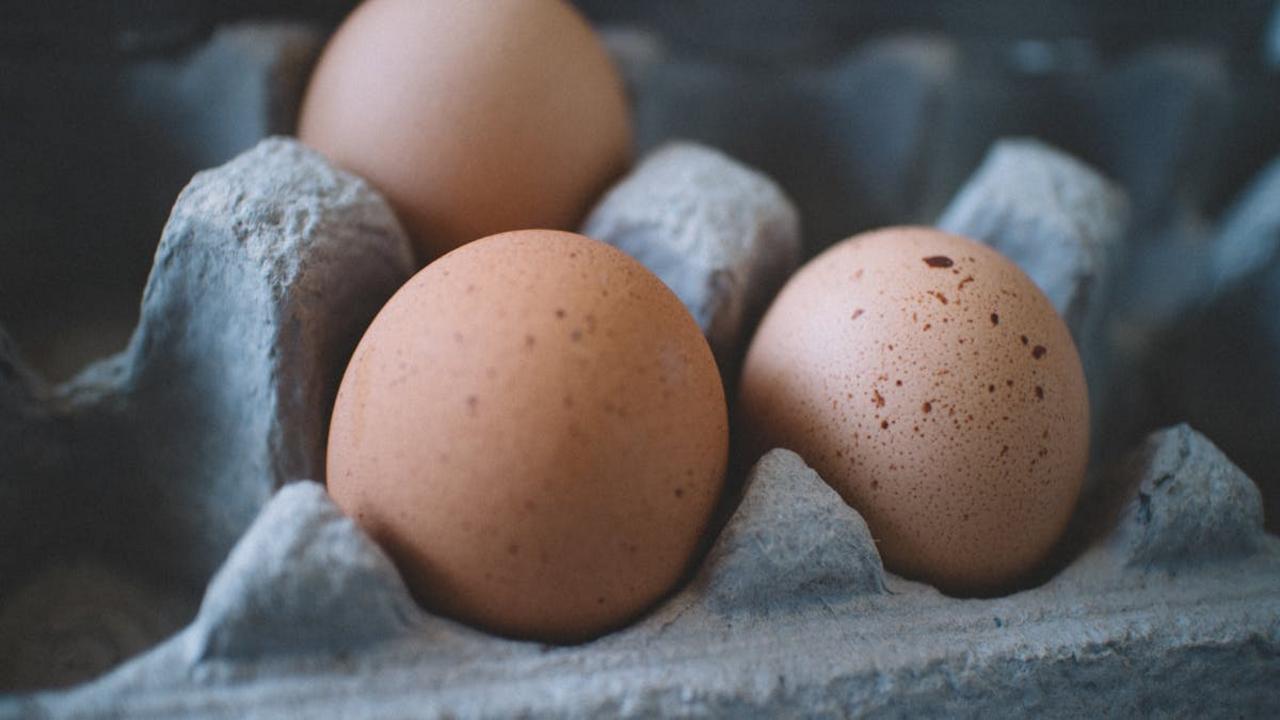
Picture this: you’re standing in a bustling Tokyo market, eyeing that gorgeous bowl of fresh tamago kake gohan (raw egg over rice), or maybe you’re in a chic Parisian bistro contemplating whether to order that classic steak tartare topped with a quivering raw yolk. Your Instagram finger starts twitching, but hold up! Those gorgeous golden orbs might pack more punch than you bargained for. While locals have built up immunity to their regional egg bacteria strains over years of consumption, your tourist tummy hasn’t had the same training camp. Salmonella doesn’t care how many travel miles you’ve racked up or how adventurous your palate claims to be.
Here’s the thing about eggs abroad – they’re not all created equal. In Japan, eggs undergo rigorous testing and special washing processes that make raw consumption relatively safe for locals, but your digestive system didn’t get that memo. Meanwhile, in many developing countries, refrigeration chains can be spotty, and egg handling practices vary wildly from farm to table. That beautiful sunny-side-up egg in a street-side café might look picture-perfect, but if it’s been sitting at room temperature longer than your last flight delay, you’re basically playing Russian roulette with your vacation. Save the raw egg adventures for when you’re back home and stick to thoroughly cooked options that’ll keep you upright and exploring rather than horizontal and googling “nearest pharmacy.”
Tap Water

Look, I get it – you’re parched, the local bottled water costs more than your morning latte back home, and that crystal-clear tap water is calling your name like a siren song. But trust me on this one: your digestive system will thank you later for resisting temptation. I learned this lesson the hard way during a memorable (and by memorable, I mean horrifying) week in Delhi when I confidently brushed my teeth with tap water and spent the next three days becoming intimately acquainted with every bathroom between my hotel and the nearest pharmacy. The local bacteria that live happily in municipal water systems are basically tiny bouncers that your foreign gut simply doesn’t have VIP access to.
Here’s the thing about tap water abroad – it’s not necessarily dirty or dangerous for locals, but your pampered Western stomach hasn’t built up the same bacterial resistance that residents have developed over years of exposure. Even in developed countries, the mineral content and treatment methods can differ enough to send your system into revolt. Smart travelers stick to sealed bottled water, and yes, that means checking the seal actually pops when you twist it open. Pro tip: use bottled water for brushing teeth too, because apparently bacteria don’t discriminate between drinking and dental hygiene. Your wallet might feel lighter, but your intestines will stay blissfully drama-free.
Raw Fish
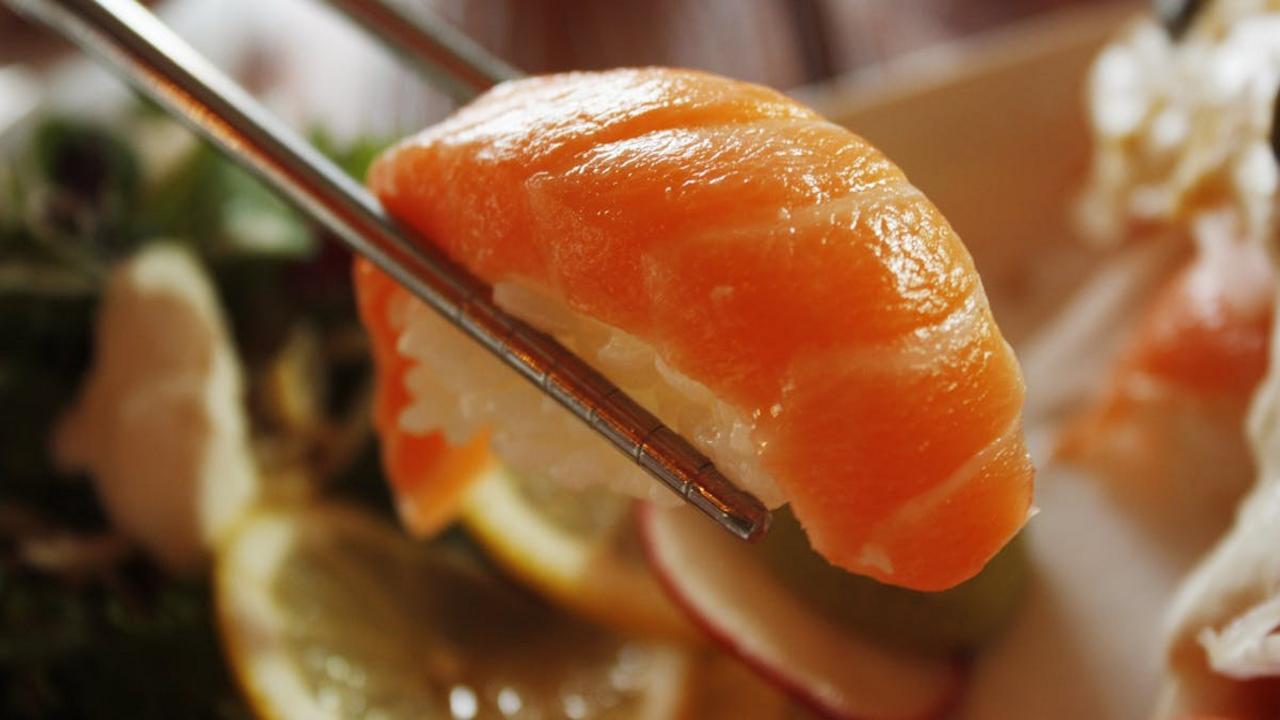
Picture this: you’re wandering through a bustling Tokyo fish market at 5 AM, jet-lagged and starry-eyed, when a vendor offers you a glistening piece of tuna that looks like it just performed a perfect swan dive from the ocean onto your plate. Your Instagram finger starts twitching, but hold up there, sushi warrior! While Japan practically invented the art of eating raw fish safely, that same confidence doesn’t translate everywhere you roam. The cold, hard truth is that raw fish requires an incredibly sophisticated cold chain – from boat to plate – that many destinations simply don’t have down to a science.
Here’s the fishy business nobody talks about: that gorgeous sashimi platter in a beachside shack in Thailand might have been sitting in questionable refrigeration for who knows how long. Smart food adventurers know that countries with established raw fish traditions (think Japan, parts of Scandinavia, or high-end establishments in major cities) have spent centuries perfecting their techniques and supply chains. But that charming little place promising “fresh catch of the day” tartare? They might be playing fast and loose with food safety standards that could turn your vacation into a very unromantic relationship with the nearest bathroom. Save your raw fish cravings for places where the locals have been doing it flawlessly for generations – your stomach will thank you later.
Unwashed Fresh Fruits
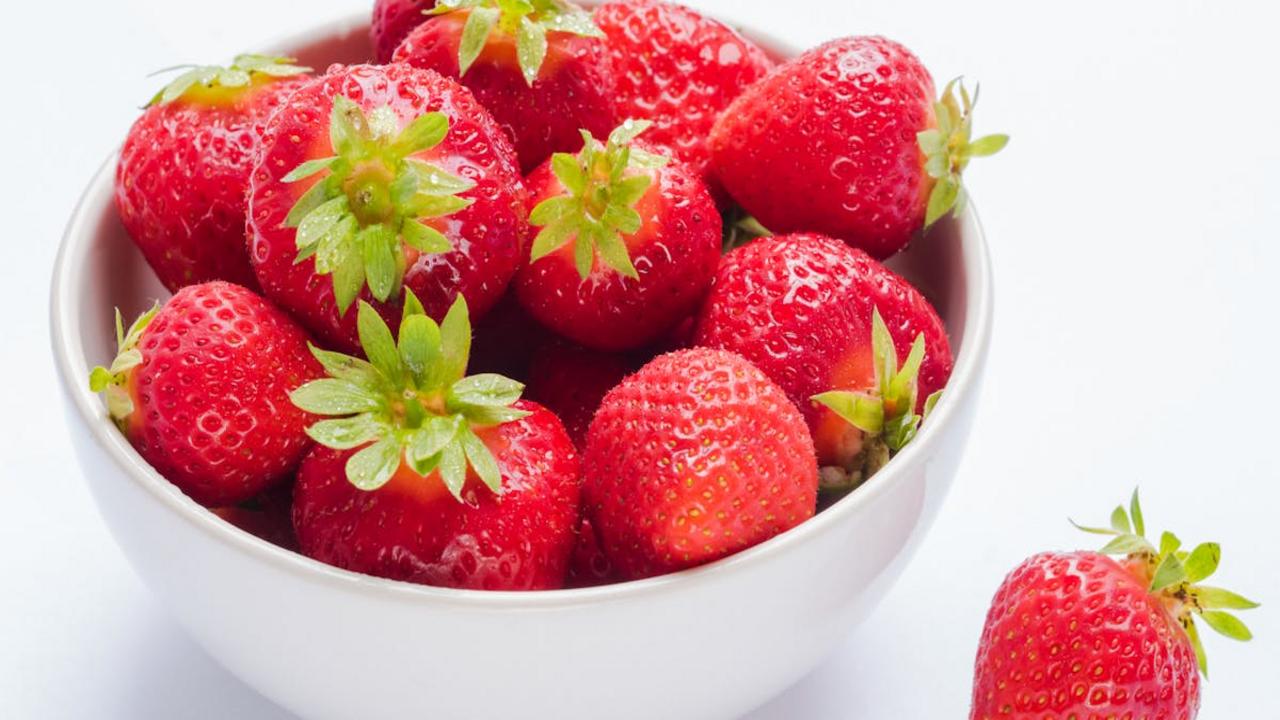
Picture this: you’re wandering through a vibrant street market in Bangkok, and those ruby-red strawberries are practically winking at you from their wooden crates. Your mouth waters as you imagine biting into that juicy sweetness, but hold your horses, adventurous eater! Those gorgeous fruits might be harboring more than just vitamin C. In many countries, fresh produce gets a nice splash of local water during washing – water that your stomach definitely didn’t RSVP for. I once watched a fellow traveler confidently munch on unwashed grapes in Morocco, only to spend the next three days becoming intimately acquainted with his hotel bathroom. Not exactly the cultural immersion he had planned!
Here’s the thing about unwashed fruits abroad: they’re like beautiful sirens calling you toward digestive disaster. Local vendors often rinse their produce with tap water that contains bacteria your home-tuned tummy simply can’t handle. Smart travelers know the golden rule: if you can’t peel it yourself, don’t eat it raw. Bananas, oranges, and mangoes become your best friends because nature wrapped them in their own protective packaging. Sure, you might miss out on those Instagram-worthy berry shots, but you’ll thank yourself when you’re not googling “nearest pharmacy” at 2 AM. Pack some fruit wash or stick to cooked options – your digestive system will send you a thank-you card later!
Street Vendor Ice

You know that glorious moment when you’re sweating buckets in Bangkok or melting into the pavement in Mumbai, and suddenly you spot a colorful cart selling what looks like salvation in a cup? That shaved ice tower topped with mysterious syrups beckons like a frozen oasis. But here’s the thing about street vendor ice – it’s basically playing Russian roulette with your digestive system. The ice itself might come from questionable water sources, and those gorgeous rainbow syrups have probably been sitting in the tropical heat longer than your last relationship lasted. I once watched a vendor in Cambodia chip ice from a block that had been sitting uncovered next to a busy road for who knows how long, collecting exhaust fumes like a frozen sponge.
The real kicker? Ice machines and storage conditions vary wildly from country to country, and what passes for food safety standards might shock you. That perfectly clear cube bobbing in your drink could be harboring bacteria that’ll have you intimately acquainted with every bathroom between your hotel and the nearest hospital. Smart travelers stick to bottled beverages or drinks served piping hot – because nothing ruins a vacation faster than spending three days hugging porcelain instead of exploring ancient temples. If you’re absolutely dying for something cold, grab a sealed ice cream from a reputable shop or a frozen fruit bar from a grocery store. Your stomach will thank you, and you’ll actually remember your trip for the right reasons.
Unpasteurized Dairy Products
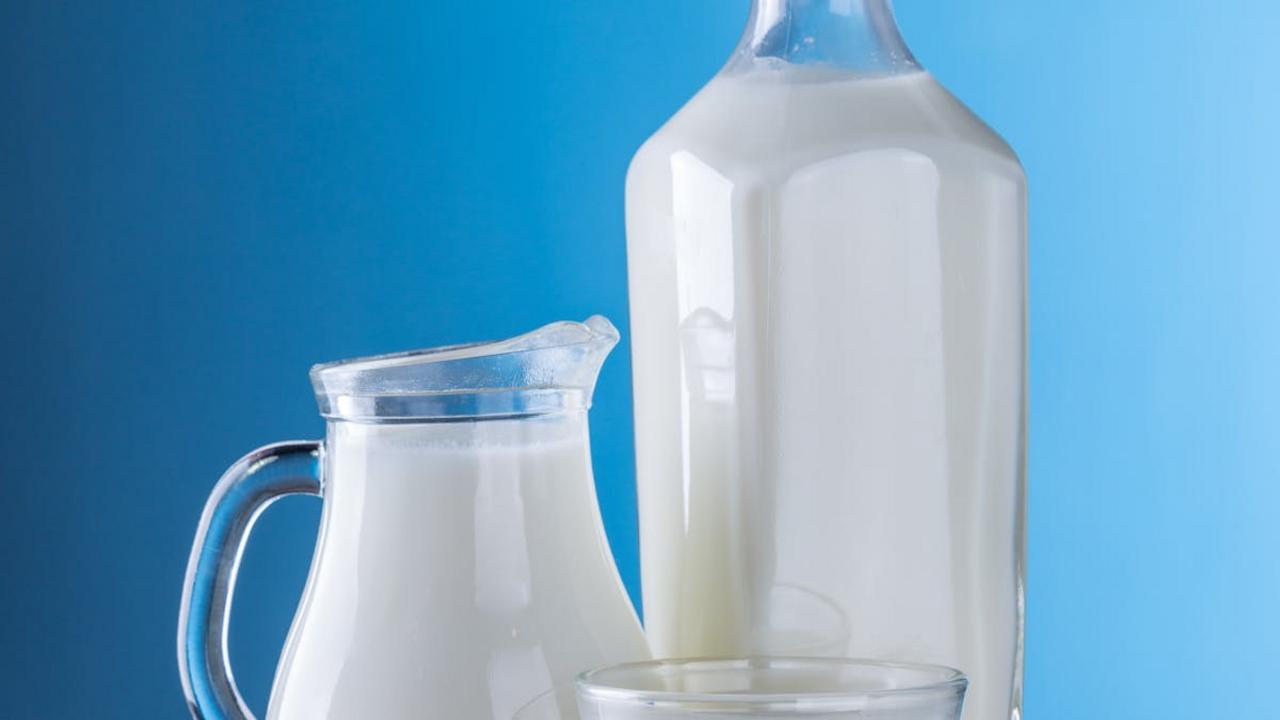
Picture this: you’re wandering through a charming European market, and suddenly you spot the most gorgeous wheel of raw milk cheese calling your name from behind a rustic wooden counter. The vendor’s grandmother probably made it using a recipe passed down through seven generations, and it looks absolutely divine. But here’s the thing—your digestive system didn’t get the memo about your romantic European vacation, and unpasteurized dairy can pack some seriously unwelcome surprises. We’re talking about bacteria like E. coli, Salmonella, and Listeria that throw parties in raw milk products, and trust me, these aren’t the kind of parties you want an invitation to.
Now, I’m not saying you should live in fear of every creamy delight that crosses your path—plenty of countries have stellar food safety standards and centuries of cheese-making expertise. But if you’re somewhere with questionable refrigeration or you’re already dealing with travel-sensitive stomach issues, maybe save the raw milk adventure for another trip. Fun fact: Louis Pasteur invented pasteurization in 1864 specifically because people kept getting sick from their milk! The process heats milk just enough to kill harmful bacteria without destroying all the good stuff. So when you see that beautiful artisanal cheese made from unpasteurized milk, remember that sometimes the safest adventure is the one you skip—your stomach will thank you later when you’re not spending your vacation bonding with the hotel bathroom.
Raw Oysters
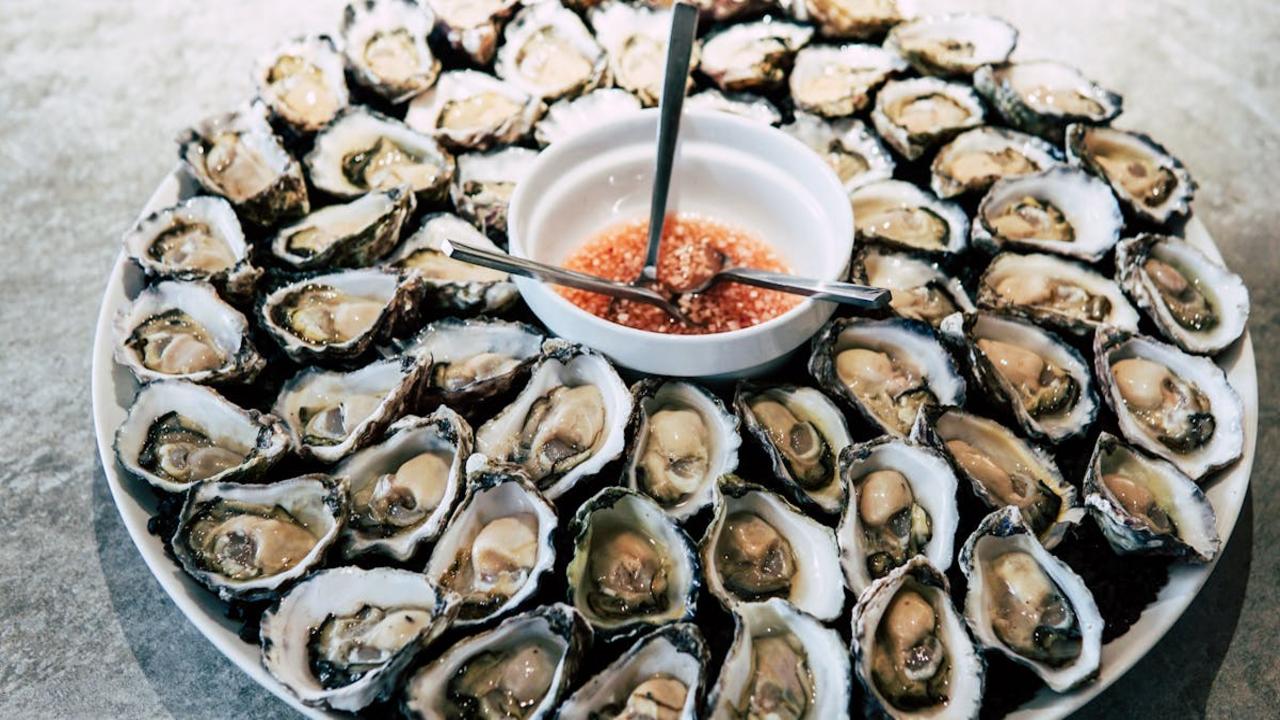
Listen, I adore oysters as much as the next seafood enthusiast, but ordering them raw in unfamiliar territory requires serious consideration. These slippery little ocean gems demand pristine cold storage and lightning-fast turnover to stay safe, and frankly, you can’t always count on that perfect chain of custody when you’re wandering through foreign markets or beachside shacks. I learned this lesson the hard way during a romantic dinner in a coastal town where the “fresh catch” had apparently been sitting around longer than my last relationship. The aftermath involved three days of room service crackers and a very understanding hotel concierge.
Smart travelers know that raw oysters become Russian roulette in places where refrigeration might be spotty or regulations less stringent than back home. These filter-feeding mollusks absorb whatever’s floating in their water – and trust me, you don’t want to discover what that might include in some locations. Save your oyster adventures for reputable establishments with high turnover, or better yet, order them cooked. Grilled, fried, or baked oysters still deliver that briny ocean flavor without the potential for turning your vacation into an extended bathroom marathon. Your digestive system will thank you, and you’ll actually remember the scenery instead of the ceiling tiles above your hotel bed.