12 Classic American Recipes That Have Endured the Test of Time
These classic American recipes bring back memories of Sunday family dinners, holiday gatherings, and cherished moments around the dinner table. From the buttery flakiness of a homemade apple pie to the crispy coating of Southern fried chicken, each dish tells a story of American cooking traditions passed down through generations.
I’ve gathered 12 timeless recipes that remain popular in American homes today. These dishes define comfort food – think creamy mac and cheese, tender pot roast, and warm buttermilk biscuits fresh from the oven. They’re the recipes your grandmother made, and now you can recreate them in your own kitchen.
What makes these recipes special is their simplicity and honest ingredients. No fancy techniques or hard-to-find components – just straightforward cooking that delivers satisfying results every time. Whether you’re an experienced cook or just starting out, these classic dishes will become staples in your recipe collection.
Chocolate Chip Cookies
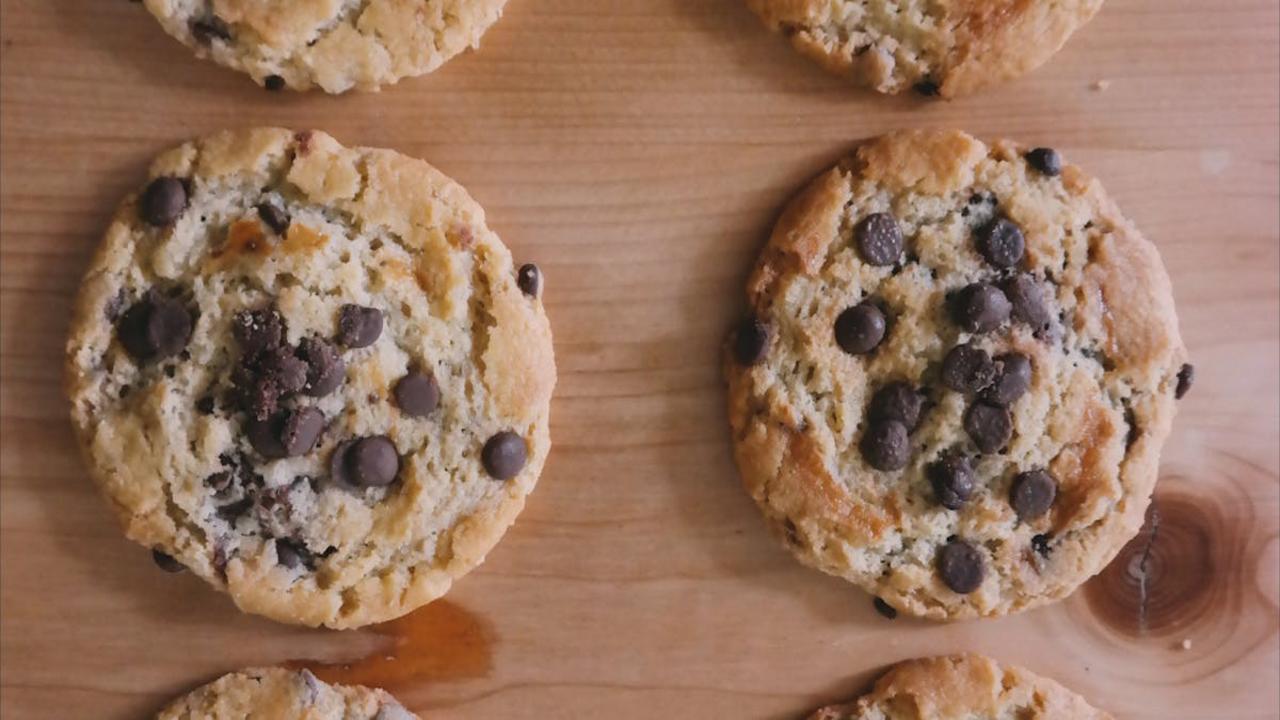
I can’t imagine a more iconic American dessert than chocolate chip cookies! This timeless treat originated in 1938 when Ruth Wakefield added chopped chocolate to her butter cookie recipe at the Toll House Inn in Massachusetts. The recipe spread quickly across the country, becoming a standard in American households. The simple ingredients – butter, sugar, eggs, flour, and chocolate – combine to create pure magic that has brought smiles to countless faces for generations.
The beauty of chocolate chip cookies lies in their versatility and personal touch. Every family has their own special way of making them – some prefer them crispy around the edges with soft centers, while others go for thin and crunchy. You can adjust the recipe by using different chocolates, adding nuts, or tweaking the baking time to match your preferences. Whether you’re packing them in lunch boxes, serving them with milk after school, or bringing them to a potluck, chocolate chip cookies remain a dependable crowd-pleaser that connects us to cherished memories of home baking.
Cornbread
I adore how our ancestors kept their produce fresh without modern refrigeration through root cellaring – a natural storage method that works beautifully for potatoes, carrots, beets, and other root vegetables. By creating the right environment in a cool, dark basement or underground space with proper humidity levels between 85-95%, you can store your garden harvest or farmers market bounty for months. This traditional technique saves money while reducing food waste and preserving nutrients better than refrigeration.
You can start root cellaring today by finding a consistently cool spot around 32-40°F (0-4°C) in your home, like an unheated basement corner or garage. Pack clean, dry vegetables in boxes with slightly damp sand or sawdust, checking regularly for any signs of spoilage. Through my years of experimenting, I’ve found that different vegetables need slightly different conditions – carrots want very high humidity while onions prefer it drier. The satisfaction of pulling out perfectly crisp vegetables in the middle of winter makes the initial setup completely worth the effort.
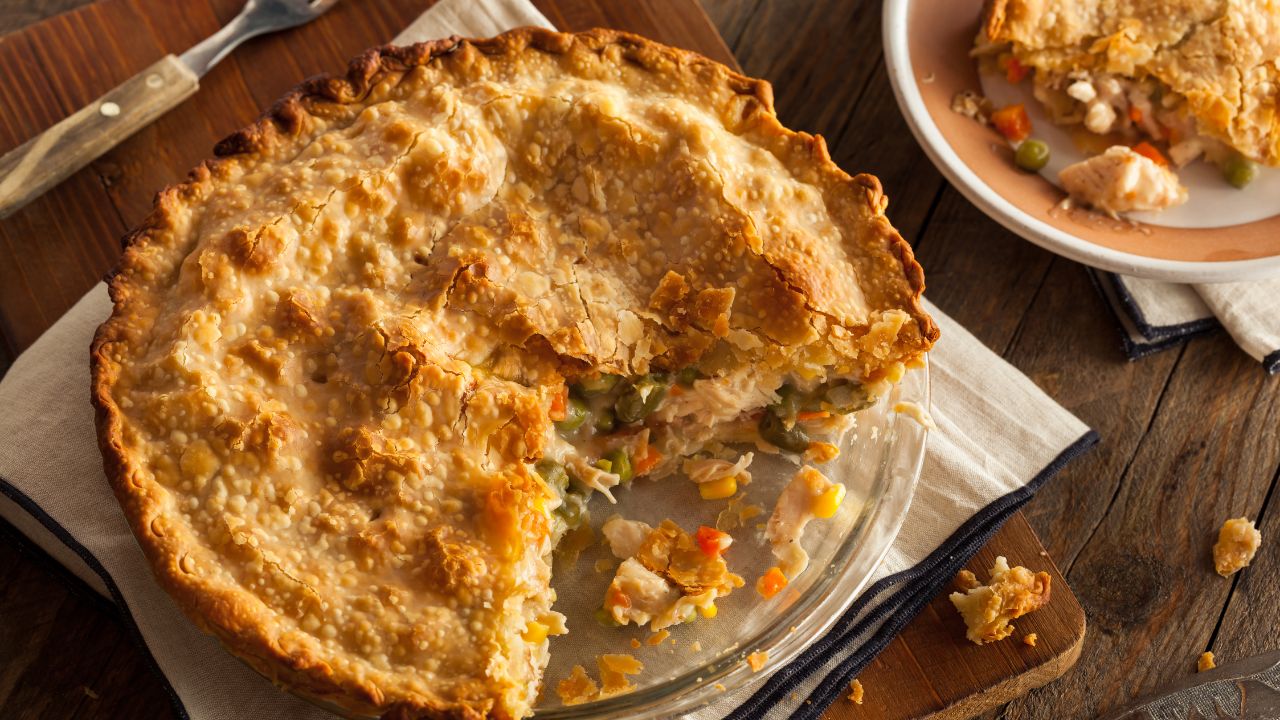
Chicken Pot Pie
Making butter at home transforms ordinary heavy cream into rich, creamy gold through a simple yet rewarding process. You’ll need just fresh heavy cream and a pinch of salt – that’s it! Pour the cream into a stand mixer (or use a jar if you want an arm workout) and watch the magic happen. The cream will thicken to whipped cream first, then break into butter and buttermilk. Once separated, strain the butter, rinse with cold water, and knead out any remaining liquid.
Your homemade butter brings pure, natural flavor that store-bought versions can’t match. Add herbs, honey, or garlic for compound butters that elevate any dish. The leftover buttermilk makes fantastic pancakes and biscuits too – no waste! The whole process takes about 15-20 minutes and yields approximately 1/2 cup of butter from 1 cup of cream. Fresh butter keeps in the fridge for about 2 weeks, but trust me, it rarely lasts that long in my house. The satisfaction of spreading your own butter on warm bread makes the effort completely worth it.
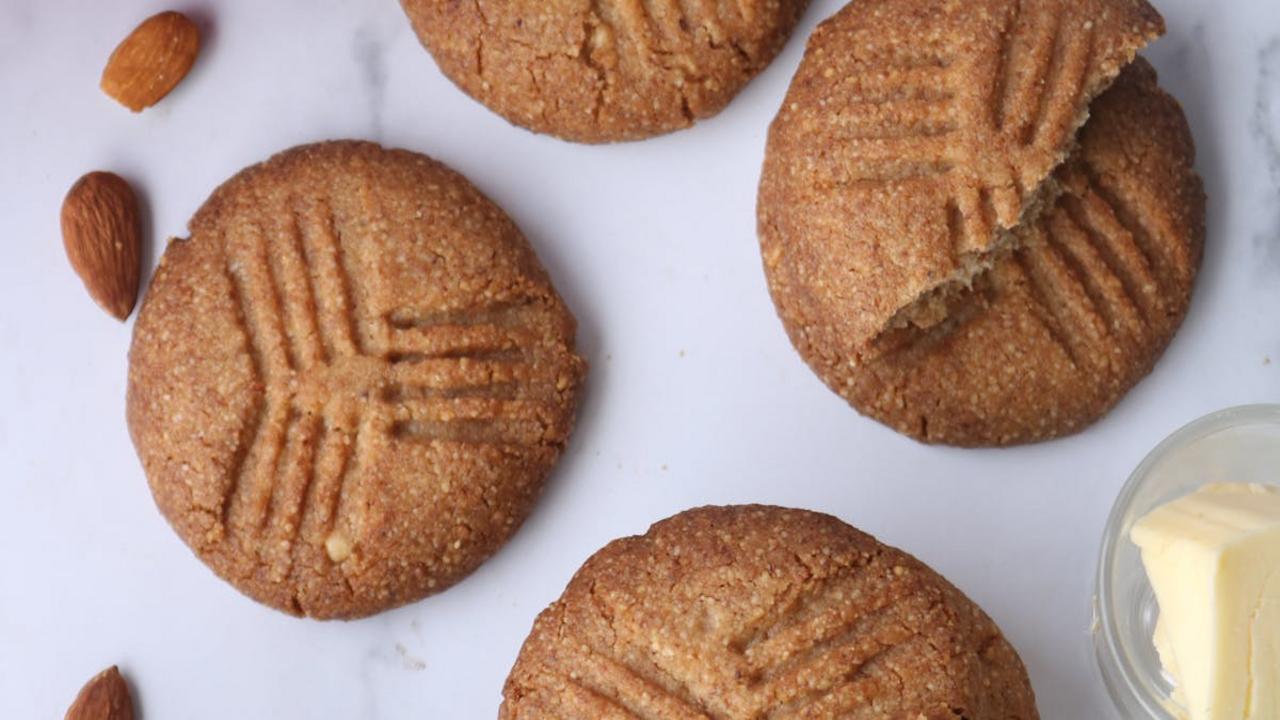
Peanut Butter Cookies
I cherish my grandmother’s cast iron skillet like a family heirloom – it carries decades of flavors and memories in its perfectly seasoned surface. This old-school cooking method creates an unmatched heat distribution that gives your food a beautiful brown crust while keeping the inside tender and juicy. The natural non-stick surface you build up over time means you’ll need less oil or butter in your cooking, making it a healthier choice for everyday meals.
Cast iron stays relevant because it moves seamlessly from stovetop to oven, making it perfect for dishes like cornbread, frittatas, or a whole roasted chicken. Beyond convenience, cooking with iron actually adds small amounts of dietary iron to your food – a bonus for anyone watching their iron intake. Give your cast iron pan proper care – clean it without soap, dry it thoroughly, and apply a light coat of oil after each use – and it will reward you with generations of delicious meals.
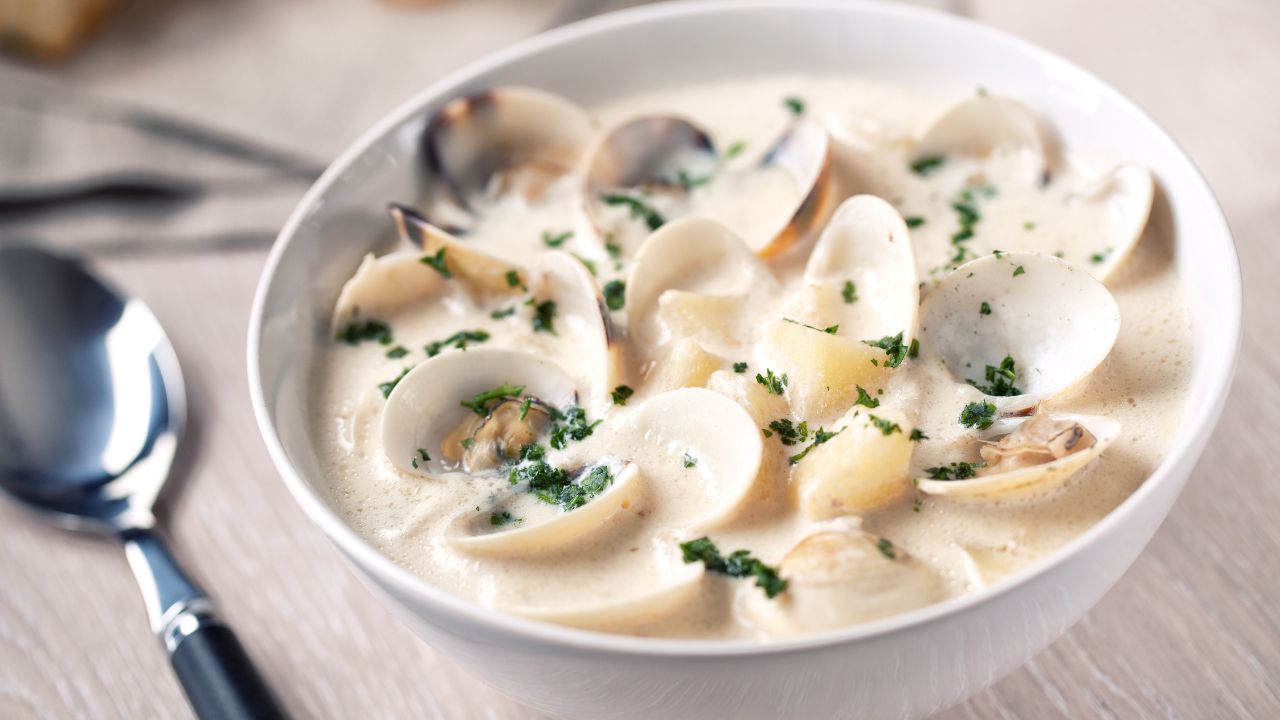
Clam Chowder
I absolutely adore stone grinding – it brings out incredible depth and richness in ingredients that electric grinders just can’t match. Through years of cooking, I’ve found that stone-ground spices, grains, and pastes carry deeper aromas and more complex flavors. My stone mortar and pestle stays busy crushing fresh peppercorns, making authentic Thai curry pastes, and grinding aromatic Indian spice blends. The manual process allows natural oils to release slowly, creating more intense, true-to-nature tastes.
You’ll notice the difference immediately when you stone grind your own spices versus using pre-ground versions. The fresh, vibrant scents fill your kitchen, and the textures range from silky-smooth to perfectly coarse depending on your grinding technique. Start with simple spices like cumin or coriander seeds – toast them lightly first, then grind away. Your curries, marinades, and spice rubs will transform with these freshly ground ingredients. Plus, the meditative nature of stone grinding connects you deeply to your food preparation, making cooking more mindful and rewarding.
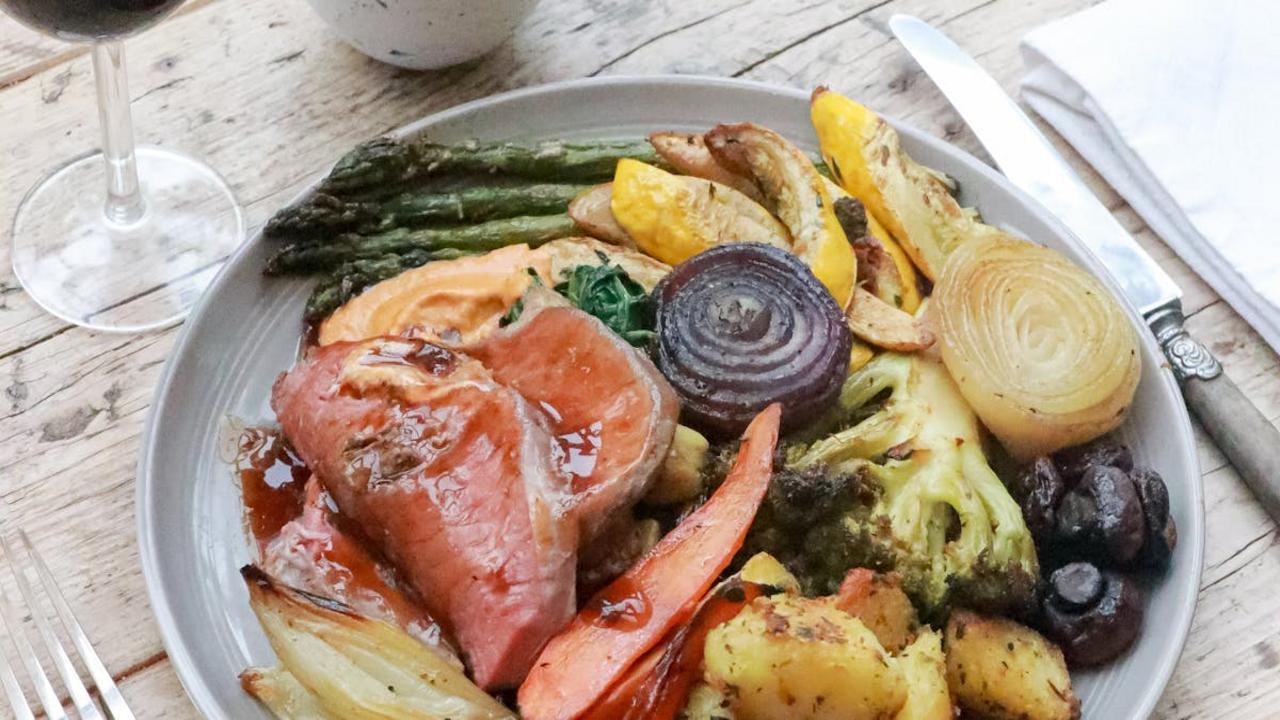
Pot Roast with Root Vegetables
I absolutely adore pickling – it’s one of those classic preservation methods that brings bright, tangy flavors to your kitchen while helping you reduce food waste. You can pickle almost any vegetable, from cucumbers and carrots to cauliflower and green beans. The basic process involves submerging your vegetables in a brine of vinegar, water, salt, and spices, then letting time work its magic. The result? Crunchy, zesty additions that can transform an ordinary sandwich or salad into something extraordinary.
What makes pickling truly special is how it connects us to traditional food preservation while fitting perfectly into modern cooking. My grandmother taught me to pickle using just vinegar, salt, and whatever vegetables were abundant in her garden. Now, I experiment with different vinegars and spice combinations – rice vinegar with ginger for Asian-inspired pickles, or apple cider vinegar with dill for classic deli-style ones. Plus, homemade pickles don’t contain any artificial preservatives or excess sodium like many store-bought versions, making them a healthier choice for your family.
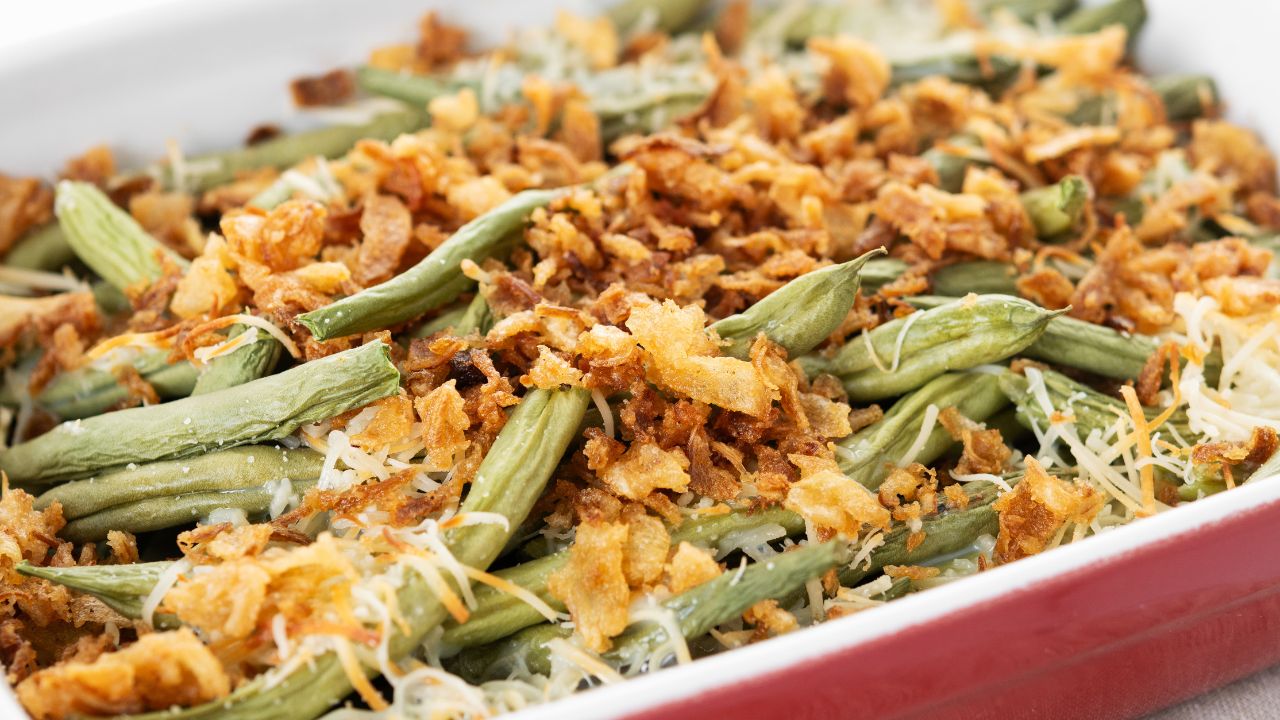
Green Bean Casserole
I rediscovered food drying last summer, and it’s become my go-to method for preserving nature’s bounty without artificial preservatives. By removing moisture from fruits, vegetables, herbs, and even meats, you create shelf-stable ingredients that maintain their nutritional value and intense flavors. The best part? You don’t need fancy equipment – while food dehydrators make the process easier, you can start with your regular oven on its lowest setting or traditional sun-drying methods.
My favorite dried foods include cherry tomatoes, which transform into sweet flavor bombs perfect for pasta dishes, and apple rings that make satisfying snacks. I keep dried herbs like basil, oregano, and thyme in my pantry year-round – they pack more punch than store-bought versions and cost a fraction of the price. The technique also works beautifully for making beef jerky, fruit leather, and mushrooms. Just remember to slice ingredients uniformly and store your dried goods in airtight containers away from light and moisture.
Buttermilk Biscuits
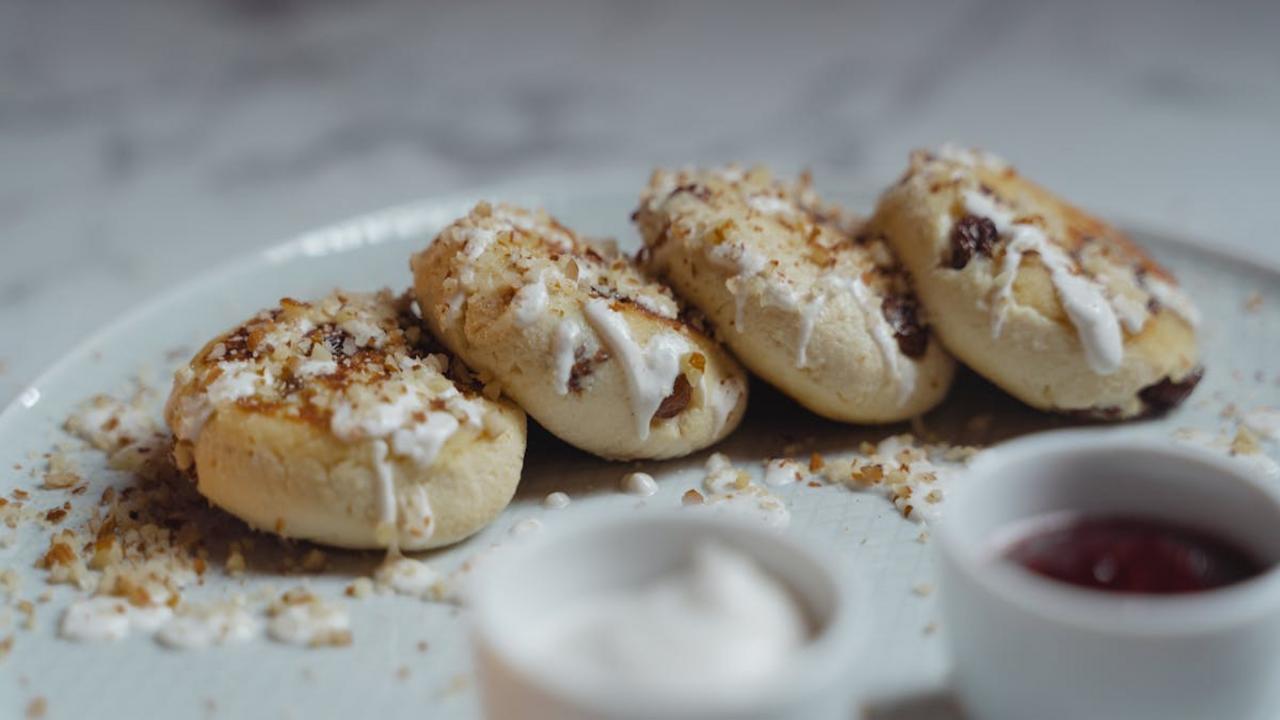
I can’t imagine a more comforting breakfast than fresh, warm buttermilk biscuits straight from the oven. These golden-brown beauties have graced American tables for generations, bringing families together with their flaky layers and rich, buttery goodness. The secret to making perfect buttermilk biscuits lies in keeping your ingredients cold and handling the dough gently – I learned this from my grandmother who would wake up early every Sunday to make these for our family gatherings.
The combination of cold butter, tangy buttermilk, and self-rising flour creates magic in your kitchen. You’ll want to work quickly and fold the dough several times to create those distinctive, pull-apart layers that make these biscuits so special. I recommend serving them hot with a pat of butter and honey, or smothering them with sausage gravy for a true Southern breakfast experience. These biscuits freeze beautifully too – make a big batch and reheat them whenever you need a quick, homemade bread to round out your meal.
Meatloaf with Brown Gravy
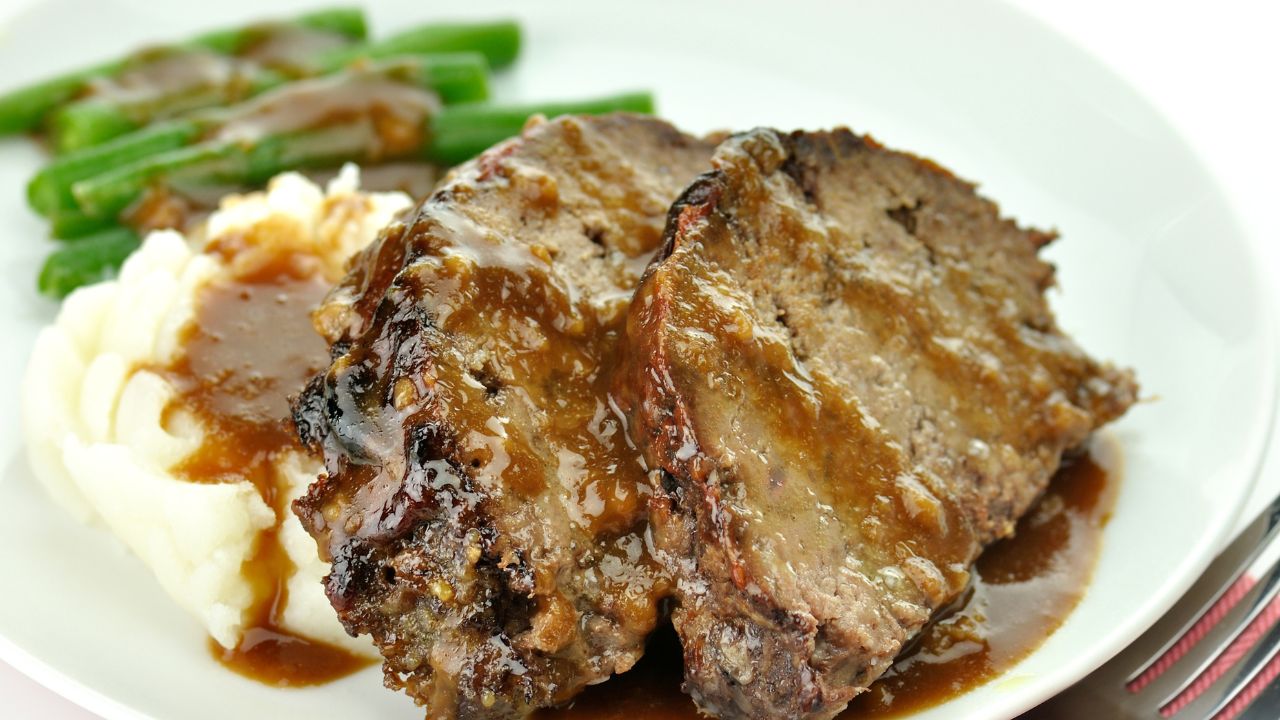
Nothing brings back memories of family dinners quite like a hearty meatloaf with rich brown gravy. I make mine with a blend of ground beef, fresh breadcrumbs, and finely diced onions, adding a touch of Worcestershire sauce that gives it that unmistakable depth. The secret lies in mixing just enough – overworking the meat will make it tough. I always form it into a free-standing loaf rather than using a loaf pan, which allows the edges to caramelize beautifully and creates more of those coveted crusty bits everyone fights over.
The brown gravy truly makes this dish shine. After the meatloaf finishes cooking, I deglaze the pan with beef stock, scraping up all those flavorful browned bits stuck to the bottom. A splash of red wine adds complexity, while a pat of butter stirred in at the end creates silky smoothness. I recommend making extra gravy – you’ll want it for the inevitable meatloaf sandwiches the next day. This combination has stood strong through generations because it delivers pure comfort with every bite.
Southern Fried Chicken
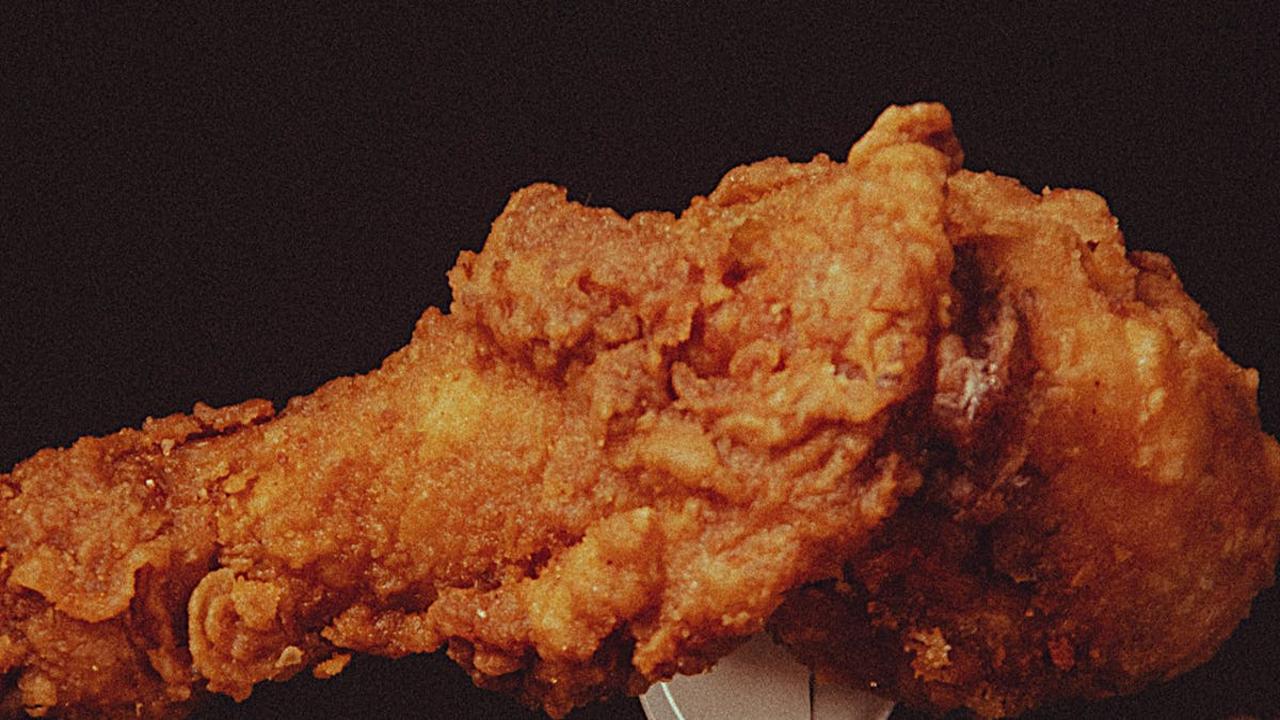
Southern fried chicken brings back memories of my grandmother’s Sunday dinners, where the whole family gathered around a platter piled high with crispy, golden-brown pieces. The magic lies in a simple but precise preparation – soaking the chicken in buttermilk overnight tenderizes the meat while adding tanginess, then dredging it in seasoned flour creates that signature crunchy coating. I add paprika, garlic powder, and a pinch of cayenne to my flour mixture, giving the crust extra depth without overwhelming the natural chicken flavor.
The real secret to perfect Southern fried chicken? Maintaining the right oil temperature throughout cooking. I keep my cast iron skillet at a steady 350°F and fry the pieces in small batches, making sure not to overcrowd the pan. This method gives you juicy meat inside and a perfectly crisp exterior every time. Remember to drain your chicken on a wire rack instead of paper towels – this keeps the bottom from getting soggy and preserves that satisfying crunch we all love.
Mac and Cheese
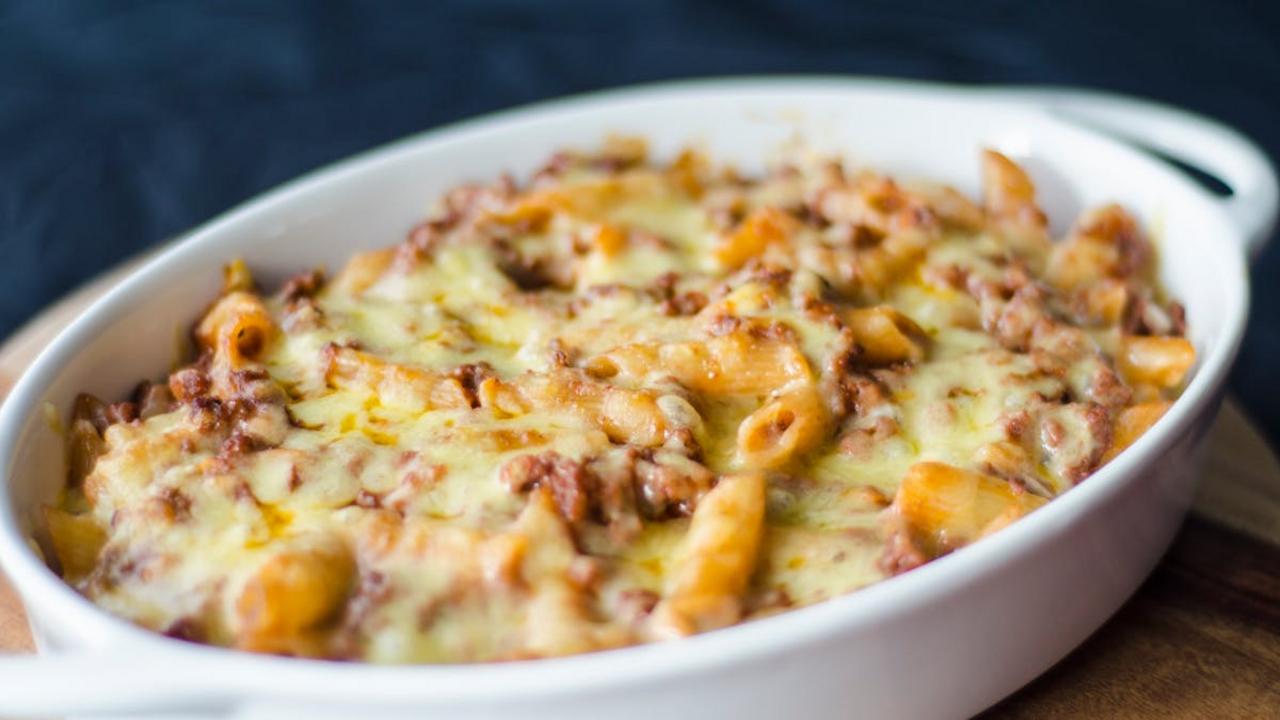
Nothing says comfort food quite like a bubbling dish of homemade mac and cheese! My grandmother taught me her secret to achieving the perfect balance of sharp cheddar and creamy American cheese – she would carefully fold in the hot pasta with the cheese sauce until each elbow noodle had an even coating. The simple combination of tender macaroni and rich cheese sauce has made this dish a staple at American dinner tables since the 1800s.
I love making this classic dish from scratch using quality ingredients like aged cheddar, whole milk, and real butter – it makes such a difference compared to the boxed versions. The key is creating a smooth béchamel sauce before adding your favorite cheese blend. My family goes wild for the crispy breadcrumb topping I add before baking until golden brown. This timeless recipe brings back childhood memories of gathering around the table for Sunday dinners, and now I get to share that same joy with my own kids.
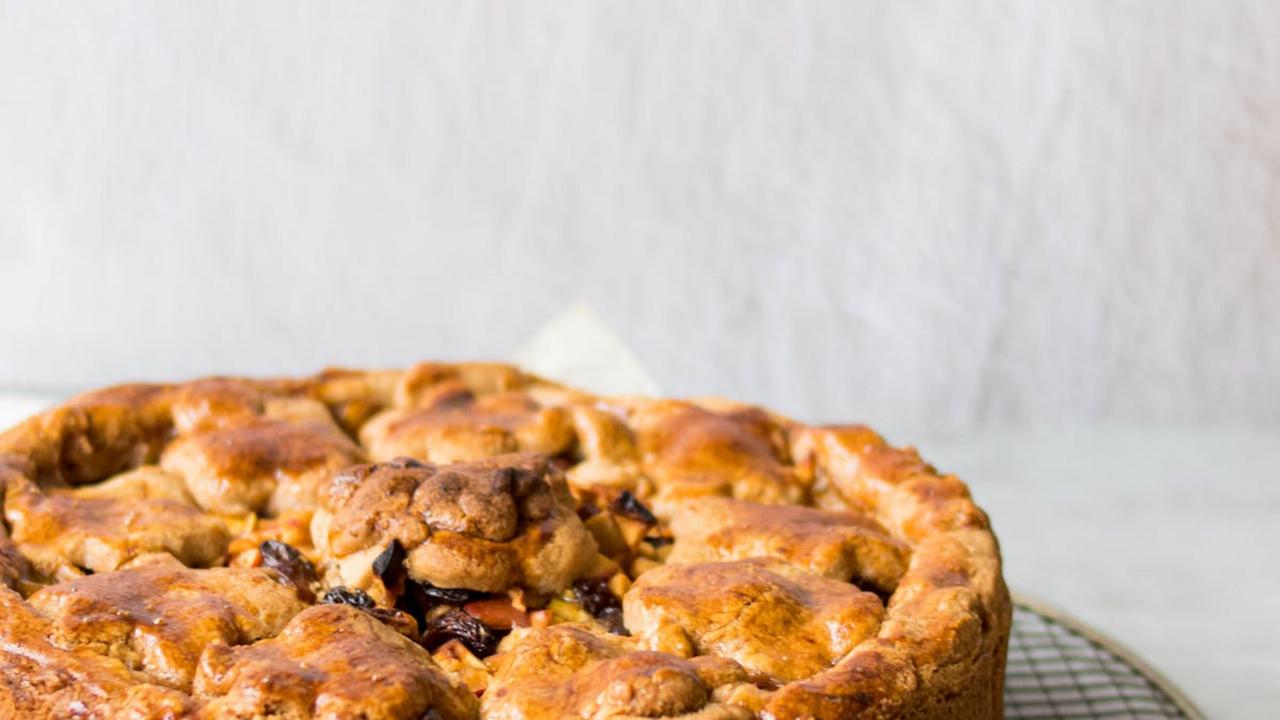
Classic Apple Pie