15 Delicious Superfoods That Naturally Reduce Blood Pressure
Your body gives clear signals when your blood pressure runs high – headaches, dizziness, and that general feeling of being off-balance. But nature offers powerful allies in maintaining healthy blood pressure through everyday foods you’ll love eating.
I’ve discovered these 15 superfoods pack a real punch in supporting cardiovascular health while bringing incredible flavors to your meals. From sweet bananas to rich dark chocolate, each ingredient works naturally with your body to help regulate blood pressure levels.
The best part? These foods fit seamlessly into your daily diet. Add them to smoothies, snacks, or main dishes – the possibilities are endless. Your heart will thank you, and your taste buds will rejoice at these delicious, nutrient-rich options that make healthy eating a joy.
Pomegranate
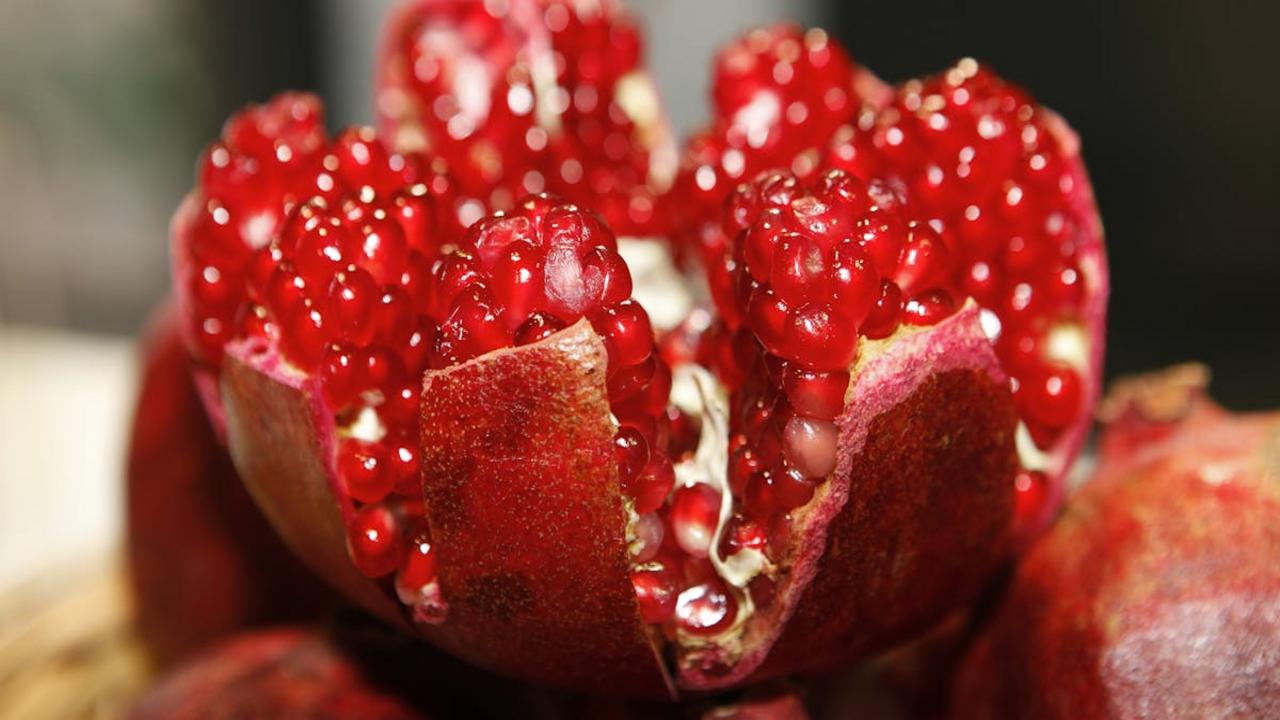
I absolutely adore pomegranates and make them a regular part of my blood pressure management routine. This ruby-red fruit contains powerful antioxidants called polyphenols that help your blood vessels relax and expand, naturally lowering blood pressure. One study found that drinking just 5 ounces of pomegranate juice daily for two weeks showed significant improvements in blood pressure readings. The seeds pack a punch with fiber, potassium, and vitamin C – nutrients your body needs for optimal heart health.
You can add pomegranate seeds to your morning yogurt, sprinkle them over salads, or blend them into smoothies. I love making a quick pomegranate salsa with diced red onion, jalapeño, lime juice, and cilantro – it brightens up grilled fish or chicken beautifully. For maximum benefits, I recommend consuming fresh pomegranate seeds or 100% pure pomegranate juice without added sugars. Just remember to check with your doctor if you take blood pressure medications, as pomegranates can interact with certain prescriptions.
White Beans
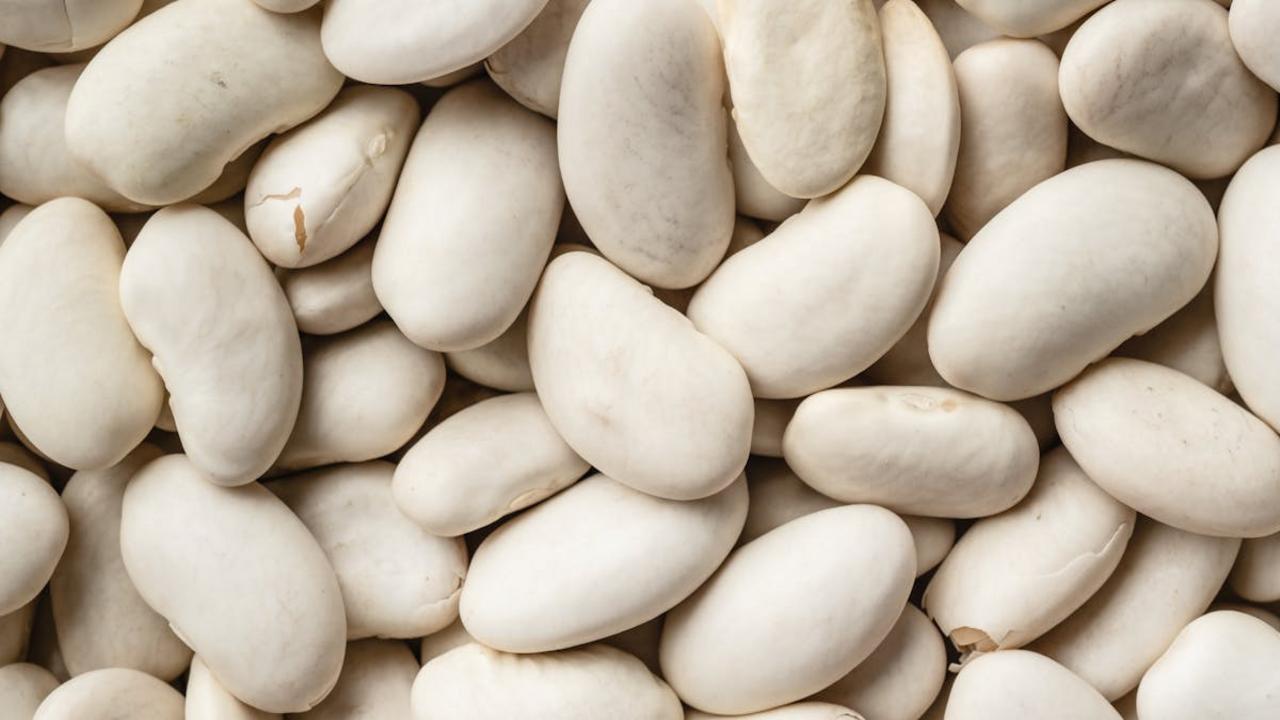
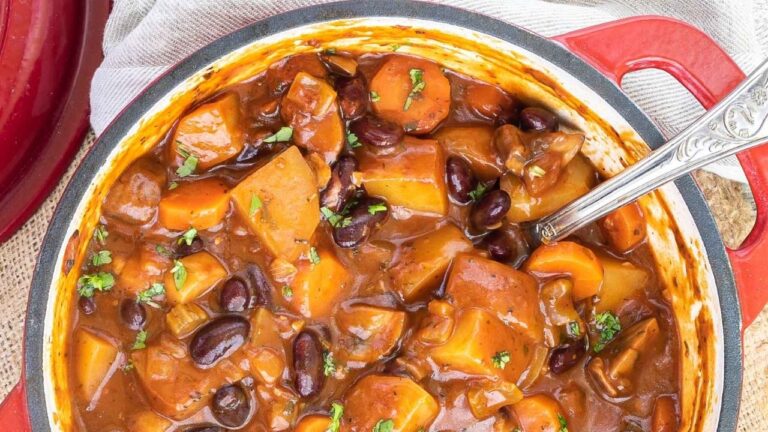
I can’t get enough of white beans – they’re a powerhouse of heart-healthy nutrients that will naturally help bring your blood pressure down. These creamy legumes pack in high levels of potassium (about 1,000mg per cup) which helps balance sodium levels in your body. The magnesium and calcium in white beans work together to regulate blood pressure, while their rich fiber content supports healthy weight management and cardiovascular function.
You’ll find white beans incredibly versatile in the kitchen. I love adding them to soups, stews, and salads, or mashing them into a smooth dip with olive oil, garlic, and herbs. They absorb flavors beautifully while providing that satisfying, buttery texture we all crave. Each cup gives you 15 grams of protein and 11 grams of fiber, making them filling enough to replace meat in many dishes. Their mild, slightly nutty flavor means they blend perfectly into both Mediterranean and American comfort food recipes.
Pistachios
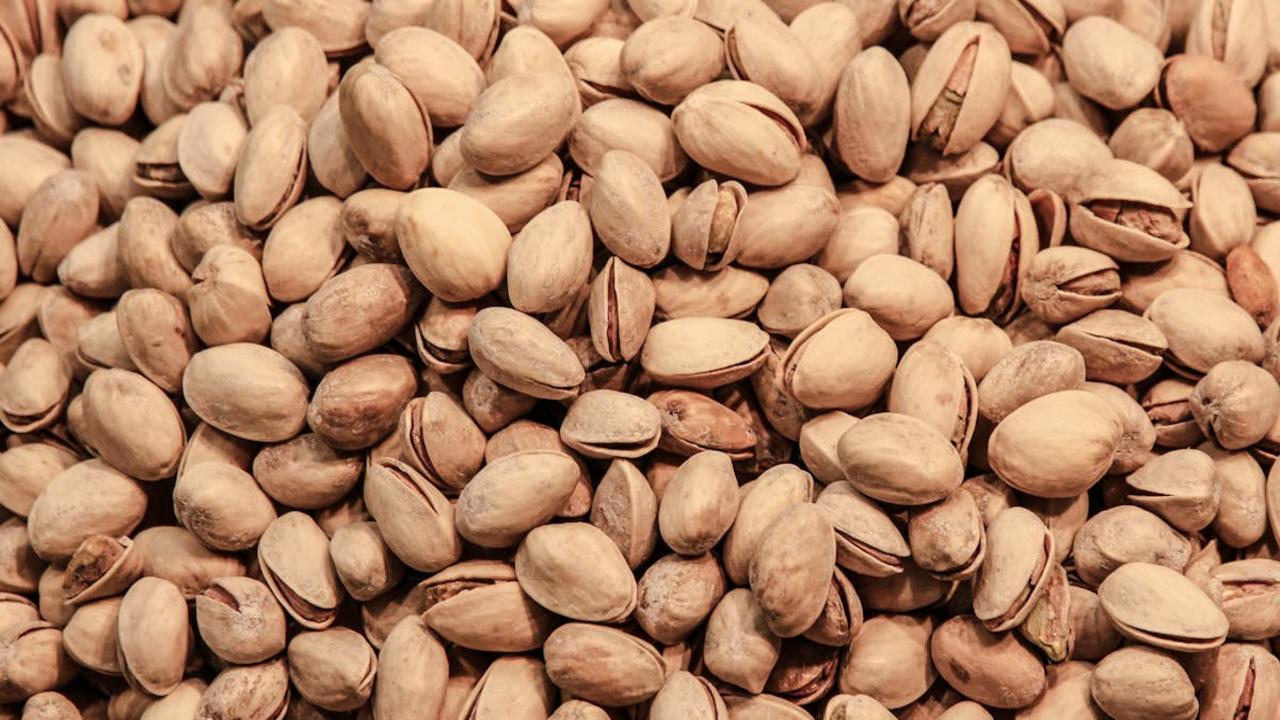
I absolutely adore adding pistachios to my daily diet, and you’ll be thrilled to know these little green gems pack a powerful punch for blood pressure control. The combination of potassium, magnesium, and L-arginine amino acid in pistachios works together to relax blood vessels and improve blood flow naturally. Plus, these nuts contain heart-healthy fats that help reduce inflammation and support overall cardiovascular health. Just a handful (about 1 ounce) each day can make a noticeable difference in your blood pressure readings.
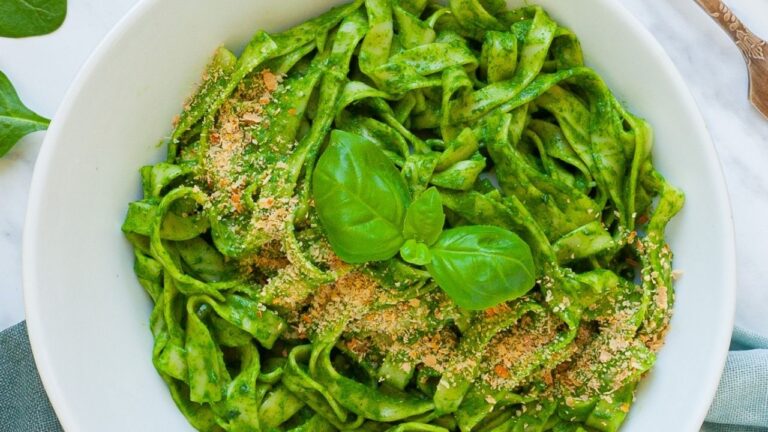
My favorite way to incorporate pistachios into meals goes beyond simple snacking. I love sprinkling them on my morning yogurt, crushing them as a crust for baked salmon, or blending them into homemade pesto. The rich, buttery flavor adds depth to any dish while supporting your heart health goals. Remember to choose unsalted varieties to maximize the blood pressure-lowering benefits. Raw or dry-roasted options give you the most nutritional value without extra sodium that could counteract their natural benefits.
Watermelon
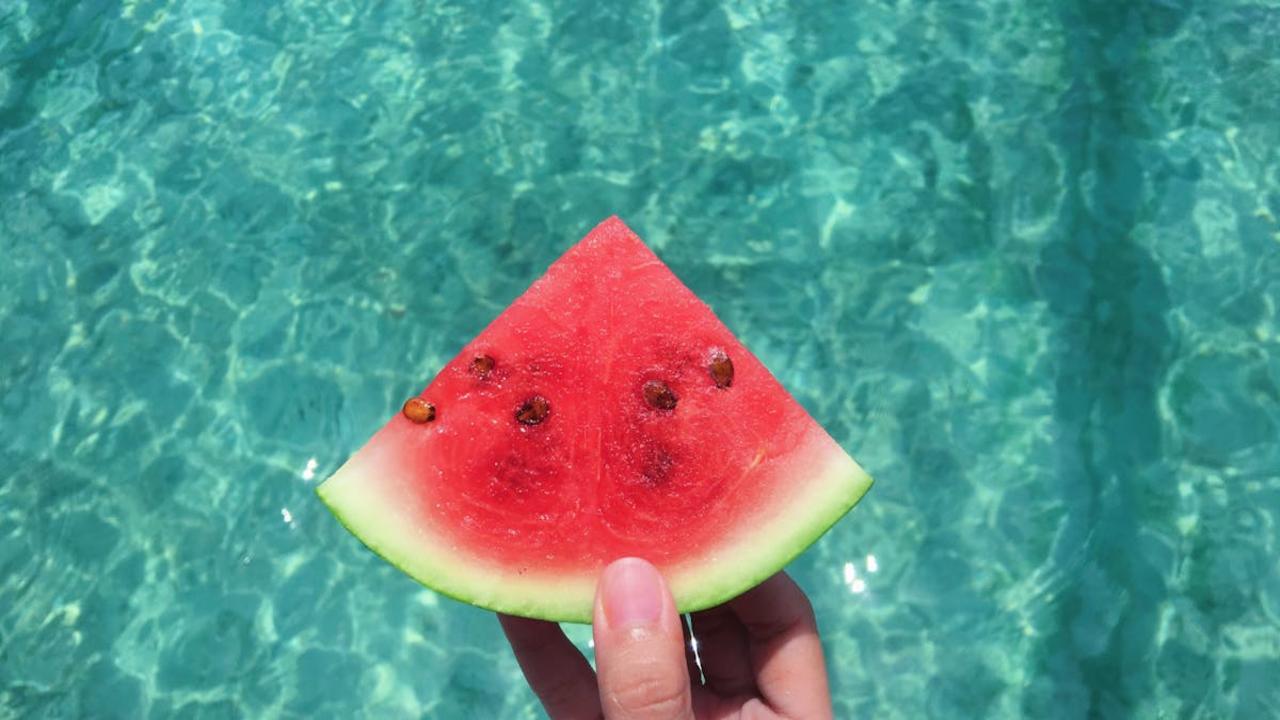
You’ll find a powerful ally in watermelon for naturally lowering your blood pressure. This sweet, refreshing fruit contains L-citrulline, an amino acid that your body converts into L-arginine – a compound that helps your blood vessels relax and expand. The high water content in watermelon, combined with potassium, makes it incredibly effective at maintaining healthy blood pressure levels. Plus, watermelon gives you a healthy dose of vitamins A and C, which support your overall heart health.
I love adding watermelon to my daily menu during summer months – it’s nature’s perfect snack! You can blend it into smoothies, toss it in fruit salads, or simply enjoy it chilled. The natural sugars give you quick energy without weighing you down. For maximum benefits, eat watermelon on an empty stomach or between meals. My favorite way to serve it? Cube it and sprinkle with a tiny pinch of sea salt to bring out its natural sweetness while boosting your mineral intake.
Sweet Potatoes
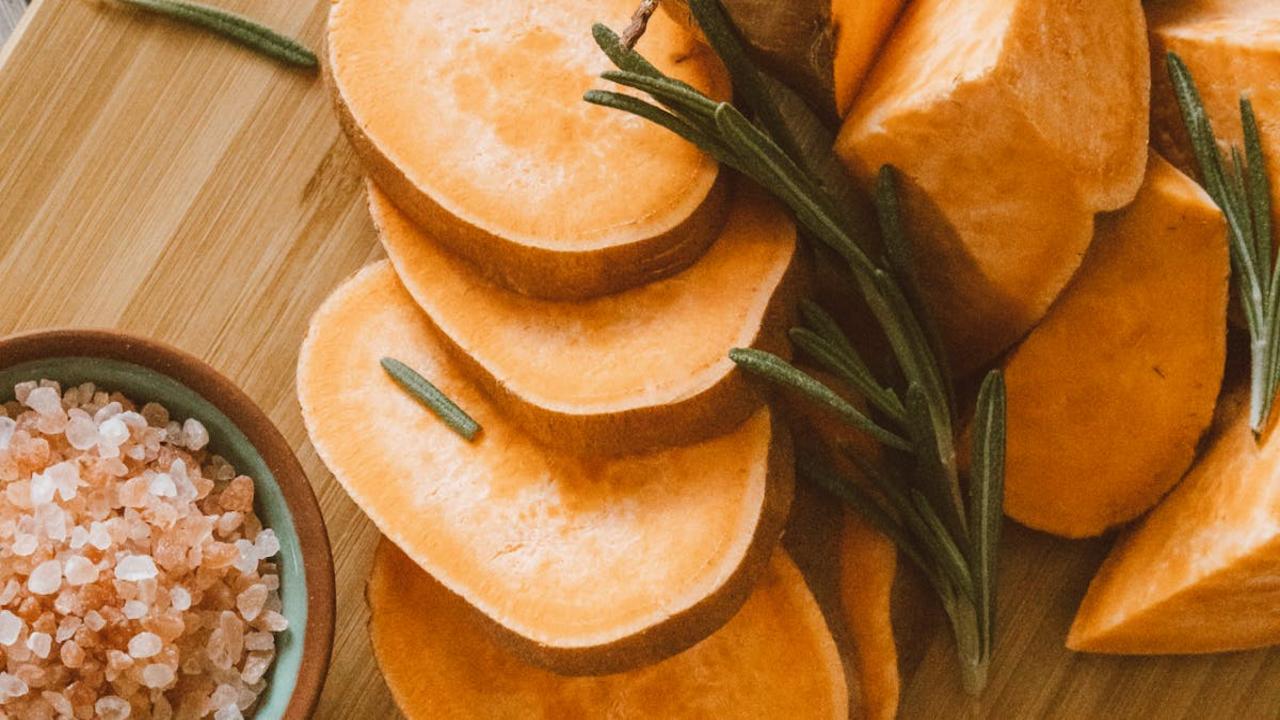
Sweet potatoes pack a powerful punch against high blood pressure through their rich potassium content – one medium sweet potato contains about 540mg of this blood pressure-lowering mineral. I regularly add these orange beauties to my meals, not just for their naturally sweet flavor, but because they’re loaded with beta-carotene and fiber. The combination of these nutrients helps reduce inflammation in your blood vessels and supports healthy blood flow throughout your body.
You can maximize sweet potatoes’ heart-healthy benefits by keeping the skin on – that’s where many of the nutrients live! I love to roast them with a light coating of olive oil and a pinch of cinnamon, which adds flavor while keeping the glycemic impact low. The natural sweetness intensifies through roasting, making them a perfect substitute for less healthy carbs in your daily meals. Try mashing them with a touch of Greek yogurt instead of butter for an extra protein boost while keeping the creamy texture you crave.
Garlic
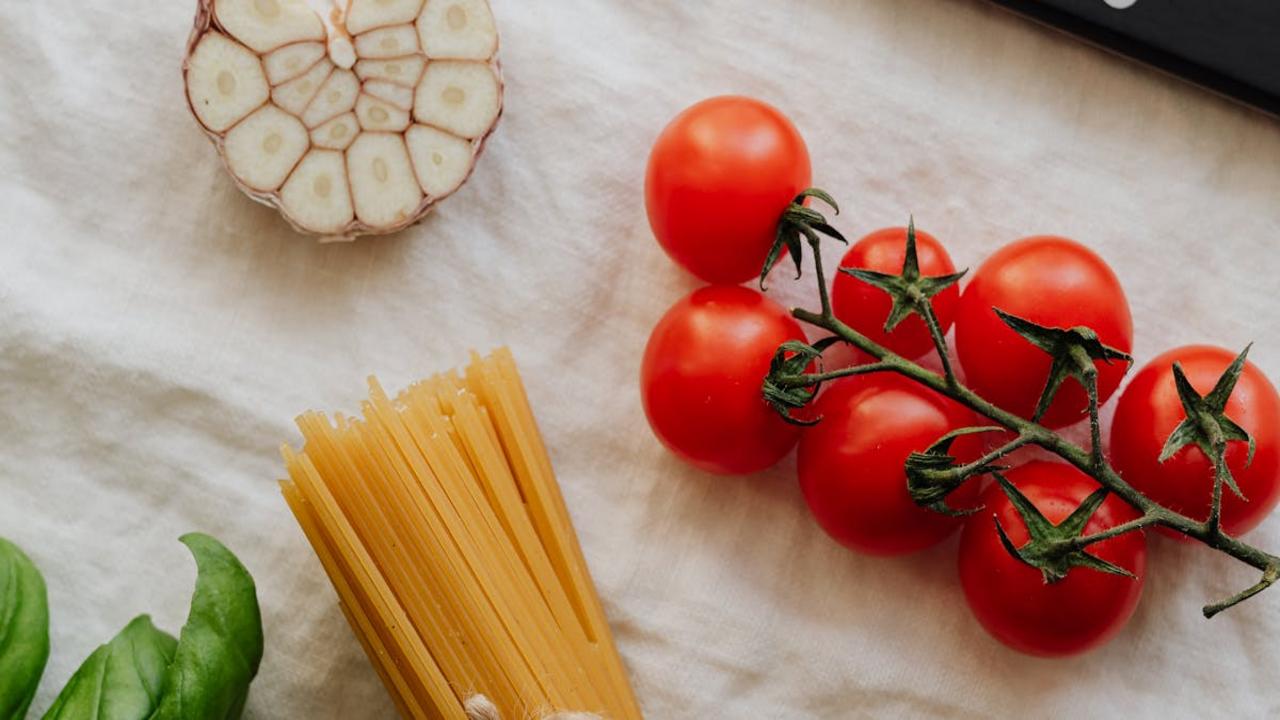
You’ll find garlic in my kitchen every single day – it’s both a flavor powerhouse and a natural blood pressure reducer! Raw garlic contains allicin, a compound that helps relax your blood vessels and improves circulation. I love crushing a few fresh cloves into my morning olive oil dressing or adding them to homemade pesto. The strong aroma fills my kitchen with memories of my grandmother’s cooking, where she would add generous amounts to nearly every savory dish.
Many people shy away from raw garlic because of its intense flavor, but I’ve discovered clever ways to incorporate it into meals. Try roasting whole garlic bulbs until they turn soft and golden – this transforms the sharp bite into a smooth, sweet spread perfect for whole grain bread. You can also finely mince it into your morning smoothie with leafy greens – the other ingredients mask the intensity while you still get the blood pressure-lowering benefits. Just remember, for maximum health effects, crush or chop the garlic and let it sit for 10 minutes before cooking.
Pumpkin Seeds
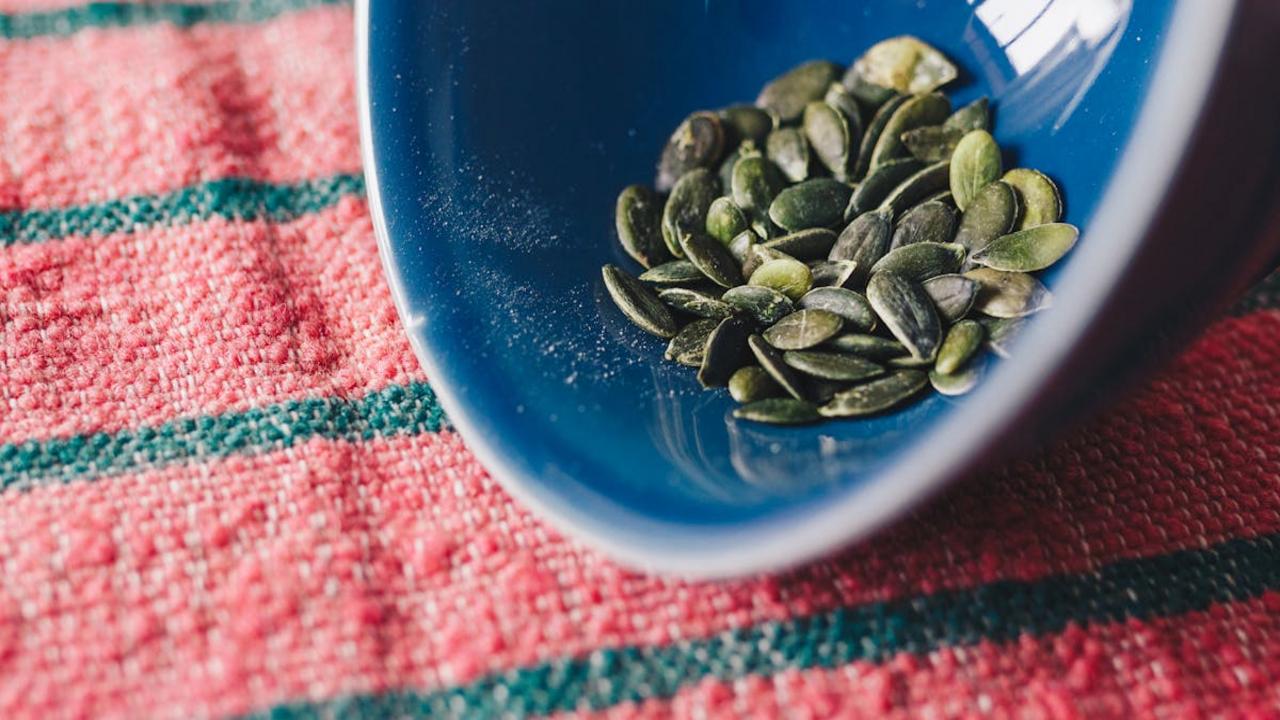
I absolutely adore adding pumpkin seeds to my daily meals – these little nutritional powerhouses pack a serious punch for blood pressure management. Rich in magnesium, potassium, and zinc, pumpkin seeds naturally help relax blood vessels and support healthy circulation. Just a small handful (about 1-2 tablespoons) provides nearly half your daily magnesium needs, making them an easy addition to your heart-healthy routine.
You can toast them with a pinch of sea salt for a crunchy snack, sprinkle them raw over your morning yogurt, or blend them into smoothies. I love tossing them into my homemade granola mix or using them to add texture to salads. The mild, nutty flavor works beautifully in both sweet and savory dishes. Pro tip: store your pumpkin seeds in an airtight container in the fridge to keep them fresh and preserve their heart-healthy benefits for up to six months.
Fatty Fish
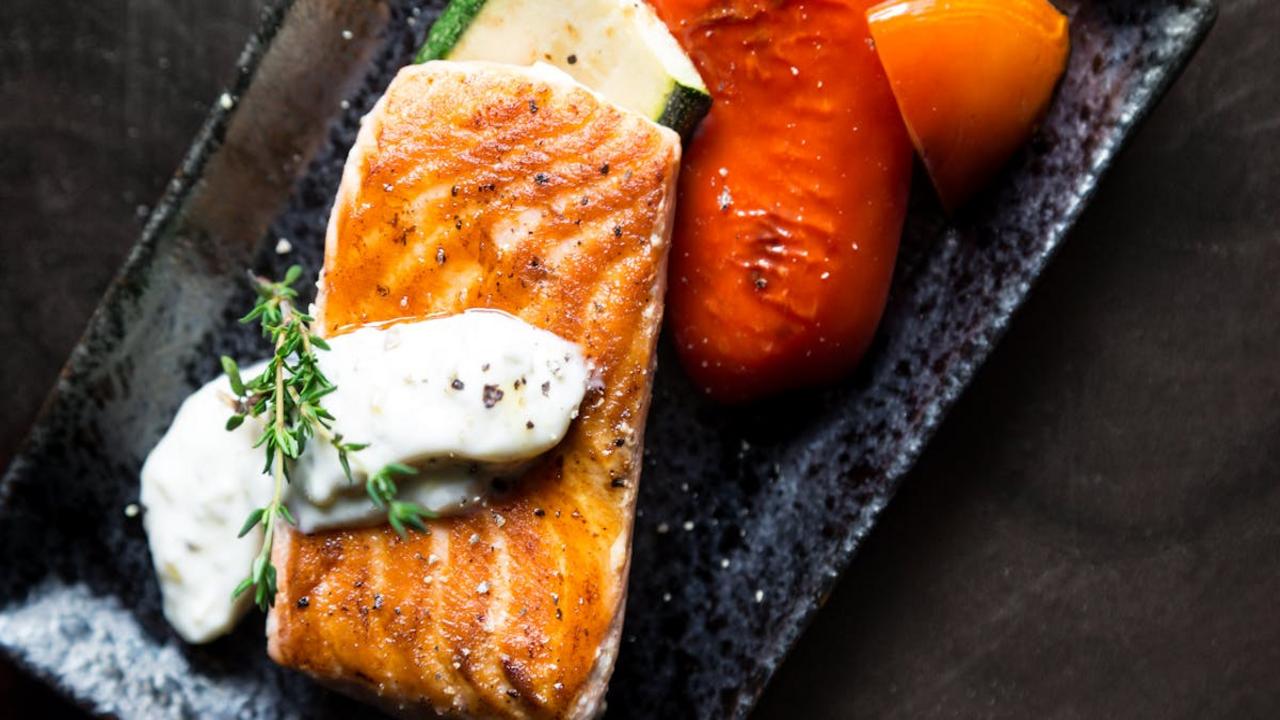
I’ve found that incorporating fatty fish like salmon, mackerel, and sardines into your weekly meals can make a real difference in managing blood pressure naturally. These fish pack a powerful punch of omega-3 fatty acids, particularly EPA and DHA, which directly help reduce inflammation in your blood vessels and improve their function. The protein in fatty fish also contains compounds that help maintain healthy blood pressure levels. My go-to preparation method involves a simple marinade of lemon, garlic, and herbs before grilling or baking the fish to retain its natural oils.
Beyond their blood pressure benefits, fatty fish bring an incredible array of nutrients to your table. They’re rich in vitamin D, which many people lack and plays a key role in blood pressure regulation. The combination of lean protein, healthy fats, and minerals like potassium and magnesium makes fatty fish a complete package for heart health. I recommend starting with milder-tasting options like salmon if you’re new to cooking fish at home, then gradually trying stronger flavors like mackerel. Aim to include these nutritional powerhouses in your meals at least twice per week.
Oatmeal
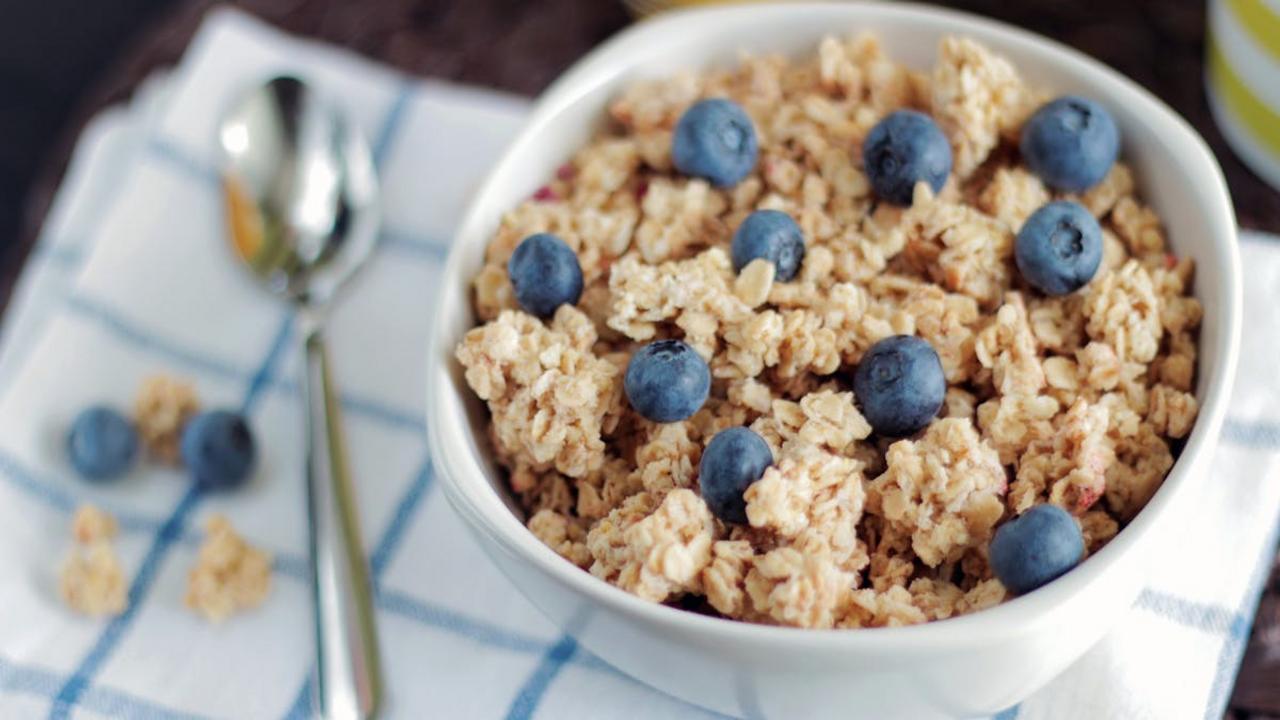
I absolutely adore oatmeal’s blood pressure-lowering superpowers! The soluble fiber in oats, called beta-glucan, helps remove excess cholesterol from your body while supporting healthy blood pressure. My favorite morning routine includes mixing plain rolled oats with cinnamon, berries, and a drizzle of honey – this combination gives you a hearty dose of magnesium, potassium, and calcium that work together to relax blood vessels and improve circulation naturally.
Starting your day with a warm bowl of oatmeal sets you up for steady energy levels and better blood pressure control. I recommend going for steel-cut or old-fashioned rolled oats rather than instant varieties, since they pack more fiber and nutrients. You can prep overnight oats by soaking them with your choice of milk, chia seeds, and fresh fruit – this makes an easy grab-and-go breakfast that keeps your cardiovascular system happy. The versatility of oats means you can enjoy them sweet or savory while getting their blood pressure benefits.
Greek Yogurt
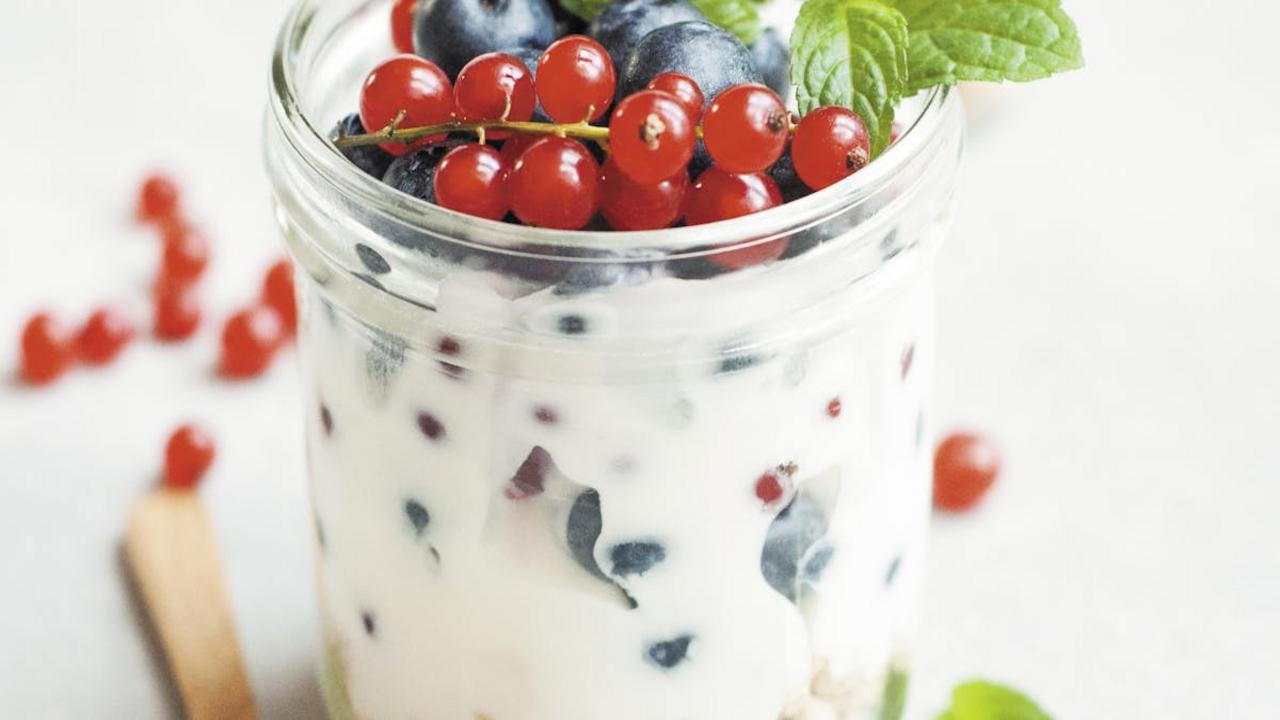
I’ve discovered Greek yogurt’s remarkable power to help maintain healthy blood pressure through its high calcium and potassium content. Unlike regular yogurt, Greek yogurt goes through an extra straining process that removes more whey, creating a thicker, protein-rich dairy product. With about 15-20 grams of protein per serving, it helps regulate blood pressure by supporting healthy muscle function and blood vessel health. The natural probiotics in Greek yogurt also reduce inflammation throughout your body, which directly impacts your cardiovascular system.
My favorite way to incorporate Greek yogurt into daily meals starts with breakfast – I top it with fresh berries, a drizzle of honey, and crushed walnuts for extra nutrition. You can also blend it into smoothies, use it as a substitute for sour cream in dips, or add it to baked goods for moisture and protein. Choose plain, unsweetened varieties to avoid added sugars that could counteract the blood pressure-lowering benefits. The creamy texture and versatility make Greek yogurt an easy addition to any meal plan focused on heart health.
Beets

You’ll find an amazing natural blood pressure reducer right in the produce aisle – beautiful red beets! These vibrant root vegetables pack a powerful punch of nitrates that your body converts into nitric oxide, which helps relax and widen your blood vessels. This natural process improves blood flow and can lower your blood pressure numbers. I love roasting beets to bring out their natural sweetness or adding them raw to my morning smoothies for an extra nutritional boost.
Beyond their blood pressure benefits, beets give you a rich mix of potassium, fiber, and inflammation-fighting compounds. The deep red pigments, called betalains, work as antioxidants to protect your cells from damage. My favorite quick prep method is to wrap whole beets in foil and roast them until tender – about 45 minutes at 400°F. Then just slip off the skins, slice, and add to salads or grain bowls. The natural sweetness pairs wonderfully with tangy goat cheese, crunchy walnuts, and fresh herbs.
Berries
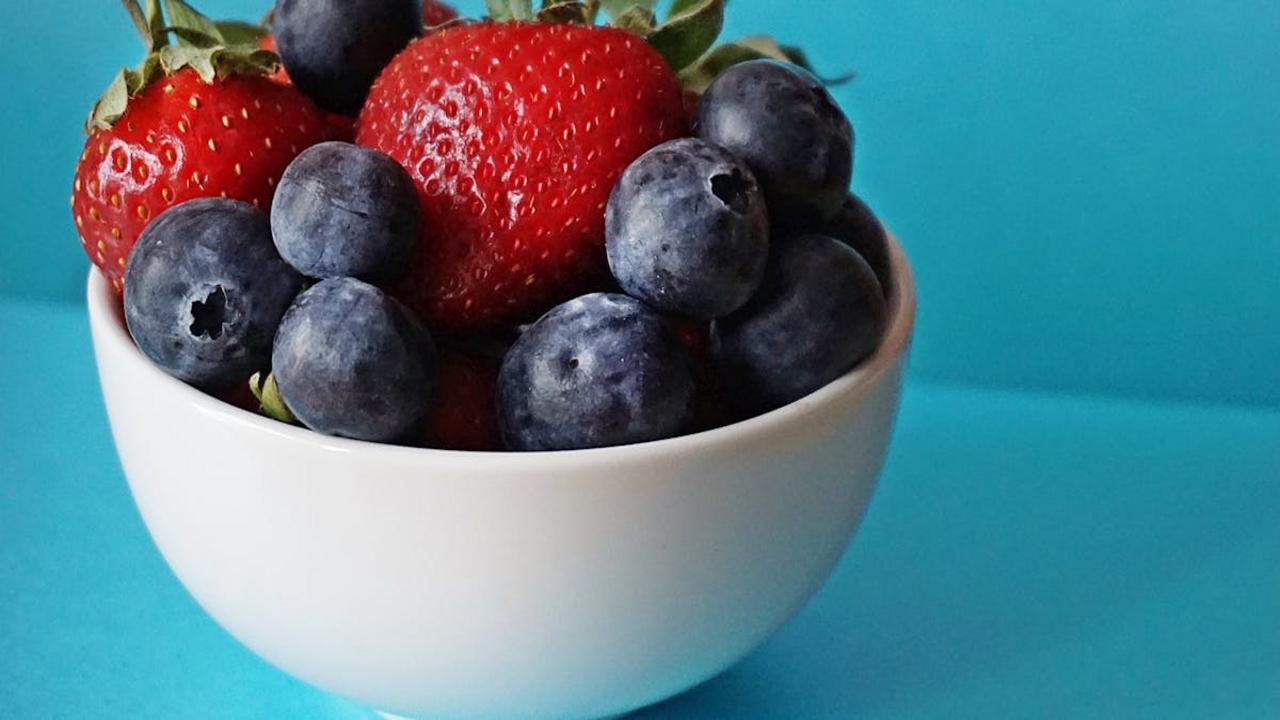
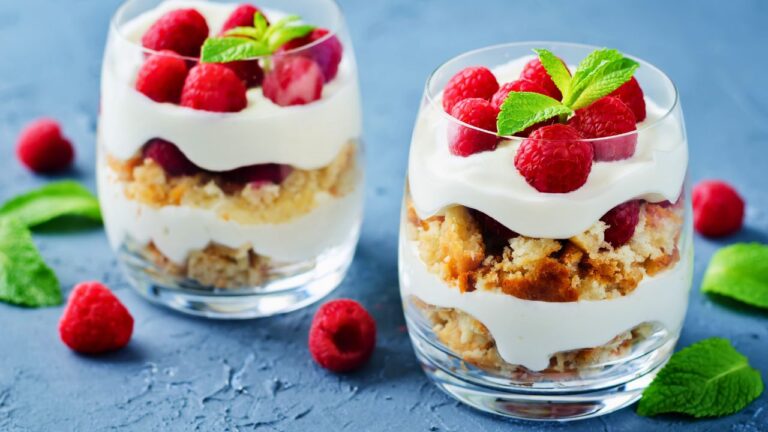
I love adding berries to my daily meals because they pack a powerful punch against high blood pressure! Blueberries, strawberries, raspberries, and blackberries contain natural compounds called anthocyanins that directly help lower blood pressure. These compounds give berries their vibrant colors and work by relaxing your blood vessels, making it easier for blood to flow. I recommend eating a mix of fresh berries daily – toss them in your morning yogurt, blend them into smoothies, or simply snack on them throughout the day.
The beauty of berries lies in their versatility and natural sweetness. One cup of mixed berries gives you a good dose of fiber, vitamin C, and potassium – all key nutrients for maintaining healthy blood pressure. My go-to breakfast includes a handful of berries with oatmeal, creating a perfect combination that keeps me full and my blood pressure in check. Fresh or frozen, berries maintain their blood pressure-lowering benefits, so you can enjoy them year-round. Just skip any berries with added sugars or syrups to get the most health benefits.
Leafy Greens
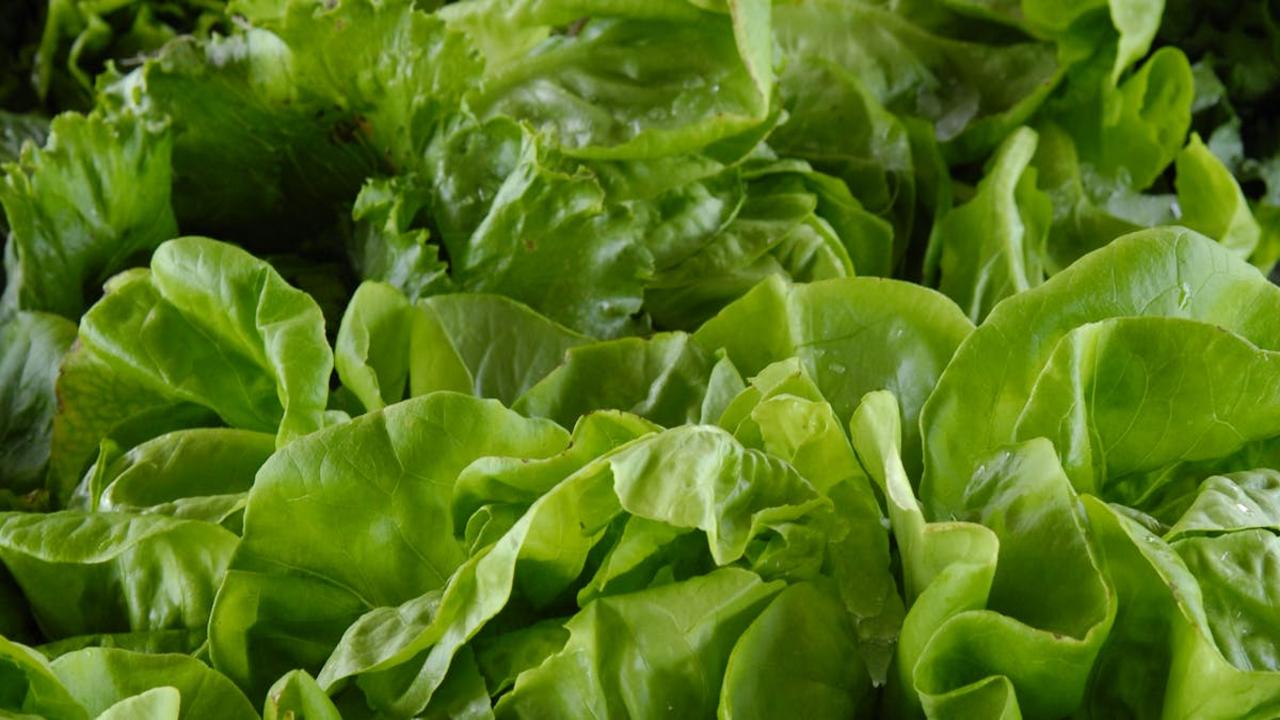
I’ve found that leafy greens like spinach, kale, and Swiss chard pack a powerful punch against high blood pressure through their rich potassium and nitrate content. Your body transforms these natural nitrates into nitric oxide, which relaxes and widens your blood vessels, helping lower blood pressure naturally. I love tossing fresh spinach into my morning smoothies or sautéing a mix of collard greens with garlic and olive oil for a quick side dish that supports heart health.
You’ll get the most benefits from your leafy greens by eating them raw or lightly cooked to preserve their nutrients. I recommend starting your day with a handful of baby spinach in your omelet or adding arugula to your lunchtime sandwich. For dinner, try my favorite quick method – massage kale with lemon juice and olive oil, then top with sliced almonds and dried cranberries. This simple preparation breaks down the tough fibers while maintaining the blood pressure-lowering compounds your body needs.
Dark Chocolate
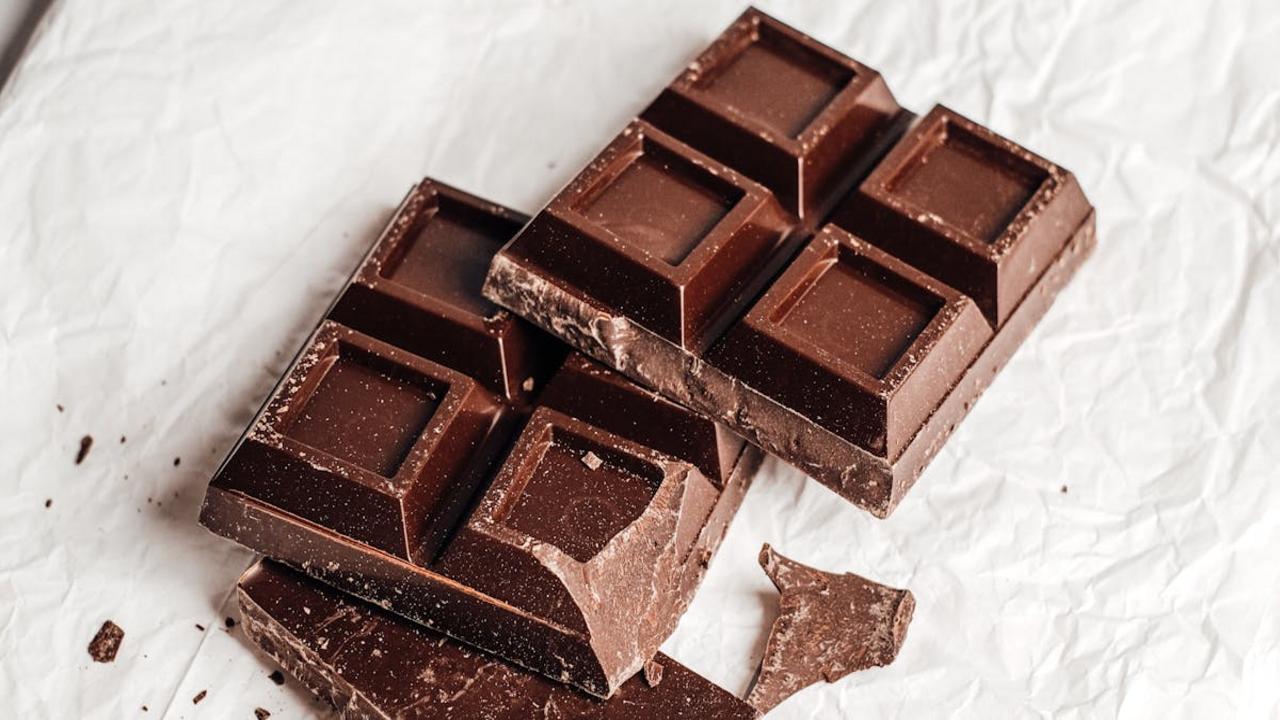
I absolutely adore dark chocolate as a natural blood pressure reducer! The rich, complex flavors make it easy to forget you’re eating something so good for your heart health. Dark chocolate contains flavonoids that help your blood vessels relax and widen, improving blood flow throughout your body. Just remember to pick varieties with at least 70% cocoa content to get the most benefits – the higher the percentage, the more powerful compounds you’ll consume.
My favorite way to incorporate dark chocolate into my daily routine is by adding small squares to my morning smoothie or melting it into warm almond milk for a comforting evening drink. You can also grate it over yogurt or oatmeal for breakfast, or simply enjoy 1-2 squares after dinner. The key is moderation – aim for about 1 ounce (30g) per day to keep your blood pressure in check without overdoing the calories. The natural compounds in dark chocolate work best when combined with other heart-healthy foods like berries, nuts, or seeds.
Bananas
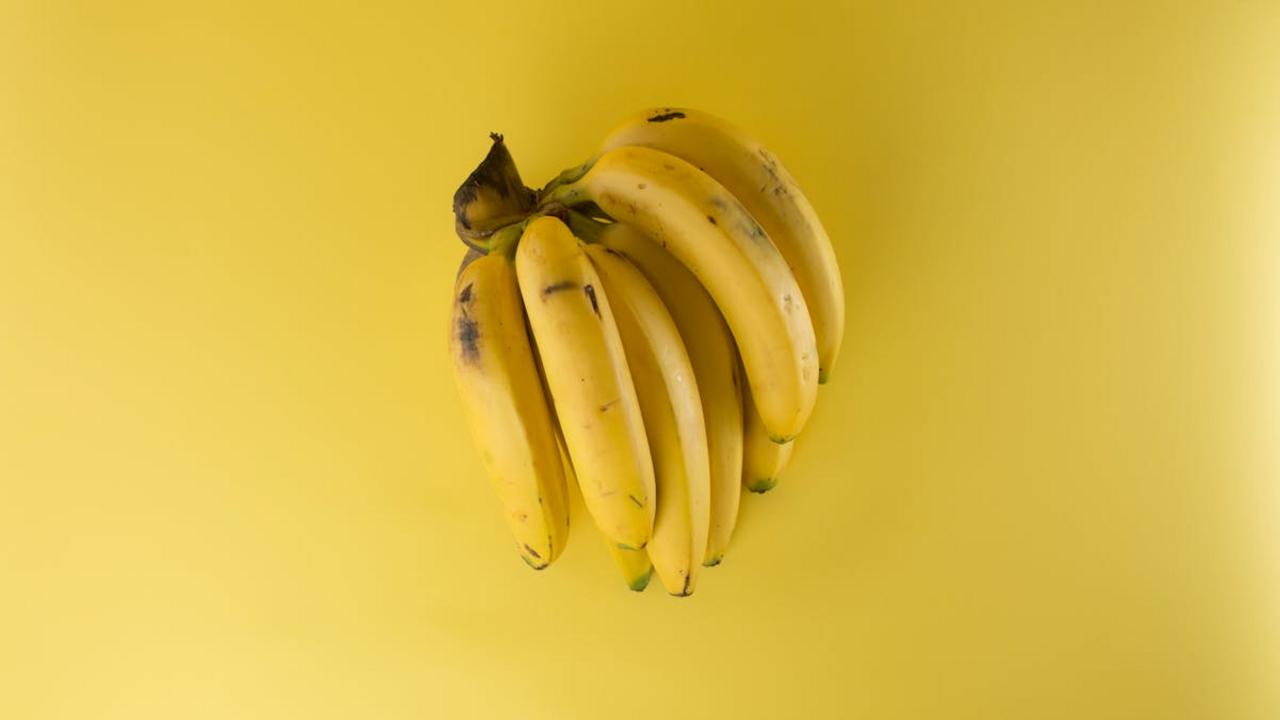
You’ll find potassium-rich bananas in my kitchen every single day – they’re one of the most effective natural blood pressure reducers around. Just one medium banana packs about 420mg of potassium, or roughly 12% of your daily needs. I love adding sliced bananas to my morning oatmeal or blending them into smoothies for an instant potassium boost. The natural sugars give you steady energy while the fiber helps keep blood sugar balanced, creating a perfect combo for cardiovascular health.
Beyond their heart-healthy benefits, bananas make an incredibly versatile ingredient in both sweet and savory dishes. I regularly freeze ripe bananas for thick, creamy smoothies or nice cream, and they work wonders as an egg substitute in vegan baking. The resistant starch in slightly underripe bananas feeds your good gut bacteria, while their vitamin B6 content supports brain function and red blood cell formation. Add these yellow powerhouses to your daily menu and your heart will thank you!