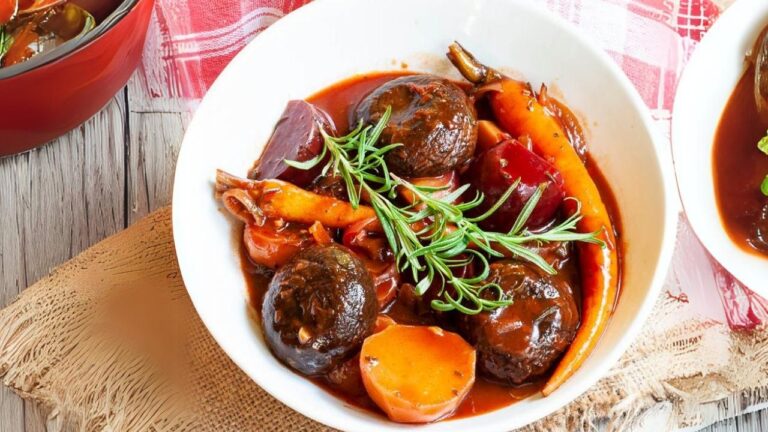
15 Biblical Foods Still on Today’s Dinner Tables
Biblical foods continue to nourish families around the world thousands of years after they first appeared in ancient texts. These wholesome ingredients formed the foundation of Mediterranean diets and remain incredibly relevant for modern healthy eating. From protein-rich lentils to antioxidant-packed pomegranates, these time-tested foods offer remarkable nutritional benefits that science now validates.
You probably already stock many of these ingredients in your pantry without realizing their ancient origins. Almonds, dates, and honey sweetened meals long before processed sugars existed. Meanwhile, barley and wheat provided steady energy for hardworking communities, just like they fuel our busy lives today.
Rediscovering these traditional foods connects us with history while boosting our health. Each ingredient tells a story of survival, sustenance, and celebration. Ready to transform your kitchen with these nutritional powerhouses that have stood the test of time?
Salt
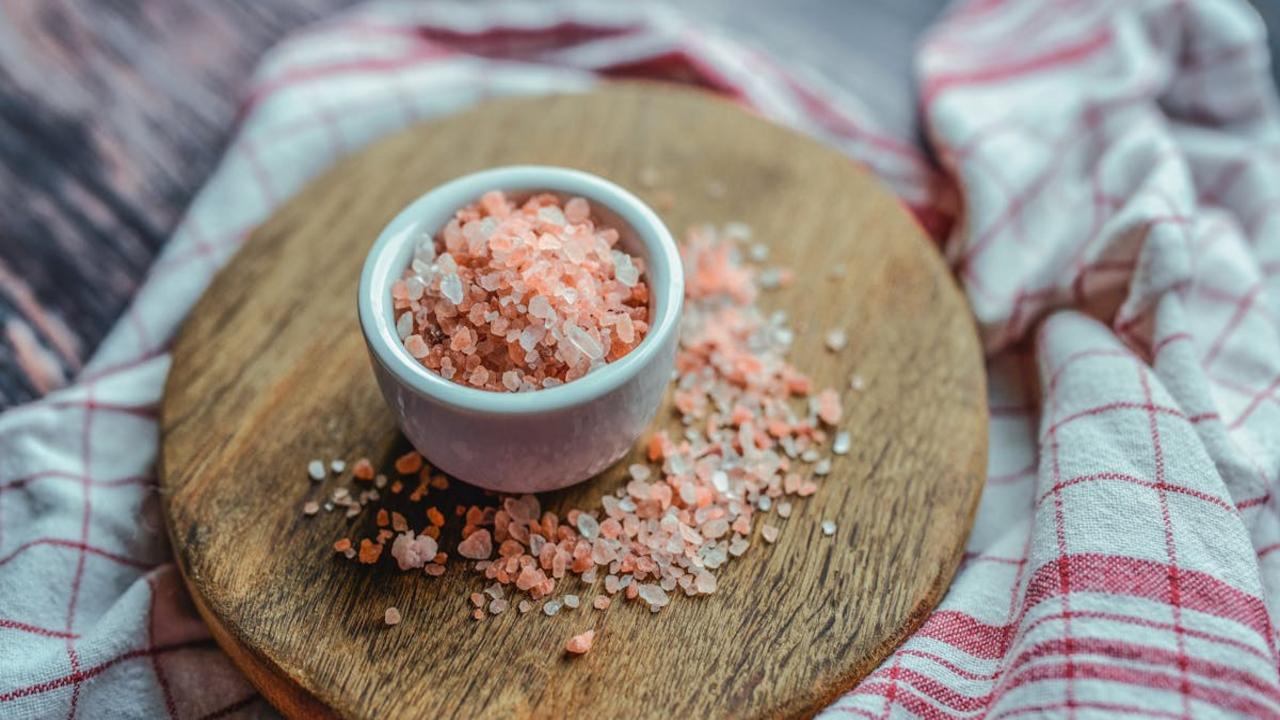
You know that little white crystal sitting in your kitchen cabinet? It’s been gracing tables for thousands of years! Salt appears throughout biblical stories, from Lot’s wife turning into a pillar of salt to Jesus calling his followers “the salt of the earth.” Back then, salt was so precious it served as currency and preserved food during long journeys. The Dead Sea, mentioned countless times in scripture, remains one of the world’s saltiest bodies of water, and people still harvest its mineral-rich crystals today.
Your modern kitchen benefits from salt in ways that would amaze ancient cooks. Beyond adding flavor, salt helps balance sweetness in desserts, draws moisture from vegetables for better texture, and preserves foods naturally. Try using coarse sea salt to finish roasted vegetables or a pinch of flaky salt on chocolate desserts for that perfect sweet-salty contrast. Different types bring unique flavors – pink Himalayan salt adds subtle mineral notes, while kosher salt dissolves easily for everyday cooking. Remember, you control the sodium in your meals when you cook from scratch, making salt a tool for both flavor and health-conscious cooking.
Fish (such as tilapia and sardines)

Fish swam through biblical waters and straight onto our modern plates! You’ll find mentions of fish throughout scripture, from Jesus feeding the multitudes with loaves and fishes to the disciples casting their nets in the Sea of Galilee. Tilapia, which many believe was the fish Jesus multiplied, still graces dinner tables worldwide today. This mild, flaky white fish packs serious nutritional punch with lean protein and omega-3 fatty acids that support heart health and brain function.
Sardines, those tiny powerhouses, also have ancient Mediterranean roots and continue to be a budget-friendly superfood. I love how these little fish deliver big flavor and even bigger health benefits – they’re loaded with calcium, vitamin D, and those same heart-healthy omega-3s. You can toss sardines into pasta dishes, spread them on toast, or simply grill fresh tilapia with lemon and herbs for a quick weeknight meal. Both fish connect us to centuries of coastal communities who understood that the sea provides some of nature’s most perfect protein sources.
Lamb
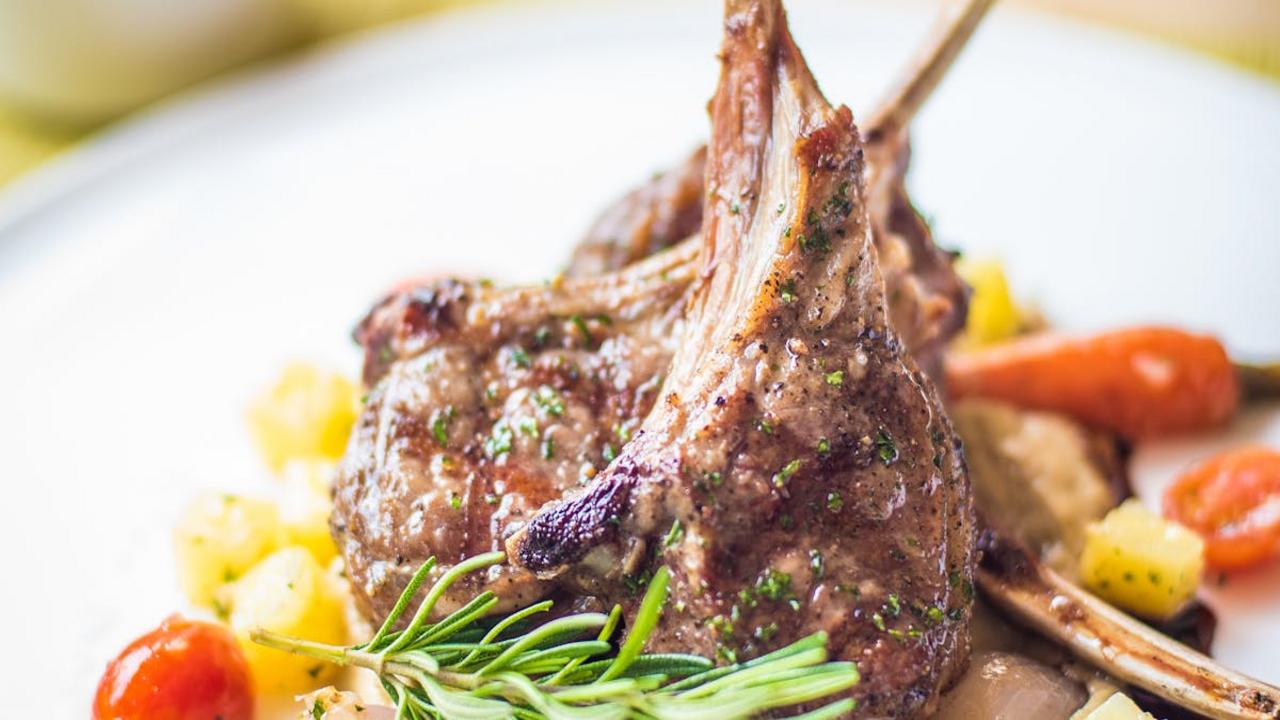
Lamb holds a special place in biblical history, appearing in some of the most significant stories from the Old and New Testaments. From the Passover lamb that protected the Israelites in Egypt to the sacrificial offerings in the temple, this tender meat symbolized purity, sacrifice, and God’s provision. Abraham’s willingness to sacrifice his son Isaac, only to find God had provided a ram caught in the thicket, shows how deeply woven lamb is into the fabric of biblical narrative. You’ll find references to lamb throughout scripture, making it one of the most spiritually significant foods mentioned in the Bible.
Today, lamb continues to grace our dinner tables with its rich, distinctive flavor and impressive nutritional profile. This protein-packed meat provides high-quality amino acids, vitamin B12, zinc, and iron – nutrients that support everything from brain function to immune health. Whether you’re preparing a classic leg of lamb for Easter dinner, slow-cooking shoulder chops for a weeknight meal, or grilling lamb burgers for summer gatherings, this versatile meat adapts beautifully to countless cooking methods. The key to perfect lamb lies in not overcooking it; medium-rare to medium brings out its natural sweetness while keeping the texture beautifully tender.
Almonds
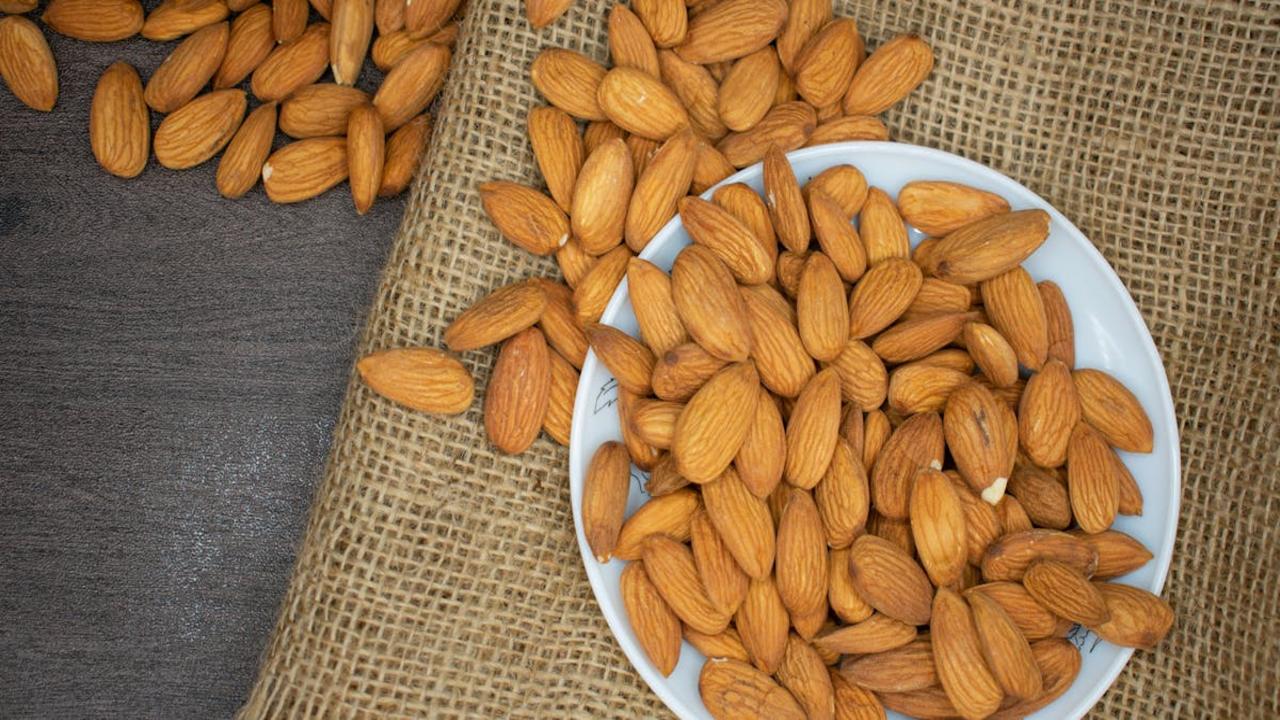
Almonds hold a special place in biblical history, appearing throughout scripture as symbols of divine favor and watchfulness. You’ll find them mentioned in Genesis when Jacob sent almonds as gifts to Egypt, and in Numbers where Aaron’s rod miraculously bloomed with almond blossoms. These nutrient-packed nuts weren’t just symbolic – they provided ancient peoples with protein, healthy fats, and vitamin E during long journeys and harsh seasons.
Today, almonds remain one of our most beloved and versatile nuts, perfect for both sweet and savory dishes. I love how you can transform them from crunchy snacks to creamy almond butter, silky milk alternatives, or fragrant almond flour for gluten-free baking. Try toasting sliced almonds with a pinch of sea salt for a quick protein boost, or blend soaked almonds into smoothies for extra richness. Their mild, buttery flavor complements everything from morning oatmeal to roasted vegetables, making them an incredibly practical pantry staple that connects us to thousands of years of culinary tradition.
Chickpeas
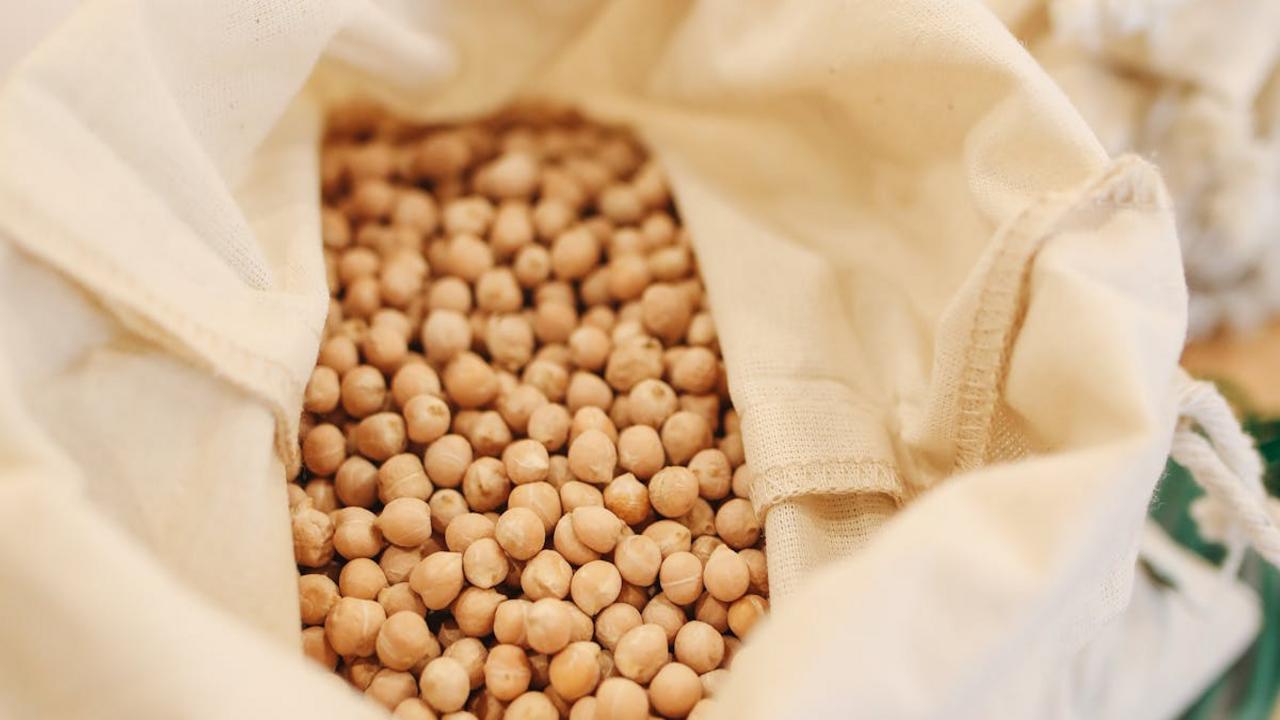
These protein-packed powerhouses have been feeding families since biblical times, and I absolutely love how versatile they are in today’s kitchen! Chickpeas, also known as garbanzo beans, appear throughout ancient texts and were a staple food in the Middle East thousands of years ago. You can transform these humble legumes into everything from creamy hummus to crispy roasted snacks, and they’ll give you a serious nutritional boost with their fiber, protein, and folate content.
What makes chickpeas so special is how they adapt to any flavor profile you throw at them. I toss them into hearty stews during winter, blend them into smooth dips for summer parties, and even grind them into flour for gluten-free baking adventures. The beauty of chickpeas lies in their ability to absorb spices and seasonings while maintaining that satisfying, nutty texture. Whether you buy them dried and cook them yourself or grab a can from your pantry, these biblical beauties will keep you full and satisfied while connecting you to centuries of traditional cooking wisdom.
Grapes
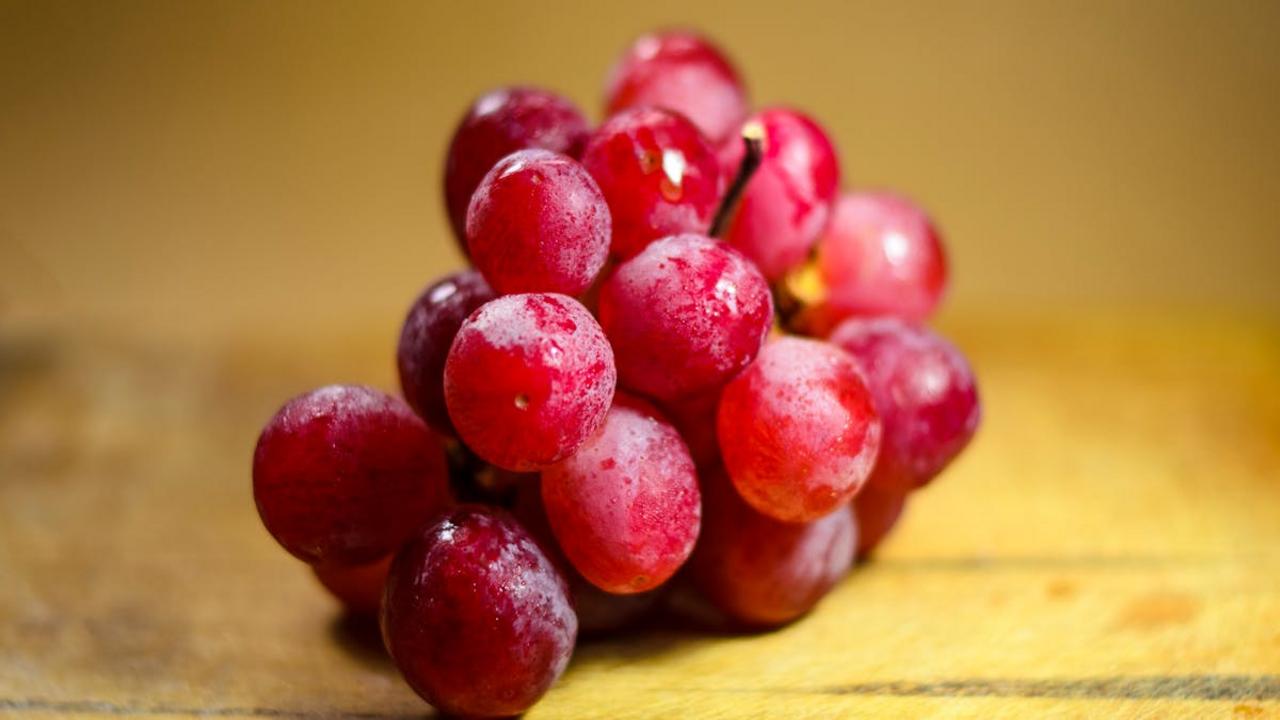
Grapes hold such a special place in biblical history – they’re mentioned over 60 times throughout the scriptures! From Noah planting the first vineyard after the flood to Jesus using the vine as a powerful metaphor for spiritual connection, these juicy gems have been nourishing people for thousands of years. I love how grapes represent abundance and blessing in biblical times, and honestly, they still bring that same sense of joy to our tables today. Whether you’re snacking on fresh clusters or enjoying a glass of wine with dinner, you’re participating in one of humanity’s oldest food traditions.
What makes grapes so wonderful is their incredible versatility and nutritional punch. Fresh grapes give you a burst of natural sweetness along with antioxidants, vitamin C, and heart-healthy compounds. You can toss them into salads for a pop of color, freeze them for a refreshing summer treat, or roast them to concentrate their flavors for savory dishes. I particularly love adding halved grapes to chicken salad or pairing them with cheese on a charcuterie board. The ancient practice of drying grapes into raisins is still popular today – perfect for baking, trail mixes, or adding natural sweetness to oatmeal and yogurt bowls.
Spices (such as cumin and coriander)
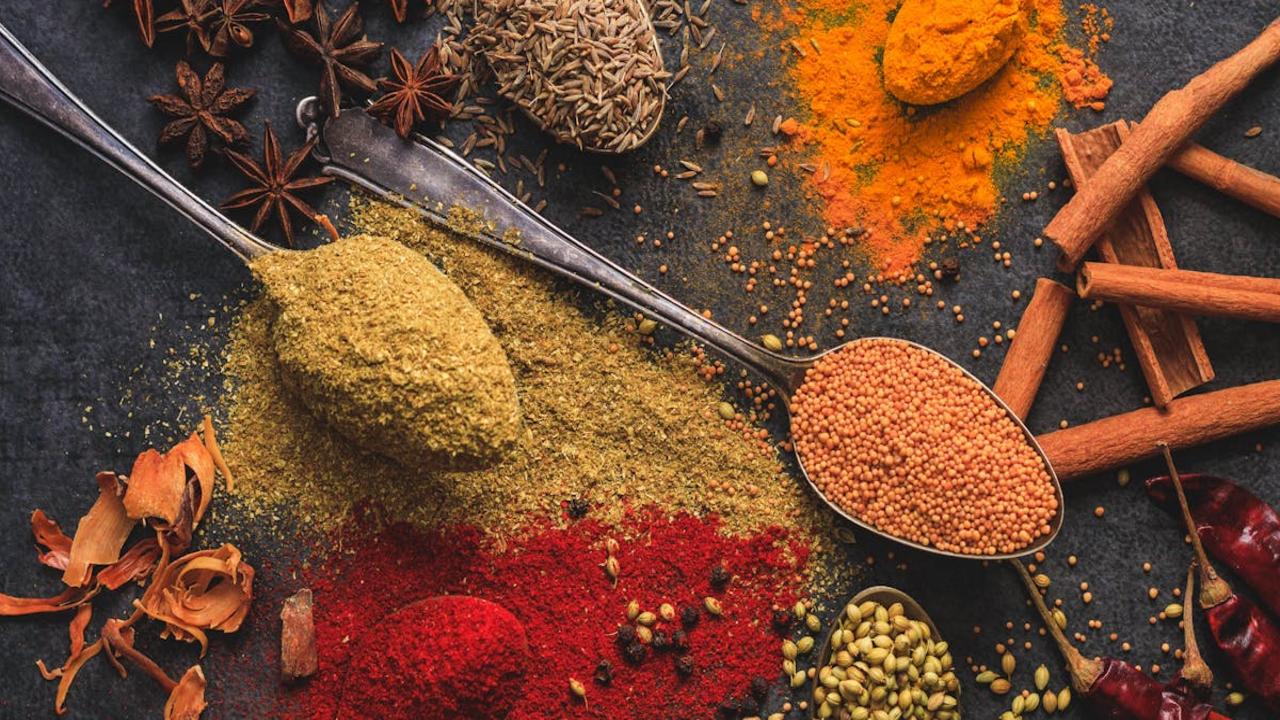
Ancient spices like cumin and coriander have been seasoning our meals for thousands of years, and honestly, I can’t imagine cooking without them! These powerhouse seasonings appear throughout biblical texts, from the Israelites longing for the flavorful foods of Egypt to the careful cultivation of herb gardens in ancient times. Cumin brings that warm, earthy depth to everything from roasted vegetables to hearty stews, while coriander seeds offer a bright, slightly citrusy note that transforms ordinary dishes into something special. You probably already have these gems sitting in your spice rack right now!
What I love most about these biblical spices is how they connect us to generations of home cooks who understood that good food starts with quality seasonings. Try toasting whole cumin seeds in a dry pan for thirty seconds before grinding them – the aroma will fill your kitchen and add incredible depth to your next batch of roasted carrots or lentil soup. Coriander seeds work beautifully in homemade pickles, grain bowls, and even baked goods. These ancient ingredients prove that sometimes the oldest traditions offer the most satisfying flavors, and incorporating them into your daily cooking brings both history and incredible taste to your dinner table.
Wheat
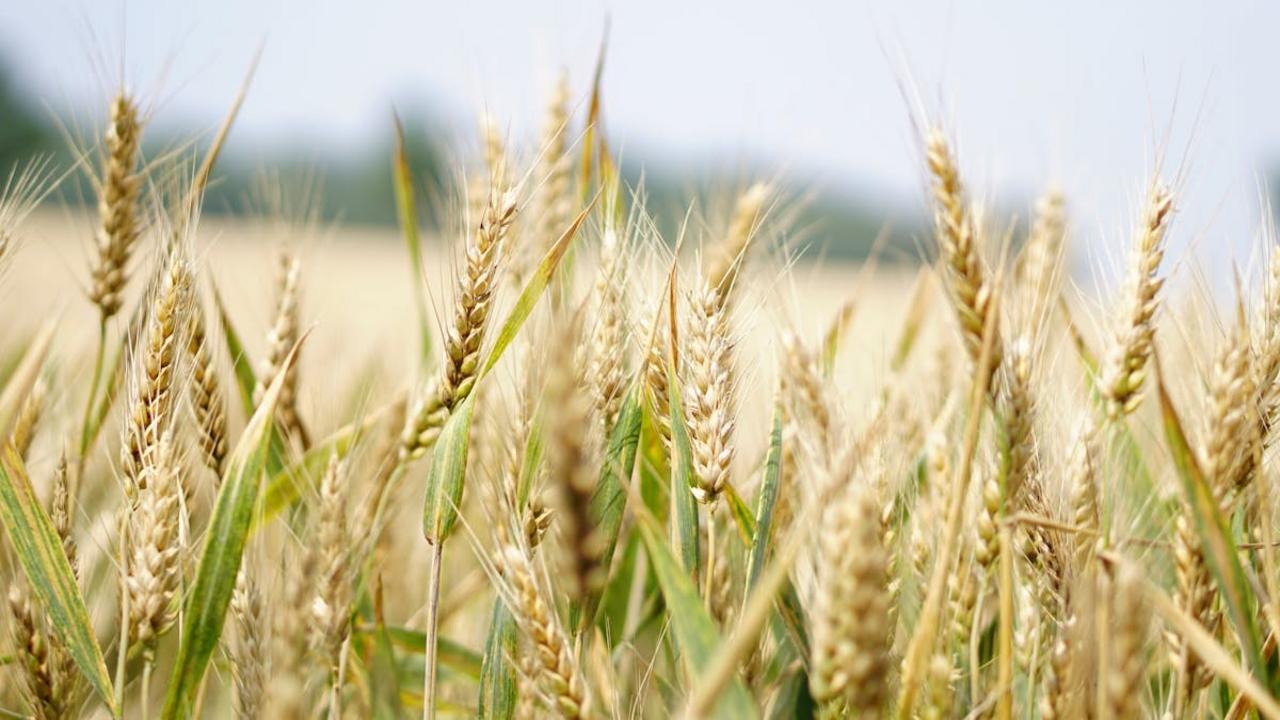
Wheat stands as one of the most foundational grains mentioned throughout biblical texts, appearing in stories from the Old Testament to the New Testament. This ancient grain fed entire civilizations and continues to nourish families around the world today. In biblical times, wheat represented prosperity and divine blessing – when harvests were abundant, communities thrived. The grain was so valuable that it often served as currency for trade. Jesus himself spoke of wheat in parables, using it to teach profound spiritual lessons about growth, sacrifice, and transformation.
Today’s kitchens still celebrate wheat in countless forms, from fresh-baked bread to hearty pasta dishes and wholesome cereals. You can find wheat berries at health food stores and cook them like rice for a nutty, chewy addition to salads and grain bowls. Whole wheat flour gives your homemade breads and muffins extra fiber and protein compared to refined alternatives. Try sprouting wheat berries on your windowsill – these tiny green shoots pack incredible nutrition and add wonderful crunch to sandwiches and smoothies. Modern wheat varieties offer more options than ever before, including ancient grains like einkorn and emmer that connect us directly to those biblical dinner tables from thousands of years ago.
Barley
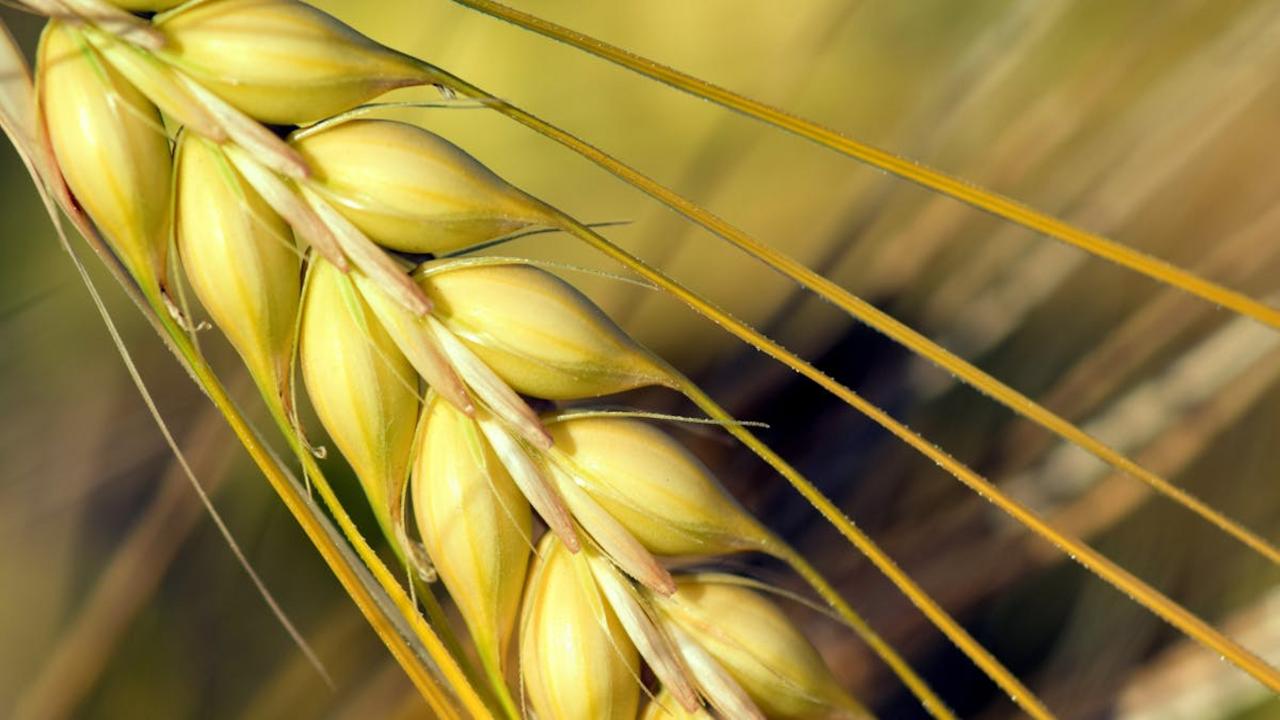
Barley holds such a special place in biblical history – it was literally the grain that fed the masses! This humble grain appears throughout scripture, from the barley loaves that Jesus multiplied to feed thousands to the harvest celebrations in ancient Israel. What I absolutely love about barley is how it connects us directly to those ancient dinner tables while delivering incredible nutrition for our modern lives. Unlike wheat, barley grows in harsh conditions and was often the grain of choice for everyday meals, making it accessible to everyone from shepherds to kings.
Today, you can bring this biblical superfood right into your kitchen and transform simple meals into something truly nourishing. Barley’s nutty flavor and satisfying chewiness make it perfect for hearty soups, grain bowls, and even breakfast porridge. I always keep pearl barley in my pantry because it cooks faster than whole grain varieties while still giving you that wonderful fiber boost and steady energy release. Try swapping rice for barley in your next stir-fry or pilaf – you’ll discover how this ancient grain adds depth and richness that modern grains simply can’t match. Your body will thank you for the protein, fiber, and minerals that made this grain a biblical staple!
Honey

You know that golden jar sitting in your pantry right now? It connects you directly to one of the Bible’s most treasured foods! Honey appears throughout scripture as a symbol of abundance and God’s provision – from the Promised Land described as flowing with “milk and honey” to Jonathan tasting wild honey that brightened his eyes during battle. This natural sweetener has been nourishing families for thousands of years, and honestly, there’s something pretty amazing about knowing you’re enjoying the exact same food that sustained ancient peoples.
What makes honey so special goes beyond its incredible staying power (archaeologists have found edible honey in Egyptian tombs!). Raw honey contains enzymes, antioxidants, and antimicrobial properties that processed sugars simply can’t match. I love drizzling local honey over Greek yogurt with crushed walnuts for breakfast, or mixing it into homemade salad dressings where it balances tangy vinegar beautifully. Try substituting honey for sugar in your baking – just reduce other liquids slightly and lower your oven temperature by 25 degrees. Your great-grandmother probably used this same technique, and now you’re carrying on a tradition that stretches back to biblical times!
Dates

These naturally sweet gems have been gracing dinner tables for thousands of years, and honestly, I can’t imagine a world without them! Dates appear throughout biblical texts as symbols of abundance and prosperity, and for good reason – they’re packed with natural sugars, fiber, and minerals that make them both delicious and nutritious. You’ll find references to date palms in everything from the Song of Solomon to the Book of Revelation, where they represent triumph and eternal life.
Today, you can easily incorporate these biblical beauties into your modern kitchen in countless ways. I love stuffing them with cream cheese and nuts for an instant appetizer, or chopping them up to add natural sweetness to my morning oatmeal. They work wonderfully in both sweet and savory dishes – try them in Moroccan tagines, energy balls, or even as a natural sweetener in homemade granola bars. Fresh Medjool dates are my personal favorite because they’re incredibly soft and almost candy-like, while dried dates keep beautifully in your pantry for months. Trust me, once you start cooking with dates regularly, you’ll wonder how you ever lived without these ancient treasures!
Olives
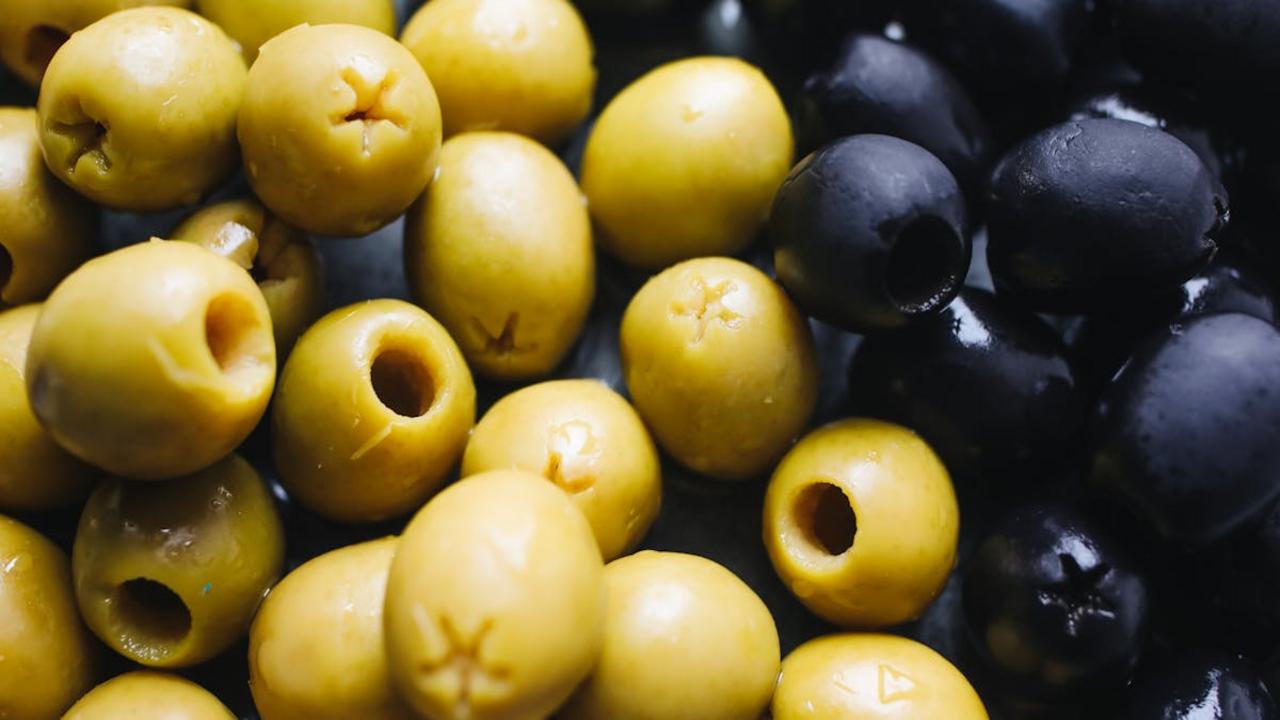
Picture yourself wandering through an ancient Mediterranean grove, and you’ll find the same olive trees that fed biblical families thousands of years ago! These little green and black gems appear throughout scripture, from Noah’s dove returning with an olive branch to Jesus praying in the Garden of Gethsemane, which literally means “oil press.” Back then, olives weren’t just food – they were liquid gold, providing oil for lamps, cooking, and even anointing ceremonies.
Today, you can bring that same ancient nourishment right to your dinner table. Whether you’re tossing Kalamata olives into a fresh Greek salad, spreading tapenade on crusty bread, or drizzling extra virgin olive oil over roasted vegetables, you’re connecting with flavors that have sustained generations. These nutrient-packed beauties are loaded with heart-healthy monounsaturated fats, vitamin E, and antioxidants that fight inflammation. Next time you pop an olive in your mouth or reach for that bottle of golden oil, remember you’re enjoying one of humanity’s oldest and most treasured foods – and your body will thank you for it!
Pomegranates
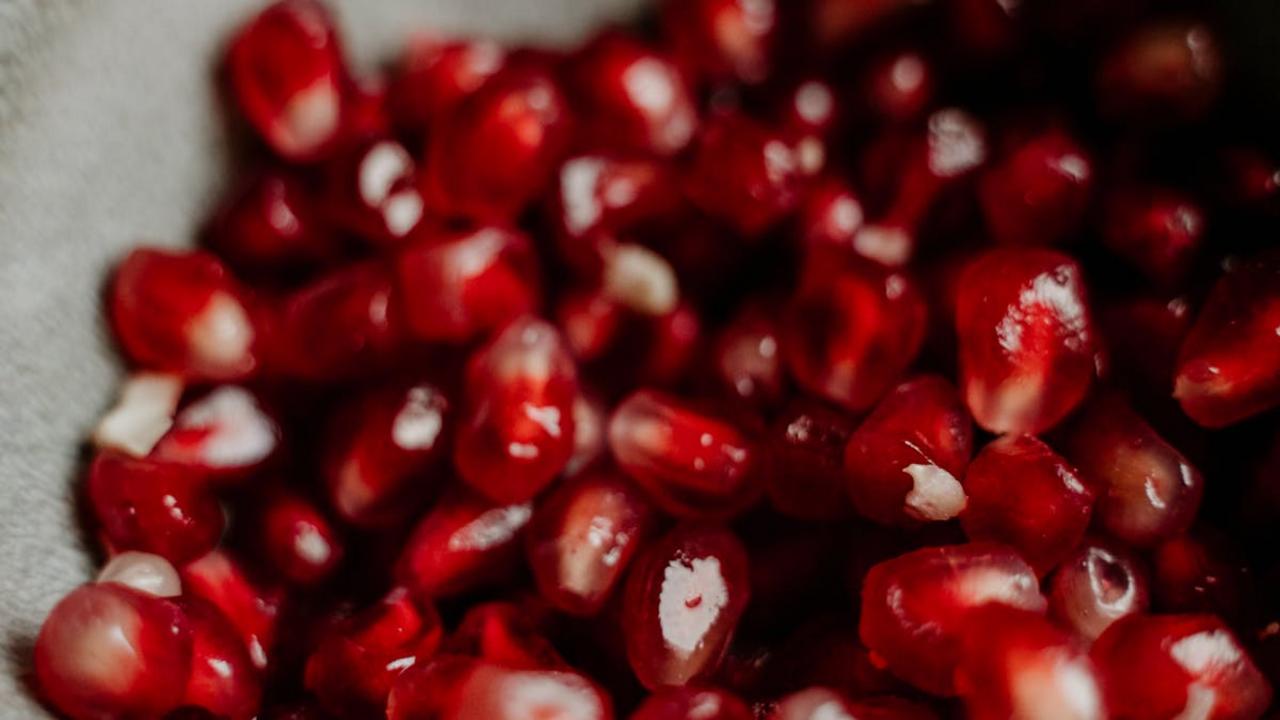
Pomegranates hold a special place in biblical history, appearing throughout ancient texts as symbols of abundance and fertility. These jewel-toned fruits were treasured in Solomon’s temple and mentioned in the Song of Songs, making them one of the most celebrated foods of antiquity. What makes pomegranates so remarkable is their incredible nutritional profile – packed with antioxidants, vitamin C, and anti-inflammatory compounds that support heart health and boost immunity. The ruby-red arils burst with sweet-tart flavor that adds both visual appeal and nutritional punch to modern dishes.
Today, you can easily incorporate pomegranates into your daily meals in countless delicious ways. Sprinkle the seeds over Greek yogurt for a protein-rich breakfast, toss them into salads for a pop of color and crunch, or blend them into smoothies for an antioxidant boost. I love adding pomegranate seeds to grain bowls and roasted vegetable dishes – they bring such vibrant flavor and texture. You can also enjoy fresh pomegranate juice or use the molasses (concentrated juice) in Middle Eastern cooking. These ancient fruits prove that the healthiest foods often have the longest histories, connecting us to generations of wisdom about nourishing our bodies well.
Figs
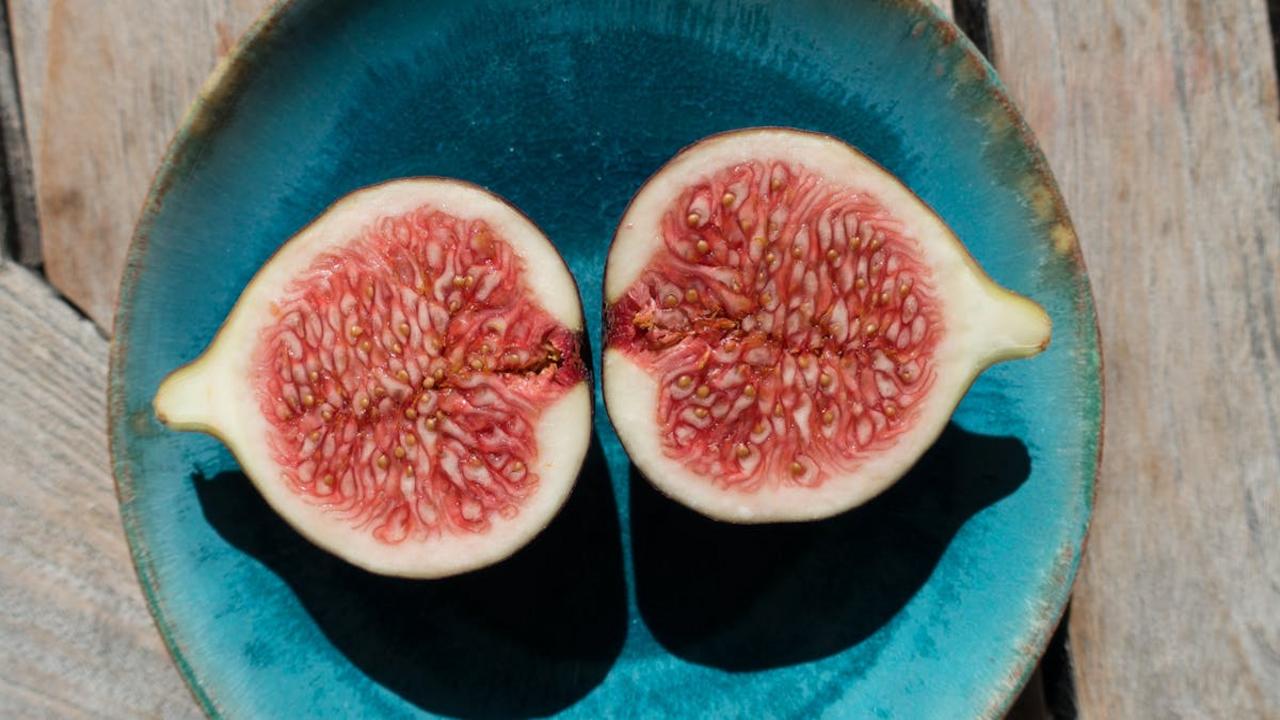
Figs hold such a special place in biblical history, and honestly, I can’t get enough of these naturally sweet gems! From Adam and Eve’s fig leaves to Jesus cursing the barren fig tree, these fruits appear throughout scripture as symbols of abundance and prosperity. What I love most about figs is how they’ve remained virtually unchanged for thousands of years – the same variety that graced ancient Mediterranean tables still grows in our modern orchards today.
Fresh figs burst with honey-like sweetness and have this incredible jammy texture that makes them perfect for both sweet and savory dishes. I adore adding sliced fresh figs to my morning yogurt with a drizzle of honey, or pairing them with goat cheese and prosciutto for an elegant appetizer. Dried figs work beautifully in baked goods, bringing natural sweetness and chewy texture to everything from energy balls to hearty grain bowls. Rich in fiber, potassium, and antioxidants, figs offer impressive nutritional benefits that make them a wonderful addition to your weekly shopping list.
Lentils

Lentils have been nourishing families for thousands of years, and these tiny protein powerhouses appear throughout biblical texts as symbols of sustenance and wisdom. Remember the story of Esau selling his birthright for a bowl of red lentil stew? That’s how satisfying and coveted these legumes were back then! Today, lentils remain just as valuable in our kitchens, offering incredible nutrition packed into those small, humble packages. Red, green, brown, or black varieties each bring their own unique texture and flavor to your meals.
I love how versatile lentils are in modern cooking – you can toss them into soups, create hearty salads, or even blend them into veggie burgers that’ll surprise everyone at your dinner table. They cook quickly compared to other legumes, making them perfect for busy weeknight dinners when you need something wholesome fast. Rich in fiber, folate, and plant-based protein, lentils help keep you satisfied while supporting your health goals. Try simmering red lentils with coconut milk and spices for a creamy dal, or mix cooked green lentils with roasted vegetables for a Mediterranean-inspired bowl that connects you to centuries of nourishing tradition.