15 Affordable Eats – Staple Dishes the World’s Poorest Rely On
From the bustling streets of Mexico City to the remote villages of Nepal, millions of people worldwide depend on simple, affordable meals to sustain themselves daily. These dishes, born from necessity and ingenuity, have become cultural touchstones that tell stories of resilience and resourcefulness.
I’ve spent years documenting how communities transform basic ingredients into nourishing meals that cost just pennies per serving. Rice, beans, corn, and root vegetables form the foundation of these dishes, often combined with local spices and cooking techniques passed down through generations.
Each recipe showcases how people make the most of limited resources while creating filling, nutritious meals. Through these 15 staple dishes, we’ll see how different cultures feed their families on tight budgets while maintaining their food traditions and sense of community.
Chili with Squash (Native American Tribes)
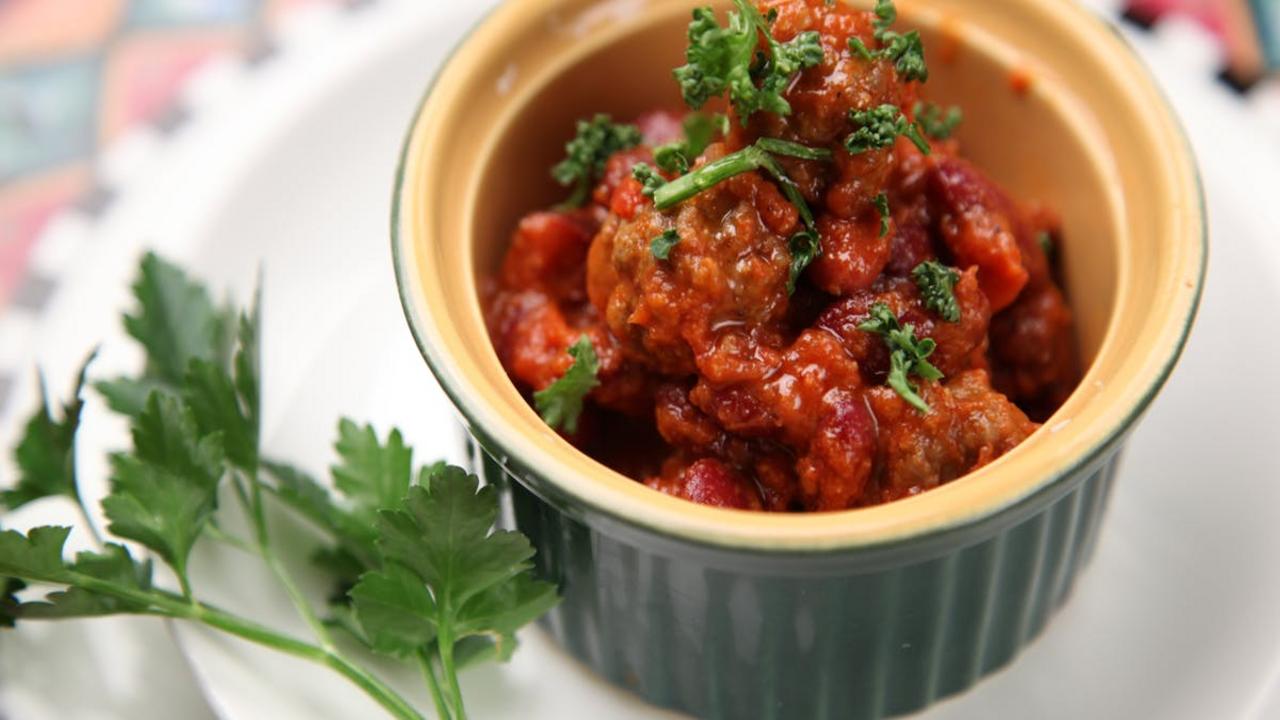
Indigenous tribes across North America have long made this hearty chili a cornerstone of their daily meals. The combination of protein-rich beans, sweet butternut squash, and warming spices creates a filling dish that costs little but delivers big on nutrition. Many tribes would grow their own squash and beans, making this meal completely self-sustainable and perfect for feeding large families through harsh winters. The natural sweetness of the squash balances perfectly with the heat of the chilies, while the beans add a creamy texture that makes this dish extra satisfying.
I’ve found that modern versions of this Native American recipe still hold true to its roots while adding personal touches. Some families add corn for extra texture, while others prefer to spice it up with different varieties of chilies. The beauty of this dish lies in its flexibility – you can make it with any type of squash you have on hand, from butternut to acorn or even pumpkin. The long cooking time allows all the flavors to meld together, creating a rich, complex dish that proves how simple ingredients can transform into something truly special. This warming bowl of comfort remains a testament to Native American food wisdom and resourcefulness.
Plantain and Beans (Caribbean)
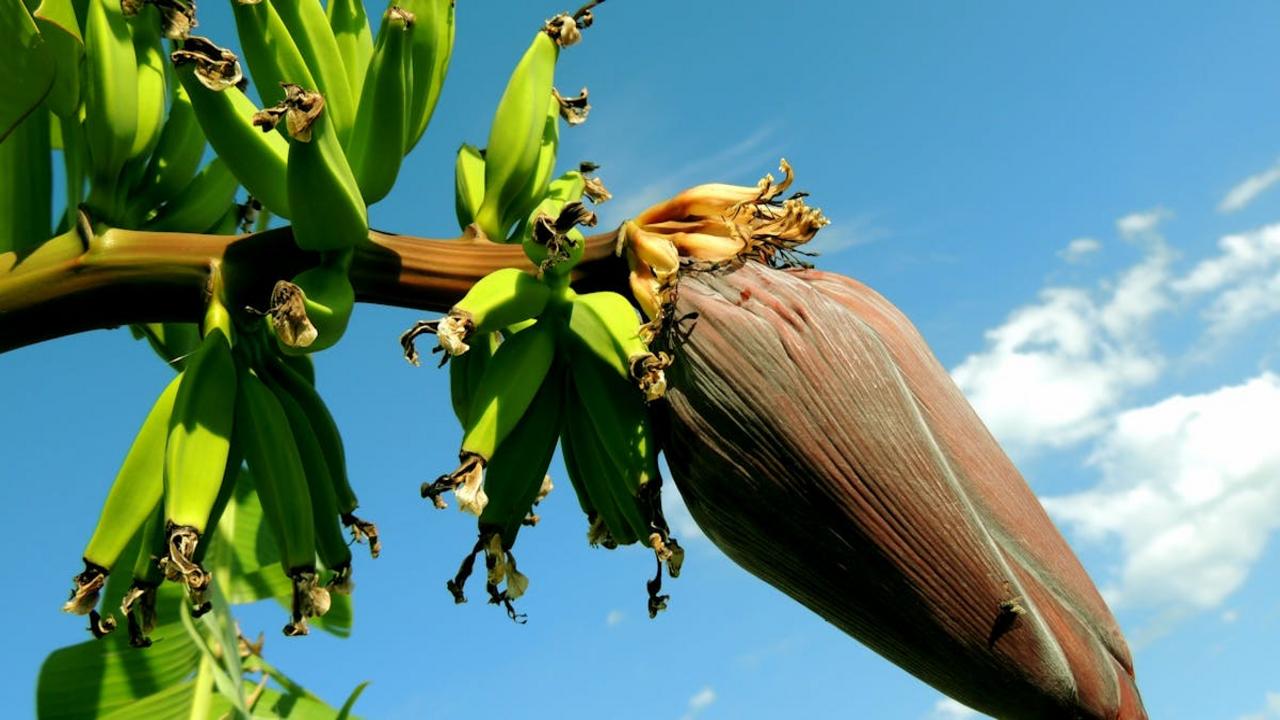
In the vibrant Caribbean, plantains and beans stand as a daily hero for countless families, offering both comfort and sustenance. You’ll find this humble combination bringing together creamy red or black beans with sweet, starchy plantains – creating a filling meal that costs just pennies to make. The plantains, similar to bananas but firmer and less sweet, pack a powerful punch of potassium and fiber, while the beans deliver protein and iron that keep bodies strong through long workdays.
I’ve seen firsthand how Caribbean cooks transform these simple ingredients into magic through different preparation methods. They’ll often fry ripe plantains until golden and caramelized, then serve them alongside seasoned beans cooked with garlic, onions, and local spices. Some families mash the plantains into traditional mangu or serve them boiled alongside their beans. What makes this combo so brilliant is its flexibility – you can enjoy it for any meal of the day, and the leftovers taste even better the next day as the flavors deepen. This protein-rich, filling dish proves that the most basic ingredients can create the most satisfying meals.
Injera with Shiro (Ethiopia)
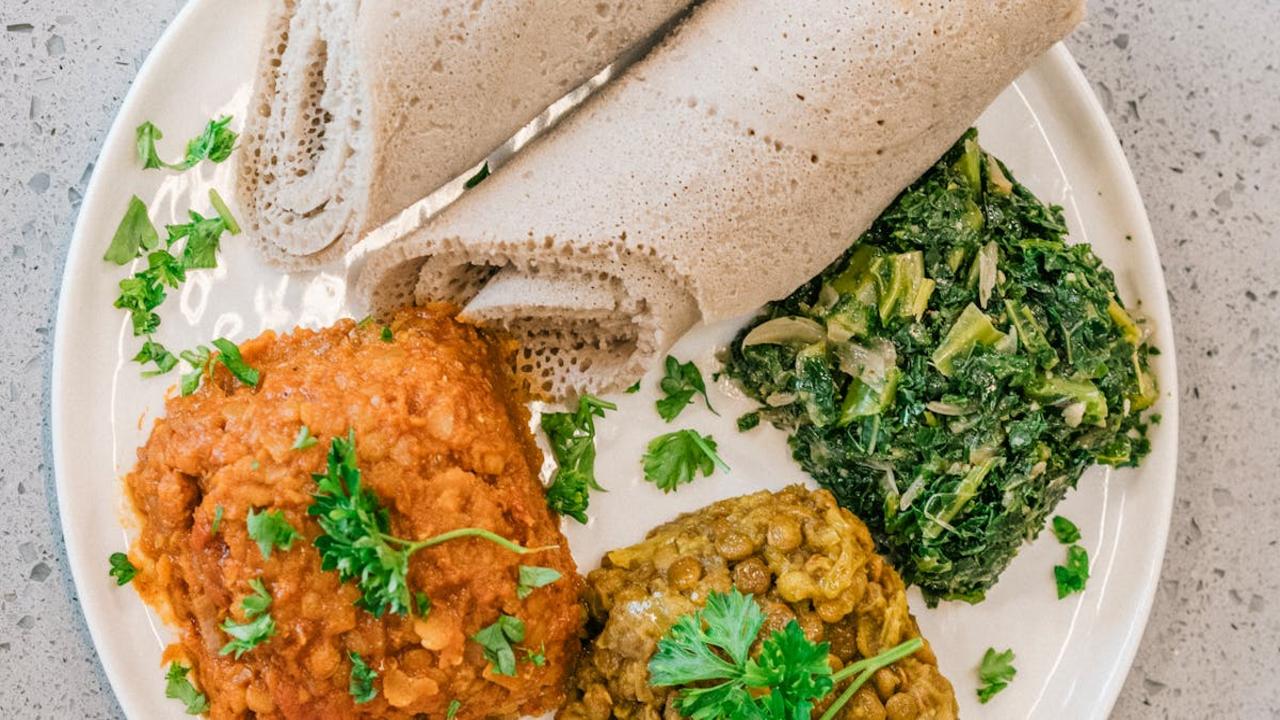
I’ve learned so much about Ethiopian food through my travels, and Injera with Shiro stands out as one of the most resourceful dishes I’ve encountered. Injera, a spongy flatbread made from teff flour, forms the foundation of Ethiopian meals. The unique fermentation process gives it a tangy flavor that perfectly complements the warmth of shiro, a thick stew made primarily from ground chickpeas or fava beans. The combination provides a filling meal rich in protein and complex carbohydrates, making it a go-to dish for many Ethiopian families.
What makes this dish truly special is how it brings people together – you’ll often see families and friends gathered around a communal platter, using torn pieces of injera to scoop up the shiro. The ingredients are affordable and shelf-stable, which helps families stretch their food budget throughout lean times. I love how the shiro can be customized based on what spices are available – from berbere for heat to garlic and onions for depth. This humble yet satisfying meal shows how simple ingredients can create something both nutritious and delicious.
Khichdi (India)
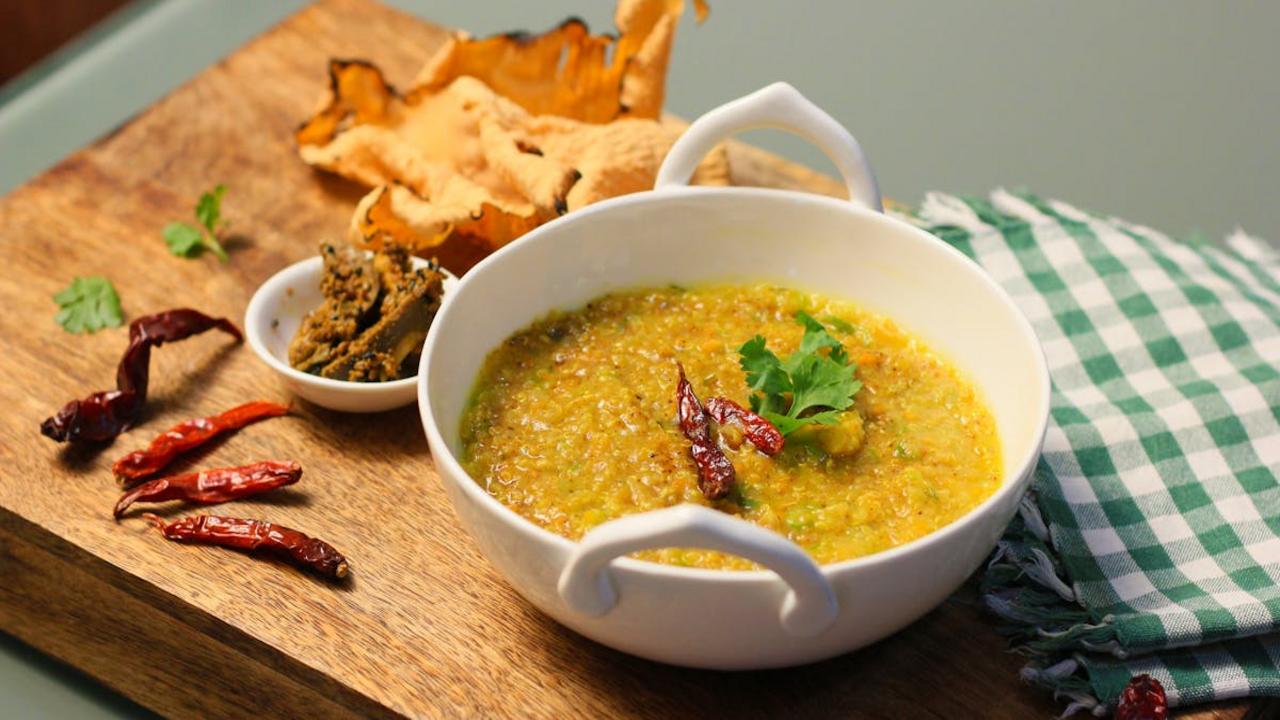
Khichdi stands as India’s ultimate comfort food and a lifeline for millions across the subcontinent. This simple yet nourishing one-pot meal combines rice and lentils (usually split yellow mung beans) cooked together with basic spices like turmeric, cumin, and black pepper. The genius of khichdi lies in its complete protein profile – the rice and lentils work together to give your body all the amino acids it needs, making it a go-to dish during times of food scarcity or when money runs tight.
I love how khichdi adapts to what you have on hand. You can make it plain with just rice and lentils, or add whatever vegetables are available – from potatoes and carrots to spinach and peas. Many Indian families serve it to babies as their first solid food, to elderly relatives who need gentle nutrition, or to anyone recovering from illness. The soft, mushy texture makes it easy to digest, while the warm spices add both flavor and medicinal benefits. In many Indian households, khichdi remains the reliable Monday dinner that costs just pennies per serving while filling hungry bellies with wholesome goodness.
Barley Soup (Tibet)
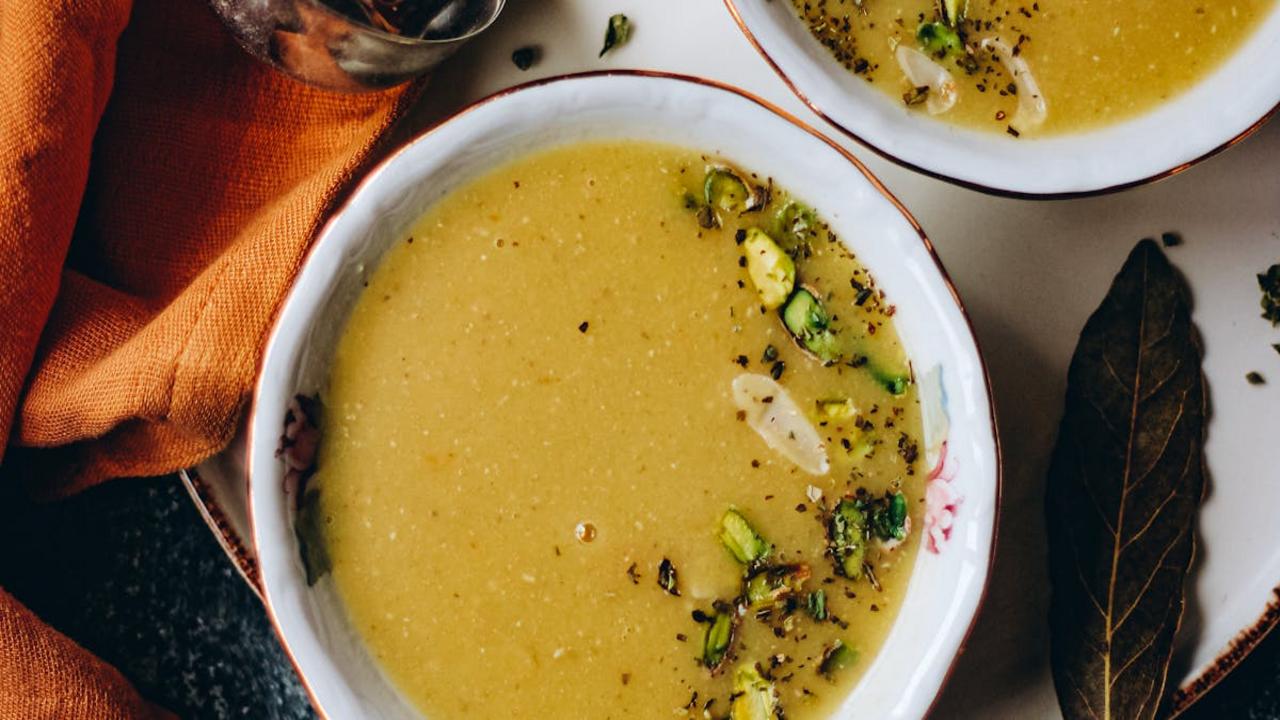
In the remote mountains of Tibet, barley soup stands as a testament to making the most of limited ingredients. The locals combine roasted barley flour (tsampa) with yak butter tea or water to create a thick, filling soup that keeps them going through harsh winters. This simple yet nourishing meal packs plenty of fiber and complex carbohydrates, helping Tibetan people maintain their energy levels at high altitudes where food options remain scarce.
I’ve discovered that Tibetan barley soup goes beyond just sustenance – it brings families together during mealtime and holds deep cultural significance. Many Tibetan households start their day with this warming bowl, often adding dried yak meat or wild mushrooms when available. The soup’s preparation involves a meditative process of slowly stirring the barley flour into hot liquid until it reaches the right consistency. This modest dish shows how people can transform basic ingredients into comfort food that nourishes both body and soul.
Jollof Rice (West Africa)
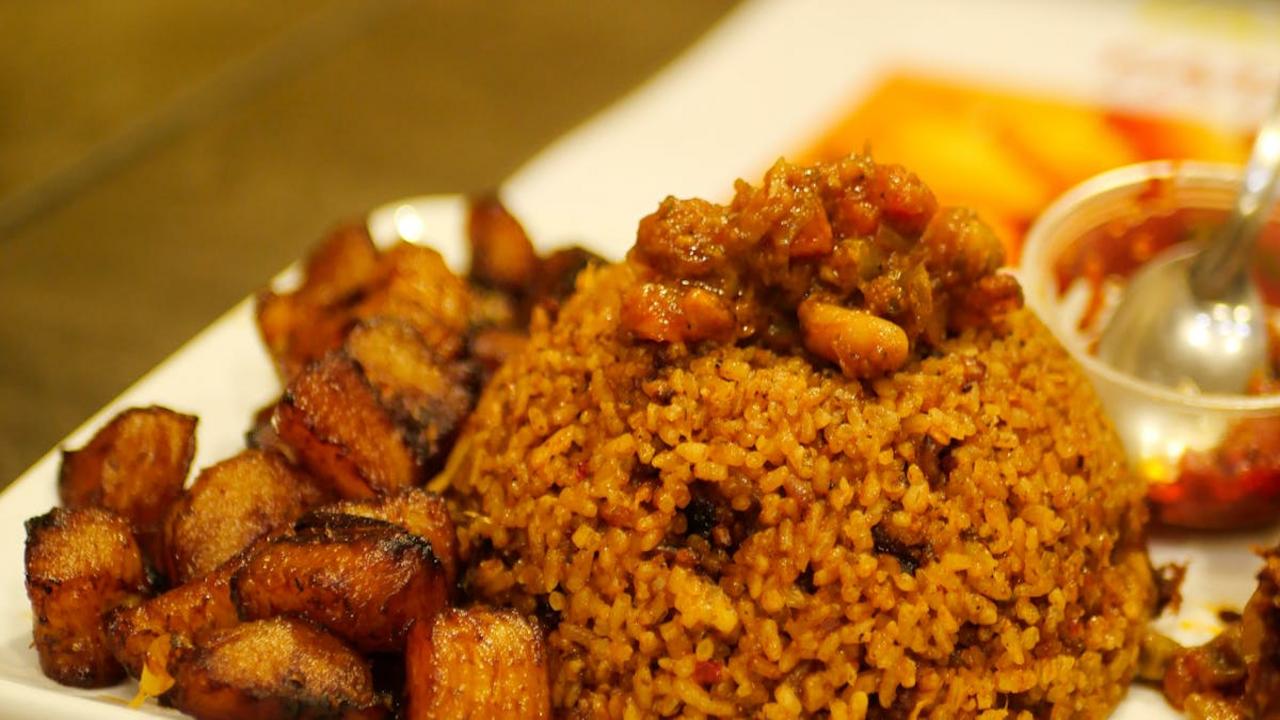
Jollof rice stands as a beloved comfort food across West Africa, particularly in Nigeria, Ghana, and Senegal. This rich, tomato-based rice dish combines local long-grain rice with a flavorful blend of tomatoes, onions, scotch bonnet peppers, and aromatic spices. I’ve noticed how families pass down their unique Jollof recipes through generations, each adding their own special touch – some prefer it spicier, while others make it more smoky by letting the rice form a crispy bottom layer called “bottom pot.”
The beauty of Jollof lies in its practicality and adaptability. You can make it with basic ingredients, yet it fills hungry stomachs and provides solid nutrition. The dish often features at celebrations and gatherings, but also serves as a daily meal for many West African families. While meat or fish can enhance the dish, many make it with just vegetables or serve it plain, making it an affordable option for those on tight budgets. The tomato base delivers vitamin C, while the rice offers needed carbohydrates for energy – making Jollof a complete meal in one pot.
Thieboudienne (Senegal)
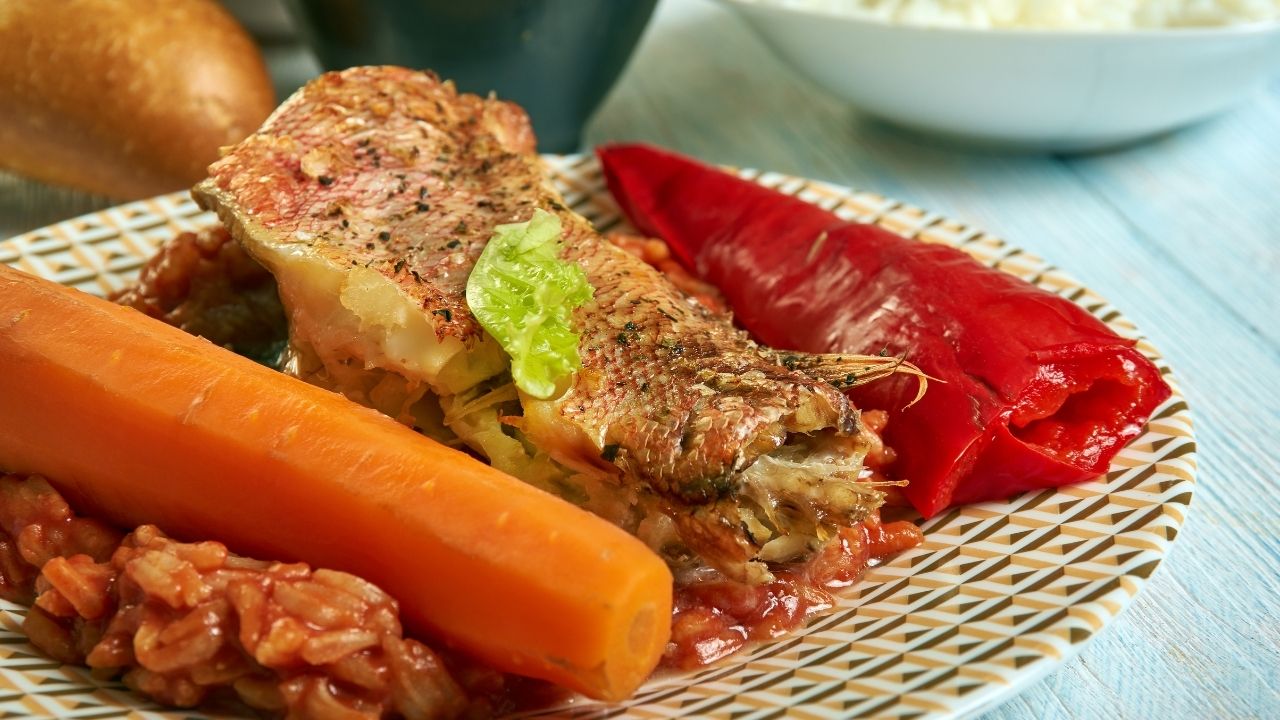
You’ll find Thieboudienne, Senegal’s national dish, in nearly every home across this West African nation. This hearty one-pot meal combines fresh fish, broken rice, and a mix of vegetables like carrots, cassava, and cabbage, all cooked in a rich tomato sauce with local spices. The secret to its deep flavor lies in the combination of dried fish, parsley, garlic, and chili peppers that create the base of this filling dish – a true lifeline for many Senegalese families who make the most of affordable ingredients.
What makes Thieboudienne so perfect for everyday meals is how the ingredients work together to provide complete nutrition. The fish offers protein, the rice gives energy, and the vegetables pack essential vitamins and minerals. Local cooks often gather around markets early in the morning to buy fresh fish and vegetables at the best prices, making this dish both economical and nourishing. Many families prepare large batches to share with neighbors or save leftovers for the next day’s meal, showing how this dish brings communities together while keeping bellies full.
Millet Porridge (Sahel Region)
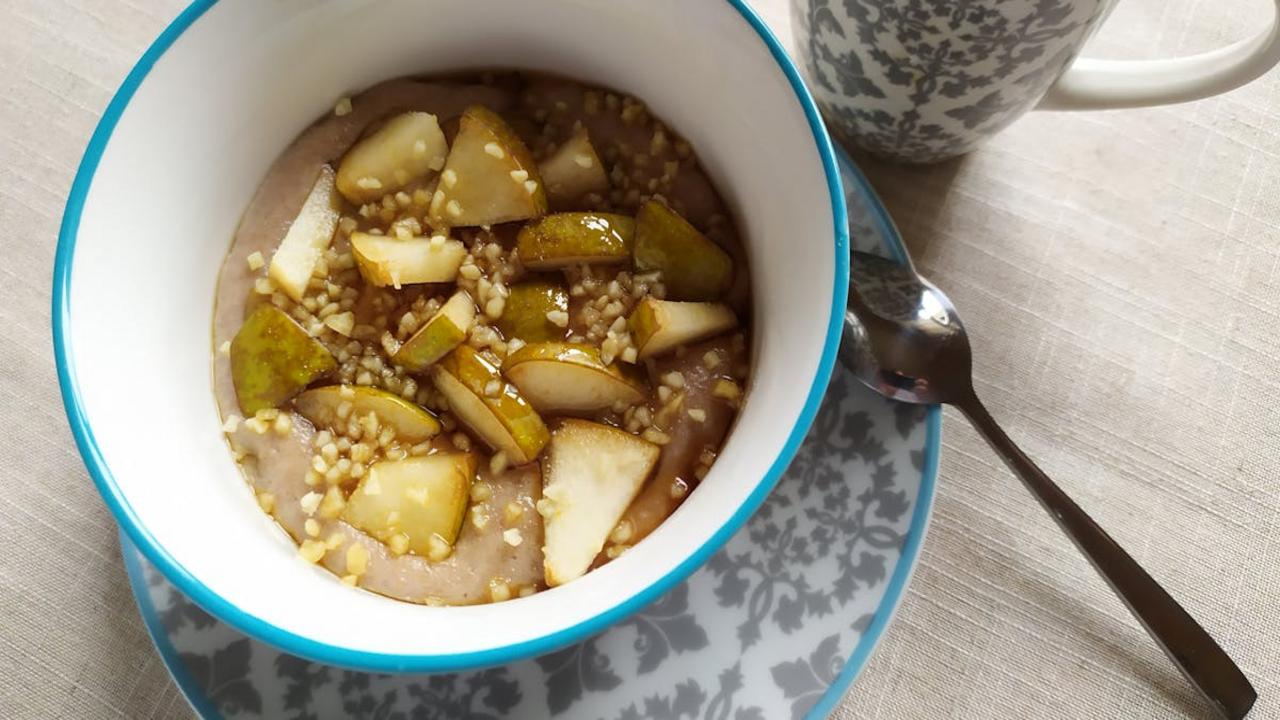
Millet porridge stands as a daily lifeline across the Sahel region of Africa, where millions rely on this simple yet filling dish. I’ve found that local families cook this hearty porridge by grinding millet into a fine powder, then slowly stirring it into boiling water until it forms a smooth, thick consistency. Many add local spices like ginger or cloves to boost the flavor, while others mix in a splash of soured milk or a dollop of shea butter for extra richness and calories – making every precious spoonful count in this food-scarce region.
What makes millet porridge so valuable in the Sahel is its incredible drought resistance and high nutritional value. The grain grows well in sandy soils with minimal rainfall, providing a reliable food source where other crops fail. During my research, I learned that mothers often feed this porridge to their children as their first solid food, knowing it packs essential minerals like iron and magnesium. Plus, the long-lasting energy from this filling breakfast helps farmers work through scorching days in their fields, showing why this humble dish remains central to survival in one of Earth’s harshest environments.
Dal Bhat (Nepal)
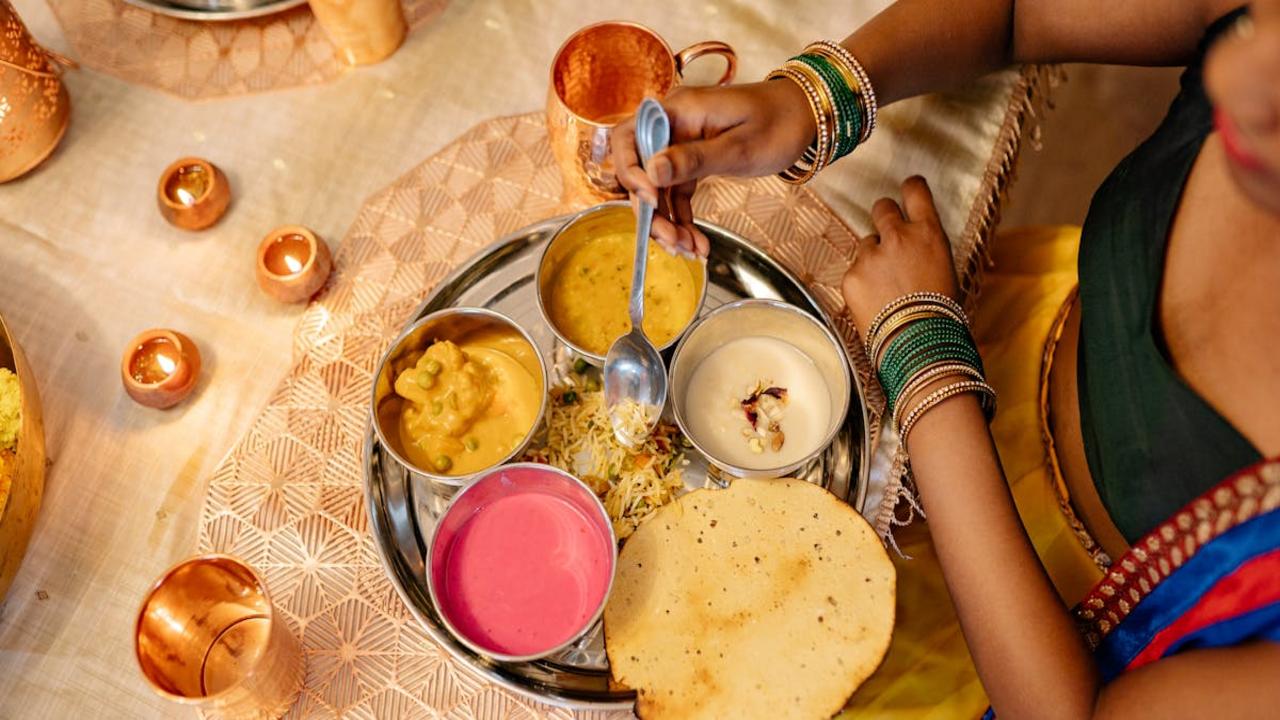
I’ve found that Dal Bhat stands as the cornerstone of Nepalese daily life – a simple yet filling combination of lentil soup (dal) and steamed rice (bhat) that keeps millions going strong. This hearty dish fills Nepalese bellies twice daily, giving steady energy through long days of work. The dal part brings protein through various lentils like yellow split peas or red lentils, while the rice delivers the carbs needed for sustained energy. What makes this combo extra special is how each family adds their own touch through spices like cumin, coriander, and turmeric.
During my research into Nepalese food culture, I learned that most families eat Dal Bhat with quick-pickled vegetables or simple curry sides when they can afford them. The genius of this meal lies in its adaptability – you can make it as basic or complex as your budget allows. Many Nepalese people say “Dal Bhat power, 24 hour!” showing how this humble dish gives them strength for everything from farming to trekking in the Himalayas. The ingredients stay fresh for long periods and cost very little, making Dal Bhat a reliable source of nutrition even in Nepal’s most remote mountain villages.
Cassava Porridge (Sub-Saharan Africa)
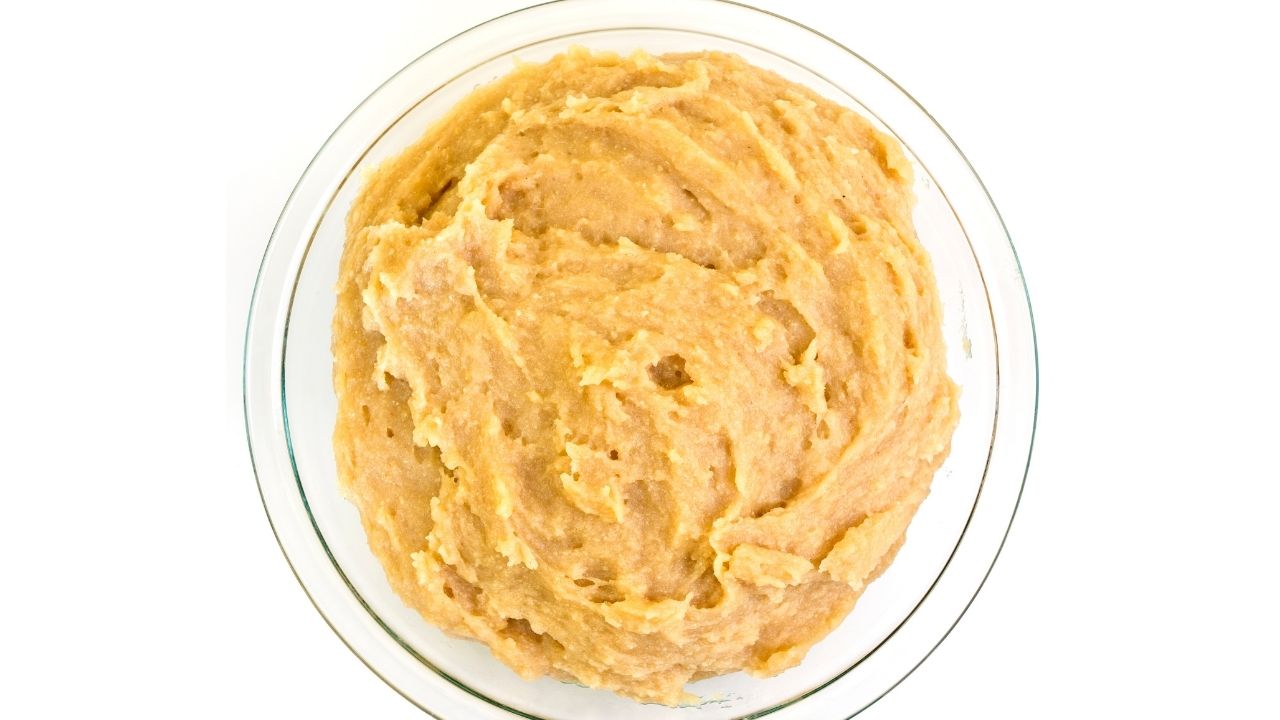
In many Sub-Saharan African homes, cassava porridge stands as a daily breakfast champion, filling bellies and providing lasting energy through long workdays. I’ve found that locals prepare this hearty dish by peeling and grinding fresh cassava roots into a fine flour, then cooking it with water until it reaches a smooth, thick consistency. The result? A warm, comforting bowl that’s both filling and budget-friendly. Some families add a pinch of salt or sugar to enhance the subtle, earthy flavor of the cassava.
What makes cassava porridge particularly valuable for low-income communities is its high caloric content and long shelf life in root form. The cassava plant thrives in tough soil conditions where other crops struggle, making it a reliable food source year-round. My favorite versions include those made by Ugandan families who sometimes mix in groundnut paste or serve it with a side of fresh fruits. The porridge’s versatility allows it to work as both a breakfast staple and a quick dinner option, especially during lean times when other ingredients might be scarce.
Lentils and Rice (South Asia)
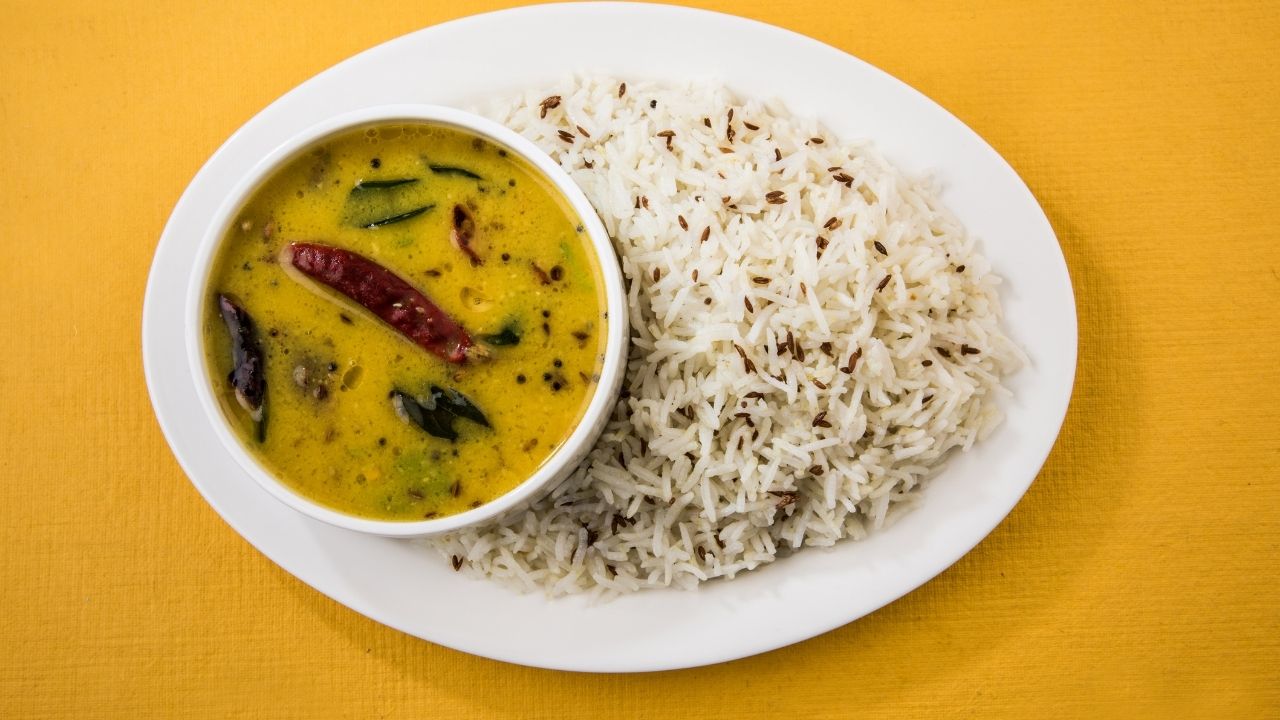
I’ve found lentils and rice to be the backbone of South Asian cuisine, particularly in India, Pakistan, and Bangladesh. This simple yet filling combination provides complete protein and keeps millions of people nourished daily. The most common version, called khichdi or khichuri, blends yellow lentils (moong dal) with rice and basic spices like turmeric, creating a one-pot meal that costs just pennies per serving. Many families add whatever vegetables they have on hand – from potatoes to peas – making it both economical and nutritious.
The beauty of this dish lies in its adaptability and ease of preparation. You’ll find variations across South Asia, with some regions preferring red lentils while others stick to yellow or brown varieties. In times of illness or digestion troubles, khichdi becomes a go-to comfort food, thanks to its soft texture and easy-to-digest nature. Home cooks often make large batches to last several meals, storing it in clay pots to maintain freshness. This humble combination has sustained communities through countless generations, proving that good nutrition doesn’t need fancy ingredients.
Ugali (East Africa)
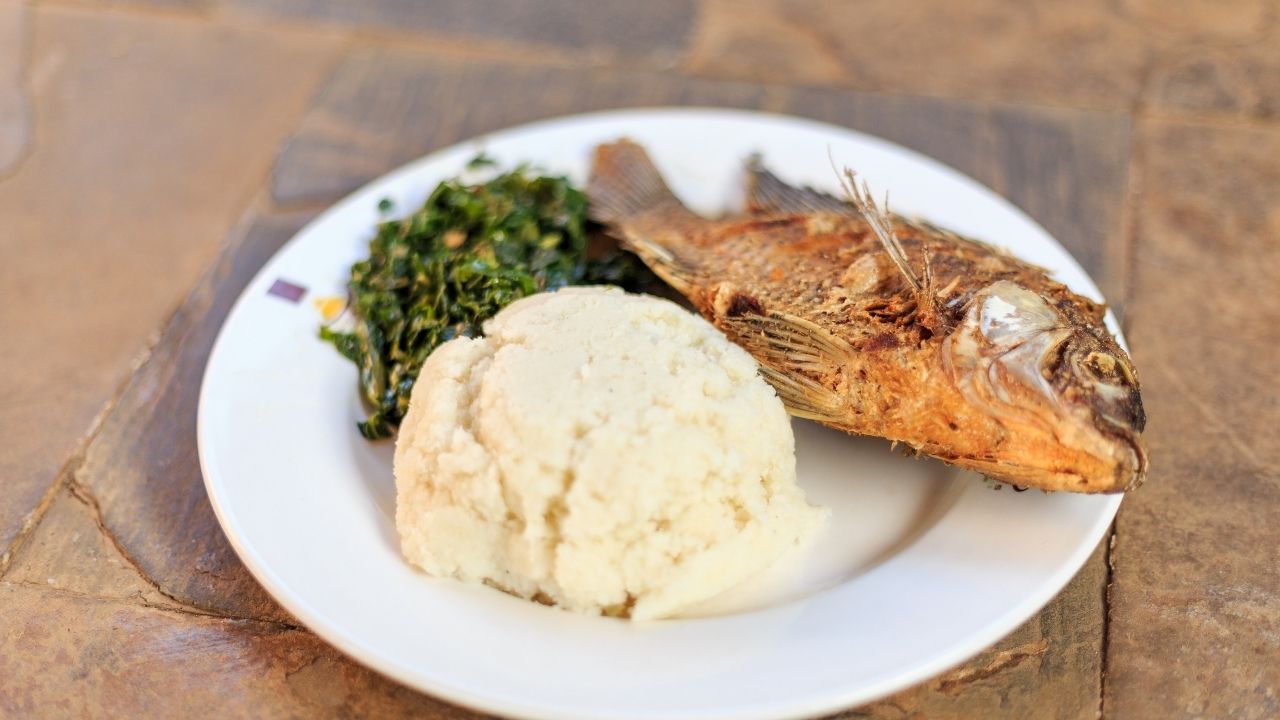
I’ve seen firsthand how ugali stands as a daily cornerstone in East African homes, particularly in Kenya, Tanzania, and Uganda. This thick, white porridge made from cornmeal (or sometimes millet or sorghum) fills bellies and provides lasting energy through long workdays. You’ll find families gathering around steaming plates of ugali, using their right hands to pinch off pieces and dip them into savory stews or vegetables. The simple preparation involves stirring cornmeal into boiling water until it forms a firm, dough-like consistency – a technique passed down through generations.
The beauty of ugali lies in its affordability and versatility. One kilogram of cornmeal can feed a family for several meals, making it an economic choice for households on tight budgets. During my visits to rural communities, I noticed how cooks would vary the grain mixture based on what they could afford or grow – sometimes blending cornmeal with cassava flour or millet. You’ll often see ugali paired with sukuma wiki (collard greens) or nyama choma (grilled meat) when available, though many families rely on it as their main source of daily calories with just a simple vegetable side dish.
Maíz Tortillas (Mexico)
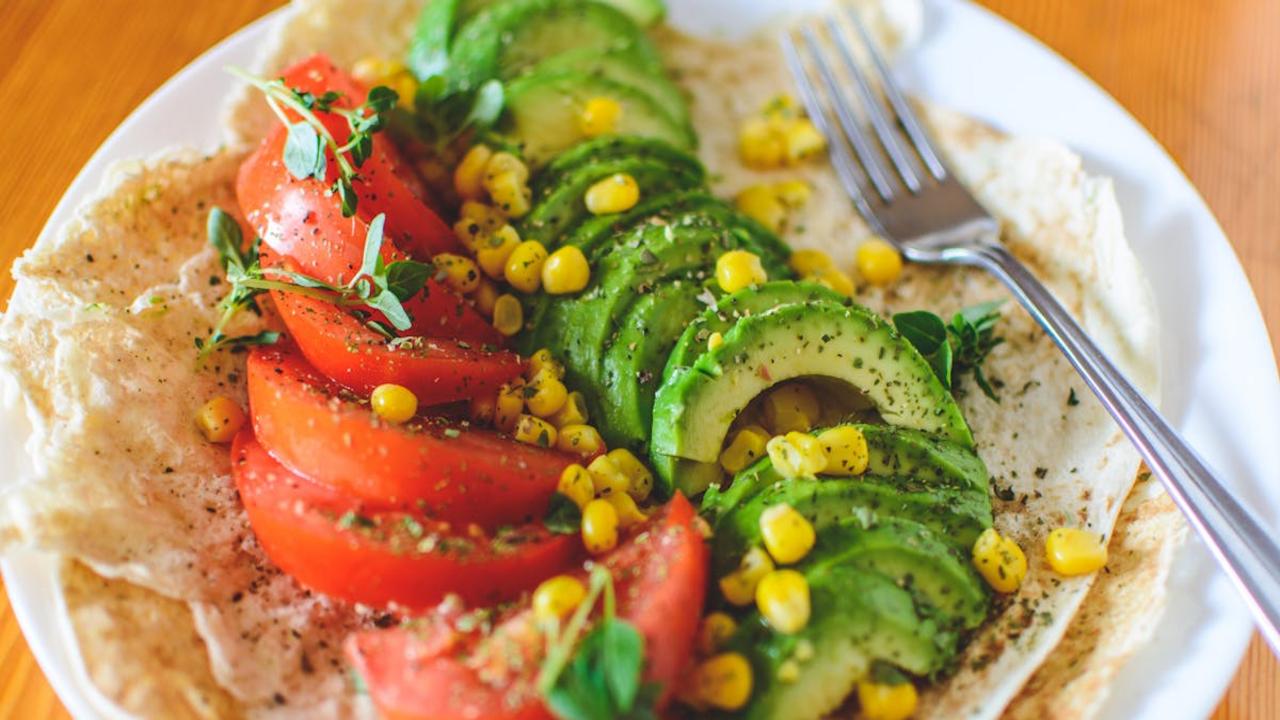
I’ve found that maíz (corn) tortillas stand as the foundation of Mexican food culture, feeding millions of families across the country. These simple yet filling discs date back to ancient Aztec times and remain a daily necessity for many Mexican households today. Made from dried corn that’s been treated with lime in a process called nixtamalization, these tortillas pack more nutrition than their wheat counterparts. I’ve noticed how local women still make them by hand, pressing the dough between wooden tortilla presses before cooking them on hot comals (griddles).
What makes maíz tortillas so valuable for Mexico’s poorest communities is their affordability and versatility. From tacos to enchiladas, quesadillas to chilaquiles – these corn circles transform into countless meals. The process of making them creates a strong community bond too – I’ve watched neighbors gather to make large batches together, sharing stories and traditions. Plus, the lime treatment of the corn actually boosts the tortillas’ nutritional value, adding calcium and making the corn’s nutrients more available to the body. This makes them not just filling, but truly nourishing for families who rely on them as a main food source.
Fufu and Egusi Soup (West Africa)
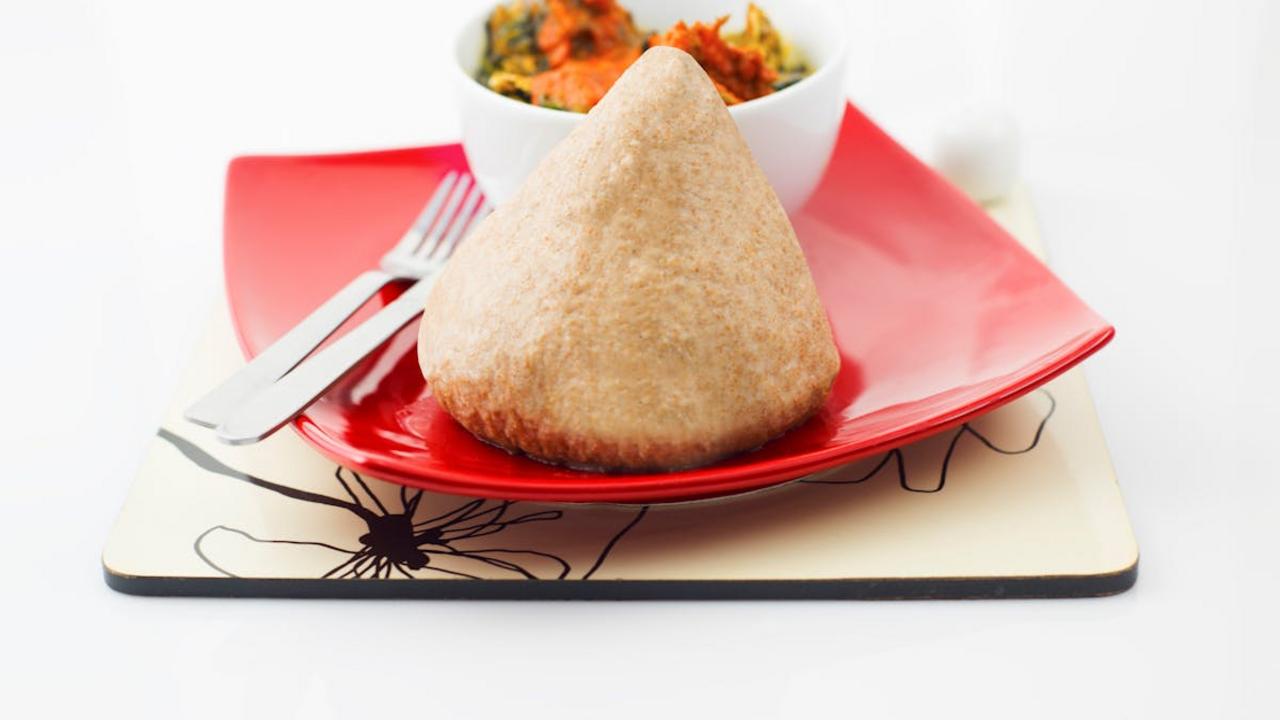
I’ve watched countless families across West Africa prepare this filling combination of fufu and egusi soup – it’s a true lifeline dish that brings both nutrition and comfort. Fufu, a stretchy dough made from starchy vegetables like cassava, plantains, or yams, serves as the perfect base for soaking up the rich egusi soup. The soup gets its signature taste and thickness from ground egusi seeds (melon seeds), which pack protein and healthy fats. You’ll find variations of this dish from Nigeria to Ghana, where cooks add meat or fish, leafy greens, and spicy peppers according to what they can afford.
What makes this dish such a survival staple is its ability to keep people full for many hours, thanks to the dense carbohydrates in fufu and the protein-rich egusi seeds. The traditional way to eat it involves pinching off a small piece of fufu, forming it into a ball with your fingers, and dipping it into the soup. My Nigerian friend taught me that the egusi seeds can be dried and stored for months, making them reliable during lean times. Plus, the basic ingredients cost very little – even families on the tightest budgets can make a nourishing meal from these simple components.
Rice and Beans (Central America)
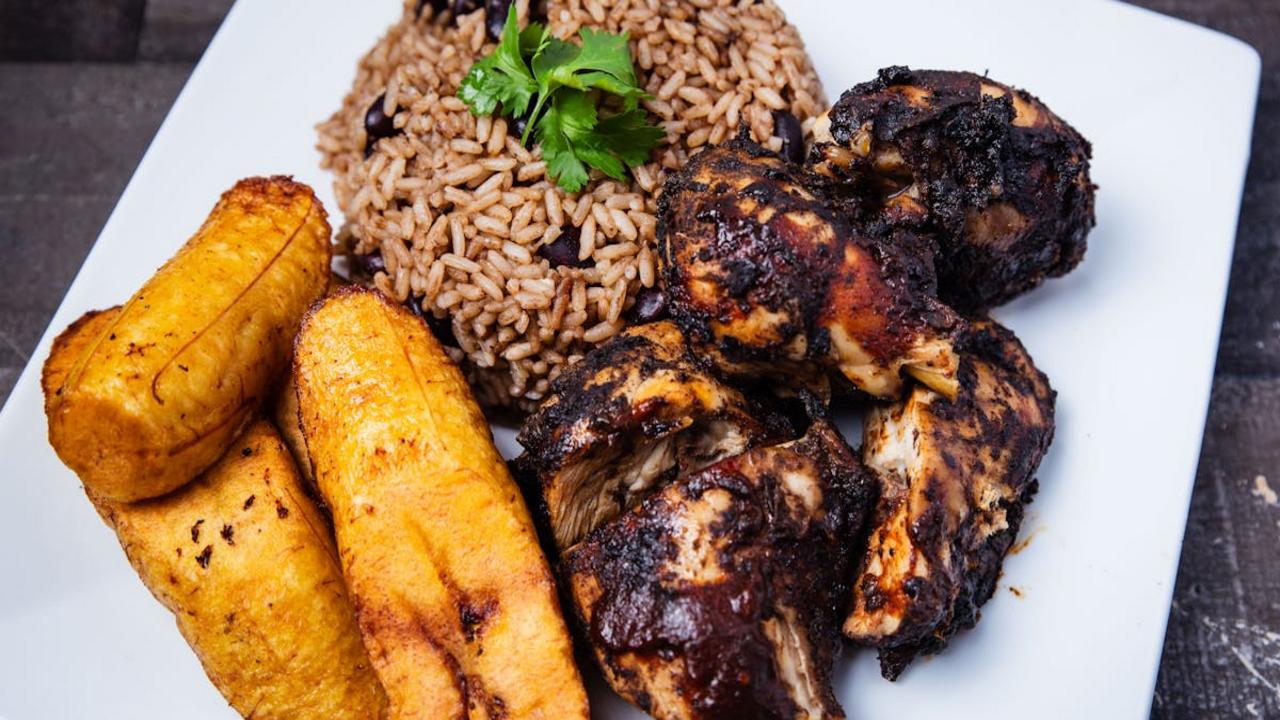
You’ll find rice and beans at the heart of daily meals across Central America, from Nicaragua to Guatemala. This simple but filling combination makes up “gallo pinto” – a dish that brings together rice, beans, onions, and peppers into a flavorful meal that costs just pennies per serving. What makes this duo so popular isn’t just the low cost – it’s also incredibly healthy, giving you complete proteins when the rice and beans mix together. Many families cook big batches of beans early in the week, then mix them with fresh rice daily for breakfast, lunch, and dinner.
I love how each country puts its own spin on this basic recipe. In Costa Rica, they often add cilantro and Lizano sauce for extra kick. Honduran cooks might toss in coconut milk for richness, while Salvadoran families frequently serve their rice and beans with thick corn tortillas and queso fresco. The best part? These ingredients stay good for months in your pantry, making them perfect for families who can’t always get to the store. Plus, you can dress them up or down depending on what other ingredients you have around – adding anything from scrambled eggs to plantains to make the meal stretch even further.