14 Outrageous Veggie Fibs I Tell My Kids To Make Dinner Disappear
Getting kids to eat their vegetables feels like an impossible mission some nights. I’ve discovered that a little creative storytelling goes a long way at the dinner table. These playful fibs transform ordinary veggies into something extraordinary, making mealtime fun instead of a battlefield.
My children now race to finish their greens, convinced they’re gaining superpowers with every bite. Sure, I’m stretching the truth, but watching them happily munch on broccoli and spinach makes it worth every exaggerated claim. These harmless white lies have turned our dinners into adventures.
Before you judge me, remember that parenting requires flexibility and humor. If telling my kids that carrots grant them animal-whispering abilities means they actually eat their vegetables, I’ll keep the stories coming. Health and happiness at the table matter more than absolute honesty about produce.
Radishes are keys to unlock hidden fairy doors

Picture this: you’re setting the dinner table, and your little one spots those bright red radishes on their plate. Instead of the inevitable “What is THAT?” followed by a dramatic push to the side, you lean in with a twinkle in your eye and whisper about the magical properties these crimson beauties possess. Tell them that radishes are actually enchanted keys that fairies hide in gardens, disguised as vegetables so humans won’t suspect their true purpose. Every radish consumed opens a tiny fairy door somewhere in the world, releasing sparkles and granting small wishes to children who are brave enough to try them. Watch their eyes light up as they carefully inspect each radish, turning it over in their hands before taking that first crunchy bite. Suddenly, that peppery vegetable transforms from suspicious to exciting!
The genius of this little white lie goes beyond just getting vegetables into their bellies. You’re actually introducing them to radishes, which pack a serious nutritional punch with vitamin C, fiber, and antioxidants that support their growing bodies. The crisp texture and slightly spicy flavor can become a gateway to appreciating more complex tastes as they grow. You can extend this story by letting them plant radish seeds in your garden, explaining that they’re actually cultivating their own collection of fairy keys. When harvest time comes around, they’ll be so invested in their magical crop that eating them becomes an adventure rather than a chore. The best part? This works particularly well with watermelon radishes. When you slice them open to reveal that gorgeous pink center, it’s like discovering proof that magic really does exist inside vegetables!
Bell peppers hold hidden treasure maps

Have you ever sliced open a bell pepper and noticed the white veins running through it? Well, those aren’t just ordinary parts of the vegetable—they’re secret treasure maps! I’ve convinced my kids that if they eat enough bell peppers, they’ll be able to read these mysterious maps and find hidden treasures buried in our backyard. The colorful peppers come in different varieties—red ones lead to ruby treasures, yellow ones point to gold, and green ones reveal emerald hiding spots. My youngest now inspects every slice carefully, tracing the “routes” with her finger before popping them into her mouth. She’s even started drawing her own versions of these veggie maps on construction paper.
The beauty of this fib is that it turns bell peppers into an interactive adventure rather than just another vegetable on the plate. My kids now request peppers cut into strips so they can see the “map lines” more clearly. They’ve created elaborate stories about pirate vegetables sailing the seven seas, and bell peppers served as their navigation tools. Some evenings, we actually go on treasure hunts in the garden after dinner, armed with plastic shovels and their pepper “maps.” I’ve hidden small trinkets wrapped in foil throughout our yard, making the whole experience feel real. The pepper consumption in our house has tripled since I started this tale, and I’m not complaining one bit about the extra vitamin C they’re getting!
Zucchini makes you invisible to monsters under the bed

Every parent knows bedtime can turn into a battle when those imaginary monsters start creeping into your child’s mind. But what if I told you that a simple green vegetable could become your secret weapon? Zucchini, with its mild flavor and sneaky versatility, can transform into the ultimate monster-fighting food in your household. The key is convincing your kids that eating their zucchini creates an invisible shield that monsters simply can’t detect. It’s pure magic in vegetable form, and once your children buy into this delicious fiction, you’ll watch those green slices disappear faster than you can say “bedtime.”
The beauty of this fib is that zucchini actually deserves superhero status in real life. Packed with vitamins A and C, potassium, and fiber, this versatile veggie supports immune health and keeps little bodies running strong. You can spiralize it into noodles, dice it into pasta sauce, or even bake it into muffins and brownies where it practically vanishes while adding moisture and nutrients. When your kids gobble up their zucchini believing they’re gaining monster-proof powers, they’re actually fueling their bodies with goodness that helps them sleep better and wake up ready to conquer the day. So go ahead and spin this tall tale at dinner – your kids get protection from imaginary threats, and you get the satisfaction of watching them eat their vegetables without complaint.
Kale chips turn your voice into a beautiful song

Picture this: your little one munching away on crispy kale chips while humming their favorite tune, convinced their voice sounds better with every bite. This playful fib works wonders because kids love testing things out themselves. Hand them a crunchy kale chip, tell them to take a bite, then ask them to sing. Watch their eyes light up as they genuinely believe their voice transformed into something magical. The beauty of this white lie is that it gets them excited about eating greens while having fun at the same time. You’re not just feeding them nutrients; you’re creating a memorable experience that makes healthy eating feel like an adventure rather than a chore.
The secret behind this trick is distraction paired with positive reinforcement. When kids focus on the “singing transformation,” they forget they’re eating something green and leafy. Make it extra special by joining in—crunch on some kale chips together and have a family sing-along. Record their voices before and after eating the chips, then play it back. They’ll be convinced the kale really worked its magic! This method turns dinnertime into playtime, and before you know it, your kids will be asking for more kale chips. The best part? You’re sneaking in vitamins A, C, and K while building happy memories around healthy food choices that’ll stick with them for years.
Asparagus tips are antennas to communicate with aliens
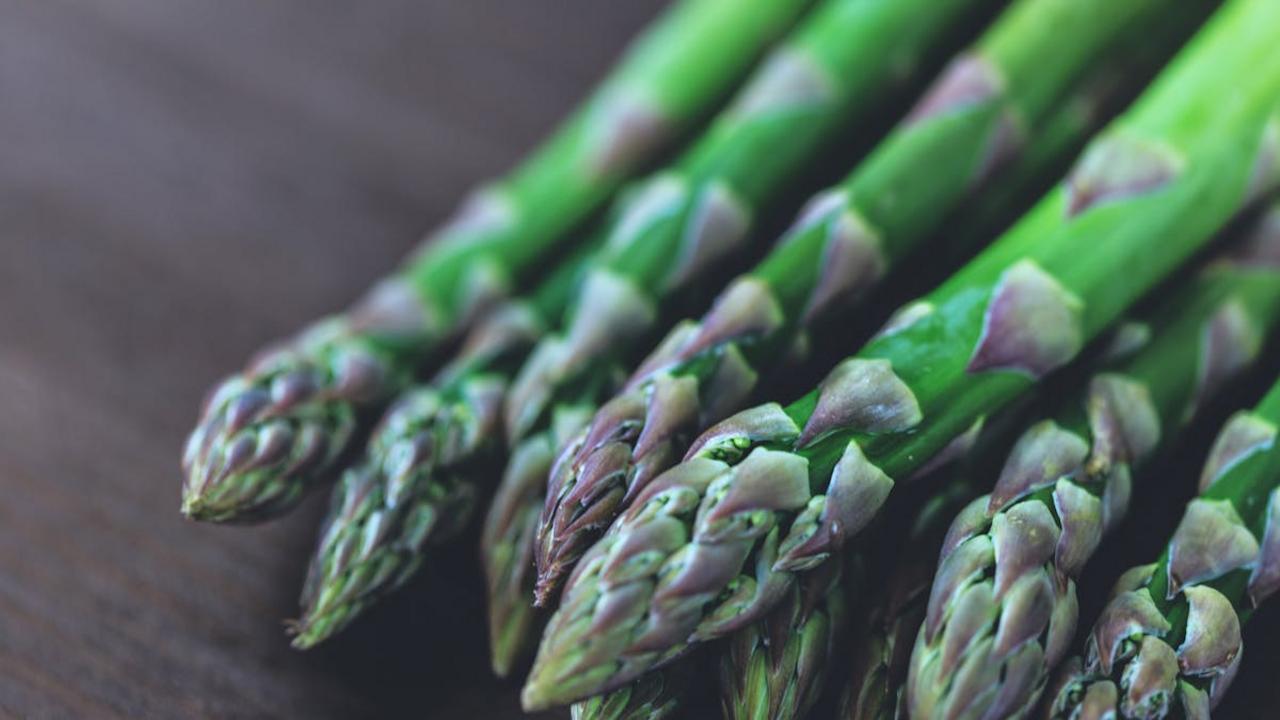
Picture this: your kids staring at those bright green spears on their plates like they’re miniature trees from another planet. Well, I’ve got the perfect fib to turn that skepticism into wide-eyed wonder! Tell them those pointy asparagus tips aren’t just vegetables—they’re actually special antennas that help us send messages to friendly aliens in outer space. The more asparagus they eat, the stronger the signal becomes, and who knows? Maybe extraterrestrial friends will receive their hello and send back cosmic recipes or secret space snacks. This silly story transforms asparagus from “boring green sticks” into an intergalactic communication device, and suddenly, your little ones can’t wait to help establish contact with beings from distant galaxies.
What makes this fib work so beautifully is how it taps into kids’ natural curiosity about space and the unknown. Asparagus tips genuinely do look like tiny antennas with their pointed tops and scale-like formations, so the story isn’t a complete stretch of imagination. While you’re serving up these “alien antennas,” you’re actually giving your children a powerhouse of nutrients—folate, fiber, vitamins A, C, and K, plus plenty of antioxidants that support their growing bodies. Roast them with a drizzle of olive oil and a sprinkle of parmesan, or steam them until tender-crisp for maximum “signal strength.” The best part? Once they start munching on asparagus to connect with imaginary space friends, they’re building healthy eating habits that will stick around long after they discover the truth about vegetables and alien communication!
Celery sticks contain the secrets of the universe
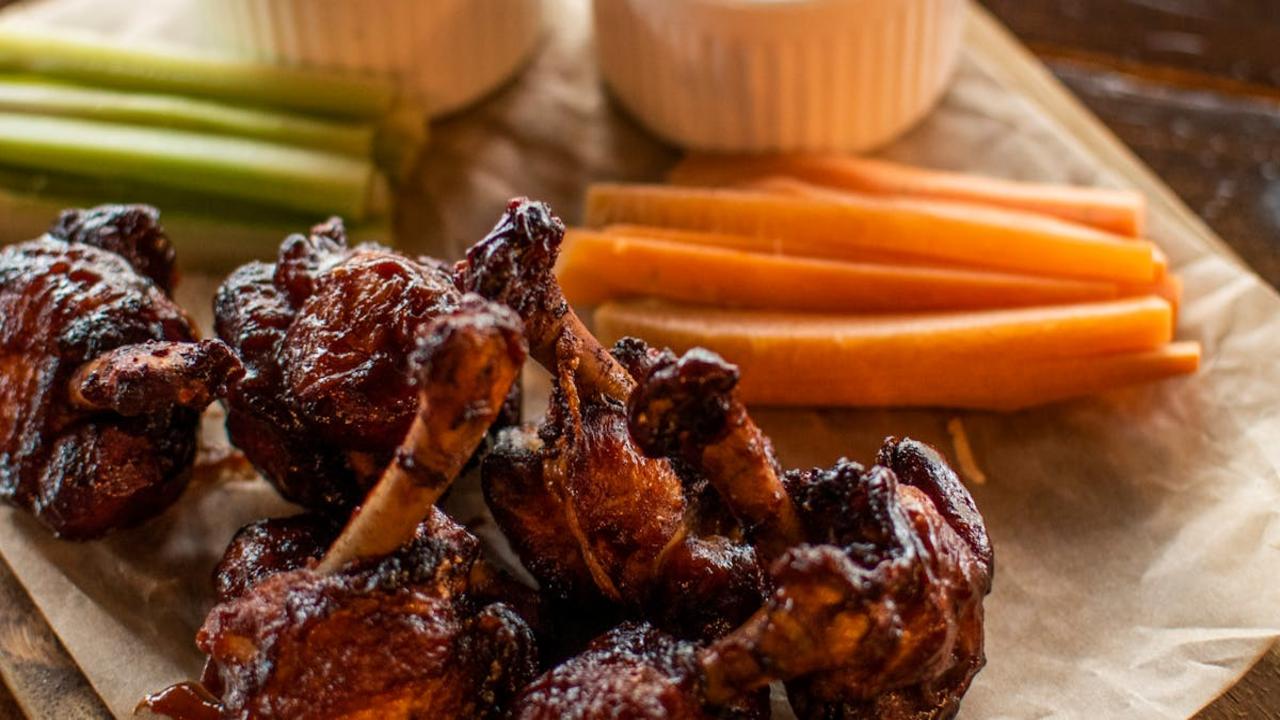
I know this sounds completely bananas, but hear me out. When my youngest started refusing celery like it was poison, I got creative. I told him that every crunch of a celery stick releases tiny knowledge particles that help his brain understand everything from math problems to why dogs wag their tails. The crunchier he chews, the more secrets unlock in his mind. Does this have any basis in reality? Absolutely not. But does it work? You bet it does. Now he chomps through those green stalks like he’s downloading the entire encyclopedia into his brain. Sometimes he even closes his eyes while chewing, claiming he can feel the information flowing. I’ll take that win any day of the week.
The beautiful thing about this particular fib is how it transforms celery from boring to magical in seconds. Suddenly, those plain sticks become power-ups for their growing minds. I pair them with peanut butter or hummus to make the “knowledge transfer” even more effective, or at least that’s what I tell them. My middle child now asks for celery before tests because she believes it gives her an advantage. The best part? She’s actually getting fiber, vitamins, and hydration while thinking she’s gaining superpowers. Sometimes parenting means being equal parts chef and fantasy novelist, and I’m completely okay with that balance.
Green beans are magic wands that make homework disappear

Picture this: your kid’s staring at a pile of math problems, dragging their feet, and suddenly you walk in with a plate of crispy green beans. “You know what’s cool about these?” you say with a wink. “They’re actually magic wands. Eat enough of them, and homework gets way easier—sometimes it practically does itself!” Suddenly, those green beans aren’t just vegetables anymore. They’re tools of power, tiny emerald sticks that hold mysterious abilities to transform boring assignments into breezy tasks. Sure, it’s totally ridiculous, but watch how fast those beans vanish from the plate. Kids love the idea of having a secret weapon, something that gives them an edge over the dreaded homework monster lurking in their backpack.
The beauty of this particular fib is that it works on multiple levels. First, green beans are genuinely brain-boosting—packed with folate, vitamin K, and iron that help with concentration and mental clarity. So while you’re spinning this fantastical tale, there’s actually some truth hiding underneath all that silliness. Second, you’re creating positive associations with vegetables, turning dinner into something fun rather than a battleground. When kids feel like they’re gaining superpowers from their food, they’re more likely to eat it willingly. Plus, you can keep the magic going by asking them later if the beans helped with their spelling test or science project. They might just start requesting green beans on homework-heavy nights, which means you’ve won the veggie war without firing a single shot.
Cauliflower teaches you to speak a secret language

Cauliflower comes with a hidden superpower that kids absolutely need to know about—it teaches you to speak in code! Tell your little ones that every floret they eat unlocks a new word in the “Veggie Whisper Language,” a special way of communicating that only vegetable-eaters understand. You can make up silly phrases together at the dinner table, assigning different meanings to made-up sounds. The more cauliflower they consume, the more “words” they learn, and suddenly they’re part of an exclusive club that speaks a language nobody else knows. This playful approach transforms plain cauliflower into an adventure where each bite brings them closer to fluency.
The beauty of this little white lie is how it gets kids genuinely excited about eating something they might otherwise push around their plate. You can create hand signals, funny noises, or even develop a whole secret alphabet together while they munch away. Before you know it, they’re asking for seconds just so they can expand their vocabulary and teach their friends at school. It’s a harmless fib that turns mealtime into an interactive experience, building memories while sneaking in those important nutrients. Plus, roasted cauliflower with a sprinkle of parmesan becomes the gateway to becoming a master of this mysterious language, and your kids won’t even realize they’re eating something healthy.
Brussels sprouts enable you to jump higher than anyone else

Brussels sprouts might look like tiny cabbages, but I’ve convinced my kids they’re secret power-ups for superhuman jumping abilities. Every time we sit down to dinner and those little green gems appear on their plates, I remind them that professional basketball players eat these religiously. The best part? My seven-year-old now challenges his brother to jumping contests right after finishing his serving. They’ll stand by the kitchen counter, measure their height with their hands, and leap as high as they can. Sure, the correlation between eating brussels sprouts and actually jumping higher is a stretch, but watching them gobble down their vegetables while dreaming of dunking basketballs makes this little white lie completely worth it.
The magic happens because brussels sprouts genuinely pack serious nutritional power that supports strong bones and muscles. They’re loaded with vitamin K, which helps calcium absorption for bone health, and vitamin C for muscle repair. When I explained this to my kids in scientific terms, their eyes glazed over. But tell them these vegetables will help them jump over their friends during playground games, and suddenly they’re asking for seconds. I’ve even started timing their jumps before and after dinner, pretending to see “improvement” in their vertical leap. They feel like champions, I feel like a genius, and everyone wins when those brussels sprouts disappear from their plates without complaint.
Spinach gives you the ability to talk to fish
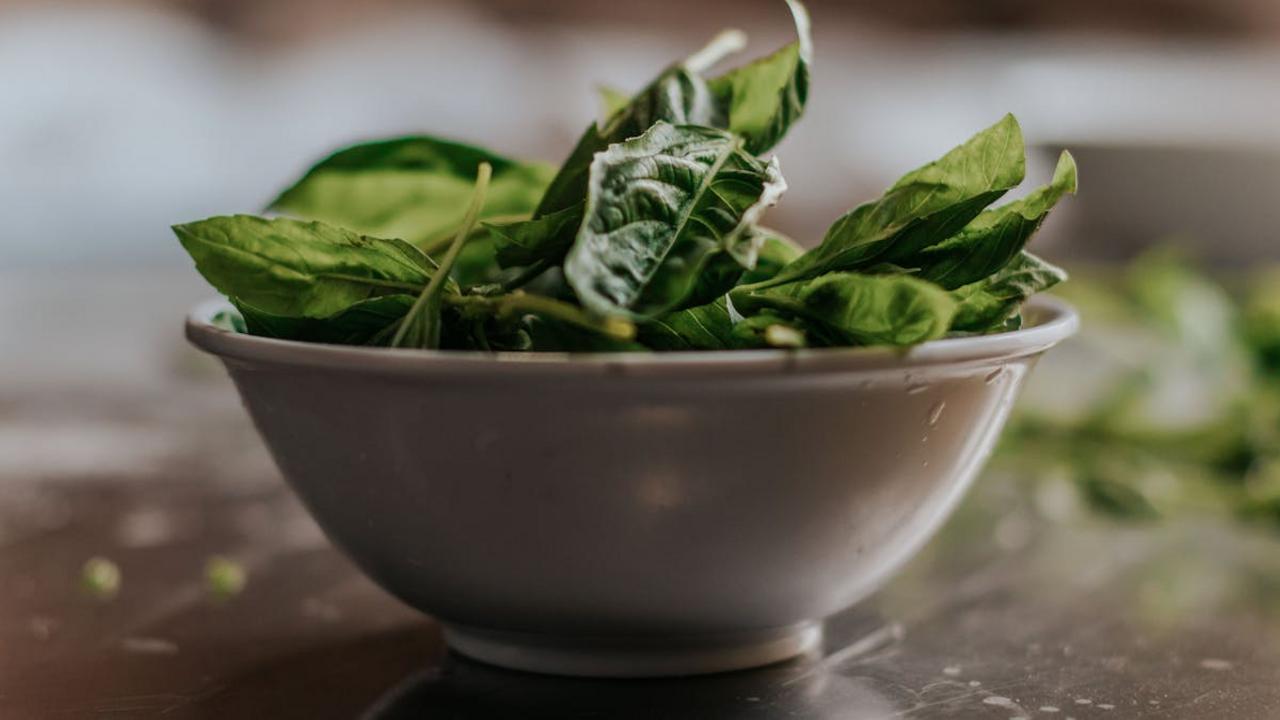
I started telling my daughter that spinach grants her the power to communicate with fish, and suddenly those green leaves became the most magical food on her plate. She’d take a big bite, run to our aquarium, and start having full conversations with our goldfish. Did the fish respond? Not exactly. But did she finish her spinach without complaint? Absolutely! The best part is watching her excitement build as she eats more spinach, convinced she’s getting closer to understanding what Bubbles the goldfish is thinking. This fib works especially well if you have pets or visit aquariums regularly, turning every spinach-eating moment into an adventure waiting to happen.
The beauty of this particular veggie tale is how it connects healthy eating with something your kids already find fascinating. Most children are naturally curious about animals and the idea of communicating with them taps into that wonder perfectly. I’ve seen this work with parents who take their kids fishing too – suddenly spinach becomes their secret weapon for a successful day at the lake. The myth grew even bigger when my daughter started “translating” what the fish were saying, creating entire underwater stories during dinner. Now she asks for spinach in her smoothies, on her pizza, and mixed into her pasta because she wants to keep her fish-talking abilities sharp.
Eating peas will make your hair grow faster
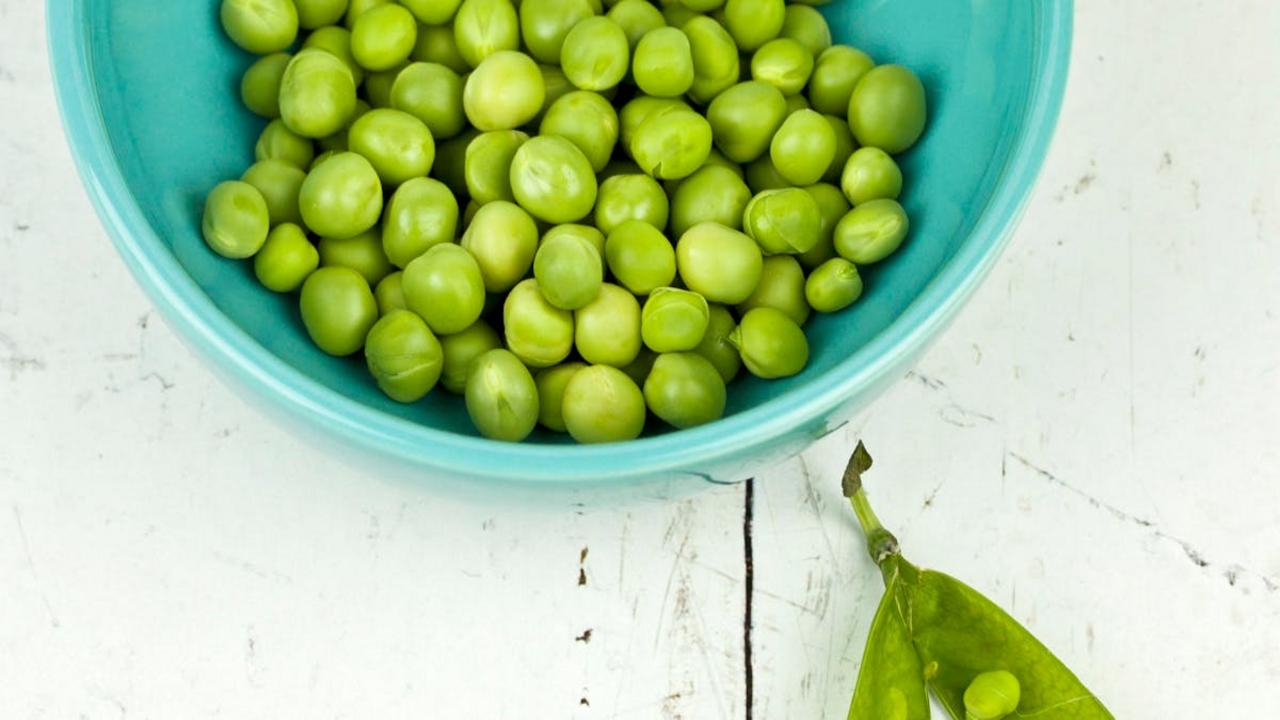
Peas are loaded with vitamins and minerals that support healthy hair growth, so this little white lie isn’t too far from the truth. These tiny green powerhouses contain biotin, vitamin C, and iron—nutrients that strengthen hair follicles and promote shine. When your kids hear that munching on peas could lead to longer, more lustrous locks, they might just clear their plates without complaint. You’re essentially giving them a beauty treatment disguised as dinner, and who can resist that? I’ve found that this approach works especially well with kids who are particular about their appearance or who admire someone with gorgeous hair. Connect the dots for them between those nutritious peas and the glossy mane they dream about having.
The best part about this fib is that you’re actually setting them up for success in the long run. Hair health really does depend on proper nutrition, and by getting your kids excited about eating their vegetables now, you’re establishing habits that will benefit them for years to come. Peas also deliver protein and other nutrients that contribute to overall wellness, making them a smart addition to any meal. Toss them into pasta dishes, stir-fries, or serve them alongside grilled chicken for a complete dinner that nourishes from the inside out. Your kids will gobble them up thinking they’re unlocking the secret to rapunzel-length hair, and you’ll know they’re getting the vitamins their growing bodies need.
Carrots help you hear the thoughts of animals

I started spinning this wild tale one evening when my youngest refused to touch the roasted carrots on his plate. “You know what happens when you eat carrots?” I whispered conspiratorially. “You start hearing what animals are thinking.” His eyes went wide, and suddenly those orange sticks became the most fascinating thing on his dinner plate. He chomped down three carrots before asking if he could understand what our dog was thinking. I nodded seriously and suggested he listen carefully. The concentrated look on his face while he ate the rest of his vegetables was absolutely priceless, and I didn’t feel one bit guilty about my creative storytelling.
The best part about this particular fib is how it opens up conversations about animals during dinner. My kids now request carrots regularly because they want to “practice their animal mind-reading skills.” We talk about what different animals might be thinking, which keeps them engaged and eating while I sneak in actual facts about animal behavior and intelligence. Sure, carrots won’t actually give them telepathic abilities, but they will support healthy vision and provide tons of vitamin A and fiber. Plus, watching my kids sit quietly next to our cat, carrot in hand, trying to decode feline thoughts? That’s dinner entertainment you can’t buy. Sometimes a little imaginative fibbing creates the perfect recipe for veggie consumption and family bonding.
Broccoli gives you the power to see in the dark
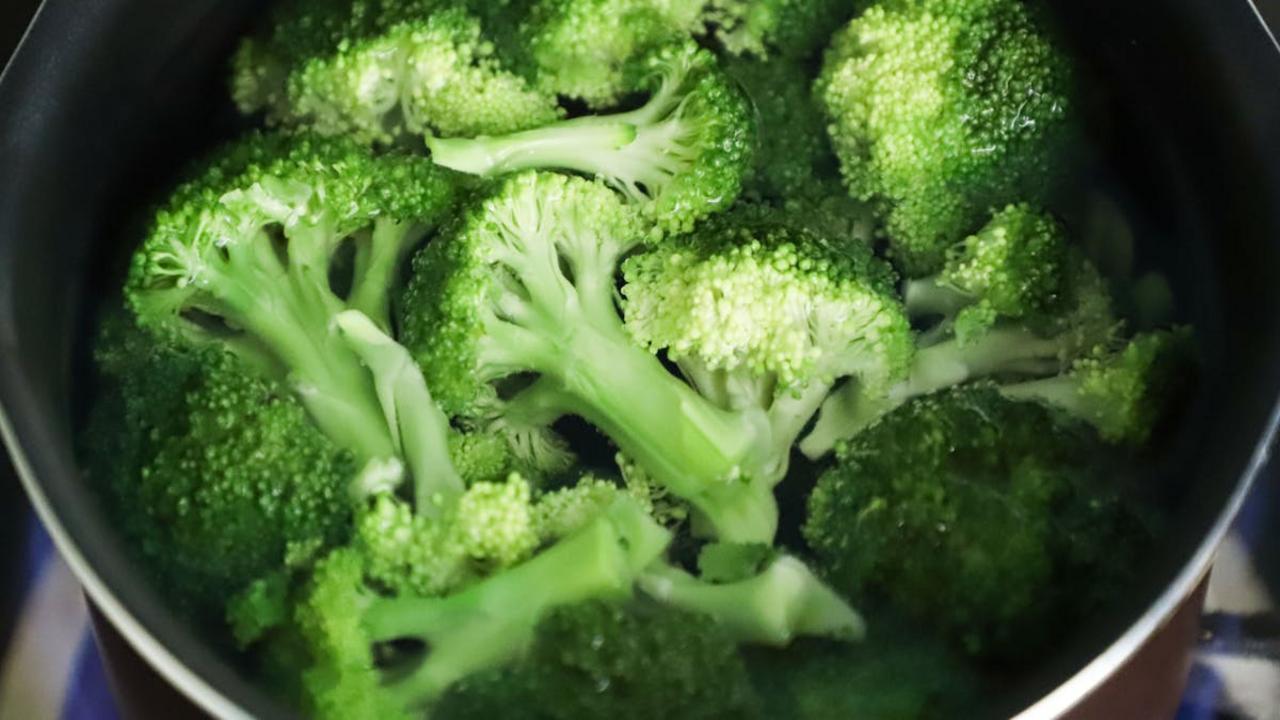
Okay, so this one’s technically rooted in truth—broccoli contains vitamin A, which supports eye health—but I’ve taken some creative liberties with the superpower angle. When my kids drag their feet about eating those little green trees, I casually mention that broccoli grants them night vision abilities. Suddenly, dinner becomes a training session for their future spy careers. They’ll chomp down on florets imagining themselves sneaking through dark hallways or spotting hidden treasures in shadowy corners. The excitement in their eyes (pun intended) makes the small exaggeration totally worth it. Besides, they’re getting a hefty dose of vitamins C and K, fiber, and antioxidants while they’re at it.
What’s brilliant about this particular fib is how it transforms broccoli from boring vegetable into magical food. My youngest now specifically requests broccoli before bedtime, convinced it’ll help him see monsters hiding in his closet. I’m not complaining—he’s getting nutrients, and I’m getting peace of mind knowing he’s eating his greens. Sure, he might be disappointed when his actual night vision doesn’t dramatically improve, but by then, the healthy eating habit is already established. Plus, vitamin A really does support vision and eye health, so I’m not completely making things up. Sometimes a little imagination is exactly what you need to get kids excited about vegetables that might otherwise sit untouched on their plates.
Vegetables are special treats reserved for superheroes

Transform ordinary vegetables into exclusive superhero fuel, and watch your kids’ eyes light up with excitement. Tell them that broccoli gives Spider-Man his web-slinging strength, or that carrots help Wonder Woman see in the dark during her nighttime missions. This simple storytelling trick taps into their natural love of heroes and makes vegetables seem rare and powerful instead of boring. Position green beans as the secret ingredient that helps their favorite characters run faster, jump higher, and save the day. The beauty of this fib is that it creates a sense of privilege—your kids aren’t just eating dinner, they’re training to become extraordinary. You can even create a chart tracking their “superhero powers” that grow stronger with each vegetable they finish, turning mealtime into an adventure rather than a battle.
This approach works because children naturally want to emulate the characters they admire, and connecting vegetables to those heroes makes healthy eating feel aspirational. Suddenly, that pile of spinach isn’t something they have to endure—it’s something they get to have. You can take this further by giving different vegetables specific superpowers: spinach for super strength, peppers for fire breath, and cauliflower for invisible force fields. Create a whole mythology around your dinner table where each meal is preparing them for their next big mission. The fantastic part is that while you’re spinning these tales, your kids are genuinely consuming nutrients that do make them stronger, healthier, and more energized. So technically, you’re not really lying—you’re just packaging the truth in a cape and mask that makes it irresistible to young minds.