14 Vegetables Chefs Use To Elevate Everyday Meals
Professional chefs know that transforming ordinary dishes into something extraordinary often comes down to choosing the right vegetables. These fourteen powerhouse ingredients appear repeatedly in restaurant kitchens because they bring depth, nutrition, and vibrant flavors to any meal you create at home.
You don’t need fancy techniques or expensive equipment to cook like a chef. These accessible vegetables work beautifully whether you’re preparing a quick weeknight dinner or weekend feast. Each one offers unique properties—from garlic’s aromatic foundation to turmeric’s golden warmth—that can completely change how your food tastes and feels.
I’ve watched these same vegetables transform my own cooking from bland to brilliant. They’re the building blocks that help you move away from processed shortcuts and toward meals that nourish both body and soul. Your kitchen becomes more creative when you understand how these simple ingredients can work magic in your hands.
Leafy Greens
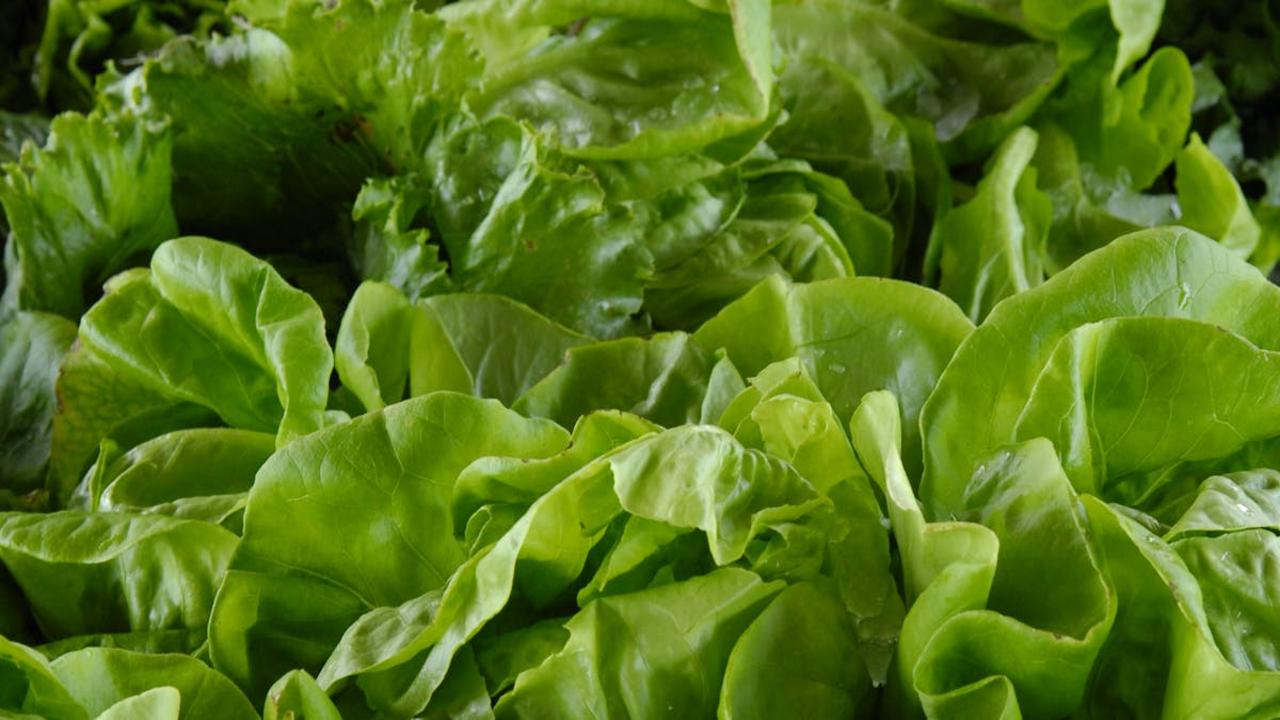
You know what transforms a simple weeknight dinner into something that makes your family actually excited to sit down together? Leafy greens. I’m not talking about sad, wilted lettuce here – I mean those gorgeous bunches of kale, collards, chard, and spinach that can turn your kitchen into a flavor powerhouse. These vegetables carry so much personality, from the peppery bite of arugula to the earthy richness of collard greens that my grandmother used to slow-cook with garlic and a touch of smoked paprika. What I love most about leafy greens is how they adapt to whatever mood you’re cooking in – toss them raw into a vibrant salad, wilt them into pasta, or massage kale with lemon juice and olive oil for an instant side that feels both fresh and satisfying.
The beauty of cooking with leafy greens lies in their incredible versatility and how they connect us to cuisines from around the world. I’ve learned to treat sturdy greens like collards and kale almost like pasta – they hold up beautifully to bold flavors like ginger, soy sauce, and chili flakes for an Asian-inspired stir-fry, or you can go Mediterranean with garlic, lemon, and a sprinkle of red pepper flakes. Tender greens like spinach and arugula work magic when you fold them into scrambled eggs, blend them into smoothies, or use them as the base for grain bowls that keep you energized all day. The best part? You’re getting incredible nutrition while creating meals that actually taste like you put thought and care into them, not like you’re trying to force vegetables down your throat.
Watercress
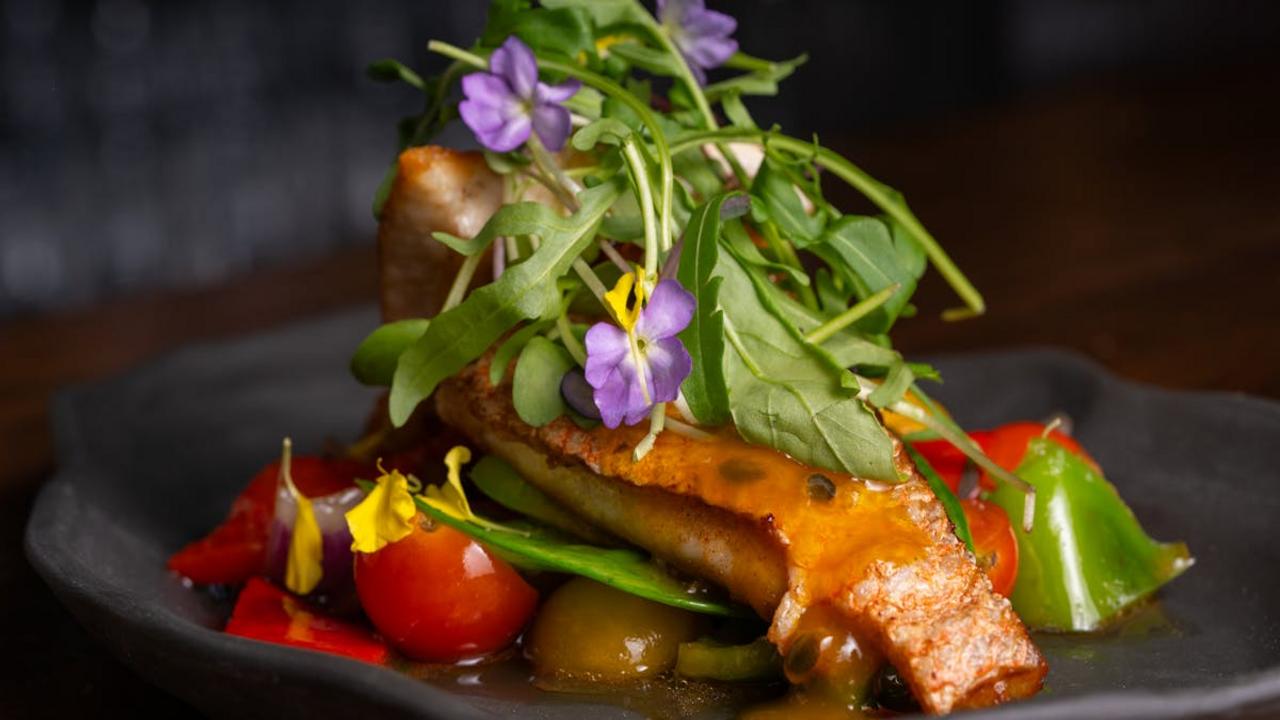
Watercress might look like just another leafy green, but this peppery powerhouse transforms ordinary dishes into something extraordinary. I discovered this gem while experimenting with fresh herbs at my local farmers market, and now I can’t imagine my kitchen without it. The sharp, slightly bitter bite adds complexity to everything from simple scrambled eggs to hearty grain bowls. What makes watercress special is its ability to wake up your palate – that clean, peppery heat cuts through rich foods beautifully and brightens up heavier winter meals.
I love tossing watercress into warm pasta just before serving, where the heat slightly wilts the leaves while preserving that distinctive bite. It works magic in soups too – I’ll stir handfuls into my lentil or potato soups right at the end for a fresh pop of flavor and nutrition. The key is treating watercress more like an herb than a traditional lettuce – use it generously and add it late in the cooking process. Try blending it into pesto with walnuts and garlic, or layering it into sandwiches where its peppery punch elevates simple ingredients like roasted vegetables or creamy avocado.
Turmeric Root
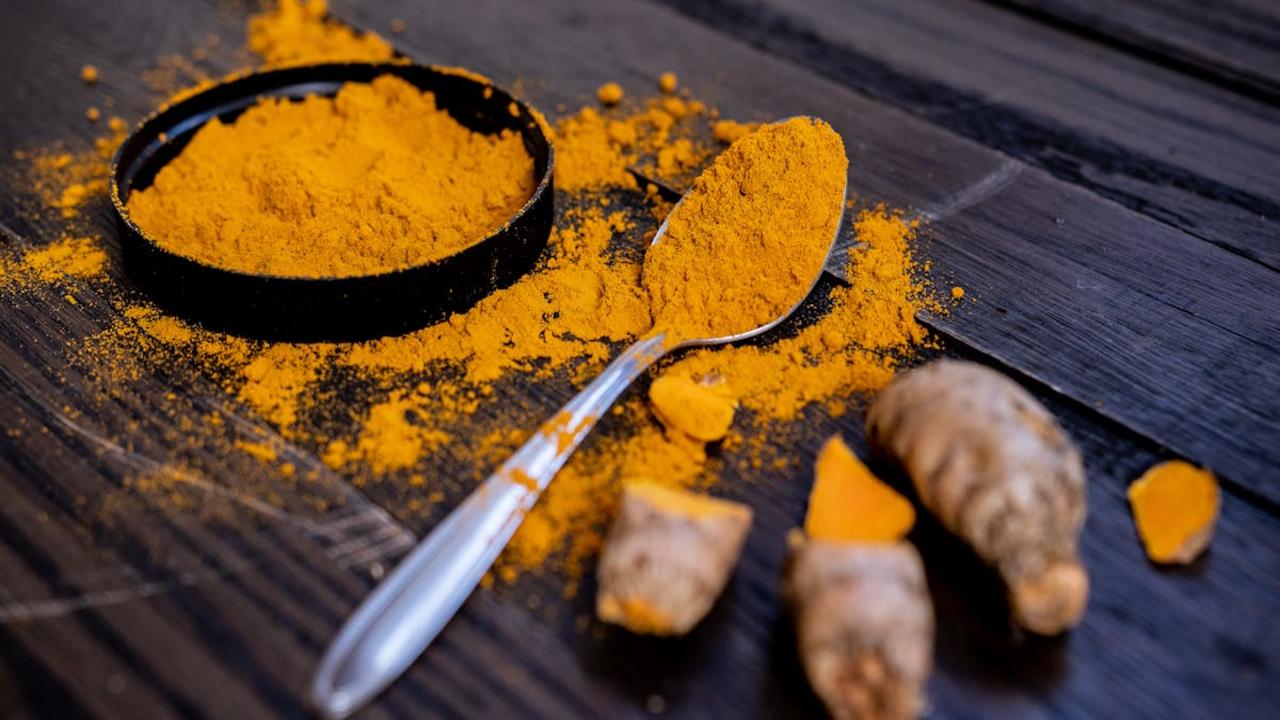
Fresh turmeric root transforms your kitchen into a golden sanctuary of flavor and wellness. I keep this knobby, orange-fleshed treasure stocked in my refrigerator because it brings an earthy warmth and subtle peppery bite that dried turmeric powder simply cannot match. When you grate fresh turmeric into your morning scrambled eggs or blend it into a vibrant curry base, you’re adding layers of complexity that make every bite more satisfying. The fresh root has this incredible ability to marry beautifully with ginger, garlic, and coconut milk, creating those soul-warming dishes that nourish both body and spirit.
Working with fresh turmeric requires a gentle hand and some preparation—wear gloves or your fingers will turn golden for days! I love grating it directly into soups, smoothies, and marinades where its natural oils can bloom and infuse throughout the dish. Unlike its powdered counterpart, fresh turmeric adds moisture and a bright, almost floral note that elevates simple roasted vegetables or a basic rice dish into something memorable. Store the root in your refrigerator wrapped in paper towels, and it will stay fresh for weeks, ready to add that gorgeous color and healthful properties to whatever you’re creating in the kitchen.
Sweet Potatoes
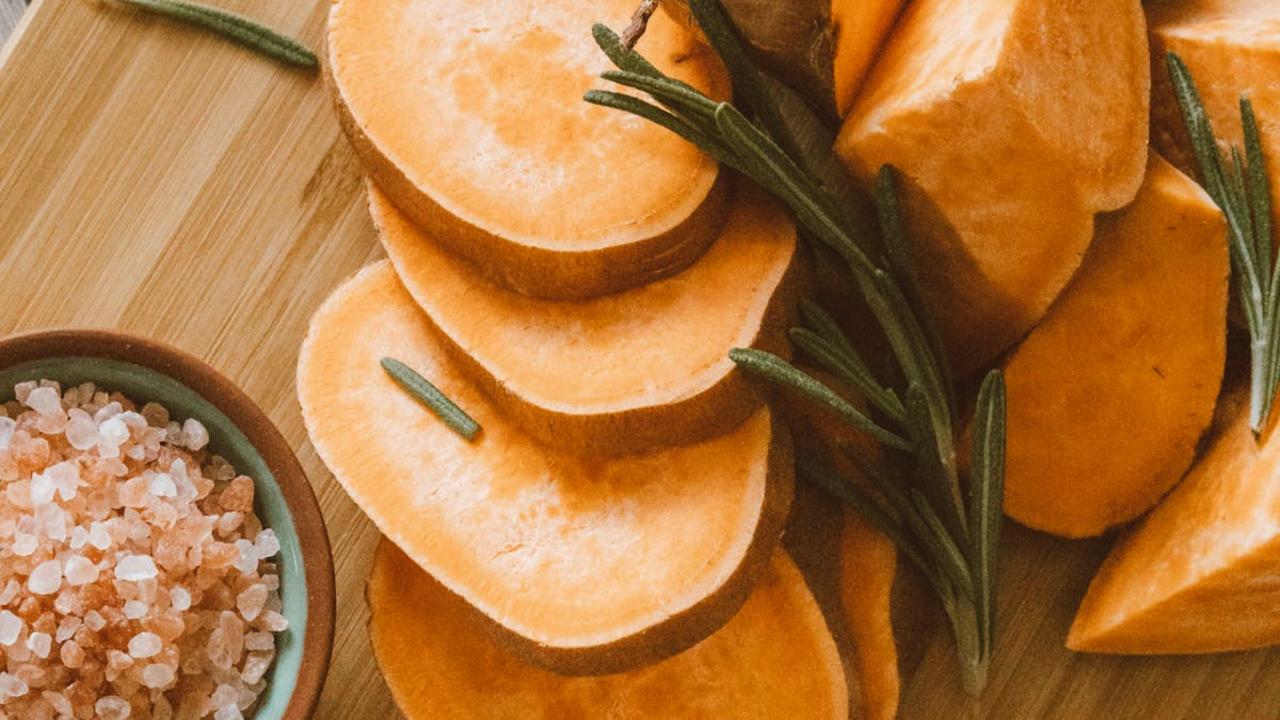
Sweet potatoes have become my secret weapon for transforming ordinary weeknight dinners into something extraordinary. You know that moment when you open your fridge and wonder what magic you can create? Sweet potatoes answer that question beautifully. Their natural sweetness pairs with both savory and sweet preparations, making them incredibly versatile. I often roast them whole, then stuff them with black beans, avocado, and a drizzle of tahini for a satisfying meal that feels both nourishing and indulgent.
What I love most about sweet potatoes is how they bridge different flavor profiles effortlessly. You can mash them with coconut milk and ginger for an Asian-inspired side, or cube them and toss with North African spices like cinnamon and cumin. They work wonderfully in soups, adding natural creaminess without any dairy, and their fiber content keeps you satisfied for hours. I keep them stocked in my pantry because they store well and cook quickly – whether you’re roasting, steaming, or even spiralizing them into noodles for a healthy pasta alternative.
Spinach
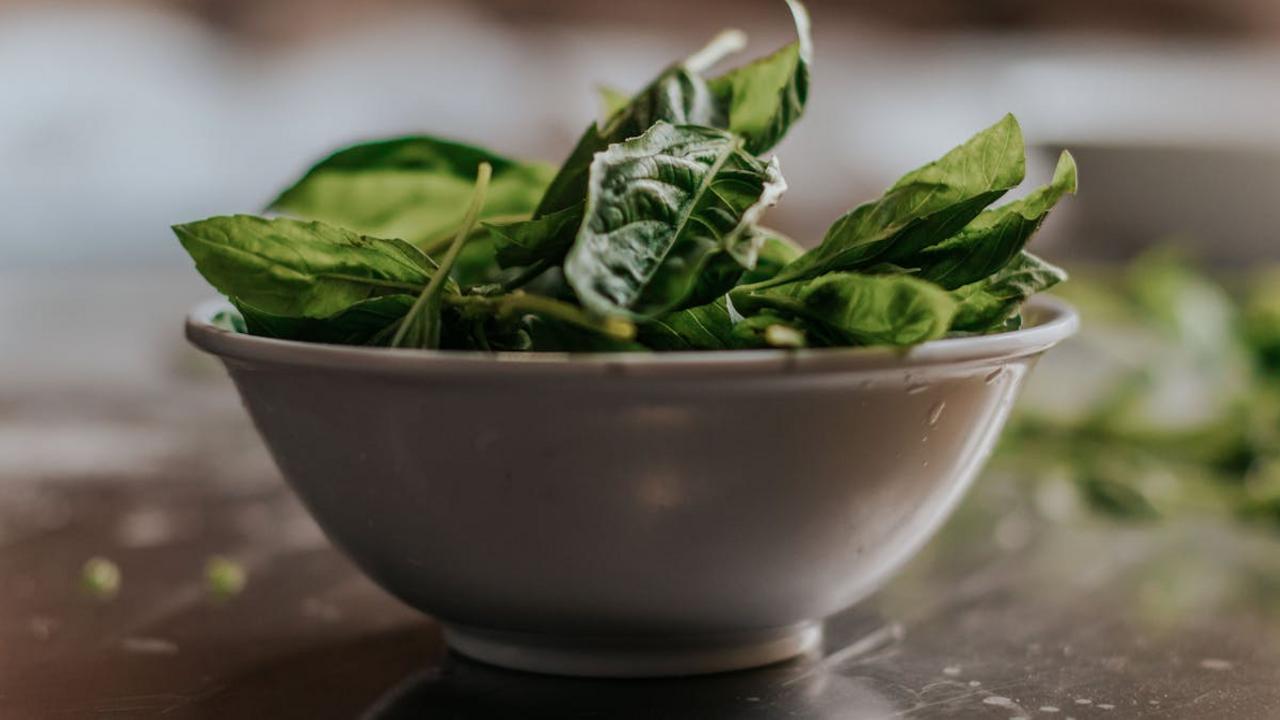
Spinach transforms from that leafy green you probably tolerated as a kid into something magical when you know how to work with it. I grab handfuls of fresh spinach for nearly everything – tossing it into curries during the last few minutes of cooking, blending it into smoothies for an iron boost, or quickly sautéing it with garlic and a splash of lemon juice. The beauty of spinach lies in its incredible versatility and how it absorbs flavors while adding its own subtle, earthy notes to whatever dish you’re creating.
What excites me most about cooking with spinach is how it bridges so many different cuisines naturally. You can fold wilted spinach into a creamy Italian risotto, stuff it into flaky spanakopita, or mix it with paneer for a satisfying Indian saag. Baby spinach works perfectly raw in salads, while mature leaves hold up beautifully in soups and stews. I always keep both fresh and frozen spinach on hand because this powerhouse green never fails to add nutrition and color to any meal, turning simple ingredients into something that feels both nourishing and delicious.
Parsley
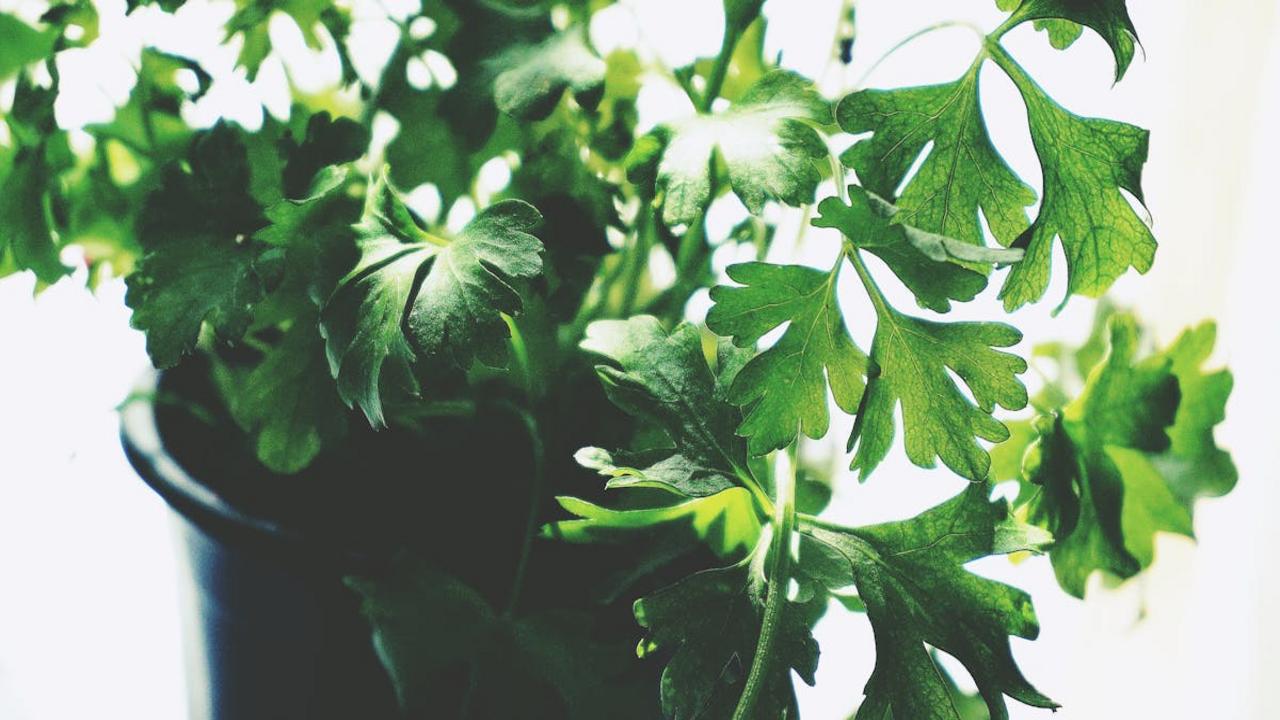
You know what drives me absolutely crazy? When people treat parsley like some decorative afterthought, tossing a sad little sprig on top of a plate and calling it done. Listen, parsley deserves so much more respect than that! This bright, herbaceous powerhouse can completely transform your cooking when you understand how to work with it properly. I keep both flat-leaf and curly varieties in my kitchen because they each bring something different to the table – flat-leaf parsley has this robust, almost peppery flavor that stands up beautifully in Mediterranean dishes, while curly parsley offers a milder, cleaner taste that brightens everything it touches.
Here’s how I really put parsley to work: I make chimichurri that’ll knock your socks off, blending massive handfuls of flat-leaf parsley with garlic, red wine vinegar, and good olive oil. That sauce goes on everything from grilled vegetables to roasted chicken. I also love making a simple parsley salad – yes, you heard me right, parsley as the star ingredient! Toss chopped parsley with lemon juice, a pinch of sumac, and some toasted pine nuts. It’s fresh, vibrant, and pairs incredibly well with heavier dishes that need a bright counterpoint. Don’t sleep on adding parsley to your grain bowls either – it brings this incredible freshness that makes every bite feel alive and energizing.
Onions
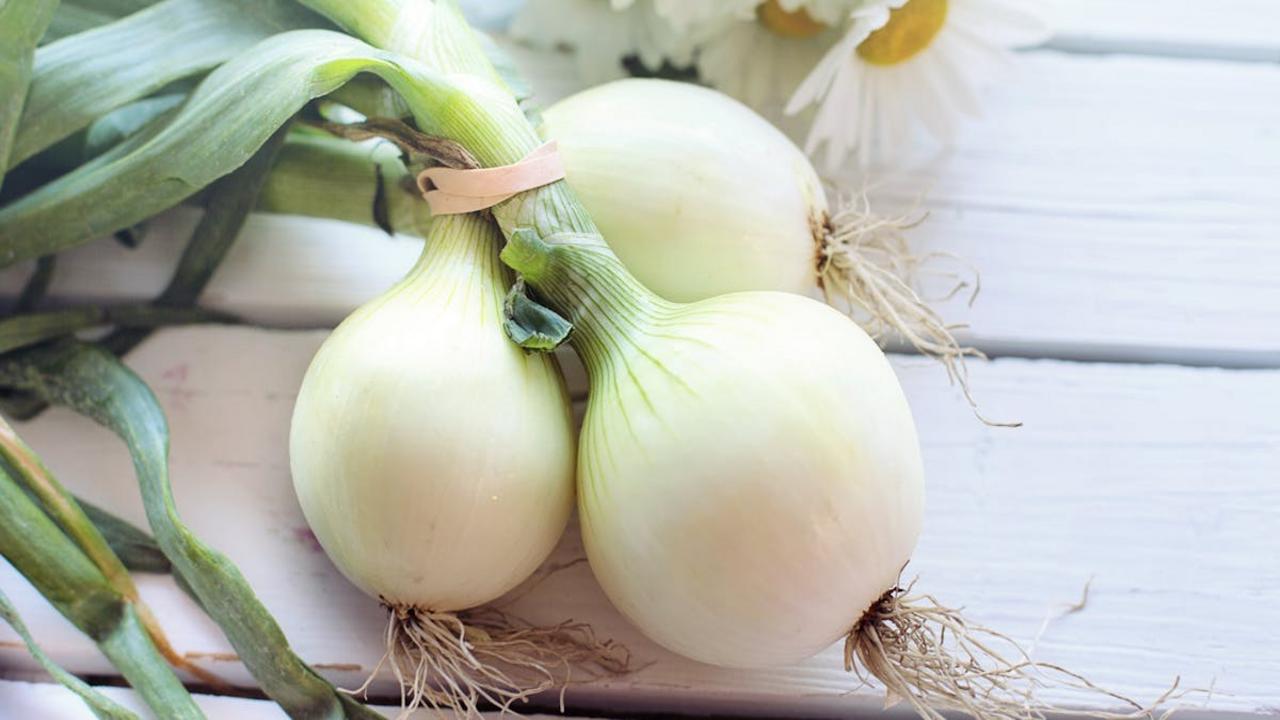
You know that moment when you walk into someone’s kitchen and smell onions slowly caramelizing? That’s pure magic happening right there. Onions aren’t just a supporting player in your dishes—they’re the foundation that transforms ordinary meals into something memorable. I keep three types on hand always: yellow for depth, white for brightness, and red for that gorgeous color and mild bite. Whether you’re building a simple stir-fry or crafting a complex curry, onions create layers of flavor that processed seasonings simply can’t match.
Here’s what I love most about cooking with onions: they teach you patience and reward you with incredible depth. Start them low and slow, let them sweat out their sharpness, and watch as they transform from pungent to sweet. I add them to almost everything—from my grandmother’s Nigerian jollof rice to quick weeknight pasta sauces. Try this: next time you make soup, take five extra minutes to properly caramelize your onions first. The difference will amaze you. Fresh onions connect us to centuries of home cooking traditions while proving that the simplest ingredients often create the most extraordinary results.
Mushrooms
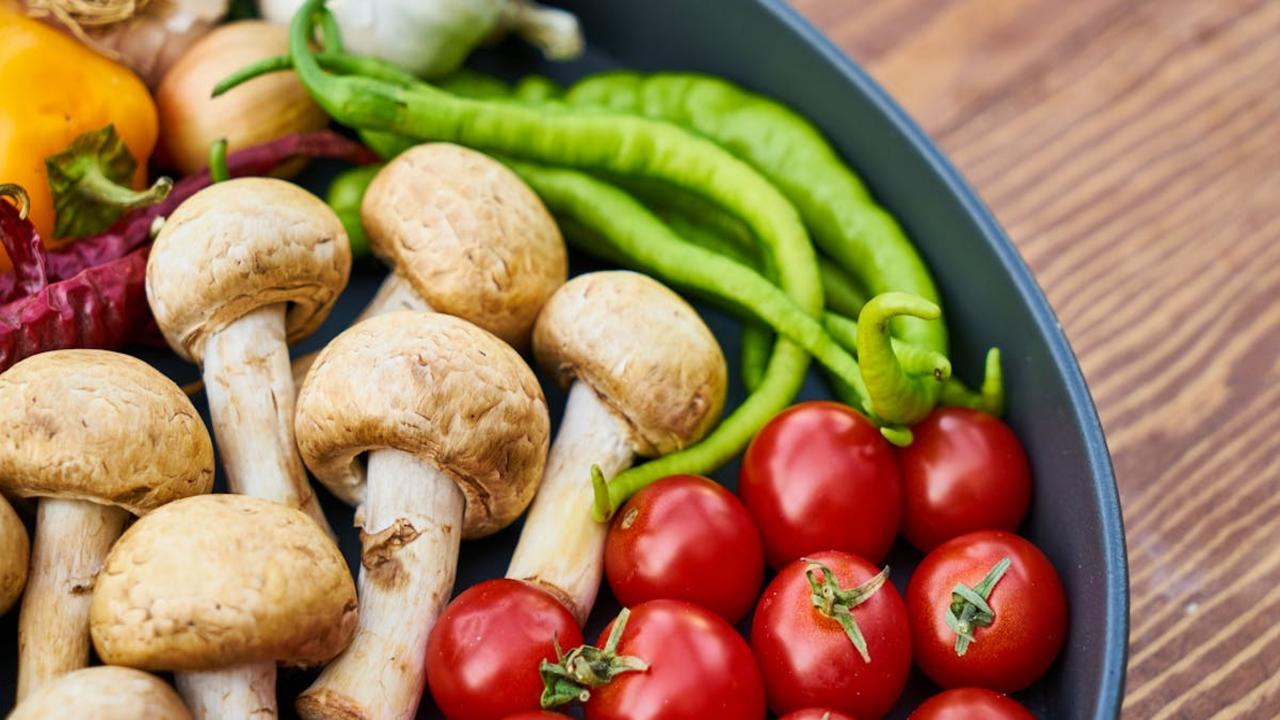
Mushrooms transform any ordinary dish into something extraordinary, and I can’t imagine cooking without these umami powerhouses in my kitchen. Whether you reach for earthy cremini, meaty portobellos, or delicate oyster mushrooms, each variety brings its own personality to your cooking. I love how mushrooms soak up flavors like little sponges – toss them in a hot pan with garlic and herbs, and they become golden, caramelized gems that make even the simplest pasta sing. The way they release their moisture and concentrate their flavors during cooking creates that deep, savory backbone that professional chefs depend on to build complex dishes.
What excites me most about mushrooms is their incredible versatility across global cuisines – from Asian stir-fries to Italian risottos, they bridge cultures beautifully. I often substitute mushrooms for meat in my plant-forward meals, and guests never feel like they’re missing anything. Try roasting a mix of mushrooms with fresh thyme and a splash of balsamic vinegar, then fold them into grain bowls or pile them onto toast with creamy ricotta. The natural glutamates in mushrooms work like magic, intensifying other flavors in your dish while adding their own earthy richness. Keep dried mushrooms in your pantry too – they’re your secret weapon for adding instant depth to soups, sauces, and braises with just a handful.
Kale
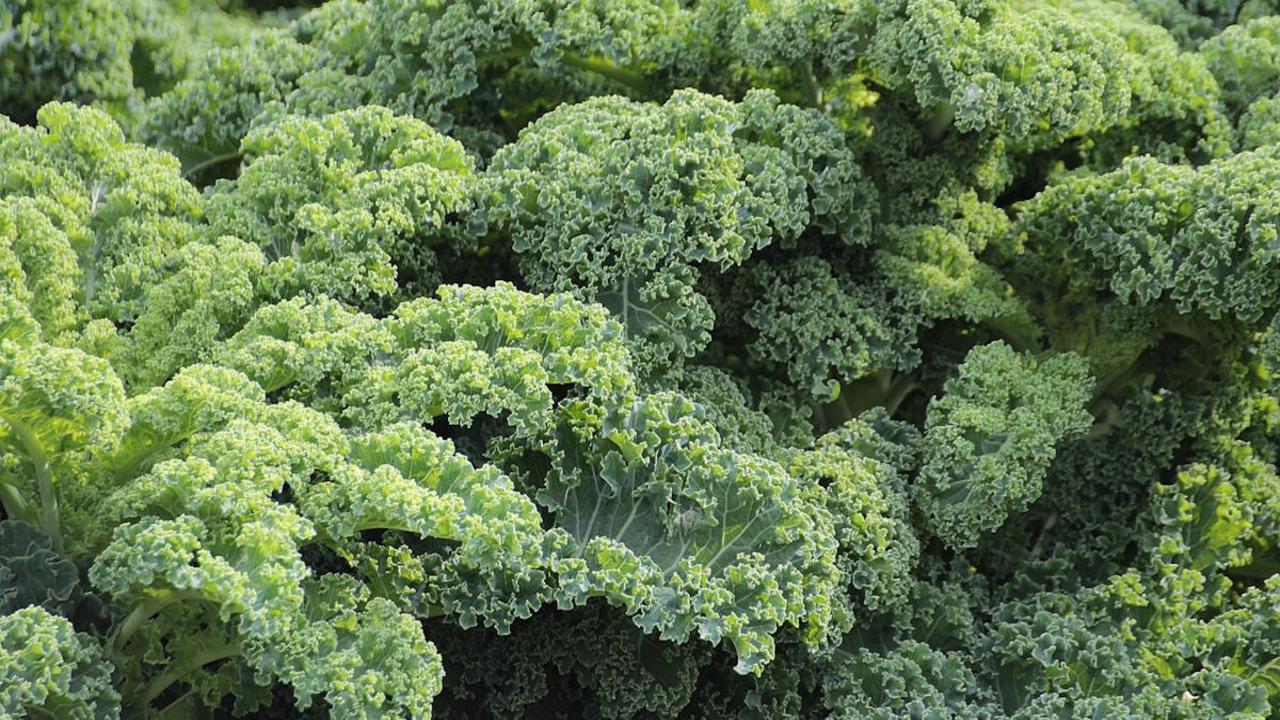
You know what changed my relationship with greens forever? Learning how chefs treat kale like the versatile superstar it actually is. I used to think kale was just something you grudgingly ate for health benefits, but watching professional kitchens work with this powerhouse opened my eyes. They massage it with olive oil and sea salt to break down those tough fibers, transforming what could be bitter leaves into silky, almost buttery ribbons. I started doing this at home, and suddenly kale became the foundation for incredible salads that actually tasted amazing. The key is working with your hands—really getting in there and giving those leaves some love until they soften and darken.
What really excites me about kale is how it bridges so many different cooking traditions. I’ve seen it shine in everything from Portuguese caldo verde to Korean-inspired stir-fries, and it never fails to surprise me. When you sauté it quickly with garlic and a splash of good vinegar, it becomes this incredible side dish that pairs beautifully with roasted meats or grilled fish. The stems? Don’t throw them away! I dice them up and add them to soups or grain bowls for extra crunch and nutrition. Chefs know that kale’s sturdy structure means it holds up beautifully in hearty dishes, soaking up flavors while maintaining its texture. It’s this reliability that makes kale such a go-to ingredient when you want to add serious nutritional value without sacrificing taste.
Ginger Root
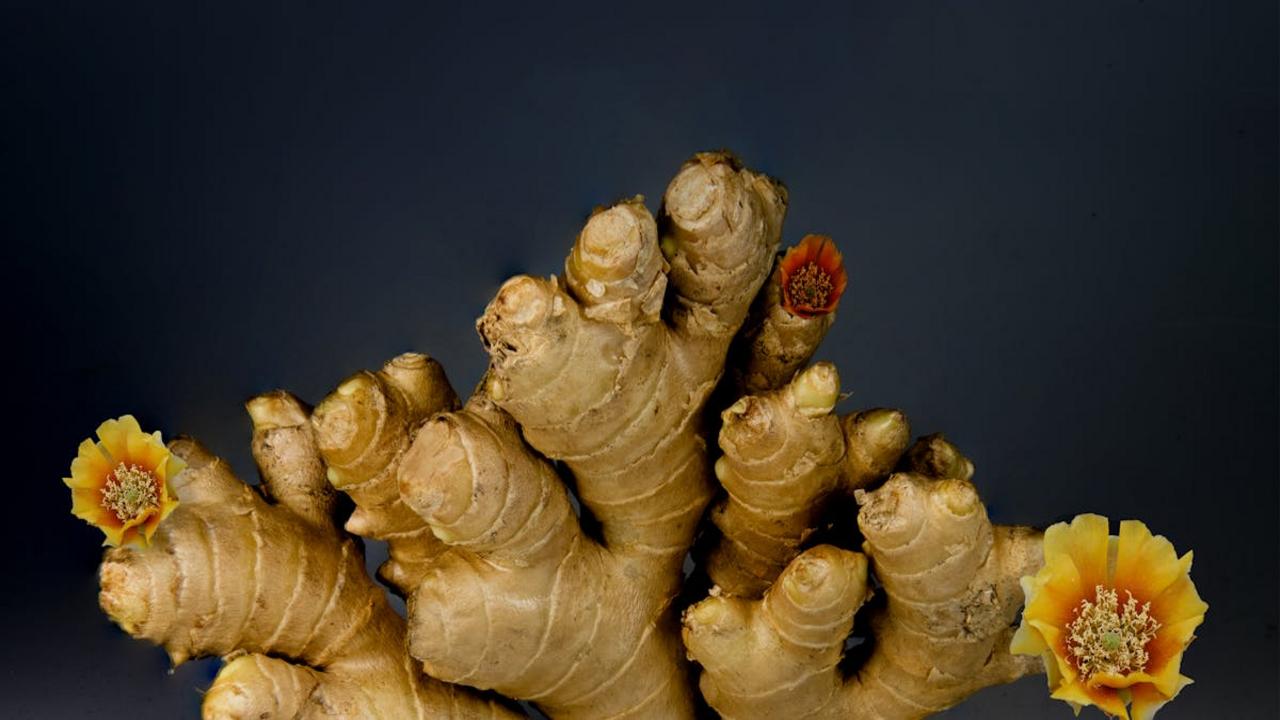
You know how some ingredients just transform everything they touch? Fresh ginger root does exactly that for me. I keep a knob of this golden treasure in my kitchen at all times because it brings this incredible warmth and complexity that dried ginger powder simply can’t match. When I grate fresh ginger into my stir-fries, soups, or marinades, it creates this beautiful balance of heat and sweetness that makes even the simplest vegetables sing. The aromatic oils in fresh ginger release differently when you slice it thin versus grating it coarse, so I play around with different preparations depending on what I’m cooking.
What I love most about ginger is how it bridges so many different cuisines while supporting your body’s wellness. I’ll muddle it into homemade ginger tea when I need something soothing, or I’ll create quick pickled ginger to brighten up grain bowls and roasted vegetable dishes. The anti-inflammatory properties make it more than just a flavor enhancer – it’s medicine disguised as deliciousness. Try peeling a thumb-sized piece and keeping it in your freezer; frozen ginger grates beautifully and lasts for months, giving you instant access to that fresh, fiery kick whenever inspiration strikes.
Garlic
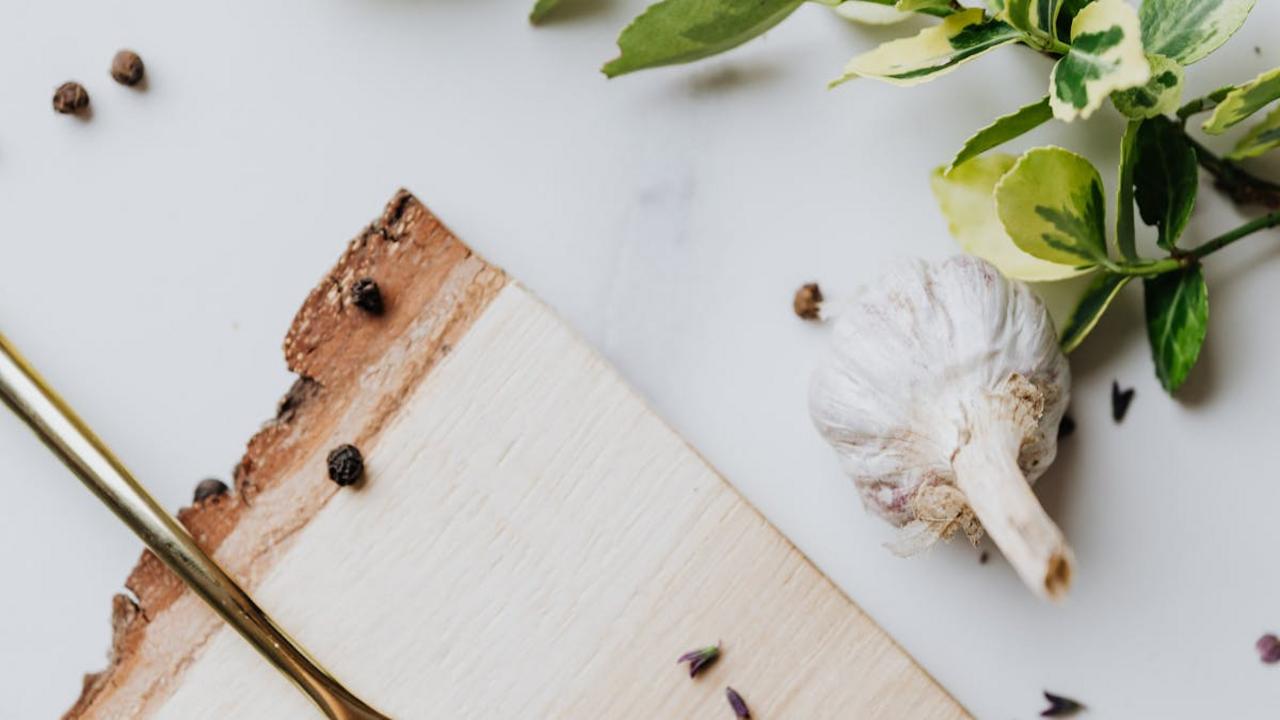
Garlic transforms everything it touches, and I treat it like the flavor foundation of my kitchen. When I’m building a dish, garlic goes into the pan first—not just because recipes tell me to, but because that sizzling moment when raw garlic hits warm oil creates the aromatic base that makes everything else sing. I keep whole bulbs scattered around my counter because garlic needs to breathe, and I go through them faster than most people go through bread. Whether I’m making a simple weeknight stir-fry with whatever vegetables I have on hand or slow-roasting a whole chicken, garlic becomes the bridge that connects all the other flavors.
The beauty of garlic lies in its incredible range—crush it with the flat side of your knife for a mellow sweetness that melts into soups and stews, or mince it fine for that sharp bite that wakes up your palate. I love how different cooking methods completely change its personality: slow-roasted garlic becomes buttery and spreadable, while quick-sautéed garlic stays punchy and bright. In my Korean-inspired dishes, I combine garlic with ginger and fermented ingredients, but it works just as beautifully in Mediterranean preparations with olive oil and herbs. This little bulb connects cuisines across continents, and once you start cooking with fresh garlic regularly, you’ll never want to go back to the pre-minced stuff in jars.
Brussels Sprouts
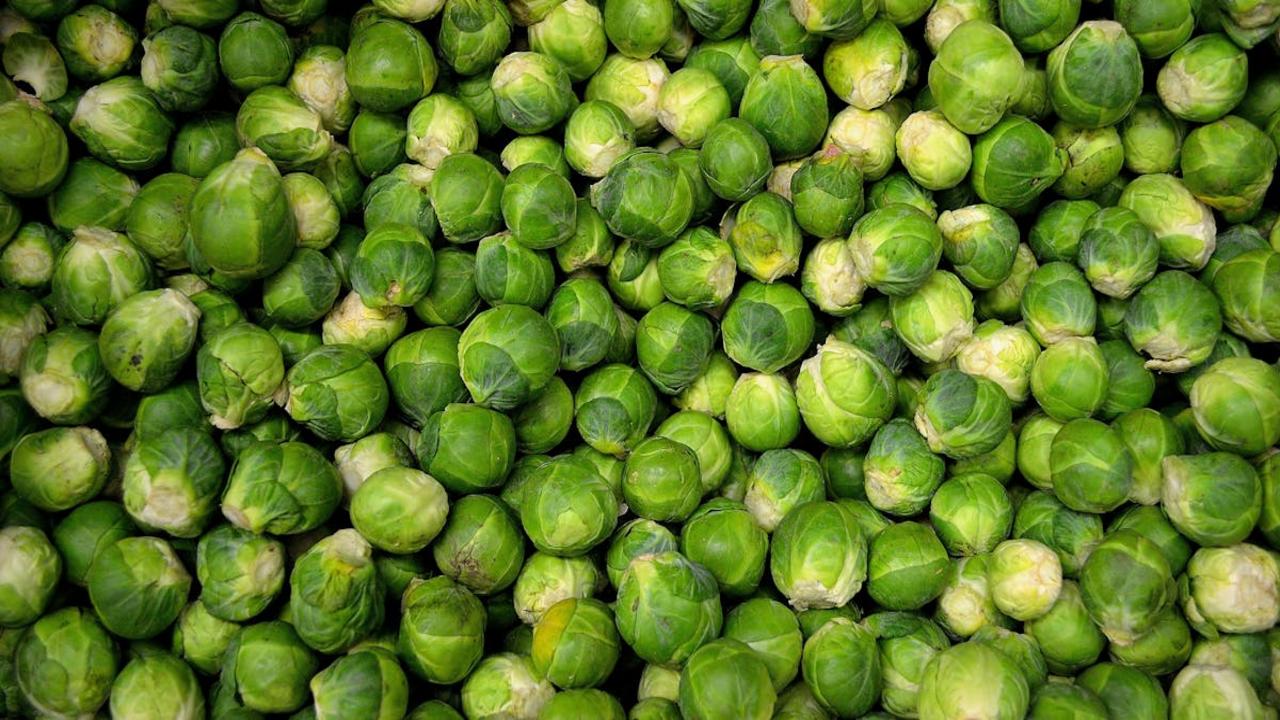
You know what? Brussels sprouts completely transformed my cooking once I stopped boiling them into sad, mushy spheres. These little cabbages pack serious flavor when you treat them right, and I’ve watched countless dinner guests go from skeptical to asking for seconds. The secret lies in high heat and bold seasonings – I love halving them and searing cut-side down in a screaming hot pan with just a touch of olive oil. That caramelization creates these crispy, golden edges that make all the difference. Sometimes I’ll toss them with harissa paste for a North African twist, or finish with a drizzle of pomegranate molasses and toasted pine nuts.
What makes Brussels sprouts so brilliant for everyday meals is their incredible versatility and nutritional punch. These vitamin K powerhouses work beautifully raw when shaved thin for winter salads, roasted whole until they’re crispy outside and tender within, or quickly stir-fried with garlic and ginger for an Asian-inspired side. I often add them to grain bowls with tahini dressing, or sauté them with bacon and caramelized onions for a comforting fall dish. The key is respecting their natural sweetness – they become nutty and almost candy-like when cooked properly, making them the perfect bridge between indulgent and healthy eating.
Broccoli
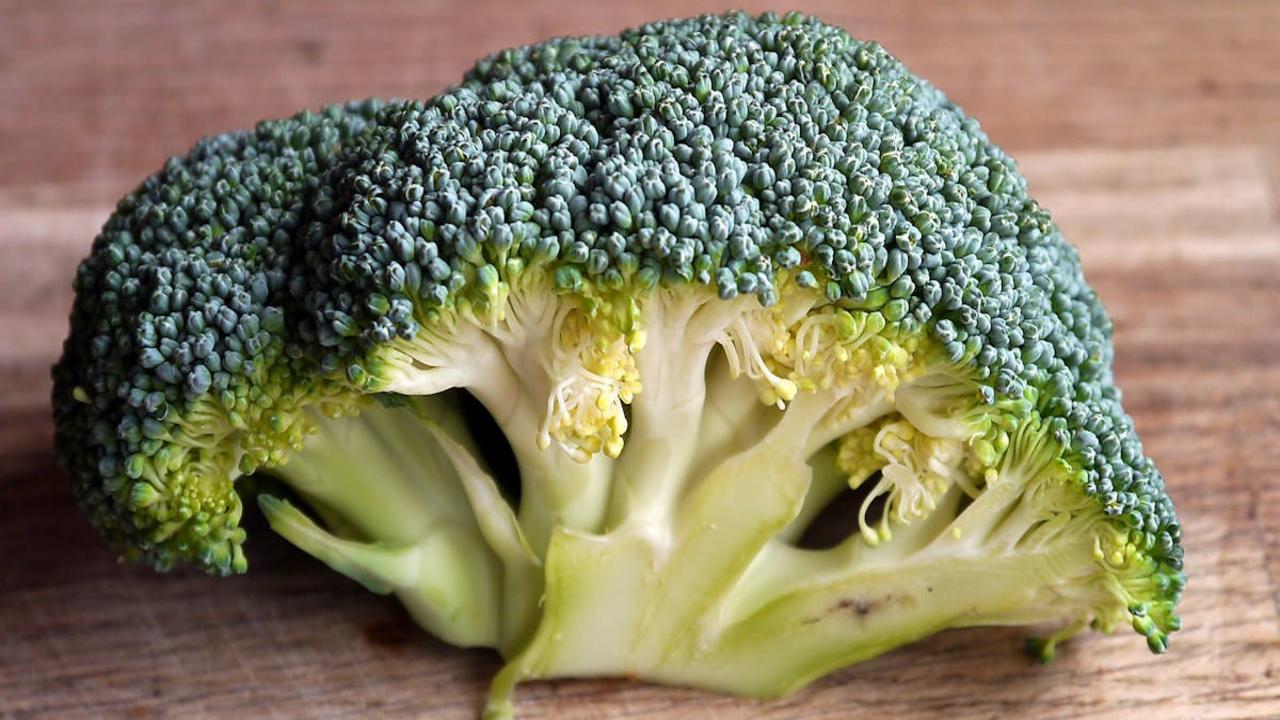
You know what gets me excited? Watching people transform their relationship with broccoli from childhood trauma to absolute obsession. I’ve seen it happen countless times in my kitchen, and honestly, it’s pure magic. The secret lies in understanding that this emerald powerhouse isn’t just a side dish—it’s your ticket to creating restaurant-quality meals at home. When you roast broccoli at high heat, those florets develop these incredible caramelized edges that taste almost nutty, while the stems become tender and sweet. I love tossing mine with garlic, red pepper flakes, and a splash of good olive oil before letting the oven work its transformation.
Here’s where broccoli becomes your secret weapon: it plays beautifully with bold flavors from every corner of the globe. I’ll fold blanched florets into creamy Thai curries, where they soak up coconut milk and spices like little green sponges. Or I’ll char them quickly in a cast-iron pan and finish with za’atar and lemon for a Middle Eastern twist that’ll make you forget you’re eating vegetables. The stems? Don’t you dare throw them away! I julienne them for slaws, pickle them for tangy additions to grain bowls, or blend them into soups for extra nutrition. This approach means zero waste and maximum flavor in every single bite.
Bell Peppers
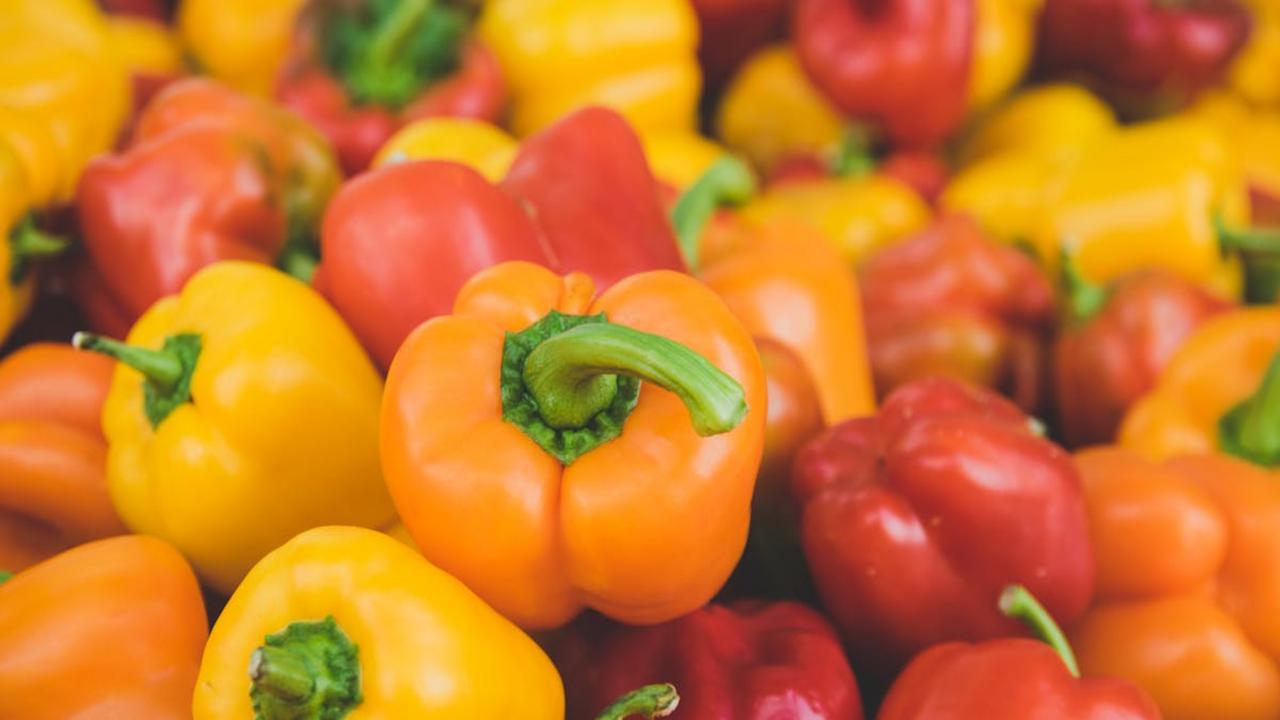
You know what gets me excited every time I walk through the produce section? Those gorgeous bell peppers sitting there like colorful gems, just waiting to transform your everyday cooking. I reach for them constantly because they bring this perfect combination of sweetness, crunch, and vibrant color that can turn the simplest dish into something special. Whether you grab the classic red ones with their candy-like sweetness, the grassy green varieties, or those sunshine-yellow beauties, each one offers its own personality that professional chefs absolutely adore.
What I love most about bell peppers is how they adapt to whatever cooking method you throw at them. Roast them until their skins blister and char, and you get this smoky, concentrated sweetness that makes my Mediterranean-inspired dishes sing. Slice them thin and toss them raw into salads for that satisfying crunch, or stuff them with a mixture of quinoa, herbs, and spices for a wholesome dinner that feels both comforting and nourishing. The natural sugars in bell peppers caramelize beautifully when you sauté them, creating this golden foundation that chefs use to build flavor in everything from stir-fries to pasta sauces.