14 Timeless Biblical Dishes Still Beloved in Today’s Cuisine
The Bible serves as an incredible source of food wisdom, featuring ingredients that have stood the test of time for thousands of years. From the Garden of Eden to the Last Supper, these foods didn’t just feed people – they carried deep spiritual and cultural meaning that still resonates today.
Many of these ancient ingredients remain staples in modern kitchens worldwide. Your favorite Mediterranean recipes likely include olives, figs, and pomegranates – the same fruits mentioned throughout biblical texts. These foods bring both nutrition and rich historical connections to your table.
I’m excited to share 14 biblical foods that continue to nourish and satisfy in contemporary cooking. Each ingredient offers unique flavors and health benefits that have made them indispensable across generations. Let’s discover how these time-honored foods can enhance your meals today.
Leeks
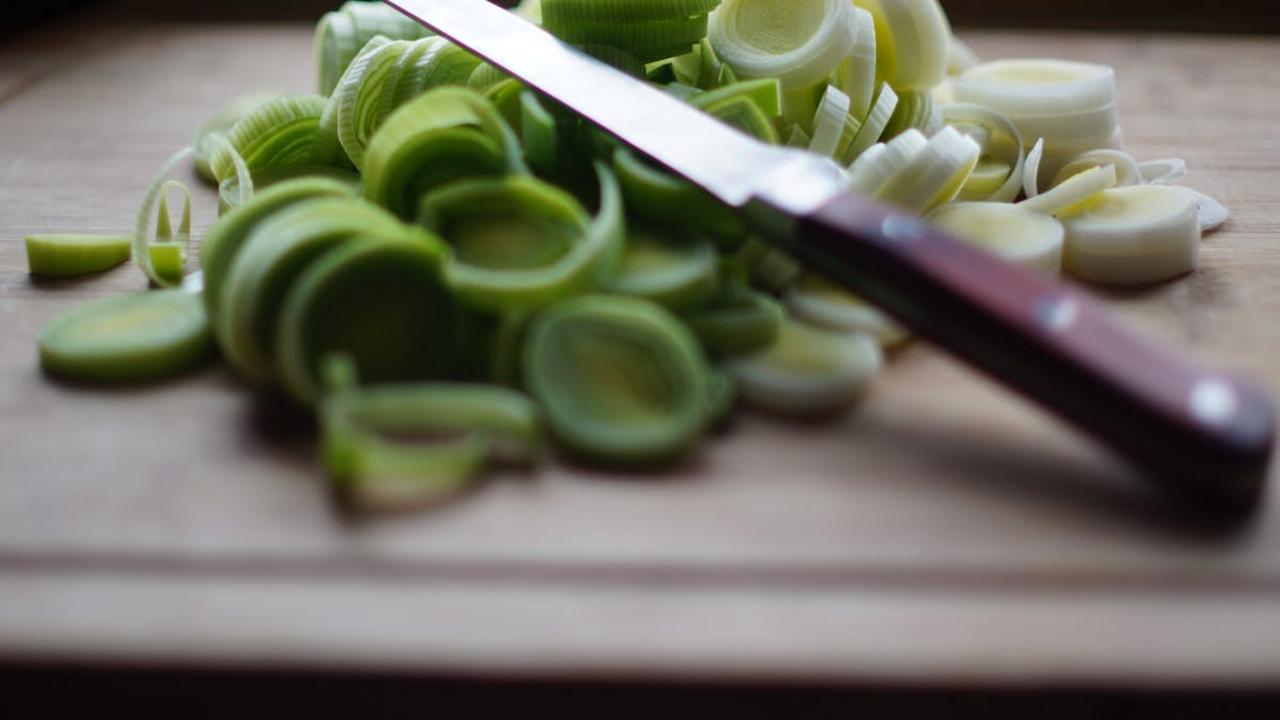
I adore how leeks bring such a gentle, sweet onion-like flavor to Biblical and modern dishes! These ancient vegetables have stood the test of time, appearing in Numbers 11:5 where the Israelites fondly remembered eating them in Egypt. Today, you’ll find leeks adding their subtle richness to soups, stews, and roasted vegetable medleys across kitchens worldwide. Their versatility makes them perfect for both raw and cooked applications – I particularly love them sautéed until they turn soft and golden, releasing their natural sweetness.
Want to make the most of your leeks? Clean them thoroughly by slicing lengthwise and running water between the layers to remove any hidden dirt. The white and light green parts work best for cooking, while you can save the darker tops for homemade stock. Try them in a classic potato leek soup, or roast them with olive oil and sea salt until they caramelize. One of my favorite ways to prepare leeks links directly back to ancient times – braising them in broth with a touch of honey, similar to how they might have been enjoyed thousands of years ago.
Mustard

You’ll find mustard mentioned several times in the Bible, from the tiny seeds to sprawling plants that offer shade to birds. This ancient condiment has stood the test of time and remains a kitchen staple worldwide. I love how the sharp, tangy flavor of mustard adds life to sandwiches, marinades, and dressings. The variety we see today – from mild yellow to spicy Dijon and whole-grain versions – all trace back to those same small seeds that Jesus referenced in his parables.
Making your own mustard at home brings you closer to this biblical tradition while giving you control over the heat and texture. Just soak mustard seeds in vinegar or wine, grind them with your choice of seasonings, and you’ve created something that connects you to thousands of years of food history. My favorite combination includes brown and yellow seeds with local honey and apple cider vinegar – it creates a bold condiment that brightens up anything from grilled meats to roasted vegetables. The best part? Homemade mustard stays fresh in your fridge for months, just like our ancestors kept their mustard preparations ready for daily meals.
Cucumbers
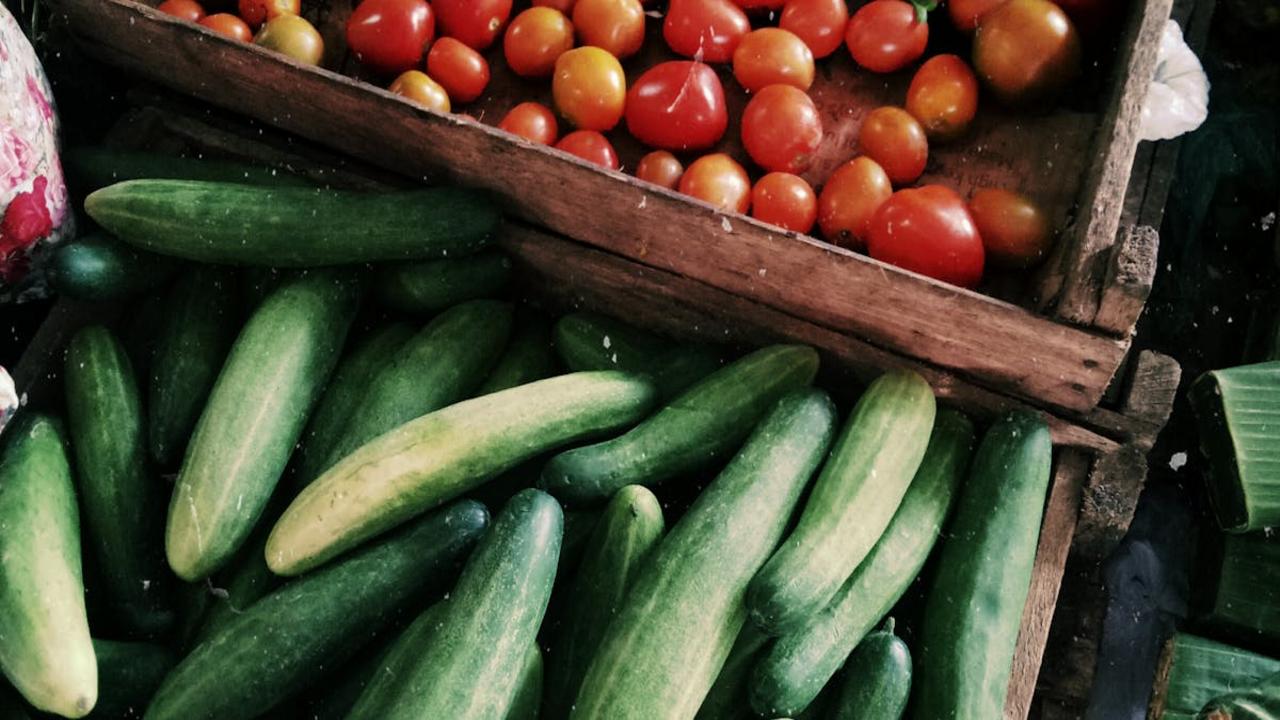
You’ll find cucumbers mentioned throughout the Bible, particularly in the Book of Numbers where the Israelites fondly remember the cucumbers they ate in Egypt. This refreshing vegetable remains a staple in Middle Eastern cuisine today, and I love how it brings the same cooling crunch to our modern tables that it did thousands of years ago. The cucumber’s versatility shines in everything from fresh salads to pickled preparations, making it a go-to ingredient for adding texture and hydration to meals.
What makes cucumbers extra special is their ability to complement so many different dishes. I recommend adding them to your Greek salads, rolling them into sushi, or mixing them into tzatziki sauce – all preparations that honor their ancient roots. The Biblical connection to cucumbers reminds us that some foods truly stand the test of time. You’ll find this humble vegetable in nearly every culture’s cuisine, from Japanese sunomono to Middle Eastern fattoush, proving its enduring appeal across millennia.
Onions
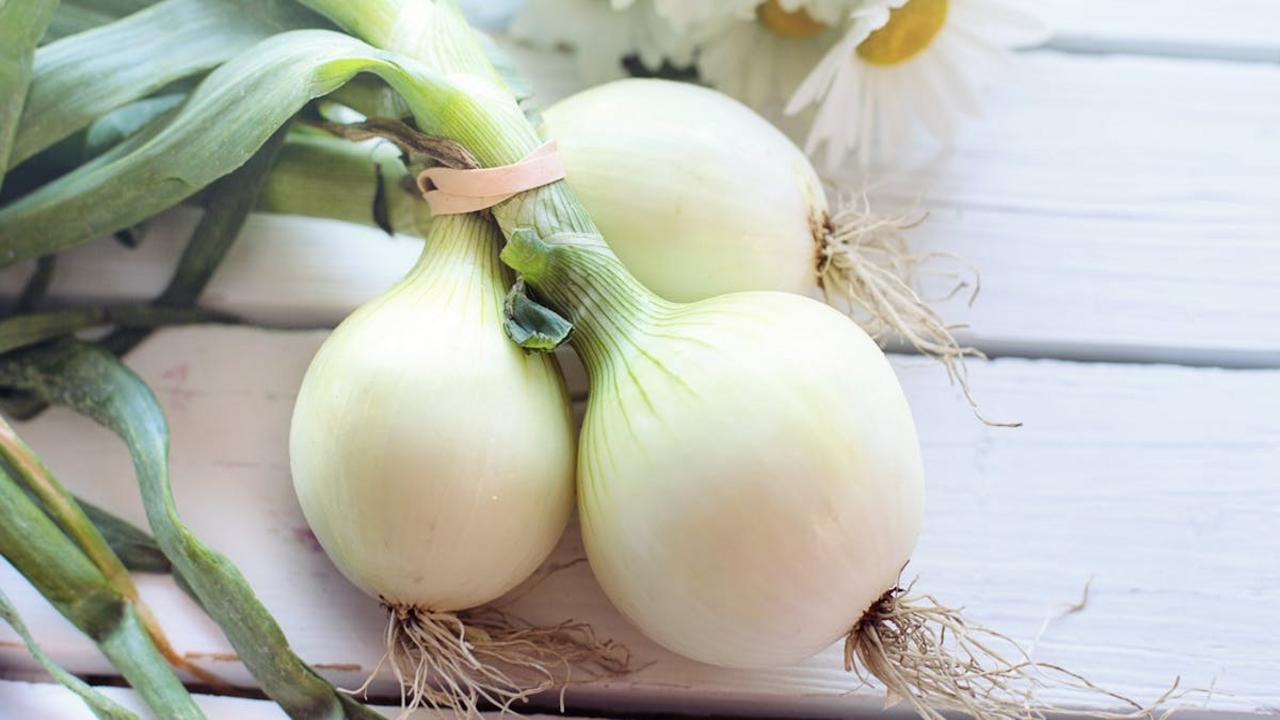
You’ll find onions mentioned throughout the Bible, from Numbers to Exodus, where the Israelites fondly remembered eating them during their time in Egypt. These humble bulbs have stood the test of time and remain a foundation of cooking across many cultures today. I love how onions bring depth and natural sweetness to dishes – whether you caramelize them slowly for a rich French onion soup or dice them raw into a fresh Mediterranean salad.
The ancient Egyptians valued onions so much they used them as currency and buried them with their pharaohs! Today, you’ll see this biblical ingredient starring in countless recipes from Jewish, Middle Eastern, and Mediterranean kitchens. Try adding sautéed onions to your next pot of lentils or rice – they’ll create an amazing aroma and bring authentic biblical flavors right into your modern kitchen. The natural sugars in onions make them perfect for both savory dishes and sweet chutneys, carrying on cooking traditions that have lasted thousands of years.
Almonds
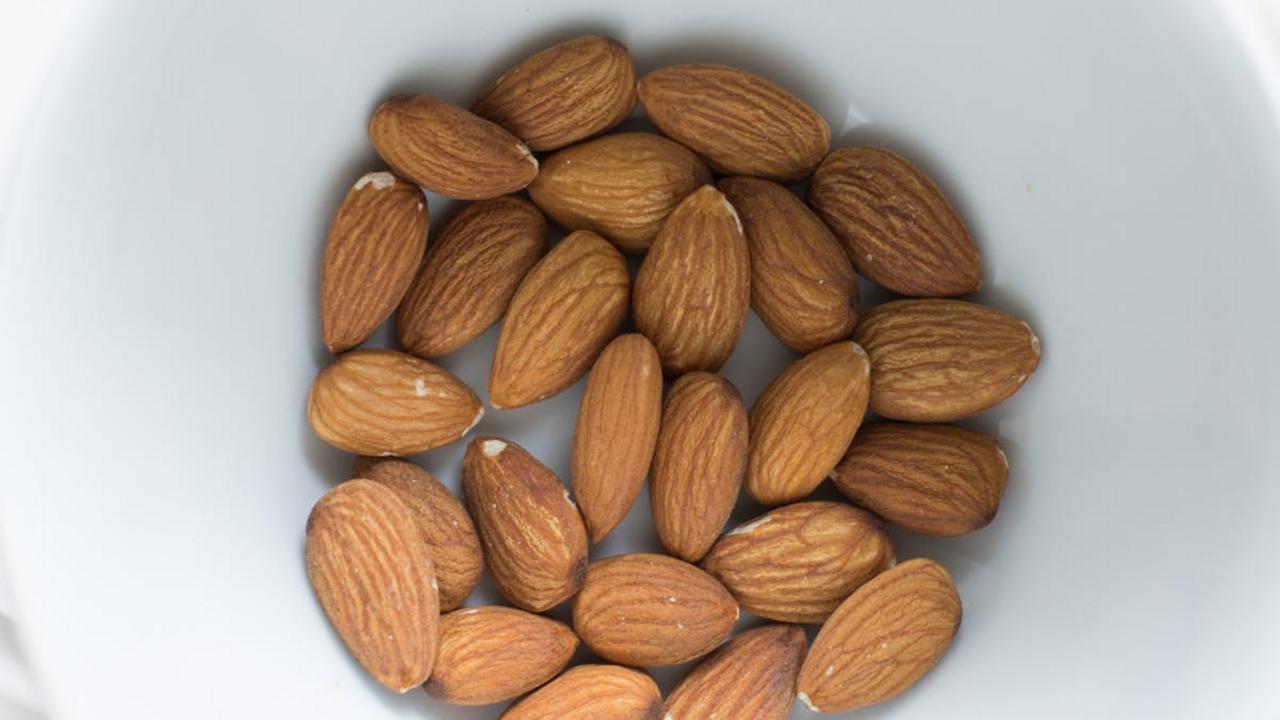
I love how almonds have stayed a favorite snack from Biblical times right through today! These nutrient-rich nuts show up multiple times in scripture, including in Genesis where they’re mentioned as precious gifts. Back then, people valued almonds not just for their sweet, buttery flavor but also for the oil they produced. Today, we still munch on them raw, roast them for extra crunch, or transform them into smooth butter and milk – proving that good food truly stands the test of time.
You’ll find almonds adding their magic to both sweet and savory dishes across many cultures. They bring the perfect crunch to Moroccan tagines, add richness to Spanish romesco sauce, and create the base for classic French macarons. I particularly love using almond flour in my baking – it makes everything from cookies to cakes more moist and flavorful while adding protein and healthy fats. The versatility of almonds truly shines in modern cooking, carrying forward an ancient food tradition that’s just as relevant in our kitchens today.
Pistachios
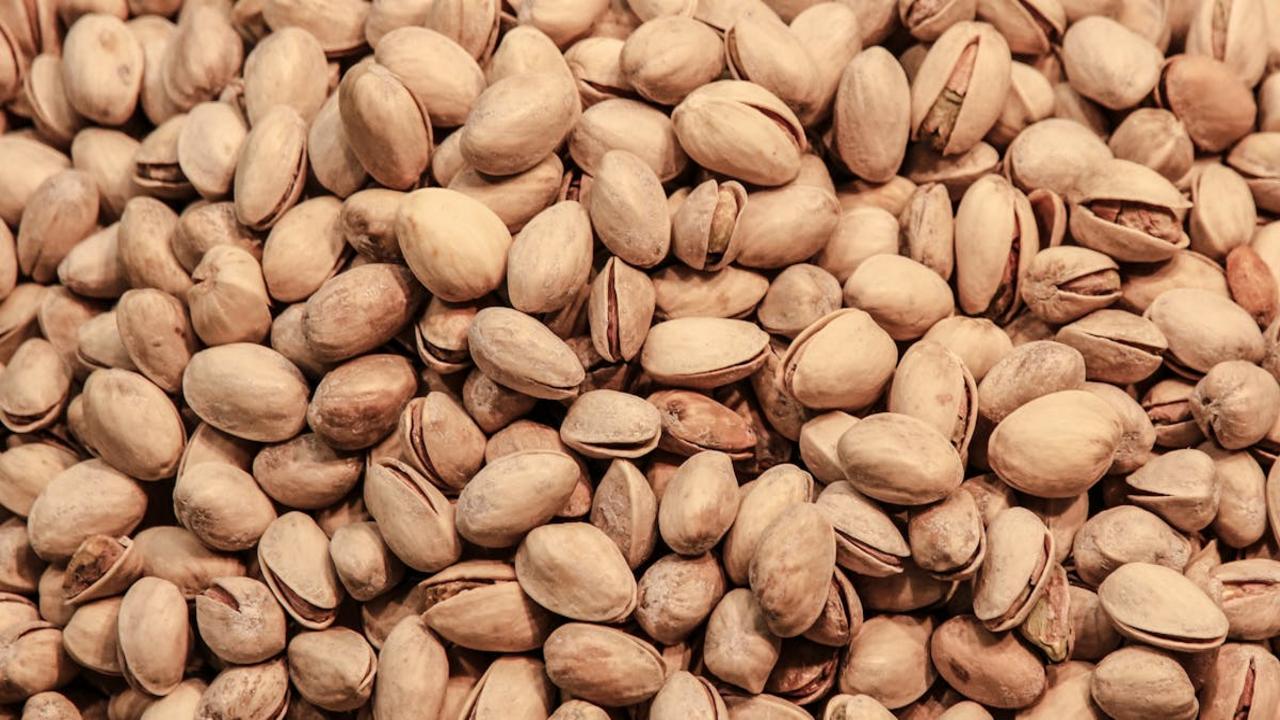
I love how pistachios hold such a special place in biblical history – they were considered precious gifts worthy of royalty! Genesis 43:11 mentions how Jacob sent pistachios along with almonds and other treats as presents to the Egyptian ruler. These small but mighty nuts have stood the test of time, and today you’ll find them adding their distinctive crunch and nutty flavor to everything from traditional Middle Eastern desserts to modern trail mixes. Their beautiful green color and rich nutritional profile make them a favorite among health-conscious food lovers.
Your body will thank you for munching on these biblical gems – pistachios pack serious nutrition into their tiny shells! They’re loaded with protein, fiber, and heart-healthy fats, making them perfect for snacking or adding to your favorite recipes. I particularly enjoy sprinkling them over morning oatmeal or incorporating them into homemade granola. Middle Eastern dishes like baklava and halva still showcase pistachios prominently, carrying forward their ancient legacy. The next time you crack open a pistachio, remember you’re enjoying the same wonderful nut that people treasured thousands of years ago!
Garlic
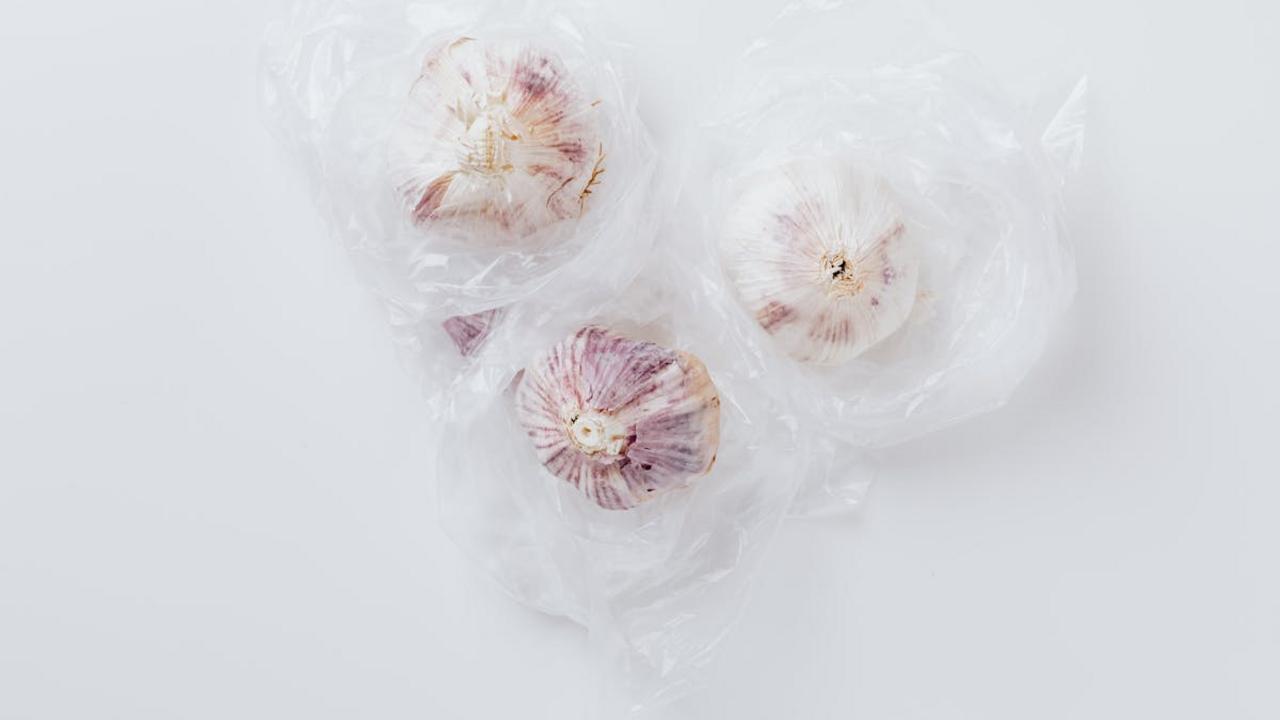
I love how garlic has remained a steadfast ingredient from biblical times to our modern kitchens! This aromatic bulb appears in Numbers 11:5, where the Israelites longingly remembered the garlic they ate in Egypt. Raw, roasted, or minced, garlic brings depth and warmth to countless dishes while offering powerful health benefits. The compounds in garlic, especially allicin, help boost your immune system and may lower blood pressure – making it both a tasty and beneficial addition to your meals.
You’ll find garlic featured prominently in Mediterranean and Middle Eastern cooking, just like in biblical times. I always keep a few bulbs in my kitchen to add authentic flair to recipes like hummus, falafel, and roasted meats. The beauty of garlic lies in its versatility – you can mellow its bite by roasting whole bulbs until they turn sweet and creamy, or amp up its punch by crushing fresh cloves into dressings and marinades. Some of my favorite ways to use garlic include blending it into smooth dips, mixing it into herb-infused olive oils, or simply rubbing it on toasted bread for a quick and flavorful snack.
Honey

I absolutely adore how honey has maintained its revered status from Biblical times right through to our modern kitchens! This golden sweetener appears numerous times throughout Scripture, often symbolizing abundance and God’s blessings. Raw honey packs incredible health benefits – it’s rich in antioxidants, contains natural antibacterial properties, and works wonders for soothing sore throats. I keep a jar of local honey in my pantry at all times, using it to sweeten my morning tea or drizzle over warm bread.
You’ll find honey featured prominently in many traditional Middle Eastern recipes that date back to Biblical days. I love incorporating it into marinades for grilled meats, particularly lamb, where it creates an irresistible caramelized crust. My favorite way to use honey draws from ancient traditions – mixing it with fresh figs, nuts, and goat cheese for a simple yet divine appetizer. The natural preservative qualities of honey mean that pure, unprocessed varieties can last indefinitely, making it just as practical today as it was thousands of years ago.
Grapes
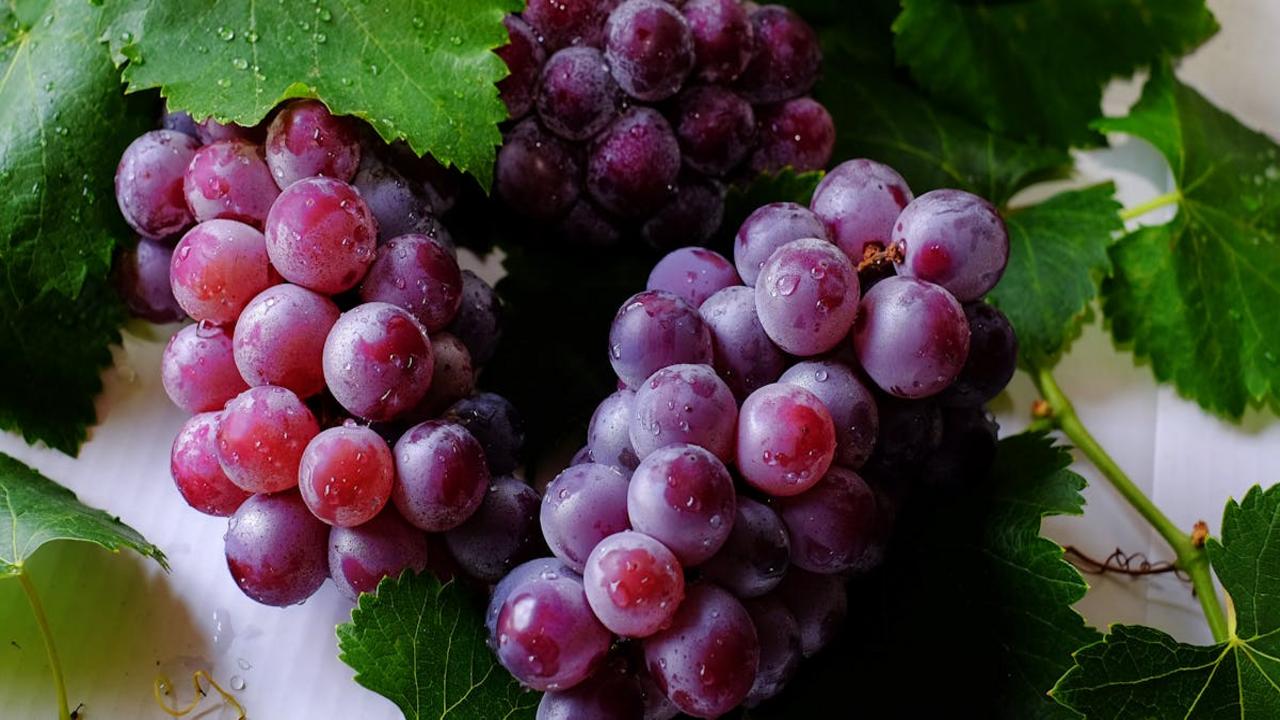
You’ll find grapes throughout the Bible as one of the most cherished fruits, from Noah’s vineyard to Jesus’ parables about grapevines. These sweet, juicy gems remain a favorite in modern kitchens worldwide, and I love how versatile they are! You can add them to cheese boards, bake them into breads, or blend them into smoothies. The Biblical tradition of eating grapes fresh off the vine continues today, and many families keep this simple pleasure alive by growing their own backyard grapevines.
What makes grapes extra special is their rich symbolism and practical uses beyond snacking. In Biblical times, people dried them into raisins for preservation and pressed them for wine and juice – methods we still use today. I particularly enjoy roasting red grapes with a drizzle of honey and fresh thyme, which brings out their natural sweetness and creates an amazing topping for salads or yogurt parfaits. The next time you pop a grape into your mouth, remember you’re enjoying the same fruit that has brought joy and sustenance to people for thousands of years.
Barley
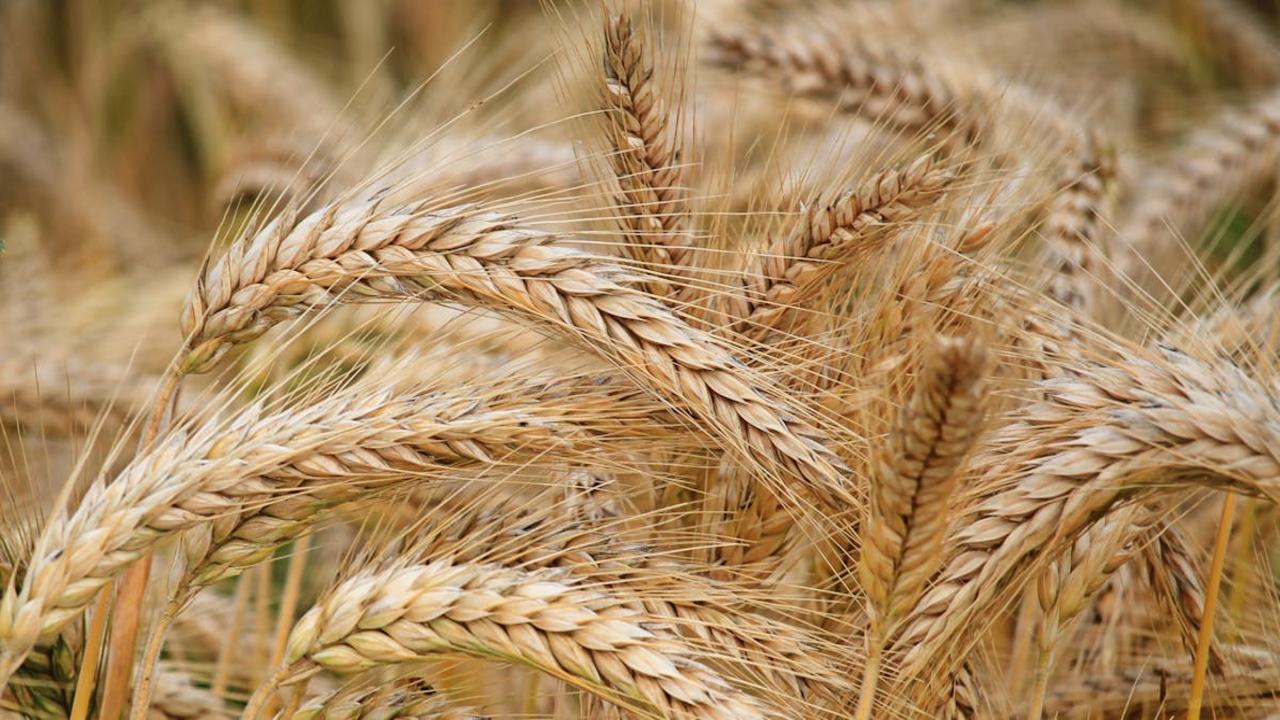
You’ll find barley mentioned countless times throughout the Bible, from Ruth gathering in the fields to Jesus feeding the multitudes. This ancient grain remains a nutritional powerhouse today, packing fiber, vitamins, and minerals into every chewy pearl. I love adding barley to my winter soups and stews – it creates such a hearty, satisfying texture while soaking up all those rich flavors. The subtle nutty taste works perfectly in both sweet and savory dishes, making it one of the most flexible grains in my pantry.
Cooking barley brings such a wonderful aroma to your kitchen! You can simmer it in broth for a risotto-style side dish, blend it into breakfast porridge with honey and fruits, or toss it into salads for extra protein and fiber. Modern cooks have rediscovered this biblical staple, incorporating it into everything from grain bowls to meat-free burgers. The best part? Barley keeps you full for hours while supporting heart and gut health – no wonder it has stood the test of time from ancient days through now!
Olives
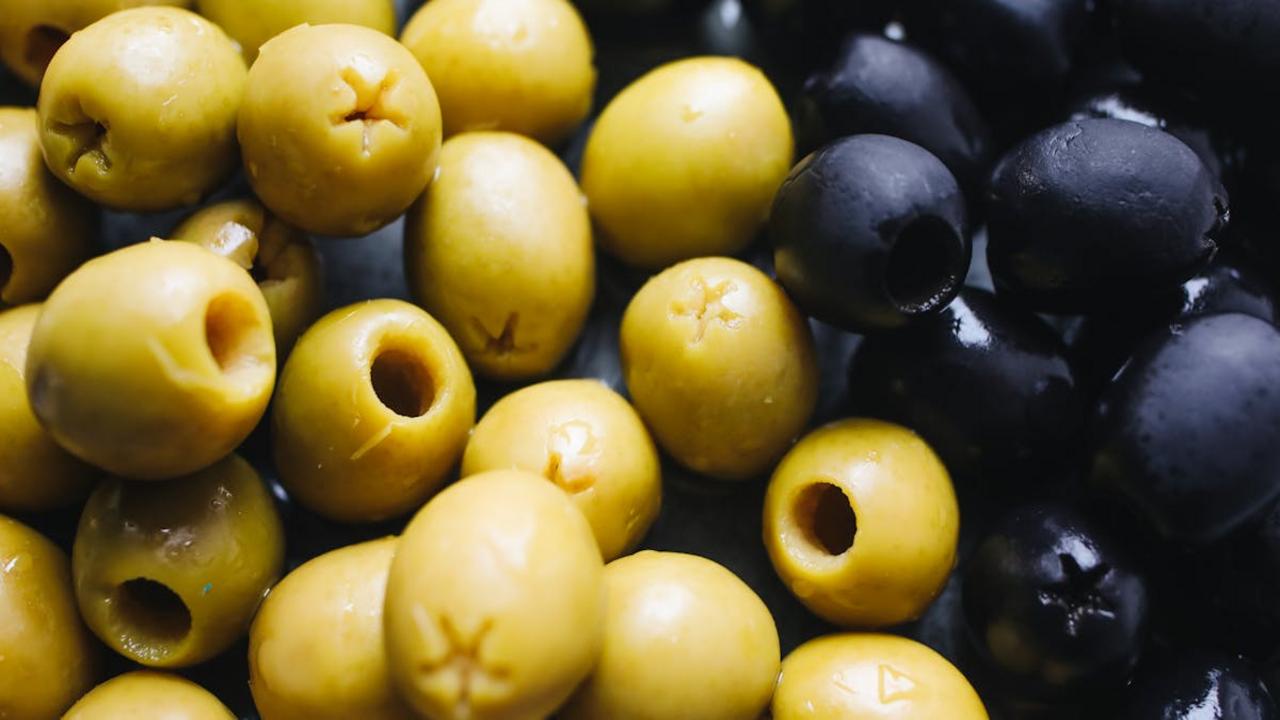
I always think of olives as little gems that have stood the test of time since biblical days! These small fruits grow abundantly throughout the Mediterranean and Middle East, where they’ve been a staple food source for thousands of years. The Bible mentions olive trees and their precious oil over 140 times, highlighting their significance in ancient diets and religious ceremonies. Today, you’ll find these versatile fruits adding their distinctive flavor to everything from Greek salads to martinis, carrying forward the same robust, briny goodness that people loved millennia ago.
You can easily incorporate olives into your modern meals just like our ancestors did. Try tossing black Kalamata olives into your pasta, adding green Spanish olives to your cheese board, or blending them into a fresh tapenade spread. The nutritional benefits remain impressive too – olives pack healthy fats, antioxidants, and vitamin E into each bite. I recommend keeping a variety of olives in your pantry since each type brings its own unique flavor profile to your dishes, from mild and buttery to sharp and tangy.
Figs
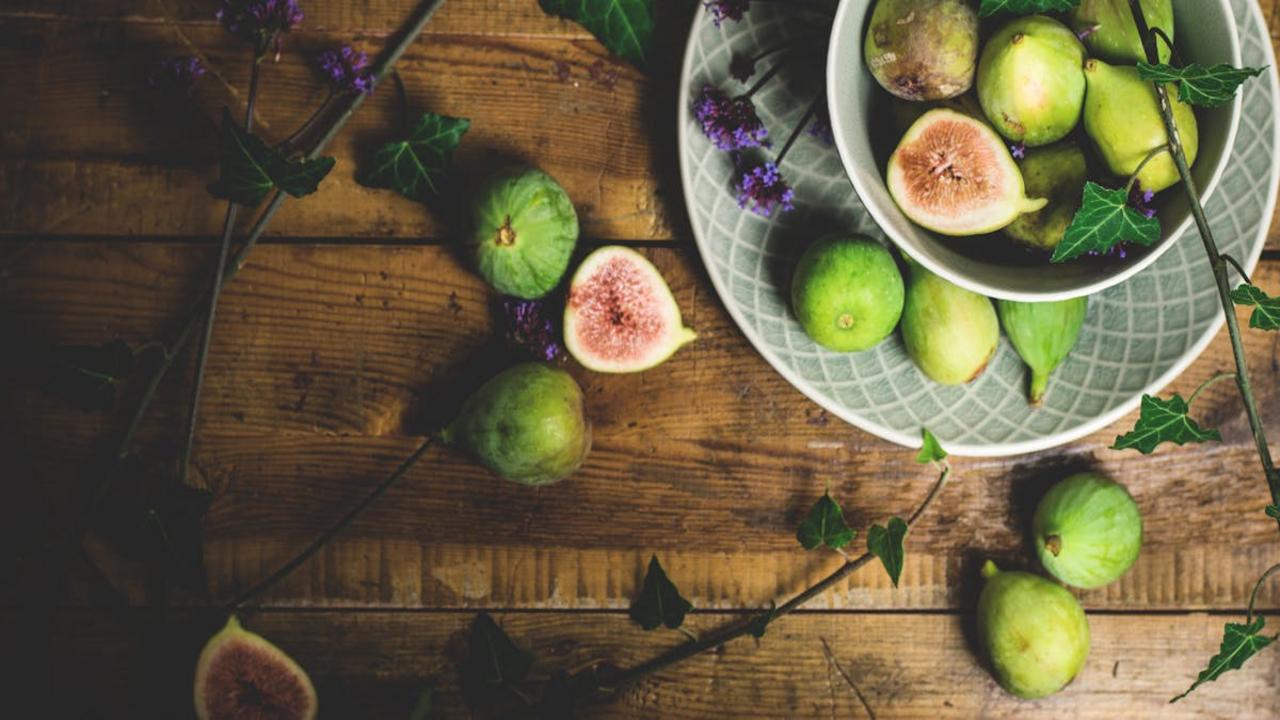
I adore how figs have remained a cherished biblical fruit that still graces our tables today! These sweet, honey-like fruits appear numerous times throughout Scripture, from the Garden of Eden to Jesus’s parables. Fresh figs bring natural sweetness and a luxurious texture to both savory and sweet dishes – try them wrapped in prosciutto, baked into tarts, or simply enjoyed fresh with a drizzle of honey. The rich purple skin and pink flesh make them a beautiful addition to any cheese board or dessert plate.
Your local grocery store likely carries dried figs year-round, while fresh figs pop up seasonally in late summer and early fall. I love incorporating dried figs into breakfast porridge, homemade granola, or energy balls for natural sweetness. They pack impressive nutritional benefits too – figs contain fiber, potassium, calcium, and antioxidants. Next time you spot fresh figs at the market, grab a few to experience this ancient biblical fruit that has stood the test of time in kitchens worldwide.
Lentils

The rich history of lentils in Biblical times continues to influence how we cook and eat today. Found in Genesis 25:34, where Esau trades his birthright for a bowl of red lentil stew, these tiny powerhouses pack a mighty nutritional punch. I’ve found that lentils remain a go-to ingredient for creating hearty, comforting meals that bring people together around the table. My favorite way to prepare them is in a warming soup with carrots, onions, and fragrant herbs – a recipe that feels like it could have been served thousands of years ago.
You’ll find lentils featured prominently in Mediterranean and Middle Eastern cooking, where they’ve been a staple for millennia. From simple dahls to complex stews, these versatile legumes adapt beautifully to both traditional and modern recipes. I love how they absorb the flavors of spices and seasonings while maintaining their distinctive nutty character. Plus, they’re budget-friendly and quick-cooking – perfect for busy home cooks who want to connect with ancient food traditions while creating nourishing meals for their families. Try adding them to your next soup or salad for a protein-rich boost that connects you to this enduring Biblical food.
Pomegranates
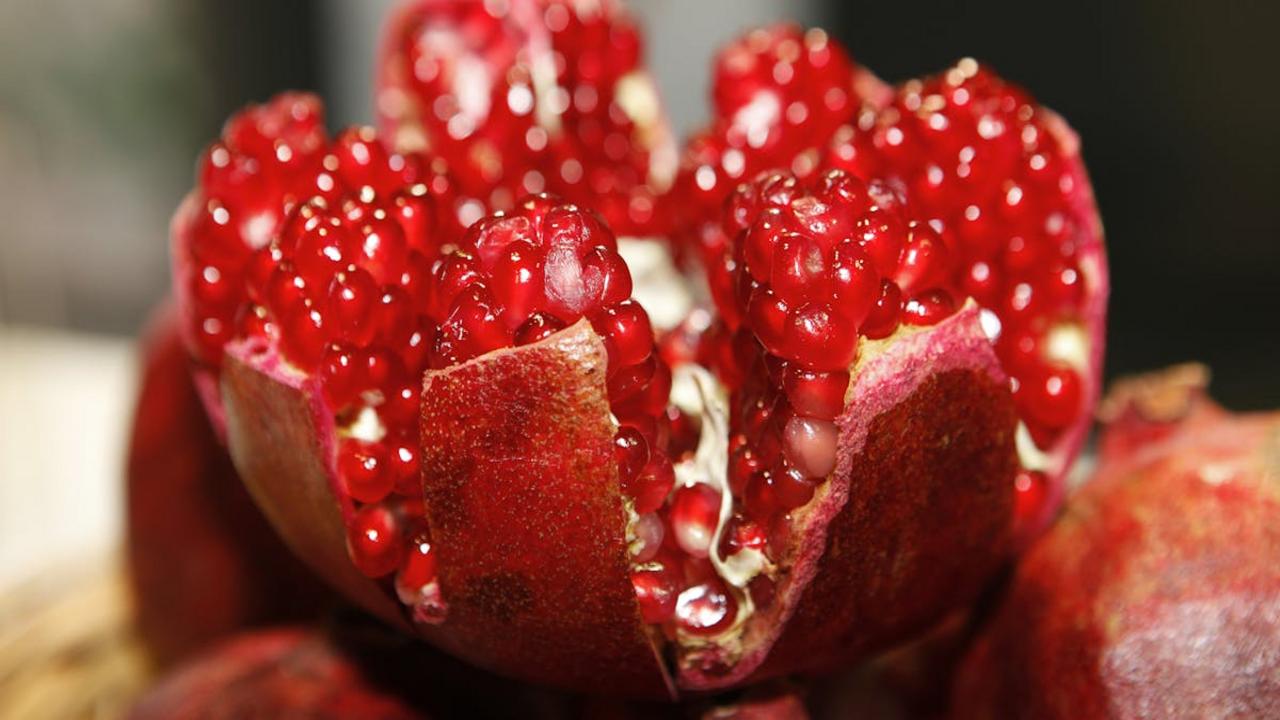
I adore how pomegranates bring both beauty and biblical significance to our modern tables. These ruby-red fruits, mentioned throughout Scripture as symbols of abundance and fertility, pack a powerful nutritional punch with their juicy, jewel-like seeds. You’ll find pomegranates referenced in Exodus and Song of Solomon, where they decorated the hem of the high priest’s robe and represented love’s sweetness. Today, you can toss these bright seeds into your morning yogurt, sprinkle them over salads, or blend them into refreshing smoothies.
The ancient preparation methods for pomegranates remain remarkably similar to how we enjoy them now. Many home cooks still carefully split the fruit and separate the seeds in a bowl of water – a technique that’s been around for thousands of years. I love sharing this simple tip with my readers: score the fruit’s skin into quarters, then submerge it in water to release the seeds without staining your clothes or countertops. The seeds add a sweet-tart crunch to Middle Eastern dishes like tabbouleh and muhammara, while pomegranate molasses brings deep flavor to marinades and dressings.