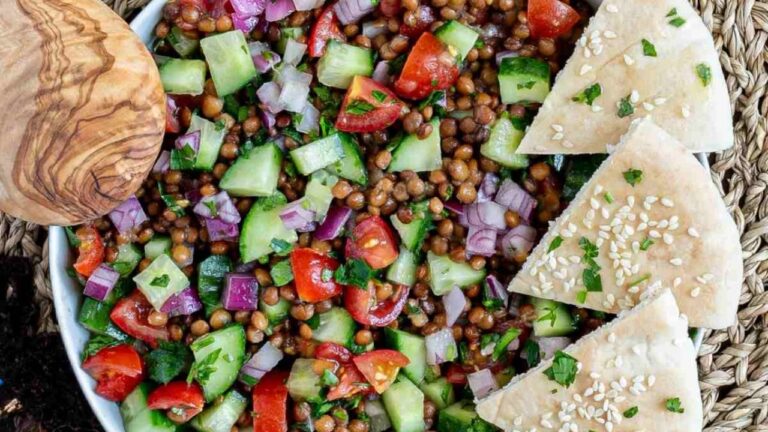
14 Tasty Foods to Add to Your Cart Today
Your next grocery run just got more exciting. These fourteen foods will transform your kitchen into a powerhouse of flavor and nutrition. I’ve handpicked each item based on how they support your digestive health while adding incredible taste to your meals.
From fermented favorites like kefir and kimchi to fiber-rich seeds and tropical fruits, this list represents my go-to ingredients for creating meals that nourish from the inside out. You’ll discover how simple additions like ginger root and fennel seeds can elevate ordinary dishes into something extraordinary.
These aren’t just trendy superfoods—they’re practical ingredients that work beautifully together. Whether you’re making a morning smoothie with chia seeds and papaya or adding tempeh to your stir-fry, each food brings its own magic to your cooking repertoire.
Fennel Seeds
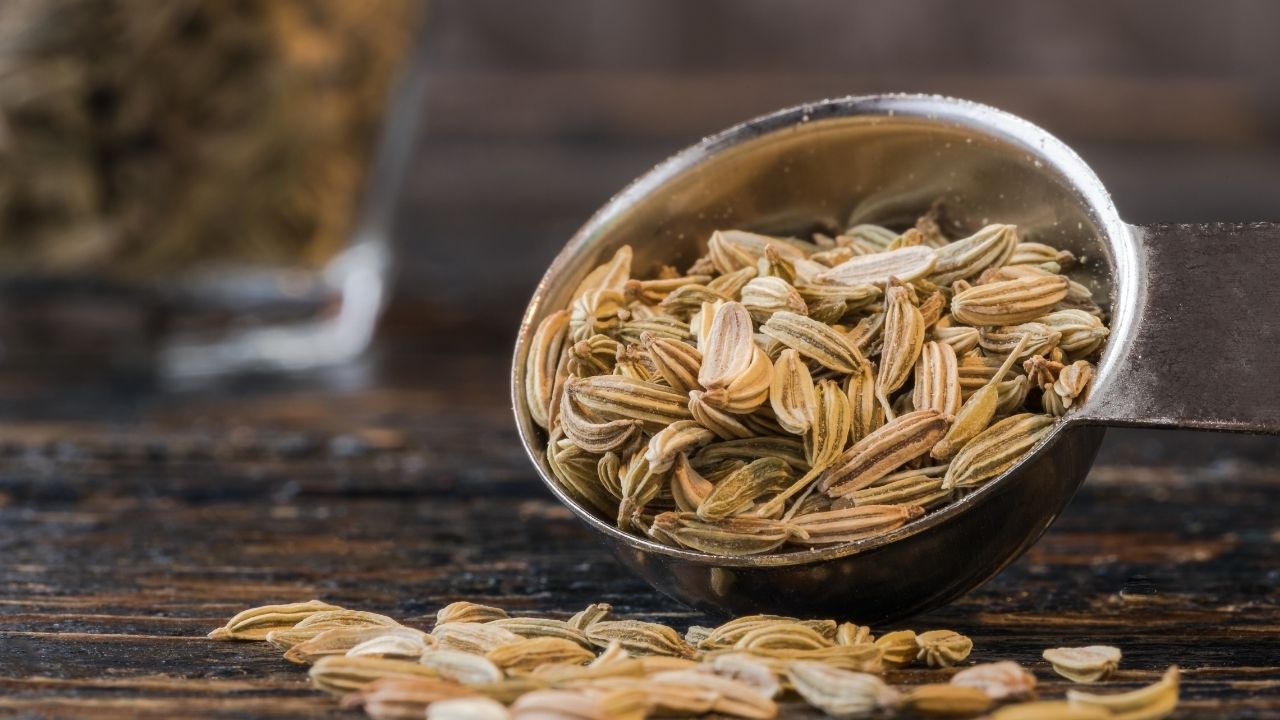
I keep a small jar of fennel seeds right next to my stove because these tiny golden treasures transform ordinary dishes into something magical. You know that sweet licorice-like aroma that hits you when you walk past an Indian restaurant? That’s fennel seeds doing their thing! I love toasting them in a dry pan for just thirty seconds – the kitchen fills with this incredible fragrance that makes everyone come running to see what you’re cooking.
These seeds work beautifully in both sweet and savory applications, and I find myself reaching for them constantly. Sprinkle them into your homemade bread dough, add them to roasted vegetables, or steep them in hot water for a soothing digestive tea after dinner. My favorite trick is grinding them fresh and mixing with sea salt to create a finishing seasoning for grilled fish or roasted chicken. They’re packed with antioxidants and have been used for centuries to aid digestion, making them both delicious and beneficial for your body.
Ginger Root

Fresh ginger root sits in my kitchen like a quiet powerhouse, ready to transform any dish with its bright, warming heat. I keep a knobby piece tucked away in my refrigerator because this golden rhizome brings life to everything from morning teas to evening stir-fries. You can grate it into marinades for that gentle burn that awakens your palate, or slice thin rounds to infuse broths with depth. The beauty of ginger lies in its versatility—it plays beautifully with both sweet and savory preparations, adding complexity without overwhelming other flavors.
Beyond its incredible flavor, ginger offers genuine wellness benefits that make me reach for it daily. I love how it soothes my stomach after heavy meals and brings comfort during cold seasons. Try adding freshly grated ginger to your morning smoothies for an energizing kick, or simmer sliced pieces in hot water with lemon for a simple, healing drink. When shopping, look for firm roots with smooth skin—avoid any that feel soft or wrinkled. Store your ginger in the refrigerator wrapped in paper towels, and it will stay fresh for weeks, ready to brighten your cooking whenever inspiration strikes.
Banana
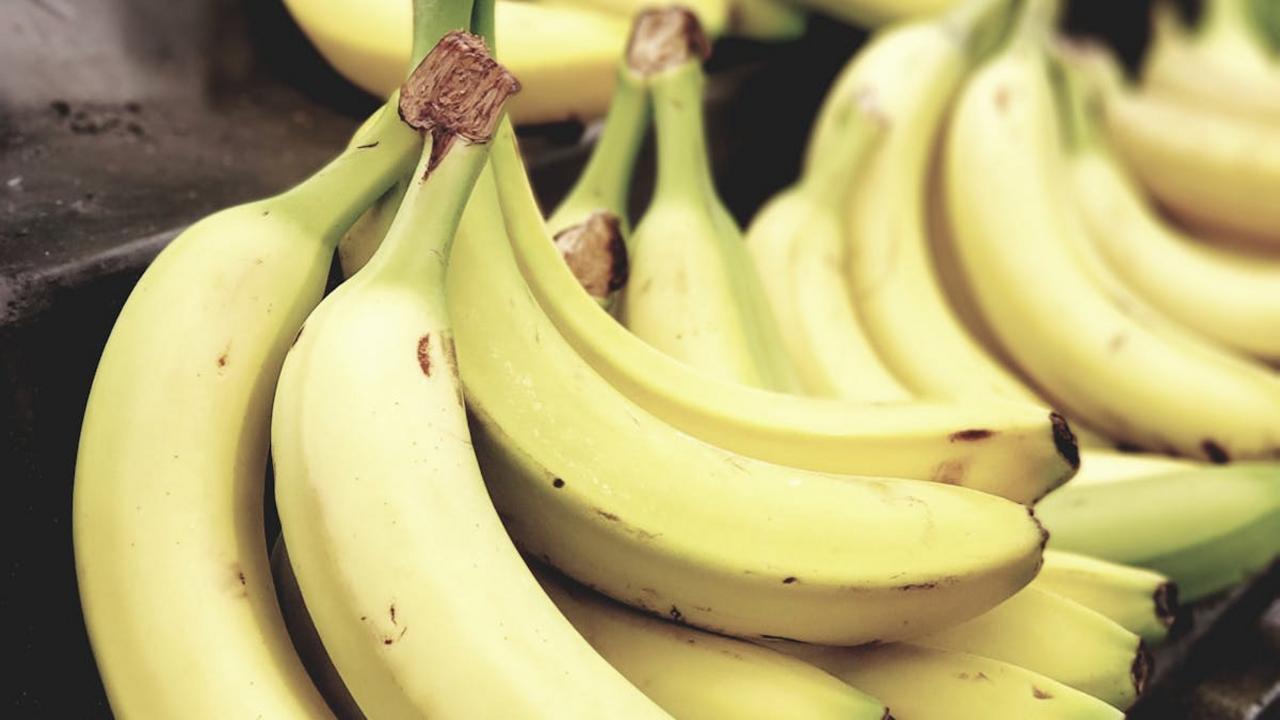
You know those perfectly ripe bananas sitting on your counter? The ones with just a hint of brown spots that whisper “use me now”? Those are pure gold in my kitchen! I grab bananas every single grocery trip because they transform everything from morning smoothies to evening desserts. When I mash overripe ones into my weekend pancake batter, the natural sweetness means I can skip most of the added sugar. Plus, they create this incredible moisture that makes every bite tender and satisfying.
But here’s what really gets me excited about bananas – they’re my secret weapon for creating healthy treats that actually taste indulgent. I slice them thick, pan-fry them with a touch of coconut oil and cinnamon, then serve over Greek yogurt for a dessert that feels like cheating but fuels your body beautifully. And those green bananas? Perfect for savory dishes! I dice them into curry stews where they soak up all those gorgeous spices. The versatility amazes me every time – one fruit that spans sweet breakfast bowls, afternoon energy snacks, and hearty dinner sides.
Green Kiwi
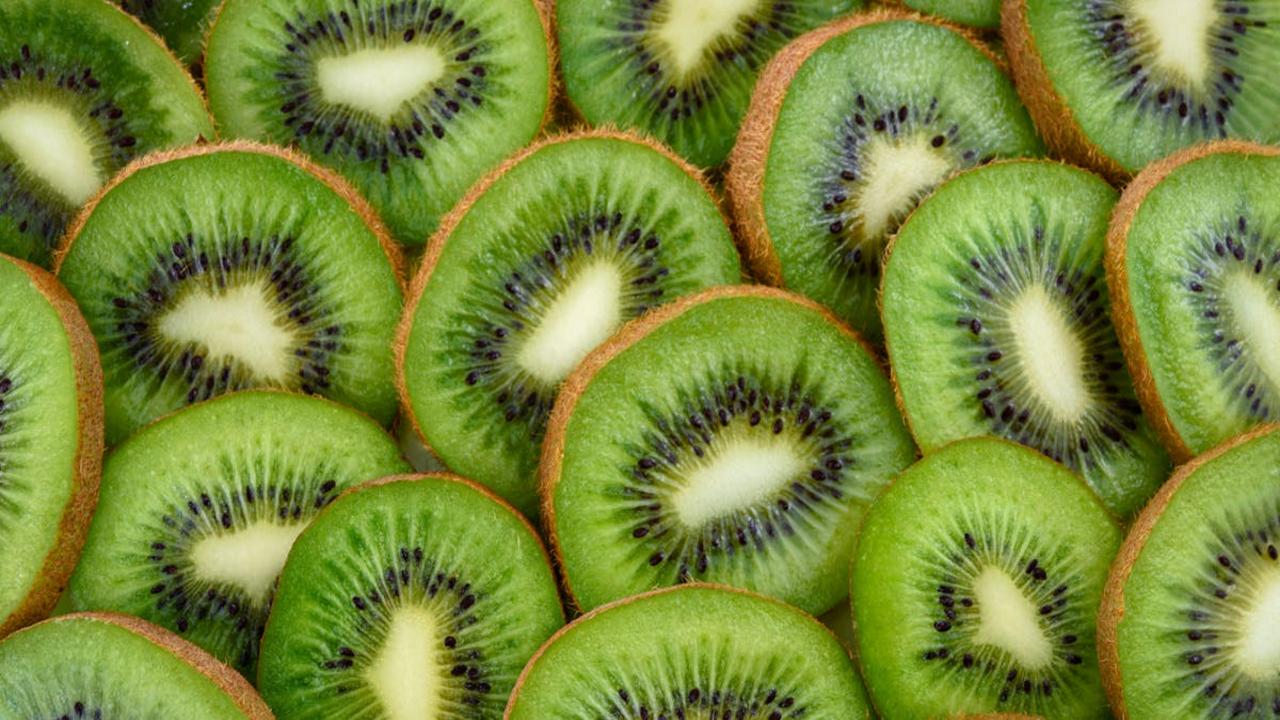
You know that moment when you slice into a green kiwi and see those perfect little black seeds arranged like tiny jewels around the emerald flesh? That’s pure magic right there. I keep these fuzzy gems in my kitchen year-round because they bring such bright, tangy sweetness to everything I create. The flavor hits you with this wonderful tartness that mellows into honey-like notes, and that unique texture—soft yet slightly firm—makes every bite interesting. I love how kiwis can transform a simple morning yogurt bowl into something that feels restaurant-worthy, or how they add unexpected zing to my homemade salsas.
Here’s what gets me excited about cooking with green kiwis: they’re incredibly versatile and packed with vitamin C—more than oranges, actually! I’ve started adding diced kiwi to my grain salads for that pop of acidity that brightens everything up, and they work beautifully in marinades for chicken or fish because of their natural enzymes. Try muddling a few slices into sparkling water with mint for an instant refreshing drink, or fold them into overnight oats with a drizzle of honey. The best part? You can eat the skin too—just give it a good scrub and you’ll get extra fiber and nutrients. Trust me, once you start experimenting with kiwis beyond just eating them plain, you’ll wonder how you cooked without them.
Pineapple

You know that moment when you slice into a perfectly ripe pineapple and the sweet, tangy aroma fills your entire kitchen? That’s pure magic right there. I keep pineapple on my counter year-round because it transforms everything from morning smoothie bowls to evening stir-fries with its bright acidity and natural sweetness. The enzymes in fresh pineapple work wonders for tenderizing proteins—I often marinate chicken or pork in pineapple juice before grilling, creating incredibly tender results without any artificial additives.
Beyond the obvious tropical applications, pineapple becomes your secret weapon for balancing rich, savory dishes. I love adding diced fresh pineapple to my homemade salsas, where it cuts through spicy heat beautifully, or incorporating it into grain bowls with roasted vegetables and tahini dressing. The fruit’s natural sugars caramelize magnificently when roasted or grilled, creating depth that pairs surprisingly well with herbs like cilantro and mint. Choose pineapples that feel heavy for their size with a sweet smell at the base—your nose knows best when it comes to ripeness.
Papaya
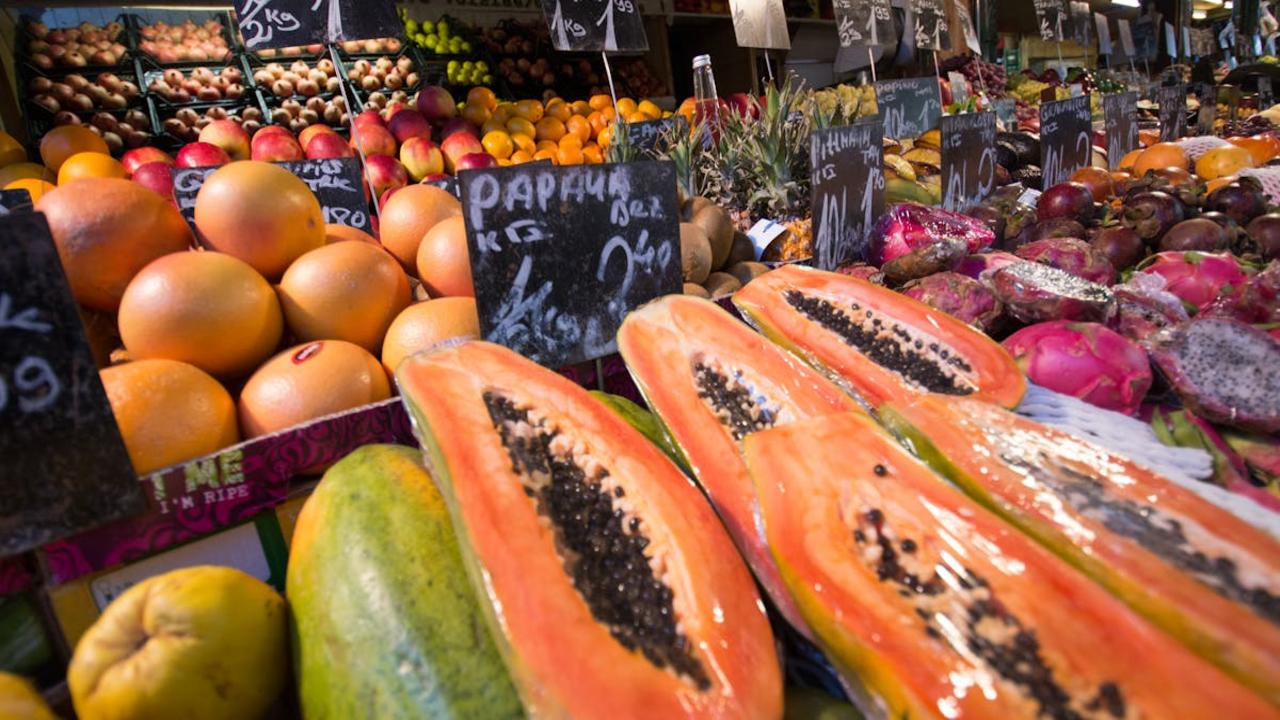
When you spot that vibrant orange papaya at the market, grab it! This tropical fruit brings such incredible versatility to your kitchen, and honestly, I can’t get enough of its sweet, almost musky flavor. You can enjoy papaya at different ripeness stages – when it’s still green and firm, it transforms into the most refreshing Thai-style salad with lime juice, fish sauce, and chilies. Once it ripens to that beautiful sunset color, the flesh becomes buttery and sweet, perfect for breakfast bowls or blending into smoothies that taste like sunshine in a glass.
What really excites me about papaya is how it naturally aids digestion thanks to an enzyme called papain. I love adding chunks to my morning yogurt or creating a simple salsa with diced papaya, red onion, cilantro, and a squeeze of lime – it pairs beautifully with grilled fish or chicken. The seeds are edible too and have a peppery bite that works wonderfully as a black pepper substitute when dried and ground. Don’t overlook this incredible fruit; it brings both nutrition and tropical flair to any meal you create.
Jerusalem Artichokes
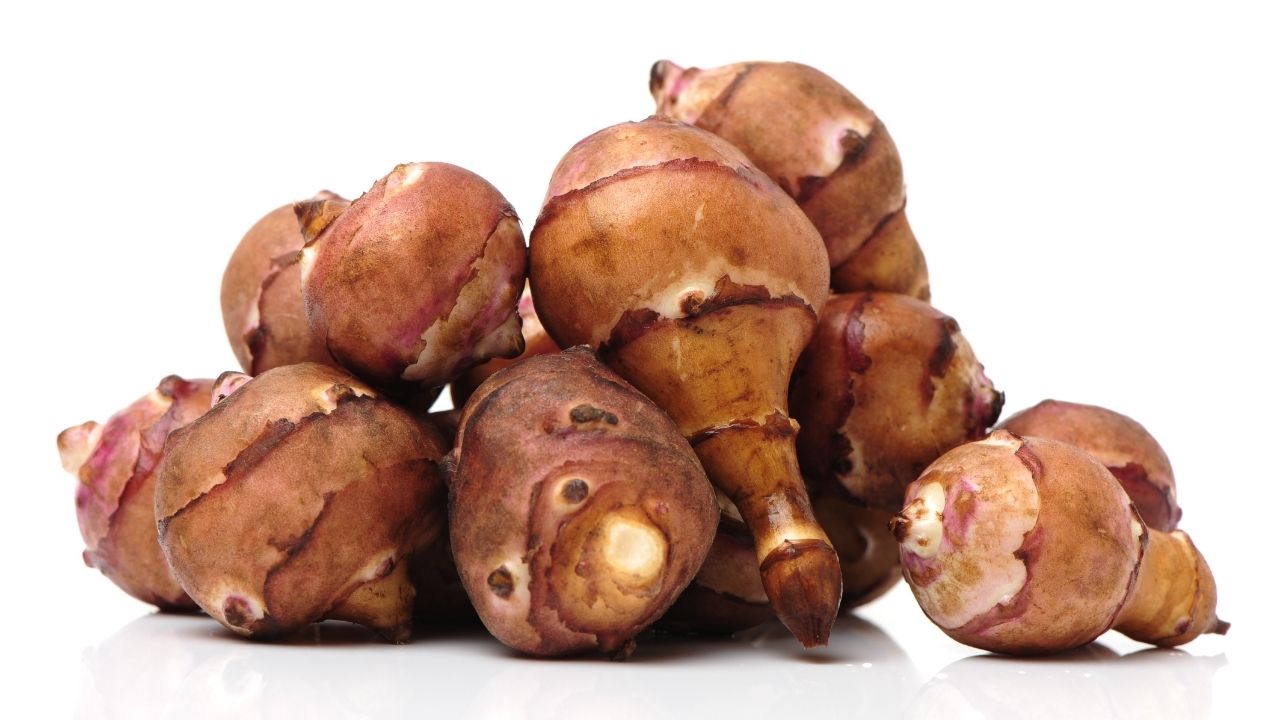
Jerusalem artichokes might sound exotic, but these knobby tubers are actually sunflower roots that grow right here in North America. I grab them whenever I spot them at the market because they bring such a unique nutty sweetness to my cooking. You can roast them whole until they’re crispy outside and creamy inside, or slice them thin for gratins that rival any potato dish. Their natural earthiness pairs beautifully with herbs like thyme and rosemary, and I love how they absorb whatever flavors you cook them with.
What makes these tubers special is their incredible versatility and nutritional punch. They’re packed with inulin, a prebiotic fiber that supports gut health, making them a smart choice for wholesome cooking. I often spiralize them raw into salads for a crisp texture, or puree them into soups where they create the most velvety base without any cream. Try them roasted with garlic and olive oil as a side dish, or throw them into your next stir-fry for an unexpected crunch. They store well in the fridge for weeks, so stock up when you find them fresh.
Artichokes
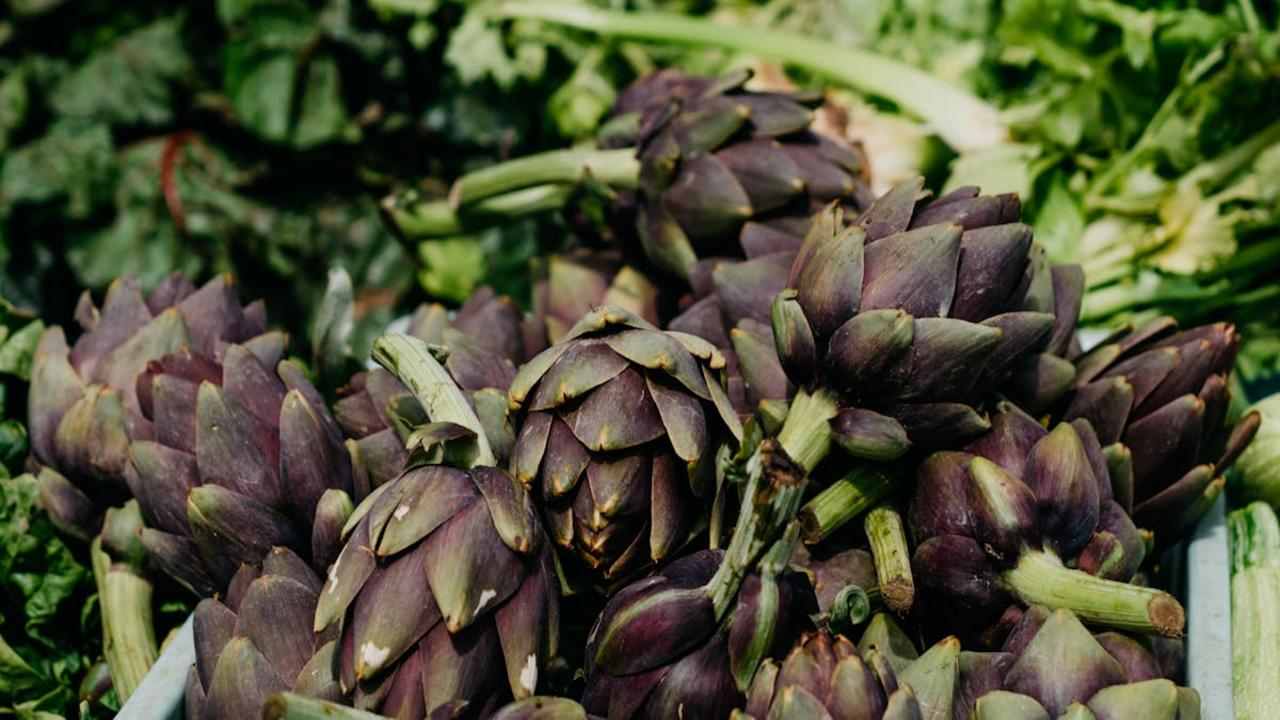
Artichokes might look intimidating with their tough outer leaves and spiky appearance, but I promise you they’re worth every bit of effort once you understand how to work with them. These Mediterranean beauties pack incredible flavor and nutrition into their layered structure. I love how they transform from seemingly inedible thorny globes into tender, buttery hearts that practically melt in your mouth. The key is learning to prep them properly – trim the stem, cut off the top third, and remove those tough outer leaves until you reach the pale, tender ones underneath.
What excites me most about artichokes is their versatility across different cooking methods and flavor profiles. You can stuff them with herbed breadcrumbs and garlic, steam them whole and serve with lemon aioli, or break them down completely and add the hearts to pasta dishes, salads, or grain bowls. I particularly enjoy grilling halved artichokes after a quick blanch – the char adds such beautiful smokiness to their naturally nutty flavor. They’re also fantastic braised with white wine and fresh herbs, creating a dish that feels both rustic and elegant. Don’t forget to save that cooking liquid – it makes an incredible base for risotto or soup.
Flaxseeds
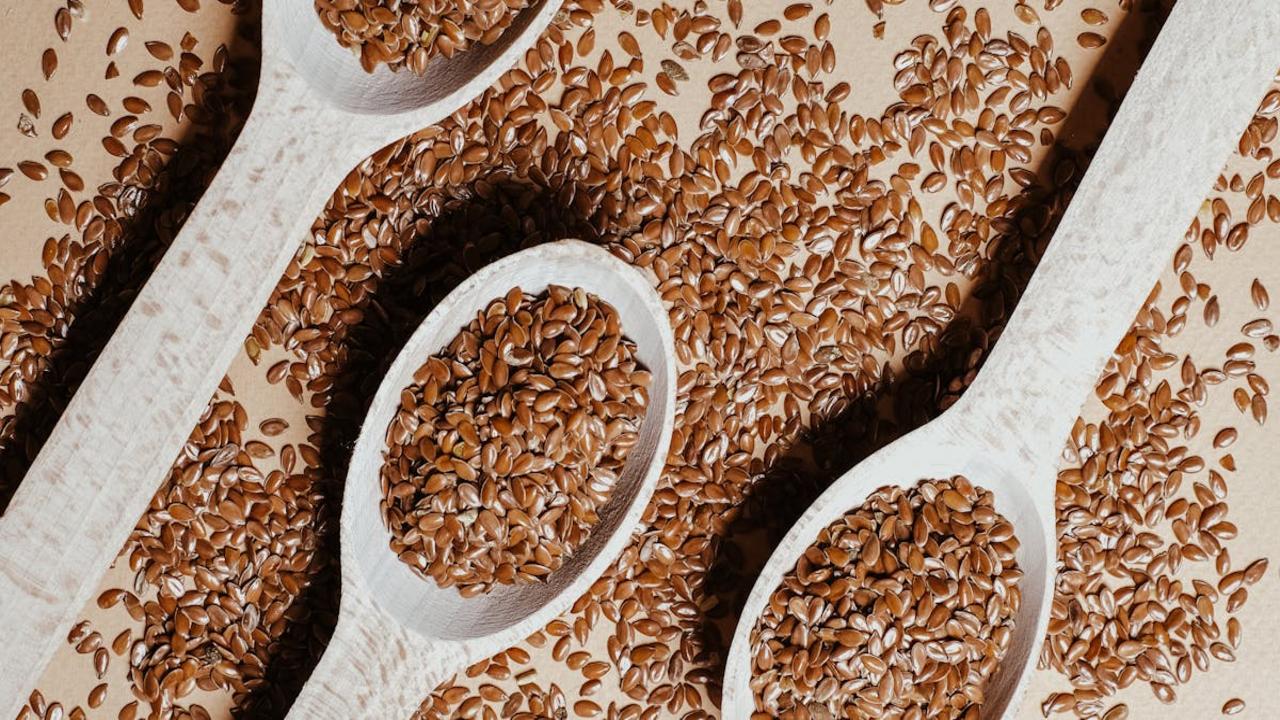
I keep a jar of flaxseeds on my counter because these tiny brown gems transform ordinary meals into nutritional powerhouses. You can sprinkle ground flaxseeds into your morning smoothie, stir them into yogurt, or mix them directly into pancake batter for an omega-3 boost that your body will thank you for. The nutty flavor pairs beautifully with both sweet and savory dishes, and I love how they add substance to homemade granola or become the secret ingredient in my weekend muffins.
What makes flaxseeds truly special is their versatility in plant-based cooking. When you mix ground flaxseeds with water, they create a gel-like consistency that works perfectly as an egg substitute in baking – I use this trick constantly in my vegan cookie recipes. Store them in your refrigerator after grinding to preserve their healthy oils, and always buy them whole when possible since pre-ground versions lose their nutritional punch quickly. These seeds prove that the smallest ingredients often pack the biggest nutritional impact in your everyday cooking.
Chia Seeds
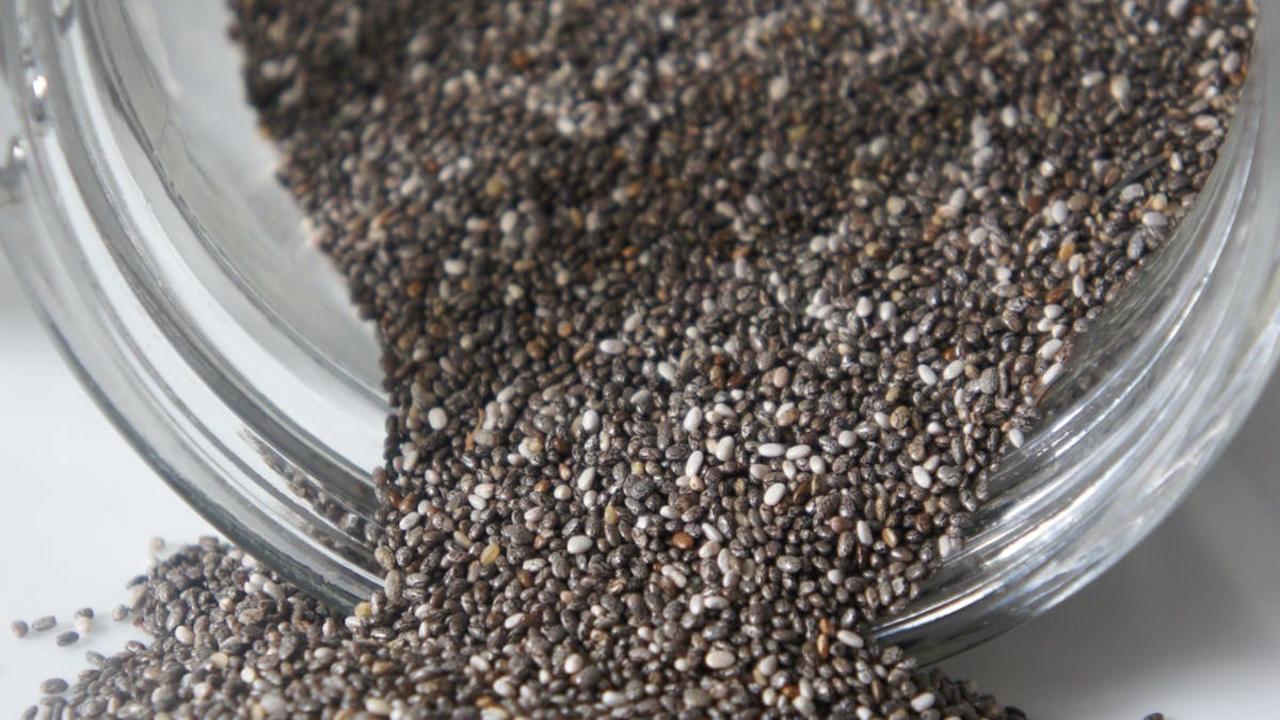
I keep a jar of chia seeds on my counter because these tiny powerhouses transform ordinary dishes into something extraordinary. You sprinkle them into your morning smoothie, and within minutes they create this wonderful gel-like texture that makes everything feel more substantial and satisfying. I love how they absorb flavors from whatever you mix them with – coconut milk, fresh fruit juices, or even savory broths for unique puddings and soups.
What excites me most about chia seeds is their incredible versatility in both sweet and savory applications. You can create overnight puddings by mixing them with plant milk and maple syrup, or add them to homemade crackers for extra crunch and nutrition. I often stir them into my salad dressings where they act as a natural thickener while boosting the omega-3 content. They work beautifully as an egg substitute in baking too – just mix one tablespoon with three tablespoons of water, let it sit for five minutes, and you have a perfect binding agent for muffins and pancakes.
Kimchi
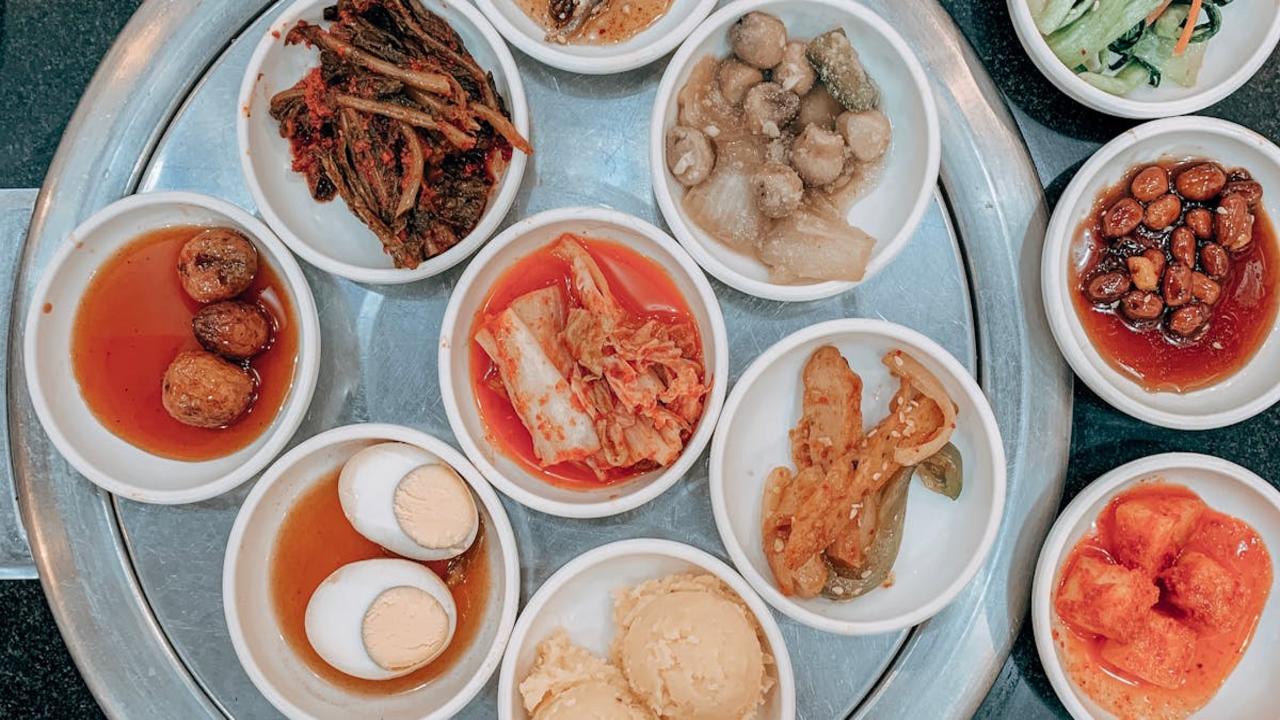
Kimchi brings that perfect punch of tangy, spicy, and umami-rich flavor that transforms any meal from ordinary to extraordinary. This fermented Korean staple has become my go-to secret weapon in the kitchen – I add it to scrambled eggs, toss it into fried rice, or simply eat it straight from the jar when I need that satisfying crunch. The beautiful thing about kimchi is how it marries probiotics with bold flavor, giving your gut health a boost while making your mouth incredibly happy. I love buying authentic kimchi from Korean markets, but making your own at home allows you to control the heat level and experiment with different vegetables beyond the traditional napa cabbage.
What really excites me about kimchi is its versatility in fusion cooking – it bridges cultures beautifully without losing its authentic character. I’ve stirred it into creamy pasta dishes, topped grilled cheese sandwiches with it, and even mixed it into burger patties for an unexpected kick. The fermentation process creates this complex depth that you simply cannot replicate with fresh ingredients alone. When you’re shopping for kimchi, look for brands that keep it refrigerated and check the ingredient list for minimal additives – the best versions contain just vegetables, salt, gochugaru (Korean chili flakes), garlic, and ginger. Trust me, once you start incorporating this fermented treasure into your weekly meal rotation, you’ll wonder how you ever cooked without it.
Tempeh
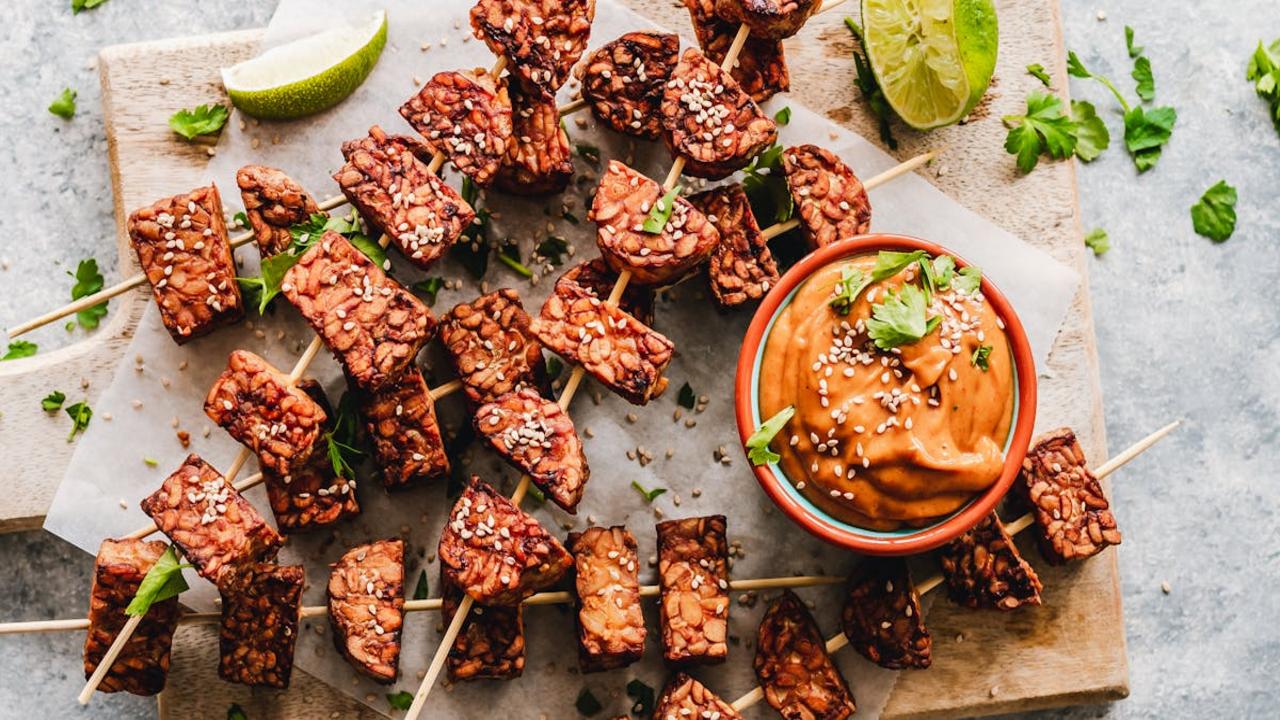
You know what excites me most about tempeh? It’s this incredible Indonesian creation that transforms humble soybeans into something completely magical through fermentation. Unlike its processed cousin tofu, tempeh maintains the whole bean’s integrity, creating a dense, nutty cake that’s absolutely packed with protein, probiotics, and fiber. I love how it has this earthy, almost mushroom-like flavor that makes it so much more interesting than plain tofu. When you slice into a good piece of tempeh, you can actually see the beans held together by that beautiful white mycelium – it’s fermentation at its finest, and your gut will thank you for those beneficial cultures.
Here’s where tempeh really shines in my kitchen: it’s incredibly versatile and soaks up flavors like nobody’s business. I often steam it first for about 10 minutes to mellow any bitterness, then marinate it in whatever I’m feeling – maybe some tamari, ginger, and garlic for an Asian-inspired dish, or cumin and smoked paprika for something with more warmth. You can crumble it into pasta sauces, slice and pan-fry it until golden and crispy, or even grate it into tacos. I particularly love how it holds its shape during cooking, giving you that satisfying bite that so many plant-based proteins lack. Plus, with about 15 grams of protein per 3-ounce serving, it’s a powerhouse that keeps you satisfied.
Kombucha

I keep a bottle of kombucha in my fridge at all times because this fizzy fermented tea has become my secret weapon for both gut health and afternoon pick-me-ups. What started as curiosity about this bubbly drink quickly turned into genuine appreciation for how it makes me feel—energized without the crash that coffee sometimes brings. The probiotics work wonders for digestion, especially after rich meals or during times when my stomach needs extra support. I love how kombucha bridges the gap between indulgence and wellness, offering that satisfying fizz we crave while actually nourishing our bodies from the inside out.
The flavor possibilities with kombucha feel endless, from tangy ginger varieties that wake up your palate to fruit-forward blends that taste like sophisticated sodas. I particularly enjoy the more adventurous combinations—hibiscus and rose, turmeric and black pepper, or green tea with fresh herbs. These complex flavor profiles inspire my own cooking, showing me how fermentation can transform simple ingredients into something extraordinary. When I’m recipe testing or need a refreshing break from the kitchen, kombucha provides that perfect balance of tartness and sweetness that cleanses the palate and resets my focus.
Kefir

You know what gets me excited in the dairy aisle? Kefir – this tangy, probiotic-packed drink that transforms my morning routine into something special. I discovered this fermented milk treasure years ago when I was searching for ways to add more gut-friendly foods to my family’s diet without relying on sugary yogurt drinks. Kefir brings this beautiful tartness that wakes up your palate, and the consistency sits perfectly between milk and yogurt – creamy enough to satisfy but light enough to drink straight.
What I love most about kefir is how it plays with other flavors in my kitchen. I blend it into smoothies with mango and cardamom for a lassi-inspired treat, or whisk it into pancake batter for the fluffiest breakfast you’ve ever tasted. The probiotics work their magic on your digestive system while you enjoy something that actually tastes amazing. I keep both plain and flavored versions on hand – the plain works beautifully in savory applications like marinating chicken or making creamy salad dressings, while the vanilla variety becomes my secret ingredient in overnight oats. Trust me, once you start cooking with kefir, you’ll wonder how you managed without it.