14 Sneaky Eating Habits That Are Hard to Shake
We all know those little eating habits that sneak into our daily routines – the ones that make us wonder where that entire bag of chips disappeared to while Netflix asked if we’re “still watching.” These sneaky behaviors don’t just affect our waistlines; they transform into deeply ingrained patterns that become part of our food identity.
From the mindless munching during your favorite show to that sugary coffee “treat” you can’t kick, these habits form through repetition and comfort. Your brain creates shortcuts for these behaviors, making them automatic responses to certain triggers like boredom, stress, or even just walking past the kitchen.
The good news? You don’t need to overhaul your entire relationship with food overnight. Small, consistent changes can rewire those habits. Recognizing these common eating pitfalls is your first step toward healthier patterns that stick. Let’s dig into the 14 sneakiest food habits that might be sabotaging your best intentions.
Midnight Kitchen Raids

You know that feeling when you’re lying in bed, perfectly content, and then your stomach starts whispering sweet nothings about leftover pizza? Before you know it, you’re tiptoeing to the kitchen like a burglar in your own home, carefully opening the fridge door just enough to create a sliver of light that won’t wake anyone up. Scientists call this “night eating syndrome,” but I call it “refrigerator romance” – that magnetic pull between you and whatever’s hiding behind the condiment bottles. The funny thing is, we always eat the weirdest combinations during these midnight adventures. Cold Chinese takeout with a side of ice cream? Absolutely normal at 2 AM.
The real trick to breaking this habit isn’t about willpower – it’s about strategy. Keep a water bottle by your bed because sometimes your brain confuses thirst with hunger, especially during those drowsy midnight moments. If you absolutely must raid the kitchen, stock it with pre-portioned snacks that won’t leave you face-deep in a cereal box at dawn. Greek yogurt with berries, apple slices, or even a small handful of nuts can satisfy that mysterious midnight craving without the next-day regret. Pro tip: brush your teeth right after dinner. Nothing kills the appetite quite like that minty-fresh mouth that screams “kitchen closed!” Plus, your dentist will thank you for the extra fluoride protection.
Workplace Desktop Dining
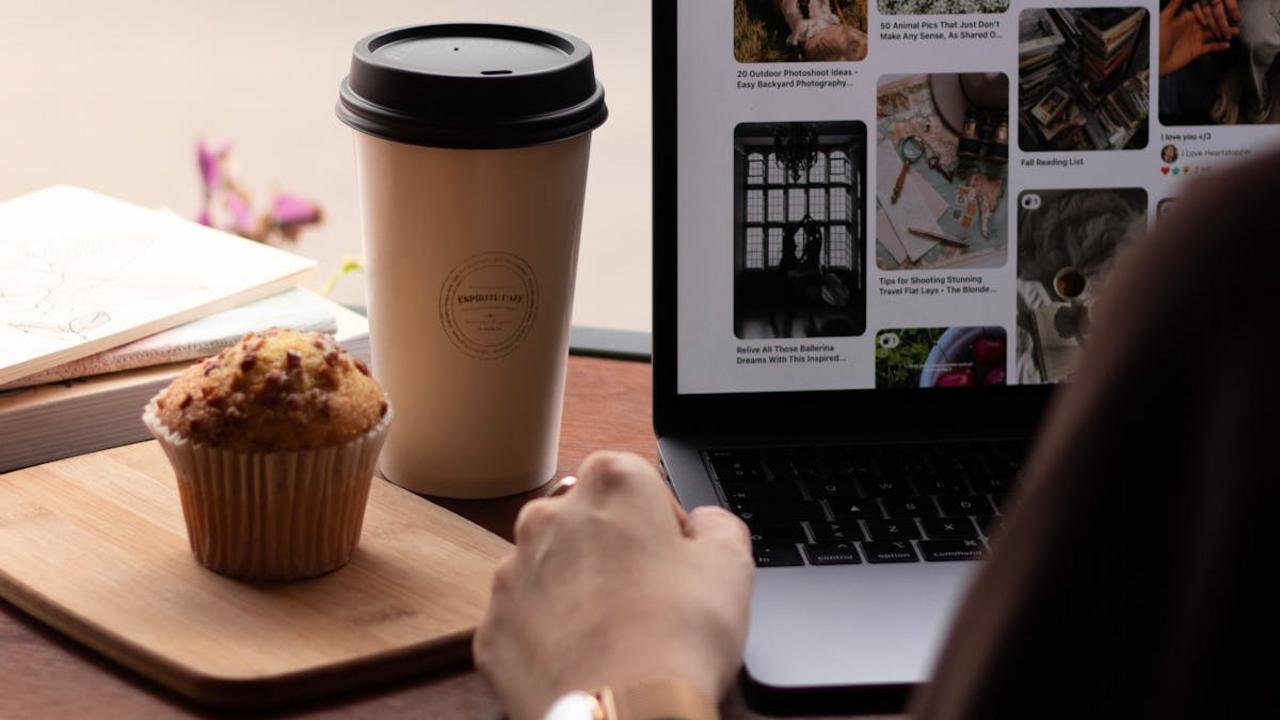
Picture this: you’re hunched over your keyboard at 2:47 PM, one hand typing an urgent email while the other mechanically shovels pasta salad into your mouth. Welcome to the modern workplace dining experience, where your computer screen doubles as ambient lighting for lunch and your mouse pad collects more crumbs than a toddler’s high chair. This sneaky habit has transformed office workers into master multitaskers who can simultaneously attend Zoom meetings, answer phone calls, and consume an entire sandwich without missing a beat. Your desk becomes a makeshift restaurant table, complete with napkin dispensers disguised as tissue boxes and condiment packets scattered like confetti around your monitor.
The real kicker? You barely remember eating that meal because your brain was busy processing spreadsheets instead of savoring flavors. Desktop dining tricks your mind into thinking you haven’t actually eaten, which explains why you’re rummaging through the office snack drawer an hour later. Studies show that distracted eating leads to consuming 25% more calories throughout the day – your desk is basically sabotaging your waistline while you chase deadlines. Break this cycle by declaring your lunch break sacred territory. Step away from that glowing screen, find an actual table (revolutionary concept, right?), and give your food the attention it deserves. Your taste buds will thank you, and your keyboard will finally get a break from wearing yesterday’s soup.
Dining Out Too Often

Listen, I get it – your local Thai place knows your order by heart, and that cute barista draws hearts in your latte foam. Dining out feels like treating yourself, but your wallet (and waistband) might disagree after the twentieth “just this once” meal this month. Restaurant portions have grown so massive that a single entrée could feed a small village, yet we somehow convince ourselves we need to clean our plates because we paid for it. Fun fact: the average restaurant meal contains about 1,200 calories – roughly half your daily needs in one sitting!
The sneaky part? You lose control over ingredients, cooking methods, and those mysterious flavor enhancers that make everything taste impossibly good. That innocent-looking pasta arrives swimming in butter, your “grilled” chicken got a generous oil massage, and don’t get me started on the bread basket conspiracy. Try the “one home-cooked meal for every restaurant meal” rule – you’ll rediscover your kitchen AND save enough money to actually afford those fancy ingredients you’ve been eyeing at the farmer’s market. Your future self will thank you when you’re not surviving solely on takeout containers and restaurant loyalty points.
Sugar Loaded Coffee Drinks
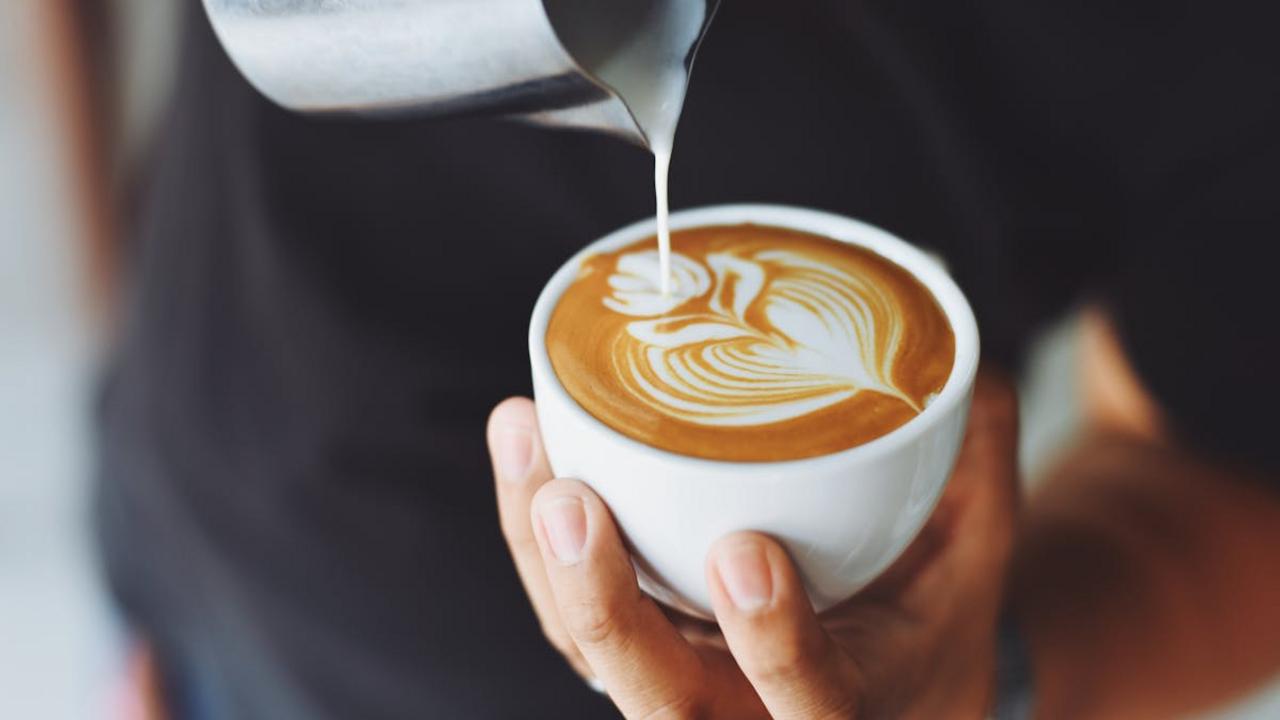
Your morning coffee ritual has morphed into something that would make a candy manufacturer weep with joy. That innocent cup of joe somehow transformed into a 500-calorie sugar bomb complete with whipped cream, flavored syrups, and enough sweetness to power a small city. You started with “just a little cream and sugar,” but now you’re ordering drinks with names longer than most sentences, featuring ingredients that sound more like dessert components than coffee additives. The barista knows your order by heart because it involves three different syrups, extra foam, and a drizzle of something that definitely wasn’t harvested from coffee beans.
Breaking free from this sweet addiction feels impossible because your brain has rewired itself to expect that sugar rush alongside your caffeine fix. Here’s the kicker: a grande caramel macchiato packs more sugar than a can of soda, yet we somehow justify it because coffee equals productivity, right? Try gradually reducing the sweetness by asking for half the usual pumps of syrup, or switch to unsweetened almond milk instead of that vanilla-flavored dairy. Your wallet will thank you too – those fancy drinks cost more per ounce than premium wine. Start viewing coffee as the bold, complex beverage it actually is, not as a vehicle for liquid dessert at 8 AM.
Always Cleaning Your Plate
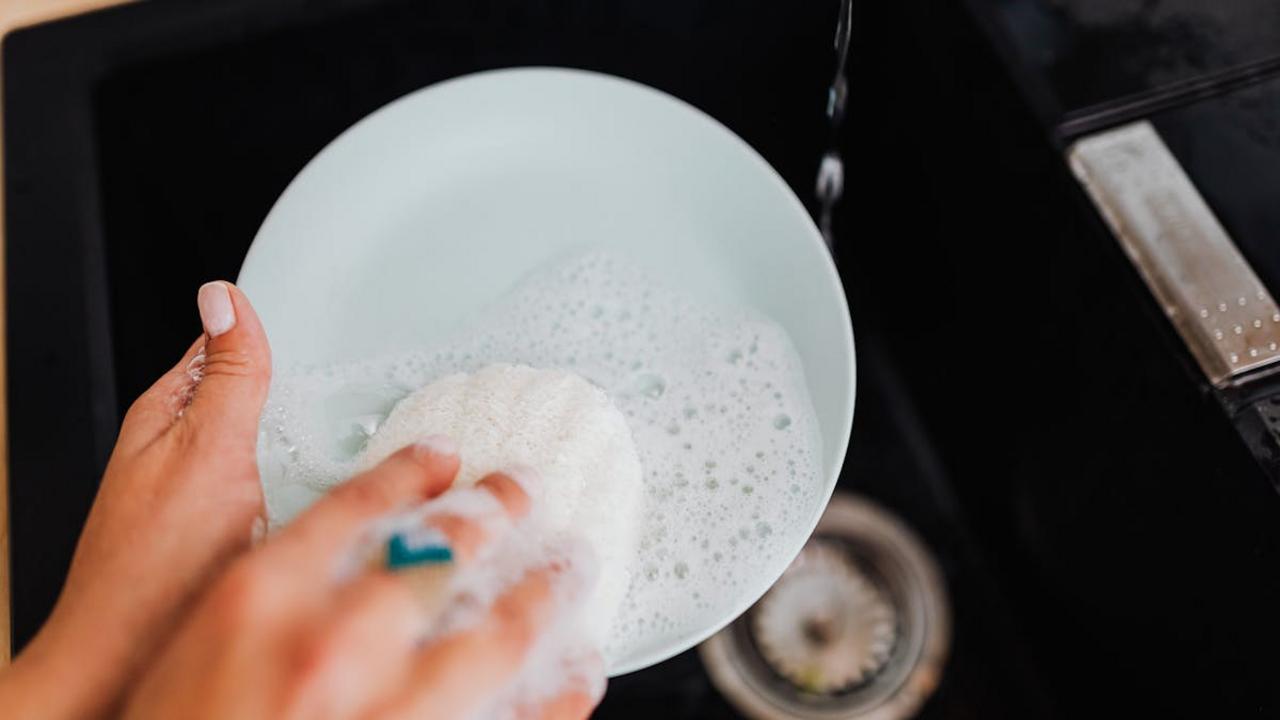
You know that little voice in your head that whispers “waste not, want not” every time you eye those last three green beans on your plate? Yeah, that’s your grandmother’s ghost haunting your dinner table, and she’s got some serious opinions about food waste. The “clean plate club” mentality runs deep in our DNA, passed down through generations who lived through rationing and lean times. But here’s the plot twist: your stomach doesn’t actually care about your great-aunt Mildred’s Depression-era wisdom when it’s already sending up the white flag of surrender.
Breaking this habit feels like betraying every food-conscious ancestor you’ve ever had, but your body will thank you for listening to its actual hunger cues instead of some arbitrary plate-clearing mandate. Start by serving yourself smaller portions – you can always go back for seconds if you’re genuinely still hungry. And here’s a wild idea: wrap up those leftovers! That half-eaten chicken breast makes an excellent sandwich tomorrow, and those lingering roasted vegetables practically beg to be tossed into a morning omelet. Your stomach has its own built-in portion control system that’s way more sophisticated than any plate size, so maybe it’s time to trust it over family folklore.
Eating Directly From Packages

Picture this: you’re standing in your kitchen at 9 PM, cereal box in one hand, spoon in the other, telling yourself you’ll just have “a few bites” of Honey Nut Cheerios. Fast-forward twenty minutes, and you’re staring into the abyss of an empty box, wondering where your evening went wrong. Eating straight from packages transforms us into portion-blind zombies who somehow convinced ourselves that calories don’t count if there’s no bowl involved. The psychology behind this sneaky habit is fascinating—without visual cues like a plate or bowl to show us how much we’re consuming, our brains basically throw portion control out the window and party like it’s 1999.
The worst offenders? Ice cream containers (because who actually stops at half a cup?), chip bags that seem to have mysterious shrinking properties, and those innocent-looking sleeve crackers that multiply faster than rabbits. Here’s your reality check: manufacturers design packages to hold multiple servings, not single-person feeding frenzies. Break this habit by creating a simple rule—always transfer your snack to a proper dish or bowl before eating. Sure, it creates an extra dish to wash, but it also creates a visual boundary that your brain can actually recognize. Trust me, your future self will thank you for not having to explain to your roommate why the family-size bag of Goldfish disappeared overnight.
Constant Phone Use During Meals

Your Instagram followers don’t need to see your avocado toast from seventeen different angles, but here you are, transforming every meal into a full-blown photo shoot. That notification ping has become more enticing than the perfectly seasoned risotto growing cold in front of you. You’re not alone in this digital dining disaster – studies show people who scroll during meals consume up to 25% more calories because their brains completely miss the “I’m full” memo. Your stomach sends up surrender signals, but your eyes stay glued to that tiny screen, mindlessly shoveling food while watching someone else’s vacation highlights.
The scary truth? Your phone turns eating into background noise instead of the main event it deserves to be. That gorgeous meal you spent twenty minutes preparing gets demolished in five minutes of distracted chomping. Put the device in another room – yes, really! – and rediscover what your food actually tastes like. You’ll eat slower, feel satisfied sooner, and might even remember what you had for lunch yesterday. Your digestive system will thank you, your wallet will appreciate the reduced food waste, and that perfectly plated dinner will finally get the attention it deserves instead of competing with cat videos.
Not Drinking Enough Water
You know what’s hilarious? We’re basically walking water balloons—about 60% H2O—yet most of us treat hydration like it’s optional homework. I watch people guzzle their third espresso while their water bottle sits there looking lonelier than a leftover Brussels sprout. Your body needs roughly eight glasses daily, but here’s the kicker: your brain often disguises thirst as hunger, sending you straight to the snack drawer when what you really need is a good old-fashioned drink of water.
This sneaky habit turns into a domino effect that’ll make your head spin faster than a blender on high speed. When you’re chronically dehydrated, your metabolism slows down like molasses in January, your skin starts looking like yesterday’s lettuce, and you’ll mistake every minor hunger pang for a five-alarm emergency requiring immediate cookie intervention. Keep a water bottle within arm’s reach and sip throughout the day—your future self will thank you when you stop confusing parched lips for pizza cravings. Pro tip: if your urine looks like apple juice instead of pale lemonade, you’re definitely not drinking enough!
Large Portion Sizes
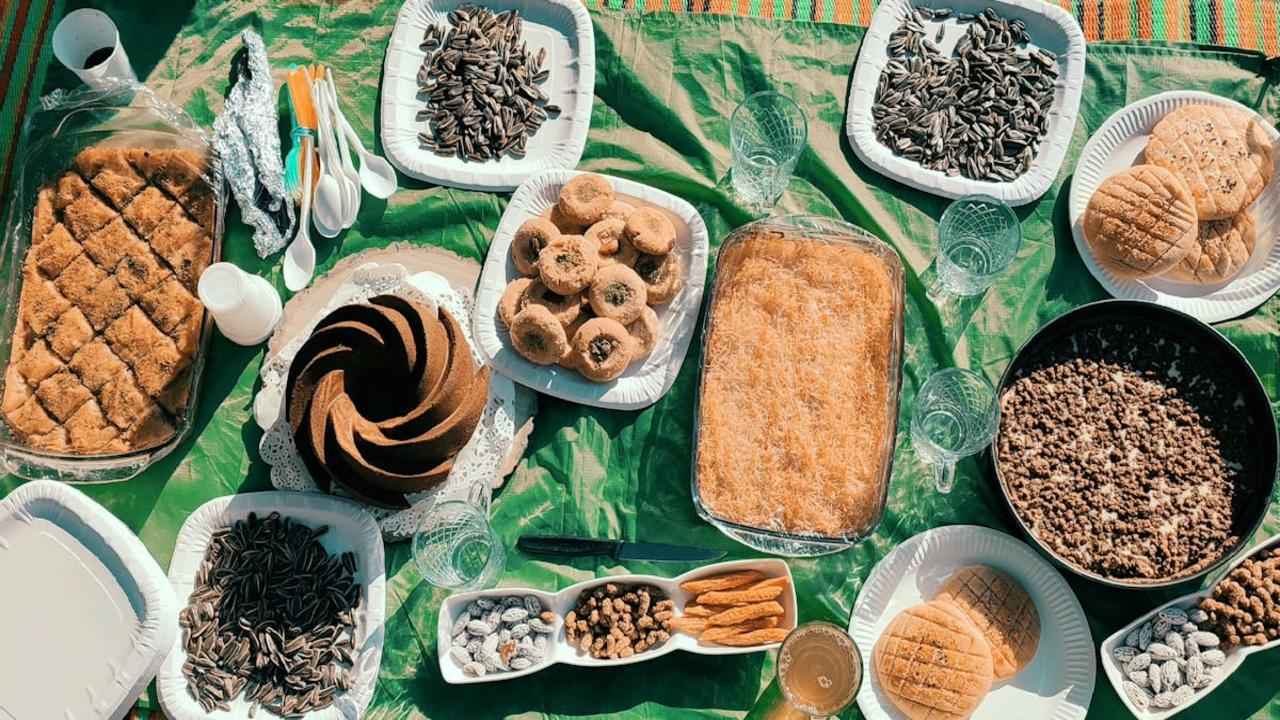
You know that moment when you order a “regular” burger and it arrives looking like it could feed a small village? Welcome to the land of supersized everything, where restaurant portions have grown so dramatically that what we once considered huge now seems perfectly normal. I remember my grandmother’s dinner plates—delicate little things that today’s appetizers would laugh at. But here’s the kicker: our stomachs haven’t evolved to match our plate sizes. Studies show that people consistently eat about 92% of whatever you put in front of them, regardless of actual hunger levels. So when that pasta bowl arrives looking like Mount Vesuvius made of marinara and mozzarella, your brain goes into autopilot mode.
The sneaky part isn’t just that we’re eating more—it’s that we’ve completely recalibrated our portion expectations. A standard bagel today contains enough carbs to power a marathon runner, yet we call it breakfast. Restaurant muffins have ballooned to cake-sized proportions, and don’t get me started on those coffee shop cookies that could double as frisbees. Breaking this habit requires some serious detective work with measuring cups and food scales, plus the willpower to actually listen to your stomach’s “I’m satisfied” signals instead of your eyes’ “clean plate club” programming. Try using smaller plates at home—it’s amazing how a 9-inch plate can make a reasonable portion look abundant, while that same serving gets lost on a 12-inch dinner plate like a lonely island in a ceramic ocean.
Emotional Stress Eating

You know that moment when your boss drops another impossible deadline on your desk, and suddenly you’re standing in your kitchen at 9 PM, spoon-deep in a pint of cookie dough ice cream? Yeah, that’s emotional stress eating doing its sneaky little dance. Your brain gets overwhelmed, cortisol floods your system, and before you know it, you’re treating that bag of chips like it owes you money. The wild part? Scientists have discovered that stress actually rewires our taste preferences, making us crave foods that are basically nutritional chaos – think high-fat, high-sugar, high-salt combinations that would make a cardiologist weep.
Breaking this habit feels like trying to reason with a hangry toddler, but here’s the thing: your emotions are valid, but that entire sleeve of crackers won’t actually solve your problems (shocking, I know). Try the “pause and ask” method – before you dive face-first into comfort food, pause for thirty seconds and ask yourself what you’re really feeling. Are you anxious? Angry? Overwhelmed? Then find a non-food way to address it. Go for a walk, call a friend, or do some aggressive dishwashing. Keep a “feelings journal” next to your favorite stress-eating spot as a gentle reminder that sometimes what feels like hunger is actually your heart asking for something completely different.
Late Night Eating
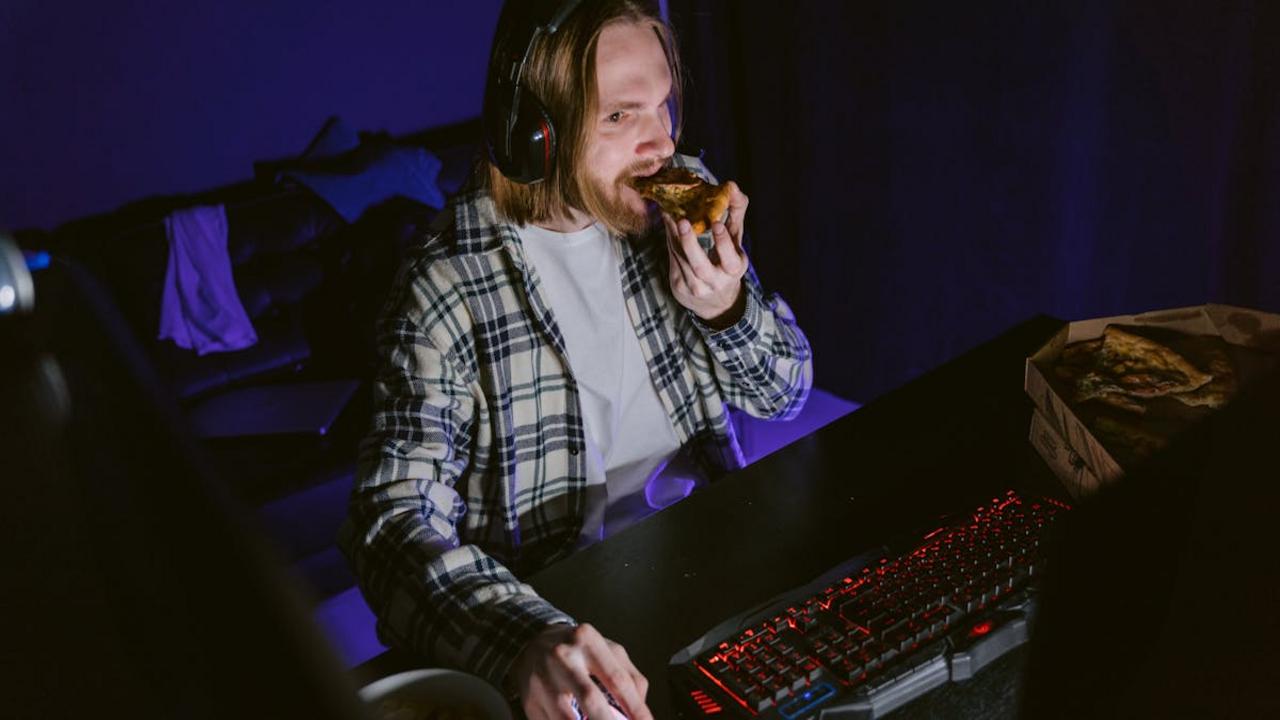
Picture this: it’s 11 PM, you’re binge-watching your favorite show, and suddenly your stomach starts performing what sounds like a whale song symphony. Before you know it, you’re standing in your kitchen bathed in refrigerator light, contemplating whether leftover pizza counts as a midnight snack or an early breakfast. Late night eating has become the modern equivalent of a sneaky midnight rendezvous – except instead of meeting a lover, you’re meeting a bag of chips that somehow calls your name from the pantry. Scientists have discovered that our taste preferences actually shift after dark, making us crave saltier, fattier foods. Your brain literally becomes a rebellious teenager after 10 PM, demanding mac and cheese instead of that sensible apple you’d choose during daylight hours.
The real kicker? Your digestive system didn’t get the memo about your Netflix schedule. While you’re munching on that third slice of cold pizza, your poor stomach is desperately trying to figure out why you’re suddenly demanding a five-course meal when it was preparing for its nightly shutdown. Studies show that eating within three hours of bedtime can mess with your sleep quality, turning you into a groggy zombie the next morning. The worst part is how this habit snowballs – late night eating leads to poor sleep, which leads to increased hunger hormones the next day, which leads to more late night eating. It’s like being trapped in a deliciously vicious cycle where your willpower goes to die somewhere between the couch cushions and the cookie jar.
Skipping Breakfast

You know that friend who stumbles into the office clutching their third cup of coffee by 9 AM, swearing they “just don’t do breakfast”? Yeah, that might be you. Skipping the morning meal has become as common as hitting snooze five times, but your body’s basically running on fumes until lunch. Think of it this way: you wouldn’t drive your car cross-country on an empty tank, so why do you expect your brain to function on nothing but caffeine and determination? Your metabolism slows down like a lazy Sunday afternoon, and by 11 AM, you’re eyeing your coworker’s granola bar like a hawk circling prey.
The sneaky part? Your body gets used to this routine, making you believe you’re “not a breakfast person.” But really, you’ve just trained yourself to ignore hunger signals until they scream so loudly you grab whatever’s closest – usually something that comes wrapped in crinkly packaging. Breaking this habit means starting small: maybe just a banana and peanut butter, or even last night’s leftover pizza (don’t judge, carbs are carbs!). Your afternoon energy crash will thank you, and you’ll stop fantasizing about diving headfirst into the office vending machine every day before noon.
Eating Too Fast
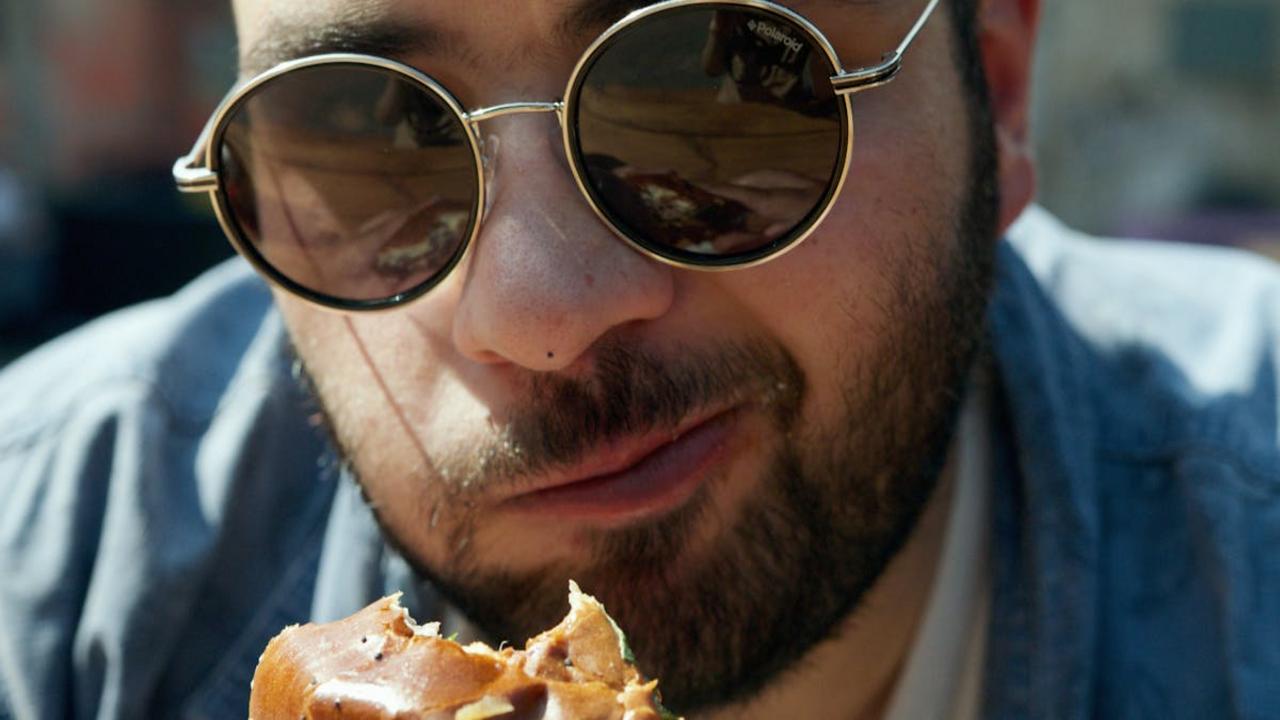
Picture this: you’re sitting at your kitchen table, fork in hand, and suddenly your plate is empty. Wait, what happened to that beautiful pasta dish you spent twenty minutes perfecting? Oh right, you inhaled it in approximately ninety seconds flat. Welcome to the club of speed eaters, where meals disappear faster than your patience during rush hour traffic. Your stomach hasn’t even had time to send the “hey, I’m getting full” memo to your brain, which takes about twenty minutes to arrive – roughly the same time it takes to properly chew and savor a decent meal.
Here’s the kicker: your digestive system isn’t built for this NASCAR approach to dining. When you wolf down food like you’re competing in some invisible eating contest, you’re basically asking your poor stomach to process chunks instead of properly broken-down nutrients. Plus, you miss all the good stuff – the way that garlic hits your nose, how the cheese melts perfectly on your tongue, or that satisfying crunch of fresh vegetables. Try putting your fork down between bites, chew each mouthful at least twenty times (yes, really count them), and maybe even have an actual conversation with whoever’s sharing your table. Your stomach will thank you, and you might actually remember what you ate for dinner.
Mindless Snacking While Watching TV

Picture this: you’re settled into your favorite spot on the couch, remote in one hand and a bag of chips in the other. Before you know it, you’re three episodes deep into your latest binge-watch and somehow the entire bag has vanished into thin air. Scientists call this “distracted eating,” but I call it the great chip disappearing act of modern times. Your brain gets so absorbed in whether Ross and Rachel will finally get together that it completely forgets to register those satisfying crunches. Studies show we consume up to 25% more calories when we’re distracted by screens, which explains why my popcorn bowl always looks like it went through a tornado by the time the credits roll.
The sneaky part about TV snacking isn’t just the quantity—it’s how your brain tricks you into thinking you haven’t eaten anything substantial. Your mouth moves on autopilot while your eyes stay glued to the screen, creating this weird disconnect where pleasure signals never quite reach your satisfaction center. Try this game-changing trick: before you sit down, portion out your snacks into small bowls instead of bringing the whole package. Choose foods that require some effort—like pistachios or edamame—because the extra work forces your brain to pay attention. Trust me, you’ll suddenly remember every single bite when you have to crack open each shell.