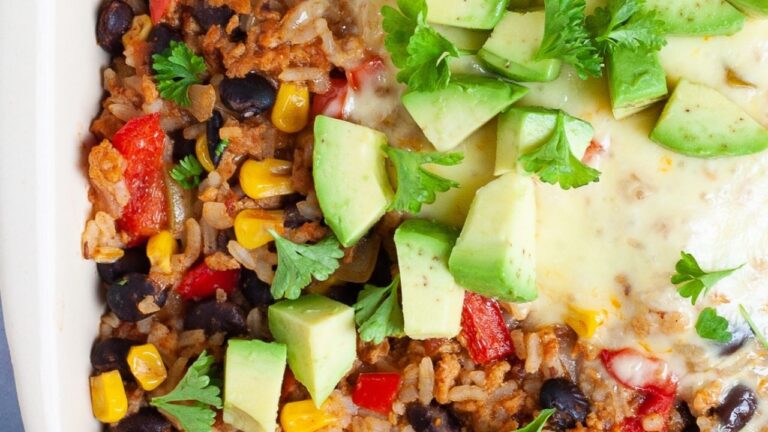
14 Simple Kitchen Hacks to Level Up Your Meals
Your kitchen holds incredible potential for transformation with just a few smart swaps. These fourteen simple substitutions will revolutionize how you cook, turning everyday meals into healthier, more vibrant dishes without sacrificing flavor.
I’ve discovered that the best cooking happens when you work with ingredients that nourish your body while satisfying your cravings. These substitutions aren’t about restriction—they’re about discovering new textures, flavors, and possibilities that make your food more exciting.
Each swap brings something unique to your plate, from creamy Greek yogurt that adds protein to your dishes, to fresh herbs that brighten every bite. You’ll find these changes feel natural and actually improve the taste of your favorite recipes.
Nuts Instead of Croutons for Crunch
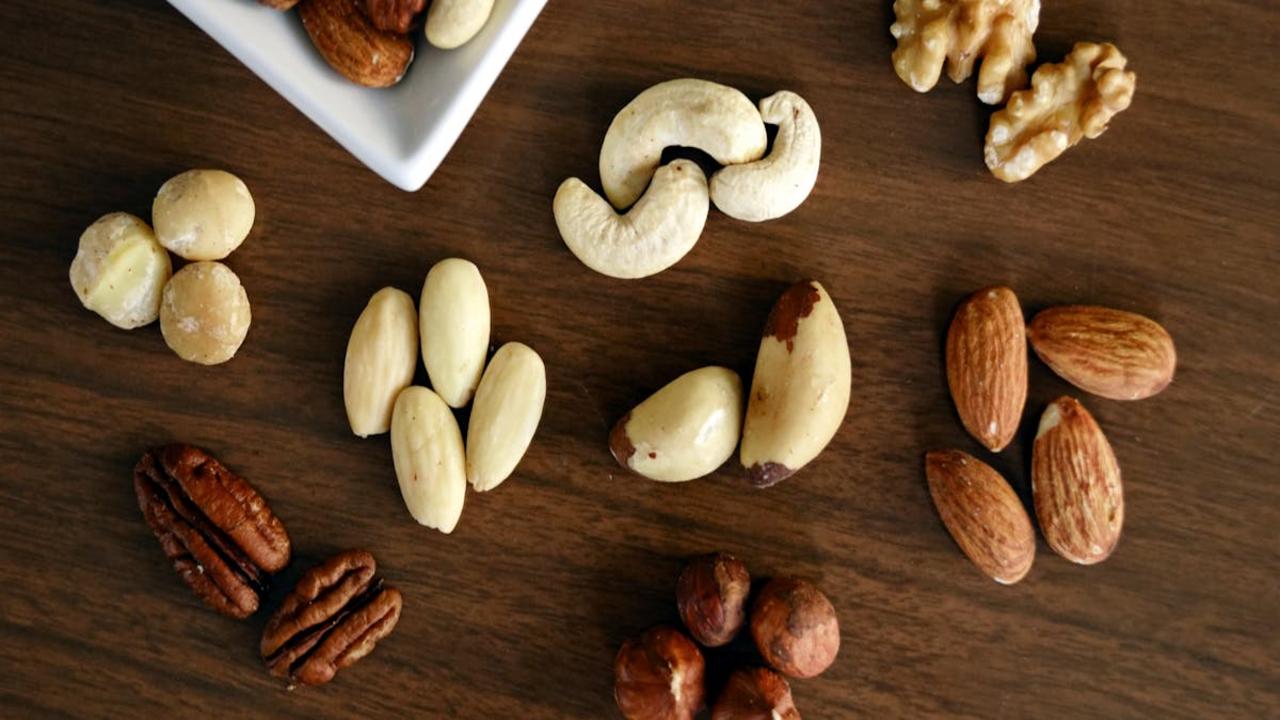
You know that satisfying crunch you get from croutons on your salad? I’ve discovered something even better – nuts! Toasted almonds, walnuts, or pecans bring that same textural contrast but with so much more flavor and nutrition. I started doing this when I realized I was always reaching for processed bread cubes when my pantry was full of beautiful, whole nuts just waiting to shine. The best part is how nuts complement different flavor profiles – pine nuts with Mediterranean dishes, cashews with Asian-inspired salads, or pumpkin seeds with Mexican flavors.
Here’s my simple method: toast your chosen nuts in a dry pan for 2-3 minutes until they smell fragrant and turn golden. You can season them with a pinch of sea salt, smoked paprika, or even a drizzle of tamari for an umami kick. They keep well in an airtight container for weeks, so I always have a stash ready. The healthy fats and protein in nuts make your salads more satisfying too, turning a light side into something that actually keeps you full. Trust me, once you start using nuts this way, you’ll wonder why you ever bothered with those bland, processed croutons.
Fresh Herbs Instead of Salt

Your spice rack holds the secret to transforming bland meals into vibrant, flavorful dishes without reaching for that salt shaker. I’ve discovered that fresh herbs like cilantro, basil, parsley, and mint can completely revolutionize how you season your food. Instead of adding another pinch of salt to your scrambled eggs, try chopping up some fresh chives or dill – the difference will amaze you. These green powerhouses don’t just add flavor; they bring brightness, color, and nutrients that salt simply can’t match.
Start small by experimenting with herb combinations that complement your cooking style. I love mixing fresh oregano with lemon zest for Mediterranean dishes, or combining mint with lime for Middle Eastern-inspired meals. Keep your herbs fresh by storing them like flowers in water, and don’t be afraid to add them at different stages of cooking – some herbs shine when cooked into dishes, while others work best sprinkled fresh on top. Your body will thank you for reducing sodium intake while your palate discovers new dimensions of taste you never knew existed.
Cinnamon Instead of Sugar for Sweetness

Your spice rack holds one of the most incredible natural sweeteners you probably overlook every day. Cinnamon brings warmth and complexity that sugar simply can’t match, and I’ve been reaching for this aromatic bark far more than refined sweeteners in my cooking. When you sprinkle cinnamon into your morning oatmeal, coffee, or even savory dishes like Moroccan tagines, you’re not just adding flavor—you’re creating depth that transforms ordinary ingredients into something memorable. The natural sweetness perception tricks your brain beautifully, making you crave less actual sugar while satisfying that sweet tooth completely.
I love how cinnamon works magic in both sweet and unexpected savory applications. Try dusting it over roasted sweet potatoes with a pinch of cayenne, or mixing it into your homemade curry blends for that subtle warmth that makes people ask what your secret ingredient is. The best part? You’re getting anti-inflammatory benefits and blood sugar regulation support instead of empty calories. Start small—a quarter teaspoon can transform an entire dish—and watch how this simple swap makes your food taste more intentional and nourishing. Your body will thank you for choosing this wholesome alternative that actually adds nutritional value to every meal.
Sparkling Water Instead of Soda

You know that satisfying fizz you crave from soda? Sparkling water gives you that same bubbly excitement without the sugar crash that follows. I started making this swap years ago when I realized how much processed sugar I was consuming daily. Now, I keep several bottles of sparkling water in my fridge and jazz them up with fresh ingredients. A splash of fresh lime juice, a few mint leaves, or even a slice of cucumber transforms plain sparkling water into something refreshing and sophisticated. My favorite combination involves muddling fresh berries with a touch of honey, then topping it with ice-cold sparkling water.
The beauty of this swap goes beyond just cutting calories – you’re actually creating space for more interesting flavors in your meals. When you drink heavily sweetened beverages, your palate becomes less sensitive to the natural sweetness in foods like roasted vegetables or fresh fruits. Since switching to sparkling water, I notice I appreciate the subtle sweetness in a perfectly ripe tomato or the natural sugar content in caramelized onions. Plus, staying properly hydrated with sparkling water helps your body process nutrients more efficiently, making every meal more nourishing. Try adding a few drops of bitters or a splash of 100% fruit juice for variety.
Baked Chips Instead of Fried Chips

You know that satisfying crunch you get from store-bought chips? You can create that same texture at home without drowning your potatoes in oil. I slice my potatoes paper-thin using a mandoline or sharp knife, then toss them with just a drizzle of olive oil and my favorite seasonings. Pop them in a 400°F oven for 15-20 minutes, flipping halfway through, and watch them transform into golden, crispy perfection. The key is spacing them out on the baking sheet so each slice gets proper air circulation.
What I love most about this method is how you can experiment with different vegetables and flavors. Sweet potatoes make incredible chips with a touch of paprika and garlic powder, while thinly sliced beets create stunning purple chips that taste amazing with rosemary and sea salt. Kale chips work beautifully too – massage the leaves with a tiny bit of oil and bake until they’re crispy enough to shatter. You’re getting all that satisfying crunch without the heavy feeling that comes from deep-fried snacks, plus you control exactly what goes on your food.
Lettuce Wraps Instead of Bread
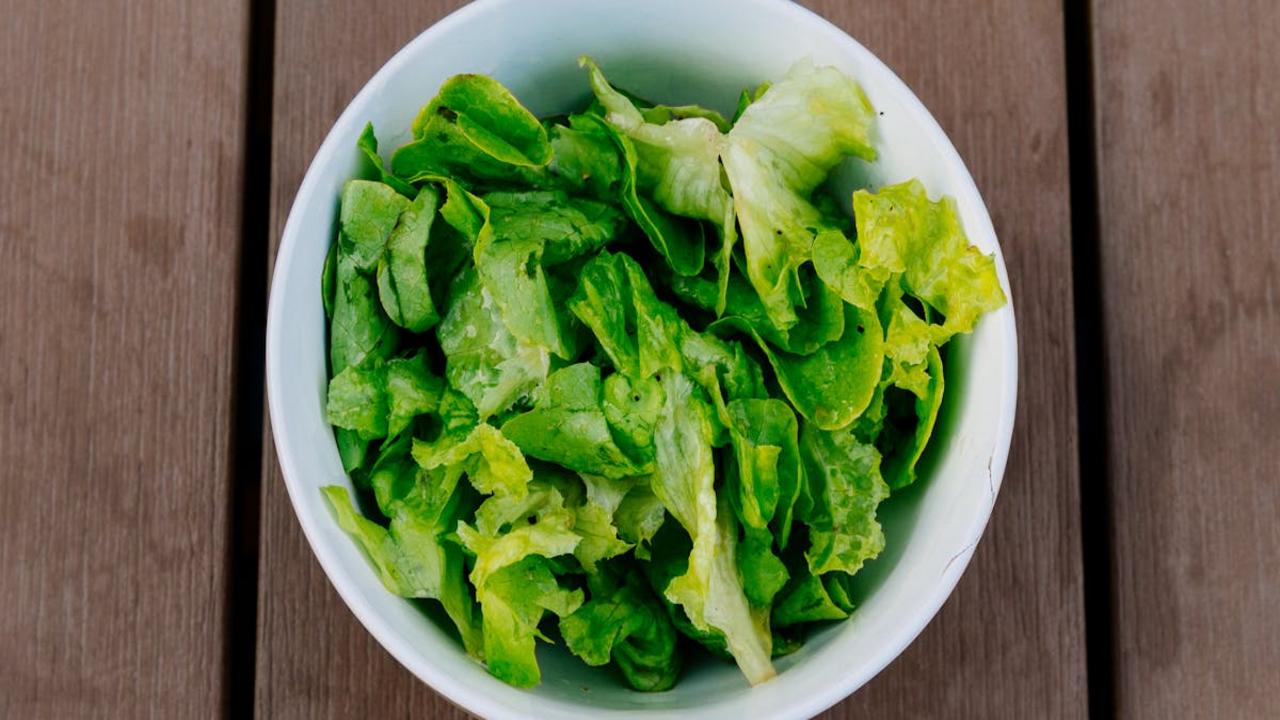
I discovered this swap during one of those nights when I opened my fridge to find wilted bread but perfect, crisp butter lettuce staring back at me. What started as a necessity became one of my favorite ways to lighten up meals without sacrificing flavor. Those large, cupped leaves make natural vessels for everything from spiced ground turkey with fresh herbs to leftover roasted vegetables with tahini drizzle. The crunch adds texture that soft bread simply can’t match, and you get that fresh, clean taste that doesn’t compete with your fillings.
I love how versatile lettuce wraps become once you start thinking beyond traditional sandwich fillings. Try wrapping up leftover curry with some cooling yogurt, or create Vietnamese-inspired rolls with herbs, pickled vegetables, and grilled protein. Romaine hearts work beautifully for heartier fillings, while delicate Boston lettuce cradles lighter combinations perfectly. You’re not just cutting carbs—you’re adding hydration, vitamins, and that satisfying crunch that makes each bite more interesting. Plus, your hands stay cleaner, and you never have to worry about soggy bread again.
Avocado Spread Instead of Mayonnaise
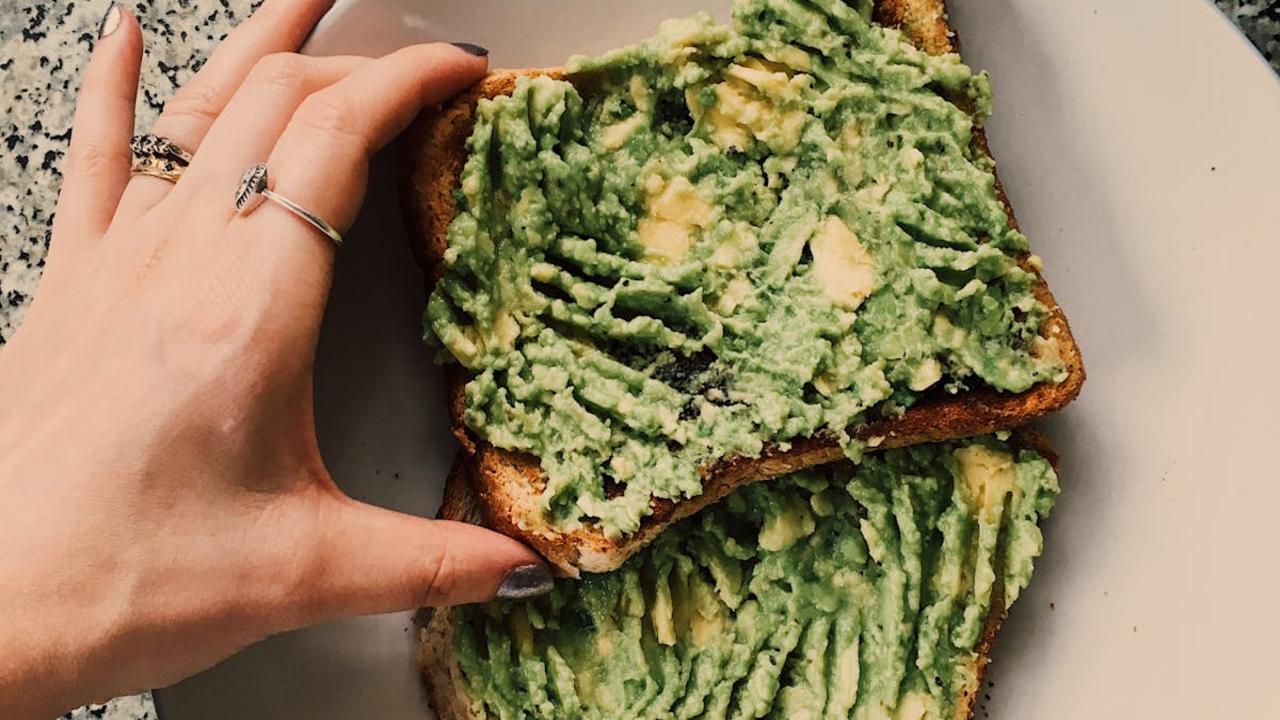
Replace mayonnaise with mashed avocado in your sandwiches, wraps, and salads for an instant health upgrade that doesn’t sacrifice flavor. I mash ripe avocados with a fork, add a squeeze of fresh lime juice to prevent browning, and season with a pinch of salt and black pepper. The creamy texture works beautifully as a base for tuna salad, chicken salad, or even as a spread on toast. You get healthy fats, fiber, and potassium instead of processed oils and preservatives.
Take this swap further by creating flavored avocado spreads that transform ordinary meals into something special. Mix in minced garlic and herbs for Mediterranean-inspired sandwiches, or add a dash of sriracha and lime zest for an Asian-fusion twist. I often blend avocado with tahini and lemon juice for Middle Eastern-style wraps, or incorporate fresh cilantro and cumin for Mexican-inspired dishes. The neutral base of avocado accepts bold flavors beautifully while keeping your meals wholesome and satisfying.
Almond Flour Instead of White Flour
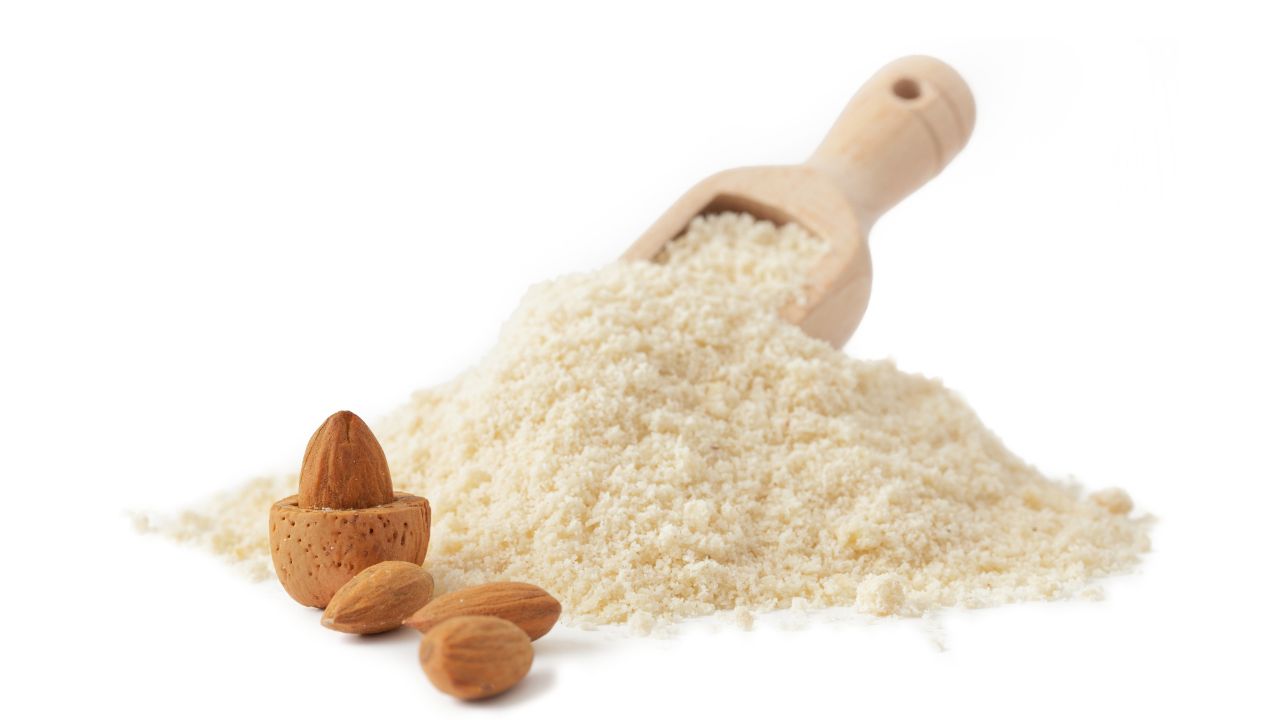
I keep bags of almond flour in my pantry because this single swap transforms everything from pancakes to bread into nutrient-dense powerhouses. While white flour strips away most vitamins and minerals during processing, almond flour brings healthy fats, protein, and vitamin E straight to your plate. When I make my Saturday morning pancakes with almond flour, they keep me satisfied for hours instead of leaving me crashed and hungry by 10 AM. The nutty sweetness pairs beautifully with cardamom and orange zest in my weekend breakfast rotation.
The texture shift takes some getting used to, but once you master the ratio—typically use about 25% less almond flour than white flour—your baking game changes completely. I love how almond flour creates tender, moist results in muffins and quick breads, especially when I’m making my spiced banana bread with a hint of tahini. For coating chicken or fish, almond flour gives you that perfect golden crust with way more flavor complexity than regular breadcrumbs. Start with simple swaps in familiar recipes, and soon you’ll find yourself reaching for almond flour first in almost every baking adventure.
Ground Turkey Instead of Ground Beef

I made this switch years ago and never looked back! Ground turkey brings so much more to your kitchen than you might think. It’s lighter on your system, cooks faster, and honestly, it takes on flavors like a dream. When you season it well—think cumin, smoked paprika, garlic, and a touch of soy sauce—ground turkey transforms into something incredible. I love using it in my weeknight tacos with fresh cilantro and lime, or mixing it into a hearty pasta sauce with fire-roasted tomatoes and fresh basil.
The real magic happens when you treat ground turkey like the blank canvas it is. I’ll brown it with onions and ginger for Asian-inspired lettuce wraps, or mix it with fresh herbs and lemon zest for Greek-style meatballs. Your body will thank you too—turkey is leaner and packed with protein without the heaviness that sometimes comes with beef. Don’t worry about it being dry; just add a splash of olive oil or broth while cooking, and keep your heat at medium. Trust me, once you start experimenting with ground turkey, you’ll discover how versatile and satisfying it can be in all your favorite recipes.
Honey Instead of White Sugar
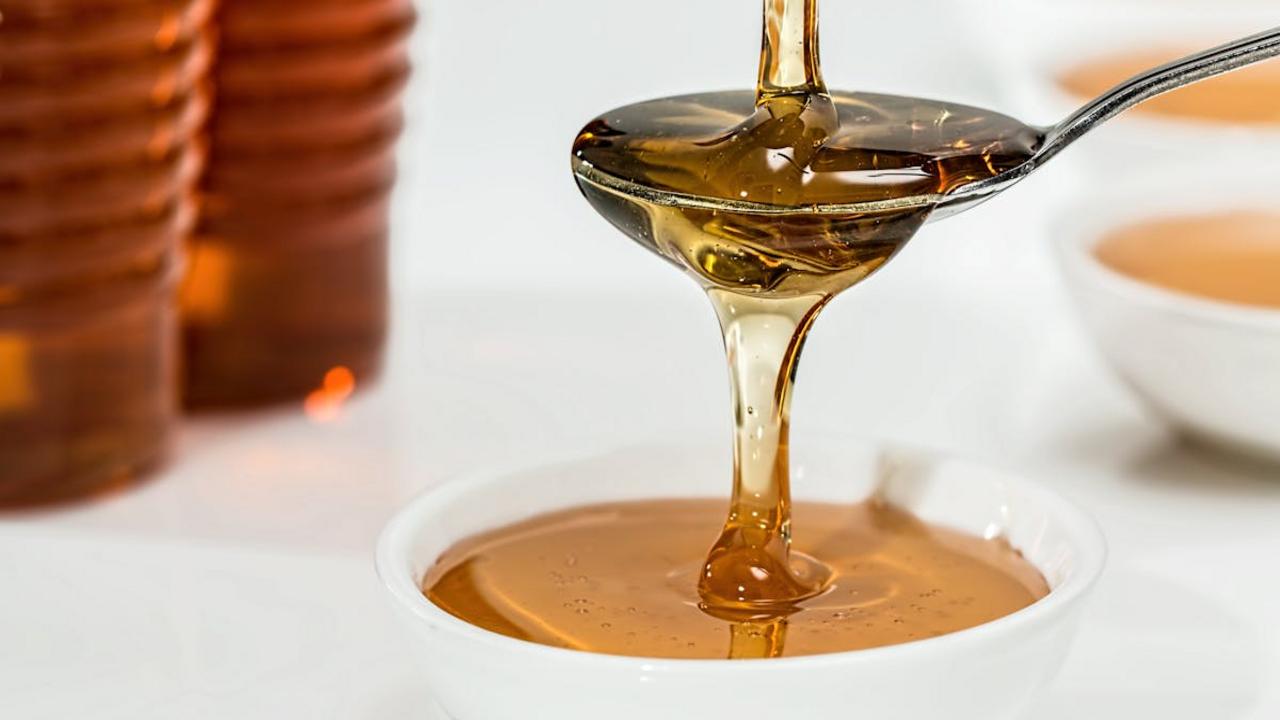
You know that jar of honey sitting in your pantry? It’s about to become your new best friend in the kitchen. I’ve been swapping white sugar for honey in almost everything I make, and the difference goes way beyond just sweetness. Honey brings this incredible depth of flavor that white sugar simply can’t match – it’s got floral notes, sometimes a hint of earthiness, and it actually enhances the other ingredients in your dish instead of just making them sweeter. Plus, you’re getting trace minerals and antioxidants that your body can actually use, unlike refined sugar that gives you nothing but empty calories.
Here’s what I’ve learned through years of experimenting: use about 3/4 the amount of honey compared to sugar, and reduce your liquid ingredients by about 2 tablespoons per cup of honey you use. The magic really happens in baked goods – honey keeps cakes and breads moist for days longer than sugar ever could. I love using different varieties too: wildflower honey in my morning oatmeal, buckwheat honey in hearty whole grain breads, and orange blossom honey in delicate cookies. Your pancakes, marinades, and even salad dressings will thank you for this simple switch that brings so much more character to every bite.
Applesauce as Oil Substitute in Baking
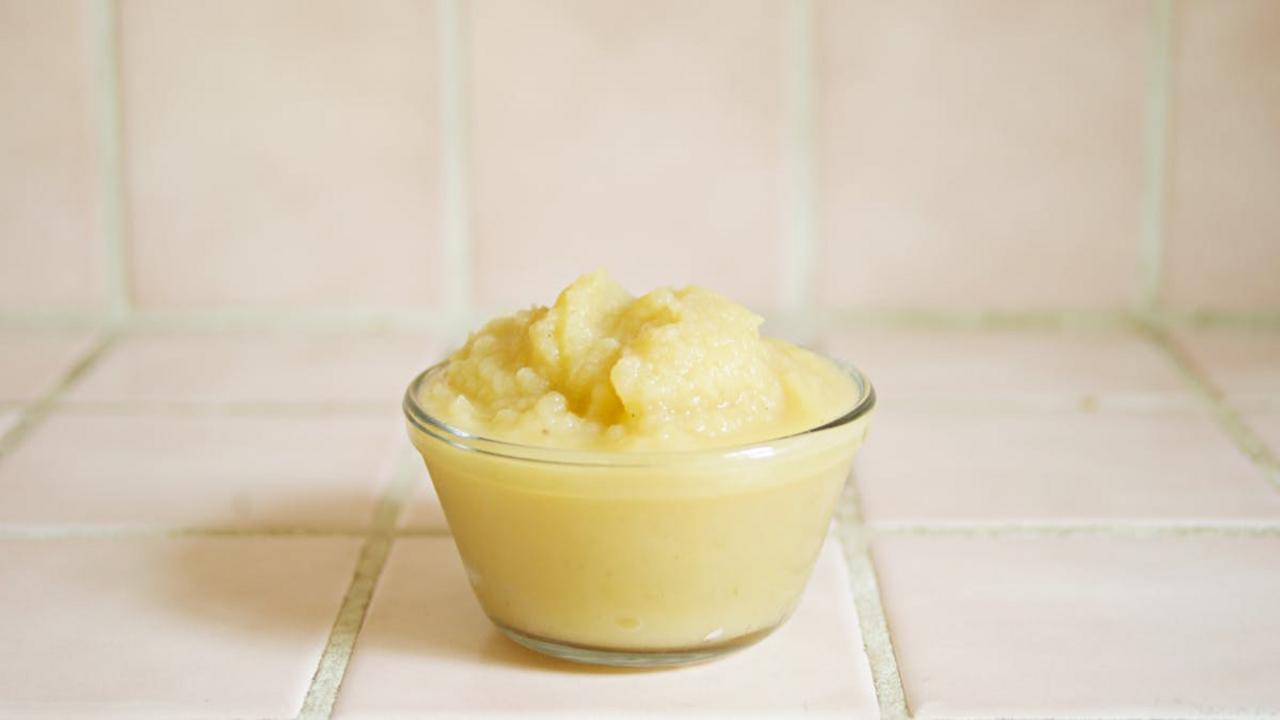
I discovered this brilliant swap completely by accident when I ran out of oil while making muffins for my daughter’s school bake sale. The applesauce I grabbed from the pantry transformed those muffins into something magical – they stayed incredibly moist for days, had a subtle sweetness that made everyone ask for the recipe, and packed way more nutrition than their oil-heavy counterparts. This substitution works beautifully in quick breads, muffins, cakes, and brownies, cutting calories while adding fiber and natural fruit sugars that your body actually knows how to process.
Start with a 1:1 ratio when replacing oil with unsweetened applesauce, though you can experiment with replacing just half the oil if you want to ease into this healthier approach. The texture becomes slightly denser and more tender, which I absolutely love – it reminds me of the wholesome baked goods my grandmother made without all the processed ingredients. Choose unsweetened varieties to control the sugar content, and consider adding a pinch of cinnamon or vanilla to complement the apple notes. Your baked goods will taste fresher, keep longer, and give you that satisfied feeling that comes from nourishing your family with real, whole ingredients.
Zucchini Noodles Instead of Pasta
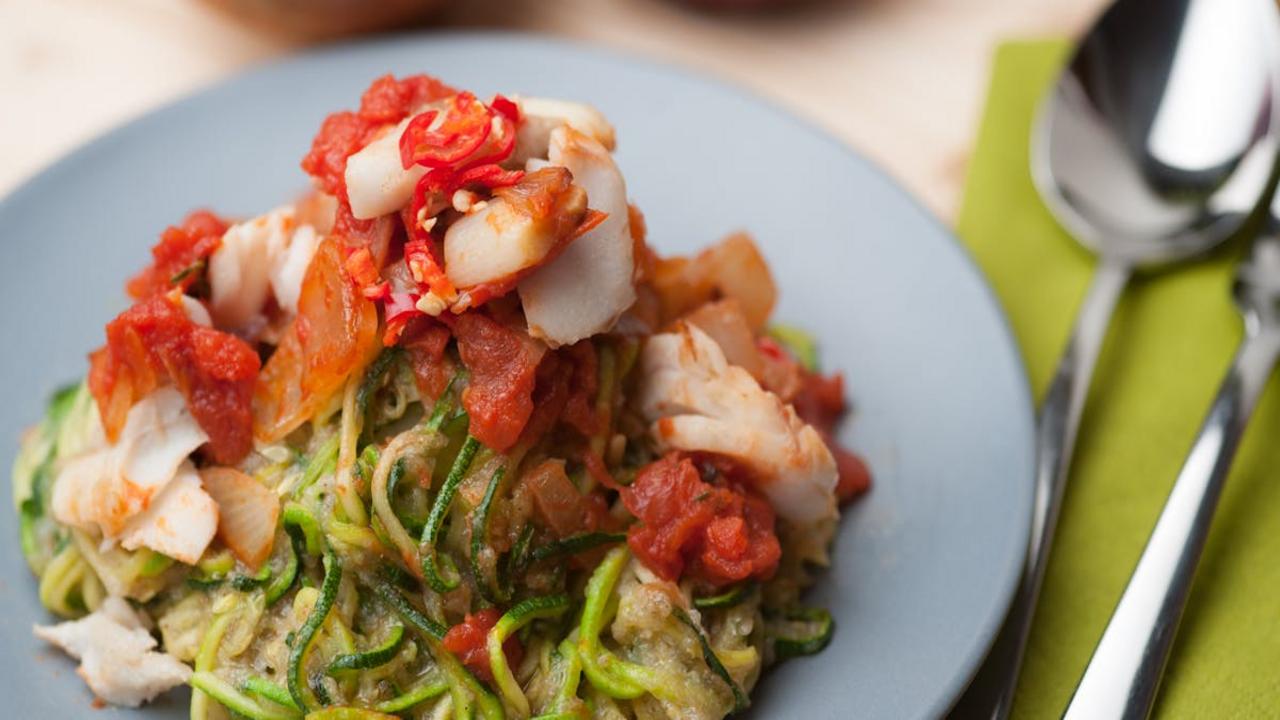
I discovered spiralized zucchini completely by accident when my pasta ran out during a busy weeknight. What started as a desperate substitute became one of my favorite healthy swaps that I now reach for regularly. You can create these gorgeous green ribbons with a simple spiralizer, julienne peeler, or even a regular vegetable peeler for wider strips. The beauty lies in how quickly they cook—just 2-3 minutes in a hot pan with olive oil and garlic transforms them into tender, flavorful noodles that won’t weigh you down.
The magic happens when you treat zucchini noodles with the same respect you’d give traditional pasta. I toss them with homemade pesto, creamy avocado sauce, or a simple aglio e olio with red pepper flakes. They pair beautifully with Asian-inspired flavors too—try them with sesame oil, ginger, and a splash of tamari. The key is not to overcook them; they should maintain a slight bite. One medium zucchini typically yields about two servings, and unlike wheat pasta, these veggie noodles provide extra nutrients while keeping your energy levels steady throughout the afternoon.
Cauliflower Rice Rather Than White Rice

I remember the first time I swapped white rice for cauliflower rice in my favorite curry dish—honestly, I expected to miss that familiar starchy comfort. Instead, I discovered something brilliant: cauliflower rice absorbs flavors like a sponge while adding its own subtle, nutty notes to every bite. You simply pulse cauliflower florets in a food processor until they resemble rice grains, then sauté them for 3-4 minutes with a pinch of salt. The texture becomes tender yet maintains a satisfying bite that pairs beautifully with everything from Asian stir-fries to Mediterranean bowls.
What makes this swap so rewarding goes beyond just cutting carbs—cauliflower rice brings extra nutrients like vitamin C and fiber to your plate while keeping your energy steady throughout the day. I love how it transforms simple weeknight dinners into something that feels both light and deeply satisfying. Try it with coconut milk and fresh herbs for a tropical twist, or toast it with garlic and turmeric for an aromatic base that makes even the simplest proteins shine. Your body will thank you for choosing this wholesome alternative that never leaves you feeling heavy or sluggish.
Use Greek Yogurt Instead of Sour Cream
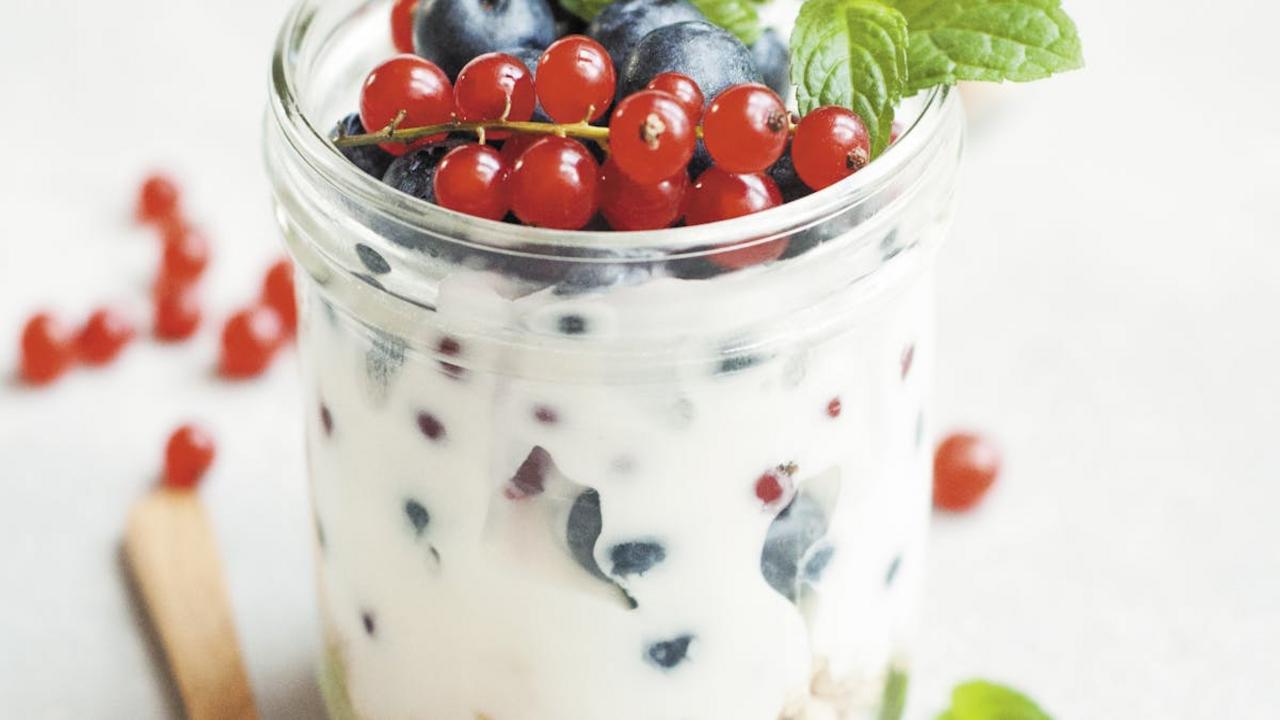
This simple swap has completely transformed how I approach creamy textures in my cooking. Greek yogurt brings that same tangy richness you love in sour cream, but with double the protein and significantly less fat. I keep a large container in my fridge at all times because it works beautifully in everything from stroganoff to baked potato toppings. The thick, velvety consistency makes it perfect for dolloping on tacos, stirring into soups for extra creaminess, or mixing into marinades for tender, flavorful meats.
What makes Greek yogurt truly shine is its versatility across different global flavors. I love mixing it with fresh herbs and garlic for a Mediterranean-inspired sauce, or adding curry powder and lime juice for an Indian-spiced condiment. Unlike sour cream, Greek yogurt doesn’t break or curdle when heated gently, making it fantastic for warm dishes. You can even use it in baking – I substitute it in muffins and cakes for extra moisture and protein. The probiotic benefits are just a bonus when you’re creating nourishing meals that actually fuel your body instead of weighing it down.