14 Overhyped Food Trends We Wish Would Finally End
Have you noticed how social media feeds keep flooding with flashy food trends that often disappoint in real life? From gold-flecked desserts to drinks served in medical equipment, the food world has gone wild with gimmicks that prioritize Instagram appeal over actual taste and enjoyment.
I’ve watched these trends cycle through restaurants and home kitchens alike, wondering why we keep chasing foods that look better than they taste. Many of these fads waste ingredients, cost too much, or simply don’t deliver on flavor—leaving you with an empty wallet and underwhelming meal.
After years of cooking and writing about food, I’ve collected the most tiresome trends that need to disappear. These 14 overhyped food crazes have overstayed their welcome, and it’s time we return to valuing good ingredients and thoughtful preparation instead of chasing the next viral food moment.
Charcuterie in a jar
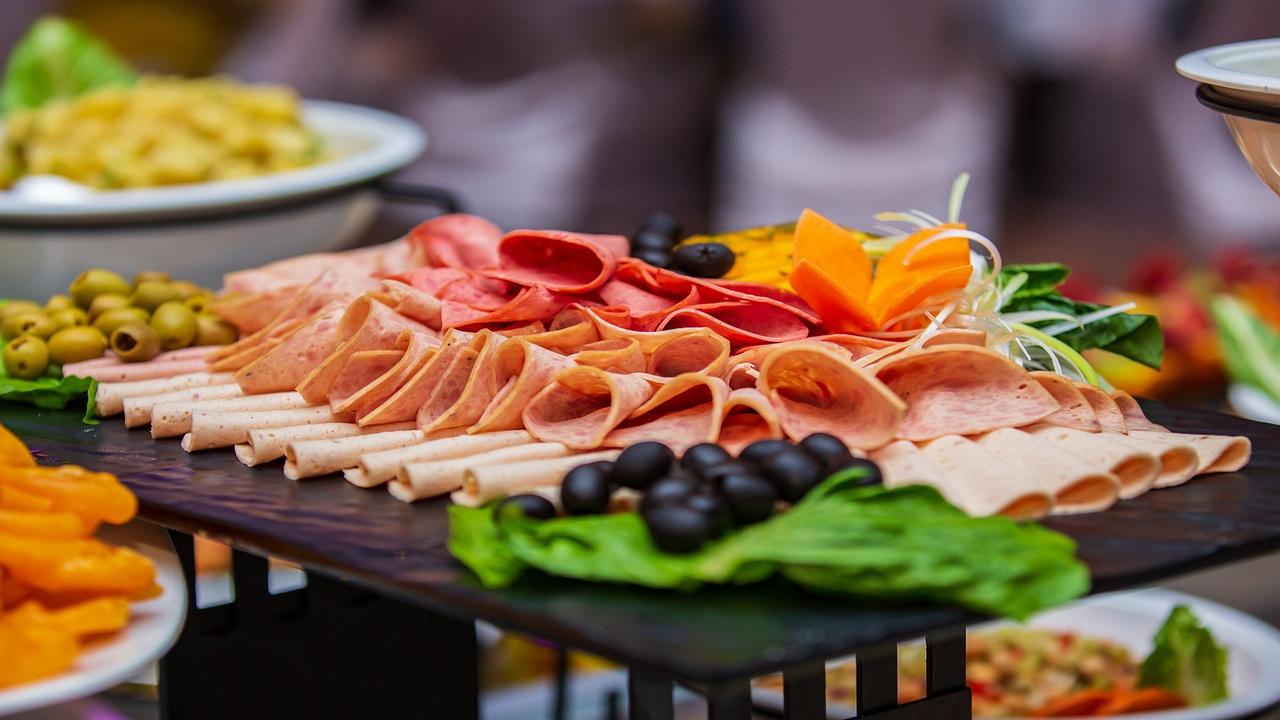
Look, I get it – charcuterie boards became the Instagram darling, and someone thought “why not make this portable?” But friends, cramming salami, cheese cubes, and crackers into a mason jar feels like missing the entire point. Charcuterie celebrates the beauty of arrangement, the way flavors complement each other when thoughtfully placed together. When you stuff everything into a narrow container, you lose that visual appeal and the ability to truly appreciate each component. Plus, those soggy crackers at the bottom? Nobody wants that texture disaster.
Instead of following this jarred trend, I encourage you to create your own simple boards at home using whatever you have on hand. Grab some fresh vegetables you’ve pickled yourself, add homemade hummus or a quick olive tapenade, and arrange them with care on a wooden board or even a regular plate. The magic happens in the presentation and the freshness of your ingredients, not in cramming everything into a container that makes eating awkward and diminishes the flavors. Your guests will appreciate the effort, and you’ll actually enjoy the process of creating something beautiful and delicious.
Dessert hummus
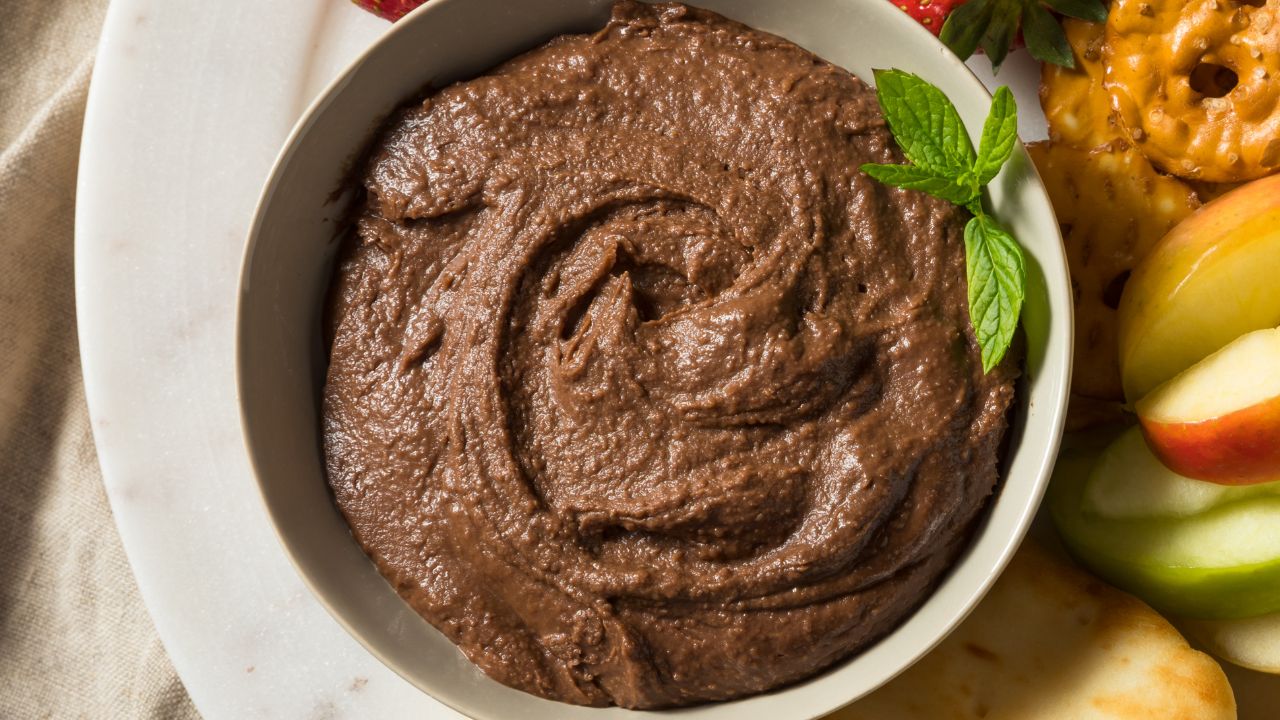
Friend, I need to be honest with you about dessert hummus – this trend feels like we’re trying too hard to make everything “healthy” by slapping chickpeas into places they don’t belong. I’ve watched countless people blend tahini with chocolate and call it revolutionary, but here’s the thing: if you want chocolate dessert, make a proper chocolate mousse with real ingredients you can pronounce. The texture never quite hits right, and that subtle bean undertone always lingers, no matter how much cocoa powder you add. We’ve taken a beautiful, traditional Middle Eastern staple and forced it into a role it wasn’t meant to play.
Instead of transforming perfectly good chickpeas into confused dessert paste, why not honor both your sweet tooth and your health goals with intention? Make a rich avocado chocolate mousse, whip up some coconut cream with fresh berries, or create energy balls with dates and nuts. These alternatives give you that creamy satisfaction without the cognitive dissonance of eating beans for dessert. Your palate deserves better than compromise, and traditional hummus deserves to stay in its rightful place – paired with warm pita and fresh vegetables where it truly shines.
Avocado lattes
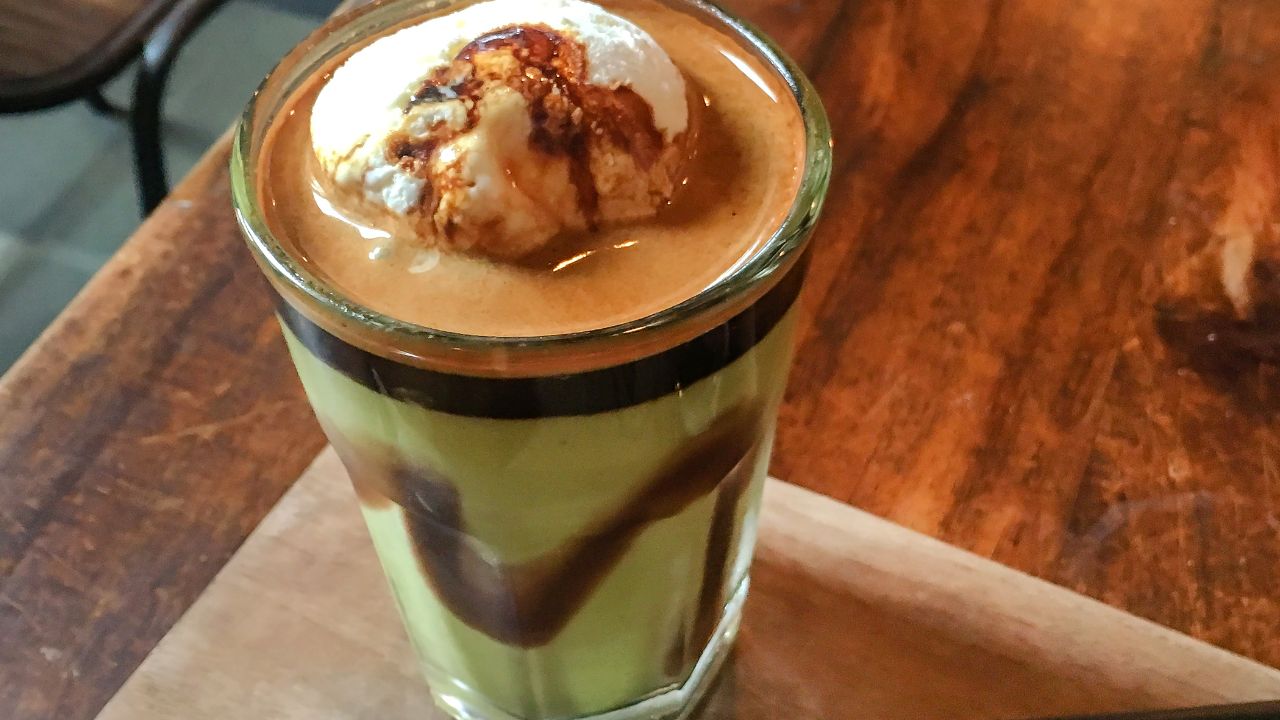
Look, I get it – avocados are amazing. I throw them into smoothies, smash them on toast, and blend them into the creamiest chocolate mousses you’ve ever tasted. But when someone decided to dump avocado into coffee, I think we officially jumped the shark. Your morning cup deserves better than this muddy, oil-slicked mess that tastes like someone accidentally dropped their breakfast into their caffeine fix. The texture alone makes me want to reach for a regular oat milk latte instead.
Here’s what bothers me most about this trend: it takes two perfectly good ingredients and somehow makes them worse together. Coffee should wake you up and make you smile, not leave you questioning your life choices while staring at a cup of green-tinged disappointment. If you want healthy fats in the morning, eat the avocado on its own – maybe with a sprinkle of za’atar and a drizzle of good olive oil on sourdough. Then drink your coffee black or with whatever milk makes you happy. Some flavor combinations just aren’t meant to be, and this unholy union needs to retire.
24K gold leaf dishes
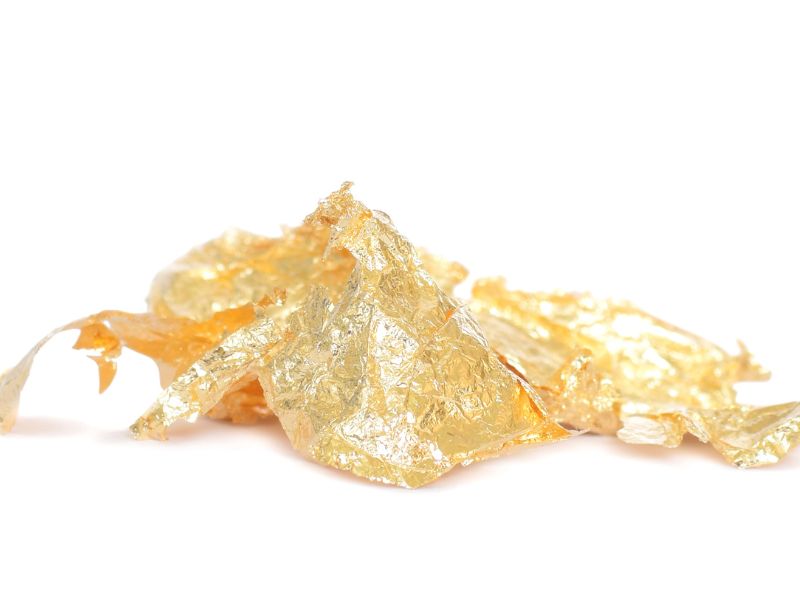
Listen, I get it – we all want our food to feel special and Instagram-worthy. But when I see dishes covered in 24K gold leaf selling for hundreds of dollars, I can’t help but shake my head. You’re literally paying premium prices to eat something that has zero flavor, zero nutritional value, and passes right through your body unchanged. That edible gold leaf sitting on top of your $200 steak? It’s doing absolutely nothing for the actual eating experience except lightening your wallet.
As someone who spends my days creating recipes that celebrate real ingredients and their natural beauty, this trend feels completely backwards to me. Instead of focusing on how to make food taste incredible or how to source the best seasonal produce, we’re getting distracted by shiny decorations that add nothing meaningful to the plate. Give me a perfectly ripe heirloom tomato with flaky sea salt over gold-dusted anything, any day. When I cook for people I love, I want every single element on that plate to serve a purpose – whether it’s adding flavor, texture, or nourishment. Gold leaf does none of these things, and frankly, great food doesn’t need expensive gimmicks to make it memorable.
Extreme food challenges
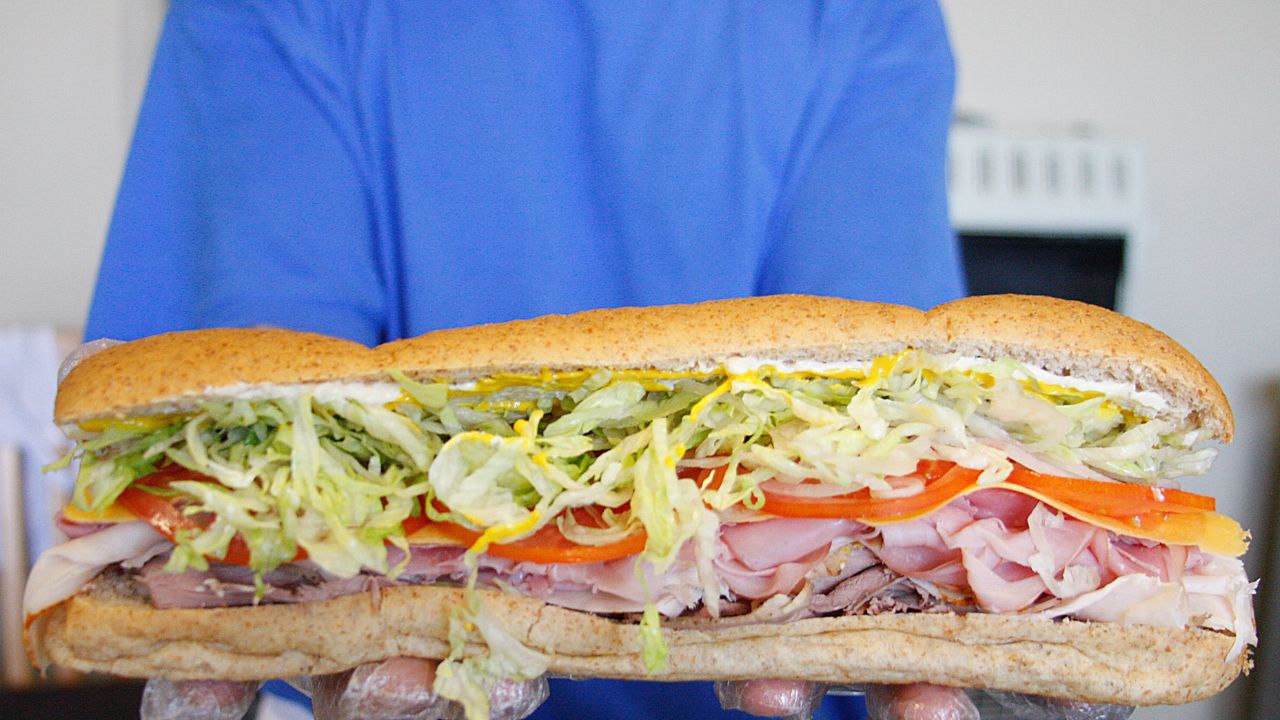
You know what really gets under my skin? Watching people force down massive portions of food or endure scorching heat levels just for internet views. These extreme eating competitions have turned food into a spectacle rather than the nourishing, beautiful experience it should be. I’ve spent years learning to listen to my body’s hunger cues, creating balanced meals that fuel me properly, and then I see someone shoving 50 hot dogs down their throat in five minutes. It breaks my heart because it completely disconnects us from the mindful relationship we should have with what we eat.
What frustrates me most is how these trends waste incredible ingredients that could create amazing meals for multiple people. Instead of savoring the complex flavors of a perfectly spiced dish, contestants race through pain and discomfort. I’d rather spend my time teaching you how to build heat gradually in your cooking – starting with aromatic spices, adding layers of flavor, and creating dishes that warm your soul without punishing your palate. Real cooking is about understanding your ingredients, respecting the process, and creating something that brings joy to everyone at the table, not just shock value for social media.
CBD-infused foods
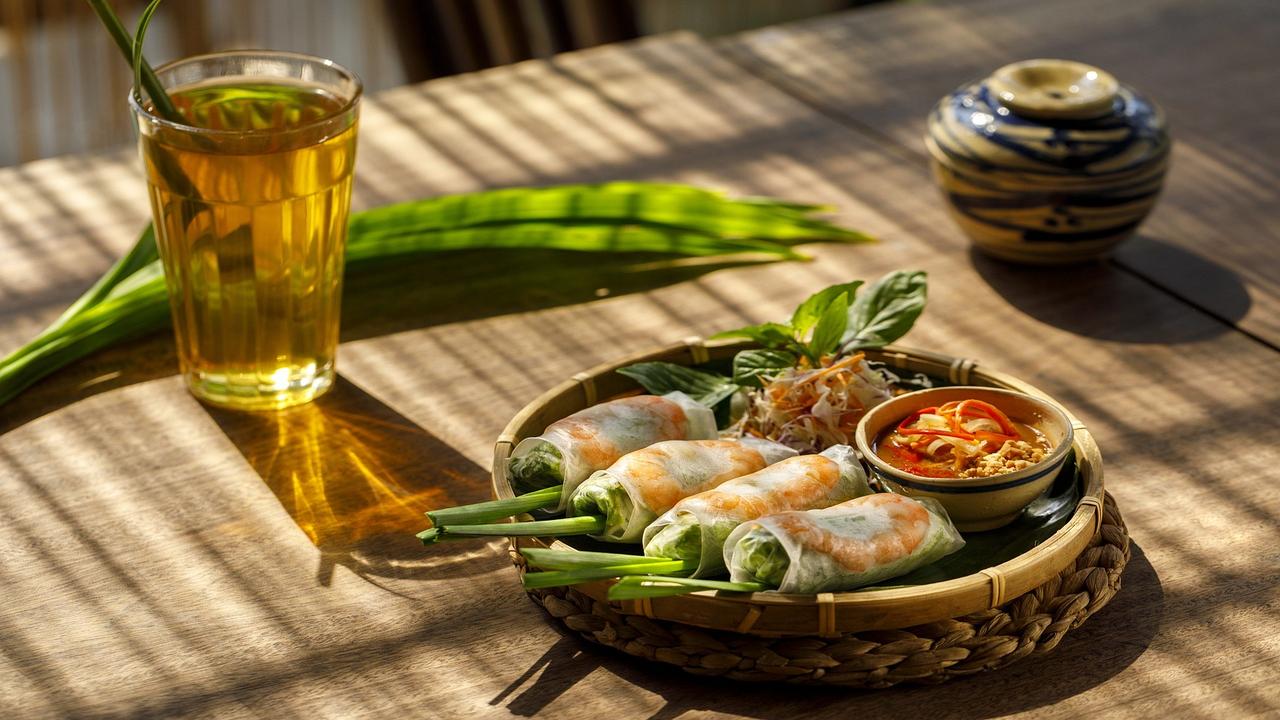
Listen, I get the appeal of wanting your chocolate chip cookies to supposedly help with anxiety, but CBD-infused foods have become one of those trends that promises way more than it delivers. You’re paying premium prices for brownies, gummies, and even salad dressings that contain such minimal amounts of CBD that any effects are questionable at best. Most of these products taste artificial or have that strange hemp-like flavor that completely throws off what should be a delicious eating experience. I’ve tried CBD honey, CBD olive oil, and CBD coffee, and honestly? They all left me wondering why I didn’t just buy the regular versions and save my money.
The real issue here is that we’re treating food like medicine instead of focusing on what makes a meal truly nourishing and satisfying. Instead of reaching for that overpriced CBD granola bar, why not create a homemade snack with ingredients you actually recognize? I’d rather whip up some energy balls with dates, nuts, and a touch of vanilla that genuinely make me feel good because they’re made with wholesome ingredients. Food should bring joy and comfort naturally, not because we’ve added some trendy compound that may or may not work. Let’s get back to cooking with ingredients that have proven benefits – fresh herbs, spices, whole grains, and seasonal produce that actually taste amazing while supporting our wellbeing.
Zero-carb everything
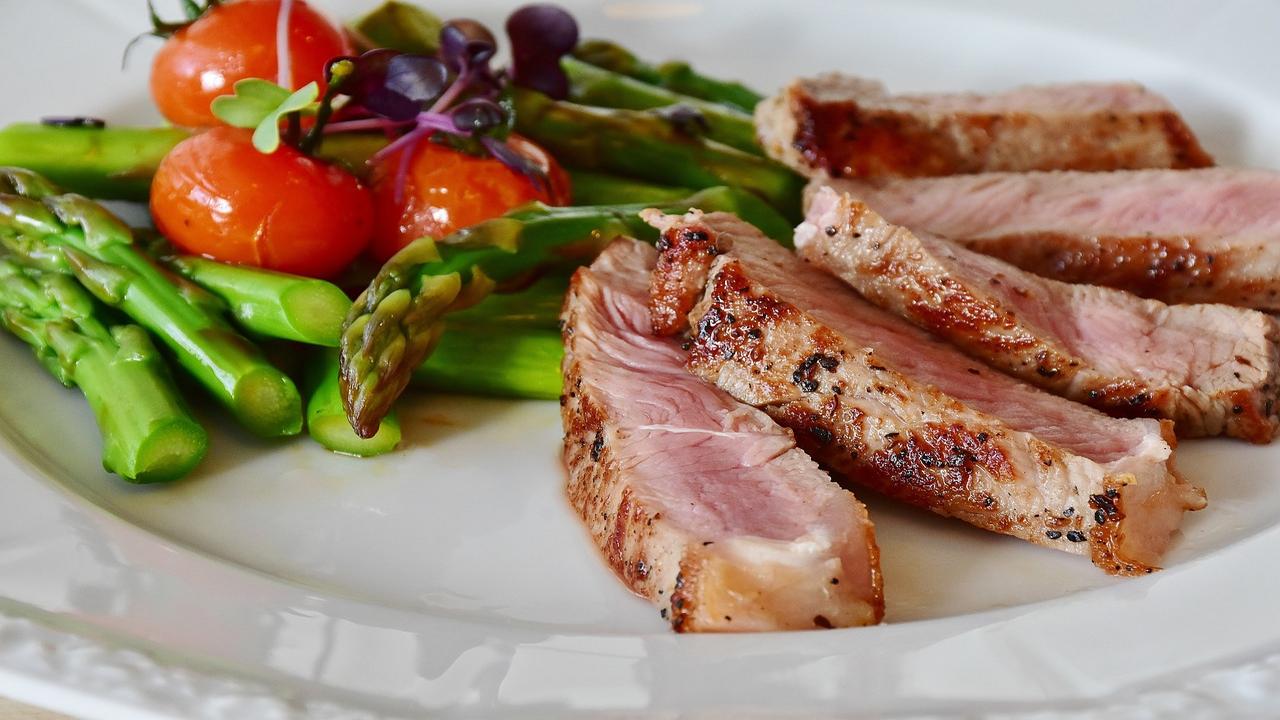
Friend, I’ve watched this zero-carb madness sweep through kitchens like wildfire, and honestly? It’s time we had a heart-to-heart about this. You know I’m all for mindful eating and creating nourishing meals that make your body sing, but completely eliminating an entire macronutrient group? That’s not balance—that’s restriction disguised as wellness. I’ve seen people replace perfectly good sweet potatoes with cauliflower “rice” for the hundredth time, looking miserable while claiming they feel amazing. Your body needs carbohydrates for energy, brain function, and that satisfied feeling after a good meal.
What breaks my heart most is watching people miss out on the pure joy of sharing a bowl of homemade pasta or breaking bread with loved ones because they’re afraid of carbs. Food is meant to bring us together, not divide us into camps of what we can and cannot eat. Instead of demonizing entire food groups, why not focus on choosing quality carbs? Think quinoa studded with fresh herbs, roasted root vegetables that caramelize beautifully, or that perfect slice of sourdough made with ancient grains. Your kitchen should be a place of abundance and creativity, not a laboratory where you’re constantly calculating macros and avoiding entire categories of delicious, wholesome ingredients.
Cloud eggs
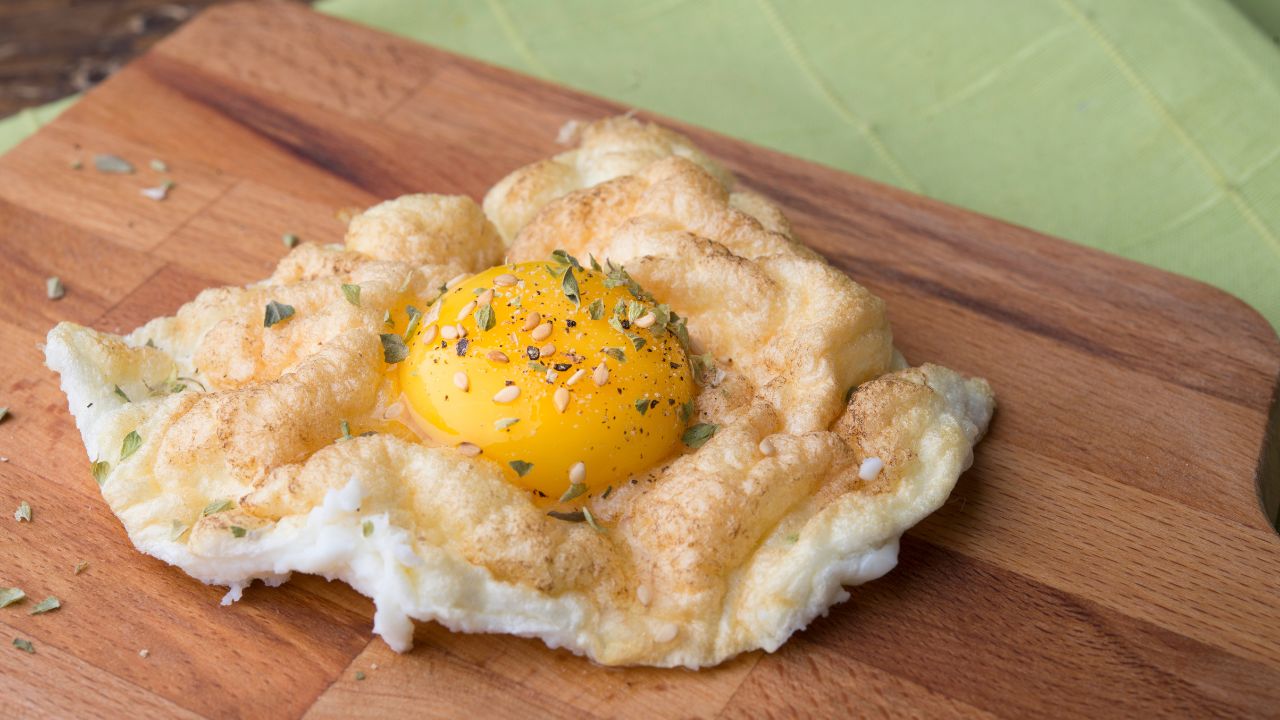
You know that moment when you see something so Instagram-perfect that you immediately want to try it, only to discover it’s more style than substance? That’s cloud eggs for you. This trend involves separating egg whites, whipping them into fluffy peaks, then baking them with the yolk nestled in the center like a golden sun. Sure, they look absolutely stunning on your feed, but here’s what nobody talks about: they taste like bland, airy nothing with a runny center that often breaks when you try to eat it.
I’ve watched countless home cooks struggle with this technique, spending twenty minutes creating something that delivers less flavor than a simple scrambled egg. The whites lose their silky richness when whipped and baked, becoming more like edible foam than actual egg. Instead of chasing these cloudy dreams, why not focus on perfecting a classic soft-boiled egg with jammy yolk, or try shakshuka where eggs nestle beautifully in spiced tomatoes? These alternatives give you both visual appeal and incredible taste. Real cooking magic happens when technique serves flavor, not the other way around.
IV drip cocktails
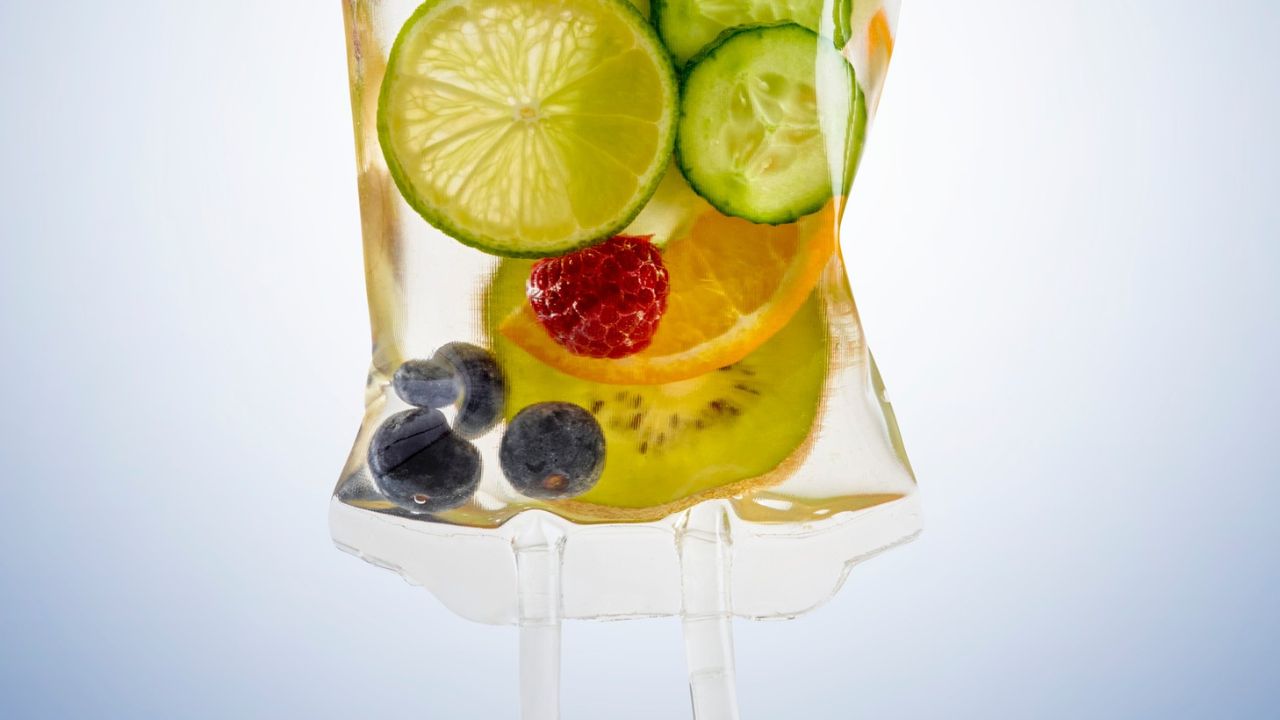
You know what really gets me? Walking into a trendy bar and seeing cocktails served in actual IV bags hanging from metal stands. I get that we’re always looking for the next Instagram-worthy moment, but turning medical equipment into a drinking vessel crosses a line for me. These IV drip cocktails have been showing up everywhere, and honestly, they make me uncomfortable. There’s something deeply unsettling about glamorizing hospital imagery while we’re trying to enjoy a night out with friends.
Beyond the questionable aesthetics, these cocktails often taste mediocre at best because the focus shifts from crafting quality drinks to creating visual spectacle. I’d much rather see bartenders putting their energy into perfecting classic cocktails or creating innovative flavor combinations using fresh, seasonal ingredients. When I make cocktails at home, I focus on balancing sweet, sour, and bitter elements using real fruits, herbs from my garden, and quality spirits. That’s where the magic happens – not in some gimmicky presentation that trivializes medical care. Let’s get back to what matters: good ingredients, skillful preparation, and drinks that actually taste amazing.
Activated charcoal in food
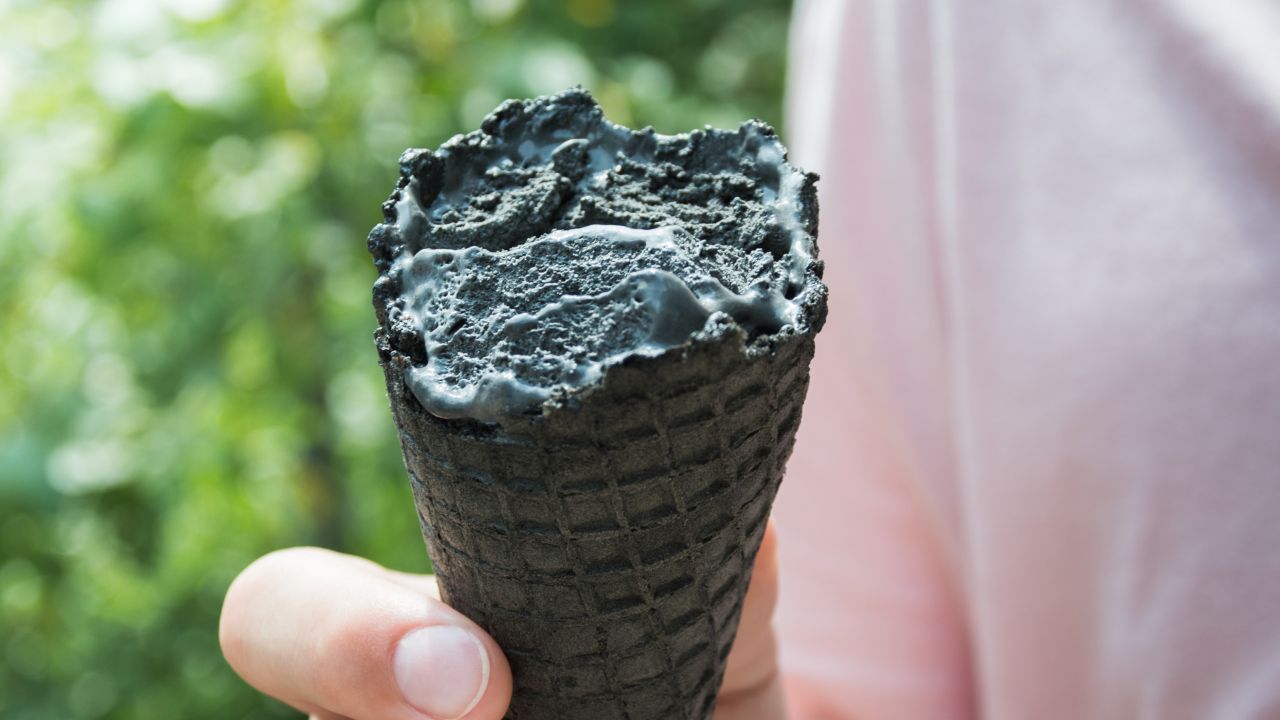
You know what really makes me scratch my head? When I see those jet-black ice creams, lattes, and bagels flooding social media feeds. Sure, activated charcoal looks dramatic against white plates, but honestly, this trend feels more like a chemistry experiment than cooking. As someone who believes food should nourish your body first and look pretty second, I can’t get behind adding what’s basically a medical treatment to our meals. The whole “detox” marketing around charcoal foods drives me crazy because your liver and kidneys already do that job perfectly without any help from powdered carbon.
Here’s what really concerns me: activated charcoal can actually interfere with medications and prevent your body from absorbing nutrients from the beautiful, wholesome ingredients you’re eating alongside it. Why would you want to block the vitamins from that fresh spinach or those antioxidant-rich berries? Instead of chasing this gimmicky black powder, I’d rather see you focusing on foods that actually support your body’s natural processes. Give me a vibrant smoothie bowl loaded with real superfoods like turmeric, ginger, and fresh fruits any day over something that looks like it came from a science lab.
Super-sized milkshakes
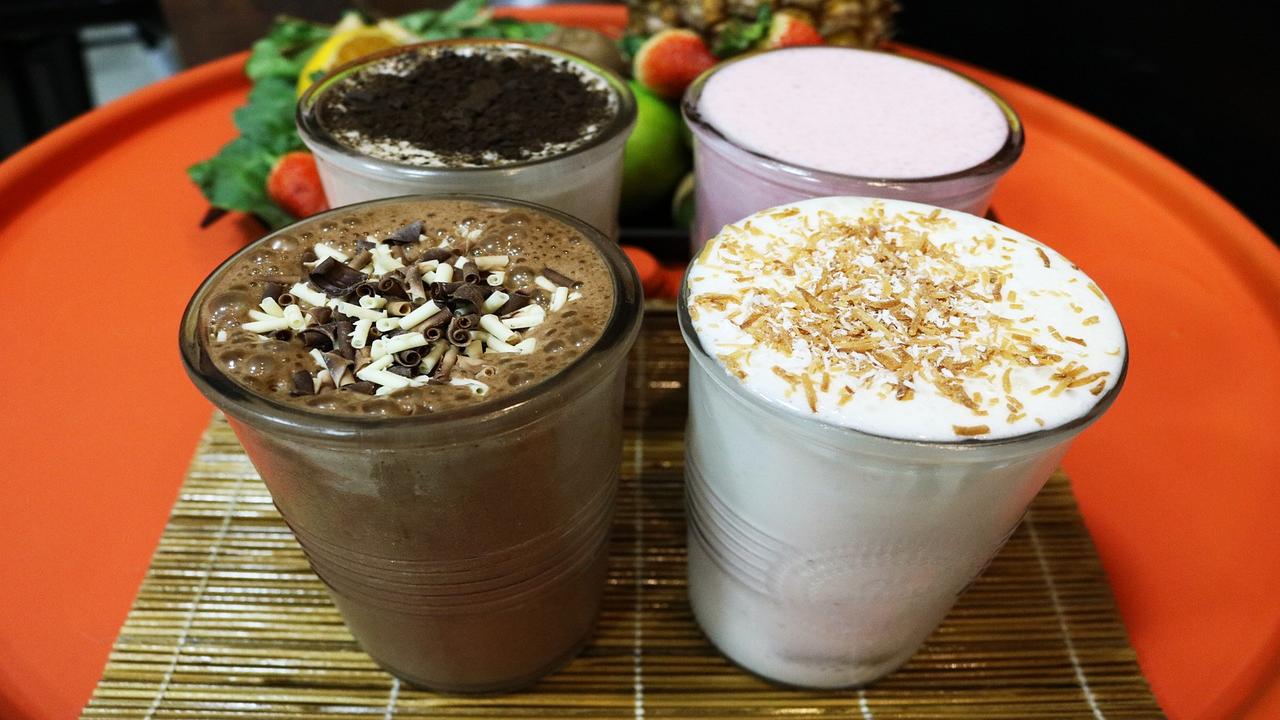
Friends, I need to talk about these Instagram-worthy milkshakes that tower like skyscrapers and come loaded with entire slices of cake, donuts, and candy bars. You know the ones I mean – those sugar bombs that require scaffolding just to stay upright! While I appreciate creativity in the kitchen, these over-the-top creations have gone too far beyond what makes a good milkshake. A proper milkshake should celebrate the beautiful simplicity of quality ice cream, fresh milk, and maybe a touch of vanilla or fruit. Instead, we’re getting sugar overload disguised as novelty.
What bothers me most is how these monstrous shakes waste perfectly good ingredients and promote unhealthy eating habits. I’ve watched people struggle to finish even half of these towering desserts, leaving mountains of food behind. At home, I make milkshakes with homemade ice cream using real vanilla beans, fresh berries from my garden, or even roasted banana for natural sweetness. These simple versions actually taste like the ingredients they’re made from, rather than just pure sugar and artificial flavors. Your body deserves treats that nourish rather than overwhelm, and a well-made milkshake can absolutely do that without the circus act on top.
Unicorn food
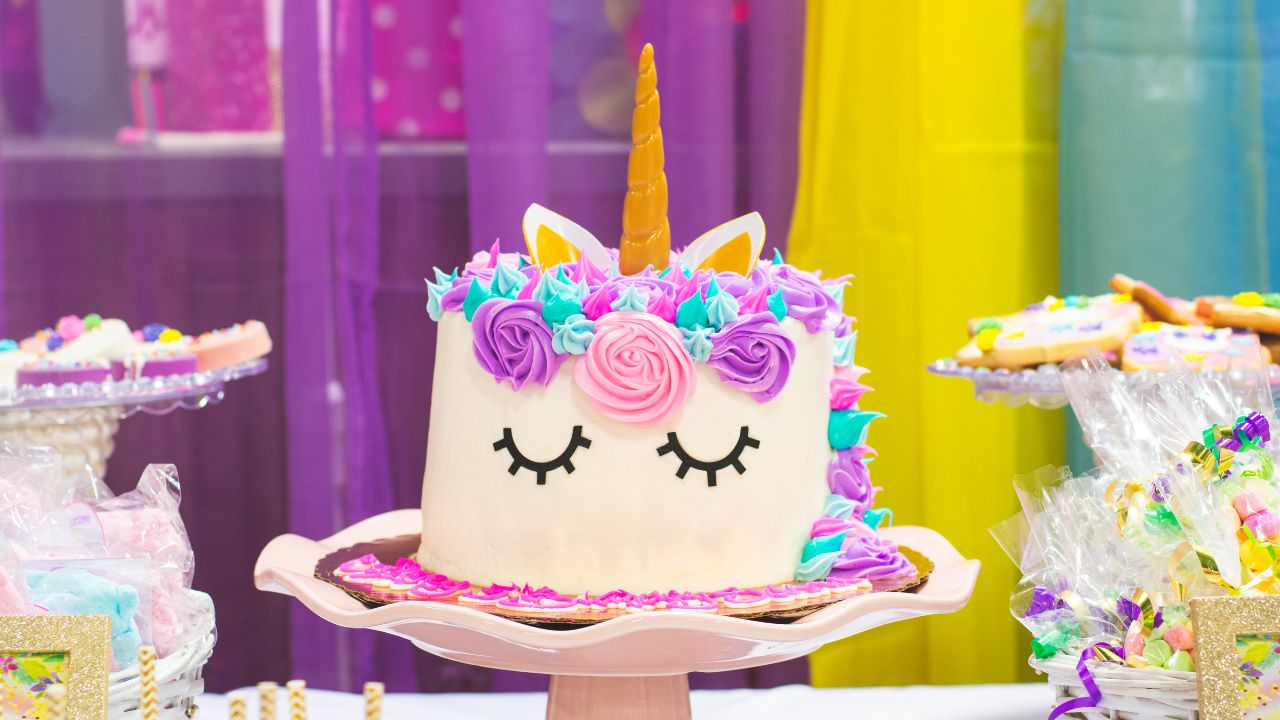
Listen, I get it – rainbow-colored everything looks magical on your Instagram feed, but unicorn food has officially jumped the shark. These artificially tinted treats rely heavily on synthetic food dyes and processed ingredients that turn your kitchen into a chemistry lab rather than a place where real cooking happens. Blue mac and cheese, purple pancakes, and glittery everything might grab attention, but they’re missing the soul that makes food truly satisfying. I’ve watched too many home cooks get caught up in creating these visual spectacles while sacrificing flavor and nutrition.
Real food doesn’t need artificial enhancement to be beautiful – nature already gave us incredible colors through vibrant vegetables, fruits, and spices. Instead of reaching for neon food coloring, try making naturally pink beet hummus, golden turmeric rice, or deep purple smoothie bowls with fresh berries. These ingredients bring actual nutrients to your plate while creating stunning visuals that photograph just as well. Your body will thank you for choosing real ingredients over synthetic ones, and honestly, the flavors will be so much more complex and satisfying than anything that comes from a bottle of artificial coloring.
Edible glitter
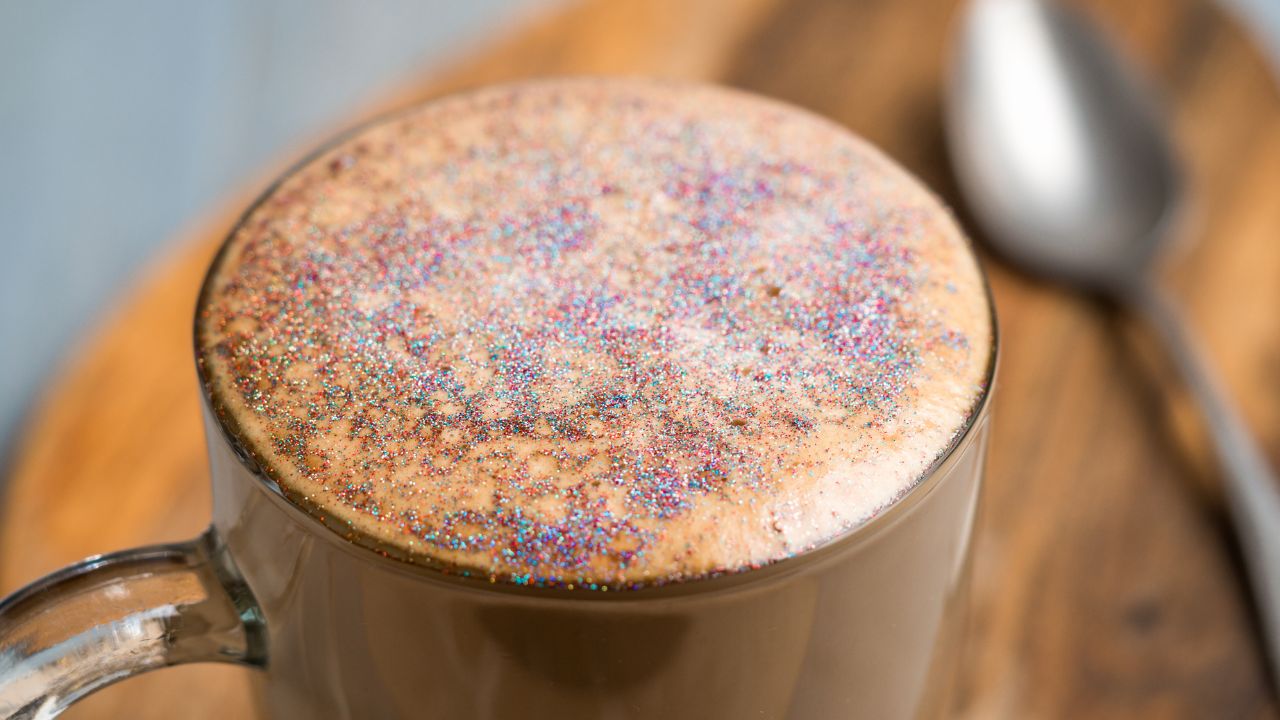
Look, I get it – we all want our food to look Instagram-worthy, but edible glitter has taken things too far. You sprinkle this stuff on your cupcakes or cocktails, and what do you get? A sparkly mess that adds absolutely zero flavor while coating your mouth with an unpleasant metallic sensation. I’ve watched friends chase viral food trends, dusting everything from donuts to salads with this shimmery nonsense, only to scrape it off after the first bite. The texture feels like you’re eating craft supplies, which honestly, isn’t far from the truth.
What really bothers me about edible glitter is how it completely misses the point of beautiful food. Real food beauty comes from vibrant colors of fresh ingredients – the deep purple of roasted eggplant, the golden hue of turmeric-spiced rice, or the natural sparkle of coarse sea salt crystals. These elements bring both visual appeal and genuine flavor enhancement to your dishes. Instead of reaching for processed shimmer, try toasted sesame seeds, crushed pistachios, or even finely grated dark chocolate for that special finishing touch. Your taste buds will thank you, and your food photos will still shine without the artificial theatrical effects.
Deconstructed dishes
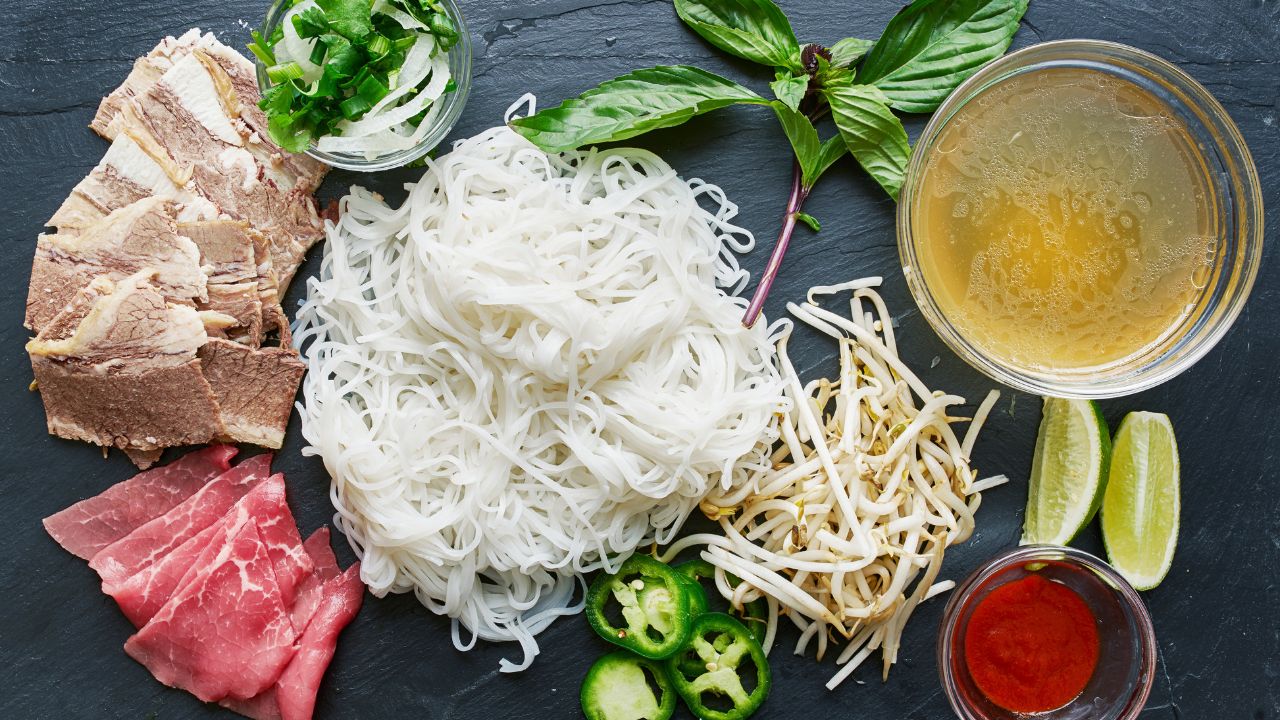
You know what really gets under my skin? Walking into a restaurant and ordering what sounds like a beautiful lasagna, only to have the server place before me scattered pasta sheets, dollops of ricotta, and sauce drizzled artistically around the plate. I understand creativity in cooking—trust me, I’m all for experimenting with global flavors and unexpected ingredient combinations—but deconstructed dishes feel like paying full price for half the work. When I cook at home, I put love into layering those pasta sheets, building flavors that meld together during baking. That’s where the magic happens!
The whole point of traditional dishes is how their components work together to create something greater than the sum of their parts. Take my grandmother’s curry—each spice blooms in the oil, the vegetables absorb those aromatics, and everything simmers into this cohesive, soul-warming bowl of comfort. When you deconstruct it, you lose that beautiful marriage of flavors. Sure, presentation matters, but not at the expense of the actual eating experience. Food should nourish both body and spirit, and there’s something deeply satisfying about a properly assembled dish that speaks to our primal need for wholesome, complete meals.