14 Genius Swaps to Make Expensive Ingredients Budget-Friendly
You know that sinking feeling when your grocery bill hits triple digits because you bought saffron for one recipe? I’ve been there, staring at my receipt like it personally wronged me. The good news is you don’t need to sacrifice flavor for your wallet’s sanity.
Smart shopping transforms expensive ingredients into affordable victories without compromising taste. Think of it as becoming a food detective—hunting down deals, discovering hidden gems at international markets, and finding creative substitutions that make your bank account breathe easier.
These fourteen money-saving strategies will revolutionize how you approach premium ingredients. From buying frozen alternatives to joining wholesale clubs, you’ll learn to cook like a chef while spending like a college student. Your future self will thank you for these budget-friendly tricks.
Sign Up for Store Loyalty Programs

You know what’s funny about loyalty programs? They’re basically grocery stores begging you to let them track your cheese-buying habits in exchange for cold, hard savings. And honestly? I’m here for it! These little plastic cards (or smartphone apps, if you’re fancy) are like secret handshakes that unlock a world of discounts, coupons, and member-only deals. While your non-card-carrying friends pay full price for that artisanal goat cheese, you’re practically stealing it at 30% off because you signed up for a free program that took literally two minutes of your life.
The real magic happens when stores start sending you personalized coupons based on your shopping patterns. Buy organic spinach twice, and suddenly you’re drowning in leafy green discounts! I once received a $5 coupon for fancy olive oil simply because the store’s algorithm noticed I’d been splurging on Mediterranean ingredients. Some programs even offer points that convert to store credit – I’ve funded entire dinner parties with accumulated points from my regular grocery runs. Plus, many stores give you special birthday treats, early access to sales, and exclusive member pricing on premium items. It’s like being part of an exclusive club where the membership fee is zero and the perks include cheaper bacon.
Check Clearance Sections

Your grocery store’s clearance section is basically a treasure hunt where the prize is discounted fancy ingredients that make you look like a kitchen wizard without the wizard-level budget. I stumbled upon this goldmine accidentally while frantically searching for bathroom tissue during a particularly chaotic shopping trip. There, tucked behind a pyramid of discounted granola bars, sat bottles of truffle oil marked down 70%. That day changed my grocery game forever, and now I make clearance hunting my first stop every single time.
These sections rotate constantly because stores need to move products approaching their sell-by dates or seasonal items that didn’t fly off shelves fast enough. You’ll find imported cheeses, specialty vinegars, exotic spices, and those intimidating bottles of aged balsamic that normally cost more than your monthly coffee budget. The key is timing – hit these sections mid-week when staff has restocked after weekend shoppers, or swing by right before closing when they’re marking down fresh items for the next day. I once scored a $30 jar of saffron for $8 simply because the packaging had a tiny dent. That saffron transformed my basic rice dishes into golden masterpieces that had dinner guests questioning whether I’d secretly enrolled in culinary school.
Ask for Price Matching
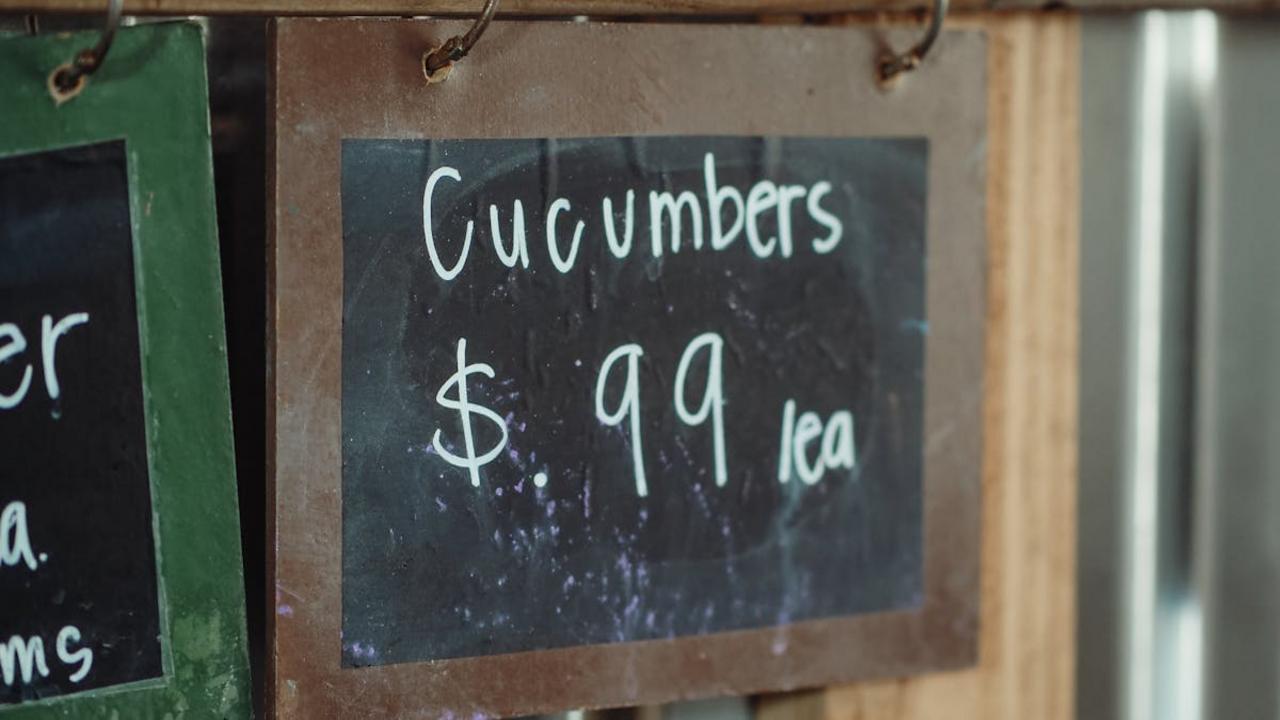
You know that moment when you’re standing in the grocery store, clutching a recipe that calls for saffron, and you spot the same golden threads at three different prices across town? Here’s your secret weapon: most major retailers will match competitors’ prices faster than you can say “I need that truffle oil but not at mortgage-payment prices!” Target, Best Buy, and even many grocery chains have price-matching policies that they’re surprisingly eager to use. I once watched a friend save $15 on vanilla beans simply by showing the cashier a photo of another store’s sale price on her phone. The cashier didn’t even blink – apparently, this happens more often than finding expired yogurt in the back of your fridge.
The trick is doing your homework before you shop. Download those store apps, check flyers, and screenshot the good deals you find online. Most stores require proof of the lower price, but they’re not asking for a notarized document – a simple phone screenshot usually does the trick. Some stores even have policies where they’ll beat the competitor’s price by 10%, which means you could end up paying less than the “sale” price at the other place. Pro tip: call ahead to confirm their price-matching policy because nothing’s more awkward than arguing about pine nuts at checkout while a line of hungry shoppers glares at you. Trust me, I learned this the hard way during my infamous “Great Cardamom Incident of 2022.”
Compare Unit Prices
Picture this: you’re standing in the grocery store aisle, staring at a wall of olive oil bottles like you’re deciphering ancient hieroglyphics. One bottle screams “premium artisanal” for $18, while another whispers “store brand” for $4. Your wallet wants the cheaper option, but your brain keeps wondering if you’re sacrificing flavor for savings. Here’s where unit price comparison becomes your secret weapon against grocery store confusion! Most stores display the price per ounce or per 100ml on those tiny shelf tags that everyone ignores. That fancy bottle might cost $2.25 per ounce, while a larger container of the same quality oil rings up at just $0.50 per ounce. You’re literally paying for prettier packaging and marketing magic.
The real plot twist? Sometimes the fanciest brands actually offer better value in larger sizes, while budget options can sneakily cost more per unit in smaller packages. I once discovered that buying a massive container of vanilla extract (yes, the real stuff, not the artificial imposter) cost less per teaspoon than those tiny bottles that disappear after making one batch of cookies. Smart shoppers know that bulk buying works best for non-perishable staples like spices, oils, vinegars, and dried goods. Your pantry becomes a treasure chest of affordable luxury ingredients, and you’ll never again feel guilty about using real vanilla in your midnight baking adventures. Math might not be sexy, but saving money while upgrading your cooking definitely is!
Look for Imperfect Produce
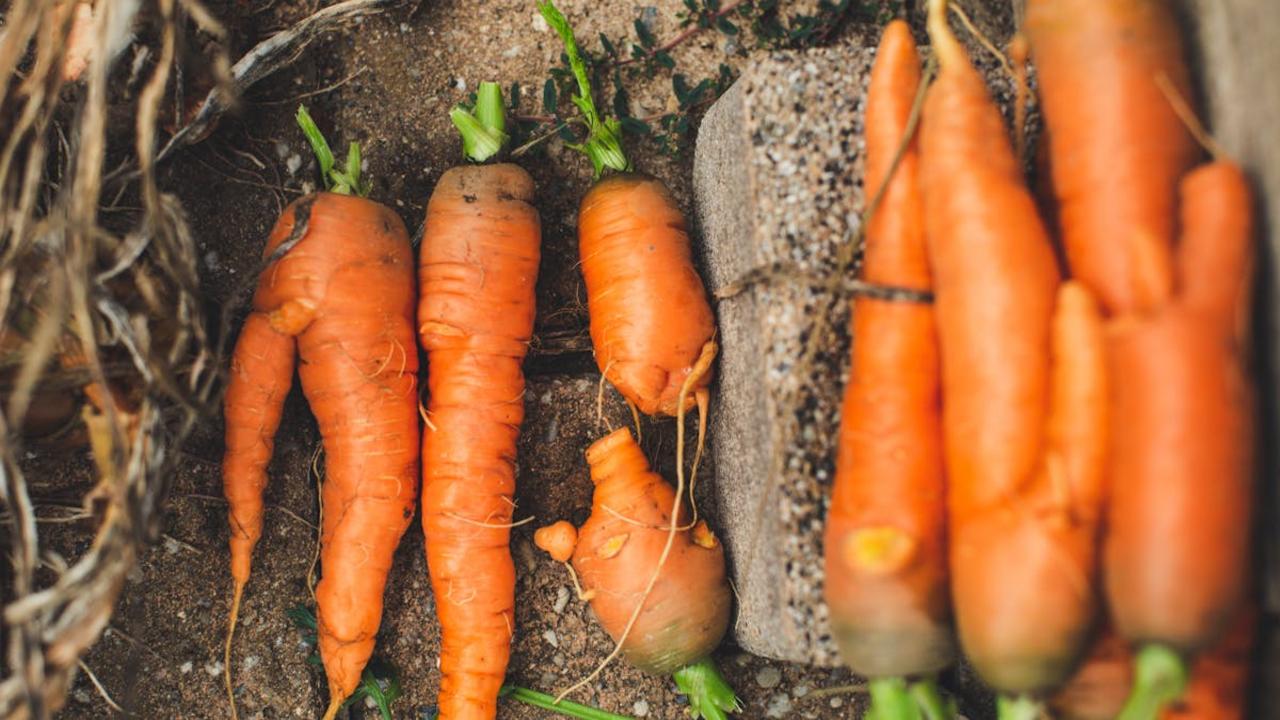
You know that wonky carrot with three legs? The apple sporting a beauty mark that looks suspiciously like Florida? Those misfit vegetables and fruits sitting sadly in the discount bin aren’t damaged goods – they’re budget heroes in disguise! Grocery stores routinely slash prices on produce that doesn’t meet Instagram-perfect standards, even though these beauties taste exactly the same as their photogenic cousins. I once bought a bag of “ugly” bell peppers for half price, and they made the most gorgeous ratatouille you’ve ever seen. The secret? Nobody cares what your vegetables looked like before you chopped them up.
Here’s what makes this swap absolutely brilliant: imperfect produce often comes from smaller farms that can’t afford the sorting machinery that creates uniform-looking fruits and vegetables. You’re getting the same nutritional value, the same flavors, and sometimes even better taste since these items are often picked at peak ripeness rather than bred for appearance. Plus, you’ll feel like a produce whisperer, rescuing perfectly good food from waste. Check out discount grocery stores, farmer’s markets at closing time, or apps that connect you with surplus produce. Your wallet will thank you, and you’ll discover that wonky vegetables have way more personality than their perfect siblings.
Use Substitutes

Listen, your wallet doesn’t have to weep every time a recipe calls for saffron or truffle oil! Smart substitutions can save you serious cash while keeping your dishes absolutely delicious. Take vanilla beans, for instance—those little black pods cost more per ounce than gold, but vanilla extract delivers nearly identical flavor for a fraction of the price. Same goes for expensive aged balsamic vinegar; a splash of regular balsamic mixed with a touch of honey creates that same sweet-tangy complexity that makes your salads sing. I once watched a friend spend thirty dollars on white truffle oil only to discover that a mushroom-infused olive oil (made by heating regular olive oil with dried porcini) delivered almost the same earthy punch for under five bucks.
The secret lies in understanding what makes expensive ingredients special, then finding creative ways to replicate those qualities. Parmigiano-Reggiano might be the king of cheese, but a good aged sharp cheddar or even romano can bring similar nutty depth to your pasta. Fresh herbs breaking your budget? Dried versions work beautifully in most cooked dishes—just remember the golden rule: use one-third the amount since dried herbs pack more concentrated flavor. Even something as fancy as crème fraîche becomes budget-friendly when you realize that mixing sour cream with a little heavy cream creates nearly identical richness. Your guests will never know you didn’t mortgage your house for that gourmet flavor!
Buy Seasonal Items
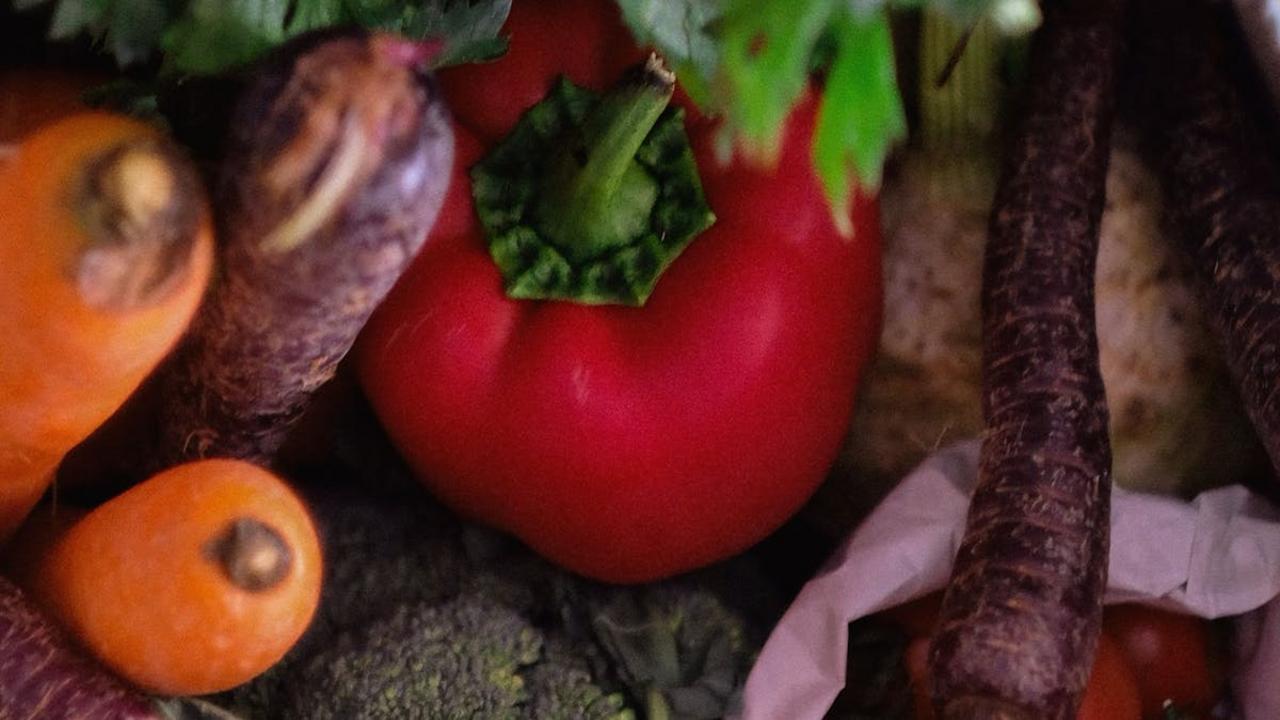
Listen, I’m about to blow your mind with the most obvious yet completely overlooked money-saving trick in the book: buying what’s actually in season! I know, I know – revolutionary stuff here. But seriously, when strawberries hit peak season in June, they’re not just sweeter and more flavorful than their sad, pale winter cousins; they’re also dirt cheap. Meanwhile, those February strawberries that taste like crunchy water and cost more than premium gasoline? Yeah, skip those. Mother Nature has this fantastic system where she floods the market with gorgeous produce exactly when it’s supposed to be eaten, which drives prices down faster than my willpower around fresh-baked cookies.
The magic happens because seasonal shopping works with natural supply and demand instead of against it. Spring brings asparagus so affordable you can actually afford to make that fancy risotto recipe you’ve been eyeing, while summer floods us with tomatoes so cheap and perfect that you’ll wonder why you ever bought those sad greenhouse imposters in January. Fall delivers squash varieties that cost pennies per pound, and winter citrus becomes your best friend for vitamin C and your wallet’s sanity. Pro tip: hit up farmers markets near closing time for even better deals – vendors would rather sell their gorgeous produce at a discount than haul it back home. Plus, you’ll get the insider scoop on what’s coming into season next week!
Choose Store Brands

Here’s a secret that fancy food magazines don’t want you to know: store brands are often made in the exact same factories as their name-brand cousins, just wearing different clothes to the grocery store party! I discovered this little nugget of truth when I worked at a food packaging plant during college (glamorous, I know), and watched the same vanilla extract get bottled into both premium and generic containers. The only difference? About three dollars and a fancier label that probably cost more to design than the actual product inside.
Store brands have come so far from their bland, white-label ancestors that they’re practically unrecognizable. Target’s Good & Gather line makes pasta sauces that could fool an Italian grandmother, while Trader Joe’s Everything But The Bagel seasoning has achieved cult status that most celebrity chefs would kill for. The best part? You can save anywhere from 20-40% on your grocery bill just by swapping logos. Your wallet will thank you, your taste buds won’t know the difference, and you’ll have extra cash to splurge on something truly worth the premium price – like that artisanal cheese that actually does taste better than its cheaper counterpart.
Search for Online Deals

Your smartphone isn’t just for scrolling through cat videos and arguing with strangers about pizza toppings—it’s your secret weapon in the battle against overpriced groceries! Those fancy saffron threads that cost more per ounce than gold? You can snag them online for a fraction of the price from specialty spice retailers who don’t have to pay sky-high rent for prime real estate. I once found Madagascar vanilla beans for 60% less than what my local gourmet shop charged, and they arrived at my door faster than I could say “crème brûlée.” The internet has transformed ingredient hunting from a treasure hunt into a shopping spree where you actually save money.
Online marketplaces offer bulk buying options that make expensive ingredients suddenly affordable—think buying truffle oil by the case or getting that elusive black garlic in quantities that would make a vampire nervous. Plus, you’ll discover international food sites where authentic miso paste costs less than the watered-down version at your corner store. Don’t forget to check out subscription services for specialty items; many offer first-time buyer discounts that can slash prices by 30% or more. Pro tip: bookmark your favorite online spice merchants and sign up for their newsletters—they’ll alert you to flash sales faster than you can say “discounted cardamom pods.”
Join Wholesale Clubs

Picture this: you’re standing in a warehouse that could house a small aircraft, pushing a cart the size of a golf cart, and staring at a 50-pound bag of quinoa like it’s some sort of ancient grain monument. Welcome to wholesale club shopping, where everything comes in sizes that would make a restaurant owner weep with joy! These membership-based wonderlands like Costco, Sam’s Club, and BJ’s transform your kitchen into a quasi-commercial operation, but here’s the kicker – you’ll save enough money to fund your next vacation. The membership fee might sting initially (usually around $55-120 annually), but once you start buying your vanilla extract in bottles that could double as bowling pins, you’ll wonder how you ever survived without bulk purchasing power.
The real magic happens when you team up with friends or neighbors to split those mammoth packages. That 5-pound container of truffle oil suddenly becomes reasonable when four households share it, and nobody has to worry about their olive oil expiring before the next presidential election. Smart wholesale shoppers know to focus on non-perishable pantry staples like nuts, spices, oils, and frozen proteins that freeze well. Pro tip: those rotisserie chickens are practically giving money back – at $4.99 each, they’re cheaper than buying raw chicken and infinitely more convenient than cooking. Plus, wholesale clubs often carry restaurant-quality ingredients like grass-fed beef, organic produce, and artisanal cheeses at prices that make specialty stores look like highway robbery operations.
Find Local Farmers Markets
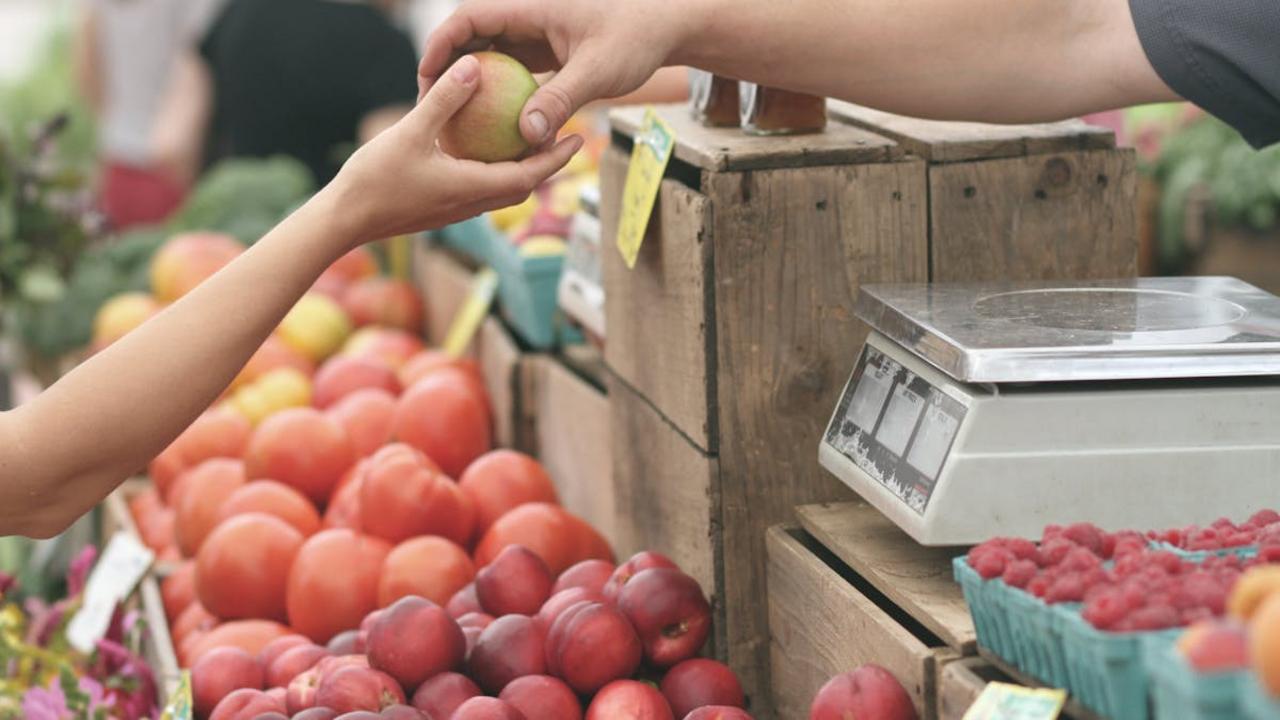
Your grocery bill doesn’t have to make you weep into your wilted lettuce! Local farmers markets are like treasure hunts where the prize is ridiculously fresh produce at prices that won’t require you to sell a kidney. I discovered this magical world when I accidentally stumbled into one while chasing my escaped dog through downtown – and honestly, the tomatoes I bought that day were so perfect they made me question every supermarket relationship I’d ever had. These outdoor food festivals happen year-round in most cities, and farmers often sell their “ugly” vegetables (the ones with character!) at steep discounts because grocery stores won’t take them.
The secret sauce to farmers market shopping is timing and charm. Show up an hour before closing, and vendors will practically throw produce at you rather than haul it back to the farm. I once scored five pounds of heirloom carrots for three dollars because the farmer’s truck was already packed and he didn’t want to find room for one more crate. Plus, these vendors grow varieties you’ll never see in stores – like purple cauliflower that tastes like a regular cauliflower decided to put on fancy clothes, or Japanese turnips so sweet you can eat them like apples. Building relationships with farmers means getting insider tips on what’s coming into season and sometimes scoring bulk deals that’ll keep your freezer happy for months.
Purchase Frozen Alternatives

Your freezer section holds treasures that would make a pirate weep with joy – and I’m not talking about those questionable frozen burritos you bought three months ago. Frozen fruits and vegetables often cost half the price of fresh ones, and here’s the kicker: they’re sometimes more nutritious! Flash-freezing locks in vitamins at peak ripeness, while that “fresh” asparagus traveled 2,000 miles and sat under fluorescent lights for a week looking as defeated as my bank account after grocery shopping. Frozen berries work beautifully in smoothies, baked goods, and sauces without anyone being the wiser. That fancy restaurant charging $18 for berry parfait? They probably used frozen berries too, but they won’t admit it while wearing those pretentious aprons.
The frozen seafood aisle deserves a standing ovation for making luxury accessible to us regular humans. Wild-caught salmon fillets in the freezer case cost significantly less than their fresh counterparts at the fish counter, where they dramatically display them on ice like crown jewels. Frozen shrimp, scallops, and fish often taste better than “fresh” options because they’re frozen immediately after catching, preserving that ocean-sweet flavor. I’ve served frozen-then-thawed salmon to dinner guests who raved about the “amazing fish market” I must frequent. My secret? The fluorescent-lit freezer aisle at 10 PM on a Tuesday, where dreams and dinner plans collide in beautiful, budget-friendly harmony.
Shop at International Markets

Your neighborhood international market might just be the best-kept secret in the world of budget-friendly cooking! These vibrant food havens stock ingredients that would cost you an arm and a leg at regular grocery stores, but here they’re priced for everyday shoppers. Take saffron, for instance – that golden thread of heaven that makes paella sing costs about $15 per gram at fancy markets, but I’ve spotted it for $3 at my local Persian grocery. The owner told me they import directly from Iran, cutting out all those middleman markups that make your wallet weep. Plus, you’ll discover ingredients you never knew existed, like black garlic from Korean markets or berbere spice blend from Ethiopian shops.
The beauty of international markets goes beyond just savings – you’re getting authenticity that mainstream stores can’t match. That bottle of fish sauce at the Vietnamese market tastes worlds apart from the watered-down version at chain stores, and it costs half the price too. Don’t be shy about asking vendors for cooking tips; they’re usually thrilled to share family recipes and preparation methods. I once learned how to properly bloom whole spices from an Indian grocer who insisted I smell each one before buying. Pro tip: bring a cooler for dairy and meat purchases, because these places often have irregular refrigeration setups, and nobody wants their bargain ghee turning into expensive disappointment!
Buy in Bulk
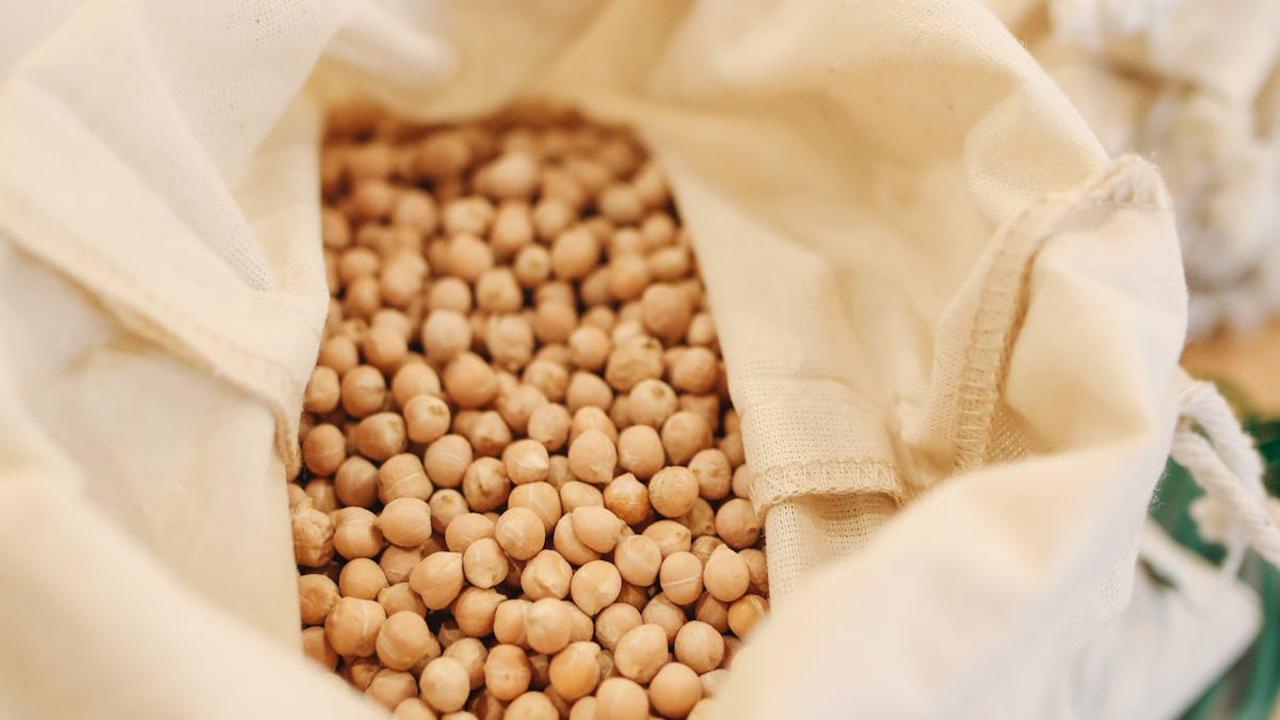
Picture this: you’re standing in the spice aisle, clutching that tiny $4 jar of cardamom pods like it’s made of actual gold, when suddenly you spot the bulk bins gleaming like treasure chests in the distance. Those magnificent dispensers hold the secret to transforming your grocery budget from tragic to magic! Buying spices, nuts, grains, and even some specialty items in bulk can slash your costs by up to 70%. That same cardamom that would cost you fifteen bucks for three little jars? You can grab enough from the bulk section to last six months for the same price. Plus, you get to play with those satisfying twist-handle dispensers – it’s like adult candy shopping, but with cumin and cashews.
The beauty of bulk buying extends far beyond just saving money (though your wallet will definitely send you thank-you cards). You can buy exactly the amount you need, which means no more mysterious ancient spice jars lurking in your pantry from 2019. Need just a tablespoon of fennel seeds for that fancy bread recipe? Done! Want to experiment with sumac without committing to a full container? Perfect! Many stores even let you bring your own containers, turning your shopping trip into an eco-friendly adventure. Pro tip: always write down those bulk bin codes – nothing kills the bulk-buying buzz like standing at checkout while the cashier tries to identify your mystery legumes through interpretive dance.