14 of the Most Expensive Restaurant Dishes Around the World
Picture this: a burger that costs more than most people’s monthly rent, or a sundae topped with edible gold that could fund a weekend getaway. These dishes exist, and they’re reshaping what we think is possible in dining. From truffle-laden pizzas to caviar that requires a small fortune, the world’s priciest menu items blur the line between food and art.
What drives restaurants to create these extravagant dishes? Sometimes it’s rare ingredients like Wagyu beef or white truffles. Other times, it’s the sheer spectacle—gold leaf, diamonds, or presentation that takes hours to perfect. These creations aren’t just meals; they’re experiences designed to dazzle and leave lasting impressions.
Whether you’re curious about what makes a pizza worth thousands or just want to marvel at culinary excess, this list showcases dishes that push boundaries. Some incorporate the finest ingredients from around the globe, while others rely on pure opulence. Each tells a story about luxury, creativity, and what happens when price becomes secondary to unforgettable dining moments.
Almas Caviar
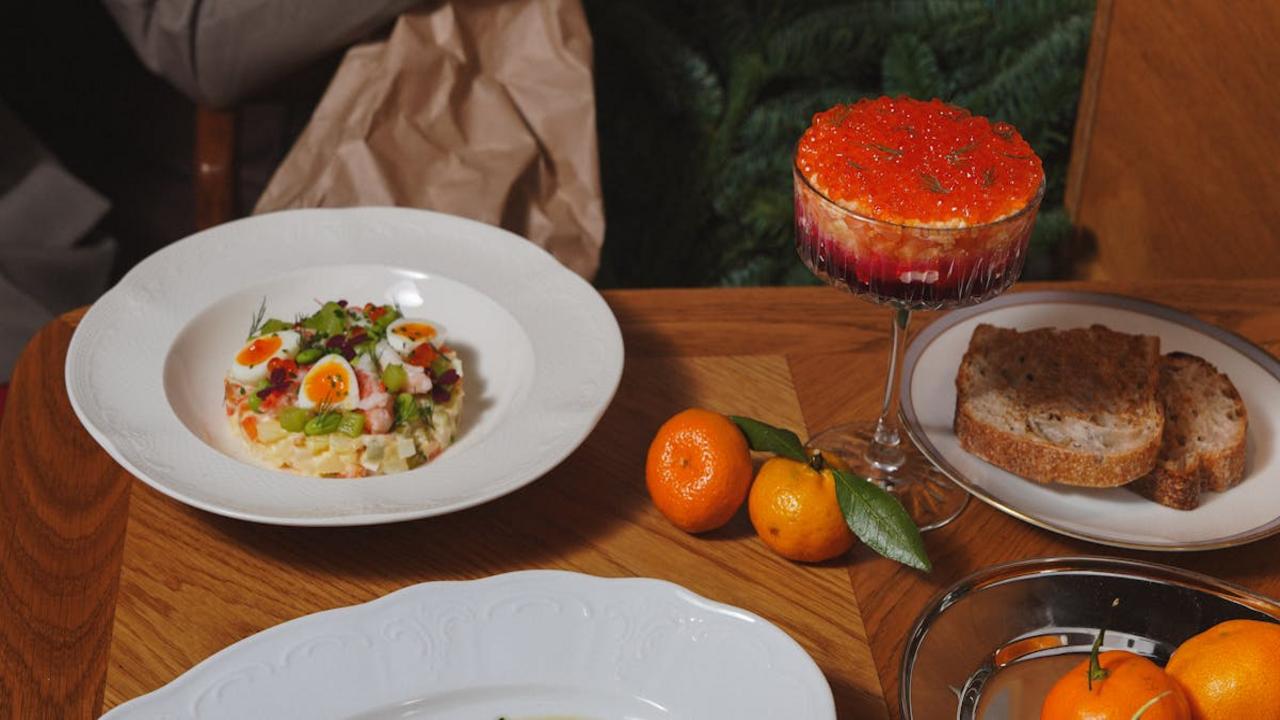
If you’re looking for something that costs more per ounce than gold, Almas caviar is your answer. Sourced from rare albino sturgeon that swim in the Caspian Sea—fish that can live up to 100 years—this caviar comes with a price tag that’ll make your wallet weep. We’re talking around $25,000 per kilogram, sometimes even more depending on where you buy it. The eggs are pale, almost white, with a creamy, buttery flavor that’s supposed to be incredibly delicate. It’s often served in a 24-karat gold tin because, you know, why not go all the way? The rarity factor here is intense since these albino sturgeons are becoming increasingly scarce.
Now, I’m all about good ingredients, but this is one of those foods that feels more like a status symbol than an actual eating experience. Sure, the flavor profile sounds beautiful—nutty, smooth, with that signature briny pop—but at this price point, you’re paying for exclusivity more than anything else. I’d rather spend that money on a year’s worth of farmers’ market hauls and create dozens of memorable meals for the people I love. That said, if you ever get the chance to try it without mortgaging your house, the experience of tasting something so rare might be worth it just once. Just remember to savor every single pearl-like egg because each one costs more than most people’s dinner.
The Luxe Milkshake

Picture this: you’re sitting in a New York restaurant, and someone brings you a milkshake topped with whipped cream and a cookie. Sounds normal, right? But here’s where things get wild—this particular shake from Serendipity 3 costs $100, and it’s not because of fancy ingredients or imported flavors. The real kicker? It comes served in a crystal goblet that you get to take home, covered in Swarovski crystals. The actual milkshake is vanilla-based with frozen hot chocolate blended in, creating this indulgent, sweet concoction that’s meant to be photographed and shared more than anything else.
Now, I’m all for treating yourself, but spending $100 on a milkshake feels more like buying jewelry than enjoying a drink. The truth is, you’re paying for the experience and the Instagram moment—that bejeweled goblet becomes your souvenir. If I’m being honest, I’d rather spend that money on quality ingredients to make a dozen incredible shakes at home, experimenting with real vanilla beans, homemade ice cream, and creative toppings. There’s something deeply satisfying about creating your own version of luxury in your kitchen, where you control the sweetness, the richness, and the story behind every sip. Sometimes the most memorable treats aren’t the ones that cost the most—they’re the ones you craft with your own hands.
Kobe Beef and Maine Lobster Burger
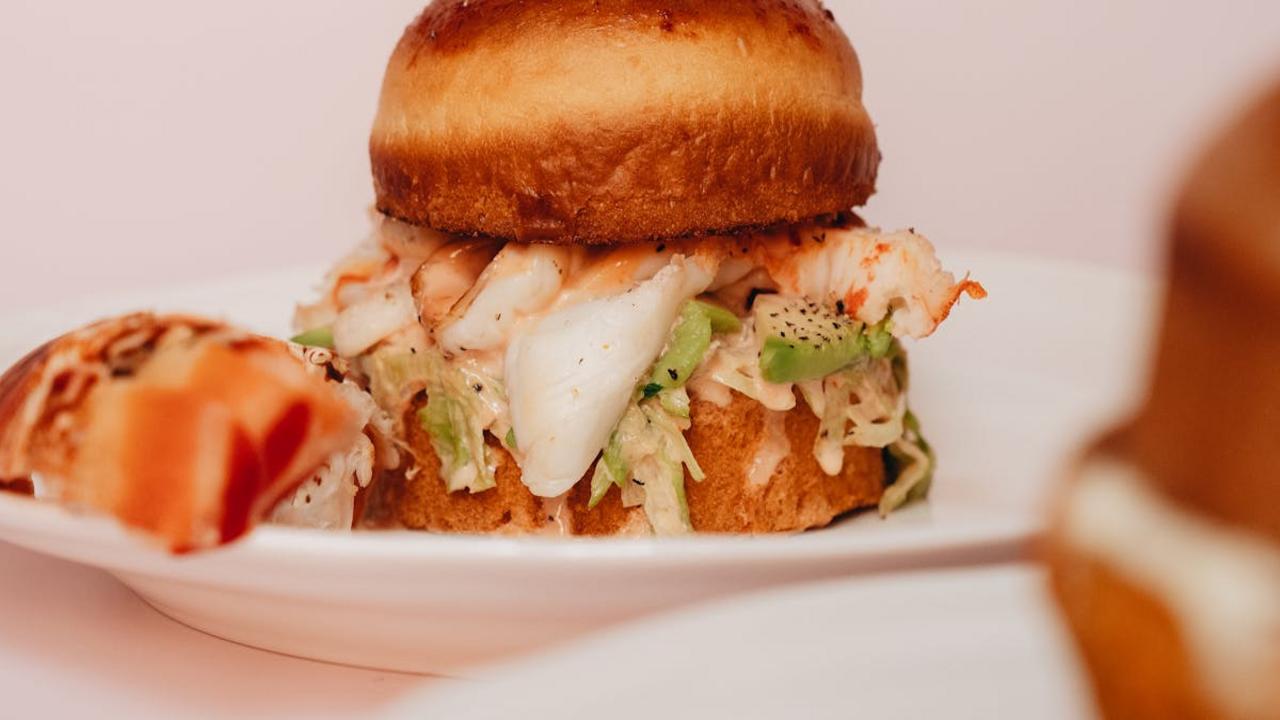
Imagine biting into a burger that costs around $777—yes, you read that right. The Kobe Beef and Maine Lobster Burger from Fleur in Las Vegas takes everything you thought you knew about burgers and cranks it up to astronomical heights. This isn’t your backyard BBQ situation. We’re talking authentic Japanese Kobe beef, which comes from Wagyu cattle raised with meticulous care, creating that signature marbling and butter-soft texture. Then they top it with fresh Maine lobster, because apparently one luxury protein wasn’t enough. The whole thing gets finished with caramelized onions, Brie cheese, and black truffles, served on a brioche bun that’s been brushed with truffle butter. Oh, and it comes with a bottle of Dom Pérignon Champagne, just to complete the experience.
Now, I’m all about making food at home that brings people joy without breaking the bank, but this burger represents something fascinating about how restaurants push boundaries. The combination sounds wild—beef and lobster together might make you pause—but there’s actually wisdom in pairing rich, earthy flavors with sweet, delicate seafood. You could experiment with this concept at home using quality ground beef and affordable lobster alternatives during sales, maybe adding some mushrooms for that umami depth instead of truffles. The real lesson here isn’t about spending hundreds of dollars on dinner; it’s about understanding how complementary flavors work together. This dish proves that sometimes the most unexpected ingredient pairings create something memorable, even if most of us will never actually taste this particular version.
Angelito Araneta Jr.’s Sushi
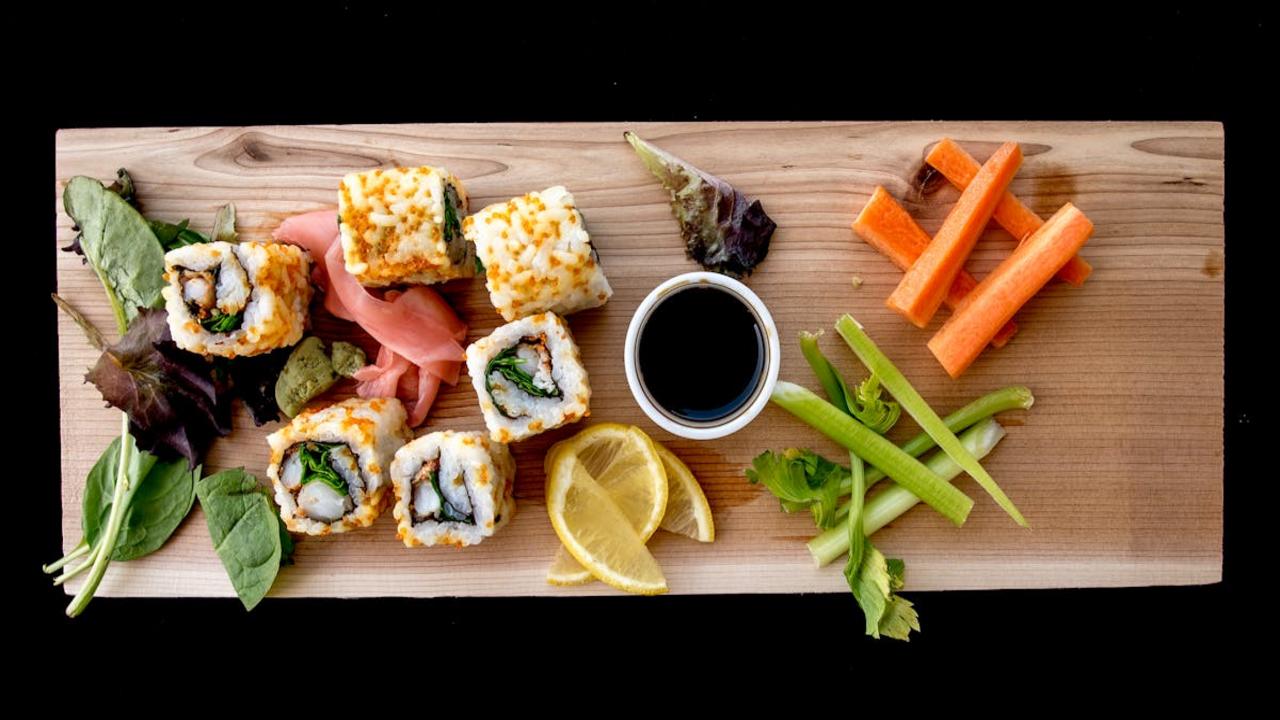
Picture this: you’re sitting at a pristine counter in Manila, Philippines, watching Chef Angelito Araneta Jr. assemble what might be the world’s most extravagant sushi creation. This isn’t your typical California roll—we’re talking about five pieces of nigiri adorned with African diamonds, Japanese river pearls, and edible gold leaf, all resting on a bed of rare Norwegian pink salmon and foie gras. The price? A cool $1,978. I know what you’re thinking—that’s more than most people’s monthly rent. But here’s the thing: this dish represents Chef Araneta’s vision of pushing boundaries and creating something that goes beyond food into the territory of art and luxury.
What gets me about this creation is how it challenges everything we know about sushi’s traditional simplicity. The Japanese have perfected the art of sushi over centuries by focusing on the purity of ingredients and the skill of the chef’s hands. Here, Chef Araneta takes that foundation and layers it with opulence that speaks to a different kind of dining experience—one where the meal becomes a statement, a conversation piece, an unforgettable moment. Whether you think adding diamonds to your dinner is genius or excessive, you can’t deny that it sparks something in us. It makes us question what food can be, what it should be, and how far we’re willing to go to experience something truly unique. That’s the power of food—it connects us to bigger questions about value, culture, and what we celebrate.
Floral Distinction
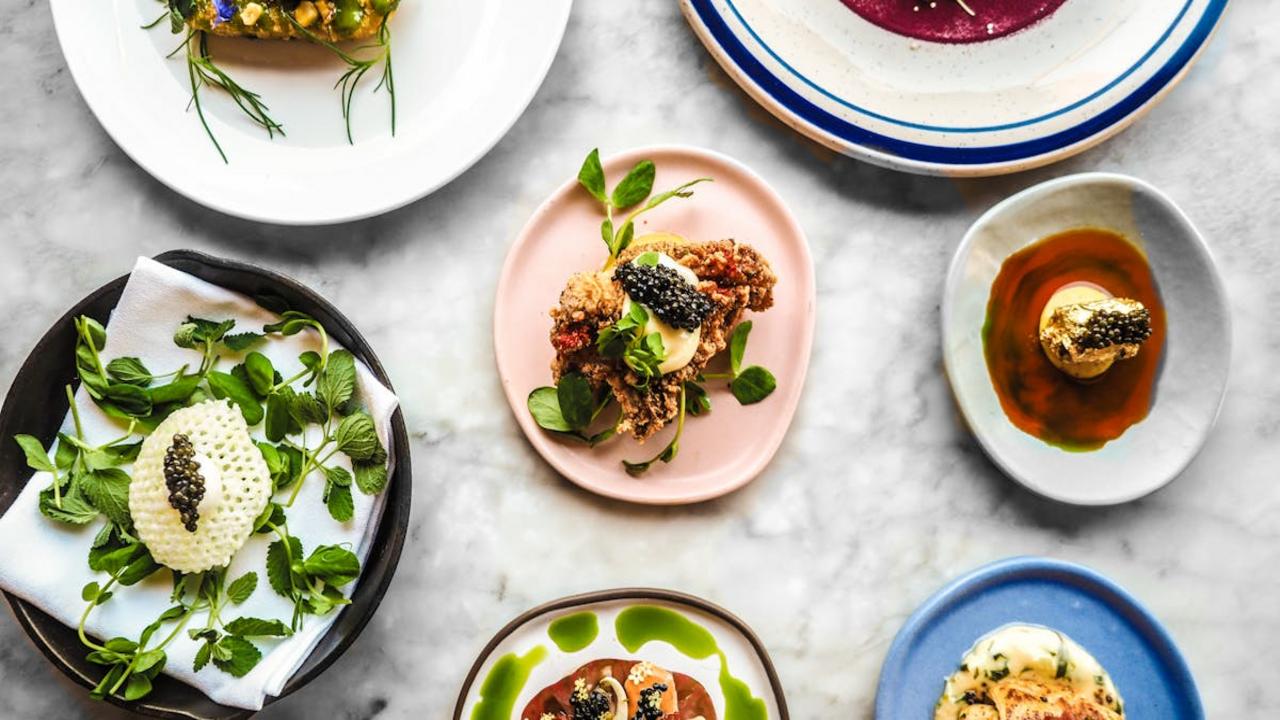
Flowers aren’t just for vases—some chefs transform them into edible masterpieces that command serious prices. Take the Floral Distinction at Aria in Sydney, where delicate petals become the star of a dish that costs around $1,500. What makes this plate special isn’t just the flowers themselves, but how they’re prepared using techniques that preserve their essence while making them genuinely delicious. These aren’t your garden-variety garnishes tossed on for decoration. We’re talking about carefully selected blooms that undergo hours of preparation, often candied or infused into oils and vinegars, then arranged with seasonal ingredients that complement their subtle flavors. The presentation alone takes up to an hour, with each petal placed deliberately to create an experience that engages all your senses.
What fascinates me about this dish is how it challenges our assumptions about what belongs on a plate. Growing up, I learned that the best meals come from understanding your ingredients deeply, and this dish takes that philosophy to an extreme level. The chefs source rare flowers that bloom for just weeks each year, treating them with the same respect you’d give to premium fish or aged beef. They pair hibiscus with tart citrus, rose petals with rich cream, and lavender with honey—combinations that sound simple but require precise balance to work. The price reflects not just the rarity of ingredients but the knowledge needed to make flowers taste like something you’d actually want to eat rather than something that belongs in your florist’s window. It’s a reminder that luxury dining sometimes means eating things most people would never think to cook.
Quintessential Grilled Cheese
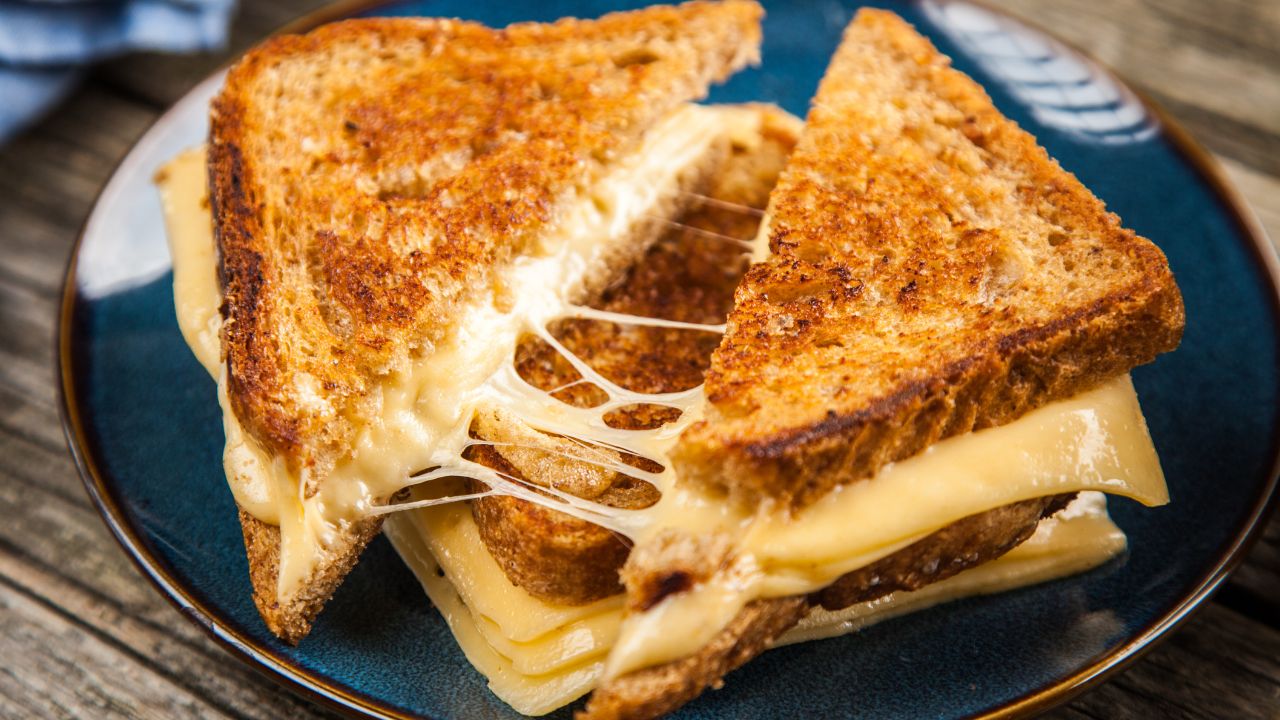
Picture this: a grilled cheese sandwich that costs $214. At Serendipity 3 in New York City, this isn’t your childhood comfort food anymore. The Quintessential Grilled Cheese takes what you know and transforms it into something extravagant, using rare Caciocavallo Podolico cheese from Southern Italy, white truffle butter, and edible gold flakes. The bread? Dom Pérignon champagne-soaked Pullman Loaf. It’s served with a lobster tomato bisque that probably costs more than most restaurant entrees. Look, I’m all for elevating simple dishes, but sometimes I wonder if we’ve gone too far when we turn a sandwich into a luxury statement.
Here’s what gets me thinking about this dish: at its core, a grilled cheese should be about melty, gooey satisfaction. The comfort comes from simplicity—good bread, quality cheese, proper technique. I make mine with thick-cut sourdough, a mix of aged cheddar and gruyère, and plenty of butter in a hot cast-iron skillet. It costs maybe $5 and delivers pure joy. The Serendipity version might taste incredible, but you’re paying for rarity and prestige, not just flavor. If you’re going to spend that kind of money on cheese, buy yourself a whole wheel of something extraordinary and make dozens of sandwiches at home. Share them with friends, experiment with different combinations, and still have money left over for champagne that you can actually drink.
Samundari Khazana Curry
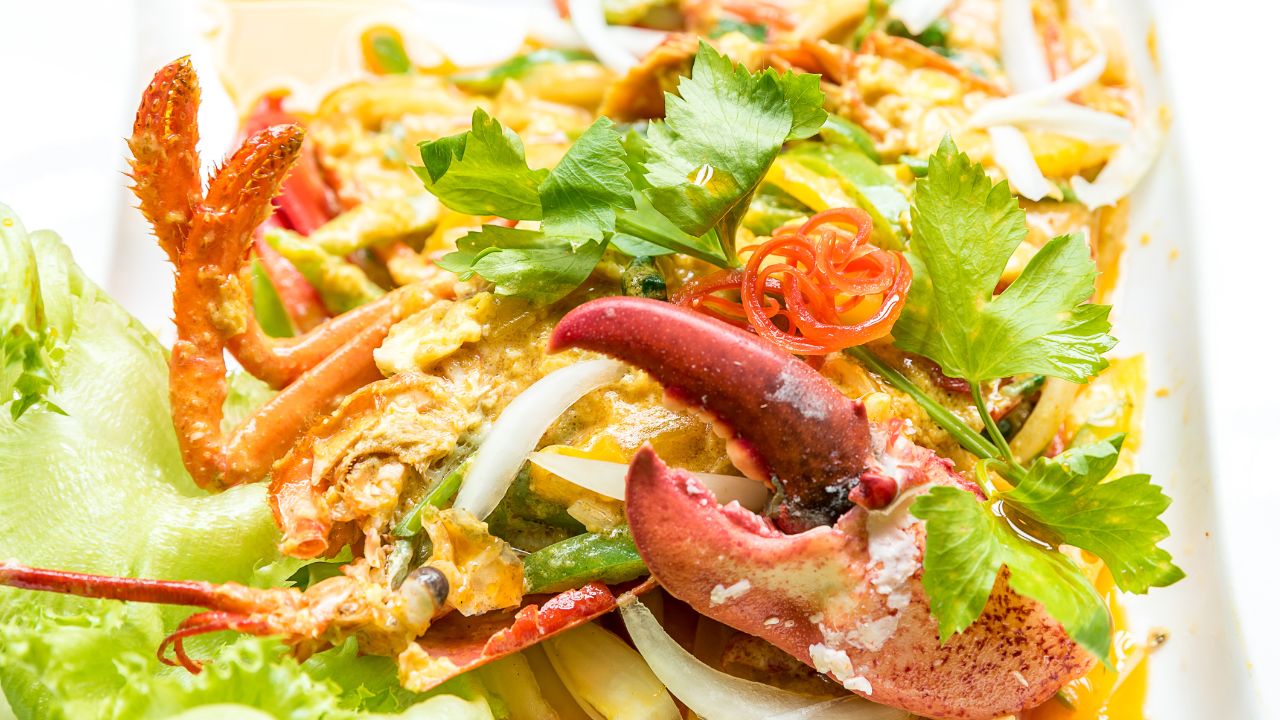
Picture this: you’re sitting in a London restaurant, and they bring out a curry that costs $3,200. The Samundari Khazana Curry at Bombay Brasserie isn’t just expensive—it’s packed with some of the ocean’s most prized treasures. We’re talking Devon crab, white truffle, Beluga caviar, four Scottish lobsters, and a whole heap of edible gold. This dish takes traditional Indian curry-making and pushes it into territory most of us only dream about. The chef here knows exactly what they’re doing, building layers of flavor with premium seafood while respecting the spice blends that make curry so special. You can’t just throw expensive ingredients together and call it a day—the technique matters, and this dish proves it.
What gets me thinking about this curry is how it represents both excess and mastery. Sure, the price tag makes your eyes water, but someone had to figure out how to balance those delicate lobster and crab flavors against the bold spices without letting anything get lost. The truffle and caviar add earthy, briny notes that probably complement the curry base in ways you wouldn’t expect. As someone who loves working with seafood at home, I respect the skill needed to cook four lobsters perfectly while keeping everything else in harmony. This isn’t food I’d make in my kitchen—or afford—but it reminds me that cooking at its core is about bringing ingredients together in ways that make sense, whether you’re spending three dollars or three thousand.
Wagyu Beef Pie
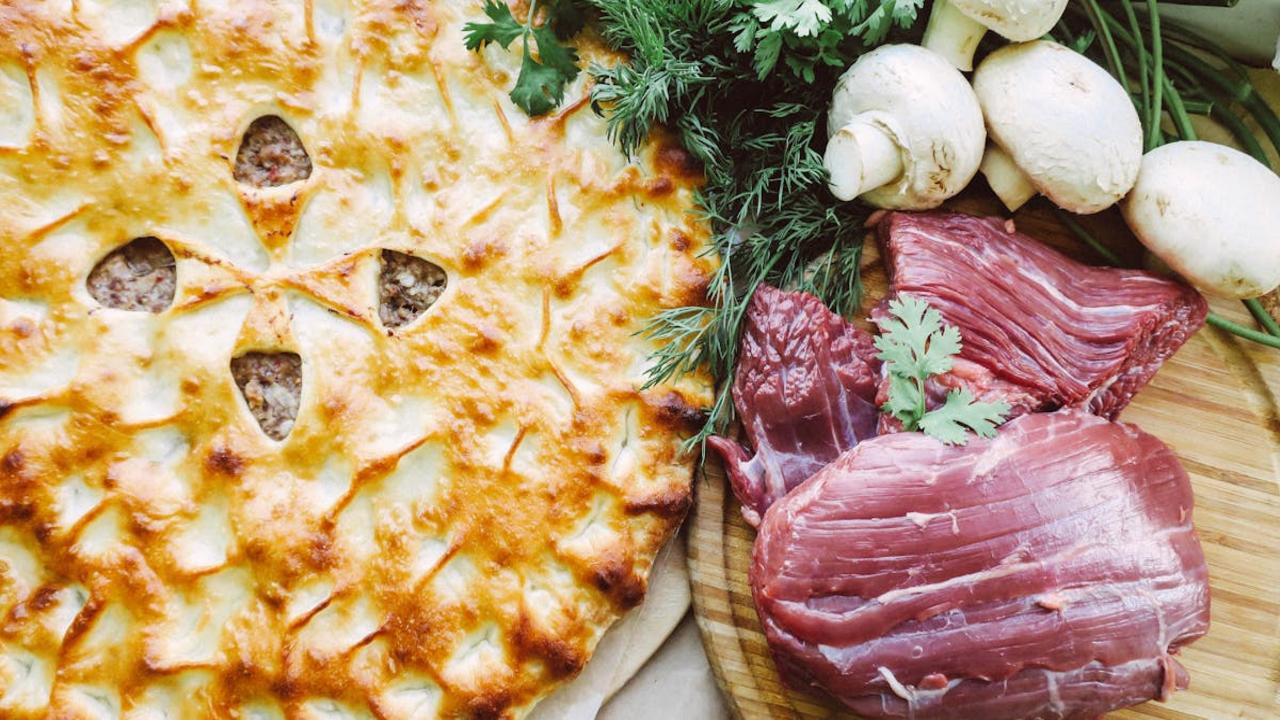
This isn’t your average Sunday roast leftover pie. We’re talking about a dish that elevates comfort food to an art form, using some of the world’s most prized beef. Wagyu, with its incredible marbling and buttery texture, transforms a humble pie into something extraordinary. The beef itself comes from specially bred cattle, known for their genetics that create that signature fat distribution throughout the muscle. When you’re paying top dollar for this dish, you’re getting meat that’s been raised with meticulous care, often hand-massaged and fed a specific diet to achieve that melt-in-your-mouth quality. The filling usually combines chunks of this premium beef with rich stock, vegetables, and herbs, all encased in flaky, golden pastry that shatters at the first bite.
What makes this pie worth its hefty price tag goes beyond the ingredients. The preparation requires skill and patience—the Wagyu needs gentle cooking to preserve its tenderness while developing deep, complex flavors. Many restaurants serving this dish pair it with equally luxurious accompaniments: perhaps a truffle-infused mash or seasonal vegetables glazed to perfection. You’re not just eating dinner; you’re experiencing how a talented chef can take a working-class staple and reimagine it with the finest ingredients available. The result is a dish that honors both tradition and luxury, proving that sometimes the most satisfying meals are the ones that remind us of home, even when they’re made with ingredients most of us only dream about cooking with.
White Truffle and Gold Pizza
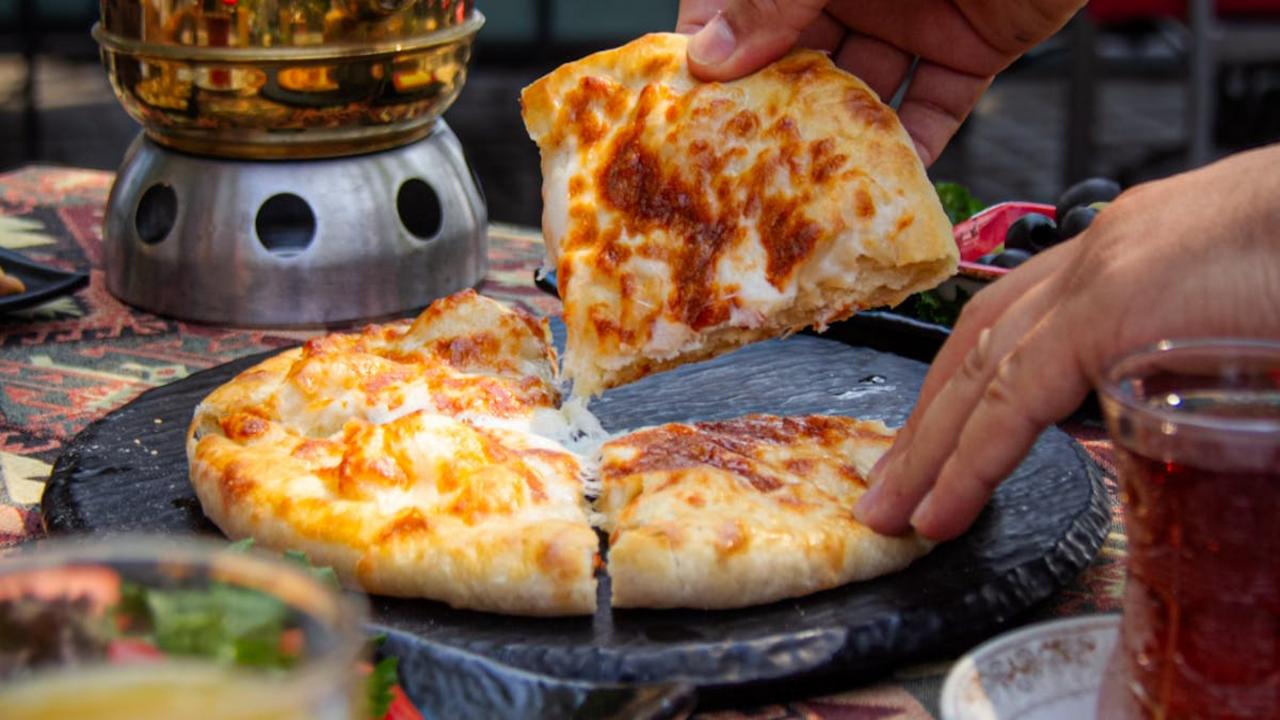
Picture this: you’re ordering pizza, but instead of your typical pepperoni or margherita, you’re getting Italian white truffles shaved tableside, edible gold leaf scattered across the surface, and the finest mozzarella di bufala money can buy. This isn’t just dinner—it’s an experience that pushes the boundaries of what pizza can be. Created at Margo’s Pizzeria in Malta, this showstopper costs around $2,420 and proves that sometimes the simplest dishes become canvases for extraordinary ingredients. The white truffle alone transforms each bite into something otherworldly, with that unmistakable earthy aroma that makes your senses come alive.
Now, I’m all for creative cooking and experimenting with unexpected flavors, but this dish sits at an interesting crossroads between gastronomy and spectacle. The gold leaf doesn’t add flavor—it’s pure visual drama—but those white truffles? They’re the real stars here, bringing depth and complexity that makes you understand why people lose their minds over them. What strikes me most is how this pizza takes something we associate with comfort and accessibility, then elevates it into uncharted territory. Whether you think it’s brilliant or excessive probably depends on how you view food itself—as nourishment, art, or status symbol. Either way, it gets people talking, and that’s never a bad thing in the food world.
Zillion Dollar Lobster Frittata
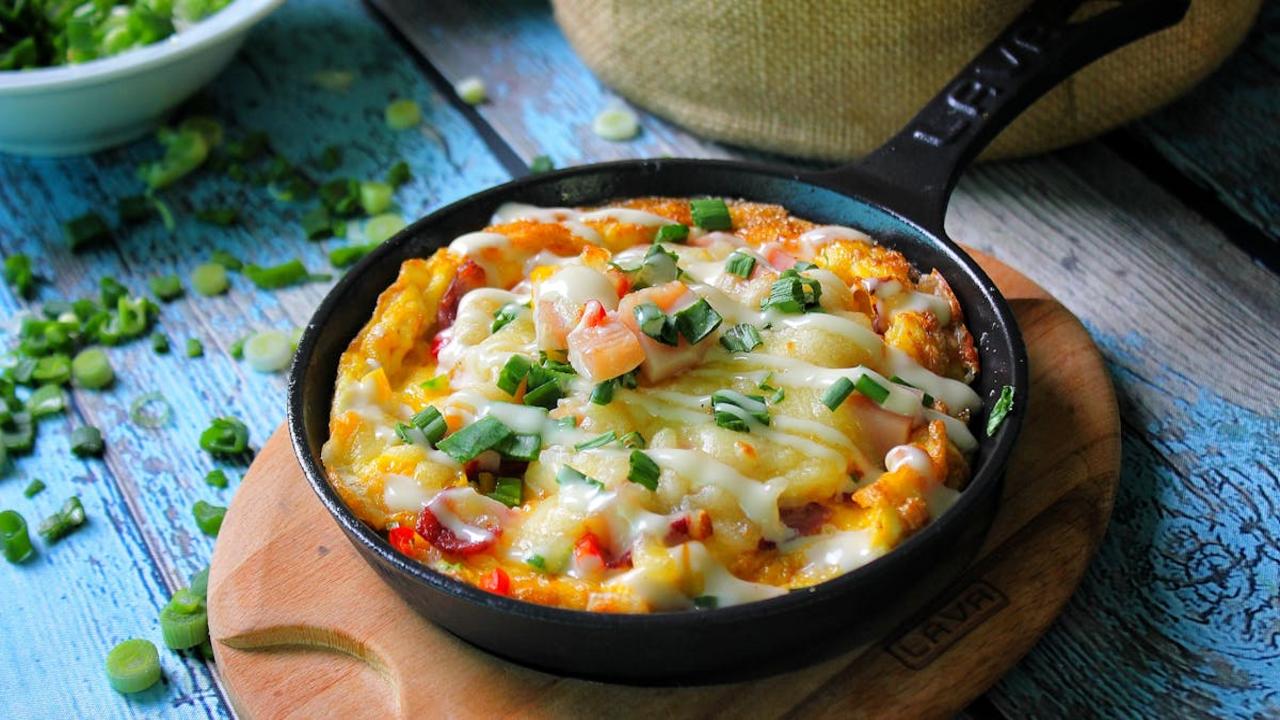
The Norma’s restaurant at Le Parker Meridien in New York serves a breakfast dish that costs $2,000, and honestly, it’s hard to wrap your head around that price tag for eggs and lobster. This frittata comes loaded with an entire lobster’s worth of meat, plus 10 ounces of sevruga caviar folded right into the eggs. The dish arrives at your table looking deceptively simple—just a golden, fluffy frittata—but each bite delivers that unmistakable briny pop of caviar against sweet, tender lobster. The restaurant actually offers a more modest version for $100 if you want the experience without the full splurge, but the full zillion-dollar treatment pushes this breakfast into a different category entirely.
What gets me about this dish is how it takes two ingredients I love cooking with—eggs and seafood—and elevates them to an almost absurd level. Making a great frittata at home doesn’t require luxury ingredients; you need good technique, fresh eggs, and whatever you have on hand. I’ve made countless frittatas with leftover vegetables, herbs from the garden, maybe some cheese, and they’ve brought just as much satisfaction to my kitchen table. This dish reminds me that while fancy ingredients can create memorable experiences, the real magic of cooking happens when you understand how heat transforms simple ingredients into something greater than their parts. The $2,000 price point turns breakfast into theater, but a home-cooked frittata made with care and intention feeds both body and soul without breaking the bank.
The Fortress Stilt Fisherman Indulgence
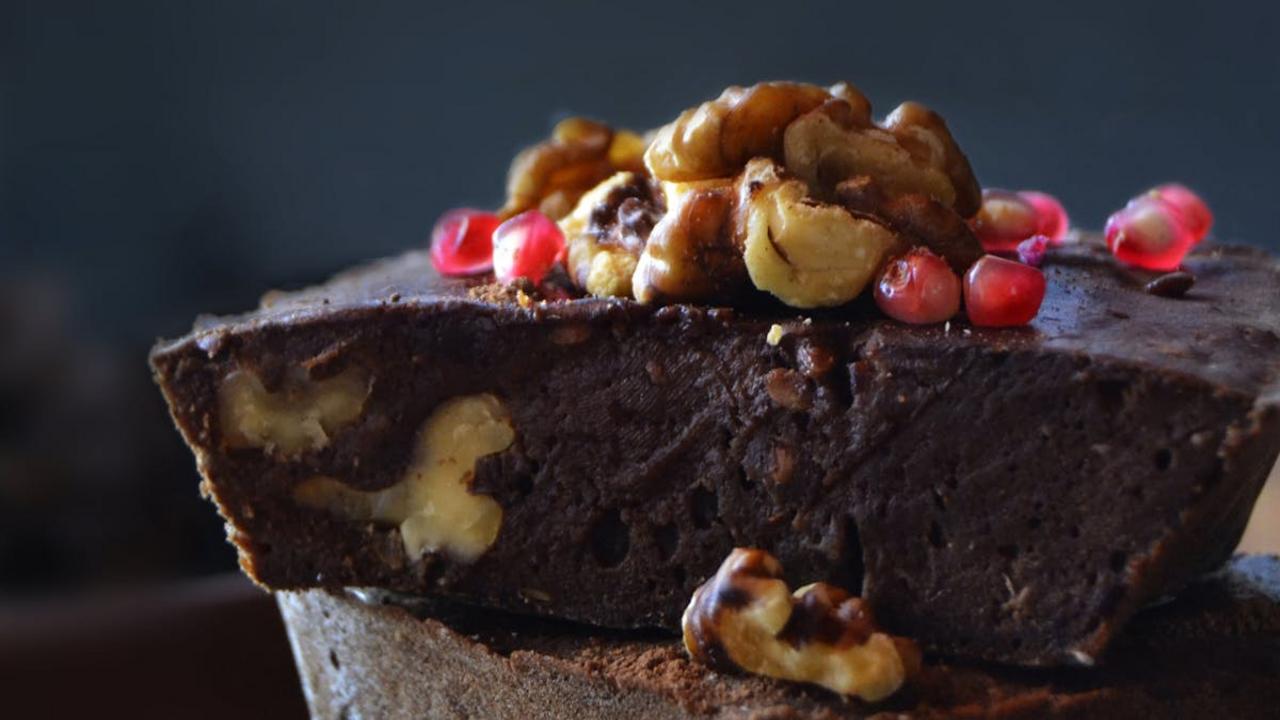
Picture this: you’re in Sri Lanka, standing at The Fortress resort, about to experience what might be the world’s most theatrical dessert. The Fortress Stilt Fisherman Indulgence costs $14,500, and honestly, calling it just a dessert feels like an understatement. This creation brings together Italian cassata infused with Irish cream, paired with a Dom Pérignon champagne sabayon, then topped with a handcrafted chocolate stilt fisherman sculpture dusted with edible gold. But here’s where it gets wild—an 80-carat aquamarine stone sits atop the dish, and yes, you get to keep it. The resort donates the proceeds to a local charity that helps underprivileged children, which adds genuine meaning to this extravagant experience.
What strikes me most about this dish isn’t just the price tag or the precious stone—it’s how it tells a story about Sri Lankan culture through food. Those stilt fishermen represent a traditional fishing method unique to the island, and seeing that heritage transformed into an edible sculpture shows real respect for local traditions. The combination of classic Italian cassata with champagne creates a flavor profile that’s rich without being overwhelming, while the Irish cream adds warmth and depth. Sure, most of us will never drop that kind of money on dessert, but you can capture some of that spirit at home by creating meaningful presentations for special occasions, using local ingredients that honor your own community’s food stories. Sometimes the best meals aren’t about the cost—they’re about the connections they create and the stories they preserve.
Gold Opulence Sundae
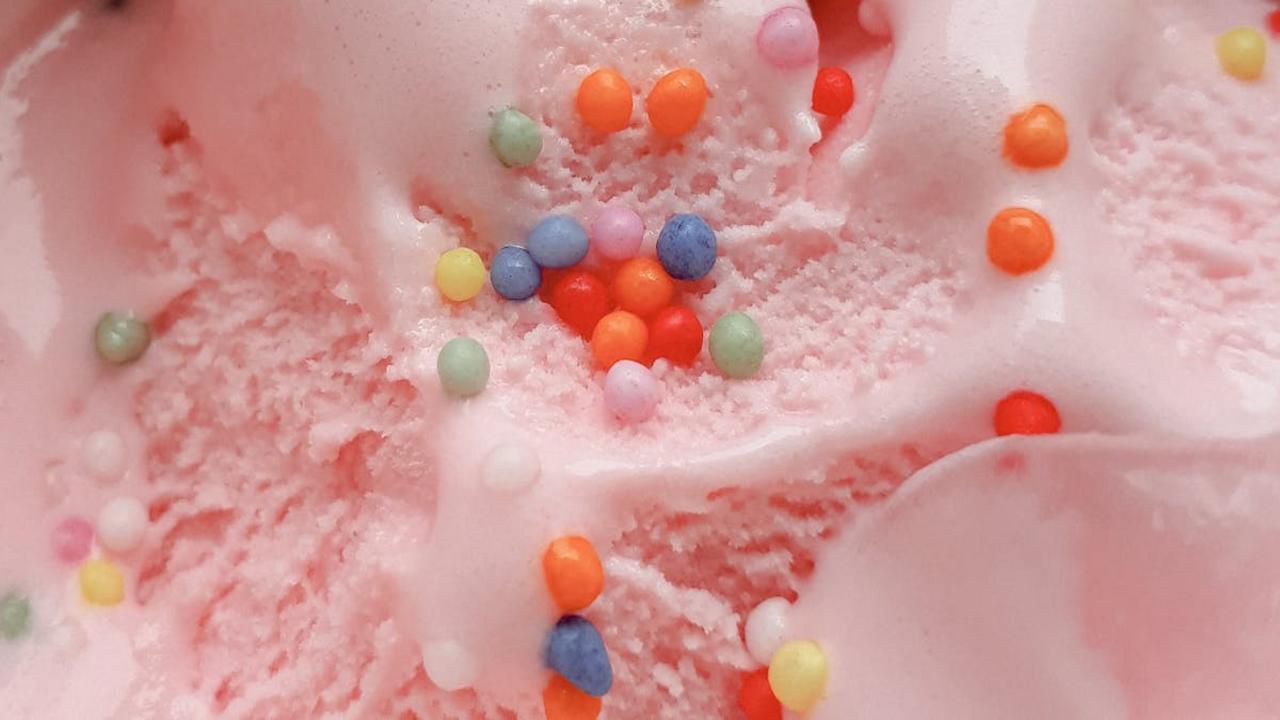
Picture this: you walk into Serendipity 3 in New York City and order a sundae that costs $1,000. The Gold Opulence Sundae isn’t just dessert—it’s an experience that pushes the boundaries of what ice cream can be. This creation features Tahitian vanilla ice cream infused with Madagascar vanilla beans and covered in 23-karat edible gold leaf. They blend rare Amedei Porcelana chocolate from South America, one of the most expensive chocolates in the world, with candied fruits from Paris and gold-draped truffles. The sundae arrives in a crystal goblet that you take home, served with an 18-karat gold spoon that’s also yours to keep. You need to order this dessert 48 hours in advance because they source each component specifically for your order.
What strikes me about this sundae is how it transforms simple ingredients into something extraordinary through quality and presentation. The base remains familiar—vanilla ice cream, chocolate, fruit—but the execution elevates everything. I appreciate that they use real vanilla beans and high-quality chocolate rather than artificial flavors and cheap substitutes. The gold leaf adds visual drama without changing the taste, reminding me that sometimes food is about more than just flavor—it’s about creating memories and celebrating special moments. While most of us won’t drop a thousand dollars on dessert regularly, the Gold Opulence Sundae shows how premium ingredients and careful preparation can transform everyday treats into once-in-a-lifetime experiences. It’s proof that people value quality and craftsmanship, even when it comes to something as simple as ice cream.
Louis XIII Pizza
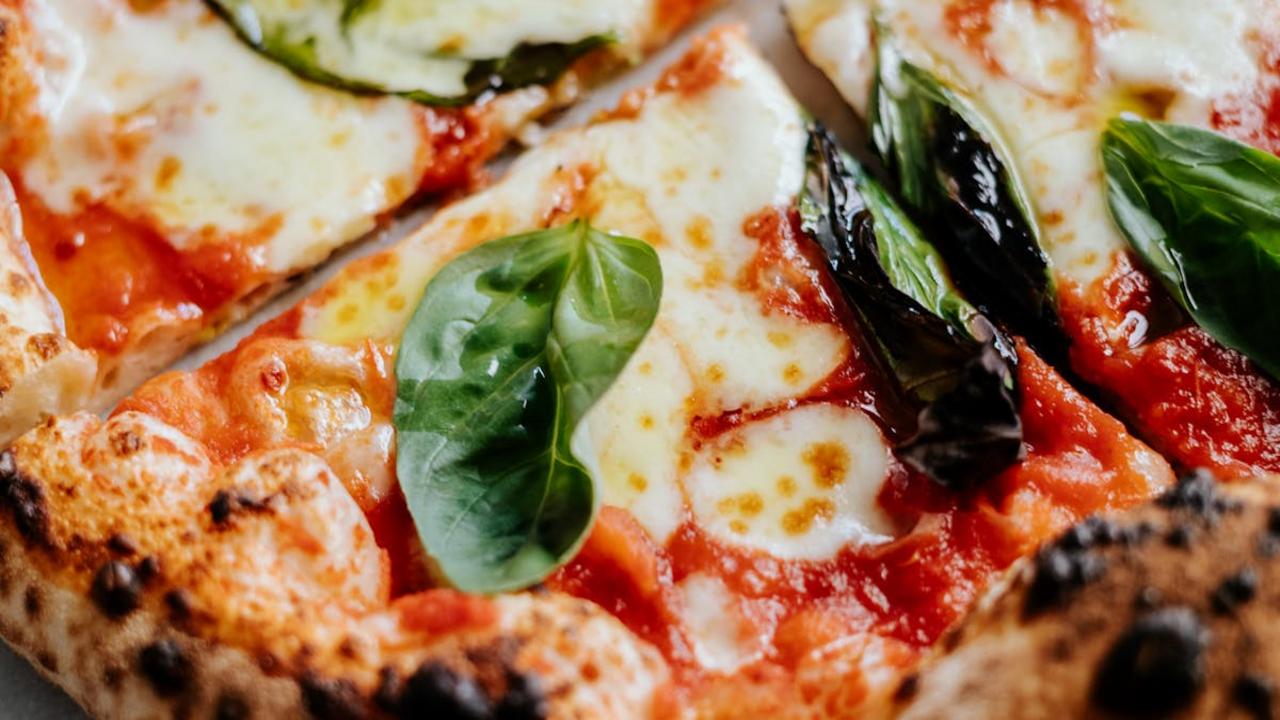
Imagine a pizza that costs more than most people’s monthly rent—$12,000 to be exact. The Louis XIII Pizza from Renato Viola in Salerno, Italy, pushes the boundaries of what pizza can be. This isn’t your typical Friday night delivery with extra cheese. Instead, you’re getting three types of caviar, red prawns from Norway, Mediterranean lobster, and seven different cheeses that have been aged to perfection. The dough itself takes 72 hours to prepare, and the whole creation gets topped with pink Australian sea salt and edible gold flakes. Chef Renato Viola prepares this masterpiece in your home, bringing along a private sommelier and pianist to complete the experience.
What makes this pizza worth its astronomical price isn’t just the ingredients—it’s the entire ritual surrounding it. The cognac that inspired its name, Louis XIII de Rémy Martin, pairs with each bite, and every component has been sourced from the finest producers around the globe. The pizza base uses a special blend of organic flour and pink Murray River salt from Australia. While most of us won’t be ordering this anytime soon, it shows how far the concept of pizza has traveled from its humble Neapolitan origins. The craftsmanship involved, from the slow fermentation process to the careful selection of each topping, demonstrates that even the most familiar foods can transform into extraordinary experiences when treated with respect and attention to detail.
FleurBurger 5000
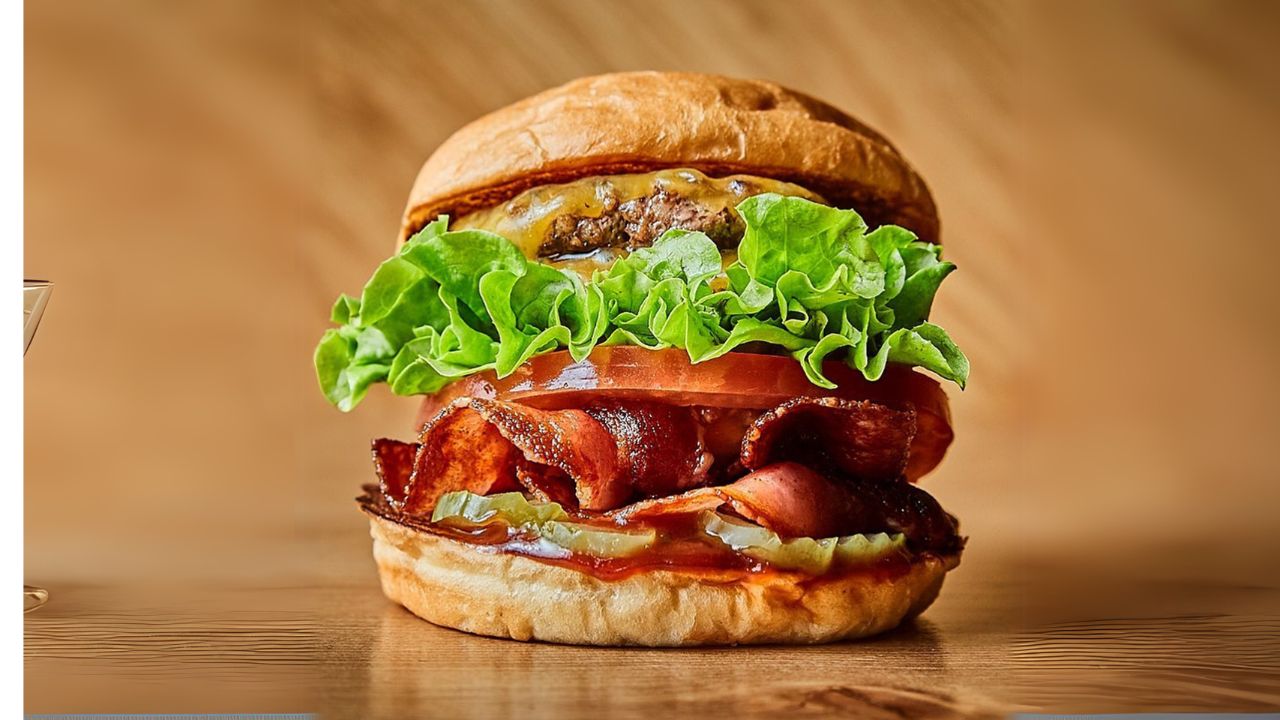
This burger sits at the top of the menu at Fleur in Las Vegas, and honestly, it’s more than just a meal—it’s an experience wrapped in luxury. The FleurBurger 5000 starts with Wagyu beef, the kind that practically melts on your tongue, paired with foie gras and black truffles. But here’s where things get wild: the burger comes with a bottle of 1995 Château Pétrus, one of the most coveted wines in the world. The whole package arrives in a special wooden presentation box, and you’re looking at five thousand dollars for this indulgence. It’s the kind of thing that makes you wonder what each bite tastes like when it costs more than some people’s monthly rent.
What gets me about this dish is how it transforms a humble burger into something that belongs in a completely different category of dining. I’ve always believed in making food from scratch and keeping things real, but this takes that philosophy and flips it on its head—it’s not about simplicity here, it’s about excess in the best possible way. The Wagyu alone would make an incredible burger, but adding foie gras and truffles means every element competes for your attention in the most delicious way possible. Would I spend this much on a burger? Probably not. But I respect the commitment to using the finest ingredients money can buy, even if the price tag makes my wallet weep just thinking about it.