14 Mexican Restaurant Favorites That Aren’t Actually Mexican
You walk into your favorite Mexican restaurant, confidently ordering that crispy hard shell taco with extra sour cream, thinking you’re getting an authentic experience. Plot twist: you’re about as far from Mexico as a piñata filled with fortune cookies! Those beloved menu staples fooling your taste buds? Pure Tex-Mex inventions that would make abuela shake her head in confusion.
The truth hits harder than a jalapeño burn – most “Mexican” favorites sprouted from American creativity, not ancient Aztec recipes. Ground beef burritos, chimichangas, and loaded queso dip represent the beautiful chaos that happens when cultures collide in the kitchen. These dishes tell stories of immigration, adaptation, and hungry entrepreneurs who knew exactly what would make Americans swoon.
Before you panic about your entire Mexican food identity crumbling like yesterday’s tortilla chips, remember this: fusion food rocks! These dishes earned their popularity through pure deliciousness, even if their passports read “Born in the USA.” Sometimes the most satisfying meals come from creative rule-breaking rather than strict tradition.
Loaded Queso Dip
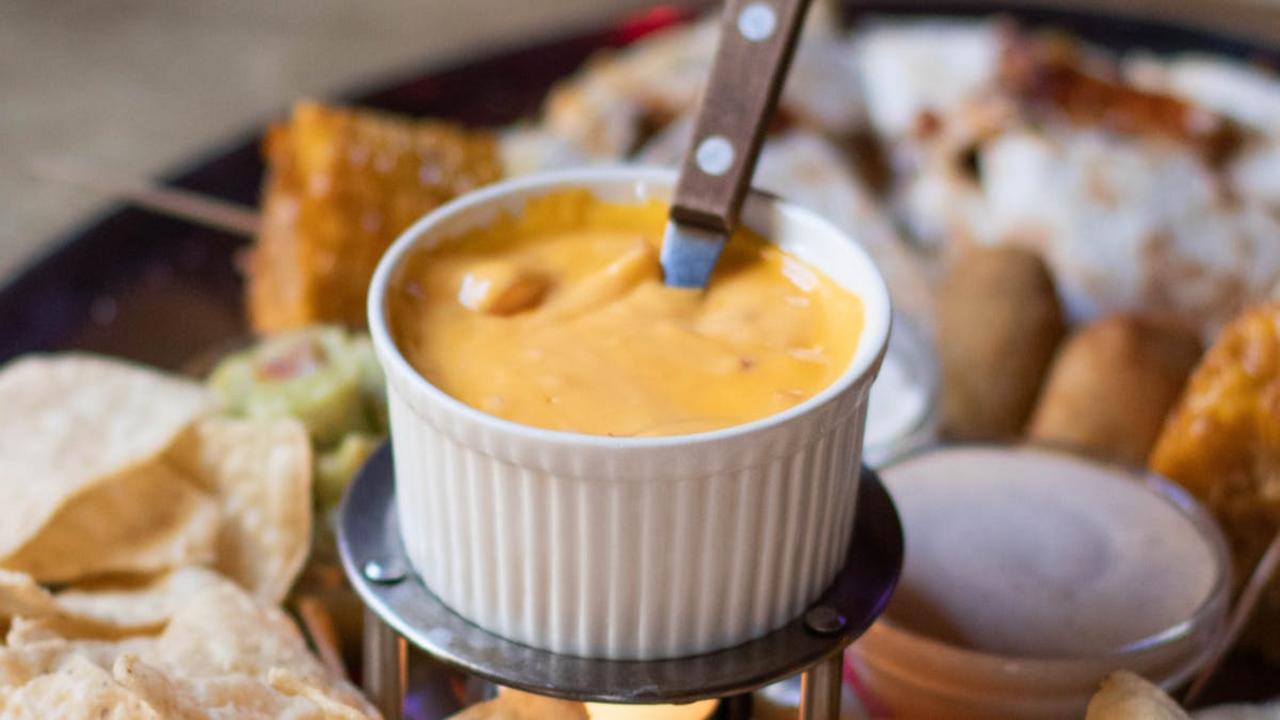
You know that molten, golden pool of cheese heaven that arrives at your table in a cast-iron skillet, bubbling with chunks of jalapeños, chorizo, and maybe some pico de gallo on top? Yeah, that magnificent creation we Americans call “loaded queso” is about as Mexican as my grandmother’s casserole recipes. Traditional Mexican cuisine actually features something called “queso fundido,” which is beautifully simple melted cheese—usually Oaxaca or Monterey Jack—sometimes mixed with chorizo or mushrooms. But our American version? We took that concept and said, “Hold my margarita,” then proceeded to throw every single ingredient we could find into a bubbling cheese volcano.
The transformation happened somewhere in the Tex-Mex revolution of the 1970s and 80s, when American restaurants decided that more cheese plus more toppings automatically equals more delicious. And honestly? They weren’t wrong! While you won’t find this particular cheese masterpiece in a Mexico City taqueria, loaded queso has become the unofficial starter of choice at every American “Mexican” restaurant from coast to coast. Fun fact: the average loaded queso dip contains enough dairy to make a small cow weep, and enough sodium to preserve a mummy. But when you’re dipping those warm tortilla chips into that creamy, spicy goodness while catching up with friends, authenticity takes a backseat to pure, unapologetic indulgence.
Mexican Lasagna
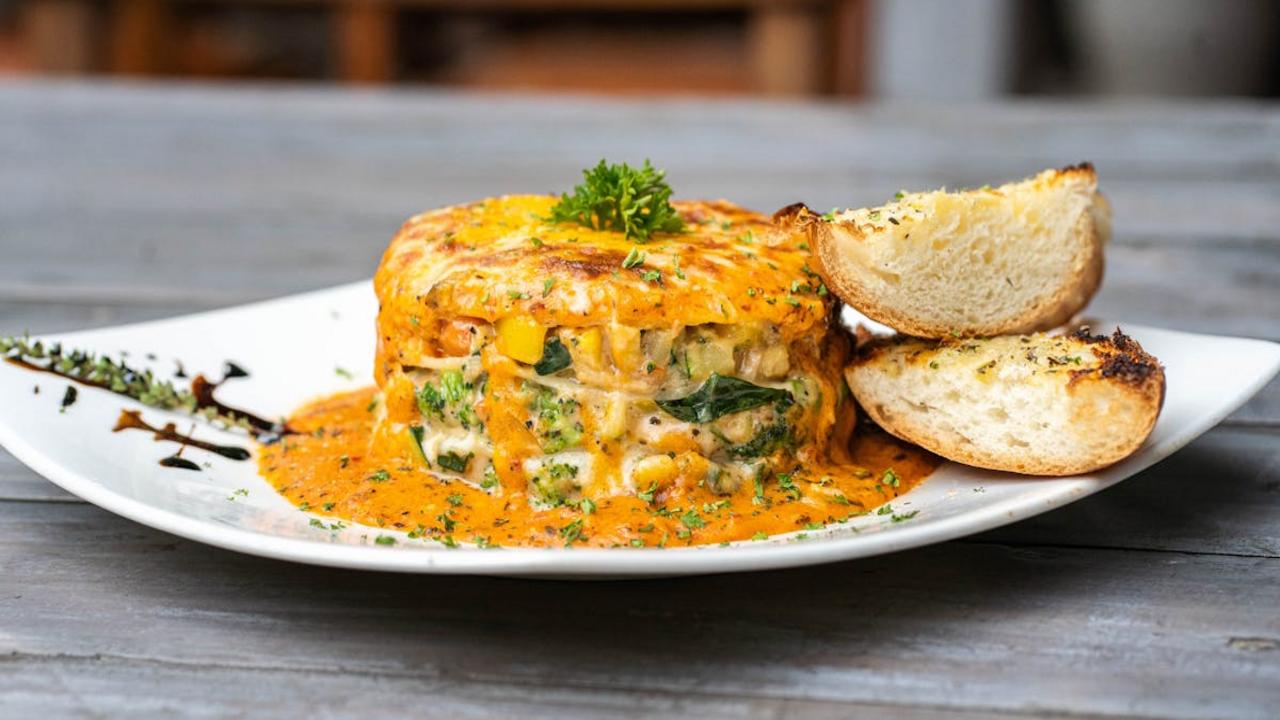
Picture this: you’re at your friend’s house for a potluck dinner, and Karen from accounting proudly presents her “authentic Mexican lasagna.” You take one look at this towering casserole of tortillas, ground beef, and cheese, and think, “Well, this is about as Mexican as pineapple on pizza.” Mexican lasagna became a thing sometime in the 1980s when American home cooks decided regular lasagna needed a southwestern makeover. They swapped pasta sheets for flour tortillas, marinara for salsa, and called it a day. The result? A dish that would make your Italian grandmother weep and your Mexican abuela scratch her head in confusion.
Don’t get me wrong – this Frankenstein creation can be absolutely delicious in its own wonderfully weird way. It’s basically a taco casserole having an identity crisis, layering seasoned ground beef, beans, cheese, and tortillas like a confused architectural experiment. Some versions throw in corn, bell peppers, and enough cumin to make you question reality. The beauty lies in its complete lack of authenticity – it’s American comfort food wearing a sombrero. Next time someone serves you Mexican lasagna, just smile, dig in, and appreciate this beautiful disaster for what it really is: proof that fusion food doesn’t always need a passport to be tasty.
Mexican Rice
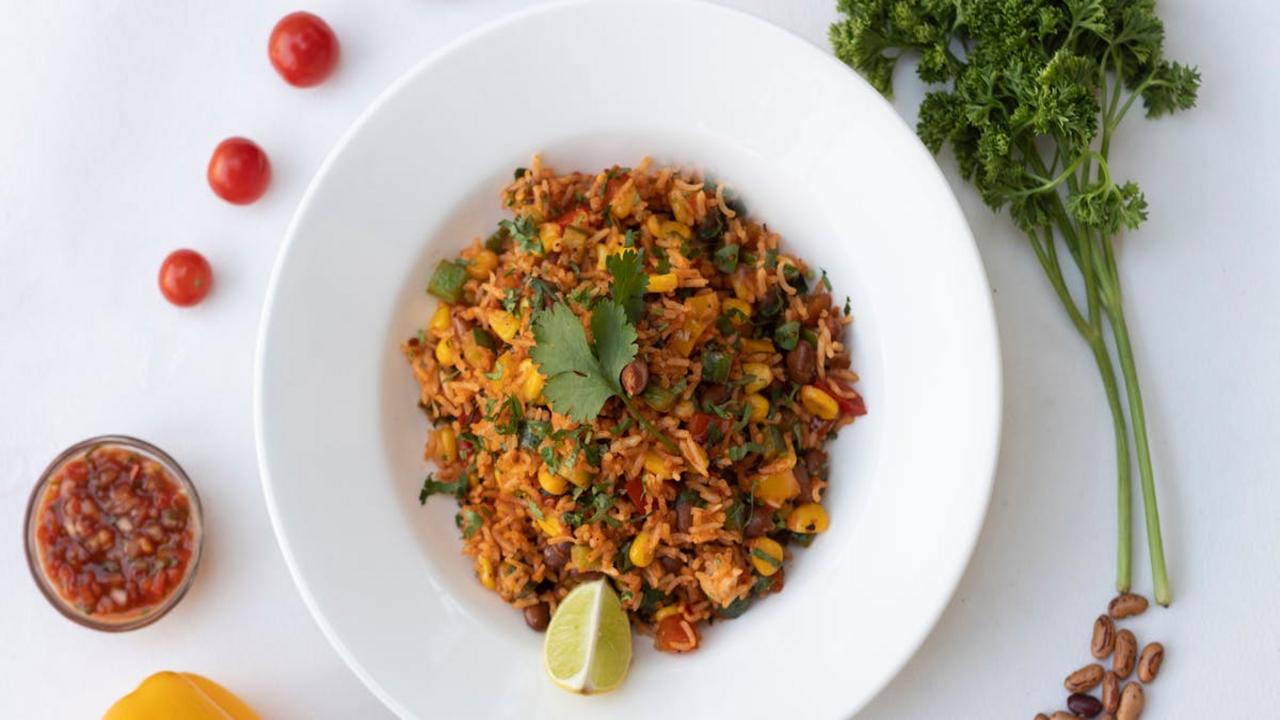
Here’s a fun fact that’ll make you question everything: that fluffy, tomato-tinted rice sitting next to your enchiladas? It’s about as Mexican as a snowball in Cancún. Traditional Mexican rice dishes actually look nothing like the bright orange, perfectly separated grains you get at your neighborhood taco joint. Real Mexican rice tends to be white, cooked with onions and garlic, and served as a simple side. The “Mexican rice” we know and love is actually a Tex-Mex creation, born in American kitchens where cooks decided regular rice needed a makeover with tomato sauce, cumin, and enough paprika to make it Instagram-worthy.
The transformation happened gradually as Mexican immigrants adapted their recipes to available ingredients and American tastes. What started as arroz rojo (red rice) in Mexico became this entirely different beast north of the border. You know that slightly mushy texture that makes it clump together perfectly on your fork? That’s pure American engineering – Mexican cooks would probably shake their heads at rice that isn’t fluffy and individual. But honestly, who cares about authenticity when you’re scooping up that savory, slightly spiced goodness? Sometimes the best dishes are happy accidents of cultural mixing, even if they make purists weep into their perfectly separated grains.
Mexican Pizza
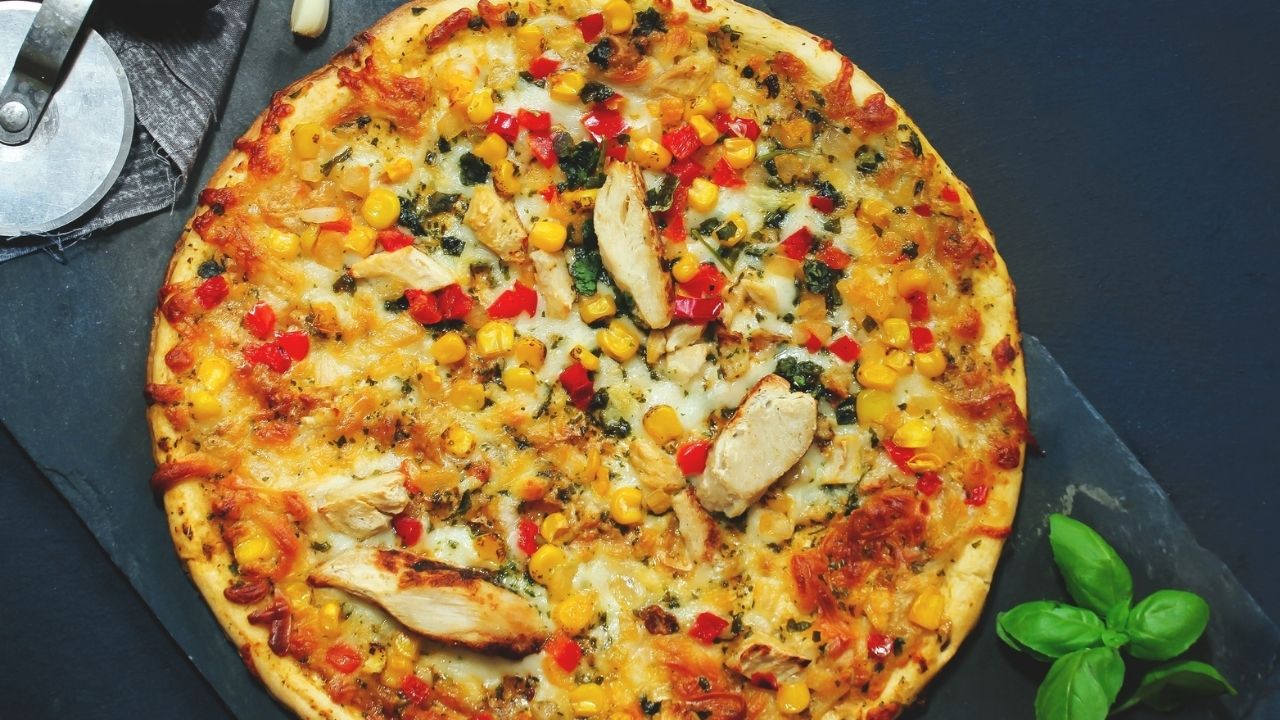
Hold onto your sombreros, folks, because we need to talk about Taco Bell’s Mexican Pizza – the fast-food frankenstein that somehow convinced millions of Americans it had legitimate south-of-the-border credentials. This crispy, cheesy monstrosity consists of two flour tortillas sandwiching seasoned ground beef, refried beans, and a blanket of melted cheese, all topped with diced tomatoes. The genius marketing team slapped “Mexican” in the name and called it a day, despite the fact that you’d be hard-pressed to find this creation anywhere in Mexico. It’s like calling a hamburger “French cuisine” just because you add some brie.
The Mexican Pizza became such a phenomenon that when Taco Bell temporarily discontinued it in 2020, fans launched social media campaigns with the fervor of political activists. Doja Cat even name-dropped it in a TikTok video, proving that this Frankenfood had transcended mere fast-food status to become a cultural icon. The beautiful irony? Real Mexican pizzas do exist – they’re called “pizza mexicana” and feature jalapeños, chorizo, and actual Mexican cheese, not the processed yellow stuff we’ve grown to love. But honestly, sometimes you don’t want authenticity; sometimes you want that specific combination of salt, grease, and nostalgia that only a questionably named fast-food hybrid can provide.
Chicken Fajita Bowl
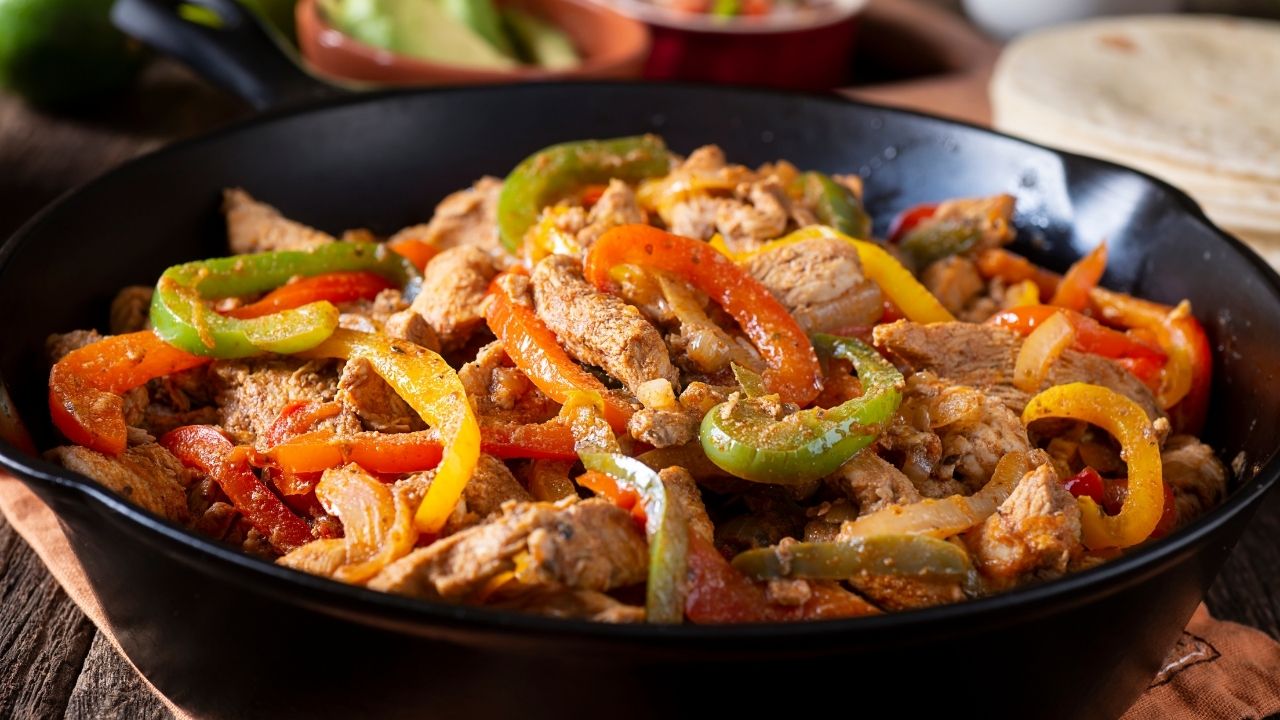
Picture this: you walk into your favorite Mexican restaurant, scan the menu, and spot that beautiful chicken fajita bowl calling your name. The sizzling strips of seasoned chicken, colorful bell peppers, onions, rice, beans, and all the fixings piled high in a convenient bowl format. You think you’re getting authentic Mexican food, but plot twist – you’re actually eating a brilliant American invention that would probably make an abuela scratch her head in confusion! Traditional Mexican cuisine doesn’t really do the whole “bowl” concept the way we’ve popularized it here in the States.
The fajita bowl phenomenon started as restaurant chains realized they could take all the components of fajitas and serve them without the tortillas, creating what marketing departments loved to call a “healthier option.” Chipotle basically built an empire on this concept, and suddenly every restaurant had their own version. While the ingredients might have Mexican roots – the chicken seasoning, the peppers, the rice and beans – the presentation is pure American convenience culture. Real Mexican meals focus more on sharing dishes family-style or eating everything wrapped up in fresh tortillas. But hey, I’m not complaining – these bowls are delicious, customizable, and perfect for when you want all those amazing flavors without the mess of trying to keep a overstuffed burrito from exploding all over your shirt!
Taco Salad Bowl
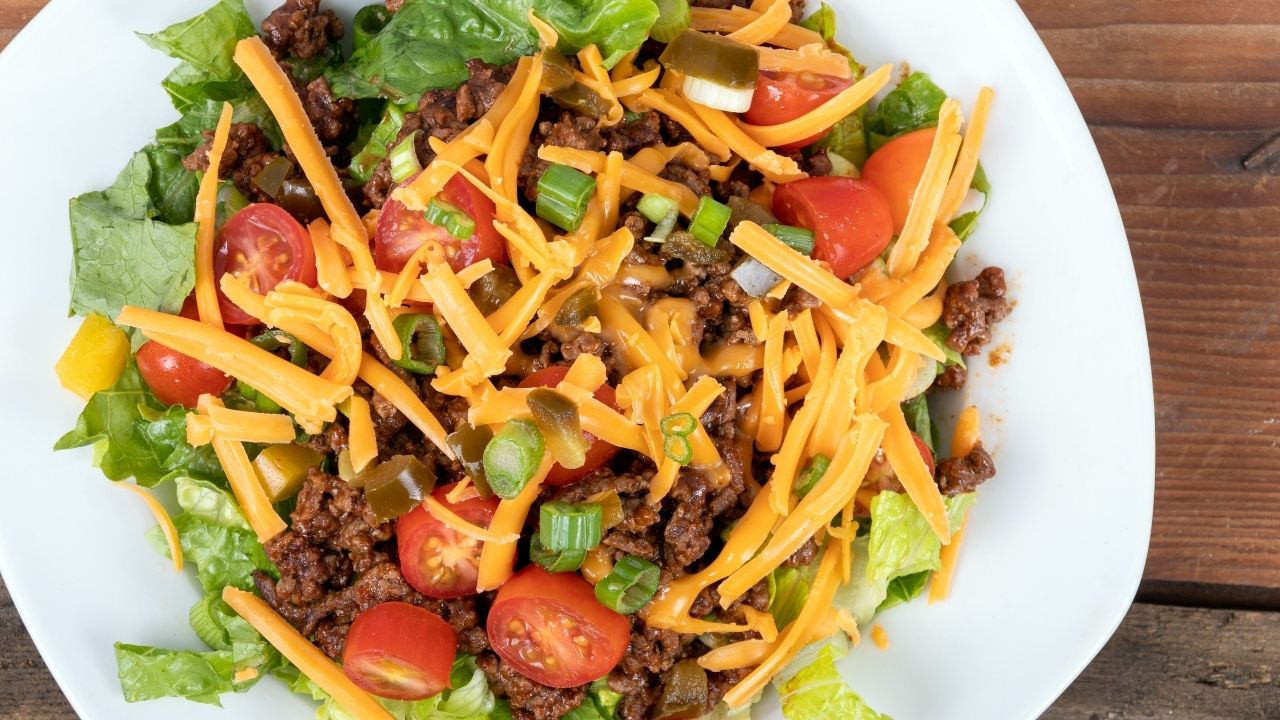
Picture this: you walk into a Mexican restaurant expecting authentic flavors, and they bring you a giant fried tortilla bowl filled with iceberg lettuce, ground beef, sour cream, and enough cheese to feed a small village. Friend, you’ve just encountered one of America’s most beloved “Mexican” inventions that would make actual Mexican abuelitas scratch their heads in confusion. The taco salad bowl is about as Mexican as apple pie wearing a sombrero – it’s a brilliant marketing creation born in American kitchens during the Tex-Mex boom of the 1960s.
Here’s the kicker: traditional Mexican cuisine doesn’t really do salads the way we think of them. Sure, they have fresh salsas and vegetable sides, but cramming everything into a deep-fried tortilla vessel? That’s pure American ingenuity right there! The concept likely started when some clever restaurateur thought, “What if we made the bowl edible?” and thus created a dish that’s simultaneously a meal and its own serving container. While you won’t find these crispy behemoths in Mexico City street stalls, they’ve become so popular that many of us can’t imagine Mexican restaurants without them. Pro tip: if you’re making one at home, brush the tortilla with a little oil and bake it instead of frying – your waistline will thank you, and you’ll still get that satisfying crunch!
Chimichangas
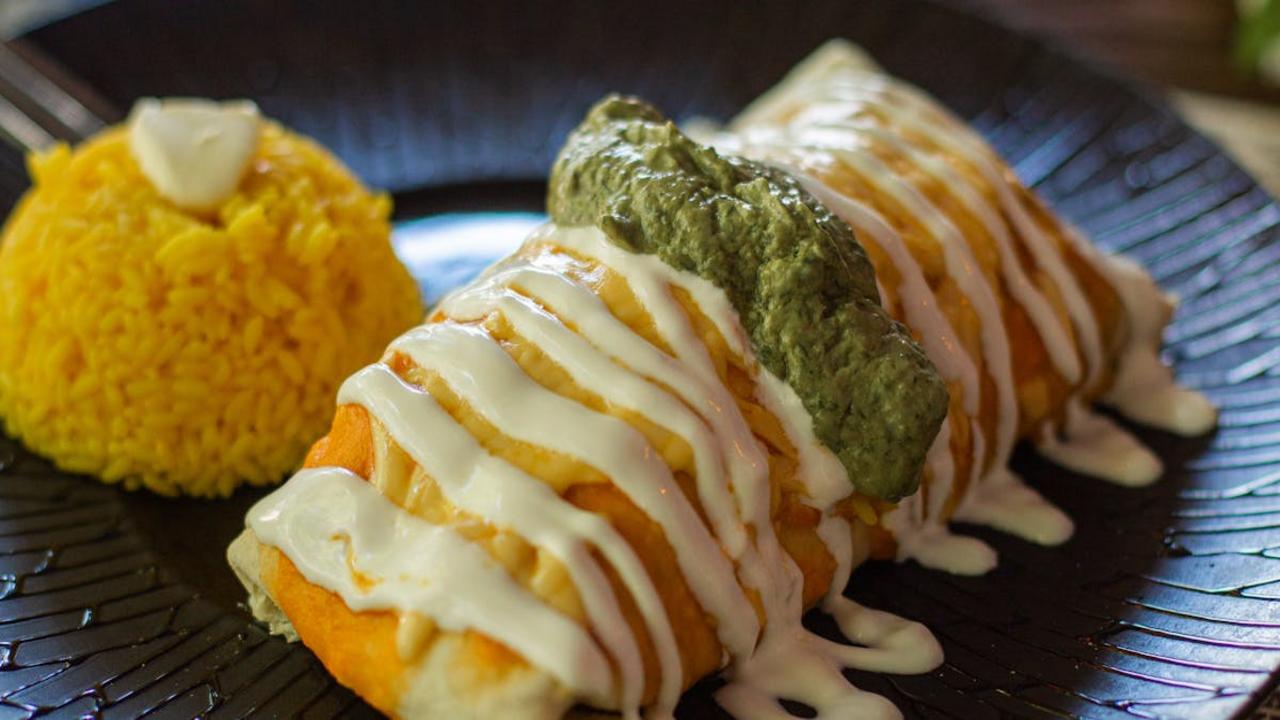
Picture this: you’re sitting in a Mexican restaurant, staring at a golden, crispy tube of pure indulgence that’s bigger than your forearm. That, my friend, is a chimichanga – and spoiler alert, it’s about as Mexican as apple pie! This deep-fried burrito phenomenon actually sprouted from the creative minds of Southwestern American cooks, probably somewhere in Arizona during the 1940s or 50s. The most popular origin story involves a restaurant owner who accidentally dropped a burrito into hot oil and, instead of crying over spilled beans, declared it a happy accident worth serving to customers.
Now, don’t get me wrong – I’m not here to shame your chimichanga obsession! These crispy bundles of joy deserve every bit of love they get, even if they’re more Tex-Mex than traditional Mexican. Authentic Mexican cuisine tends to favor fresh, soft tortillas over deep-fried ones, but American creativity transformed the humble burrito into something entirely different. The name itself might come from the Spanish word “chimichurri” or could be a playful invention – food historians love to argue about this stuff. What matters is that chimichangas became a staple of American Mexican restaurants, proving that sometimes the best fusion foods happen when cultures collide and someone gets a little experimental with the deep fryer.
Ground Beef Burritos
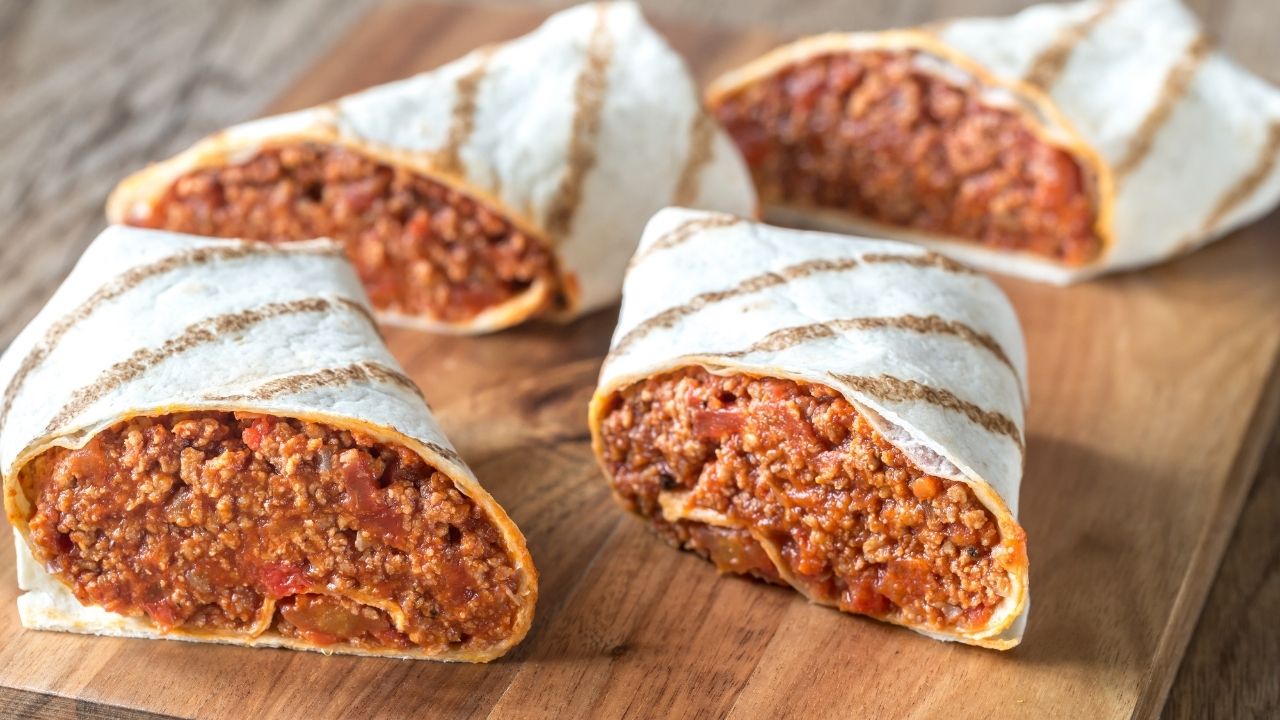
Walk into any American-Mexican restaurant and you’ll spot them on the menu—those hefty, foil-wrapped cylinders stuffed with seasoned ground beef, rice, beans, and cheese. Your local burrito joint probably sells hundreds of these bad boys every week, but here’s the kicker: traditional Mexican burritos rarely contain ground beef at all. In Mexico, you’re way more likely to find carnitas (slow-cooked pork), carne asada (grilled beef), or barbacoa (tender shredded beef) wrapped in those warm tortillas. Ground beef became the go-to protein because it’s cheap, cooks fast, and American palates already loved it from tacos and sloppy joes.
The real Mexican burrito is actually a much simpler creature—often just beans, maybe some cheese, wrapped in a flour tortilla that’s smaller than the monster burritos we know and love. These authentic versions originated in northern Mexico, particularly in states like Chihuahua and Sonora, where wheat tortillas are more common than corn. But somewhere along the way to American menus, burritos got supersized and stuffed with everything including the kitchen sink. Ground beef became the star because it holds seasonings well and stretches the dollar, making it perfect for feeding hungry customers who want maximum bang for their buck. Sure, it’s not traditional, but those Wednesday night cravings don’t really care about authenticity, do they?
Sour Cream Enchiladas
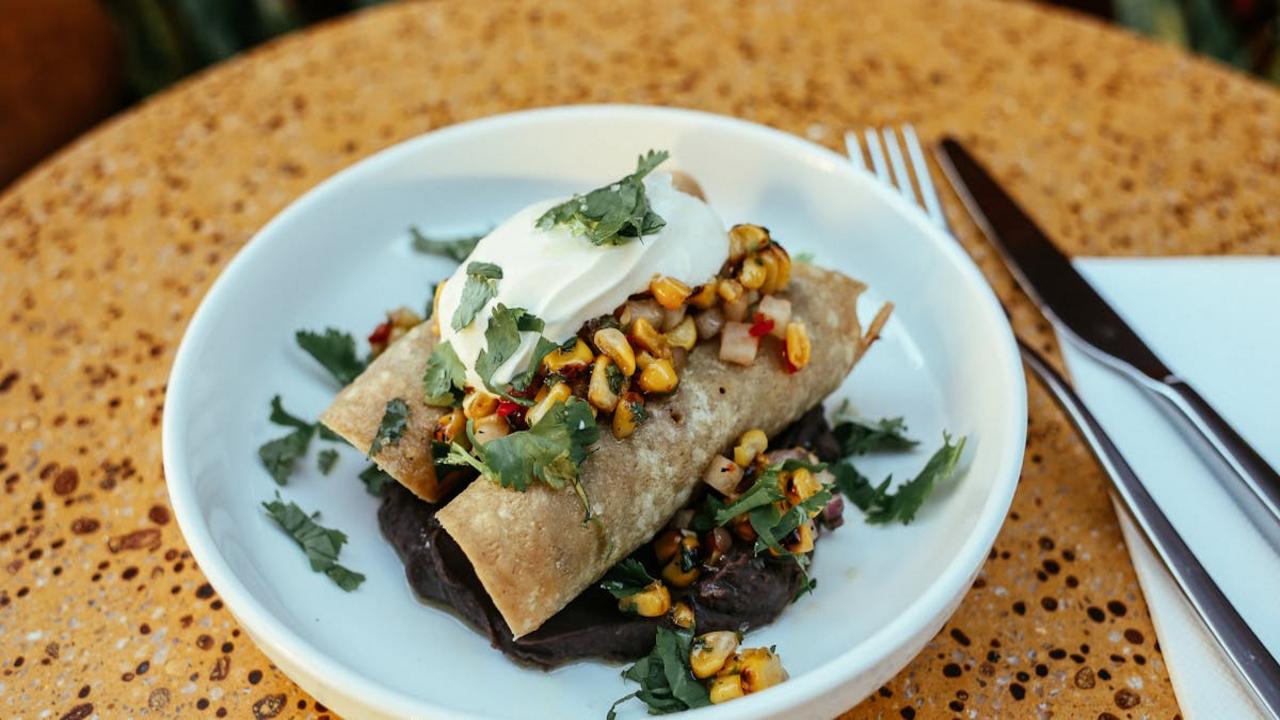
You walk into your favorite Tex-Mex joint and spot “sour cream enchiladas” on the menu, thinking you’re about to experience some authentic Mexican magic. Plot twist: you’re actually diving into a dish that would make most Mexican abuelas scratch their heads in confusion! Traditional Mexican enchiladas get their creamy, tangy kick from crema mexicana or a rich cheese sauce, not the thick, dairy-heavy sour cream that American restaurants love to slather on everything. Real Mexican enchiladas typically feature corn tortillas drenched in red or green chile sauce, topped with queso fresco, white onions, and maybe a drizzle of that beautiful crema mexicana that’s lighter and less acidic than its American cousin.
The sour cream enchilada phenomenon exploded across American Mexican restaurants because, frankly, we Americans have a serious love affair with dairy products. Restaurant owners discovered that drowning enchiladas in sour cream created this comfort food hybrid that satisfied our craving for rich, creamy textures while still feeling “Mexican enough” for our palates. The result? A dish that’s undeniably delicious but about as authentically Mexican as a shamrock shake is Irish. If you want to bridge the gap between American expectations and Mexican tradition, try making enchiladas with a blend of Mexican crema and a light cheese sauce – you’ll get that creamy satisfaction without completely abandoning the motherland’s flavor profile!
Yellow Cheese Quesadillas
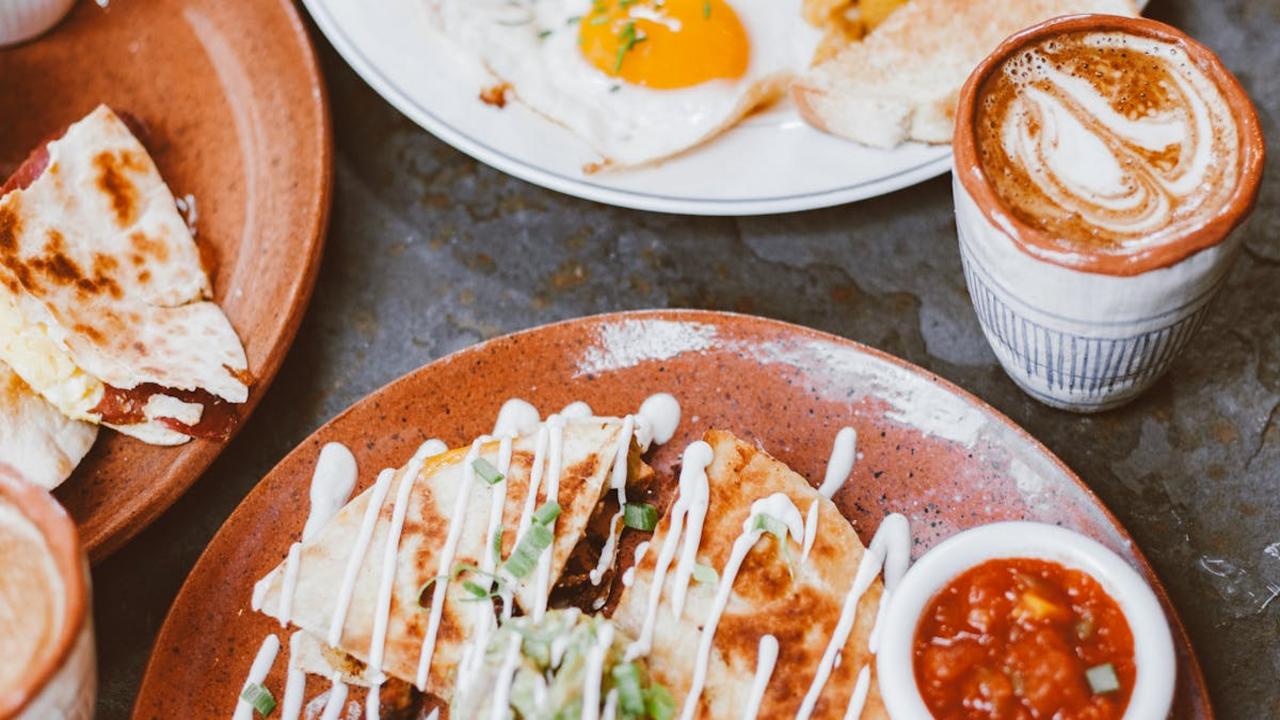
Walk into any American-Mexican restaurant and you’ll spot them immediately: those golden, gooey triangles stuffed with what appears to be melted cheddar or Monterey Jack cheese. Your server will proudly present these “authentic” quesadillas with a side of sour cream and salsa, but here’s the plot twist that’ll make you question everything you thought you knew about Mexican food – traditional quesadillas in Mexico rarely feature this particular shade of sunshine yellow. In fact, many authentic Mexican quesadillas don’t contain cheese at all! The word “quesadilla” comes from “queso” (cheese), but in places like Mexico City, you’ll find quesadillas filled with mushrooms, squash blossoms, or huitlacoche (corn fungus that sounds scary but tastes amazing), and you actually have to specify if you want cheese added.
The American version took the basic concept and ran wild with it, turning quesadillas into what’s essentially a Mexican grilled cheese sandwich on steroids. We’ve loaded them up with processed yellow cheese that melts into stretchy perfection, creating those Instagram-worthy cheese pulls that make your heart sing and your arteries weep. Don’t get me wrong – I’m not here to shame your love affair with these crispy, cheesy pockets of joy. They’re absolutely delicious, and sometimes you need that gooey comfort food that hugs you from the inside out. Just remember that somewhere in Mexico, an abuela is probably chuckling at our obsession with turning every tortilla into a cheese delivery system.
Nachos Supreme
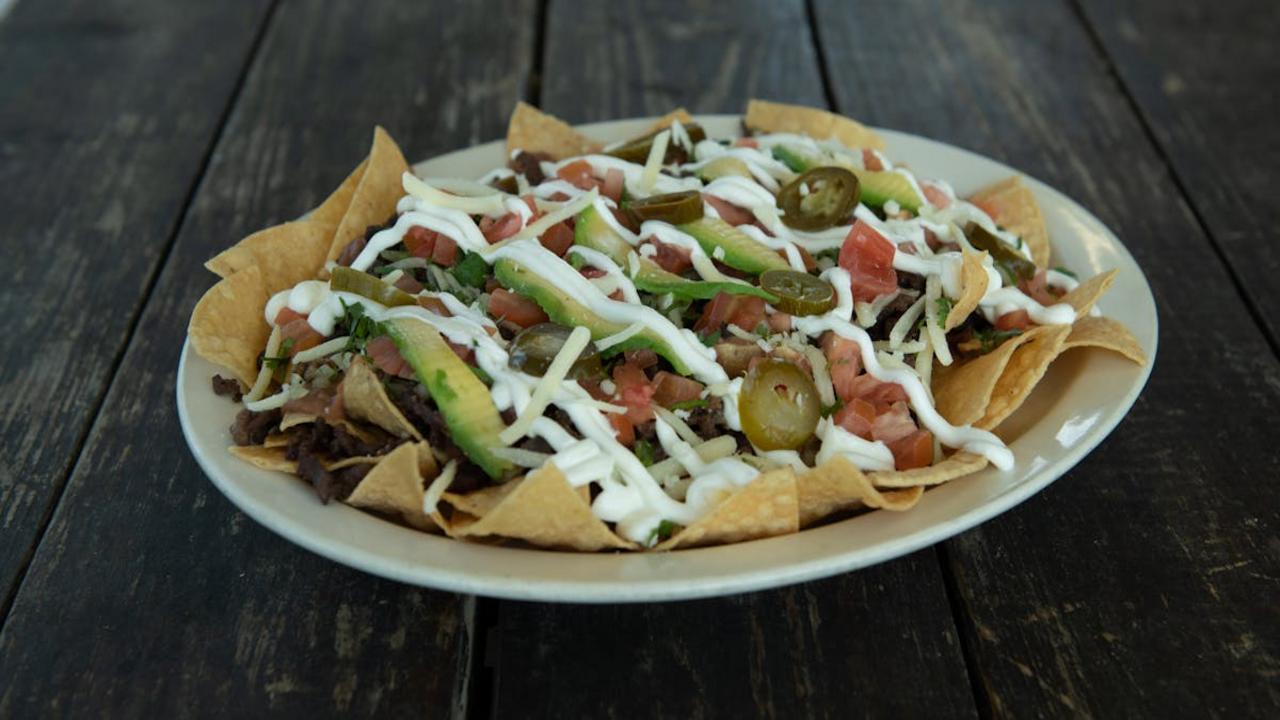
Picture this: you’re at your favorite “Mexican” restaurant, and that towering plate of Nachos Supreme arrives at your table like a glorious, cheesy monument to excess. Ground beef, sour cream, guacamole, jalapeños, and enough melted cheese to feed a small village cascade over tortilla chips in what looks like the most Mexican thing ever invented. Plot twist: this loaded masterpiece was actually born in a small Texas border town in 1943, created by Ignacio “Nacho” Anaya at his restaurant called the Victory Club. A group of American military wives wandered in after hours, and Nacho (yes, that’s where the name comes from!) threw together whatever he had in the kitchen.
The original creation was beautifully simple—just tortilla chips, Wisconsin cheese, and sliced jalapeños. But somewhere along the way, American restaurants decided to go completely bonkers with toppings, creating these towering behemoths that require engineering degrees to eat without making a mess. Traditional Mexican antojitos (little cravings) are typically much more restrained, focusing on fresh, quality ingredients rather than seeing how many different things you can pile onto one plate. Your abuela would probably raise an eyebrow at our Supreme versions, but honestly? Sometimes you need that ridiculous, over-the-top experience that makes you question your life choices while simultaneously reaching for another chip.
Chili Con Carne
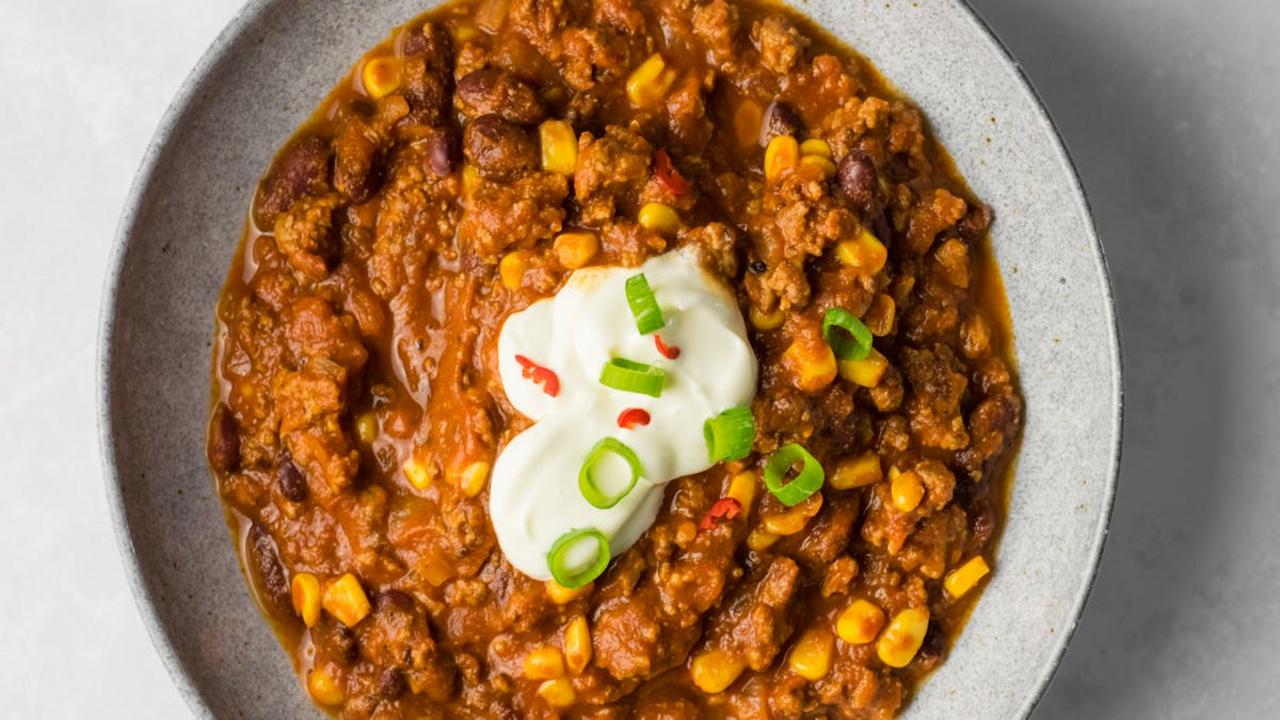
Picture this: you’re at your favorite Mexican restaurant, confidently ordering chili con carne because, well, it sounds authentically Mexican, right? Plot twist! This hearty, bean-laden bowl of comfort actually hails from the great state of Texas. While “chili con carne” literally translates to “chili with meat” in Spanish, authentic Mexican cuisine rarely features this particular combination. Traditional Mexican stews lean heavily on complex spice blends, fresh herbs, and indigenous ingredients like hominy or cactus paddles. The chili you know and love? Pure American invention, born from the melting pot of Tex-Mex border culture.
Here’s where it gets interesting: real Mexican cooks would probably scratch their heads at our bean-heavy versions. Authentic Mexican chili recipes focus on dried chilies, meat, and aromatic spices, but kidney beans? Not so much. The American version evolved in the 1800s when cowboys needed hearty, portable meals that could simmer over campfires for hours. Today’s restaurant chili often includes ground beef, tomatoes, onions, and enough beans to feed a small army. While it may not be authentically Mexican, this cross-cultural creation has earned its place as a beloved comfort food that warms hearts from San Antonio to Seattle.
Fajitas
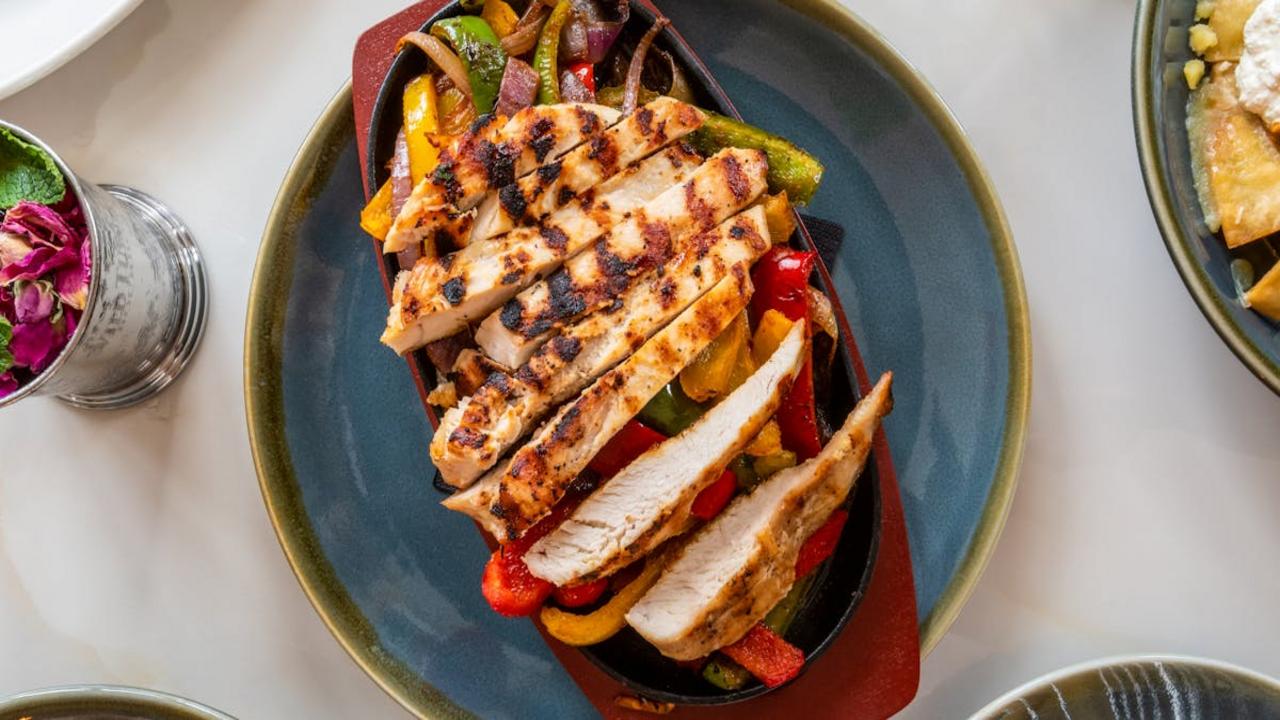
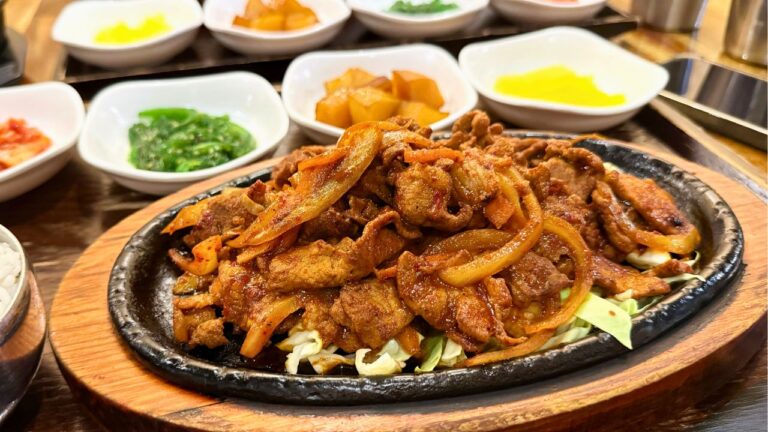
Picture this: you’re at your favorite Mexican restaurant, and that sizzling platter arrives at your table with all the theatrical flair of a Broadway show. The iron skillet crackles and pops, sending aromatic steam billowing toward the ceiling while everyone within a three-table radius turns to stare with food envy. But here’s the plot twist that’ll make you choke on your margarita – those dramatic, restaurant-style fajitas you’re drooling over? They’re about as authentically Mexican as a snowball in Cancún. The whole sizzling presentation was actually invented by a savvy restaurateur in Austin, Texas, back in the 1960s who wanted to create dinner theater without hiring actors.
Don’t get me wrong – the concept has some Mexican roots. Ranch workers called “vaqueros” did grill skirt steak over open fires, but they weren’t serving it up with all the bells and whistles we know today. The flour tortillas, the parade of toppings, and especially that show-stopping sizzling presentation? Pure Tex-Mex innovation, my friend. Traditional Mexican cooking focuses more on corn tortillas and doesn’t typically involve tableside pyrotechnics. So next time you order fajitas, remember you’re not experiencing ancient Aztec cuisine – you’re enjoying the brilliant marketing genius of American restaurateurs who figured out that nothing sells dinner quite like a little smoke and sizzle!
Hard Shell Tacos
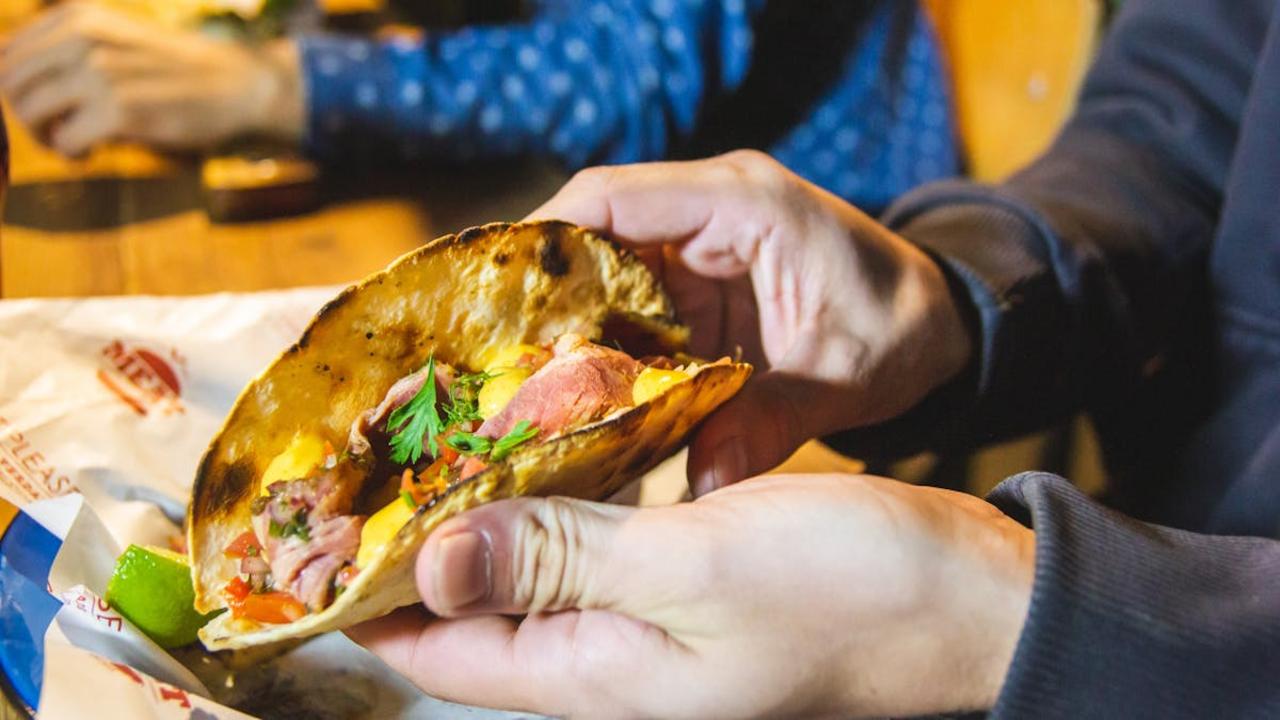
Picture this: you’re at a Mexican restaurant, and someone orders hard shell tacos. Meanwhile, actual Mexican abuelitas everywhere are probably rolling their eyes so hard they can see their own brain stems. These crunchy, U-shaped corn vessels that shatter at first bite? Pure American invention, my friend! Glen Bell (yes, the Taco Bell guy) popularized these crispy contraptions in the 1950s, and somehow we all just accepted that tortillas should sound like potato chips when you eat them. Traditional Mexican tacos come wrapped in soft, warm tortillas that actually hold your food instead of creating a Jackson Pollock painting on your shirt.
The physics of hard shell tacos make absolutely no sense. You take one bite, and suddenly you’re wearing more salsa than you’re eating, while lettuce shoots across the table like confetti at a very sad party. Real Mexican tacos use fresh, pliable corn tortillas that bend without breaking, because apparently Mexican cooks understood basic engineering principles long before we started mass-producing edible bowls that crumble faster than my resolve at a dessert buffet. Next time you want authentic Mexican flavors, grab some soft tortillas, warm them up, and save the hard shells for when you feel like recreating a food fight scene from a 90s sitcom.