I Ate MIL’s $70 Leftovers After They Sat for 5 Days. She Accused Me of Stealing Food She Was Letting Rot.
We all know there are certain unwritten rules when you are a guest in someone’s home. You tidy up after yourself, you respect their space, and you certainly don’t help yourself to food in the refrigerator without asking first. It’s just common courtesy, something we were all taught growing up.
However, one man recently shared a story online that proves these simple rules can get complicated, especially when family is involved. He found himself in a terribly awkward situation with his mother-in-law over a container of leftovers, and it has everyone debating a very important question: when does someone else’s food become fair game?
The Incident
The story begins with a young couple in a temporary, but common, situation. While waiting for their new home to be built, they moved in with the wife’s mother for a couple of months. The son-in-law, trying to be a helpful houseguest, often took on kitchen cleanup duties.
It was during these chores that he noticed a peculiar habit: his mother-in-law consistently saved leftovers from meals, but never, ever ate them. He was always the one to eventually throw the spoiled food away.
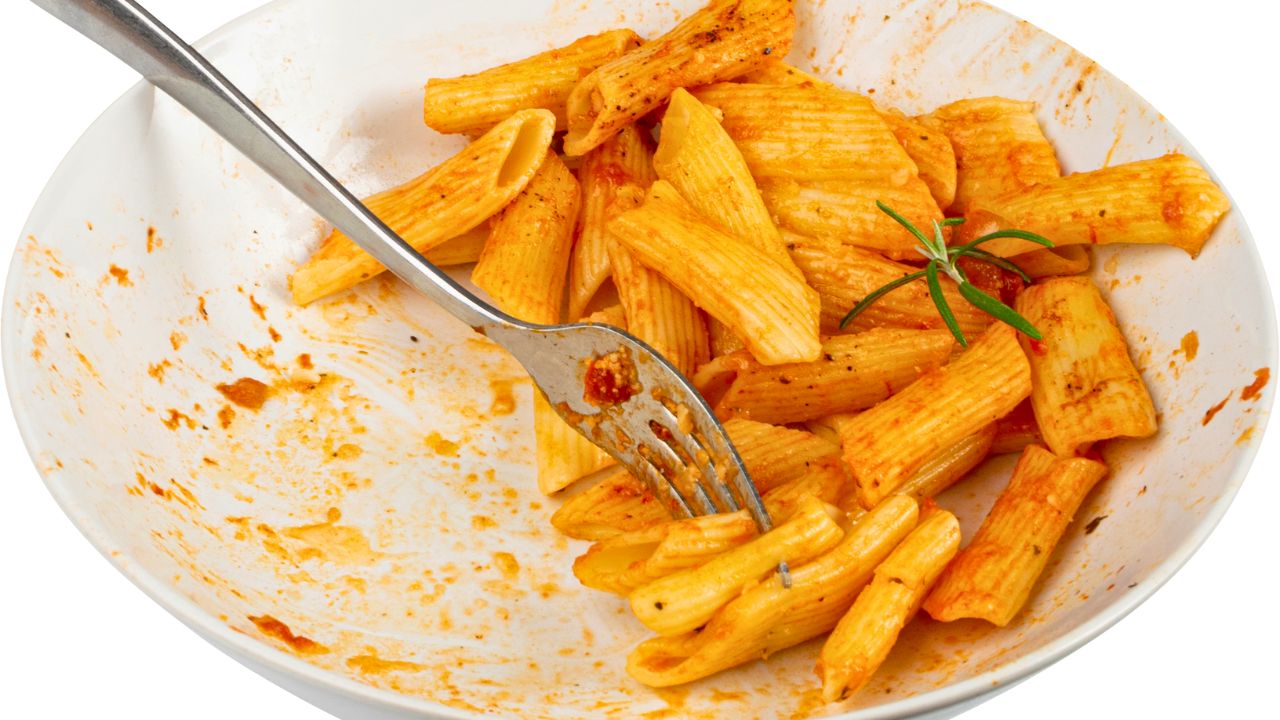
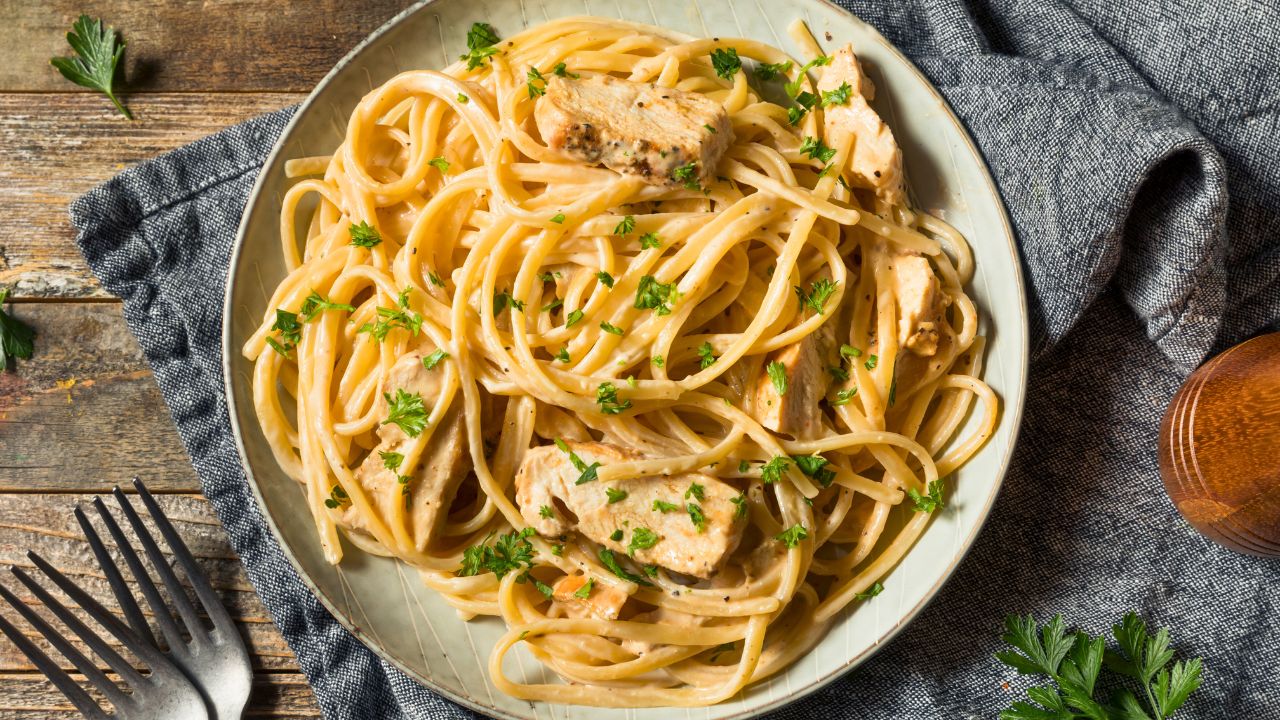
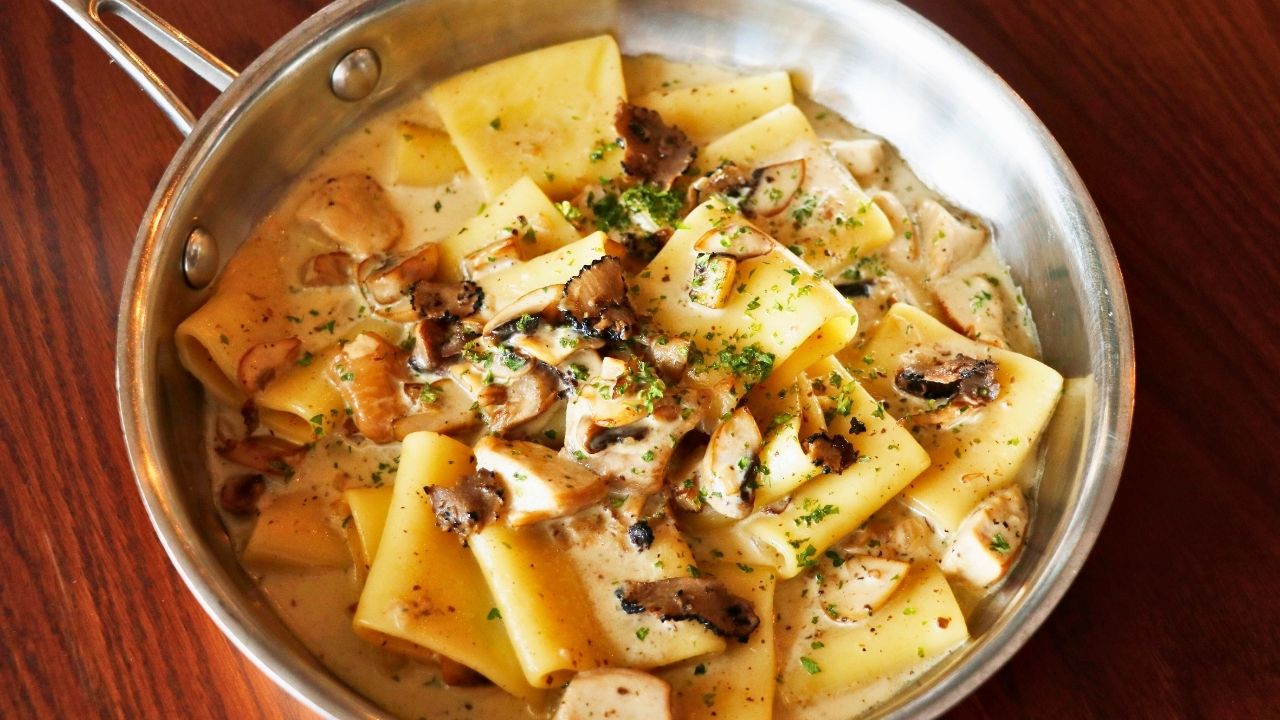
Wanting to show his appreciation for her hospitality, he treated the family to a lovely dinner at a high-end restaurant, with meals costing upwards of seventy dollars each. His mother-in-law ordered a pasta dish but only managed a few bites before asking for a to-go container. That container then sat in the refrigerator, untouched, for five long days.
Seeing the expensive meal on the verge of going bad, and knowing his mother-in-law’s track record, the son-in-law decided to eat the pasta for lunch. In his mind, he was preventing waste. But when his mother-in-law came home from work, she was furious.
After he admitted to eating it, she scolded him, saying, “Well that wasn’t your food to eat.” He was baffled. After five days, and given her history, he thought he was doing the sensible thing.
The Internet Reacts
When he shared his dilemma, the internet had plenty to say, and people quickly fell into a few different camps.
First, there was the “Absolutely Not” crowd, who were firmly on the son-in-law’s side. They felt the mother-in-law’s reaction was completely unreasonable. One person stated the obvious: “After 5 days?!? There was no way she was eating that.”
Another agreed, pointing out her pattern of behavior: “5 days is long enough and with her history of never eating them I’d do the same.” Many also pointed out that five-day-old pasta is questionable at best from a food safety standpoint.
Then came the “Devil’s Advocate” camp, who believed the son-in-law had broken a fundamental rule of etiquette. These commenters argued that no matter the circumstances, you must always ask. As one person wisely put it, “Manners were invented to keep us from clubbing each other over petty issues that drive us crazy.”
Another pointed out that his status as a guest was key: “You’re a guest in her home… and so you should be asking before eating something of hers.” To them, the fact that he paid for the meal was irrelevant; it was a gift, and it belonged to her to do with as she pleased.
Finally, a few insightful readers suggested the pasta was not the real issue. One person speculated that there might be deeper tensions at play. “It makes me wonder if she’s frustrated about something else related to yall living with her for a bit,” they wrote, “and she is failing to grasp or communicate that and so snapped on the first thing she felt in the right about.” This comment seemed to resonate with many, who agreed that such a strong reaction over old food likely signaled a bigger problem brewing under the surface.
The Etiquette Verdict
Let’s be honest, this is a tricky one. While it is always, without a doubt, more polite to ask before taking something that doesn’t belong to you, the mother-in-law’s behavior here is simply baffling. To get angry over five-day-old leftovers that, based on all available evidence, were destined for the trash can seems incredibly petty.
Food is meant to be eaten, not hoarded in the back of a refrigerator until it spoils. While the son-in-law could have sent a quick text to be safe, the mother-in-law’s outburst was ungracious and frankly, wasteful. This conflict feels less about pasta and more about the stresses of a full house. A simple conversation would have prevented this entire silly affair.
Your Thoughts
What do you think? Was the mother-in-law right to defend her leftovers, or was the son-in-law simply being practical and preventing waste?
Ready for the next level of insight? Discover more in my latest article here.