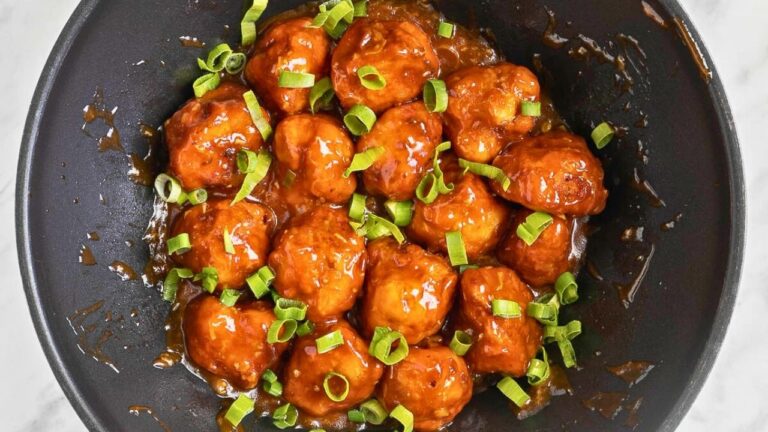
14 Junk Foods Nutritionists Say Are the Unhealthiest in the US
I’ve never met a bacon double cheeseburger I didn’t like – until I talked to nutritionists about America’s worst junk foods. The list reads like my personal food diary: loaded nachos dripping with cheese, crispy fried chicken wings, and deep-fried ice cream that somehow combines hot, cold, and a million calories into one dessert.
Your favorite comfort foods probably made the cut too. That fettuccine alfredo? A heart attack on a plate. Those innocent-looking mozzarella sticks? Fat bombs in disguise. Even pancakes with syrup and butter – the weekend breakfast you reward yourself with – ranks among the nutritional villains that make doctors shake their heads.
From pepperoni pizza to doughnut sundaes, America’s love affair with these foods keeps dietitians in business. The chili cheese fries and chocolate milkshakes we crave come with consequences our bodies can’t ignore. Yet knowing something’s bad rarely stops us from wanting that cheesecake with caramel topping or that plate of biscuits drowning in sausage gravy.
Pancakes with Syrup and Butter

You wake up on Sunday morning, and those fluffy golden discs are calling your name from the kitchen. Pancakes with syrup and butter – the breakfast that makes grown adults temporarily forget they’re not eight years old anymore. But here’s the thing: a typical stack contains enough sugar to power a small village and more refined carbs than a carb-loading marathon runner consumes in a week. One serving can pack over 500 calories and 60 grams of sugar, which is like eating four glazed donuts disguised as breakfast. The butter adds saturated fat while the syrup sends your blood sugar on a rollercoaster ride that would make Six Flags jealous.
The real kicker? Your body processes this breakfast bomb so quickly that you’ll be hungry again before you finish washing the dishes. That maple syrup you’re drowning them in is basically liquid candy – even the “real” stuff is 99% sugar with a fancy tree backstory. Want to keep the weekend pancake tradition without the nutritional nightmare? Try almond flour pancakes with fresh berries and a drizzle of sugar-free syrup. Your pancreas will thank you, and you’ll still get that cozy breakfast vibe without feeling like you need a nap by 10 AM.
Doughnut Sundae
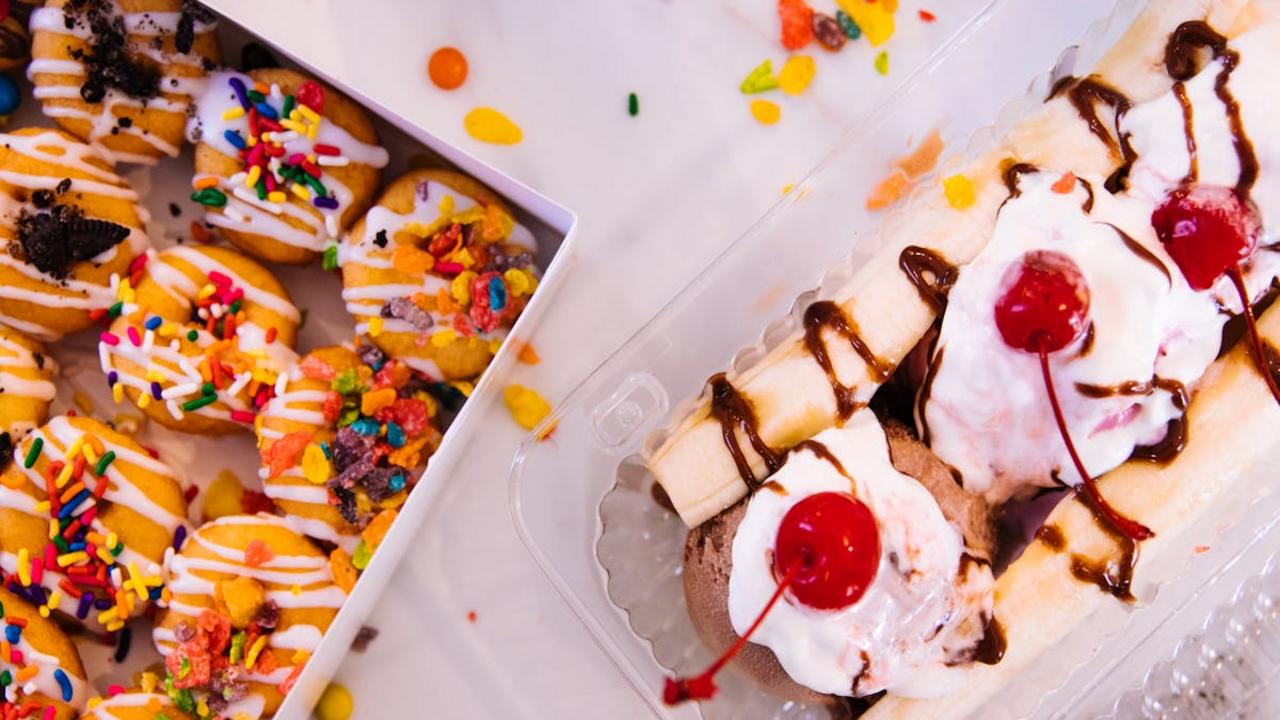
Picture this: someone took a perfectly good doughnut, sliced it in half like a bagel, and thought, “You know what this needs? Ice cream, whipped cream, chocolate sauce, and maybe some sprinkles for good measure.” That’s how the doughnut sundae was born—a dessert so audaciously indulgent it makes regular sundaes look like health food. This Frankenstein creation typically packs anywhere from 800 to 1,200 calories, which is basically an entire day’s worth of dessert calories crammed into one bowl. The sugar content alone could power a small village, clocking in at around 80-100 grams—that’s roughly 20 teaspoons of pure sweetness.
I once watched a friend order one of these monsters at a chain restaurant, and the server needed both hands just to carry it to our table. The thing was practically architectural—a glazed doughnut foundation supporting towers of vanilla ice cream, rivers of hot fudge, and enough whipped cream to start its own dairy farm. Sure, it looks Instagram-worthy and makes your inner child do backflips, but nutritionists classify this as a triple threat: refined carbs from the doughnut, saturated fat from the ice cream, and enough added sugar to send your blood glucose levels on a roller coaster ride that would make Six Flags jealous. If you’re going to tackle one of these beasts, maybe share it with three friends—or save it for your birthday and call it a year.
Chili Cheese Fries
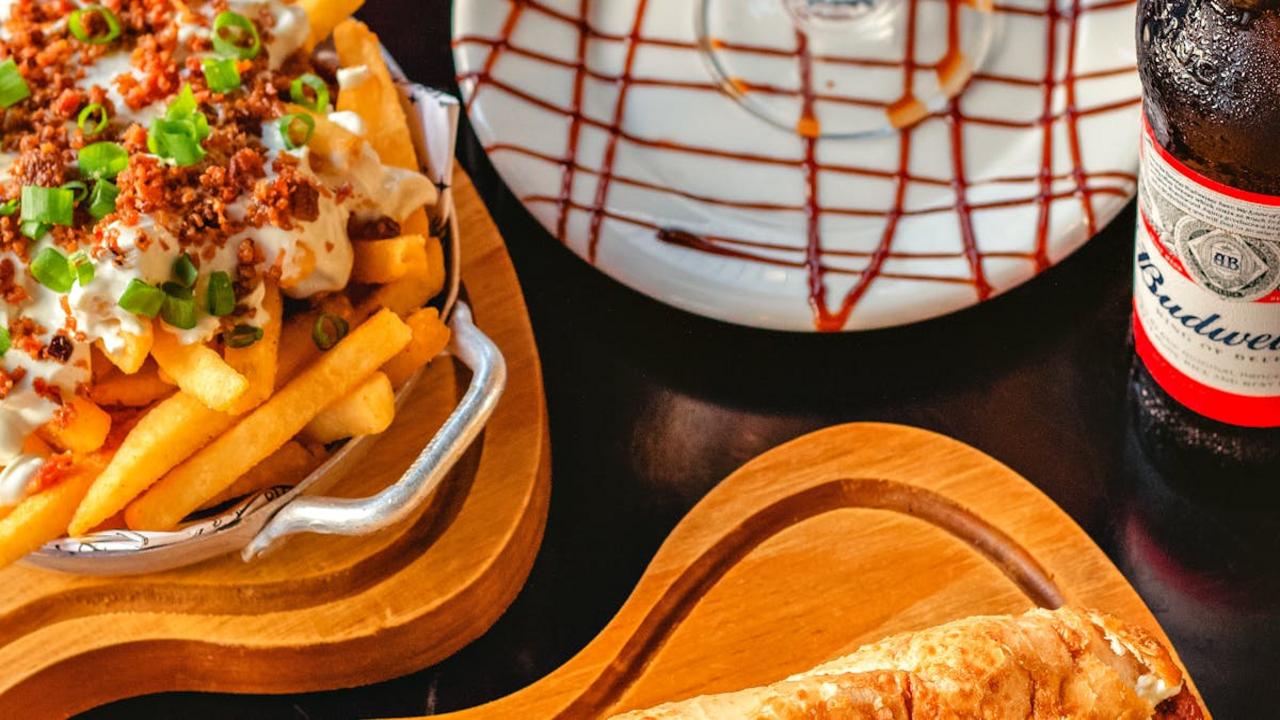
Picture this: you’re staring down a mountain of golden fries drowning in a molten lava of processed cheese sauce and chunky chili that probably contains more sodium than the Dead Sea. Chili cheese fries represent everything nutritionists have nightmares about – a trifecta of deep-fried potatoes, artificial cheese product, and mystery meat chili that somehow manages to pack more calories than most people need in an entire day. One serving can easily clock in at 1,500 calories, which means you’ve basically consumed three meals while convincing yourself it’s just a snack.
The real kicker? That orange cheese sauce flowing over those fries contains enough preservatives to survive a nuclear winter, plus trans fats that your arteries will remember long after you’ve forgotten how amazing they tasted. The chili adds insult to injury with processed meat byproducts and enough salt to make your blood pressure monitor weep. Fun fact: the average order contains about 3,000 milligrams of sodium – that’s more than most people should consume in two full days! Yet somehow, we keep going back for more because our brains are hardwired to crave this perfect storm of fat, salt, and carbs.
Biscuits and Sausage Gravy
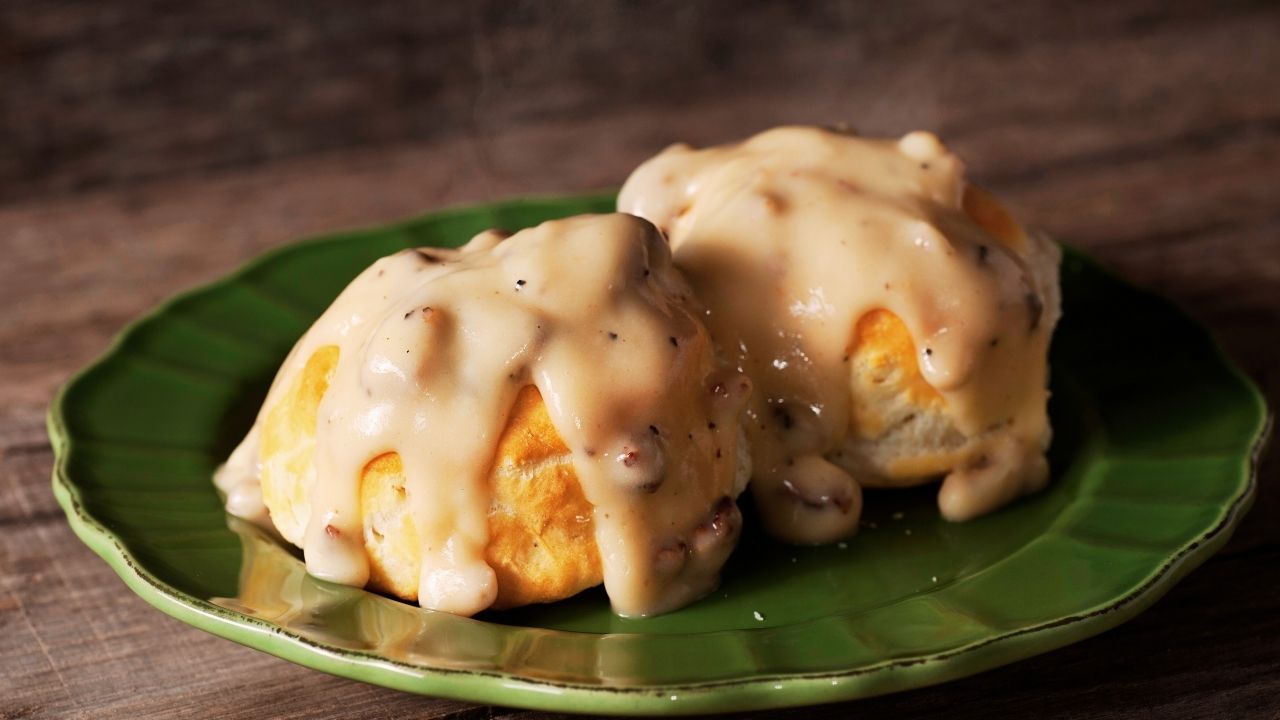
Oh honey, biscuits and sausage gravy – the Southern comfort food that’s basically a warm hug wrapped in carbs and saturated fat! This breakfast beast packs more calories than most people should eat in an entire meal, clocking in around 800-1,000 calories per serving. The biscuits alone are butter bombs made with refined white flour, while that creamy sausage gravy brings a hefty dose of processed pork swimming in whole milk and flour. It’s like your arteries are getting a one-way ticket to Clogville, population: you!
Here’s the kicker – one serving contains about 50 grams of fat (that’s nearly your entire daily allowance) and enough sodium to make your blood pressure monitor weep. The refined carbs cause your blood sugar to spike faster than a rocket ship, then crash harder than my diet plans on a Sunday morning. Sure, it tastes like heaven on a plate, but nutritionists rank this combo as one of the most nutritionally bankrupt breakfast choices you can make. If you’re craving this Southern classic, try making mini versions with turkey sausage and low-fat milk – your taste buds will still party, but your waistline won’t hate you quite as much!
Frozen TV Dinner

Picture this: you stumble home after a marathon day, and there it sits in your freezer like a cardboard-wrapped promise of salvation—the frozen TV dinner. These compartmentalized trays of mystery have been America’s go-to lazy meal since Swanson invented them in 1953, originally created to use up 260 tons of leftover Thanksgiving turkey! But here’s the plot twist your hungry brain doesn’t want to hear: nutritionists rank these convenient catastrophes among the absolute worst foods you can shovel into your mouth. With sodium levels that could de-ice a highway and preservatives that make your food last longer than some marriages, these meals pack more chemicals than a high school science lab.
The real kicker? Most frozen dinners contain enough sodium for three days stuffed into one sad little tray, plus trans fats that your arteries definitely didn’t ask for. That “chicken” might have started life as actual poultry, but after its journey through processing plants, it’s more like chicken-flavored protein putty swimming in a sauce that tastes suspiciously like salt mixed with sadness. Sure, the box shows gorgeous photos of perfectly arranged meals that would make Gordon Ramsay weep with joy, but crack open that plastic film and you’ll find something that looks like it survived a small explosion. Your microwave might heat it up in three minutes, but your body will spend considerably longer trying to figure out what the heck you just fed it!
Mozzarella Sticks
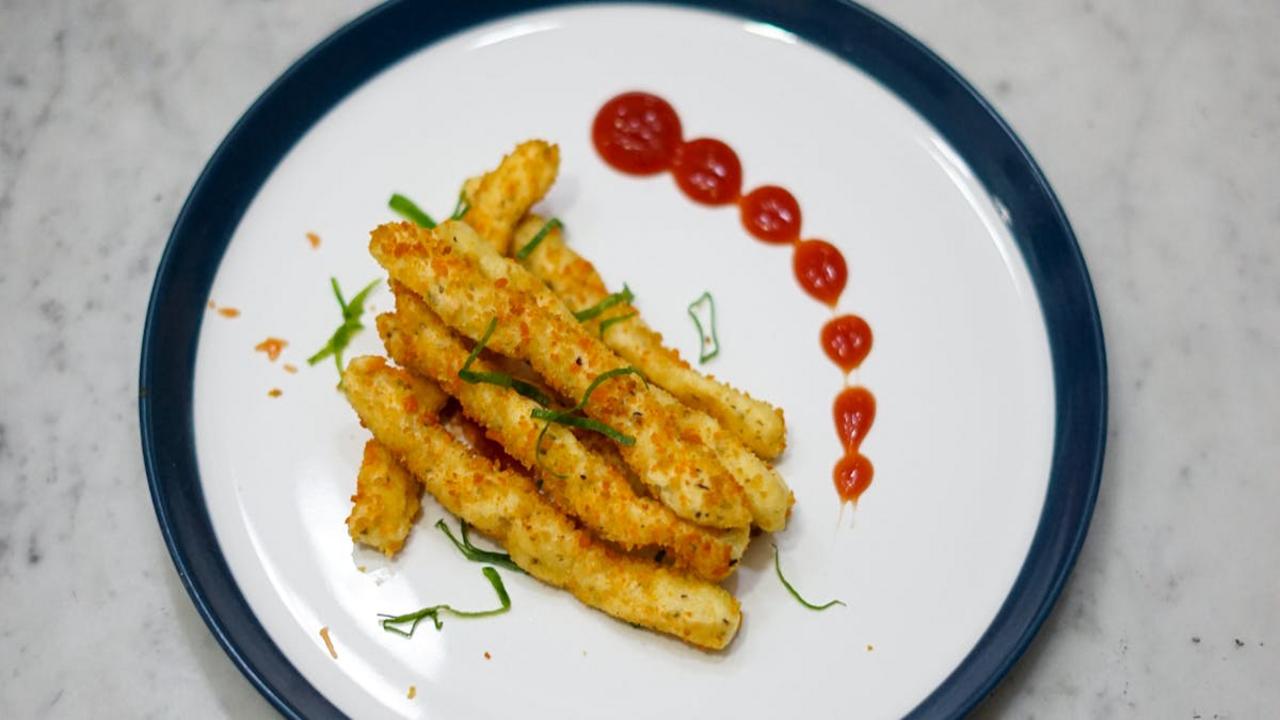
Oh, mozzarella sticks – those golden, crispy logs of pure temptation that make your heart skip a beat and your arteries weep simultaneously! These breaded beauties contain roughly 800 calories per six-stick serving, which is basically a meal’s worth of energy packed into what most people consider an appetizer. The real kicker? Each stick delivers about 20 grams of fat, with nearly half of that being the saturated kind that makes cardiologists everywhere collectively sigh. You’re basically eating cheese wrapped in more cheese (thanks to the Parmesan in the breading), then deep-fried until it reaches that perfect Instagram-worthy cheese-pull moment.
The sodium content hits around 1,400 milligrams per serving – that’s more than half your daily recommended intake before you’ve even touched your main course! Here’s a fun fact that’ll make you chuckle and cry: those mozzarella sticks at your favorite chain restaurant often contain more calories than a McDonald’s Big Mac. The irony is that mozzarella cheese on its own isn’t terrible for you, but once you coat it in breadcrumbs, dunk it in oil hot enough to fry an egg, and serve it with marinara sauce loaded with sugar, you’ve transformed a relatively innocent dairy product into a calorie bomb that explodes on contact with your waistline.
Cheesecake with Caramel Topping
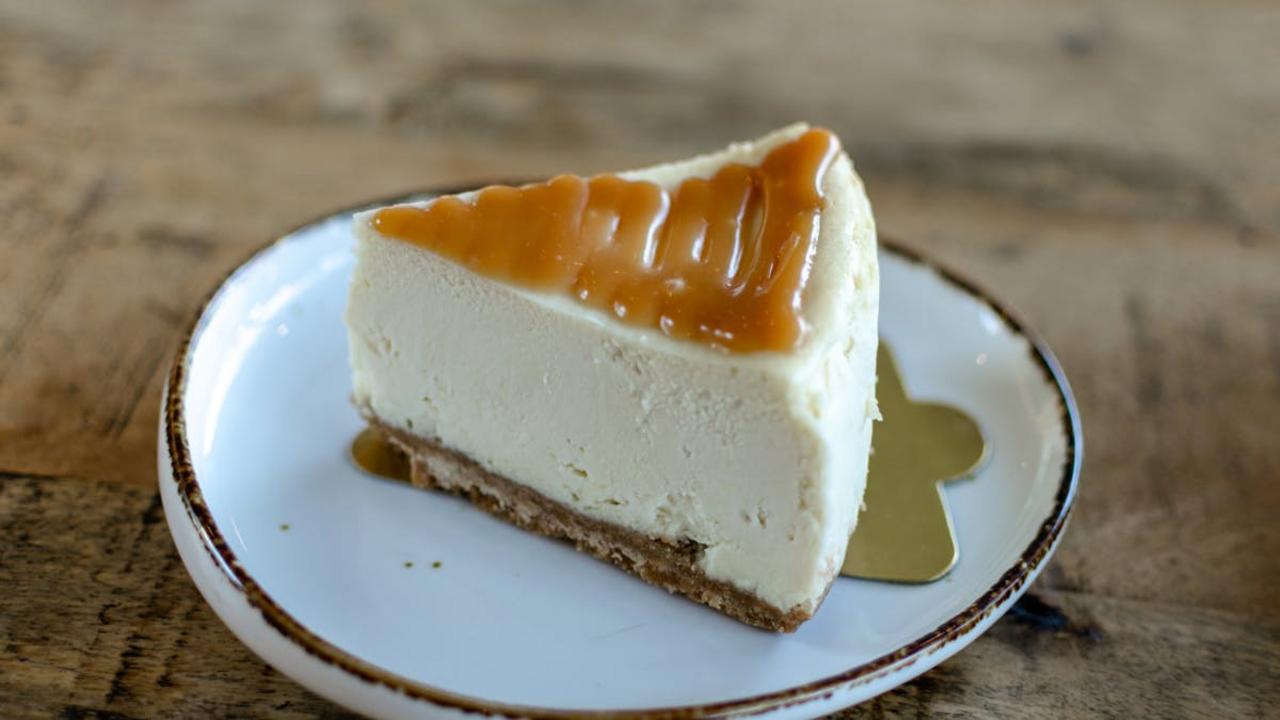
Oh honey, cheesecake with caramel topping isn’t just dessert—it’s basically a triple threat against your waistline disguised as heaven on a plate. This creamy, dreamy monster packs more calories than most people should eat in an entire meal, often clocking in at 800-1,200 calories per slice depending on where you get it. The cream cheese base alone contains enough saturated fat to make your arteries weep, and that’s before we even talk about the sugar-laden graham cracker crust that’s basically cookies pretending to be structural support. Add the caramel drizzle, and you’re looking at a dessert that contains more sugar than a can of soda—sometimes twice as much!
Here’s the kicker: one slice can contain up to 50 grams of sugar and 30 grams of fat, which is like eating a stick of butter rolled in sugar with a side of regret. The caramel topping alone can add another 150-200 calories because it’s essentially liquid candy made from sugar, butter, and cream. I once watched a friend order this “light dessert to share” and proceed to demolish the entire thing herself—and honestly, I couldn’t blame her because it’s basically edible crack. If you absolutely must indulge, try making mini versions at home using Greek yogurt and a touch of honey, but let’s be real: nothing’s going to scratch that caramel cheesecake itch quite like the real deal.
Pepperoni Pizza
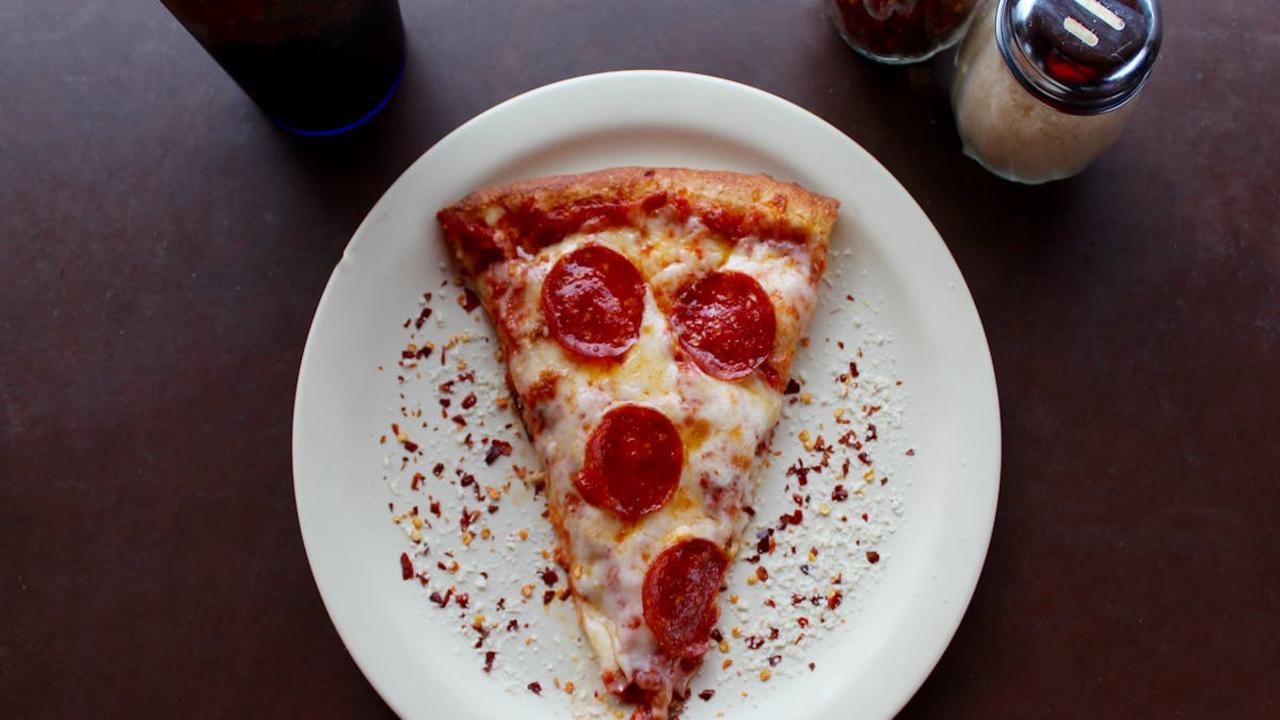
Picture this: you’re staring at that glorious triangle of cheesy, greasy heaven, and your brain whispers sweet lies about how “it’s basically bread and vegetables, right?” Wrong! That innocent-looking slice packs more sodium than the Dead Sea and enough saturated fat to make your arteries file a formal complaint. A single slice from your favorite pizza joint typically contains around 700-900 milligrams of sodium – that’s nearly half your daily limit before you’ve even said “extra cheese, please.” The pepperoni alone contributes about 300 calories and 13 grams of fat, most of it the artery-clogging saturated kind that makes cardiologists weep into their stethoscopes.
But here’s where things get really wild: Americans consume roughly 3 billion pizzas annually, which means we’re collectively downing about 251 million pounds of pepperoni every year. That’s equivalent to the weight of 35 blue whales! The combination of processed meat, refined white flour, and enough cheese to satisfy a small village creates a perfect storm of inflammatory ingredients. Your body treats this trinity like an unwelcome party crasher – blood sugar spikes, inflammation markers go haywire, and your digestive system basically throws up its hands in defeat. If you absolutely must indulge, try loading up on veggie toppings and asking for light cheese, though I know that feels like asking someone to water down their morning coffee.
Chocolate Milkshake
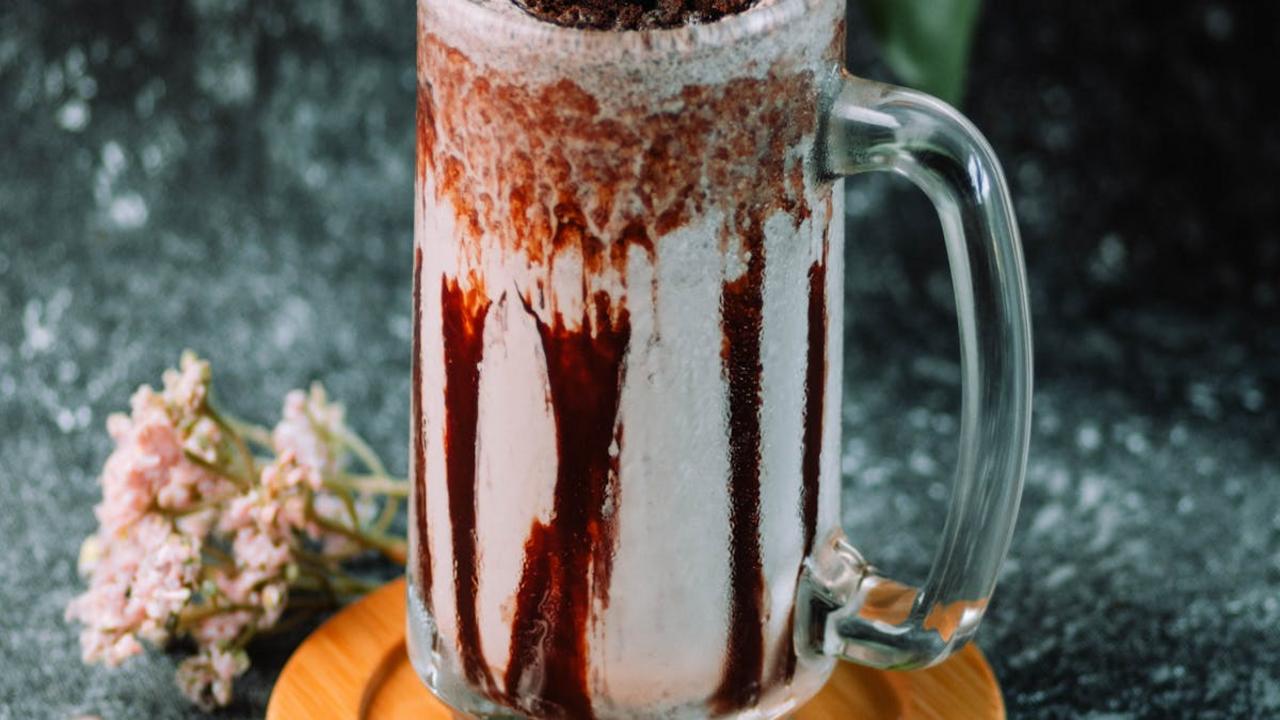
Picture this: you’re staring at a towering glass of chocolate milkshake, complete with whipped cream that defies gravity and a cherry perched on top like a tiny red flag of surrender. That innocent-looking beverage? It’s packing more sugar than a candy store explosion—we’re talking anywhere from 60 to 100 grams of the sweet stuff, which is roughly three to four days’ worth of your recommended sugar intake in one magnificent gulp. Your pancreas sees that milkshake coming and immediately starts drafting its resignation letter. The average fast-food chocolate shake contains more calories than a full meal, often clocking in between 700-1,200 calories of pure liquid indulgence.
Here’s the kicker: your brain doesn’t register liquid calories the same way it does solid food, so you’ll polish off that sugar bomb and still feel hungry enough to order fries on the side. It’s like your stomach has selective amnesia about what just happened. The combination of high-fructose corn syrup, artificial flavors, and enough dairy fat to make a cow weep creates a perfect storm of blood sugar spikes followed by crashes that’ll leave you feeling like you’ve been hit by a dessert truck. Fun fact: the original milkshake was actually a healthy alcoholic drink made with eggs and whiskey in the 1880s—oh, how far we’ve fallen from those boozy, protein-packed origins!
Deep Fried Ice Cream
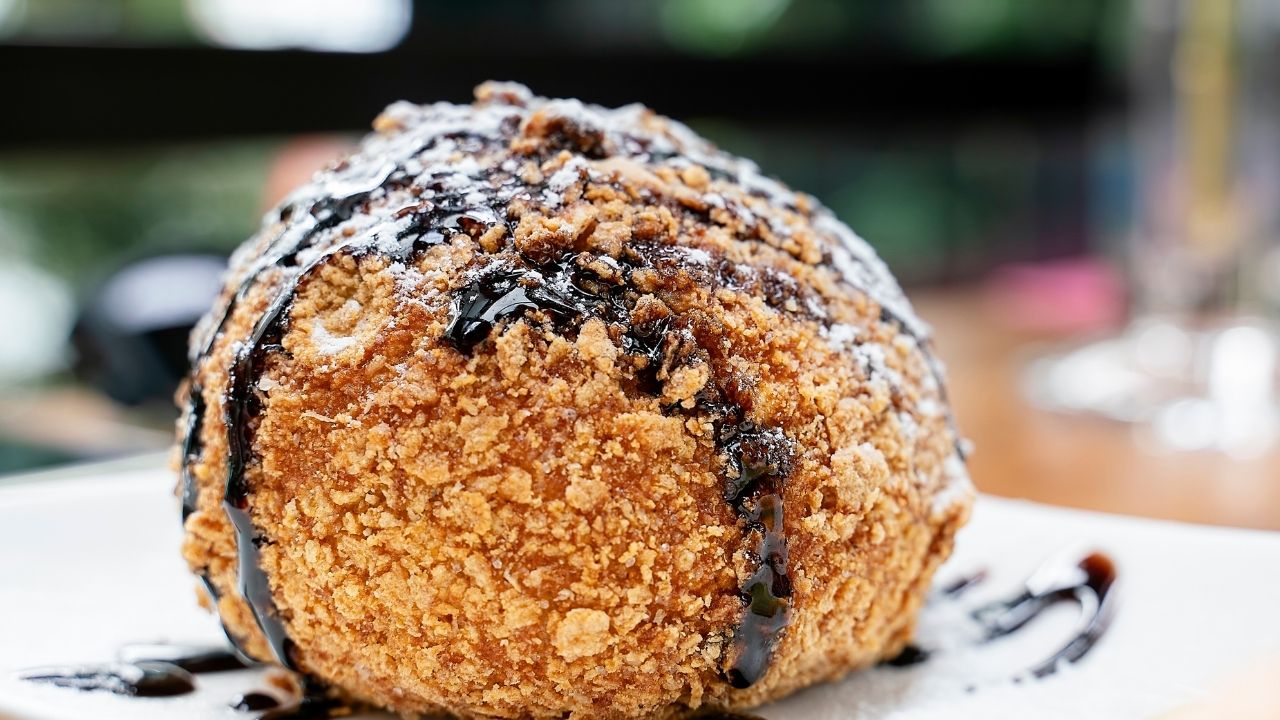
Picture this: someone took perfectly innocent ice cream, wrapped it in cake or cereal crumbs, then dunked the whole thing into a vat of bubbling oil. The result? A dessert so ridiculously indulgent that your pancreas probably files a formal complaint just from looking at it. Deep fried ice cream manages to combine the worst of both worlds – the sugar bomb of ice cream with the grease fest of deep frying. One serving can pack over 400 calories and enough saturated fat to make your cardiologist weep into their stethoscope.
The truly diabolical genius of this dessert lies in its temperature trickery. The hot, crispy exterior meets the cold, creamy center in what feels like a magical moment – until you realize you’ve just consumed what amounts to a stick of butter rolled in sugar and flash-fried. Mexican restaurants popularized this monstrosity in the US, and now it haunts dessert menus everywhere like a delicious ghost of bad decisions. Your best bet? Stick to regular ice cream if you need that sweet fix, or better yet, try frozen yogurt with fresh berries. Your future self will thank you when you’re not explaining to your doctor why your cholesterol levels suddenly resemble a phone number.
Fried Chicken Wings

Oh, fried chicken wings – the finger-licking fantasy that transforms even the most dignified adults into sauce-covered savages at Buffalo Wild Wings. These crispy little devils pack around 100 calories per wing, and here’s the kicker: who stops at just one? Your average wing night involves at least eight wings, which means you’re looking at 800 calories before you even think about that side of loaded nachos. The deep-frying process transforms these innocent bird appendages into greasy bombs loaded with saturated fat, while the sticky sauces add mountains of sodium and sugar that would make your blood pressure monitor weep.
The real tragedy? Wings weren’t always the nutritional villains they are today. Back in 1964, Teressa Bellissimo invented Buffalo wings at the Anchor Bar in Buffalo, New York, as a late-night snack for her son and his friends – she just tossed some wings in hot sauce and butter. Now we’ve got flavors ranging from “Blazin'” to “Honey BBQ Boneless Bonkers” that require hazmat suits to consume safely. The worst part is how these little guys trick your brain – they’re so small you think you’re being reasonable, but before you know it, you’ve demolished a dozen wings and consumed more calories than a lumberjack needs for breakfast.
Loaded Nachos
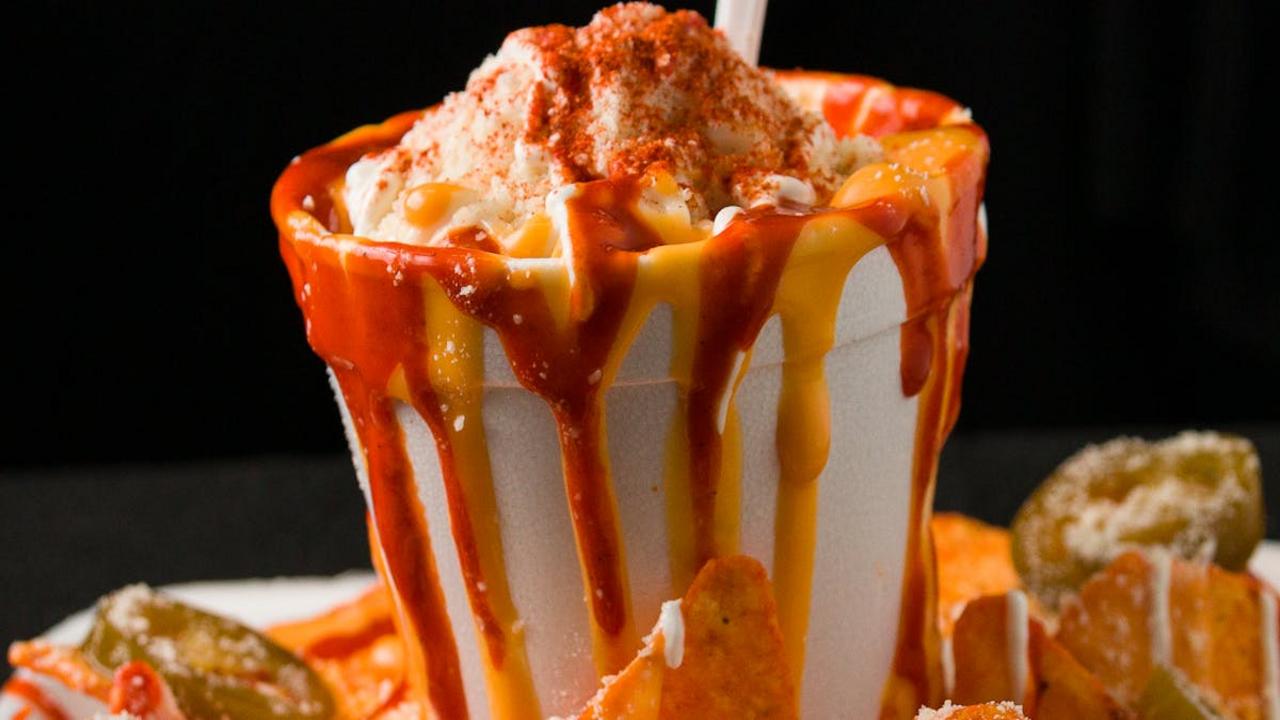
Picture this: you’re staring at a mountain of tortilla chips drowning in a molten cheese waterfall, topped with enough sour cream to fill a small bathtub and jalapeños that could probably power a small city with their sodium content. Loaded nachos are basically what happens when someone takes perfectly innocent corn chips and decides to throw nutritional caution straight out the window. The average plate packs around 1,500 calories – that’s more than most people should eat in an entire day! The cheese alone contains enough saturated fat to make your arteries send you a strongly worded letter of complaint.
Here’s the kicker: most restaurant versions use processed cheese sauce that’s basically liquid sodium with a side of artificial everything. Add ground beef swimming in grease, refried beans loaded with lard, and enough salt to de-ice a highway, and you’ve got yourself a nutritional nightmare that tastes like heaven. One serving can contain over 3,000 milligrams of sodium – that’s more than double your daily limit! Your poor kidneys will be working overtime trying to process all that salt while your stomach stretches to accommodate what’s essentially a week’s worth of calories disguised as a “snack.” But hey, at least they’re shareable, right? Right?!
Fettuccine Alfredo
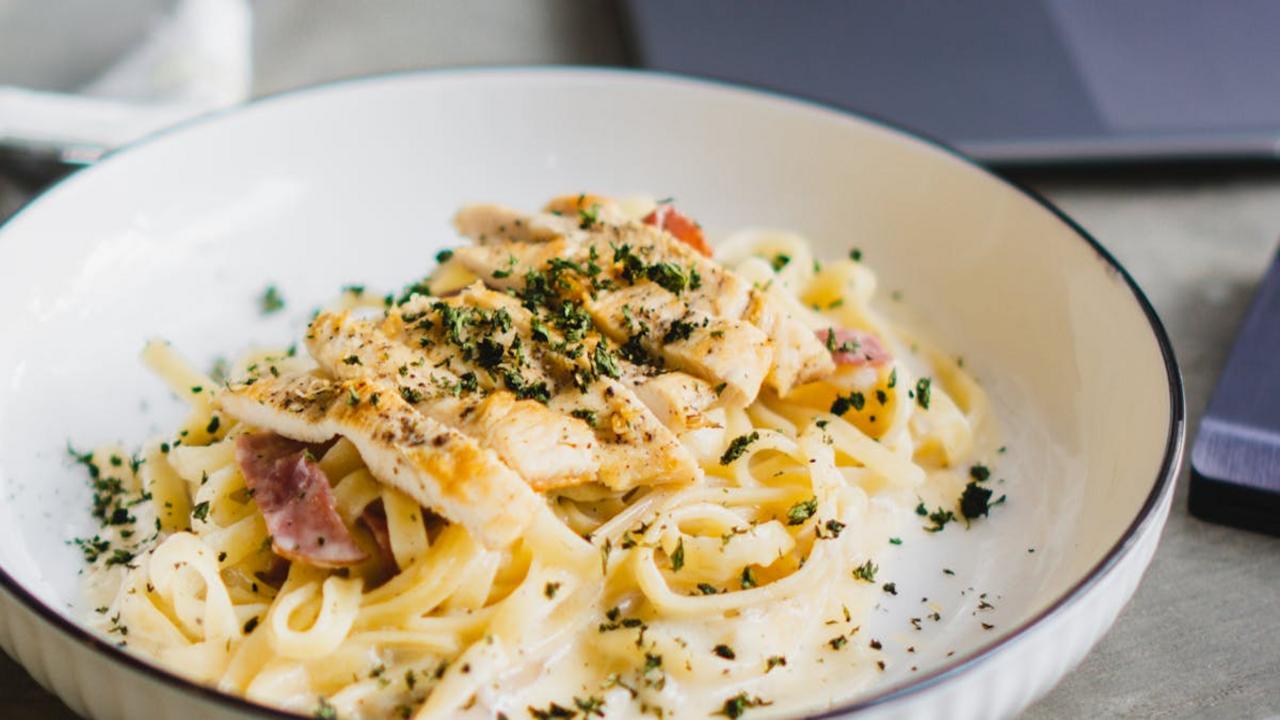
Picture this: silky ribbons of pasta drowning in a sea of heavy cream, butter, and Parmesan cheese that’s so rich it practically requires a lifeguard on duty. Fettuccine Alfredo didn’t even exist in Italy until American tourists kept demanding it – turns out we invented this calorie bomb and then convinced ourselves it was authentically Italian! One generous restaurant portion can pack over 1,200 calories and enough saturated fat to make your arteries file a formal complaint. The original Roman version was just butter and cheese tossed with hot pasta water, but somewhere along the way, we decided that wasn’t indulgent enough and added heavy cream by the cupful.
Here’s the kicker – most restaurants use processed cheese sauce instead of real Parmesan, turning what could be a simple (if heavy) dish into a sodium-loaded science experiment. Your typical chain restaurant version contains more calories than three Big Macs and enough sodium to preserve a small fish. The irony? Real Italian nonnas would probably chase you with a wooden spoon for calling this disaster “Italian food.” If you’re craving something creamy, try making a lighter version at home with Greek yogurt, real Parmesan, and a splash of pasta water – your waistline will thank you, and you won’t need a nap after lunch!
Bacon Double Cheeseburger
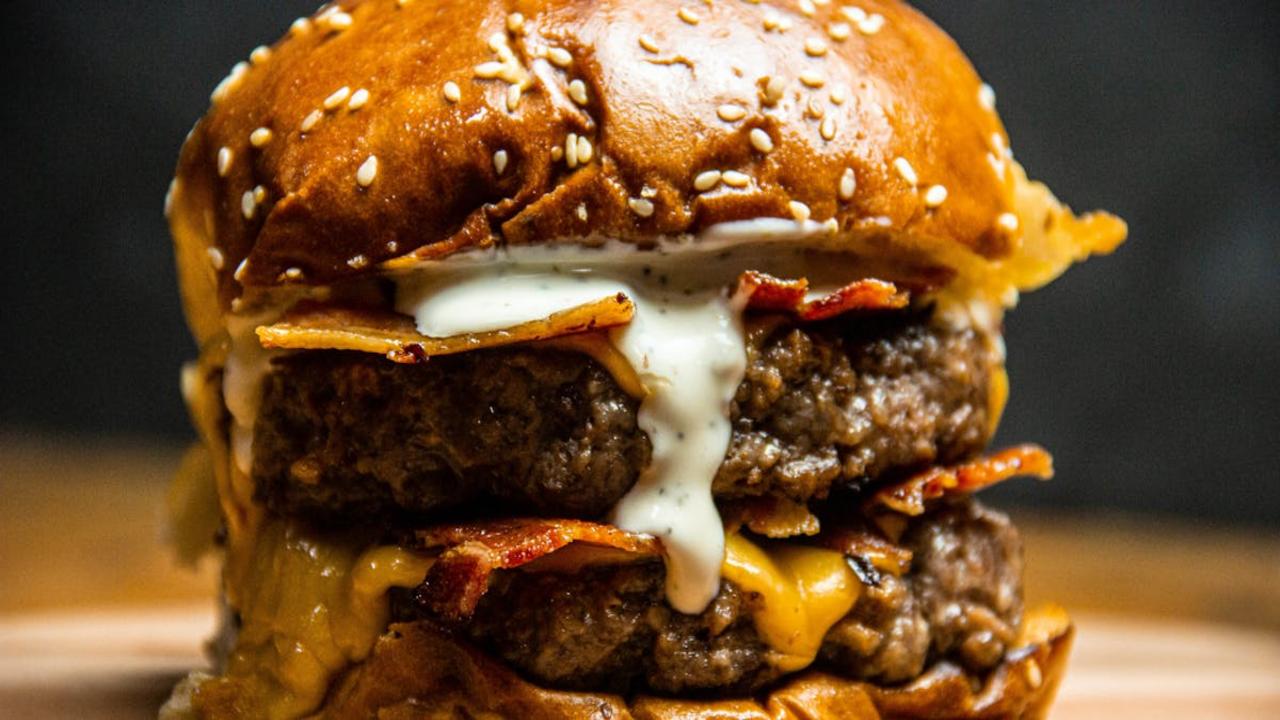
The bacon double cheeseburger stands as America’s most gloriously excessive fast-food creation, a towering monument to the “why have one when you can have two” philosophy. This beast typically packs around 1,100 calories, which is more than half your daily caloric needs before you even think about those fries sitting next to it. Picture this: two beef patties, each swimming in their own grease, crowned with strips of bacon that have been cured with enough sodium to make your blood pressure monitor weep, all sandwiched between processed cheese slices that probably glow in the dark.
What makes nutritionists shake their heads isn’t just the calorie count—it’s the trifecta of doom this burger delivers. You’re looking at roughly 70 grams of fat (that’s your entire day’s worth), about 2,000 milligrams of sodium (hello, water retention!), and enough saturated fat to make your arteries file a formal complaint. Here’s a fun fact: the average bacon double cheeseburger contains more sodium than you’d find in 10 bags of potato chips. Yet somehow, this culinary catastrophe remains irresistible, probably because our brains are hardwired to crave that perfect storm of salt, fat, and umami that makes us temporarily forget about tomorrow’s regrets.