14 Italian Winter Dishes You’ll Crave More Than American Comfort Food
Forget mac and cheese – Italy’s winter comfort food will make you question every cozy meal you’ve ever loved. While Americans reach for casseroles and soup cans, Italians transform simple ingredients into soul-warming masterpieces that have kept families happy for centuries.
Picture this: steaming bowls of ribollita so thick your spoon stands upright, or osso buco that falls off the bone like butter. These aren’t just recipes – they’re edible hugs from Italian nonnas who perfected each dish through generations of cold Alpine winters and chilly Tuscan evenings.
From creamy polenta crowned with earthy porcini mushrooms to tortellini floating in golden broth, these fourteen dishes prove that Italian winter cooking goes far beyond pizza and spaghetti. Get ready to discover why Italians never needed pumpkin spice to survive the cold months.
Cotechino con Lenticchie
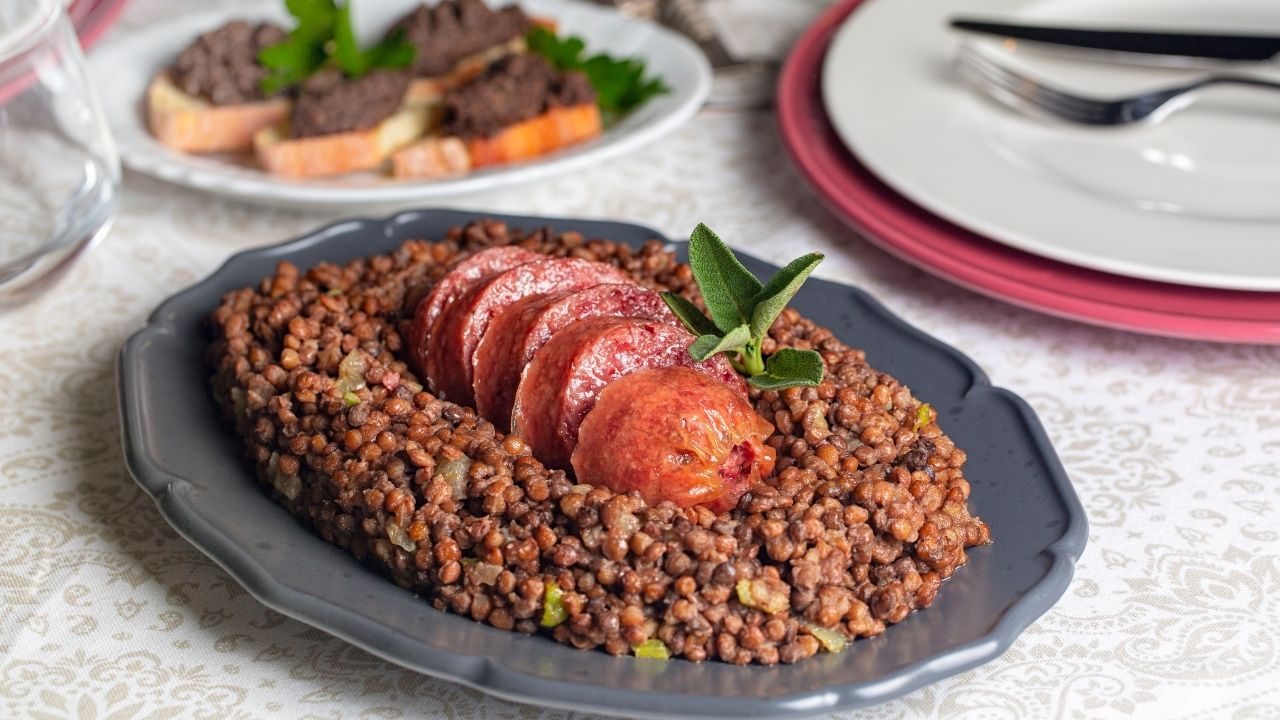
Picture this: you’re sitting around an Italian dinner table on New Year’s Eve, and someone plops down what looks like a giant, glistening sausage next to a mound of tiny green coins. That’s cotechino con lenticchie, and it’s basically Italy’s way of saying “screw your black-eyed peas, we’ve got the real lucky food.” This thick, gelatinous pork sausage gets its name from “cotica” (pork rind), and trust me, it’s as wonderfully weird as it sounds. The texture might catch you off guard at first – it’s dense, almost bouncy, with chunks of fat that melt on your tongue like savory butter.
The lentils aren’t just sidekicks here; they’re the financial advisors of this dish. Italians believe eating them on New Year’s brings prosperity because they look like tiny coins, which is honestly more logical than most New Year’s traditions. You simmer the cotechino for hours until it’s tender enough to slice with a butter knife, then serve it over a bed of perfectly cooked lentils that have absorbed all the sausage’s rich, porky essence. The combination creates this incredibly satisfying, stick-to-your-ribs meal that makes you understand why Italians have been starting their new years with this for centuries. It’s comfort food with a purpose, and frankly, way more interesting than your average hot dog.
Vitello Tonnato
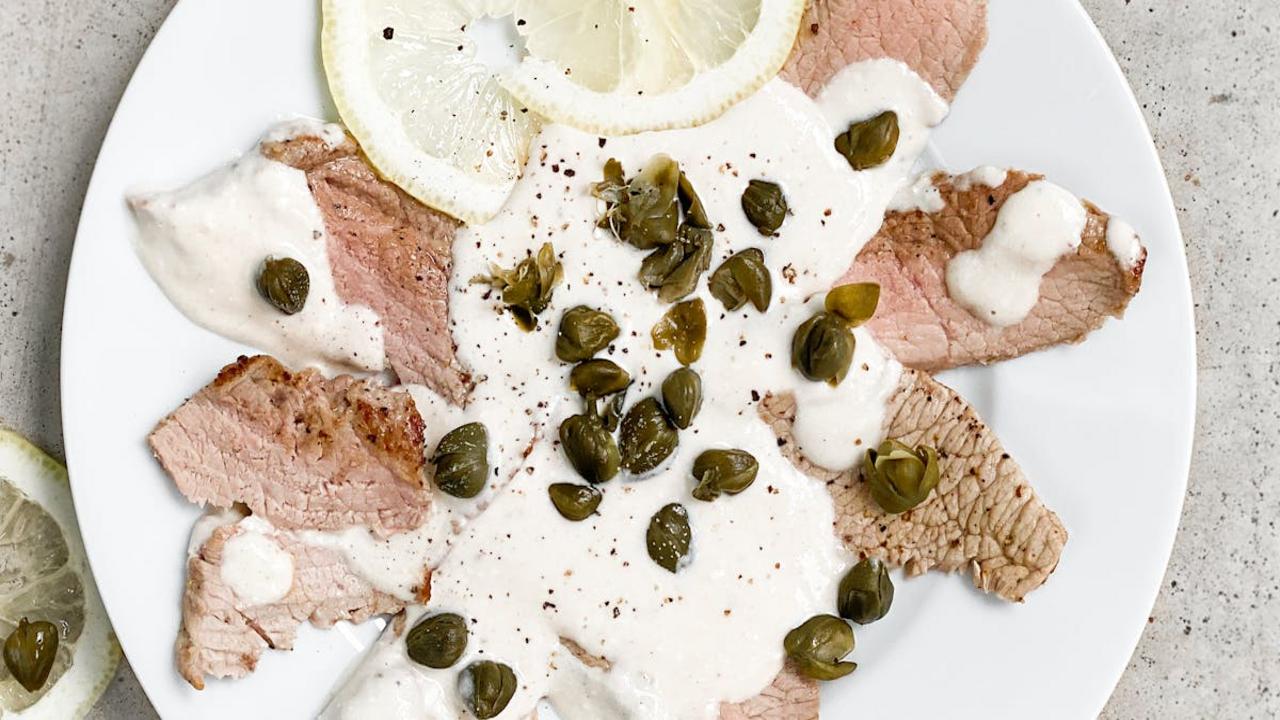
Picture this: you’re at an Italian Christmas table, and someone places what looks like delicate slices of pale meat draped in creamy sauce before you. Your American brain might think “weird tuna casserole,” but hold that judgment! Vitello tonnato combines cold, tender veal with a silky tuna-based sauce that sounds absolutely bonkers until you taste it. This Piemontese classic proves Italians have been mixing surf and turf since way before it became trendy. The dish originated in the 18th century when creative cooks decided to stretch expensive veal by pairing it with preserved tuna – talk about making magic from necessity!
The genius lies in that sauce: tuna gets blended with mayonnaise, anchovies, capers, and lemon juice until it becomes this velvety, umami-packed dream that makes the mild veal sing opera. You’ll find yourself scraping every last drop from your plate like some sort of sophisticated savage. The key? Good-quality canned tuna (Italians aren’t snobby about this) and paper-thin veal slices that practically melt on your tongue. Serve it at room temperature with a crisp white wine, and watch your guests’ faces transform from skeptical to absolutely smitten. Trust me, once you try this winter wonder, your boring leftover turkey will never look the same again.
Pasta al Forno
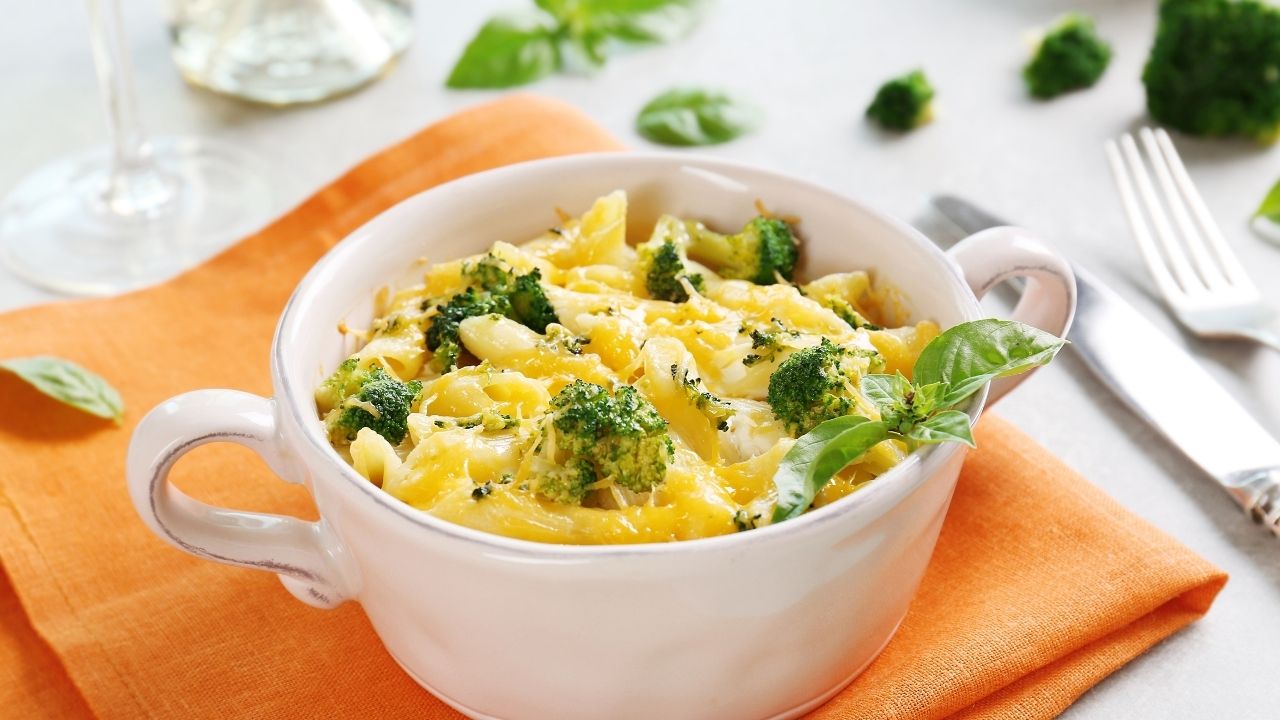
Picture this: you’re shivering in your apartment, wearing three sweaters and questioning your life choices, when suddenly the aroma of bubbling cheese and perfectly baked pasta wafts through the air. That’s Pasta al Forno working its magic—Italy’s answer to everything wrong with winter. This baked pasta masterpiece takes whatever pasta shape you’ve got hanging around (rigatoni, penne, or even leftover spaghetti if you’re feeling rebellious) and transforms it into a golden, crusty-topped symphony of comfort. The Sicilians claim they invented it, the Romans insist it’s theirs, and honestly, I don’t care who’s right because I’m too busy scraping every last bit from the casserole dish.
What makes Pasta al Forno absolutely genius is its “clean out the fridge” mentality—you layer cooked pasta with whatever sauce strikes your fancy (ragù, tomato, or béchamel), toss in some mozzarella, sprinkle Parmigiano-Reggiano on top, and let your oven do the heavy lifting. The result? A crispy, golden top that gives way to molten cheese and tender pasta underneath. Fun fact: Italian nonnas have been perfecting this dish for centuries, often making massive portions on Sundays so the family could reheat slices throughout the week. Smart women knew that happiness comes in rectangular baking dishes, and frankly, they were onto something revolutionary.
Canederli
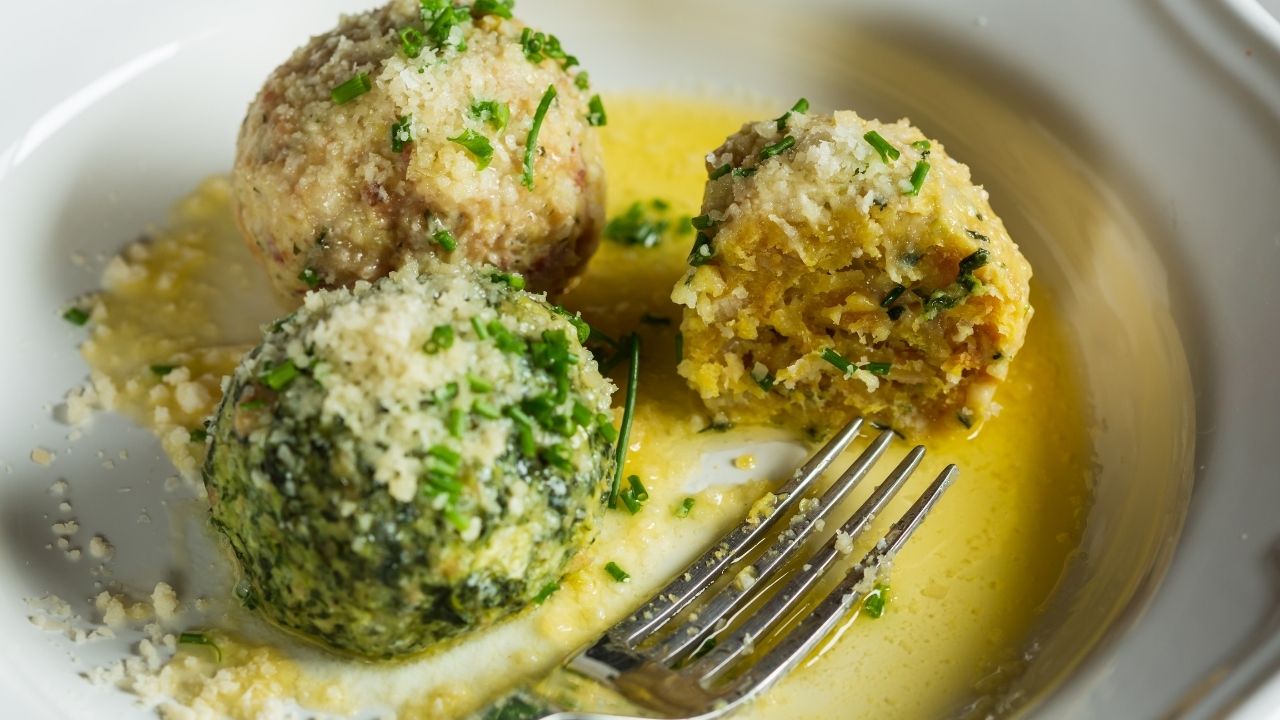
Picture this: you’re wandering through the snowy streets of South Tyrol, and someone hands you what looks like a tennis ball made of bread. Before you can ask “What the heck is this?”, you bite into pure comfort heaven. Canederli are Italian bread dumplings that laugh in the face of your basic meatball – these babies pack day-old bread, eggs, milk, and whatever magical ingredients the nonna felt like throwing in that day. Some come stuffed with speck (that’s fancy Italian bacon to you), others hide chunks of cheese, and the rebellious ones go full vegetarian with spinach. They’re like snowballs that actually taste good and won’t give you frostbite.
Here’s the kicker – canederli started as poverty food, a genius way to use up stale bread instead of tossing it in the trash. Now they’re the crown jewel of Alto Adige cuisine, floating majestically in rich broth or swimming in melted butter like they own the place. Making them requires the patience of a saint and the technique of a surgeon – too much liquid and they fall apart like a bad relationship, too little and you’re chewing rubber. The secret lies in letting the bread mixture rest (yes, even dumplings need their beauty sleep), then rolling them with wet hands while whispering sweet Italian encouragements. Trust me, your taste buds will thank you for this alpine adventure.
Brasato al Barolo
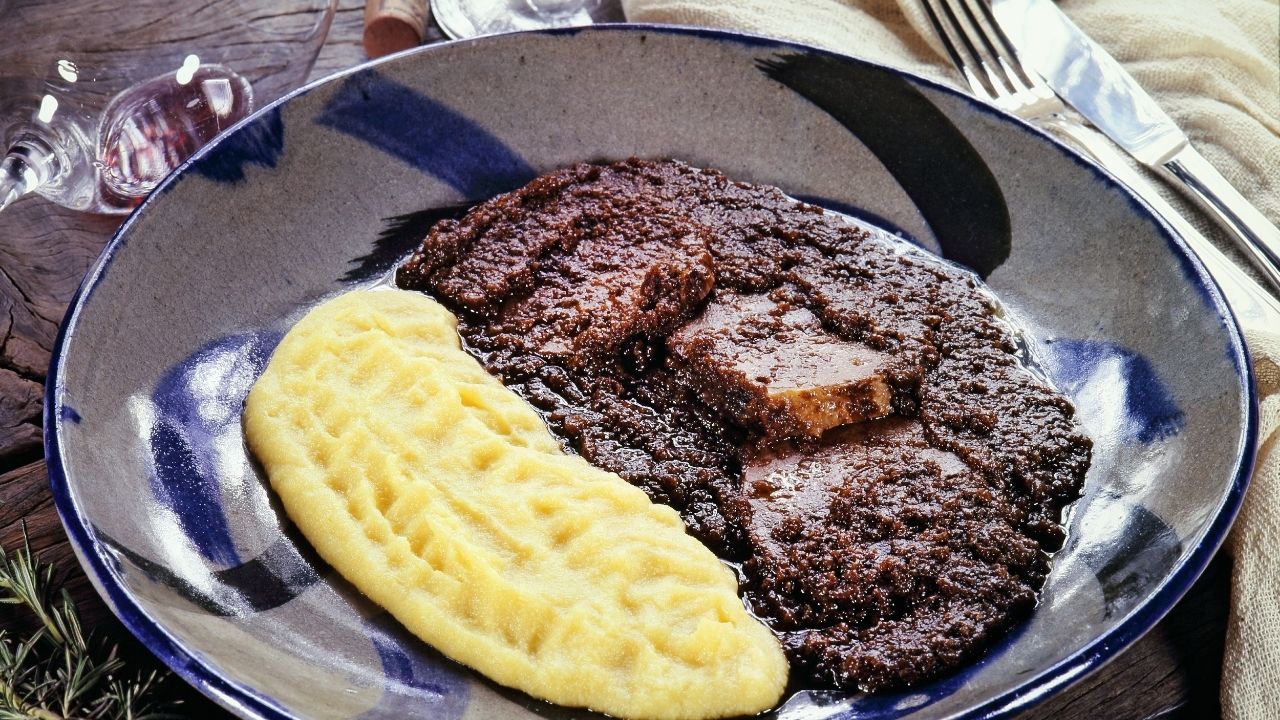
Picture this: you’re trudging through Turin’s cobblestone streets in January, snow crunching under your boots, when suddenly the most intoxicating aroma stops you dead in your tracks. That, my friend, is brasato al Barolo working its magic from some cozy trattoria window. This Piedmontese masterpiece takes a tough cut of beef—usually chuck roast or bottom round—and transforms it through the alchemy of Italy’s most prestigious wine into something so tender you could cut it with a fork made of breadsticks.
The genius lies in the slow braising process that can take up to four hours, during which an entire bottle of Barolo wine mingles with aromatic vegetables and herbs to create a sauce so rich and complex it makes grown Italians weep with joy. Fun fact: traditional recipes call for marinating the meat in Barolo for 24 hours before cooking, which means this dish costs more than some people’s monthly Netflix subscription. But here’s the kicker—the wine’s tannins break down the tough muscle fibers while infusing every morsel with deep, earthy flavors that taste like the Italian countryside decided to throw a party in your mouth. Serve it with creamy polenta or buttery mashed potatoes, and you’ve got yourself a winter meal that makes American pot roast look like it’s still in training wheels.
Zuppa di Farro
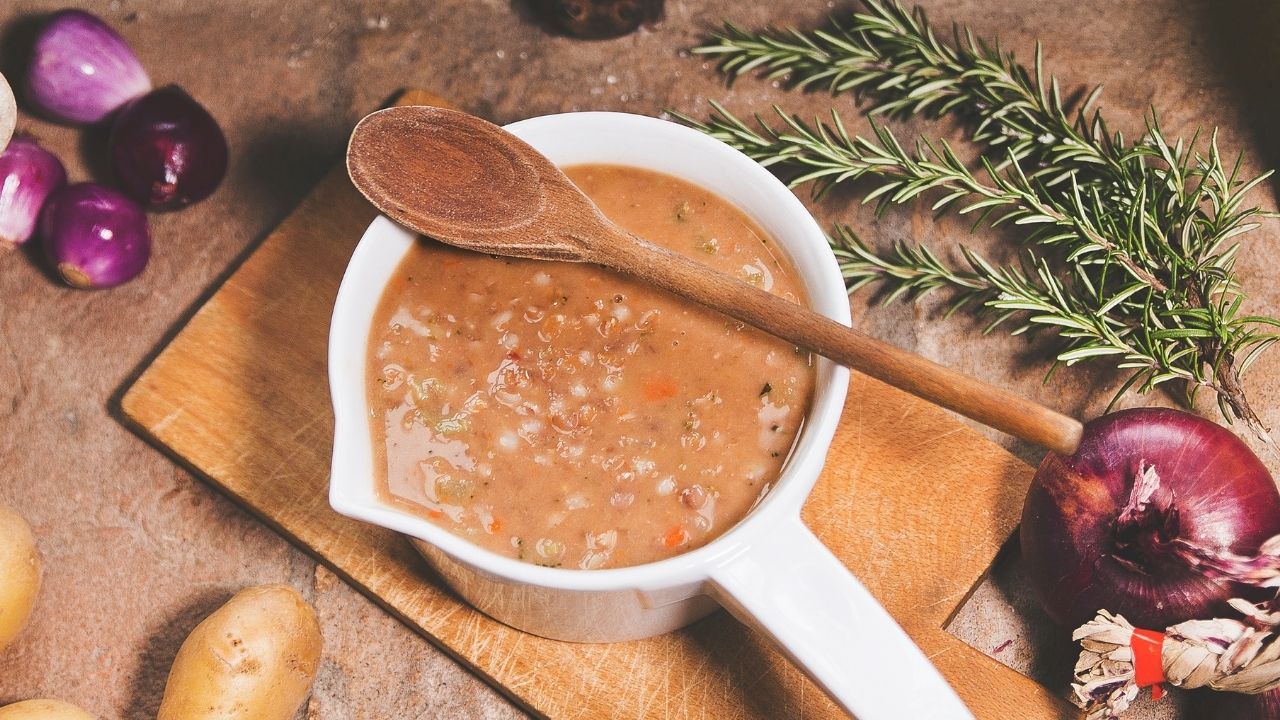
Picture this: you’re wandering through a medieval Tuscan village on a bone-chilling January evening, and suddenly you catch a whiff of something so comforting it makes you want to knock on a stranger’s door and beg for a bowl. That’s Zuppa di Farro for you – a hearty soup that transforms humble spelt grains into pure winter magic. This ancient grain soup has been warming Italian souls since Roman times, when soldiers would carry farro in their packs because it packed more nutritional punch than a modern energy bar ever could.
What makes this soup absolutely irresistible is how the nutty, chewy farro absorbs all the flavors around it like a tiny sponge party. Toss in some cannellini beans, diced tomatoes, aromatic herbs, and maybe some pancetta if you’re feeling rebellious, and you’ve got yourself a bowl of liquid comfort that puts chicken noodle soup to shame. The best part? Farro actually gets better the next day, making this the perfect make-ahead meal for when you want to impress dinner guests without breaking a sweat. Just don’t tell them how ridiculously easy it was to make – some secrets are worth keeping!
Tortellini in Brodo
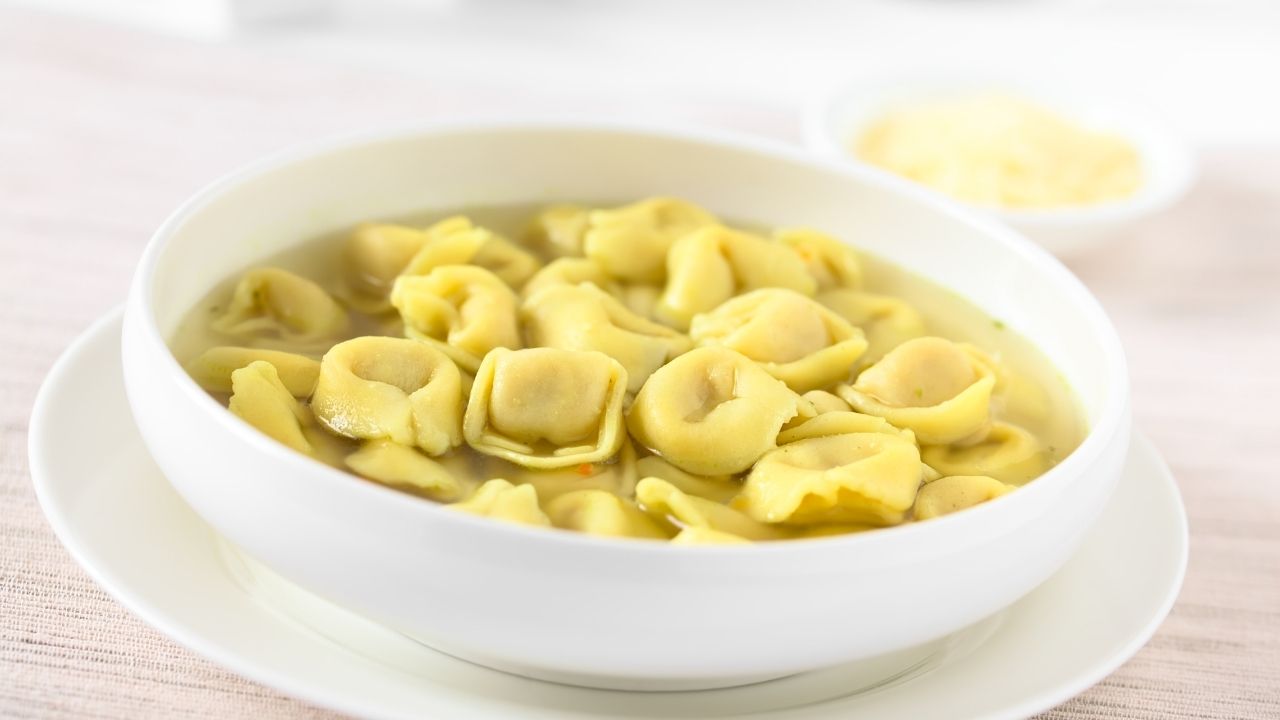
Picture this: you’re hunched over a steaming bowl of golden broth, watching tiny pasta parcels bob like edible life rafts in a sea of pure comfort. Tortellini in brodo isn’t just soup—it’s what happens when Italian grandmothers decide to wrap love in pasta dough and float it in liquid gold. Legend says these little belly-button-shaped beauties were inspired by Venus’s navel (talk about food porn!), but honestly, they taste way better than any mythological anatomy should. Each tortellini holds a secret treasure of pork, prosciutto, and Parmigiano-Reggiano that bursts on your tongue like a tiny flavor bomb.
The broth itself deserves its own standing ovation—we’re talking about a clear, amber elixir made from slowly simmered beef, chicken, and vegetables that takes hours to perfect. In Bologna, where this dish was born, families guard their tortellini-making techniques like state secrets, passing down the precise hand movements from generation to generation. You know you’ve hit the jackpot when the pasta is rolled so thin you can read a newspaper through it, then folded with the kind of precision that would make origami masters weep. One spoonful and you’ll understand why this isn’t just winter food—it’s edible therapy that makes every cold day feel like a warm hug from Italy itself.
Cassoeula
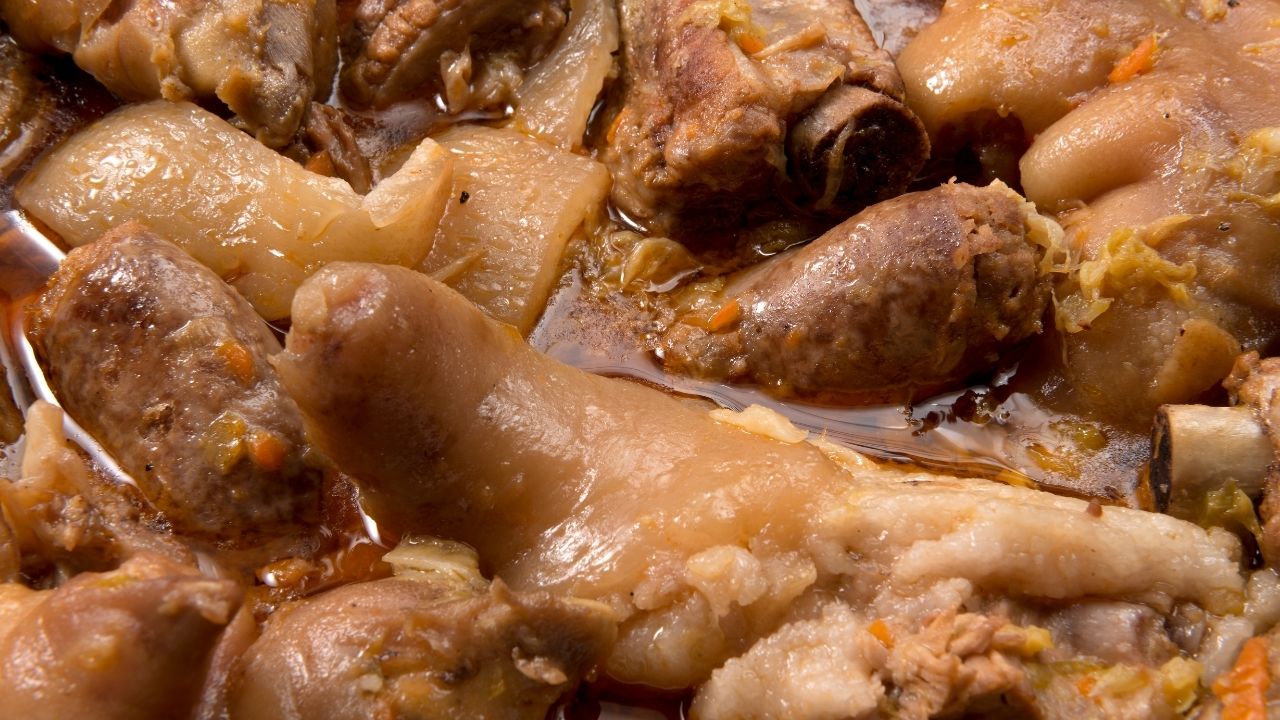
Picture this: it’s January in Milan, the fog rolls in thick as cream, and your Italian nonna is stirring a pot that smells like pure magic mixed with something you’re not entirely sure you want to identify. That’s cassoeula, my friend – Milan’s winter masterpiece that transforms humble cabbage and various pig parts into something so ridiculously good, you’ll question everything you thought you knew about comfort food. This isn’t your delicate, Instagram-worthy dish; this is peasant food that punches you in the face with flavor and leaves you begging for more. The Milanese traditionally serve this beast of a stew during the coldest months, specifically around the feast of Sant’Antonio on January 17th, because apparently even saints need something hearty to get through the brutal northern Italian winter.
Now, here’s where things get interesting – cassoeula contains every part of the pig except the oink, including ears, trotters, ribs, and sometimes even the tail, all slow-cooked with Savoy cabbage until everything falls apart in the most beautiful way possible. The recipe varies from family to family, with some adding carrots and celery, others throwing in a splash of wine, but the constant remains: this dish requires patience and a serious commitment to pork. You start this baby in the morning and let it simmer for hours, filling your entire house with aromas that will have your neighbors mysteriously appearing at your door with empty bowls. Fair warning though – this isn’t a first-date meal unless you’re really confident in your relationship, because eating cassoeula is messy, primal, and absolutely glorious.
Trippa alla Fiorentina
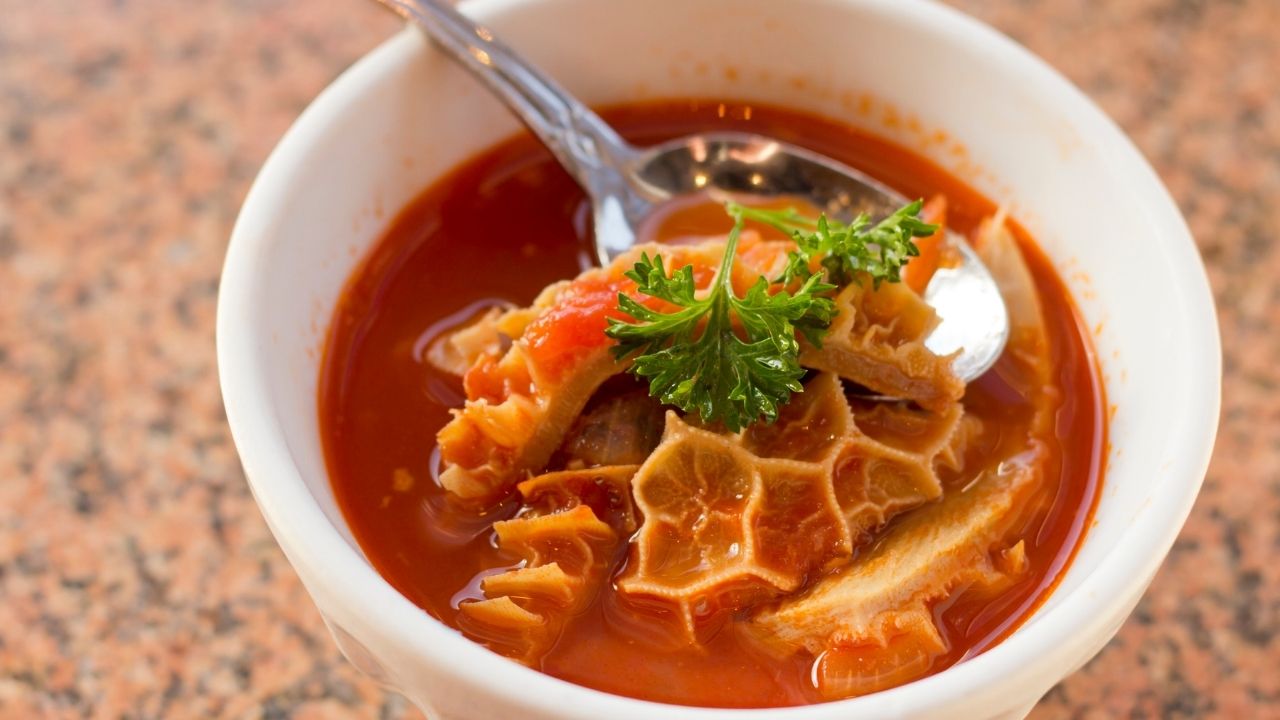
Now here’s where things get wonderfully weird in the best possible way! Trippa alla Fiorentina is Florence’s legendary tripe dish that transforms what most Americans consider “scary organ meat” into pure comfort food gold. Picture tender strips of beef stomach simmered in a rich tomato sauce with carrots, celery, onions, and a generous shower of Parmigiano-Reggiano cheese. Before you wrinkle your nose, remember that Florentines have been perfecting this recipe since the Renaissance – they wouldn’t keep making it if it wasn’t absolutely divine.
The secret lies in the slow, patient cooking process that turns what starts as chewy tripe into silky, fork-tender ribbons that soak up all that gorgeous sauce. Street vendors in Florence serve this from little carts called “lampredotto” stands, ladling it into crusty rolls for the ultimate working-class lunch. Fun fact: tripe is packed with protein and collagen, making it both satisfying and surprisingly good for your skin! The Florentine version gets a final flourish of fresh herbs and sometimes a splash of white wine. Trust me, once you try this soul-warming dish on a cold winter day, you’ll understand why Italians get genuinely offended when people dismiss organ meats without giving them a proper chance.
Gnocchi alla Romana
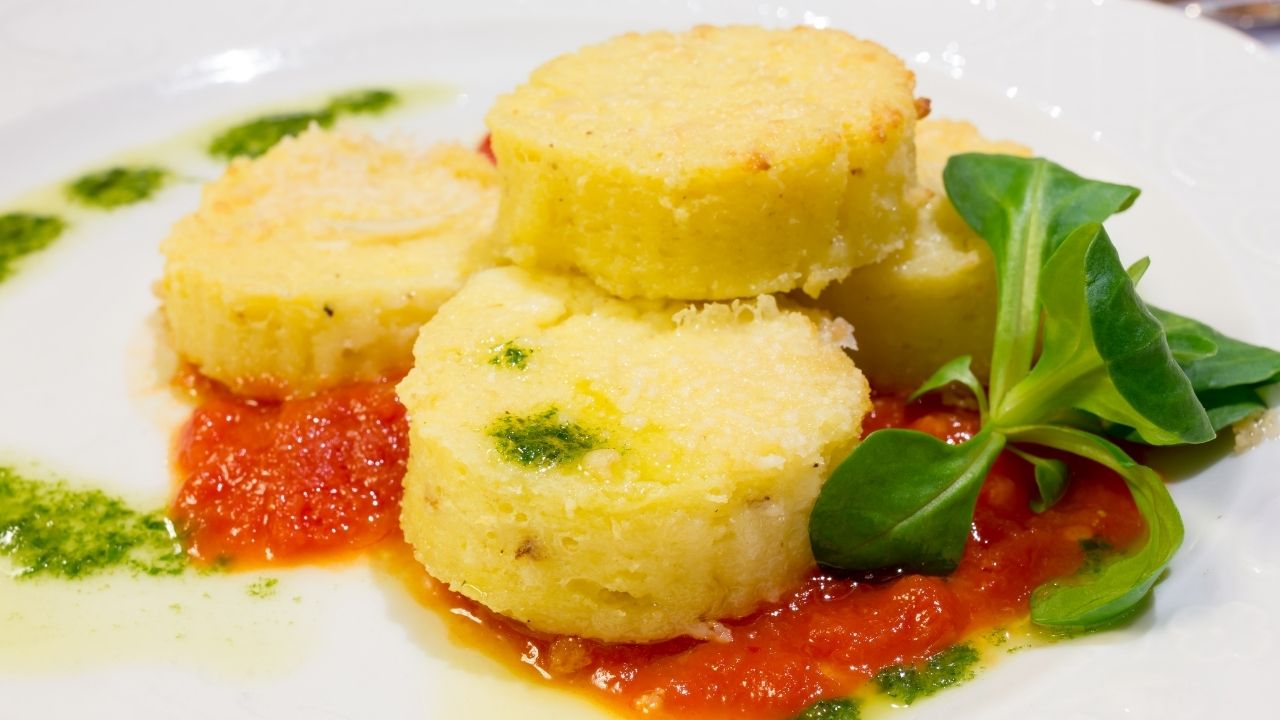
Forget everything you think you know about gnocchi – this Roman version will completely flip your pasta world upside down! Instead of those little potato pillows we’re used to, Gnocchi alla Romana transforms semolina flour into golden, cheesy discs that get baked until they’re crispy on the edges and creamy in the center. Picture thick semolina porridge enriched with butter, Parmigiano-Reggiano, and egg yolks, then spread flat, cut into circles, and arranged like overlapping coins in a baking dish before getting a final shower of cheese and a trip to the oven.
This dish dates back to ancient Rome, where resourceful cooks discovered that leftover semolina could become something magnificent with just a few pantry staples. The texture is pure magic – each disc has a slight chew that gives way to molten cheese, creating comfort food that’s both rustic and refined. Romans traditionally serve this on Thursdays (because apparently even weekdays deserve special treatment), and once you try making these at home, you’ll understand why they’ve kept this weekly tradition alive for centuries. The best part? You can prep the whole thing ahead of time and just pop it in the oven when hunger strikes!
Pasta e Fagioli
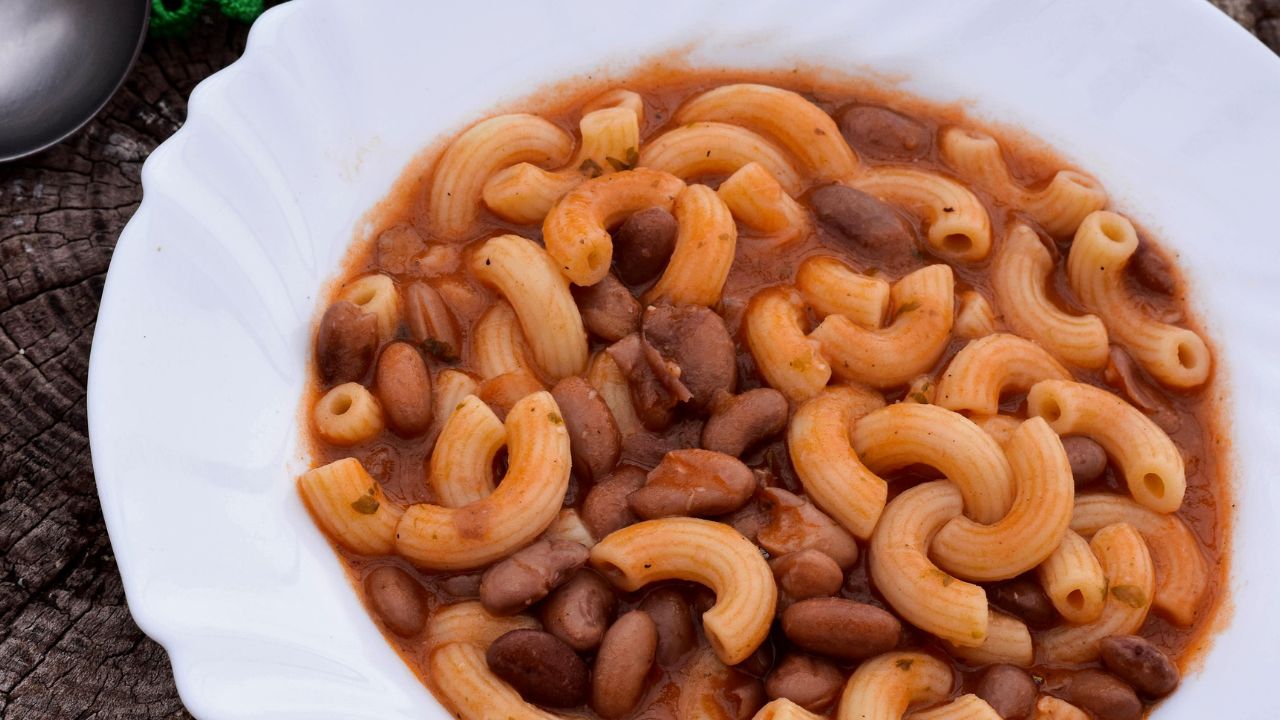
Picture this: you’re sitting in a tiny Roman trattoria on a February evening, and the waiter brings you a bowl that looks like liquid comfort with attitude. That’s Pasta e Fagioli – Italy’s answer to chicken noodle soup, except infinitely more sophisticated and with enough personality to make you question every bowl of Campbell’s you’ve ever heated up. This isn’t just soup; it’s a warm hug from an Italian nonna who refuses to let you leave the table until you’ve had thirds. The combination of creamy cannellini beans, tender pasta, and a tomato-rich broth creates something so satisfying that you’ll wonder why Americans ever settled for mac and cheese as comfort food.
What makes this dish absolutely genius is its chameleon-like ability to transform based on what’s lurking in your pantry. Some regions throw in pancetta for smokiness, others add rosemary that makes your kitchen smell like a Tuscan hillside, and the truly rebellious might toss in some leftover vegetables. The pasta traditionally breaks down slightly during cooking, creating this gorgeous, rustic texture that’s somewhere between soup and stew – Italians call this “pasta maltagliata,” which literally means “badly cut,” because even their mistakes sound elegant. Pro tip: make extra because this dish tastes even better the next day, when all those flavors have had time to mingle like old friends at a reunion.
Polenta con Funghi Porcini
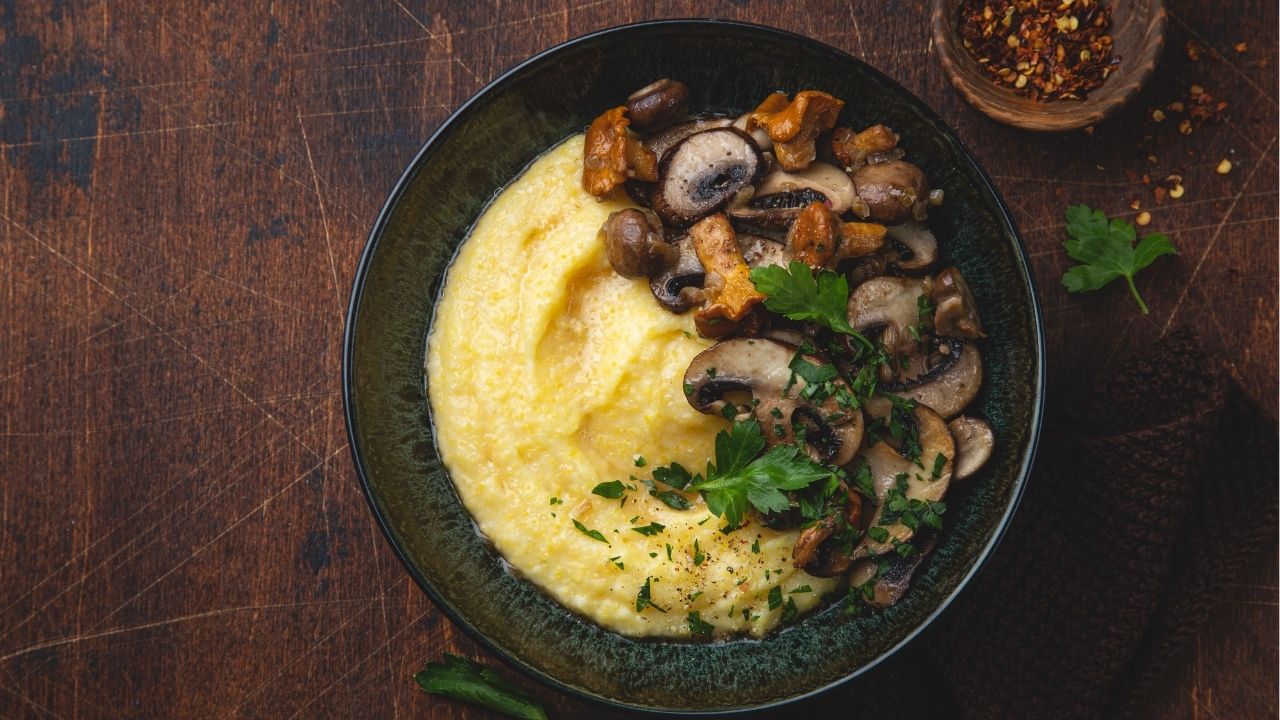
Picture this: you’re trudging through snow-covered streets, your stomach growling like an angry bear, when suddenly the aroma of creamy polenta hits you like a warm hug from your Italian grandmother. Polenta con Funghi Porcini transforms humble cornmeal into liquid gold, and those porcini mushrooms? They’re basically the truffles of the mushroom world without making your wallet weep. Fun fact: Italians have been perfecting polenta since Roman times, though back then it was made with whatever grain they could get their hands on – corn didn’t arrive until Columbus brought it back from the Americas!
What makes this dish absolutely irresistible is the way those meaty porcini mushrooms melt into the silky polenta, creating this rich, earthy symphony that’ll make you forget all about mac and cheese. The secret lies in the slow stirring – Italians will literally stand at the stove for 45 minutes, stirring clockwise (yes, direction matters to some nonnas!), because rushed polenta turns into concrete faster than you can say “mamma mia.” Serve it with a generous shower of Parmigiano-Reggiano, and you’ve got yourself a bowl of pure comfort that’ll have you planning your next trip to the Italian Alps before you’ve even finished your first spoonful.
Osso Buco alla Milanese
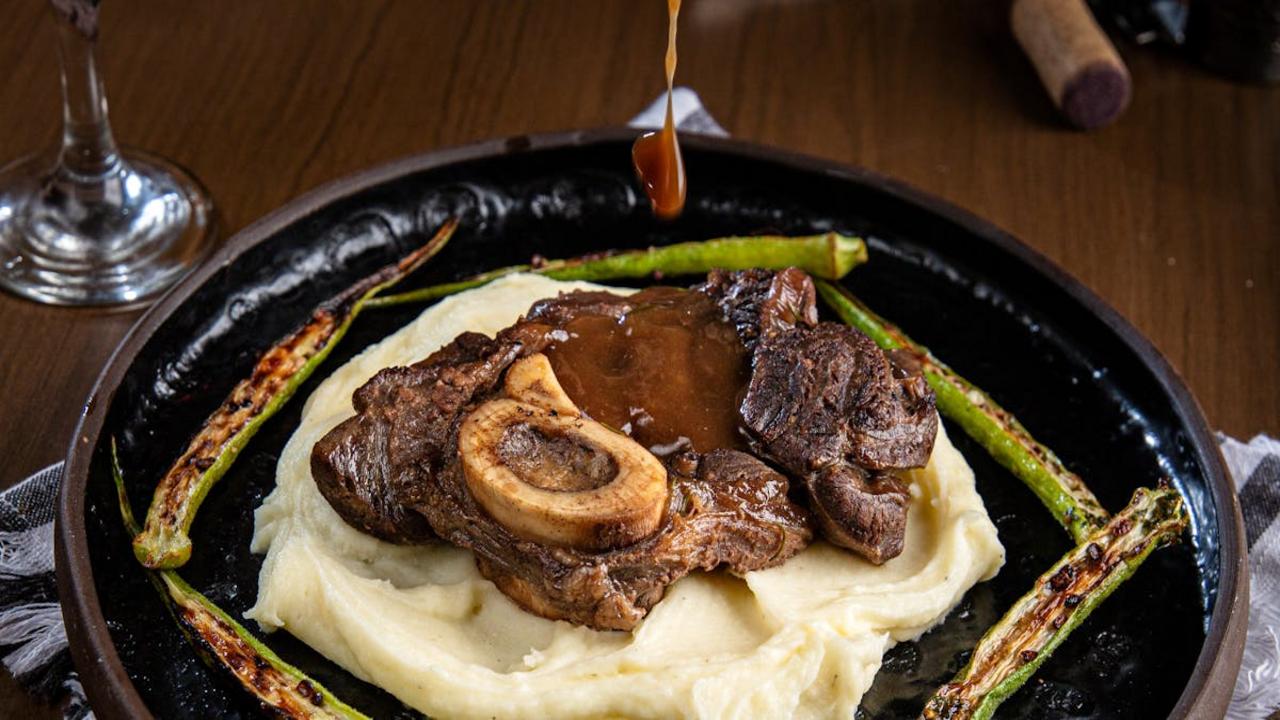
Picture this: you’re sitting in a cozy Milanese trattoria while snow dusts the cobblestones outside, and the waiter places before you a plate that looks like edible architecture. Osso Buco alla Milanese isn’t just dinner—it’s a theatrical performance where braised veal shanks take center stage, their bone marrow practically begging you to dig in with that tiny spoon. The dish gets its name from “osso” (bone) and “buco” (hole), which sounds way more romantic in Italian than “bone with a hole,” doesn’t it? This Lombardy masterpiece transforms tough veal shanks into fork-tender perfection through slow braising with white wine, vegetables, and beef stock, creating a sauce so rich it could probably qualify for its own tax bracket.
What makes this dish absolutely magical is the gremolata—a bright mixture of lemon zest, garlic, and parsley that gets sprinkled on top like confetti at a very sophisticated party. Traditionally served with risotto alla milanese (because Milanese people apparently decided to corner the market on saffron-colored comfort food), this combination will make you question every life choice that led you to settle for takeout. Fun fact: proper Osso Buco requires cross-cut veal shanks about two inches thick, and if your butcher gives you anything thinner, you have full permission to dramatically clutch your pearls. The marrow in those bones isn’t just for show—it’s nature’s butter, and once you taste it, you’ll understand why this dish has been making Italians swoon since the 12th century.
Ribollita
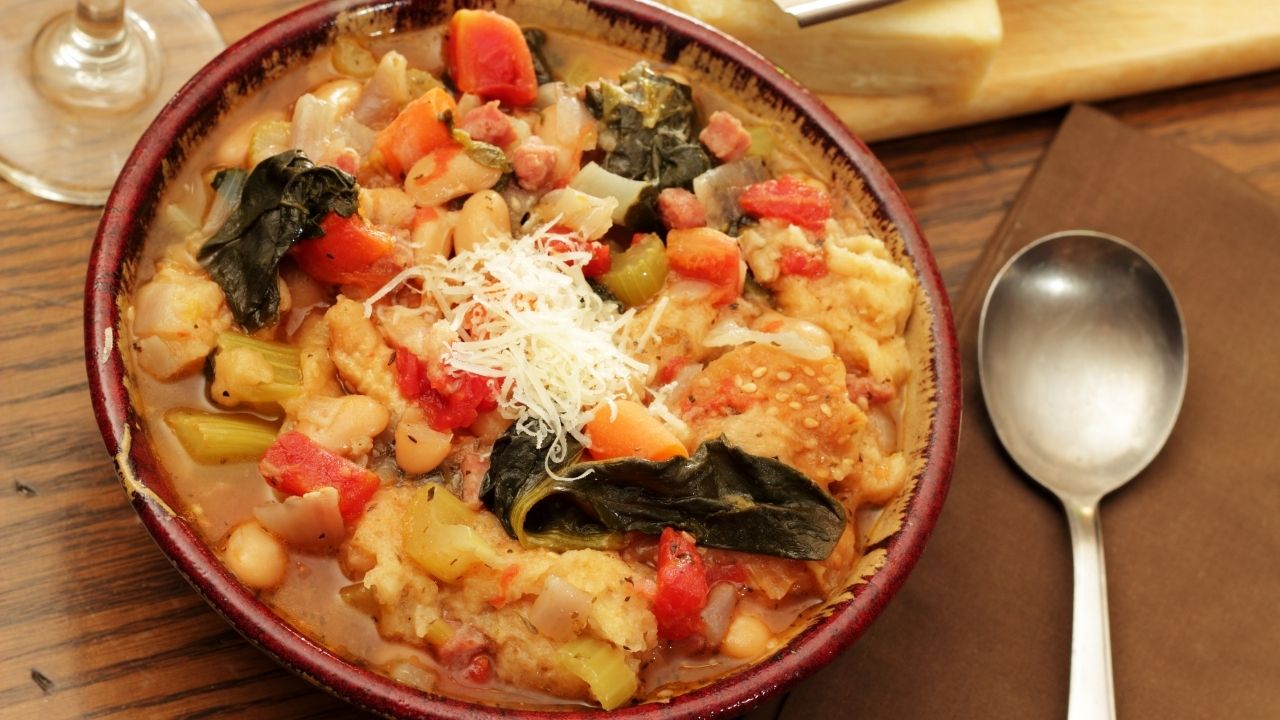
Picture this: you’re rummaging through your fridge on a Tuesday night, finding nothing but sad leftover vegetables and some stale bread that’s harder than your last relationship. In America, we’d probably order pizza. But in Tuscany? They’d create Ribollita, which literally means “reboiled” – and trust me, it’s way more exciting than it sounds. This hearty soup transforms yesterday’s mistakes into today’s masterpiece, combining cannellini beans, kale, carrots, onions, and chunks of crusty bread into a thick, soul-warming stew that’ll make you forget you ever knew what loneliness felt like.
The beauty of Ribollita lies in its rebellious spirit – it breaks every rule your grandmother taught you about soup. You actually want the bread to get soggy here! The longer it sits, the better it gets, which makes it perfect for meal prep enthusiasts who’ve grown tired of sad desk salads. Traditional Tuscan cooks would make a huge pot on Sunday, then reheat portions throughout the week, each day bringing new depths of flavor. Pro tip: drizzle some good olive oil on top right before serving, because if you’re going to eat peasant food, you might as well eat it like royalty. This dish proves that sometimes the best comfort food comes from making something out of nothing.