14 Italian Specialties That Outshine Your Favorite American Comfort Foods
Move over mac and cheese – Italy’s comfort food game hits different. While Americans find solace in meatloaf and chicken soup, Italians have perfected the art of turning simple ingredients into pure magic. From hearty soups to slow-cooked meats, these 14 dishes pack more flavor and history than your local diner’s entire menu.
Each region of Italy guards its recipes like precious family secrets, passed down through generations with strict instructions not to mess with nonna’s original formula. Take Osso Buco – a dish so rich and tender, it makes pot roast look like amateur hour. Or Ribollita, a bread and vegetable soup that transforms yesterday’s leftovers into today’s masterpiece.
The beauty of Italian comfort food lies in its no-waste philosophy and respect for ingredients. These dishes evolved from necessity, created by resourceful cooks who turned humble components into spectacular meals. Whether it’s transforming stale bread into a creamy soup or slow-cooking tough meat until it melts off the bone, Italian cuisine proves that true comfort food needs nothing fancy – just time, love, and tradition.
Cotechino con Lenticchie
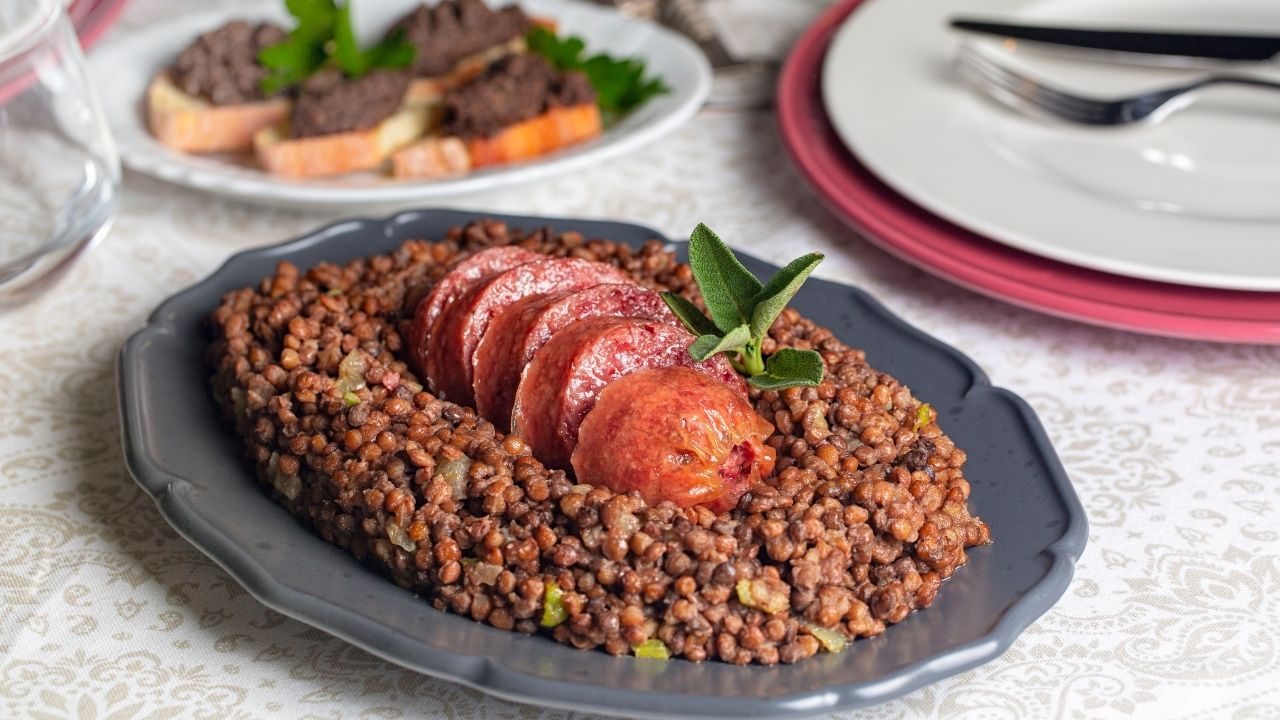
You haven’t lived until you’ve dug into a steaming plate of Cotechino con Lenticchie on New Year’s Eve in Italy! This hearty combination of slowly simmered pork sausage and tender lentils puts your standard American pork and beans to shame. The star of the show, cotechino, is a rich, fatty sausage made from pork rind, meat, and spices, traditionally produced in Modena. The Italians believe eating lentils on New Year’s brings good fortune – their coin-like shape supposedly represents money and prosperity for the year ahead.
The preparation of this dish requires patience, but the reward is worth every minute. You’ll need to simmer the cotechino gently for several hours until it’s perfectly tender, while the lentils cook with carrots, celery, and aromatics until they become creamy but still hold their shape. The final presentation involves thick slices of the succulent sausage nestled on a bed of those lucky lentils, with the meat’s juices mixing into the legumes. Many Italian families won’t ring in the New Year without this lucky dish on their table – and after one bite, you’ll understand why!
Vitello Tonnato
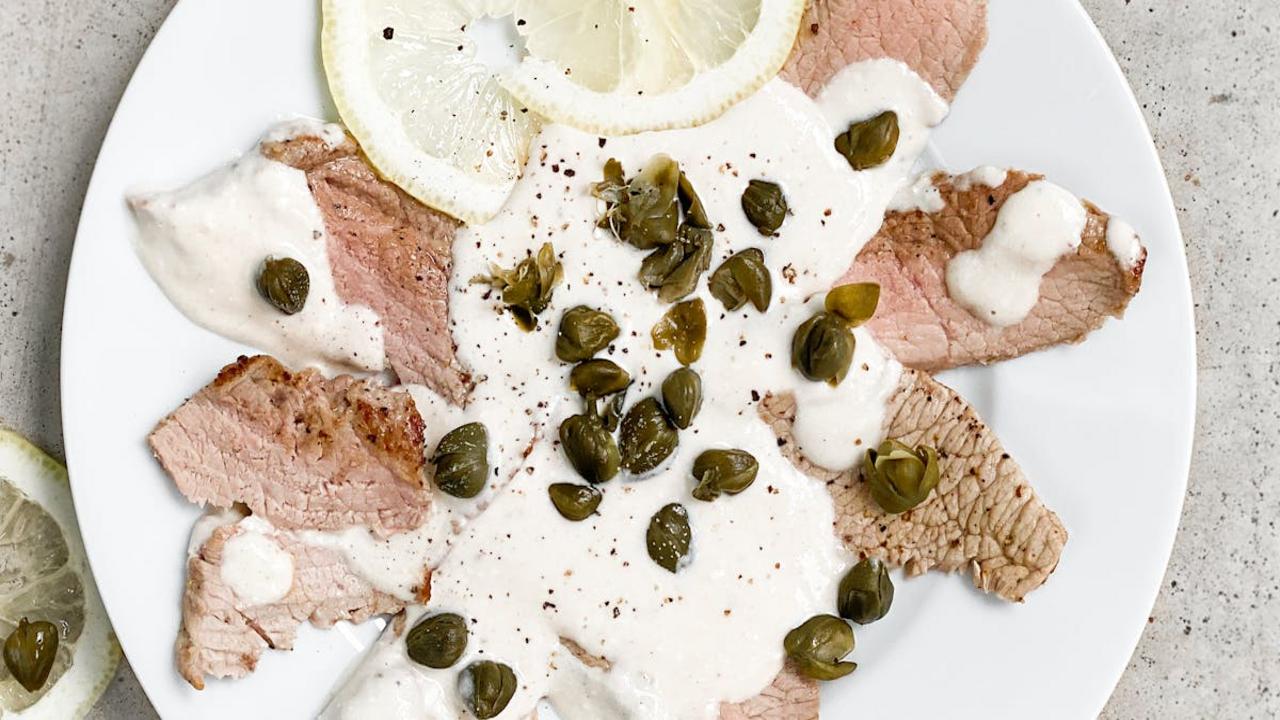
If you want to blow your mind with an Italian dish that sounds bizarre but will make you weak in the knees, you need to try Vitello Tonnato. Picture this: tender, thinly sliced veal draped with a silky sauce made from – wait for it – tuna! Yes, you heard that right. This Piedmontese specialty combines land and sea in the most unexpected yet magnificent way. The veal is first poached with aromatic vegetables and white wine until perfectly pink, then chilled and sliced paper-thin.
The real magic happens with the sauce – a creamy blend of oil-packed tuna, anchovies, capers, and mayonnaise that gets whipped into submission until it’s smooth as silk. I know what you’re thinking – “Fish and veal? Really?” But trust me, this combination will make your regular roast beef sandwich hang its head in shame. The rich, umami-packed sauce perfectly complements the delicate meat, creating a cold dish that’s both refreshing and deeply satisfying. Add a sprinkle of capers and a few fresh herbs on top, and you’ve got yourself a showstopper that’ll make your guests beg for the recipe.
Pasta al Forno
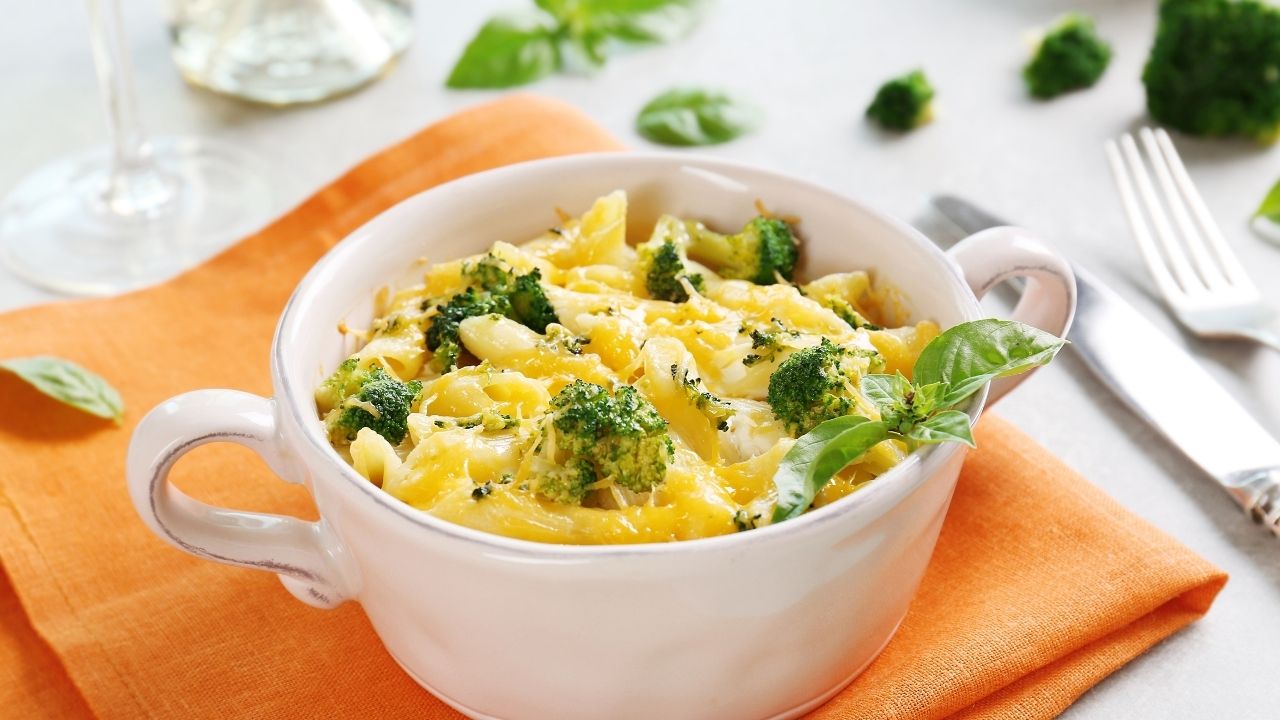
Picture the most heavenly lasagna you’ve ever had, then multiply that comfort by ten – that’s Pasta al Forno for you! This Italian baked pasta dish takes your regular mac and cheese and transforms it into something magical. You’ll find layers of perfectly cooked pasta (usually penne or rigatoni) swimming in rich tomato sauce, mixed with tiny meatballs, chunks of Italian sausage, and generous dollops of ricotta. The whole thing gets buried under a blanket of mozzarella and Parmigiano-Reggiano before hitting the oven until golden and bubbly.
My Italian neighbor Rosa makes the most incredible version with a secret ingredient she swears by – a sprinkle of nutmeg in the béchamel sauce. She bakes hers in individual ceramic dishes, creating the perfect ratio of crispy top to gooey center in every serving. The best part? Unlike its fancy cousin lasagna, Pasta al Forno welcomes whatever ingredients you have in your fridge. Leftover ham? Throw it in! Extra vegetables? They’ll find a happy home between those pasta layers. Just don’t skip the cheese crust on top – that’s non-negotiable!
Canederli
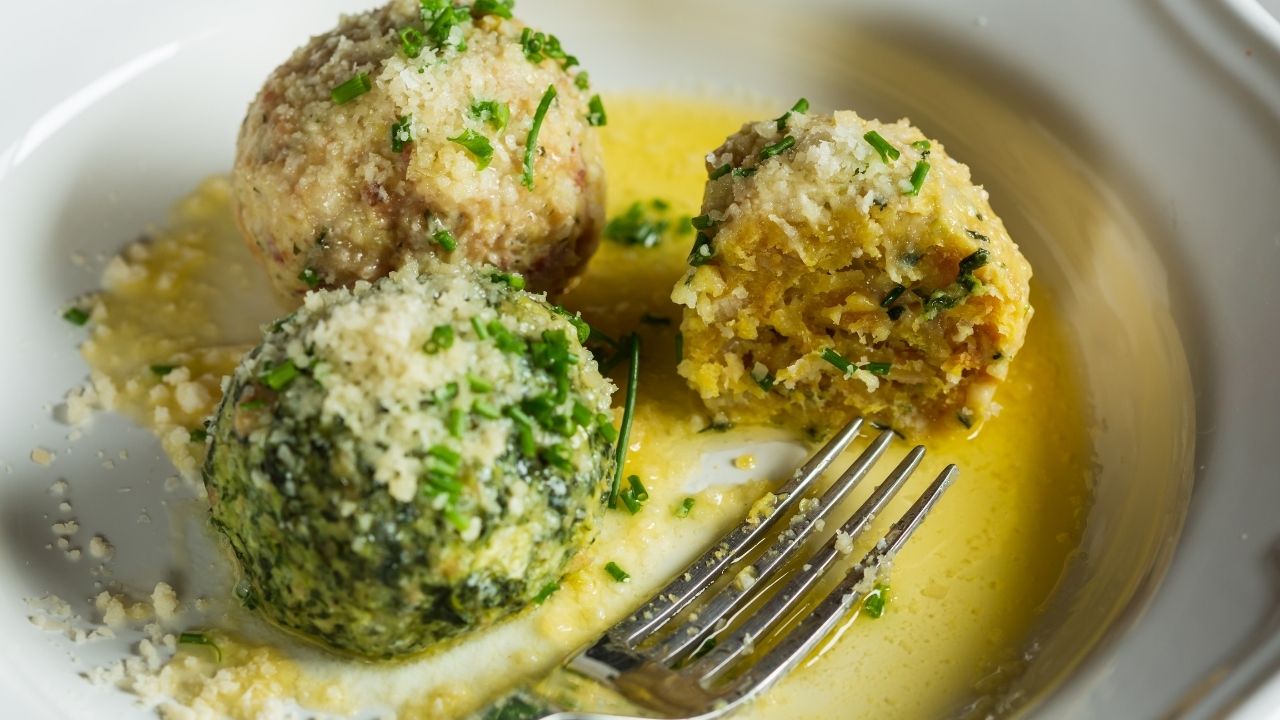
I’ll bet you’ve never met a dumpling quite like canederli! These hearty bread dumplings from Northern Italy’s South Tyrol region will make your usual mac and cheese look like amateur hour. Picture this: day-old bread cubes mixed with eggs, milk, and bits of speck (that’s smoky prosciutto’s cooler cousin), formed into baseball-sized spheres and simmered in broth until they’re perfectly tender. The locals toss these bad boys into soup or serve them solo, drowned in butter and showered with Parmigiano-Reggiano.
What makes canederli extra special? They’re the ultimate food recycling champions – Italian grandmas created them to use up stale bread, making something magnificent from what others might throw away. And talk about versatile! You can stuff them with cheese, spinach, or mushrooms, though the speck version remains the crowd favorite. Fun fact: in South Tyrol, you’ll find these dumplings under their German name “knödel” – a reminder of the region’s unique Austrian-Italian cultural blend. These carb-loaded beauties have saved many a cold mountain day with their stick-to-your-ribs goodness.
Brasato al Barolo
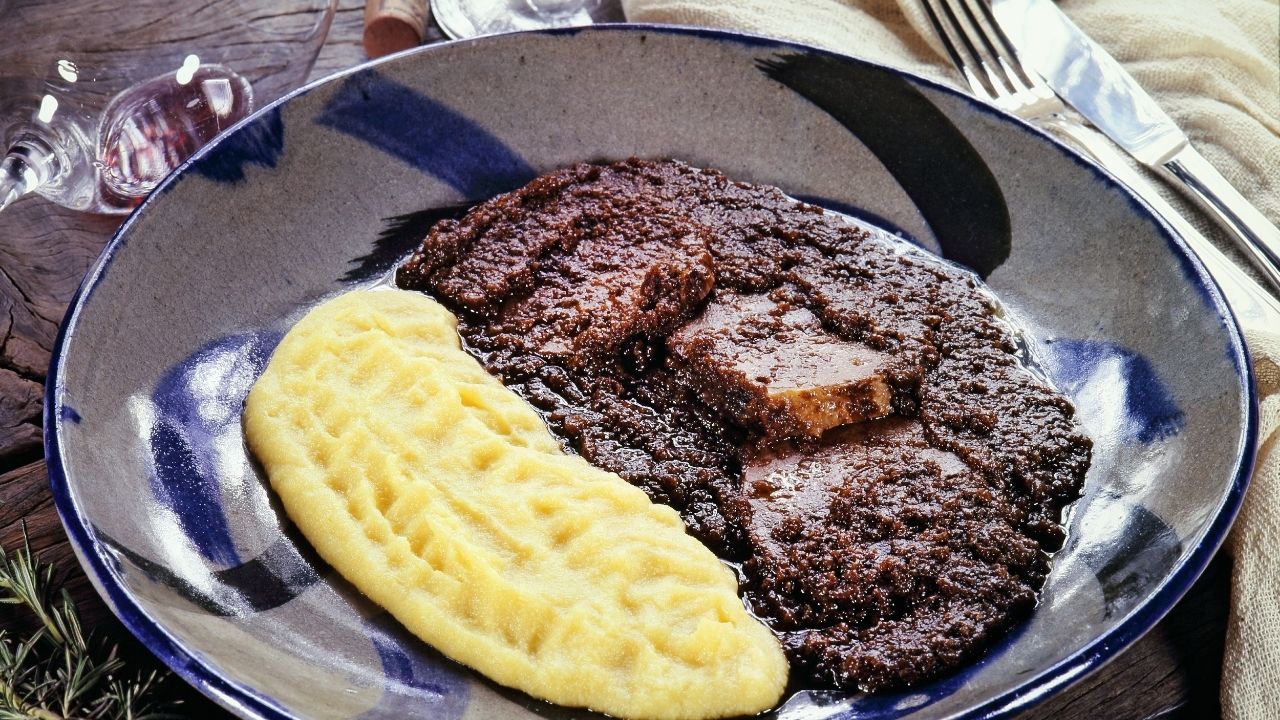
Move over, pot roast – Brasato al Barolo will make you forget about your grandma’s Sunday dinner! This northern Italian beef masterpiece takes your favorite wine-braised meat to new heights by using prestigious Barolo wine from Piedmont. I’ve watched Italian nonnas spend hours perfecting this dish, slow-cooking the beef until it practically melts off your fork. The rich sauce, infused with aromatics like bay leaves, juniper berries, and fresh herbs, creates such an incredible depth that you’ll want to lick your plate clean (no judgment here!).
Your typical American pot roast just can’t compete with the magic that happens when you marry premium beef with one of Italy’s most celebrated wines. The Barolo transforms during cooking into a velvety sauce that coats each morsel of meat. My Italian friend Marco insists on serving this with creamy polenta to soak up every drop of that heavenly sauce. While using such an expensive wine might make you nervous, trust me – the result will convert even the most devoted pot roast fanatics. Plus, you’ll have the rest of the bottle to enjoy with dinner!
Zuppa di Farro
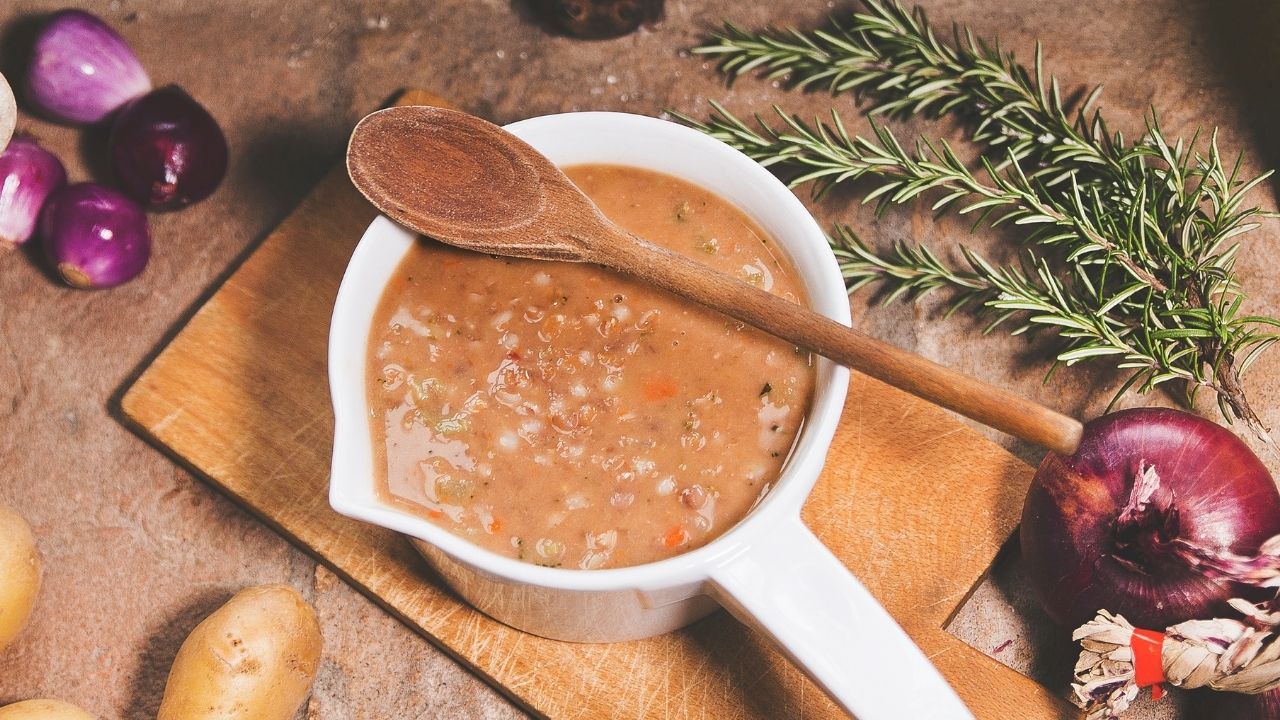
I can’t help but do a little happy dance every time I spot Zuppa di Farro on an Italian menu! This rustic Tuscan soup will make your chicken noodle look like amateur hour. Picture this: chewy, nutty farro (an ancient grain that Italian nonnas have sworn by for centuries) swimming in a rich broth alongside tender beans, fresh vegetables, and aromatic herbs. The farro adds such a satisfying bite that you’ll wonder why you ever settled for plain old noodles in the first place.
The best part? This hearty soup actually gets better the next day, as the farro soaks up all those incredible flavors. Many Italian families keep a pot of it simmering on the stove during cold winter months, adding more broth and ingredients as needed – they call it “la zuppa che non muore mai” (the soup that never dies). My favorite version includes pancetta for extra richness and a drizzle of peppery olive oil on top. Just add a chunk of crusty bread, and you’ve got yourself the ultimate Italian comfort food experience!
Tortellini in Brodo
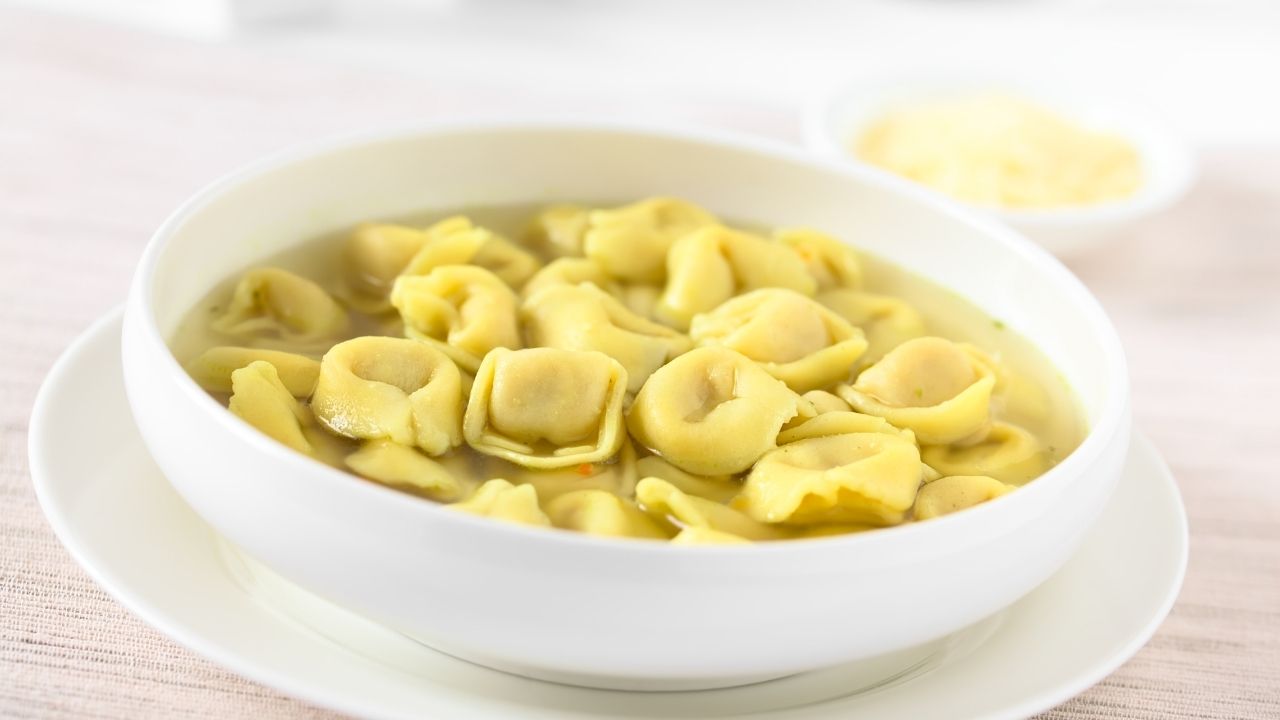
Picture the tiniest, most adorable pasta parcels swimming in a crystal-clear broth that would make your grandma’s chicken soup pack its bags and move to Italy. That’s tortellini in brodo for you! These little ring-shaped pasta bundles, nicknamed “Venus’s navels” by cheeky Italians, come stuffed with a heavenly mix of meat (usually pork, prosciutto, and mortadella) and Parmigiano-Reggiano. Bologna locals will tell you the proper way to eat this dish is only in broth – no cream sauce allowed! The broth itself is a masterpiece, typically made from capon or chicken, simmered with vegetables until it turns into liquid gold.
While Americans reach for mac and cheese on chilly days, Italians in Emilia-Romagna grab their spoons for this soul-warming soup. The tradition runs so deep that families gather on holidays to make tortellini together, with grandmas (nonnas) teaching the tricky folding technique to wide-eyed kids. Each tortellino should be no bigger than your thumb tip – a rule strictly enforced by the official tortellini committee in Bologna. Yes, that’s a real thing! They even registered the official recipe with the Chamber of Commerce in 1974, making this possibly the only pasta with its own legal documentation.
Cassoeula
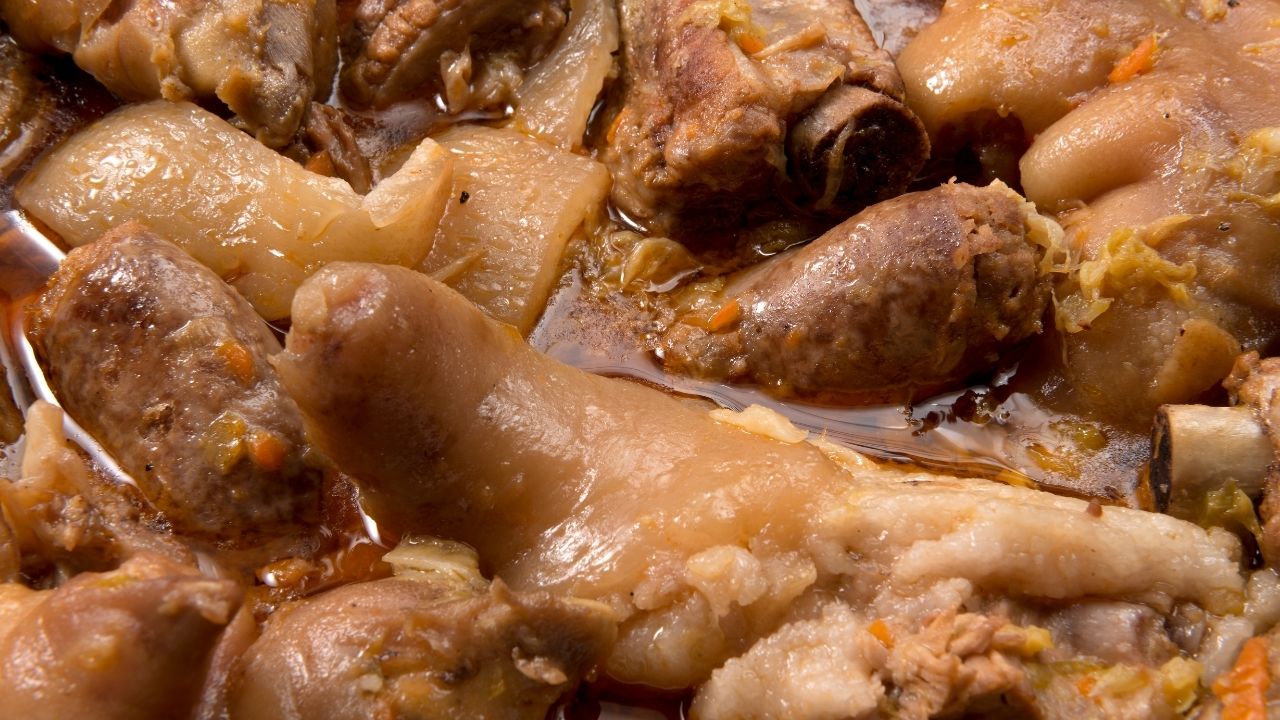
Oh my goodness, if you think mac and cheese brings comfort on a cold day, wait until you meet cassoeula! This hearty Lombardy dish packs such a flavorful punch, it’ll make your favorite winter stews look like amateur hour. Picture this: tender pork cuts, including ribs, rind, and head meat, slow-cooked with Savoy cabbage until everything melts together in a rich, warming symphony. My Italian friend Marco swears his grandmother would only make it after the first frost hit the cabbage fields – apparently, that’s when the leaves turn sweeter and more tender.
What I love most about cassoeula is how it transforms humble ingredients into pure magic. This dish started as a working-class meal, using every part of the pig (waste not, want not!) and whatever vegetables were on hand. Now, you’ll find it in Milan’s finest restaurants, though the best versions still come from home kitchens where the recipe has passed down through generations. Fair warning: this isn’t a quick weeknight dinner – it needs about 2-3 hours of slow cooking to reach peak deliciousness. But trust me, once you smell those aromatics mingling with the porky goodness, you’ll understand why Italians consider this the ultimate cold-weather comfort food.
Trippa alla Fiorentina
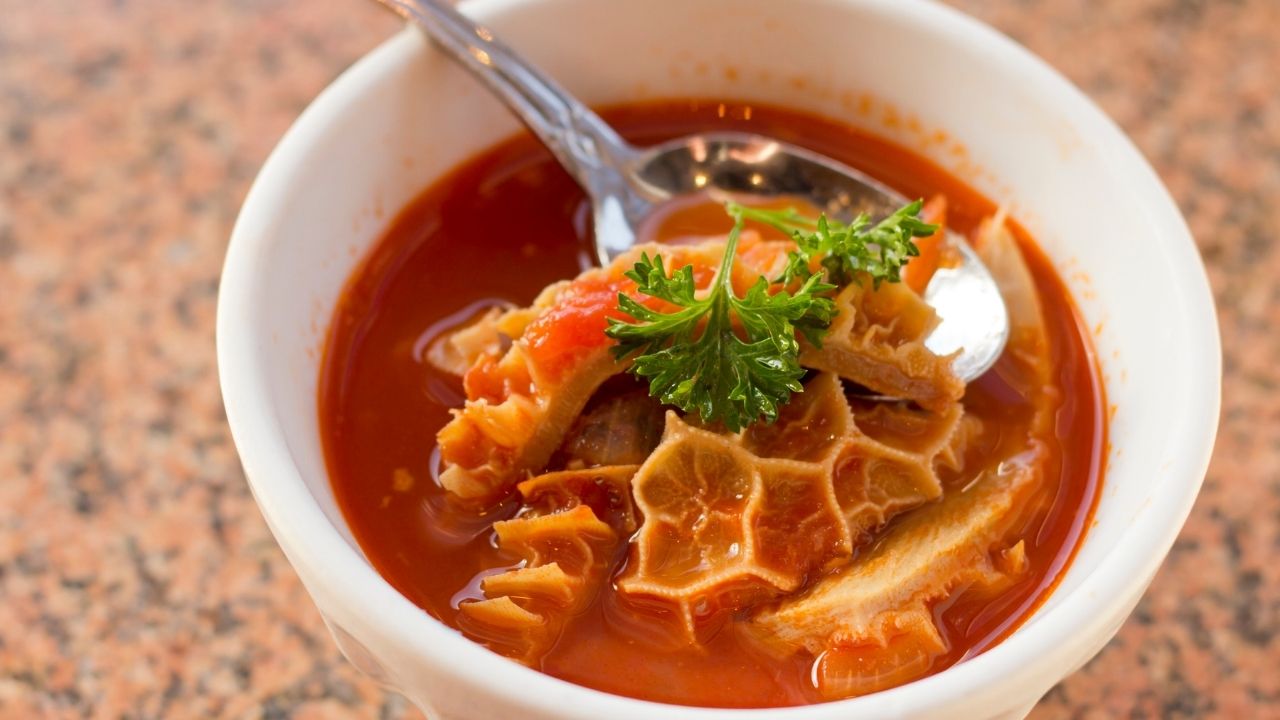
I’ll be honest – tripe might make some Americans squeamish, but Trippa alla Fiorentina will change your mind about this Florentine specialty. The cow’s stomach lining transforms into pure magic after a long, tender simmer in a rich tomato sauce with onions, celery, carrots, and traditional Italian herbs. The locals in Florence have perfected this humble dish into something extraordinary, and you’ll find it in many traditional trattorias, often served with a generous sprinkle of Parmigiano-Reggiano and fresh parsley.
The secret to amazing Trippa alla Fiorentina lies in the slow cooking process – some chefs simmer it for up to 4 hours until the tripe becomes melt-in-your-mouth tender. Each region in Italy has its own tripe recipe, but the Florentine version stands out with its bright tomato base and aromatic vegetables. Fun fact: this dish was originally considered “poor man’s food” in Florence, but now you’ll find it on the menus of high-end restaurants. Locals often enjoy it as a hearty lunch with crusty bread to soak up every drop of that incredible sauce.
Gnocchi alla Romana
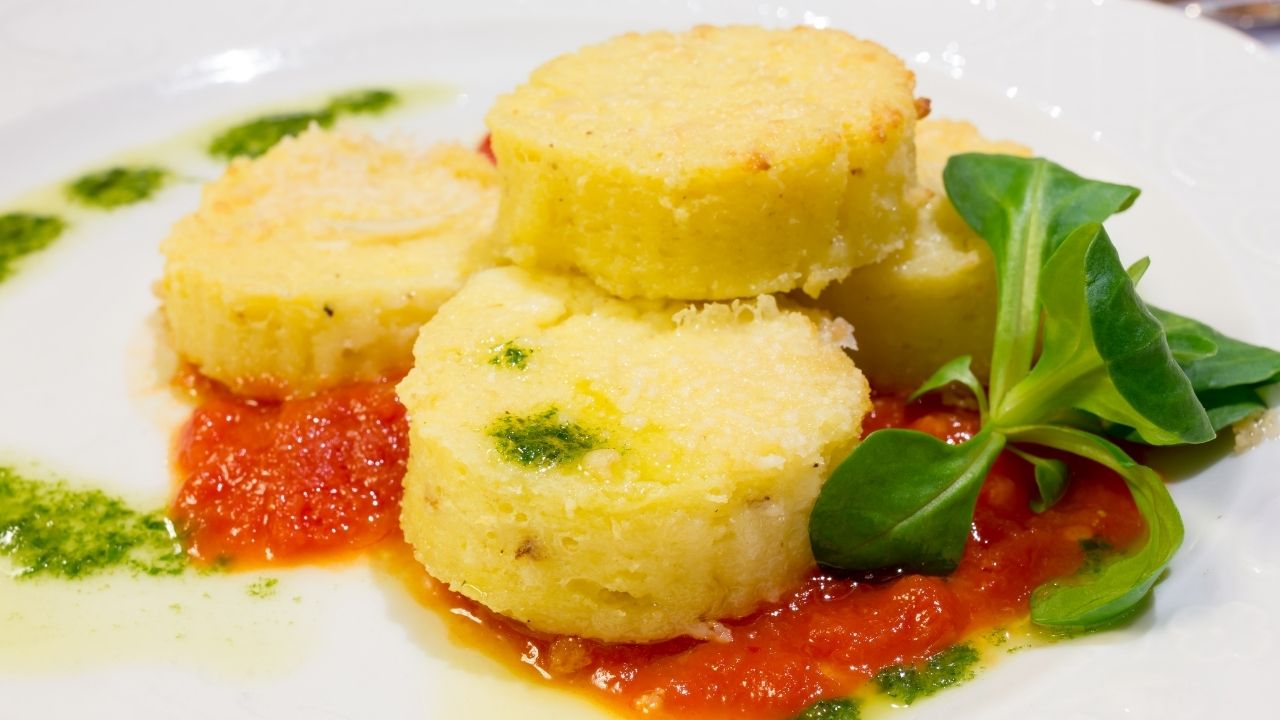
Forget mac and cheese! The Romans have gifted us something even more divine – Gnocchi alla Romana. Unlike their potato-based cousins from the north, these heavenly discs are made from semolina flour, milk, and Parmesan cheese, then baked until golden brown. I first encountered these little rounds of joy at my friend Maria’s dinner party, where guests fought over the crispy edges with such passion that two wine glasses met their demise in the chaos (worth it, if you ask me).
You’ll find these beauties arranged in a circular pattern, overlapping like fallen dominoes, drenched in butter and extra Parmesan before hitting the oven. The outside turns wonderfully crispy while the inside stays creamy and soft – a texture combination that’ll make you wonder why you ever settled for regular pasta. My Roman neighbor swears the secret lies in using the freshest Parmigiano-Reggiano and letting the discs cool completely before arranging them – though she also claims Mercury retrograde affects how the semolina cooks, so take that advice with a grain of salt!
Pasta e Fagioli
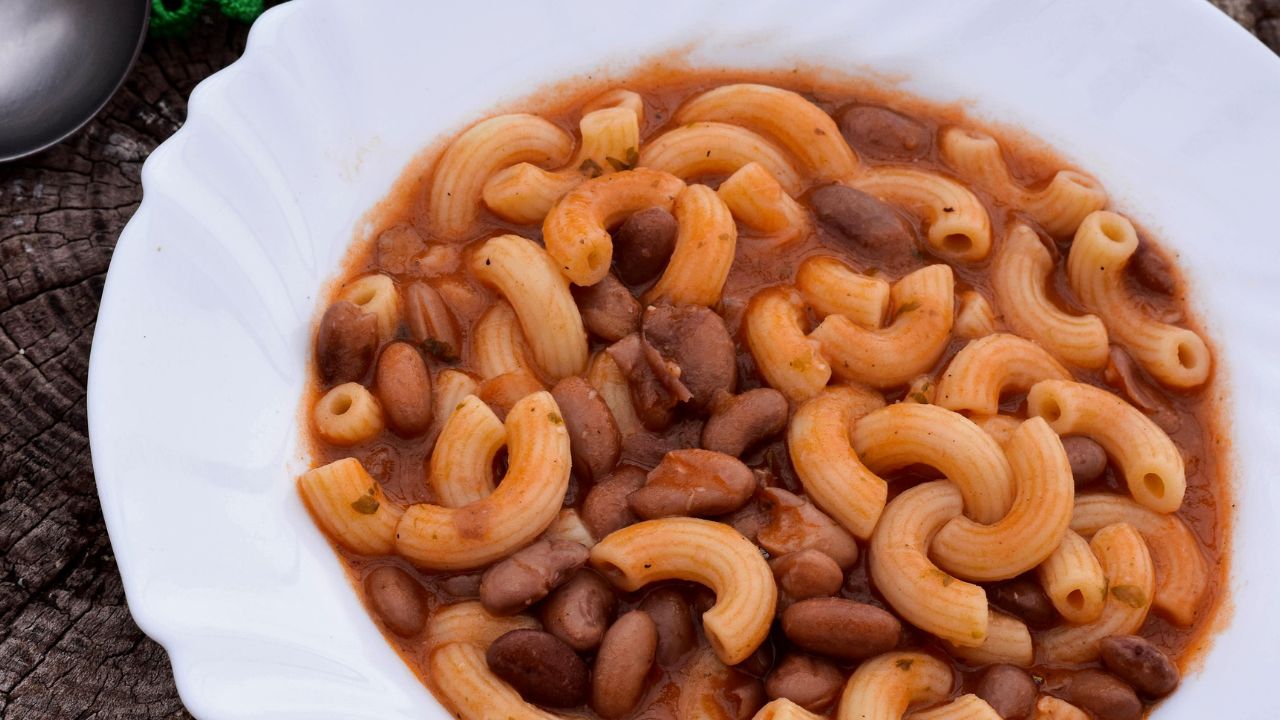
You haven’t lived until you’ve wrapped your spoon around a proper bowl of Pasta e Fagioli, the Italian comfort food that puts chicken noodle soup to shame. This hearty pasta and bean soup has been filling Italian bellies for centuries, with each region claiming their grandmother makes it best (spoiler alert: they’re all right). The magic happens when tiny pasta pieces dance with creamy cannellini beans in a rich tomato broth, creating a symphony of textures that’ll make you wonder why you ever settled for plain old soup.
The best part? This dish was born from necessity – Italian peasants made do with cheap, filling ingredients like beans and broken pasta pieces. But they transformed these humble components into something extraordinary. My favorite version includes pancetta for extra flavor punch, but vegetarians can skip it and still get an incredible meal. Just remember the secret ingredient that every Italian nonna swears by: a chunk of parmesan rind tossed into the pot while cooking. It melts slightly and infuses the broth with an umami richness that’ll have you scraping the bottom of your bowl.
Polenta con Funghi Porcini
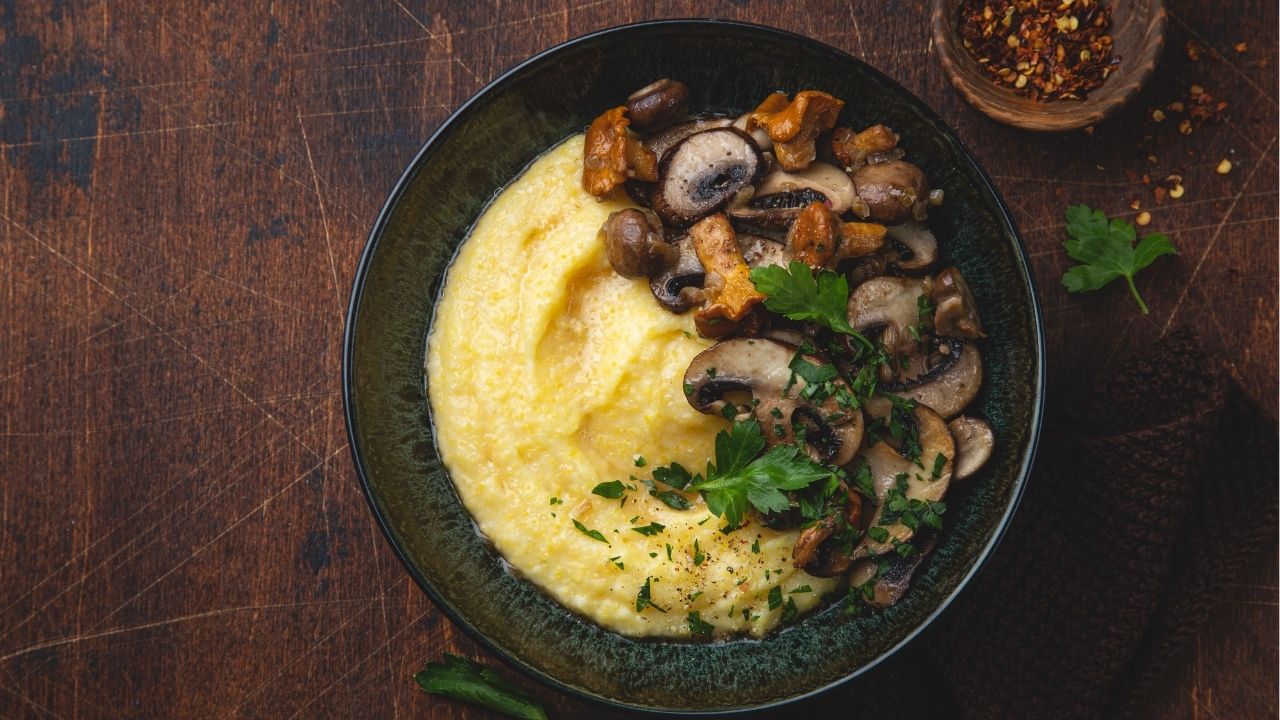
Move over mac and cheese – polenta con funghi porcini will make you forget about your old comfort food standbys! This northern Italian dish combines creamy, golden polenta with wild porcini mushrooms in a match made in heaven. I’ve watched Italian nonnas stir their polenta for hours, creating the smoothest, most velvety corn-based dish you’ll ever put in your mouth. The secret? Constant stirring and adding just the right amount of butter and Parmigiano-Reggiano to transform simple cornmeal into pure magic.
The star of this show has to be those meaty porcini mushrooms, which Italians hunt for like treasure in the woods. Fresh porcinis have this intense, earthy aroma that fills your kitchen and makes everyone suddenly “drop by” to see what’s cooking. Fun fact: Italians take their mushroom hunting so seriously that you need a license to forage for porcinis in many regions! The mushrooms get sautéed with garlic, olive oil, and fresh herbs until they’re perfectly browned, then lovingly spooned over that cloud-like polenta. One bite and you’ll wonder why you ever settled for instant mashed potatoes.
Osso Buco alla Milanese
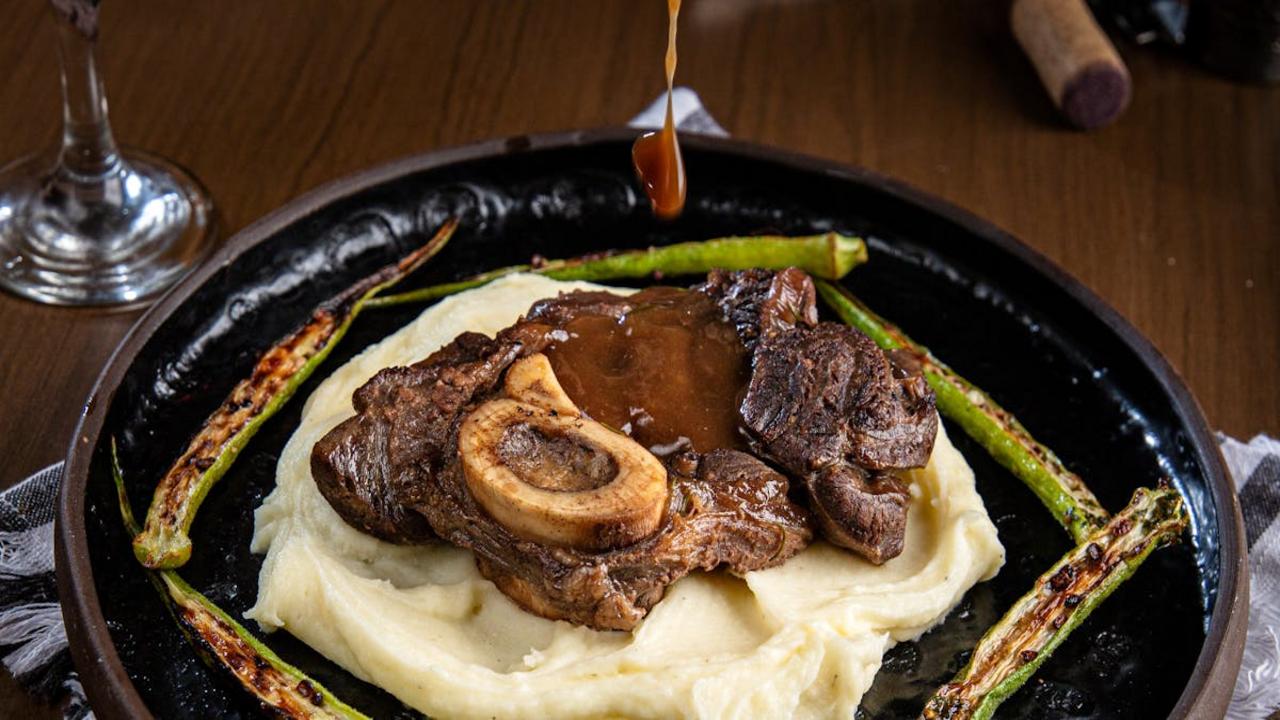
Imagine the most tender veal shank you’ve ever had, slow-cooked until it practically falls off the bone, swimming in a rich sauce of wine, broth, and aromatic vegetables. That’s Osso Buco alla Milanese for you! The name literally means “bone with a hole” in Italian, referring to the marrow-filled center of the shank that becomes butter-soft during cooking. My Italian grandmother would always say the marrow was the best part – she’d give us tiny spoons to scoop out every last bit of this rich, decadent treasure.
The traditional Milanese version pairs this melt-in-your-mouth meat with a bright gremolata – a zesty mix of lemon zest, garlic, and parsley that cuts through the richness like a ray of sunshine. While many restaurants serve it with polenta, the authentic Milanese way calls for saffron risotto. The golden-yellow rice creates the perfect bed for that heavenly sauce, and trust me, you’ll want to soak up every drop! Just remember to keep your napkin handy – this dish requires both hands and zero shame about getting a little messy.
Ribollita
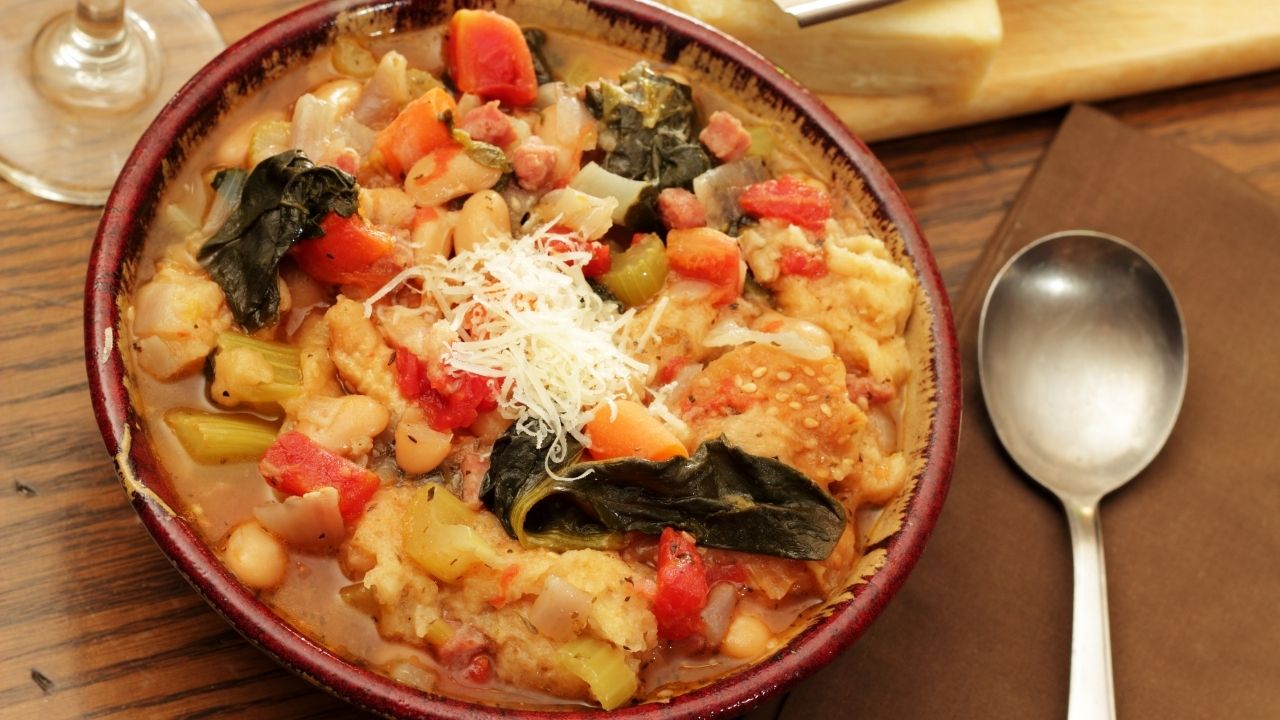
You haven’t truly experienced Tuscan comfort food until you’ve sunk your spoon into a steaming bowl of ribollita. This hearty bread and vegetable soup transforms yesterday’s leftovers into pure magic – the name literally means “reboiled” in Italian. Black kale, cannellini beans, day-old bread, and whatever vegetables need using up come together in this thrifty peasant dish that’ll make you wonder why anyone would throw away stale bread. I’ve found myself making extra bread just so it can go stale for my next batch!
The beauty of ribollita lies in its evolution – what starts as a simple vegetable soup becomes richer and more complex each time you reheat it. The bread breaks down and thickens the broth while soaking up all those gorgeous flavors. My Italian neighbor taught me her grandmother’s trick of drizzling fresh olive oil and cracking black pepper over each serving, then letting it sit for exactly 3 minutes before diving in. She swears this brief wait makes the difference between a good ribollita and one that’ll have you scraping the bowl clean with a piece of crusty bread.